
Joined October 2021
- Tweets 2,075
- Following 886
- Followers 1,781
- Likes 2,643
593 Photos and videos
🇧🇷 Brazil Crypto Report retweeted

21 Nov 2025
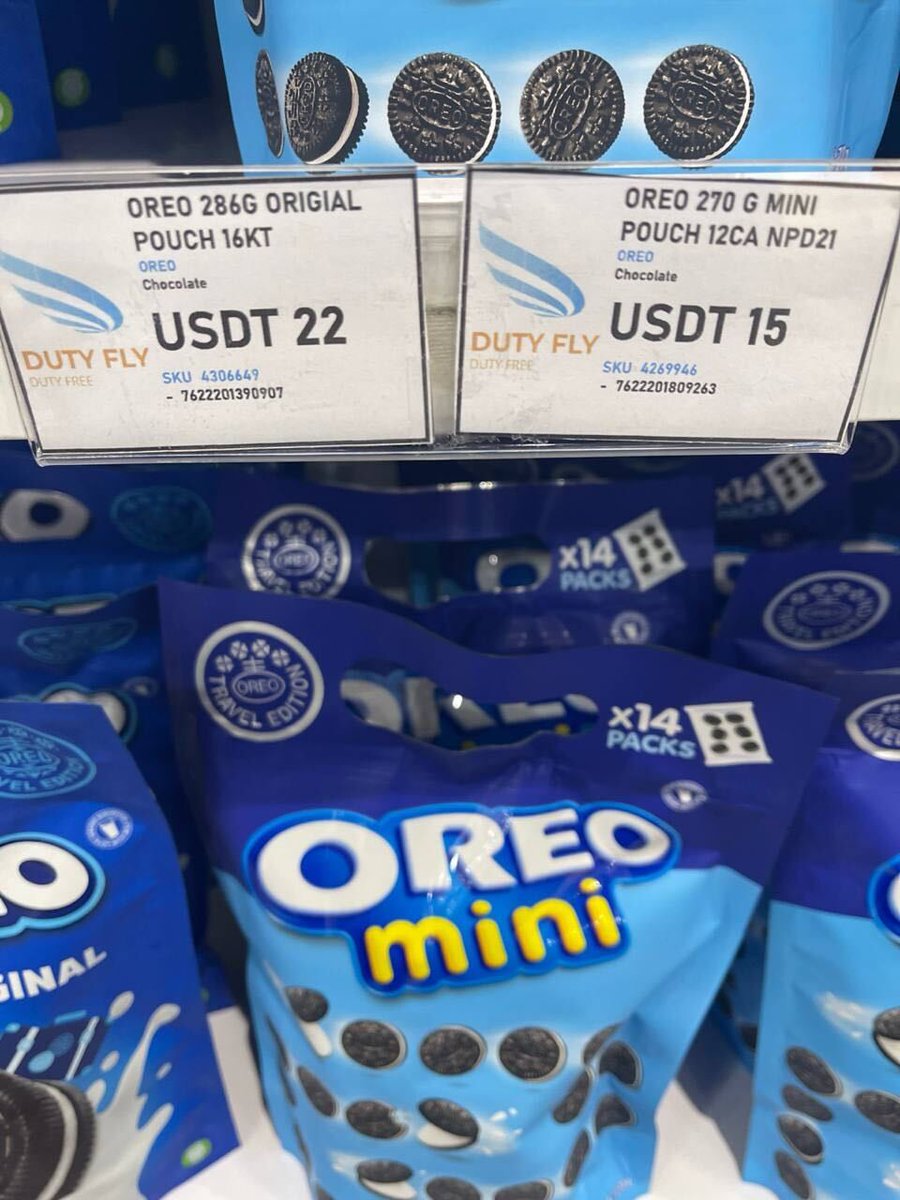
When I was in Bolivia at this exact same duty-free shop, I asked how to pay with USDT, and I was told I could only pay in cash or Zelle.
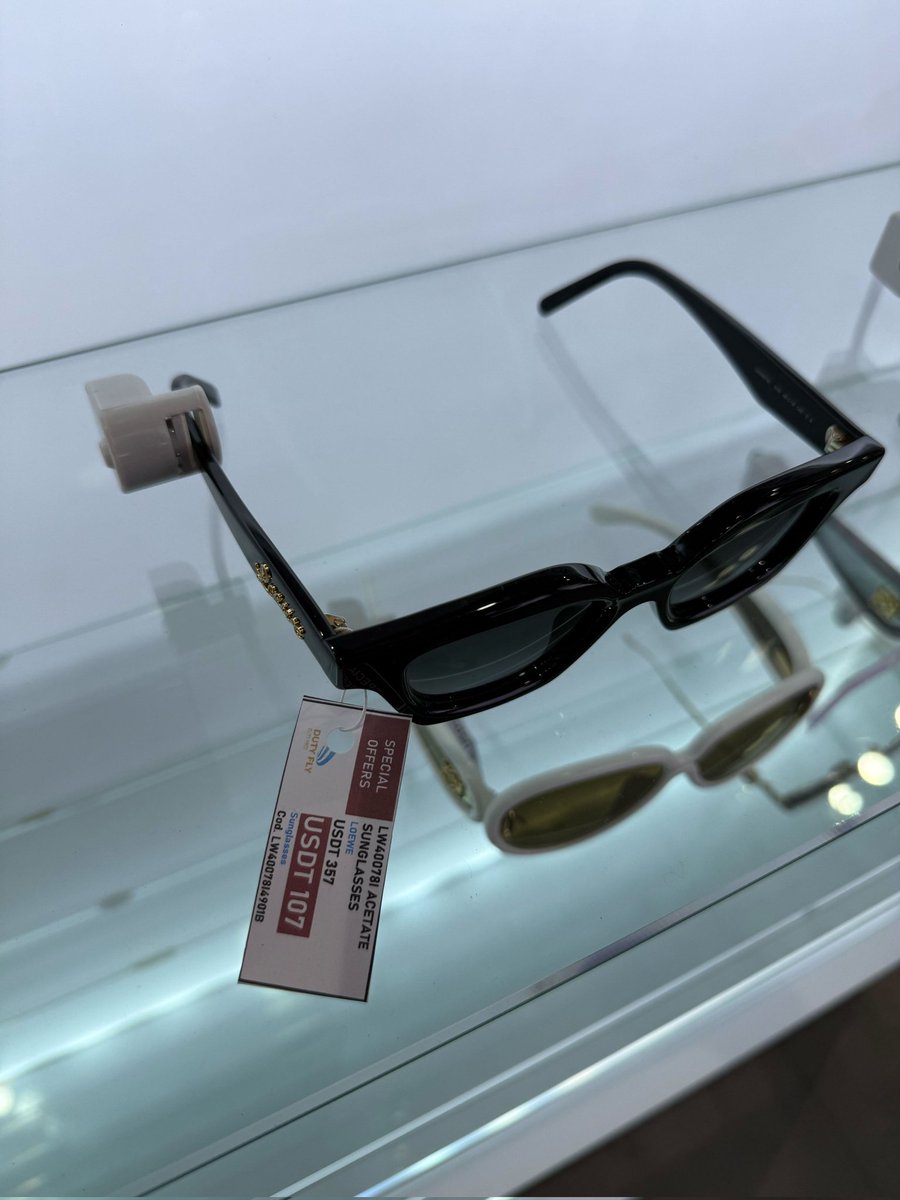
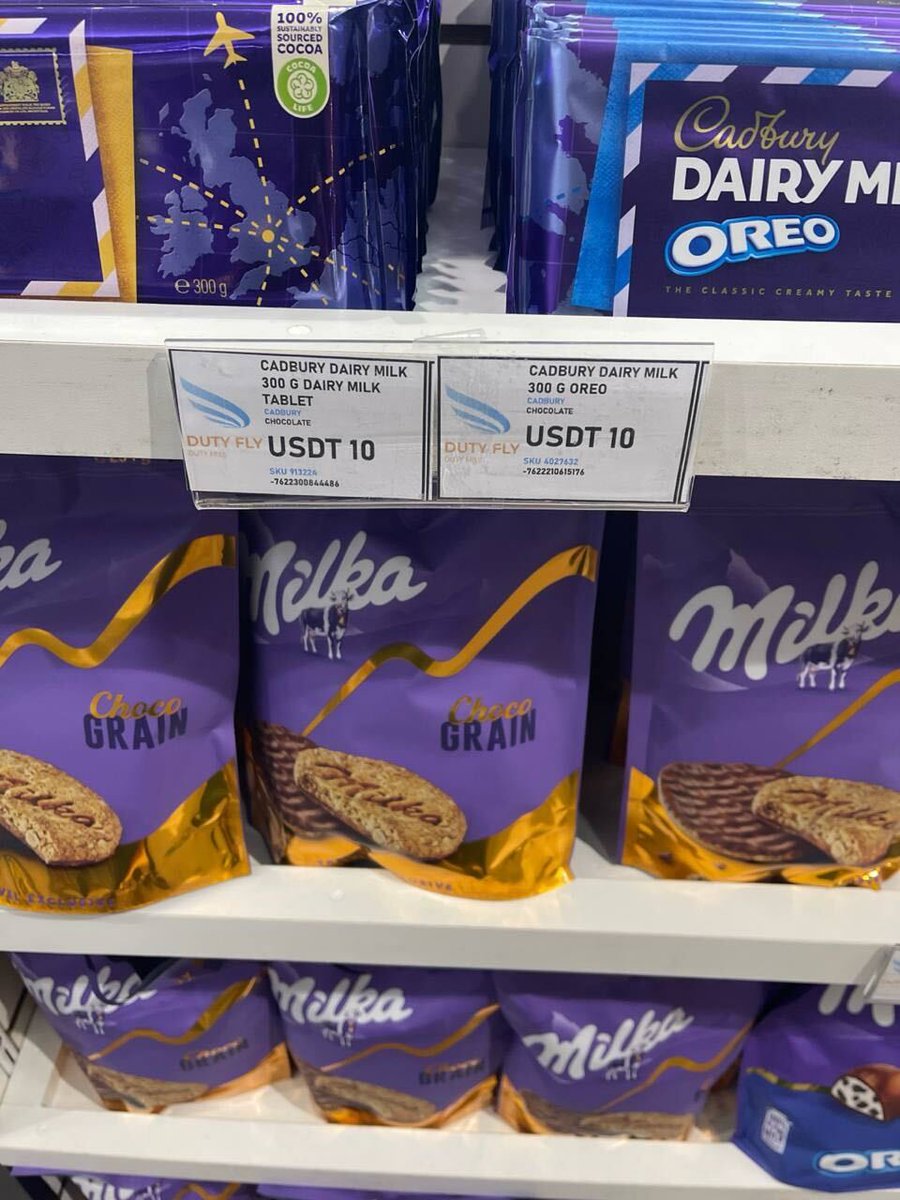
I was wondering why they listed the prices in USDT if they didn't accept stablecoins. I figured it was that they couldn't figure out merchant acceptance...
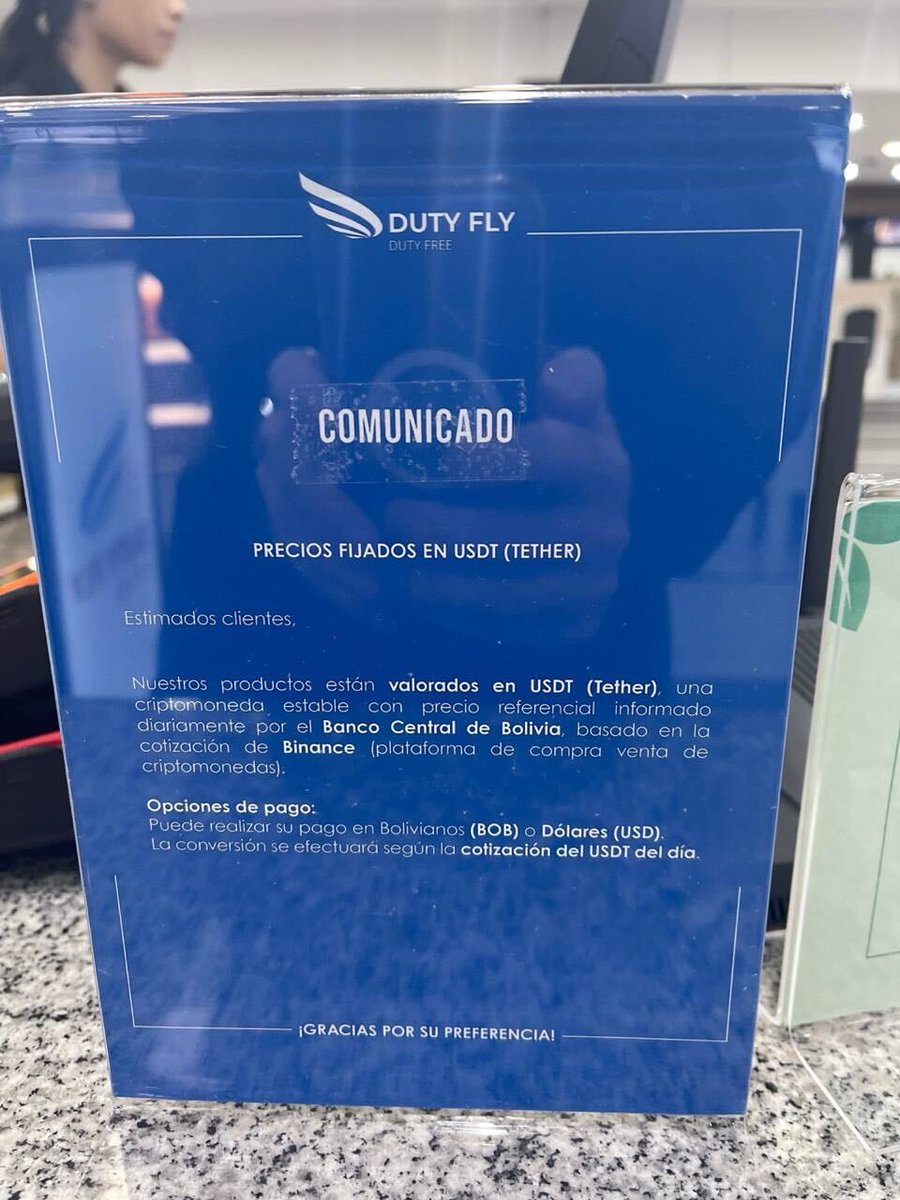
I realize now that it's a function of Bolivia's parallel economy, where there is the official rate - fixed at 6.96 Bolivianos to $1 - and the "real" market rate, which at the time of my trip was around 13 to 1.
This duty-free shop is using the real market rate, which uses the USDT-Bolivianos rate on Binance as the reference price.
If you go to exchange cash in the informal market in Bolivia, you'll get this same rate.
The duty-free shop is using the real market rate, where they'll get 2x as many Bolivianos as if they use the official rate.
But as a result, they *have* to say that the price is a digital asset price (even though they don't actually accept digital assets).
I took a video of my interaction with the store employees, in the post below ⬇️
7 Jun 2025

In Bolivia, real prices in shops are displayed in USD₮.
A quietly revolutionary shift: digital dollars are powering daily life, commerce, and economic stability.
25
9
187
75,052

19 Nov 2025
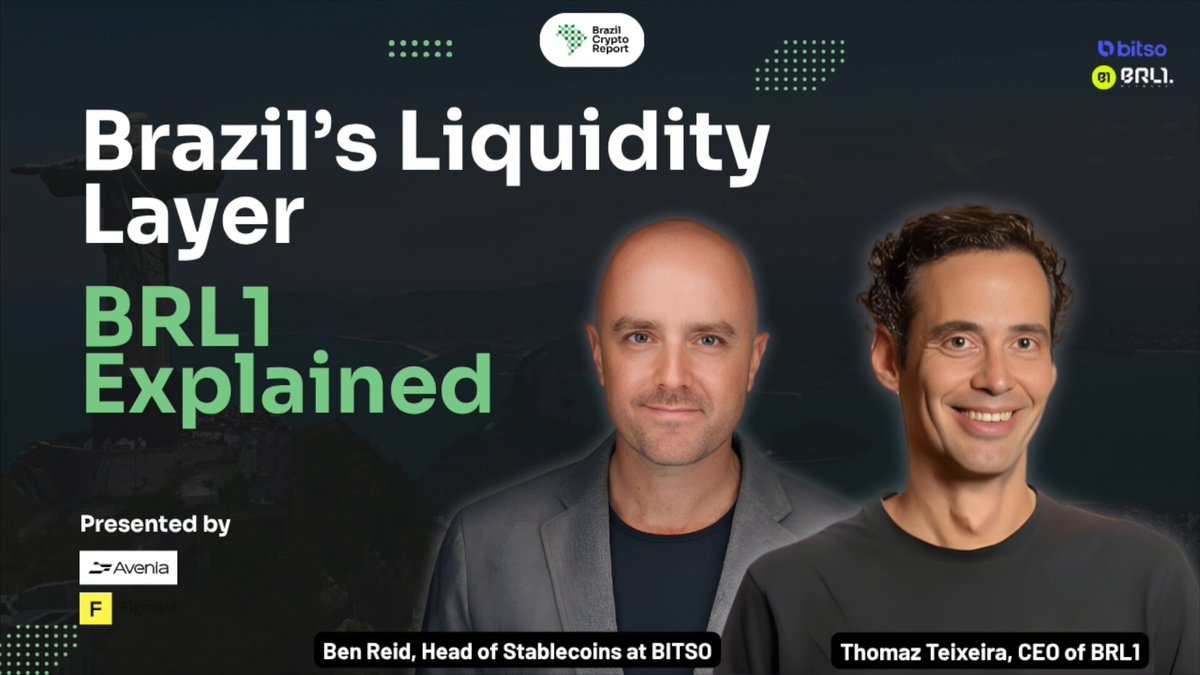
🚨 New Episode exploring @BRL1Coin
Thomaz Teixeira, CEO of BRL1 and and Ben Reid, Head of Stablecoins, @Bitso, join the show to discuss Brazil's unique consortium stablecoin model.
BRL1 is a partnership between @MercadoBitcoin, @foxbit and @Bitso
BRL1 is already doing ~50% of USDC's volume on Brazilian exchanges - just months after launch, and institutions and market makers are taking notice.
When competitors collaborate on shared infrastructure, everyone wins.
🎙️Full Interview
YouTube: youtu.be/9oMHOsyugz4
Spotify: open.spotify.com/show/2BHrRG…
Apple: podcasts.apple.com/us/podcas…
Thanks to our sponsors for this episode:
- @aveniaio is reimagining money movement across the Americas
- @Figment_io provides institutional grade staking infrastructure to more than 1,000 banks, fintechs and asset managers worldwide
5
4
556
19 Nov 2025
👊Subscribe to 🇧🇷Brazil Crypto Report on Substack for more content exploring digital asset adoption in Brazil and Latin America
newsletter.brazilcrypto.io/
2
269
15 Nov 2025
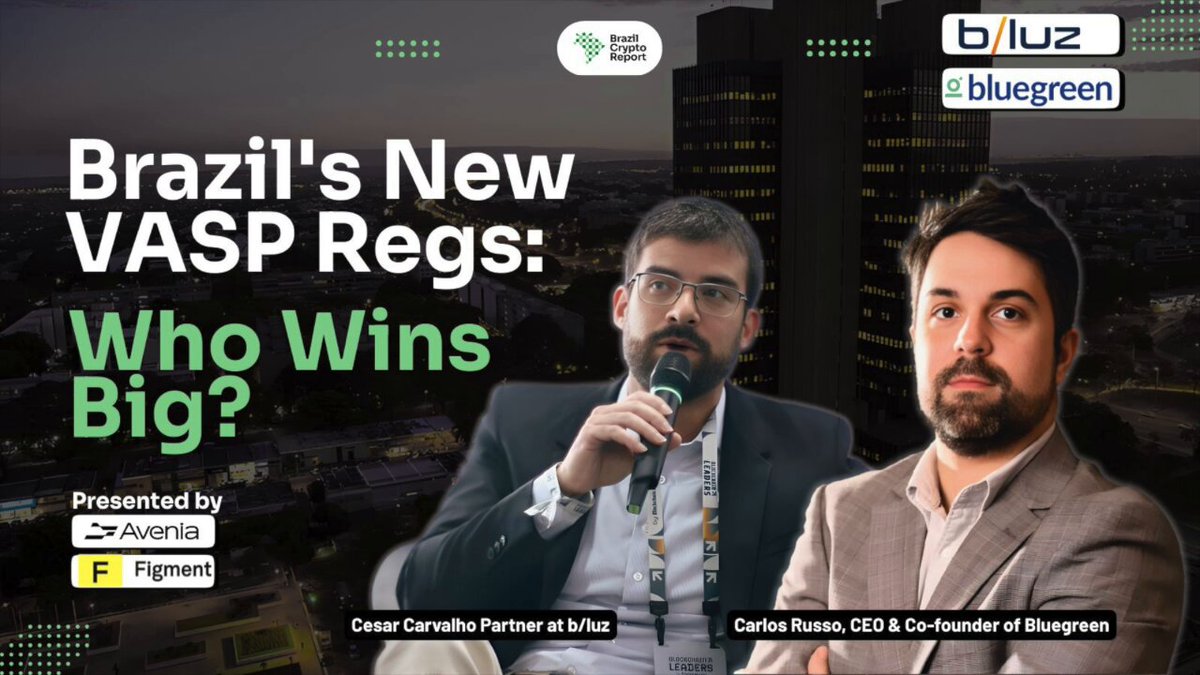
🚨 BREAKING DOWN BRAZIL'S NEW VASP REGULATIONS 🇧🇷
After 3 years of waiting, Brazil's Central Bank just dropped comprehensive crypto regulations.
@cadufrusso of Bluegreen and Cesar Carvalho of @BaptistaLuz_Adv join to discuss the implications
Key takeaways 🧵:
📅 Timeline: Rules go live Feb 2, 2025. VASPs have 9 months to file for authorization, with a ~3 year approval process
💰 Capital Requirements: 11.2M - 37.2M BRL minimum capital depending on business model. This creates serious barriers for smaller players.
⚖️ Level Playing Field? Yes and no. International exchanges like Binance now play by the same rules as local players for compliance and tax reporting. But TradFi institutions may have unfair advantages over new VASP entrants.
🪙 Stablecoins: Now formally integrated into Brazil's regulated FX market. This legitimizes crypto-based cross-border payments.
📋 VASPs are required to report customer transaction data (including withdrawals to self custody) to the Central Bank
🔍 What's Next: Industry pushing for phased capital contribution calendar and parity on transaction limits between VASPs and traditional FX brokers.
Thanks to our sponsors for this episode
- @aveniaio is reshaping money movement across the Americas
- @Figment_io provides institutional staking infrastructure to more than 1,000 banks, fintechs and asset managers
🎙️Full Interview
YouTube: youtu.be/fznwOhkOKrk
Spotify: open.spotify.com/show/2BHrRG…
Apple: podcasts.apple.com/us/podcas…
3
4
7
458
15 Nov 2025
👊Subscribe to 🇧🇷Brazil Crypto Report on Substack for more content exploring digital asset adoption in Brazil and Latin America
newsletter.brazilcrypto.io/
1
1
201
11 Nov 2025
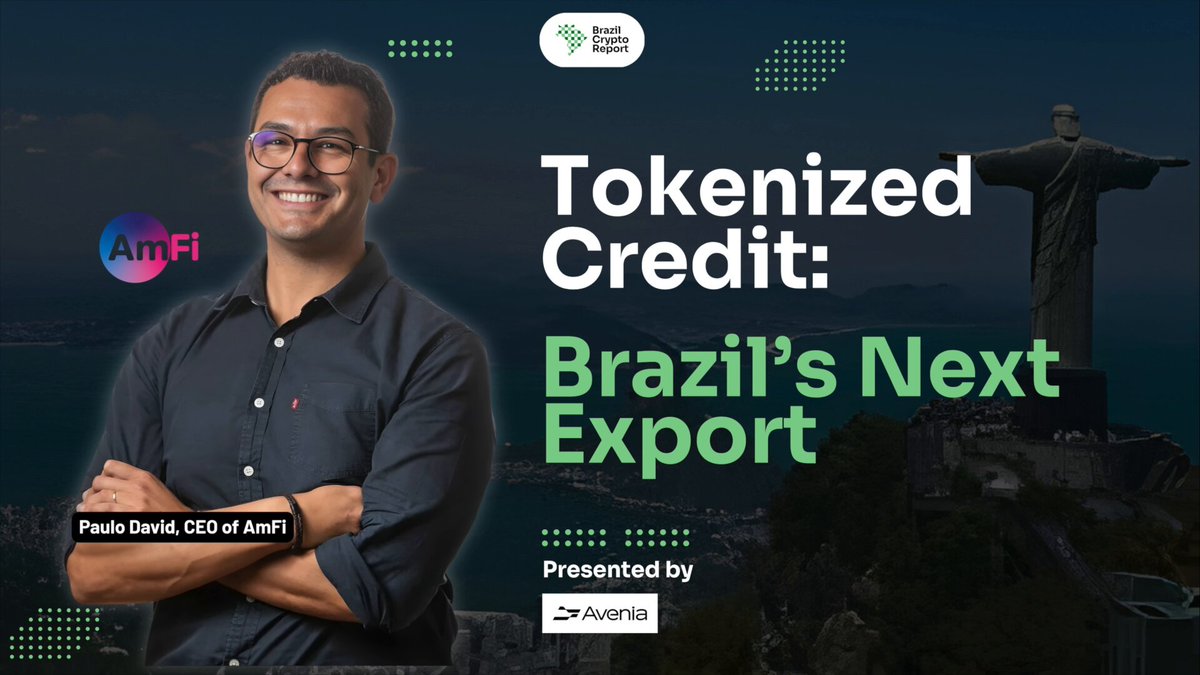
🇧🇷 New episode with Paulo David, CEO of AmFi - one of Brazil's leading tokenization platforms
Paulo's thesis: Brazil's high interest rates are the country's most attractive export—but global investors can't access them
Here's why that's changing 🧵
Key moments:
⏱️ 01:02 - Paulo's journey: 3x entrepreneur
⏱️ 04:28 - Why tokenization for private credit markets? ⏱️ 12:15 - How blockchain solves Brazil's infrastructure problems
⏱️ 42:06 - Impact on SMBs and the broader economy ⏱️ 46:08 - Expansion plans: Southeast Asia & Middle East
Brazil's private credit market is growing 40%/year toward $500B
This is one of the biggest digital asset opportunities in all of Latin America
🎙️Full Interview
YouTube: youtu.be/b9138Fpcyjk
Spotify: open.spotify.com/episode/3Tn…
Apple: podcasts.apple.com/us/podcas…
🙏Thanks to our sponsors for this episode
- @aveniaio is reshaping money movement across the Americas
- @Figment_io offers institutional grade staking services to more than 1,000 banks, fintechs and asset managers globally
1
2
216
4 Nov 2025
Brazil's Drex CBDC project has been formally shut down by the country's Central Bank
4 Nov 2025

Banco Central põe fim ao Drex, o projeto do real digital
valorinveste.globo.com/produ…
5
272
4 Nov 2025
This is incredible! congrats @cryptochica_arg!

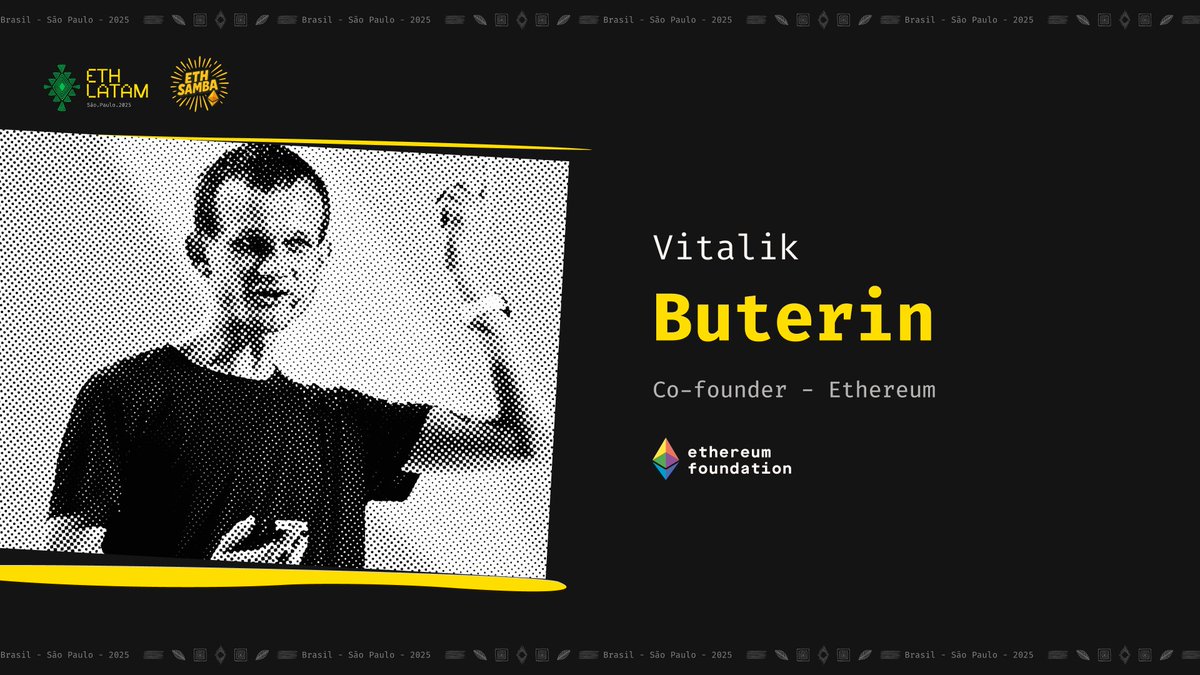
É oficial: @VitalikButerin vem para o Brasil 🇧🇷
Pela primeira vez, o criador do @Ethereum estará presencialmente em São Paulo na @ethlatam!
Isso é histórico para a comunidade brasileira!
6
271
30 Oct 2025
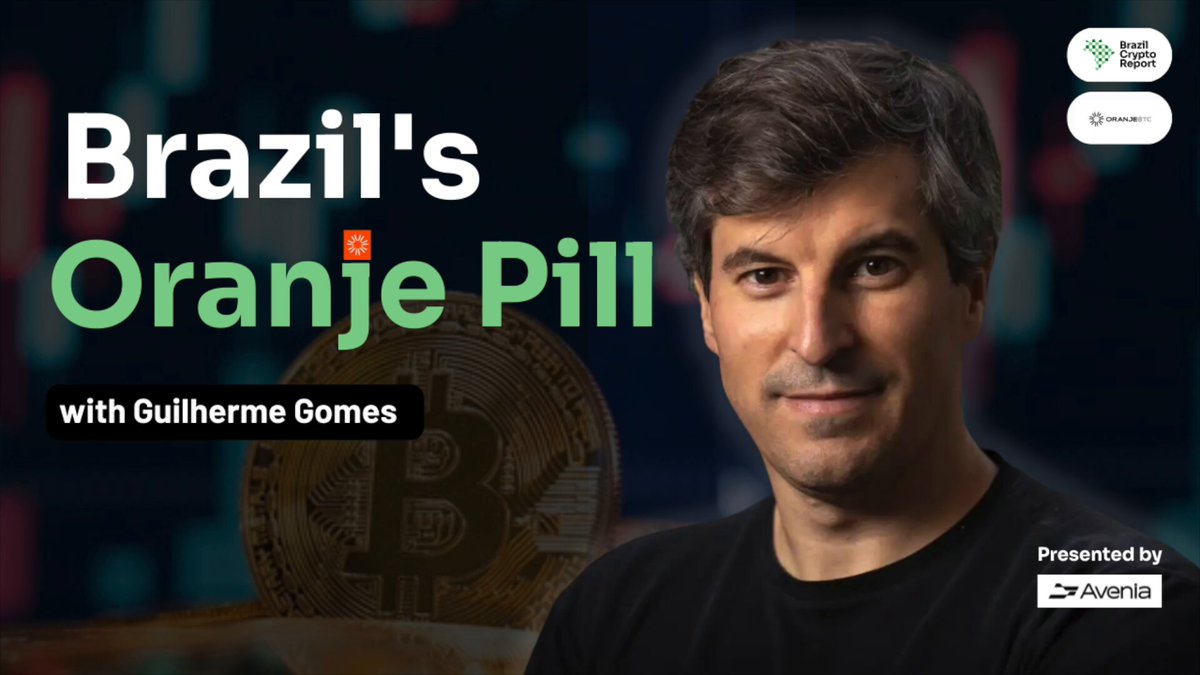
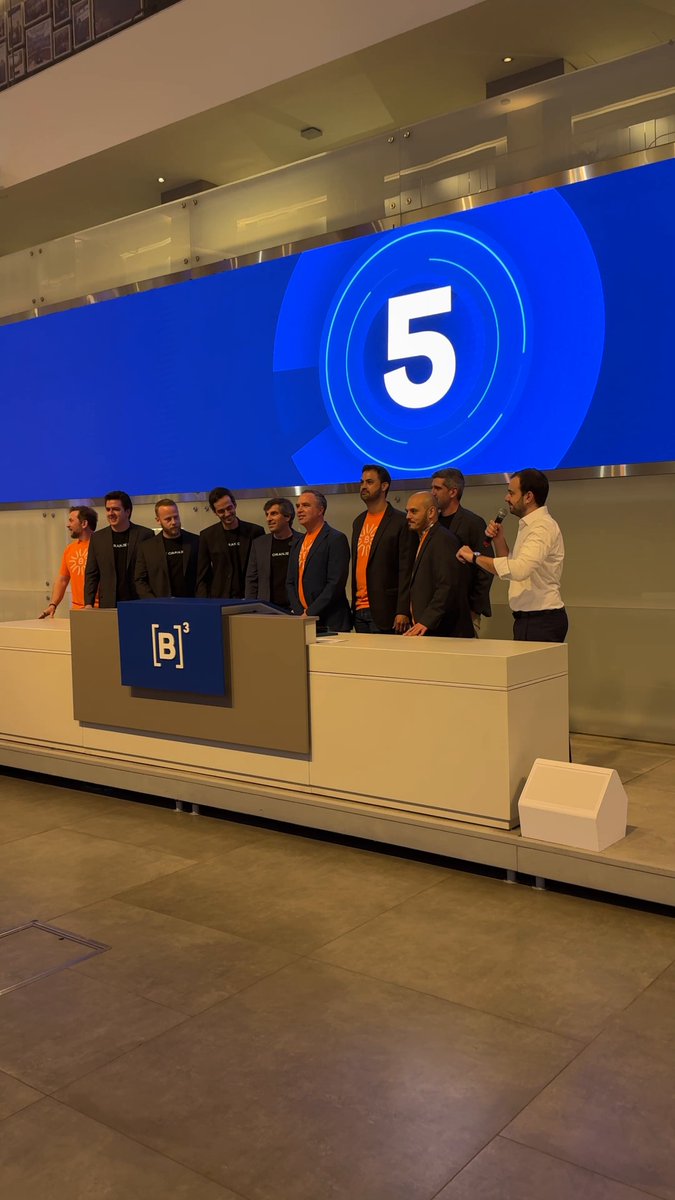
🚨New episode with @GuiAmadoGomes, CEO of @ORANJEBTC - Latin America's largest Bitcoin treasury company 🇧🇷
From working with Ray Dalio at Bridgewater to building Brazil's first public Bitcoin-native company, Gui explains:
→ Why Latin America needs Bitcoin MORE than the US
→ How Orange differs from companies just "hedging" with BTC
→ Why Brazil is actually ahead of the US in Bitcoin regulation
→ Oranje's aggressive plan to grow their 3,700 BTC treasury
"If Bitcoin is good for Americans, Bitcoin is great for Latin Americans"
🎙️Full Interview
YouTube: youtu.be/PCPNXcI89cQ
Spotify: open.spotify.com/episode/2IZ…
Apple: podcasts.apple.com/us/podcas…
🙏 Thanks to @aveniaio for sponsoring this episdoe
3
2
9
878
30 Oct 2025
👊Subscribe to 🇧🇷Brazil Crypto Report on Substack for more content exploring digital asset adoption in Brazil and Latin America
newsletter.brazilcrypto.io/
2
1
133
20 Oct 2025
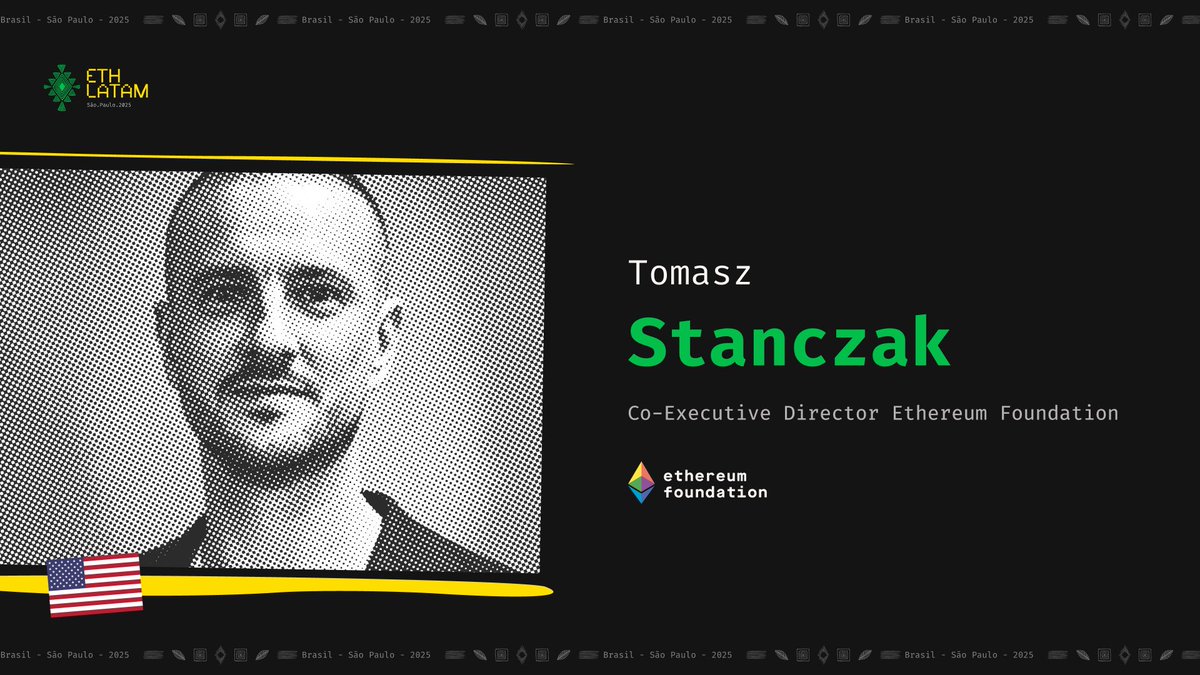
ETHLatam is shaping up to be a killer event!
Honored to welcome @tkstanczak, Co-Executive Director of the @ethereumfndn and co-founder of @nethermind, as a special guest at @ethlatam São Paulo 2025!
Since March 2025, he’s been leading key structural changes to renew the Foundation’s energy and impact 💪🏽
5
275
14 Oct 2025
Congrats @CrownBRLV team!
14 Oct 2025

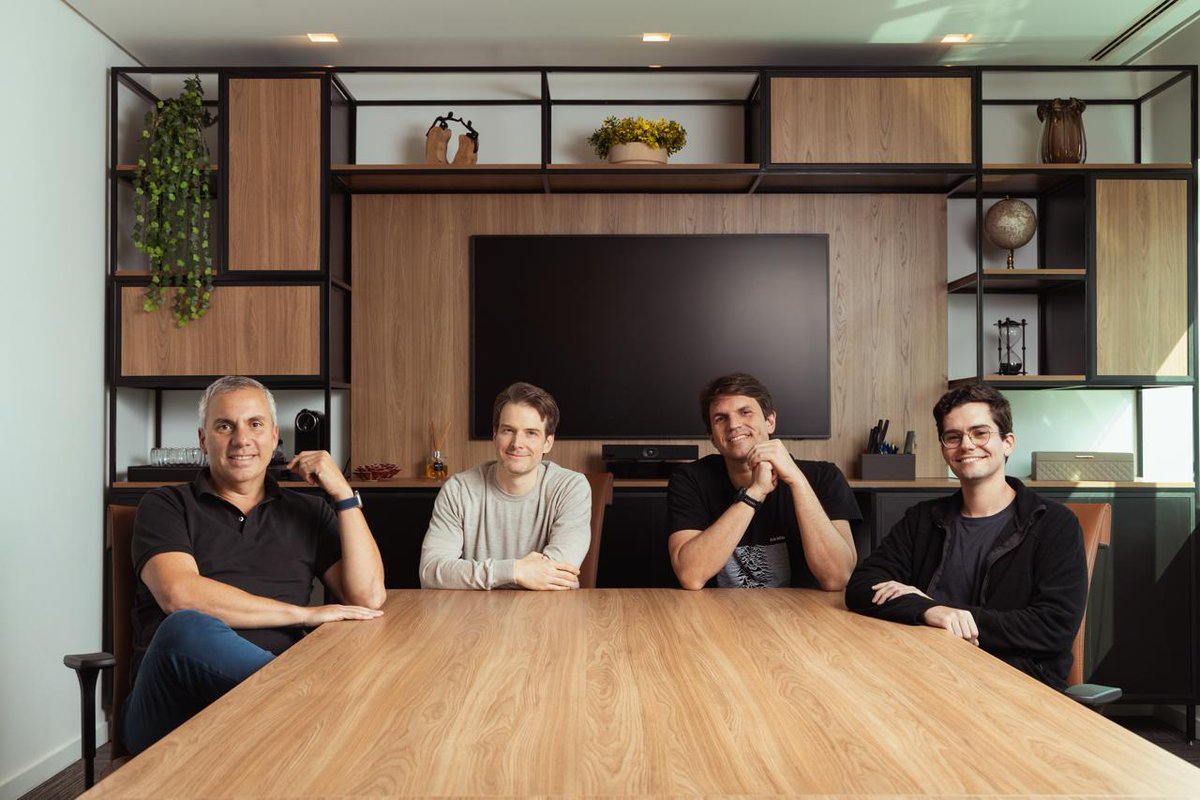
1/ We just co-led an $8.1M round in Crown (@CrownBRLV), a Brazilian real stablecoin with native revenue sharing for institutions 🇧🇷💰
Crown makes it easier for institutions to access Brazil’s high interest rates gives fintechs new rails to build on.
🧵👇
1
2
2
327
7 Oct 2025
Congratulations to @ORANJEBTC on becoming Latin America's largest publicly listed bitcoin treasury company 👏👏👏
4
14
117
7,287
7 Oct 2025
It seems every crypto company now has its own card product that lets users spend crypto and stablecoins
Why has @KASTcard seen such explosive growth despite competition from all sides?
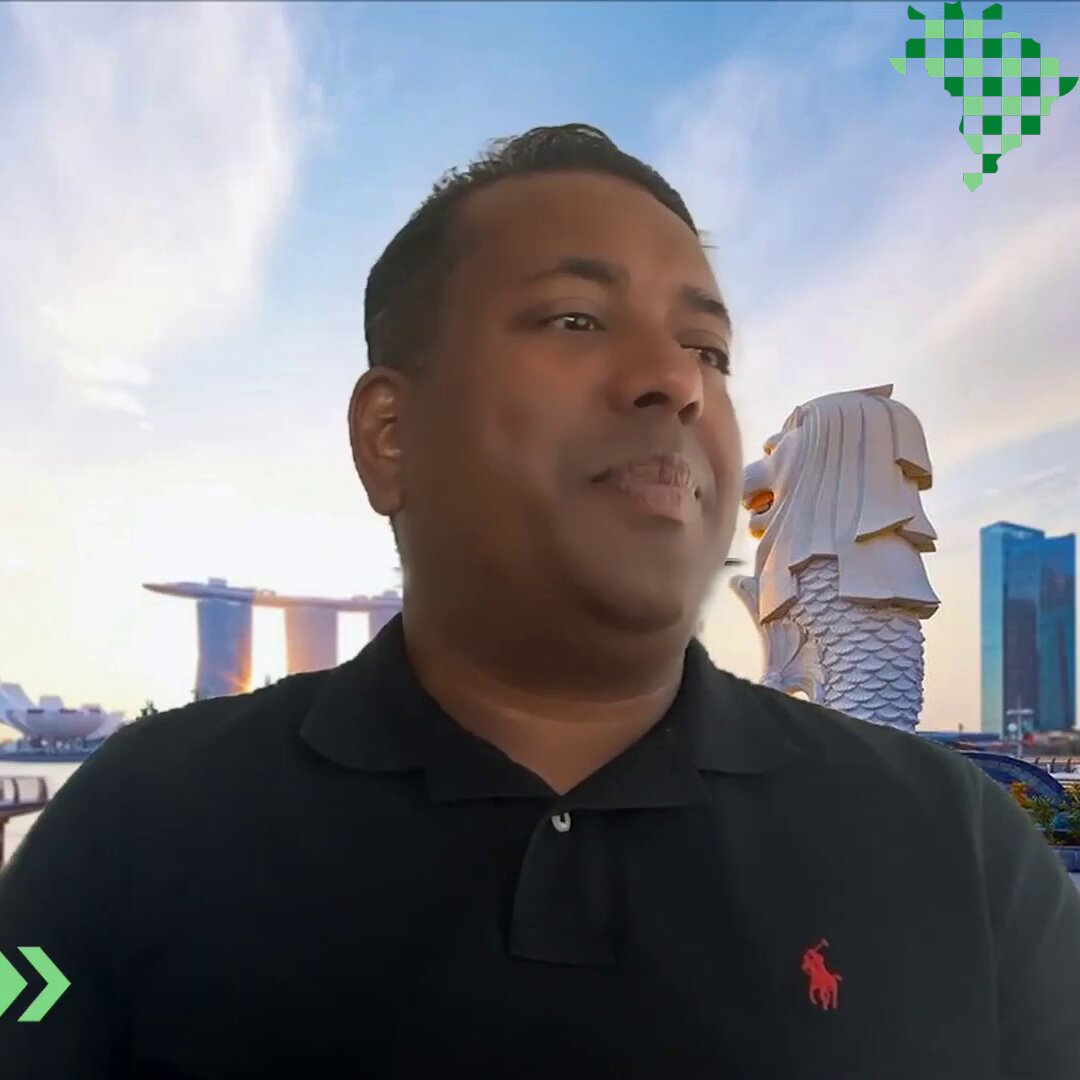
CEO @raagulanpathy says the secret sauce is its singular focus on providing customers with a bank-like experience
He tells all in this interview with BCR host @AaronWStanley
🎙️Full Interview
YouTube: youtube.com/watch?v=2hqY_dvk…
Spotify: open.spotify.com/episode/4fc…
Apple: podcasts.apple.com/us/podcas…
1
1
4
279
7 Oct 2025
👊Subscribe to 🇧🇷Brazil Crypto Report on Substack for more content exploring digital asset adoption in Brazil and Latin America
newsletter.brazilcrypto.io/
1
2
137
5 Oct 2025
How is @0xPolygon working to bring FX fully onchain?
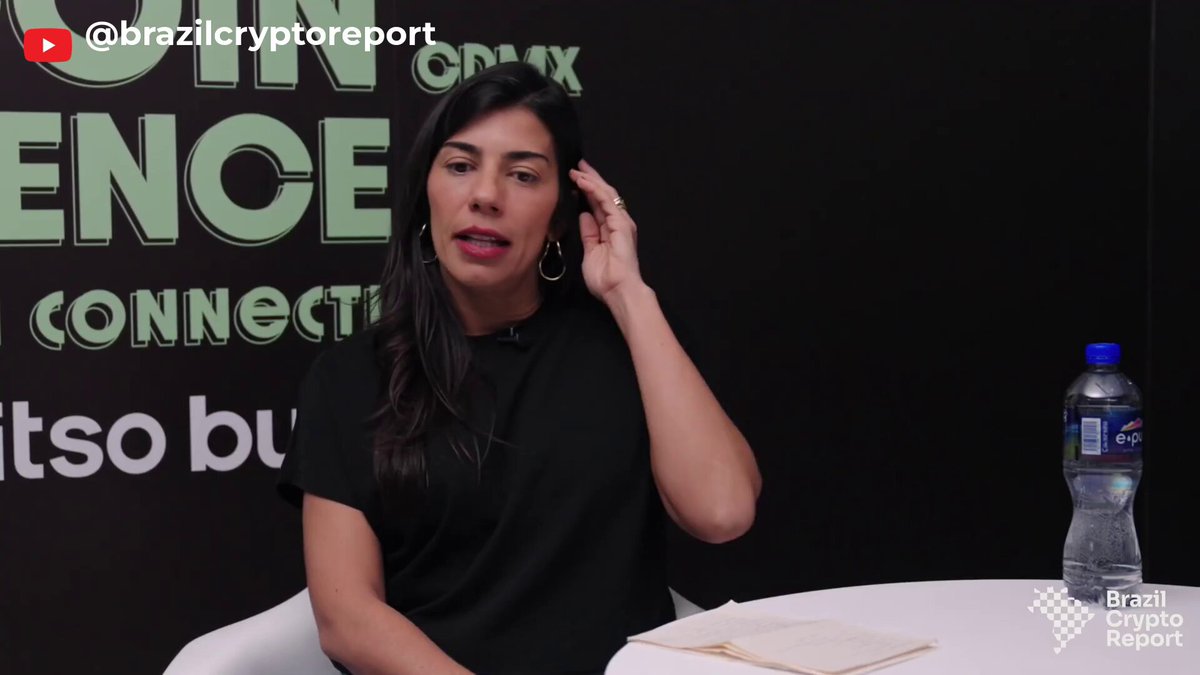
@millatalarico, head of onchain finance growth for Brazil at Polygon Labs, explained during a recent interview with BCR in Mexico City
🎙️Full Interview
YouTube: youtu.be/hkEmd4q7k7Y
Spotify: open.spotify.com/episode/7mn…
Apple Podcasts: podcasts.apple.com/us/podcas…
1
2
4
226
5 Oct 2025
👊Subscribe to 🇧🇷Brazil Crypto Report on Substack for more content exploring digital asset adoption in Brazil and Latin America
newsletter.brazilcrypto.io/
1
2
140
3 Oct 2025
Why are the majority of BRL stablecoins are being issued on Polgyon?
- BRLA issued by @aveniaio
- BRZ issued by @transferogroup
- BRL1 issued by @foxbit @MercadoBitcoin and @Bitso
@millatalarico of @0xPolygon discusses in an interview with BCR's @AaronWStanley at the @Bitso Stablecoin Conference in CDMX
🎙️Full Interview
YouTube: youtu.be/hkEmd4q7k7Y
Spotify: open.spotify.com/episode/7mn…
Apple Podcasts: podcasts.apple.com/us/podcas…
2
2
3
235
3 Oct 2025
👊Subscribe to 🇧🇷Brazil Crypto Report on Substack for more content exploring digital asset adoption in Brazil and Latin America
newsletter.brazilcrypto.io/
1
1
104
2 Oct 2025
💣Just dropped a live episode discussing what ACTUAL stablecoin adoption looks like in emerging markets.
From a panel onsite at Stellar Meridian 2025 at Copacabana Palace in Rio de Janeiro 🇧🇷
- @AaronWStanley, founder of Brazil Crypto Report
- @sebasiseles, CEO of @vesseowallet
- Ibrahim Abdulhussein, founder of Digibank
- @mila_rioja, Executive Director of Plexus Institute
- @just_norm, founder of @TheFlipHQ
Key insight: The best crypto products hide crypto entirely
🔹 Digibank: 2,000 cash-out locations across Syria, Iraq, Lebanon using PIN codes. No wallet needed.
🔹 Vesseo: Launching crypto-to-fiat cards in Argentina. Spend USDC like cash at point-of-sale.
🔹 Plexus: Moving Brazil's 180 community currencies on-chain for transparent social benefit distribution.
The future isn't on-chain or off-chain - it's intertwined the technology with how people already move money.
Thanks to @StellarOrg for the invitation to host this!
🎙️Full Panel
YouTube: youtu.be/kqWD9LKTDPg
Spotify: open.spotify.com/episode/2z2…
Apple: podcasts.apple.com/us/podcas…
🙏 Thanks to our friends at @aveniaio and @p2pmebrasil for sponsoring this episode
2
4
6
603
2 Oct 2025
👊Subscribe to 🇧🇷Brazil Crypto Report on Substack for more content exploring digital asset adoption in Brazil and Latin America
newsletter.brazilcrypto.io/
1
3
124