
Joined November 2022
- Tweets 27,211
- Following 182
- Followers 164
- Likes 600
984 Photos and videos



@Breogan69 retweeted

Jun 10
Julia Otero cumple en septiembre 5 años desde que le diagnosticaron cáncer, "frontera en la que puedes darlo por curado": "Hay que pagar mejor a los médicos. Mucho aplauso en la pandemia... La sanidad pública se mantiene en pie por sus bajos salarios" tinyurl.com/5n7p5hf3
71
980
3,561
204,513
@Breogan69 retweeted

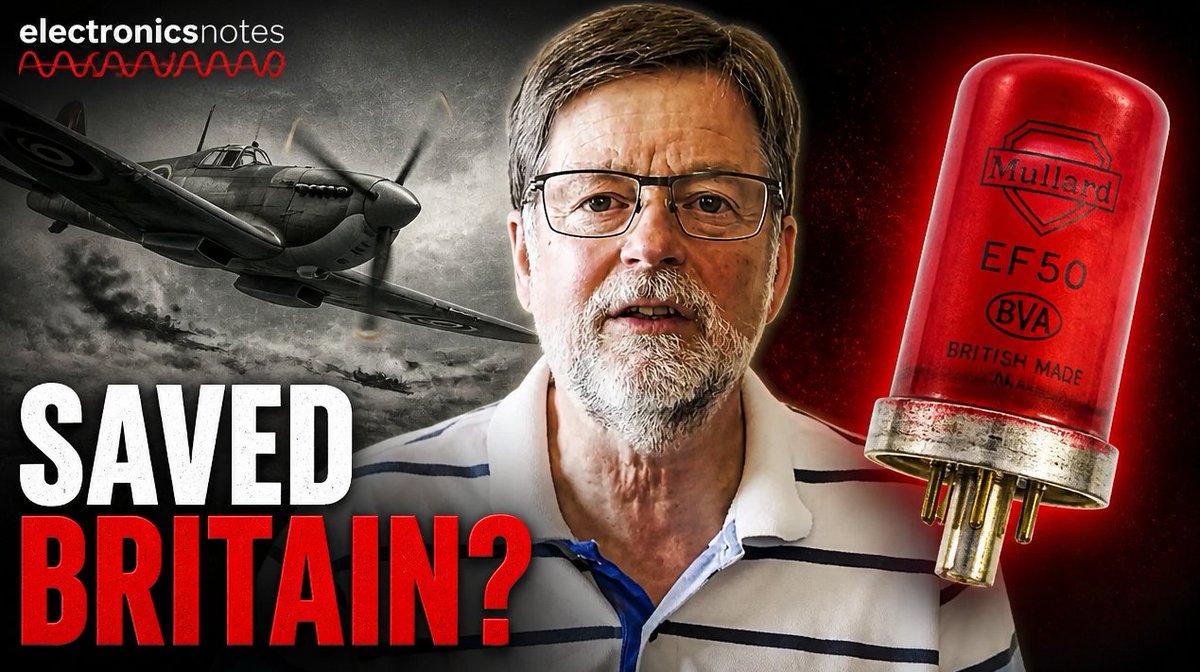
How a Simple TV Part Saved Britain from the Luftwaffe.
At the beginning of WW2, Britain lived with the threat of imminent invasion. The Nazi might in the form of the Luftwaffe needed to gain air superiority. It was only the RAF fighters that could stop this.
Although the bravery of the airmen and the Spitfires and Hurricanes were essential, they needed early warning of raids so they could take off and gain altitude in time.
Radar was the answer, but this required one essential component, and it was manufactured in the Netherlands.
Watch my video to find out what this component was, why it was so vital, and how it was rescued.
Watch now: youtu.be/AKMH-BPtrCw
#WW2 #vintagevalve #electronicshistory #EF50 #techhistory #historyoftechnology #radar
1
7
19
1,407
@Breogan69 retweeted

Alerta d'aurores!
Atenció a l'ejecció de massa coronal del Sol que podria arribar al nostre planeta demà dilluns un xic abans de mitja nit.
5
36
142
3,365
@Breogan69 retweeted

Jun 6
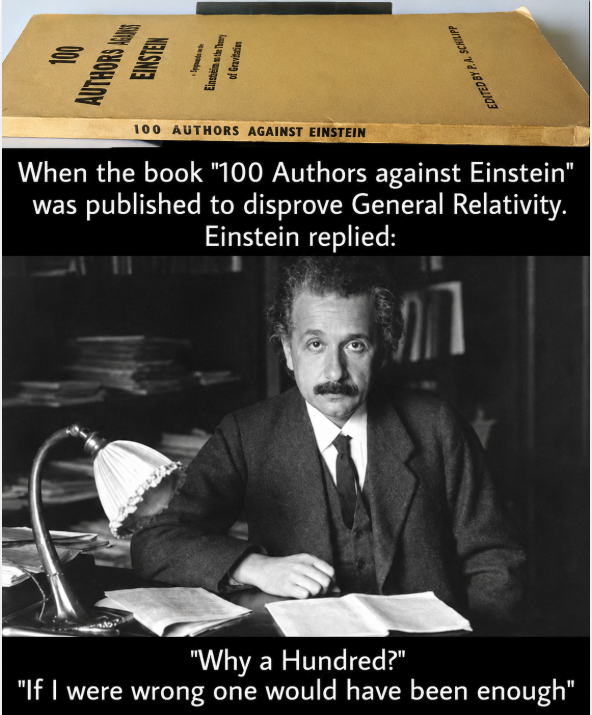
Einstein was far more than just a mathematical genius
30
140
1,233
27,189

Jun 3
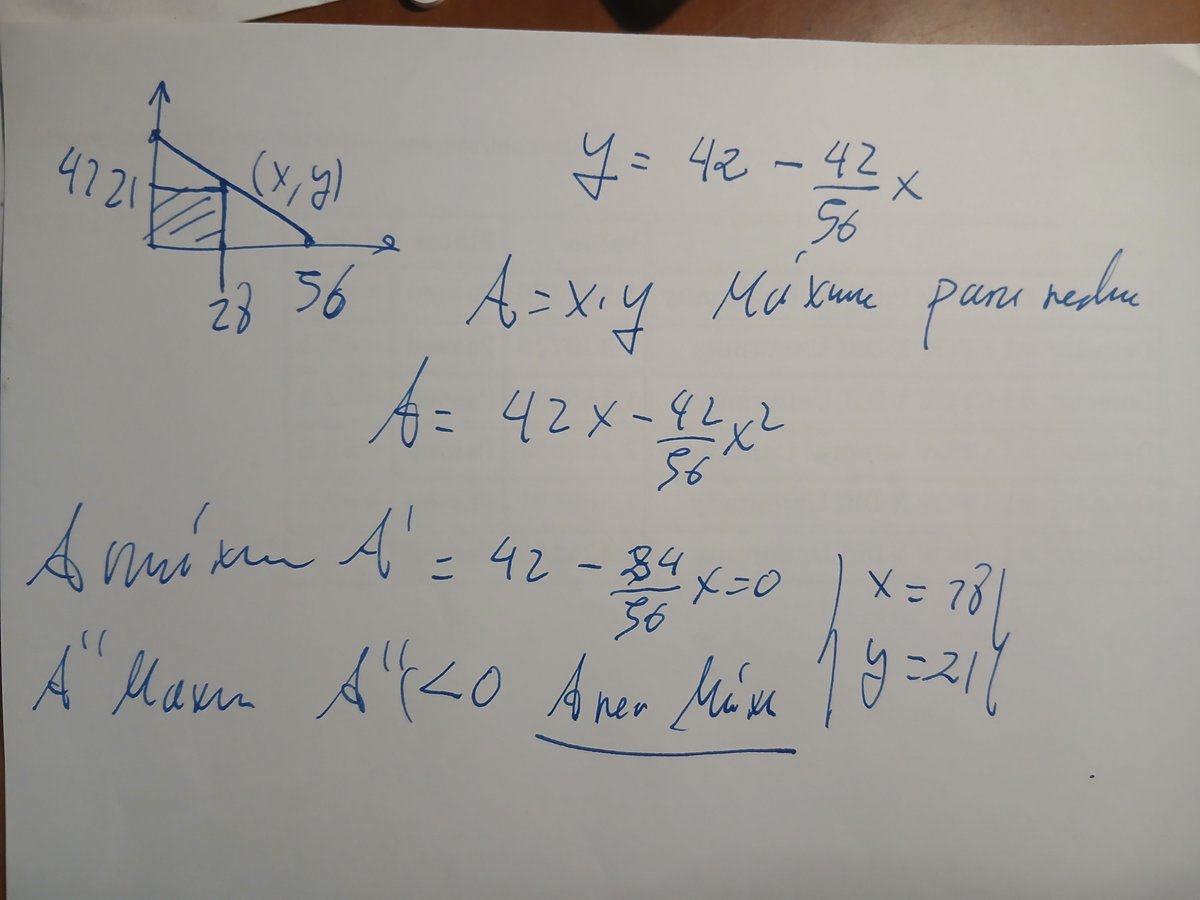
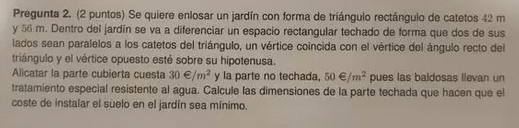
El ejercicio de optimización de la PAU de Madrid. Hay que leerlo con detenimiento pero es un ejercicio bonito.
1
1
3
2,051
Jun 3
Intuitivamente el area del es rectángulo inscrito de mayor área en un triangulo rectangulo es uno que tenga como longitud de los lados la mitad de los catetos.
1
1
176
Jun 3
"The art of computer programming' clásico. No pase del primer tomo y por parroquias.
No sé si se publicó en español pero si tuve una copia en ruso de los 70s
Jun 2

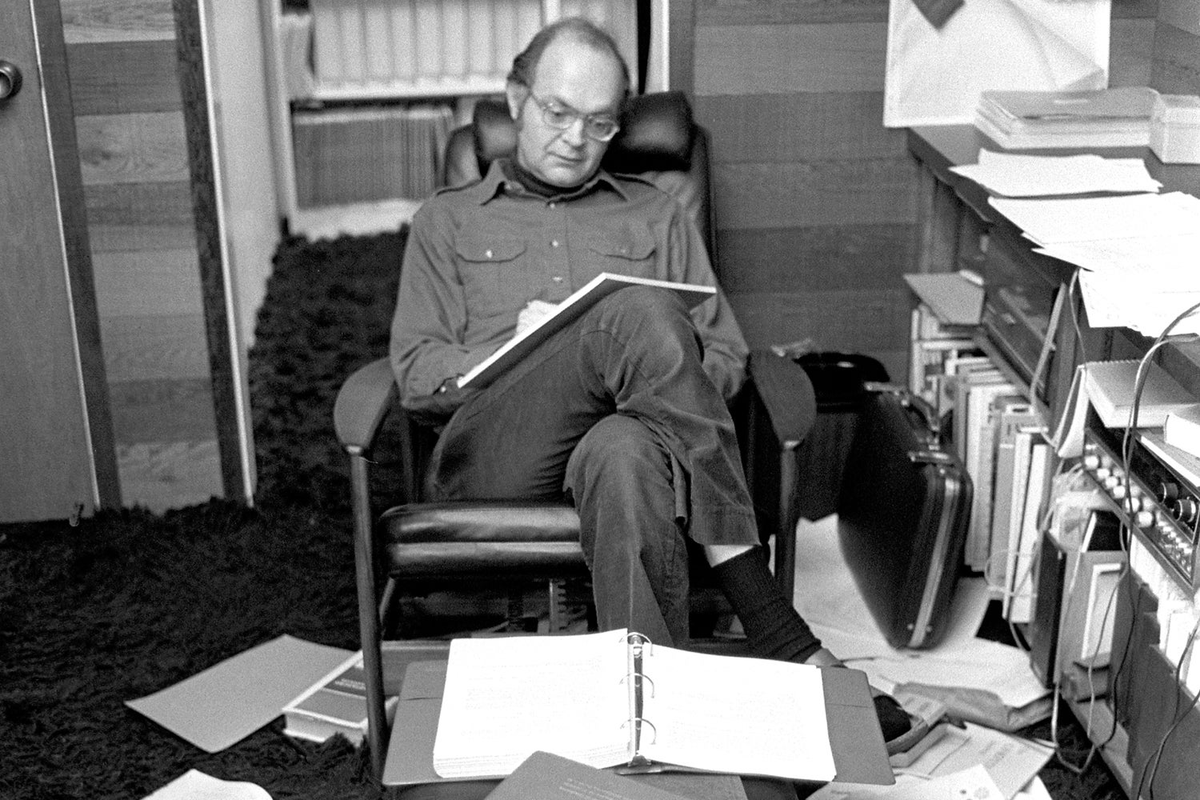
A computer scientist won the Turing Award at 36 and then walked away from almost every other project for the next 50 years to write one book that he has still not finished at age 88, and it may be the most important book in his field.
His name is Donald Knuth. He won the Turing Award in 1974, which is the closest thing computer science has to a Nobel Prize.
He was 36 years old. He had already written volumes one, two, and three of a book series called The Art of Computer Programming. He was the youngest person ever to receive the award at that point in its history.
Almost anyone else would have ridden that moment for the rest of their career. Founded a company. Sat on boards. Gone on speaking tours. Knuth did the opposite. He went back to his desk and kept writing.
He started the book in 1962. He was 24 years old. His publisher had asked him to write a short paperback on compilers. He sat down to outline it and discovered that to explain compilers properly he would have to explain the deeper algorithms underneath them first.
The short paperback became a draft outline of 12 chapters. The 12 chapters became a planned 7-volume series. The 7-volume series became the project he is still working on 63 years later.
Volume 1 came out in 1968. Volume 2 in 1969. Volume 3 in 1973. He was producing books faster than most academics produce papers. Then everything stopped.
In 1977 he received the printed proofs of the second edition of Volume 2. He looked at the pages and was so disgusted by how the publisher had typeset his mathematical notation that he could not bring himself to release the book.
The equations looked ugly. The fonts looked wrong. The spacing was off. He decided he could not in good conscience publish another volume of TAOCP until the typesetting problem was solved.
So he paused the book.
He stopped writing TAOCP and spent the next 8 years inventing TeX from scratch.
TeX is the typesetting system that every academic paper, every math textbook, every physics journal on earth now uses. Every PhD thesis in the sciences is set in TeX. Every paper on arxiv. Every equation in every paper Anthropic, OpenAI, and DeepMind have ever published. The system that the entire scientific publishing world runs on exists because one man refused to compromise on how the second edition of Volume 2 looked.
He gave the entire TeX system away for free. He never tried to commercialize it. He went back to writing TAOCP.
In 1992 he retired from Stanford at the age of 54. Most professors retire to slow down. Knuth retired to speed up. He explicitly said he was leaving teaching because he needed every remaining hour of his life to keep writing the book. He stopped using email on January 1, 1990.
He answers no calls. He takes paper mail only. He is on a personal mission to finish a multi-volume series that nobody is forcing him to write, on a deadline that only exists in his own head.
Volume 4A came out in 2011. Volume 4B in 2022. He is currently working on Volume 4C. Volumes 4D, 4E, 4F, 5, 6, and 7 are still ahead of him. He is 88 years old. He will almost certainly die before he finishes.
The thing that should haunt anyone reading this is the math of his choice.
Every modern incentive structure tells you to optimize for speed. Ship the imperfect version. Get it out the door. Iterate later. Move on to the next thing.
Knuth has spent 63 years doing the exact opposite. He pays a $2.56 reward in hexadecimal dollars to anyone who finds an error in his published books. Real checks, until check fraud made him switch to certificates of deposit. He treats every single error in every single volume as a personal failure. He revises. He rewrites. He goes back to fix issues that nobody else could have spotted.
He could have written 30 books in 63 years. He chose to write one.
The reason is the one almost nobody understands the first time they hear it. There is a category of work that loses all its value when it is done quickly.
A reference book that engineers will rely on for the next 200 years is not the same kind of object as a blog post that has to ship today. The slow project and the fast project look like the same activity from the outside. They are completely different games.
Bill Gates once said in an interview that if you can read the whole of TAOCP, you should send him your resume. He meant it. He was not joking. The man who founded Microsoft was telling the world that the rarest skill on earth is being able to finish a book that one man has spent his entire adult life writing for an audience that mostly does not have the patience to read it.
The book may never be finished.
The man writing it knows this and keeps writing anyway.
The work outlives the worker. That is the entire point.
57
@Breogan69 retweeted

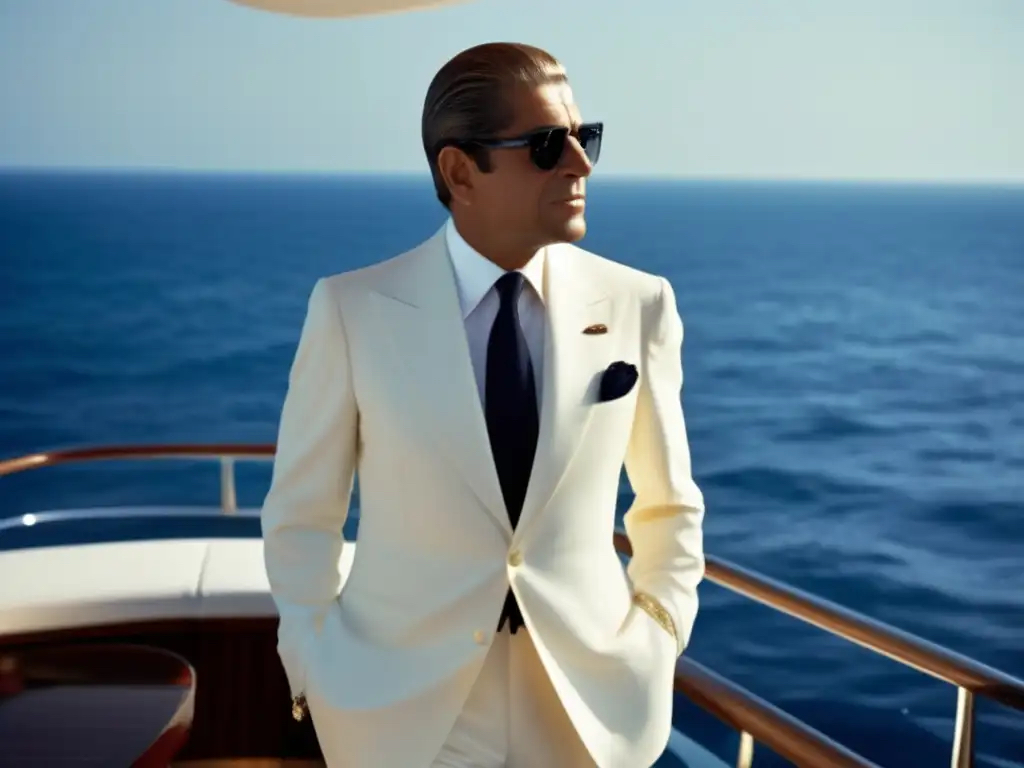
El hombre más rico del mundo terminó pegándose los párpados con esparadrapo.
Aristóteles Onassis lo tenía todo.
Una flota de petroleros. La isla de Skorpios. Se casó con Jackie Kennedy. Podía comprar casi cualquier cosa.
Casi.
En sus últimas fotos aparece con los párpados sujetos con esparadrapo, para poder mantener los ojos abiertos.
No era una excentricidad. Era ptosis.
Sus músculos ya no podían con el peso de sus párpados.
Ojo. Lo que tenía Onassis se llama miastenia gravis. Anticuerpos contra sus propios músculos.
Empeora con el uso. Por la mañana, bien. Por la noche, hasta sostener los párpados cansa. El hombre más rico del planeta murió en 1975. Justo cuando la medicina empezaba a entender la miastenia.
Hoy se controla. Con fármacos que frenan al sistema inmune, y otros que limpian del cuerpo los anticuerpos.
Un paciente de hoy, en la sanidad pública, sin yates ni islas, tiene algo que Onassis no pudo comprar con toda su fortuna.
#LaTraumatologaGeek
126
574
3,312
587,663
@Breogan69 retweeted

May 31
Tengo 15 años y me he propuesto destruir el monopolio de las calculadoras escolares (TI/Casio).
Hoy @david_bonilla cuenta mi historia en @labonilista frente a 16.000 ingenieros, pero aquí os traigo el detrás de las cámaras de cómo he metido un motor CAS en un chip de 5€.
1/n
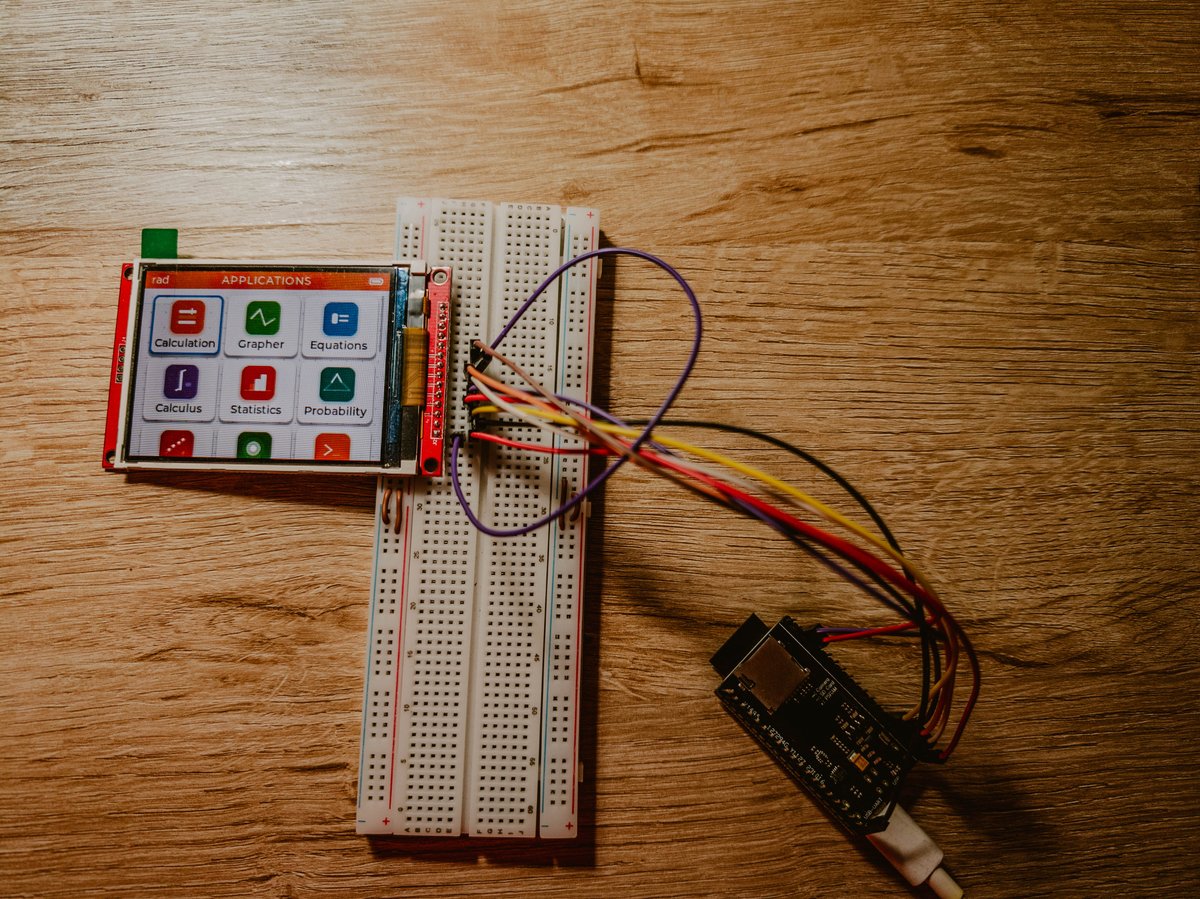
ALT Prototipo de NumOS/NeoCalculator tomada con un vivo X300 Pro.
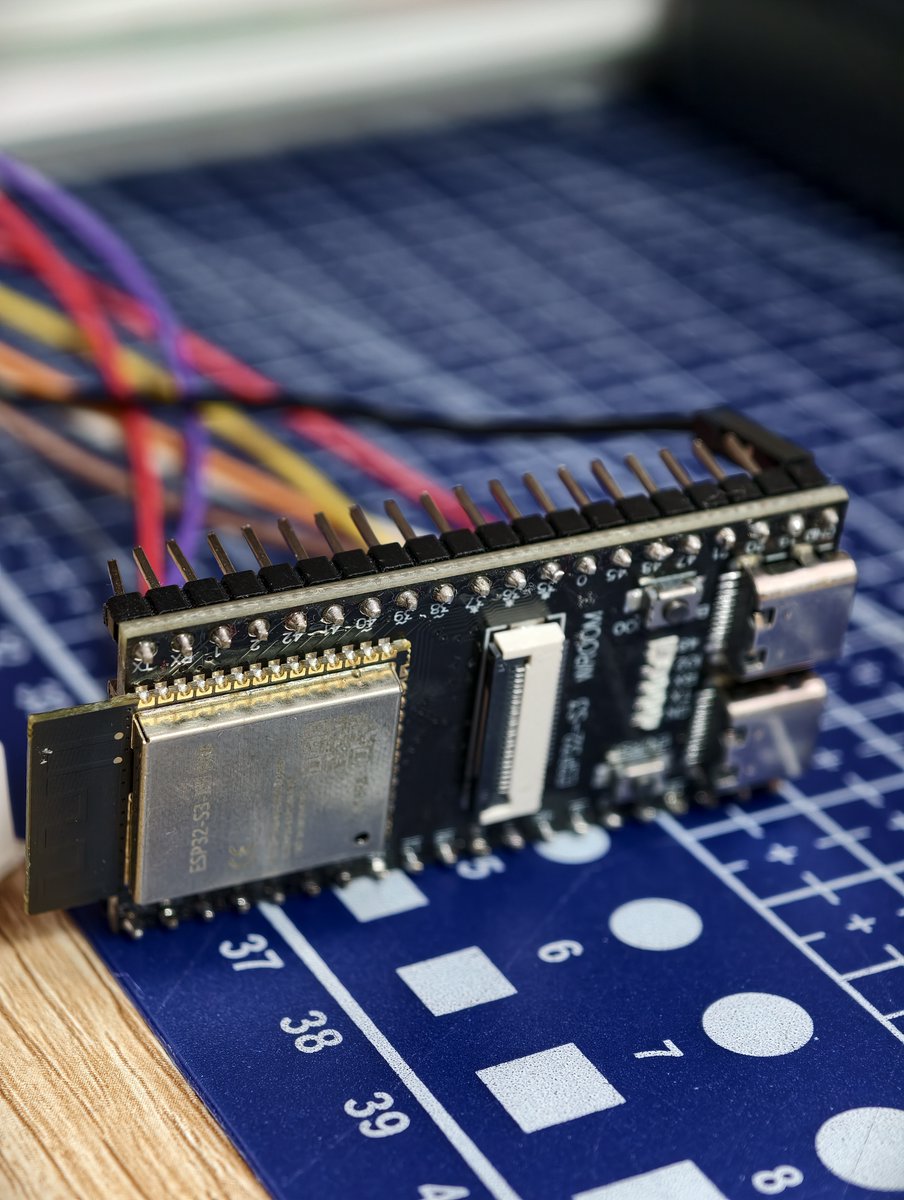
ALT Detalle de chip ESP32 tomado con un vivo X300 Pro.
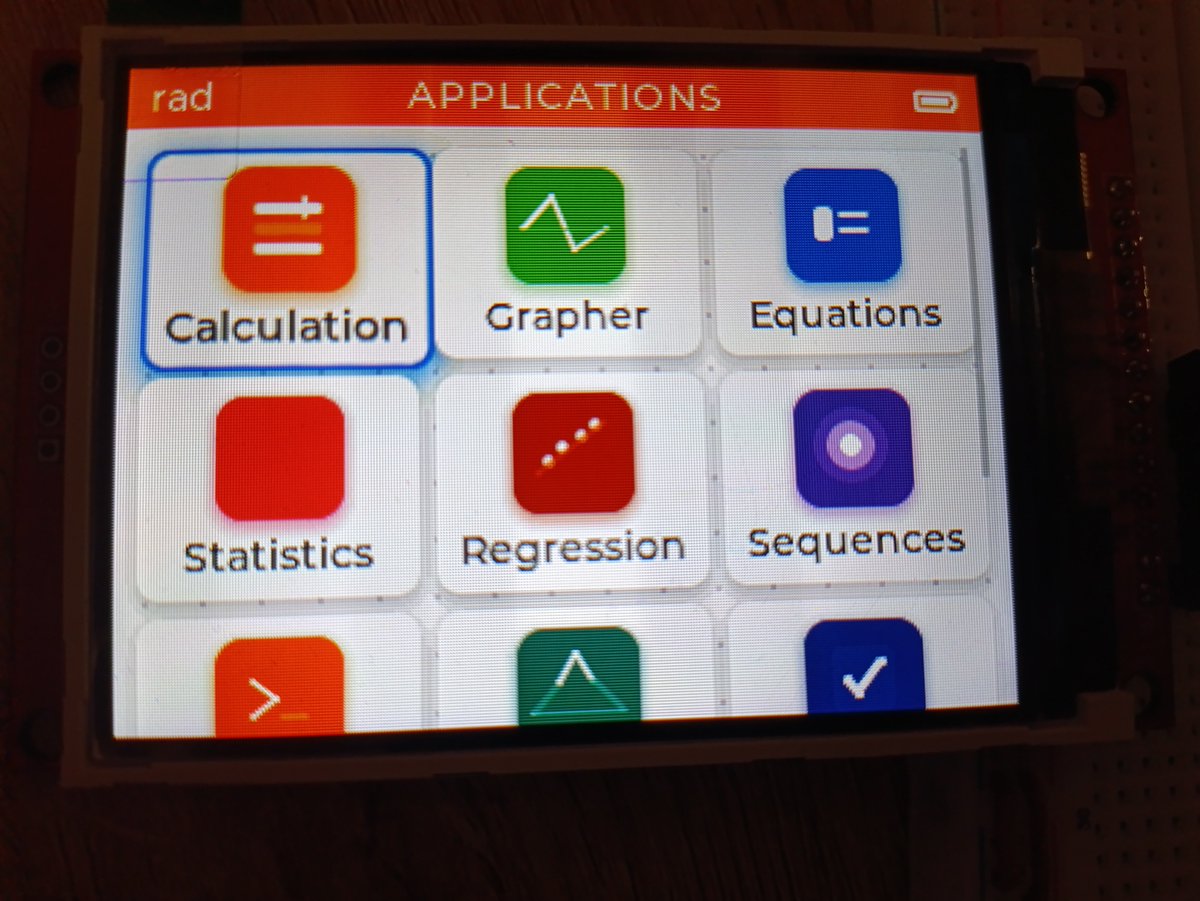
ALT Launcher Principal NumOS
39
307
1,193
118,240
@Breogan69 retweeted
Mentre esperem el nostre gran eclipsi del 12 d'agost, aquí veiem una seqüència d'un eclipsi marcià provocat per Phobos i capturat pel robot Perseverance el 2022.
Crèdit: NASA/JPL.
2
31
167
4,988

"Ser líderes en protonterapia hará país, y será una vía de reconexión de la sociedad española con el orgullo por su sistema sanitario"
✒️Maruxa Pérez Fernández (@SEFM_redes) en el 📘#AnuarioiSanidad25
f.mtr.cool/mxorbeiqyt
21
76
624
@Breogan69 retweeted

May 19
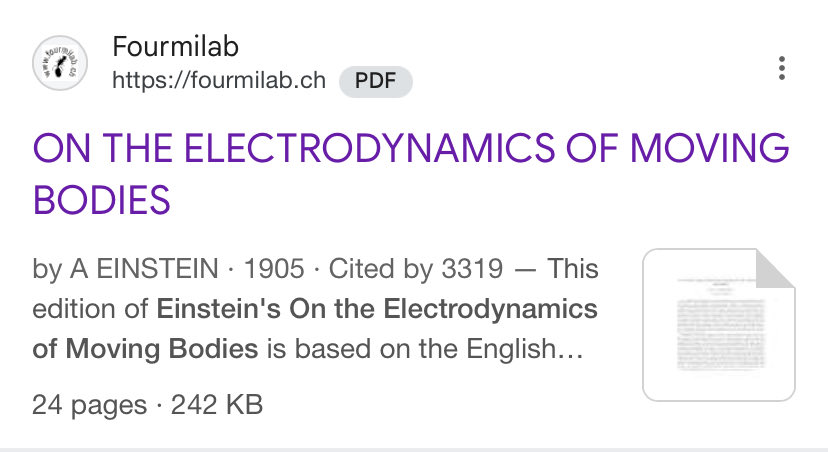
Einstein’s original special relativity paper has only ever been cited just over 3000 times. Crazy to see the gradient of citation (inflations) from Physics to AI. There are undergrads with 10k citations here but no one can address properly what their breakthroughs or contributions were.
17
9
134
61,617
@Breogan69 retweeted

May 19
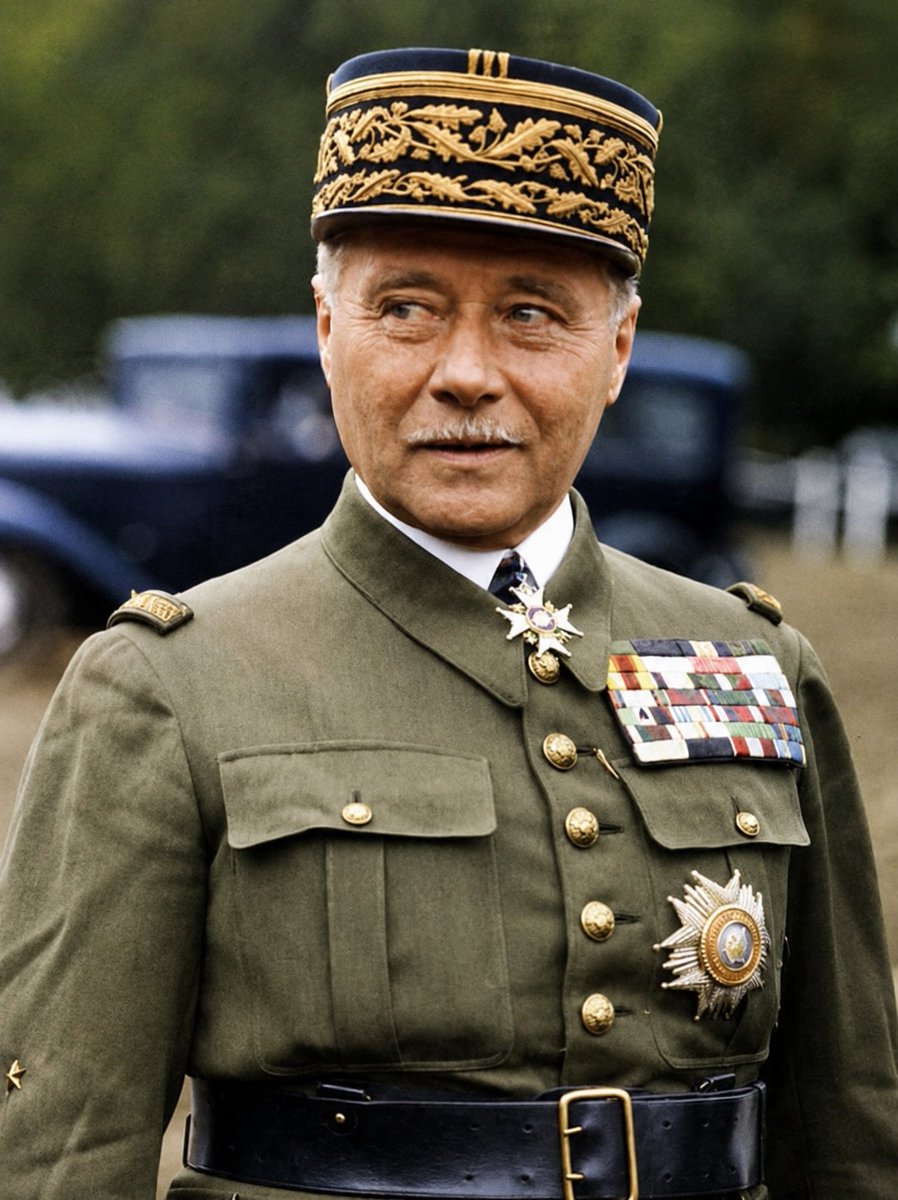
In the spring of 1940, France had the largest army in Western Europe. More tanks than Germany. More artillery. A defensive line that had cost two and a half percent of national GDP to build.
Nine days into the German invasion, the Allied supreme commander, Maurice Gamelin, was running the entire war from the Château de Vincennes outside Paris.
The chateau had no radio.
Not "limited radio." No radio at all. Orders to the front were carried by motorcycle courier. Gamelin learned about the German breakthrough at Sedan hours after it happened, by telephone, after his staff had already heard about it from the BBC.
On May 16, Churchill flew to Paris and asked one question: "Where is the strategic reserve?"
Gamelin replied, "Aucune." There is none.
Churchill later wrote that it was one of the most stunning moments of his life. He had assumed every army in Europe kept a reserve. The French had committed everything to a single line and had nothing behind it.
On May 19, Prime Minister Paul Reynaud fired Gamelin and summoned his replacement: Maxime Weygand, age 73, born during the American Civil War, currently commanding French forces in Syria.
Weygand flew over 4,000 miles back to a country he barely recognized. He landed on the 19th and took command on the 20th. His first official act was to cancel Gamelin's planned counterattack and announce that he required 48 hours to "study the situation."
Those 48 hours were the war.
While Weygand studied, German panzers reached the English Channel at Abbeville, cutting the Allied armies in half. The British Expeditionary Force was now trapped. Within ten days they would be evacuating from Dunkirk. Within five weeks, Paris would fall.
The plan Weygand eventually unveiled was, in substance, the same one Gamelin had drafted before being fired.
Gamelin spent the rest of the war as a prisoner. The Vichy regime put him on trial at Riom in 1942 to blame him for the defeat. He defended himself so effectively that Pétain shut the trial down, handed him to the Germans, and had him sent to Buchenwald, then to Itter Castle in the Austrian Alps, where American troops liberated him in May 1945.
He never spoke publicly about the chateau with no radio.
37
113
999
100,597
@Breogan69 retweeted

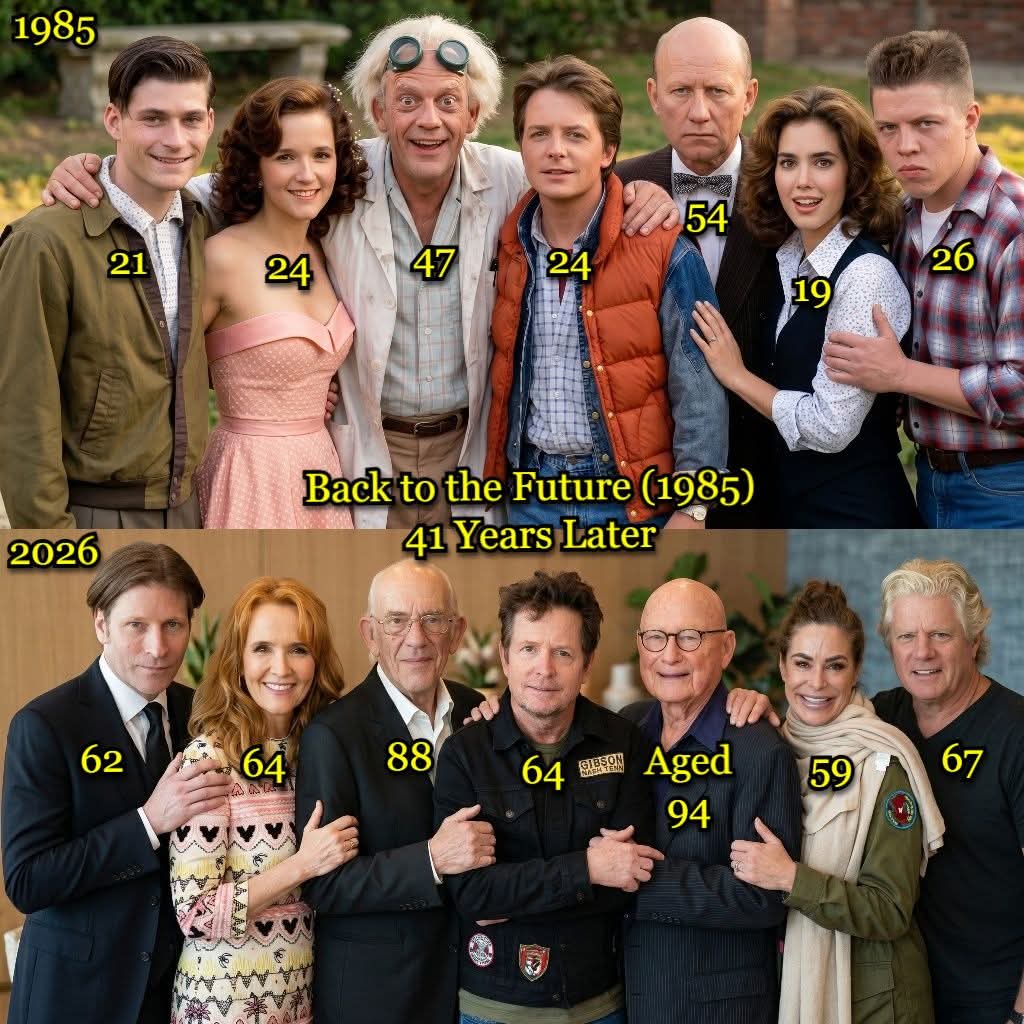
Commemorating 41 years of cinematic time travel, we reflect on the enduring legacy of Michael J. Fox, Christopher Lloyd, and the iconic ensemble cast, then and now. Which installment of this esteemed trilogy do you consider to be the definitive masterpiece?
Community note
The 'now' images are AI-generated; James Tolkan (Mr. Strickland, labeled 94) died on March 26, 2026. en.wikipedia.org/wiki/James_Tol… backtothefuture.com/news/2026/3/27…
201
4,686
20,363
1,084,813
@Breogan69 retweeted

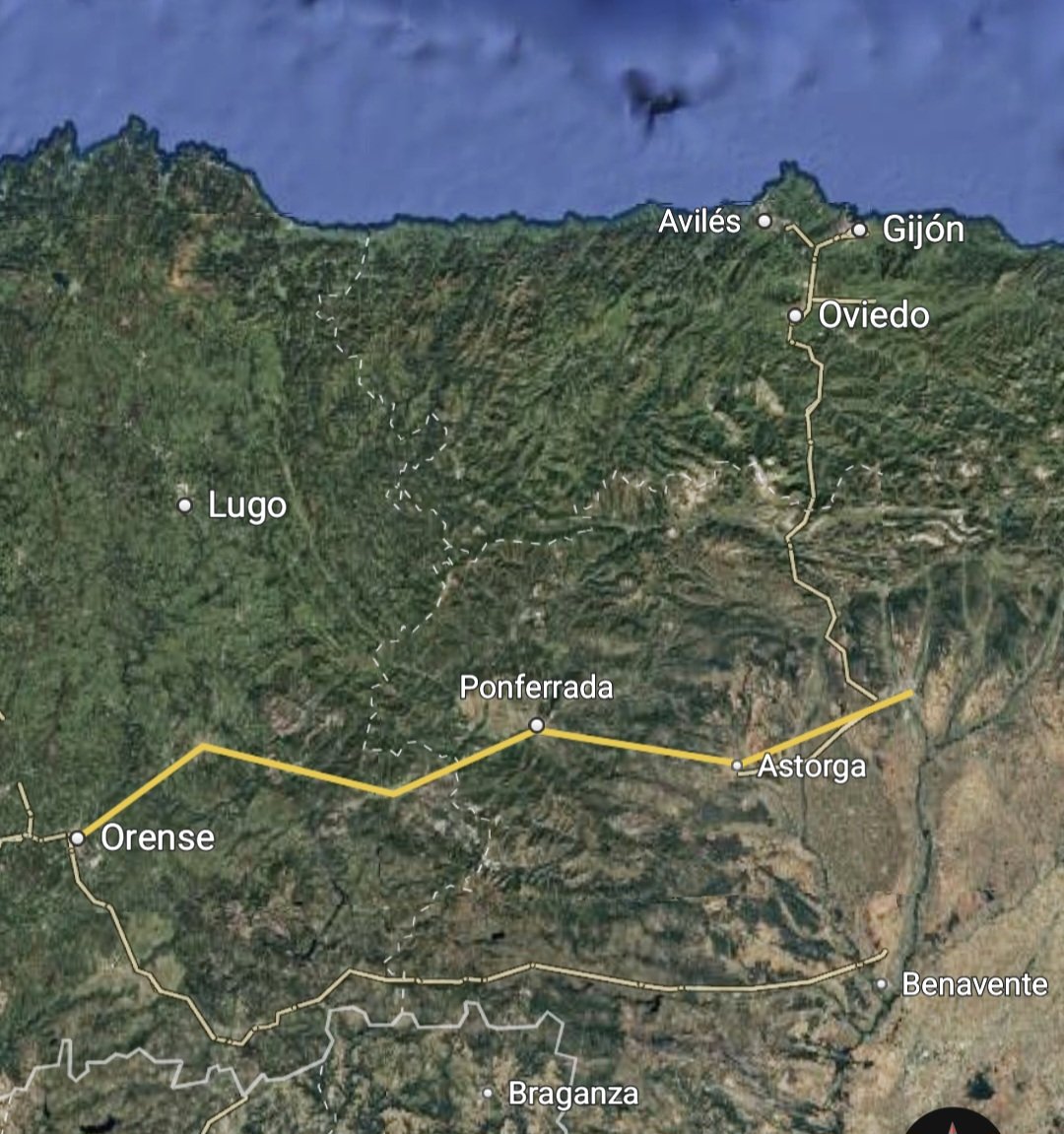
A conexión do eixo Ourense-Lemos-Valdeorras-Bierzo-León debe ser unha prioridade da política galega nos próximos 10 anos. Se estás de acordo comparte. #Ourense #Valdeorras #León #Lemos #Bierzo
10
45
146
11,268
@Breogan69 retweeted

May 5
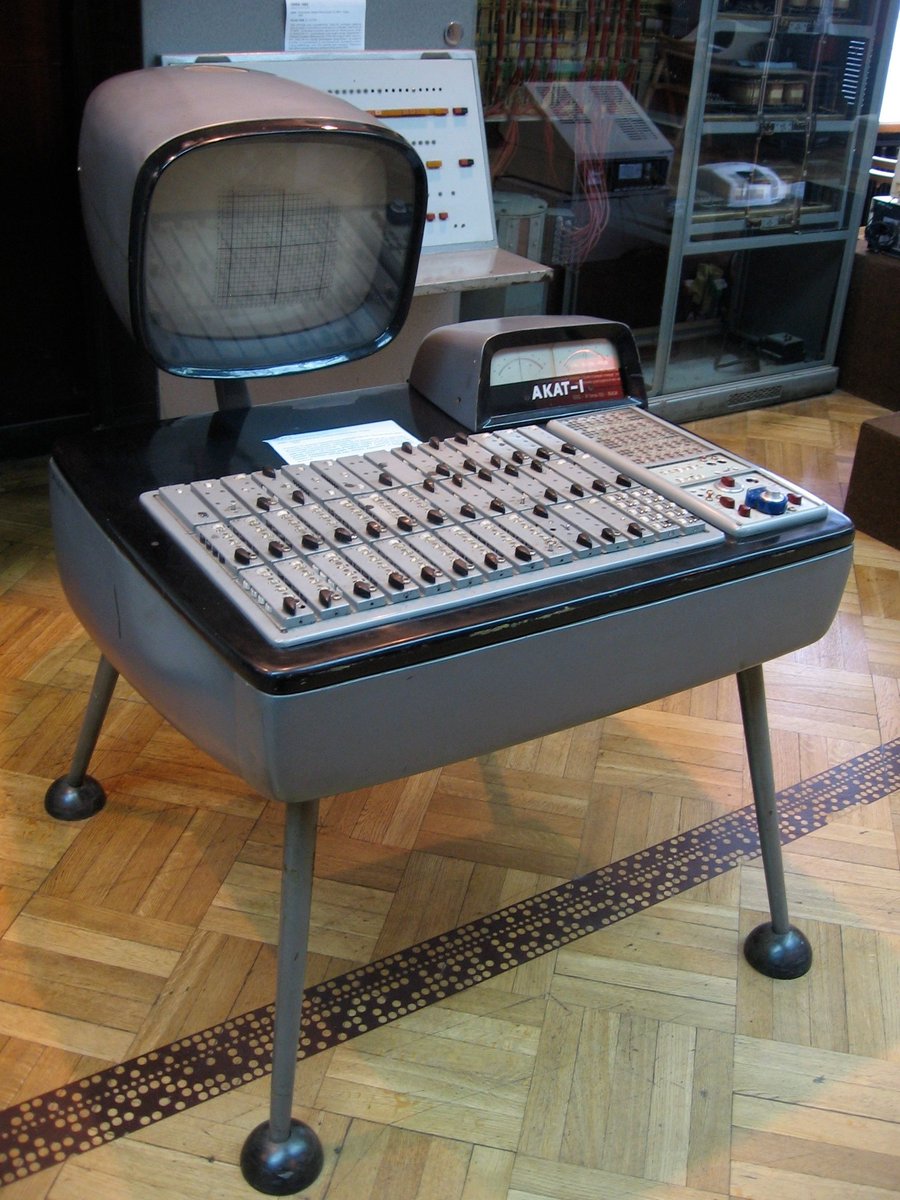
This gorgeous machine is the AKAT-1. Constructed in Poland in 1959 by Jacek Karpinski and Janusz Tomaszewski, this was one of the world's first transistor-based analog computers.
If you think the AKAT-1 looks more like a piece of modern art than a computer, you're onto something. The exterior and control panel were actually designed by artists associated with the Warsaw Academy of Fine Arts.
Sadly, this machine never actually went into mass production, but don't you wish it had?
#RetroTech #VintageComputing #ComputerHistory
43
452
1,921
69,327
@Breogan69 retweeted

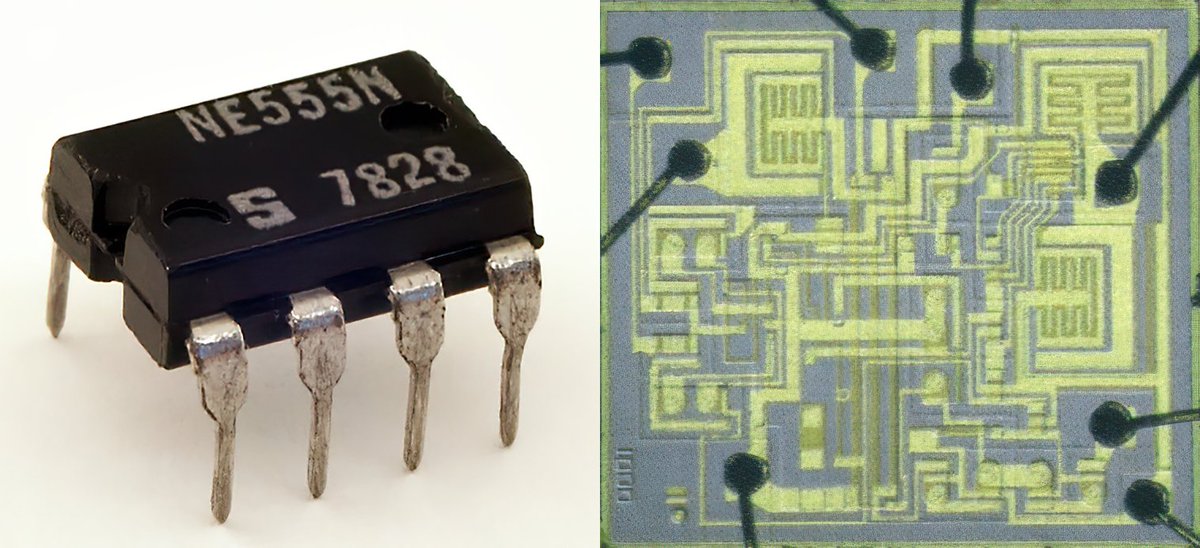
La petite info mignonne du jour : aujourd'hui le 05/05, le circuit intégré le plus célèbre de l'histoire de l'électronique, le NE 555, fête ses 55 ans.
Voilà c'est tout, vous pouvez continuer à faire ce que vous faisiez 😊
99
640
3,660
104,122