The MUTLI AWARD WINNING Home Theater Podcast that’s all about the Experiences. The Sights! The Sounds! The Scenes! The Awards! And the great PEOPLE!
Joined October 2019
- Tweets 9,397
- Following 196
- Followers 1,243
- Likes 23,522
1,518 Photos and videos








Pinned Tweet

9 Jan 2025
🍿BREAKING NEWS🍿
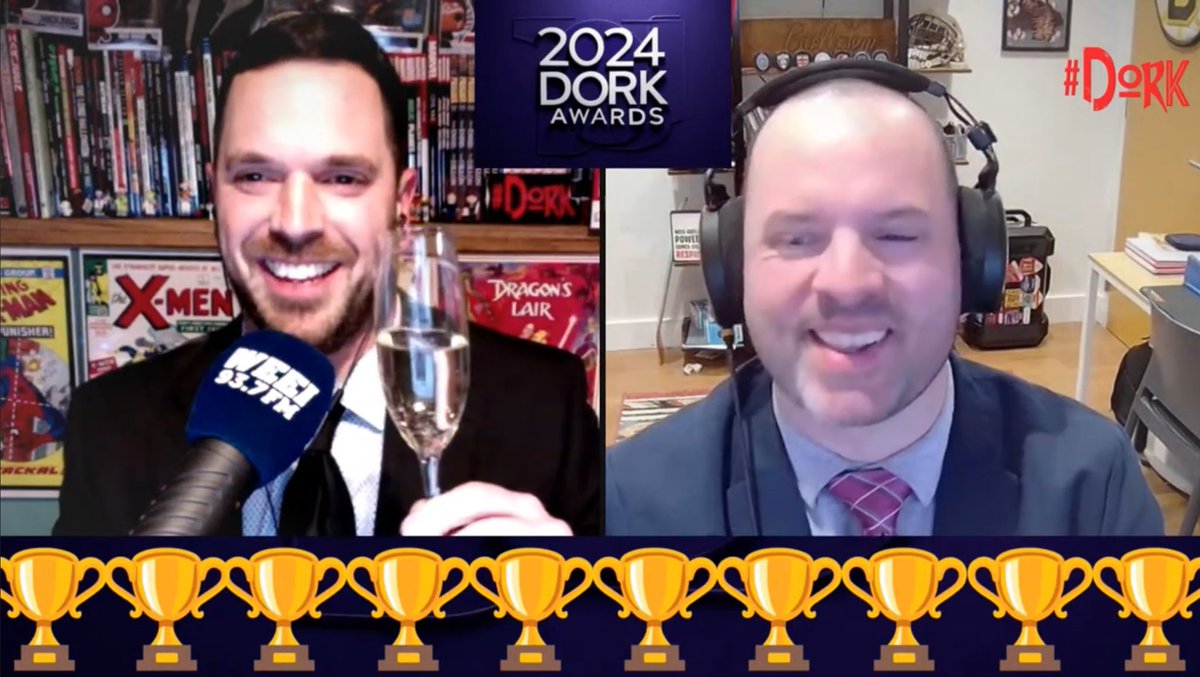
HUGE THANK YOU to @DORKpodcast & @RVonD!
From now on the Annual Dorky Award for the “Movie That Needs To Be Seen in the Best Cinema Possible” will be called
“The Bright Side Home Theater Award”
What an honor!
Click here to hear what movie takes the award home for 2024!
podcasts.apple.com/us/podcas…
And while you’re there don’t forget to RATE, REVIEW AND SUBSCRIBE!!
1
7
22
2,369
🍿Bright Side Home Theater🍿 retweeted

Jun 11
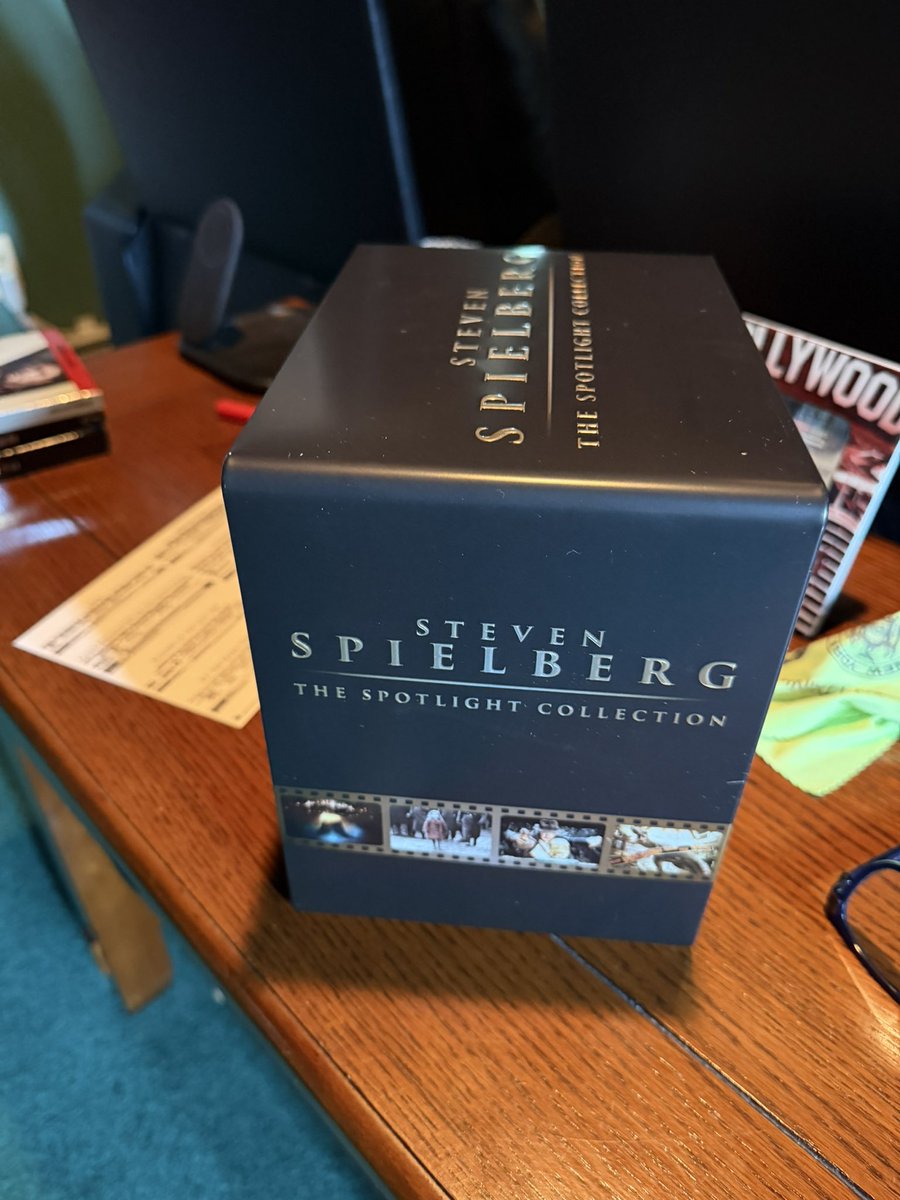
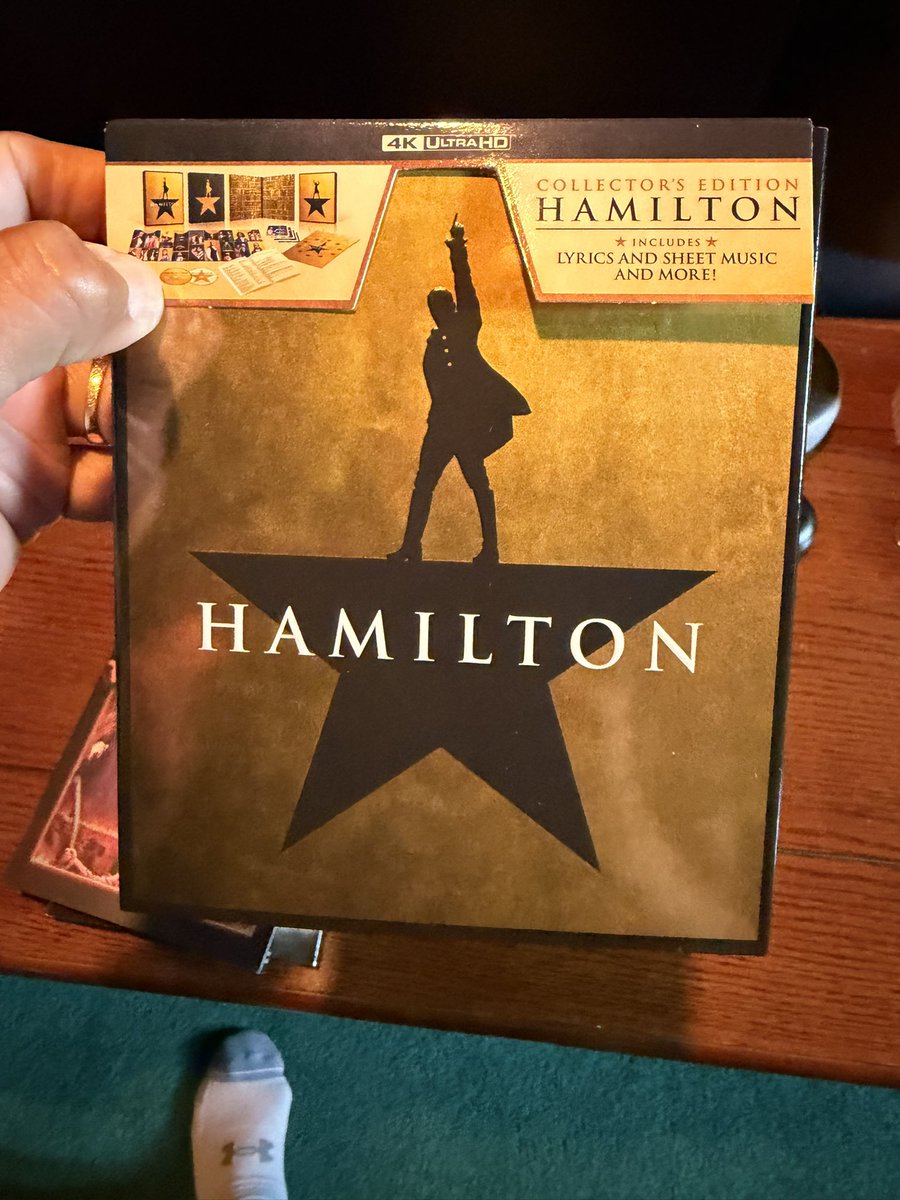
Back from vacation. These are next up in the review queue. @UltraHDBluray @the4kCollectivE @AVSforum @moviesinfocus @HDMOVIESOURCE @hdreport @High_Def_News
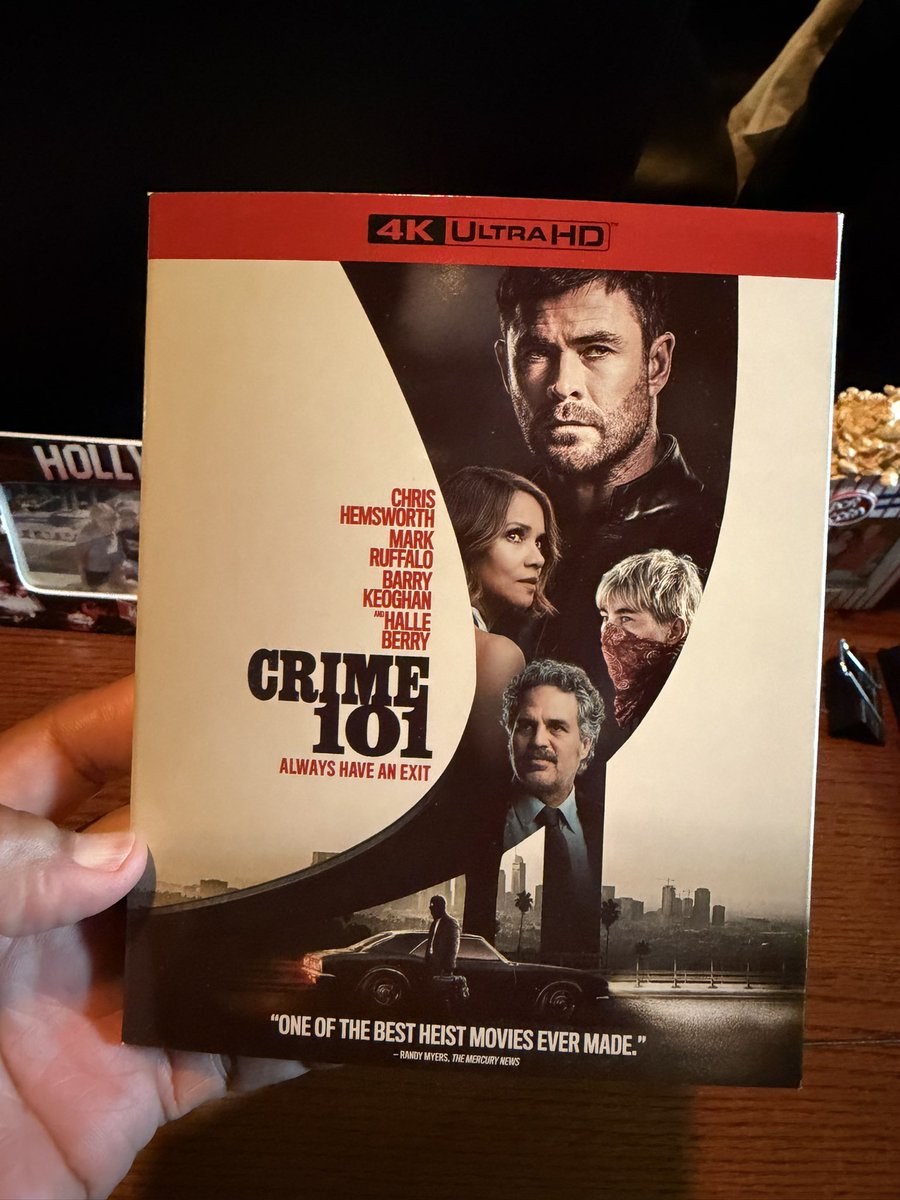
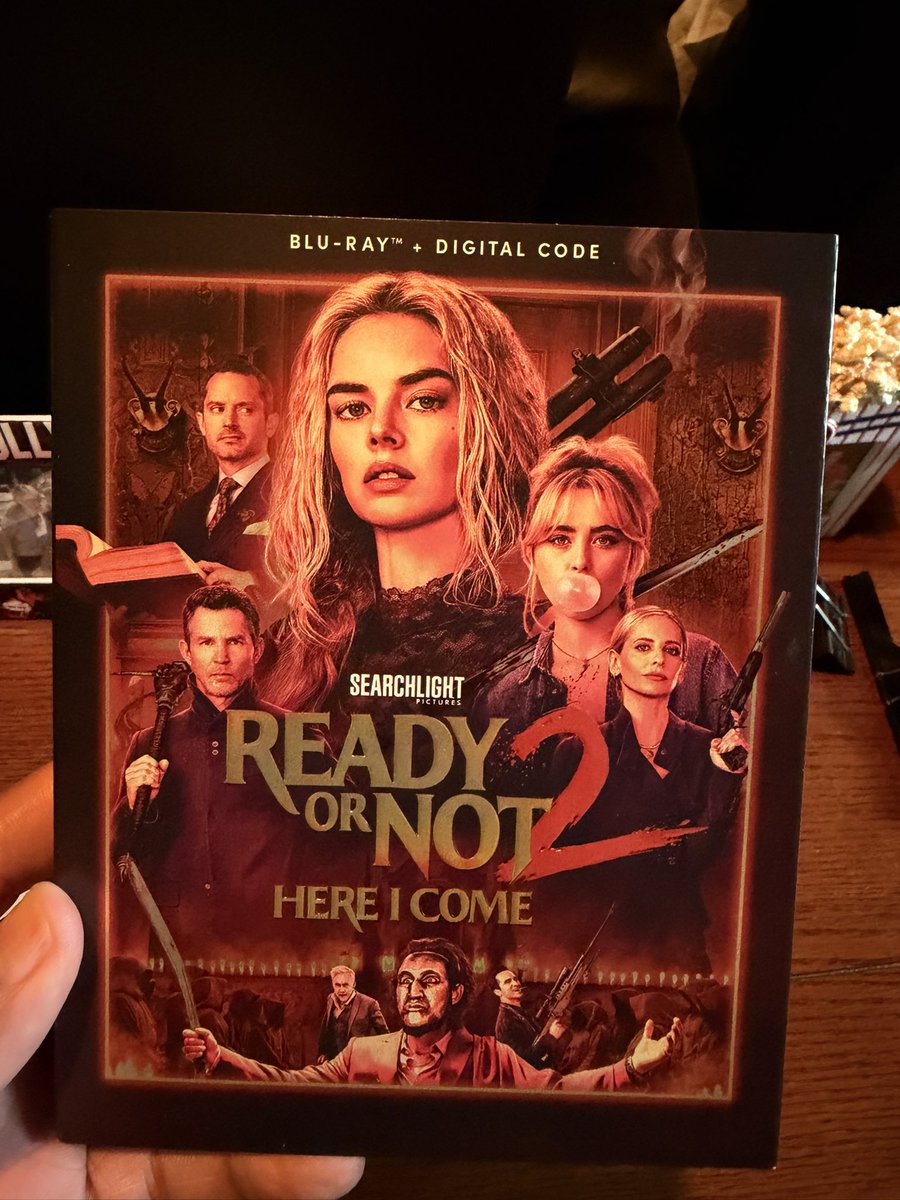
2
2
17
549
🍿Bright Side Home Theater🍿 retweeted

Jun 11
Five years. That's how long I chased this one. A script by Cameron Alexander that I fell in love with the moment I read it — a film that had passed through a lot of hands over the years, none of which quite knew what they were holding or how to treat it. I did. So I kept knocking, and I waited, until it was finally mine to look after.
I grew up around German Shepherds. My mum breeds and trains them, and I've always believed they're the best breed going — full stop. I wanted to make the definitive German Shepherd film, and in Cameron's pages, I saw it.
We redeveloped it together and brought on Andrew Simpson, the best dog trainer in the business — if you've seen the Malinois in John Wick, you've seen his work. Then I handed it to two dear friends, Damien Chazelle and Olivia Hamilton, who saw exactly what I saw: a gritty survival thriller made for the big screen. They took it to Paramount, who fell for it as hard as we had. Before I knew it, Brad Pitt had come aboard, with David Ayer directing — an absolute maestro — and we were shooting in New Zealand.
Here's the part that still gets me. Back in the 90s at Pinewood, I was a runner making Brad his tea and coffee on Interview with the Vampire. To now be one of the producers on what may be one of his very best films… I don't have a word for it other than: pinch me.
HEART OF THE BEAST. In cinemas September 25th.
I am so proud of this one. It's everything I hoped it would be.
And look — everybody loves a dog. It's about the only thing the whole world agrees on. So let me put your mind at ease right now: the dog does not die. You're welcome. 🐾

It’s not who you live for… It’s who you’d die for. Watch Brad Pitt in the new trailer for David Ayer’s HEART OF THE BEAST - only in theatres September 25th.
205
336
2,927
286,373
🍿Bright Side Home Theater🍿 retweeted
Jun 11
avsforum.com/threads/the-pat… Roland Emmerich's sweeping Civil War epic gets a 4K touchup via this limited-edition 4K steelbook release from @SonyPicsAtHome. @UltraHDBluray @the4kCollectivE @moviesinfocus @hdreport @HDMOVIESOURCE @AVSforum @michael_scott90 @theaterbyte @BrightSideHT
3
7
213
🍿Bright Side Home Theater🍿 retweeted

Last night’s show was all kinds of FUN!! 😃
We get legal with The Crash, get the power with MOTU, get lucky with Good Luck, Have Fun, Don’t Die & possessed with When Evil Lurks! 🍿
And we have a VERY special coupon offer for your next purchase of 4K discs… 🤣
Enjoy!! 😃

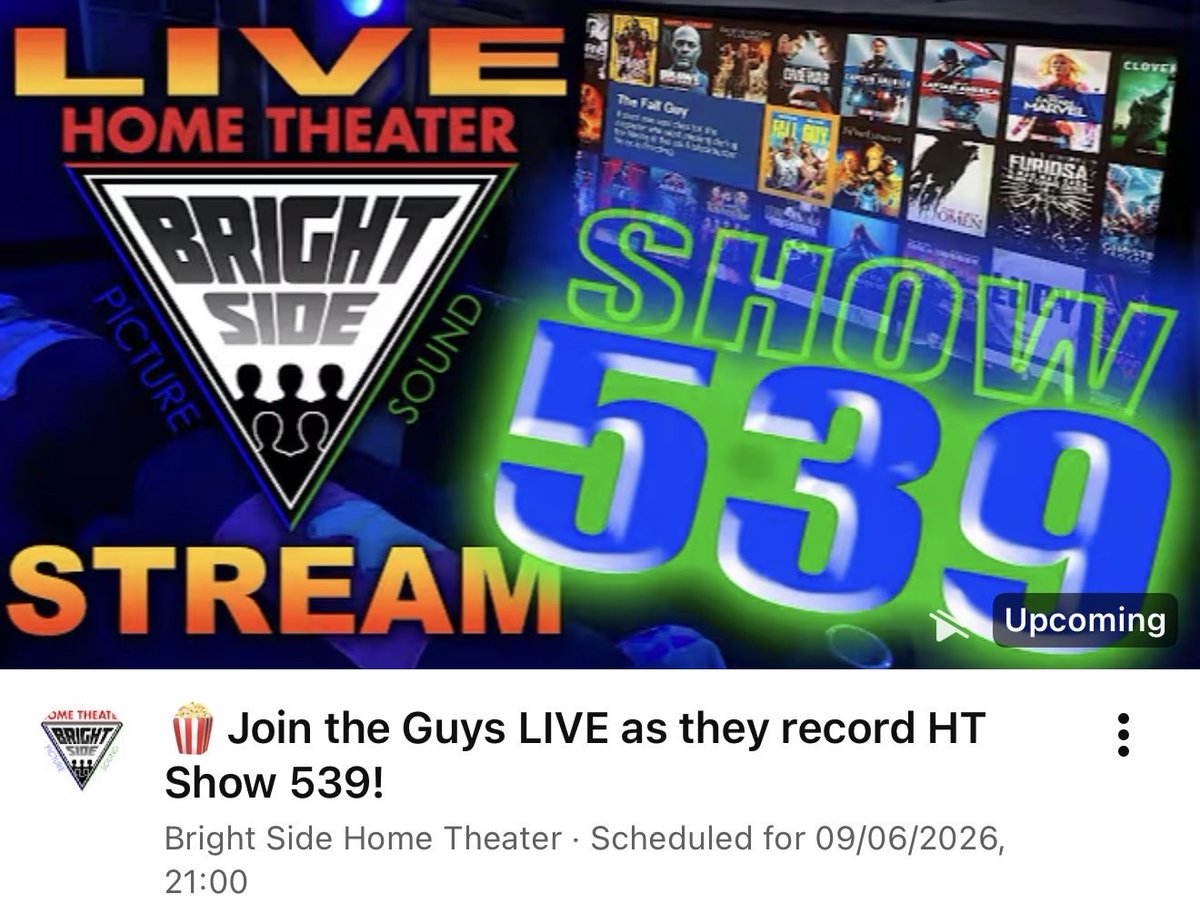
It’s Tuesday, HT peeps! That means tonight there’ll be another @BrightSideHT LIVE show…
Tonight: We have THE POWER!! ⚔️⚔️🏰🏰
🍿🍿 Join us LIVE on YouTube at 1pm (PST)/ 3pm (CST)/ 4pm (EDT) & 9pm (GMT) 🍿🍿
youtube.com/live/3V9Vi3J3i94…
2
6
289
🍿Join the Guys LIVE as they record HT Show 539! x.com/i/broadcasts/1PKqrrAlP…
2
50
🍿Bright Side Home Theater🍿 retweeted
It’s Tuesday, HT peeps! That means tonight there’ll be another @BrightSideHT LIVE show…
Tonight: We have THE POWER!! ⚔️⚔️🏰🏰
🍿🍿 Join us LIVE on YouTube at 1pm (PST)/ 3pm (CST)/ 4pm (EDT) & 9pm (GMT) 🍿🍿
youtube.com/live/3V9Vi3J3i94…
2
5
429
🍿Bright Side Home Theater🍿 retweeted

Jun 7
What’s wrong with this babble from @mjarbo
Netflix is not failing to understand theatrical exhibition. It understands it perfectly well. It just does not need it in the way a legacy studio does.
That is precisely the problem.
This is not Netflix “not caring.” It cares — about subscribers, investors, talent, regulators, awards and brand perception. It just does not care enough about theatrical culture to rebuild itself around a model it was created to bypass.
And commercially, that makes sense.
Netflix did not spend years training audiences away from shops, discs, schedules, windows and waiting, only to suddenly turn sentimental about theatrical exclusivity because filmmakers and exhibitors are upset.
But the fact that Netflix’s model makes sense for Netflix does not mean it makes sense for cinema.
That distinction matters.
Netflix is built around retention, scale, convenience, habit and global access. Its audience is not queuing outside a multiplex on Friday night. Its audience is already on the sofa.
But the sofa cannot be the whole future of film.
Because cinemas do something streaming cannot: they train audiences to value cinema as an event. They teach people to leave the house, sit in the dark with strangers, pay attention, surrender to scale, sound, silence and shared reaction. They make film social, physical and culturally visible.
Strip that away and a film stops being an event and starts being content — and content does not carry the rituals that make audiences care.
Theatre is not just a delivery mechanism. It is part of the education of the audience. It tells people that some things are worth leaving the house for, worth seeing properly, worth more than the background hum between messages, dinner and scrolling.
That is what the industry should be defending.
So when Dan Lin says there are filmmakers Netflix has accepted it simply will not work with if theatrical is their non-negotiable condition, that is not shocking. It is Netflix admitting the obvious: theatrical primacy is not its business.
But Hollywood’s mistake is pretending that Netflix can be persuaded into loving a model it was designed to escape.
It cannot.
The answer is not to beg Netflix to behave like an old studio. The answer is for studios, exhibitors, filmmakers and distributors to make theatrical matter again — with better windows, better projection, better sound, better pricing, better programming and films that genuinely deserve the room.
Because if theatrical becomes optional, it becomes ornamental. And ornaments do not survive cost-cutting.
Netflix may not need cinemas.
But cinema does.
And so do audiences — even if they have been trained to forget it.
Jun 7

What you have to remember is that Netflix does not care if people are mad at it.
Dan Lin told the New York Times that filmmakers who still demand theatrical are basically people Netflix has accepted it just won’t work with.
People are acting shocked.
Come on.
Netflix has been telling Hollywood who it is for almost 30 years.
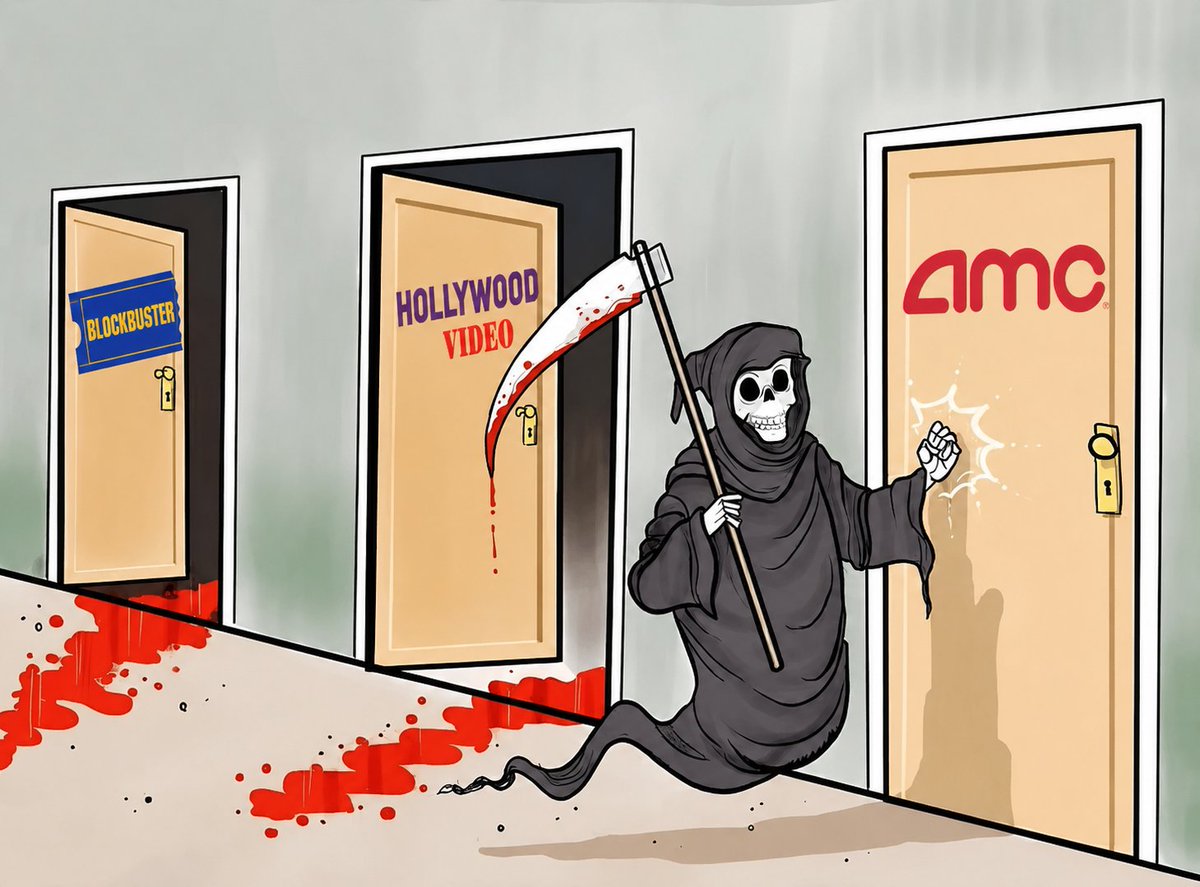
They got tired of Blockbuster late fees, built DVD-by-mail, helped kill the rental model, pivoted to streaming, and trained audiences to watch movies at home.
Now they have more than 325 million paid subscribers.
They do not need theaters.
They wanted Warner Bros., sure. They said they would protect theatrical for a while. Maybe they saw value in having that machine attached to the platform.
But Hollywood treated Netflix like the barbarians at the gate.
So Netflix is basically saying, fine.
We’ll go our way. You go yours.
Theaters can still have great weekends. May and June proved that.
But theatrical is expensive, inconsistent, and built around audiences who increasingly assume the movie will be home soon enough.
Netflix lives above that chaos.
Hollywood keeps wanting Netflix to respect the old model.
Netflix killed Blockbuster.
It might kill AMC next.
4
12
1,975
🍿Bright Side Home Theater🍿 retweeted
Jun 6
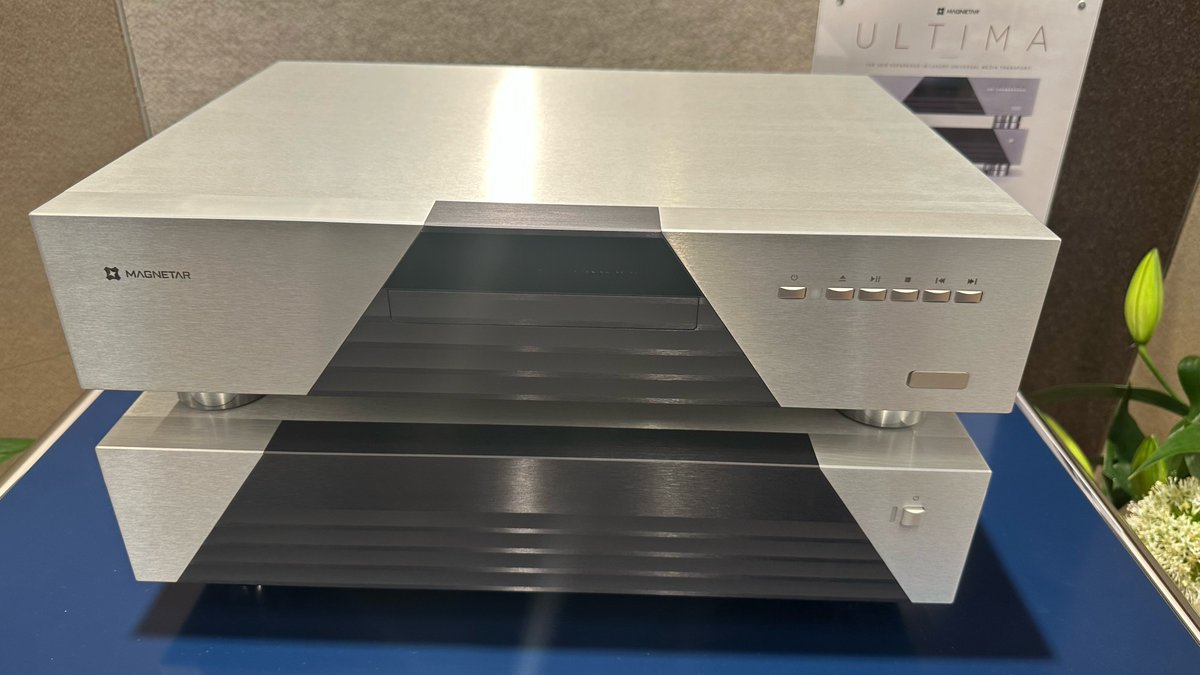
The ultimate disc player?
The new Magnetar is a $12,000 reference 4K universal disc player that plays just about everything: 4K UHD, Blu-ray, DVD, CD, SACD and more.
Built for precision. Built for serious systems.
I’ll be seeing, hearing, and testing it very shortly.
#Magnetar, #UDP900MKII, #4KBluray, #HomeCinema ,#MagnetarUltima
3
6
303
I agree! Jon is the real deal! And from first hand experience his opinions are strong because he knows the facts he used to form his opinions. And I promise you his facts come from real world experience not Ai.
Jun 7

It’s been a fascinating day.
I wrote a piece about the catastrophic state of some independent film contracts — and, naturally, the clapping seals of the internet have decided this must mean I’m AI.
Apparently, writing in complete sentences now counts as suspicious behaviour.
So here’s a modest suggestion: go and watch me on @BrightSideHT , then decide whether I’m real. Spoiler: I am. Annoyingly so.
No AI was harmed in the making of the piece. No AI was required either.
As anyone who has seen @BrightSideHT will know, I’m perfectly capable of being this irritating, articulate and opinionated all by myself.
2
2
155
🍿Bright Side Home Theater🍿 retweeted
Jun 7
It’s been a fascinating day.
I wrote a piece about the catastrophic state of some independent film contracts — and, naturally, the clapping seals of the internet have decided this must mean I’m AI.
Apparently, writing in complete sentences now counts as suspicious behaviour.
So here’s a modest suggestion: go and watch me on @BrightSideHT , then decide whether I’m real. Spoiler: I am. Annoyingly so.
No AI was harmed in the making of the piece. No AI was required either.
As anyone who has seen @BrightSideHT will know, I’m perfectly capable of being this irritating, articulate and opinionated all by myself.
1
2
11
868
🍿Bright Side Home Theater🍿 retweeted

Jun 5
Which movies best demonstrate the power of sound and picture quality? In today’s Kaleidescape Filmmaker Spotlight – a series of film collections from Hollywood’s greatest artists – Brandon Proctor, nominated for his work on “Sinners” and “Black Panther,” discusses his favorite demo scenes: “There are so many incredible scenes to showcase in your home theater. Saving Private Ryan redefined what a demo scene could be when it was released in 1998. Gary Rydstrom’s design and mixing are amazing.”
Check out Brandon’s favorite films here: kaleidescape.com/movie-store…
Curious about Kaleidescape? Learn more here:
kaleidescape.com/
#EscapeBeyondCinema #UltimateMoviePlatform #KaleidescapeMovies #FilmmakerSpotlight #BrandonProctor #FightClub #Sinners #BlackPanther #AQuietPlace @__brandon__
2
5
418
🍿Bright Side Home Theater🍿 retweeted
Not long to wait until we get going on this week’s @BrightSideHT LIVE show!!
This week we’re planning on having a good night, lots of fun and NOT dying!! 😝😝
🍿🍿 Join us LIVE on YouTube at 1pm (PST)/ 3pm (CST)/ 4pm (EDT) & 9pm (GMT) 🍿🍿
youtube.com/live/uHL6IUM3CsA…
1
2
8
379
🍿Join the Guys LIVE as they record HT Show 538! x.com/i/broadcasts/1mxPaawRo…
2
55
🍿Join the Guys LIVE as they record HT Show 537! x.com/i/broadcasts/1RJjppbXz…
126
🍿Bright Side Home Theater🍿 retweeted
Hey HT nerds! It’s nearly time for this week’s @BrightSideHT LIVE show.
Tonight: Fights, Kills, Hutts, Clowns and MORE?? 😃😃
🍿🍿 Join us LIVE on YouTube at 1pm (PST)/ 3pm (CST)/ 4pm (EDT) & 9pm (GMT) 🍿🍿
youtube.com/live/dosyTU7NarY…
1
3
138
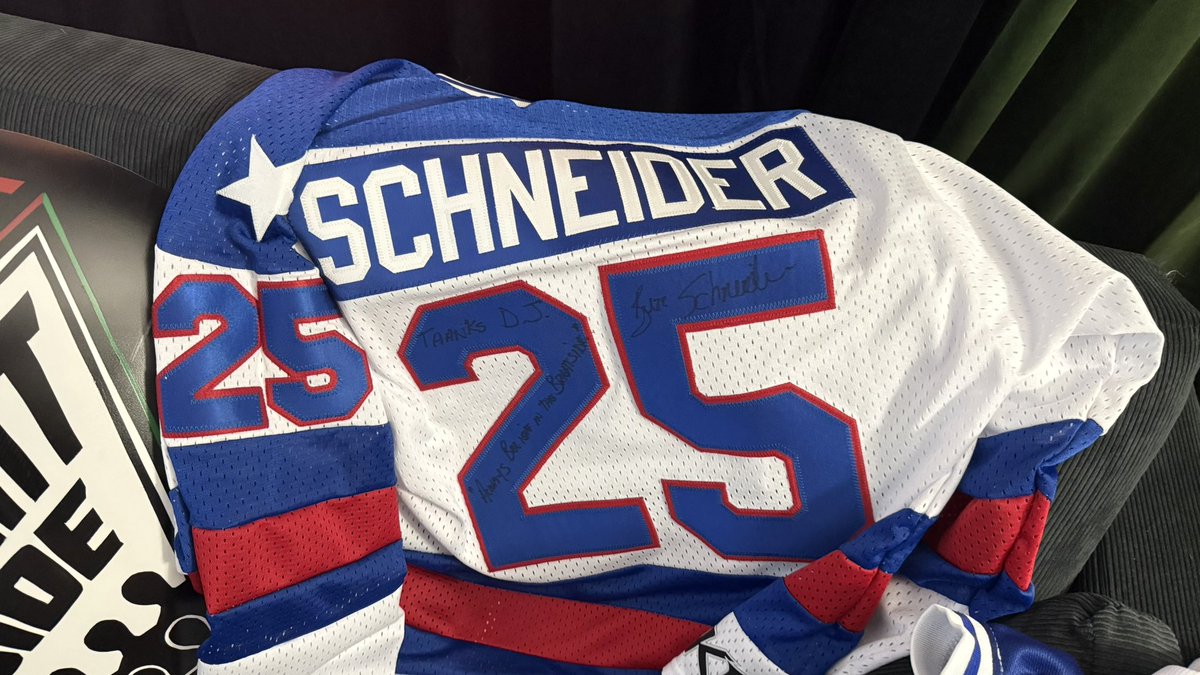
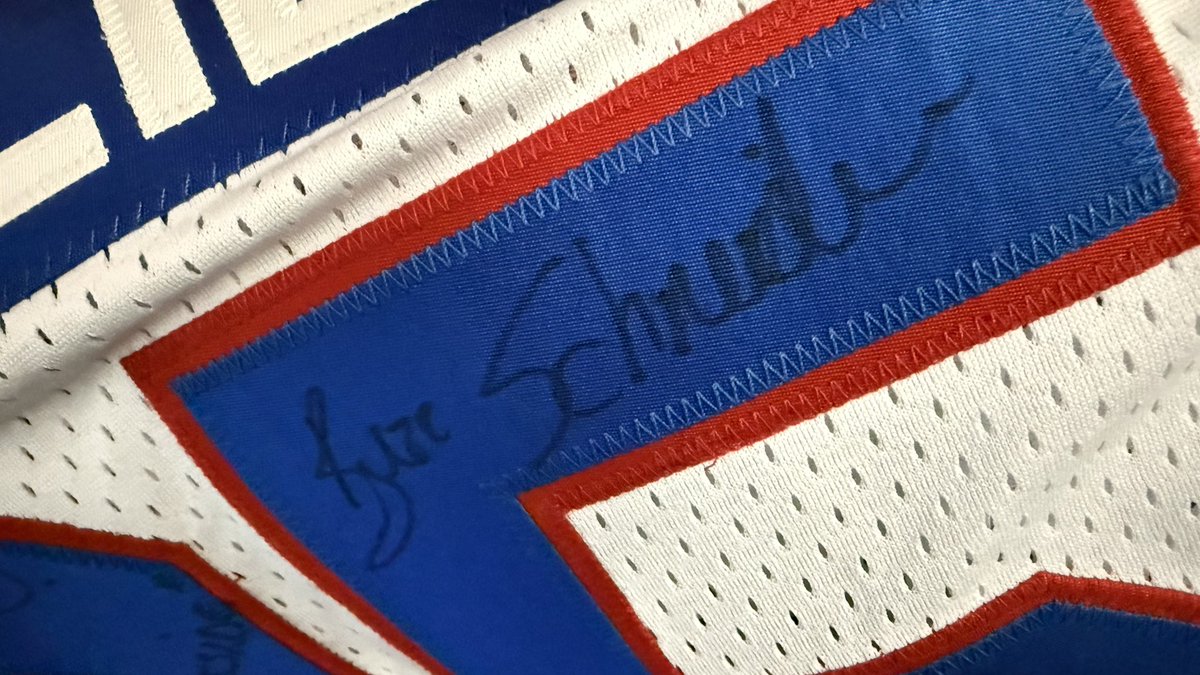
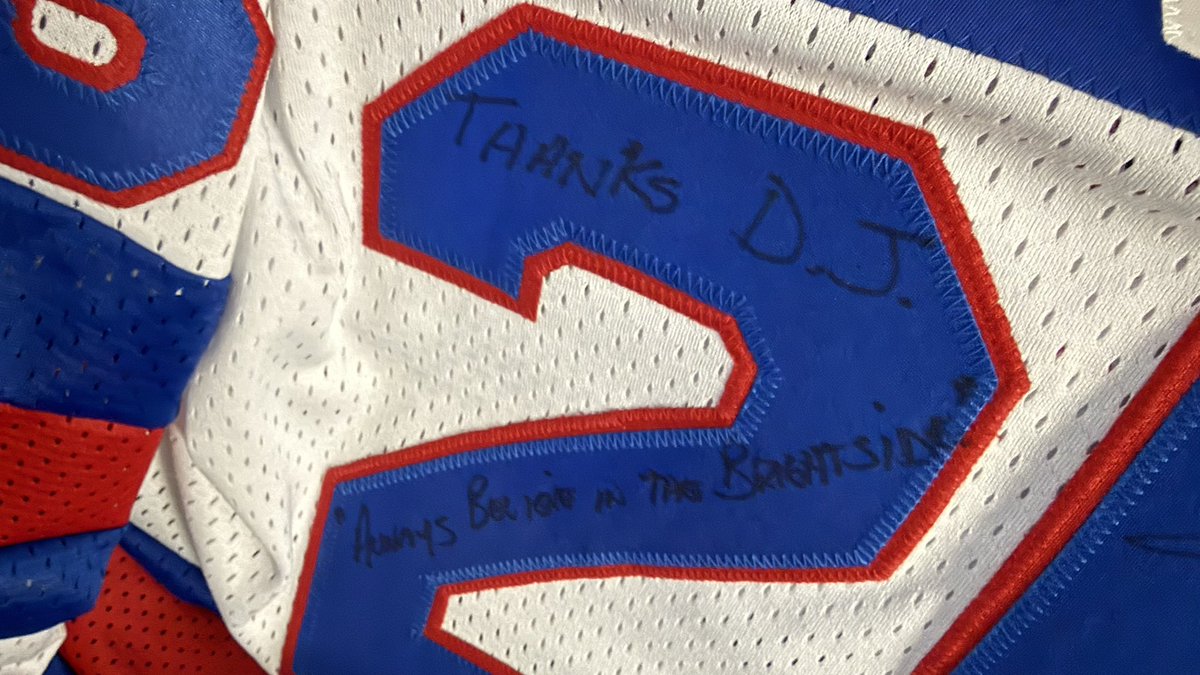
🏒🍿HUGE thank you to @PFprod_NY for hooking me up with this absolute BEAUTY!
Buzz Schneider’s #25 USA jersey, personally signed with “Thanks D.J. Always Believe in the Brightside” 🔥
Miracle on Ice and #HomeTheater vibes all wrapped up into one! 🇺🇸🍿
Thanks again to Paul and Buzz for the jersey and a great chat back in February! What an experience!!
podcasts.apple.com/us/podcas…
#MiracleOnIce #BuzzSchneider #HTFam #USAHockey
3
3
6
223
🍿Bright Side Home Theater🍿 retweeted
May 20
avsforum.com/threads/avatar-… James Cameron's latest epic spectacle delivers a fantastic home theater experience in 4K/Atmos from @20thHomeEnt. @officialavatar @UltraHDBluray @the4kCollectivE @AVSforum @moviesinfocus @hdreport @HDMOVIESOURCE @theaterbyte @BrightSideHT
1
4
16
1,096
🍿Bright Side Home Theater🍿 retweeted
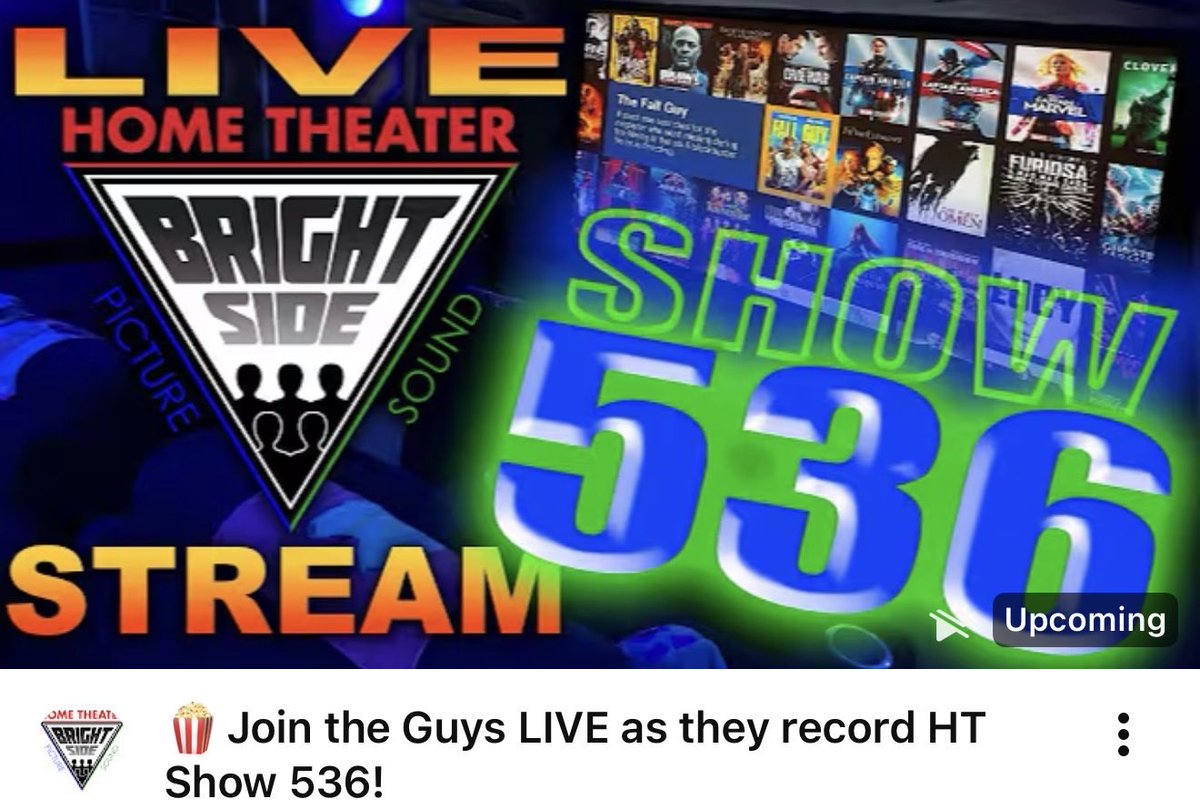
Another week and another GREAT time co-hosting the @BrightSideHT LIVE show!
This week: Punishment, Help, Obsession, Legends & Thunder!!
Oh, and we create our very on Schneider-verse! 😝
Enjoy!! 🍿🍿🎬🎬
Hey Home Theatre Nerds! It’s almost time for this week’s @BrightSideHT LIVE show.
Tonight: Punishment is coming! 💀💀🎬🎬
🍿🍿 Join us LIVE on YouTube at 1pm (PST)/ 3pm (CST)/ 4pm (EDT) & 9pm (GMT) 🍿🍿
youtube.com/live/ZDt7zOWDXOc…
1
2
7
495
📱🍿Join the Guys LIVE as they record HT Show 536! x.com/i/broadcasts/1AKEmOpEk…
1
3
158
🍿Bright Side Home Theater🍿 retweeted
Hey Home Theatre Nerds! It’s almost time for this week’s @BrightSideHT LIVE show.
Tonight: Punishment is coming! 💀💀🎬🎬
🍿🍿 Join us LIVE on YouTube at 1pm (PST)/ 3pm (CST)/ 4pm (EDT) & 9pm (GMT) 🍿🍿
youtube.com/live/ZDt7zOWDXOc…
3
5
752