We focus on Residents issues like HEALTH ,Environment and Climate change), Human Wildlife Conflict,Social Accountability, Education, Human Rights
Joined May 2021
- Tweets 4,168
- Following 2,108
- Followers 1,554
- Likes 2,114
681 Photos and videos


BUHERA RESIDENTS NETWORK retweeted

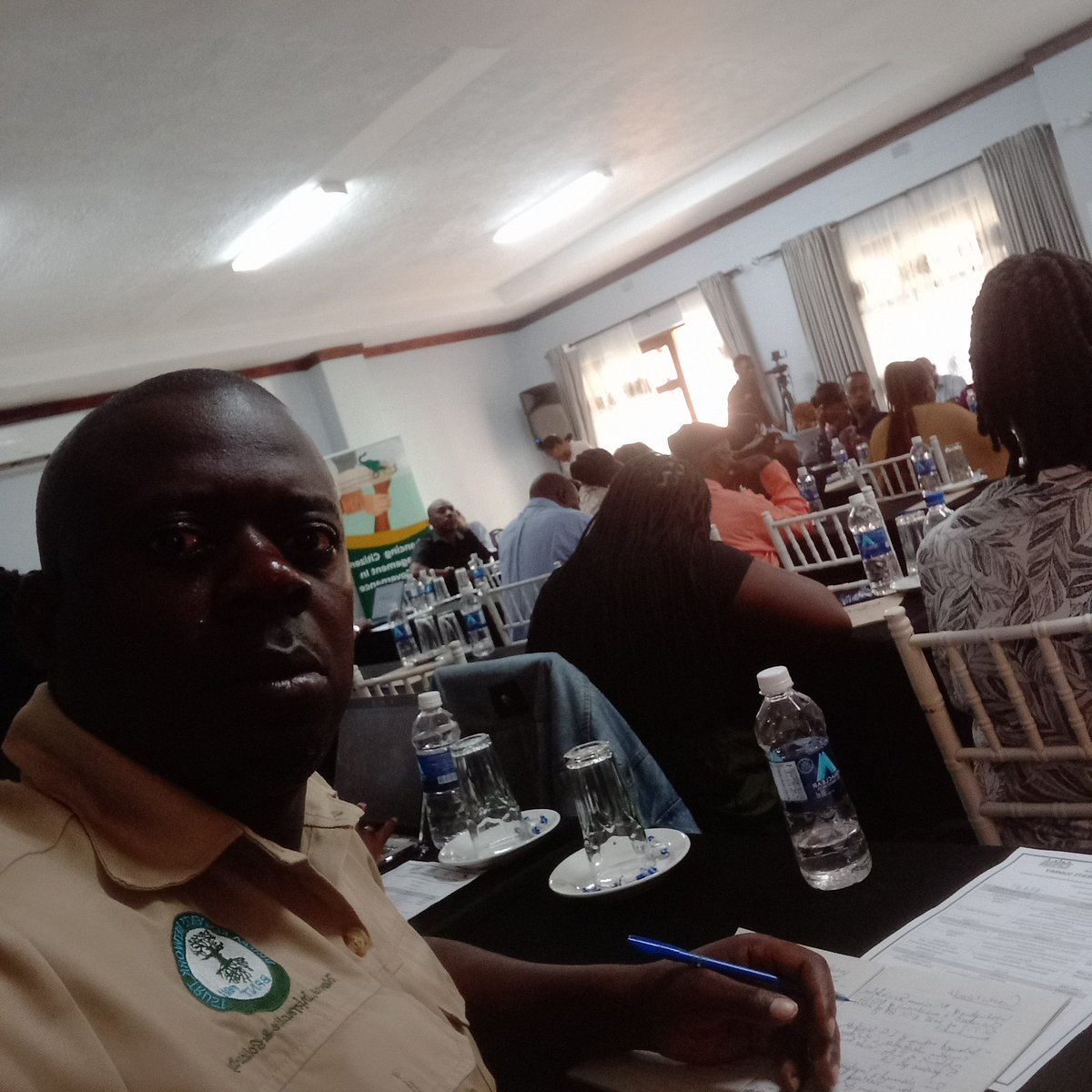
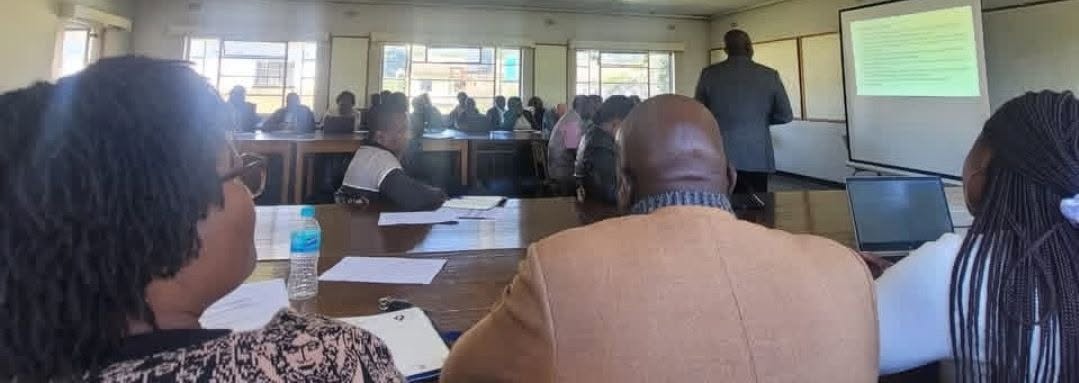
We attended the 2026 Mid-Year WASH Review Meeting at RIDA Boardroom alongside teams fro Buhera, Makoni, Mutare, Chimanimani, Chipinge & Mutasa to review progress against the 2026 Provincial WASH Workplan, discussing WASH coverage, alignment with NDS2, open defecation status etc
1
2
26
BUHERA RESIDENTS NETWORK retweeted

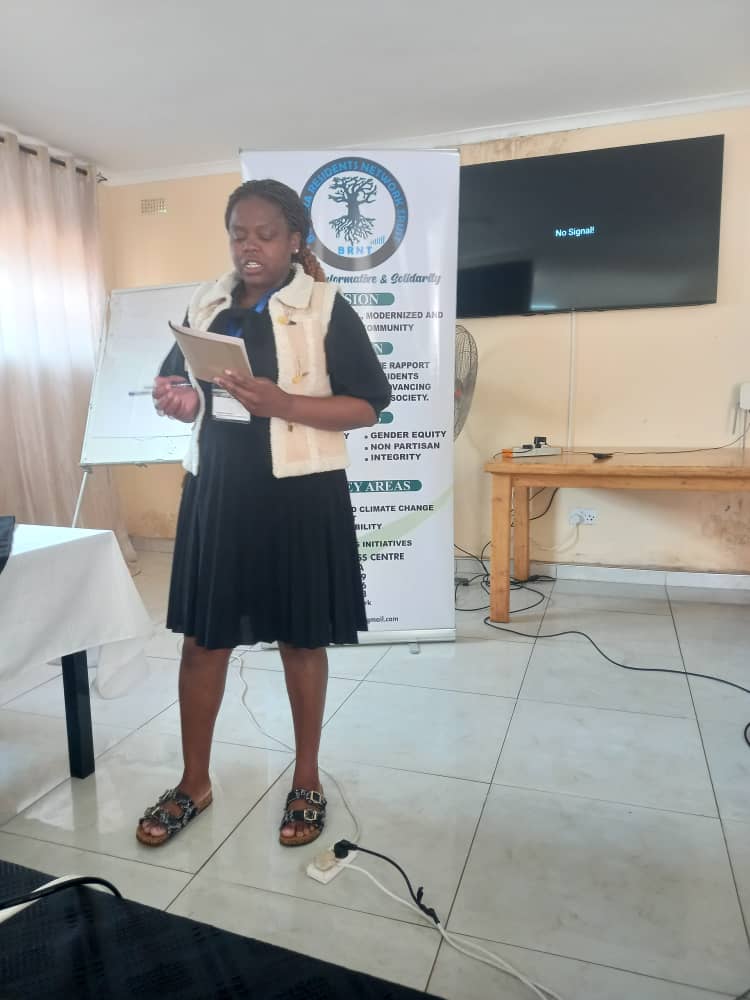
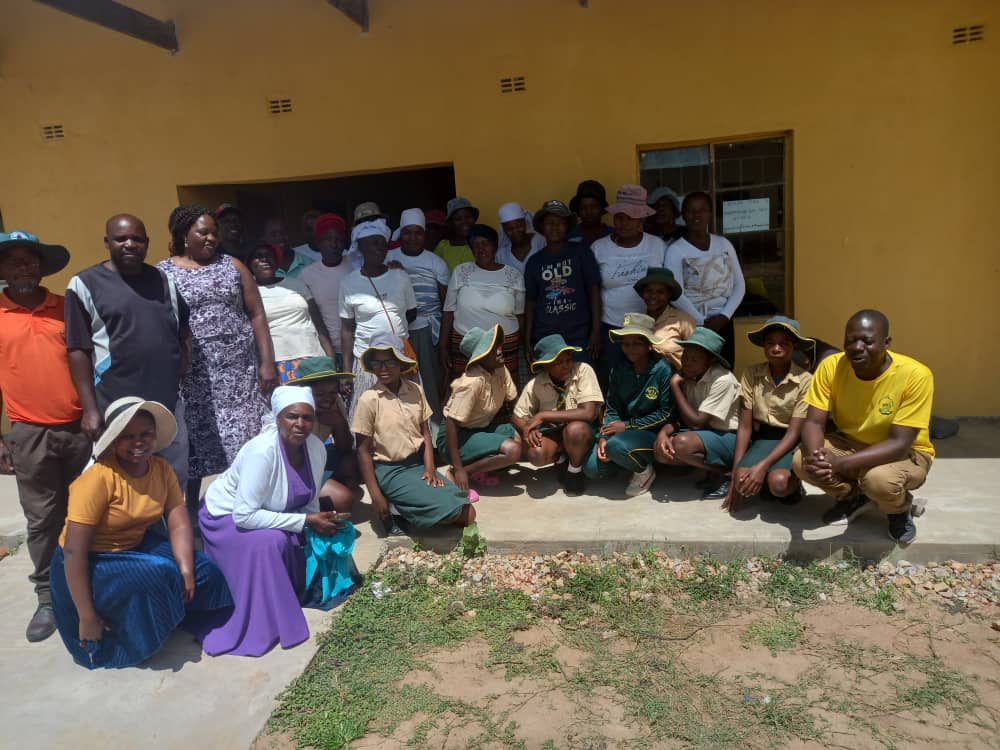
Our FEMALE board member & Youth rep far right celebrating the World Environment Day ward 22 .We need to do soil conservation.
1
2
24
BUHERA RESIDENTS NETWORK retweeted
1
3
22
BUHERA RESIDENTS NETWORK retweeted

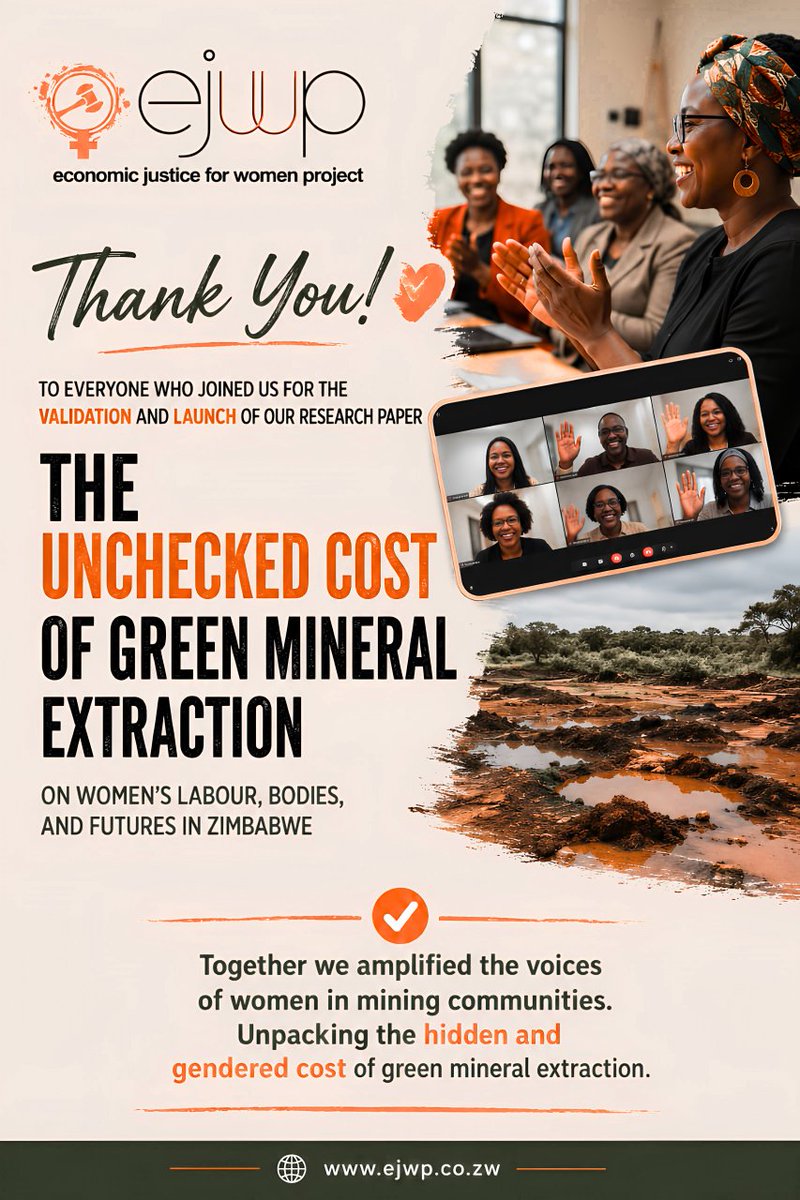
To every participant, thank you for joining us.
All the questions asked and contributions made are deeply appreciated. To every young woman from these mining communities, your voice is the evidence that made this research matter.
1
1
3
39
BUHERA RESIDENTS NETWORK retweeted
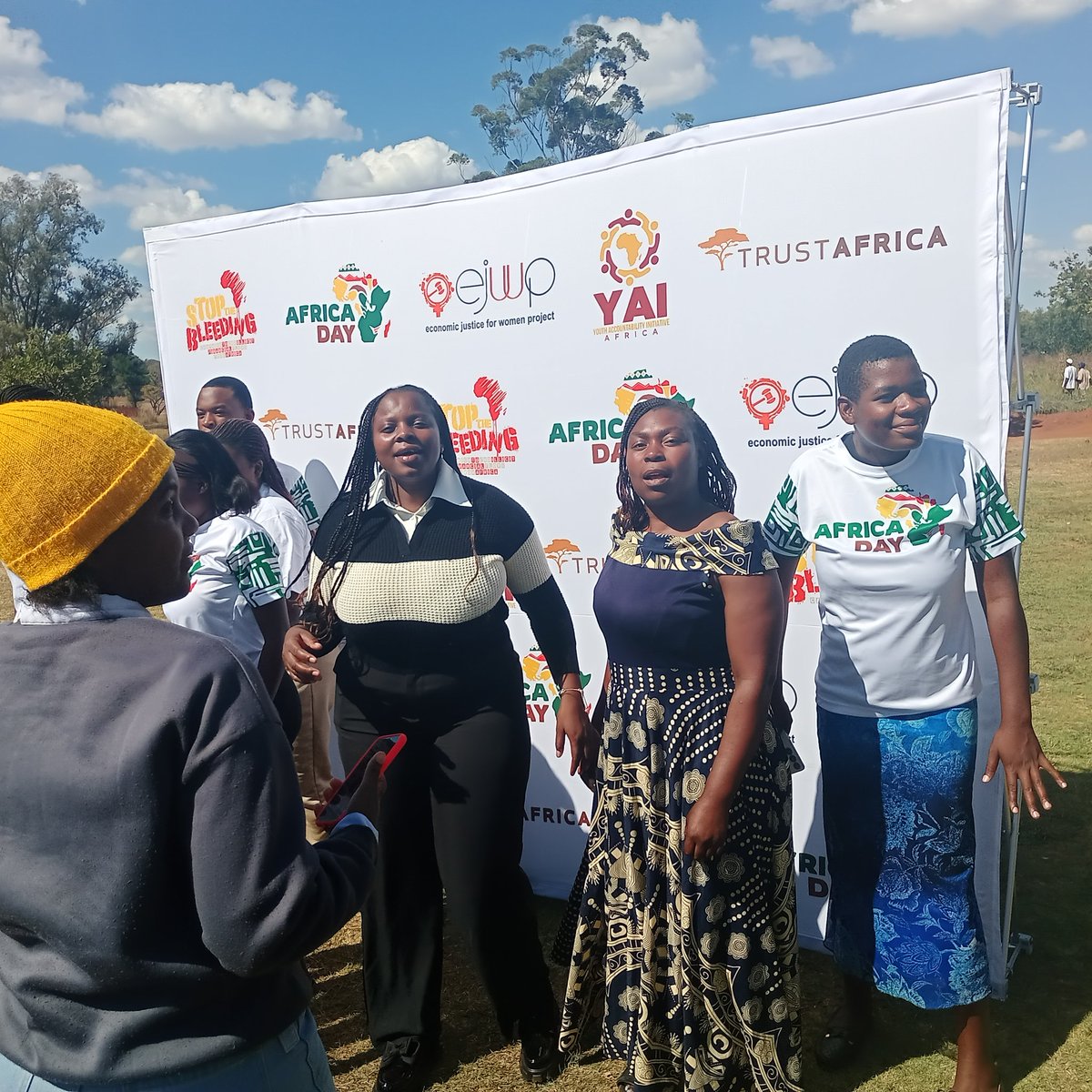
Happy Africa Day.We want water in villages,schools, business centers.We want clinics/hospitals with drugs.We want responsible mining & extraction of natural resources.@EJFWZim @SthrnAfrcaTrust @TrustAfrica @ZELO_Infor @ZIMCODD1 @DeproseM @wateralliancez @RightsinDevt @ChraHarare
2
2
38
RT @chitrest2020: We are celebrating…@NLinZimbabwe @TheWJP @AusEmbZim @USAID @FrontLineHRD @SAPSN99 @AA_stabilisiert @NAYOZimbabwe @Womenof…
1
BUHERA RESIDENTS NETWORK retweeted
Convening & celebrating under the theme "Beyond Debt ". Reimagining Africa's future & Economic Transformation through Youth voices & Creative Action.@TrustAfrica @EJFWZim @SthrnAfrcaTrust @sentinelzim @CHR_HumanRights @zyipt1 @nangozimbabwe @BriggsBomba @Lsdsenegal @rose_hanzi
4
2
75

BUHERA RESIDENTS NETWORK retweeted

Operation Dhiginiti and the Fight for Workplace Democracy
By Obert Masaraure for ARTUZ NEC on Africa Day.
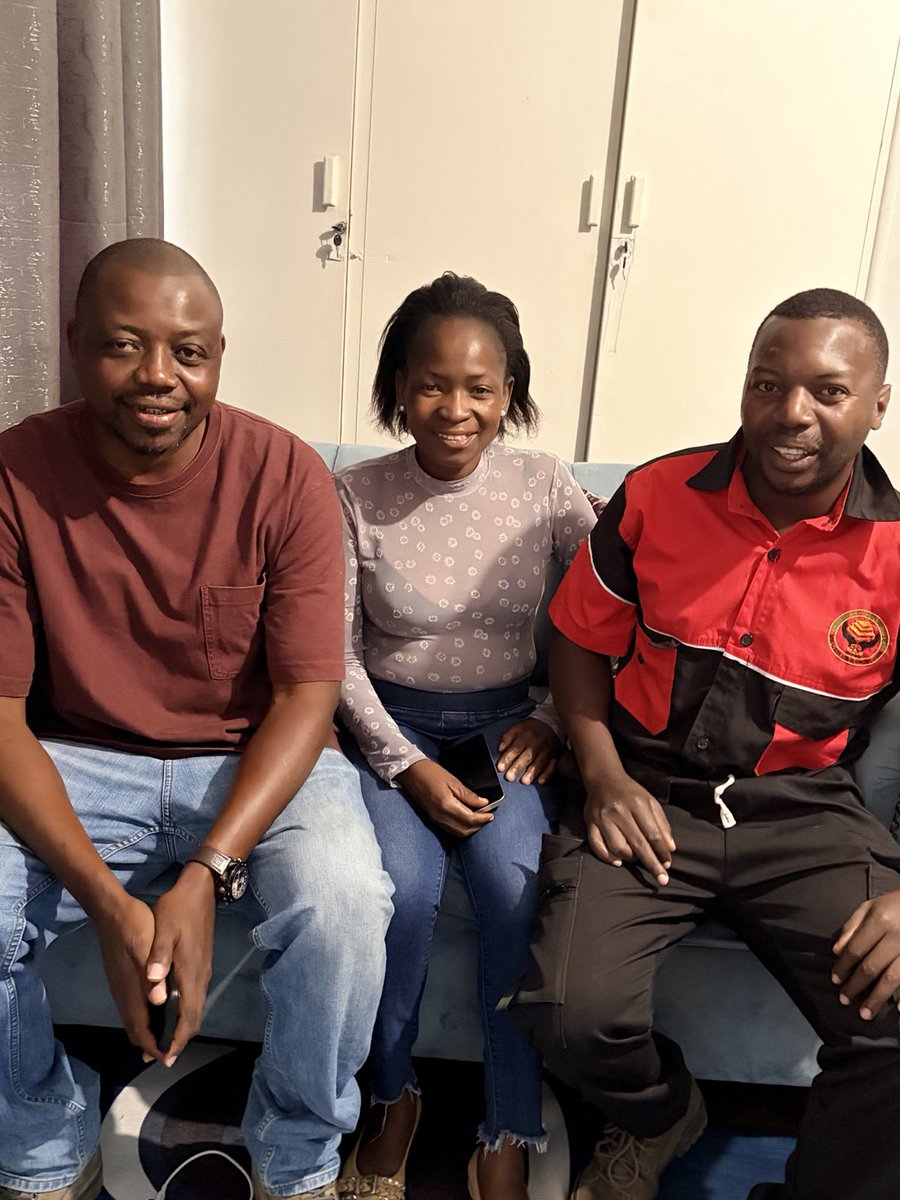
In alignment with the core mandates of our Union, we were deployed to meet with comrades who have been unlawfully and unfairly discharged from the public service. The objective of this deployment was twofold, to understand their current socio-economic survival strategies and to extend practical, material, and institutional solidarity.
This initiative falls under “OPERATION DHIGINITI,” a comprehensive campaign launched by ARTUZ aimed at restoring the dignity of both the teacher and the teaching profession. At its foundation, the operation asserts that we cannot fight for the dignity of the classroom without fiercely defending and supporting our frontline fighters who have been unfairly dismissed for engaging in genuine, protected trade union activities.
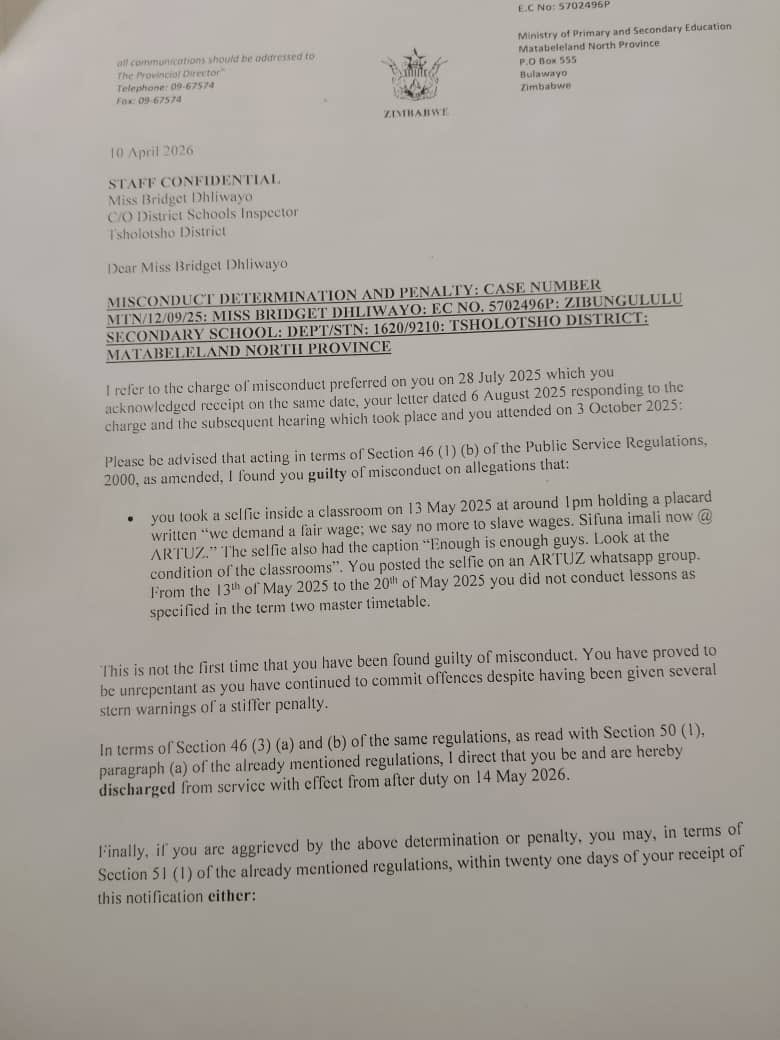
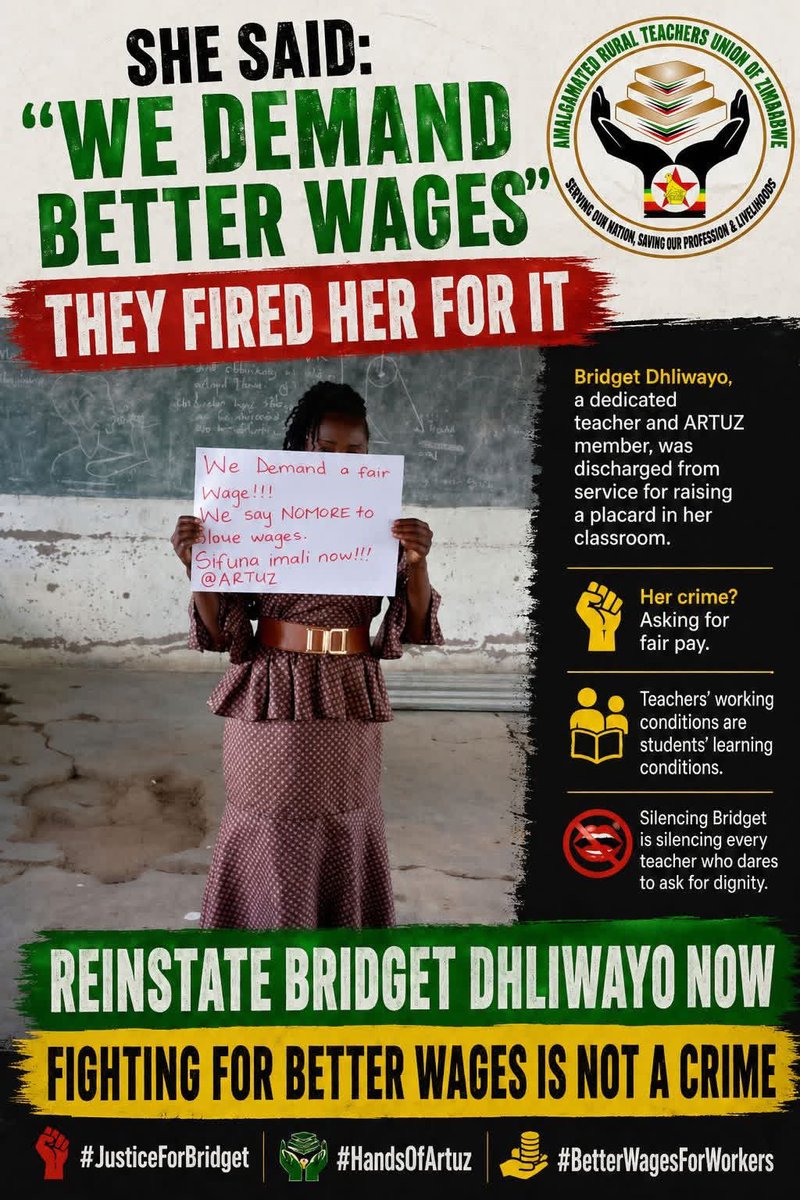
The case of Comrade Bridget Dhliwayo stands as a heart-wrenching indictment of the employer’s brutality. Her offense was straightforward and entirely peaceful: she raised a placard demanding a living wage. This act constitutes legitimate, core trade union work explicitly protected by both domestic and international law. For this singular act of expressing economic distress, she was summarily discharged from the service.
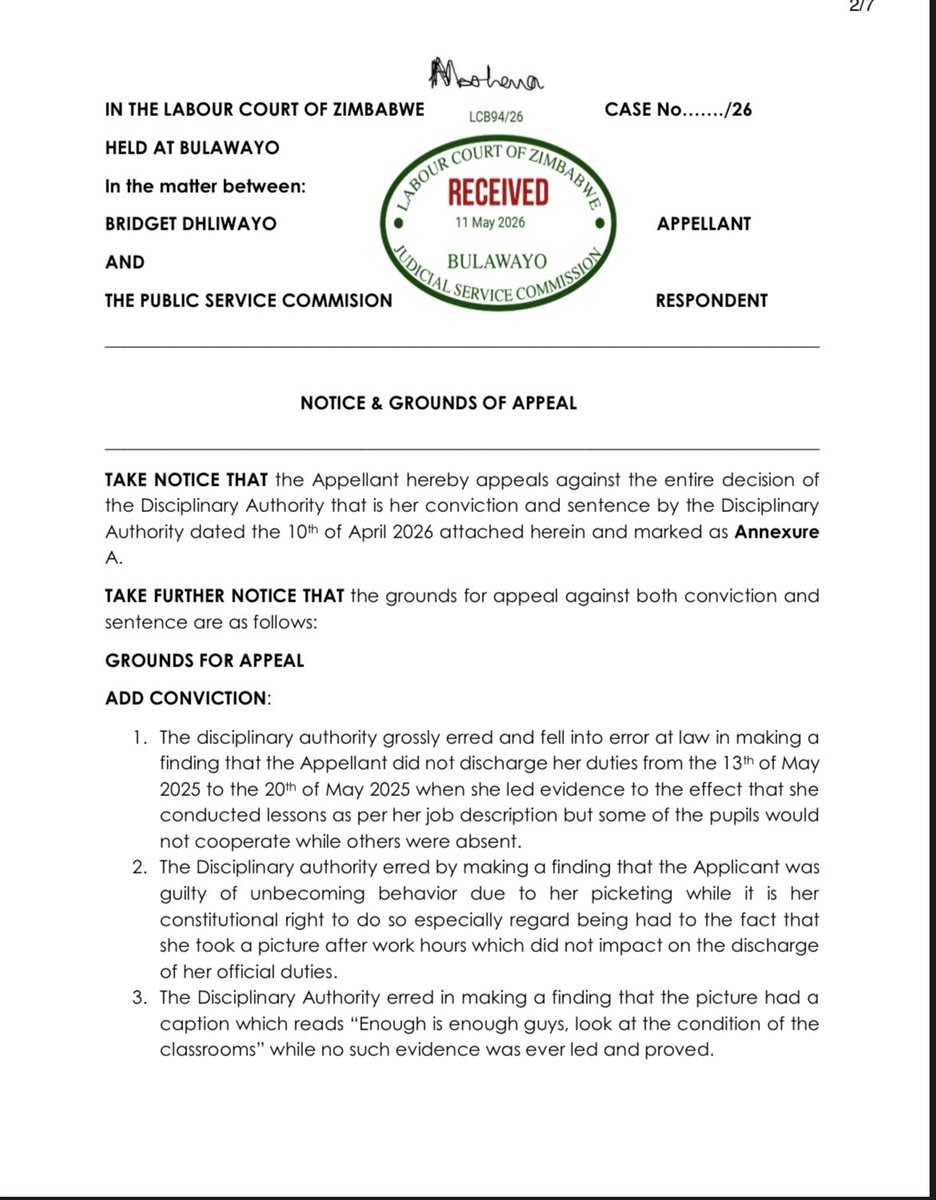
The Union has since approached the Labour Court seeking her unconditional reinstatement. Despite the severe victimization she has endured, it was profoundly heartwarming to hear from Cde Bridget that her spirit remains unbroken. She stands ready to continue the fight for a fair wage and a better Zimbabwe. Her case is a stark reminder of the authoritarian environment workers are forced to navigate and reinforces our collective resolve to fight for genuine workplace democracy.
The dismissal of Cde Bridget represents a severe, multi-layered breach of statutory, constitutional, and international labour standards. Zimbabwe formally ratified the ILO Freedom of Association and Protection of the Right to Organise Convention, 1948 (No. 87), on 9 April 2003. Article 3(1) explicitly states that workers’ and employers’ organisations shall have the right to organize their activities and formulate their programmes in full freedom, while Article 11 obliges ratifying states to take all necessary and appropriate measures to ensure that workers can freely exercise the right to organize. Bridget’s dismissal directly violates these international commitments.
The state’s actions also directly contravene Section 65 of the Constitution of Zimbabwe (Amendment No. 20) Act, 2013. Section 65(1) guarantees every person the right to fair and safe labour practices and standards, as well as the right to a fair and reasonable wage. Section 65(2) guarantees the right to form and join trade unions and to participate in their lawful activities, while Section 65(3) protects the right to participate in collective job action, including the right to strike, withdraw labour, and engage in other forms of concerted action.
Furthermore, the Labour Act [Chapter 28:01], particularly Section 4, protects employees against victimization arising from trade union membership or lawful union activity, while Section 45 further outlaws anti-union discrimination. Although the state frequently relies on disciplinary procedures under the Public Service Act [Chapter 16:04] and related regulations, using such provisions to bypass constitutional protections under Section 65 remains contrary to the supreme law of the land and also leads to their non-existence. Statutory instruments cannot supersede constitutional guarantees.
Operation Dhiginiti is more than a standard labour protest but it is an ideological and material offensive driven by the reality that the Zimbabwean teacher has been structurally pauperized. The operation provides legal defense and public advocacy for members targeted through labour victimization, framing the defense of the individual as the defense of the collective union itself.
3
5
10
1,280
BUHERA RESIDENTS NETWORK retweeted
We join Africa to celebrate Africa Day. Celebrating the strength, resilience, brilliance, and power of African women and young women who continue to shape the continent despite social and economic barriers.
HAPPY AFRICA DAY!

1
3
42
BUHERA RESIDENTS NETWORK retweeted

2/4
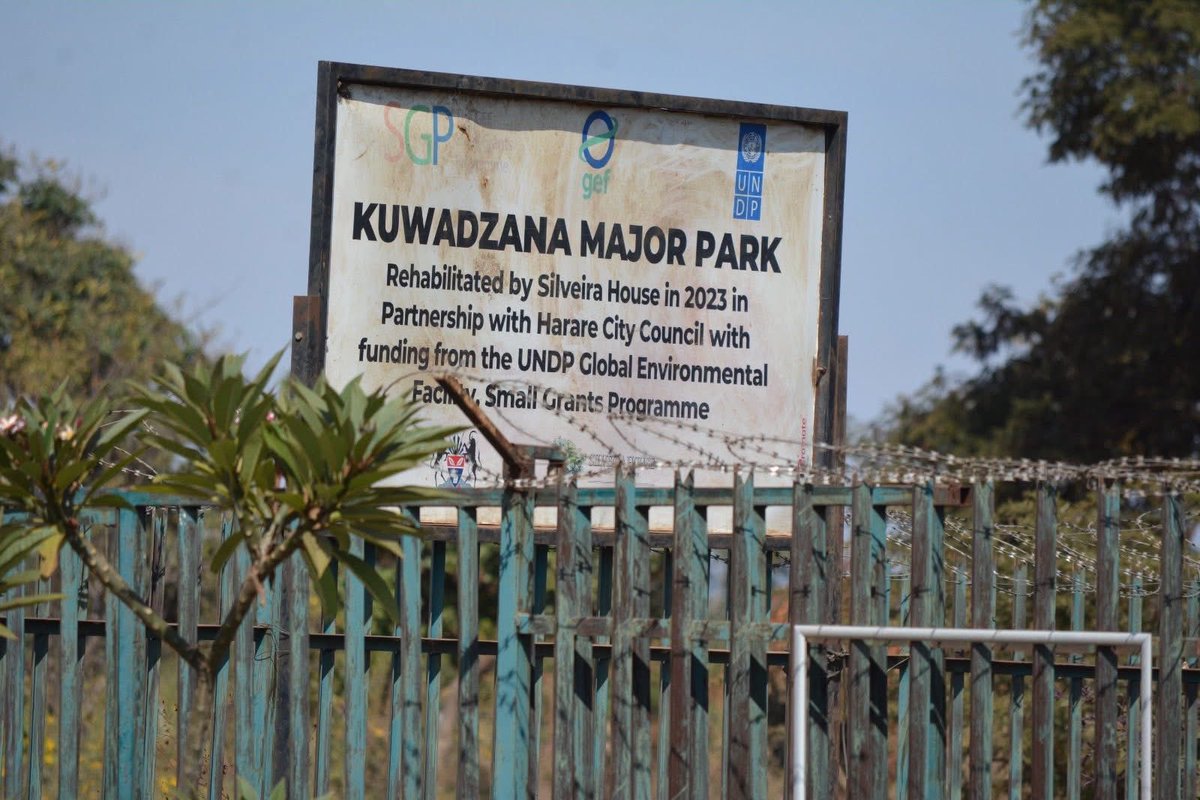
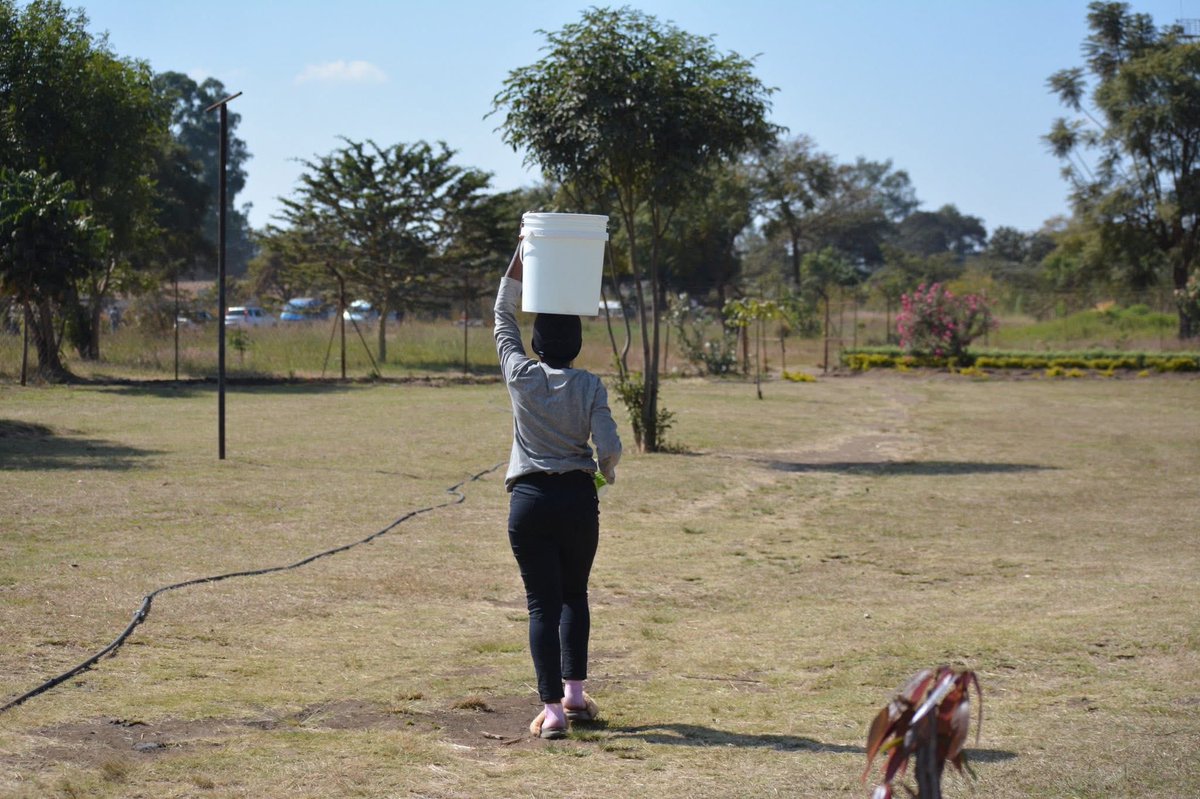
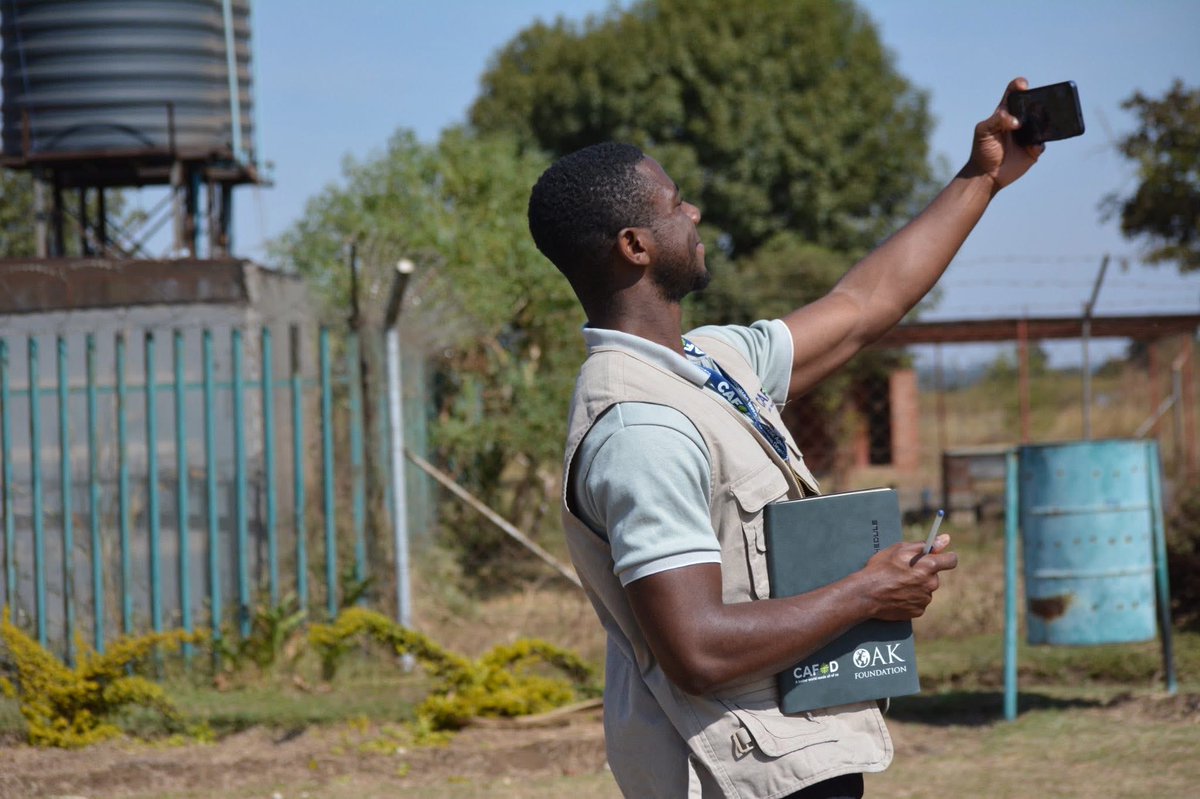
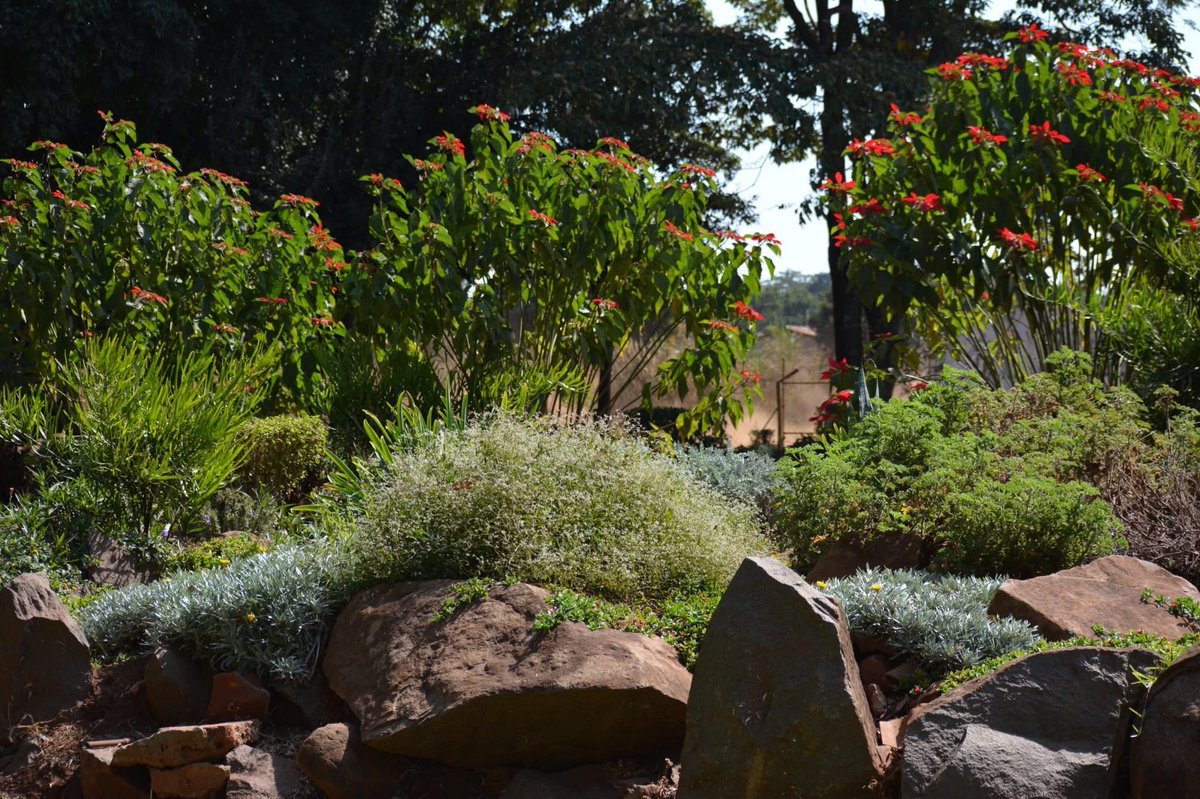
Handed over to the City of Harare for ongoing maintenance, the park has evolved far beyond basic restoration. Today, it stands as a powerful model for urban resilience, environmental justice, and community-led innovation.
1
3
87
BUHERA RESIDENTS NETWORK retweeted
Legal compliance have its own ramifications on the operations .Navigating the course is challenging but a necessary path for survival & resource mobilisation.Young orgs needs support @byopra @ChraHarare @ZLHRLawyers @nangozimbabwe @ZELO_Infor @nangozimbabwe .Endure the hurdles.
2
4
23
BUHERA RESIDENTS NETWORK retweeted

May 21
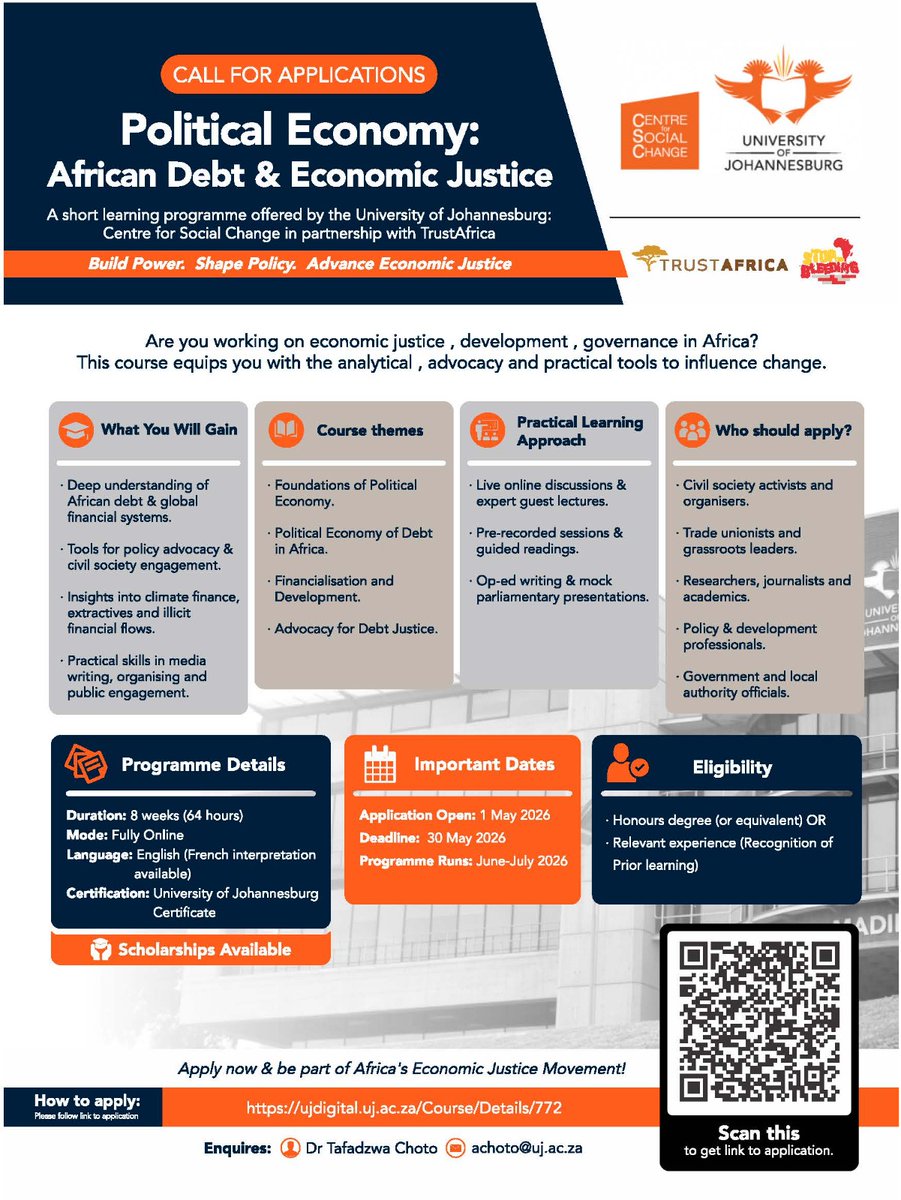
📢 Call for Applications
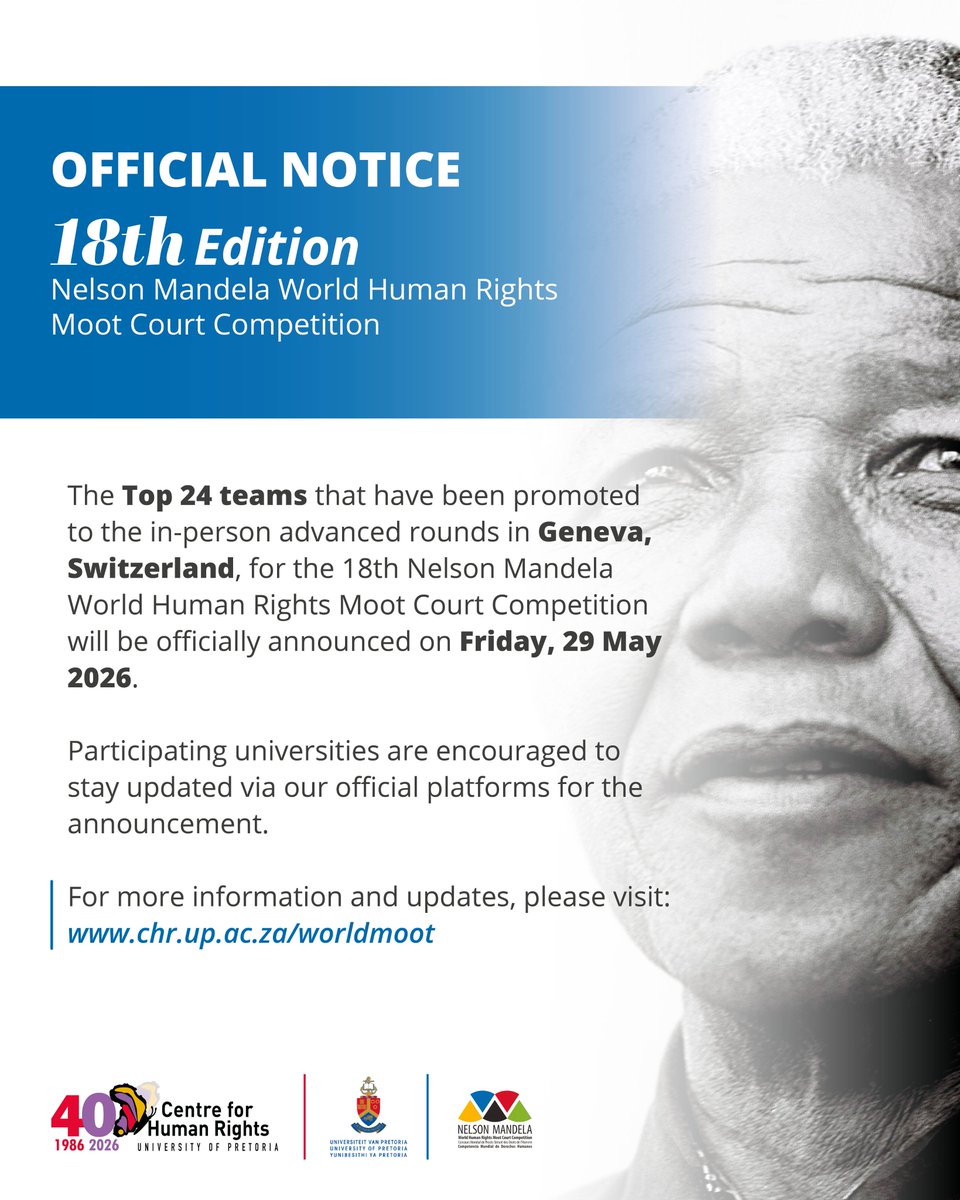
TrustAfrica, in partnership with the @University of Johannesburg’s Centre for Social Change, invites applications for the short learning programme on:
Political Economy: African Debt & Economic Justice
We encourage civil society actors, researchers, journalists, organisers, trade unions, and policy professionals across Africa to apply and also share widely within their networks.
🗓️ Application Deadline: 30 May 2026
More details in the flyer and application and instructions link below.
Application link:
ujdigital.uj.ac.za/Course/De…
Instructions:
trustafrica.org/wp-content/u…
#EconomicJustice #DebtJustice #PoliticalEconomy #Africa #TrustAfrica #StoptheBleeding
1
34
75
4,991
BUHERA RESIDENTS NETWORK retweeted
Supported by @byopra & @ChraHarare we got capacity building training session in Bulawayo on the 19th of May .@ZLHRLawyers getting opportunity to share challenges in the civic sector builds collaboration, networking & solidarity.@CHR_HumanRights @CNRG_ZIM @ZELO_Infor @amnesty_zim
2
4
28