
We develop real estate projects using blockchain principles and infrastructure. #RWA #MultiversX #Ethereum #Arbitrum #Polygon
Joined March 2023
- Tweets 790
- Following 131
- Followers 1,146
- Likes 1,086
331 Photos and videos


Pinned Tweet

20 Oct 2025
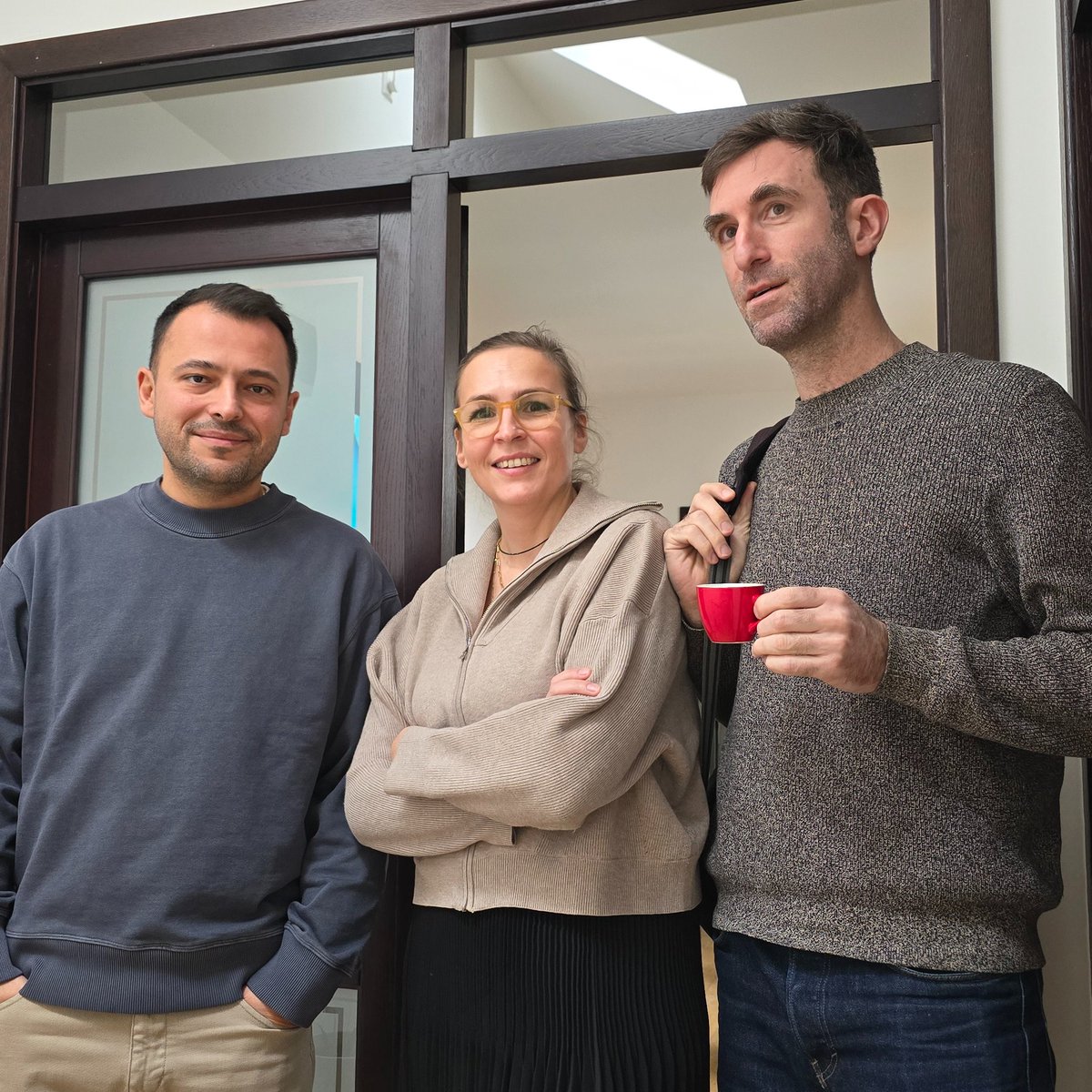
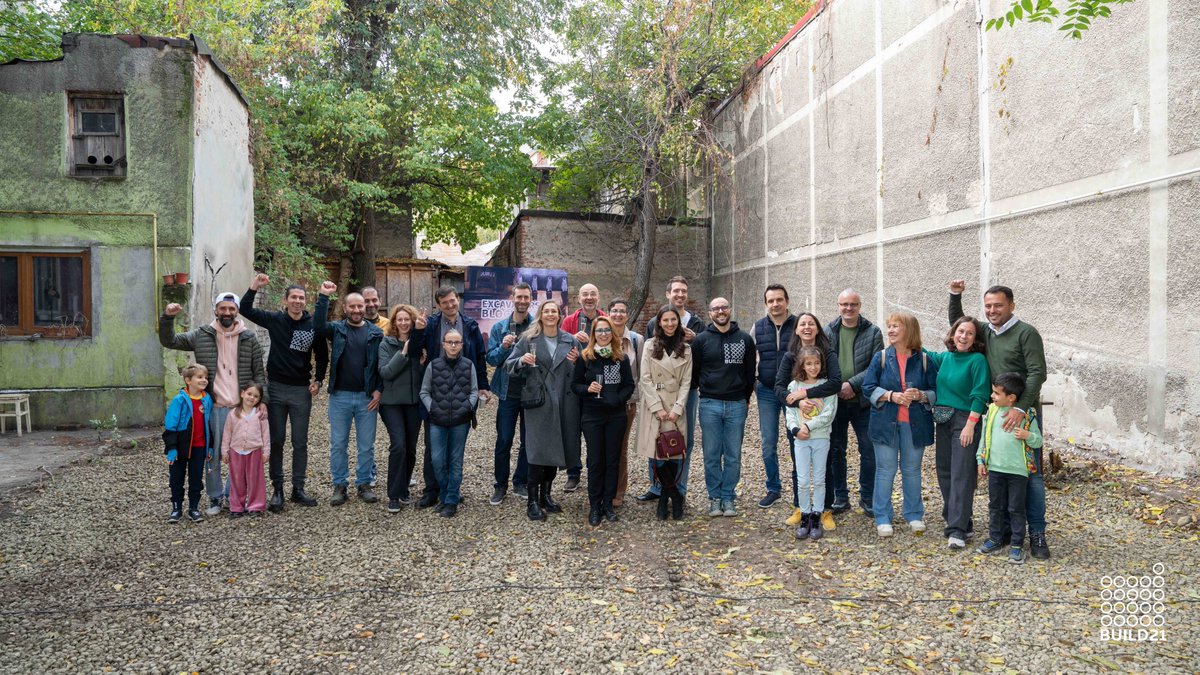
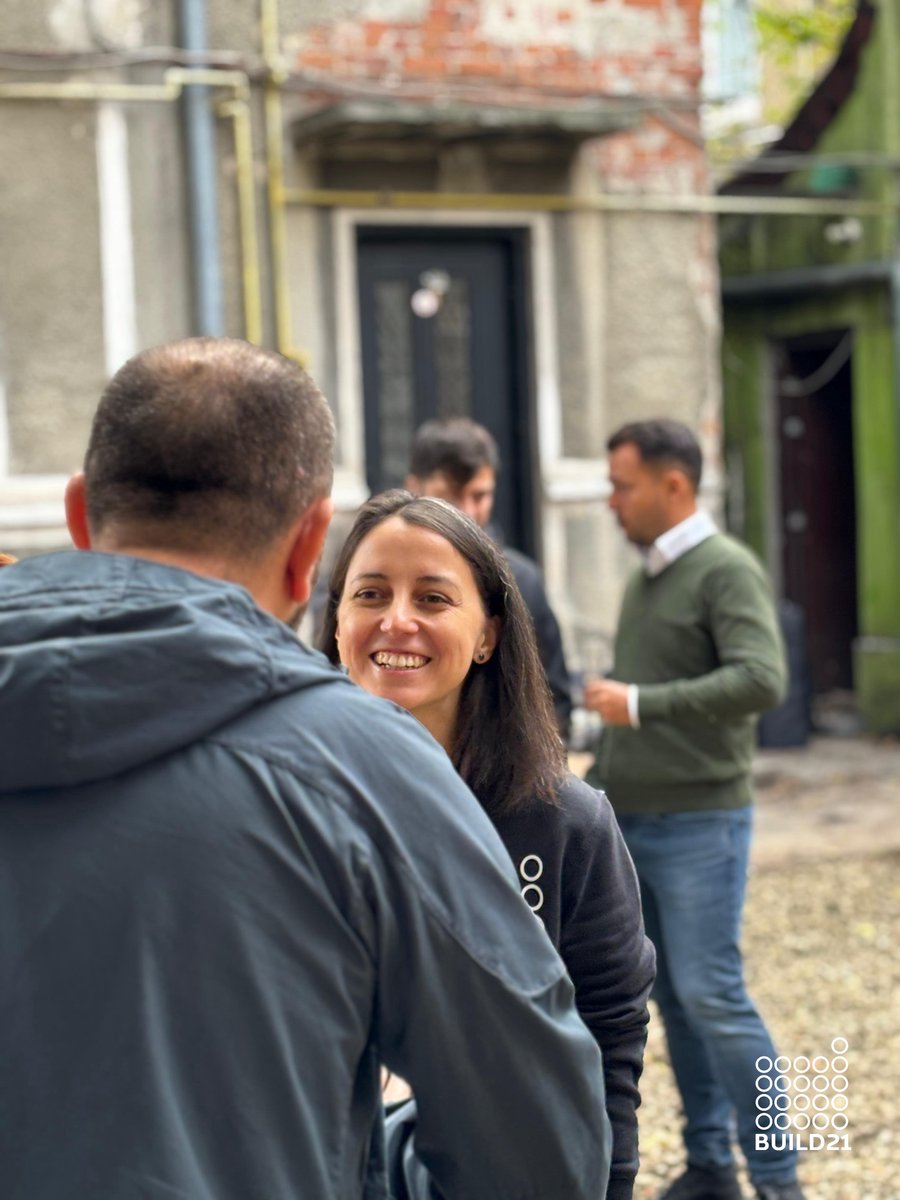
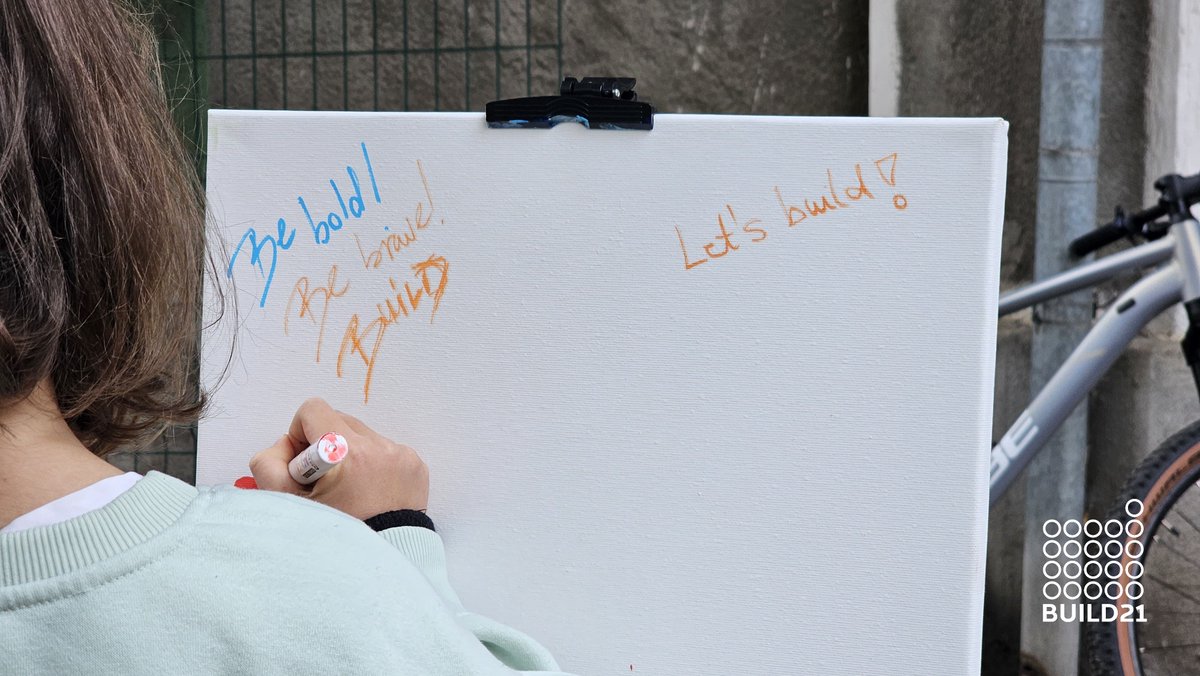
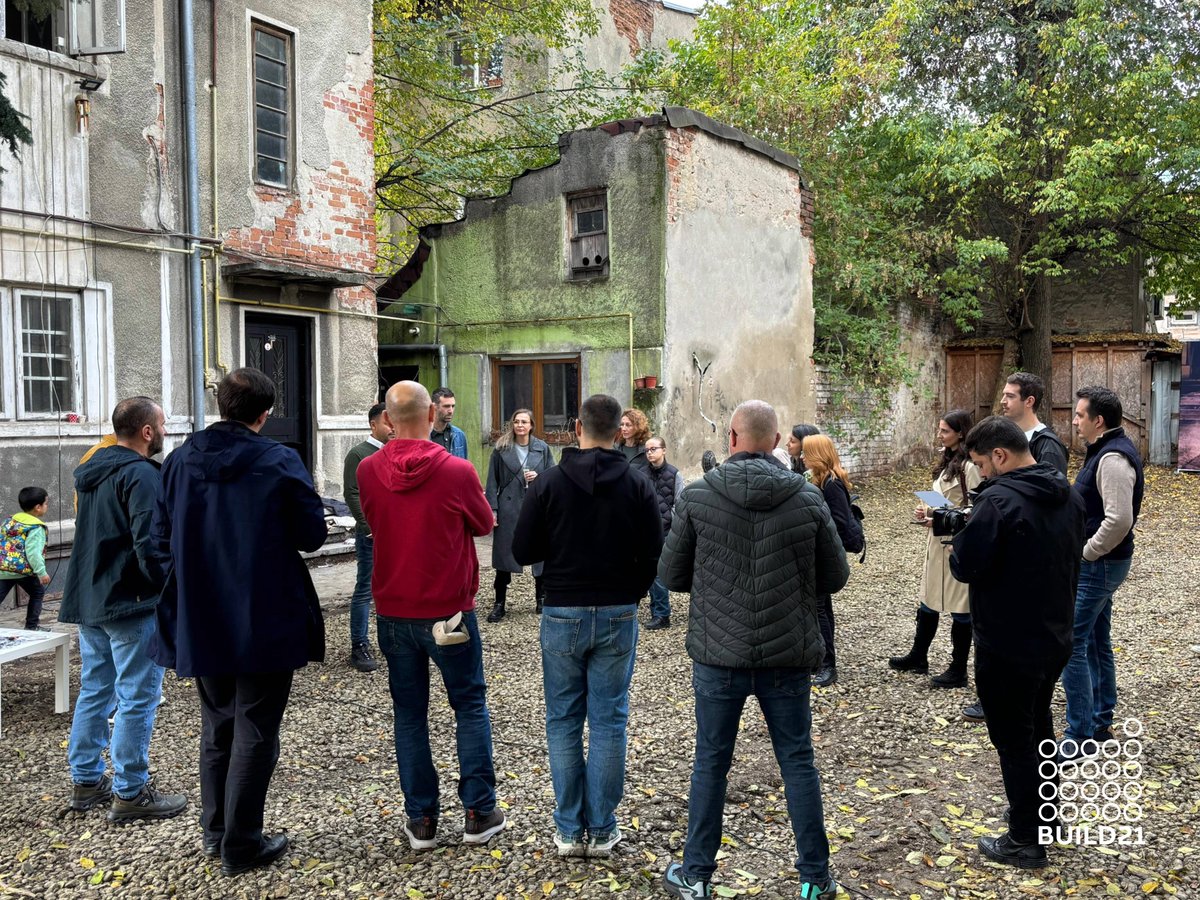
This weekend, we gathered our team, part of our Expert Community, and members of the Investors’ Community, right where it all begins, on the site of our first Build21 project:
📍 Str. Agricultori 100–102, Bucharest
It’s a place with colour, calm, and life.
A place where we imagine homes filled with light, built to last for centuries, and open to the people around them.
Arch Irina Meliță and Arch Ștefan Simion are shaping the concept for this project. They shared just a few insights, inviting us to imagine how light will move through the spaces, enjoying the quiet moments, the laughter of children playing in the garden, and the community that will grow here.
Thank you to everyone who has been with us from the very start!
1
2
14
1,229
Jan 22
While we’re waiting for the urban planning certificate, we want to share more from behind the scenes of our first project.
Even though this is a single development, we’ve already explored three different concept options on the site, testing multiple scenarios and relationships with the surrounding context and the street. Our focus is on finding the right form, one that fits its environment and remains relevant over time.
The architects behind this process are Irina Meliță and Ștefan Simion, who founded the architecture studio POSTER in Bucharest in 2007.
Irina is also actively involved in public practice and architectural competitions, including roles within the Order of Architects, while POSTER has a strong track record in competitions, with awarded projects in architecture, interior design and public space.
Ștefan is an associate professor at UAUIM Bucharest, where he teaches architecture, and the author of “The Ambiguity of the Masterpiece. Livio Vacchini in 11 Dialogues” published by Arhitext Design in 2018.
This ongoing connection to research and academia plays an important role in how their projects are conceived, questioned and refined.
We’re glad to move forward in this setup and excited about what comes next. More details soon!
1
8
155
Jan 21
Last year, we took the time to make the right decisions.
When you work with a plot surrounded by four neighbors and multiple constraints, finding the right solution is never simple.
Which adjoining walls do you choose to work with?
How do you open the project toward the local community?
How do you protect the privacy of future occupants while also respecting existing neighbors?
What is the most appropriate solution for parking?
And perhaps most importantly, how well do the allowances of the urban planning regulations align with the Build21 vision of healthy living?
These are questions we explored in depth and answered with clarity.
Based on this work, at the end of last year, we submitted the request for the urban planning certificate with a coherent and well defined vision.
We are now very close to receiving it and moving forward.
From here, things become more concrete and more dynamic. Stay close!
5
67
31 Dec 2025
For us, this year was about patience. We needed it when choosing our first location, when shaping the first concept, and we’ll continue to need it as we move toward permitting our first project.
The way we want to build sets a different pace. Good things take time, and much of what we worked on this year is not yet visible.
As the year comes to an end, we’re grateful to everyone who believed in the idea. We’re entering 2026 with confidence and clarity.
Happy new year!
7
87
10 Dec 2025
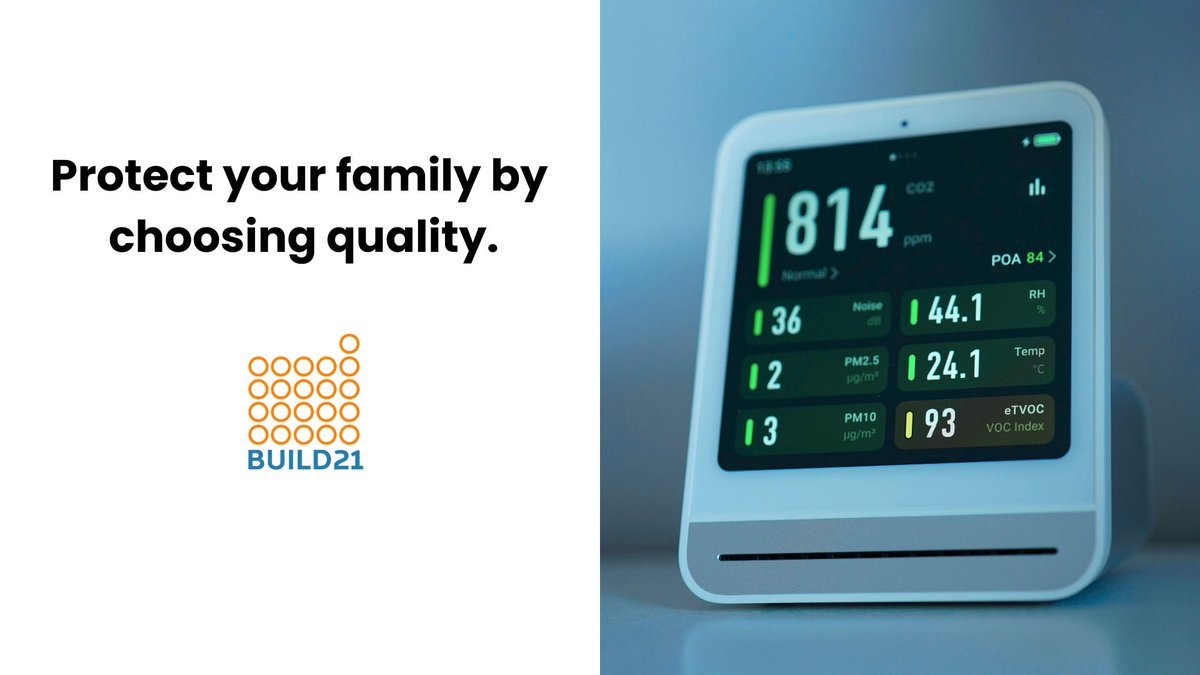
In recent years, buildings have become increasingly airtight. Windows are more efficient, walls are thermally insulated to perfection, and heat loss is reduced to a minimum.
During the cold season, however, this apparent efficiency has a consequence: indoor air becomes trapped.
In winter, when we keep windows closed for longer periods, the humidity generated by daily activities, showers, cooking, hot tea, drying clothes, gradually accumulates inside.
Without a controlled system for air supply and extraction, CO₂ levels can easily exceed 1000–1500 ppm, a range where concentration drops and fatigue increases. At the same time, relative humidity above 60% encourages mold growth and accelerates the deterioration of interior finishes.
When designing Build21 spaces, we start from a clear set of factors essential to the quality of life of those who live there and air quality is one of them.
Through integrated ventilation systems and real-time sensors, we continuously monitor parameters such as CO₂, humidity, and temperature to maintain a healthy and balanced indoor environment.
We call this approach Healthy Homes™, and we’ll share more about it in future posts.
8
135
26 Nov 2025
We talked about what it means, technically, to design a building for 100 years. This time, we’re looking at why that matters for sustainability.
In construction, sustainability is often reduced to “green” materials or low energy consumption.
In reality, the environmental footprint of a building is defined by its entire life cycle (Life Cycle Assessment – LCA): extraction of raw materials, production of components, transportation, use, maintenance, and finally, demolition.
There are two stages with major impact on the total carbon footprint of a building: construction and the end-of-life stage – major repair or demolition.
A building that lasts twice as long, 100 years instead of 50, spreads its total carbon footprint over twice the time. As a result, we cut the building’s annualized carbon footprint in half and reduce the frequency of high-emission stages.
In an LCA model, lifespan becomes one of the most influential factors in overall sustainability.
What matters is not only how we build, but how long the building remains relevant and performs as intended.
At Build21, we design buildings that maintain their structural, functional, and aesthetic quality for a century.
Why? Because for us, durability is a form of responsibility, towards resources, the environment, and future generations.
5
118
19 Nov 2025
Solid investments are built around values that stand the test of time. Our projects are designed to become examples of best practice in architecture, engineering, and quality of living.
We don’t follow short-term trends. We focus on what creates lasting value: durability, relevance, and professional recognition.
Over time, such buildings not only preserve their value but strengthen it through trust and verified performance.
For investors, these qualities translate into stability and capital protection. Global data confirms this direction: according to the INREV 2025 survey, the residential sector is preferred by almost 90% of European investors, while the RICS 2024 report shows that 68% of professionals expect increased demand for sustainable and high-performing buildings.
Build21 projects deliver an estimated 40% return over the complete investment timeframe, a performance driven by quality, not speculation.
In the Build21 model, durability and reputation are two sides of the same equation: value comes not only from what we build, but from how we build it.
As we approach the moment when we will invite investors to participate, we will begin sharing details about our participation structure, transparency mechanisms, and how performance and reputation work together to build long-term trust.
6
126
14 Nov 2025
You’ve often heard us say that we design buildings to last 100 years.
But what does that actually mean?
A common question we get is: “How many Richter degrees can the building withstand?”
In reality, the Richter scale isn’t a design criterion.
It measures the energy released at the source of an earthquake, not the forces experienced at a specific location.
The effect depends on factors like depth, distance from the epicenter, and local soil conditions, too many variables to express through a single number.
In practice, we don’t design for “degrees”, but for seismic forces associated with a mean return period (IMR) and a probability of exceedance.
The higher the IMR, the greater the seismic force that the structure must sustain while maintaining its performance parameters.
The legal requirement in Romania corresponds to an IMR of 225 years and a 20% probability of exceedance within 50 years.
At Build21, we design for twice that lifespan, using a mean return period of 450 years and a 20% probability of exceedance within 100 years.
In practice, a 100-year building is designed:
• for a higher level of seismic action, ensuring safety over a longer design life;
• with materials of superior durability classes, carefully controlled during construction;
• with detailing that minimizes corrosion and cracking over time;
• through rigorous on-site verification, not just on paper;
• and with structural monitoring that confirms long-term performance.
Durability isn’t a label, it’s a measurable value.
2
5
145
12 Nov 2025
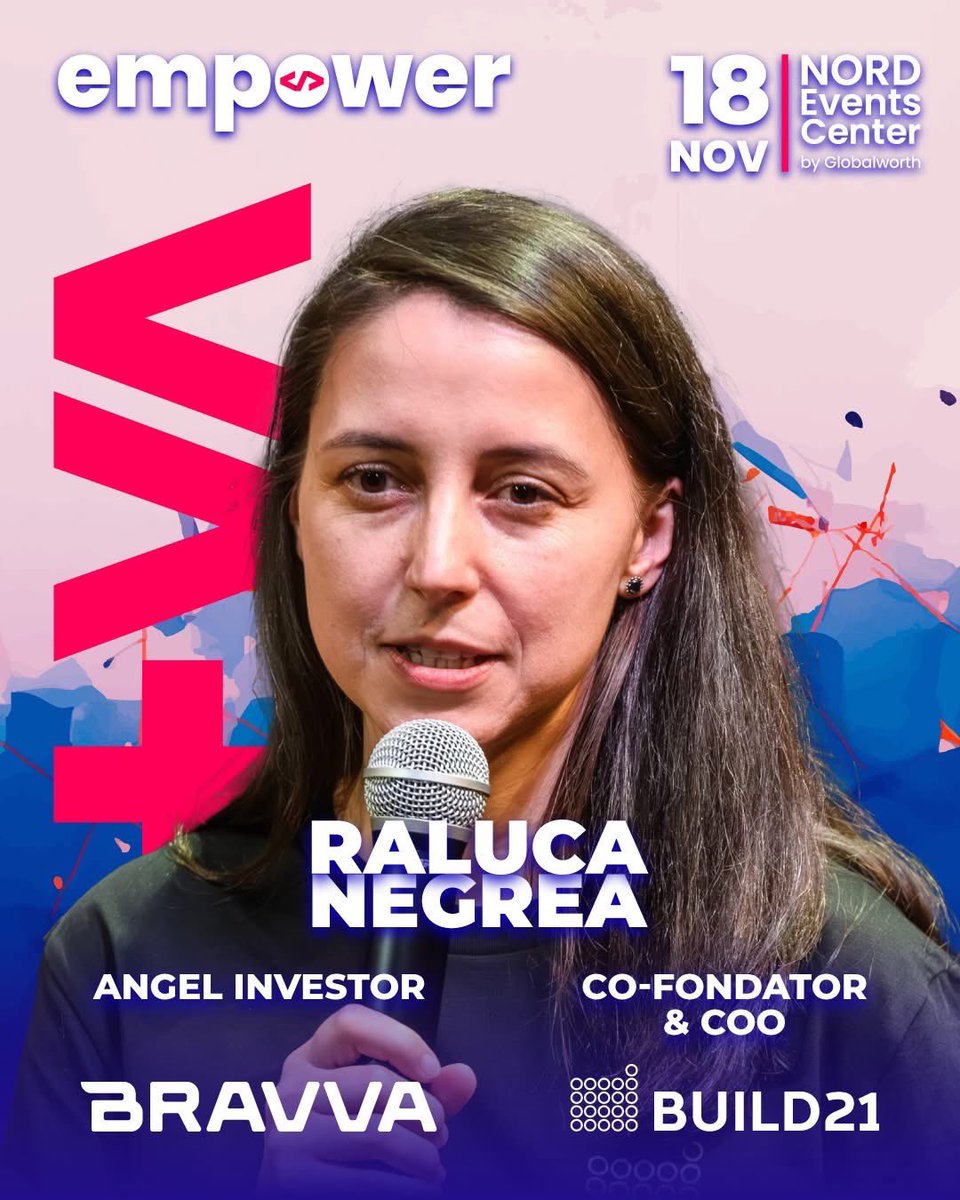
November 18th | Empower Tech 2025
Our colleague @ralucabailescu joins a fireside chat on “Redefining Success: Entrepreneurship, Mentorship & the Future of Women in Tech” moderated by Marian Andrei.
She’ll share her thoughts on how technology should serve people and empower the next generation of founders and leaders.
#EmpowerTech #WomenInTech #LeadershipDevelopment #Community #Build21
7
93
8 Nov 2025
You wake and slip out of your cozy bed, the sheets still holding a trace of warmth.
Soft morning light filters through the tall windows, gentle and clear, tracing its way across the living room and out toward the open balcony.
The air feels crisp, fresh, a little cooler, carrying the quiet calm of autumn.
From the kitchen, the scent of coffee reaches you, deep and familiar, wrapping around the sound of leaves moving outside.
You lift the cup, share a sleepy smile, and step onto the balcony.
Wood beneath your feet, the city softened by color, greens turning amber, light shifting through branches.
A space designed with nature in mind, warm and peaceful.
For a second, you wonder: am I still dreaming?
Built to resonate with your life.
Join our community: agricultori100.build21.io/ro
6
162
25 Oct 2025
By acquiring the land where our first project will take shape, we’ve officially started our journey.
As you know, location is one of the key factors in any long-term real estate investment, and we’ve stepped forward with confidence.
Agricultori 100 Street, a historical area once marking Bucharest’s eastern frontier, is surrounded by everything that supports a healthy, connected life:
Parcul Național - a place for sports, fresh air, and relaxation.
Schools - both local and international, including Mihai Viteazu and the British International School.
Amenities - markets, coffee shops, and great restaurants within walking distance of your future home.
The address itself, Agricultori 100, feels like an inspired coincidence.
It carries the same meaning as our promise: to build homes designed for at least 100 years of structural performance.
Join our community for a better way of living: agricultori100.build21.io/ro
#Build21 #Agricultori100 #HealthyHomes #BuildingForGenerations #SustainableInvestment
11
194
17 Oct 2025
Where does the future of real estate begin?
Here’s your third hint:
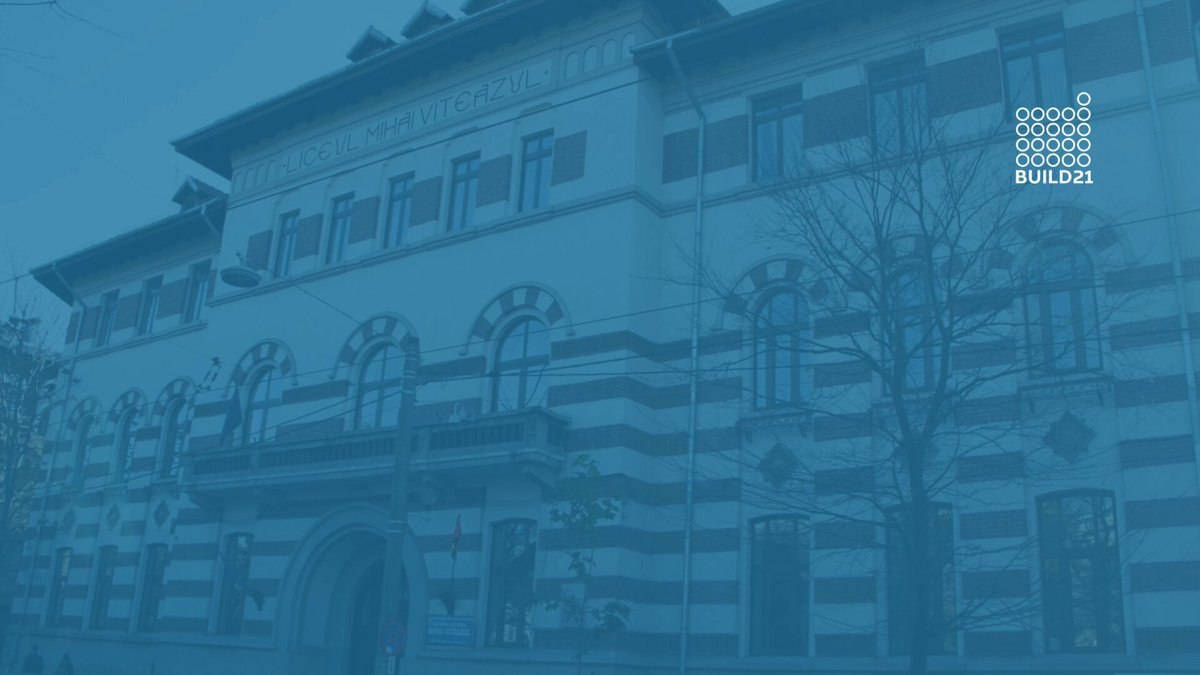
Mihai Viteazu National College in Bucharest
Founded in 1865, Mihai Viteazu National College has witnessed more than a century and a half of Bucharest’s evolution.
Its story began when two classes were split from Saint Sava National College, and later, under Prince Carol’s decree, became Michael the Great Gymnasium.
The school has moved, rebuilt, and adapted through wars and transformations - always keeping its role as a place that shapes minds and character.
Today, its restored building remains one of the city’s most respected educational landmarks - a symbol of discipline, resilience, and continuity.
Just a 10-minute walk from where Build21’s first project will take shape, the college reflects the area’s evolving identity, where tradition and education meet contemporary urban life.
Can you guess the street where our first Build21 project will rise?
Comment your answer and gain exclusive early access.
Be part of what we’re building: build21.io/en/discover/who-w…
#Build21 #CoordinatesOfChange #Bucharest #InvestInLegacy
6
157
16 Oct 2025
Where does the future of real estate begin?
Here’s your second hint:
Our first Build21 project will rise just 1.5 km away from Piața Alba Iulia, Bucharest.
Piața Alba Iulia is a witness to layers of Bucharest’s modern story.
In the 1980s, it became part of a grand vision to reshape the city’s flow and identity, connecting the monumental Bulevardul Unirii - once imagined as Romania’s answer to Paris’s Champs-Élysées, from the Palace of Parliament to this square.
Today, its a familiar landmark of Bucharest’s modern expansion, connecting the city’s civic center with its growing eastern neighborhoods.
Just steps away, Build21 is preparing the ground for its first project:
A building engineered for 100 years of verified performance and comfort, with at least 15% of the total built area dedicated to community spaces.
Every element, from acoustic insulation and natural light optimization to structural health monitoring and biophilic integration, follows international standards that define the Build21 signature: precision, durability, and legacy.
Can you guess the street name?
Leave your answer in the comments - and one of you will receive exclusive early access to join the first Build21 investment community when sales officially launch.
Join us here: build21.io/en/discover/who-w…
#Build21 #TheFirstLocation #CoordinatesOfChange
1
6
138
15 Oct 2025
Where does the future of real estate begin?
Just 2.9 kilometers from Bucharest’s KM 0, where every road begins and every story of the city connects, Build21 is preparing the ground for its first project.
This will be the starting point of a new approach to development: transparent, measurable, and designed to last for generations.
Here, close to the heart of the city, Build21 begins shaping homes that prove what sustainable design truly means, durable, healthy, and built with purpose.
Can you guess the street where it all begins?
Leave your answer in the comments, one of you will receive early access to join the first Build21 investment community when sales officially launch.
Discover Build21 here: lnkd.in/eZYGM9wi
#Build21 #TheFirstLocation #BuildingForGenerations #HealthyHomes
1
7
266
11 Oct 2025
Over 9 out of 10 homes in Bucharest are more than 30 years old
In the Bucharest–Ilfov region, only 16.8 % of homes were built between 1990 and 2019
with a clear contrast: ~10 % in Bucharest and ~46 % in Ilfov.
Between 2020 and 2024, around 63,000 new homes were added to Bucharest’s housing stock.
In 2025, an estimated 18,000 new units will be delivered, more than half in the city’s northern sectors.
If most of the city was built decades ago, the next chapter should focus on building better, not just more:
Developing in areas where growth truly makes sense
Using materials and methods that age well
Integrating comfort, energy performance, and air quality from the very beginning
What we build today will define how Bucharest is lived tomorrow.
Join our community:
👉 build21.io/en/discover/who-w…
1
8
136
10 Oct 2025
Bucharest’s air quality: a challenge that shapes how we build
Bucharest’s annual PM₂.₅ concentration is around 13 µg/m³, more than twice the safe limit set by the WHO.
Air pollution in the metropolitan area affects the wellbeing of over 1.5 million residents every day, with traffic emissions accounting for around 60 % of total pollutants (WHO, BreatheLife2030; Romania-Insider, 2025).
At Build21, we treat air as part of the architecture itself,
not something to correct after construction, but something to design from the very beginning.
Each project includes:
Continuous air quality monitoring, ensuring residents can live with awareness and comfort.
Balanced ventilation and filtration, maintaining a constant flow of fresh air indoors.
Natural integration, through vegetation and material choices that support cleaner, healthier spaces.
Clean air isn’t a trend.
It’s a responsibility and we hope the way we build will inspire others to make it part of every home.
Join our community of responsible investors and residents:
👉 build21.io/en/discover/who-w…
8
132
9 Oct 2025
Bucharest real estate has been quietly outperforming.
In the past five years, apartment prices increased by 45–55 %, even after inflation adjustments showing 10–15 % real growth.
New homes now average around €2,000–2,200 / m², while older stock trades closer to €1,600 / m².
Despite higher financing costs, demand rose by 10 % YoY in early 2025, while new deliveries fell by over 20 % — creating the tightest supply-demand gap in a decade.
For investors, that means Bucharest remains in an early-maturity phase, with both fundamentals and affordability still in their favor.
Discover more about our long-term approach here: build21.io/en/discover/who-w…
6
127
7 Oct 2025
The first Build21 project begins in Bucharest.
A city of layers, contrasts, and possibilities. The perfect place to start building!
This first project is the foundation for our next 20, a place where responsible design, technology, and community come together to prove that home development has more to offer.
Every Build21 project is designed to last at least 100 years, with the same commitment:
to create homes that care for the people inside them and remain relevant.
21 Projects
🤝 Financed by the Community
🏗️ Built for 100 years
🌿 Designed for Healthy Living
👉 The journey begins here - in the heart of Bucharest.
build21.io/en/discover/who-w…
2
4
20
3,240
3 Oct 2025
A new chapter is starting.
Every Build21 project begins with a promise: to create spaces shaped by life, light, and connection.
Ready to set the foundation for communities that last for generations.
Stay close.
Very soon, we’ll reveal where our journey begins.
#Build21 #RealEstate #Community #LaunchingSoon
10
124
30 Sep 2025
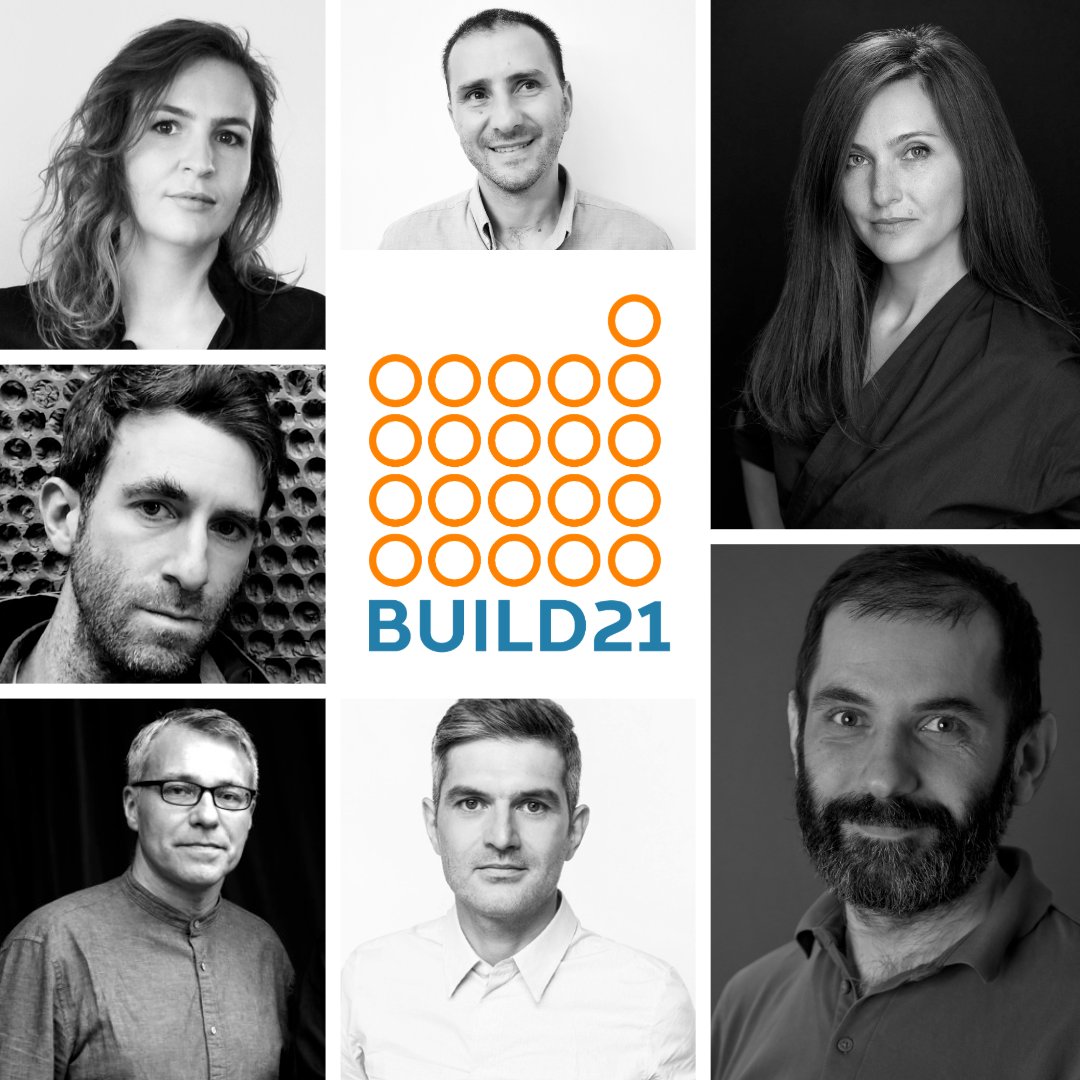
They’ve been with us from the beginning. And they shape what we leave behind.
At Build21, our Expert Community is not just advisory.
They are co-creators, mentors & guardians of values:
🔹 People-first building
🔹 Long-term design
🔹 Healthy, durable communities
🔹 Educating the next generation
We’re proud to walk this path with:
Prof. Dr. Arh. Horia Moldovan | Arh. Irina Meliță | Arh. Eliza Yokina | Arh. Daniel Popescu | Conf. Dr. Arh. Ștefan Simion | Arh. Adrian Soare | Ing. Horia Mihnea.
This is not about prestige. It’s about #responsibility.
And it’s one of the reasons Build21 is different.
7
97