
Do it yourself to save cost and time.
Joined September 2019
- Tweets 1,769
- Following 796
- Followers 691
- Likes 23,235
94 Photos and videos








Floor Paint Market Size, Share, And Market Overview:
Floor paint, in the sphere of do-it-yourself (DIY) projects, the limelight often shines on furniture, walls, and decor. Nevertheless, in the world of home improvement, floor paint is often underestimated. This transformative and versatile substance has the sole power to advance your living space in vital ways one might not have imagined.
The global flooring market is currently valued between $374 billion and $463 billion USD. The broader paints and coatings market (which includes wall and floor paints) sits at approximately $192 billion to $220 billion. Both sectors are experiencing steady growth driven by global urbanization and a surge in residential renovations.
———————————————————
Flooring Market Overview
• Market Value: Projected to range from $374.5 billion to $463.13 billion, USD with top estimates indicating it will surpass $640 billion in the next decades.
• Key Segments: Hardwood, luxury vinyl tile (LVT) and ceramic tiles command the largest product shares due to increased durability and aesthetic demands.
• Regional Share: The Asia-Pacific region dominates with roughly 53% of the global market share, followed by North America and Europe.
The painting and flooring markets continue to expand rapidly snd steadily, which is propelled by rapid global demographic changes, which advances in material technologies, and evolving approaches to property management.
———————————————————
1. Real Estate And The Commercial Remodeling Boom:
In developed economies like Europe and North America, the focus has shifted entirely from new construction to modernizing and preserving existing assets.
2. Material Science and Evolving Performance:
Residential and industrial consumers are actively demanding materials that last longer and require less maintenance, which ultimately shifts market share towards advanced engineered products.
3. Regulatory Pressures:
Strict environmental legislation is legally forcing both commercial and manufacturers contractors to permanently phase out older, chemical-heavy materials. This however, forces industries to switch to more expensive, premium-tier water pants and bio-based coatings.
Conclusion:
In a nutshell, the global painting and flooring sectors are no longer just basic construction materials; rather they are highly technical, multi-billion-dollar industries driven by global demographic shifts and strict environmental regulations.
#diy #paint #floorpaint
11

Jun 9
Kiwi craft fever: Top Three (3) Popular DIY Projects Taking Over New Zealand Right Now:
Link to post ==> new.hive.blog/diy/@build-it/…
#diy #handmade #blog #kiwi
20



Build-It retweeted

Hive, a blockchain with immediate utility
1
30
62
840
May 29
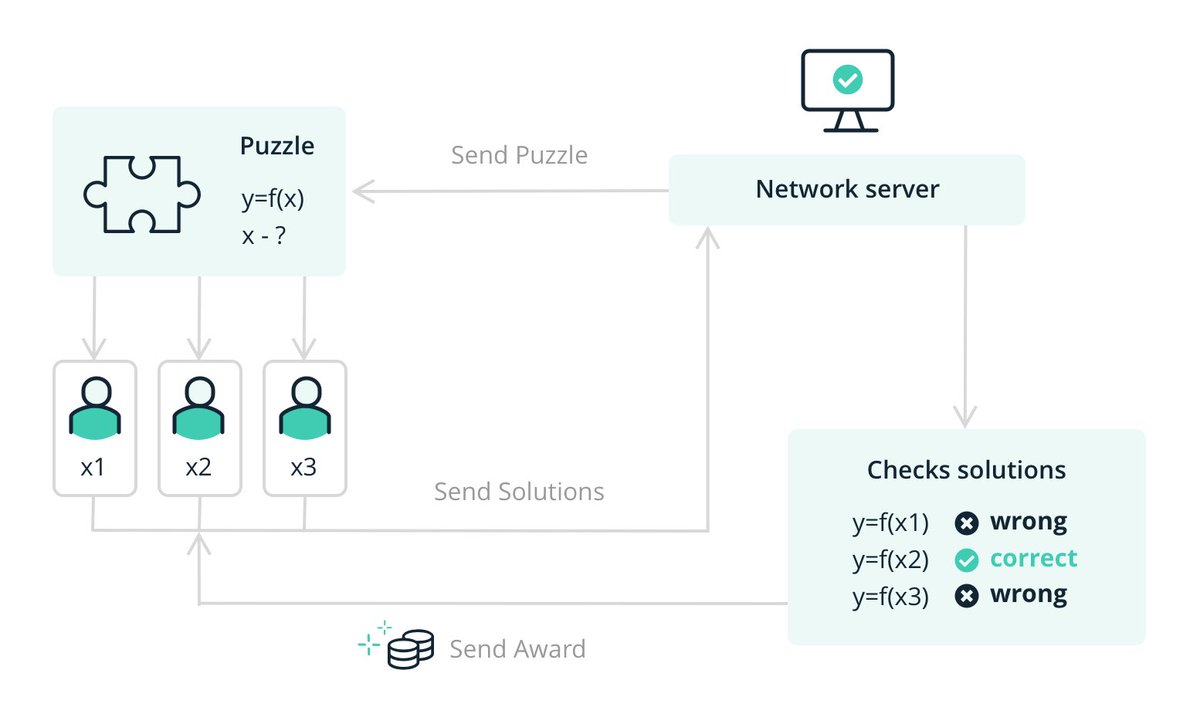
What is Proof-of-brain, How it works, and how to integrate into Organizations. A unique technology developed by @hiveblocks
#hive #blockchain #mechanism
2
35
May 29
Really happy to see @LiketuOfficial coming back stronger since 2024! Feels good to stay building on #hive

liketu.net is live.
A Hive photo community, rebuilt for web and mobile: photos, voice posts, rooms, wallet, market, and a cleaner way to stay close.
Start here: liketu.net

1
40

Build-It retweeted
liketu.net is live.
A Hive photo community, rebuilt for web and mobile: photos, voice posts, rooms, wallet, market, and a cleaner way to stay close.
Start here: liketu.net
10
15
37
800
May 27
1
28
May 25
Sculpture Market Size, Share, And Market Overview
Sculpture serves as a powerful economic engine in the global creative economy. It generates significant revenue through cultural tourism, urban regeneration, and the fine art market. Monumental works transform public spaces, enhancing local businesses and ultimately attracting visitors. On the other hand, independent sculptors build sustainable careers through private sales, commissions, and international craft exports.
The global art and sculpture market is a highly resilient, wealth-driven sector valued at approximately $71.2 billion, together with a standalone sculpture markets accounting for about $7.8 billion. This is naturally driven by rising global wealth and digital art platforms, the industry is projected to reach over $100 billion by 2033.
As societal appreciation boost-straps for art and culture blossoms, so does the demand for creative expressions, so does the demand for creative expression. People are increasingly drawn to art galleries, cultural events, museums, fueling a surge in sales of paintings, sculptures, and artifacts. This burgeoning interest reflects a deeper recognition of the intrinsic value of artistic endeavors in enriching our lives.
———————————————————
Market Share & Geography
• United States: The United States remains the undisputed market leader, which holds approximately 38% to 42% of the global market share. However, high concentrations of ultra-high-net-worth individuals (UHNWIs) and major auction houses drive this dominance.
• United Kingdom & China: The UK recently overtook China, enthralling roughly 18% of global sales, on the other hand China accounts for 15%. Together with the US, these three countries comprise over 76% of all global art sales by value.
• Nigeria & Emerging Markets: Localized projections for regions like the Nigeria art and sculpture market expect industry revenues to reach $652 Million, expanding at an impressive 6.22% compound annual growth rate.
———————————————————
Market Segmentation
To successfully market a sculpture DIY project, the caver or sculpturer will need to differentiate their audience into highly specific groups based on their goals and skill levels. For instance their primary segments should target beginners looking for mindful stress relief, hobbyists seeking community-driven skill development, or gift-makers.
Below are five key points in Market Segmentation for sculpture making:
• Demographics (Buyer Profile): Group buyers by income level, age, and occupation. High-net-worth individuals and seasoned art collectors will have vastly different purchasing power and tastes compared to young professionals buying entry-level decorative pieces.
• Psychographics (Lifestyle & Values):
Segment your audience according to personal values, aesthetic preferences, and lifestyle. While some collectors prioritize eco-friendly and sustainable materials, such as recycled metals, others are drawn to cultural heritage or classical traditional realism.
• Firmographics (B2B Markets): If targeting businesses, focus on sectors like interior designers, hospitality (hotels and restaurants), real estate developers, and corporate headquarters. These clients often require large-scale installations or cohesive decorative series.
• Geographic (Location & Space): Divide your market based on physical location. Consider focusing on regions with high tourism, active gallery scenes, or affluent neighborhoods. Also, factor in the shipping logistics of moving heavy or fragile pieces.
• Behavioral (Usage & Intent): Segment by why and how buyers use sculptures. Buyers may be seeking long-term investment pieces, looking to fill specific architectural spaces, or purchasing custom memorial/commemorative sculptures.
———————————————————
Conclusion
The sculpture market is resilient and positioned for steady to strong growth through the early 2030s. Sculpture provides stability and economical growth.
1
23

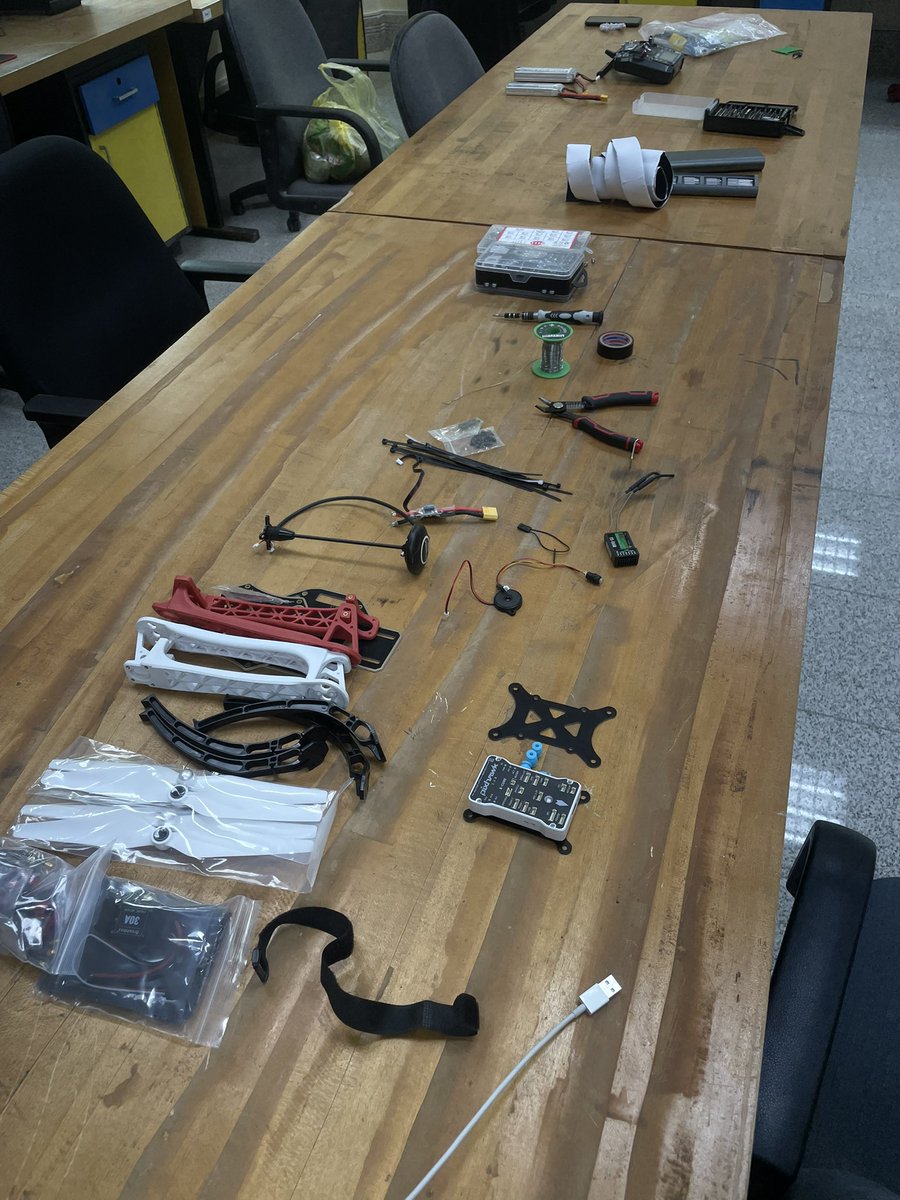
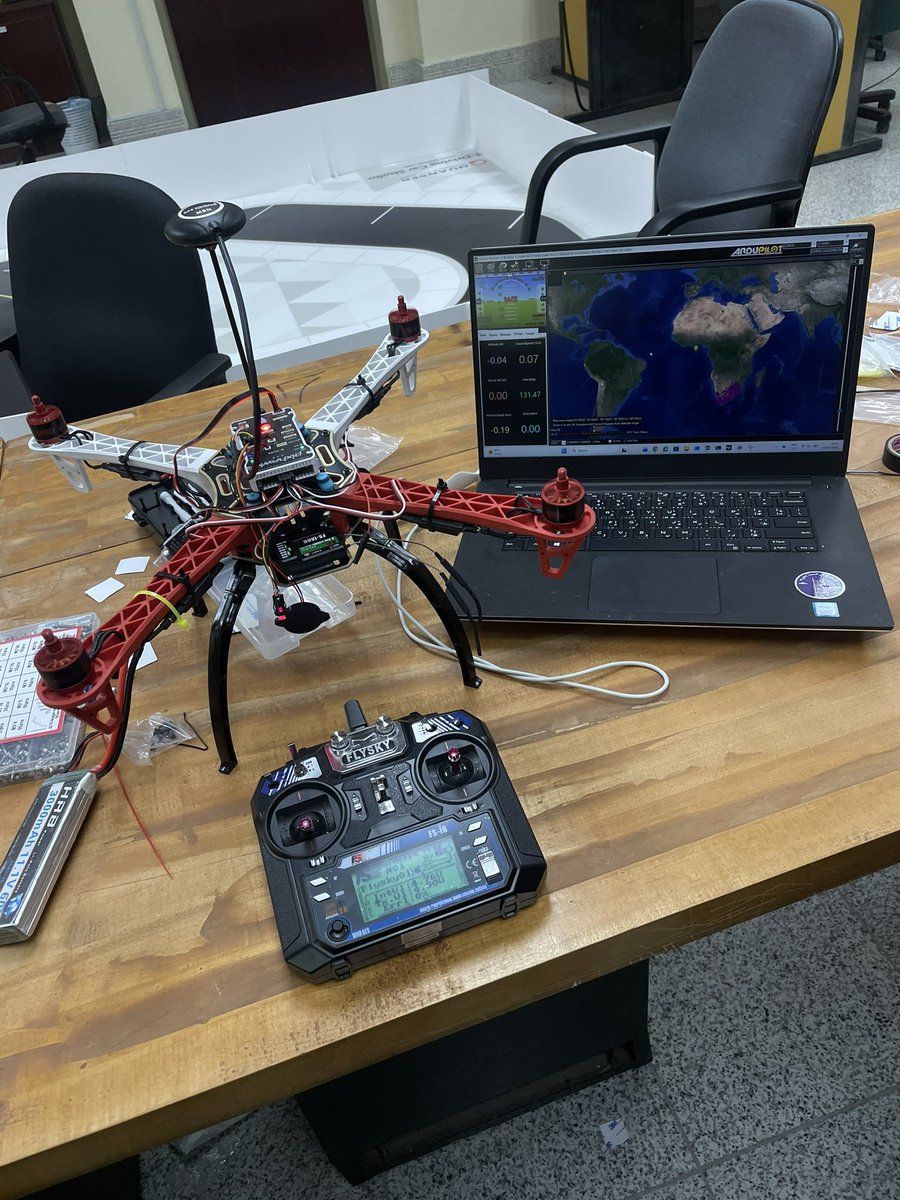

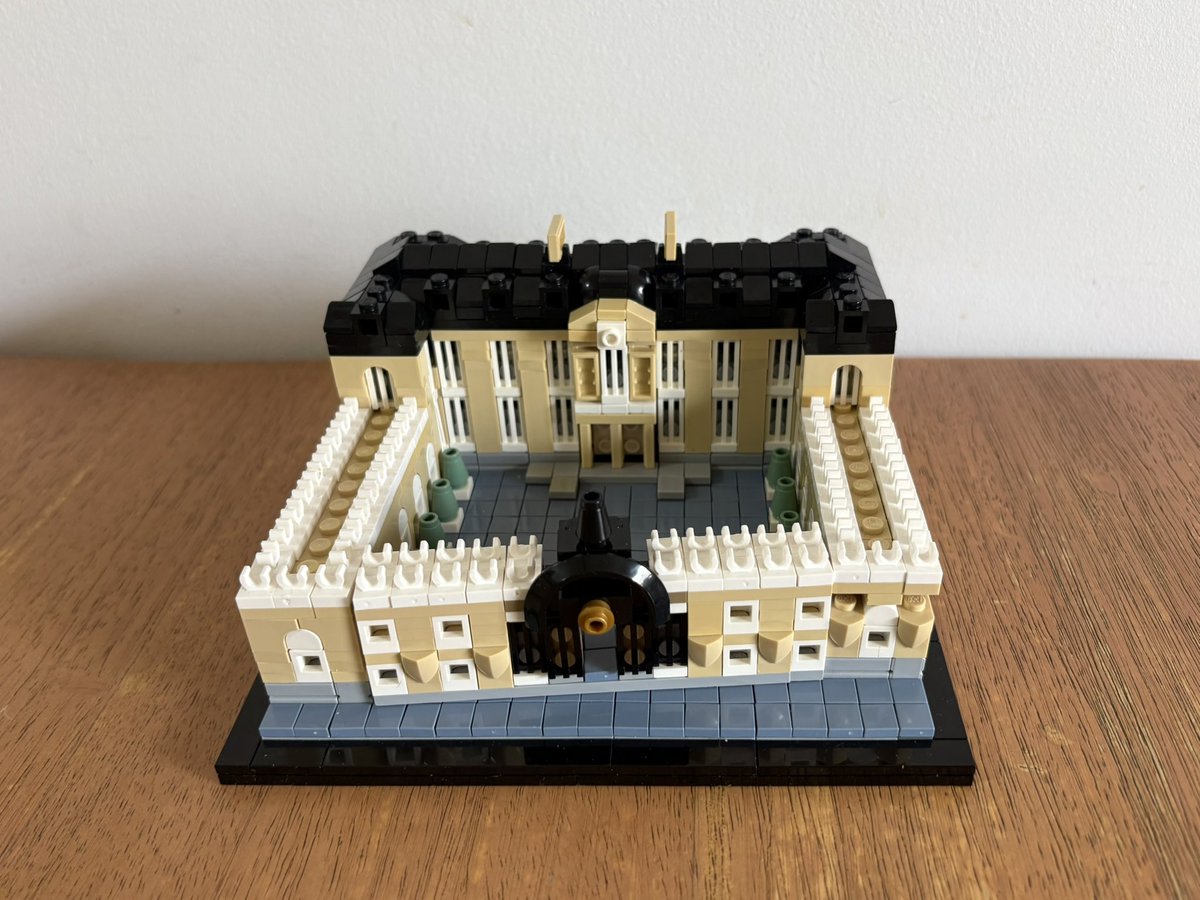
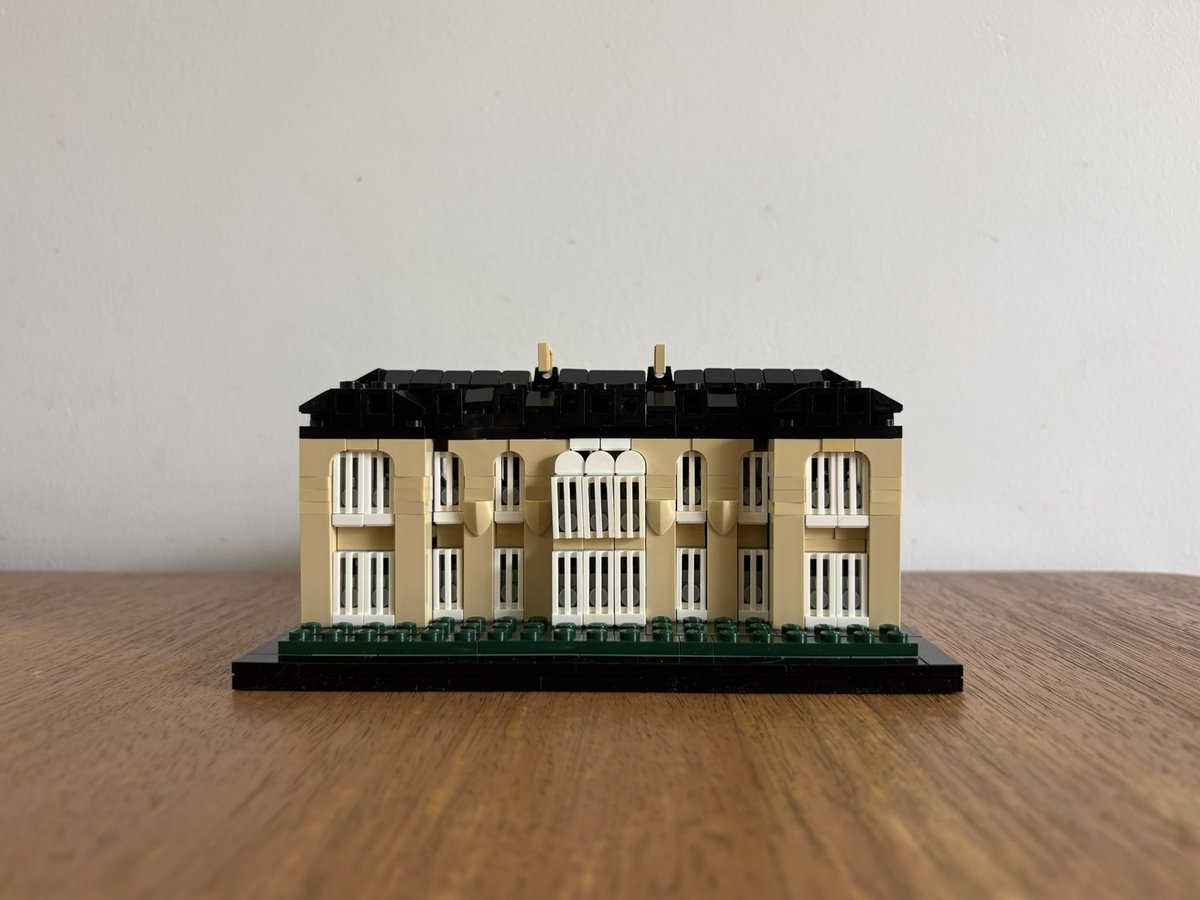
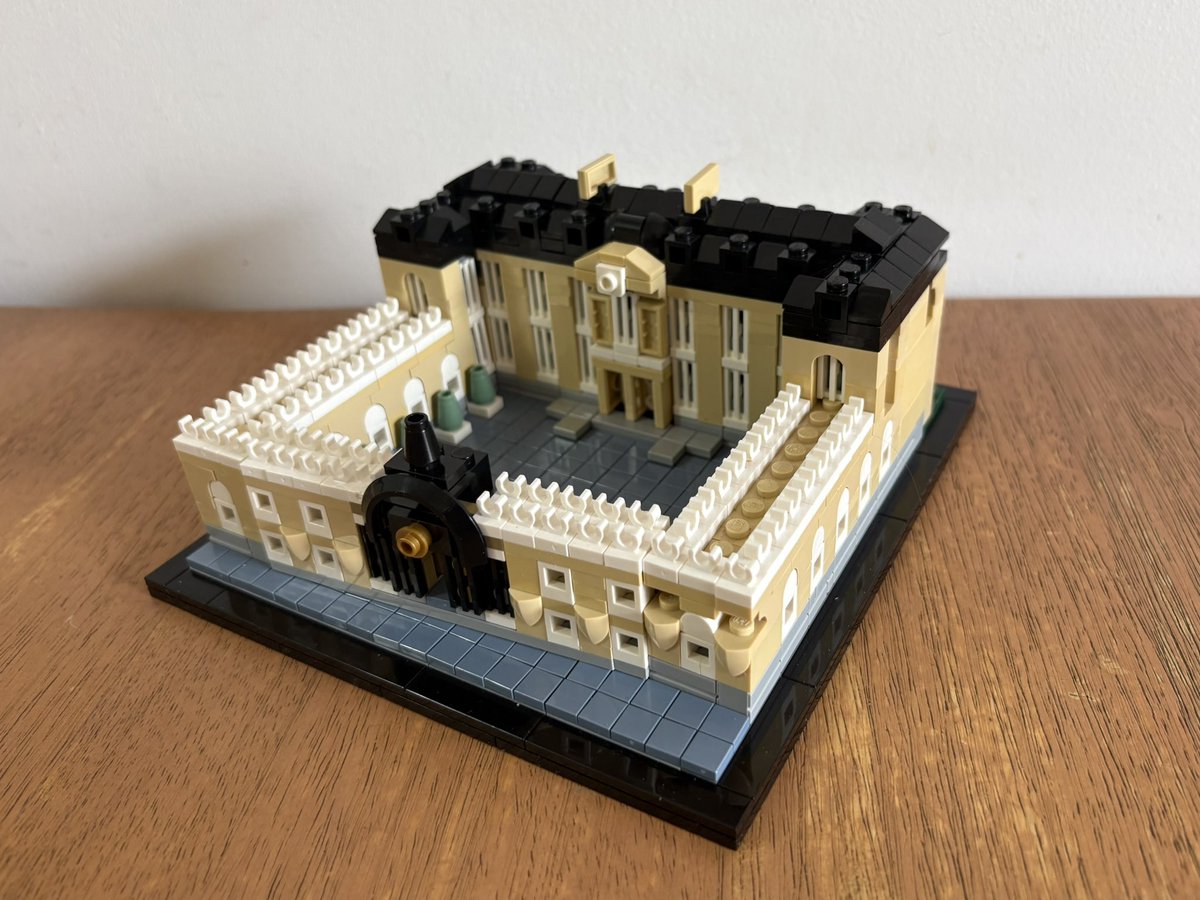
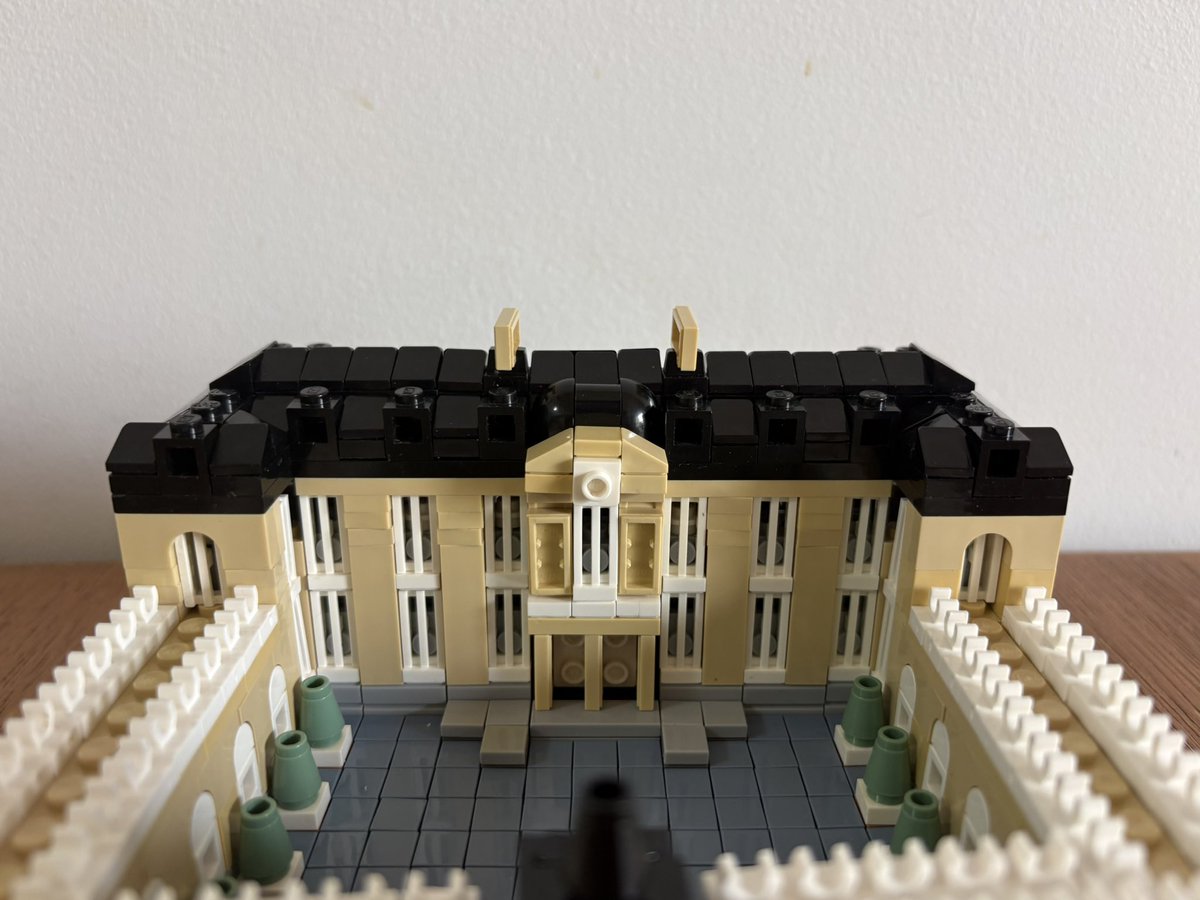

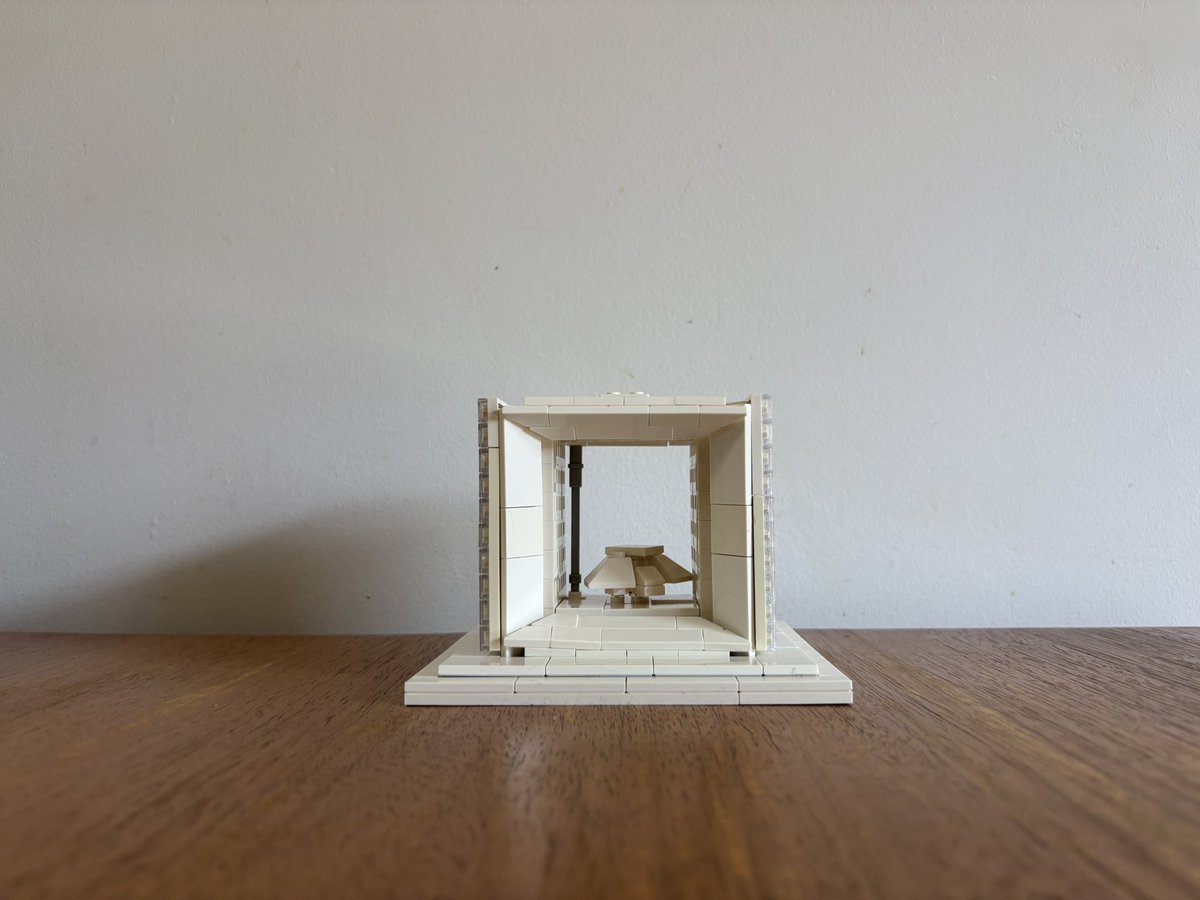
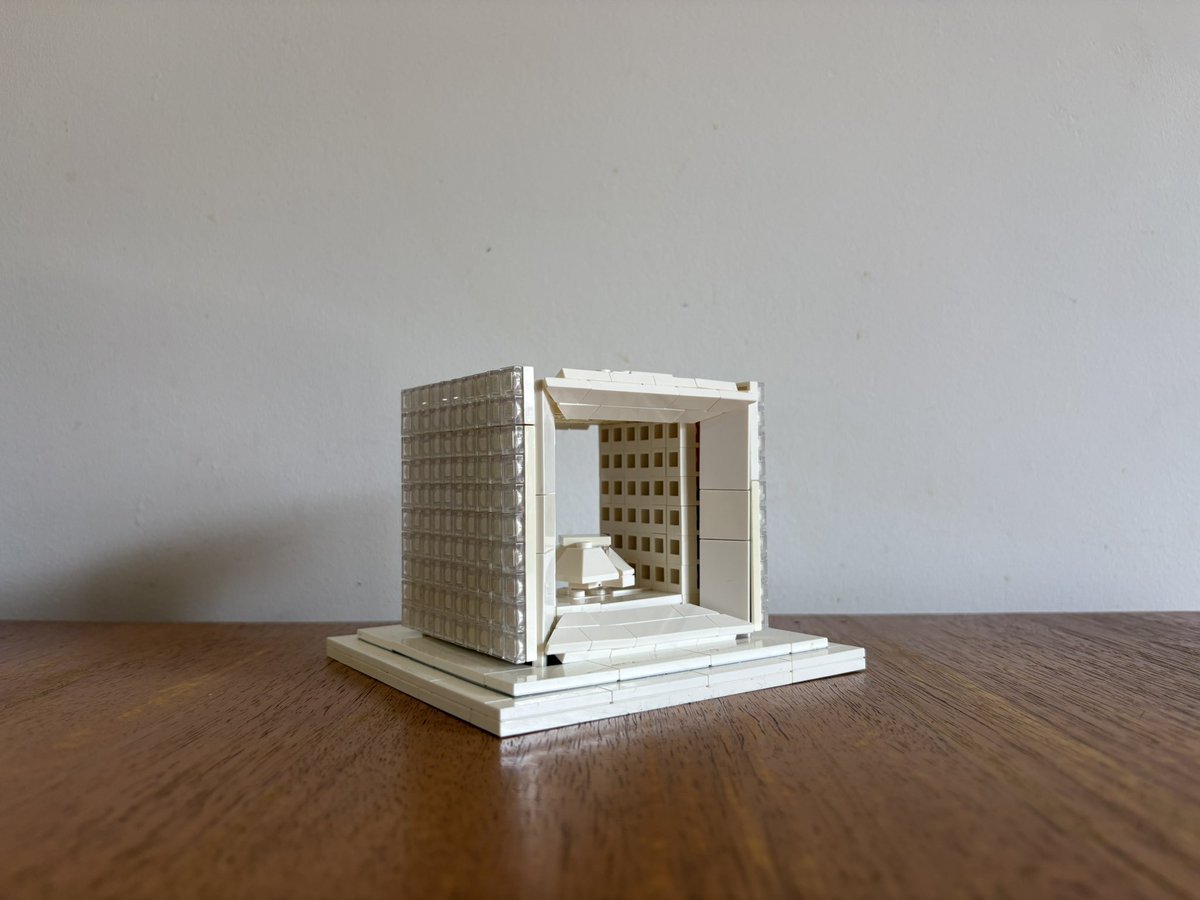

「拍张照片就能生成 CAD 模型」的时代,比预想中来得更快。
ForgeCAD 创始人 Ruben 展示了 GPT-5.5 在工业建模上的恐怖潜力:只需提供一张成品照片,AI 就能在 Codex 环境中精准还原出复杂的 3D 几何结构。这不是简单的图片转模型,而是通过 TypeScript API 重新构建了零件的参数化逻辑。
这种「视觉逆向工程」的成熟,意味着硬件开发的反馈闭环正在被彻底重写。
我是「谁是藏镜人」,专注于挖掘 AI 在工程与物理世界演进的底层逻辑。
关注 @VedaAI00,带你看清 AI 怎么从「像素生成」走向「工程建模」。
30
154
1,013
60,638
Build-It retweeted

25 Nov 2023
#レゴテクニック #扇風機 5歳の息子がまたすごいもの作りました。360°首振り扇風機です。@hatabo1212 さんの動画の影響されて今週ずっと試行錯誤していました。
私「なんでこんなたくさんギア使っているの?」
息子「ゆっくりにするために」
私「はぁ〜…(よくわかっていない)」
14
406
1,800
572,474
Build-It retweeted

May 24
This adorable, handcrafted crochet glasses case is the perfect DIY project to turn a daily necessity into a charming accessory. Whether you’re an adult looking to add a touch of personality to your desk or a parent wanting to make eyewear maintenance fun for your child, this project is a fantastic way to encourage better habits. When glasses have a home that’s this cute, you’ll never have to worry about them getting lost or scratched again.
The beauty of this project is its versatility. With just some basic crochet skills, you can bring almost any character to life. The possibilities for customization are endless:
Animal Friends: Create a tiny zoo with cats, bears, puppies, or even foxes.
Mythical Creatures: Think tiny dragons, unicorns, or friendly monsters.
Food Favorites: A slice of watermelon, a smiling avocado, or a classic strawberry design.
Pop Culture Icons: Simple, recognizable shapes based on favorite cartoons or video game characters.
Investing a little time to craft something personalized not only teaches valuable skills but also creates a lasting incentive to take care of your belongings. Grab your yarn and hook, pick a character that speaks to you, and start creating a fun, protective home for your glasses today.
What character would you choose for your custom case?
1
36
37
3,732