
Exploring policy & practice across scales: cities, neighbourhoods, buildings. Independent, not-for-profit OA peer-review transdisciplinary journal
Joined March 2019
- Tweets 3,504
- Following 492
- Followers 1,146
- Likes 868
2,137 Photos and videos


Apr 19
Dr Francis (Frank) Cuthbert Duffy CBE passed away on 21st February, aged 85, following a long illness.
Frank’s extraordinary career had a far-reaching, permanent impact internationally, both on architecture and design, and the wider real estate industry.
buff.ly/vAe1EBb
1
1
3
186
Apr 18
Sustainable Buildings and Construction Summit 2026!
EVENT: 20-22 April 2026
Its aim is to accelerate the transition to a resilient built environment worldwide, with particular focus on emerging markets and developing economies. buff.ly/pIGKfST
1
1
17
Apr 17
Call for Papers! Digitalisation meets transformative governance: Towards urban and regional sustainability
Deadline: 26.04.2026
buff.ly/6qUFW3t
22
Mar 20
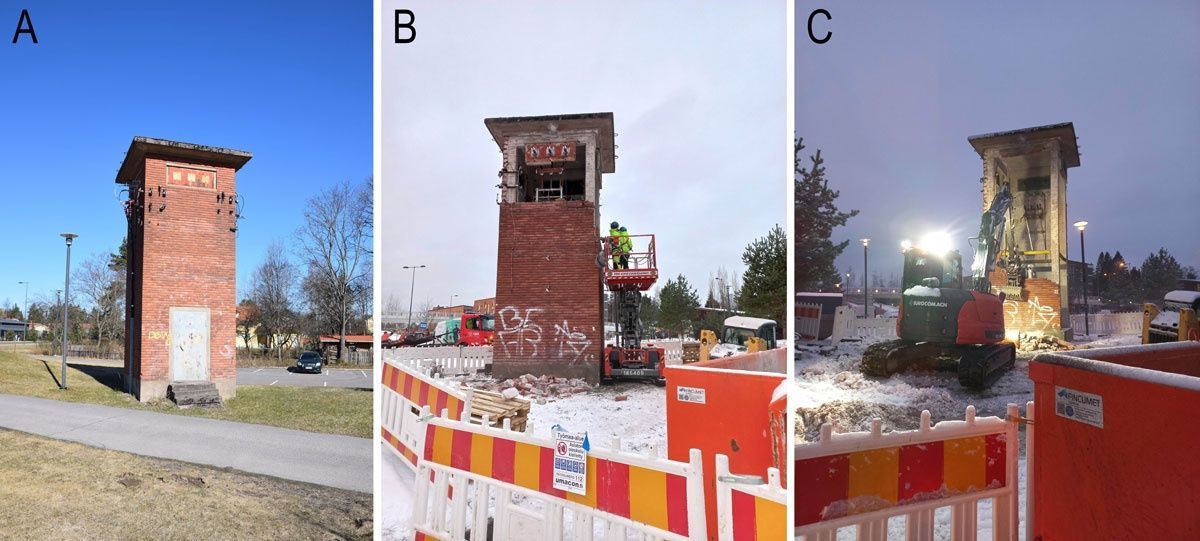
New paper! Environmental impacts of reclaimed #bricks: comparing different #deconstruction methods
Reclaimed bricks have only 20% of the total environmental impact of virgin bricks and outperform them in all relevant impact categories.
buff.ly/UdQzww2
1
56
Mar 19
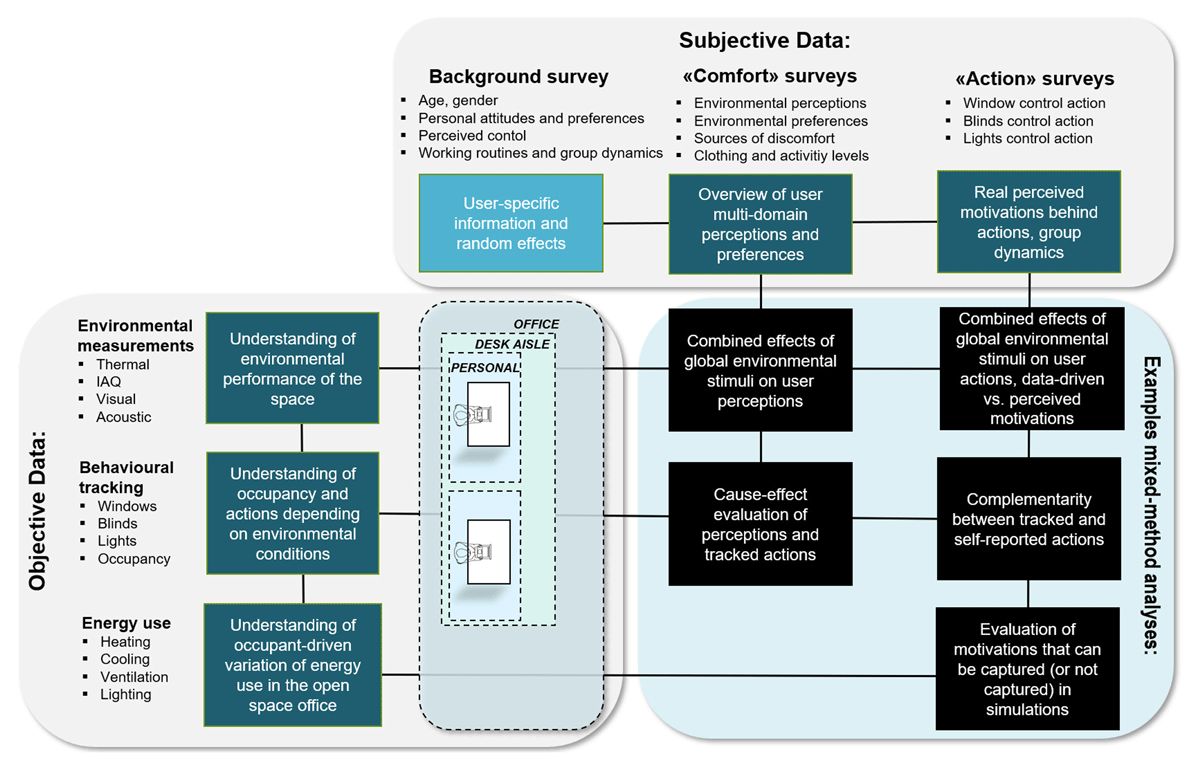
New paper! eCOMBINE: framework for energy, comfort, behaviour and a multi-domain environment
The eCOMBINE explores the relationships among combined #indoor environmental quality, occupant behaviour, global environmental comfort and building #energy use.
buff.ly/r1ywpVE
41
New paper! #Post-disaster #reconstruction: infill housing prototypes for Kathmandu
The key research objective is to explore the potential of a new typology that offers an alternative to the ubiquity of the #concrete-frame house. buff.ly/l3pjVly
1
50
Latest Special Issue! Living Labs: Agents for Change
What are the roles and impacts that #Living Labs play in increasing civic resilience and supporting ecological transition in different contexts and at different scales?
buff.ly/mBM9gc7
21
Call for papers! Building Performance Evaluation: Achieving Better Outcomes
Guest editors: Bill Bordass, Paul Ruyssevelt & Fionn Stevenson
Abstracts due: 23 March 2026 noon (GMT)
buff.ly/j29T8p3
54
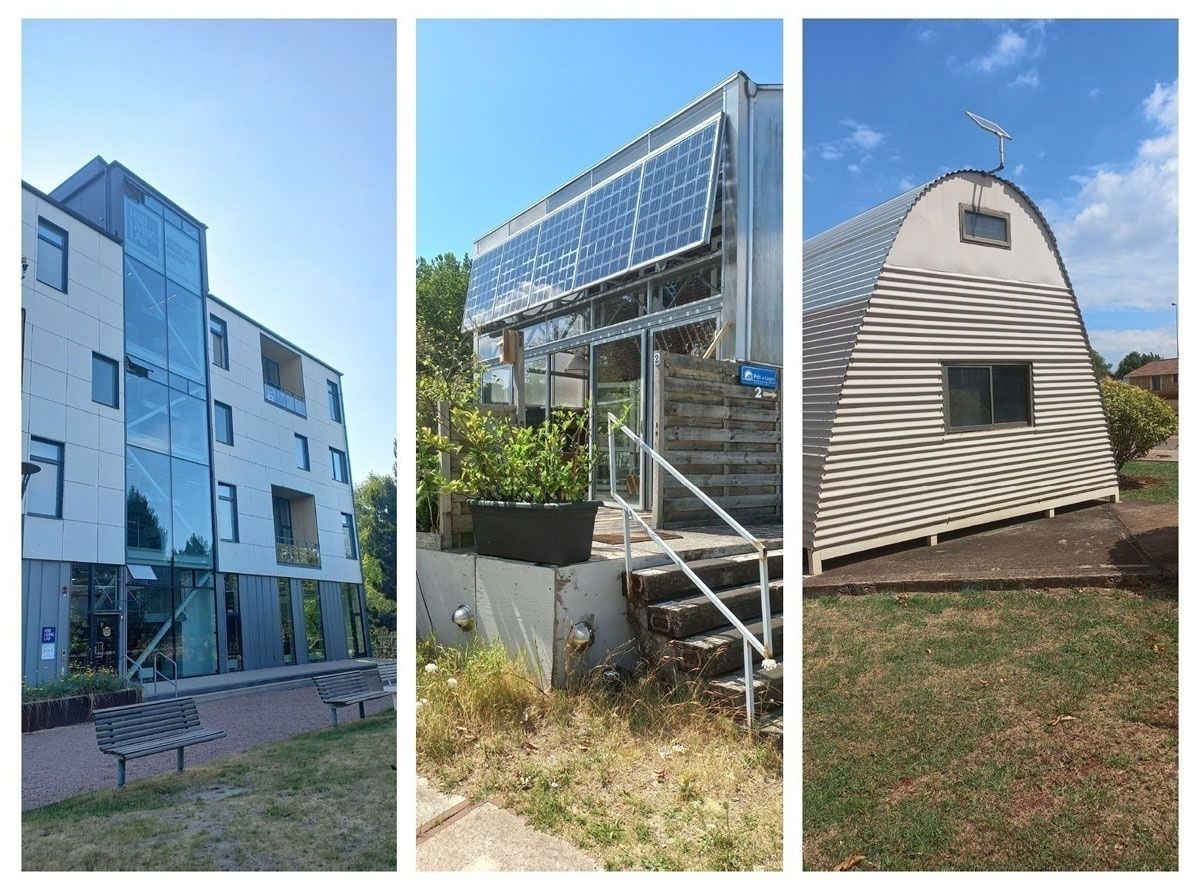
New paper! Living labs and building testing labs: enabling #climate change adaptation
Climate action requires rapid, evidence-based, and locally appropriate adaptation measures. buff.ly/1BbAijI
43
Jan 30
Calls for Papers! #Building Performance Evaluation: Achieving Better Outcomes
What is the potential for BPE to support better outcomes? How can BPE become mainstreamed?
Abstracts due: 23 March 2026, noon (GMT)
buff.ly/ENy6IOV
30
Jan 23
New Book Review! Routledge Handbook of Degrowth
What is the meaning of degrowth? How long has it been around and where in the world? And why is it relevant to the built environment? buff.ly/0xITmXZ
19
Jan 22
The Editors of Buildings & Cities would like to thank all our reviewers for their contribution and support during 2025.
We wish to acknowledge and celebrate the dedication and efforts of all those who have contributed to this.
buff.ly/rNyZrNK
26
Jan 16
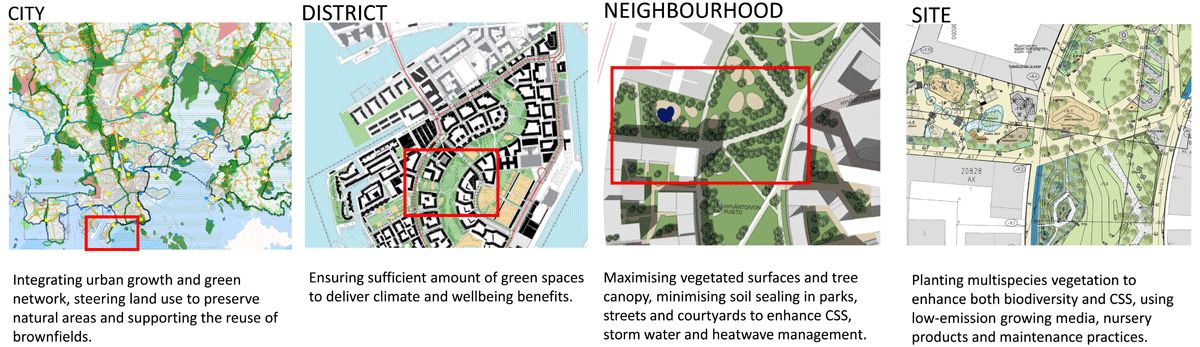
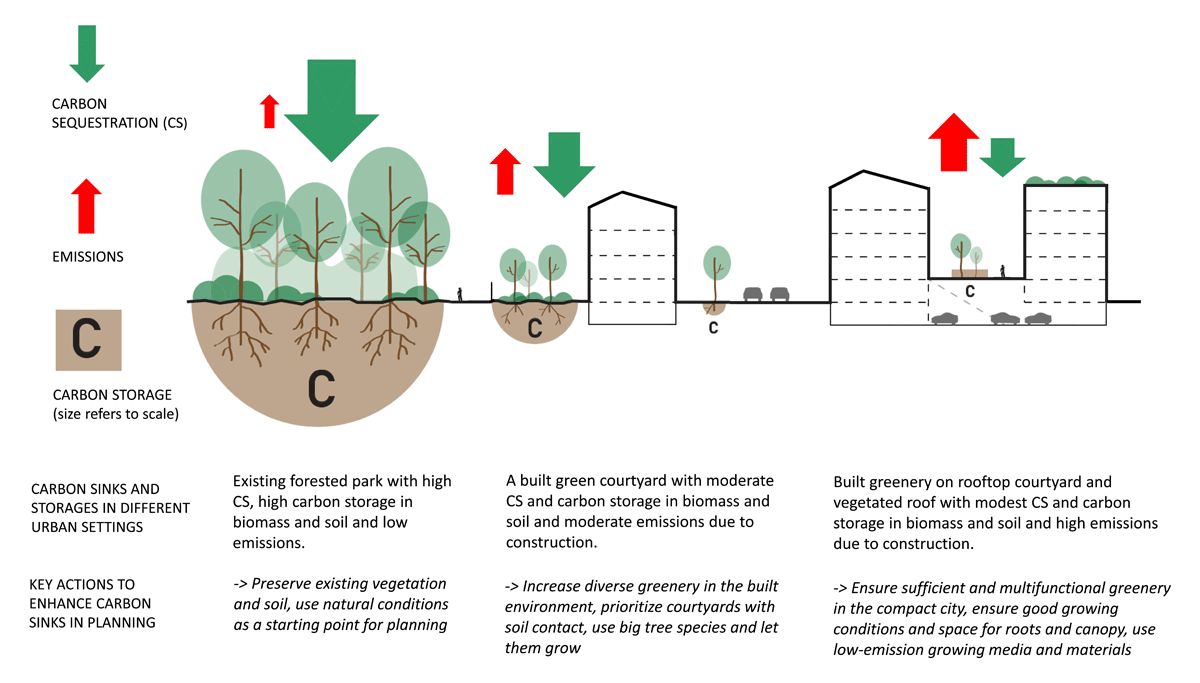
Briefing Note: How #urban green #infrastructure contributes to carbon neutrality
Reaching the #carbon-neutrality targets of cities necessitates not only reducing emissions but also enhancing #carbon sinks. buff.ly/XXC5cR5
1
2
111
Jan 15
Call for Abstracts! Mainstreaming Building Component Reuse
Deadline for abstracts: due 10 February 2026
What practices and policies are needed for the viable reuse of building components? buff.ly/AVSFb1L
26
Jan 14
Environmental effects of #urban wind energy harvesting: a review
Urban wind #energy harvesting is still emerging, mainly with the use of small wind turbines. The positive and negative effects need to be weighed to inform policy decisions and regulations.
journal-buildingscities.org/…
39
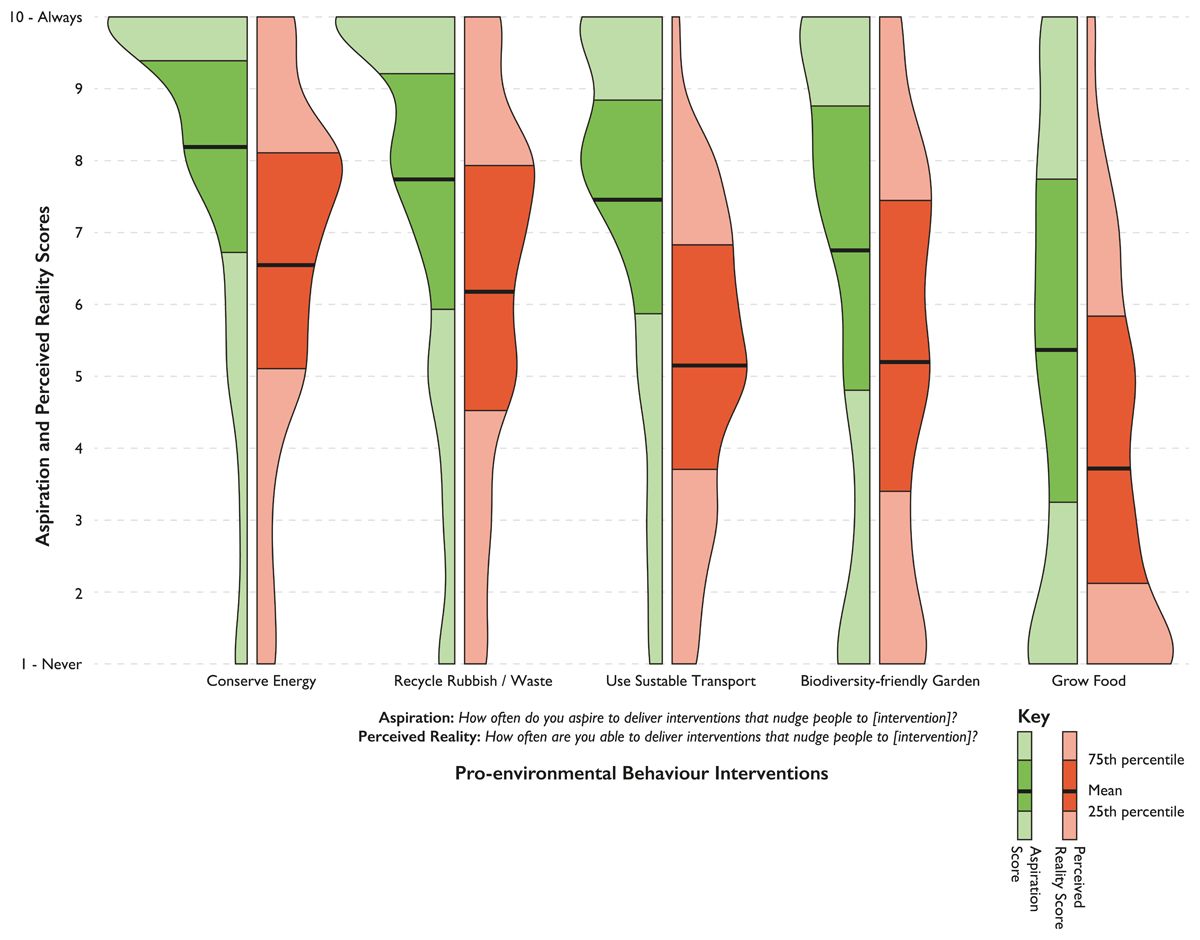
New paper! Designing for pro-environmental behaviour change: the aspiration–reality gap
Built-environment designers shape the spatial and material conditions that support or hinder pro-environmental behaviours (PEBs). buff.ly/aPmaVCQ
22
NEW CALL FOR PAPERS! Mainstreaming Building Component Reuse
Guest editors: Satu Huuhka, Kjartan Gudmundsson & Paul Jonker-Hoffrén
Abstracts due: 10 FEBRUARY 2026 (noon GMT)
More details: buff.ly/AVSFb1L
66
26 Dec 2025
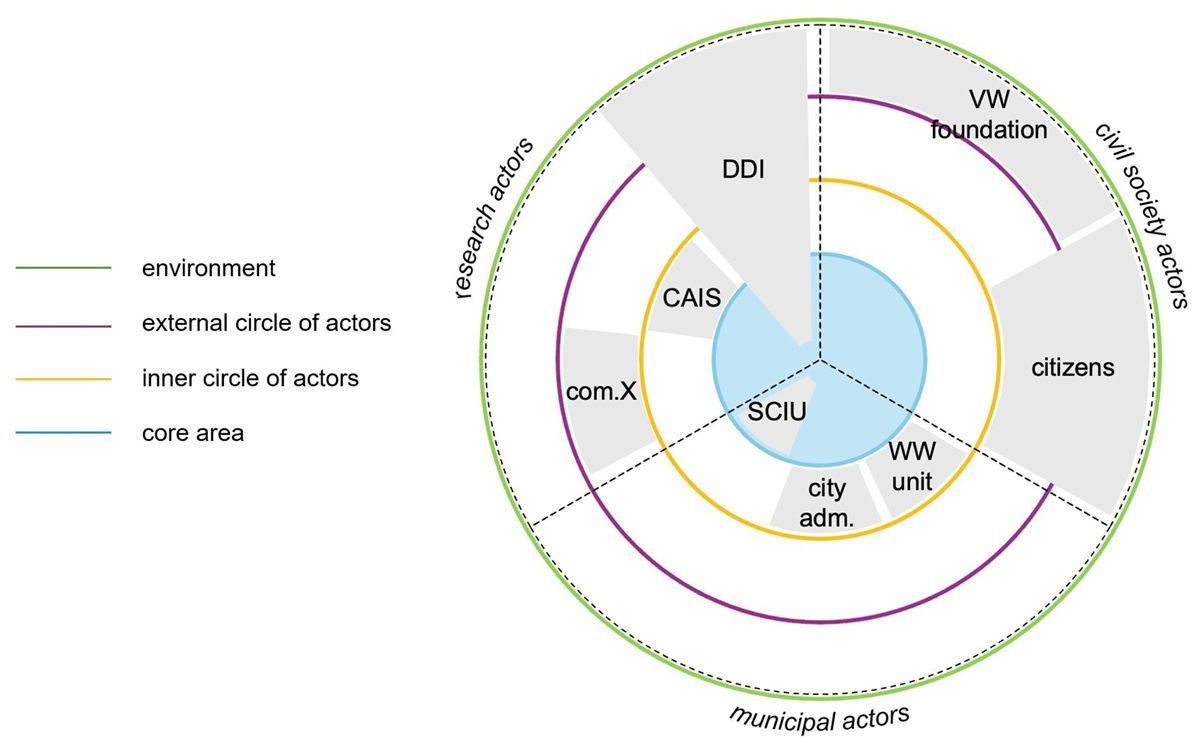
New papers! Co-creating urban transformation: a stakeholder analysis for Germany’s heat transition
The organisation of a real-world experiment on heat transition offers insights for practitioners and policymakers engaged in urban transformation. buff.ly/GQ54VVL
45
25 Dec 2025
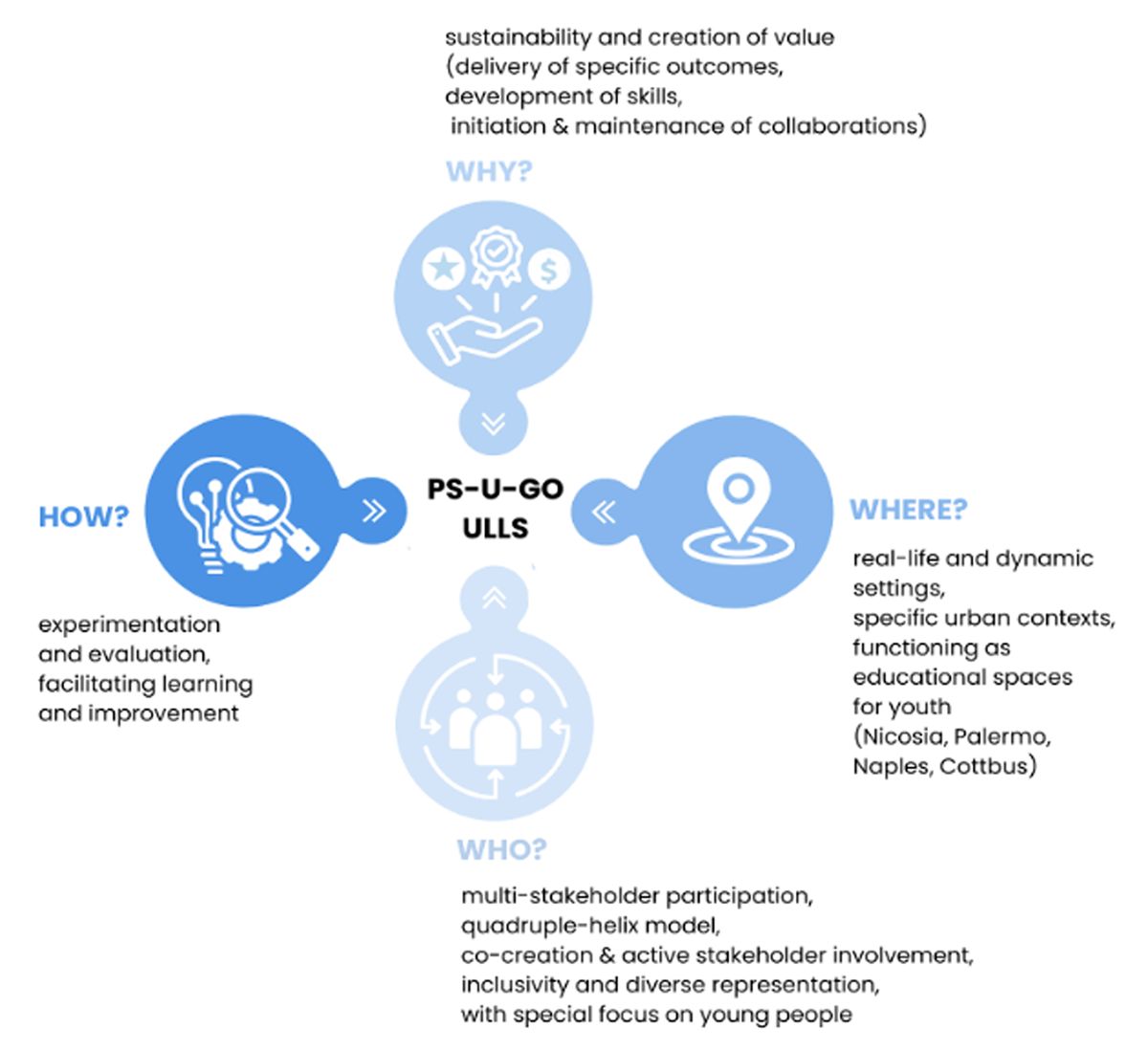
New papers! Youth engagement in urban living labs: tools, methods and pedagogies
Empowering youth in urban governance is essential to align immediate societal concerns with long-term sustainability. buff.ly/5QGDhki
34
24 Dec 2025
New papers! Expanding the framework of urban living labs using grassroots methods
By centring grassroots-situated knowledge and local agency, the study offers insights into a reflexive approach and a bridge between informal groups and formal structures. buff.ly/dICvZ0Y
34