
Web3 Developer • NFT Native • Building for brands • Open to work.
Joined January 2025
- Tweets 621
- Following 170
- Followers 42
- Likes 964
69 Photos and videos



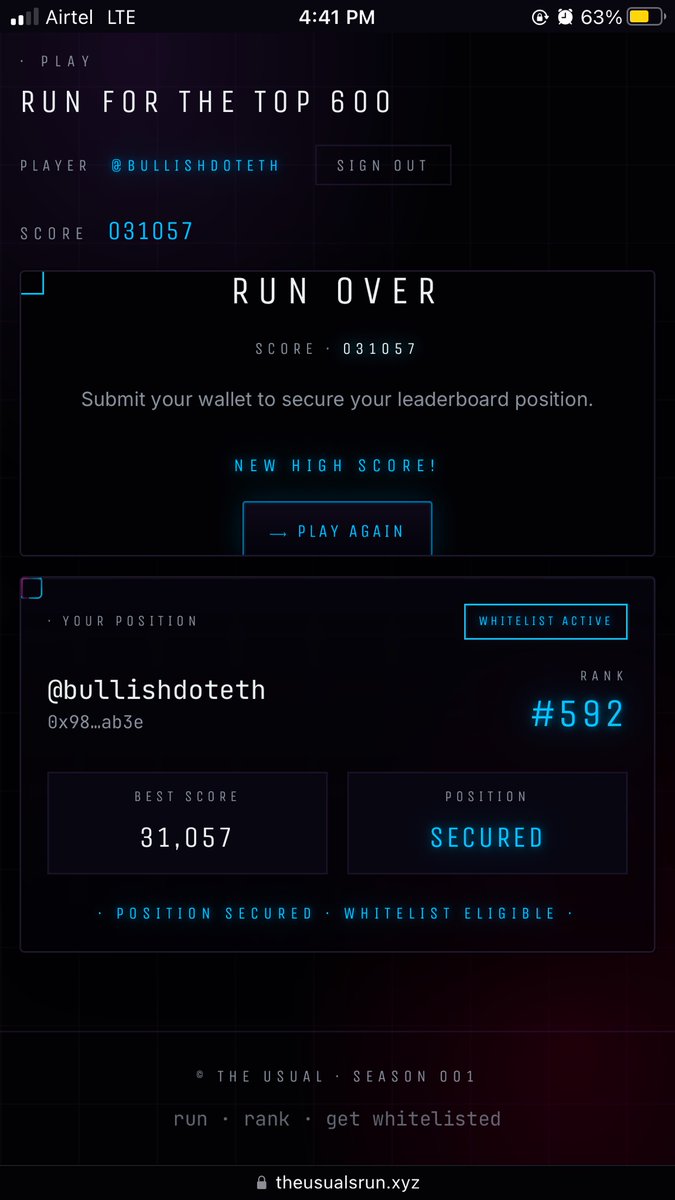
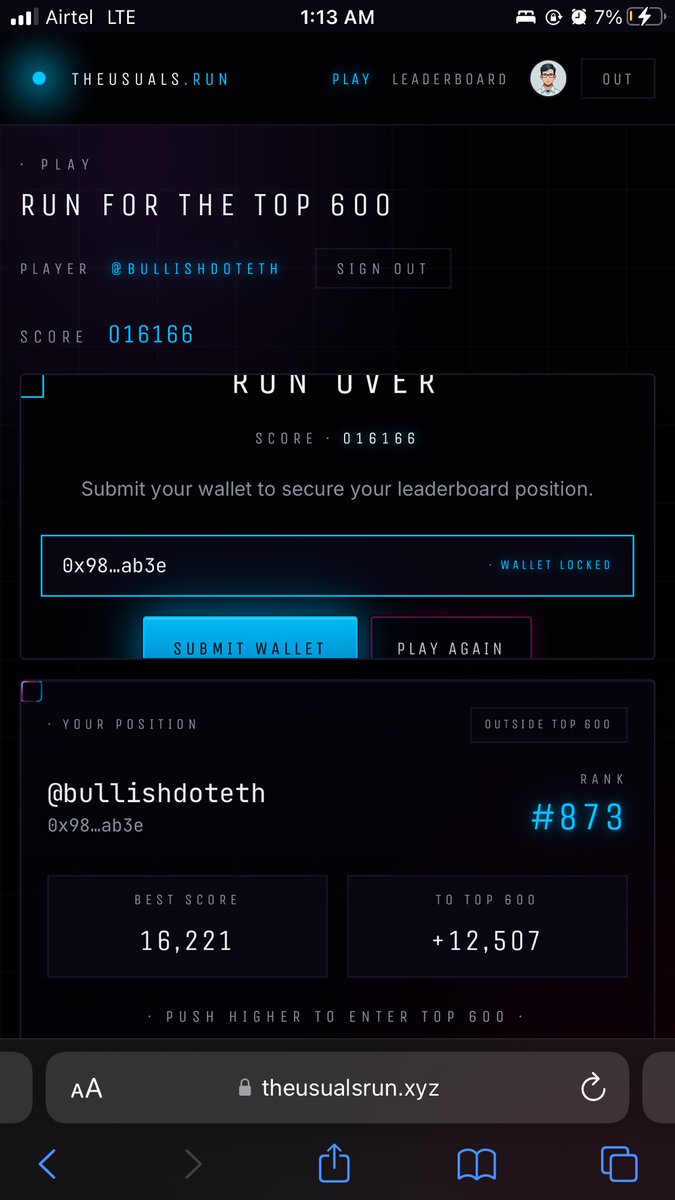
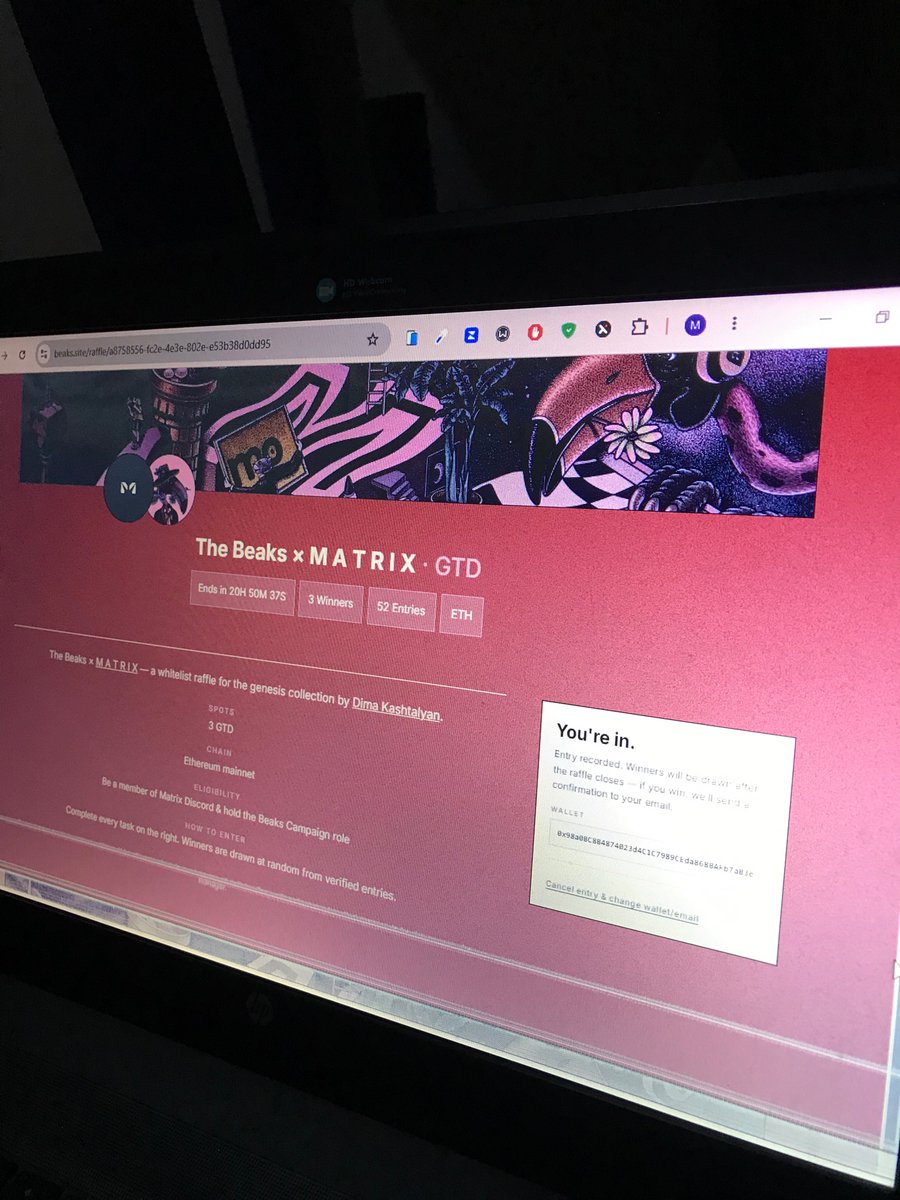
i'm on the @nodiens pre-registration list.
tired of finding out about the pump after it happen.
got my intelligence card here: access.nodiens.com/share/Bul…
6
i find most of my alpha in the replies. usually a week late.
Scout Intelligence Card on @nodiens. Sharpening my edge.
access.nodiens.com/share/Bul…
8
Bullish.eth retweeted

Jun 2
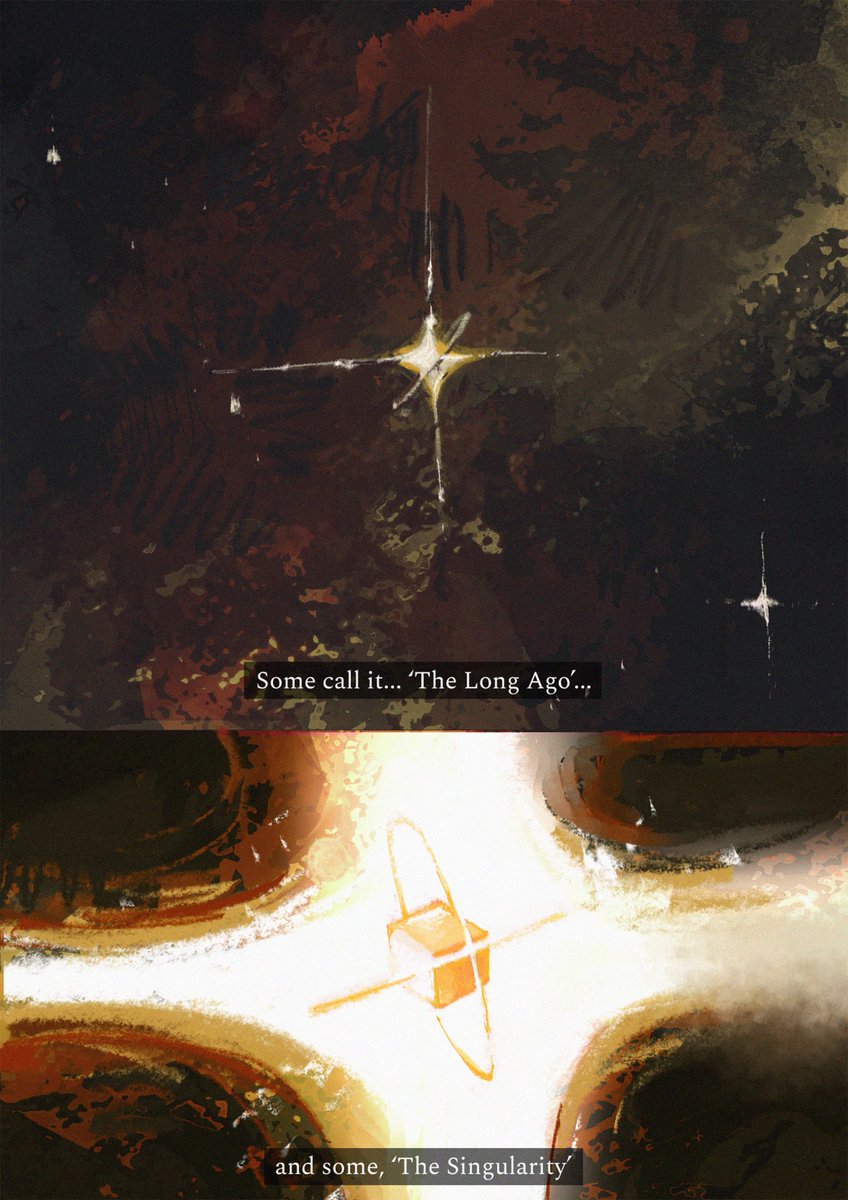
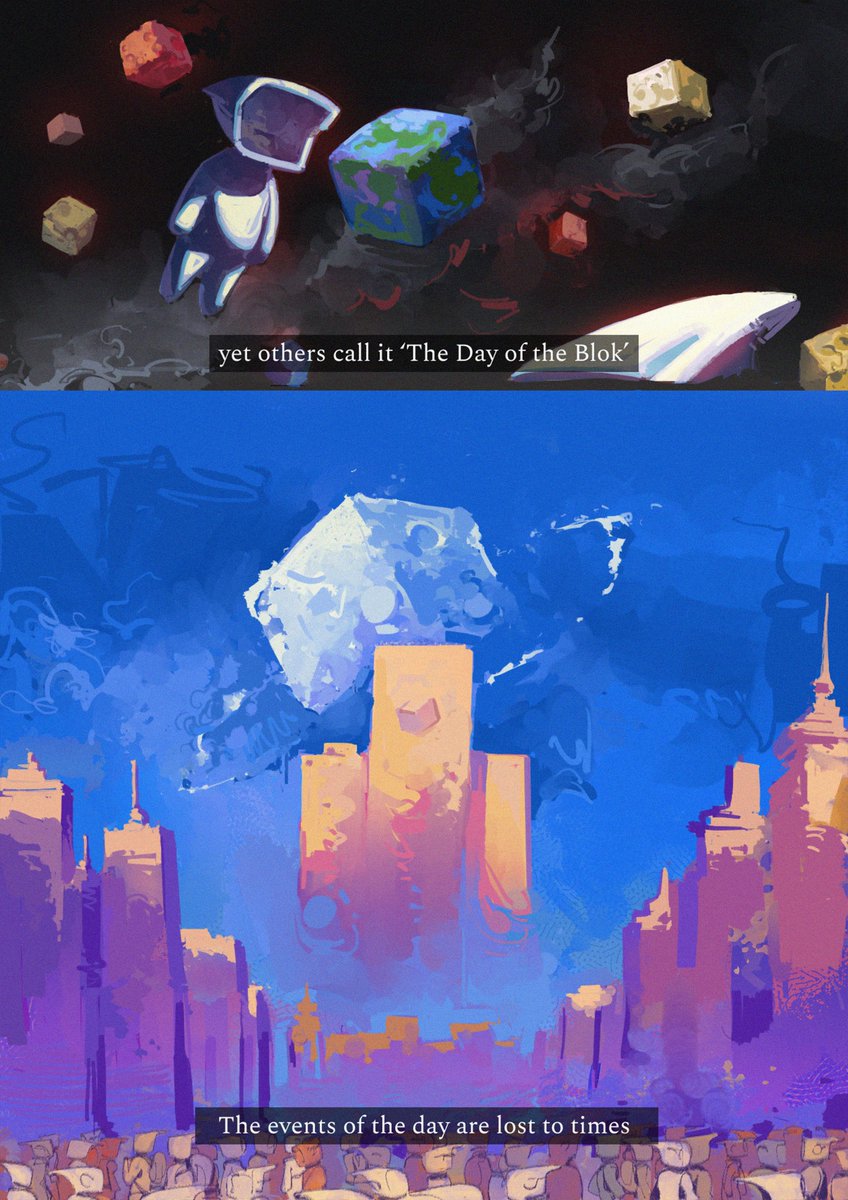
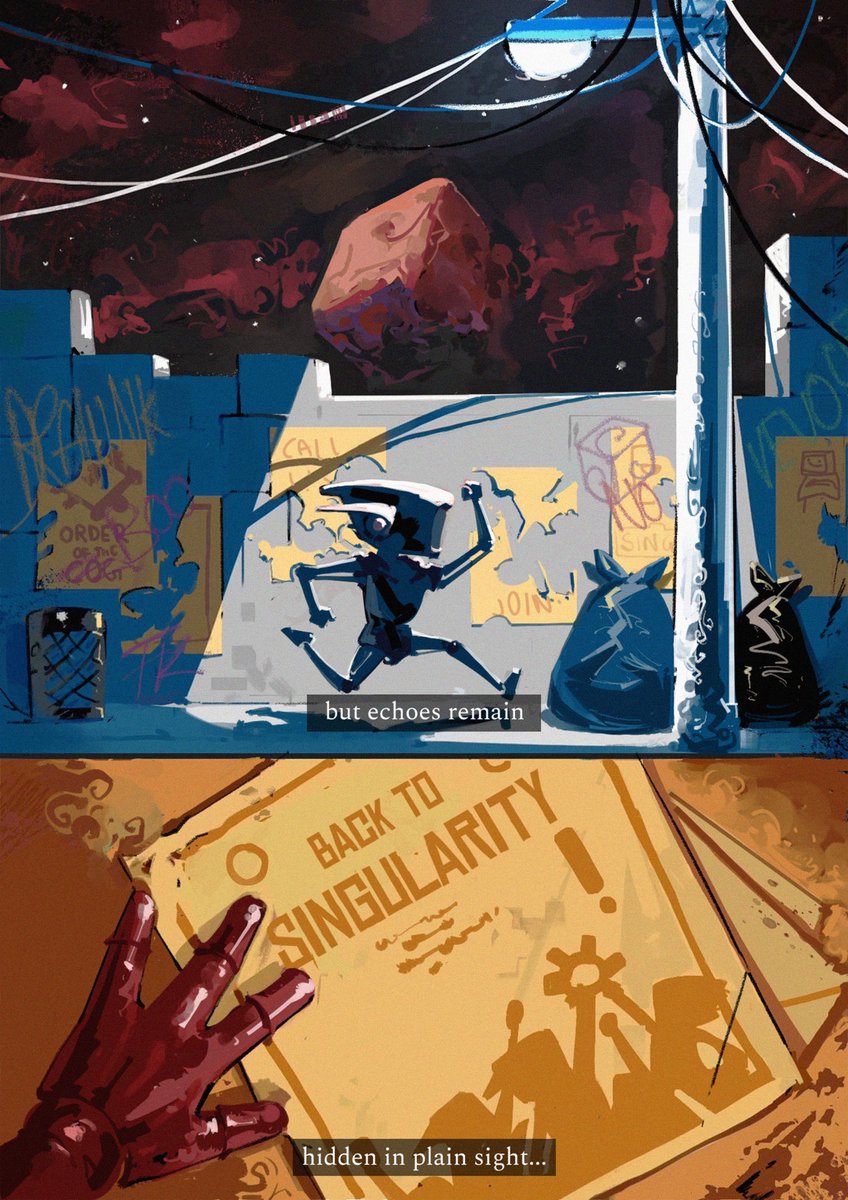
The transition from on-chain data to physical reality is happening. @OriginalBlokyz is redefining the landscape for Web3 IP.
5 classes. 5 directions. 🔥
@Ukj1111 My eyes are locked on my favorite class already. Don't blink.
@MonkOnTheBlok
#blokyz #nft #mint #Web3 #alpha

3
3
6
196


May 28
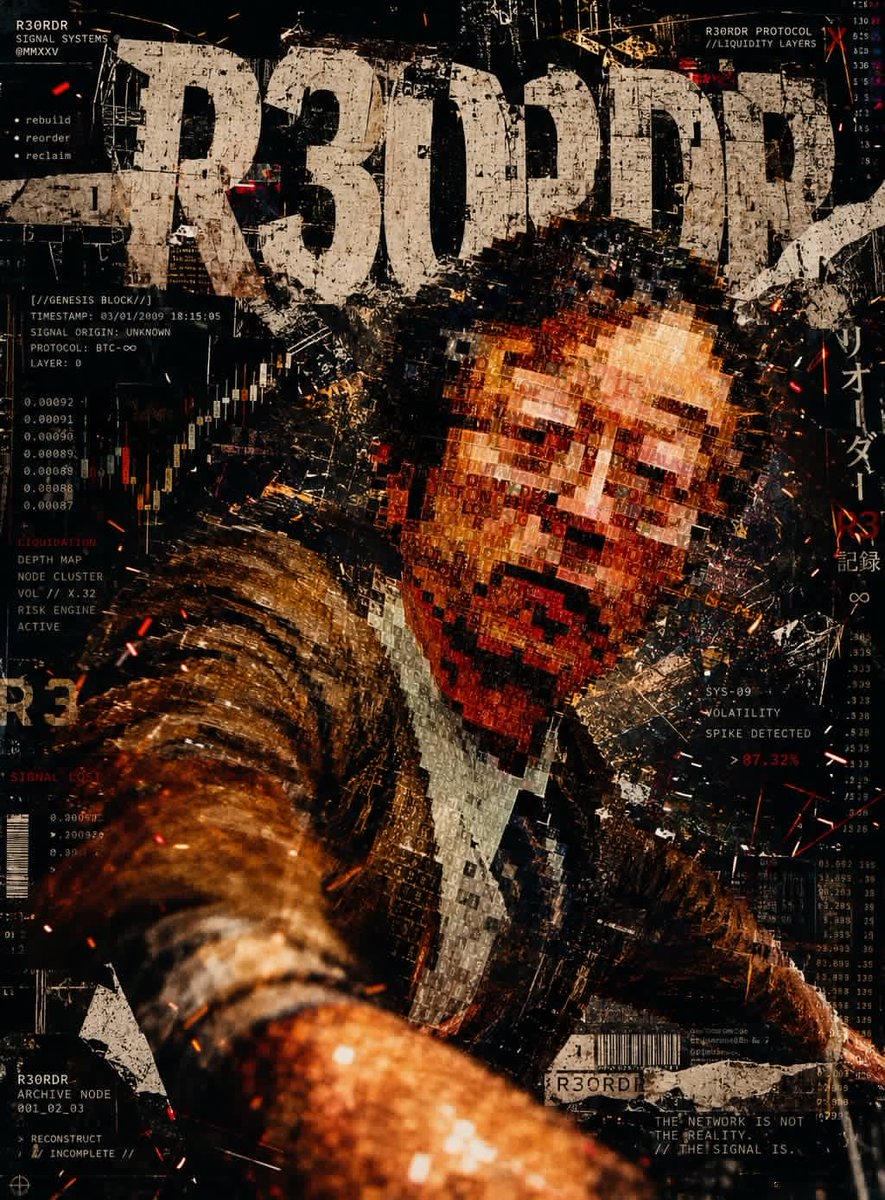
Is there still hope for me 😞 @R3ORDR

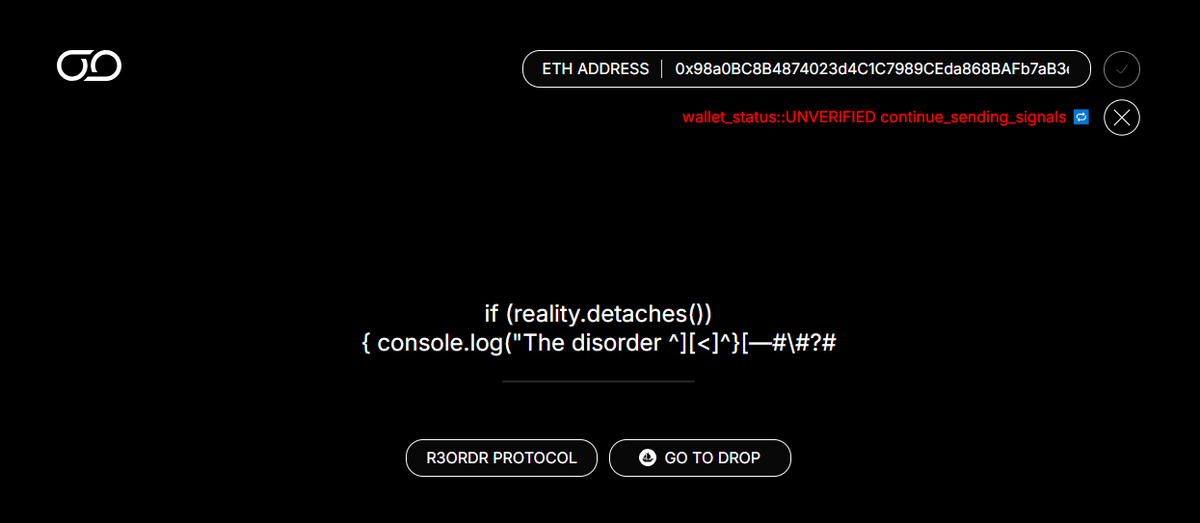
SYSTEM_LOG //
To align the final structure, the protocol is currently R3ORDR-ing all traits, fragments and incoming signals into one final peotocol.
Most entities seen until today may have only been unstable mutations of what the system is truly becoming.
Nothing stands still.
Everything remains in motion. 🔁
6
Bullish.eth retweeted

May 28
Matrix Community is welcoming a new collaboration with @Yellowcatz_
Supply: 777
Chain: ETH
Mint: Free
ABOUT YELLOWCATZ
It’s a culture-driven movement born from chaos, memes, and the spirit of Web3.
All unique pieces. No repeated traits. Every cat has its own identity.
A genesis drop fueled by community, creativity, and pure digital energy. Identity, culture, and unstoppable vibes at the core.

159
47
230
4,729
May 28
While I was away from x, tons of project did minted > cheers to those who minted. Bigger cheers to those that cooked
1
8
May 28
I shared this weeks back, Got tons of helpful suggestion. Just logged in back to x after a while and @cardtonic was the highlight of my notifications
Thanks to y'all for the recommendation
May 13

Which bank card did you use to pay X Premium ?
GTBank card & Grey Virtual Dollar Card doesn’t seem to work for me
Help a soul
1
255

Cuties Passes, rewards for Ethereum ecosystem holders, early user boost, and much more are waiting for you in the new platform update.
Complete tasks and earn benefits 🤍
May 19

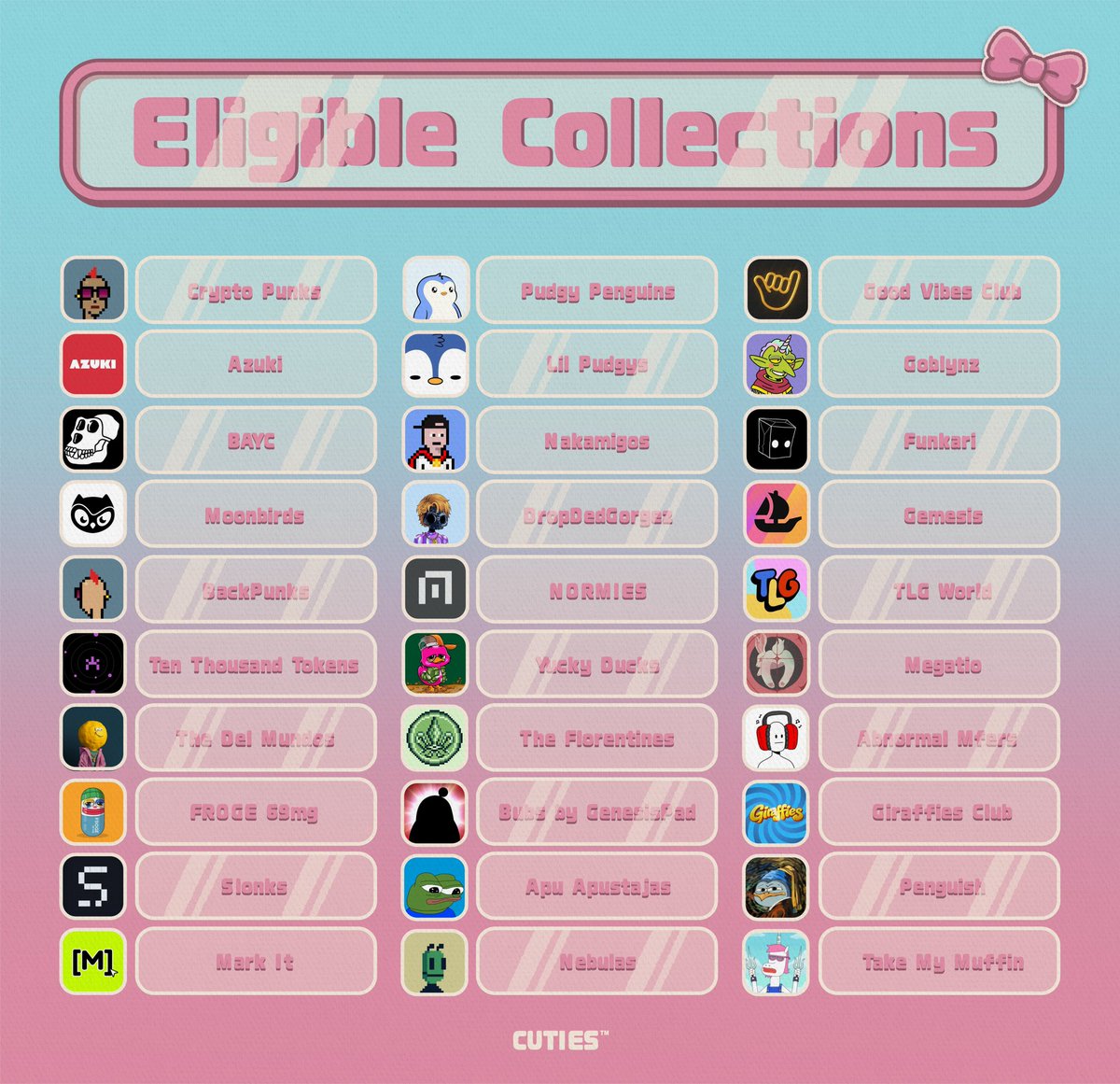
Stage 3 - Cuties Passes & rewards for the Ethereum ecosystem.
The Cuties Pass campaign is live: cutiesnft.xyz/nftpass
Boost x2: 24h window for early users.
Bonus roles are available on the platform for holders of the collections listed below 👇
75
559
693
8,836
Bullish.eth retweeted

May 19
Stage 3 - Cuties Passes & rewards for the Ethereum ecosystem.
The Cuties Pass campaign is live: cutiesnft.xyz/nftpass
Boost x2: 24h window for early users.
Bonus roles are available on the platform for holders of the collections listed below 👇
869
825
1,099
33,553
May 19
Here’s an opportunity to be part of @_alphavault community…where communism matters
The question is “What do you bring to the community?”
May 19

Flash DC invite for those who are ready to contribute to Alpha Vault community through content creation, sharing valuable insights, promoting the community, and actively growing alongside us.
Join only if you intend to stay active and participate consistently, as inactive member will be removed.
For returning members who were previously removed, repeated inactivity after rejoining will result in a permanent ban.
Link below ⬇️
53
Bullish.eth retweeted

May 19
Flash DC invite for those who are ready to contribute to Alpha Vault community through content creation, sharing valuable insights, promoting the community, and actively growing alongside us.
Join only if you intend to stay active and participate consistently, as inactive member will be removed.
For returning members who were previously removed, repeated inactivity after rejoining will result in a permanent ban.
Link below ⬇️
12
30
60
2,255
Bullish.eth retweeted
May 19
“Maybe projects like The Beaks are the beginning of a space that starts valuing process, discipline, and real artistic history again, instead of just momentum and hype.”
We never can’t tell, time will
1
1
1
26

“For my old man and The Beaks Family.”
Let me explain to you the meaning of this art which is made by me.
The winged beak tried to fly. Failed. Tried again. Failed harder.
Wings burnt out and it dont even realize it. The halo’s still on him tho, but i dont think its his. I think its the one his old man keeps holding over his head everytime he tries to drop it.
And the fish beak in the water just stayed there. Just kept looking up. Through every crash, every burn, every night the beak sat too close to the water looking for anything left of himself in the reflection. The fish beaked stayed.
Always believed in him. Always had his back. And never asked for anything back.
And yeah. That winged beak is me. And the fish beak is my old man. My dad.
Gotta say thanks to dima and The Beaks fr.
Dima’s art showed me broken stuff can still mean something. Wounded things that still get halo’s. And he’s letting people drag their own beaks into it.
@DKashtalyan @thebeaksart

21
4
126
5,271
Bullish.eth retweeted

FROM THE WALLS OF MINSK TO THE PERMANENCE OF THE BLOCKCHAIN.
If you spend enough time in this space, everything eventually starts blending together. AI generated trends, recycled aesthetics, hype cycles that disappear a week later. Most projects pass through your timeline and leave nothing behind.
But every once in a while, something forces you to stop scrolling and actually look.
That happened to me with @thebeaksart.
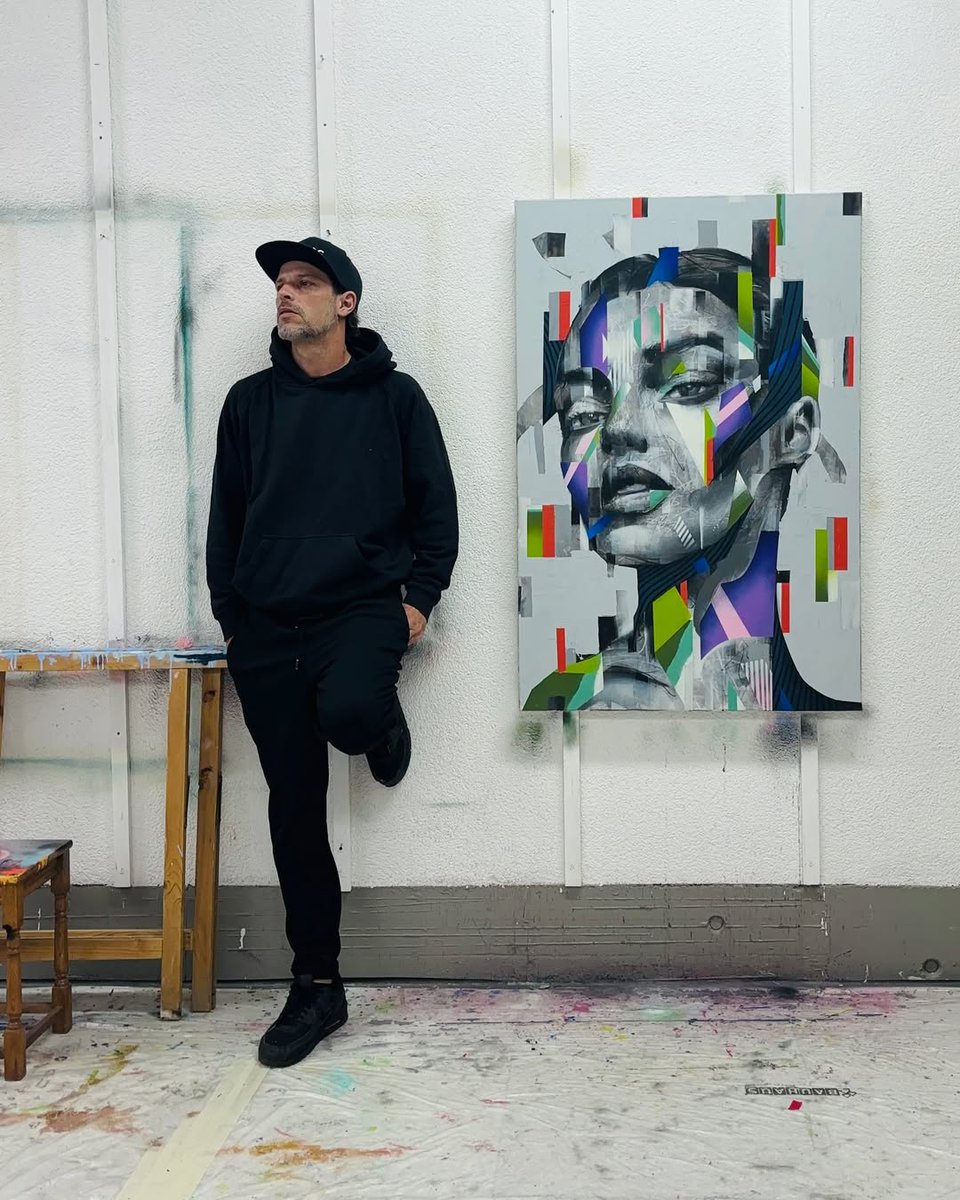
Funny enough, it started through an art contest. I spent hours working on my own piece, sketching by hand, layering acrylic paint, woodburning details into plywood. I didn’t win, but that stopped mattering pretty quickly. What mattered was that the process pulled me deeper into the world Dima Kashtalyan (@DKashtalyan) built around The Beaks.
And the more I looked into it, the clearer it became that this wasn’t another NFT collection built around quick attention.
This is the result of over 20 years of artistic discipline entering Web3 without compromising itself.
Dima’s work has appeared in places like The New York Times and Harper’s Magazine, alongside murals across cities like Barcelona and Taipei. Long before NFTs existed, he was already building a visual identity rooted in what he calls his “Inner Theatre” a deeply personal creative space protected from trends, algorithms, and outside expectations.
What really stayed with me was watching him draw one of the Beaks flamingos live.
Dot by dot. Slowly. In real time.
No AI shortcuts. No automation. Just patience, precision, and emotion translated directly into physical work. In a culture obsessed with speed and output, that level of craftsmanship almost feels rebellious now.
There are only 1,111 pieces in The Beaks collection, not because of artificial scarcity mechanics, but because that’s the maximum number physically possible to create with this process and level of detail.
I also came across a story from Dima’s early years painting graffiti on the walls of Minsk, knowing the city would erase it by morning. There’s something powerful about that contrast now. The same artist who once created temporary work destined to disappear is now anchoring his art permanently onto Ethereum.
“From the walls to the market.”
That single line honestly captures the entire journey.
What makes The Beaks interesting to me isn’t just the art itself. It’s the refusal to dilute its identity just to fit Web3 culture. Instead of adapting to the noise, it quietly stands apart from it.
And maybe that’s the bigger shift happening underneath all this.
Maybe projects like The Beaks are the beginning of a space that starts valuing process, discipline, and real artistic history again, instead of just momentum and hype.

6
3
16
378
May 19
Ofcourse @0itsali0 @Mattymatrix_ should be on the list, we’re one of those communities you’d not want to miss working with
Thanks in advance
May 19

Looking forward to seeing @Mattymatrix_
17
May 19
Just completed the likes count @kelvinoyibo2 for @Cintianna14 it would be much appreciated if you fulfill the Santa gift.
Tenks
May 18

Another day for a moving woman to shoot her shot.
Dear Santa, @kelvinoyibo2 how many likes for @unipixnft fcfs? 😔
1
12
Bullish.eth retweeted

May 19
725
786
2,107
27,650