Physicist, microscopist, amateur astronomer, landscape photographer.
Joined September 2009
- Tweets 2,597
- Following 353
- Followers 1,177
- Likes 13,765
1,104 Photos and videos






Apr 30
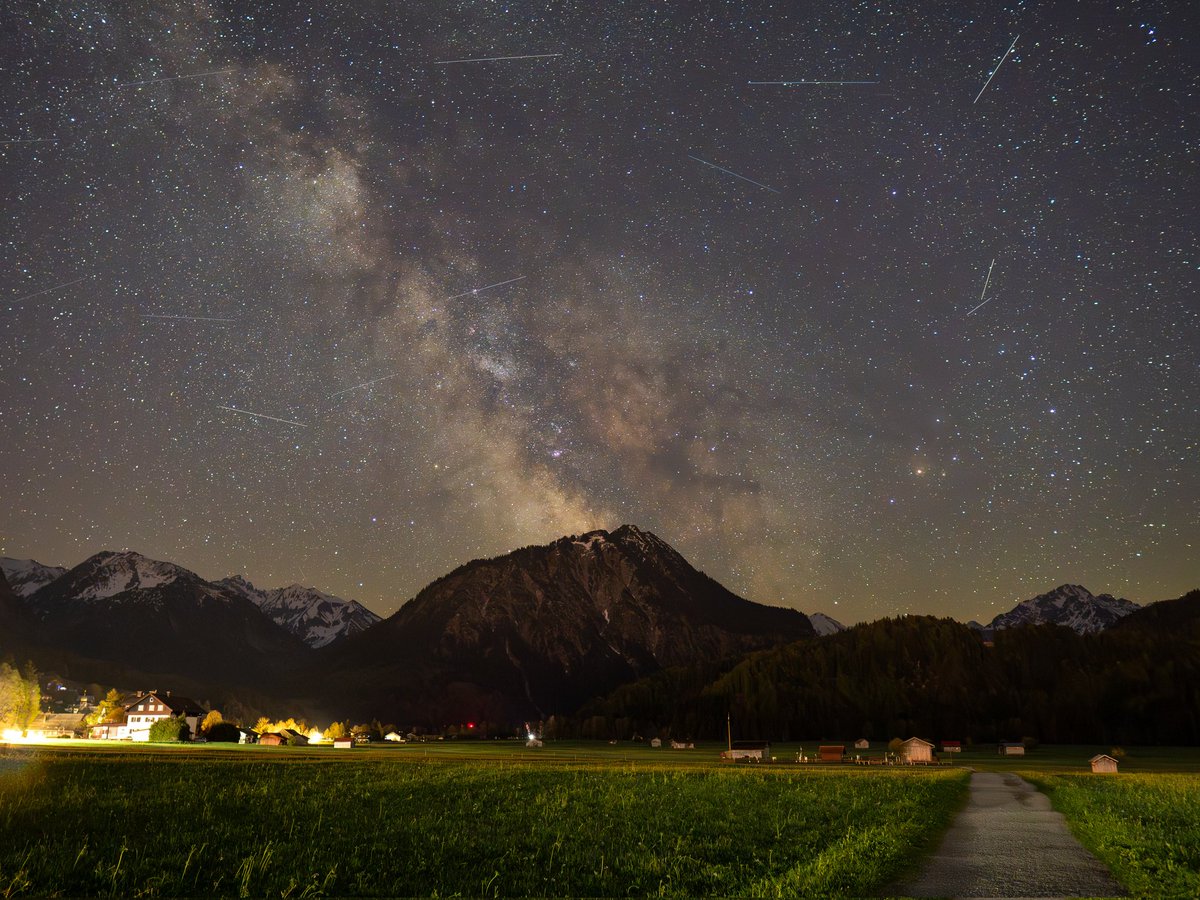
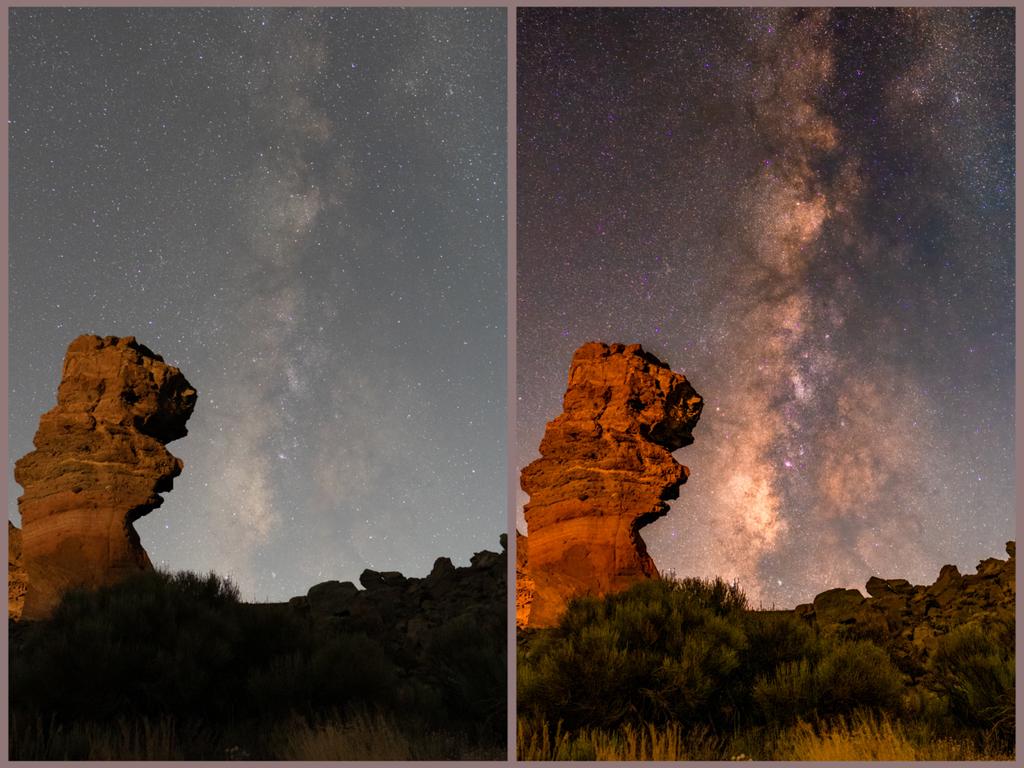
One single photo, only 13 seconds, but 12 satellites on it. This fucking space junk is ruining Milky way photography.
4
5
18
241
Jan 19
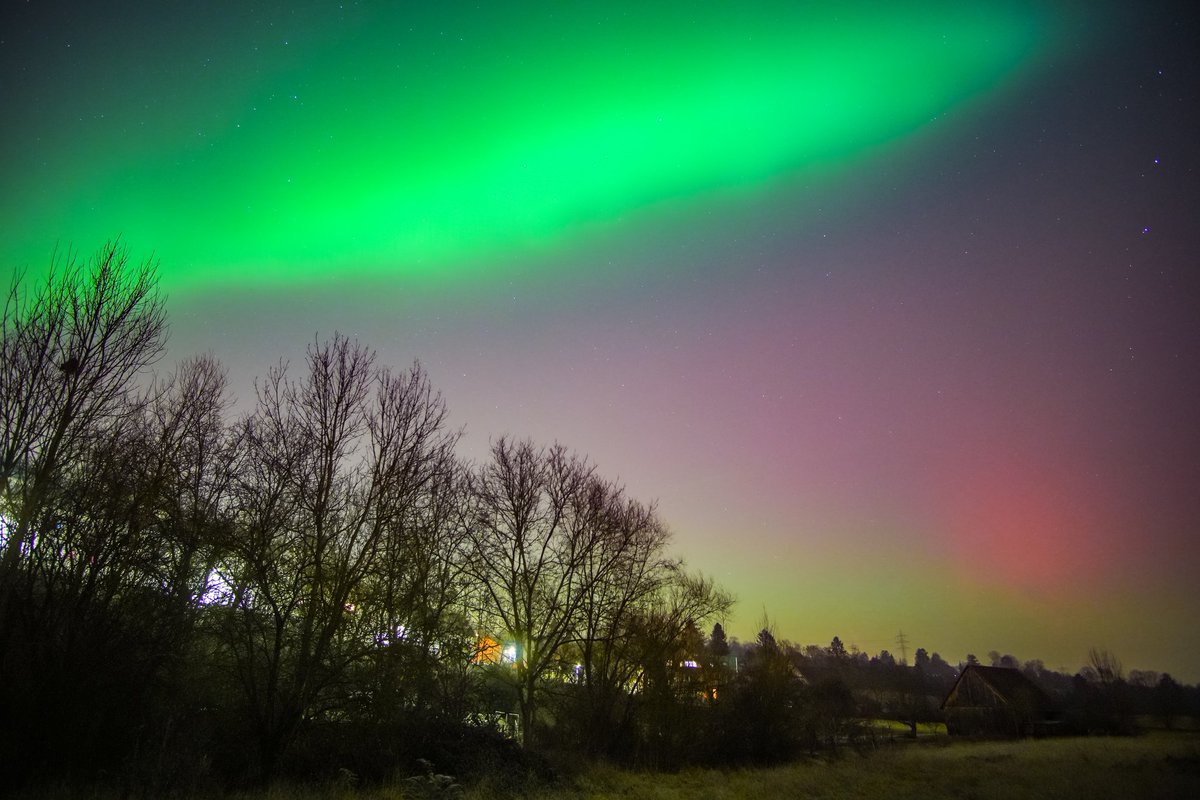
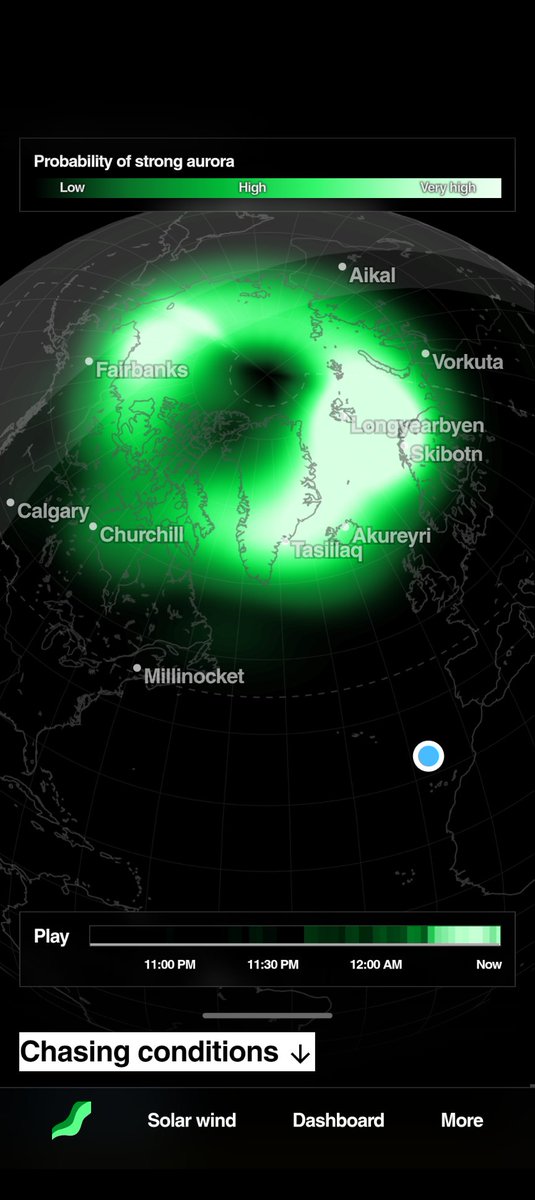
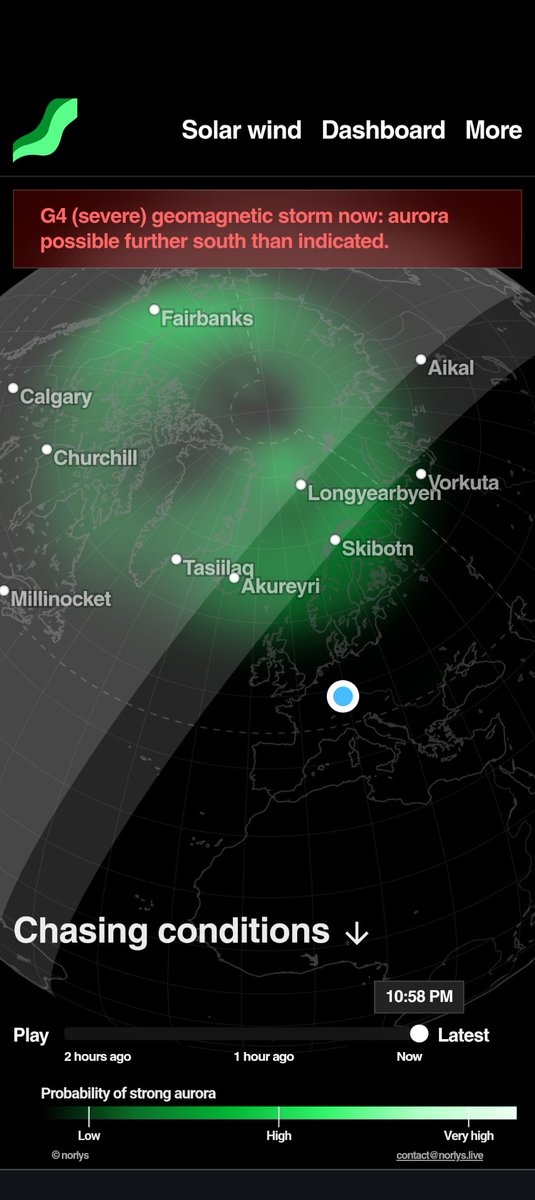
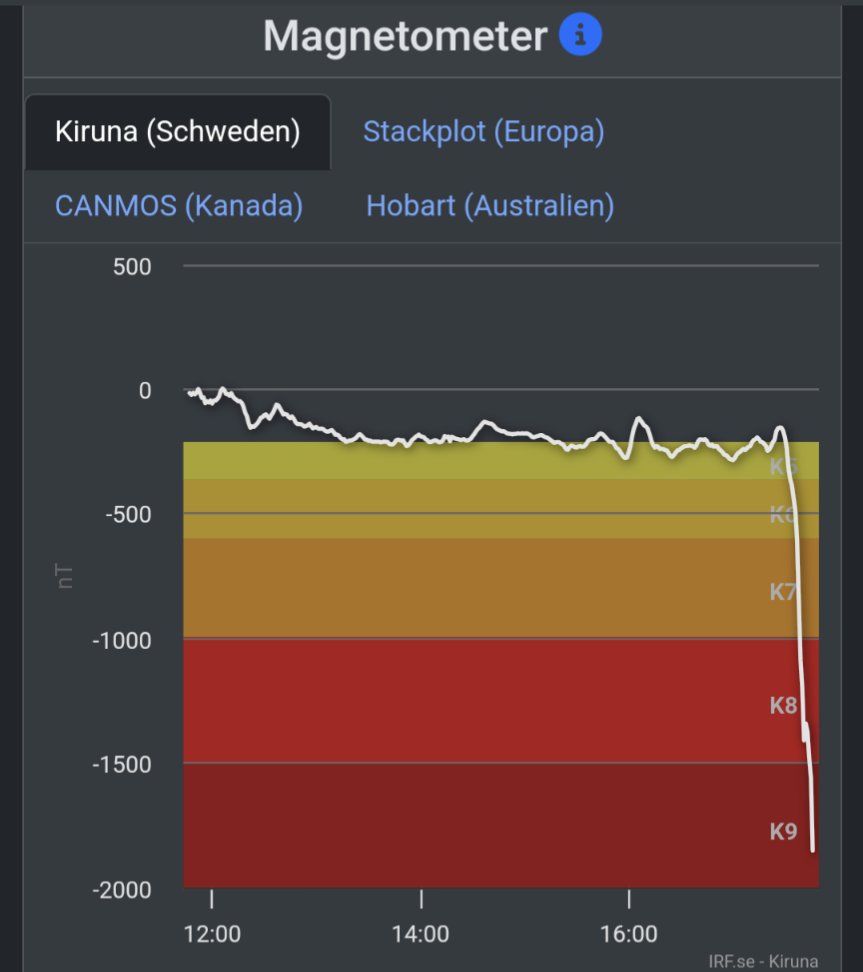
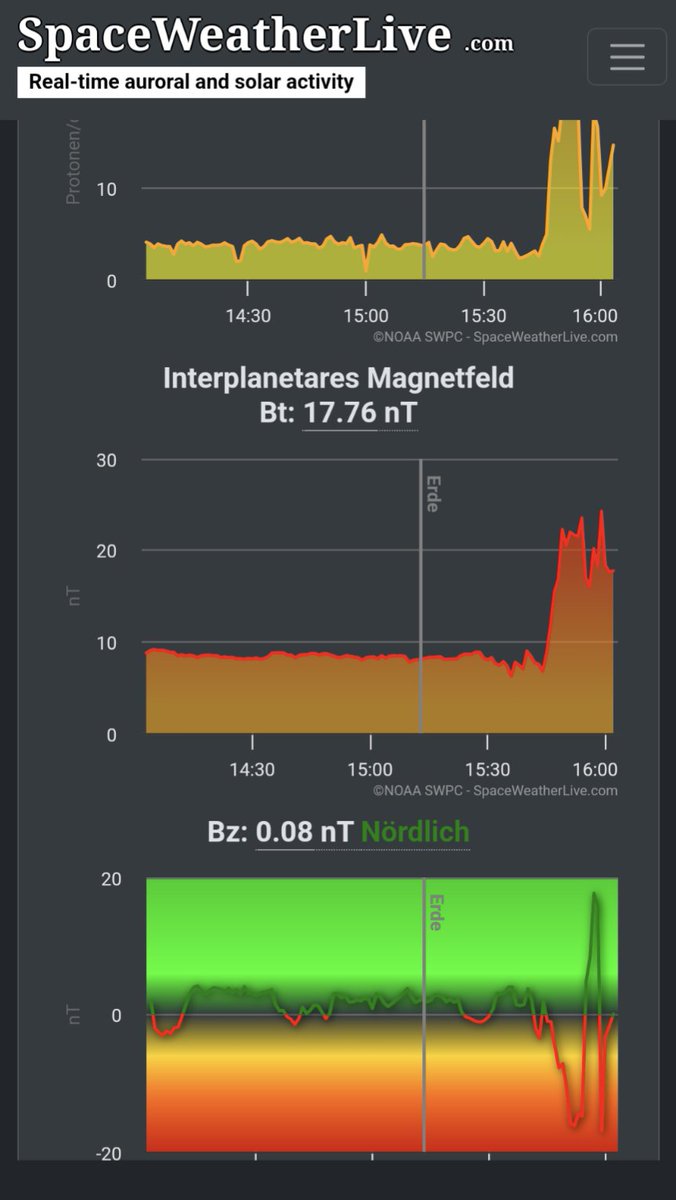
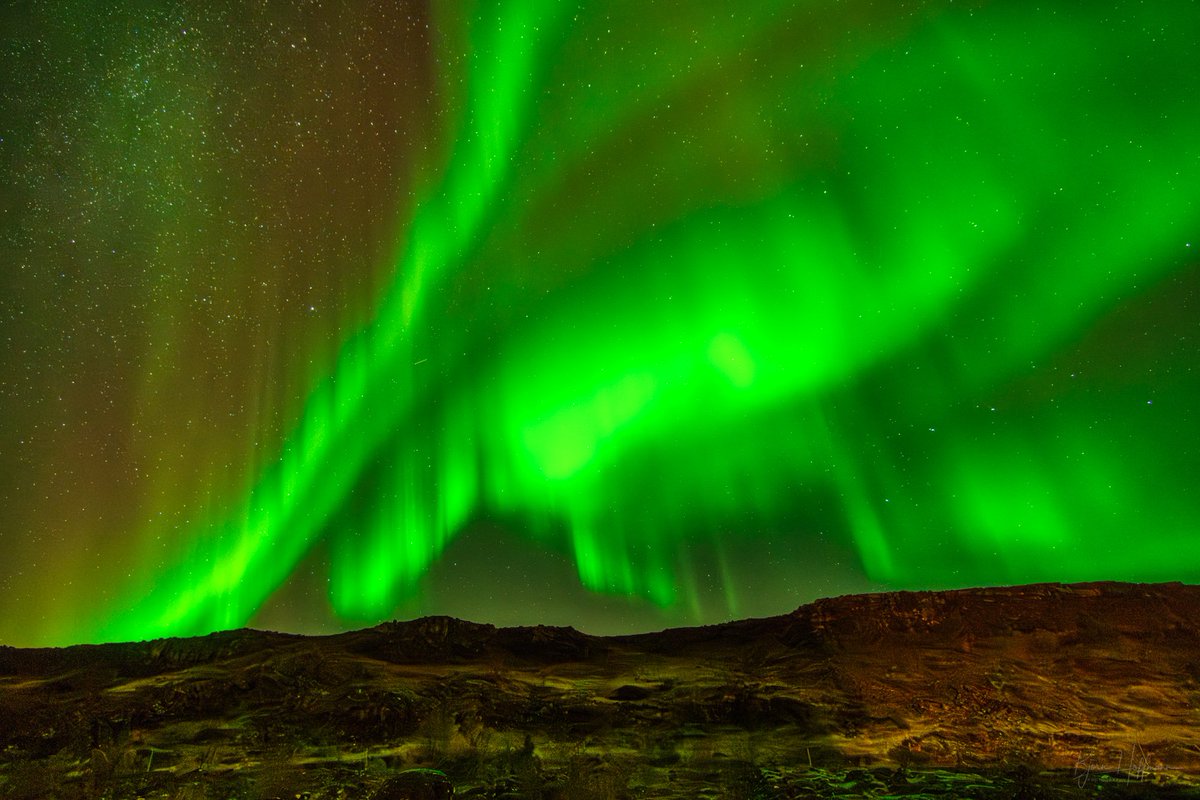
Erste Polarlichter über Deutschland gesichtet! Habt eine erfolgreiche Nacht!
1
11
1,712
Björn Hoffmann retweeted

Jan 19
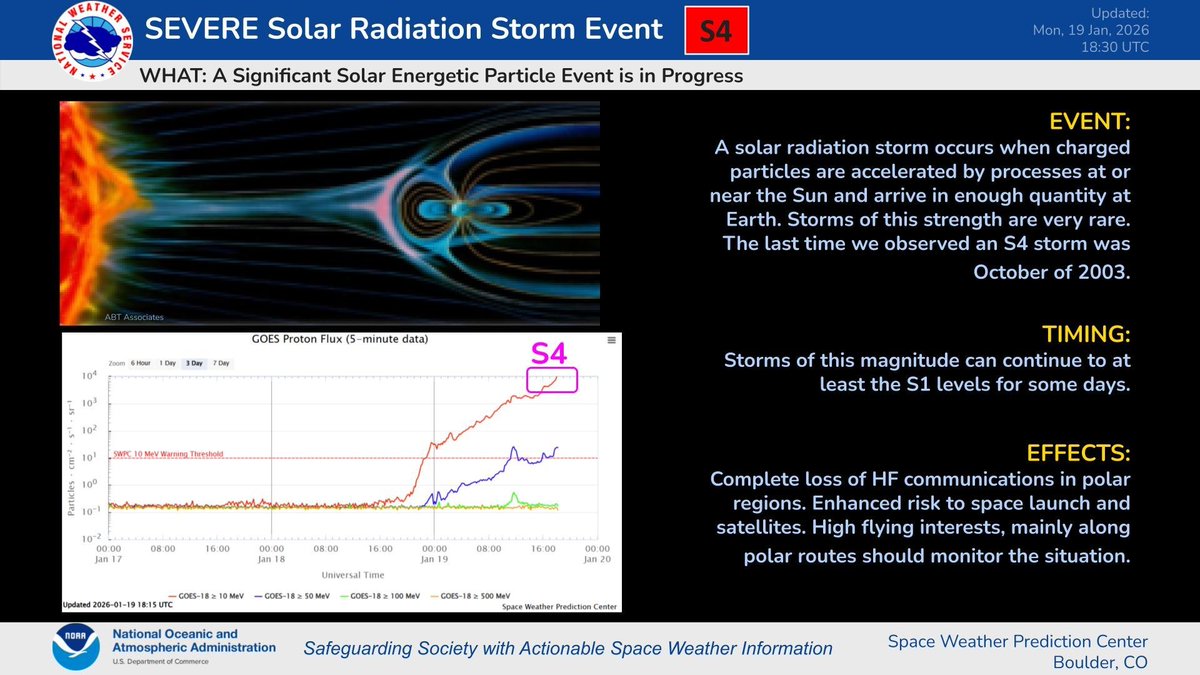
The largest solar radiation storm in over 20 years is now underway.
An S4 severe solar radiation storm is in progress and the last time this level was observed was October 2003.
Potential impacts are expected to be largely confined to space launches, aviation, and satellite operations.
38
219
1,061
56,774
Björn Hoffmann retweeted

Jan 19
Latest NASA CME model: CME may be FASTER than originally anticipated. Impact is slated for Jan 20 around 1 UT--it's a very fast CME and could deliver strong geomagnetic storming Monday night with auroras visible across mid-latitudes. We'll see what happens over the next 24 hr!
10
68
371
13,321
Björn Hoffmann retweeted

Jan 18
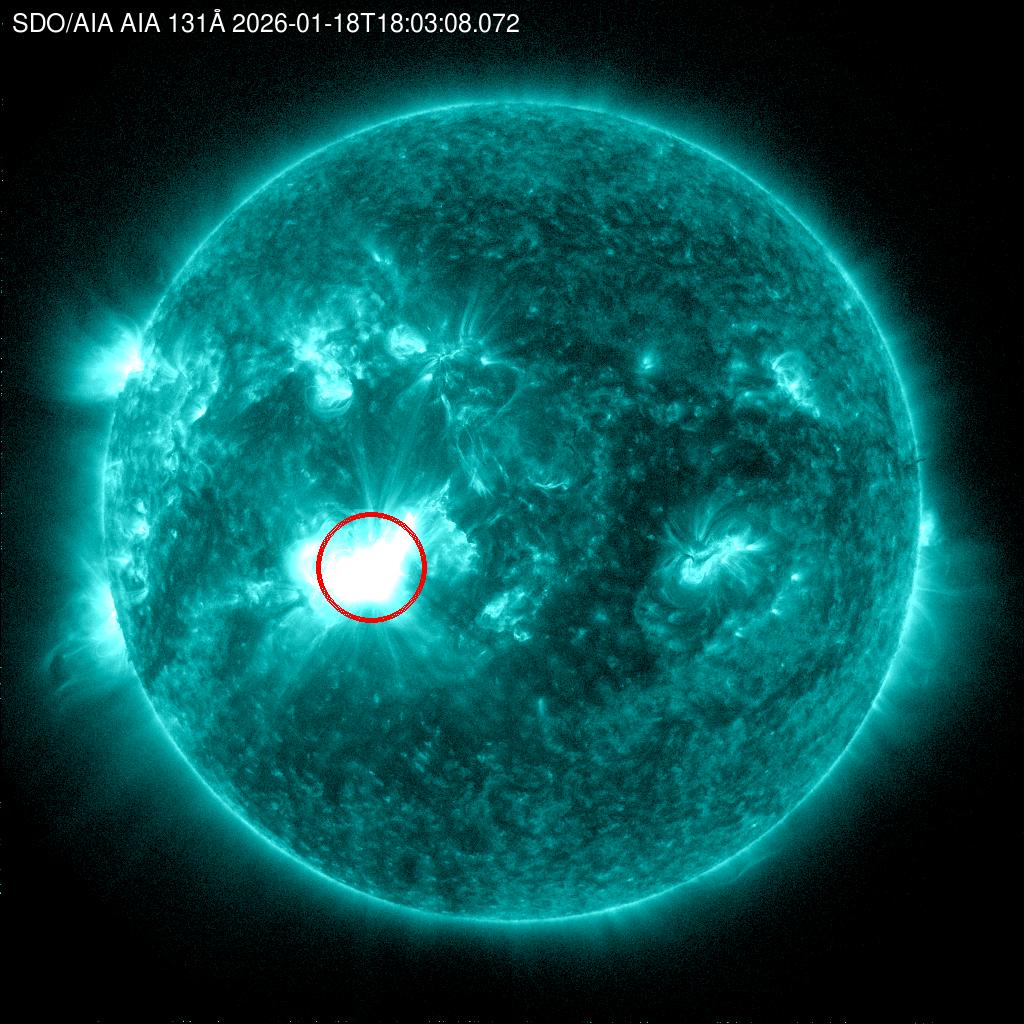
Major X1.95 flare from sunspot region 4341
Follow live on spaceweather.live/l/flare
25
329
1,216
46,627
Björn Hoffmann retweeted

12 Nov 2025
Last night was pretty crazy. We're expecting another significant CME arrival around 20:00Z today (3:00pm ET) which could enhance the already disturbed geomagnetic field. We could see further periods of strong and severe geomagnetic storm conditions into this evening if so. A great forecast so far!
11
59
464
75,541
Björn Hoffmann retweeted

12 Nov 2025
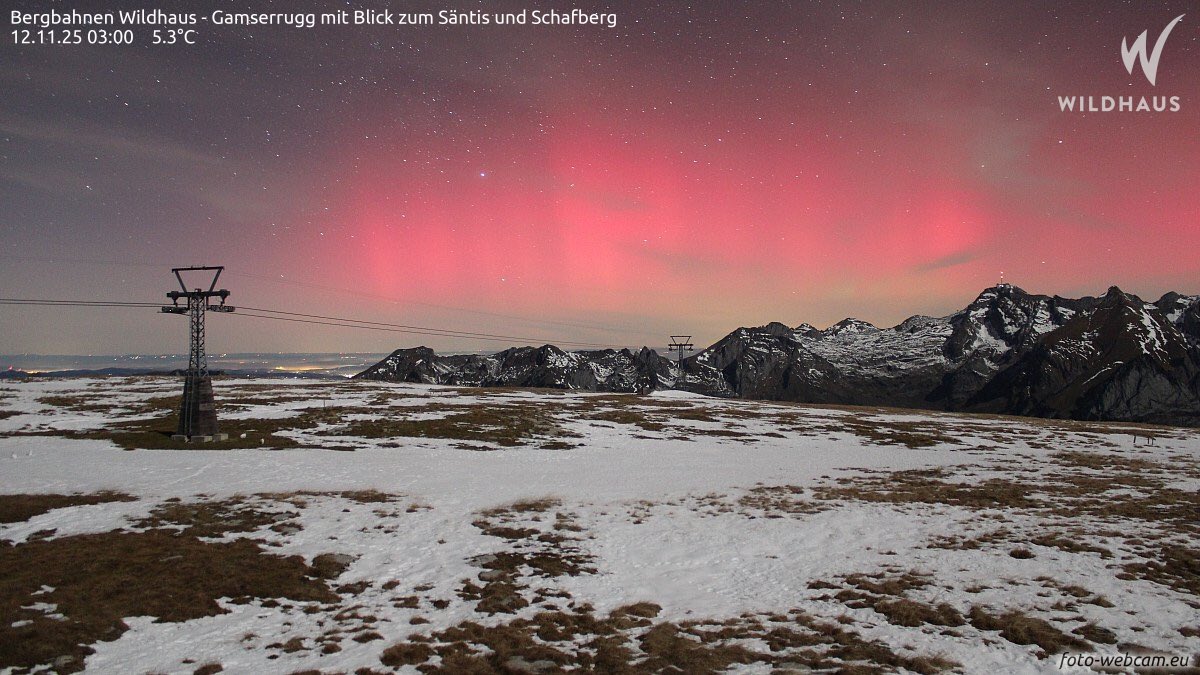
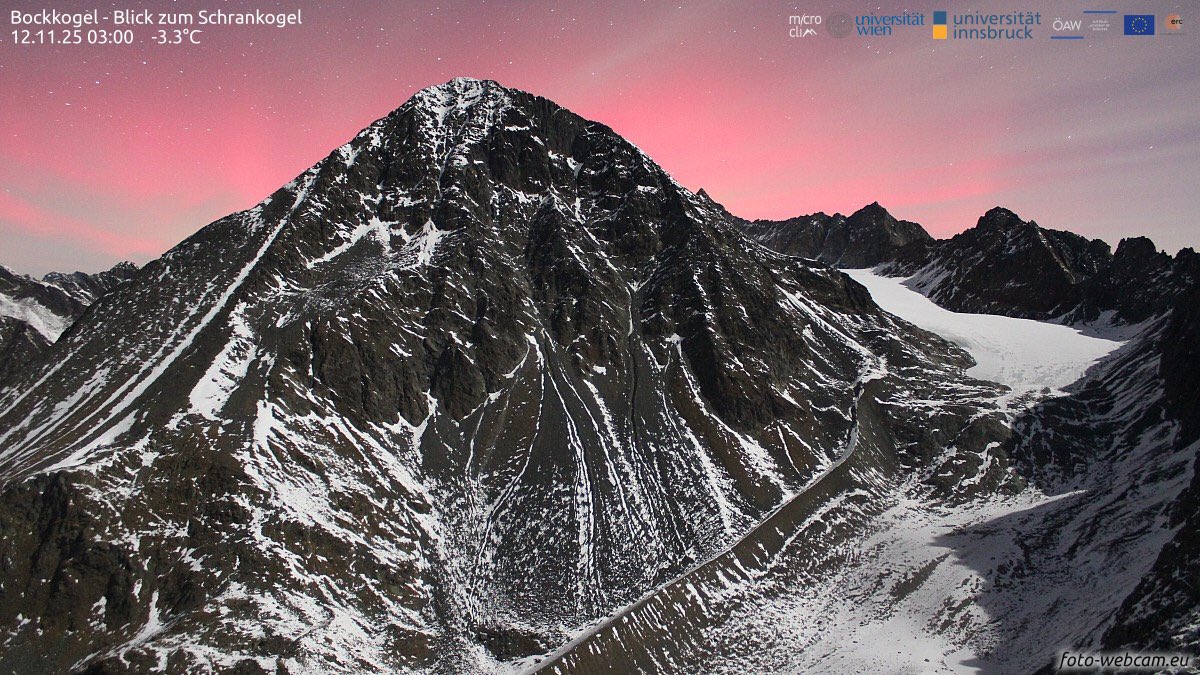
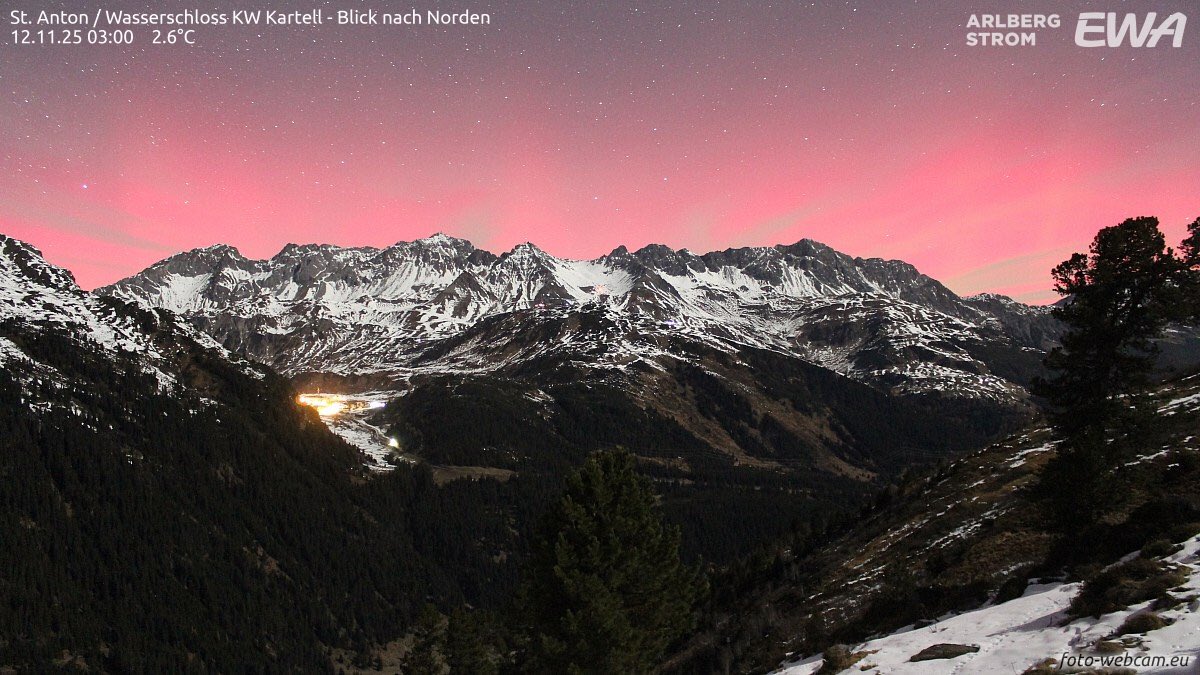
Da strahlen sie - die verschneiten Berggipfel der Alpen. Die Polarlichter tanzen über Mitteleuropa.
#aurora #Auroraborealis
foto-webcam.eu

9
32
237
5,418
Björn Hoffmann retweeted
12 Nov 2025
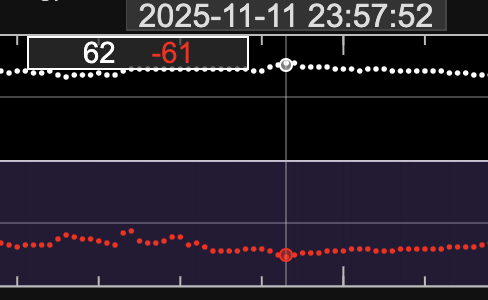
I have never seen the Bz below -60 nT. This is one of the lowest recorded values in the last twenty years if not the lowest. G4-G5 storming is entirely possible if these conditions can sustain. The aurora will now quickly react to this pressure pulse. Get ready! Webcams will be crucial for following this event closely.
go.theauroraguy.com/webcams
37
117
733
231,114
Björn Hoffmann retweeted
11 Nov 2025
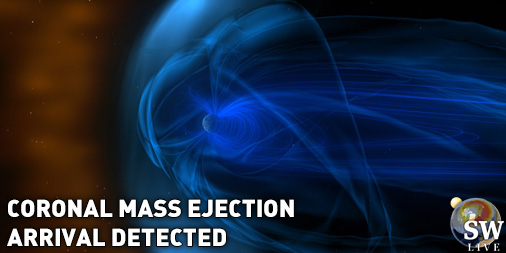
CME impact detected - Current Solar Wind Speed 624km/sec - IMF: Bt (strength): 39nT & Bz: -31nT (South).
Follow live on spaceweather.live/l/aurora
9
105
402
118,031
11 Nov 2025
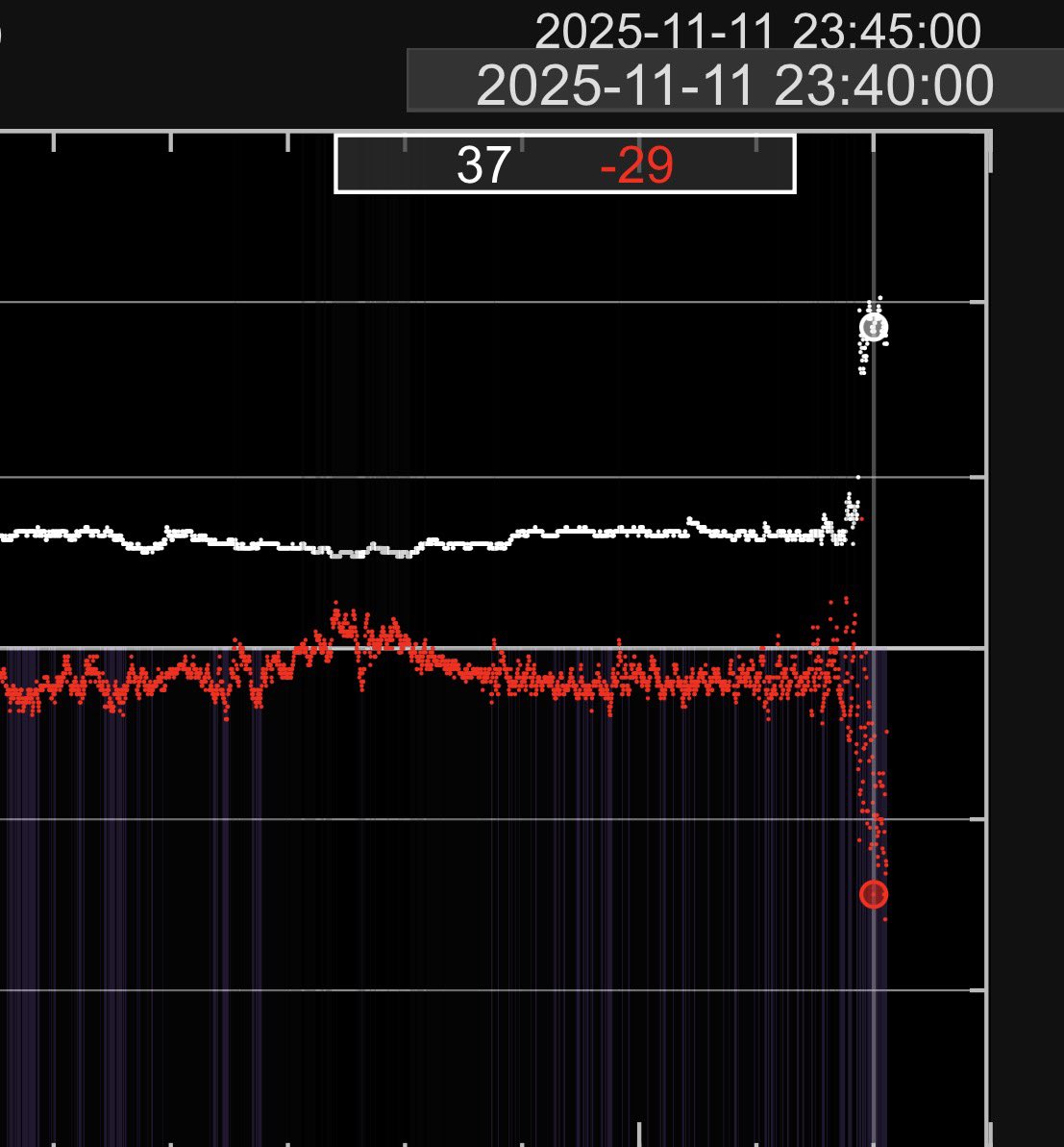
30 minutes until Impact! Too bad that I am on Madeira right now..

59
Björn Hoffmann retweeted
11 Nov 2025
This CME is really stunning. In CCOR-1, you can see the blast surrounding the occulting disk in the center in what we call a "full halo." When this happens, if the source region is on the Earth-facing disk, we know the CME is coming at Earth.
3
14
83
4,193
Björn Hoffmann retweeted
10 Nov 2025
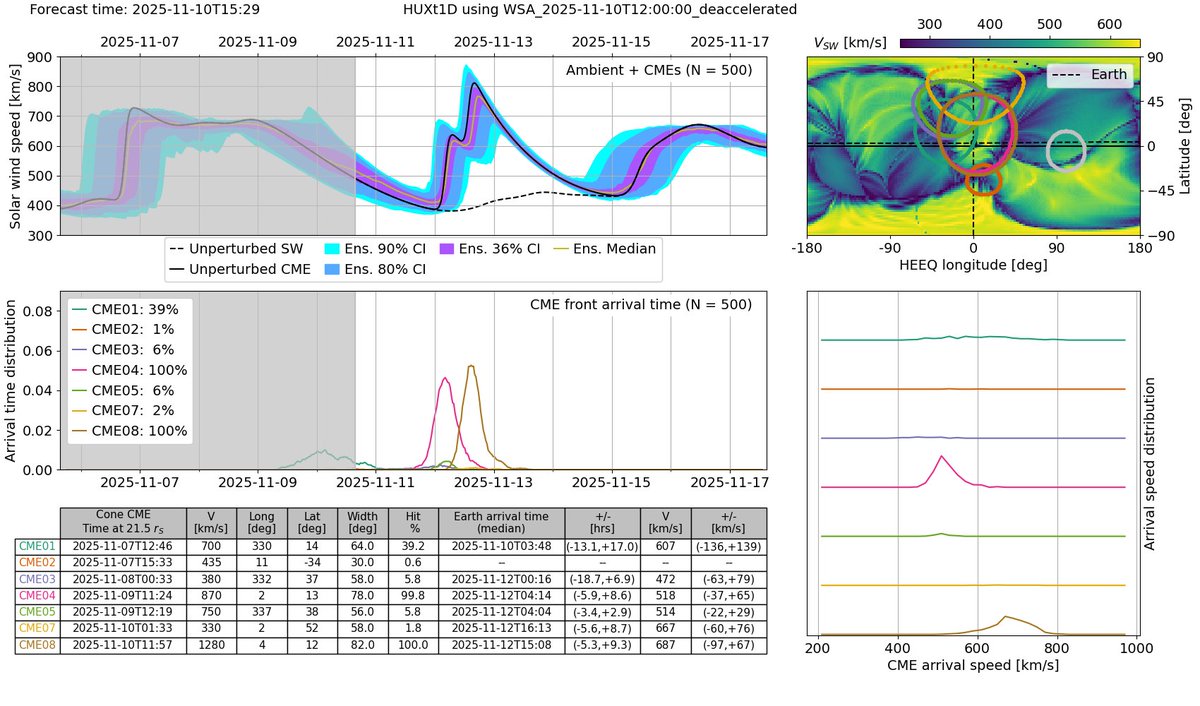
Here is the current HUXt model showing two direct hits! The X1.7 CME is projected to impact around Nov 12 at 4 UT. The X1.2 CME is projected to impact around Nov 12 at 15 UT. Please note these are a bit later than the NASA/NOAA predictions. Things could heat up thi week!
4
10
87
5,560
31 Oct 2025
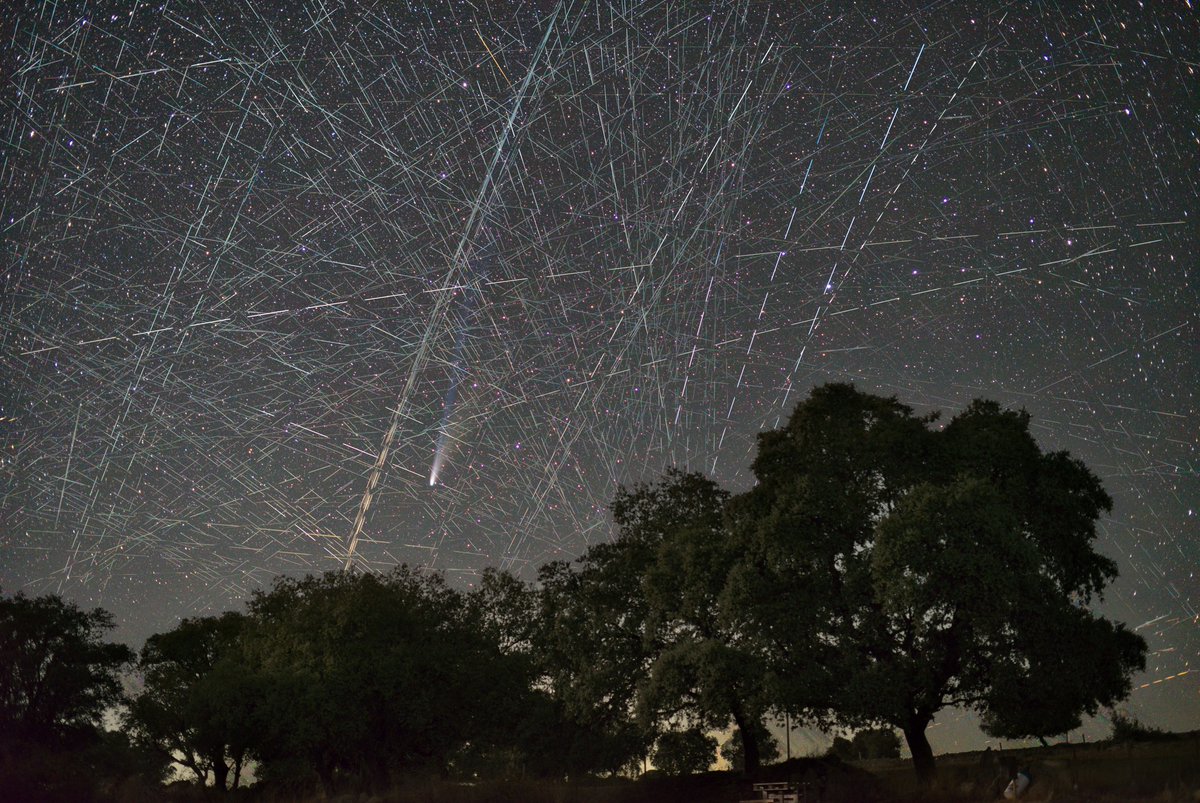
This is one of the saddest things I have seen as an astrophotographer. Ten years ago, this was no issue at all.
29 Oct 2025

Comet Lemmon Before Photoshop
Oscar Martín Mesonero
2025 October 27
Encina de San Silvetre, Salamanca, Spain
Elon Musk is ruining our skies. At what cost?
2
82
Björn Hoffmann retweeted

20 Sep 2025
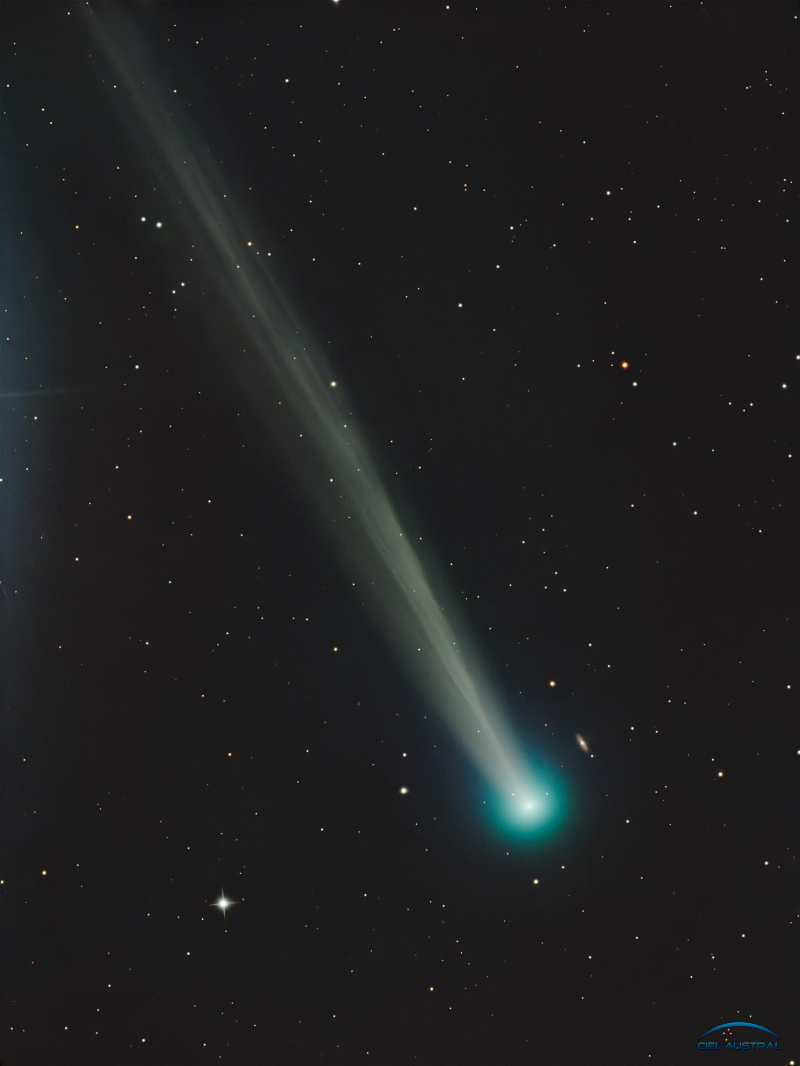
A new visitor from the outer Solar System, comet C/2025 R2 (SWAN) also known as SWAN25B was only discovered late last week, on September 11. That's just a day before the comet reached perihelion, its closest approach to the Sun. First spotted by Vladimir Bezugly in images from the SWAN instrument on the sun-staring SOHO spacecraft, the comet was surprisingly bright but understandably difficult to see against the Sun's glare. Still close to the Sun on the sky, the greenish coma and tail of C/2025 R2 (SWAN) are captured in this telescopic snapshot from September 17. Spica, alpha star of the constellation Virgo, shines just beyond the upper left edge of the frame while the comet is about 6.5 light-minutes from planet Earth. Near the western horizon after sunset and slightly easier to see in binoculars from the southern hemisphere, this comet SWAN will pass near Zubenelgenubi, alpha star of Libra, on October 2. C/2025 R2 (SWAN) is scheduled to make its closest approach to our fair planet around October 20.
Image Credit & Copyright: Team Ciel Austral
13
222
1,005
39,225
Björn Hoffmann retweeted

19 Sep 2025
THREE major comets in the next couple of months.
In addition to much talked about 3I/Atlas, we have C/2025 A6 (Lemmon),
and C/2025 R2 (SWAN).
Swan was discovered on 9/11/25, and will pass by quite closely, in terms of comet tail lengths.
We will possibly be passing directly through the tails of both Swan and Lemmon, very soon. And there may be close passes with the other inner planets.
17 Sep 2025

6/
Eyes up this fall:
Sept: SWAN glowing in binoculars
Oct: 3I/ATLAS brushes past Mars
Nov: Lemmon swings by the Sun, and maybe visible to the naked eye.
The cosmos is putting on a triple feature. Don’t miss it!
Follow for more!
#3IATLAS #CometLemmon #CometSWAN #Astronomy #Space #UAP
63
535
1,648
313,958
13 Jul 2025
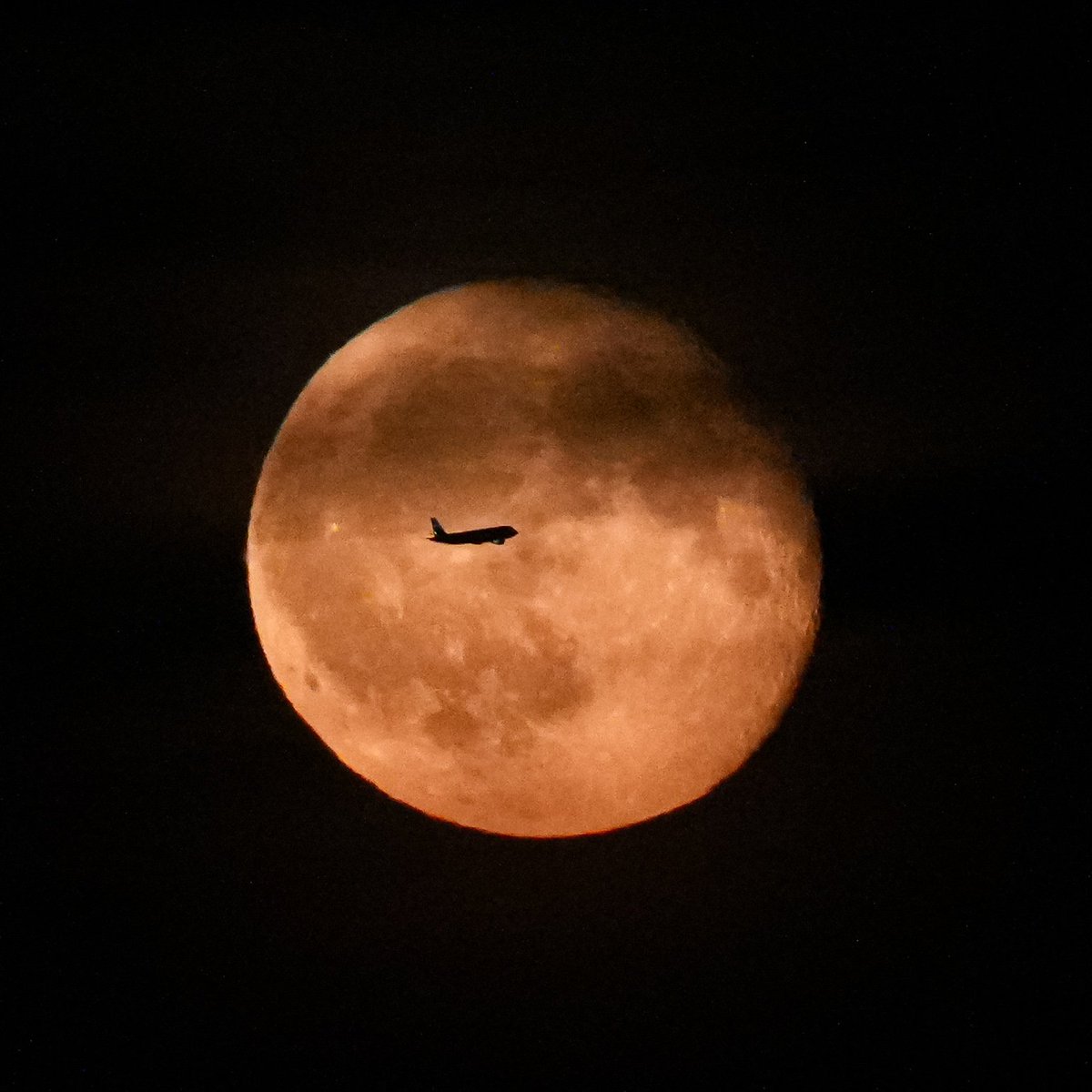
Last night I captured a plane landing in Stuttgart in front of the moon!
1
6
201