Managed by @UNOCHA, @UN Country-Based Pooled Funds allow donors to pool contributions into single, unearmarked funds to support local #humanitarian efforts.
Joined June 2017
- Tweets 10,370
- Following 1,831
- Followers 4,695
- Likes 9,440
1,047 Photos and videos

Mar 20
📢We’re now @OCHAFunds!
Follow for stories, updates and impact from @UNOCHA humanitarian funds supporting people in crisis.
👉x.com/OCHAFunds
1
4
252

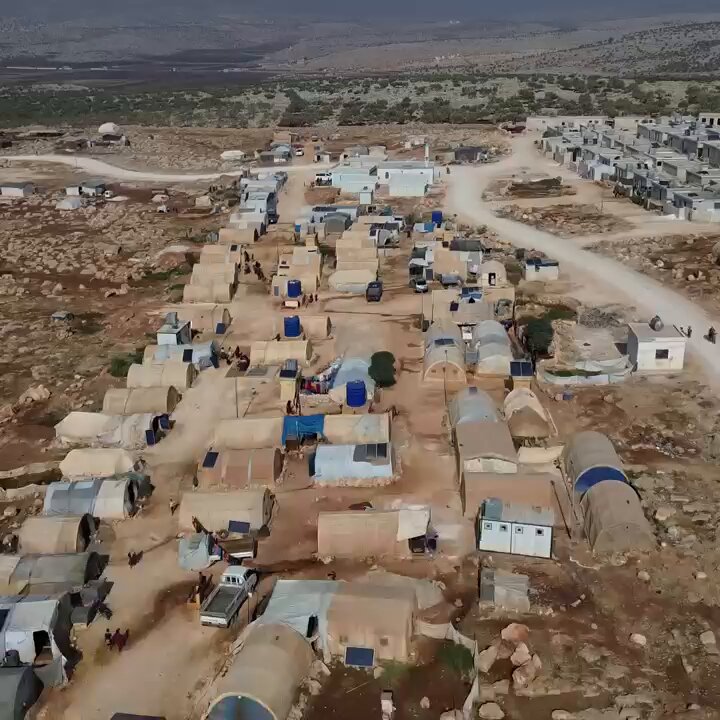
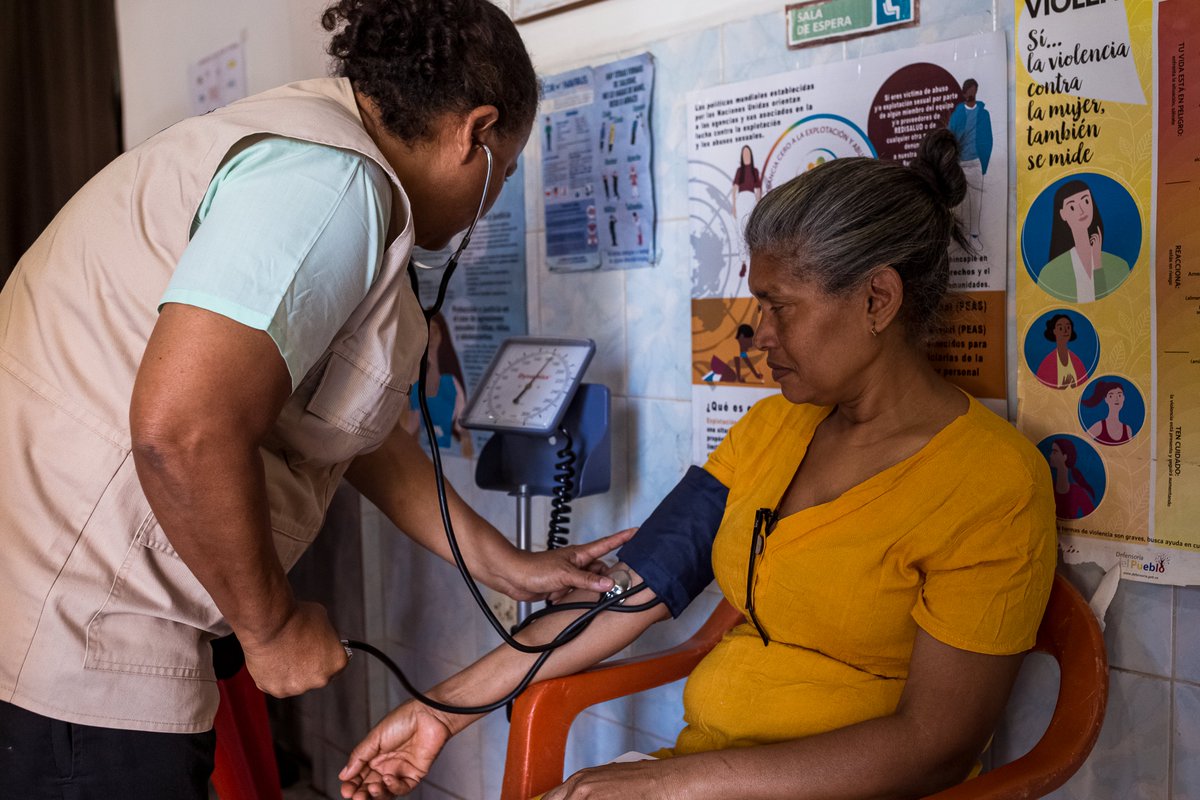
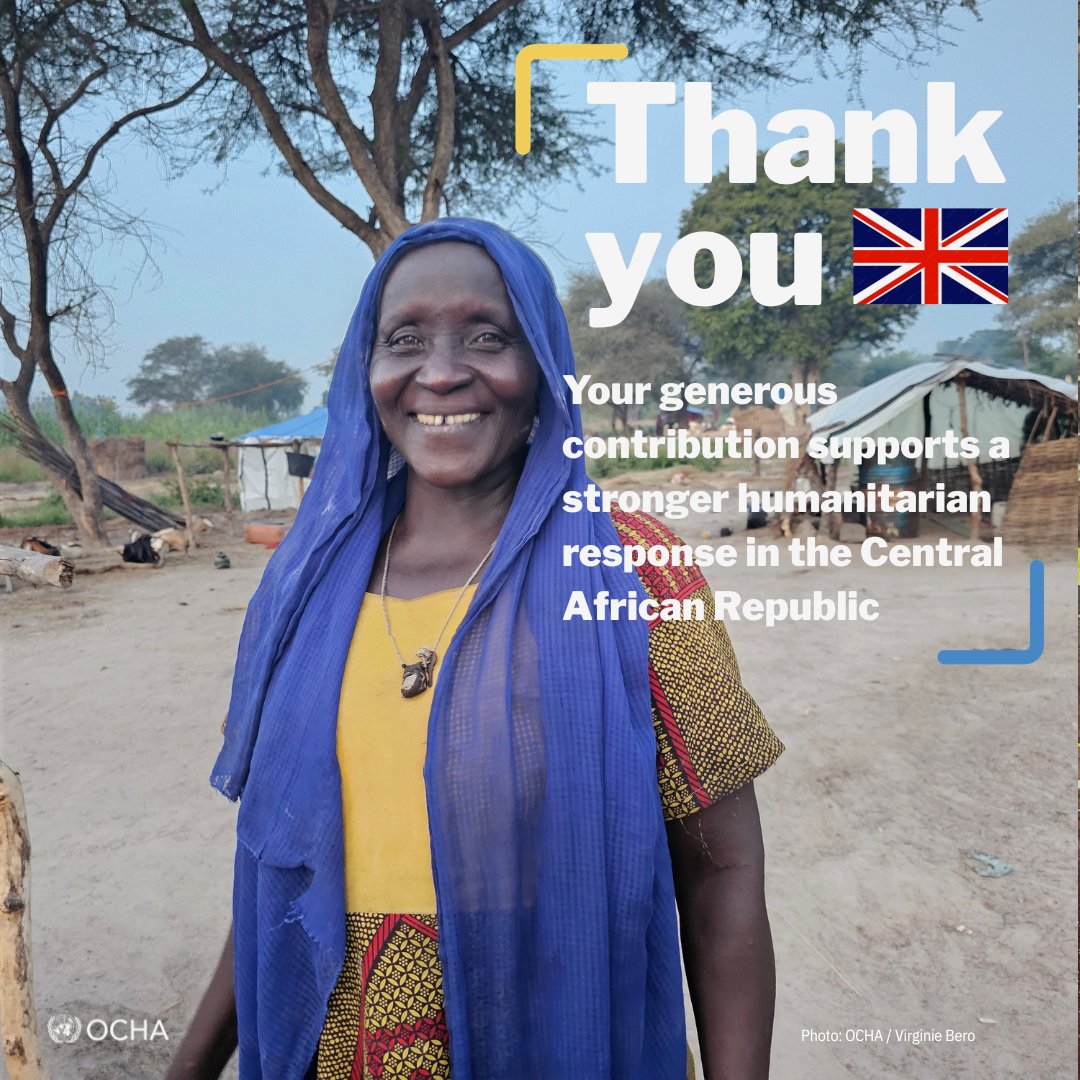
🇬🇧@FCDOGovUK is one of the first contributors to the CAR Humanitarian Fund in 2026, providing a timely £3M that enables rapid support to vulnerable people in emergency hotspots across the Central African Republic.
#InvestinHumanity @CBPFs
8
10
458
PooledFunds_OCHA retweeted

Mar 1
Sudan’s mutual aid groups keep people alive: feeding families, evacuating civilians & reaching places others can’t.
In 2025, the Sudan Humanitarian Fund provided $25M to support 1,000 groups.
In 2026, they are more vital than ever & need more support.
shorturl.at/z19ig
13
17
862
PooledFunds_OCHA retweeted

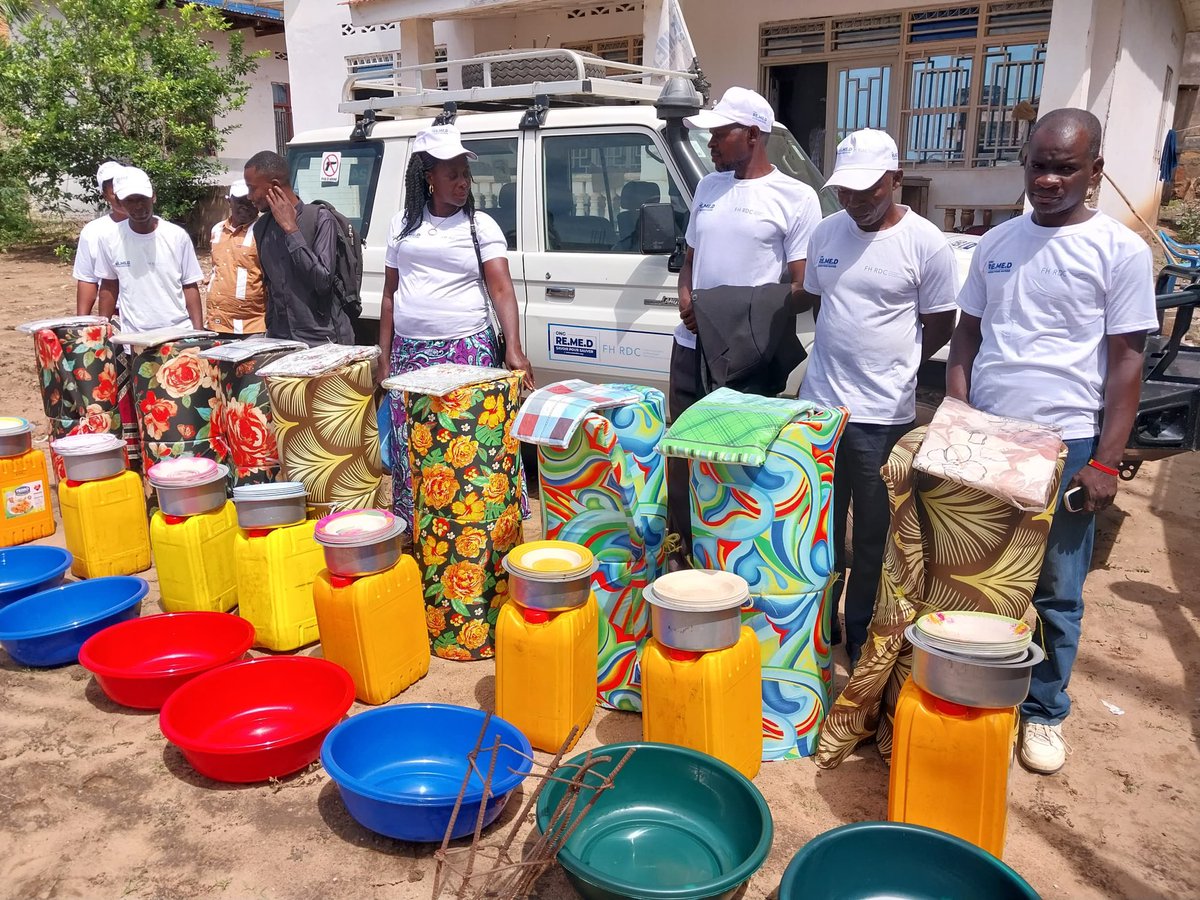
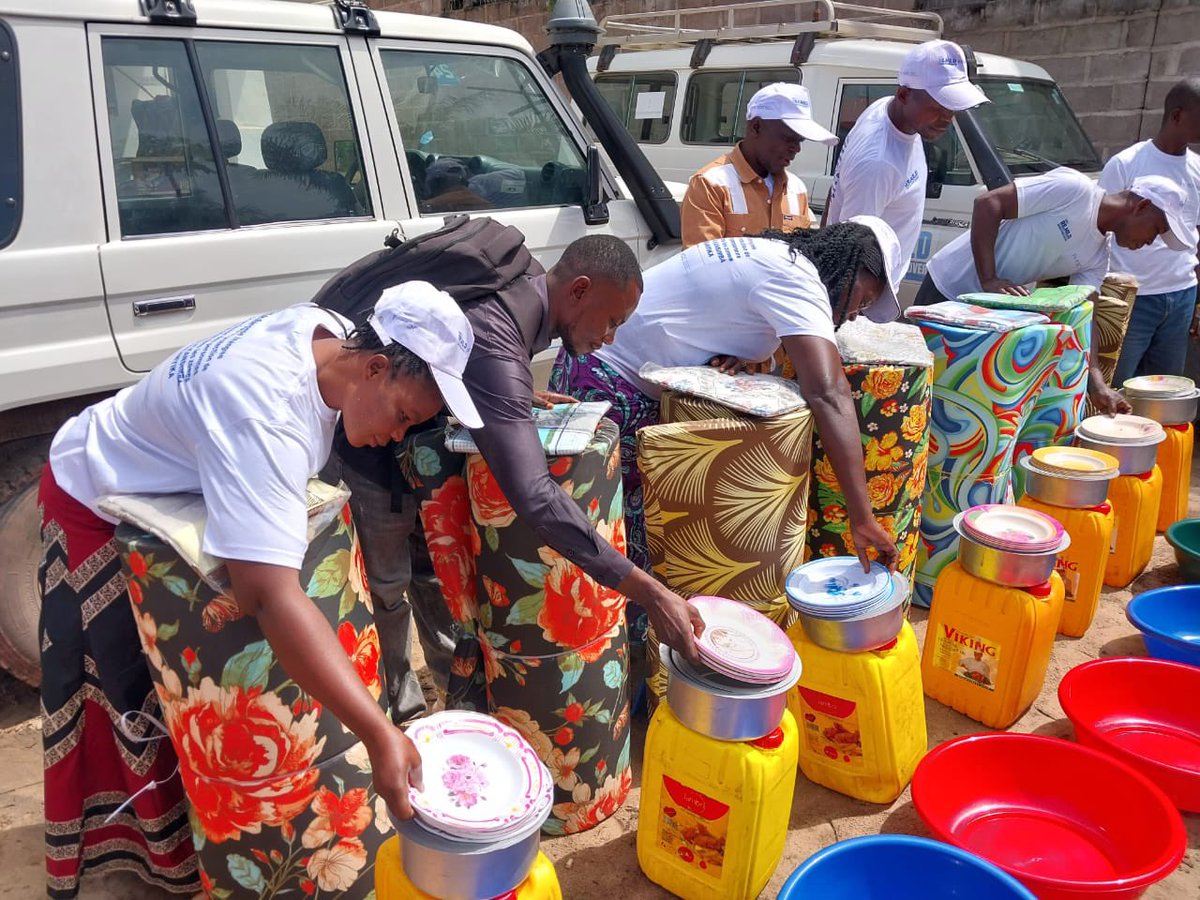
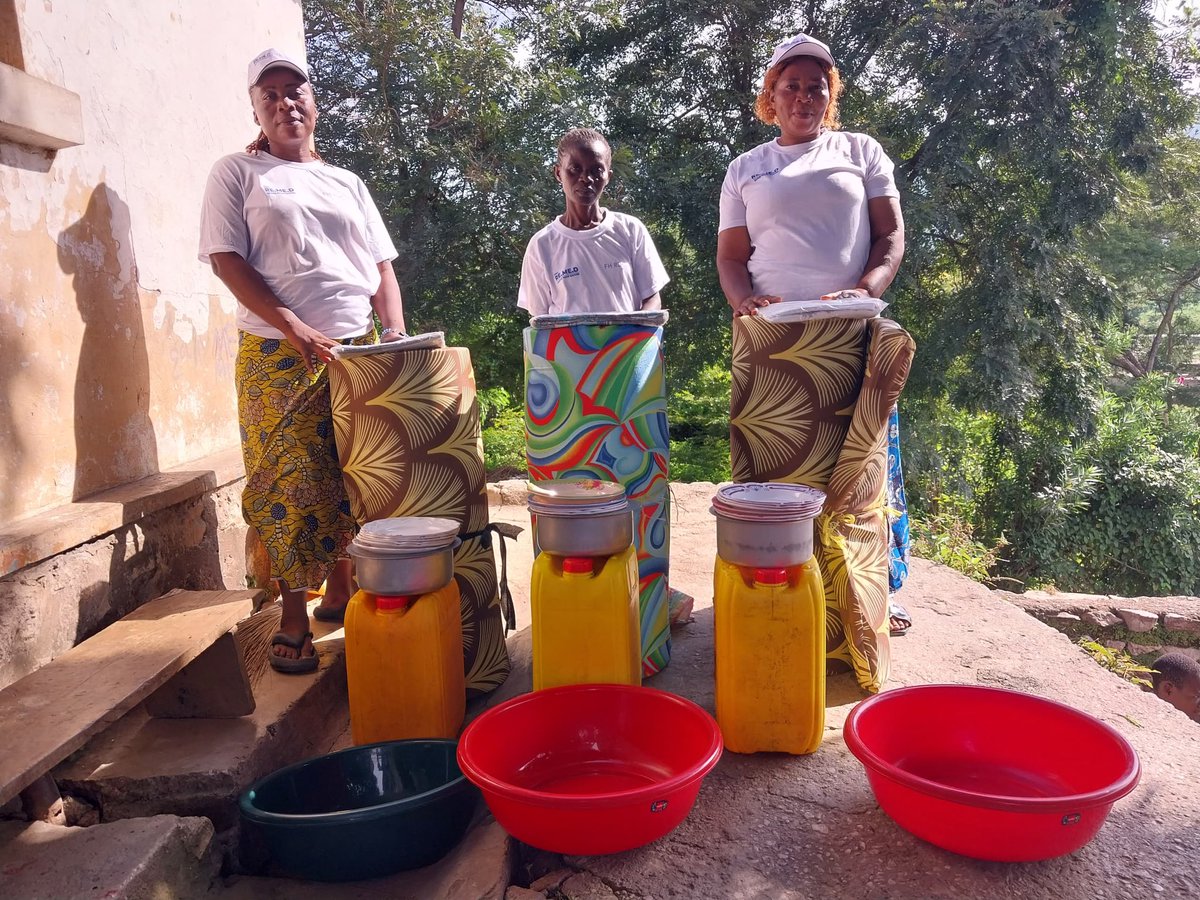
📍Tanganyika – Nyemba/Kalemie
👥 Avec l’appui du FHRDC @OCHA_DRC, REMED a accompagné 12 familles d’accueil transitoire en leur offrant des kits NFI essentiels.
🏠 Ces familles ouvrent leurs portes aux ENA & EAGA, renforçant un accueil #digne et #sécurisant.
@UNOCHA_DRC @CBPFs
2
1
8
179
PooledFunds_OCHA retweeted

Mar 13
(EN/FR/NL) 🇱🇧 The humanitarian situation in Lebanon is deteriorating by the hour.
Beyond immediate relief, Belgium has pre-positioned funding to allow humanitarian actors to respond quickly on the ground. We have contributed €3 million to the Lebanon Humanitarian Fund in 2025, with an additional €2 million committed for 2026.
How does this work? The UN manages humanitarian funds in crisis countries that act as a shared pot: donor countries contribute, and the money goes directly to the UN agencies and NGOs working on the ground, those who know best what is needed and where. It is one of the fastest ways to get the right aid to the right people.
On Monday, I will meet with Tom Fletcher, the UN Under-Secretary-General for Humanitarian Affairs @UNReliefChief, to discuss how we can further scale up the international response and ensure Lebanon gets the resources this crisis demands.
___________
🇱🇧 La situation humanitaire au Liban se détériore d’heure en heure.
Au-delà de l’aide immédiate, la Belgique a prépositionné des financements pour permettre aux acteurs humanitaires de réagir rapidement sur le terrain. Nous avons contribué à hauteur de 3 millions d’euros au Lebanon Humanitarian Fund en 2025, avec 2 millions d’euros supplémentaires engagés pour 2026.
Comment ça fonctionne ? Les Nations Unies gèrent dans les pays en crise des fonds humanitaires qui fonctionnent comme une cagnotte commune : les pays donateurs contribuent, et l’argent va directement aux agences onusiennes et ONG présentes sur le terrain, celles qui savent le mieux ce qu’il faut et où. C’est l’un des moyens les plus rapides pour acheminer la bonne aide aux bonnes personnes.
Lundi, je rencontrerai Tom Fletcher, Secrétaire général adjoint des Nations Unies pour les affaires humanitaires, pour discuter de comment renforcer la réponse internationale et garantir que le Liban reçoive les moyens que cette crise exige.
___________
De humanitaire situatie in Libanon verslechtert met het uur.
Naast de onmiddellijke hulp heeft België financiering klaarstaan om humanitaire actoren snel te laten reageren op het terrein. We hebben in 2025 drie miljoen euro bijgedragen aan het Lebanon Humanitarian Fund, met twee miljoen euro extra vastgelegd voor 2026.
Hoe werkt dat? De Verenigde Naties beheren in crisislanden humanitaire fondsen die werken als een gemeenschappelijke pot: donorlanden dragen bij, en het geld gaat rechtstreeks naar de VN-agentschappen en ngo’s op het terrein, zij die het best weten wat er nodig is en waar. Het is een van de snelste manieren om de juiste hulp bij de juiste mensen te krijgen.
Maandag ontmoet ik Tom Fletcher, adjunct-secretaris-generaal van de Verenigde Naties voor humanitaire zaken, om te bespreken hoe we de internationale respons kunnen versterken en ervoor zorgen dat Libanon de middelen krijgt die deze crisis vereist.
@BelgiumMFA
26
17
52
7,688
PooledFunds_OCHA retweeted

Mar 17
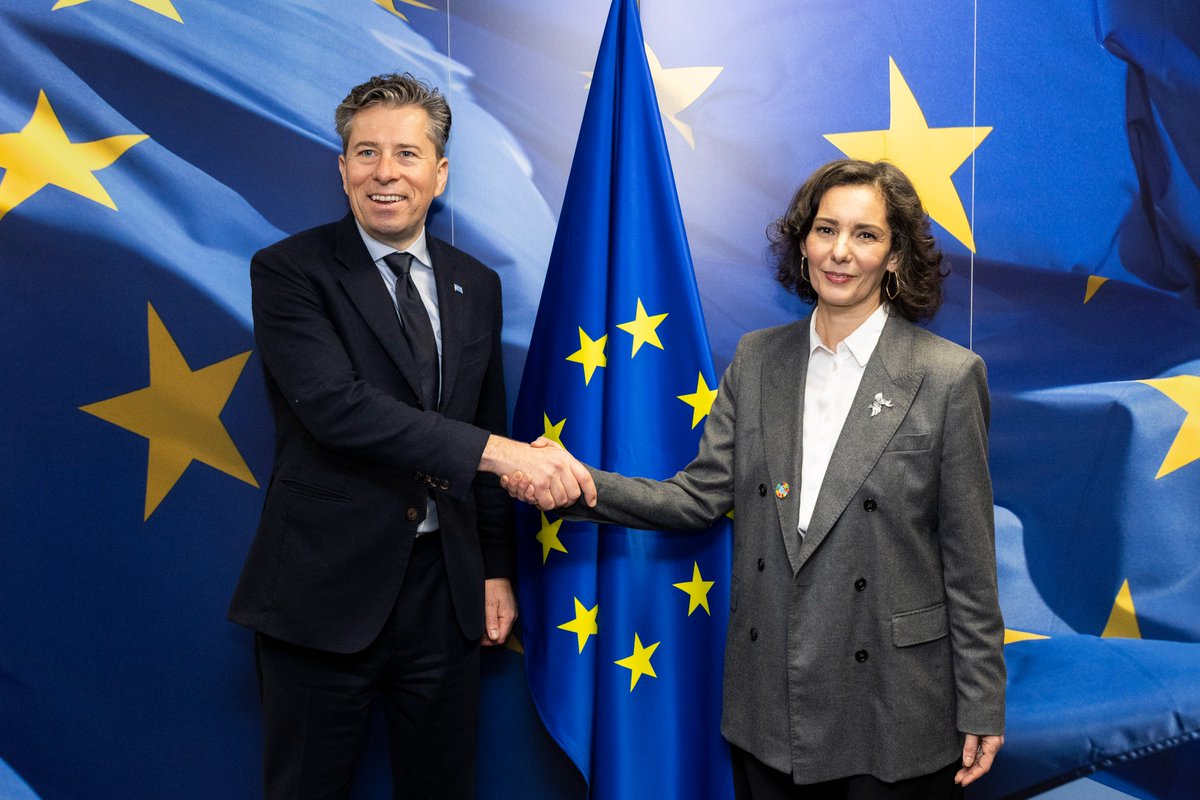
Strong exchange with Tom Fletcher, @UNReliefChief on shared priorities & commitment to a UN-centred humanitarian system.
Protection, gender-sensitive action & EU support to CBPFs remain key as we both monitor major global crises.
1
13
44
10,685
PooledFunds_OCHA retweeted

Mar 16
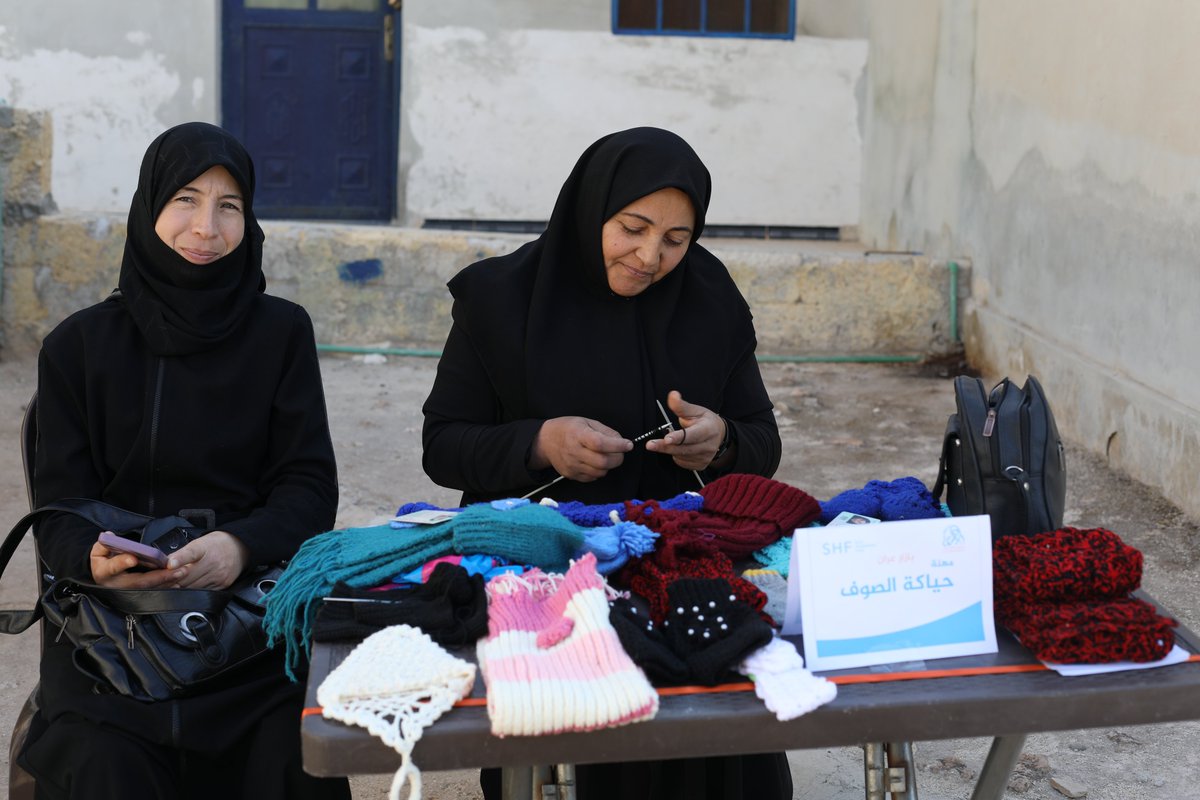
Women across Syria continue to play a vital role in supporting their families and communities despite immense challenges.
Empowering women and girls is key to building stronger and more resilient communities.
8
9
338
PooledFunds_OCHA retweeted

Mar 15
Jameelah Idrees of @GSF_Nigeria on why women and girls in conflict zones must be at the centre of humanitarian action.
With support from the Nigeria Humanitarian Fund, national organizations are reaching conflict-affected women and girls.
But far more is needed.
5
19
28
2,028
PooledFunds_OCHA retweeted

Mar 16
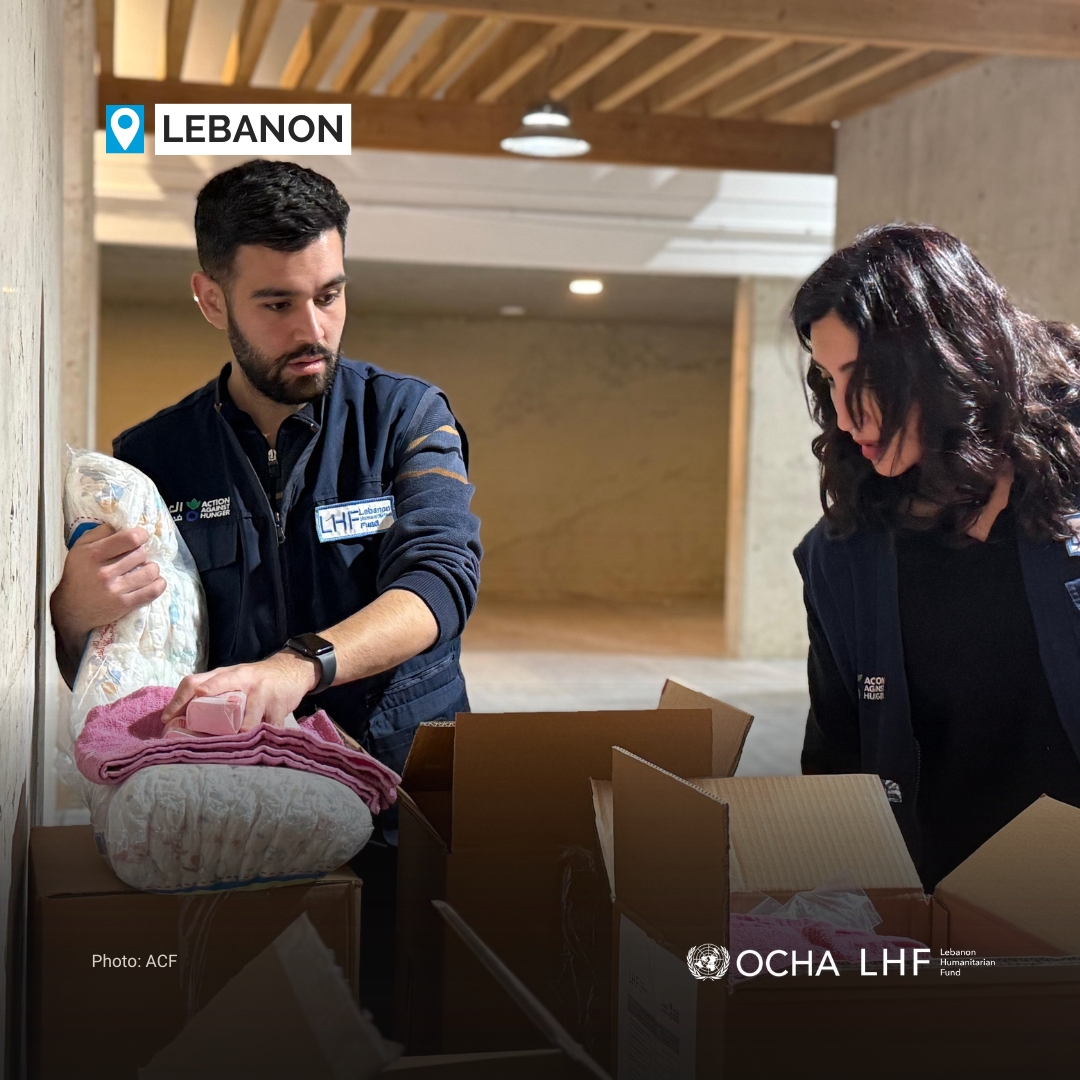
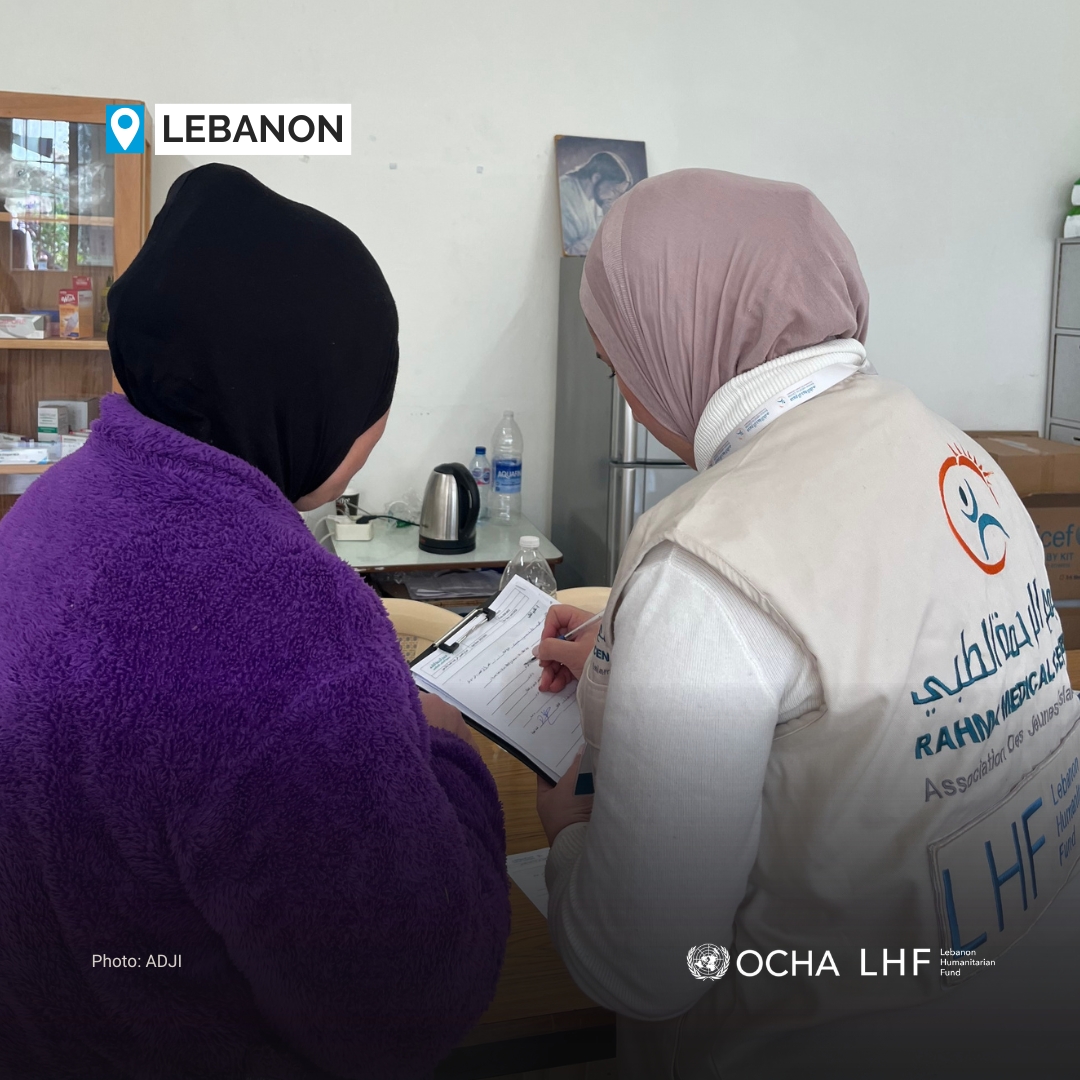
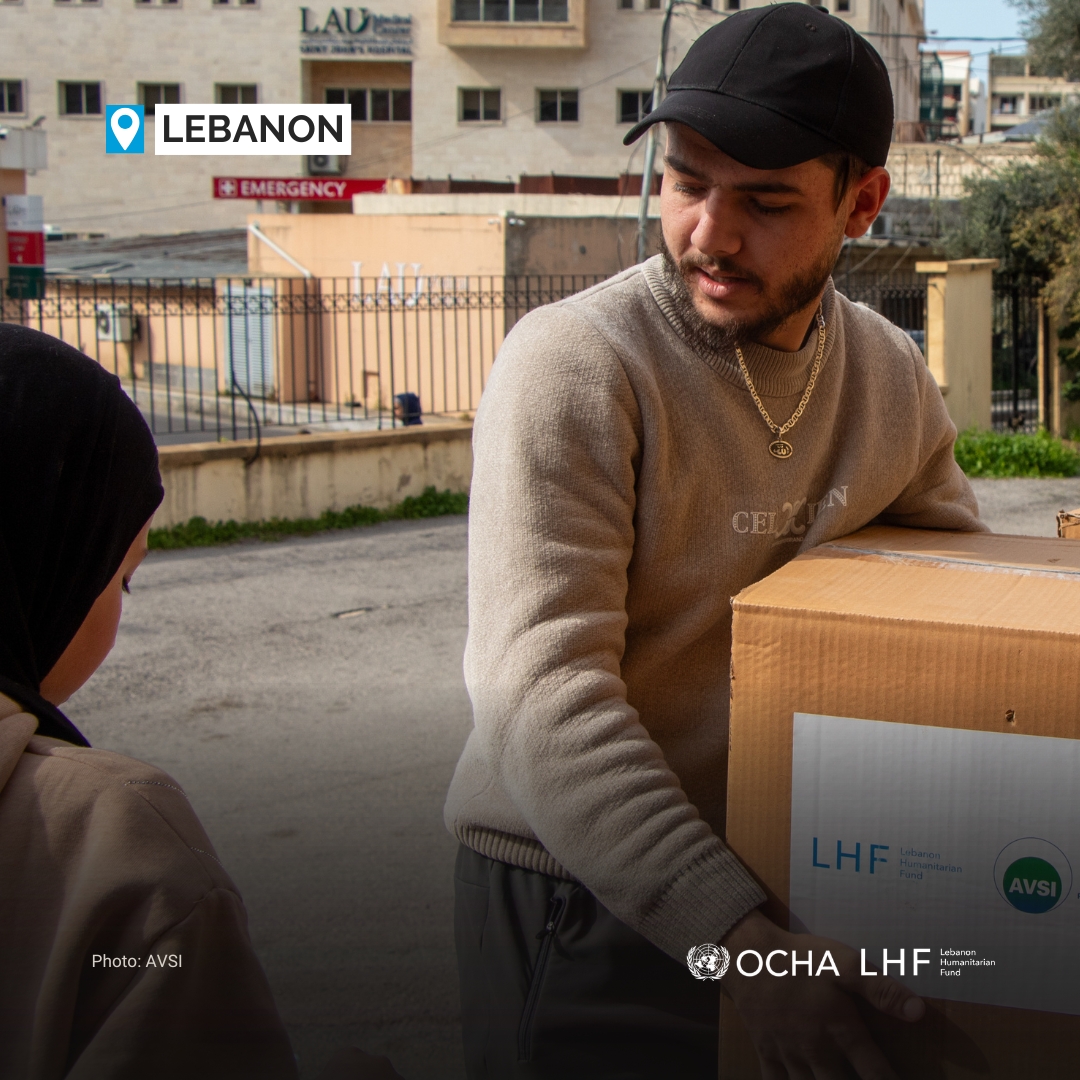
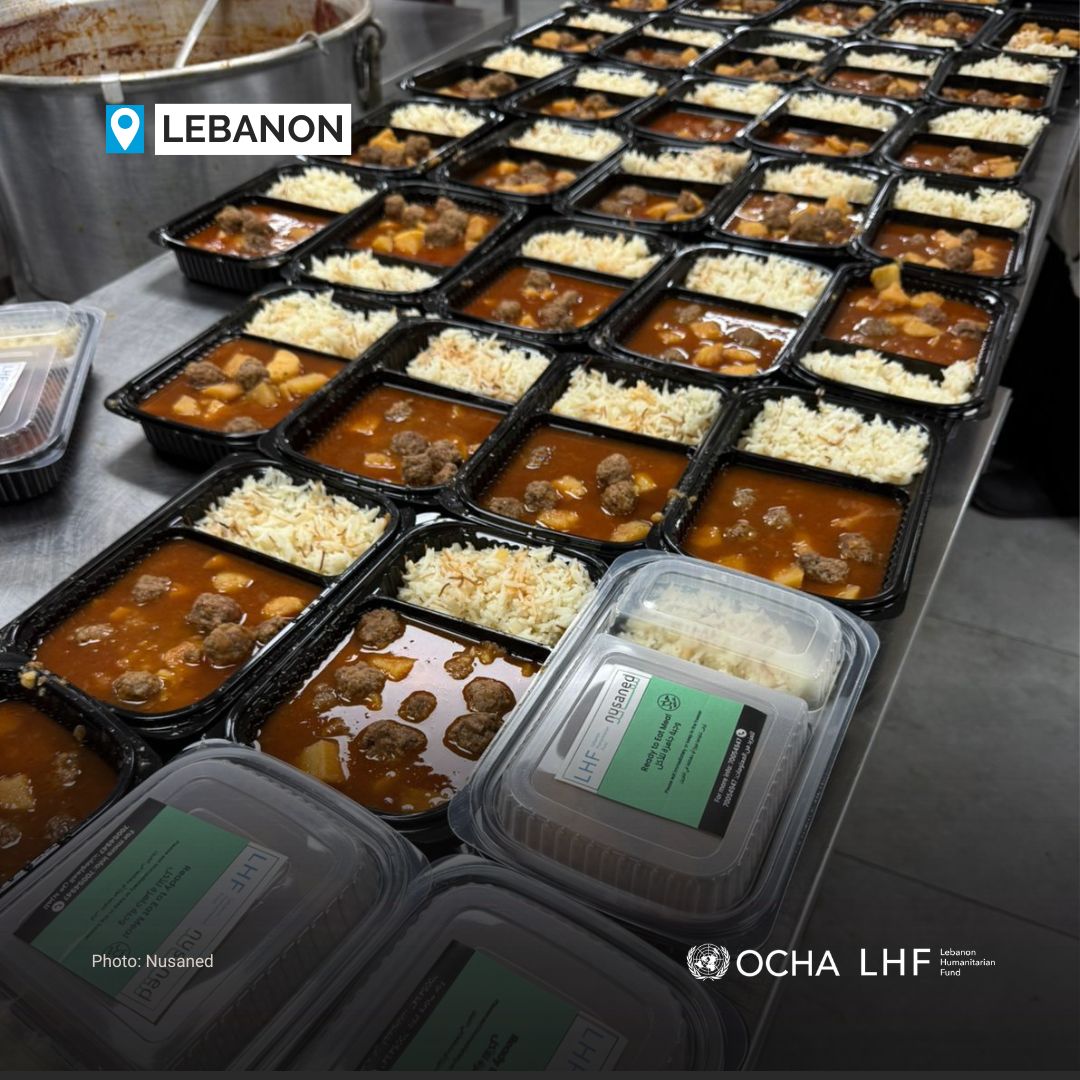
Lebanon Humanitarian Fund partners are delivering food, water and hygiene services, and essential services to conflict-displaced families in collective shelters 🇱🇧.
@CBPFs @Imran_Riza
@AVSI_MENA @ACF_MiddleEast @hospital_rahma @NusanedLebanon
1
8
8
522
PooledFunds_OCHA retweeted
Mar 16
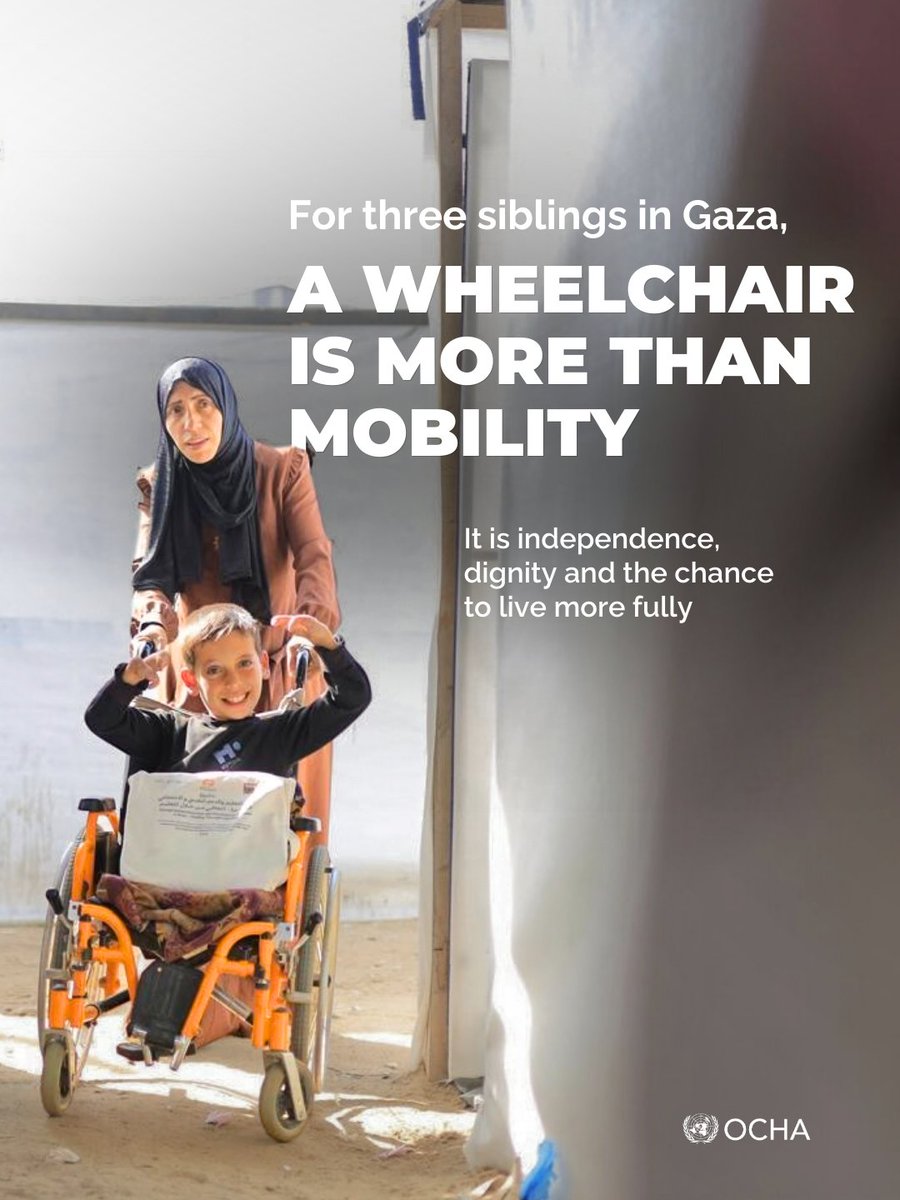
Three siblings in #Gaza.
Three stories of resilience.
With support from the OPT Humanitarian Fund, humanitarian partners are helping children with disabilities gain mobility and independence.
Meet them ➡️ bit.ly/47xUixS
1
17
28
1,280
PooledFunds_OCHA retweeted

See how Gadise, a widowed mother of two, was able to address her immediate needs & invest in her children's future with the assistance from local NGO Positive Action for Development (PAD), supported by the #Ethiopia #Humanitarian Fund.
@CBPFs
1
1
8
409
PooledFunds_OCHA retweeted

Mar 15
Despite ongoing hostilities, children in the front‑line #Kharkiv Region continue their lessons online, dreaming of a day they can return to school.
Thanks to the #UkraineHumanitarianFund, aid workers provided vulnerable families with school kits to help children keep learning.
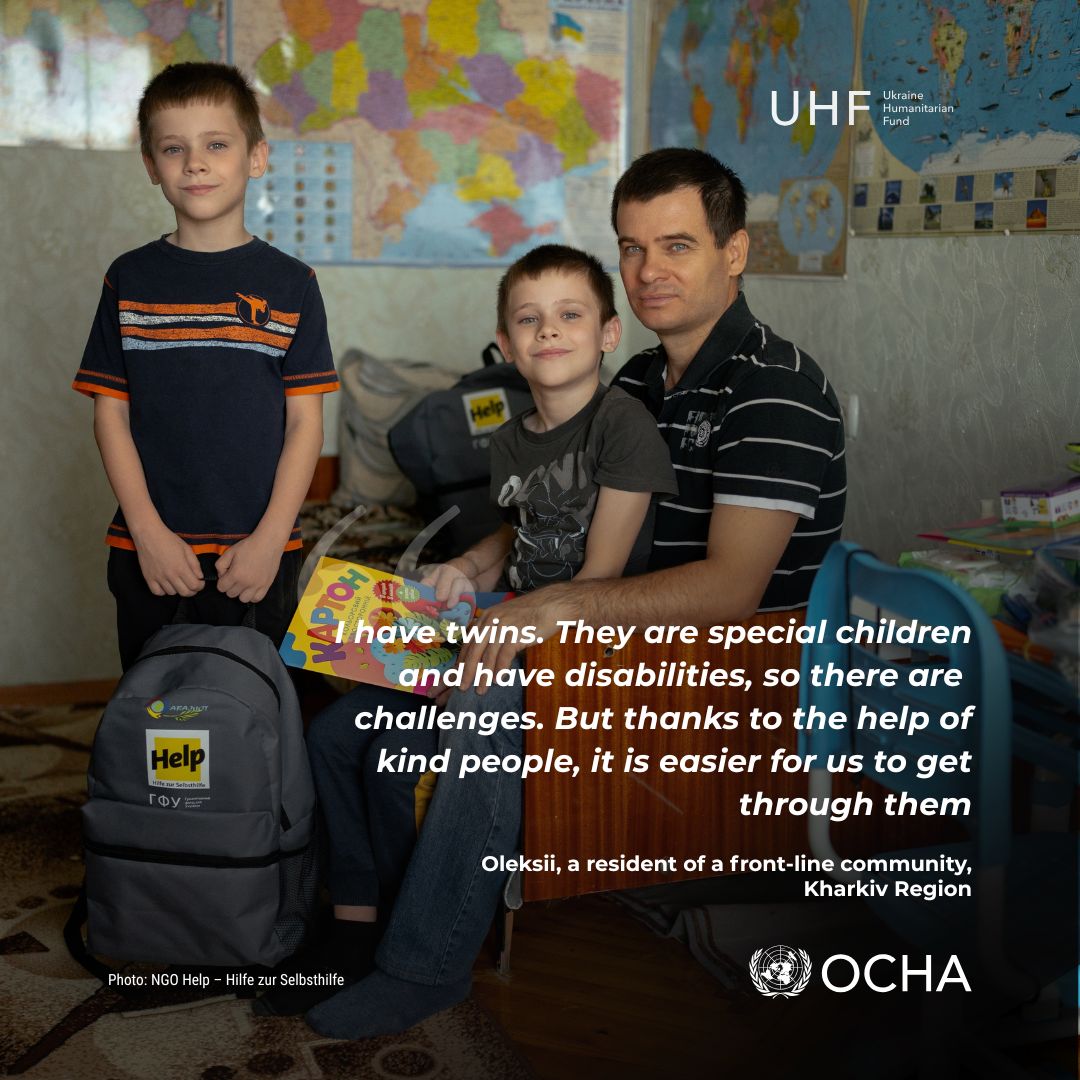
ALT Credit: NGO Help – Hilfe zur Selbsthilfe
1
5
6
344

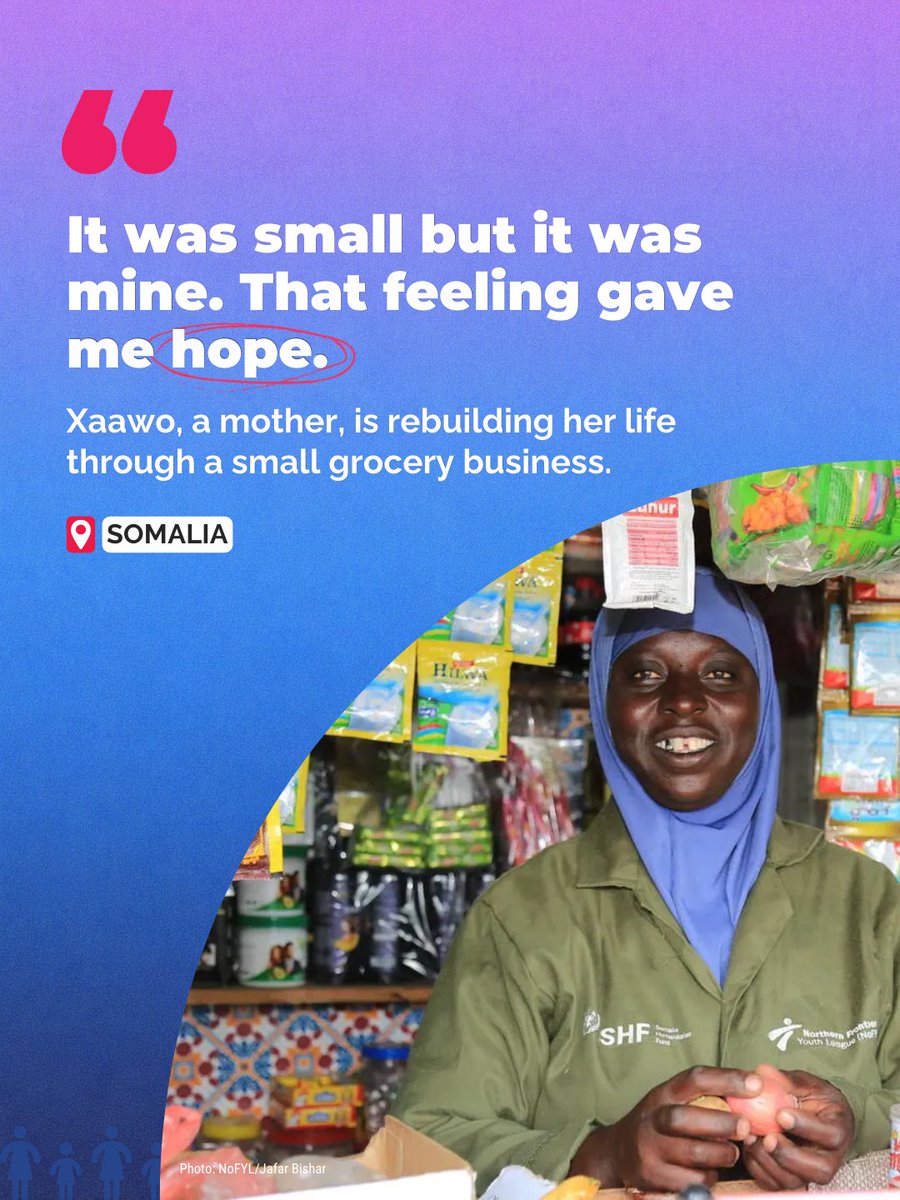
Xaawo once struggled to feed her children. Her small business now helps her put food on the table.
Funding cuts have forced us to scale back these vital interventions. We must not leave lifesaving projects like this without support. @OCHASom @CBPFs @shf_somalia @UNOCHA_ROSEA
Mar 6

In #Somalia, small businesses can be the first step toward rebuilding a life after crisis.
With support from the Somalia Humanitarian Fund, women like Xaawo are restoring their livelihoods and supporting their families.
👉bit.ly/4d0eoV6.
#IWD2026
4
4
147
PooledFunds_OCHA retweeted

Mar 13
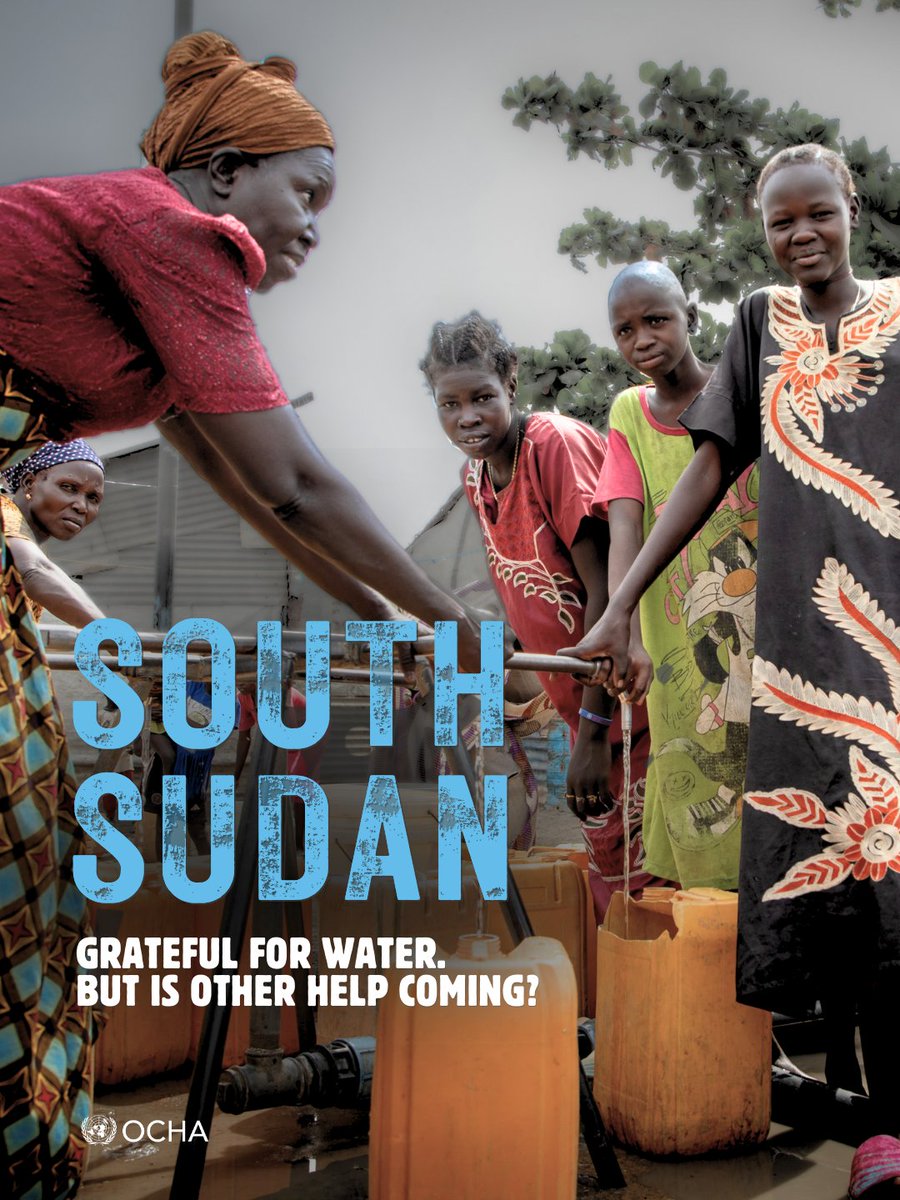
A big #OCHAthanks to @CBPFs and #SSHF donors!
Your support is helping displaced people and host communities in Malakal access safe, clean drinking water💧💧🚰
But they still need essential health care, sanitation and protection services.
You can help: bit.ly/support_SouthSudan
Mar 13
As conflict resurges and funding cuts take a devastating toll in #SouthSudan, millions urgently need life-saving aid.
In Malakal, humanitarian support brought clean water to this community. But families are asking, “Is other help coming?”
Read: bit.ly/4s0ab8q
7
10
412
PooledFunds_OCHA retweeted
Mar 14
After years of displacement, Syrian families are returning home and trying to rebuild their lives.
At this health centre in Aleppo, children receive essential health care from local partners supported by @CBPFs in Syria.
These services bring families relief, dignity and hope.
8
19
27
1,438
PooledFunds_OCHA retweeted
Mar 12
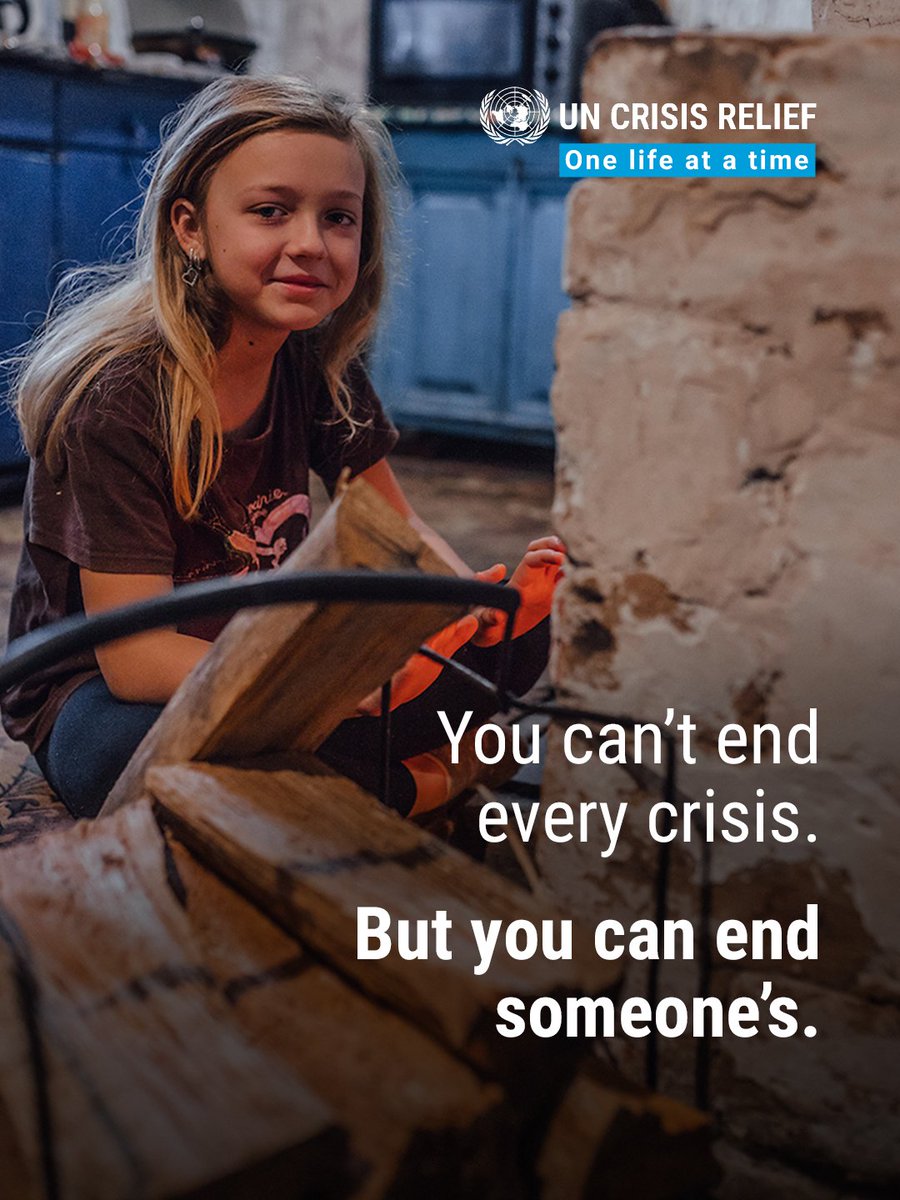
Sofiia and her sisters were among the 1.5 million Ukrainians we helped keep warm during winter.
Help us keep making a difference, one life at a time.
Choose solidarity. Choose action. Choose to help save #87MillionLives.
➡️ bit.ly/4cDam4Z
1
18
28
1,142
PooledFunds_OCHA retweeted
Mar 13
As conflict resurges and funding cuts take a devastating toll in #SouthSudan, millions urgently need life-saving aid.
In Malakal, humanitarian support brought clean water to this community. But families are asking, “Is other help coming?”
Read: bit.ly/4s0ab8q
6
21
39
1,976
PooledFunds_OCHA retweeted
Mar 12
As hostilities continue in #Donetsk Region, people are still forced to flee.
In Jan–Feb 2026, @east_sos_ua, with the support of the @CBPFs, evacuated over 500 people from Druzhkivka, Kramatorsk and Sloviansk, while nearly 400 others received logistical support.
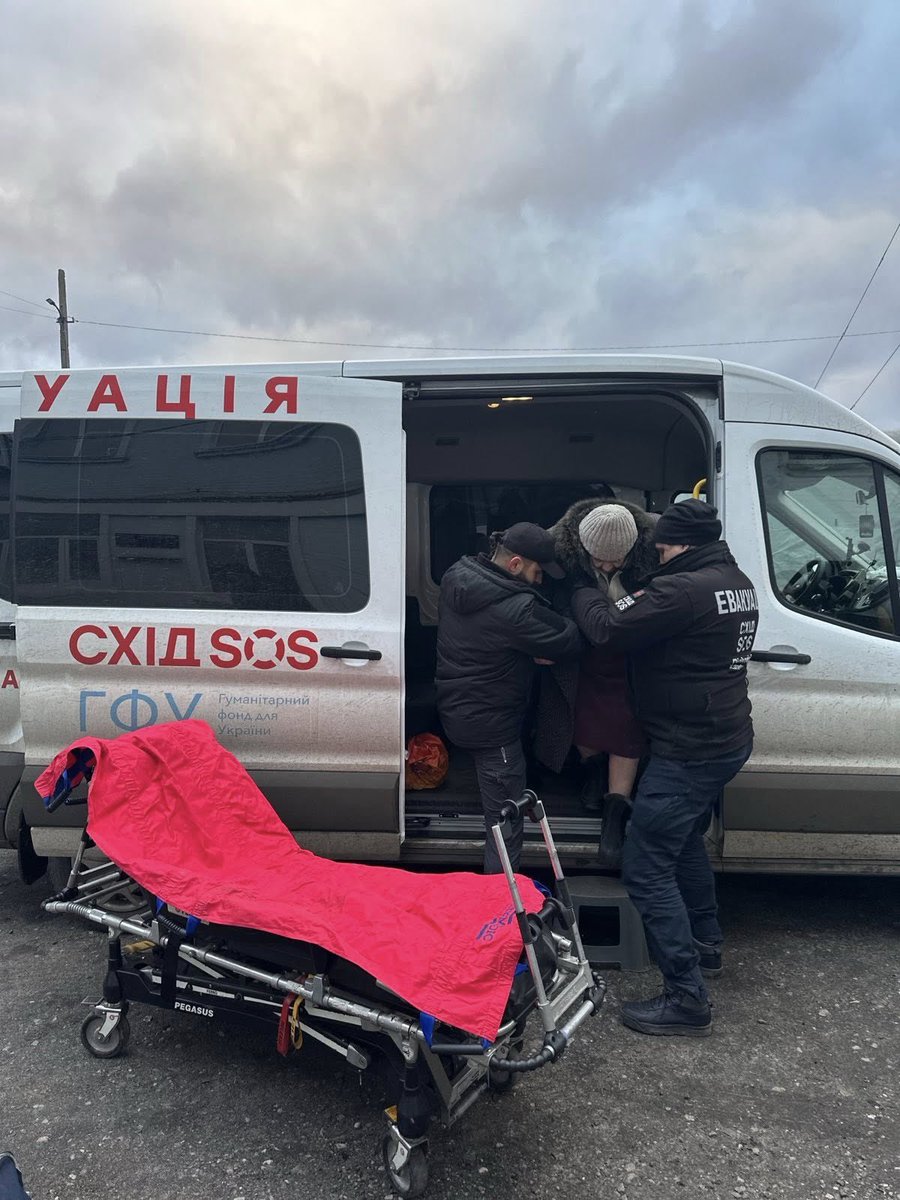
ALT Photo: East SOS
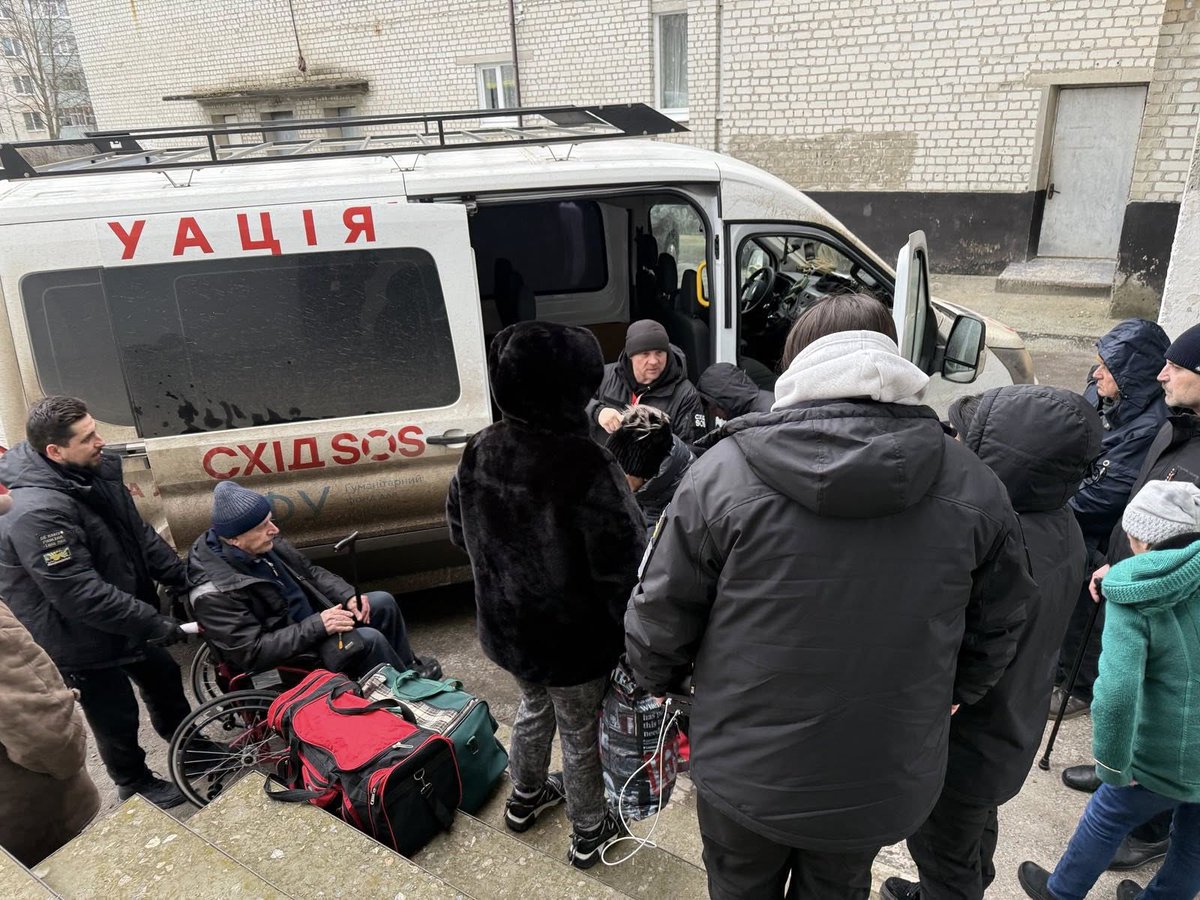
ALT Photo: East SOS
3
5
239
PooledFunds_OCHA retweeted
Mar 12
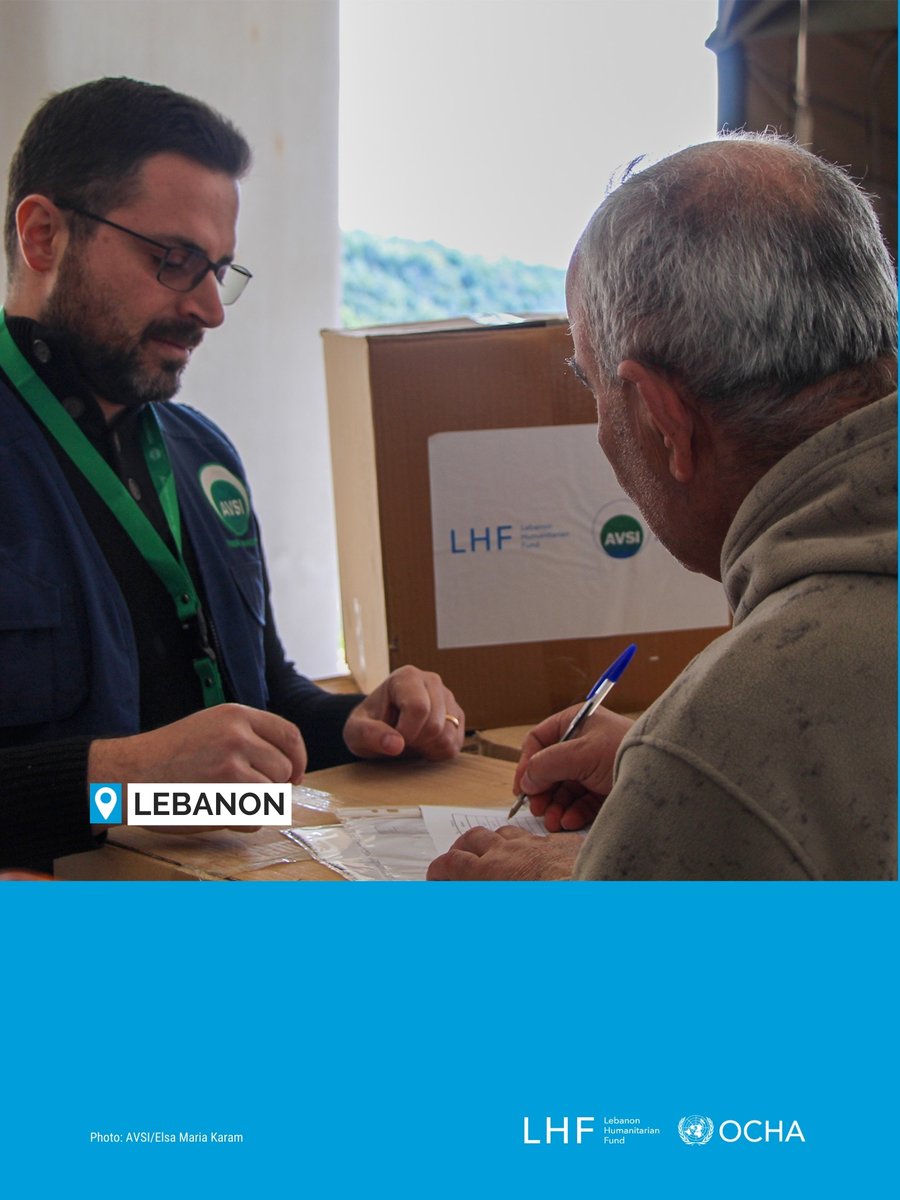
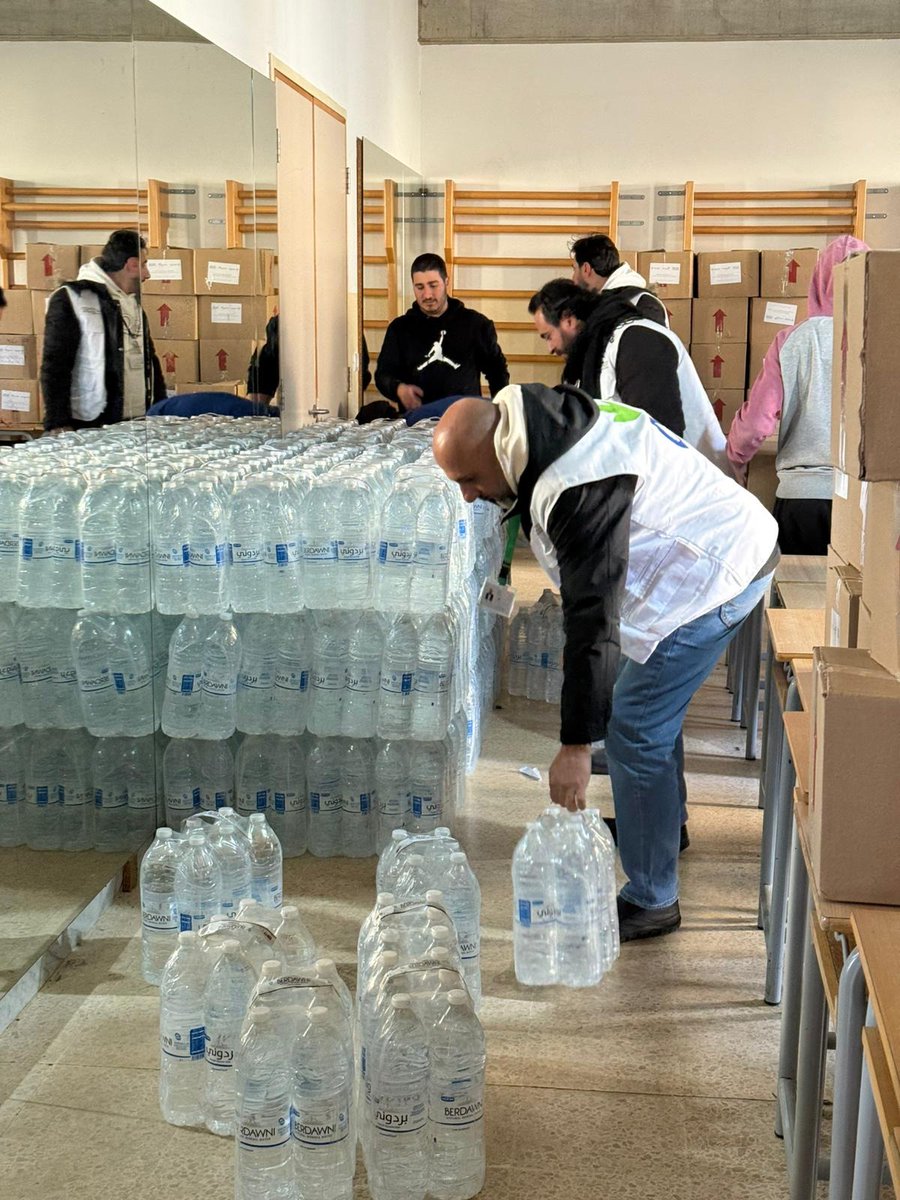
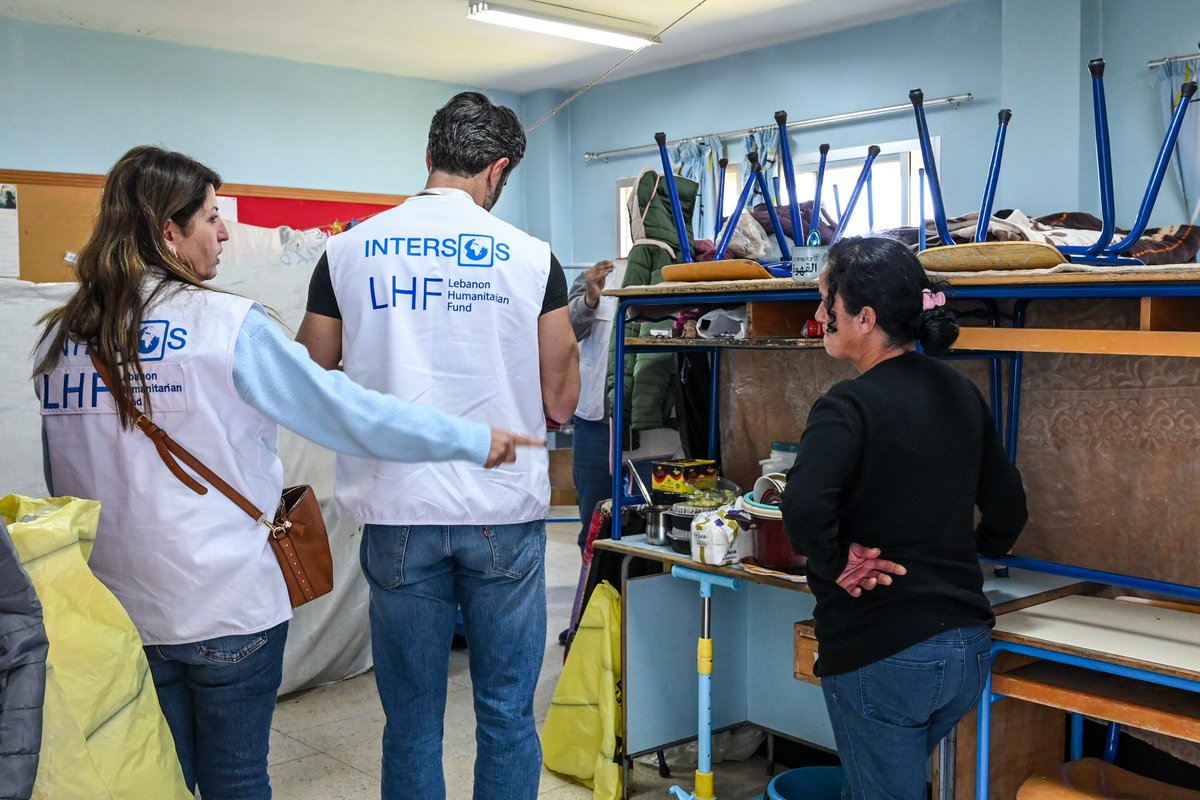
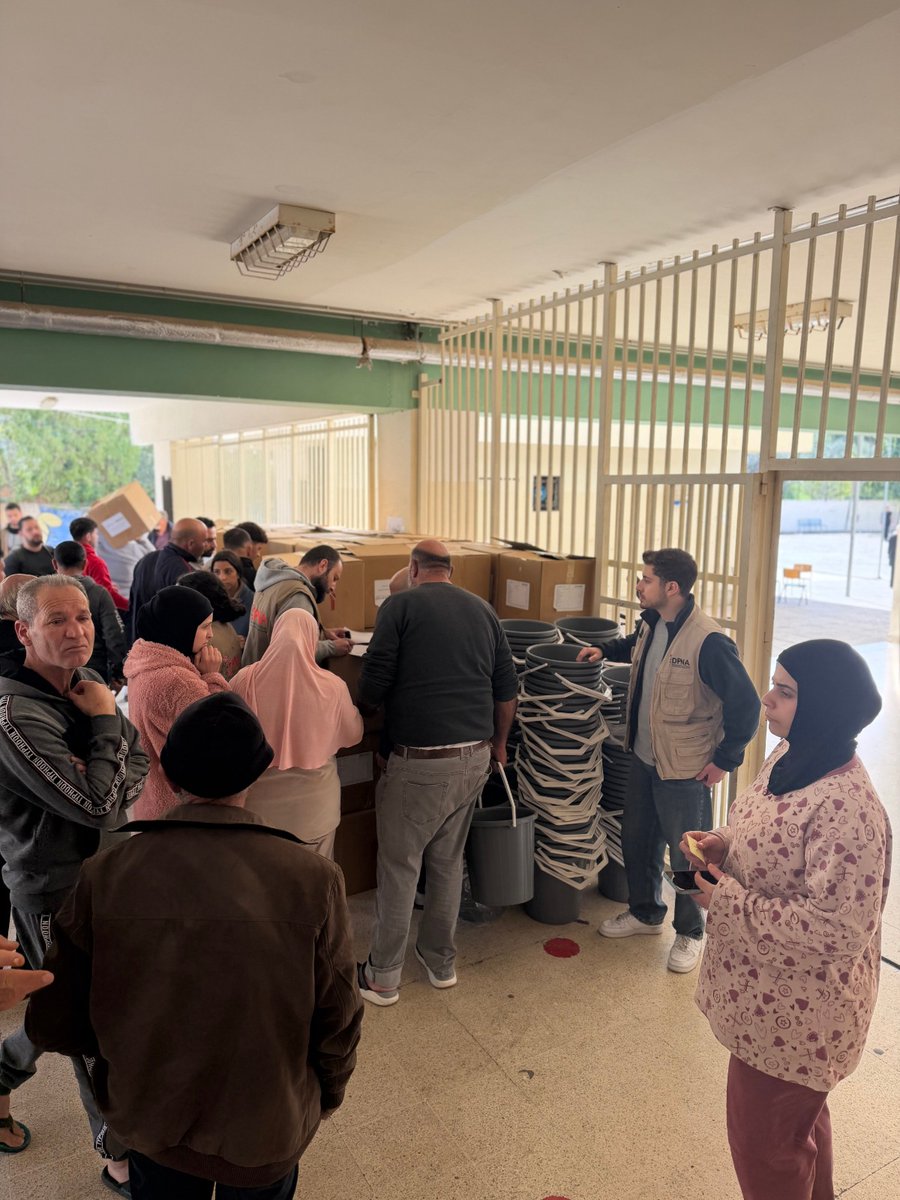
🚨 44 contingency budgets under Lebanon Humanitarian Fund supported projects have been activated to urgently support conflict‑affected families.
Our partners are providing food, water, sanitation and hygiene services & shelter support to the most vulnerable.
@Imran_Riza @CBPFs
5
5
279
PooledFunds_OCHA retweeted
Mar 12
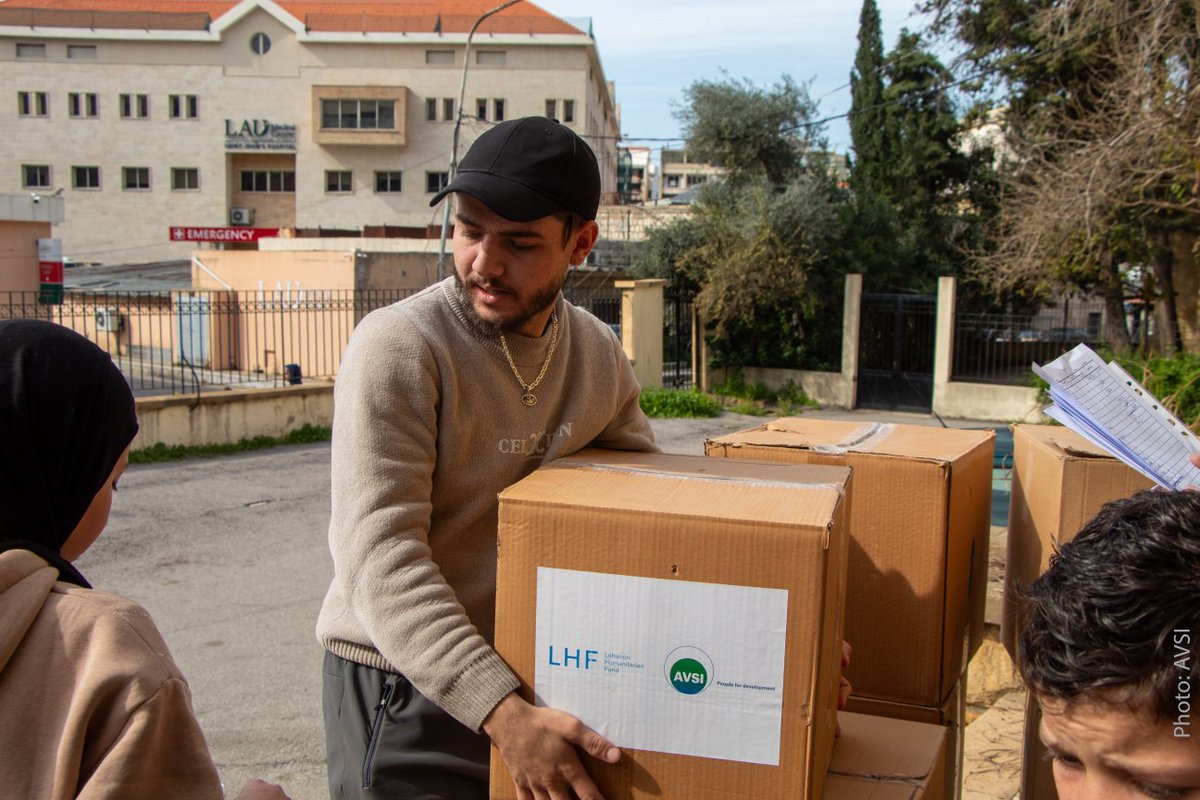
Hostilities across #Lebanon are forcing repeated displacement.
Partners supported by the Lebanon Humanitarian Fund are scaling up life-saving aid – food, water, nutrition and shelter support.
Safe, sustained access must be ensured so aid can reach those who need it most.
5
30
44
1,835