
This account is no longer active. Follow @FaustoChou for updates.
Joined August 2024
- Tweets 69
- Following 6
- Followers 38
- Likes 109
1 Photos and videos
Pinned Tweet

13 Aug 2024
@FaustoChou is my main live account and I sincerely welcome @CBS_Herridge followers to follow my account!
1
1
3
2,765
周子愉 Fausto Chou retweeted

22 Apr 2025
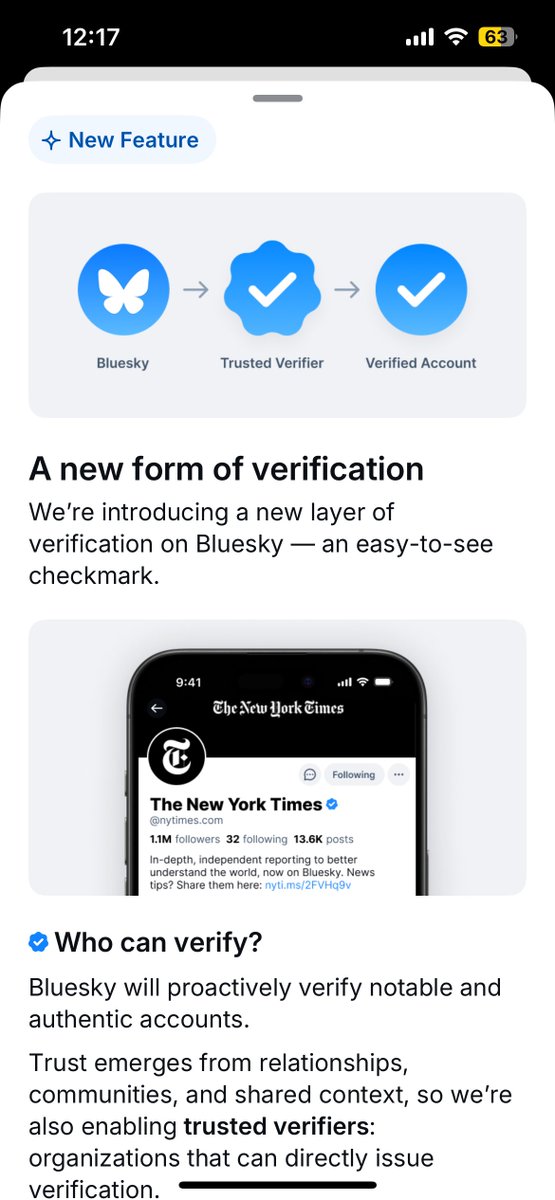
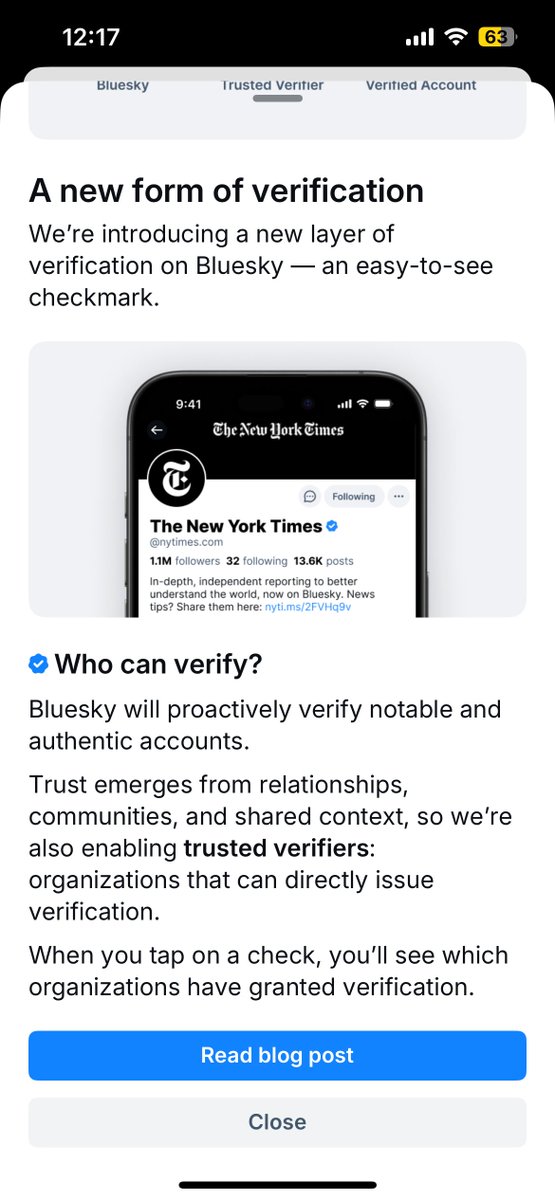
Blue checkmark on @bluesky! Plz verify my account: bsky.app/profile/faustochou.… 🙏🏻
1
1
1,012
周子愉 Fausto Chou retweeted
8 Apr 2025
川普對全球發動關稅戰,美中誰更有底氣?
美國總統川普(@realDonaldTrump)近日威脅,若中國不在4月8日前撤回對美國34%的反制關稅,美國將從4月9日起對中國加征50%的額外關稅。這一表態進一步加劇了中美之間的貿易緊張局勢,並引發全球市場的劇烈波動。美中雙方在這場關稅戰中的底氣來源到底是什麼?關稅戰對兩國經濟的具體影響又是什麼?,甚至對普通民眾生活是否產生深遠衝擊?這場關稅戰不僅是兩國經濟實力的較量,更是全球貿易體系穩定性的重大考驗。
中美關稅戰最新發展
2025年4月2日,川普宣布對所有進入美國的商品徵收至少10%的基礎關稅,並對中國等特定國家加征34%的「對等關稅」,計劃於4月9日正式生效。中國迅速做出回應,於4月4日宣布對原產於美國的所有進口商品加征34%的關稅,並定於4月10日生效。隨後,川普透過社交媒體發文警告,若中國不撤回這一報復性關稅計劃,美國將對中國輸美商品再加征50%的關稅。若這一威脅付諸實施,美國對中國商品的總關稅率將達到驚人的104%(包括之前的20%基礎關稅、新增的34%對等關稅以及威脅中的50%額外關稅)。這一關稅水平將成為自第二次世界大戰以來國際貿易秩序中最劇烈的變動之一,對全球經濟格局的影響無疑是深遠而持久的。
中國應對關稅戰的經濟底氣
中國在這場關稅戰中展現出一定的經濟底氣,這主要源於其經濟增長的韌性、貿易關係的多元化、反制工具的多樣性以及稀土資源的戰略優勢。從經濟增長的角度看,中國在過去五年(2019年至2024年)的經濟增長率達到26.2%,遠超美國同期12.5%的增長水平,這一差距不到中國增長率的一半。這種增長速度的優勢為中國提供了更大的經濟緩衝空間,使其能夠在外部壓力下保持相對穩定的發展態勢。
在貿易結構上,中國多年來積極拓展多元化市場,減少對美國的過度依賴。特別是與“一帶一路”沿線國家的貿易額持續增長,這一策略有效分散了中國出口市場的風險。數據顯示,自2005年以來,中國一直維持貿易順差,其貿易順差占世界GDP總額的比例穩定在0.2%至0.8%之間,這種穩健的貿易結構進一步增強了中國抵禦外部衝擊的能力。
中國的反制措施並不僅限於關稅,而是展現出多樣化和精準化的特點。除了對美國商品加征34%的關稅外,中國還採取了一系列針對性舉措,包括將16家美國實體列入出口管制名單、限制七類中重稀土的出口、將11家美國企業列入不可靠實體清單、暫停六家美國企業產品輸華資質,並在世界貿易組織(WTO)框架下起訴美國的對等關稅措施。這些舉措表明,中國擁有廣泛的政策工具箱,能夠靈活應對美國的關稅壓力。
此外,中國在稀土供應鏈中的主導地位為其提供了獨特的戰略優勢。根據美國數據,2019年至2022年間,美國進口稀土約有四分之三來自中國。稀土作為國防、電動車和電子產業的關鍵原料,使得中國在這一領域的影響力不容小覷,這也成為中國在關稅戰中的重要籌碼。
美國在關稅戰中的經濟底氣
美國在這場關稅戰中同樣具備一定的底氣,這主要體現在其全球金融體系的主導地位、技術創新的領先優勢以及中美貿易關係的不對稱性。作為全球金融體系的核心,美元的國際儲備貨幣地位賦予美國獨特的影響力。通過金融政策,美國能夠對全球貿易和資本流動施加壓力,這是中國在短期內難以匹敵的優勢。
在技術領域,美國的高科技領先地位為其提供了重要的經濟支撐。中國從美國進口的微芯片、工程設備等高技術產品在短期內難以找到完全替代的來源,這使得美國在關鍵產業鏈上保持一定的控制力。這種技術優勢成為美國在關稅戰中施壓中國的重要依仗。
中美貿易關係的不對稱性也為美國提供了底氣。2024年,中美雙邊貿易額達到6882.8億美元,其中美國對華出口額為1636.2億美元,而中國對美出口額遠高於此,幾乎是美國對華出口的三倍。這種不對稱性意味著中國對美國市場的依賴程度更高,因此在關稅戰中可能面臨更大的直接經濟壓力。
關稅戰對中國經濟及民眾的影響
關稅戰對中國經濟的影響是多方面的,但總體而言,中國可能具備一定的應對能力。從宏觀經濟層面看,美國加征關稅對中國經濟增長的衝擊相對有限。摩根士丹利和德意志銀行等機構預測,若美國實施高額關稅,2025年中國GDP增速的負面影響將低於一個百分點,這表明中國經濟的整體韌性較強。然而,出口部門無疑將承壓,尤其是電子產品和家用電器等對美出口占比高的製造業領域,這些行業可能面臨訂單減少和利潤下滑的挑戰。
與此同時,關稅戰也可能成為中國產業升級的催化劑。高關稅壓力將促使中國企業加快技術自主研發和產業鏈調整,長期來看,這或許有助於優化中國的產業結構。人民幣匯率可能因關稅戰而面臨短期貶值壓力,但中國穩健的外匯儲備和資本管控能力使其匯率長期趨勢仍有望保持穩定。
對普通民眾而言,關稅戰的影響主要體現在就業和物價兩個方面。出口導向型企業的壓力可能導致相關行業就業市場出現波動,尤其是沿海製造業密集地區的工人可能面臨裁員風險。同時,美國輸華產品價格的上漲將推高部分商品的成本,例如農產品和能源產品。澳大利亞農業經紀公司IKON Commodities的咨詢服務主管歐樂豪指出,中國對美國農產品加征34%的關稅將使美國農產品難以進入中國市場,這可能導致中國轉向其他供應國。然而,中國消費者擁有轉向國產或其他國家替代品的選擇,這在一定程度上能夠緩解價格上漲帶來的負擔。
關稅戰對美國經濟及民眾的影響
相比之下,關稅戰對美國經濟的衝擊可能更為顯著且直接。根據美聯儲的模型估計,若關稅水平提高25%,美國經濟增長率在未來兩到三年內將減少2.5%。美聯儲亞特蘭大分行更進一步預測,2025年第一季度美國GDP可能收縮2.4%。這一顯著放緩的預期反映了關稅戰對美國經濟的深層影響。
通脹壓力是美國經濟面臨的另一大挑戰。關稅本質上是一種稅收,預計將推高美國通脹率1.5%。川普的關稅政策若全面實施,相當於美國稅收增加約6600億美元,占GDP的2.2%。這項額外負擔將通過商品價格的上升直接傳導至消費者。金融市場的波動也隨之加劇,川普宣布關稅措施後,美國股市已出現顯著下跌,投資者對經濟衰退風險的擔憂日益加深。此外,貿易戰可能導致稅收減少,同時政府需要增加對受影響行業的補貼,這將進一步加重美國的財政負擔。
對美國普通民眾來說,關稅戰的影響更為直觀且廣泛。從中國進口的日常消費品價格上漲將直接推高家庭支出。汽車價格的飆升尤為引人注目,華爾街分析師估計,川普的汽車關稅可能使每輛汽車價格增加4000至15000美元。住房成本同樣受到波及,美國研究機構預測,未來12個月內,新建住宅標價將上漲1.7萬至2.2萬美元。雖然部分製造業可能因關稅受益於「回流」,但依賴進口原材料或中國市場的企業可能面臨裁員壓力,這將加劇就業市場的不確定性。
關稅戰的長期走向
儘管當前局勢高度緊張,專家普遍認為,中美最終將回到談判桌前。新加坡國立大學李光耀公共政策學院副教授顧清揚指出,中美雙方都有談判的動力:美國將關稅視為施壓工具,希望通過討價還價獲取更大利益,而中國則主張通過對話解決爭端。他預計談判可能耗時三至五個月。新加坡尤索夫伊薩東南亞研究院高級研究員黎良福也認為,中國報復性關稅並非即刻生效,這表明中國願意與美國展開談判。
這場關稅戰的影響遠遠超出中美兩國,波及全球經濟。摩根大通CEO戴蒙警告,若問題不及時解決,負面影響將隨時間累積且難以逆轉,他尤其擔憂美國與長期經濟盟友的關係受損。對沖基金經理阿克曼則更為直言,他警告若美國在4月9日對全球發動“經濟核戰爭”,商業投資將停滯,消費者信心將崩潰,美國的國際聲譽將遭受重創,修復可能需要數年甚至數十年。
美國關稅戰的成本轉嫁機制與民眾生活成本危機
川普政府推動的全面關稅政策正在引發廣泛的經濟連鎖反應。雖然政府宣稱關稅收入將抵消個人所得稅,但現實數據與經濟模型顯示,關稅成本正通過多重渠道轉嫁至美國消費者,導致生活成本系統性上升,並潛伏著更深層次的金融風險。
價格傳導路徑與消費者負擔
美國對進口商品加征關稅的直接效應是進口商成本的增加,這一成本最終傳導至消費者。彭博社對蘋果公司的測算顯示,若34%的關稅完全轉嫁,iPhone 16系列價格將上漲30%至43%,基礎款價格從799美元升至1142美元。這種價格傳導在耐用消費品領域尤為明顯,但日常消費品的影響同樣不容忽視。英國廣播公司調查發現,美國市場97%的服裝和鞋類依賴進口,瑞銀預測這些商品價格將上漲10%至12%。咖啡進口關稅將使每磅價格增加0.5至0.8美元,橄欖油等食品價格漲幅預計達15%至20%。
生產鏈的成本擴散進一步加劇了價格壓力。美國時尚產業協會指出,即便是本土生產的服裝,其原材料仍有60%依賴進口,關稅通過供應鏈逐級傳導,形成“隱性關稅”,使得“美國製造”的商品也無法避免價格上漲。此外,當進口商品價格因關稅上升時,本土替代品廠商往往採取價格跟隨策略。特拉華大學研究顯示,2018年洗衣機關稅實施後,本土品牌價格同步上漲9.2%,形成行業價格聯盟,這種聯動效應使得消費者幾乎無處可避。
關稅的稅負分配呈現顯著的累退性特徵。彼得森國際經濟研究所的實證研究表明,低收入家庭因消費結構中進口商品占比更高(平均達28%),其實際收入損失達到4%,而高收入群體僅損失2%。這種不平等效應在食品和基本日用品領域尤為突出,加劇了美國社會的貧富差距。
關稅替代所得稅的財政幻覺
川普政府提出「以關稅換所得稅」的構想,但這一政策存在根本性的財政缺陷。2025年美國聯邦稅收結構中,個人所得稅占比50.2%,公司稅占10.2%,而關稅收入僅占1.7%。若要完全替代個人所得稅,平均關稅率需提升至82%,這將導致進口規模萎縮63%,實際關稅收入反而下降,這一矛盾使得該構想難以實現。
當前關稅政策已引發多重財政風險。物價上漲推高社會保障支出,同時壓制消費稅收,國會預算辦公室測算,每1%的通脹率將增加年度財政赤字1800億美元。在美國國債規模達到35萬億美元的背景下,利率每上升1個百分點,年度利息支出將增加3500億美元。關稅引發的通脹預期正迫使美聯儲維持高利率政策,這進一步加劇了債務壓力。此外,企業利潤受關稅擠壓導致公司稅收入下降,標準普爾500企業2025年第一季度財報顯示,製造業板塊有效稅率從21%升至27%,但應納稅所得額同比下降18%,稅基侵蝕的趨勢顯而易見。
民眾生活成本危機與金融風險
關稅政策實施後,美國民眾的實際購買力迅速萎縮。美國勞工統計局數據顯示,在政策實施的前三個月內,食品價格指數同比上漲9.7%,服裝價格指數上漲12.3%,交通工具價格指數上漲15.2%。中等收入家庭月度支出增加約480美元,相當於年化5760美元的購買力損失,這對普通家庭的財務狀況構成顯著壓力。
為維持生活水平,美國家庭正加速轉向債務融資。2025年第一季度,循環信貸餘額突破1.2萬億美元,逾期90天以上的賬戶占比升至7.3%,達到2011年以來最高水平。汽車貸款市場的風險也在上升,次級汽車貸款違約率攀升至9.2%,ABS債券利差擴大至450個基點,顯示市場對風險的重新定價。房貸市場雖尚未出現大規模違約,但浮動利率貸款占比升至23%,在高利率環境下形成潛在風險點。
當前美國債務結構與2008年金融危機前呈現危險的相似性。高收益債券利差收窄至256個基點,接近2007年危機前水平,而市場波動率指數(VIX)持續低位運行,顯示風險定價存在失真。影子銀行系統的擴張加劇了這一風險,私募信貸市場規模突破2.3萬億美元,其中60%為浮動利率貸款,對利率變動極其敏感。中小銀行的資產負債表錯配問題同樣突出,其商業地產貸款占比達38%,在房地產價格調整的壓力下,資本充足率面臨挑戰。
全球化的終結
綜合經濟數據和專家分析,中國在短期內可能比美國更有底氣應對關稅戰,這主要得益於其更快的經濟增長、多樣化的反制工具以及穩定的貿易結構。然而,這場關稅戰對雙方經濟和民眾都將造成實質性傷害。美國消費者正面臨更廣泛的價格上漲和生活成本增加,而中國則需應對出口壓力和就業市場的潛在波動。長期來看,關稅戰可能加速全球貿易格局的重塑,推動各國尋求多元化的貿易關係和供應鏈,並最終促使中美回到談判桌前尋求解決方案。
美國關稅政策正在製造三重悖論:旨在保護就業的舉措加速了通脹對實際工資的侵蝕,預期增加財政收入的措施反而加劇了債務危機,試圖強化經濟主權的政策卻加深了金融系統的脆弱性。當前3.5%的信用卡違約率和9.2%的汽車貸款違約率已超過2007年次貸危機前的警戒水平,而信用利差的極度收窄表明市場尚未充分定價潛在風險。若政策不作調整,美國經濟可能在2025年下半年面臨「沃爾克時刻」式的劇烈調整,美聯儲將不得不在控制通脹與維護金融穩定之間做出艱難抉擇,民眾的生活成本危機可能演變為全面的資產負債表衰退。
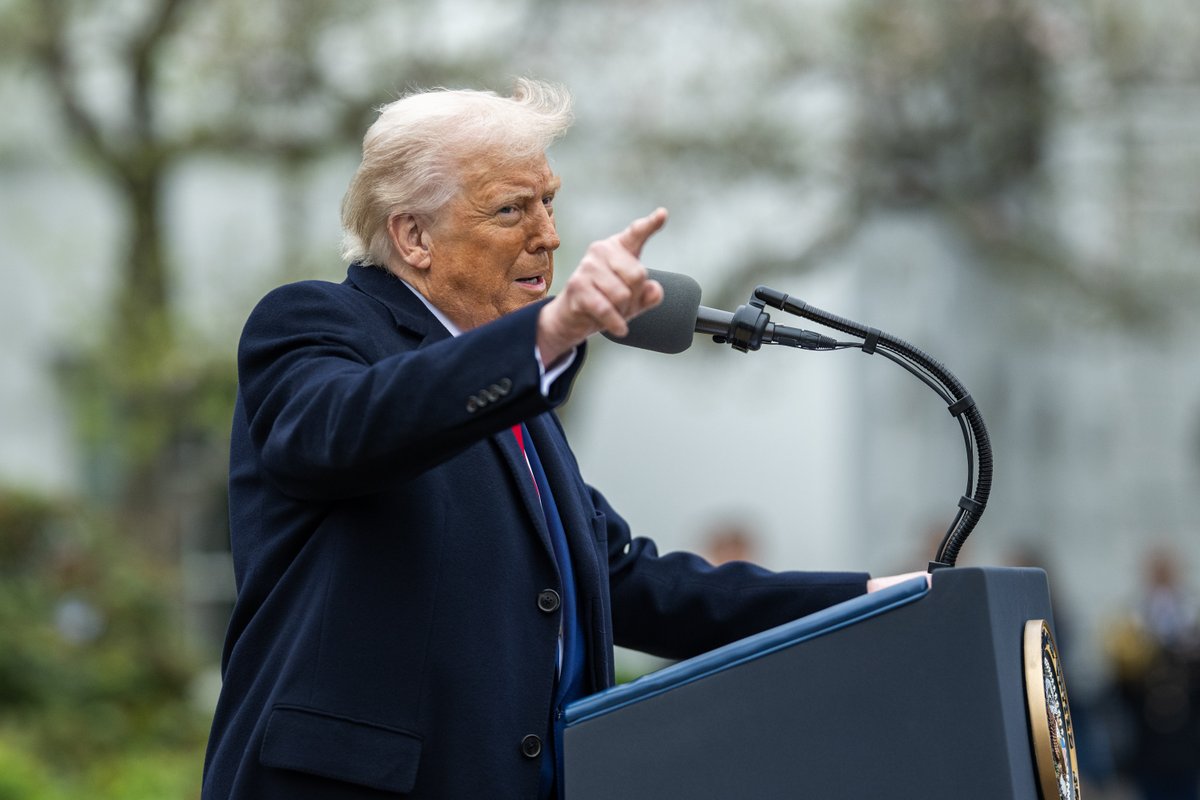
ALT 圖片來源:The White House/Flickr
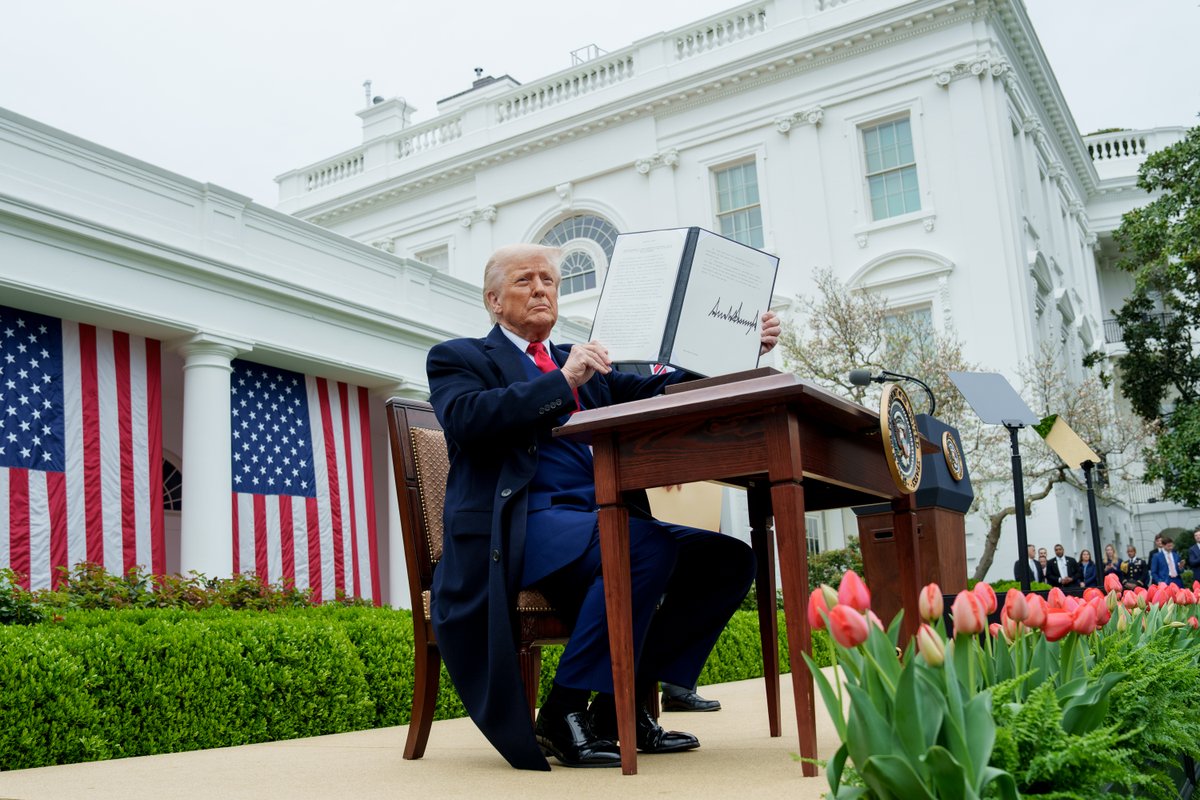
ALT 圖片來源:The White House/Flickr
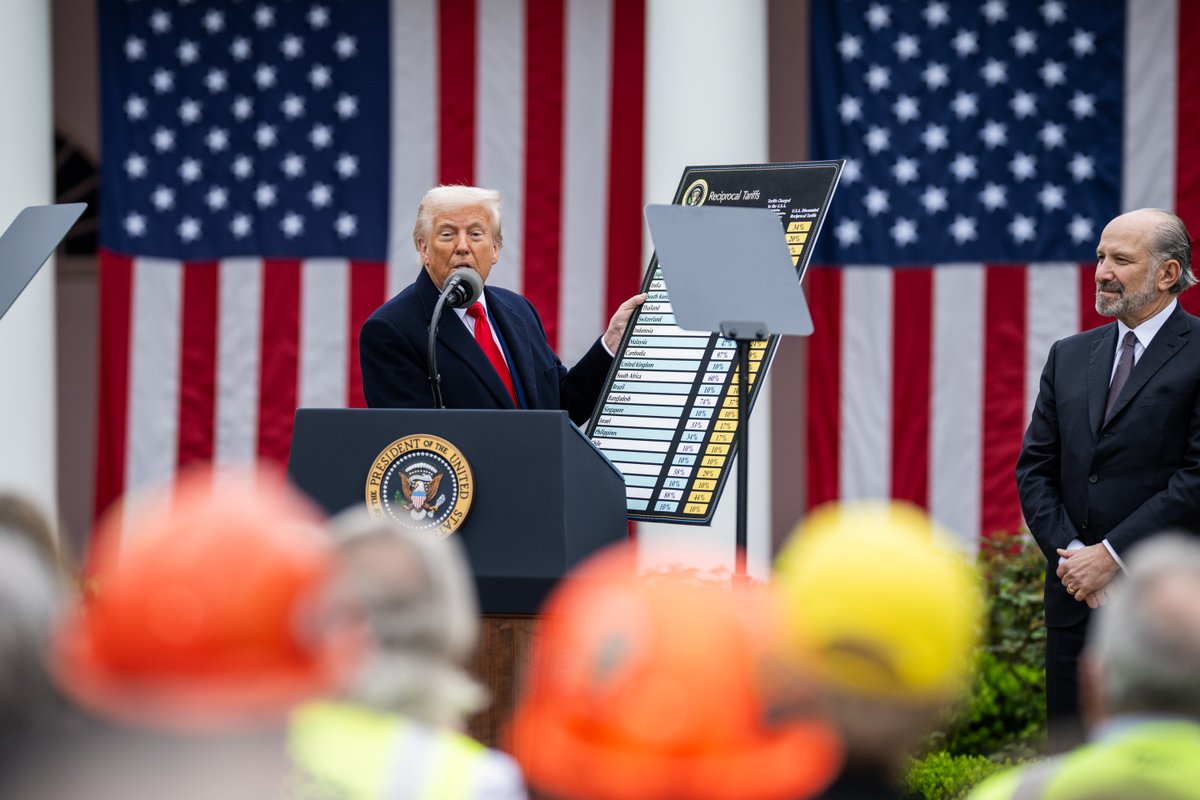
ALT 圖片來源:The White House/Flickr
1
1
5
18,009
周子愉 Fausto Chou retweeted
10 Apr 2025
When U.S. President @realDonaldTrump said to every country that submits to him, including Taiwan, that they “kissing my ass,” I have to say to #Trump, “FUCK YOURSELF.”
3
2
4
1,956
周子愉 Fausto Chou retweeted
10 Apr 2025
Taiwan's Swift Capitulation in US Trade Dispute Raises Questions About Strategic Autonomy
In a surprising development that has international trade analysts questioning Taiwan's strategic positioning, Foreign Minister @chia_lung confirmed that #Taiwan has been included in the list of 75 countries receiving a 90-day tariff reprieve from the @realDonaldTrump administration. This confirmation comes as mounting evidence suggests Taiwan may have made significant concessions to secure this temporary relief, potentially compromising its economic sovereignty in the process.
Taiwan's Hasty Concessions Reveal Negotiating Weakness
Taiwan's approach to the U.S. tariff threat appears to reflect a position of weakness rather than strategic partnership. President @ChingteLai quickly published a "roadmap for deepening U.S.-Taiwan economic relations" in @Bloomberg, outlining five major concessions to the U.S. These include reducing all tariffs between Taiwan and the U.S., expanding purchases of American energy, agricultural, industrial, and military products, increasing investment in the United States, eliminating non-tariff trade barriers, and addressing U.S. concerns about high-tech export controls and transshipment issues.
The speed and comprehensive nature of these offers suggests Taiwan immediately adopted a conciliatory posture rather than standing firm in negotiations. Unlike other economic powers that might have leveraged their position, Taiwan preemptively offered significant economic benefits to the U.S. without securing guaranteed reciprocity.
Questionable Negotiating Position: "On the List" But to What End?
While Foreign Minister Lin confirmed Taiwan is among countries receiving temporary relief, the actual negotiating position remains concerning. Deputy Chief Trade Negotiator Yen Hui-hsin revealed Taiwan had merely "signed up" for negotiations a few days prior, suggesting Taiwan was not prioritized in America's strategic calculations.
Taiwan's eagerness to emphasize that they've "made preparations" and "established communication channels" with the U.S. indicates they're negotiating from a position of desperation rather than mutual respect. When legislators inquired about Taiwan's negotiating order within the 90-day window, Yen acknowledged that America would determine priority based on its own interests and the size of trade deficits, effectively admitting Taiwan lacks negotiating leverage.
Energy Concessions as Taiwan's Primary Bargaining Chip
Taiwan appears to be relying heavily on energy investments and purchases as its primary negotiating card. Lin specifically highlighted Taiwan's intention to purchase natural gas from Alaska and mentioned that CPC Corporation has signed a memorandum of cooperation for exploration with Alaskan companies.
This over-reliance on energy concessions suggests Taiwan lacks a comprehensive negotiating strategy beyond simply increasing purchases to reduce its trade surplus with the United States. While energy cooperation may benefit both sides, placing such emphasis on a single sector reveals the limited options available to Taiwan's negotiators.
The Navarro Factor: Zero Tariffs May Not Be Enough
Although Taiwan has proposed a zero-tariff framework similar to Vietnam, the reception from key U.S. trade officials should give Taiwan pause. White House trade advisor Peter Navarro has publicly dismissed similar zero-tariff offers from other countries, stating that "non-tariff cheating" remains a critical concern.
While Navarro's comments were primarily directed at Vietnam, they reflect a broader administration perspective that mere tariff elimination is insufficient. His emphasis on issues like transshipment, intellectual property theft, and value-added taxes as forms of "non-tariff cheating" indicates Taiwan's simple zero-tariff proposal may face significant skepticism.
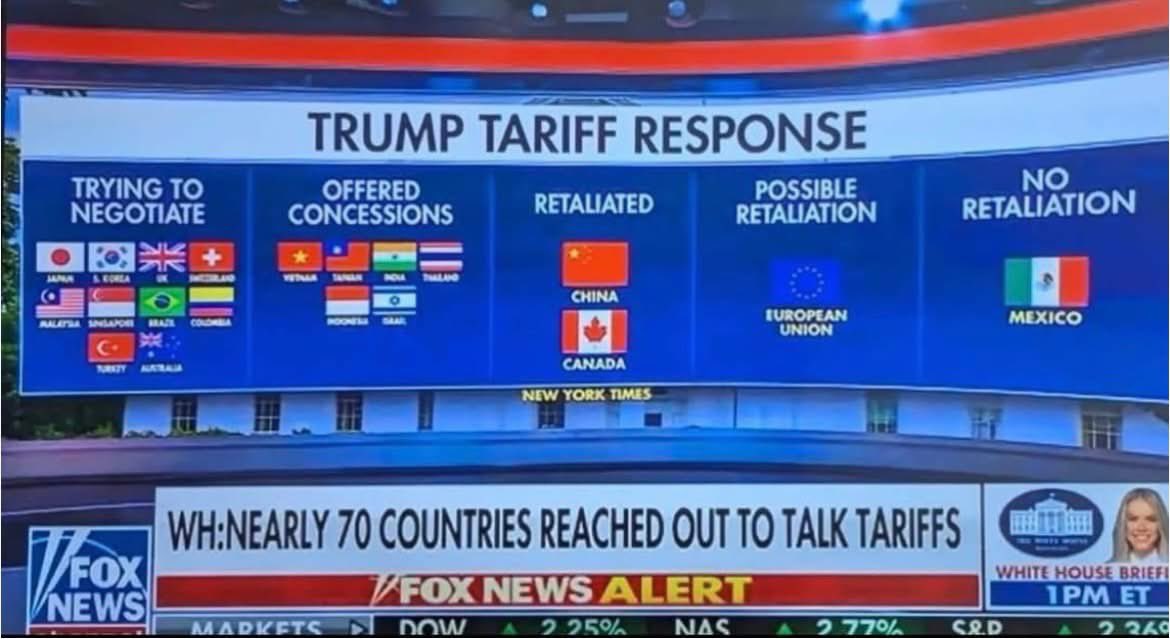
2
2
4
1,153
周子愉 Fausto Chou retweeted
27 Jan 2025
Before departure, my plans suddenly changed—from Izu to Lake #Kawaguchi—and I ended up stumbling upon the #FireworksFestival 🎆! Braving the cold wind and standing on a bridge at -3°C, I managed to capture this rare and unforgettable scene.




1
1
2
379
周子愉 Fausto Chou retweeted
28 Jan 2025
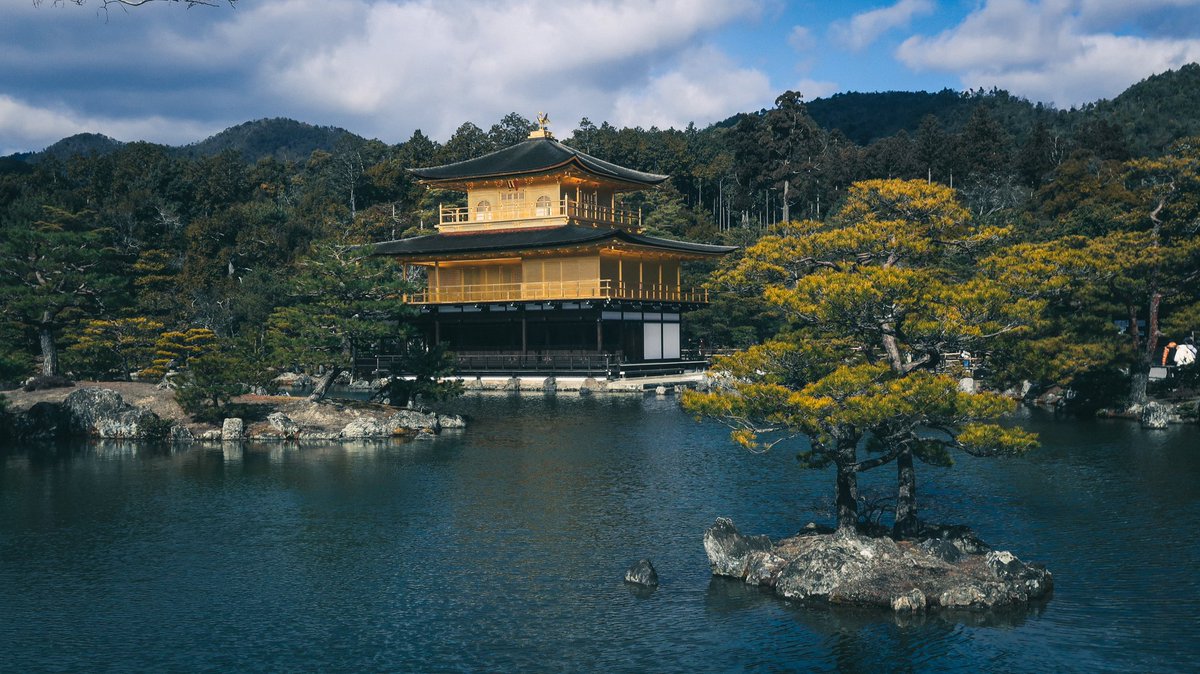
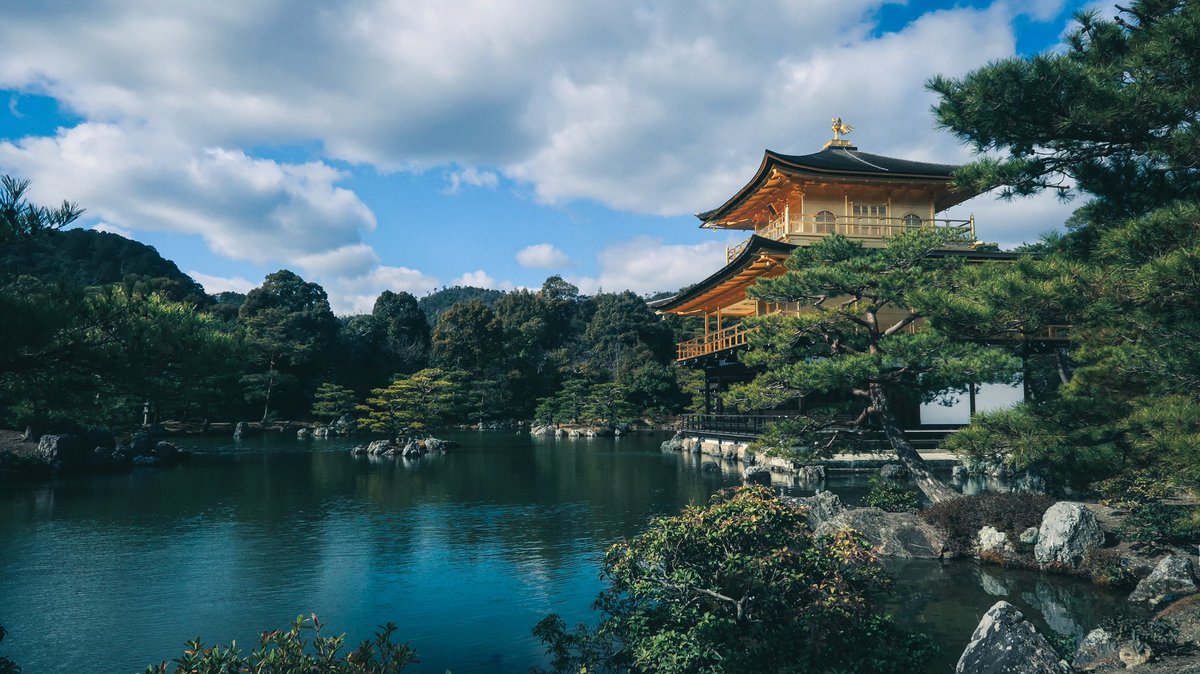
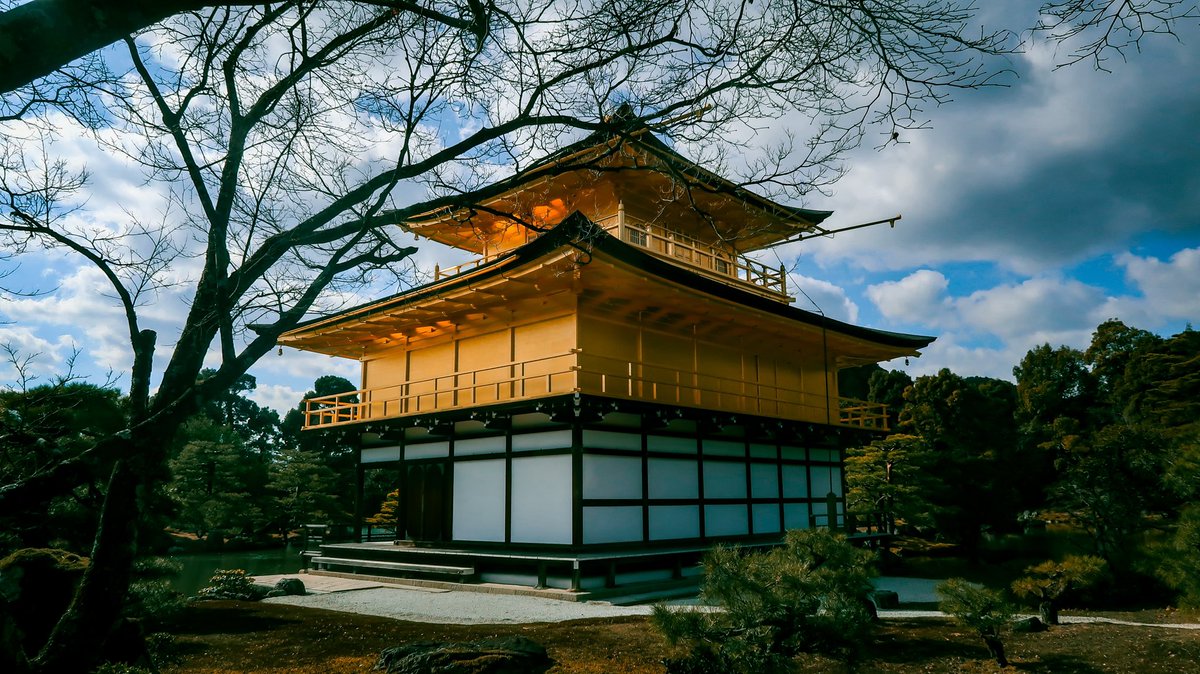
The last time I visited #Kyoto, I wanted to stop by #Kinkaku-ji, but unfortunately, I couldn’t make it due to its relatively remote location, far from subway and train stations.
This time, I unexpectedly found a chance to take a bus to see Kinkaku-ji, a gleaming golden Buddhist temple located at the foot of Kyoto’s Kitayama mountains. Officially named #Rokuon-ji, Kinkaku-ji was built in 1397 by the order of Ashikaga Yoshimitsu, the third shogun of the Muromachi shogunate. Originally intended as his retirement villa, Yoshimitsu incorporated elements of classical Chinese garden design into its construction, making the temple a masterpiece of Heian-era architectural aesthetics.
After Yoshimitsu’s death, the villa was converted into a Zen Buddhist temple and renamed Rokuon-ji, symbolizing his devotion to Buddhism. The temple’s main hall, known as the Golden Pavilion (Shariden), got its popular name “Kinkaku-ji” due to its exterior being covered in gold leaf.
In 1950, the Shariden was completely destroyed in an arson attack by a young monk. This incident shocked Japanese society and inspired Yukio Mishima’s iconic novel The Temple of the Golden Pavilion. Through the protagonist’s extreme obsession with beauty, the novel explores profound human contradictions and destruction, while reflecting the spiritual crisis of postwar Japan. Kinkaku-ji was rebuilt in 1955 and underwent a major restoration in 1987, during which its gold leaf was reapplied.
前回 #京都 を訪れた際、#金閣寺 を見に行きたいと思っていましたが、残念ながら地下鉄や鉄道の駅から距離があり、行くことができませんでした。
今回は偶然にも時間ができ、バスで金閣寺を訪れることができました。この寺院は、京都の北山の麓に位置する金色に輝く仏教寺院で、正式名称は #鹿苑寺(ろくおんじ)です。金閣寺は1397年、室町幕府第3代将軍・足利義満の命によって建設されました。当初は義満が隠居後に余生を過ごすための別荘として建てられ、中国の古典的な庭園設計の理念が取り入れられたことで、平安時代の建築美学の代表的な作品となりました。
義満の死後、この別荘は禅宗の寺院に改築され、「鹿苑寺」と命名されました。この名前には、義満の仏法への追求が込められています。寺院の中心的な建物である舎利殿は、その外壁が金箔で覆われていることから「金閣寺」と呼ばれるようになりました。
1950年、舎利殿は若い僧侶による放火で全焼しました。この事件は日本社会に衝撃を与え、三島由紀夫の名作小説『金閣寺』の創作のきっかけともなりました。この小説は、主人公の美への極端な追求を通じて、人間の矛盾や破壊を深く掘り下げると同時に、戦後日本社会の精神的危機をも反映しています。金閣寺は1955年に再建され、1987年には全面修復が行われ、再び金箔が施されました。
上一次到京都時,就想到金閣寺來逛逛,很可惜地,因為位置方向距離各個地鐵與火車站都較遠,最終沒能看到。
這次也是意外地突然可以撥空搭乘公車去看金閣寺,這是一座在京都北山腳下金光閃閃的佛教寺廟,正式名稱其實是鹿苑寺。金閣寺建於1397年,由室町幕府第三代將軍足利義滿下令修建,原是他退隱後安享晚年的別墅。義滿將中國古典園林設計理念融入其中,使這座寺廟成為平安時代建築美學的代表作之一。
義滿去世後,這座別墅被改建為禪宗寺廟,並命名為鹿苑寺,意在寄託其對佛法的追求。寺廟的核心建築——舍利殿因外牆覆蓋金箔而得名「金閣寺」。
1950年,舍利殿因一名年輕僧侶的縱火而被完全焚毀,這場火災震驚日本社會,也成為三島由紀夫經典小說《金閣寺》的創作靈感。這本以金閣寺為名的小說,透過探討主人公對美的極端追求,深掘人性深處的矛盾與毀滅,同樣折射了戰後日本社會的精神危機。金閣寺於1955年被重建,並在1987年進行了全面修復,重新貼上金箔。

1
1
379
周子愉 Fausto Chou retweeted
2 Feb 2025
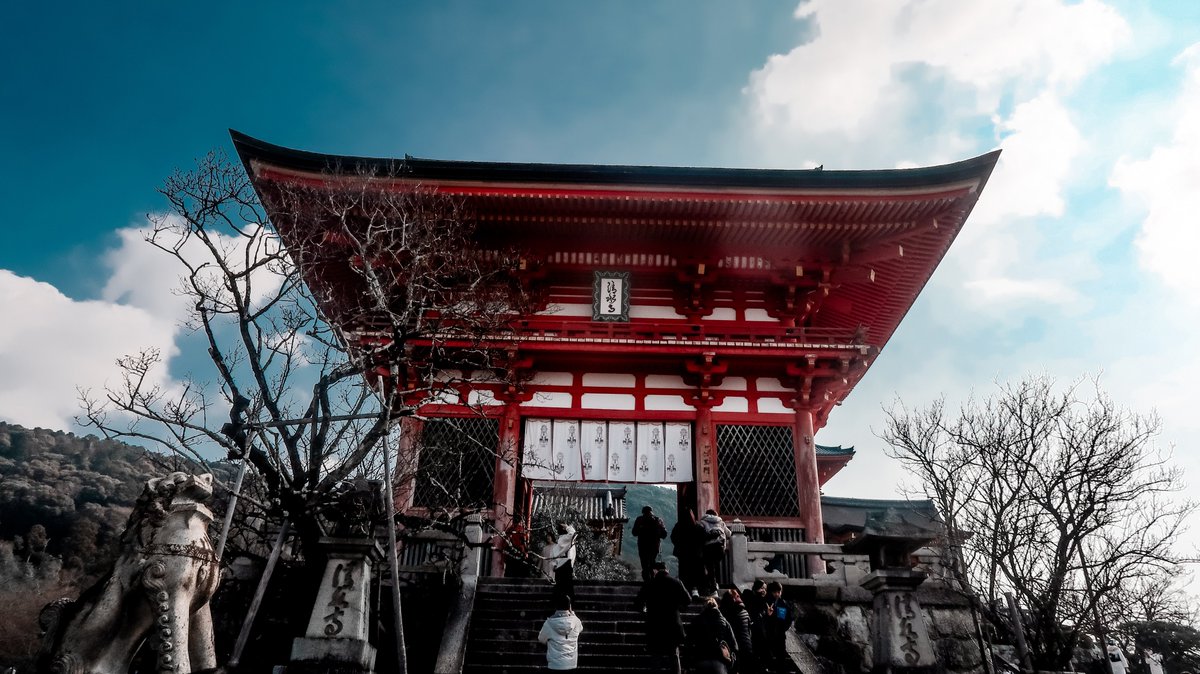
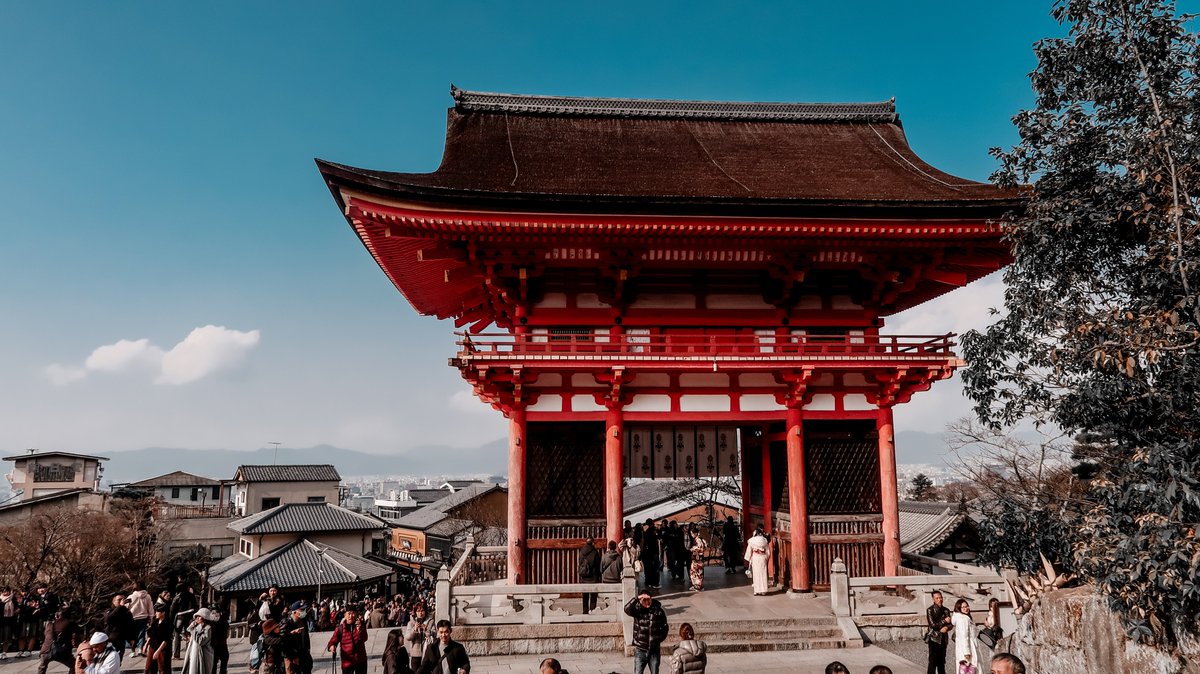
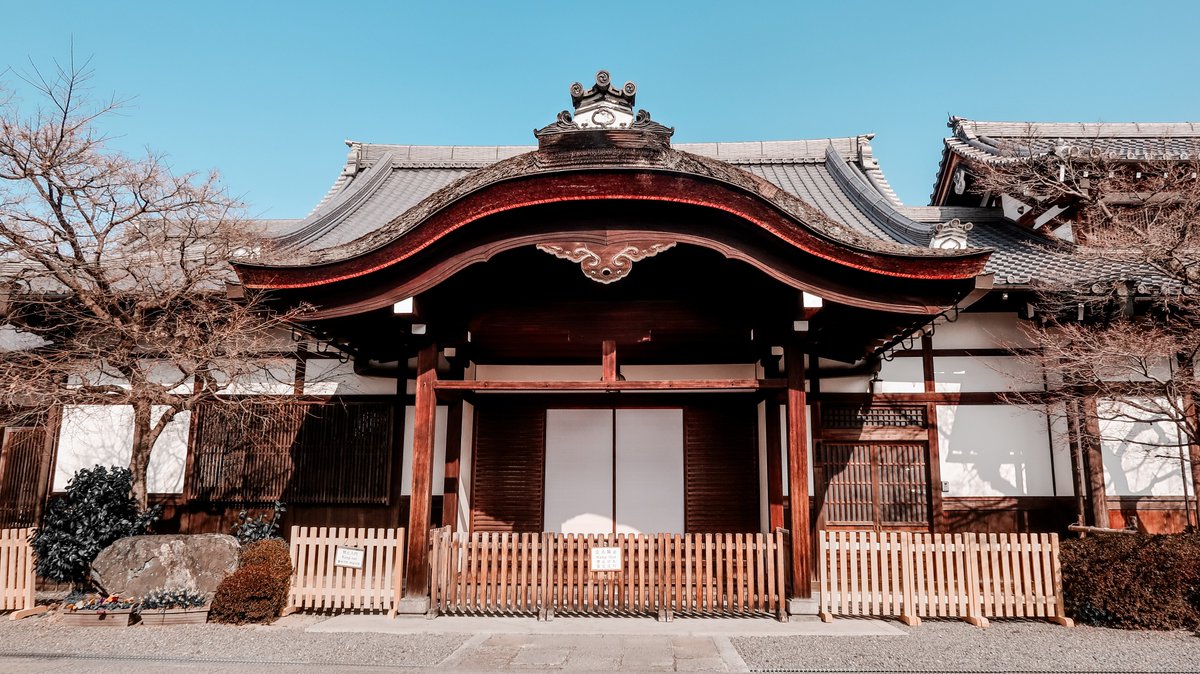
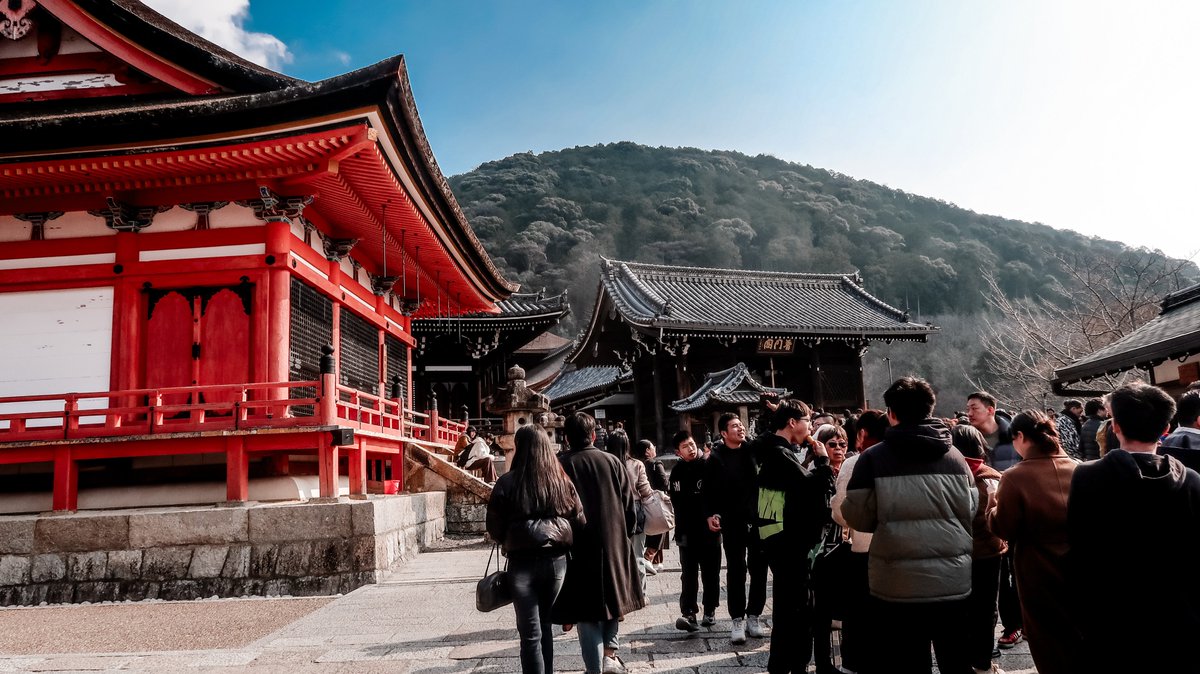
This is my second trip to #Kyoto. My first stop was #Kiyomizu-dera, one of the attractions I missed out on last time. However, this time my Kyoto experience wasn’t very pleasant. Compared to the Kyoto I visited right after COVID-19 restrictions were lifted, the number of tourists now is even more staggering—so much so that the temple feels less like a tranquil spiritual site and more like an entire commercial district.
From the various food stalls lining both sides of the temple to the upscale beauty shops and chain stores along Sannenzaka and Ninenzaka, there’s a constant buzz in multiple languages. Everyone is busy snapping photos in hopes of going viral on social media.
When I met up with my friends in Kyoto, I couldn’t help but complain, “If I lived here, I’d be completely fed up with the quality of these tourists. They have no interest in understanding our culture or respecting the proper etiquette for visiting temples and shrines—they’re selfishly parading their own culture and trampling all over our traditions.”
Such tourists aren’t uncommon even among visitors from developed countries. All I can say is that when we travel abroad, we’re not just representing ourselves; others see us as representatives of our home country, and our every action can shape local perceptions of that nation.
During my two days in Kyoto, I found myself missing the tranquility and serenity of Hiroshima—the kind of peaceful state that allows one to truly settle one’s mind.
這是我第二次到 #京都。第一站就前往了 #清水寺,這也是我上次沒有機會遊覽的景點之一。然而,這次的京都體驗並不好,比起上一次COVID-19疫情剛解封時的京都,這次的遊客人數更嚇人,與其說這是一間寺廟,不如說是一整片的商業區。
從寺前兩旁的各種美食攤位,到三年坂、二年坂的高規格服務的保養品、連鎖品牌的商家,嘰嘰喳喳的,全是各種語言的此起彼落。大家舉著相機,拼命地拍出各種能在社交平台上爆紅的照片。
當和我在京都的朋友見面時,我忍不住抱怨,「如果我是這裡的居民,我肯定對於這樣的遊客素質感到厭惡。你們根本沒有想要了解我們的文化,也沒有尊重我們進寺廟或神社的各種禮儀,只自私地帶著自己國家的文化來這裡四處『踐踏』」。
這樣的遊客不乏來自先進發達國家的遊客們。我只想說,當我們出國在外,代表的不只是自己,別人也不會把你當作個個體,你代表的是你所來自的國家,你的一舉一動都可能足以影響當地人對這個國家隊看法。
在京都的兩天裡,我更懷念廣島的寧靜與幽靜,那種可以沉澱自己心靈的狀態。
これは私の京都への2回目の訪問です。最初の目的地として清水寺に向かいましたが、これは前回訪れる機会がなかったスポットの一つです。しかし、今回は、COVID-19の規制が解除された直後の京都と比べると、京都での体験はあまり良いものではありませんでした。今回の観光客の数はさらに衝撃的で、寺院というよりも、まるで一帯の商業地区のように感じられます。
寺の前の両側には様々なグルメ屋台が並び、三年坂や二年坂には高品質の化粧品店やチェーン店が軒を連ね、あちこちでさまざまな言語が飛び交っています。皆、カメラを手にして、SNSでバズるような写真を必死に撮っています。
京都で友人たちと会った際、つい口にしてしまいました。「もし私がここに住んでいたら、こんな観光客の質に本当にうんざりするだろう。皆は私たちの文化を理解しようともしないし、寺院や神社に入る際の礼儀も守らない。ただ自分の国の文化を持ち込んで、ここで勝手に『踏みにじる』だけだ」と。
こうした観光客は、先進国からの訪問者にも少なくありません。海外に出る際、私たちは単に個人としてではなく、自国を代表しているのだということを改めて感じます。あなたの一挙手一投足が、現地の人々にあなたの国に対する印象を大きく左右する可能性があるのです。
京都での2日間、私はより一層、心を落ち着かせることができる広島の静寂と穩定さを恋しく感じました。
1
2
326
周子愉 Fausto Chou retweeted
4 Feb 2025
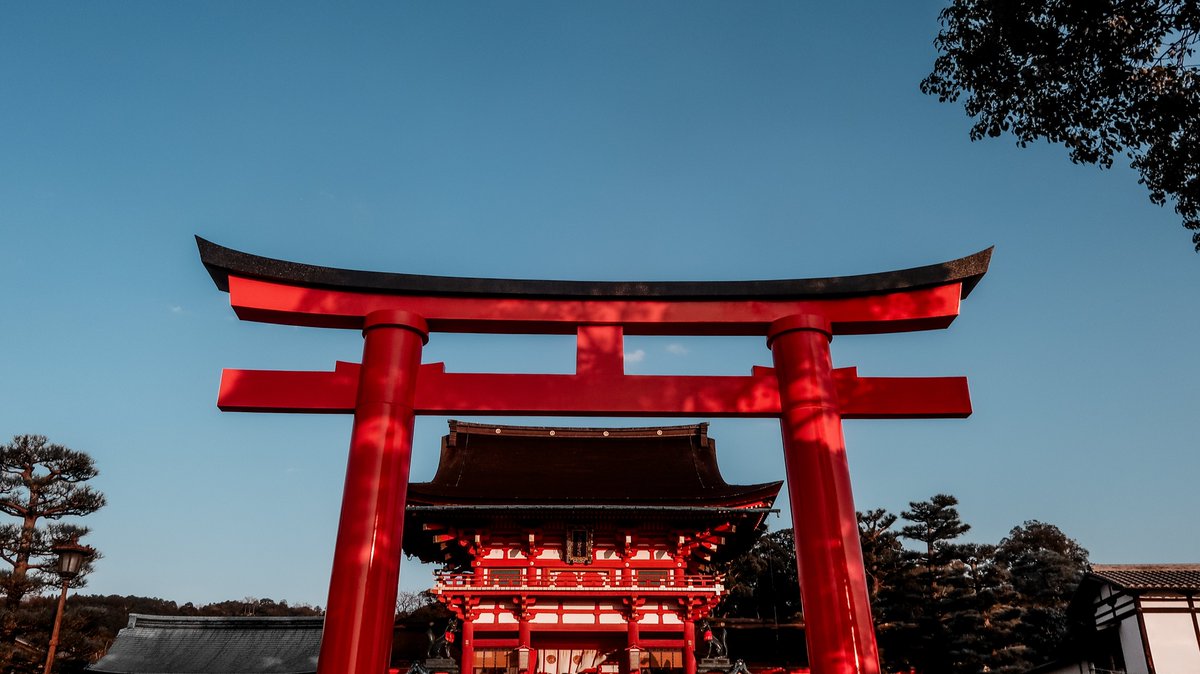
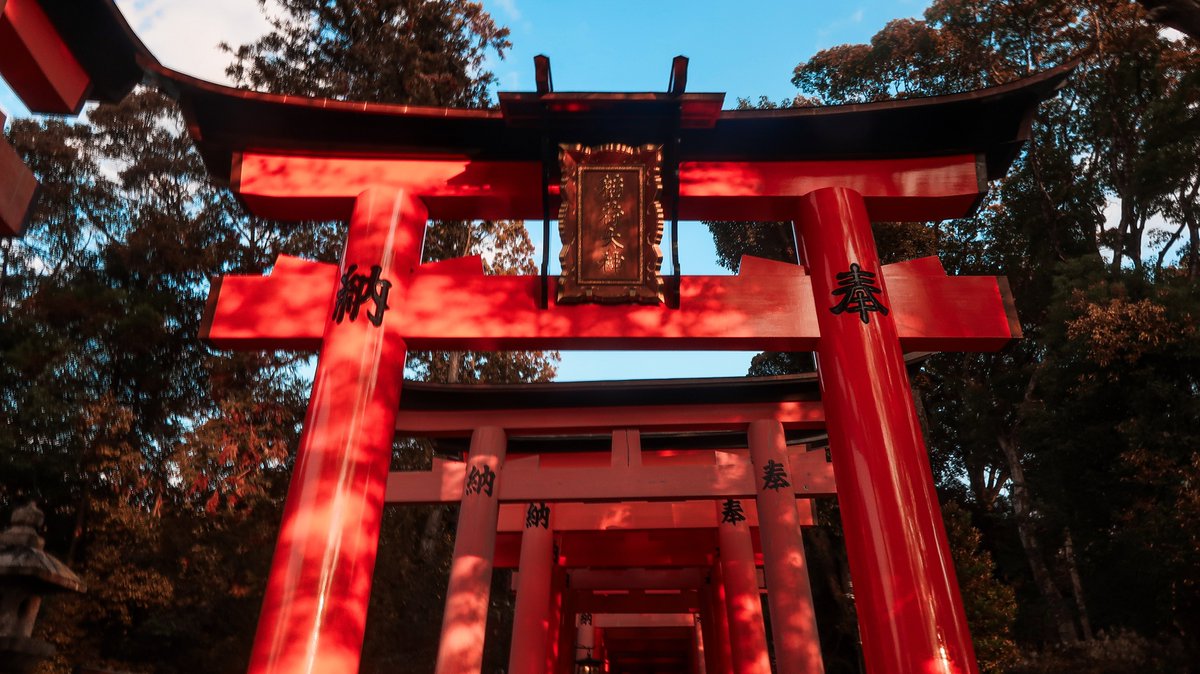
This is my second visit to #FushimiInariTaisha. The last time I came, it was close to dusk, so I only managed to wander around the entrance. This time, however, I had enough time to climb all the way up. As many of my friends know, I really hate climbing stairs—I always ask in advance if there will be many steps when hiking. Yet this time, I was able to ascend from the base, camera and video recorder in hand, passing through thousands of torii gates ⛩️ until I finally stopped when I was about 10 minutes from the summit. By then, it was already 5 PM and the sky was darkening, so I had to rest briefly before descending along the same route. This was probably the greatest physical challenge I’ve faced in recent times.
這是我第二次來到伏見稻荷大社,上一次由於時間接近傍晚,因此我只有在門口晃了晃,這次則有時間一路往上爬。熟悉我的朋友都知道,我非常討厭爬樓梯,只要是爬山,我一定提前先詢問有沒有很多階梯。然而,這一次我卻能一路從山底爬著階梯,甚至帶著相機與攝影機,穿過千百個鳥居⛩️,直到距離山頂剩10分鐘路程時才停下來。那時,已是傍晚5時,天色漸暗,只好休息片刻後,原路下山。這大概是這陣子以來,在體力上突破最大的一次。
これは私が #伏見稲荷大社 に来たのは二度目です。前回は夕方に近い時間だったため、境内の入り口辺りだけを散策するに留まりましたが、今回はしっかりと登る時間がありました。私をよく知る友人はご存じの通り、私は階段を登るのが本当に嫌いで、山に登る前には必ず「階段がたくさんあるか?」と確認します。しかし、今回は山の麓から階段を登り、カメラとビデオカメラを持って何百もの鳥居⛩️をくぐり抜け、山頂まであと10分のところでようやく止まりました。その時にはすでに午後5時になり、空がだんだん暗くなってきたので、しばらく休憩した後、同じ道を下山しました。これが、ここ最近で最も体力的に大きな挑戦だったと思います。

1
1
188
周子愉 Fausto Chou retweeted
4 Feb 2025
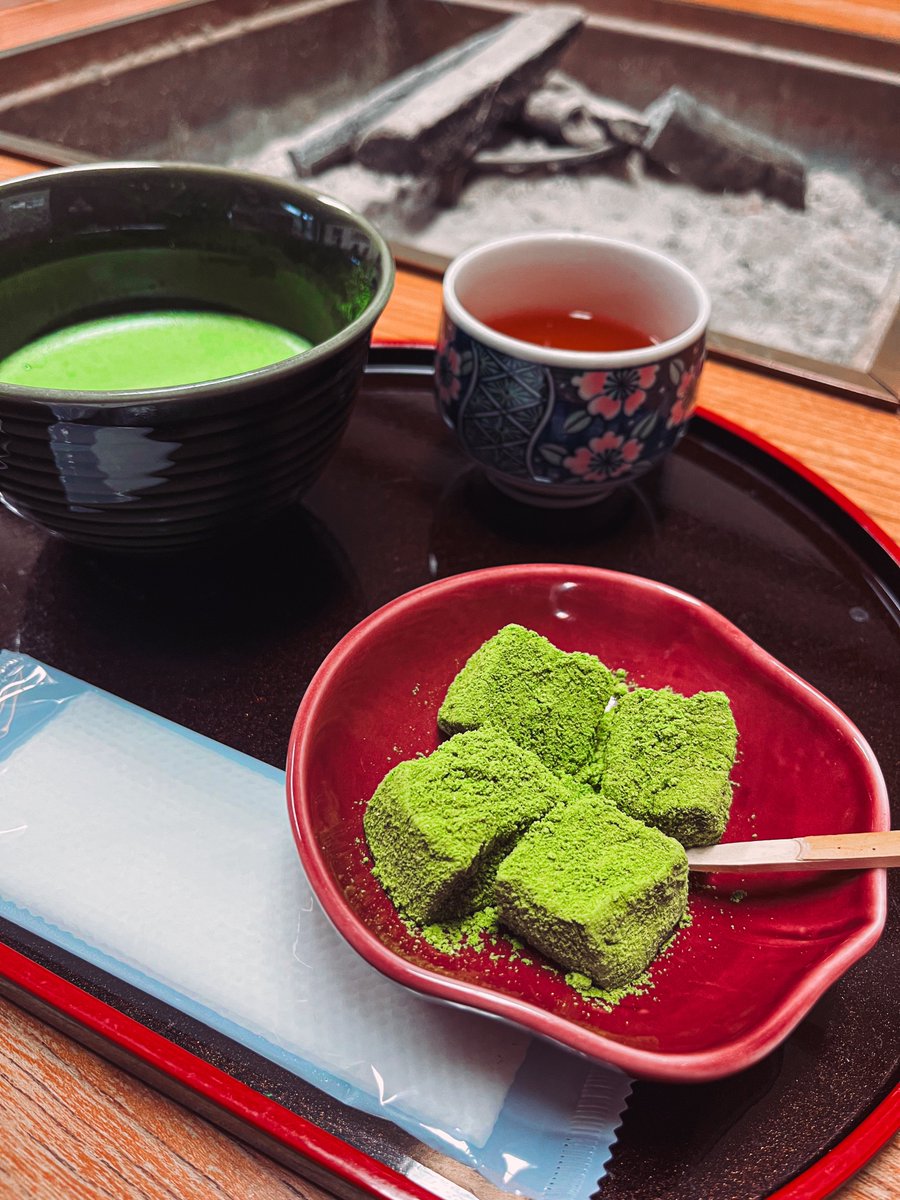
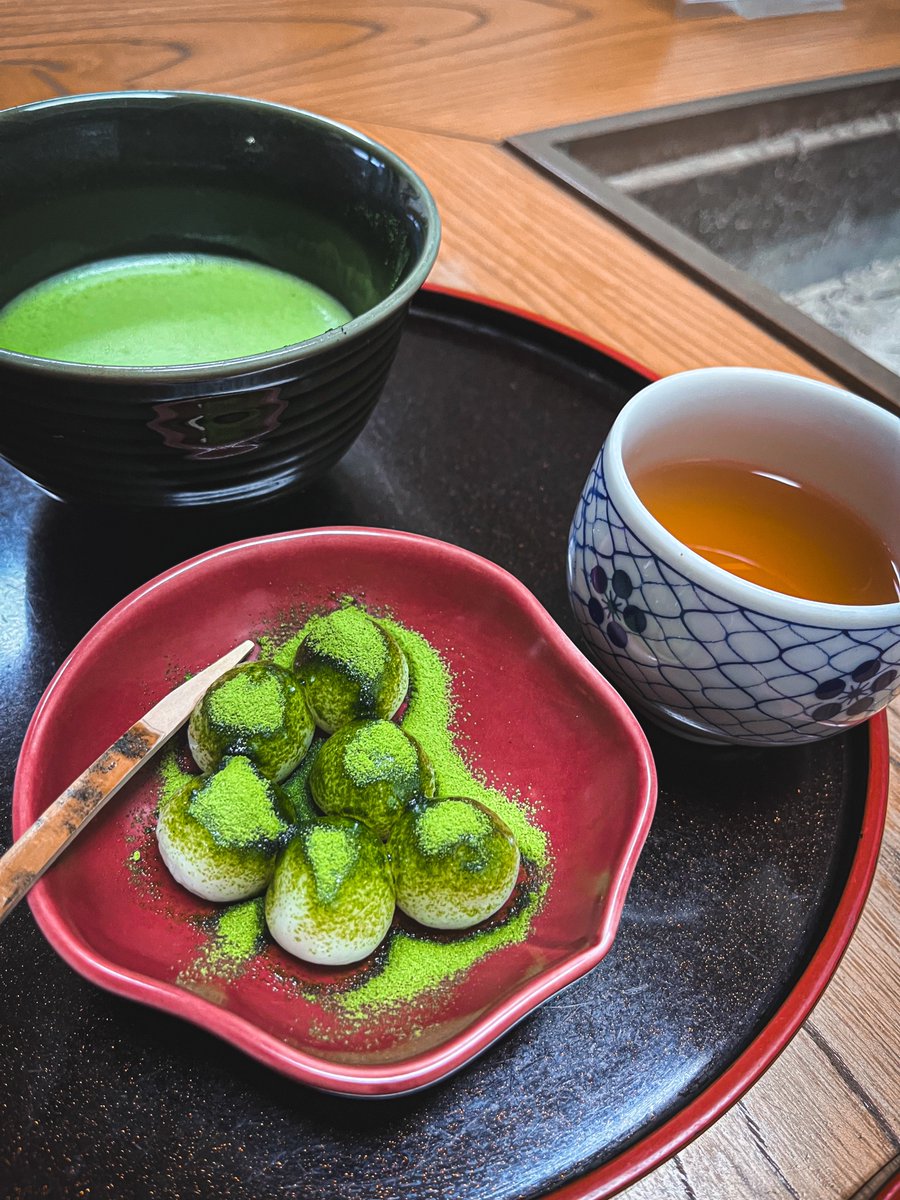
On this trip to #Japan 🇯🇵, #Uji was an unexpected stop—I hadn’t planned to visit, and I only booked it the night before because it happened to be on the JR Nara Line.
Before heading off to see Nara’s annual Yamayaki festival, I had the chance to experience the charm of this matcha city. The matcha here is far superior to what you’d find at chain stores; it turns out that, like good coffee, quality #matcha 🍵 isn’t bitter at all! And the set isn’t expensive either—it’s around 800 to 1000 yen.
這次的日本🇯🇵之旅,宇治是個意外,原本沒有預計的行程,前一天晚上才訂的,因為剛好在JR奈良線上。
在去看奈良一年一度的燒山祭前,體驗了這個抹茶🍵之城的魅力。這裡的抹茶品質比起連鎖店好太多了,原來好的抹茶和好的咖啡一樣,是不苦的!這樣一個set也不貴,約800-1000日圓左右。
今回の #日本 🇯🇵 旅行では、#宇治 は予期せぬ訪問先となりました。もともと予定しておらず、前の晩に急遽予約しただけなのですが、ちょうどJR奈良線沿いにあったからです。
奈良で開催される年に一度の山焼祭に行く前に、この #抹茶 🍵の街の魅力を体験しました。ここの抹茶は、チェーン店のものと比べるとはるかに質が高く、良い抹茶は良いコーヒーと同じく、苦くないことが分かりました。そして、このセットも決して高価ではなく、約800~1000円ほどでした。
1
1
192
周子愉 Fausto Chou retweeted
5 Feb 2025
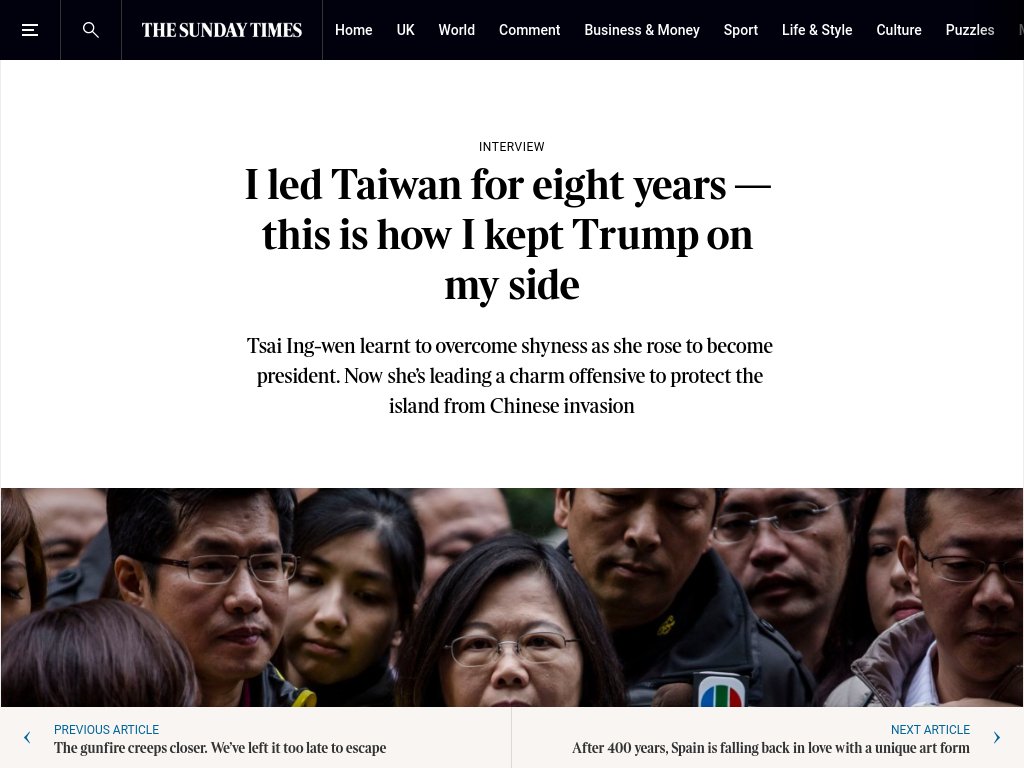
Tsai Ing-wen Gets Trump on Her Side?
Former President of the Republic of China Tsai Ing-wen (@iingwen) recently claimed in an exclusive interview with Britain’s @TheTimes, “I led #Taiwan for eight years — this is how I kept Trump on my side,” which even became the headline of the report. What the media — who have lauded her as an “international negotiation expert” — failed to mention was how she weakly handled relations with the United States, whether during Trump (@realDonaldTrump) ’s first term or under Biden.
Tsai Ing-wen’s Apprehension in Speaking with Trump
In December 2016, then-President Tsai Ing-wen, who had been in office for just over six months, stated that she had called the newly elected U.S. President Trump to congratulate him on his victory. This phone call, lasting over ten minutes, marked the first direct dialogue between the leaders of Taiwan and the United States in 37 years, and it instantly became an international hot topic. However, at the end of August 2018, Stephen Yates (@steveyates) — then an advisor to Trump’s transition team and former deputy national security adviser under former U.S. Vice President Cheney — revealed some behind‑the‑scenes details in an interview. He mentioned that Tsai’s government was extremely panicked when faced with that call, not even knowing how to respond at first, and ultimately delayed connecting for two weeks.
Yates stated that during that U.S. presidential election, both Democratic candidate Hillary Clinton and Republican candidate Trump had their teams receive call invitations from various countries, and the Ministry of Foreign Affairs of the Republic of China was no exception. Trump’s aides believed that a call with Tsai could bring both benefits and risks, so they sought Yates’s opinion. From a business perspective, given that Taiwan is an important buyer of American weapons and high-tech products, Yates argued, “When a customer sends their congratulations, you naturally have to answer the phone!” Therefore, he advocated for supporting the call. However, in order to avoid attracting too much media attention, Trump’s aides ultimately attributed the decision to Yates’s personal judgment. Yates emphasized that although the “Trump–Tsai call” was not solely brokered by him, without his influence this historic conversation might never have taken place.
Yates also mentioned that the Taiwanese authorities had not anticipated that Trump would accept the invitation. Having long been accustomed to being rebuffed, Tsai’s government was completely caught off guard when faced with this invitation. Ultimately, Taiwan’s officials in the U.S. had to repeatedly consult with Taipei’s top leadership, and this hesitation resulted in the call being delayed by a full two weeks.
The Negotiations with the U.S. and the @WTO That Cost Taiwan Its Advantage
Tsai Ing-wen’s weakness in negotiations with the United States can actually be traced back to the late 1980s. At that time, Taiwan was facing trade negotiation pressures from administrations ranging from Reagan to George H. W. Bush. The United States, citing rampant piracy in Taiwan, invoked Section 301 of the 1974 Trade Act to impose trade sanctions and economic pressure on Taiwan. According to data from Yazhou Zhoukan, in 1984 Tsai Ing-wen became the chief legal advisor for the International Economic Organization of the Executive Yuan’s Ministry of Economic Affairs, and she served as the chief negotiator for Taiwan’s accession to both the General Agreement on Tariffs and Trade (GATT) and the World Trade Organization (WTO) for fifteen years — a fact also cited by @DeutscheWelle.
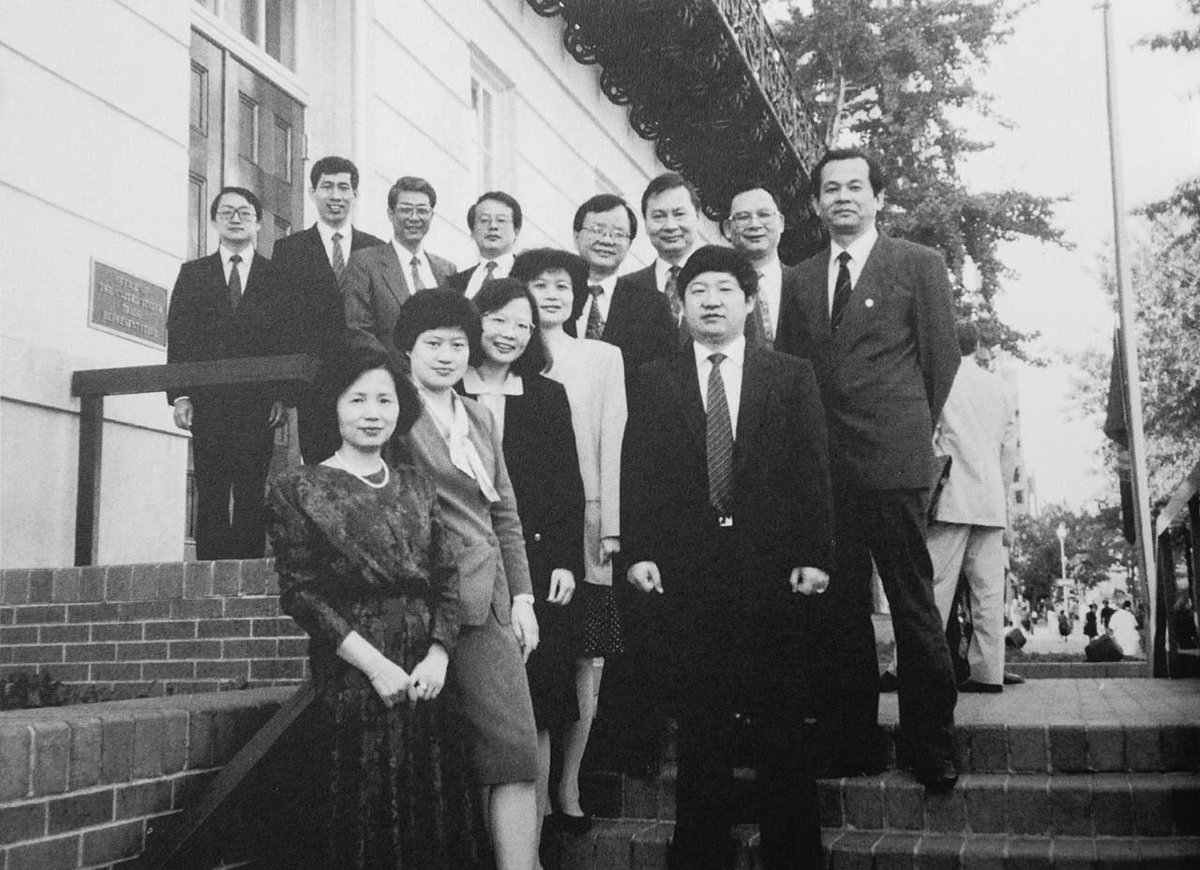
In 2021, Tsai Ing-wen posted photos from over 30 years ago on Twitter and said, “These are my colleagues who sat at the negotiating table beside me more than 30 years ago, who dedicated everything for Taiwan on the international stage. Looking back, I am very grateful that I once served as a trade negotiator, creating a more prosperous future for the country.”
In the same year (1986) that Tsai represented the then Lee Teng-hui administration in trade negotiations with the United States, under pressure from the U.S., the Lee Teng-hui administration abolished the “Regulations on the Import Management of Foreign Films” issued by the Presidential Office in 1954, effectively lifting restrictions on the importation of foreign films. This move was tantamount to opening the door to Hollywood, and the number of foreign films imported into Taiwan began to increase — from 462 films in 1986 to 532 in 1987. This series of chain reactions eventually resulted in foreign films accounting for over 70% of Taiwan’s box office market by 2005, while the average production cost of domestic films was only about 1% of that of Hollywood films.
During the same period of negotiations, also under pressure from U.S. trade demands, McDonald’s was permitted to enter Taiwan in 1984. According to former Minister of Economic Affairs Yin Chih-ming, in 1984 U.S. exports to Taiwan accounted for as much as 48.8% of Taiwan’s total exports, with a U.S. trade surplus of 9.8 billion dollars, and the American side demanded a reduction in this deficit. At that time, the U.S. Deputy Trade Representative was none other than Robert Lighthizer, who later became the U.S. Trade Representative during Trump’s first term and initiated the trade war against China.
After 2000, Tsai Ing-wen was recruited by the Chen Shui-bian government — following a change in the ruling party — to serve as the head of the Mainland Affairs Council, and she continued to lead the negotiations for Taiwan’s accession to the WTO. In 2002, Taiwan became the 144th member of the WTO under the name “the Separate Customs Territory of Taiwan, Penghu, Kinmen and Matsu.” However, after Taiwan joined the WTO, the agricultural liberalization policies led to a series of problems. Initially, adjustments in rice import quotas and market opening posed potential impacts on the domestic rice industry, which in turn affected farmers’ willingness to produce, leaving some farmland idle. Subsequently, fluctuations in the market prices of agricultural products and rising credit risks for agricultural associations reflected challenges in the production and marketing system. Later, government efforts to facilitate a shift to organic farming did not meet expectations, and the scale of organic agriculture remained very small. Ultimately, this resulted in a vicious cycle of “policy liberalization — small farmers exiting — land hoarding.”
According to a report by Storm Media, Huang Weiji, Secretary-General of the Textile Expansion Association, stated, “After we joined the WTO, it took us a hard-earned decade to negotiate consultations with various countries. We originally thought we could face a completely liberalized market competition, only to discover that there were many loopholes — for instance, the United States and Central American countries had signed Free Trade Agreements (FTAs) that allowed for zero tariffs on exported goods.” In terms of regional economic integration, the influence of certain trade organizations even surpassed that of the WTO. For example, in Europe, economic integration driven by the European Union (EU) has been notably effective; in Southeast Asia, the ASEAN Economic Community facilitates intra‑regional trade; in North America, the North American Free Trade Agreement (NAFTA) has achieved economic integration; and in Africa, the establishment of the African Economic Community (AEC) has strengthened regional cooperation. In recent years, with the implementation of new trade agreements such as the Regional Comprehensive Economic Partnership (RCEP) and the Comprehensive and Progressive Agreement for Trans-Pacific Partnership (CPTPP), these regional economic alliances have played an increasingly significant role in promoting trade and investment among their members.
From TSMC’s U.S. Plant to the Importation of Ractopamine Pork, Tsai Ing-wen’s Floundering Negotiations
Tsai Ing-wen’s involvement in or leadership of failed trade negotiations does not end there. Since assuming office as President of the Republic of China in 2016, Tsai Ing-wen has made “strengthening Taiwan–U.S. relations” a core objective of her foreign policy. However, beginning in 2019 the Trump administration pressured TSMC to build a plant in the United States, and in May 2020 forced TSMC to officially announce plans to establish a new facility in Arizona. Media reports even identified then-President Tsai Ing-wen as the person behind the scenes.
Even before the Arizona facility was established, in 1996 TSMC, through a joint venture with Philips and other investors, founded WaferTech in Camas, Washington (near the Oregon border), later renamed TSMC Washington. This $1‑billion plant began producing 0.35‑micron chips in 1998 using technology transferred from Philips. However, the plant’s specific financial performance has never been disclosed, suggesting that it may face profitability challenges. Subsequently, TSMC’s operations in Arizona are currently facing production costs that are 30% higher than those at its facilities in Taiwan.
In Taiwan, TSMC is regarded as the “guardian deity” of the nation. As the global leader in semiconductor foundries, TSMC’s advanced processes — such as 5‑nanometer, 3‑nanometer, and even future 2‑nanometer technologies — account for over 90% of the world’s advanced chips. These chips serve as the core components in key products including smartphones, computers, automobiles, artificial intelligence systems, and defense systems. Consequently, governments around the world and major technology companies heavily rely on TSMC’s capacity and technological prowess, creating a deterrent of “economic national defense.” Moreover, TSMC’s steadily rising revenues and profits have not only established Taiwan as a critical hub of the global semiconductor industry but have also generated substantial tax revenues for the government. With robust financial performance — its gross margins often hovering around 50% — TSMC serves as a stabilizer in Taiwan’s economy, a veritable “economic bedrock” among private enterprises.
However, in the negotiations led by Tsai Ing-wen, she too readily accepted U.S. pressure to build a plant in the United States — contrary to establishing domestic facilities — merely to align with the “America First” principle. Meanwhile, the Taiwan she represents has reaped no tangible benefits from this arrangement, such as a Taiwan–U.S. free trade agreement, accession to the CPTPP, the establishment of formal diplomatic relations with the United States, or Taiwan’s inclusion in international organizations… and so on.
Moreover, at the end of Trump’s first term, the Tsai administration attempted to reopen negotiations for the Taiwan–U.S. Trade and Investment Framework Agreement (TIFA) by opening the market to U.S. pork containing ractopamine (commonly referred to as the “ractopamine pork policy”), emphasizing that this move was “based on the overall national economic interest” and aimed at “deepening Taiwan–U.S. economic and trade relations.” This policy was interpreted as a response to long-standing U.S. pressure on Taiwan to open its markets and an effort to trade food safety risks for U.S. support for Taiwan’s participation in international organizations (such as the CPTPP). However, the announcement of the policy triggered strong public backlash, with the populace widely questioning the legitimacy of the government “trading food safety for diplomacy.”
Despite the Tsai administration’s claim that opening up to ractopamine pork was meant to pave the way for restarting TIFA negotiations, the U.S. Trade Representative (USTR) subsequently did not significantly accelerate bilateral economic and trade talks. It was not until June 2021 that Taiwan and the U.S. convened a TIFA meeting after a five‑year hiatus, and that meeting focused on technical issues (such as intellectual property rights and drug approval processes) without addressing a free trade agreement (FTA) or providing substantive support for Taiwan’s accession to the CPTPP. In other words, the “progress” in Taiwan–U.S. relations obtained by taking on food safety risks amounted to little more than symbolic dialogue, lacking concrete results.
The ractopamine pork policy provoked a strong public outcry. Although the “anti‑ractopamine pork referendum” held in December 2021 did not pass, it still garnered 4 million affirmative votes (accounting for 41% of the total votes), reflecting widespread public distrust in the policy. Furthermore, local governments (such as those in Taipei and Taichung) independently set “zero-detection” standards, resulting in conflicts between central and local regulations and exposing deficiencies in policy communication and support measures. The Tsai administration’s allocation of a “10‑billion pig industry fund” to quell the controversy was also criticized as a vote‑buying tactic that failed to fundamentally address the industry’s challenges.
Taiwan has long promoted “high‑standard food safety” as a key element of its international image, yet the decision to open up to ractopamine pork is seen as a unilateral concession to the United States, thereby undermining Taiwan’s authority to insist on “adhering to scientific standards” in international negotiations. For example, following the issue of lifting the ban on Fukushima food in Japan, some commentators questioned, “If Taiwan can sacrifice food safety for the United States, why can’t it, by the same logic, accept Japan’s nuclear‑contaminated food?” This contradiction, in turn, undermines Taiwan’s consistency in international economic and trade negotiations.
Another point of contention came during the debate over the ractopamine pork referendum. Li Chun — then the senior deputy executive director of the WTO and RTA Center at the Chung-Hua Institution for Economic Research, who represented the Tsai administration in supporting the import of ractopamine pork (later serving as Deputy Minister of Foreign Affairs and currently as Taiwan’s Ambassador to the EU and Belgium) — stated that “if Taiwan decides not to open up to ractopamine pork, it would be like taking a step backwards and breaking its promise, making accession to the CPTPP even more difficult.”
Ironically, the Tsai administration pinned its hopes for participating in the CPTPP on U.S. support, yet during Trump’s term the U.S. withdrew from the precursor to the CPTPP, the Trans-Pacific Partnership (TPP), which significantly diminished America’s influence within the CPTPP. Even though the Biden administration has declared its intention to “re-engage in the Asia‑Pacific,” its policy focus has been on the Indo‑Pacific Economic Framework (IPEF) rather than on the CPTPP. In other words, Taiwan’s reliance on the United States for its CPTPP hopes was a misjudgment of the international economic and trade landscape. Moreover, while the Tsai administration claimed that “opening up to ractopamine pork is to comply with international standards and secure accession to the CPTPP,” the process for joining the CPTPP requires consensus among all member states, and major members such as Japan, Australia, and Canada base their support for Taiwan not solely on a single issue (such as U.S. pork) but also on the strategic balance of their relations with China. For instance, although Japan is favorable toward Taiwan’s accession to the CPTPP, it also must consider Sino‑Japanese economic interests, making it difficult to fully endorse Taiwan.
Although Trump enacted several pro‑Taiwan laws during his first term (such as the Taiwan Travel Act and the Taiwan Assurance Act), his core foreign policy centered on “America First,” and his support for Taiwan was driven by a “cost–benefit” calculation. For example, while U.S. arms sales to Taiwan have become routine, their prices have repeatedly reached record highs (such as the sale of 66 F‑16V fighter jets in 2020, with a total value of NT$62 billion), leading to accusations that Taiwan is being treated as an “arsenal ATM.” The Trump administration demanded that Taiwan open its markets to U.S. pork and beef, yet made no commitment to support Taiwan’s accession to international organizations, indicating that it views Taiwan–U.S. relations as a “one‑way transfer of benefits” rather than an equal partnership.
The Tsai administration has framed its foreign policy around a pro‑U.S., anti‑China stance, yet it has neglected the importance of diversified diplomacy. For instance, negotiations for an investment agreement (BIA) between Taiwan and the European Union have stalled, and the “New Southbound Policy” targeting Southeast Asia has yielded little in the way of concrete results. This strategy of “betting on a single major power” leaves Taiwan vulnerable in a rapidly changing international environment. Taiwan has attempted to exchange market liberalization for international support, but it has not simultaneously enhanced its industrial competitiveness. For example, while the semiconductor industry is a cornerstone of Taiwan’s economy, its over‑reliance on contract manufacturing leaves it at a disadvantage in areas emphasized by the CPTPP, such as digital trade and the liberalization of services. Without the development of a diversified industrial structure, Taiwan risks being marginalized in regional economic integration.
When Trump chose to shout “America First,” Tsai Ing-wen did not have Trump on her side; rather, she followed along like a little sister, waving the flag with him.
5
2
8
1,320
周子愉 Fausto Chou retweeted
19 Dec 2024
美國公布800頁的「AI曼哈頓計畫」,要如何應對中國的人工智慧發展?
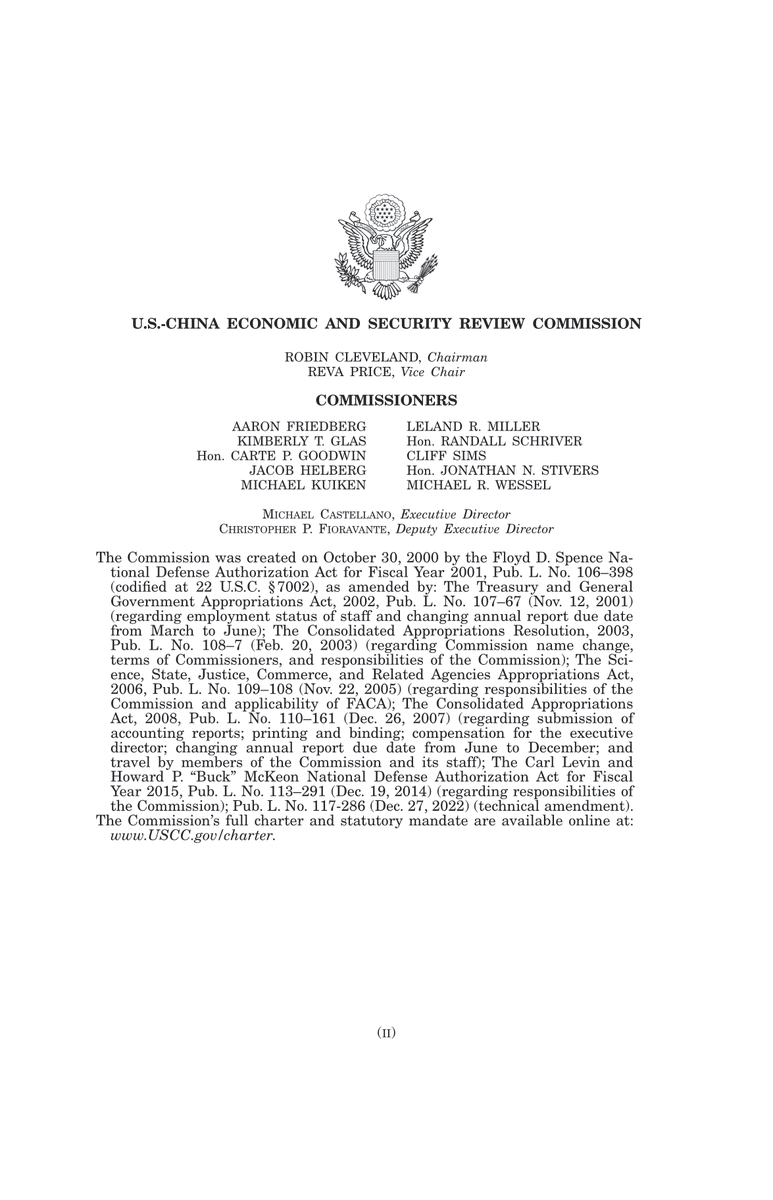
2024年美中經濟與安全審查委員會年度報告(uscc.gov/sites/default/files…),被稱為800頁的「AI曼哈頓計畫」。這一概念借鑑了二戰期間美國為研發原子彈所進行的「曼哈頓計畫」,意指某一國家或地區集中龐大資源,全力推動人工智慧(AI)領域的全面研發,目標是在此關鍵技術領域取得全球領先地位。美國目前提出的「AI曼哈頓計畫」,旨在加速通用人工智慧(AGI)的研發進程,並將其明確定位為應對中國科技競爭的重大策略。該計畫建議以二戰時期的研發模式為藍本,針對AGI展開大規模研發,其投入的資金預計為《晶片與科學法案》的七倍,顯示出美國對此領域的高度重視。報告指出,美中在AI技術上的差距已縮小到不到六個月,這暴露了美國此前限制措施的不足之處。
這份報告深入剖析了中國在技術創新、經濟擴張、地緣政治戰略及軍事能力建設方面的多重舉措,揭示了這些策略對美國及全球的深遠影響。作為全球秩序的重要角色,中美兩國的互動已不再僅局限於雙邊層面,而是以更隱形的方式牽動全球經濟、安全與科技發展的未來。
科技競賽的戰略深度
科技領域的競爭是該報告的核心之一,也是一場塑造21世紀權力平衡的深遠較量。早在九年前,特斯拉執行長馬斯克(@ElonMusk)與@OpenAI創辦人奧特曼(Sam Altman)便曾提出類似的AI研發計畫,強調政府與私營部門合作的重要性。如今,美國甚至將部分二戰期間用於核研究的實驗室轉型為AI研究中心,進一步加強對AGI研發的支持,充分展現了美國維持技術優勢的決心。
同時,美國也對中國被稱為「六小虎」的AI企業保持密切關注。這些公司在短時間內迅速崛起,不僅縮小了與美國的技術差距,甚至展現出超越美國的自信。這股勢頭為美國帶來前所未有的競爭壓力,進一步促使其加大在AGI領域的投資。
在這場科技博弈中,中國展現了其超越傳統發展模式的野心。人工智慧作為一項顛覆性技術,不僅改變了經濟規則,更重新定義了軍事力量的遊戲規則。中國政府明確將AI視為「彎道超車」的關鍵領域,通過政策支持與資金投入,憑藉國家力量推動技術發展。報告特別提到,中國的AI技術已深入軍事應用,例如無人機集群作戰、自動化戰場指揮與認知戰等,這些領域正成為解放軍追求「不對稱優勢」的核心策略。然而,美國在先進演算法、晶片與雲端運算基礎設施方面依然占有優勢,使得中美兩國在此領域的競爭更加錯綜複雜。
量子技術則是另一個新興戰場,雖然尚未成熟,卻蘊含重塑全球科技版圖的潛力。中國在量子通信領域的成就備受矚目,例如成功發射量子衛星並建成地面站,展現了其基礎研究的深厚實力。然而,報告明確指出,美國在量子計算與量子傳感方面依然領先,尤其是這些技術對軍事指揮與加密通信的戰略意義,讓量子技術成為未來戰爭的核心要素。中美在此領域的競爭不僅是科學研究的對決,更是一場戰略層面的博弈。
報告詳細闡述了中國透過「非市場經濟」手段實現全球經濟擴張的路徑。中國以政府補貼與產業政策為支撐,在新能源、製造業與出口導向領域建立了不可忽視的地位。然而,這種擴張模式並非沒有代價。報告指出,中國國內經濟面臨多重壓力,包括房地產市場崩盤、高額地方政府債務以及疲弱的消費需求。這些問題不僅威脅中國經濟的可持續性,也使其擴張策略顯得更加脆弱。
與此同時,中國利用「一帶一路」倡議及國際機構的影響力,擴大其在發展中國家的經濟存在。報告特別提到,中國透過所謂的「債務陷阱外交」,與非洲和拉丁美洲多國建立深厚的經濟聯繫。這種模式一方面為中國提供了資源與市場,另一方面也加劇了這些國家對中國的經濟依賴。然而,隨著美國與歐盟加強對中國經濟行為的審查,以及發展中國家對中國廉價產品湧入的警惕性上升,中國的經濟擴張正面臨越來越大的阻力。
地緣政治與軍事威脅升高
地緣政治層面的競爭,則彰顯了中國多維且具侵略性的戰略。印太地區成為報告的重點分析區域。從南海的島礁軍事化到東海的領土爭端,中國的行動展現了日益增強的軍事能力及對區域穩定的忽視。特別是在針對台灣的「灰色地帶戰術」中,中國透過海上民兵、海警船隻及軍事演習等手段施壓,顯示其以低烈度衝突為工具達成政治目的的戰略意圖。
而在中東地區,中國則更多地通過經濟與技術滲透來擴大影響力。例如,中國作為伊朗的最大石油買家,並在無人機及導彈計畫上向其提供技術支援,這不僅加劇了該地區的不穩定,也鞏固了中國在全球能源安全中的地位。
美國的應對策略
面對中國日益複雜的戰略挑戰,美國需要在多個層面協調政策,以有效應對這場全方位的競爭。報告強調,美國的技術優勢雖然依然存在,但必須通過持續的努力來進一步鞏固和擴大。例如,美國需要加強國內在人工智慧、量子技術和生物技術等領域的研發投資,確保核心技術的自主性。同時,對於涉及國家安全的關鍵技術出口,美國必須實施更為嚴格的管控,防止敏感技術落入潛在對手手中。
此外,美國需要加強與盟友和夥伴的合作,特別是在貿易、技術政策和供應鏈安全等方面,建立共同的規則與標準。這種多邊協作不僅能削弱中國的全球影響力,還能鞏固美國與其盟友的經濟和科技優勢。面對中國持續的經濟擴張和科技滲透,美國必須採取更加主動的政策,減少對中國供應鏈的依賴,並推動製造業的回流和本土化,以確保美國的經濟安全。
在軍事層面,美國需要進一步深化與印太地區盟友的防務合作,例如加強與日本、澳洲和菲律賓的軍事協作,擴大基地訪問權限,並舉行更多聯合軍事演習。透過這些措施,美國可以更有效地遏制中國在該地區的軍事擴張,維持印太地區的戰略平衡。
未來的深刻對抗
報告最後預測,中美之間的競爭將逐步升級,並超越經濟和科技層面的對抗,深入到全球秩序與價值觀的根本性衝突。中國憑藉其強大的國家動員能力與長期戰略耐力,試圖在一個逐漸多極化的世界中重新定義國際規則,將焦點從自由民主價值轉向符合其自身利益的權威主義模式。
然而,美國及其盟友面對這種挑戰,必須在全球不確定性增加的情況下找到應對策略,以確保自由民主的國際秩序得以延續。未來的中美關係將深刻影響21世紀的國際格局,無論是合作還是對抗,這場競逐都將塑造未來幾十年的政治與經濟生態。
報告特別指出,這場競爭並非單純的雙邊對抗,而是對全球其他國家的挑戰與機會。中美兩國的互動將牽動全球經濟、科技與安全的未來發展,而如何應對這場深刻的對抗,將成為美國決策者的長期課題。
1
13
19
7,161
周子愉 Fausto Chou retweeted
8 Dec 2024
除了較好的薪資待遇外,我認為2000年後出生的世代,特別注重對於一間公司是否能帶給自己成就感,以及我是否以代表這間公司的自豪感。獲得肯定與成就,且與公司形成雙贏模式,才是新型態的工作職場環境必備的,而不是需要天天忍受主管不穩定的情緒,以及來自上頭亂無章法的命令。
Beyond better salary packages, I believe that the generation born after 2000 places significant emphasis on whether a company can provide a sense of accomplishment and whether they can feel proud to represent it. Earning recognition, achieving personal fulfillment, and fostering a win-win relationship with the company are essential elements of the modern workplace. It’s no longer acceptable to endure supervisors with unstable emotions or deal with chaotic, disorganized directives from management.
1
2
3
362
周子愉 Fausto Chou retweeted
8 Dec 2024
在社群平台上,我們往往總是喜歡與人分享自己最好的一面,而不是自己最糟糕與最脆弱的一面。我們利用了平台宣傳自己,包裝自己,但不是赤裸的自己。而後者只有與你產生「深度關係」的人才會知道。
On social media platforms, we often prefer to share the best versions of ourselves rather than our worst or most vulnerable sides. We use these platforms to promote and package ourselves, but not to reveal our true, unfiltered selves. The latter is something only those with whom we share a “deep connection” truly get to know.
2
3
377
周子愉 Fausto Chou retweeted
30 Nov 2024
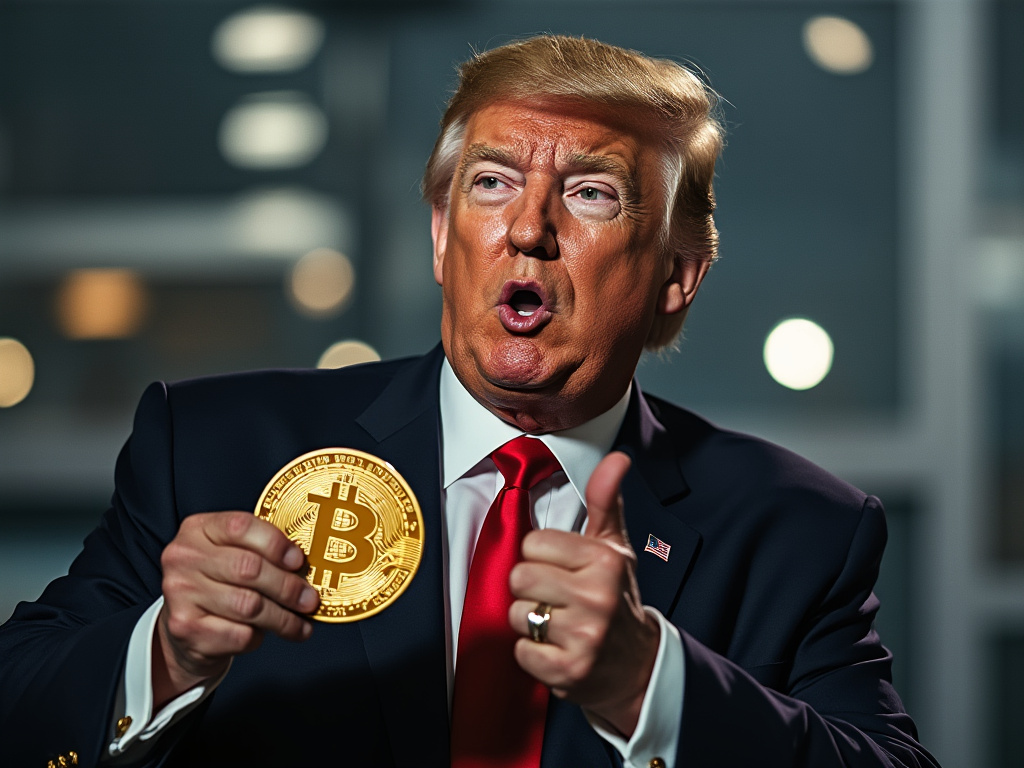
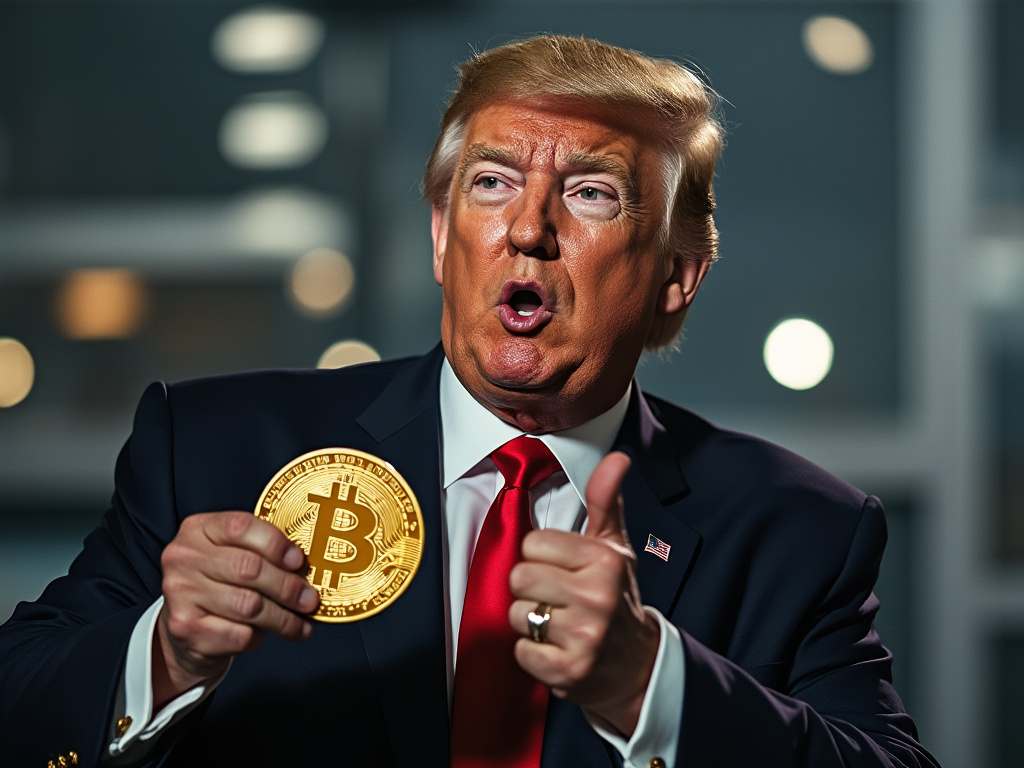
Does Trump’s Shift from Opposing to Supporting Cryptocurrency Align with Hayek’s The Denationalization of Money?
U.S. President-elect @realDonaldTrump began recognizing the growing popularity and potential of cryptocurrencies around 2022. By mid-2024, he had fully embraced a pro-cryptocurrency stance, actively courting the crypto community and incorporating it into his campaign platform. However, during his first presidential term in 2019, Trump expressed skepticism about cryptocurrencies, labeling them as “not money” and warning that they could facilitate illicit activities. He underscored the importance of the U.S. dollar as the sole legal currency.
Since Bitcoin’s introduction in 2009, incumbent financial institutions and regulatory bodies have largely been skeptical of such digital assets. The decentralized and minimally regulated structure of cryptocurrencies meant they often operated in a legal gray area. The U.S. Securities and Exchange Commission (SEC) adopted a strict stance, categorizing many cryptocurrencies as securities and subjecting them to regulation. This led to legal challenges from crypto companies seeking clear regulatory frameworks. In 2023, federal agencies, including the Federal Reserve and the Federal Deposit Insurance Corporation (FDIC), issued a joint statement emphasizing the risks associated with crypto assets for banking institutions. While banks were not outright prohibited from engaging in crypto-related activities, they were required to comply with stringent safety standards and consumer protection laws.
Decentralized Cryptocurrencies as a Threat to Dollar Hegemony
Since World War II, the U.S. dollar has symbolized global financial dominance, underpinned by a gold-exchange standard established under U.S. leadership. This system linked various national currencies to the dollar, with the dollar pegged to gold at a fixed rate of $35 per ounce. Cryptocurrencies, with their decentralized and unstructured nature, pose a potential challenge to the dollar’s central role in the international financial system. They provide a means to bypass traditional financial networks and U.S. sanctions. For example, stablecoins and other cryptocurrencies have been viewed as tools that could undermine dollar hegemony by facilitating sanction evasion.
The U.S. government has used unilateral sanctions and financial regulations to curb cryptocurrency development, reflecting its intent to protect the dollar’s international status and the integrity of the financial system. There is concern that cryptocurrencies could weaken the foundation of U.S. financial sanctions, thereby eroding global financial dominance. Following events like the collapse of FTX, regulators have intensified their oversight of cryptocurrencies, issuing clearer guidelines on how banks can engage with crypto assets. Statements from the Federal Reserve, FDIC, and the Office of the Comptroller of the Currency (OCC) now require banks to implement appropriate risk management measures, highlighting a cautious approach to direct cryptocurrency involvement.
The Republican Economic Ideals and Cryptocurrencies
As a right-leaning party, the Republican economic platform has long championed free markets and liberalism, be it classical or neoliberal. These principles are closely tied to the thought of Friedrich von Hayek, a key figure of the Austrian School of Economics. Beyond his well-known business cycle theory and integration of classical economics with philosophical anthropology, Hayek’s later work, The Denationalisation of Money, introduced a groundbreaking idea.
Hayek posed a critical question: If market competition can efficiently allocate goods and services, why not extend the same mechanism to currency? He argued that government monopolies on money issuance lead to inflation and economic instability. Thus, he advocated abolishing this monopoly, allowing private entities to issue currencies. In his vision, multiple currencies issued by various institutions would compete in the marketplace, optimizing stability and value while giving individuals the freedom to choose the currency that best meets their needs.
Hayek traced the government monopoly on money to historical conventions rather than practical necessity, asserting that such a monopoly was a political construct rather than a market-driven outcome. He acknowledged that public acceptance of competitive currencies would require time but maintained that the efficiency and stability brought by this model would be recognized in the long term.
In this competitive currency framework, the survival of a currency issuer would depend on the stability and reliability of their currency. If a currency depreciated or became excessively volatile, the public would shift to alternatives. Competition would enforce discipline among issuers, as failure would lead to market exit. This mechanism could suppress inflation and prevent policy errors. Hayek believed that denationalizing money could curb inflation, enhance economic stability, and grant the public the freedom to choose the currency that best suited their needs.
Citing historical examples such as Scotland’s free banking system, Hayek argued that monetary systems managed by private entities outperformed government monopolies in terms of stability. Competition among banks would incentivize improved currency issuance and management, reducing systemic risk caused by monopolistic control. Decentralization, he argued, would make the financial system more resilient.
In his time, Hayek was particularly opposed to supranational currencies, such as the single European currency later adopted by the European Union. He warned that such centralization could lead to broader economic crises, advocating instead for currency competition as a more effective route to economic stability.
However, while Hayek’s vision for decentralized and unstructured monetary systems aligns with American conservative ideals, it challenges U.S. global dominance. Denationalizing money would threaten the dollar’s singular authority, a cornerstone of U.S. power. Moreover, technical challenges have hindered the realization of Hayek’s ideas, and his vision remained largely theoretical at the time of his death.
Trump’s Shift on Cryptocurrency and Its Implications
In his current campaign, the cryptocurrency industry has become a significant source of Trump’s campaign funding. His embrace of crypto appears driven by the potential financial support from industry leaders, as evidenced by his interactions with Bitcoin mining executives and his family’s launch of a crypto venture, World Liberty Financial. Trump has gone further, pledging to establish a more crypto-friendly regulatory environment to foster market competition. This stance partially aligns with Hayek’s theory of monetary competition, which advocates for the removal of government monopolies on money in favor of market-driven currencies.
Trump’s promises to “deregulate” and ease the regulatory burden on the cryptocurrency sector resonate with Hayek’s opposition to excessive government intervention in markets. His support for accepting cryptocurrency donations and decentralized finance reflects an openness to a pluralistic monetary system, consistent with Hayek’s vision of a “multi-currency framework” where market participants freely choose and use competing currencies.
Despite these parallels, Trump’s motivations warrant scrutiny. His pro-crypto stance appears largely driven by political strategy and financial backing rather than a principled commitment to free-market ideals. Hayek envisioned currency competition as a market-driven phenomenon, free from political influence or exploitation for electoral gain. Trump’s proposals to establish a “Federal Bitcoin Reserve” and a “Cryptocurrency Presidential Advisory Council” suggest a continued role for government intervention in monetary matters, diverging from Hayek’s vision of a fully denationalized monetary system.
Moreover, Trump’s shift from opposing to supporting cryptocurrencies reflects an opportunistic response to market sentiment and voter preferences rather than a steadfast adherence to economic theory or long-term principles. This pragmatic approach contrasts sharply with Hayek’s scholarly commitment to monetary liberalization.
Whether Trump’s financial policies in office will align with Hayek’s later ideas remains to be seen.

2
2
615
周子愉 Fausto Chou retweeted
30 Nov 2024
川普從反對到支持加密貨幣,符合海耶克的《貨幣的非國家化》嗎?
美國準總統川普(@realDonaldTrump)2022年左右開始意識到加密貨幣的日益普及和潛力。到2024年中期,他完全接受了支持加密貨幣的立場,積極討好加密貨幣社區,甚至將此納入競選活動的一部分。然而,川普在2019年第一任總統任期時,對加密貨幣表示懷疑,並將其貼上「不是金錢」的標籤,並警告它們可能會促進非法活動。他強調了美元作為唯一合法貨幣的重要性。
其實,自比特幣於2009年推出前後,既得利益的金融機構與政府監管機構基本上對這樣的數位資產持懷疑態度。缺乏監管的去中心化架構,意味著加密貨幣在法律灰色地帶運作。美國證券交易委員會採取強硬立場,將許多加密貨幣歸類為證券,並對其進行監管。這導致了加密貨幣公司尋求明確監管管轄權的法律挑戰。2023年,包括聯準會和美國聯邦存款保險公司(FDIC)在內的聯邦機構發布聯合聲明,強調銀行組織與加密資產相關的風險。他們強調,雖然銀行不被禁止從事加密貨幣活動,但它們必須確保遵守安全標準和消費者保護法。
去中心化的加密貨幣危害美元霸權
自二次大戰後,美元成為全球霸權的代表。當時,類似於金兌本位制的體系在美國的主導下建立。在該體系下,各國貨幣與美元掛鉤,美元與黃金掛鉤,明訂一盎司黃金價格固定等同於35美元。而加密貨幣的去中心化、去結構化的特性,恐削弱美元在國際金融體系中的中心地位,因為加密貨幣提供了一種繞開傳統金融體系和美元制裁的手段。例如,穩定幣和其他加密貨幣的發展被視為可能挑戰美元霸權的工具,因為它們可以用於規避經濟制裁。
此外,美國政府透過單邊制裁和金融監管來限制加密貨幣的發展,這表明其意圖在於保護美元的國際地位和金融體系的完整性。美國政府擔心加密貨幣會削弱其金融制裁制度的基礎,從而損害其全球金融霸權。
在FTX崩潰等事件發生後,監管機構加強了對加密貨幣的監管力道,從而就銀行如何參與加密資產提供了更明確的規範。聯準會、FDIC和美國通貨監理局(OCC)已發布聲明和規則,表明銀行在沒有適當風險管理的情況下不能進行某些加密資產活動,這反映出對直接參與加密貨幣採取謹慎態度。
共和黨的經濟核心理念與加密貨幣
作為右翼的政黨,共和黨長期的經濟政策皆傾向自由市場與自由主義,無論是古典自由主義亦或是新自由主義。而核心脫離不了朝聖山學派的海耶克(Friedrich von Hayek),這位奧地利經濟學派的重要人物。海耶克除了提出為人熟知的景氣循環論,以及將古典經濟學綜合哲學人類學外,另一項重要的思想,是他在晚年所著《貨幣的非國家化》一書。
海耶克在書中提出了一個關鍵問題:如果市場競爭能高效地分配商品和服務,為什麽貨幣領域不能採用同樣的機制?他認為,政府壟斷貨幣發行導致了通貨膨脹和經濟不穩定,因此應廢除這種壟斷,讓私人機構也能發行貨幣。他設想一個市場中存在多種貨幣,由不同機構發行。這些貨幣透過市場競爭來優化自身的穩定性和價值,讓公眾自由選擇最合適的貨幣。
海耶克指出,貨幣的政府壟斷起源於歷史慣例,而非實際需求。這種壟斷並非市場發展的必然結果,而是人為的政治安排。他強調,貨幣自由競爭需要時間讓公眾接受。這種模式初期可能會遭遇阻力,但長期來看,其帶來的效率提升和穩定性將被廣泛認可。
這套理念建構是在建立競爭機制、市場約束上。在多元貨幣體系中,貨幣發行者的生存依賴於其貨幣的穩定性和可靠性。如果某種貨幣貶值或波動過大,公眾將轉而使用其他更可靠的貨幣。而競爭為貨幣發行者提供了紀律,因為失敗會直接導致其退出市場。這種機制有助於抑制通貨膨脹和避免政策錯誤。
海耶克認為,貨幣非國家化,有利於抑制通貨膨脹,即競爭的貨幣發行者不會輕易擴大貨幣供應,因為貨幣貶值將導致失去市場份額。另外,還有助於增強經濟穩定性,消除了政府因政治需求隨意調整貨幣政策所帶來的經濟波動。最後,回到自由的根本,公眾可以選擇最適合自己需求的貨幣,而不被迫接受某一種法定貨幣。
海耶克引用了歷史上蘇格蘭等地的自由銀行體系,認為在貨幣管理由私人主導的情況下,貨幣體系的穩定性優於政府壟斷時期。他認為,不同銀行之間的競爭將迫使它們改進貨幣發行和管理策略,提供更加優質的貨幣服務。而銀行間的競爭,甚至可以有效避免單一銀行或機構壟斷貨幣供應導致的系統性風險。這種分散化的模式將使金融體系更具彈性。
在當時的歷史背景下,海耶克明確反對由超國家機構,也就是後來的歐盟,推出的單一歐洲貨幣,認為這可能導致更大範圍的經濟災難。他強調多種貨幣的競爭將更有效地促進經濟穩定,而非依賴於一個超國家管理機構。
然而,海耶克主張去中心化、去結構化的貨幣模式,雖然符合美國保守派的核心思想,但讓美元不再獨霸,將危及美國的全球霸權地位,再加上技術的困難,在海耶克去世前,這項理念並沒有獲得實踐。
如今,這次川普的競選中,加密產業已成為其競選資金的重要來源。他對加密貨幣的擁抱可能是受到行業領導者提供財務支持的潛力的推動,從他與比特幣礦業高管的互動以及他與家人一起推出新的加密貨幣企業World Liberty Financial中可以看出。川普進一步在競選時提出的政策中承諾,將建立更友好的加密貨幣監管環境,促進市場競爭,這部分與海耶克支持貨幣自由競爭的理論部分一致。海耶克認為,貨幣不應由政府壟斷,而應允許私人機構和不同的貨幣形式通過市場競爭來證明其價值。
川普承諾「去管制」和減輕加密貨幣行業的監管壓力,這也與海耶克反對過度政府干預市場的觀點一致。川普提倡接受加密貨幣捐款和支持去中心化金融,顯示了對於多元貨幣並存的接受度。這與海耶克設想的「多元貨幣體系」理念一致,該理念提倡由市場參與者自由選擇和使用多種貨幣。
儘管有多處相似之處,但川普的動機仍然必須考量在內。首先,川普的加密貨幣立場明顯受到政治策略和財務支持的驅動,而非基於自由市場原則的純粹理性選擇。哈耶克認為,貨幣的競爭應該由市場決定,而非被政治策略影響或利用來吸引選票和資金。川普提議設立「聯邦比特幣儲備」和「加密貨幣總統顧問委員會」,顯示政府仍然在貨幣問題上試圖保有干預角色,這與海耶克要求完全去國家化的貨幣體系背道而馳。
且儘管川普主張支持加密貨幣,但他從反對到支持轉變更多地顯現其為對市場情緒和選民需求的「機會主義」反應,而非基於經濟理論或長期價值的堅定信念。這種態度顯然與海耶克的學術立場相左。
川普上任後的金融政策是否朝著海耶克晚年思想發展,仍值得觀察。

1
2
4
396
周子愉 Fausto Chou retweeted
21 Nov 2024
After being asked for comment for this story, @MattGaetz announced he was backing out as President-elect @realDonaldTrump’s attorney general nominee.
x.com/paulareidcnn/status/18…
21 Nov 2024

EXCLUSIVE: Gaetz withdrew from AG nomination 45 mins after we called to say we were going to report that “Ethics committee told there was a *second* sexual encounter between Gaetz and 17 year old in 2017.” w/@sarahnferris.” Full story: cnn.com/2024/11/21/politics/…
2
2
182
周子愉 Fausto Chou retweeted
22 Nov 2024
神隱多日!霸凌下屬致死的勞動部官員謝宜容上傳道歉影片向社會致歉
勞動部勞發署北分署署長謝宜容於今日拍攝影片上傳,就近日備受關注的社會案件向社會大眾致歉。他強調,這次的事件對同仁及社會帶來極大的影響,並為此表達深深的懊悔與自責。
謝宜容在影片中坦承,因個人領導風格及管理方式的不當,導致同仁在工作中承受心理壓力與不安。他提到,同仁的恐懼與擔憂,與自身的溝通及互動模式息息相關。他表示:「沒有保護好你們的孩子,一個活生生的孩子,在北分署工作,卻成了冷冰冰的遺體。」
此外,他對社會大眾公開承諾,將立即改善管理方式,並強化內部溝通機制,以避免類似事件再次發生。他同時向受影響的同仁及其家屬表達最誠摯的歉意,並承諾將會以負責任的態度處理後續事宜。
最後,謝宜容再次致歉,聲稱會配合調查、承擔責任。
2
2
7
5,135
周子愉 Fausto Chou retweeted
22 Nov 2024
總統府前發言人 #丁允恭 任職高雄市新聞局長期間,與電視台女記者在辦公桌性交,分手後又騷擾對方,監察院通過彈劾,移送懲戒法院,二審判撤職並停止任用3年,全案確定。現在,這廝還跑到《上報》寫專欄,品評時事。自己都做不好了,還有資格嘴別人?
upmedia.mg/news_info.php?Typ…
1
2
3
222