Baseballer #BEaHITTER pelotero.com
Joined October 2011
- Tweets 3,126
- Following 860
- Followers 40,463
- Likes 2,035
121 Photos and videos




Pinned Tweet

18 Jul 2024
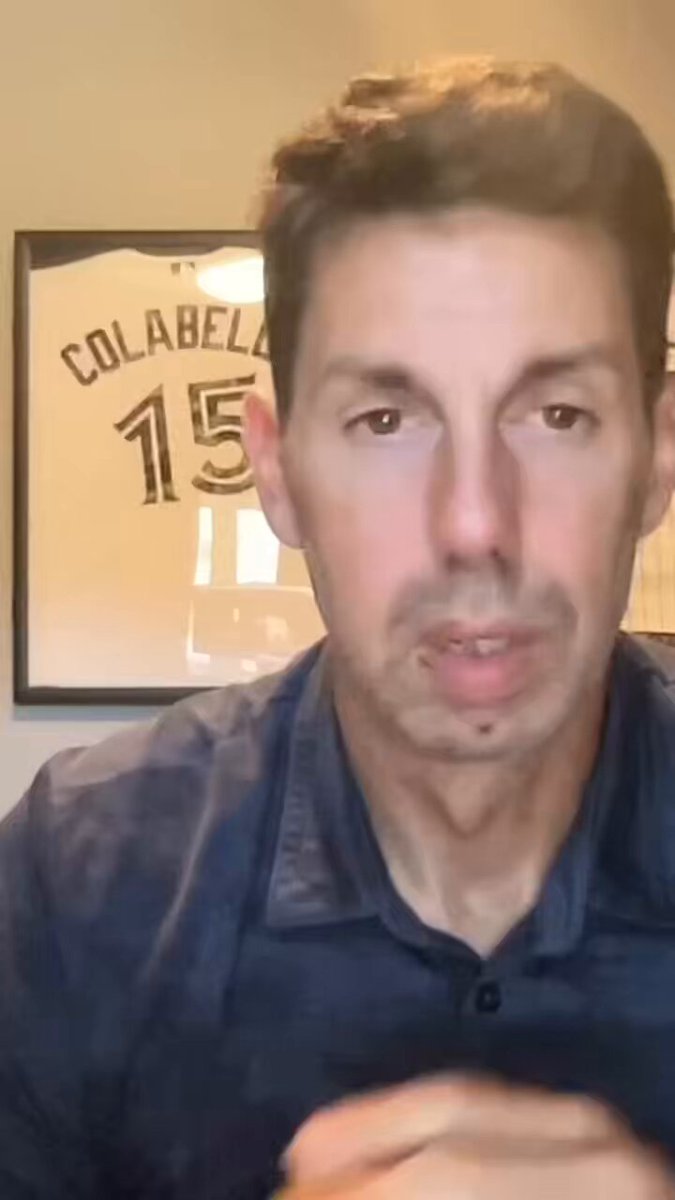
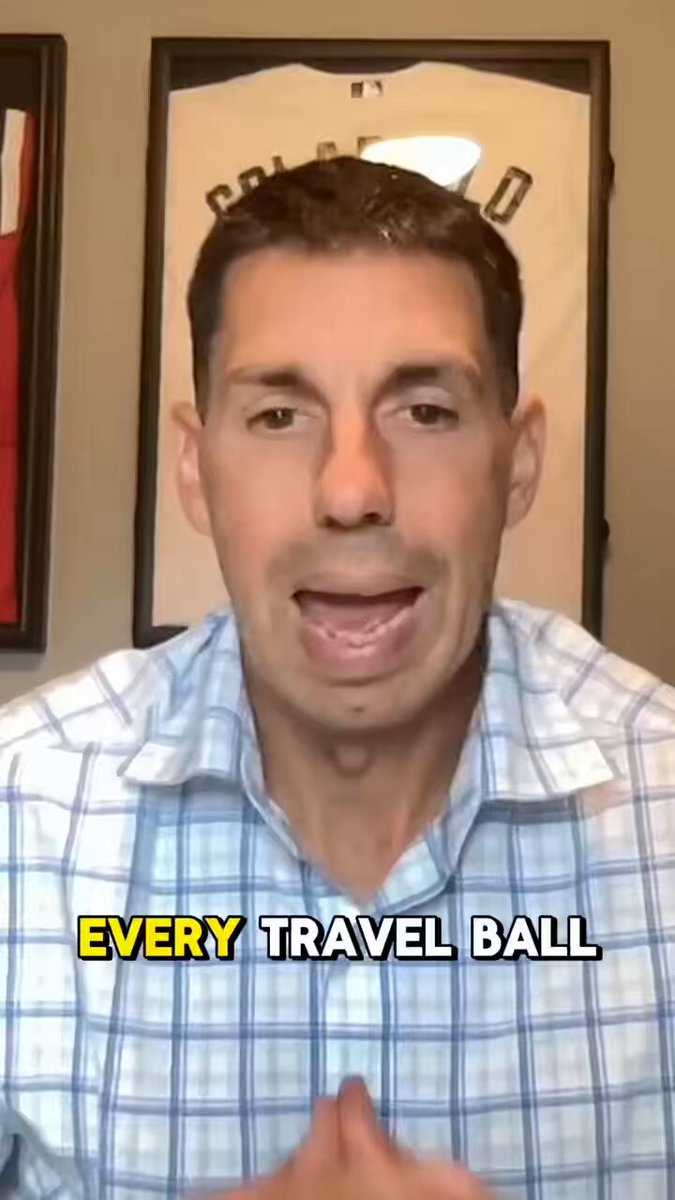
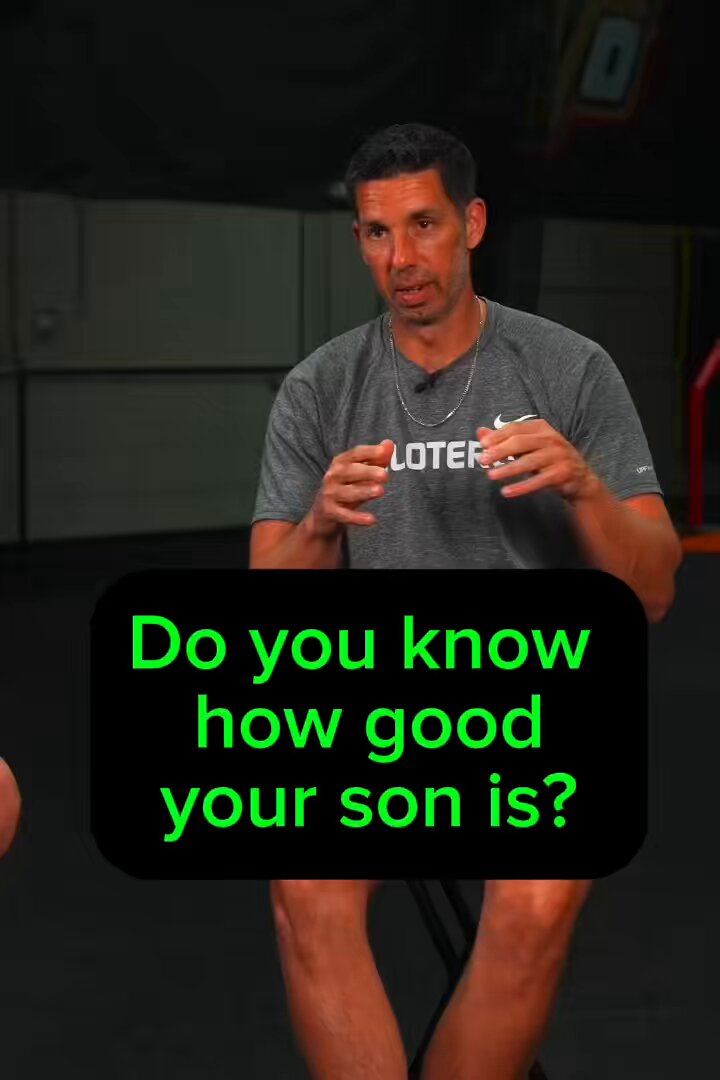
Over the course of my career, it became abundantly clear to me that I was really passionate about helping the next generation of athletes.
Watch this video. 👇🏻👇🏻👇🏻
It will explain everything…
3
13
61
68,785
Chris Colabello retweeted

Jun 12
Many former elite pro players now entering travel sports and having the same, "WTF is going on?" moment.
It is a mess. Lots of complaining, nobody is happy, coaches are leaving sport left and right.
Change requires an alternative path.
Jun 12

How do we create a sport that isn’t so obsessed with winning at a young age?
The is THE problem. It starts with being able to tell parents and players exactly what it means to be good. Not just at the level they are at but holistically across the entire sport.
2
3
5
4,378
Chris Colabello retweeted
Jun 12
And when you aren't playing appropriate competition, the game STINKS and no development is happening.
Winning 43-0? How are you being challenged. Losing 43-0... why show up?
Things are WILD out there.
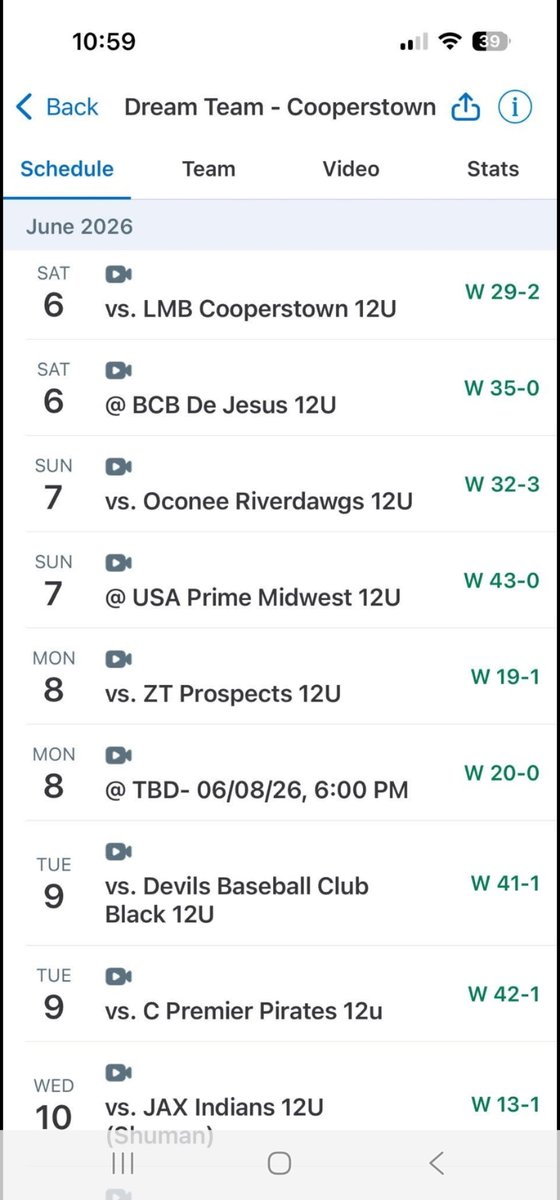
2
1
4
1,991
Jun 2
It's a good one...
Jun 2
1,314
Jun 1
Special guest...
Jun 1
Who remembers our podcast? 👀
Tomorrow. 10 AM ET. @CC20rake, @TewksHitting , and a special guest. Might wanna check the Pelotero podcast feed…
We have so many problems with the way amateur baseball/softball are structured. And we are ready to get loud.
Sneak peek:
2,031
Chris Colabello retweeted

May 12
🎥 Why You Need to Be Able to Hit the Fastball
That is the base of your timing. When that disappears the pitcher owns you @cc20rake
2
6
1,299
May 6
A lot of the responses I got to my last few messages had to do with:
1. Volume of practice/play
2. A “better” brand of baseball
My follow up question is… how are those things being achieved/guaranteed.
I can certainly understand having more scheduled practices and games, but how is “better” baseball being delivered?
2
1,680
May 5
It’s exciting for me to think about how many young people are playing baseball, and more so, how many families are contributing time, money, and energy to it.
However - l’m fascinated by the state of the amateur game and I don’t mean that in a good way. The reason why I feel this way is because I’m more curious than anything else, as to the actual WHY, behind people’s choice to participate in it.
The question of the day for me is (if you are a family who participates in some form of travel or pay-to-play baseball): why do you play travel baseball?
All answers welcome!
9
7
4,185
May 4
I need to understand how these things happen at amateur games...
Am I crazy to think that there is nothing that could happen in a kids baseball game, whether it be a blown call from an umpire, or anything else for that matter, that could warrant this behavior from two adults?
The purpose of that baseball game was strictly development - whether anyone understands that or not - regardless of whether there was a championship on the line, or anything else for that matter. How do we get to this point?
May 4

This happened at a 14 year old travel ball game in Starkville yesterday between a coach and an umpire.
What are some of you adults doing? What kind of example are you setting for kids? Pathetic and embarrassing by everyone involved. Grow up.
18
5
40
19,633
May 2
Car in front of me just through a banana peel into the grass on the side of the road. Caught me off guard because I didn’t know what it was at first.
It begs the question - how should you feel when you see someone throw a banana peel on the ground? I’m welcoming all answers…
20
10
11,050
Chris Colabello retweeted
Apr 30
🎥 How do you hit breaking balls @cc20rake
Recognition is your first priority. The more you can see the pitches and identify the spin the better.
Put the machine on and start practicing finding the identifiers.
1
8
1,395
Chris Colabello retweeted
May 1
🎥 Being good isn’t being on the best travel team or going to the best tournaments or beating up players less physically developed when they’re 12.
Players need to be shown where they are in the grand scheme of things. And it needs to happen early. #playerintelligence
2
8
4,480
Chris Colabello retweeted
Apr 15
We tracked a full Jordan Walker series with Pelotero. @cc20rake sees a player committed to executing a plan.
When players have the backing to execute their plan with conviction some really cool things can happen. #playerintelligence
1
6
1,171
Apr 9
For everyone talking about his swing…

After assessment, we found Chase prefers to rotate around his front leg.
Spending more time on the front side helps him stay balanced and coordinate the swing more efficiently.
He doesn’t generate balance and power from the back heel. It comes more from the front forefoot.
With this type of profile, you’ll often see less grounded movement through the back foot.
Think of MP’s as the body’s own language.
Natural ranges of motion we each prefer to work within.
Motor Preferences are the body’s most efficient solutions for conserving energy and achieving a task.
#MotorPreferences
2
4,087
Mar 29
Anybody ever gotten shushed at a concert? I’m not talking a solo violin concert… I’m talking a full on band production with bass and drums…
In the middle of a casino no less…
Anyone?!? Cause that happened
4
10
3,872
Chris Colabello retweeted

Mar 25
“Player Intelligence”
Thru our partnership with @PeloteroApp we now offer At-Bat tracking! Not every 0-3 or 3-3 is created equal…was I on time? Did I swing at the best pitch? Am I recognizing the pitch type? These questions and more are things hitters need to answer after games in order to continue their pursuit in becoming a Complete Hitter!
Interested in working with us? Click the link in the bio to learn more and get started with us today!
#playerintelligence #hitting #baseball #mlbopeningday #reels
6
13
6,270
Mar 25
When I was a kid (and even when I was a pro), I would get so tied up emotionally in the results of my day. These types of snapshots would’ve helped me immensely in the early years of my development, and exposed me to lessons I needed to learn, much sooner
If you care about hitting, study these examples. Study your own at-bats. This is what hitting is really about.
Mar 25
🚨 Introducing Pelotero Game Reports
These are personalized post game report cards generated from game data.
Every athlete with our partners orgs gets one of these for every single game they play.
Check them out here👇
pelotero.com/game-reports-21…
#playerintelligence
1
1
14
9,488
Mar 18
Gimenez just fouled off 3 balls, and a pitch on the edge… all with two strikes… seems like he didn’t want to strikeout…
1
13
1,424
Mar 17
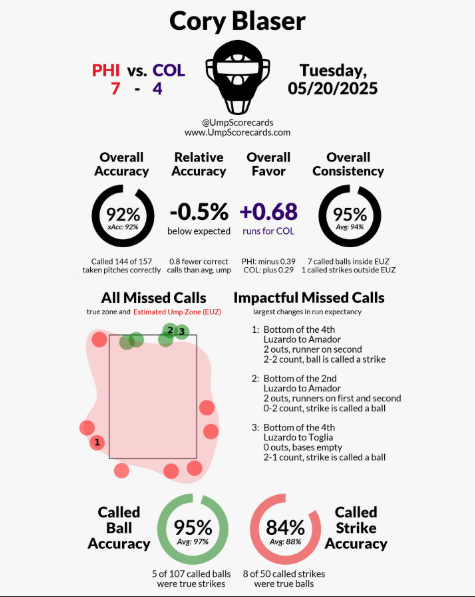
Reading tons of stuff on Perdomo's take in the USA/DR semifinal.
Literally people who are vehemently arguing that taking the pitch is... was... and will always be, what should have happened in that moment. Equally there are people on the other side of the argument who are saying there's no scenario in which he could take, because the pitch was entirely too close.
Here is my two cents (for what it's worth):
When we look back at moments in time, everything matters. It's incredibly easy to second guess the outcome, and talk about all the reasons why something should/could have happened versus what actually did.
People reference data models all the time to defend their positions. In this case specifically... (apologies if my numbers are incorrect as my research was limited and ultimately will have nothing to do with the theme)
- The pitch had a .5% chance of being called a strike
- Swinging at the pitch results in a 63% whiff rate
Those two points alone make an incredibly compelling argument for why taking the pitch was the right decision (that all goes without mentioning what incredible plate discipline and vision to not swing at a 3-2 strike/ball slider from a dude throwing 100).
Those two data points - however - rely on big data sets and casually lack tons of context that could make the argument sway the other way. For example:
- What percentage of pitches did Corey Blaser call strikes that were below the zone? If you recall he called a similar pitch a strike on Soto the inning prior.
- What are Perdomo's individual percentage chances of fouling off 2-strike pitches below the zone? Getting a hit?
I have no idea what those numbers look like, but I'm willing to bet that they would certainly lean more in favor of making a swing at the pitch.
The only thing we know for certain is that the moment created a singular outcome. The pitch was called strike 3, and the game ended. A heartbreaking feeling for the player I'm sure.
That being said, I would have had a really hard time not swinging at the pitch, personally. I say that with full understanding that I might have swung and missed 90 times out of 100. But that 1 time... that 1 time where something great happens is why we play.
See the thing about sports is, we can talk about all the could of's, should of's and would have's until we're blue in the face, but what happened will forever be what actually happened.
I guess the point of what I'm getting at is that big data can always tell compelling stories. Stories that are easy to explain, and also very easy to understand.
But individual moments have different context that we tend to overlook when we're making arguments that validate our own opinions. In this case specifically, I've heard people discussing the fact that if hitters tried to protect against everything, that they would wind up "chasing" way more pitches. Is the point of hitting to minimize your chase rate or TO NOT MAKE OUTS? As a player, when everything is said and done, you get judged on your production, and not what percentage of pitches out of the zone you swung at. Go ask Vlad Guerrero if he's ever thought about his chase rate.
I can think of dozens of examples off the top of my head where chasing a pitch led to moments that changed the outcomes of games, lives and careers. I don't hear arguments being made for why players shouldn't have swung at those pitches...
In closing, the game is over. We'll never know what would have happened if he swung. I sure would like to know what would have happened if he had.
12
2
30
8,783
Mar 11
The US rallying to get 6 runs was huge. Also the fact that they have recorded 54 outs against Italy and Mexico bodes well for them because in the event Mexico wins tomorrow (as the home team), Italy and Mexico would likely have only recorded 51 as they were the visitor in one of the games.
Basically the outcomes are...
If Mexico wins while scoring less than 4 runs:
Italy and Mexico advance
If Mexico wins while scoring more than 4 runs:
US and Mexico advance
If Italy wins:
Italy and US advance
11
20
454
168,522
Chris Colabello retweeted
Feb 20
🚨 Facility Owners - the season starting should NOT mean a drop in revenue.
We are hosting a FREE webinar 2/24 - learn how to set up, market, and execute and ELITE in-season service 🚀
Sign up here: pelotero.com/inseasonwebinar…
1
1,227