California Collaborative Fisheries Research Program. A statewide partnership of researchers and volunteer anglers interested in fisheries sustainability.
So excited to finally see this paper out in @ConLetters!
We worked collaboratively w/ recreational anglers (@CCFRP) to sample 12 MPAs over 6 years & found evidence to further support age and size matter for fish across a temperate reserve network.
doi.org/10.1111/conl.13000
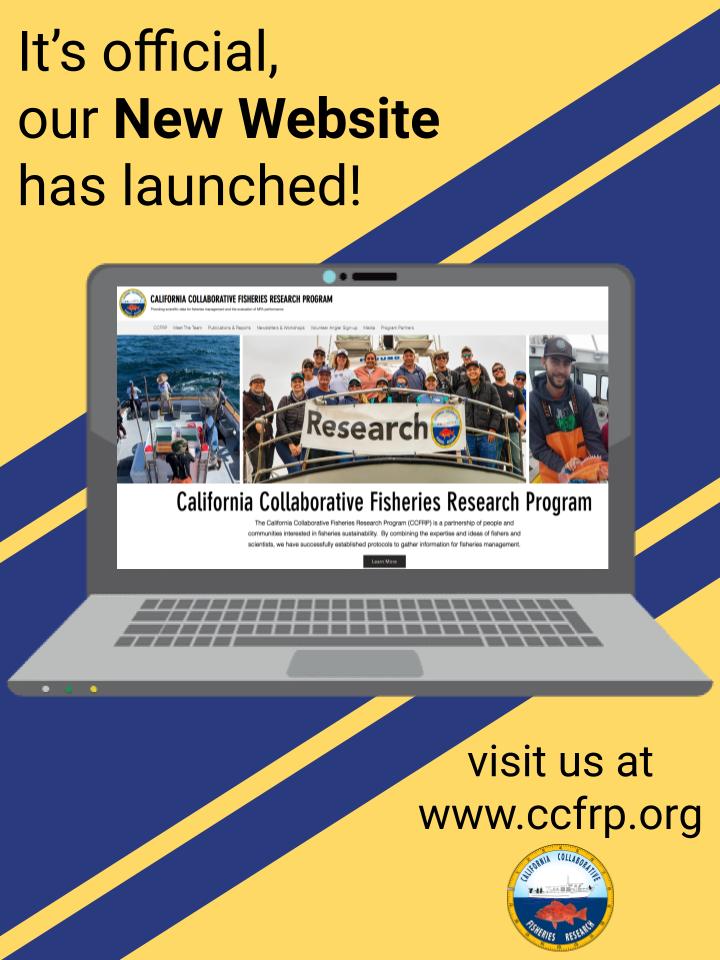
📣📣📣 It's official, our NEW #CCFRP WEBSITE has launched!
Visit us at ccfrp.org/ to learn more about the program and sign up to become a volunteer angler 🎣
New paper alert 🚨
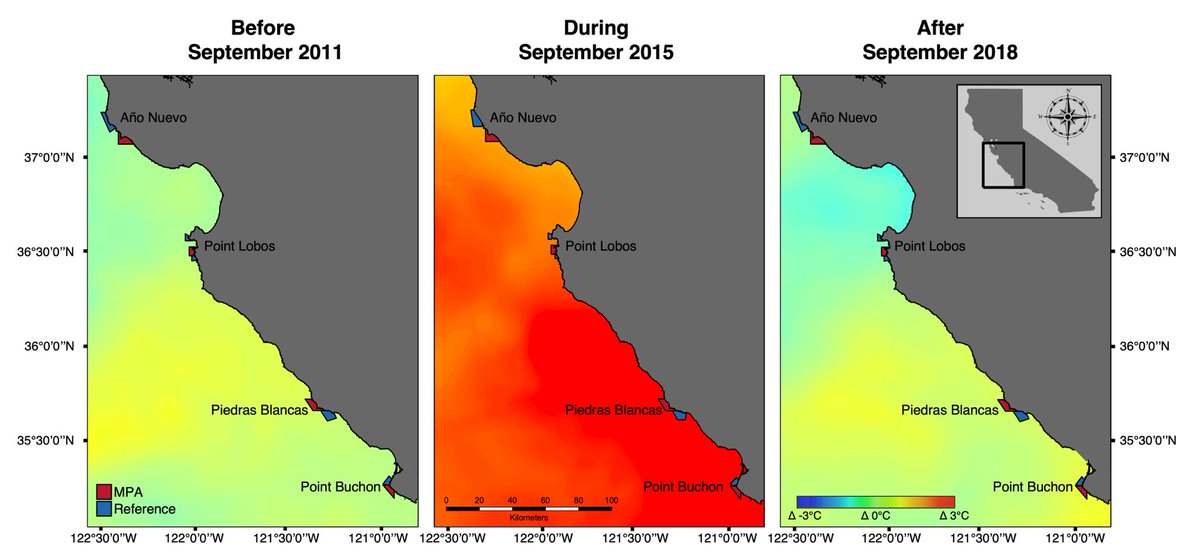
How did rocky reef fishes in MPAs respond to the 2014-2016 pacific marine heatwave?
Working with @CCFRP, we found that MPAs buffered the loss of predatory fishes & fish communities recovered 75% faster than in areas open to fishing.
rdcu.be/c37TP
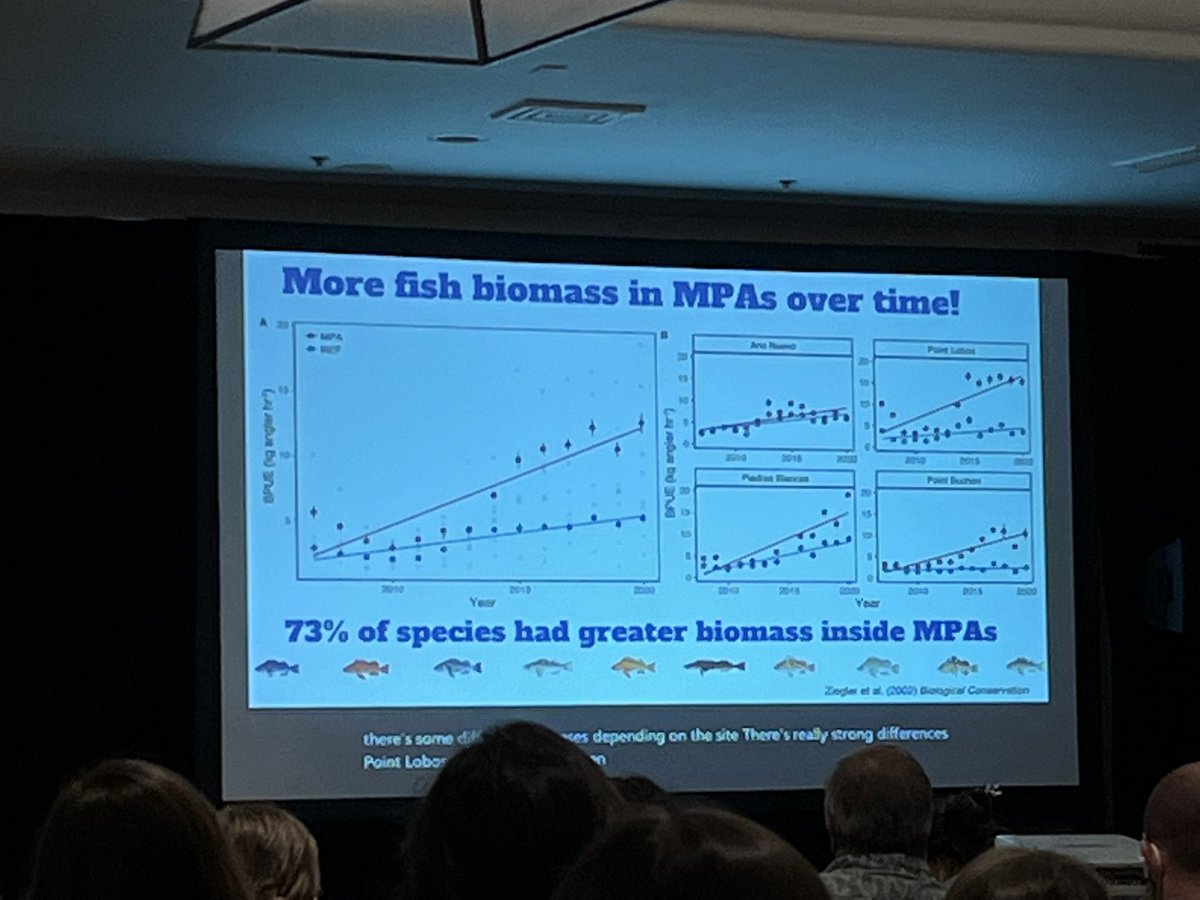
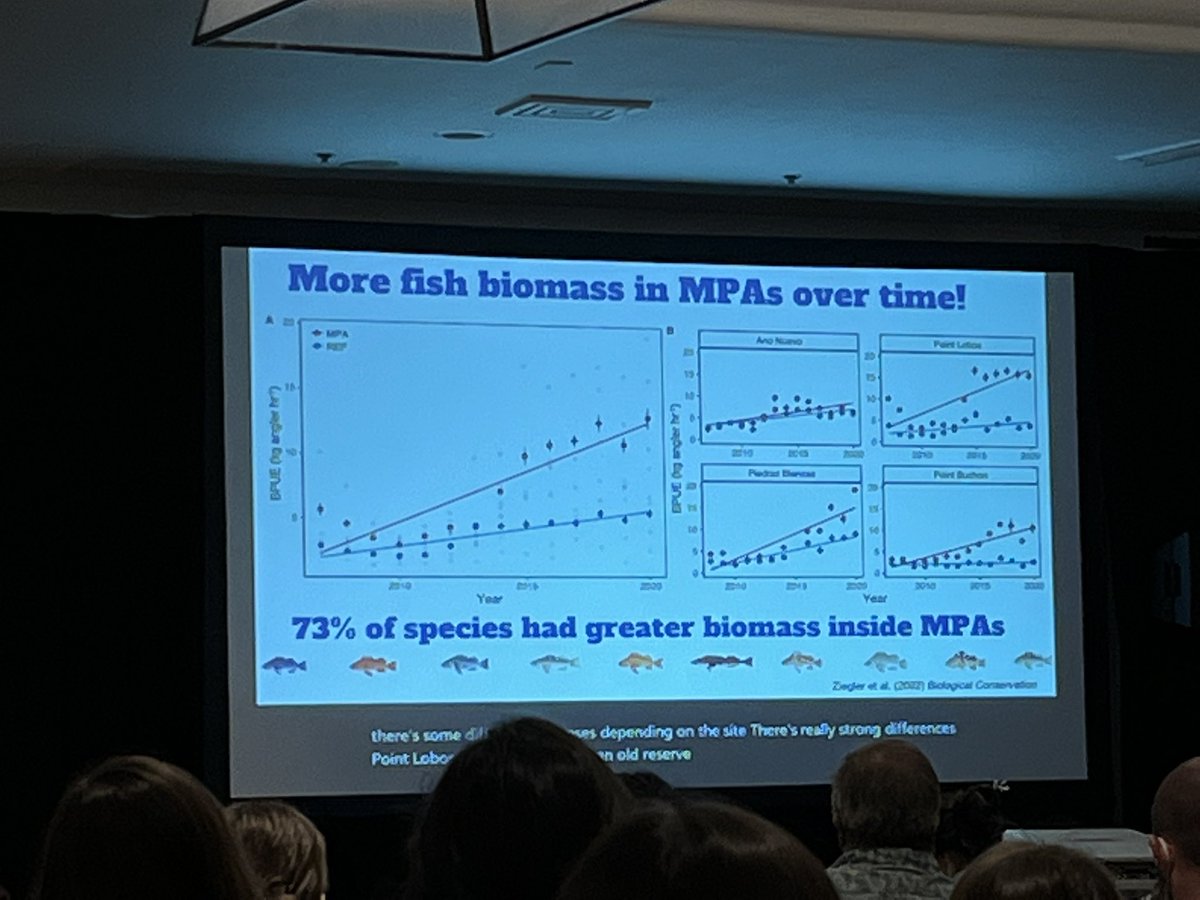
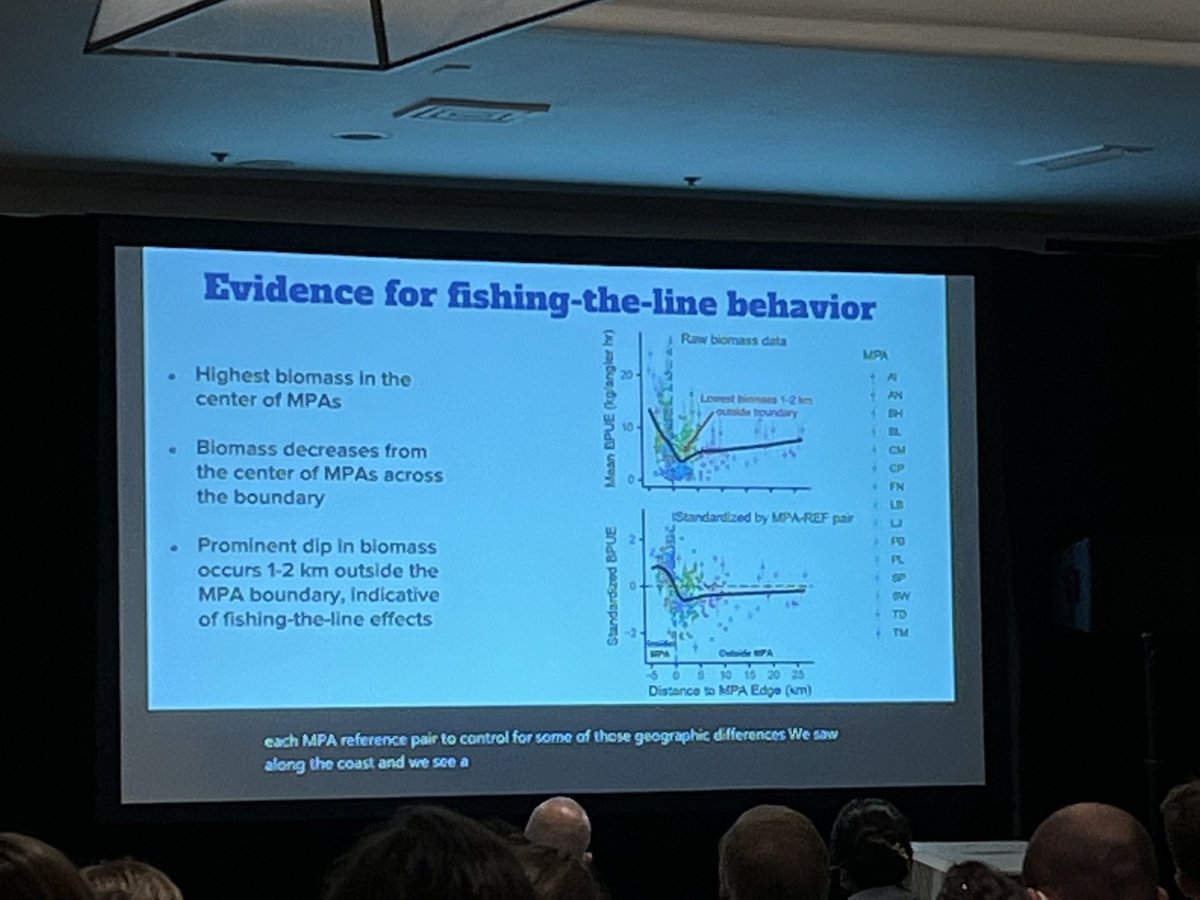
Do Marine Protected Areas work? Yes… bigger and older MPAs, especially in SoCal are associated with more fish biomass over time. Center of MPAs have the most biomass. ~17% of fish in MPA may spillover. @MLMLmarinesci@CCFRP#SportFishing#WSN2022
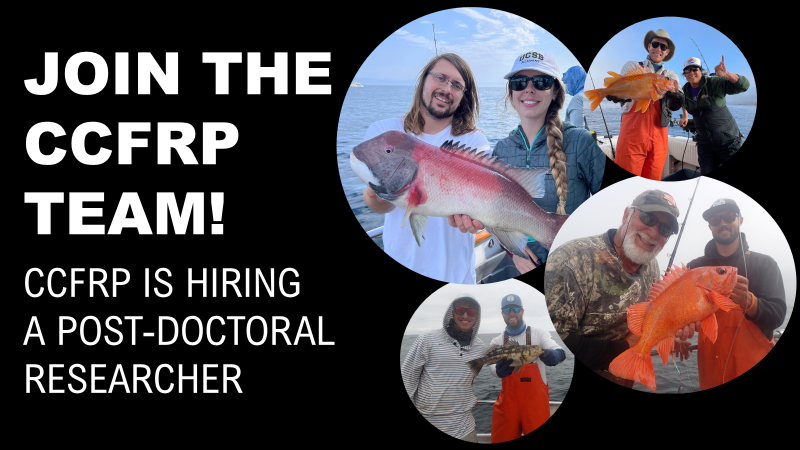
We are hiring a post-doctoral researcher position as part of the California Collaborative Fisheries Research Program (CCFRP). Click the link below to learn more about the position and how to apply!
sjsu.edu/researchfoundation/…
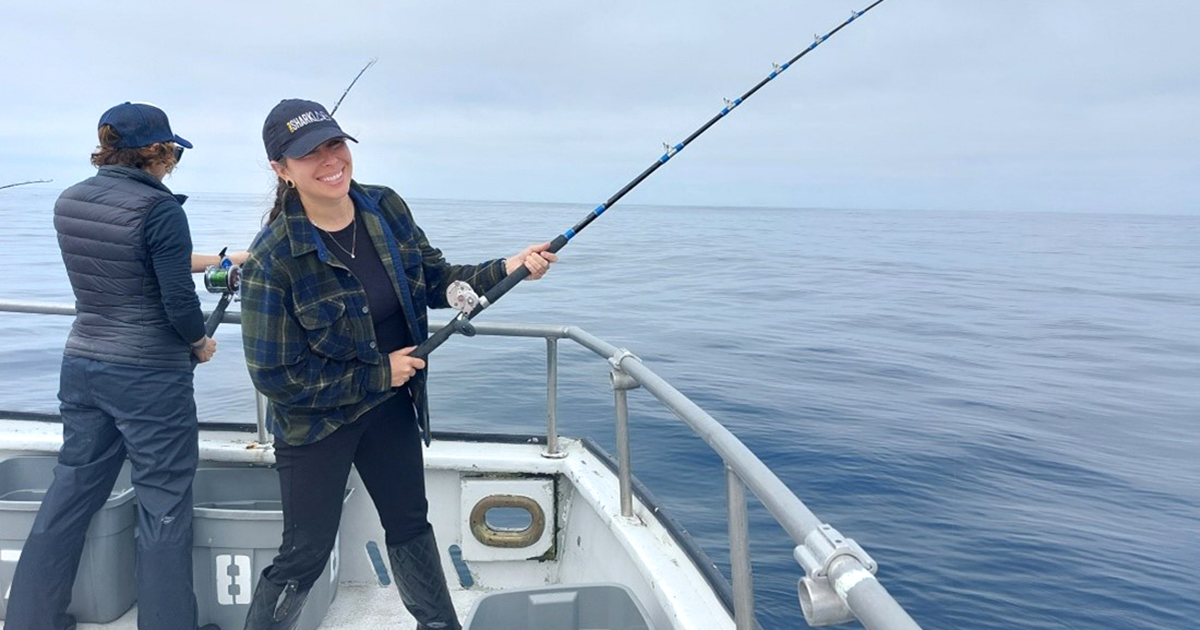
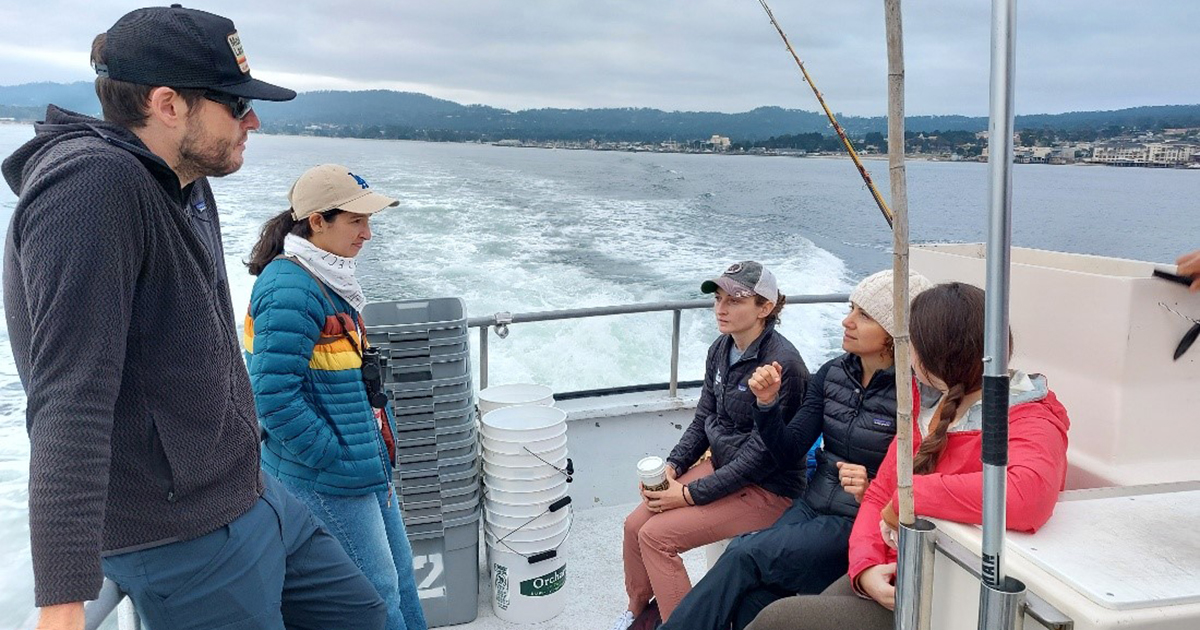
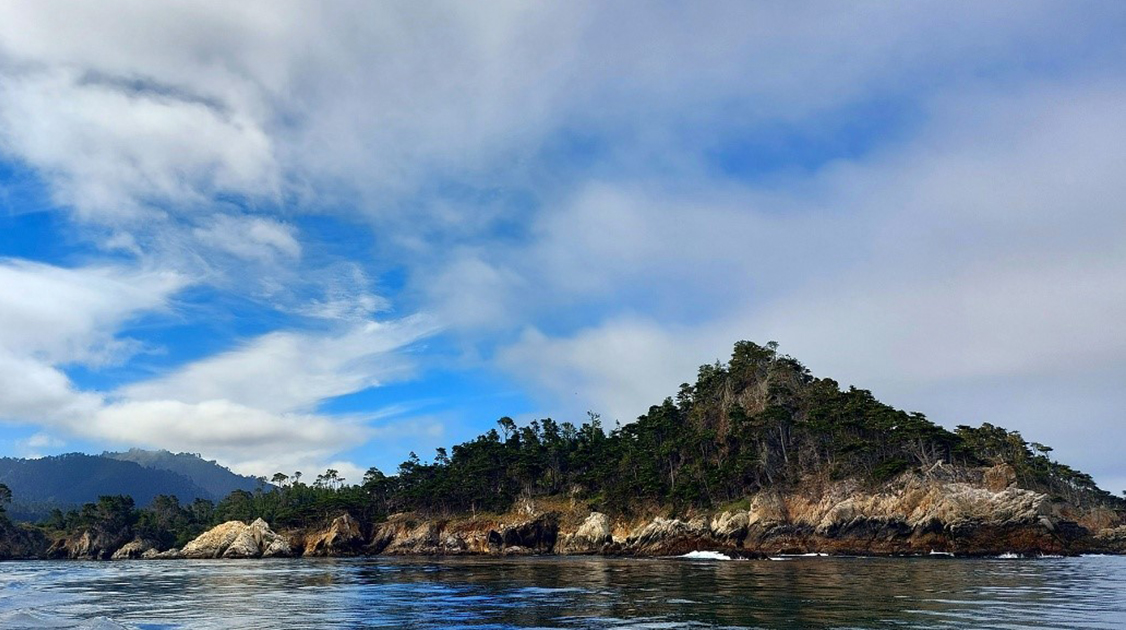
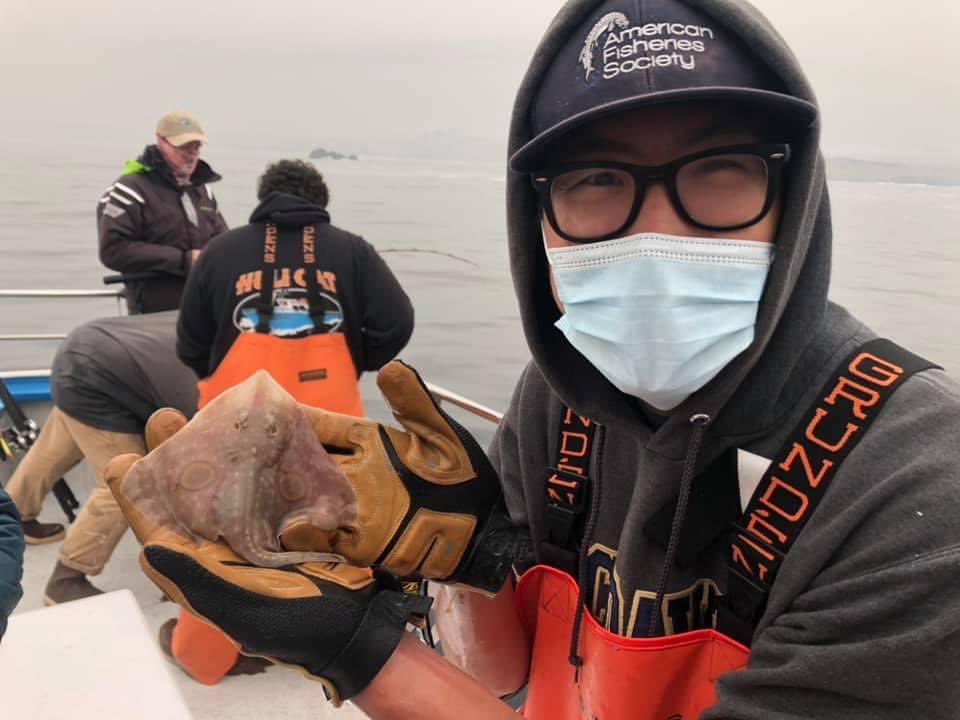
Our Comms. Mgr., Stacy Hayden, spent an exciting day fishing 🎣 for research in and around Point Lobos State Marine Reserve with other OPC staff and the @CCFRP crew.
Read all about it ➡️ bit.ly/OPC-CCFRP#CaliforniaMPAs
New paper alert!🚨
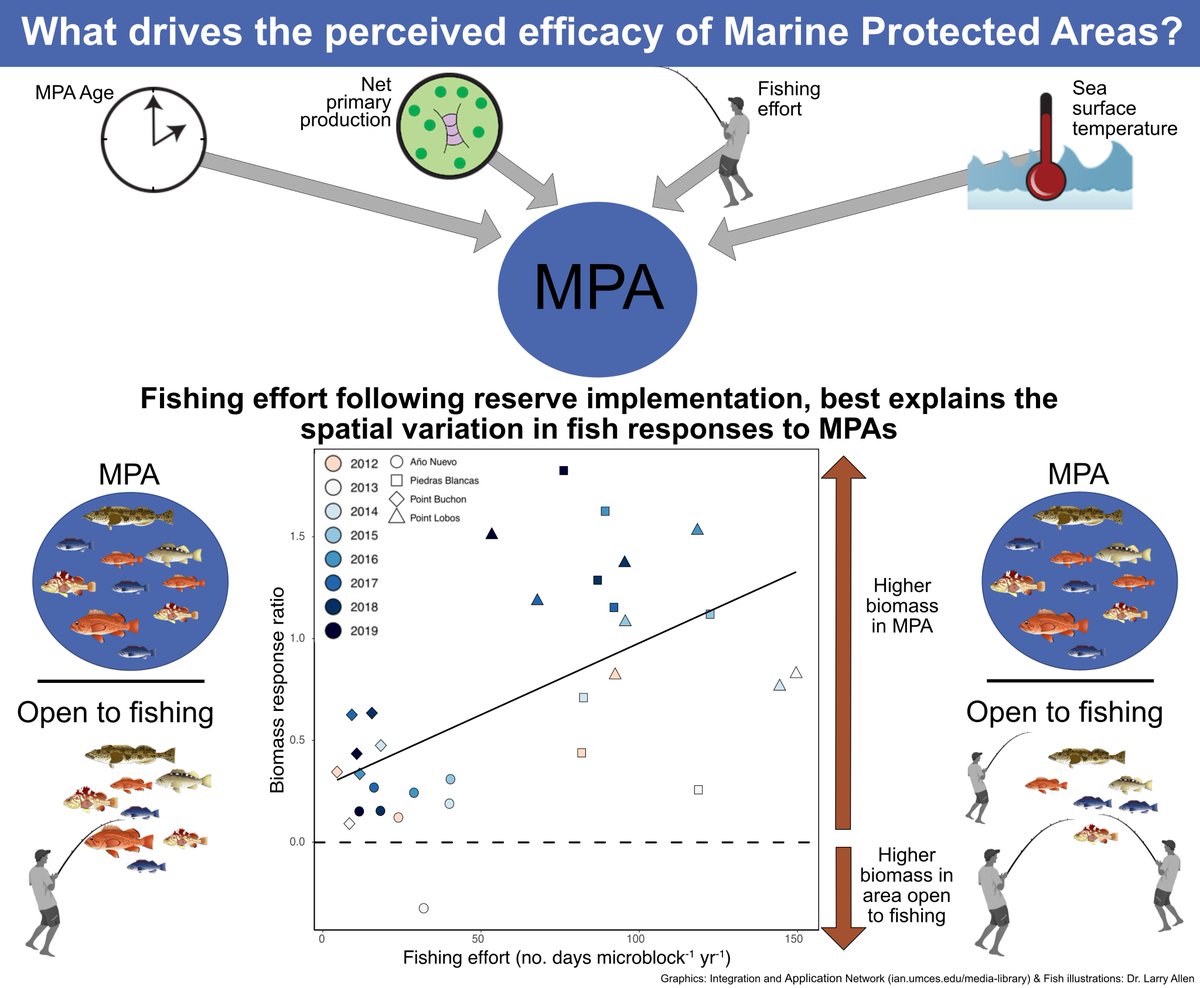
What drives the efficacy of marine reserves for fish communities?
We worked with the community-based science program @CCFRP to sample inside and outside 4 MPAs along the central coast of CA over 14 years.
sciencedirect.com/science/ar…
ALT Graphical abstract describing main results of publication. Across the top is the question, "What drives the perceived efficacy of Marine protected areas?" Below are four clip art graphics describing variables of MPA age, net primary production, fishing effort and sea surface temperature. Finally, a there is figure that shows external fishing effort best explains the spatial variation in fish responses to MPAs. Specifically MPAs with higher external fishing effort have stronger positive effects than MPAs with low external fishing effort.
The 2021 Cal Poly CCFRP sampling season is underway!
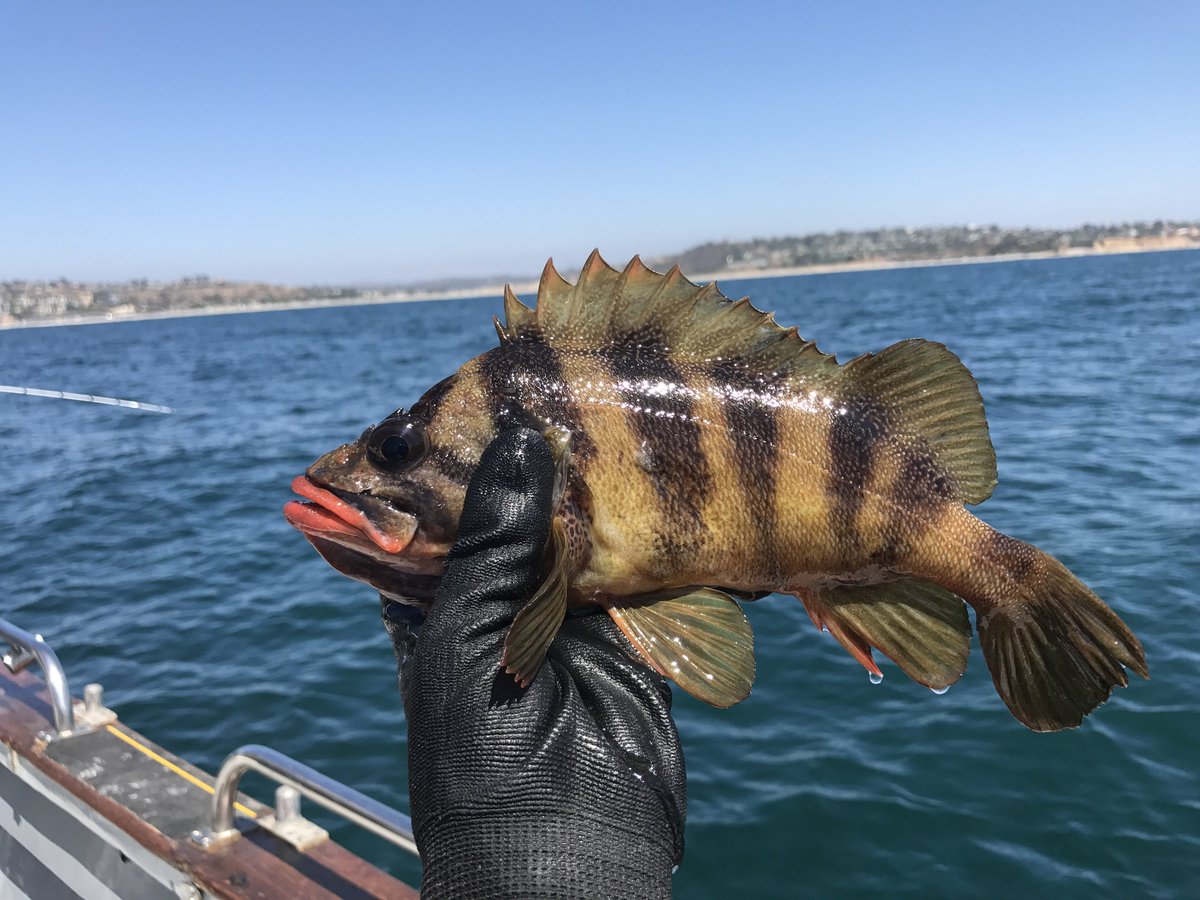
They sampled the Piedras Blancas reference site where they caught & released 225 fishes from 11 different species. #MPAresearch
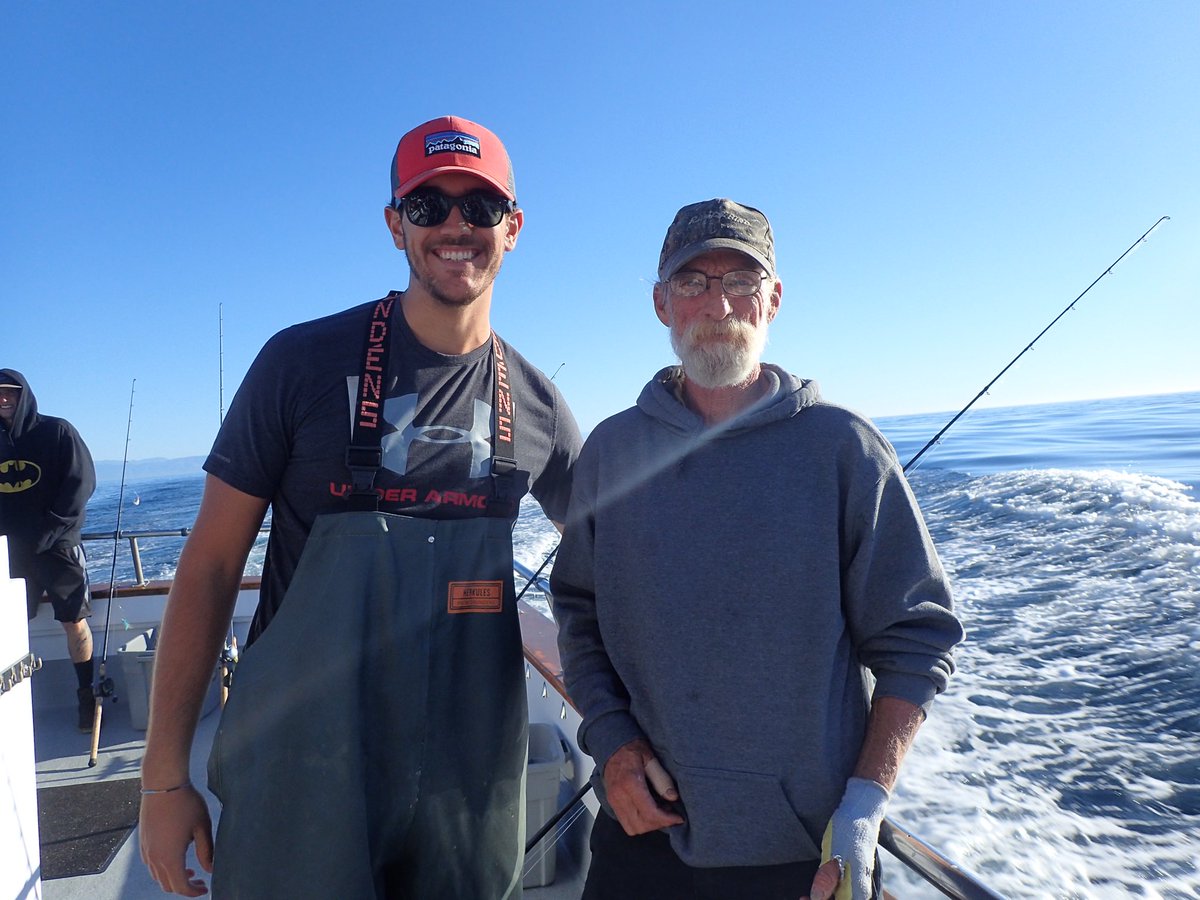
Big thanks to the volunteer anglers, captain & crew of the Rita G. from @VirgsLanding!
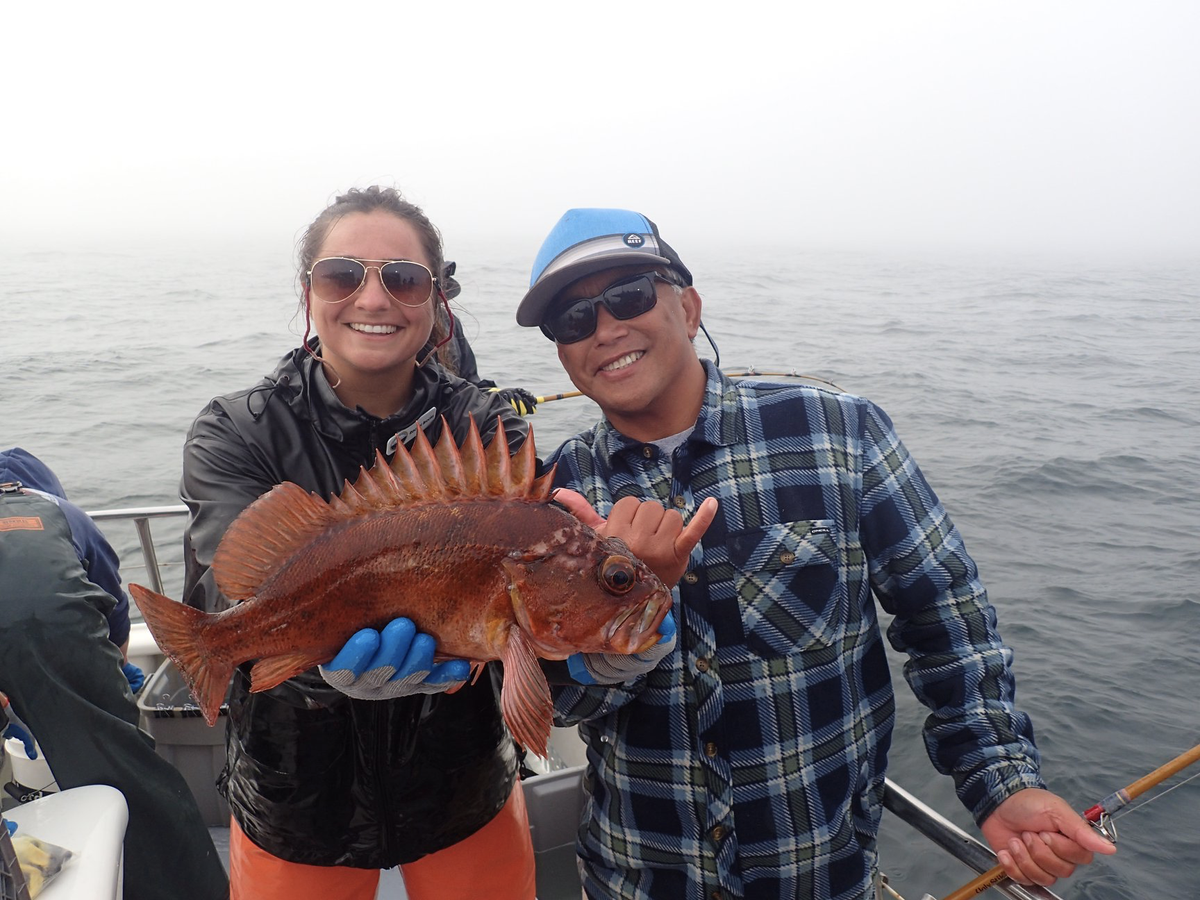
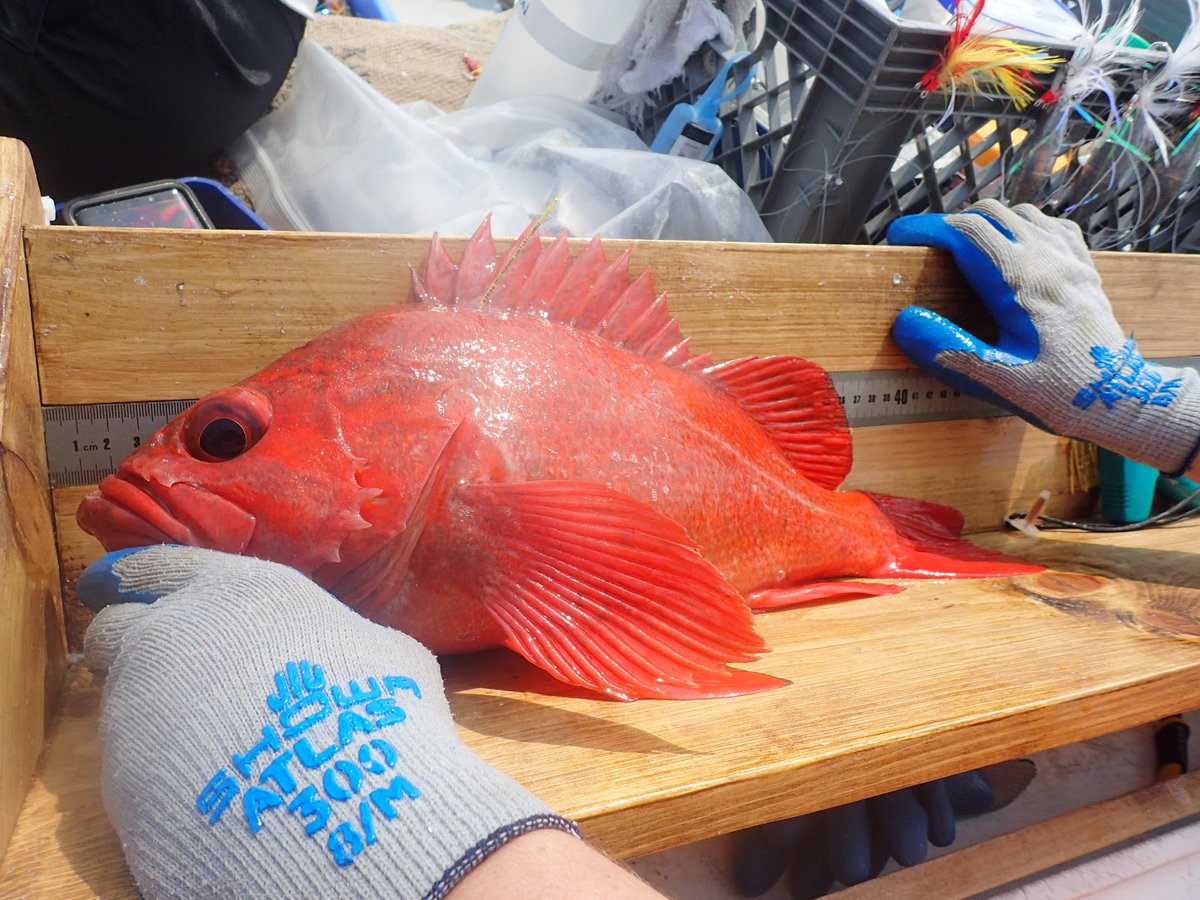
ALT Vermilion rockfish held by Cal Poly CCFRP science crew with volunteer angler.
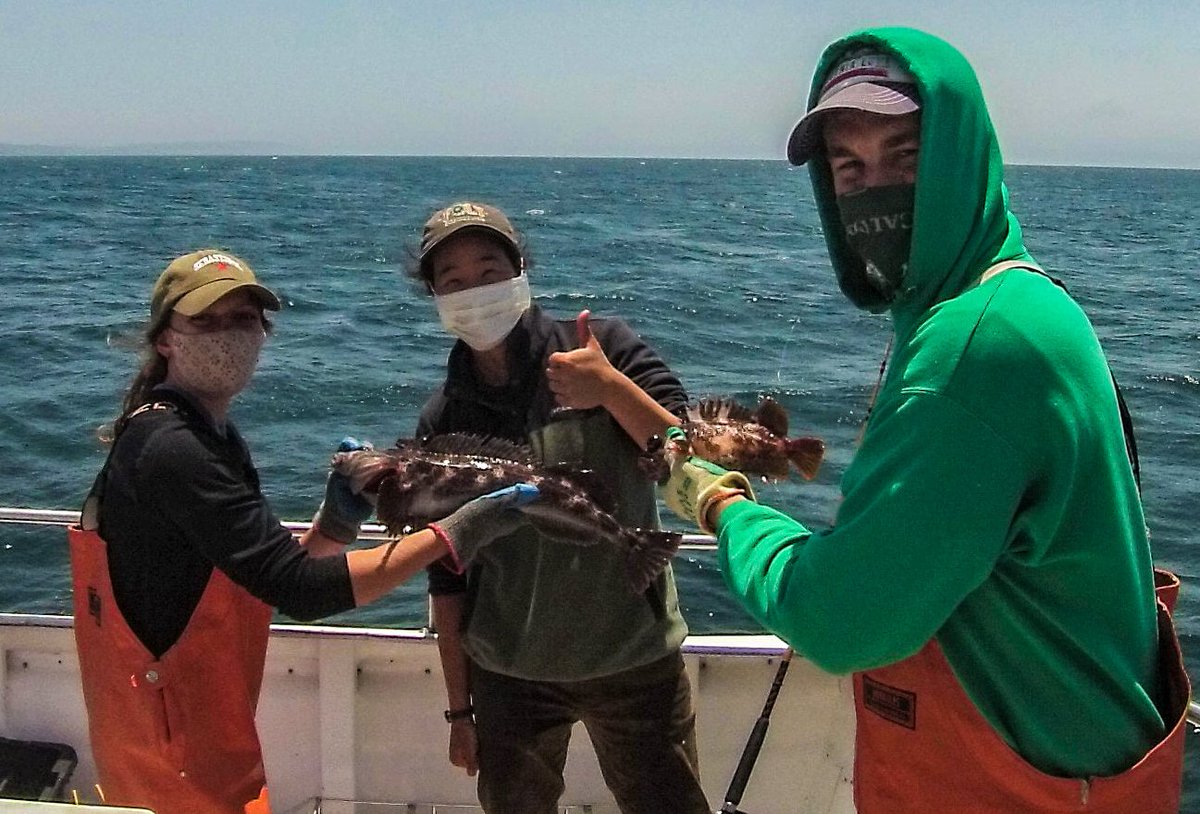
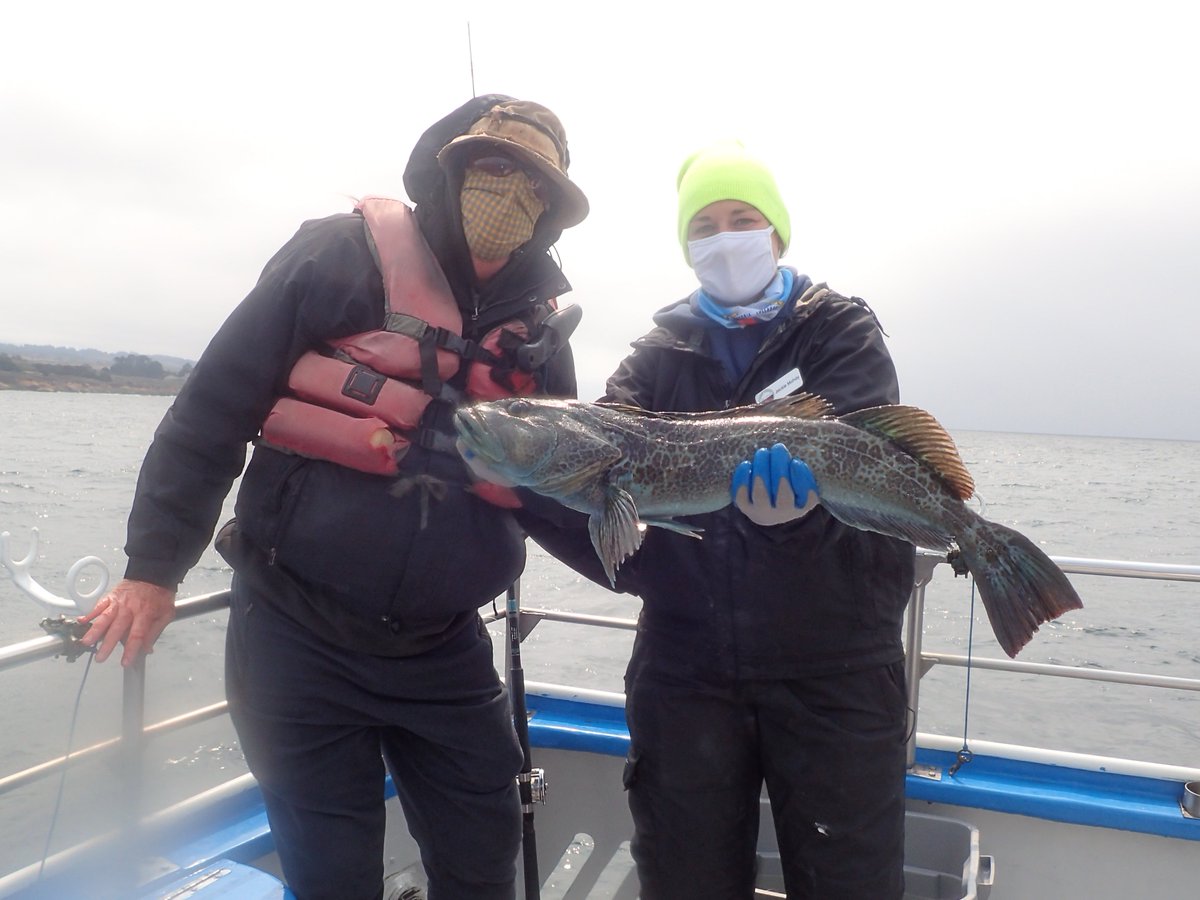
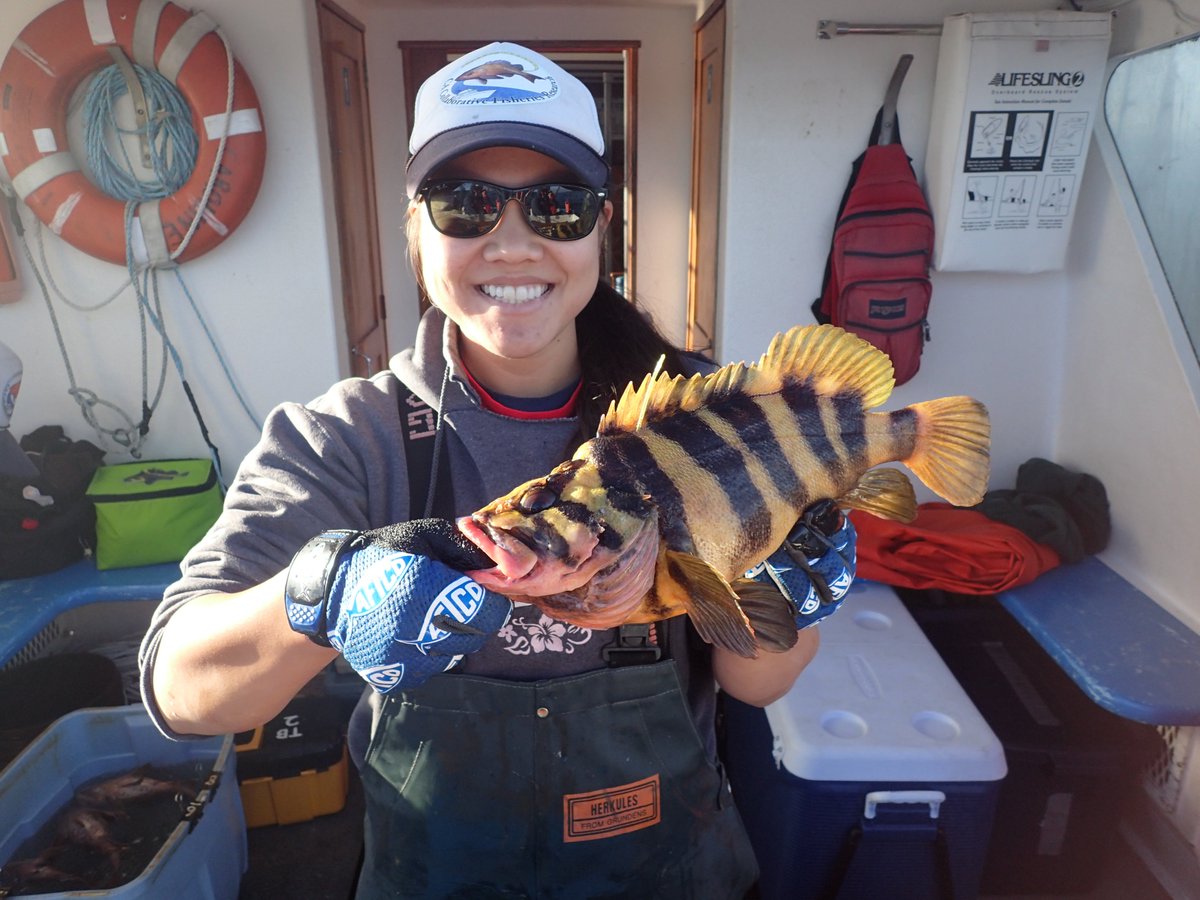
ALT Science crew members holding a lingcod and gopher rockfish caught by volunteer angler
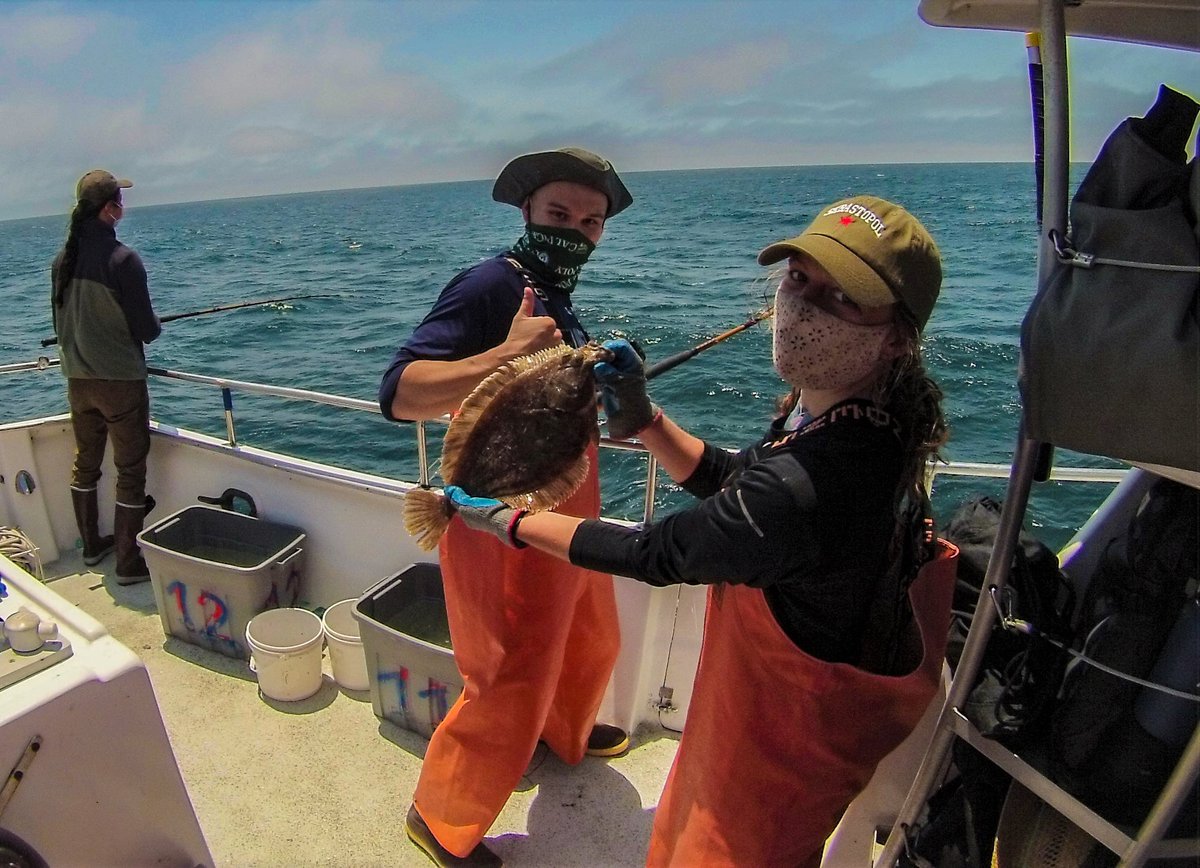
ALT Science crew member holding a rock sole in front of angler on a boat.
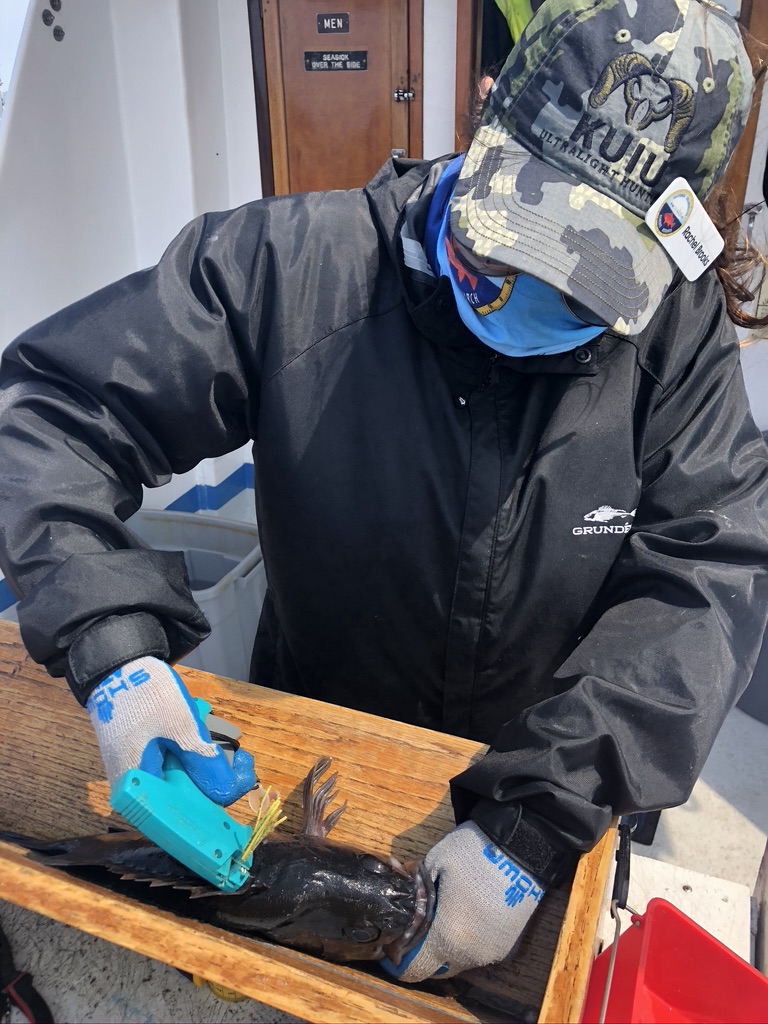
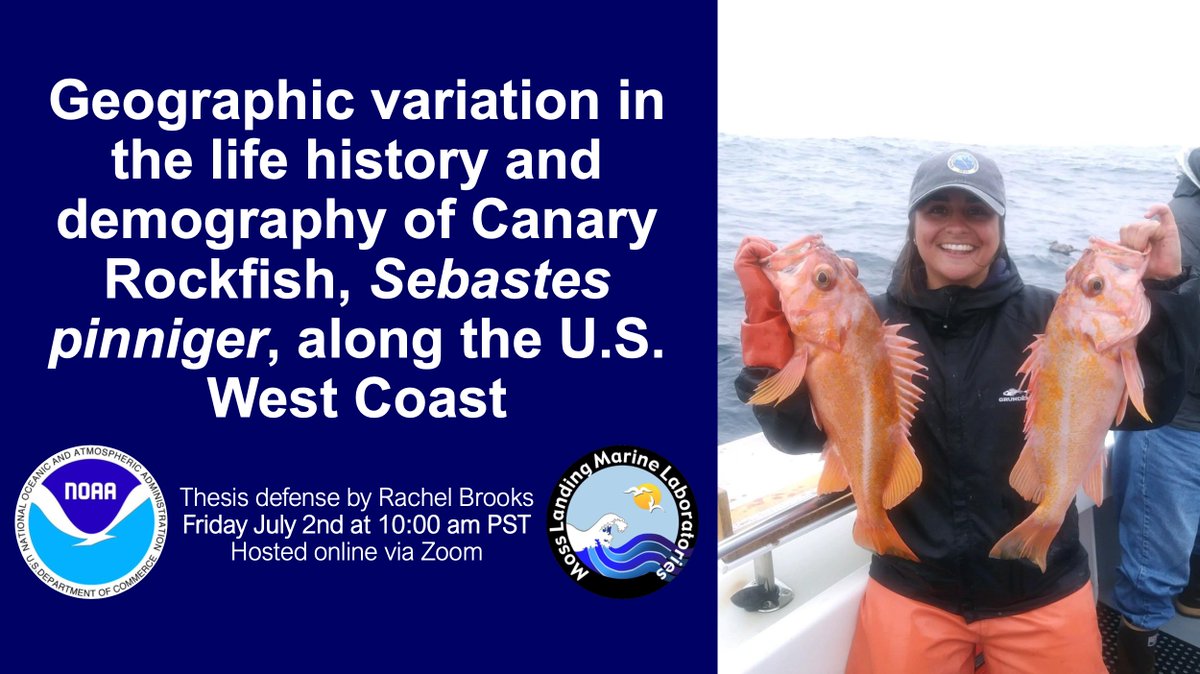
Our #CCFRP statewide coordinator Rachel is defending her Master's thesis tomorrow (7/2) at 10am PST.
Rachel worked with volunteer anglers to assess the Canary Rockfish population in rocky reef habitats from Washington to Southern California. 🎣🎉
Please join us on Friday as grad student Rachel Brooks of the MLML Ichthyology Lab & Fisheries Lab defends her MS thesis! Rachel’s research examines geographic variation in the life history & demography of canary rockfish.
Watch live Fri 7/2 at 10am pdt: mlml.sjsu.edu/mlml-live-stre…
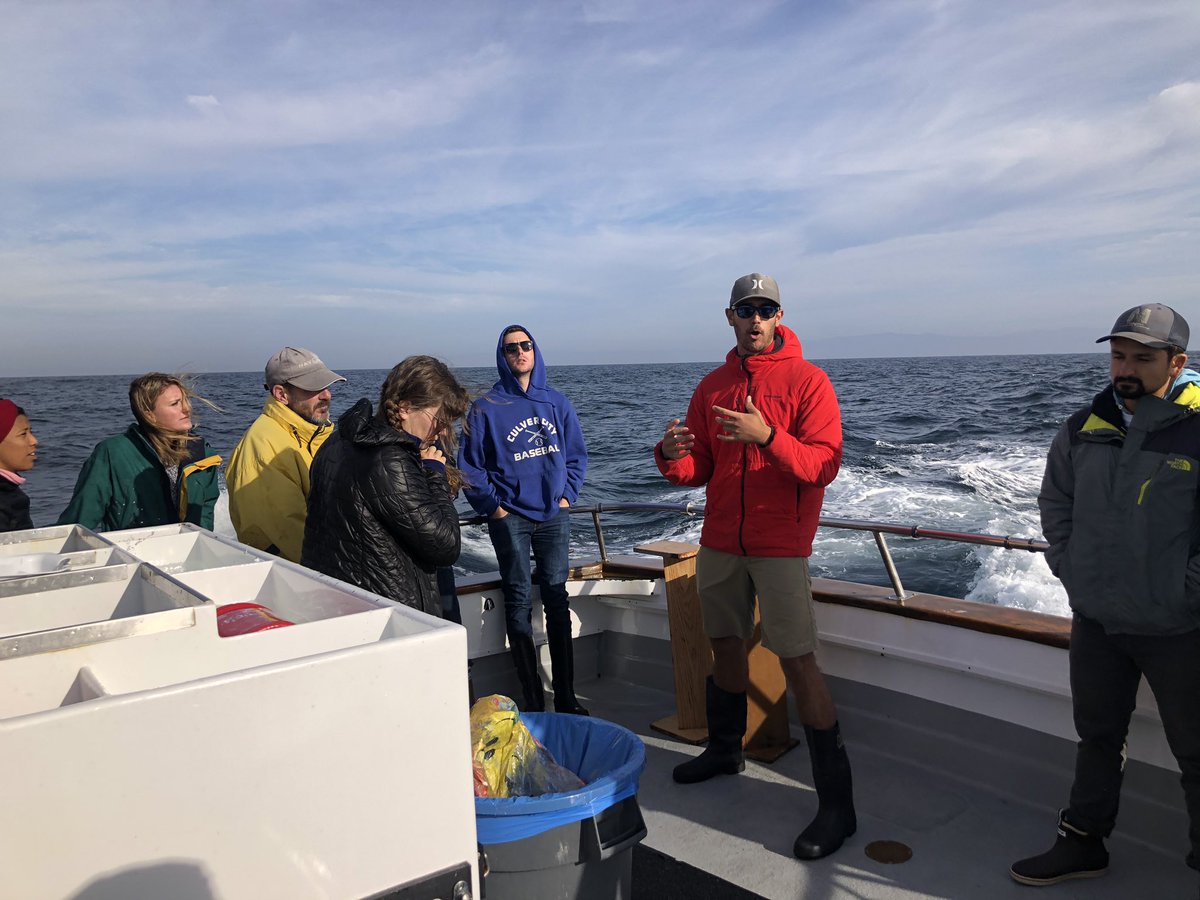
Today is our annual statewide training! Can't wait to meet all our awesome new science crew members from across California. Who is ready for a summer full of #MPA and #fish sampling?!
We are.
Mee-ya Monnin is an @OregonSeaGrant scholar collaborating w/@MyODFW & @CCFRP to investigate an alternative form of electronic monitoring for recreational fisheries in OR. Fisheries monitoring helps to assess populations & determine sustainable harvest: bit.ly/3h4mPlg
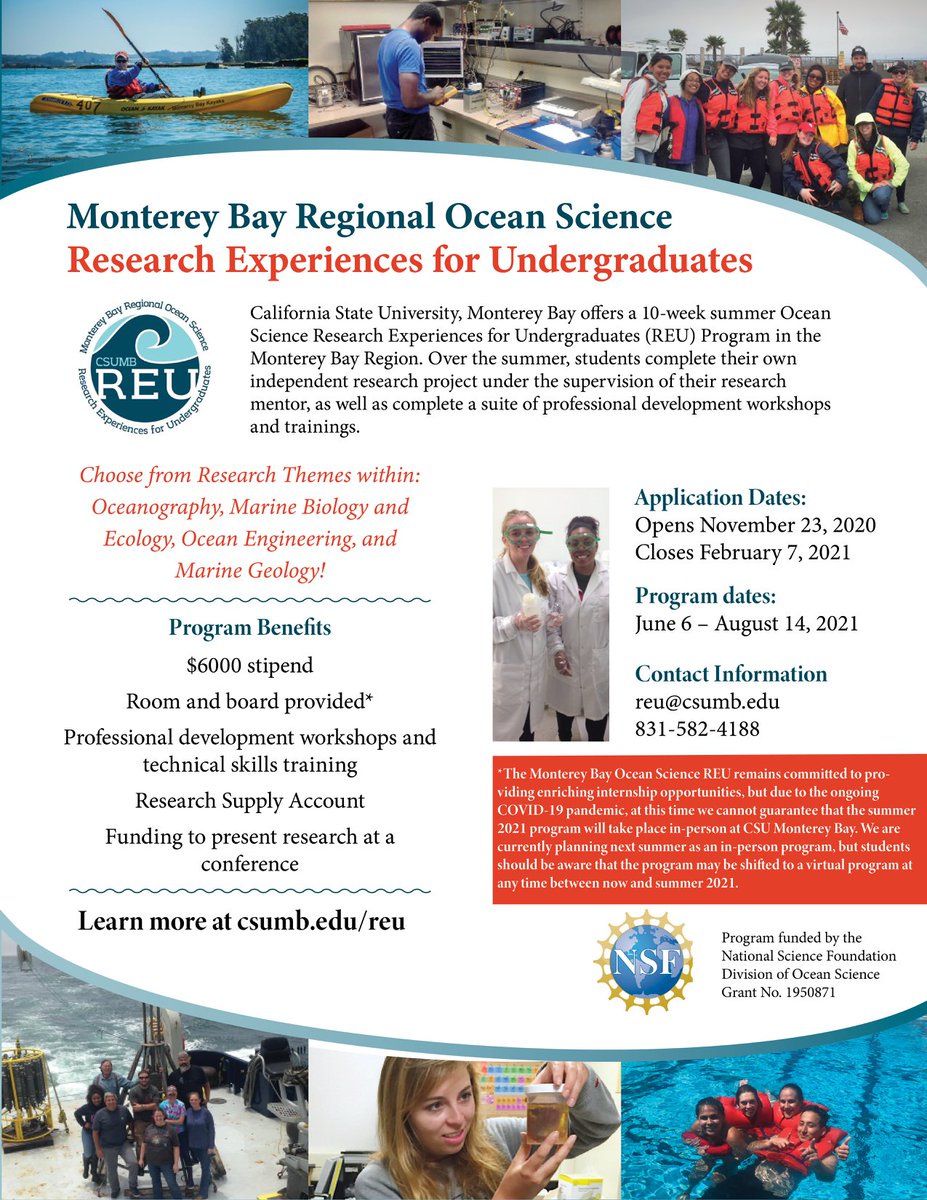
🚨🌊 Calling all undergrads interested in marine science research! 🌊🚨
Applications are now open for the summer 2021 @MontereyBayREU program! This is a fantastic #NSFfunded opportunity to gain research & professional development skills.
Learn more: csumb.edu/reu
The California Collaborative Fisheries Research Program (@CCFRP) depends on recreational experts, making it unique among monitoring projects.
Because of where the anglers fish, the data the program collects is especially valuable for informing MPA policy.
go.ucsd.edu/3pUvlW2
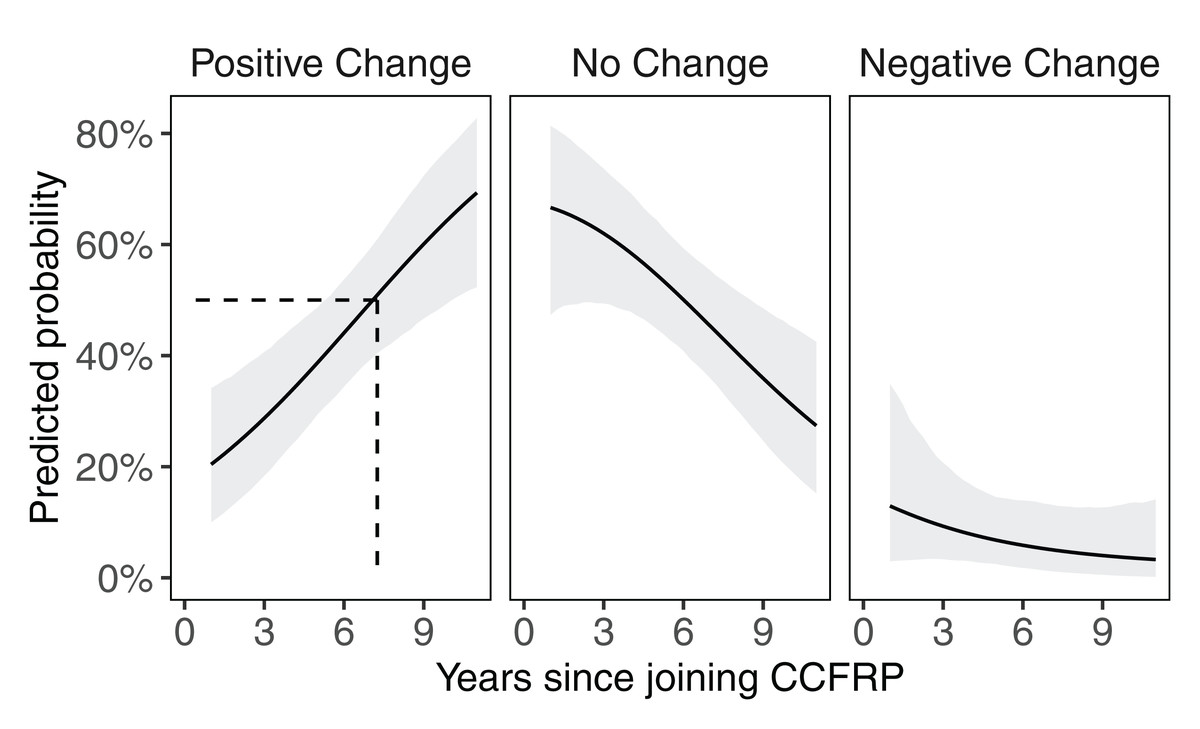
New study from @CCFRP finds that long-term participation in collaborative fisheries research programs improves angler opinions on marine protected areas (MPAs) 🎣
Check out the paper co-authored by MLML alum Jen Chiu and Dr. Rick Starr to learn more: doi.org/10.7717/peerj.10146
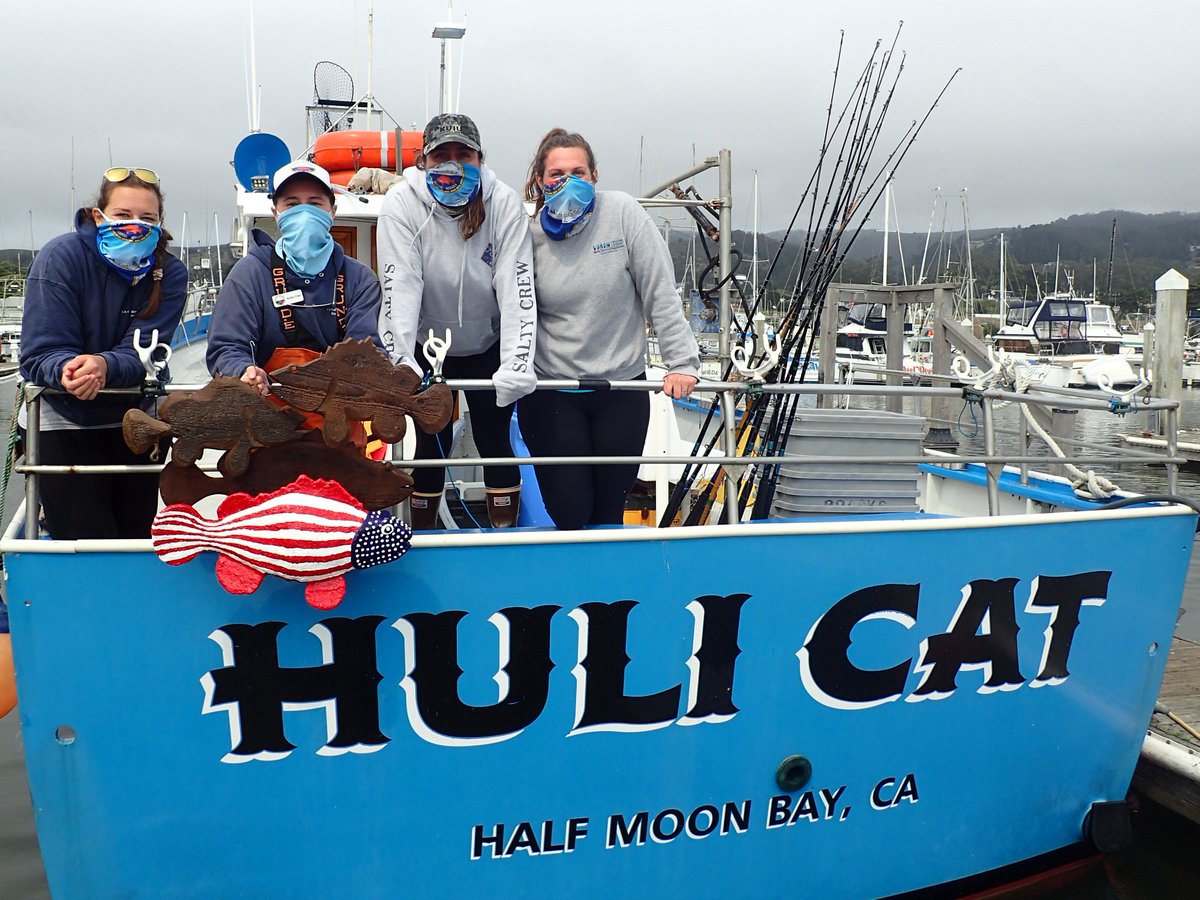
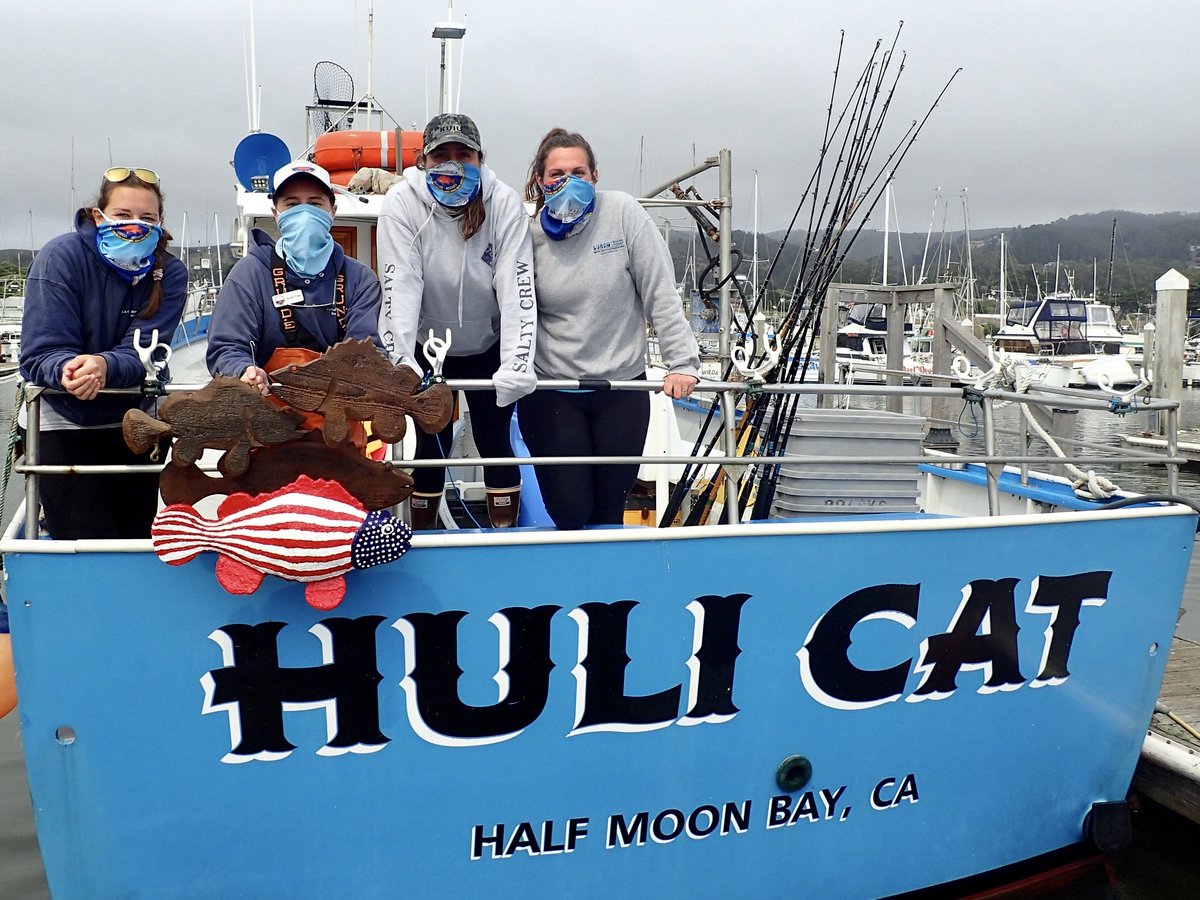
S/O to Captain Tom @TMattusch, @CCFRP, and the @hulicatfishing crew for always taking the time to clean up the big blue! Stopping for deflated balloons (so many balloons), plastic bags, and apparently abandoned crab pots too🎈🗑️🦀🌊
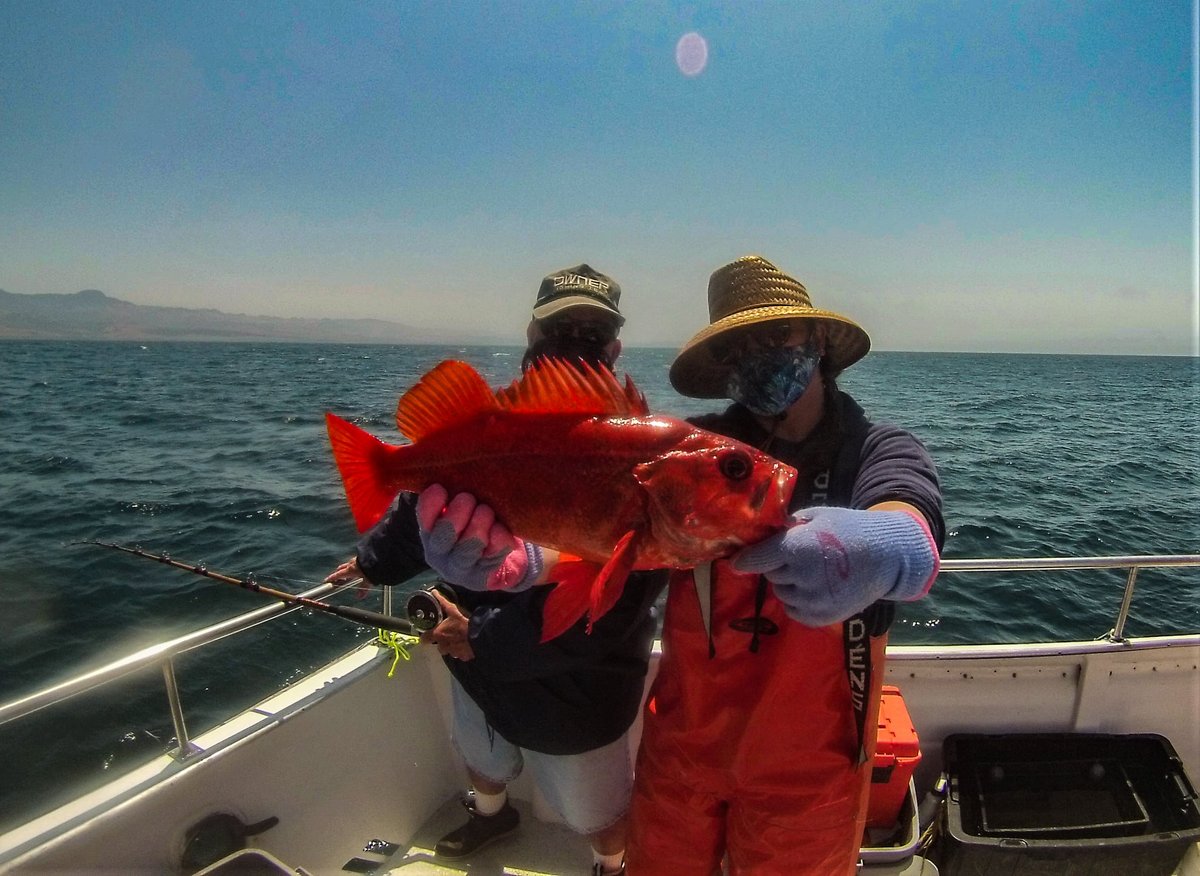
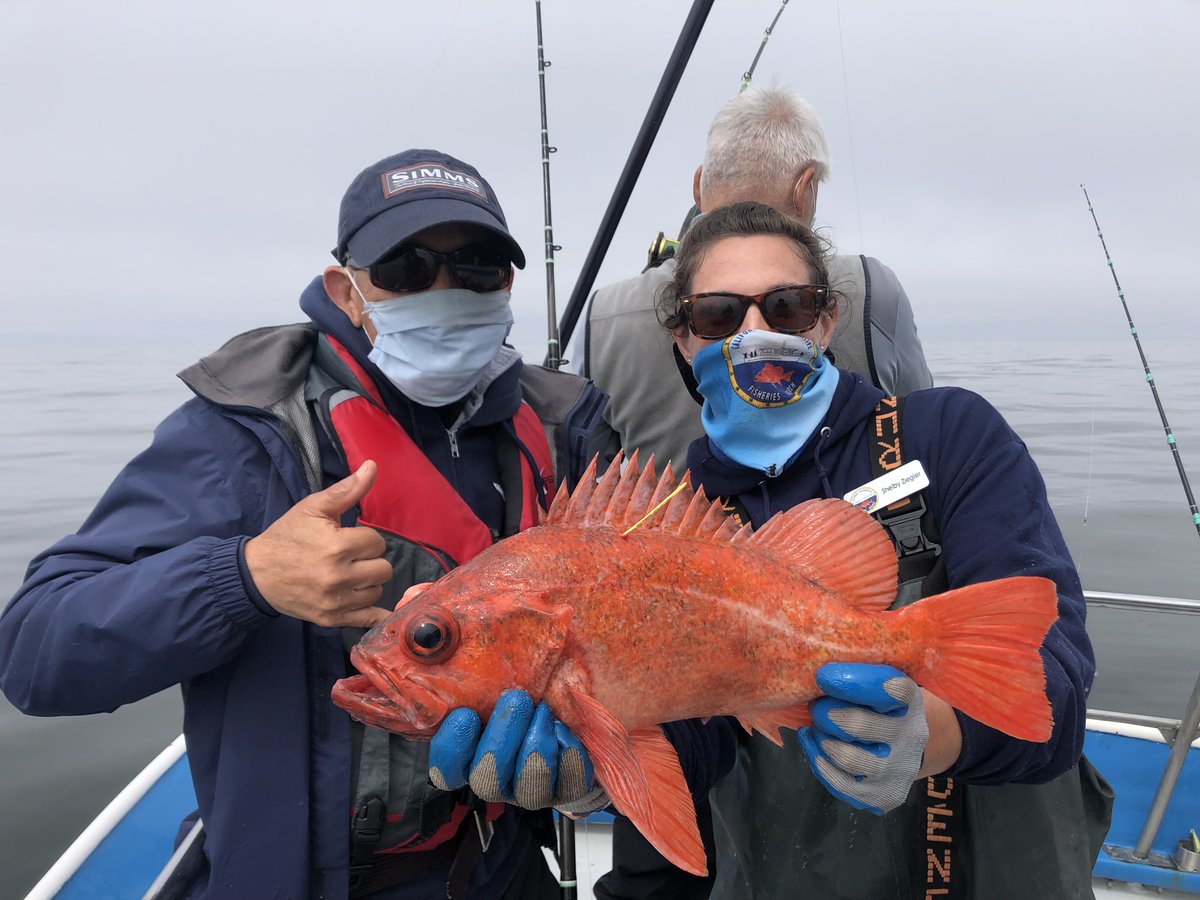
Fieldwork in 2020 may look a little bit different, but our @CCFRP scientists always get the job done! Even under the masks, we can tell it’s all smiles from MLML grad students Jackie Mohay, Katie Cieri, and Rachel Brooks and post-doc @slziegler220 😊🐟