This account is no longer active, and our content has moved to x.com/CDCgov. Follow us there for more.

Joined June 2014
4,304 Photos and videos
CDC’s Division of Adolescent and School Health retweeted
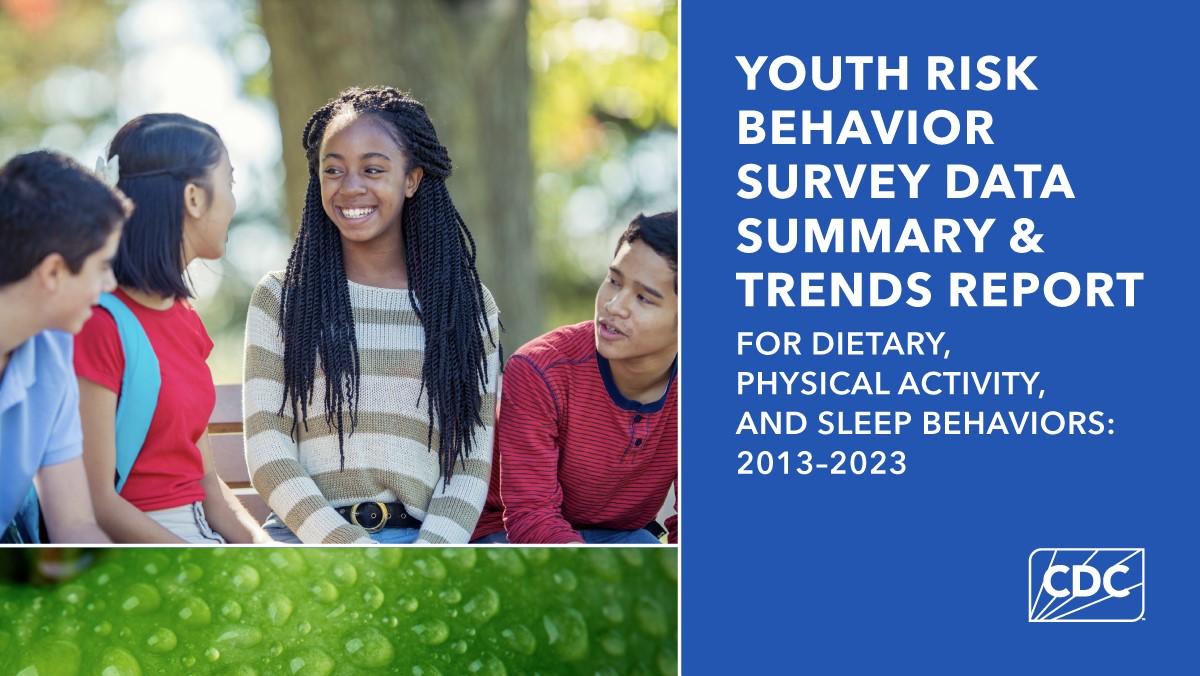
NEW: The @CDCgov Youth Risk Behavior Survey Data Summary & Trends Report for Dietary, Physical Activity, and Sleep Behaviors: 2013–2023 is now available. Read the report: cdc.gov/yrbs/dstr/dietary-ph… #CDCYRBS
2
4
573
CDC’s Division of Adolescent and School Health retweeted
Some students turn to vaping when stressed or anxious, creating a cycle of nicotine addiction. Learn more: CDC.gov/Vaping
3
2
4
1,394
CDC’s Division of Adolescent and School Health retweeted
Data show that when schools are safe, student & school outcomes improve. Here’s how ED is supporting school safety & student success through our National Center on Safe Supportive Learning Environments: safesupportivelearning.ed.go…
1
5
9
3,981
CDC’s Division of Adolescent and School Health retweeted
When schools provide mental health supports: 📚 Academic outcomes improve ⬇️ Discipline referrals decrease 🧑‍🎓 Attendance & graduation rates increase Here's how your school can support students' mental well-being: safesupportivelearning.ed.go…
6
26
52
8,581
CDC’s Division of Adolescent and School Health retweeted
15 Jan 2025
📱 Social media can be a great way to keep in touch with friends and family and stay up to date with popular culture. Yet, it can also impact mental health—especially for youth. Learn tips to make #SocialMedia safer for youth from @HHSGov: hubs.ly/Q0315C3N0
1
3
3
974
CDC’s Division of Adolescent and School Health retweeted
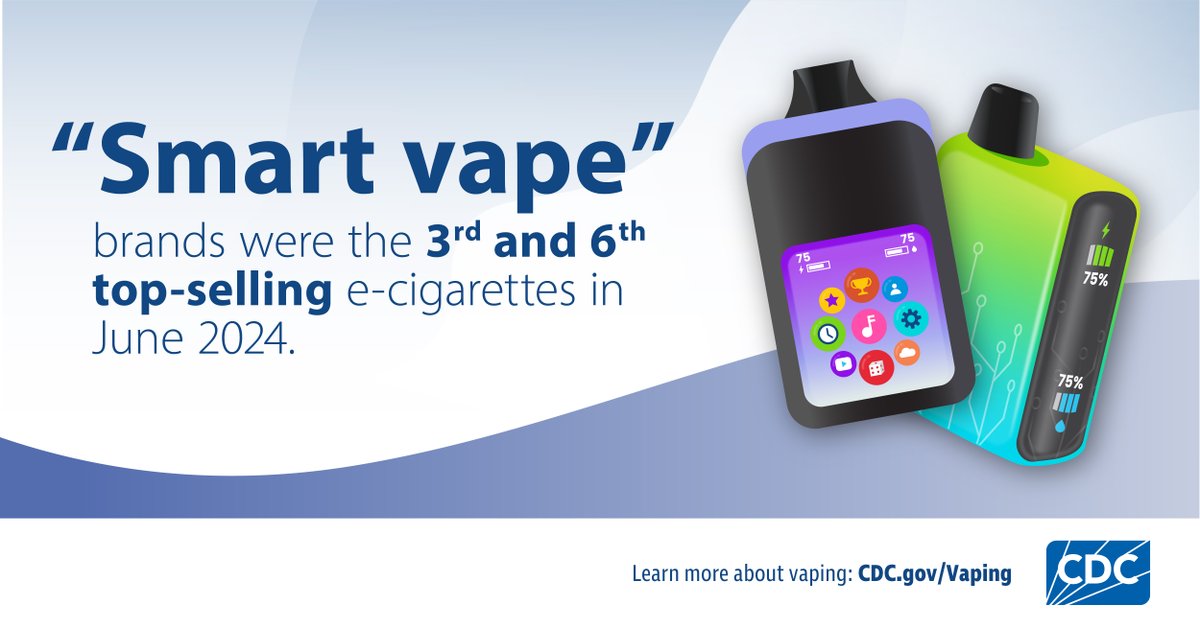
“Smart vapes” – e-cigarettes with digital displays – are being used by U.S. youth. These devices typically include flavored nicotine and may include tech features like animations and built-in games. Read more in @JAMA: bit.ly/4jc2TL3
8
7
8
3,647
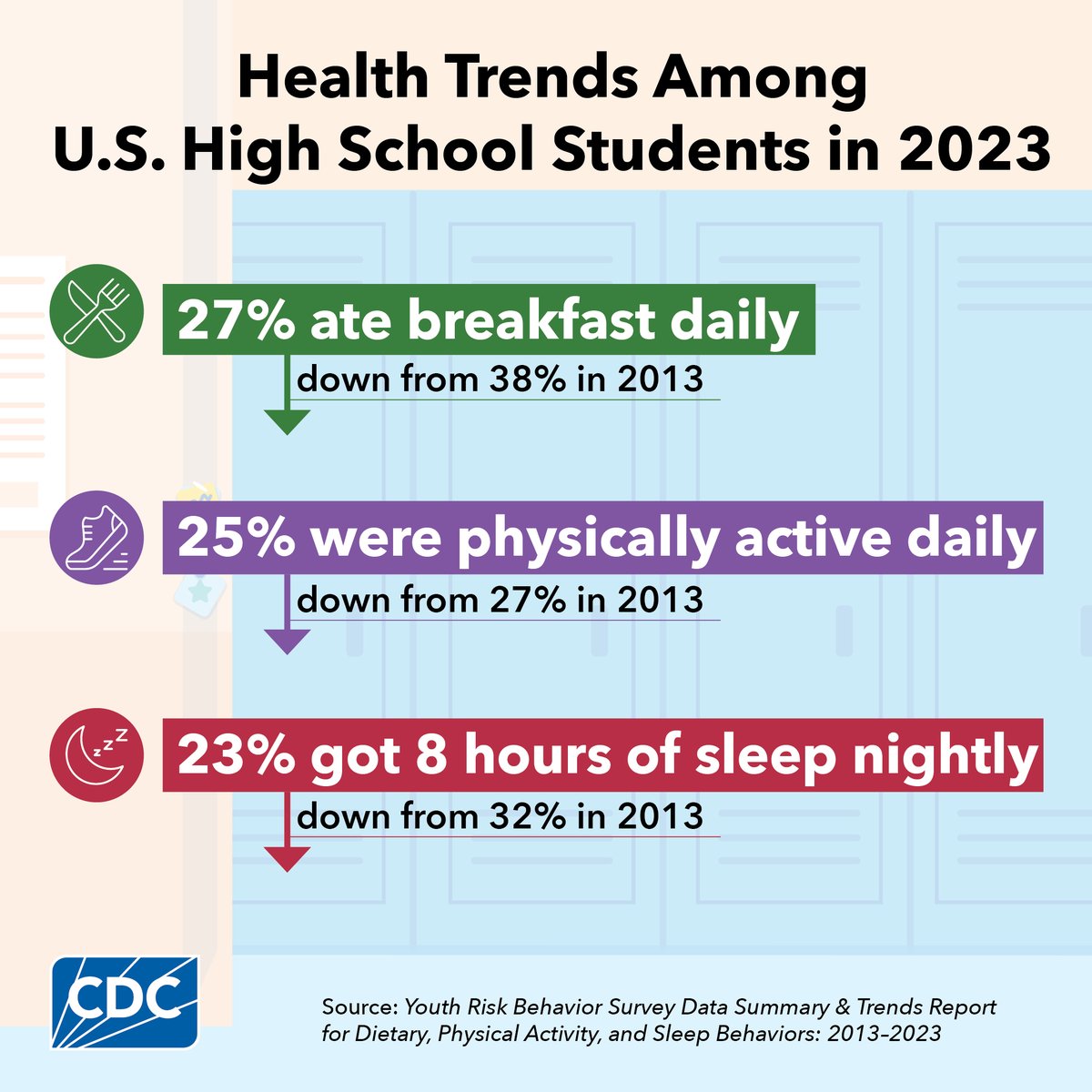
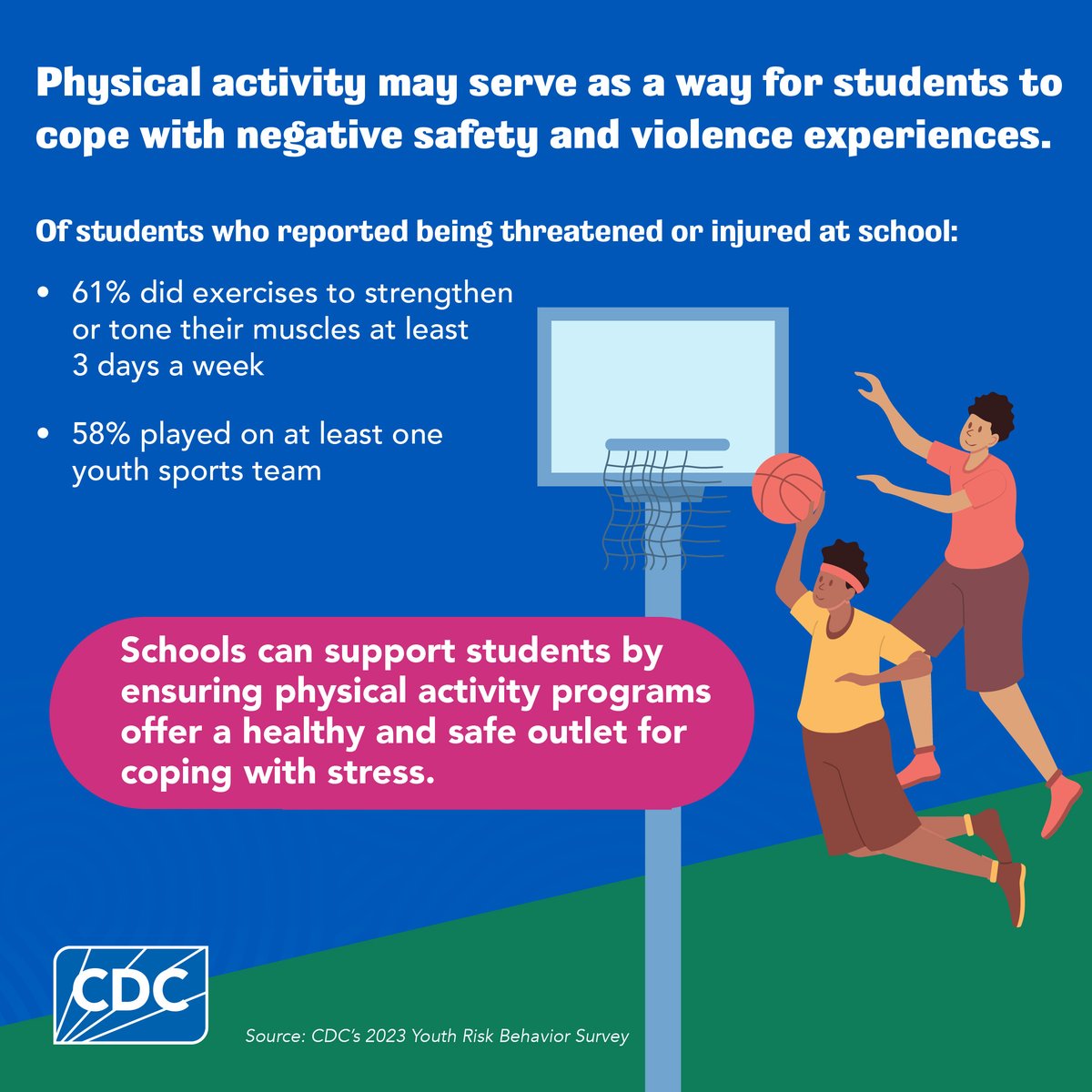
U.S. high school students aren’t getting adequate physical activity. From 2013 to 2023, CDC data show decreases in daily physical activity (27% to 25%), muscle strengthening (52% to 51%), daily physical education (22% to 16%), and sports team participation (54% to 52%). #CDCYRBS
1
3
4
516
Physical activity in adolescence can help: ▪️Boost academic performance by improving attention and memory. ▪️Reduce risk of several chronic diseases, including type 2 diabetes and obesity. ▪️Regulate body weight and reduce body fat. ▪️Improve mental health. #CDCYRBS
1
181
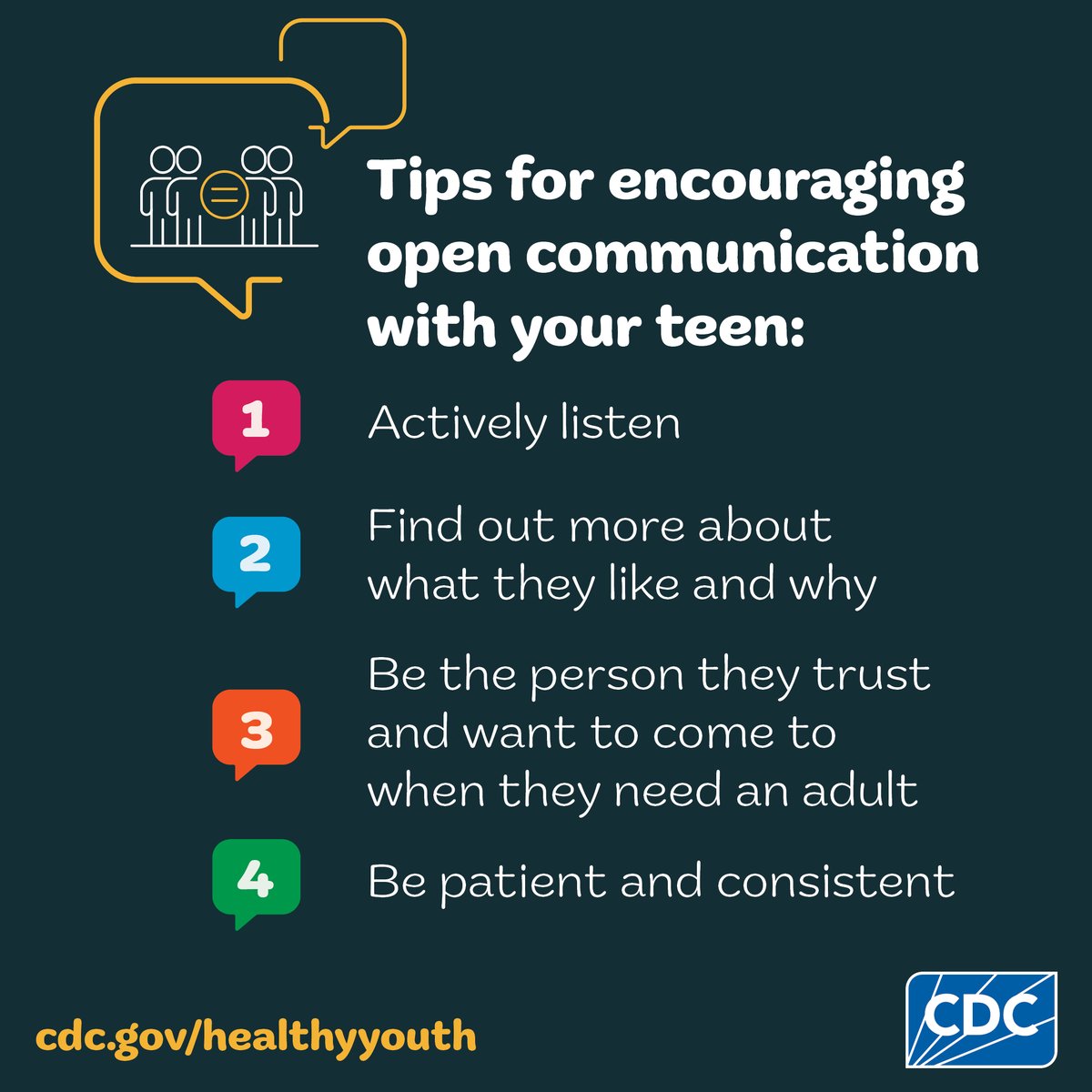
Parents and caregivers: Open communication with your teens can help strengthen relationships and reduce their risk for poor mental health. Find tips for starting the conversation and making it a normal part of your family’s daily activities. bit.ly/3E6u8Do
2
5
205
CDC’s Division of Adolescent and School Health retweeted
New CDC data show U.S. high school students aren’t getting adequate nutrition, physical activity, and sleep. ➡️Explore the CDC Youth Risk Behavior Survey Data Summary & Trends Report for Dietary, Physical Activity, and Sleep Behaviors: 2013–2023: bit.ly/3WhanCo #CDCYRBS
7
7
971
CDC’s Division of Adolescent and School Health retweeted
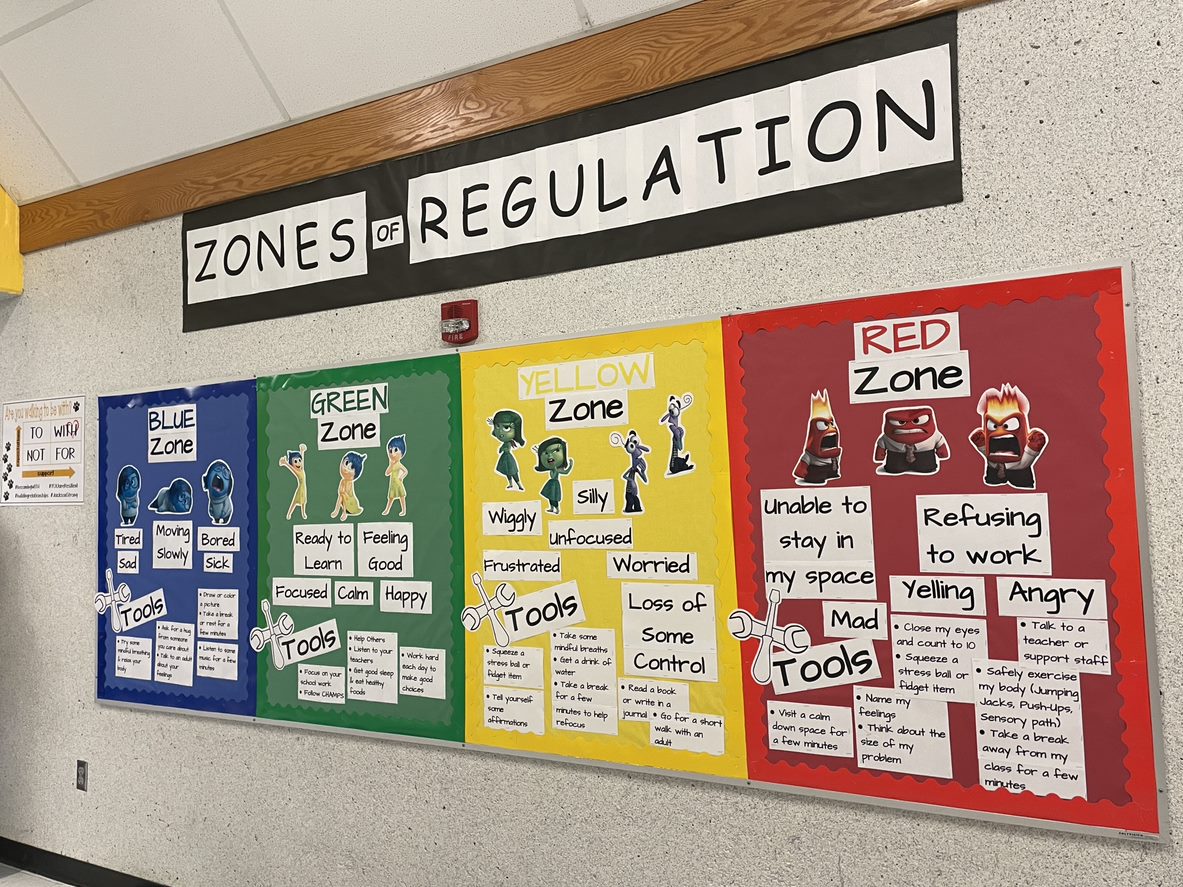
Does your school offer opportunities for physical activity in the classroom? Daily physical activity isn’t just important for physical health, it also supports mental health and academic performance.
3
2
638
New CDC data show U.S. high school students aren’t getting adequate nutrition. From 2013 to 2023, data show a decrease in students eating fruit (63% to 55%), vegetables (61% to 58%), and breakfast (38% to 27%) daily. #CDCYRBS
1
2
2
180
Healthy eating in adolescence can help: ▪️Boost academic performance by improving attention and memory. ▪️Reduce risk of several chronic diseases, including type 2 diabetes and obesity. ▪️Regulate body weight and reduce body fat. #CDCYRBS
1
103
1/ New CDC data show U.S. high school students aren’t getting enough nutrition, physical activity, and sleep. Let’s look at some of the findings. ⤵️ #CDCYRBS
1
2
197
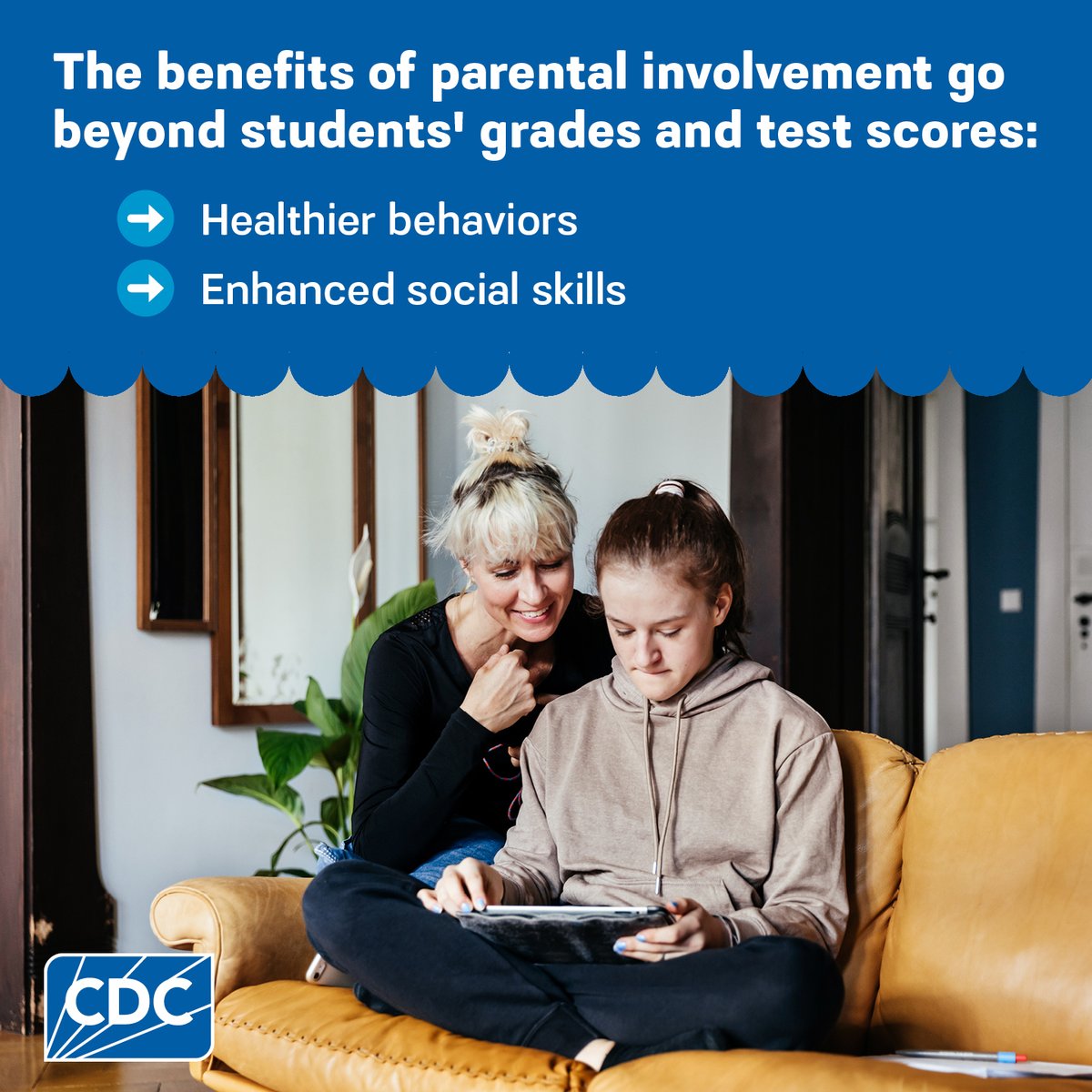
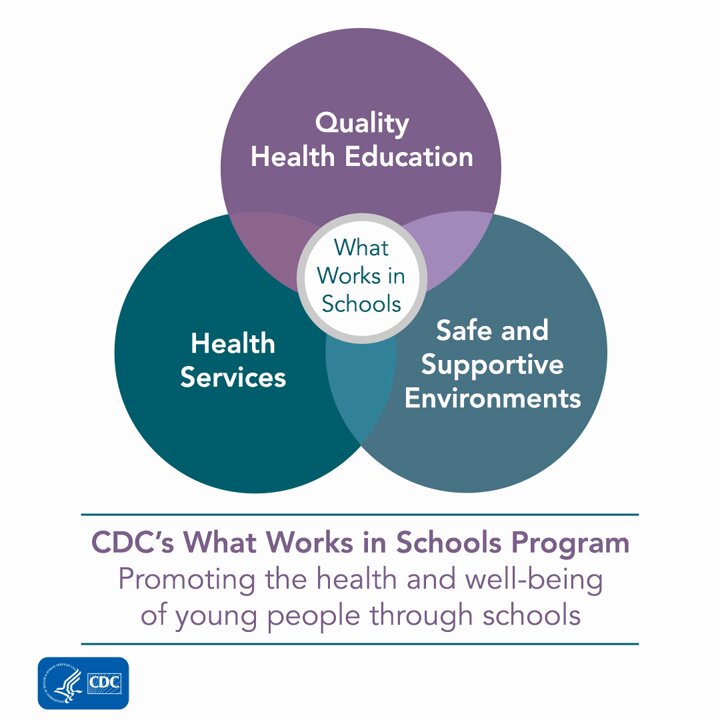
5/ Schools are the right place for a healthy start for adolescents, but schools can’t do it alone. The more engaged families are in shaping school health practices, the more likely those practices are to be tailored to meet their needs.
1
110
6/ Schools, families, and communities must work together to have the greatest effect on adolescent health and well-being. Explore more findings in the full report: cdc.gov/yrbs/dstr/dietary-ph… #CDCYRBS

109