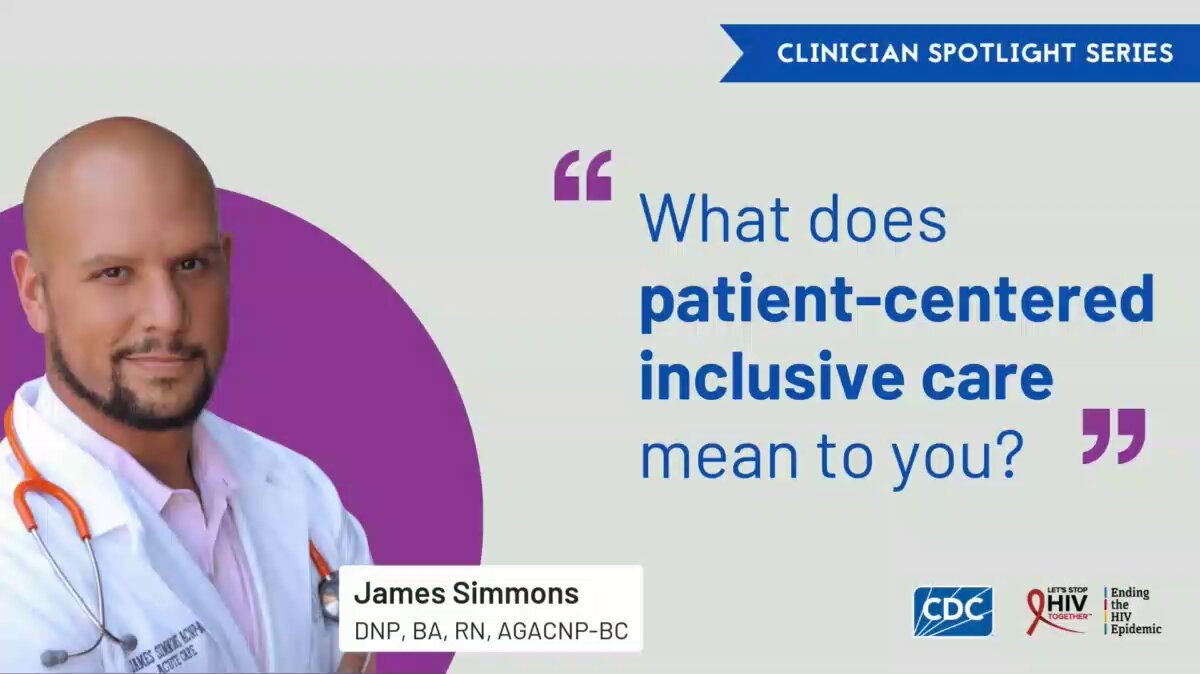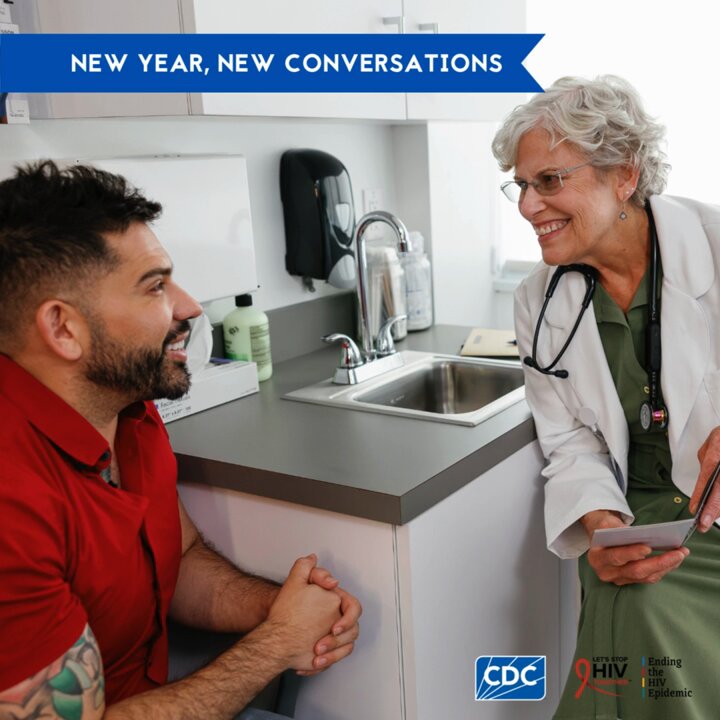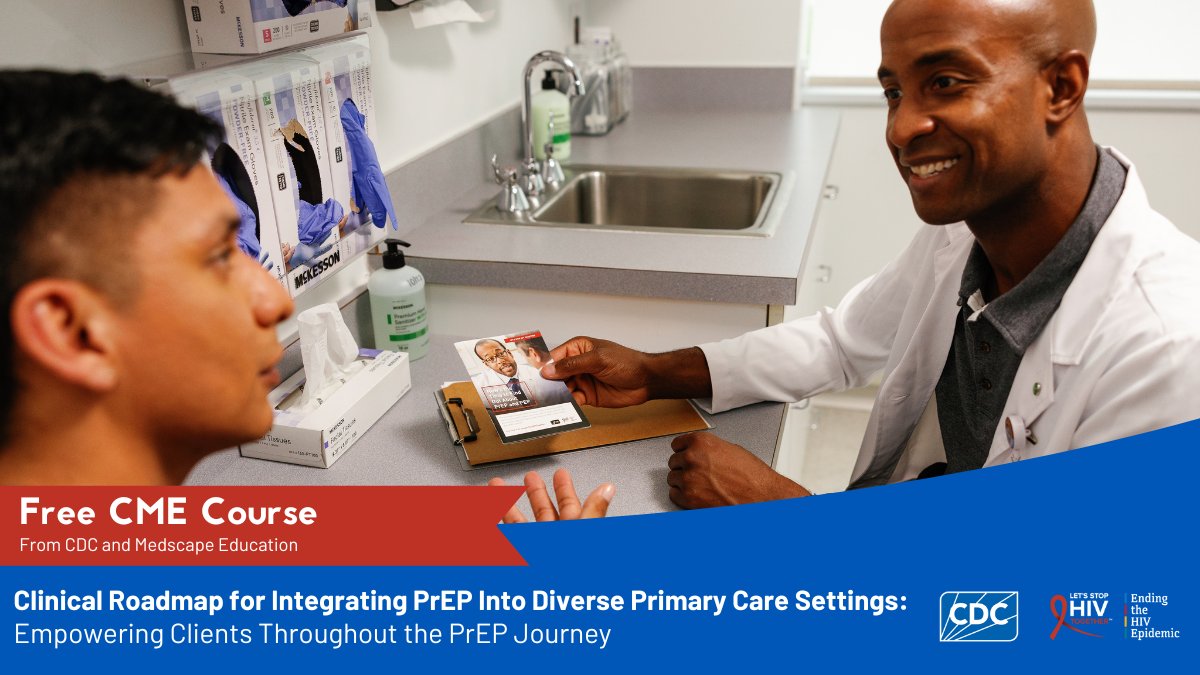
Providers: A patient-centered approach in your practice can help reduce stigma in HIV prevention and care.
Hear how CDC clinical ambassador @DrJamesQSimmons centers listening in patient visits.
Visit HIV Nexus for resources on HIV prevention and care: bit.ly/3YBzSQS
Through their PEP Center of Excellence, @PHLPublicHealth assembled a team of patient navigators, connecting patients in Philadelphia to PEP and providing follow-up outreach to transition callers to PrEP after 4-6 weeks.
Learn more: bit.ly/3YOPrU4#EHEinAction
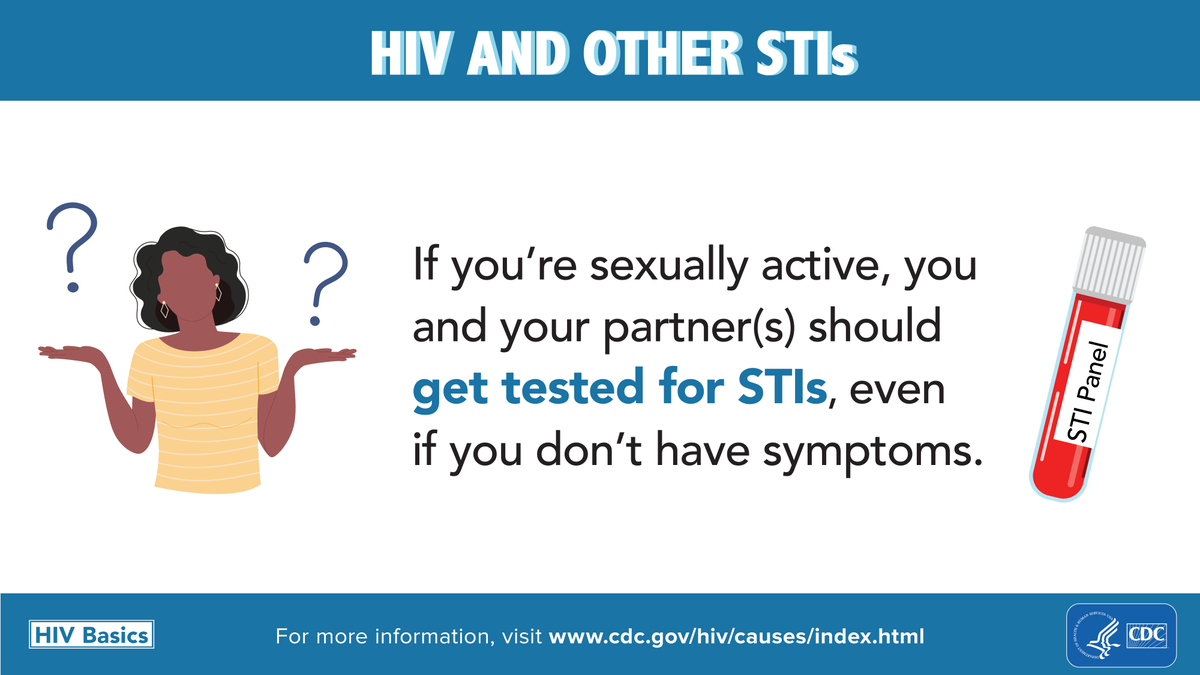
If you’re sexually active, you and your partners should get tested for #STIs, even if you don’t have symptoms.
Find testing for #HIV and other STIs: gettested.cdc.gov
ALT Informative graphic from the CDC promoting STI testing for sexually active individuals, featuring a person with questioning gestures and a STI test panel, with a link to the CDC website for more information.
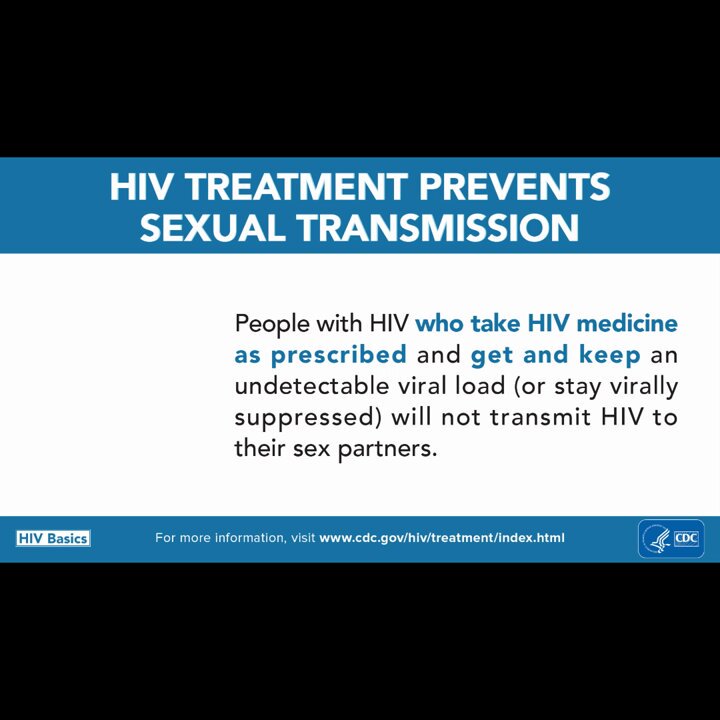
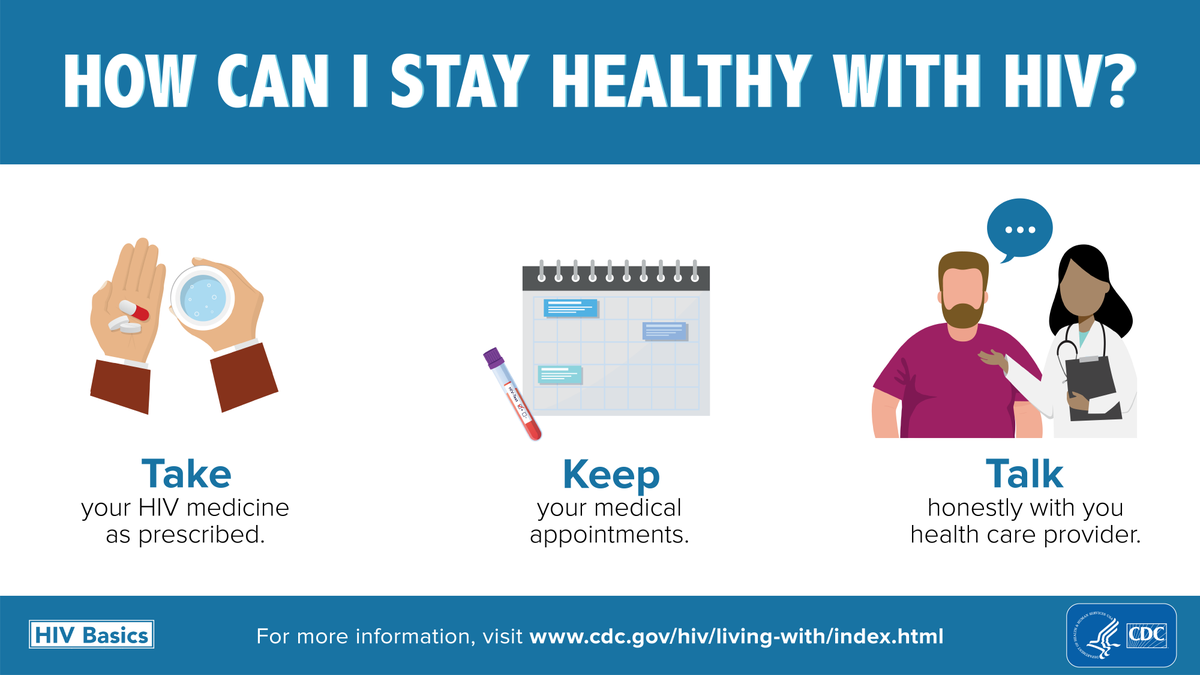
If you have HIV, taking HIV treatment can make your viral load undetectable.
Getting and keeping an undetectable viral load means you won't transmit HIV to your sex partners.
Learn more: cdc.gov/hiv/treatment#HIVBasics#UequalsU
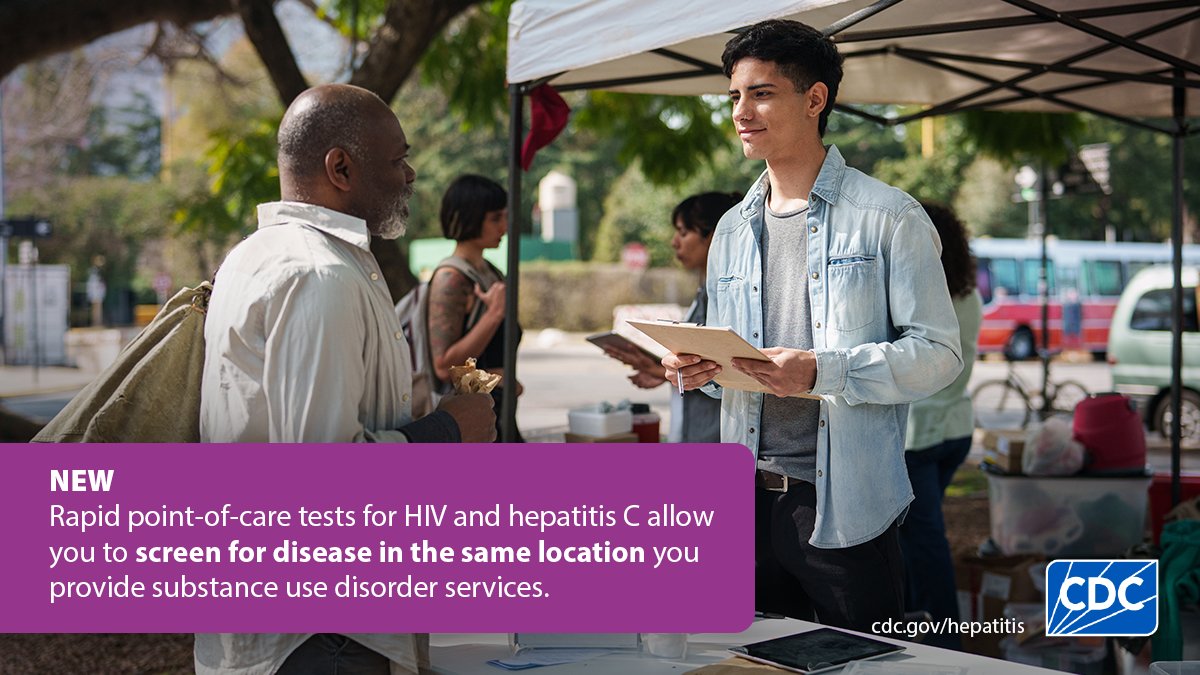
CDC encourages substance use disorder treatment facilities to integrate #HIV and #ViralHepatitis testing — including point-of-care HIV and HCV tests — into their services.
With your help, we can protect our communities from these preventable diseases: bit.ly/4ggFq9D
ALT Two men stand at a syringe services program tent while talking to each other. Text reads: "NEW: Rapid point-of-care tests for HIV and hepatitis C allow you to screen for disease in the same location you provide substance use disorder services."
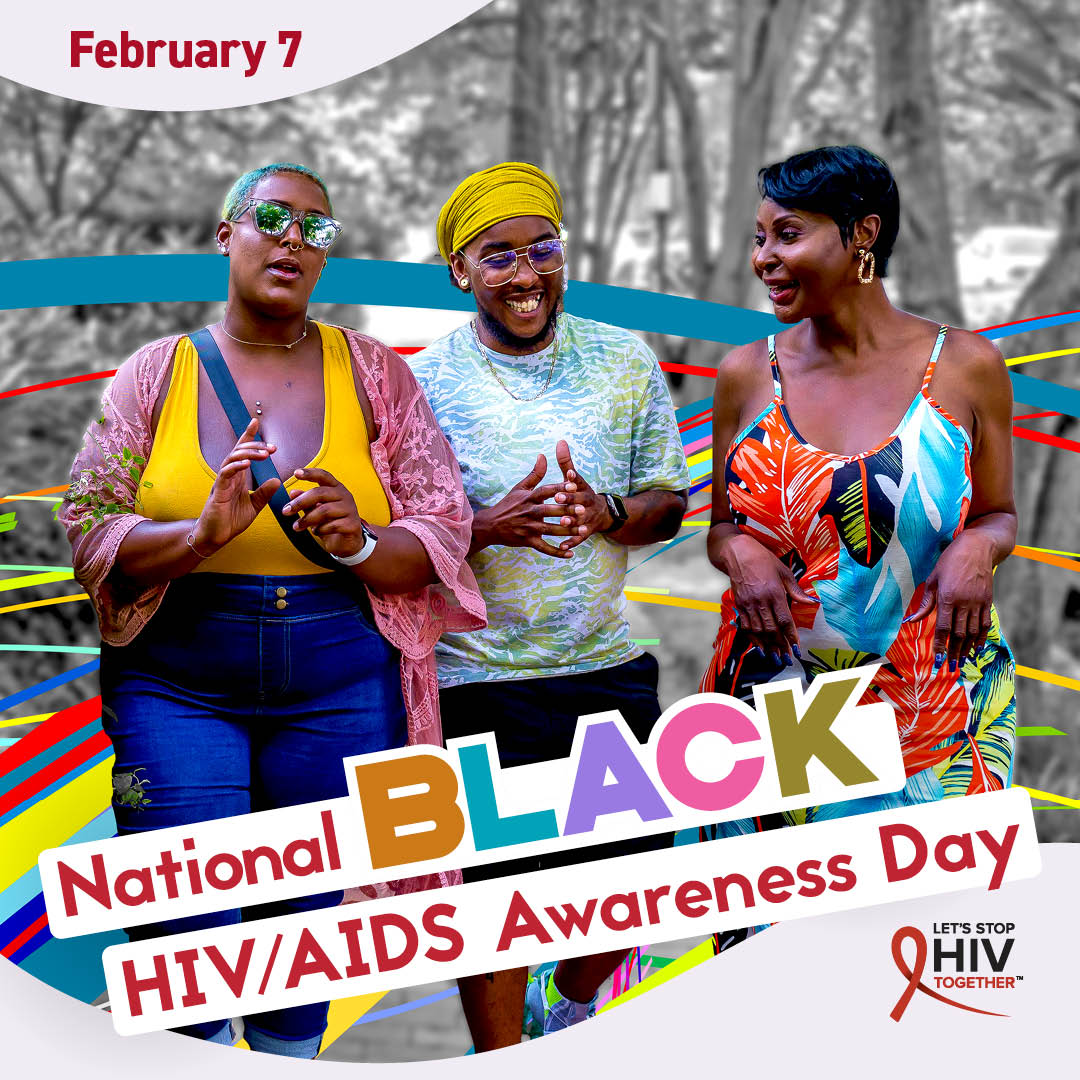
National Black HIV/AIDS Awareness Day is February 7!
Check out our resources to help raise awareness about HIV among Black/African American people.
• Campaign resources: bit.ly/47gGANY
• Digital toolkit: bit.ly/3CpJchI#NBHAAD#StopHIVTogether
ALT Three individuals outdoor, smiling during an event to mark National Black HIV/AIDS Awareness Day on February 7. Each is dressed in vibrant summer attire, with abstract colorful lines in the background and the message "Let's Stop HIV Together" alongside the date.
Providers: As we kick off a new year, let's pledge to start the conversation about HIV screening with patients!
Talk to all your patients and tell them that HIV testing is a routine part of healthcare.
Download CDC's clinicians' guide on HIV screening: bit.ly/4izSJU4
#EndHIVEpidemic funding fueled @_DCHealth’s targeted social media and marketing campaigns, boosting awareness of their PEP hotline and helping over 400 people start PEP in the first 18 months.
Learn more: bit.ly/3YOPrU4#EHEinAction
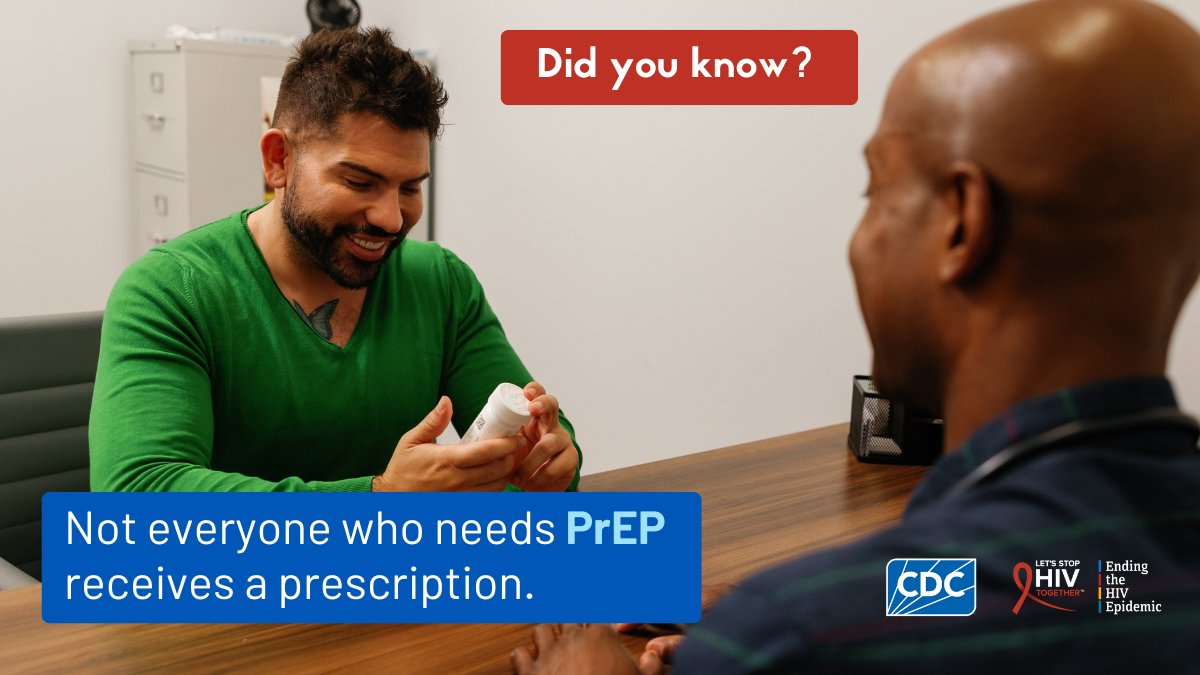
Providers: Are you #PrEPared to prescribe PrEP in the new year?
Any licensed prescriber can prescribe PrEP. You do not need to be an infectious disease or HIV specialist.
Visit HIV Nexus to learn about clinical guidance for PrEP: bit.ly/3UU44V1
ALT A healthcare provider talks to a patient holding a prescription bottle in their hands.
Public input is requested on draft guidelines for #HIV screening in clinical settings. Don’t delay – the deadline is 1/2/25!
regulations.gov/docket/CDC-2…
ALT Graphic featuring a megaphone with text "YOUR INPUT WANTED" and a deadline date "January 2, 2025" on a teal background.
With #EndHIVEpidemic funding, @SC_DPH provides PrEP and HIV prevention information at family planning clinics and shares digital outreach to boost PrEP awareness and uptake among women.
Learn more: bit.ly/3YOPrU4#EHEinAction
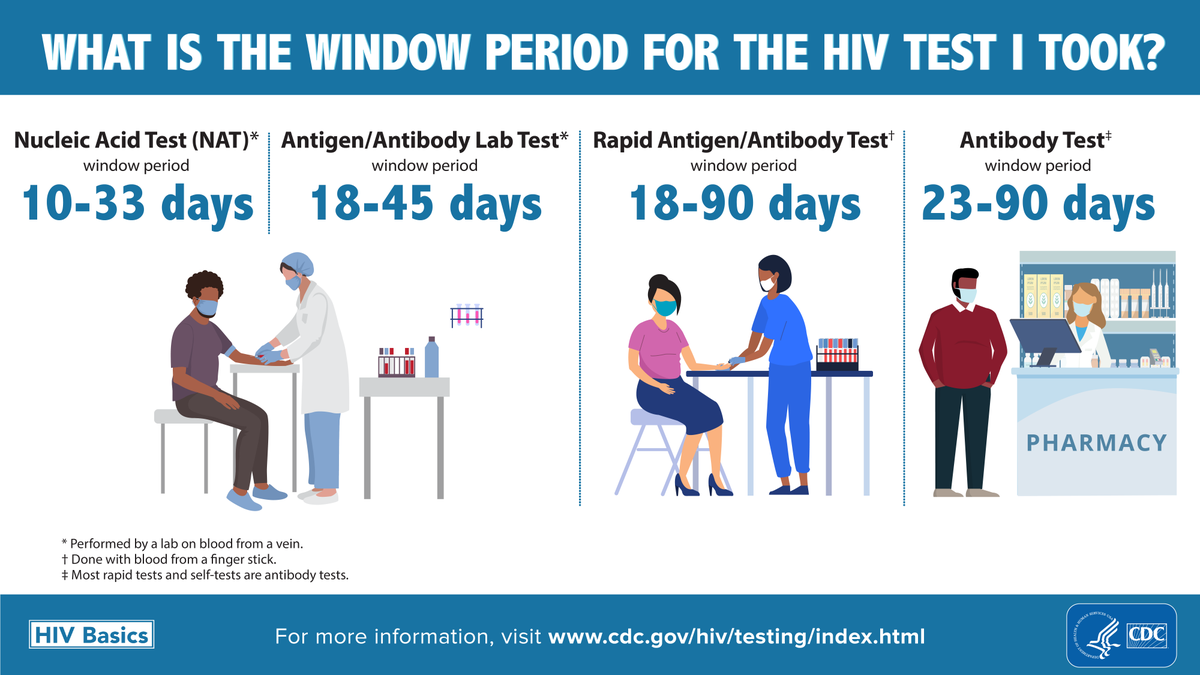
The window period for an #HIV test is the time between exposure and when a test can detect HIV.
Learn more about the window period for different HIV tests: cdc.gov/hiv/testing/index.ht…#HIVBasics
ALT An infographic titled "What is the window period for the HIV test I took?" shows four types of HIV tests with their window periods. From left to right: Nucleic Acid Test (10-33 days) depicting a healthcare worker taking a blood sample from a patient, Antibody/Antigen Lab Test (18-45 days) showing a healthcare worker discussing with a patient, Rapid Antigen/Antibody Test (18-90 days) with a healthcare worker performing a test on a seated patient, and Antibody Test (23-90 days) with an individual standing outside a pharmacy. Text at bottom states "HIV Basics. For more information, visit www.cdc.gov/hiv/testing/index.html." Logos of CDC included.
CDC_HIV seeks public comment on new draft updates to the 2006 Revised Recs for #HIV Testing of Adults, Adolescents & Pregnant Women in Health Care Settings.
regulations.gov/docket/CDC-2…
ALT Graphic featuring a vintage microphone with text 'Share Your Thoughts' and a deadline of January 2, 2025, set against a purple background.
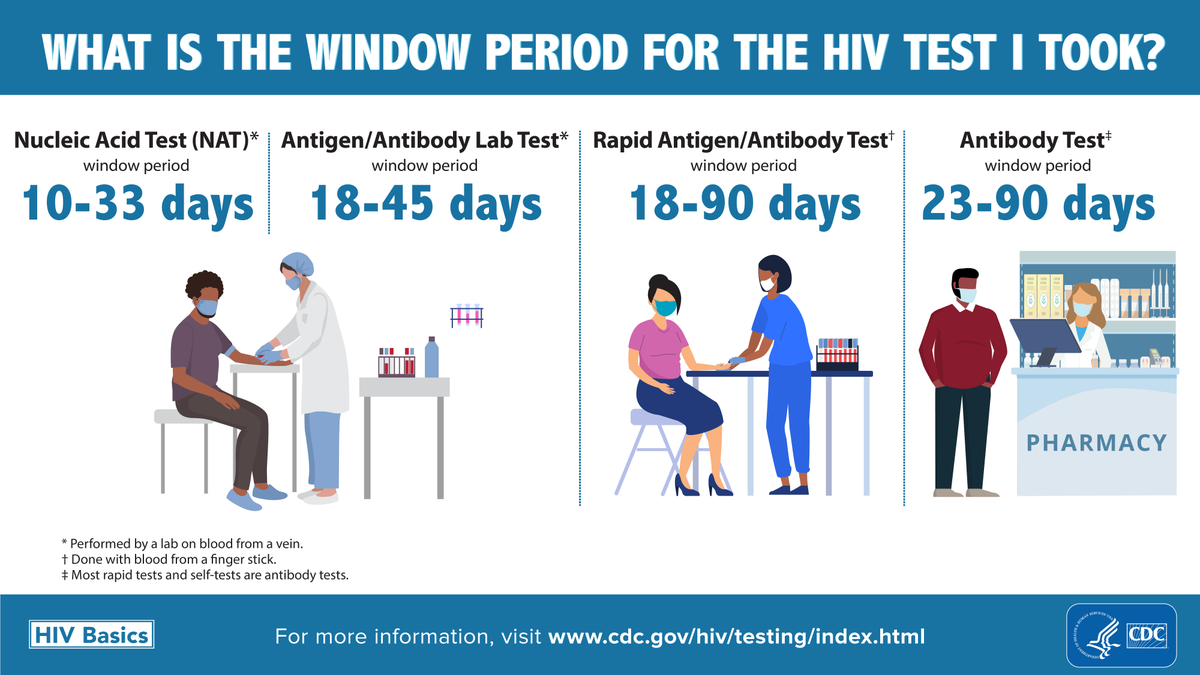
The window period for an #HIV test is the time between exposure and when a test can detect HIV.
If you get an HIV test after a potential HIV exposure and the result is negative, get tested again after the window period for the test you took.
#HIVBasics
ALT An infographic by the CDC showing the window periods for different HIV tests. From left to right: Nucleic Acid Test (10-33 days) with a healthcare worker and patient at a table; Antibody/Antigen Test (18-90 days) with a healthcare worker and patient at a table; Antibody Test (23-90 days) with an individual standing at a pharmacy counter. A URL link to the CDC HIV testing information is provided at the bottom.
Providers: Patients who want to take PrEP for HIV prevention have more options than a pill. Injectable PrEP is highly effective at preventing new HIV infections.
Download CDC’s Clinicians’ PrEP Quick Guide to learn more about the different PrEP options: bit.ly/4f4ceRK
#EndHIVEpidemic funding enabled @_DCHealth to team up with pharmacies, ensuring rapid PEP prescription fulfillment, streamlined insurance billing, and connections to patient assistance programs.
Learn more: bit.ly/3YOPrU4#EHEinAction
With #EndHIVEpidemic funding, @SC_DPH provides PrEP and HIV prevention information at family planning clinics and shares digital outreach to boost PrEP awareness and uptake among women.
Learn more: bit.ly/3YOPrU4#EHEinAction