
CDG CARE is a nonprofit organization founded by parents to support families affected by Congenital Disorders of Glycosylation.
Joined March 2020
- Tweets 54
- Following 79
- Followers 112
- Likes 9
12 Photos and videos


Feb 7
🚀 Calling all clinicians, researchers, and rare disease innovators!
At CDG CARE, a member organization of the Chan Zuckerberg Initiative’s Rare As One Network, we recognize that advancing care and discovery for Congenital Disorders of Glycosylation (CDG) requires moving faster, working smarter, and collaborating globally. That is why we invite you to join the CDG Clinical & Research Network (CDG CRN).
The CDG CRN brings together academic, clinical and industry experts dedicated to accelerating progress for individuals and families affected by CDG. By connecting multidisciplinary expertise, we can collectively turn scientific breakthroughs into meaningful clinical impact.
🌟 Why Join the CDG CRN?
✔ Engage with emerging patient registries, natural history efforts & biobanks
✔ Participate in training workshops, webinars & collaborative grant proposals
✔ Contribute to working groups, consensus publications & future guidelines
✔ Engage in multi-center research and therapeutic development projects
✔ Build shared, standardized tools for diagnostics and outcomes research
✔ Connect with clinicians, researchers, caregivers, and families in a patient-centered model
🧠 Who Should Join?
● Clinicians in genetics, neurology, metabolism, gastroenterology, immunology, endocrinology, nutrition, and related specialties
● Researchers focused on glycosylation biology, rare diseases, diagnostics, or therapeutic development
● Institutions serving CDG patients or aiming to expand diagnostic and clinical capacity in rare diseases
● Laboratory clinicians, including experts in biochemical genetics, clinical genomics, metabolomics, and glycomics, who contribute to diagnostic testing and protocol development
Let’s collaborate to improve diagnosis, care standards, and research pathways for CDG. Explore and join today: cdgcare.org/cdg-crn/
2
2
3
104
11 Nov 2025
💚 Every CDG family’s story reminds us why this mission matters. Your support helps CDG CARE continue delivering hope, connection, and resources to families around the world. 🌍
🔗 Donate today:
secure.givelively.org/donate…
#GivingTuesday #StrongerTogether #StoriesOfImpact #DoubleYourImpact
68
7 Nov 2025
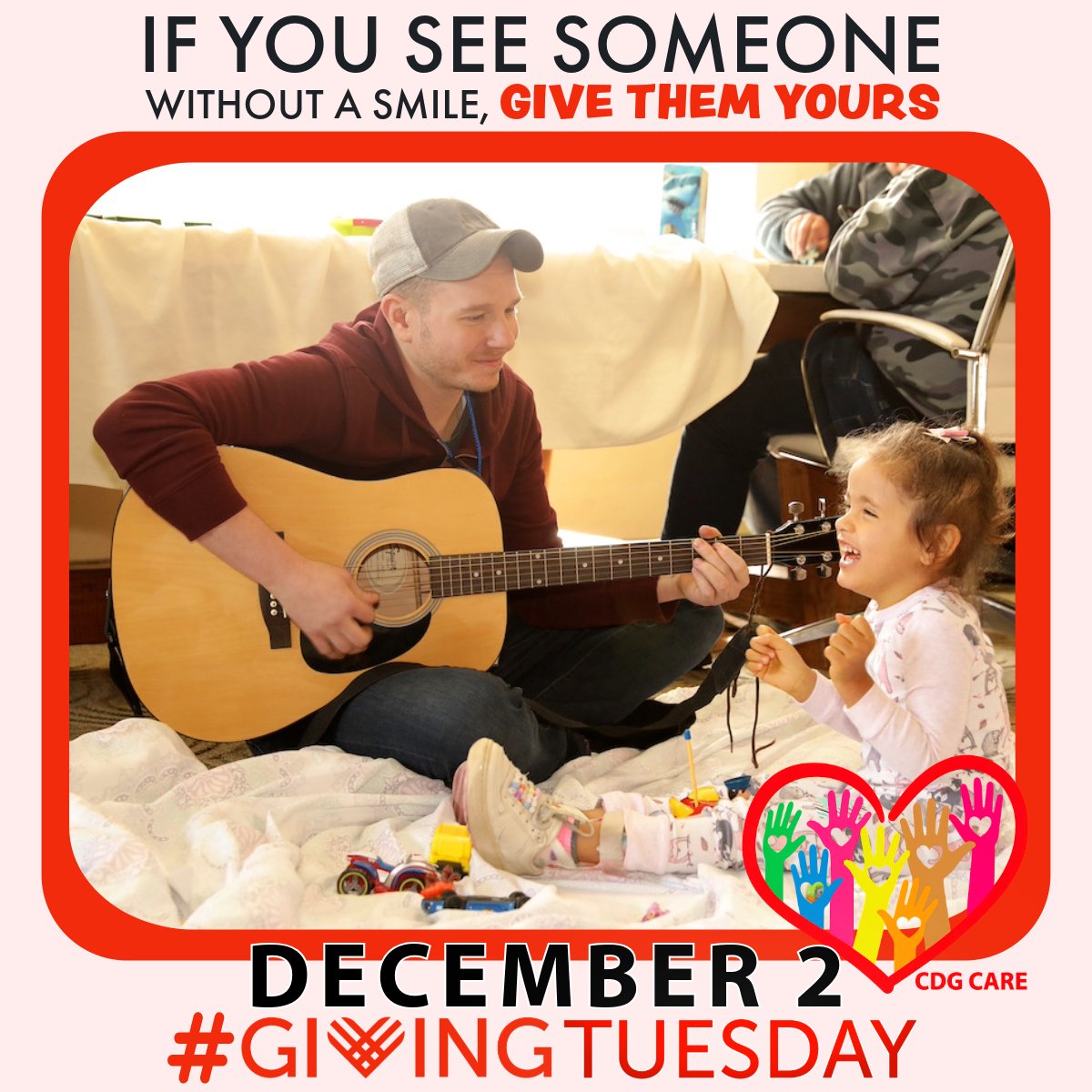
💚 𝐃𝐨𝐮𝐛𝐥𝐞 𝐘𝐨𝐮𝐫 𝐈𝐦𝐩𝐚𝐜𝐭 𝐓𝐡𝐢𝐬 𝐆𝐢𝐯𝐢𝐧𝐠 𝐓𝐮𝐞𝐬𝐝𝐚𝐲! 💚
Hope starts with you.
This 𝗚𝗶𝘃𝗶𝗻𝗴 𝗧𝘂𝗲𝘀𝗱𝗮𝘆, 𝗗𝗲𝗰𝗲𝗺𝗯𝗲𝗿 𝟮, 𝟮𝟬𝟮𝟱, CDG CARE invites you to stand with families around the world affected by Congenital Disorders of Glycosylation (CDG).
We’re thrilled to announce that an anonymous donor will match every donation, dollar-for-dollar, up to $30,000 from now through Giving Tuesday - meaning your generosity will have twice the impact in improving the lives of children and families living with CDG!
Our goal is to raise $55,000 to build a stronger, more connected future - one where no family faces CDG alone.
Your gift powers CDG CARE’s most vital work:
• Family support and travel assistance to ensure access to expert care.
• Educational and translated resources so knowledge reaches families everywhere.
• Community programs, advocacy, and initiatives that advance CDG research and collaboration.
Every dollar counts - and this year, every dollar goes twice as far.
Join the movement. Give generously. Help us change lives.
Donate today and DOUBLE YOUR IMPACT:
lnkd.in/gYBejqZF
#GivingTuesday #CDGCARE #GiveHope #DoubleYourImpact #RareDiseaseCommunity #HopeStartsWithYou
45
8 Oct 2025
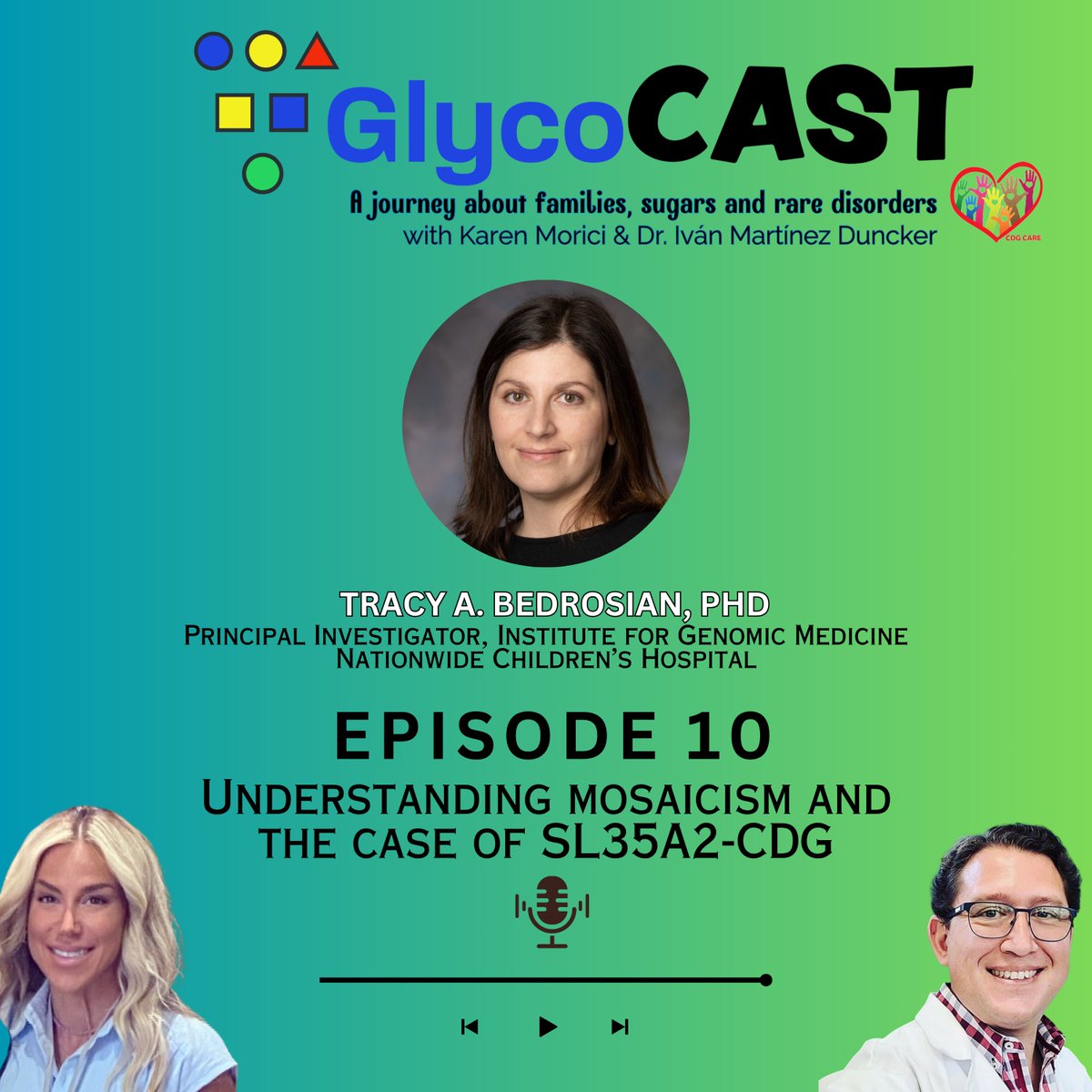
CDG CARE is proud to sponsor GlycoCAST, a podcast created to bring together the perspectives of families, researchers, and clinicians across the CDG community.
In episode 10, hosts Iván Martínez Duncker MD ScD and Karen Morici sit down with Dr. Tracy Bedrosian to discuss her groundbreaking research on SLC35A2-CDG and mosaicism, exploring how these genetic differences shape brain development, seizures, and potential future therapies.
A must-listen for anyone passionate about advancing understanding and care for those living with CDG.
Listen here: pod.link/1704054112
76
CDG CARE retweeted

3 Sep 2025
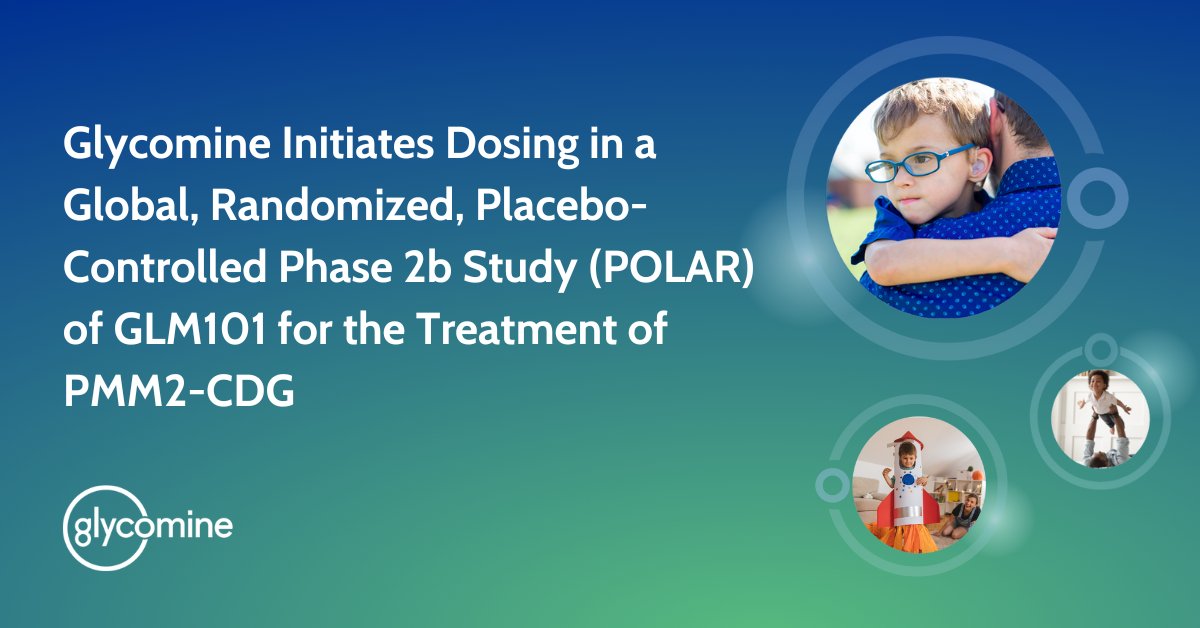
Glycomine announced today the first participant dosed in POLAR, our global, randomized, placebo-controlled Phase 2b study of GLM101 for the treatment of #PMM2CDG, a rare genetic disorder of glycosylation.
glycomine.com/glycomine-init…
#CDGresearch #ClinicalTrial #RareDisease
1
1
71
26 Aug 2025
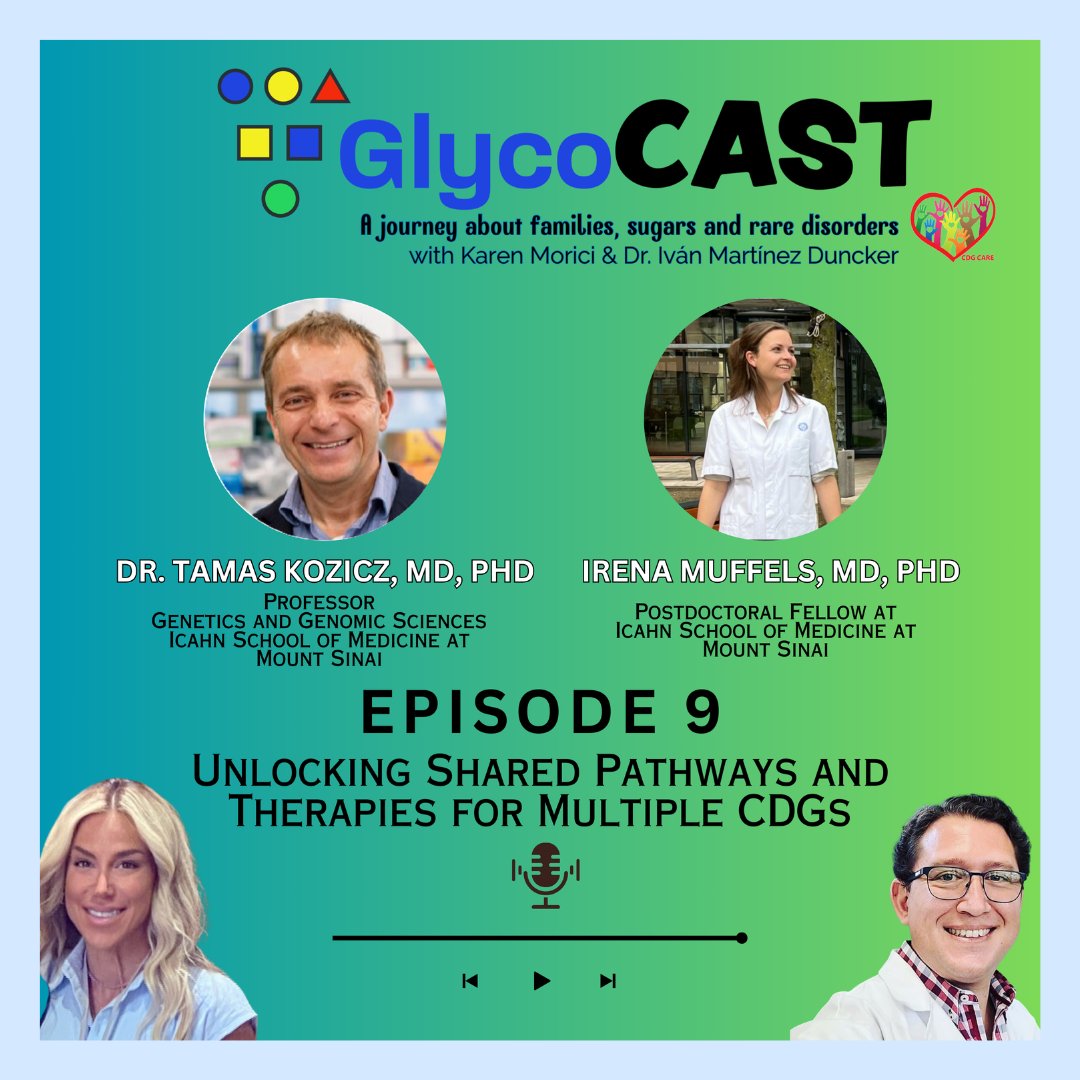
Now streaming!!! GlycoCAST Episode 9: Unlocking Shared Pathways and Therapies for Multiple CDGs
Dr. Tamas Kozicz and Dr. Irena Muffels (Icahn School of Medicine at Mount Sinai) discuss how advanced multi-omics is helping unravel the complexity of Congenital Disorders of Glycosylation (CDG) and reveal potential shared therapeutic pathways. It’s a conversation about rigorous science and the mentorship and collaboration that move the field forward with families.
Listen on your favorite podcast platform now: lnkd.in/gMVgzubX
1
42
15 Aug 2025
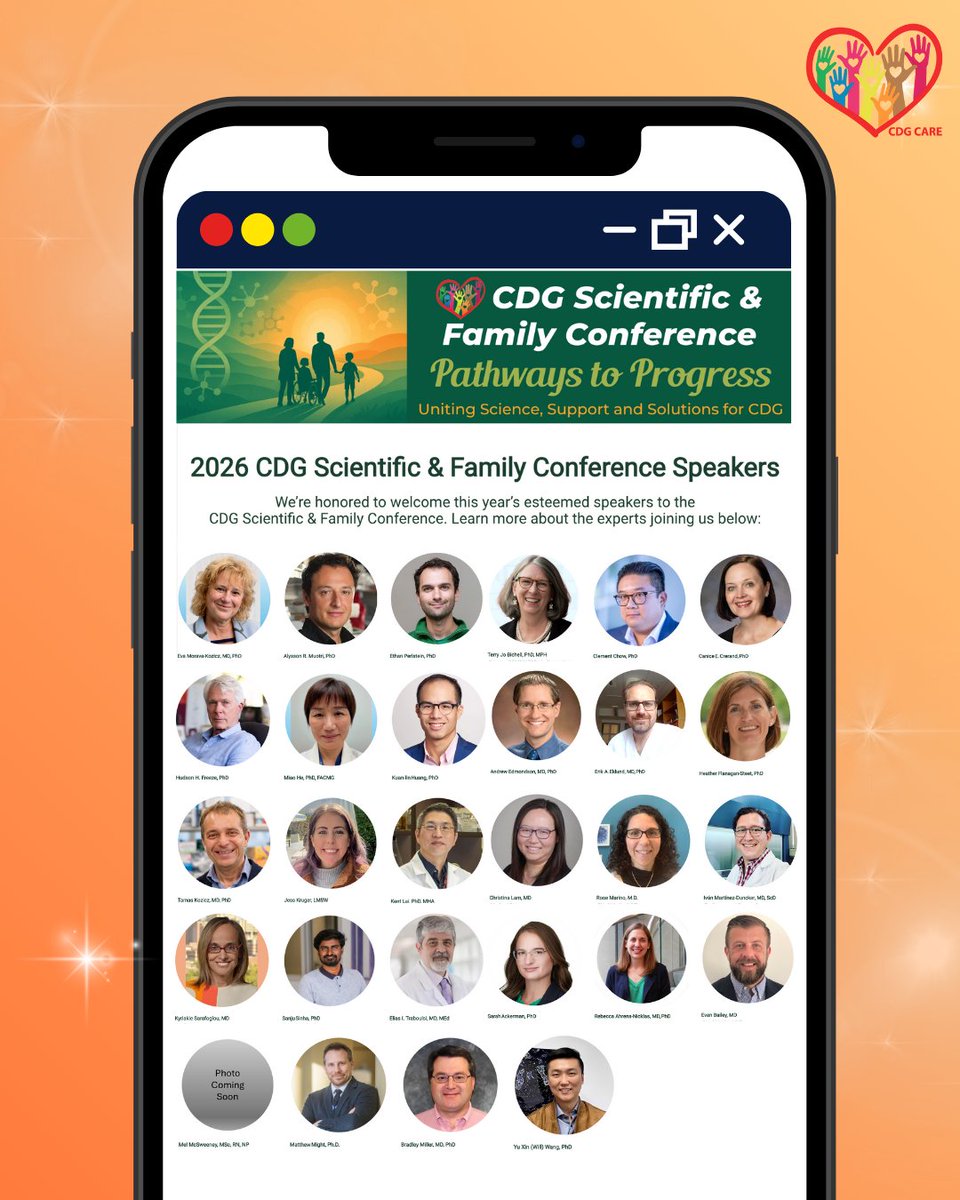
𝐏𝐚𝐭𝐡𝐰𝐚𝐲𝐬 𝐭𝐨 𝐂𝐃𝐆 𝐩𝐫𝐨𝐠𝐫𝐞𝐬𝐬 𝐬𝐭𝐚𝐫𝐭𝐬 𝐡𝐞𝐫𝐞!
Join us where science, solutions, and lived experience intersect.
𝗥𝗲𝗴𝗶𝘀𝘁𝗲𝗿 𝗳𝗼𝗿 𝘁𝗵𝗲 𝟮𝟬𝟮𝟲 𝗖𝗗𝗚 𝗦𝗰𝗶𝗲𝗻𝘁𝗶𝗳𝗶𝗰 & 𝗙𝗮𝗺𝗶𝗹𝘆 𝗖𝗼𝗻𝗳𝗲𝗿𝗲𝗻𝗰𝗲 𝗻𝗼𝘄! 𝗔𝗽𝗿𝗶𝗹 𝟮𝟰–𝟮𝟲, 𝟮𝟬𝟮𝟲 | 𝗛𝗶𝗹𝘁𝗼𝗻 𝗢𝗿𝗹𝗮𝗻𝗱𝗼 𝗟𝗮𝗸𝗲 𝗕𝘂𝗲𝗻𝗮 𝗩𝗶𝘀𝘁𝗮 – 𝗗𝗶𝘀𝗻𝗲𝘆 𝗦𝗽𝗿𝗶𝗻𝗴𝘀 𝗔𝗿𝗲𝗮
𝗥𝗲𝗴𝗶𝘀𝘁𝗲𝗿 𝗮𝗻𝗱 𝗲𝘅𝗽𝗹𝗼𝗿𝗲 𝗲𝘃𝗲𝗻𝘁 𝗱𝗲𝘁𝗮𝗶𝗹𝘀: cdgcare.org/2026-cdg-scienti…
Connect with rare disease leaders, families, researchers, clinicians, and industry innovators focusing on advancing science, support, and solutions for Congenital Disorders of Glycosylation. This year’s theme, “𝐏𝐚𝐭𝐡𝐰𝐚𝐲𝐬 𝐭𝐨 𝐏𝐫𝐨𝐠𝐫𝐞𝐬𝐬: 𝐔𝐧𝐢𝐭𝐢𝐧𝐠 𝐒𝐜𝐢𝐞𝐧𝐜𝐞, 𝐒𝐮𝐩𝐩𝐨𝐫𝐭 & 𝐒𝐨𝐥𝐮𝐭𝐢𝐨𝐧𝐬,” highlights the collaborative power of translational science, clinical care, and community partnerships and we’re proud to bring together some of the brightest minds in the field.
Meet our 2026 speakers and see why this year’s agenda will be both informative and inspiring: cdgcare.org/2026-speakers/
The 3-day program includes:
▪︎ Cutting-edge presentations on diagnostics, disease mechanisms, and therapeutic development
▪︎ Opportunities to connect with key stakeholders in CDG research, advocacy, and care
▪︎ Collaborative roundtables and poster exhibits
▪︎ Direct engagement with CDG families and caregivers - the heart of our rare community
We invite all professionals and industry stakeholders to register today and explore sponsorship opportunities to help advance the science while building lasting community impact.
1
25
7 Aug 2025
CDG CARE made the news! We’re honored to be featured in the brand new Global Genes Guide to Securing a State Proclamation for Rare Disease Awareness, a resource we’ve been proud to help develop. This guide is designed to help rare disease patient groups everywhere launch impactful proclamation campaigns in their own states.
The guide is now LIVE... check out our collaborative piece and see how we’re working together to raise awareness for the rare disease community:
globalgenes.org/blog/global-…
@GlobalGenes
48
4 Aug 2025
𝑩𝒆𝒄𝒂𝒖𝒔𝒆 𝒘𝒉𝒂𝒕 𝒘𝒆 𝒍𝒆𝒂𝒓𝒏 𝒊𝒏 𝒐𝒏𝒆 𝑪𝑫𝑮 𝒄𝒂𝒏 𝒄𝒉𝒂𝒏𝒈𝒆 𝒍𝒊𝒗𝒆𝒔 𝒊𝒏 𝒕𝒉𝒆𝒎 𝒂𝒍𝒍...
NIH Awards $5.4 Million to Multi-Institutional Consortium to Investigate Neurological Symptoms in CDG
We are thrilled to share that a consortium of five research institutions, centered at the Icahn School of Medicine at Mount Sinai, has been awarded a prestigious NIH Program Project Grant (P01) from the National Institute of Neurological Disorders and Stroke (NINDS) titled “Investigation of Neural Pathogenic Mechanisms Associated with Congenital Disorders of Glycosylation.” This five-year, $5.4 million initiative will focus on investigating how the glycosylation defects in different CDGs impacts the cells in the brain and central nervous system— a question of critical importance as nearly all CDG patients have some neurological symptoms but we still don’t fully understand the reasons why these symptoms develop. This gap in our understanding is delaying the identification and testing of new therapies.
This new NIH-funded program aims to fill that gap by taking advantage of the experimental strengths of three different model systems – zebrafish, fruit flies and brain organoids or “mini-brains” that can be grown in the lab. The Program consists of three highly integrated Research Projects that will use these different model systems to make discoveries that will then be shared with the other groups. This sharing of information will greatly accelerate the research. This cross-talk and integration is a key aspect of the P01 Program Project grant.
The effort is led by two Principal Investigators, Dr. Eva Morava-Kozicz at Icahn School of Medicine at Mount Sinai and Dr. Richard Steet at the Greenwood Genetic Center (GGC), who bring combined strength in clinical and basic science aspects of CDG. The Multi-omics Core of the Program, led by Dr. Akhilesh Pandey at the Mayo Clinic, will bring state-of-the-art technologies like glycomics, glycoproteomics, and metabolomics to the team, supporting each Research Project.
The three integrated Research Projects capitalize of the strengths of different model systems and the unique research expertise of the investigators:
• Research Project 1, led by Dr. Heather Flanagan-Steet at GGC, will use zebrafish models of PMM2-CDG and PIGA-CDG to examine how glycosylation defects affect different cell types during brain development.
• Research Project 2, led by Dr. Clement Chow at the University of Utah School of Medicine, will utilize Drosophila (fruit flies) models to explore different mutations and cell types drive neurological disease in CDG. His work also aims to uncover how genetic background may alter disease progression.
• Research Project 3, co-led by Dr. Tamas Kozicz at Mount Sinai and Dr. Steven Sloan at Emory University, will apply human brain organoid models of PMM2-CDG and ALG13-CDG to investigate how altered glycosylation and metabolism disrupt the circuits that transmit signals in the brain.
This collaborative and exciting research program brings together a powerhouse team of seven investigators from five leading institutions, combining basic science, clinical expertise, and a broad collection of model systems to accelerate our understanding of why the brain and central nervous system are so affected in CDG. The investigators envision that discoveries made in the initial CDGs that will be studied here will inform our understanding of multiple related CDGs and may open up opportunities to explore common modes of treatment.
36
25 Jun 2025
We’re thrilled to announce that CDG CARE is now an official member of COMBINEDBrain - The Consortium for Outcome Measures and Biomarkers for Neurodevelopmental Disorders! 💚🧠
This powerful alliance of rare disease professionals, scientists, and advocacy organizations is devoted to speeding the path to clinical treatments for people with rare genetic neurodevelopmental disorders by pooling efforts, studies, and data.
By joining forces, we’re amplifying the voice of the CDG community and accelerating progress in research and therapeutic development.
@combined_brain
#rarediseaseresearch #StrongerTogether #CDGAwareness #combinedbrain
60
13 Jun 2025
New Documentary Spotlight 🎥
Could the tiny fruit fly help unlock treatments for rare diseases? 🪰🔬
We're excited to share a powerful new documentary featuring the incredible work of Dr. Clement Chow and the Chow Lab, alongside the Link Lab, showcasing how Drosophila are being used to drive discoveries and advance therapies for rare conditions like CDG. 💚
youtube.com/watch?v=MSH41L5h…
#cdgresearch #CDGAwareness #tenderlovingrare
1
1
63
8 Jun 2025
📢Families with rare diseases often rely on Medicaid as their primary or secondary insurance provider.
Last week, the House passed legislation that puts Medicaid as we know it and rely on it at risk. Over 8 million families are at risk of losing their Medicaid. But there is still time to prevent the worst cuts and changes in the Senate.
☎️Please call now and tell your U.S. Senator what Medicaid means to you and your family in just a few easy steps:
1. Call 202-224-3121 to ask to be connected to your state’s Senator (there are two for each state, so repeat this step)
2. Tell the staff person who answers the phone what Medicaid does for your family and what would happen if those benefits were taken away. The staff is there for people just like you, and they share the numbers of concerned callers with your senator each day. Don’t be intimidated because you’ve never done this before. Make sure you are counted! Too much is at stake
3. Repeat Step #1 because every state has two Senators
4. If you have a few more seconds, please share this to spread the word to your family and friends!
#savemedicaid #rarediseaseawareness #cdgawareness #calltoaction
1
21
7 Jun 2025
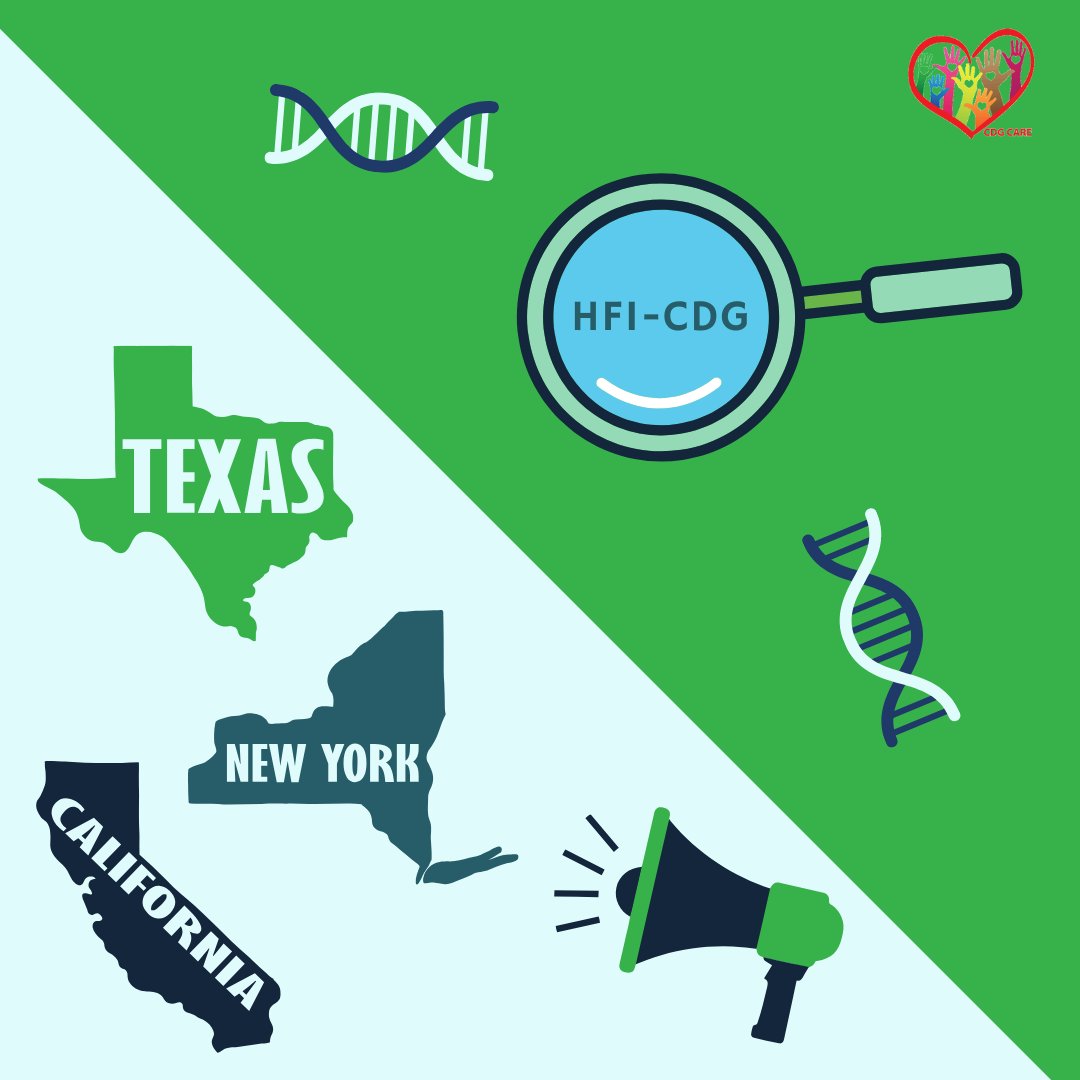
𝑪𝑫𝑮 𝑹𝑬𝑺𝑬𝑨𝑹𝑪𝑯 𝑼𝑷𝑫𝑨𝑻𝑬: New CDG Type Identified & Your Help Needed!
Hereditary Fructose Intolerance (HFI) has officially been classified as a new type of CDG, highlighting shared glycosylation defects and opening new doors for research, diagnosis, and family support.
Now, your participation is 𝗨𝗥𝗚𝗘𝗡𝗧𝗟𝗬 needed: A newborn screening study led by Dr. Miao He at CHOP is testing a groundbreaking method to detect CDG at birth, before symptoms even start. They’re seeking families of children diagnosed with PGM1-CDG, MPI-CDG, or HFI-CDG who were born in 𝗖𝗮𝗹𝗶𝗳𝗼𝗿𝗻𝗶𝗮, 𝗧𝗲𝘅𝗮𝘀, or 𝗡𝗲𝘄 𝗬𝗼𝗿𝗸.
If eligible, you can help by simply consenting to have your child’s dried blood spot card analyzed... no travel or extra bloodwork required.
-𝗗𝗲𝗮𝗱𝗹𝗶𝗻𝗲: June 30, 2025
-𝗘𝗺𝗮𝗶𝗹: HeM@chop.edu
-𝗣𝗵𝗼𝗻𝗲: 215-590-1177
This is a crucial opportunity to help advance early diagnosis and give future families a head start toward better outcomes.
#cdgresearch #cdgawareness #cdgcommunity #familiesneeded
2
49
4 Jun 2025
Hope in Action: The ALG13-CDG Research Project Begins!
CDG CARE is proud to announce the kickoff of a groundbreaking new research initiative in partnership with Perlara and the extraordinary ALG13-CDG community, led by the Hale family and their 10-year-old daughter, Siena.
Siena is one of fewer than 100 children in the world living with ALG13-CDG, a rare and life-limiting genetic disorder. Her parents, Keszia and Bryce, have turned heartbreak into action – leading a global effort to raise funds and launch a drug repurposing project aimed at improving quality of life and giving children like Siena a brighter future.
Thanks to the incredible generosity of families and supporters, over 70% of the funding goal for Phase 1 and 2 has already been raised. This research will use Perlara’s innovative yeast model to screen over 8,000 compounds in search of treatments that could restore function and improve quality of life. If successful, this could be life-changing – not just for ALG13-CDG – but potentially for many CDG types that share similar pathways.
With over 190 known CDG types, every step forward for one is a step forward for all. This project is more than research, it’s a movement powered by love, science, and the belief that progress is possible when we work together.
Join us. Support the science. Share the story. Be part of the momentum.
ocalagazette.com/saving-sien…
#SavingSiena #ALG13CDG #CDGCARE #CDGResearch #DrugRepurposing #Perlara #OneCDGCommunity #HopeInAction #StrongerTogether
2
3
88
31 May 2025
🚨URGENT ACTION NEEDED
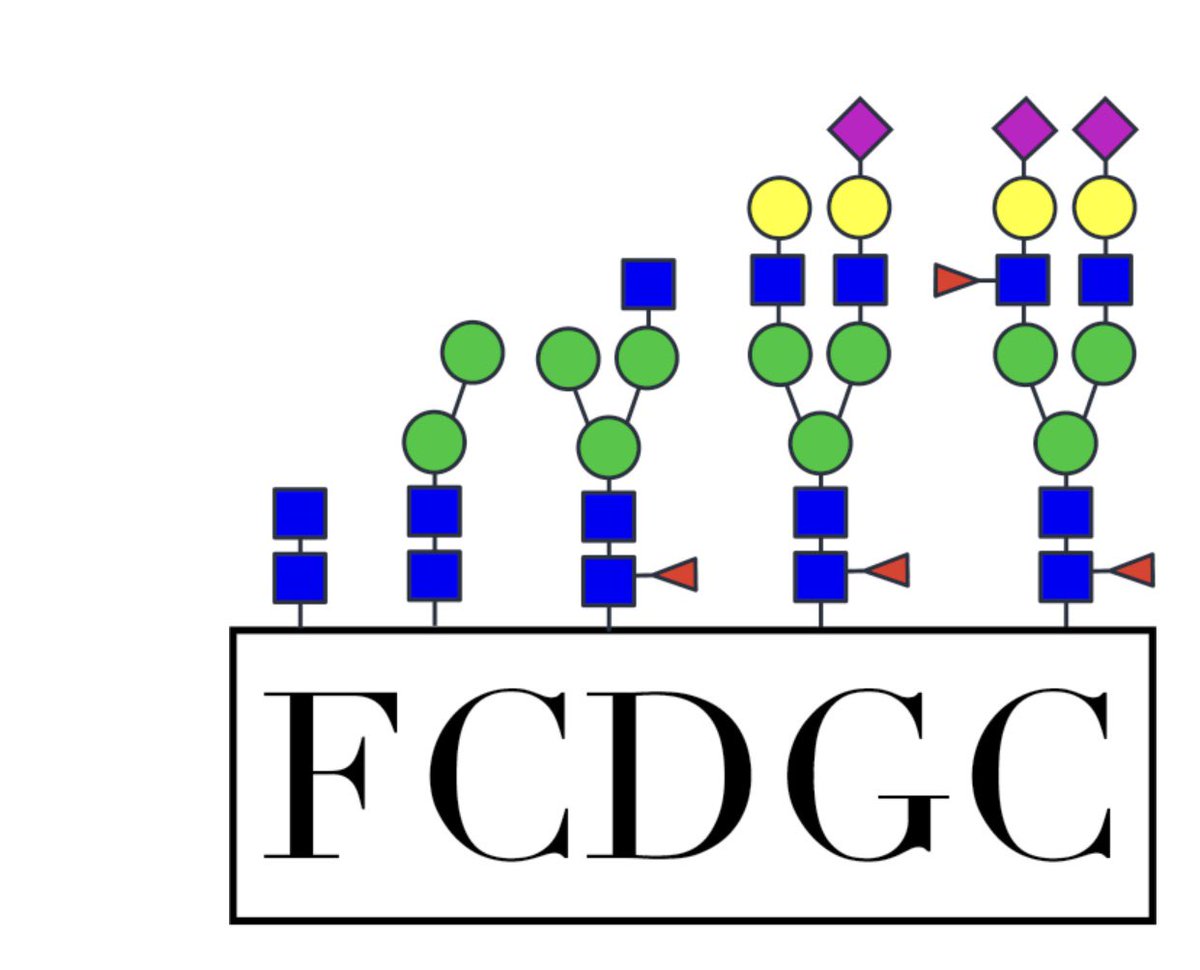
The NIH issued a special NOFO a few weeks ago that was framed to open the door for the FCDGC to REAPPLY for our 5-year federal funding support - thanks to YOUR advocacy. BUT… there is now a serious roadblock delaying the release of this opportunity!
We CANNOT afford a delay. CDG patients and families are depending on this funding. The FCDGC is our ONLY dedicated research network for CDG. Without immediate follow-through from NIH, this chance could vanish.
We are calling on ALL CDG families, friends, and advocates to ACT NOW!
Call and email the Rare Disease Caucus leaders TODAY and tell them to demand immediate NIH action:
• Rep. Doris Matsui: 202-225-7163 (jackie.weinrich@mail.house.gov)
• Rep. Gus Bilirakis: 202-225-5755 (leighann.fairley@mail.house.gov)
• Sen. Roger Wicker: 📷 202-224-6253 (kendyl_willox@wicker.senate.gov)
• Sen. Amy Klobuchar: 📷 202-224-3244 (Charlotte_Griffith@klobuchar.senate.gov)
Contact your local representatives and ask them to stand up for CDG research. This issue can’t wait until next week.
Tell them: "NIH must release the revised NOFO as intended by May 31st and allow the FCDGC to move forward. Lives are at stake. Families are waiting. CDG research must continue."
SHARE. TAG. FORWARD. Post your calls and messages using #SaveFCDGC and #CDGCommunity.
Our strength is in our voices - LET THEM HEAR US.
1
1
67
29 May 2025
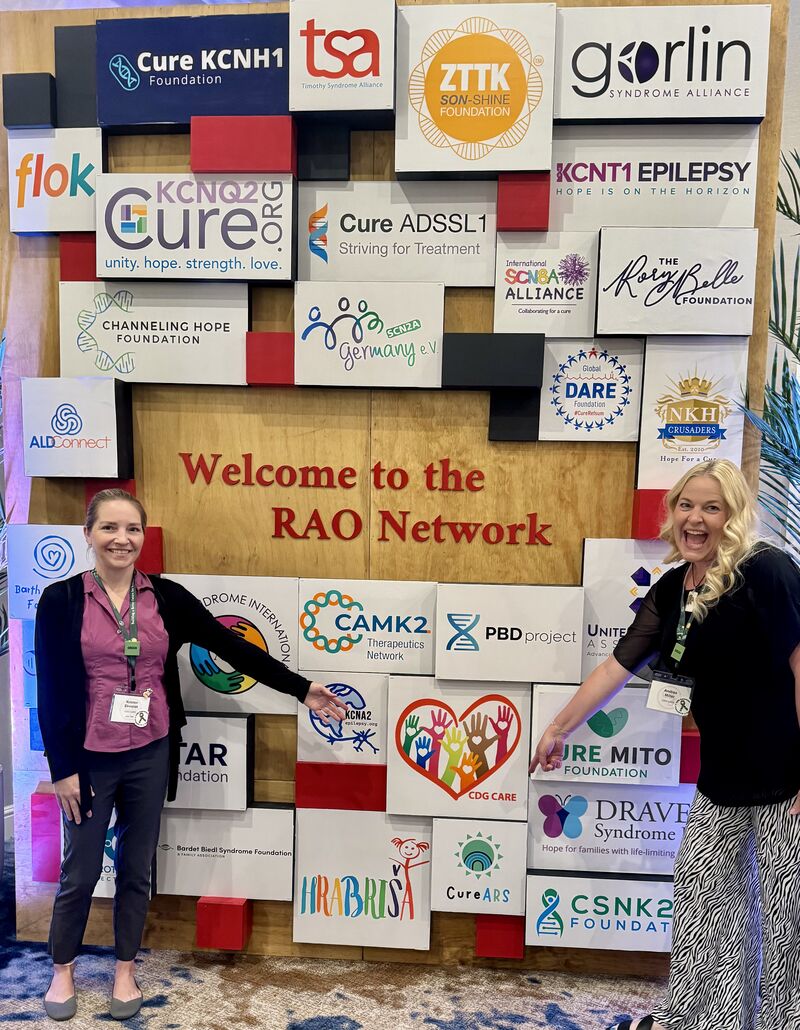
🎉 Representing our CDG Community at the CZI Science in Society conference in Las Vegas!
Honored to be welcomed as a RAO Cycle 3 grantee and excited to collaborate with some of the brightest minds in the rare disease space. 💡
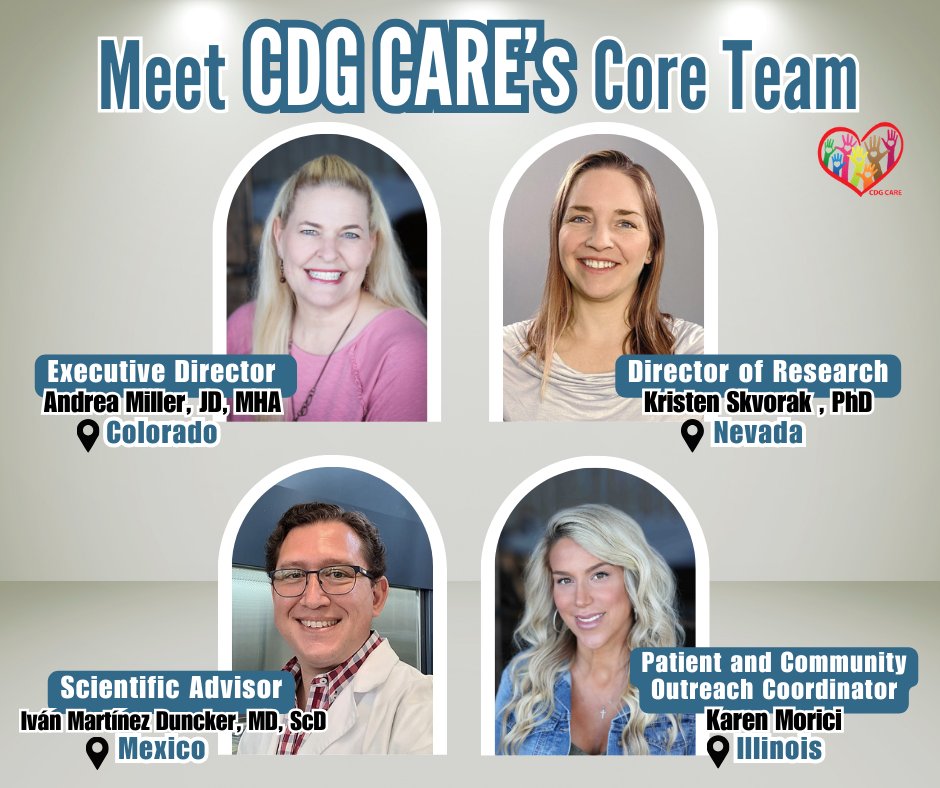
Dr. Kristen Skvorak and Andrea Miller are present to divide and conquer - advocating, networking, and advancing every opportunity for CDGs! 💚
hashtag#CDG hashtag#RareDisease hashtag#CZI hashtag#ScienceInSociety hashtag#RAOCycle3 hashtag#PatientDrivenProgress hashtag#CDGCARE
1
43
CDG CARE retweeted

16 May 2025
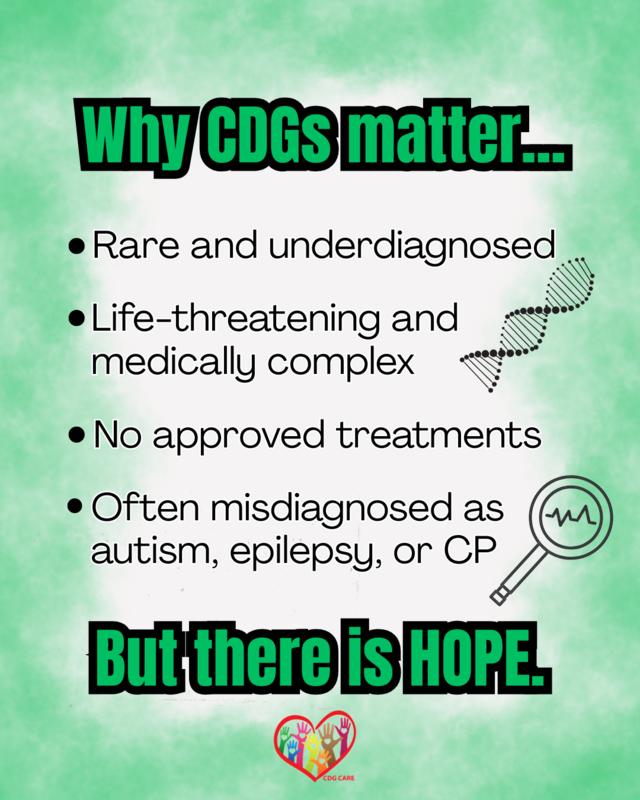
Why do CDGs matter? 🧬
📉 Rare and underdiagnosed
🩺 Life-threatening & medically complex
🚫 No approved treatments
😔 Often misdiagnosed as autism, epilepsy, or CP
✨ But there is hope.
Learn more & help raise awareness this #WorldCDGDay 💚 #CDGCARE #CDGGoGreen #CDGAwareness
2
2
135
CDG CARE retweeted
16 May 2025
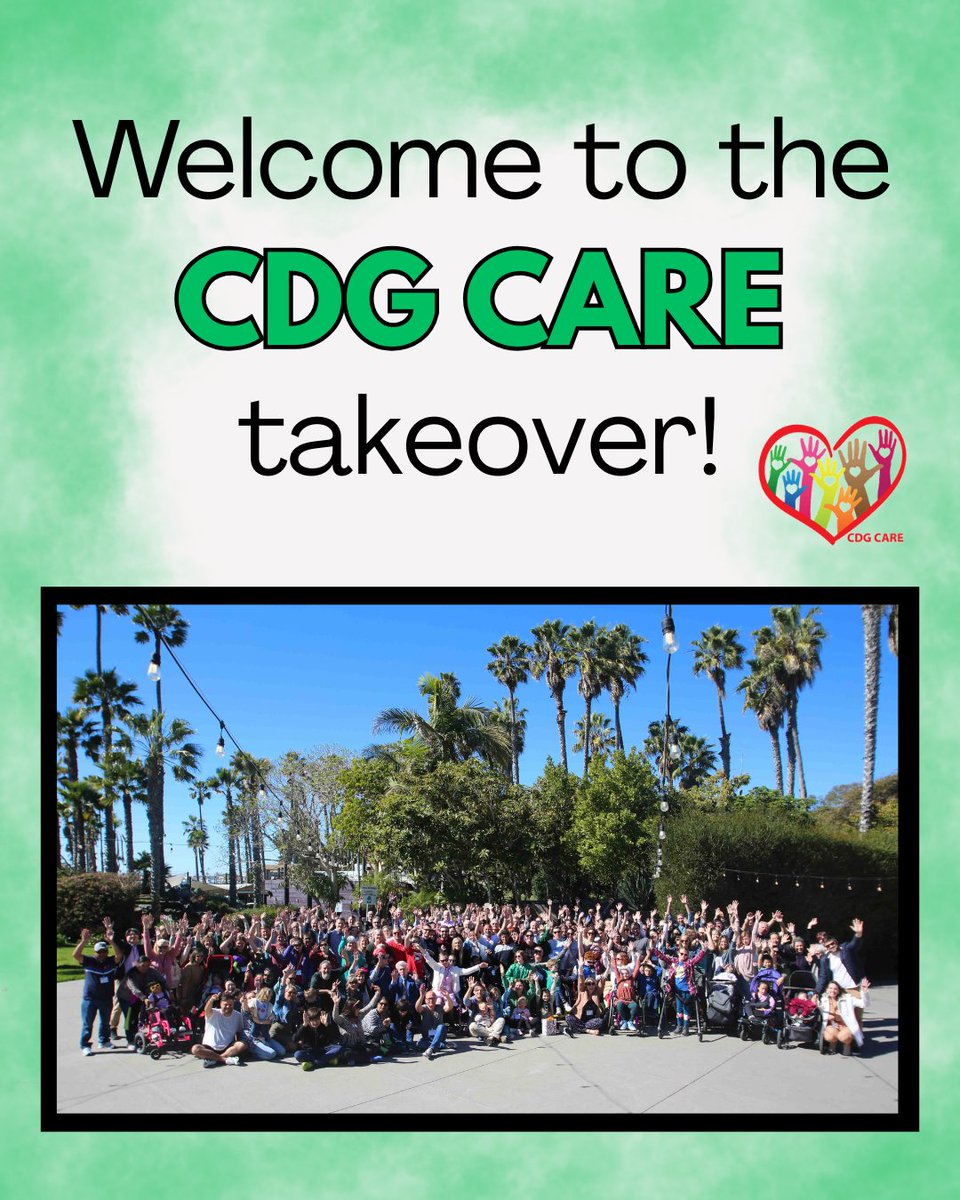
🚨 It’s CDG Takeover Day! 🧬 @CDGCAREorg is taking over Rare Revolution's channels to spotlight Congenital Disorders of Glycosylation (CDGs) — a group of rare, underdiagnosed diseases that deserve attention. Join us today — share, learn, and #GoGreen💚 for #WorldCDGDay!
1
1
106
CDG CARE retweeted
16 May 2025
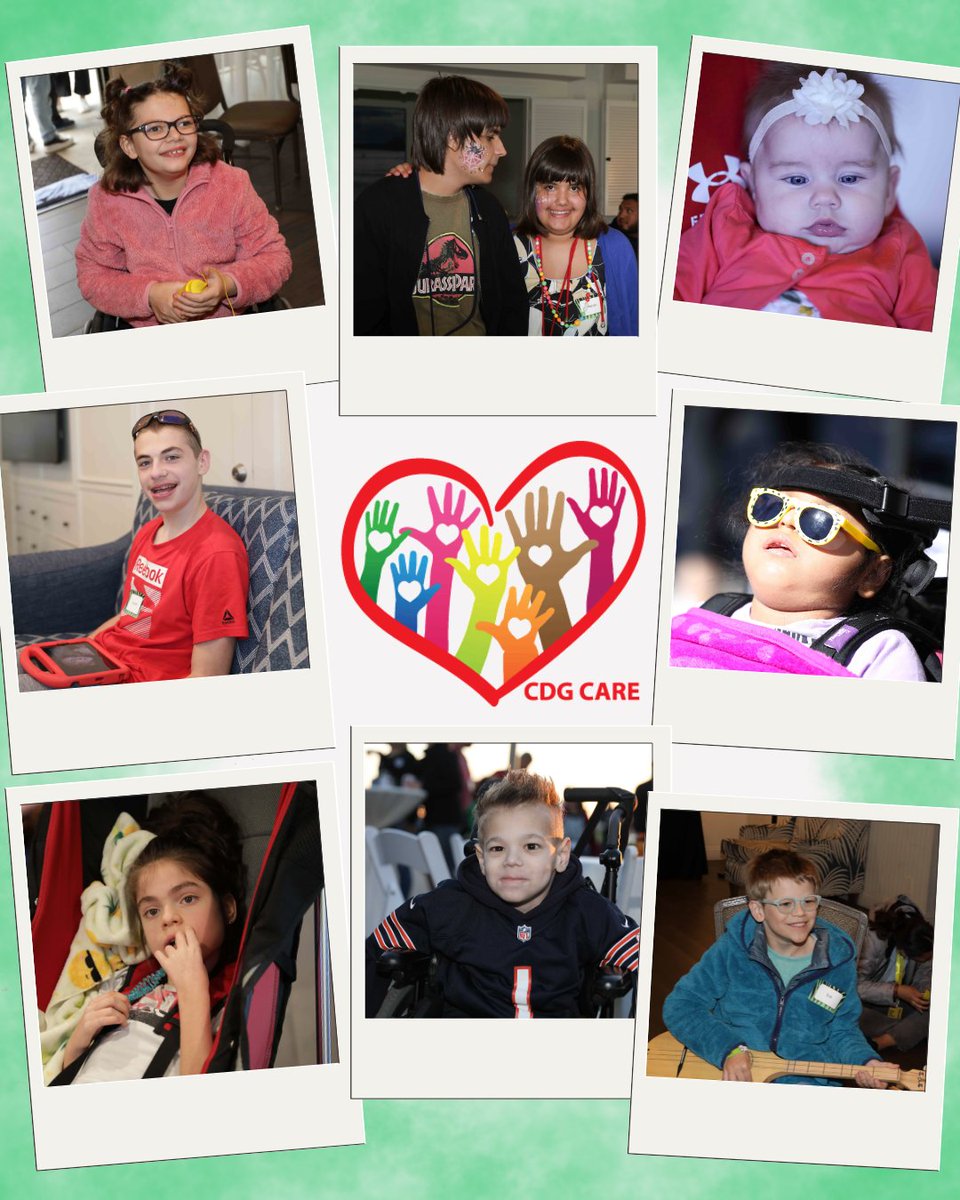
We’re @CDGCAREorg 💚— a U.S.-based non-profit supporting children, families & researchers impacted by Congenital Disorders of Glycosylation (CDG) since 2014. This Rare Revolution Takeover Day has been made possible by the generous support from Applied Therapeutics. #WorldCDGDay
1
1
174
CDG CARE retweeted

16 May 2025
#CDGAwareness Day. Science in #RareDisease is urgent, personal, and deeply human. In studying Congenital Disorders of Glycosylation (CDG), we decode biology, fight for diagnosis, push treatments forward, and learn from families.
Read more: open.substack.com/pub/ivandu…
1
2
191