Prime Ministers Award Teaching Excellence,STEM educator, presenter, Space geek, proud Ukrainian,Aspiring Astro,sports,baker, travel,NHL,dare to dream mighty ❤️
Joined August 2011
- Tweets 27,530
- Following 2,748
- Followers 1,395
- Likes 19,137
3,180 Photos and videos









Maria Nickel (she/her/elle) retweeted

Jun 10
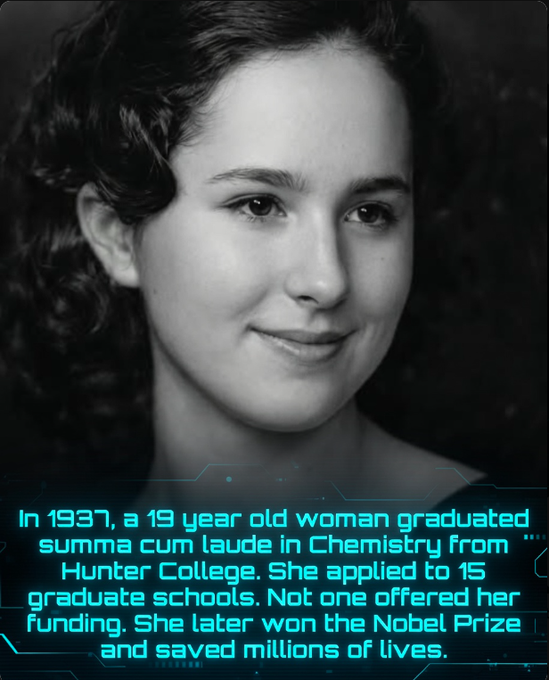
In 1937, at just 19 years old, Gertrude Belle Elion graduated summa cum laude in chemistry from Hunter College. Despite her outstanding academic record, she was rejected by all 15 graduate schools she applied to — simply because she was a woman. Laboratories at the time openly refused to hire or fund female researchers.
Motivated by the painful loss of her grandfather to cancer, Elion refused to give up. During World War II, she joined Burroughs Wellcome (now part of GSK), where she collaborated with George Hitchings to pioneer a revolutionary approach called rational drug design. Instead of relying on trial and error, they studied the biochemistry of diseased cells to create targeted, precision medicines.
When forced to choose between pursuing a traditional PhD or continuing her groundbreaking laboratory work, Elion chose the lab. She never earned a doctorate during her career.
Her persistence paid off in ways that transformed human health. Elion developed:
· 6-mercaptopurine (6-MP) — the first effective treatment for childhood leukemia
· Azathioprine (Imuran) — which made organ transplantation possible by suppressing immune rejection
· Acyclovir (Zovirax) — the first selective antiviral drug, proving viruses could be targeted specifically
Her research also laid the foundation for early HIV treatments. In 1988, Elion was awarded the Nobel Prize in Physiology or Medicine (shared with Hitchings and Sir James Black), becoming one of the few Nobel laureates to receive the honor without a PhD.
Gertrude Elion’s story is a powerful reminder that brilliance and determination can overcome systemic barriers — and one person’s refusal to be stopped can save millions of lives.
44
191
717
34,076
Maria Nickel (she/her/elle) retweeted

Jun 11
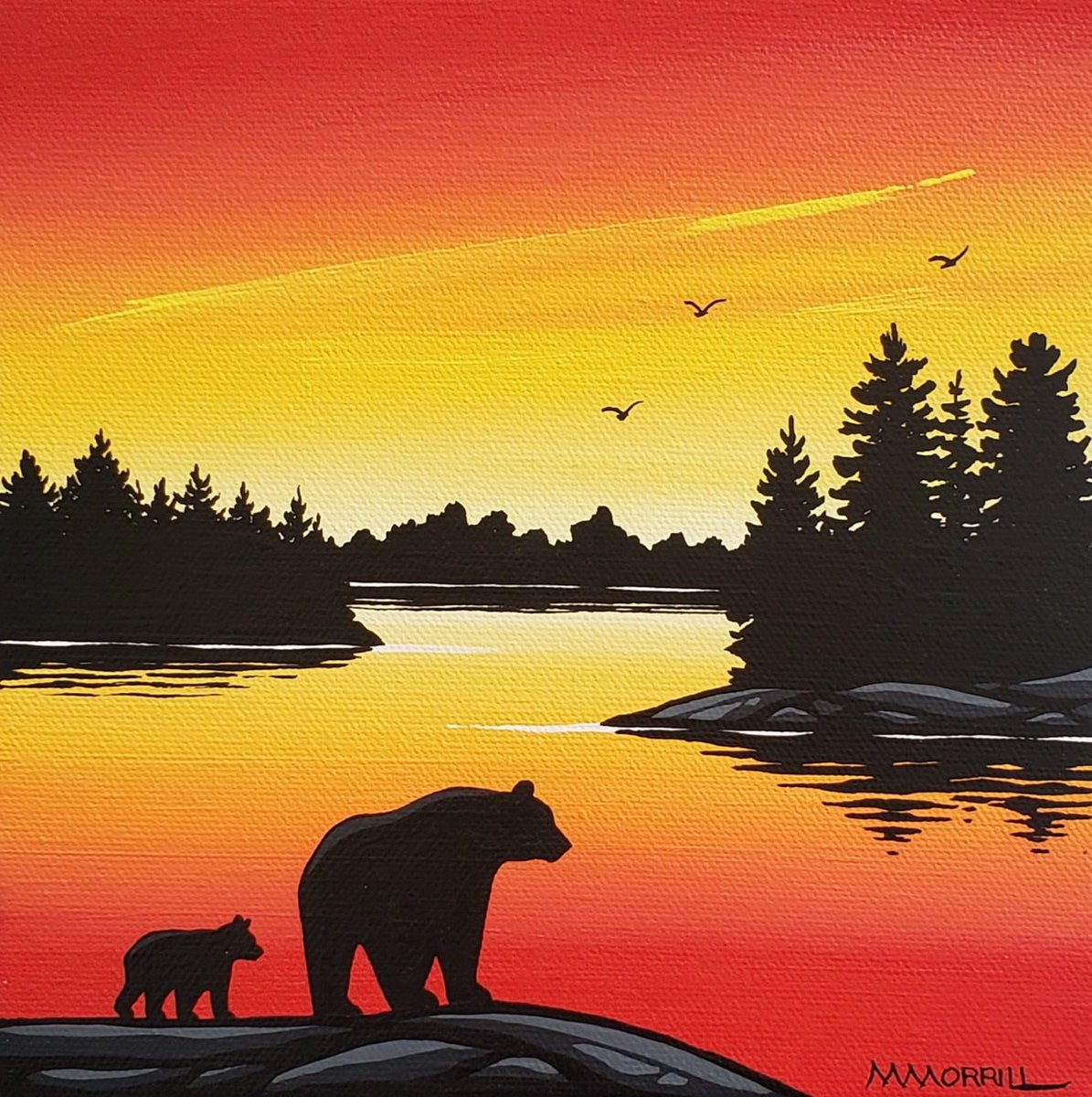
This little bear painting has been hanging in my studio for a while. Please share and help it find a new home!
Sunset View
8x8 acrylic on canvas
Available in my Etsy store
1
24
116
1,143
Maria Nickel (she/her/elle) retweeted

Jun 9
I couldn't agree more with @Astropartigirl - it's very disappointing that there are no women on Artemis III. But all the more reason & motivation to ensure that a female astronaut is on Artemis IV AND V!

I know there's disappointment about Artemis III not having a single woman on it. My heart dropped a little, too. But these astronauts deserve the same support we gave the Artemis II crew; their dreams are being realized, too. They're paving the way for Artemis IV, the mission that'll land astronauts back on the Moon for the first time in over 50 years. Given that no woman has EVER landed on the Moon, Artemis IV is the mission I'd expect women on. For now, I'll cheer the Artemis III crew on!
1
1
12
1,186
Maria Nickel (she/her/elle) retweeted

Jun 9
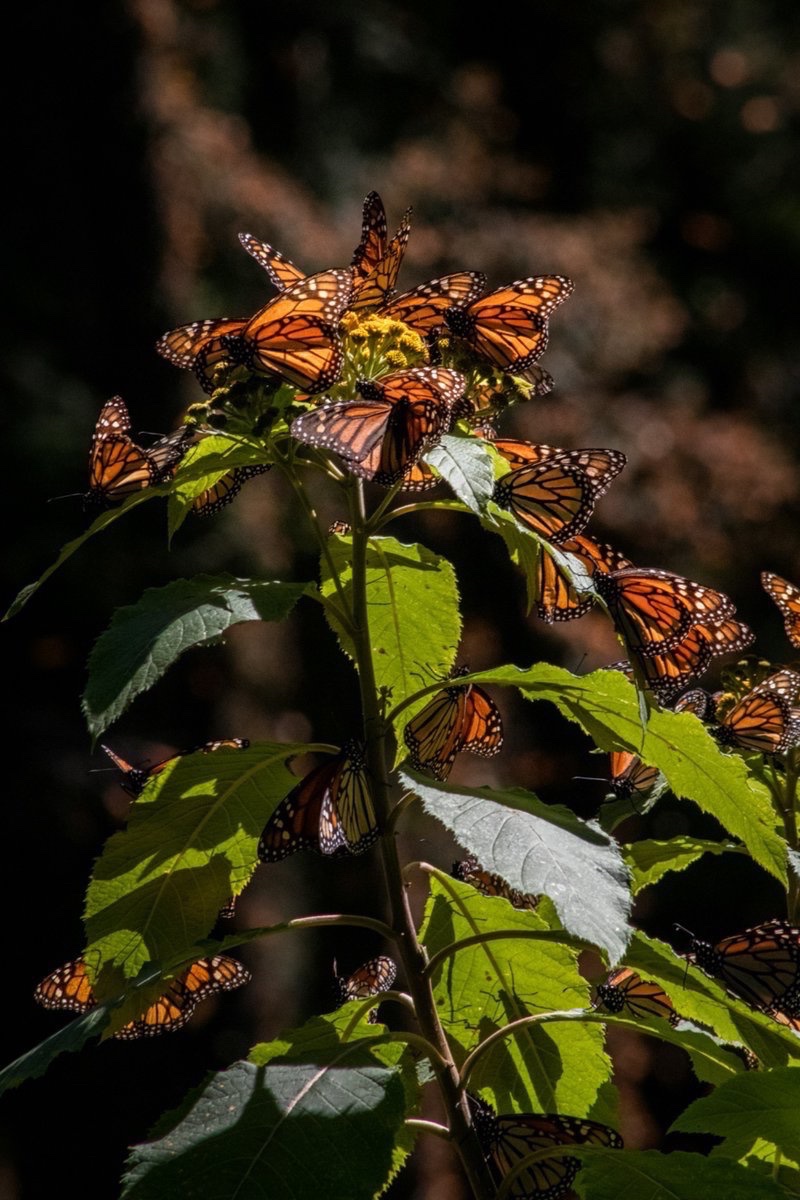
A Monarch butterfly that weighs less than a paperclip can travel thousands of kilometres across an entire continent and still find its way back to the same forests its ancestors used.

32
355
1,514
38,846
Maria Nickel (she/her/elle) retweeted

Jun 8
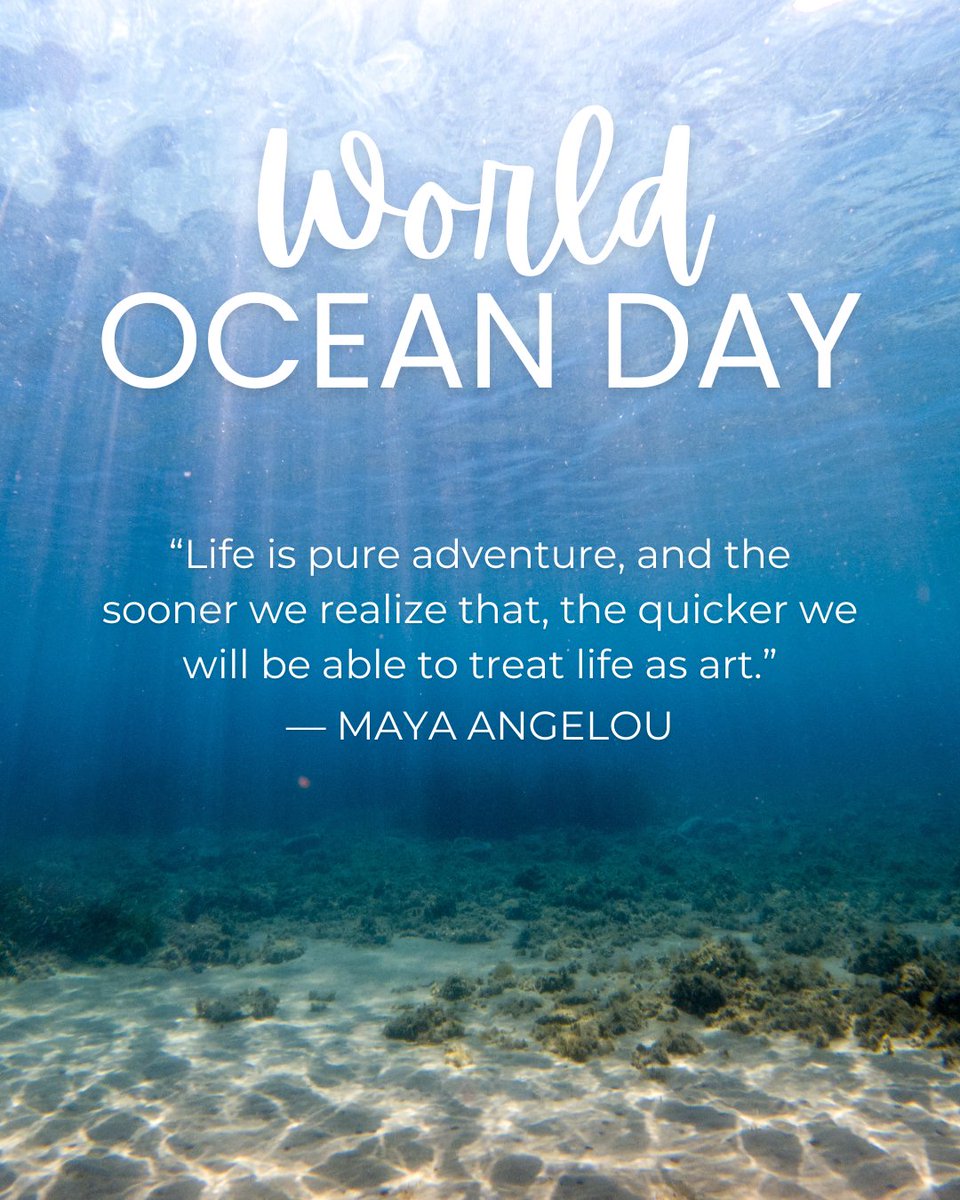
🌊 “Life is pure adventure…” — Dr. Maya Angelou
World Oceans Day reminds us that depth, movement, and renewal are part of every journey.
Protect our waters. Honor the tides. ✨
#WorldOceansDay
11
73
162
4,250
Maria Nickel (she/her/elle) retweeted

Jun 6
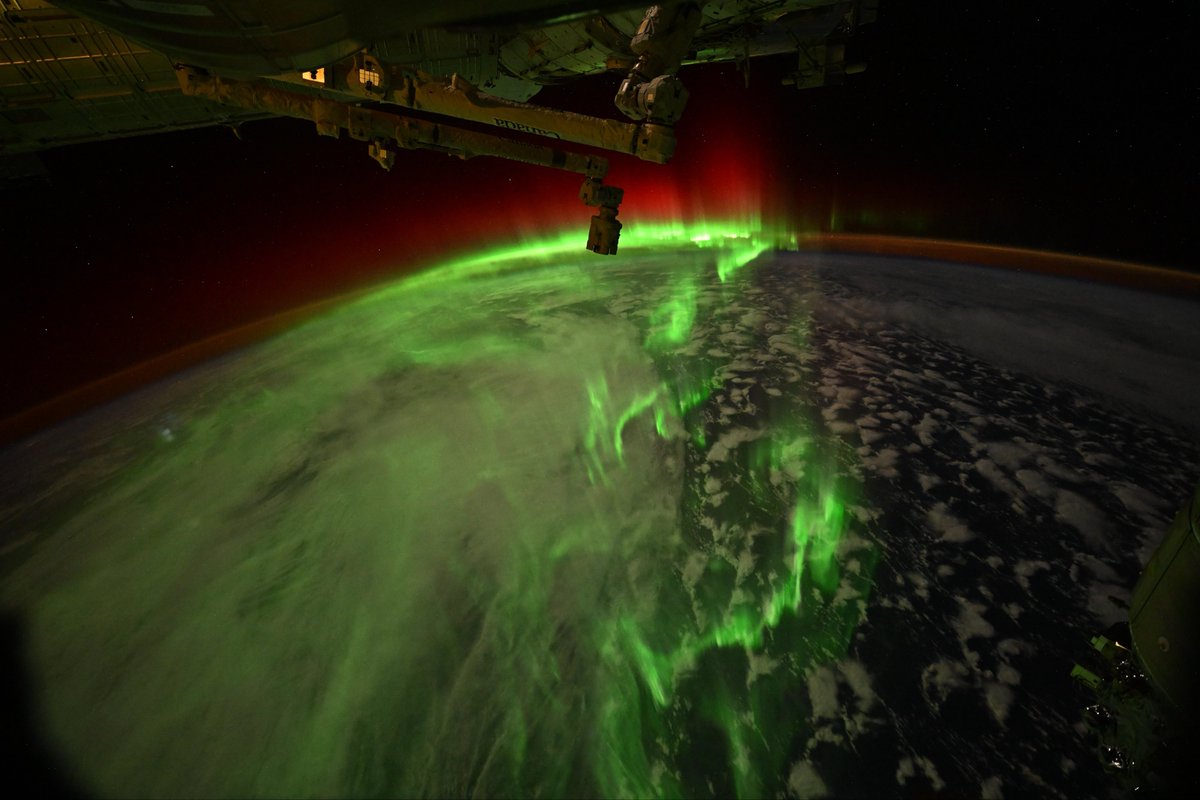
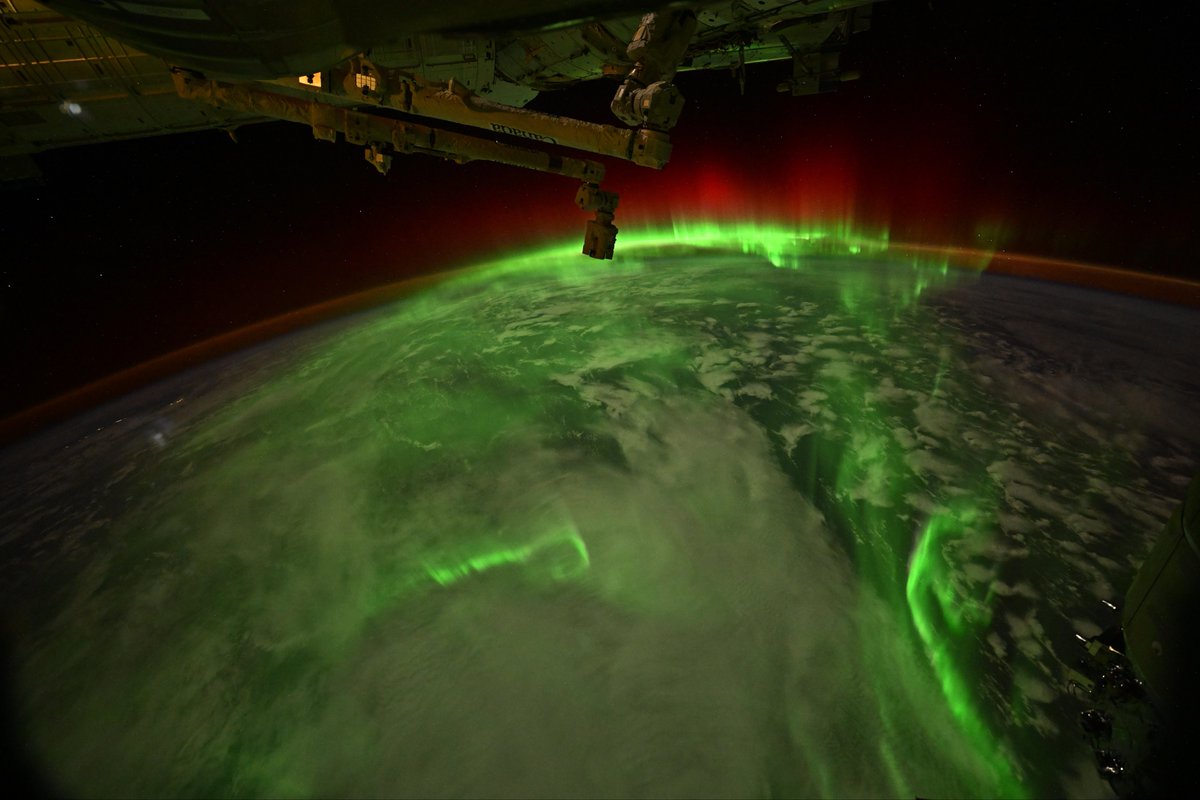
There is a lot going on right now on the @Space_Station, but fortunately we are all safe and witnessed a spectacular southern aurora show yesterday thanks to a recent solar event.
327
3,690
28,185
1,449,149
Maria Nickel (she/her/elle) retweeted
Jun 5
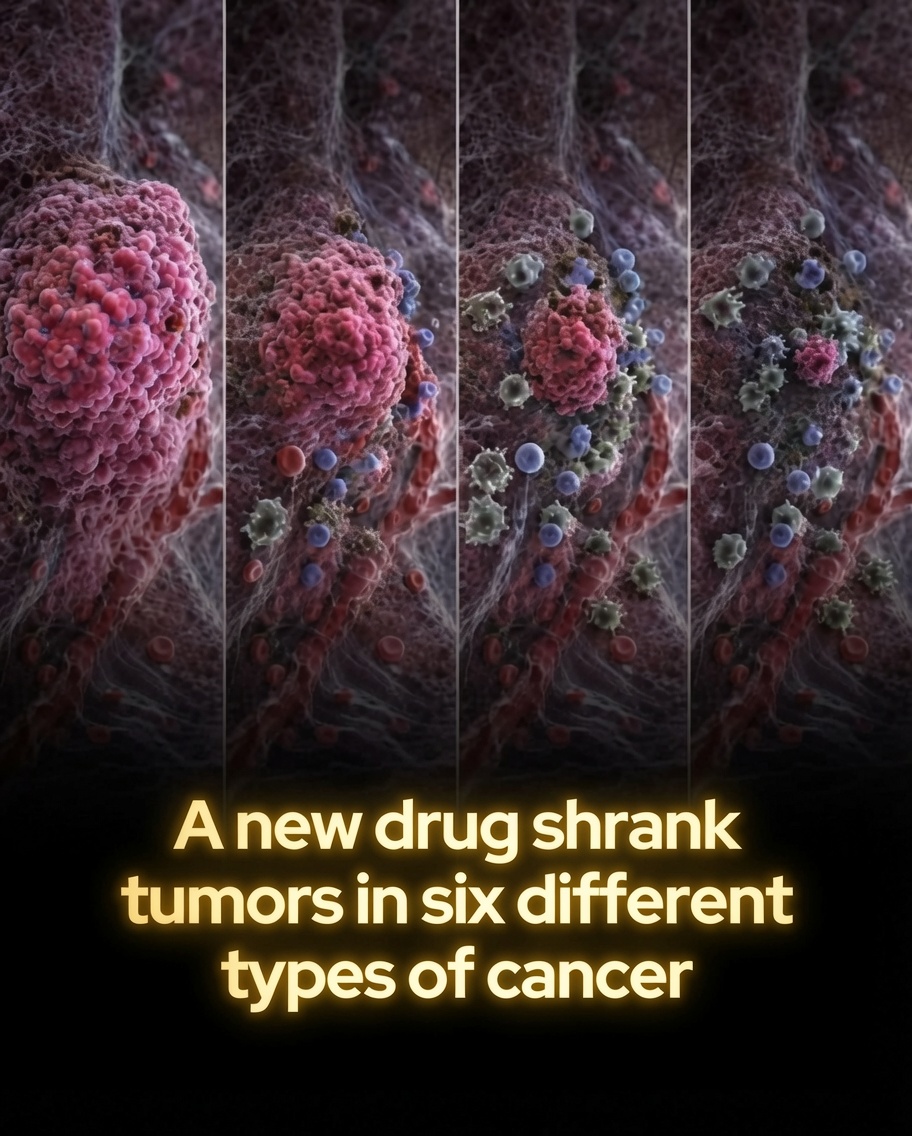
Scientists have discovered a promising new way to help the immune system detect and attack hidden cancer cells.
A first-in-class drug called GRWD5769 (an oral ERAP1 inhibitor) has shown encouraging early results, shrinking tumors in patients with six different types of advanced cancer: lung, liver, bladder, cervical, head and neck, and colorectal.
In a Phase 1/1b clinical trial (EMITT-1) involving 83 heavily pre-treated patients across multiple countries, tumors shrank in 26 participants. Of those, 15 experienced reductions of at least 30%. Many patients had already failed prior therapies, including immunotherapies.
The drug works by blocking the enzyme ERAP1, which cancers often use to “edit” their surface proteins and evade immune detection. By inhibiting ERAP1, GRWD5769 alters the tumor’s antigen presentation, effectively removing the cancer’s invisibility cloak and making the cells more visible to the immune system. It was tested in combination with the PD-1 inhibitor cemiplimab (Libtayo).
Particularly strong signals were seen in certain hard-to-treat cancers. For example, disease control for at least six months was achieved in 51% of colorectal cancer patients and 55% of lung cancer patients in the expansion cohorts.
While these early results are promising, experts emphasize this is still an early-phase study. Larger trials are needed to confirm efficacy, durability of response, and impact on long-term survival.
If successful, this approach could expand the number of patients who benefit from immunotherapy — which currently works in only about one-third of cases.
[Grey Wolf Therapeutics. “EMITT-1: Clinical and pharmacodynamic activity with the oral ERAP1 inhibitor GRWD5769 and cemiplimab in 6 completed phase 1b expansion cohorts in solid tumors...” Presented at ASCO Annual Meeting, 2026]
65
171
699
76,928
Maria Nickel (she/her/elle) retweeted
Jun 2
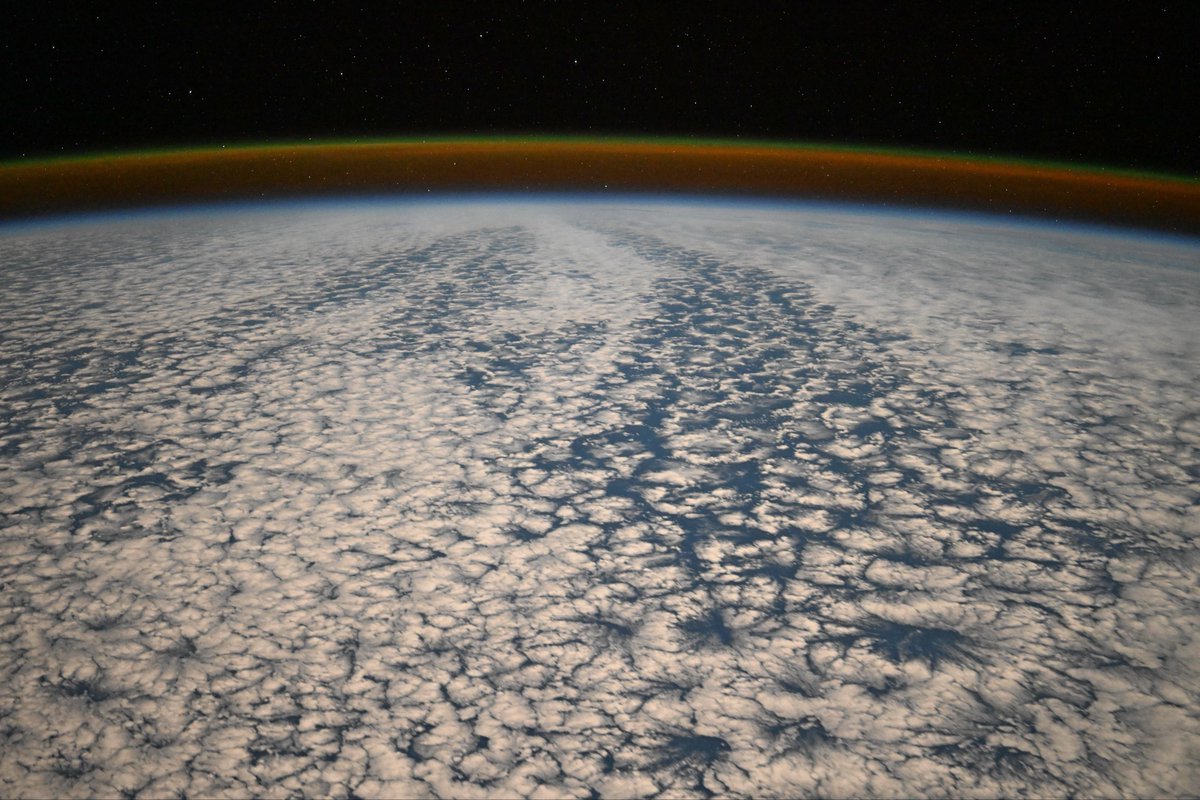
This photo illustrates three phenomena that surprised me when I arrived on board the @Space_Station. I didn’t realize before seeing it with my own eyes that the Earth’s atmosphere would be so visible in the night sky, seemingly even more obvious at nighttime than daytime, nor that it would be so colorful! These orange and green colors on the horizon are airglow, a faint emission of light caused by chemical reactions and interactions between UV radiation and gases in our atmosphere (unlike aurora, which is caused by solar wind particles interacting with Earth’s magnetic field, airglow is present everywhere, all of the time). I was also surprised to see how blue and well lit the Earth can be at night, when a bright Moon illuminates it (Moonglow!). This photo was taken on May 30, the day prior to the full Moon. I hope that this provides a bit more @NASAArtemis Moon Joy for all of us!
50
373
2,122
47,875
Maria Nickel (she/her/elle) retweeted

Me so excited to show you some beautiful flowers me found today.

84
914
7,032
121,477
Maria Nickel (she/her/elle) retweeted

Jun 2
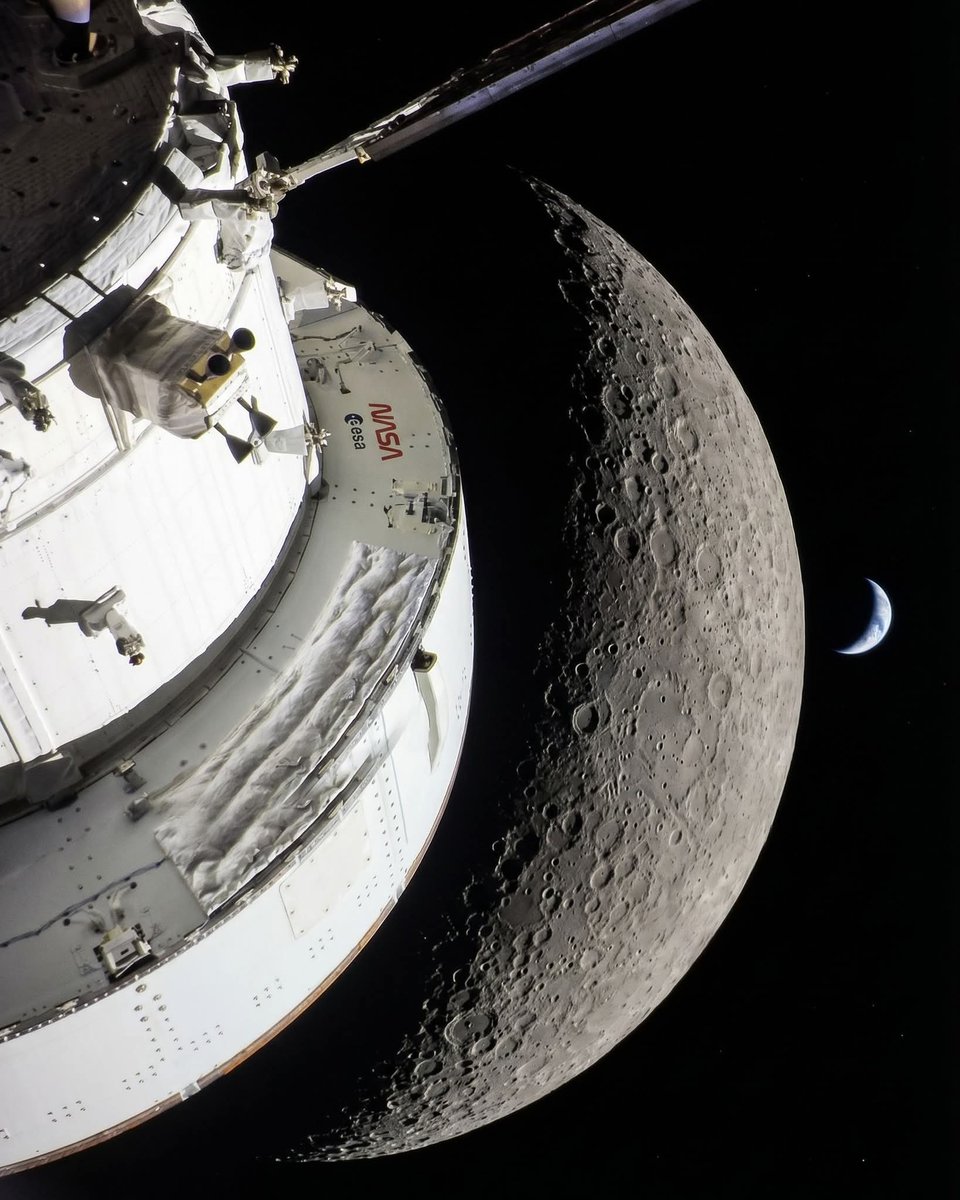
Wow 😃 NASA just released this… and it’s hard to process. 🌍
The Moon in front.
Earth in the distance.
And Orion carrying humans between them.
8
26
193
7,827
Maria Nickel (she/her/elle) retweeted

At an aquarium in Japan, after closing time, some clever little otter pups help their grandpa tidy up their toys. As a reward, he gives them ice cubes
1,646
30,910
266,258
9,024,802
Maria Nickel (she/her/elle) retweeted

A new behind the scenes video of THE MANDALORIAN AND GROGU
14
543
4,193
173,786

Today, we play for No. 4.
Today, we play for the cure. #LouGehrigDay
74
554
2,810
143,826
Maria Nickel (she/her/elle) retweeted

May 27
"On my planet, it means hope. And it will always mean hope."
📸 Zack Snyder (IG)

52
382
2,358
74,863
Maria Nickel (she/her/elle) retweeted

Jun 1
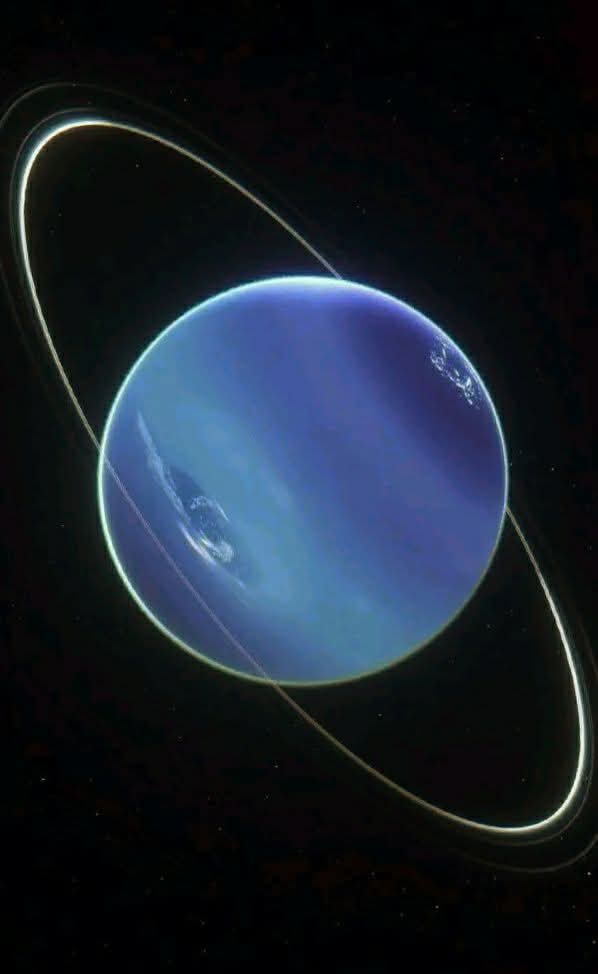
Uranus captured by JWST...
NASA
3
27
172
4,153
Maria Nickel (she/her/elle) retweeted

May 30
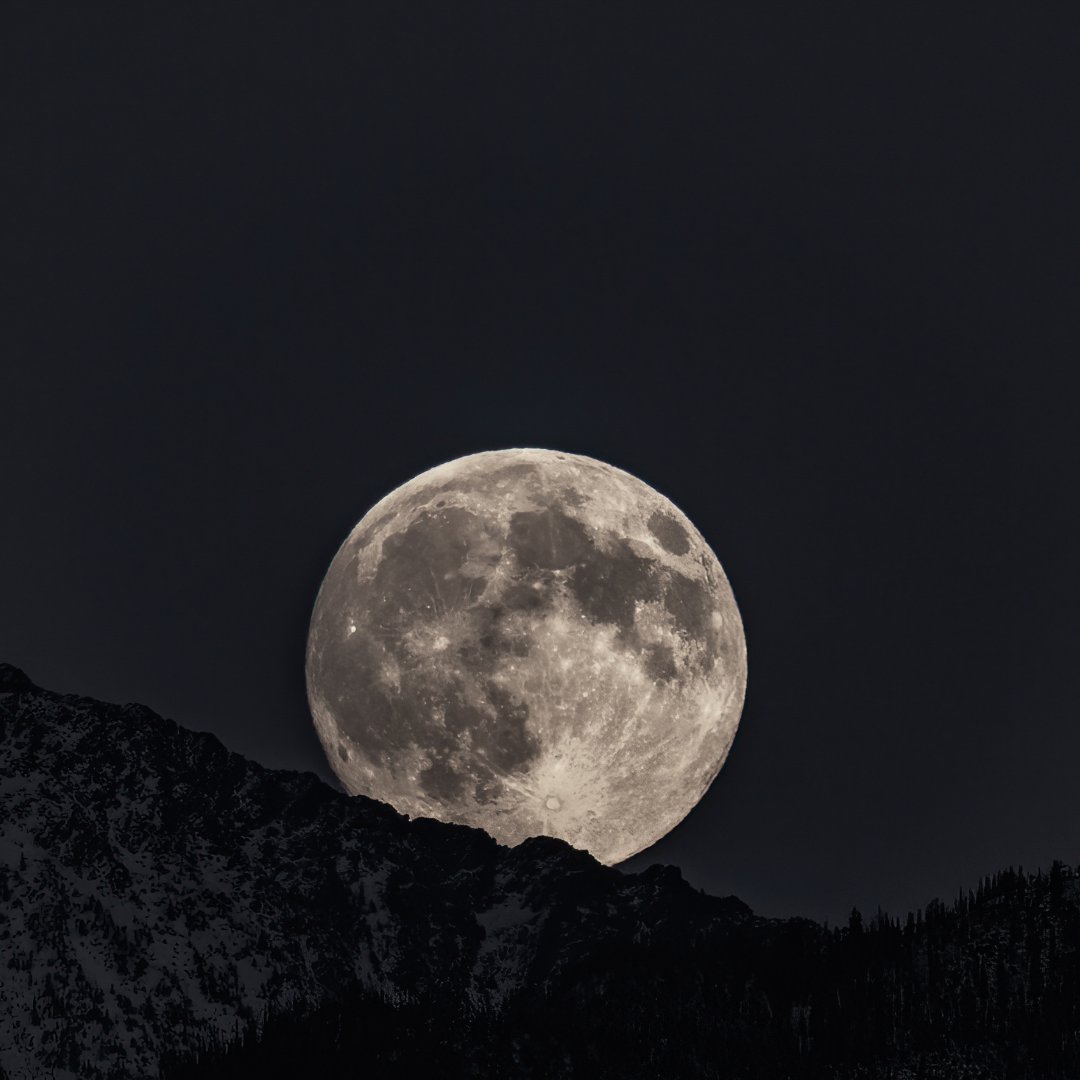
Tonight, a Blue Moon takes center stage to close out the month. 🌕
While it won't actually change color, a "Blue Moon" is the name given to the second full moon to happen within a month. It only happens once every two or three years!
📷: @Bsondergaardpho
19
160
551
20,243
Maria Nickel (she/her/elle) retweeted

May 26
Dustin Byfuglien
That guy rocked.
91
349
4,597
260,352
Maria Nickel (she/her/elle) retweeted

May 26
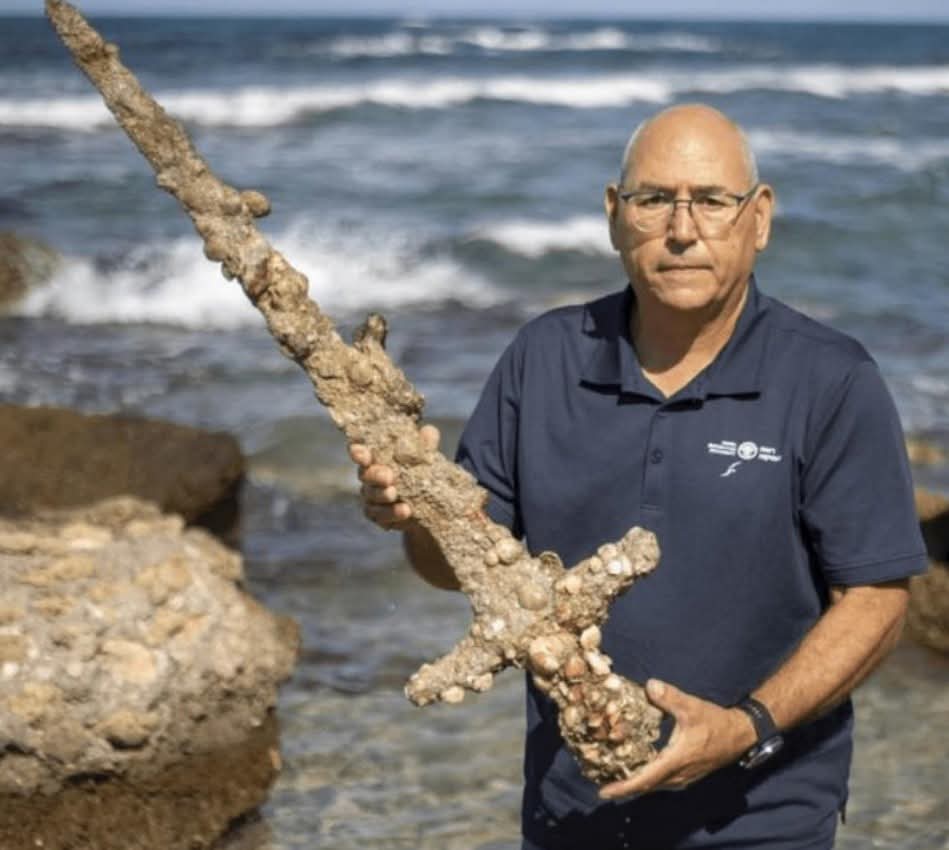
A 900-year-old Crusader sword that was found in 2021 on the bottom of the Mediterranean by a scuba diver...
The iron sword, measuring about 3 feet (1 meter) long, was discovered by diver Shlomi Katzin near the ancient port city of Atlit after shifting sands exposed artifacts on the seabed.
Archaeologists from the Israel Antiquities Authority identified the weapon as a Crusader-era sword dating to roughly the 11th–13th centuries. The region was a major battleground during the Crusades, when European Christian kingdoms established and defended territories in the Levant. Atlit itself was home to the formidable Crusader fortress known as Château Pèlerin, built by the Knights Templar in 1218.
Although heavily encrusted with marine organisms after centuries underwater, conservation experts determined that the blade and hilt remained remarkably well preserved beneath the deposits. The sword was carefully recovered and stabilized to prevent deterioration once exposed to air.
Thousands of medieval ships passed along this stretch of coastline, and underwater surveys have uncovered anchors, pottery, weapons, and cargoes spanning more than 4,000 years of maritime history, making it one of the richest underwater archaeological regions in the eastern Mediterranean.
77
85
710
55,650
Maria Nickel (she/her/elle) retweeted

May 25
this is such an underrated photo from artemis ii.
you’re literally looking out the window at the universe. it’s absolutely beautiful.
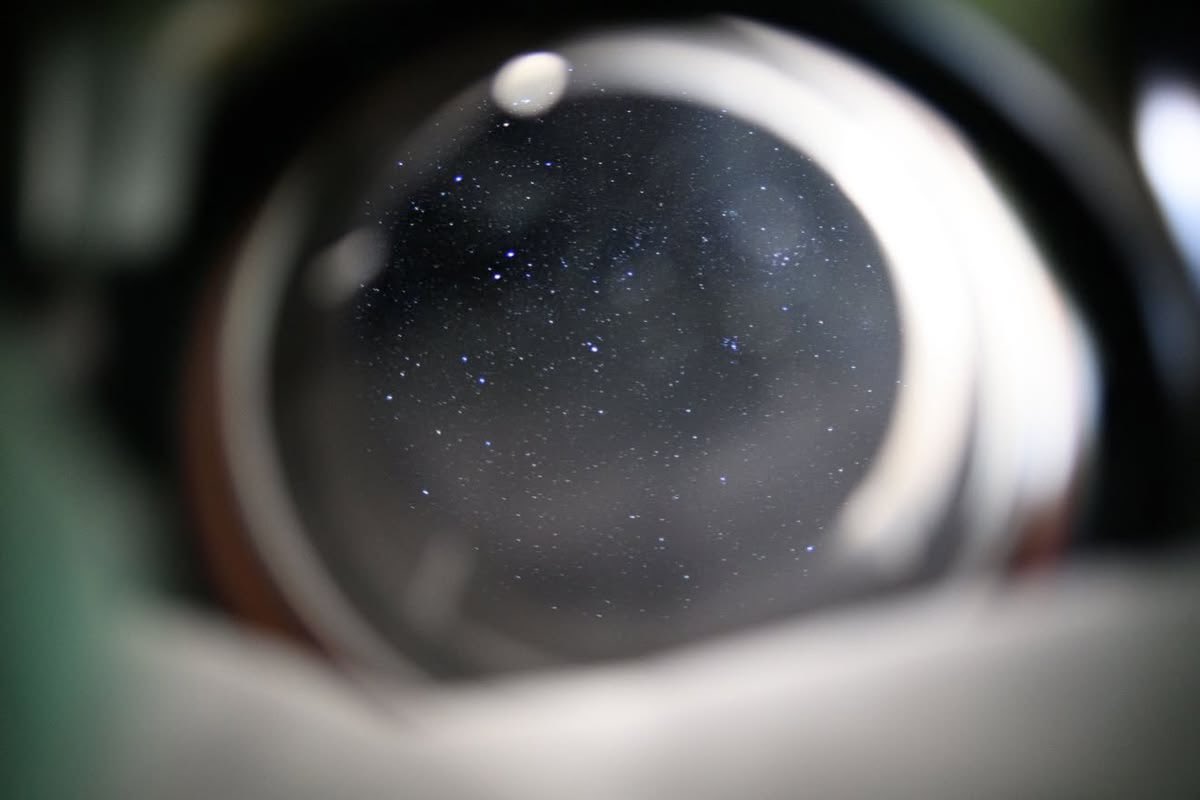
ALT A long-exposure photograph capturing the Milky Way galactic plane and faint stars from deep space. It was taken through one of the optical windows of NASA's Orion spacecraft.
17
381
5,015
252,673