
The Center for European Policy Analysis | CEPA’s mission is to ensure a strong and democratic transatlantic alliance for future generations Media:press@cepa.org
Joined December 2011
- Tweets 28,146
- Following 9,712
- Followers 66,806
- Likes 8,011
4,585 Photos and videos

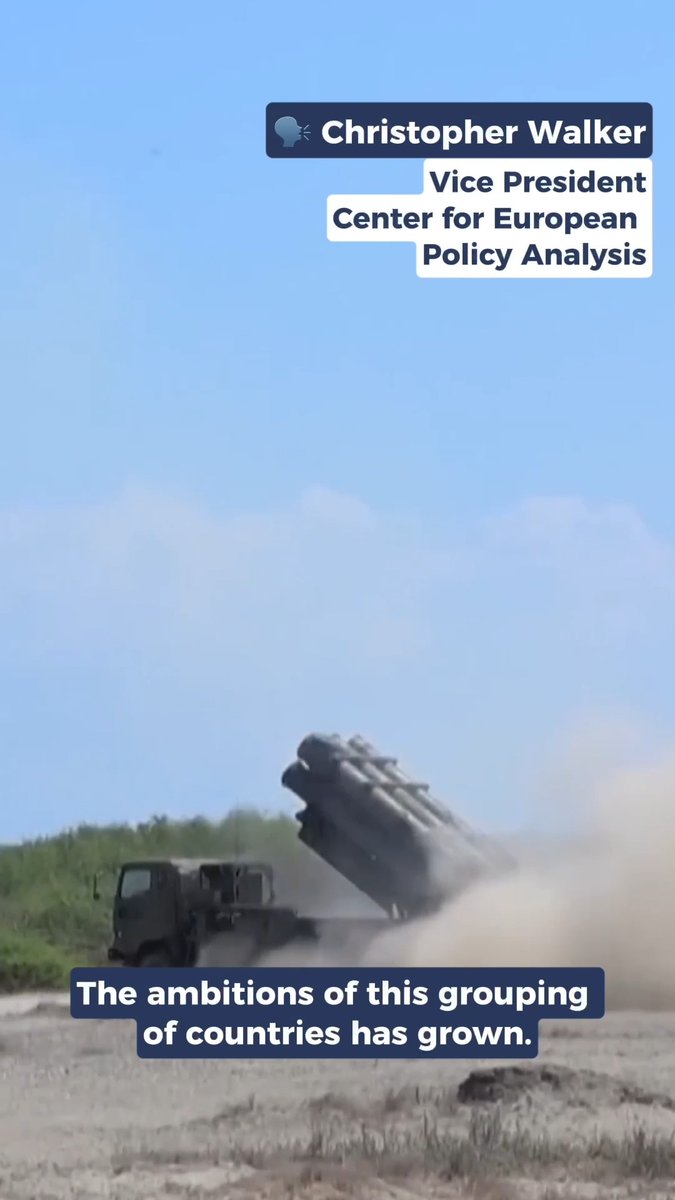
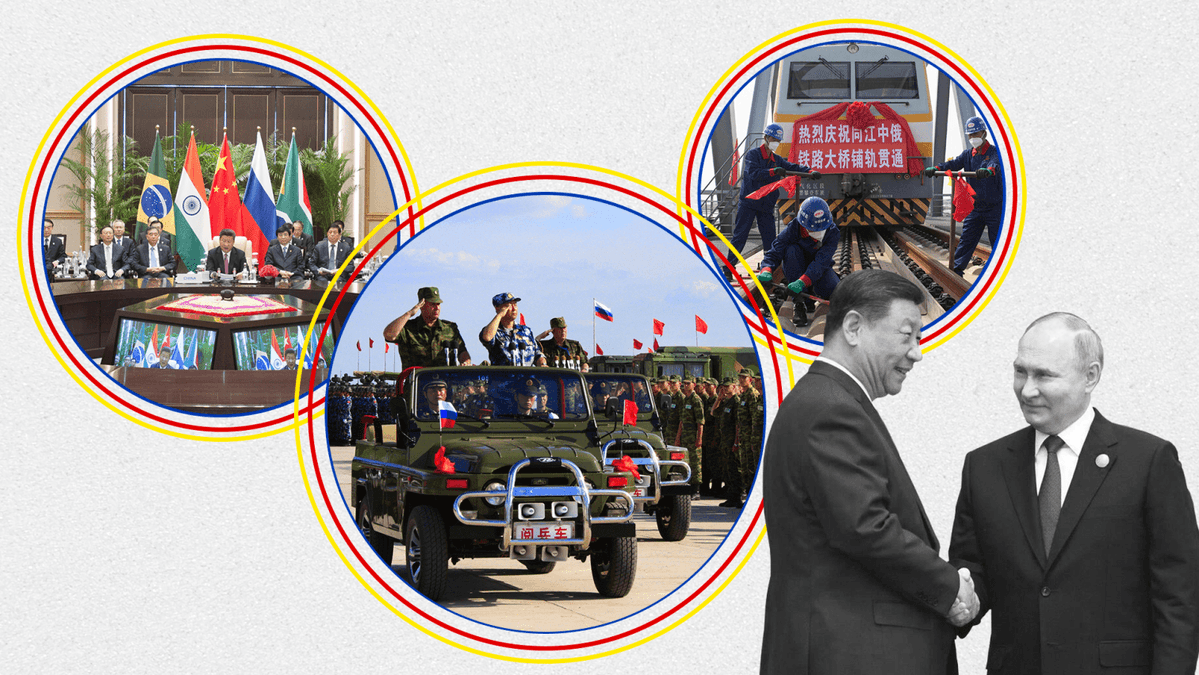
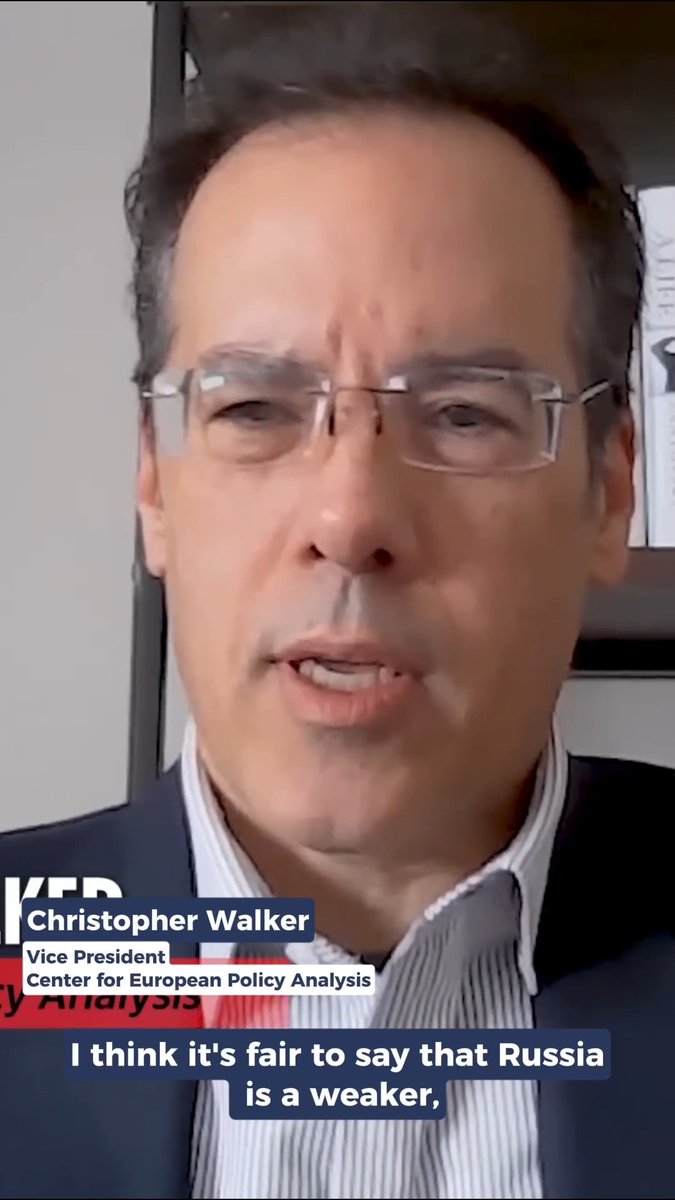
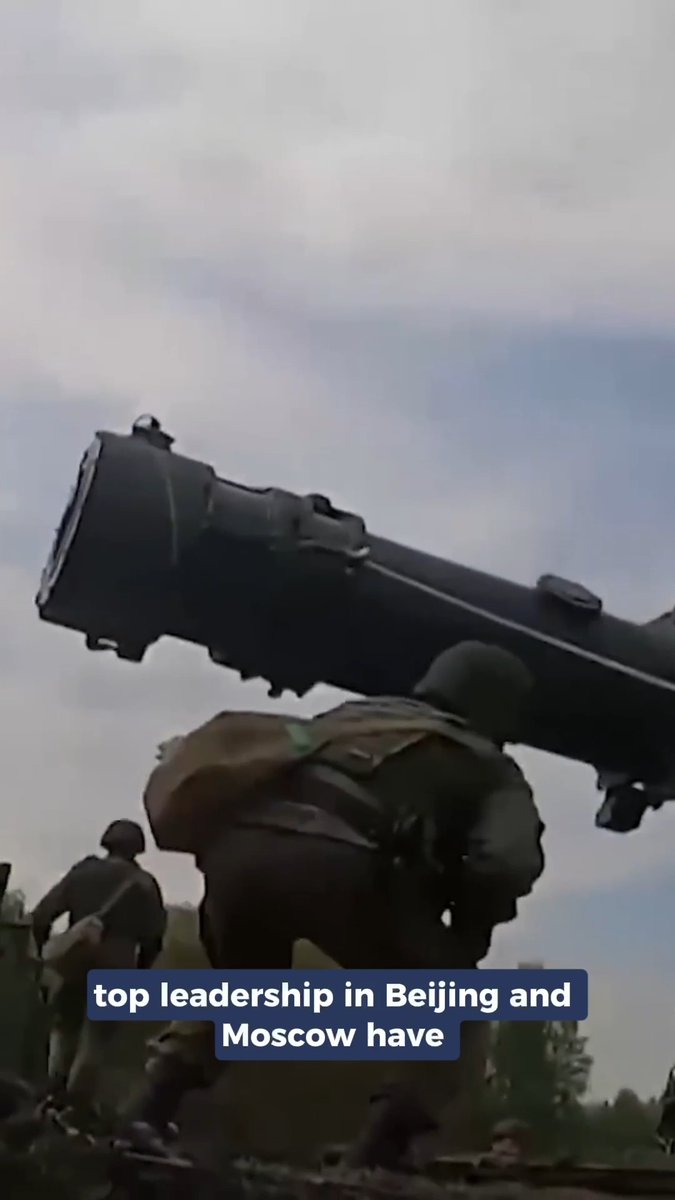

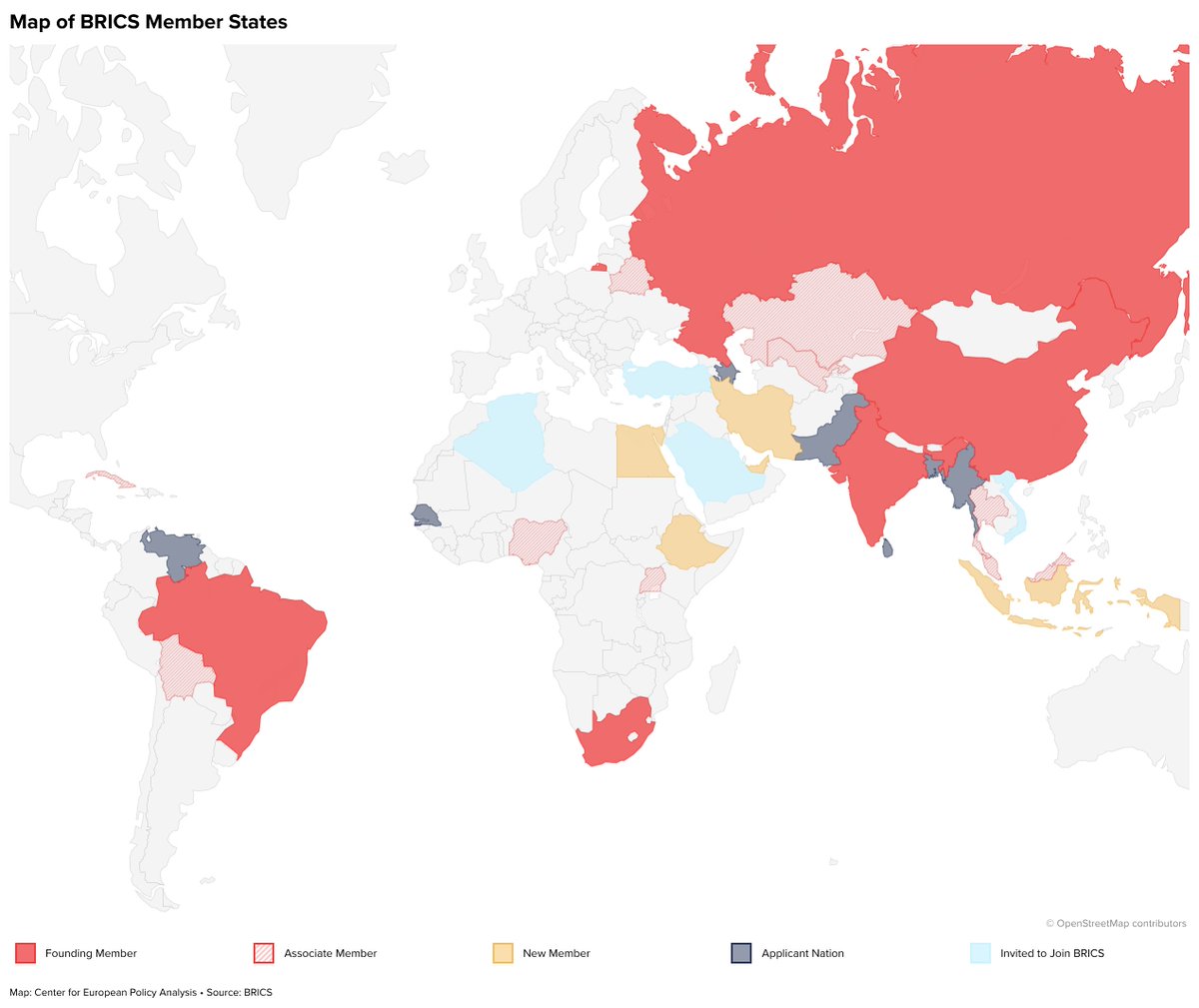
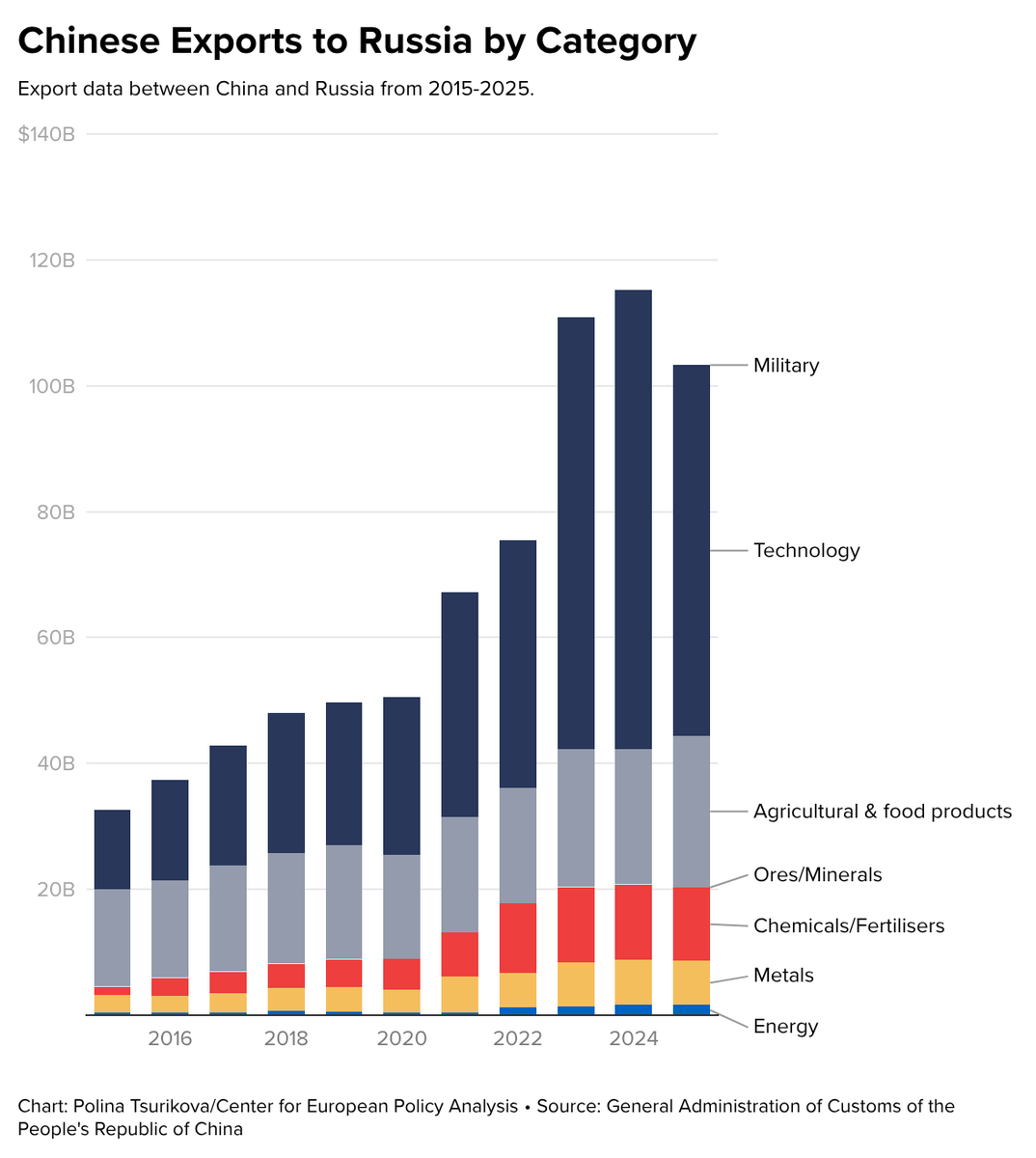
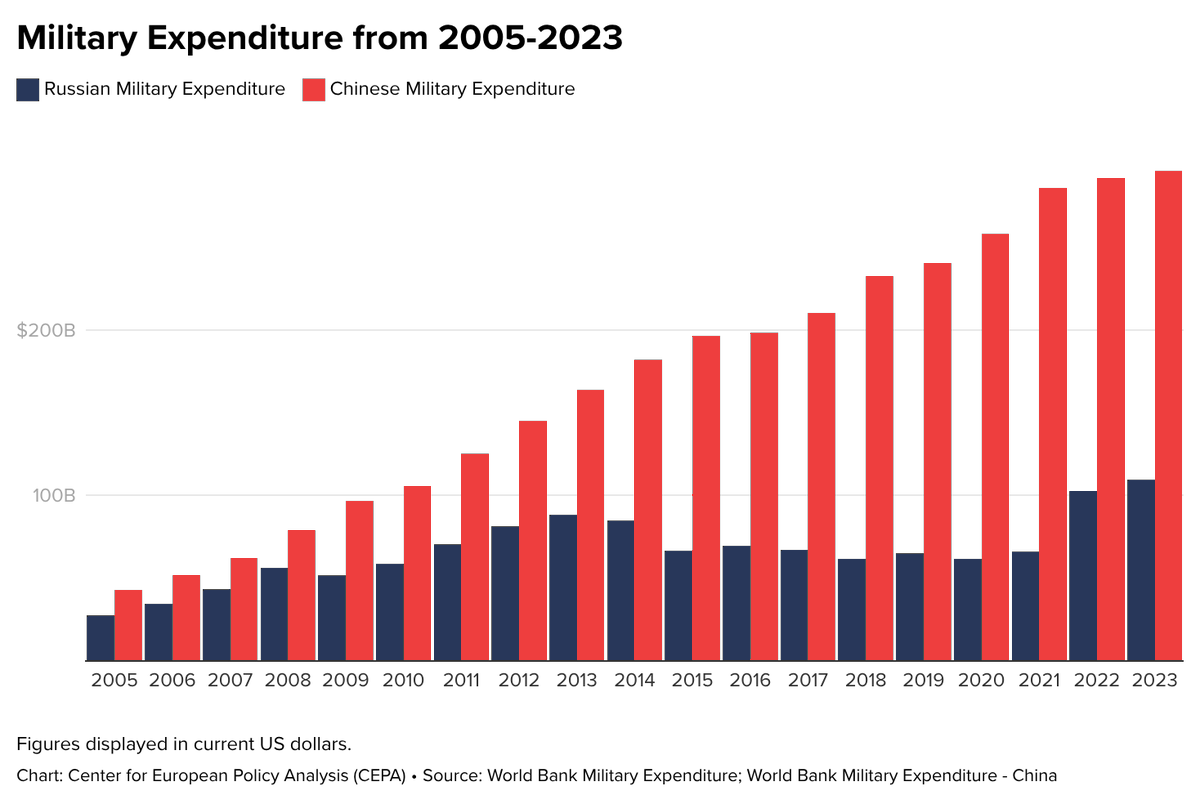
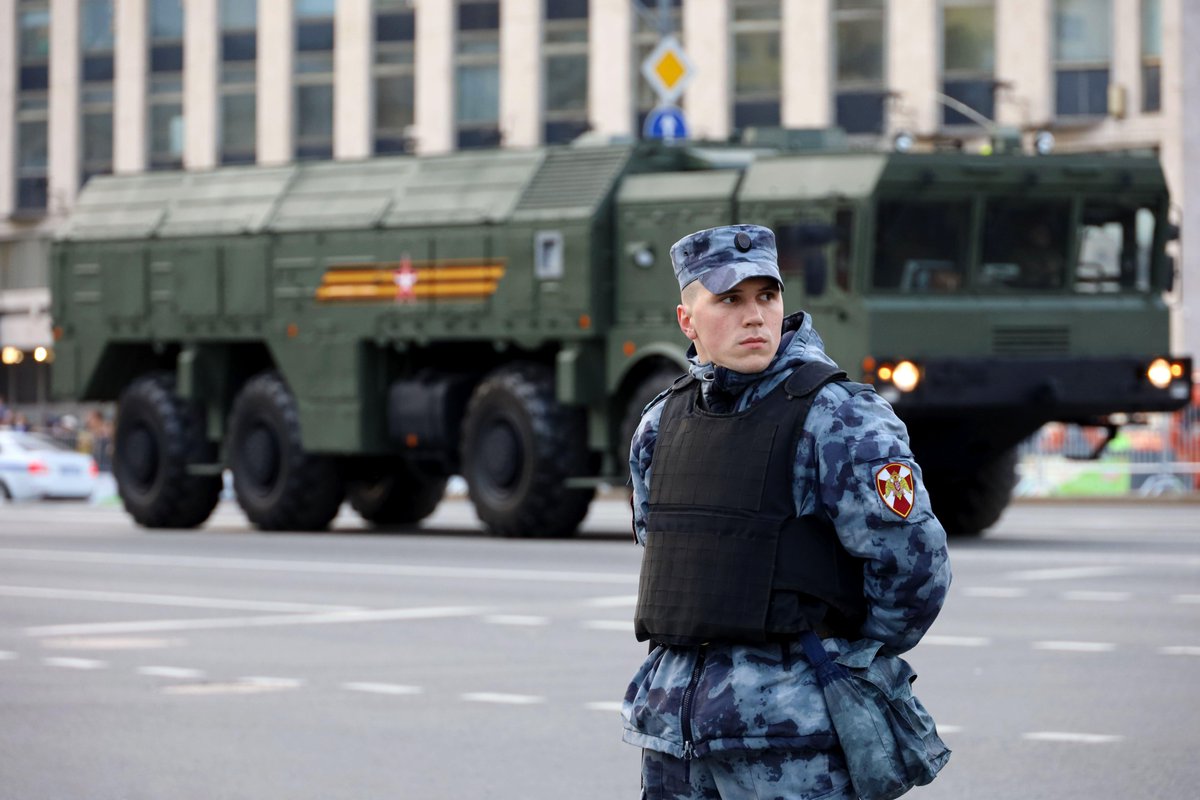
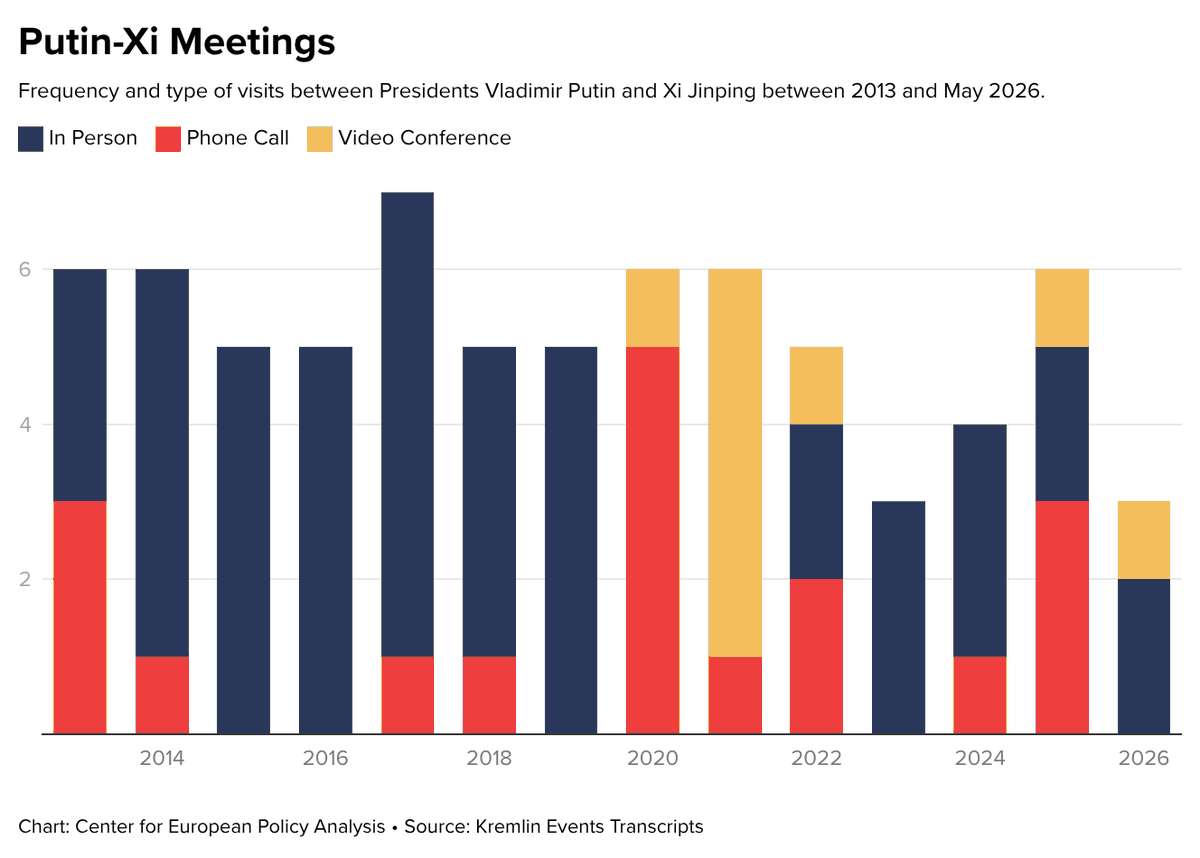
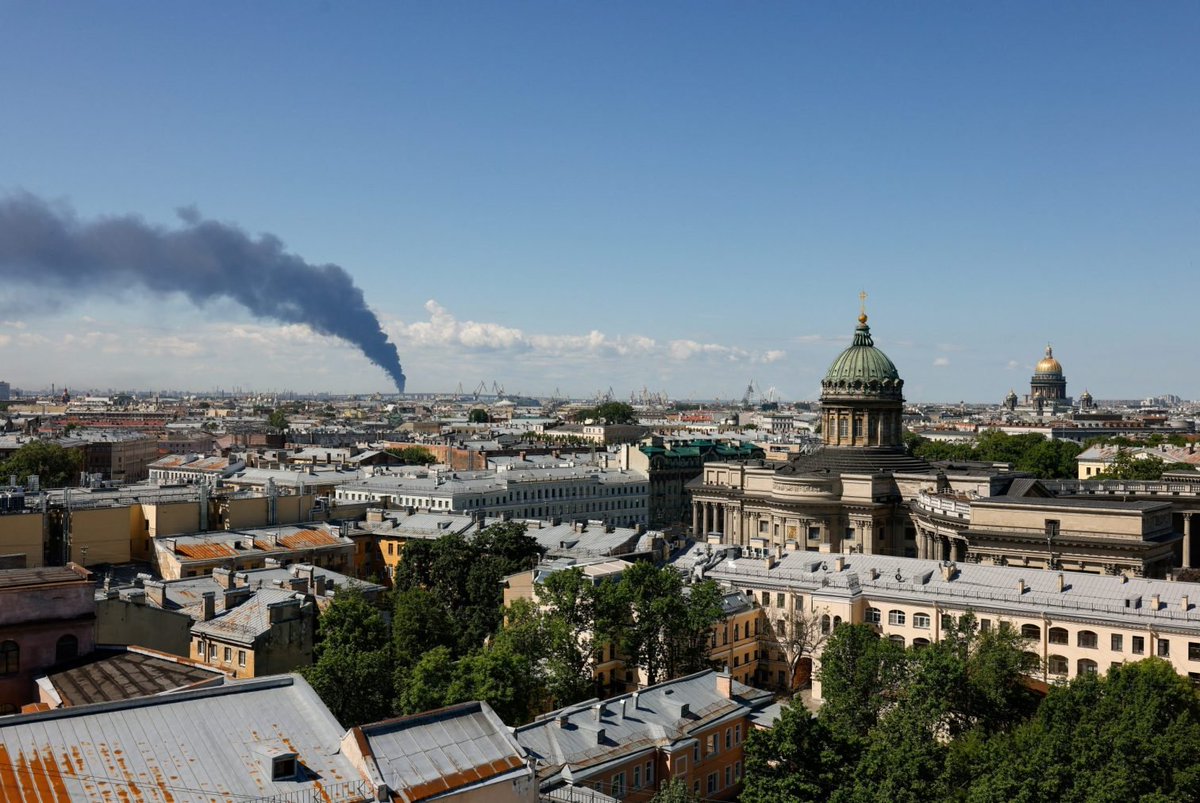

🇨🇳🇷🇺The China-Russia relationship has clearly grown closer and become a more potent threat over the past four years. Despite mismatched power and competing interests, this is a partnership that the US, Europe, and the world must take seriously. cepa.org/comprehensive-repor…
1
6
9
1,116
Poland has quietly, and successfully, digitized public services.
Europe's first quantum computer. The mObywatel digital ID used by millions. Accelerating AI adoption.
Polish Digital Ambassador Piotr Kobielski, with Katarzyna Zajkowska and Monika Malowiecka of Digital Transformation, broke down what it took.
6
7
709
The US has an edge on China in the AI race. That comes from access to the most advanced AI chips, which depend on lithography equipment made exclusively by Dutch firm ASML. But the lead is eroding.
@dalperovitch and Jonathan Hoganson joined @apolyakova and Ronan Murphy to map the stakes.
2
2
468
Unleashing Defense Innovation | “The result is a strategic mismatch: a 21st-century battlefield being supplied by a 20th-century defense architecture.” International Leadership Council #NATOSummit2026
cepa.org/comprehensive-repor…
2
1
805
The China-Russia Meta-Threat: The Architecture of Authoritarian Power | “Enhanced bilateral agreements in the military and security sphere are reinforced by the fact that Moscow and Beijing share similar threat perceptions." @MatBoulegue
cepa.org/comprehensive-repor…
1
477
The China-Russia Meta-Threat: The Architecture of Authoritarian Power | “Beyond the importance both regimes assign to strategic flexibility and autonomy, there are inherent limits and obstacles in the bilateral relationship that preclude a military alliance." @MatBoulegue
cepa.org/comprehensive-repor…
1
3
2
421
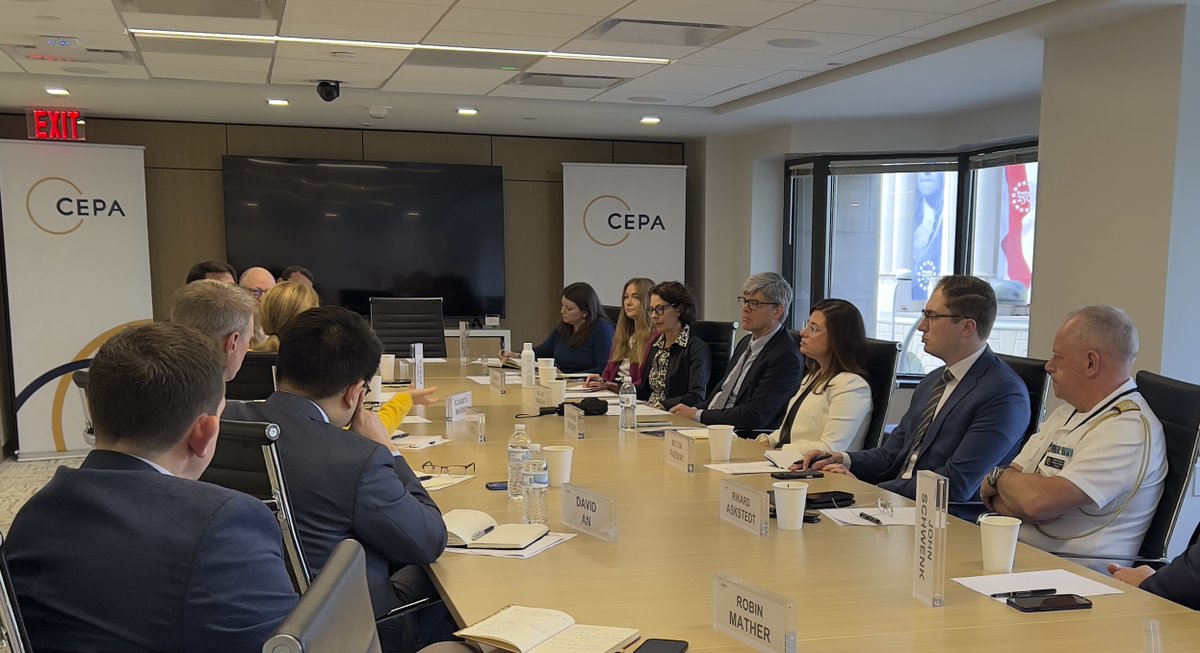
Europe has hit historic levels of defense spending over the past year and a half, with many countries rapidly building out their industrial base. But the gaps are real. Industrial capacity, regulatory barriers, and fragmentation are slowing critical progress at exactly the moment Europe cannot afford to slow down.
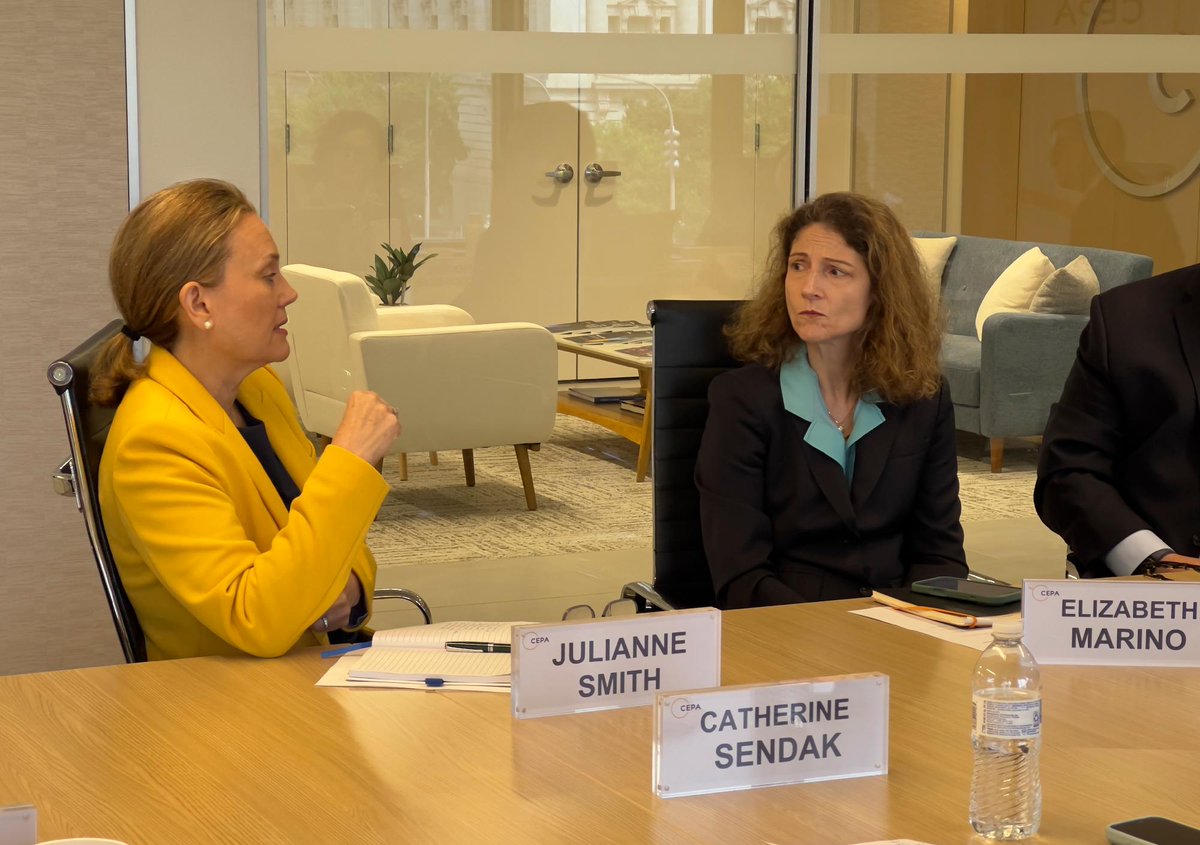
Former Ambassador to NATO Julianne Smith led a discussion on the US defense industrial base and its relationship with Europe. The central challenge: aligning European production with US scale while avoiding the inefficiencies that come with fragmented systems and competing national priorities.
Strengthening the industrial base on both sides of the Atlantic will require trust-building and coordination at the business level, not just at the government level.
1
3
508
Armenia Votes to Shun Russia | “Pashinyan’s victory leaves the Kremlin with the difficult choice of confrontation or something more pragmatic.” @emilavdaliani
cepa.org/article/armenia-vot…
1
397
Europe is growing up fast. But is it growing up fast enough? #NATOSummit2026
cepa.org/article/europe-very…
275
The China-Russia Meta-Threat: The Architecture of Authoritarian Power | “Russia’s pivot toward China considers Beijing’s clearly stated priorities regarding the United Nations and international law." Evgeny Roshchin
cepa.org/comprehensive-repor…
4
382
NATO Needs a War College in Kyiv | “The West should not wait for the war to end before studying it.” Ryan Shaw and Dan Rice
cepa.org/article/nato-needs-…
3
321
Code War: Europe Launches “Tech Independence” | “Europe’s debate about weaning itself off foreign technology and boosting its digital performance will continue to spark a divisive transatlantic debate.” William Echikson
cepa.org/article/code-war-eu…
2
297
Europe’s AI Chip Dream? Midwinter | “Europe cannot try to outspend China or the US into a sovereign AI-chip future.” Christopher Cytera
cepa.org/article/europe-purs…
2
2
463
Europe and India: A Marriage of Convenience | “The Indo-Mediterranean concept can become a construct to anchor both Europe and India, and provide some insurance against the unpredictability of less cooperative nations.” @de_f_t
cepa.org/article/europe-and-…
1
3
2
1,683
Russia-China Military Ties: Behind the Window Dressing | “It is important to both that they convey the idea of a military alliance without actually establishing one.” @MatBoulegue
cepa.org/article/russia-chin…
1
2
9
766
De-Americanizing NATO: Could We? | “It consists of giving a group of European countries the ability to act if they so wish and if the US does not want to follow suit.” @NTenzer #NATOSummit2026
cepa.org/article/de-american…
7
424
"Vladimir Putin and Xi Jinping have come to a meeting of the minds on some very fundamental things about world order." @Walker_CT
What once seemed unlikely is now a reality: a growing network of authoritarian powers working to reshape the international system to their advantage, with China playing a pivotal economic, logistical, and strategic role.
Read the full report, The China-Russia Meta Threat: The Architecture of Authoritarian Power, below.
cepa.org/comprehensive-repor…
#ChinaRussia #NationalSecurity #Geopolitics #Russia #China
2
2
540
The China-Russia Meta-Threat: The Architecture of Authoritarian Power | “Sino-Russian economic relations had already been growing before 2022, but they remained imbalanced, despite Russia’s huge potential to export raw materials to China.” @tamas_matura
cepa.org/comprehensive-repor…
1
1
436
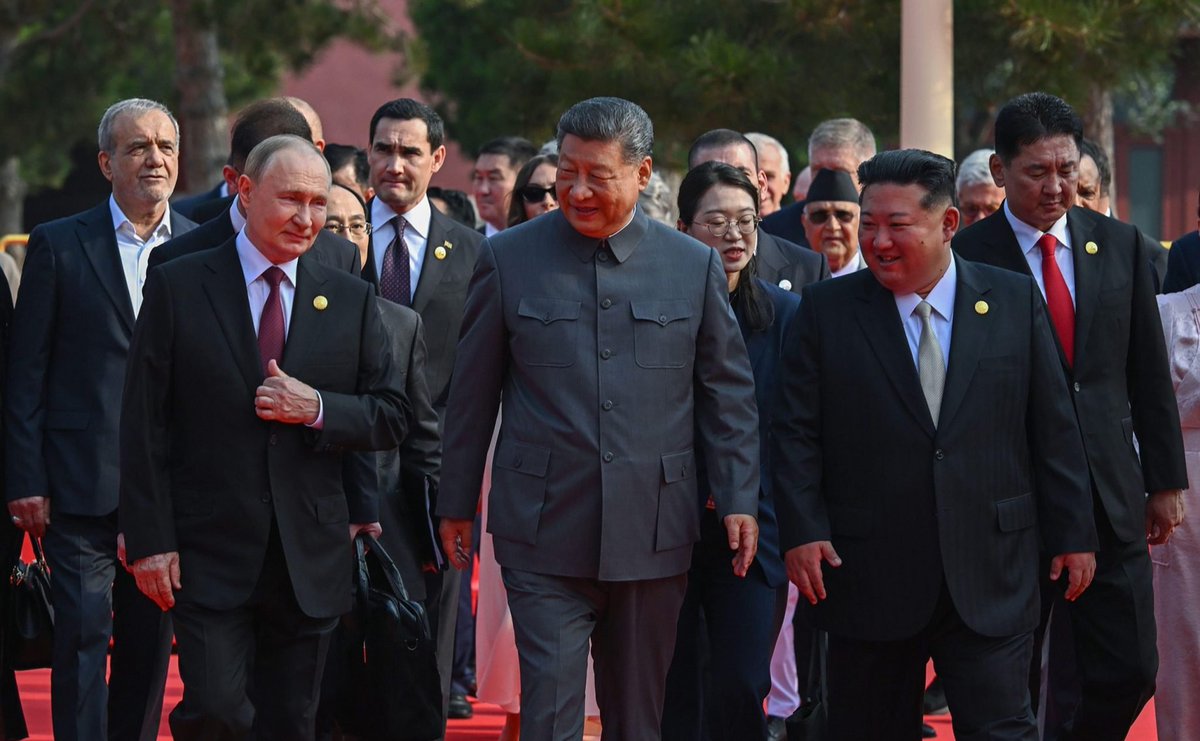
Xi Jinping's trip to North Korea is a reminder of a growing reality: authoritarian powers are becoming more interconnected, not less.
Evgeny Roshchin explores how China and Russia are leveraging international institutions, regional organizations, and strategic partnerships to build influence and shape the future of global governance. Their relationship is not a traditional alliance, but it is helping create new centers of political gravity that challenge democratic interests and reshape the international landscape.
Read the full report.
cepa.org/comprehensive-repor…
1
384
"A serious European defense without Berlin is an impossibility." #NATOSummit2026
cepa.org/article/fixing-germ…
1
415
The China-Russia Meta-Threat: The Architecture of Authoritarian Power | “Beyond these broad ideological commitments, Beijing and Moscow do not seem to synchronize their visions of the world's order, nor do they always act in concert on specific policies." Evgeny Roshchin
cepa.org/comprehensive-repor…
4
5
575