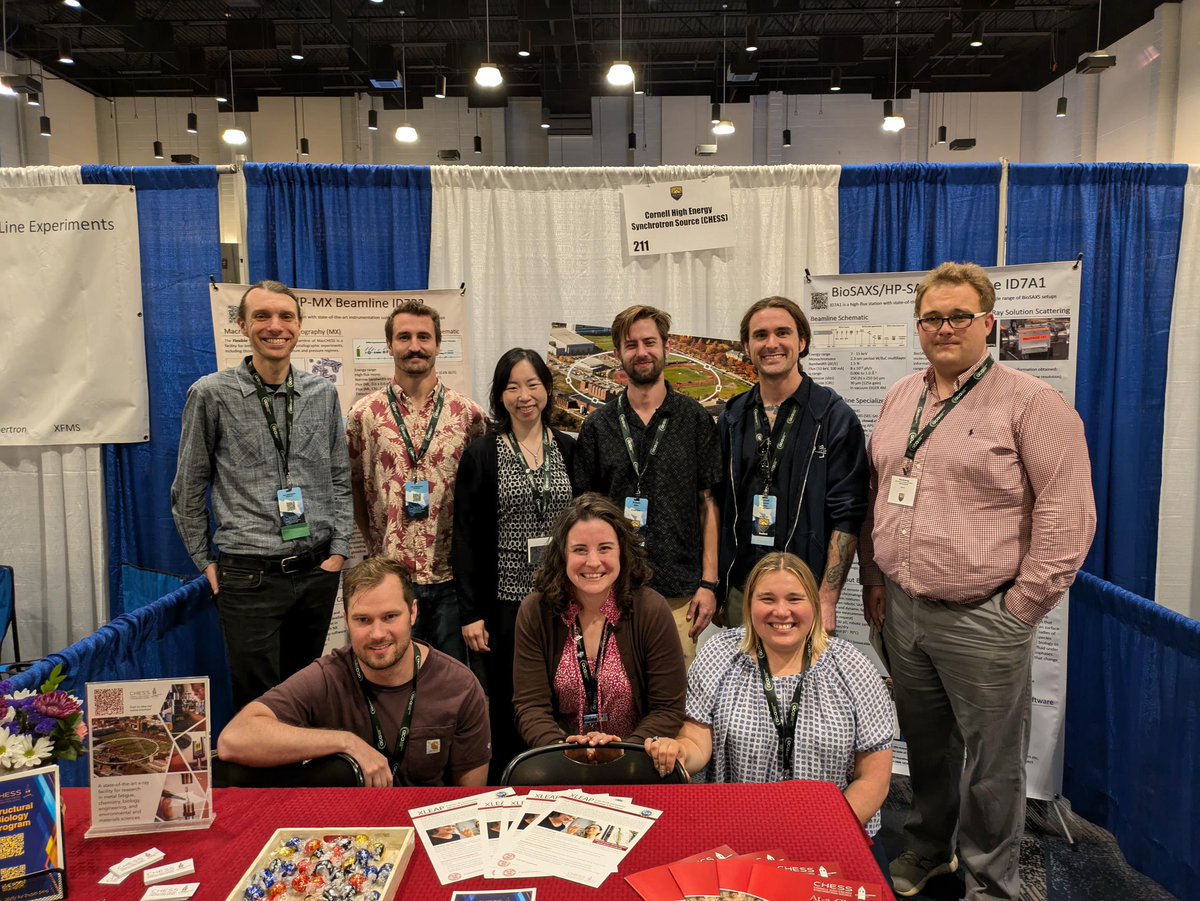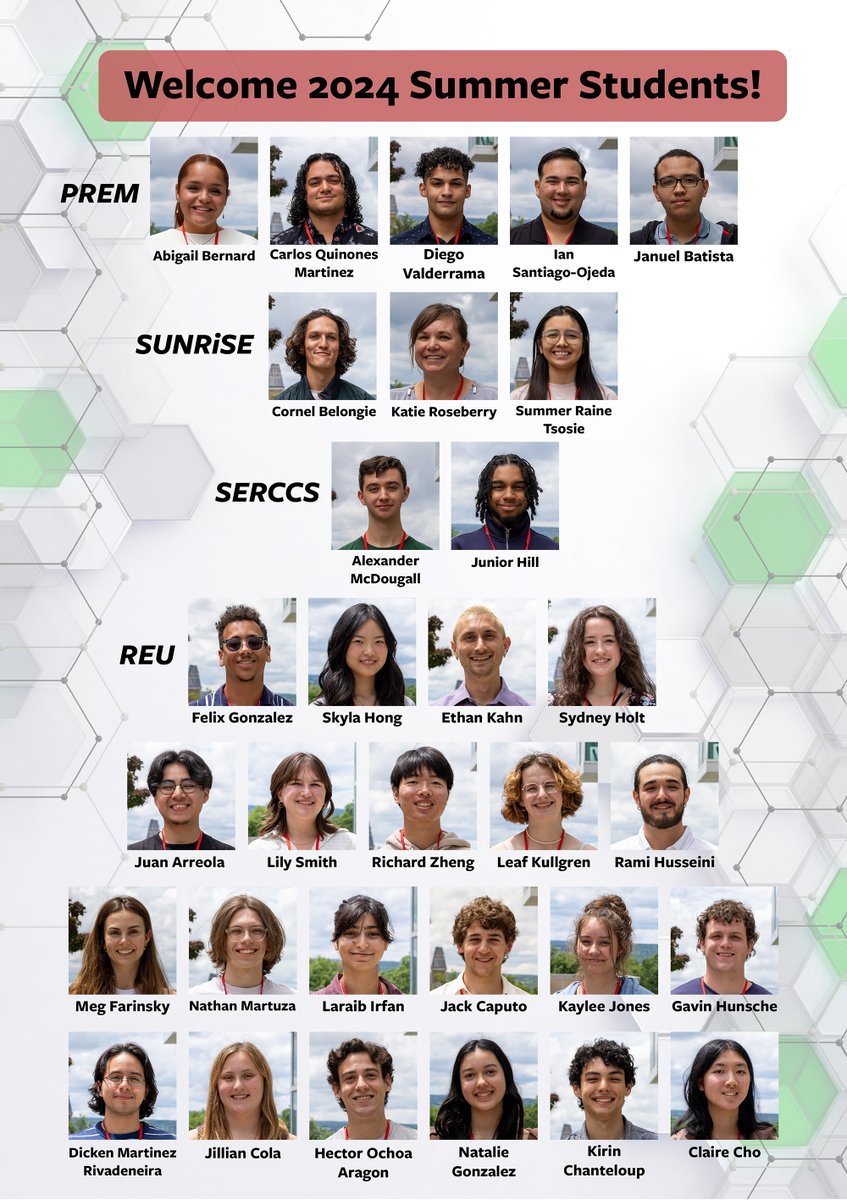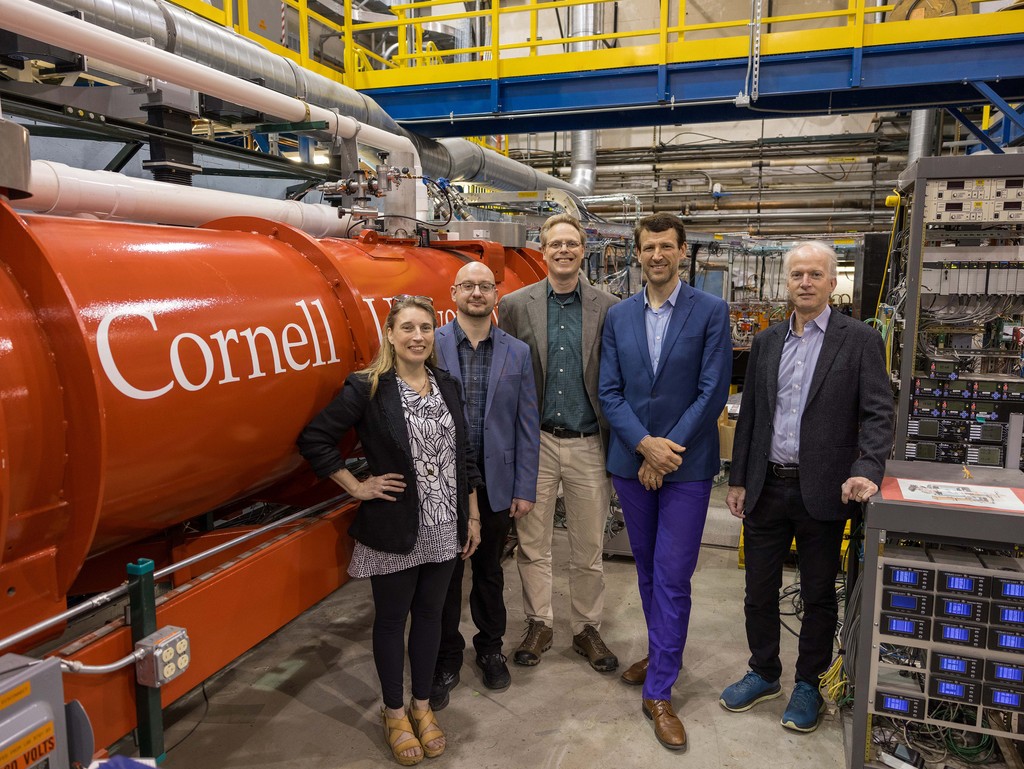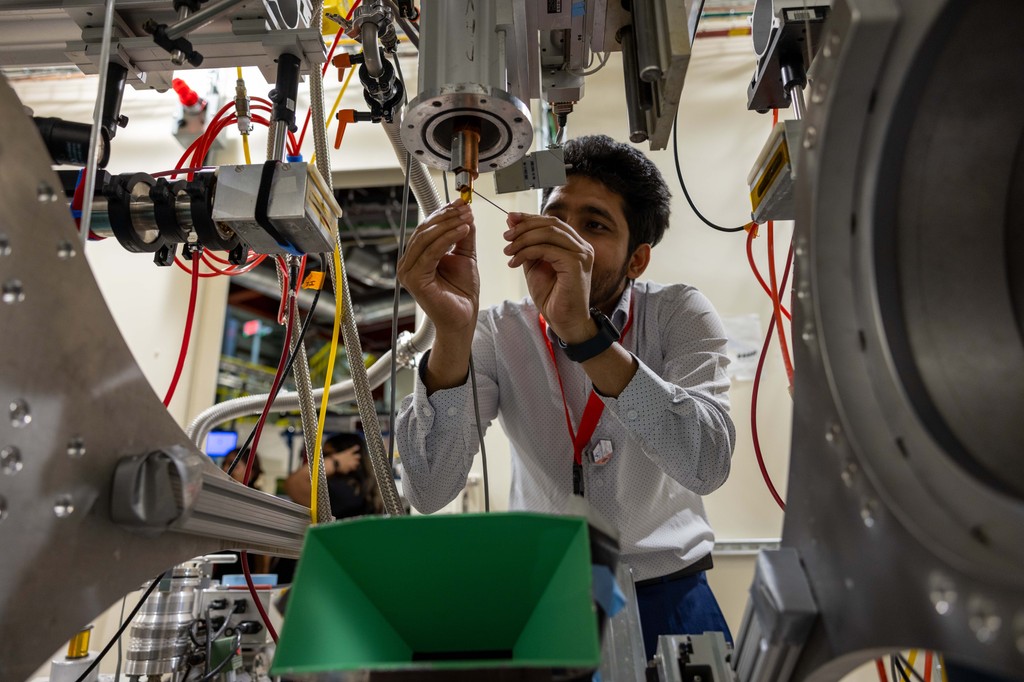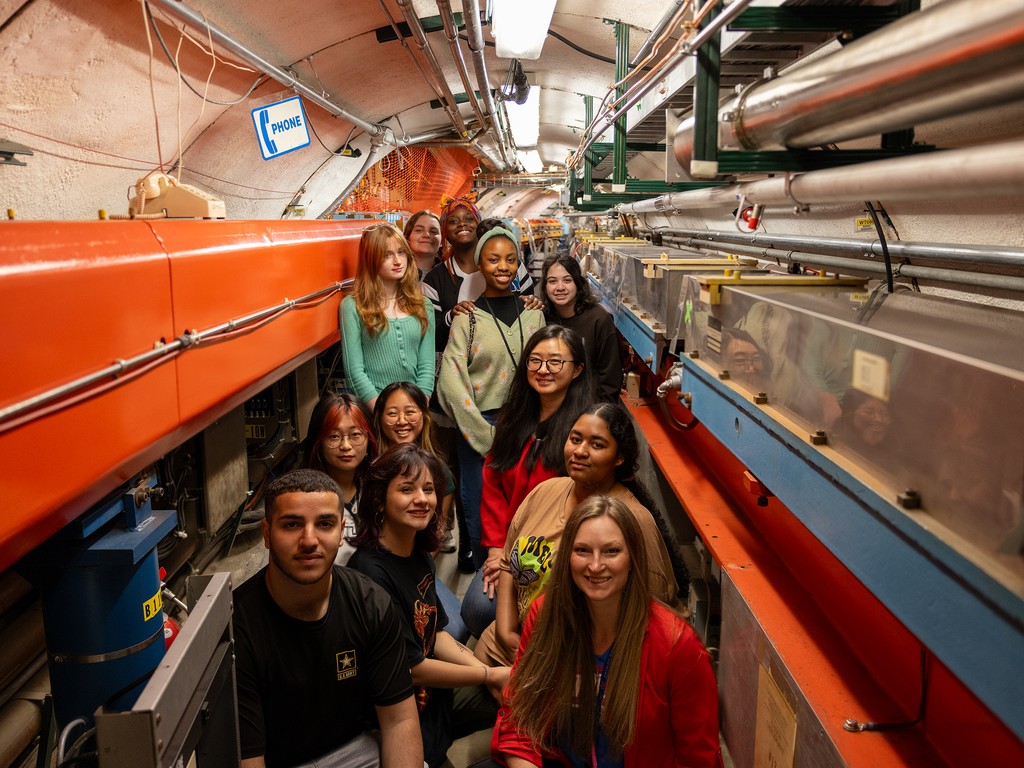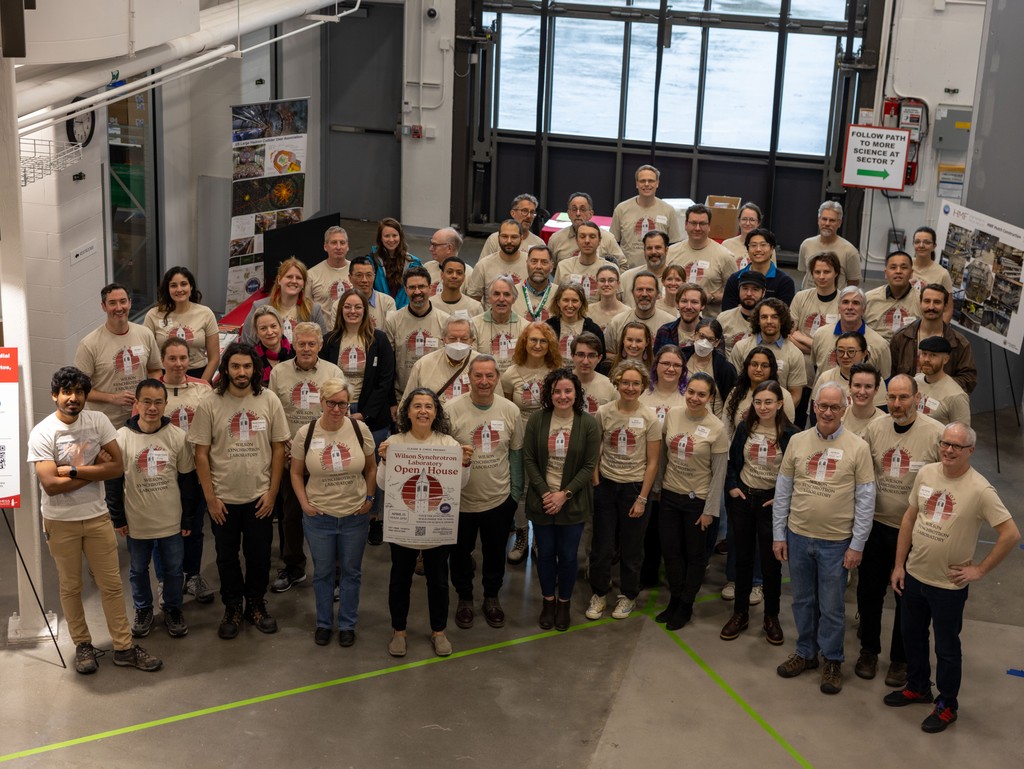
Cornell High Energy Synchrotron Source (CHESS) is a national user facility, supported by the NSF, NIH, & AFRL for innovative research and synchrotron education
Astronomers at @Cornell are using a new instrument to study the earliest galaxies by capturing the combined light of millions of distant galaxies at once.
The breakthrough could reshape how scientists study cosmic history and star formation.
Read more: bit.ly/3Ru7lv5
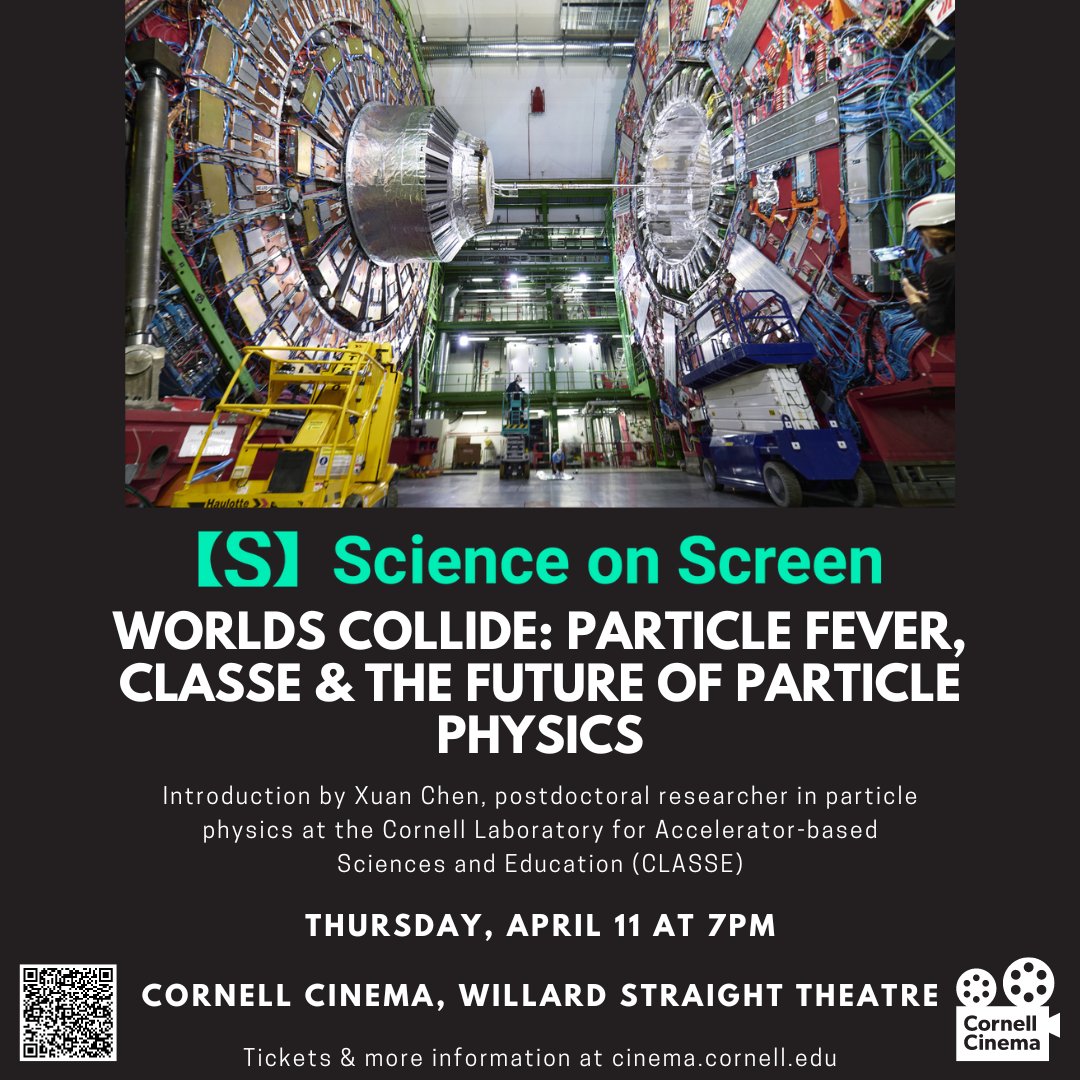
Including contributions from research staff at @CornellCLASSE, new detector improvements at CMS have potential to revolutionize our understanding of dark matter and its influence on our universe.
The CMS experiment at CERN is building a new detector that will unravel the chaotic particle collisions at the Large Hadron Collider, helping scientists identify particles based on their speeds.
news.fnal.gov/2026/03/new-ul…
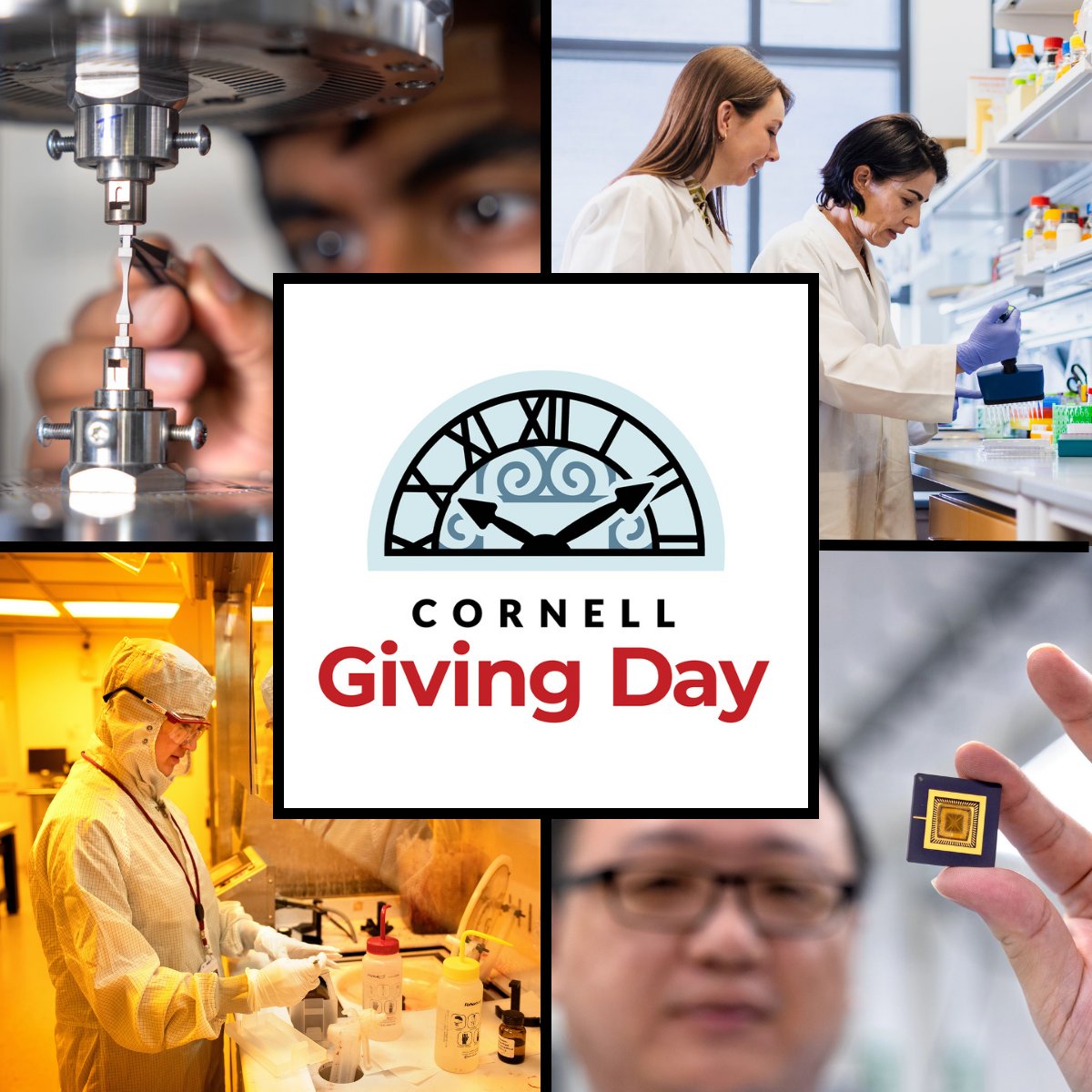
Today is Giving Day at @Cornell!
Please support the labs, instruments, and staff that help researchers develop new therapies, advance agriculture, and build technologies to improve our lives.
Make a gift at the link below:
givingday.cornell.edu/organi…#CornellGivingDay
ALT Collage of scientific research activities surrounding a "Cornell Giving Day" logo with a clock icon. Images depict individuals conducting experiments in labs, using equipment, and holding a small electronic component.
Researchers at @Cornell discovered a molecular “gate” that helps cells control nitric oxide, which regulates blood pressure, brain signals, and immune defense.
The finding could lead to more precise treatments for heart and neuro diseases.
Read more: bit.ly/3Nukqmw
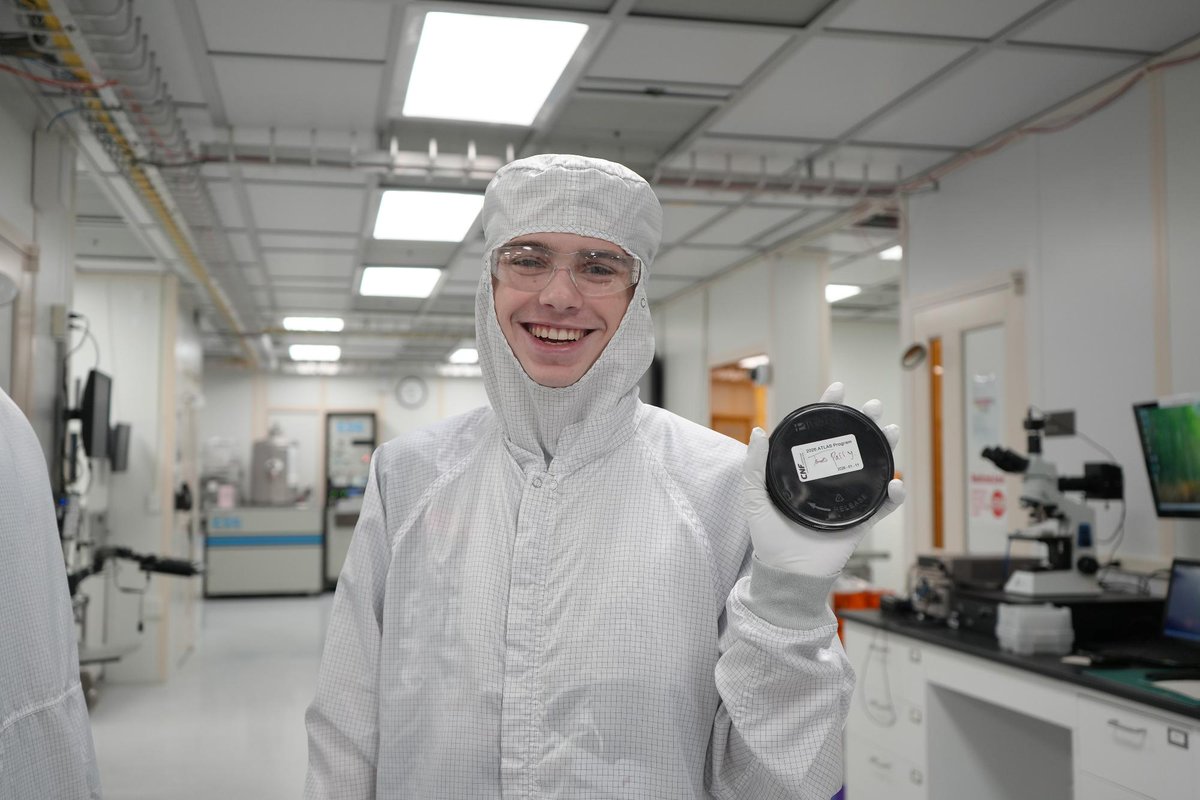
High school seniors stepped into the cleanroom at the @Cornell NanoScale Science and Technology Facility to build real microchips.
Programs like ATLAS are preparing students for new semiconductor jobs as Micron Technology expands in New York.
Read more: bit.ly/3MfJtcF
ALT A person in a cleanroom suit holds up a silicon wafer inside CNF laboratory. Scientific equipment and computers are visible in the background.
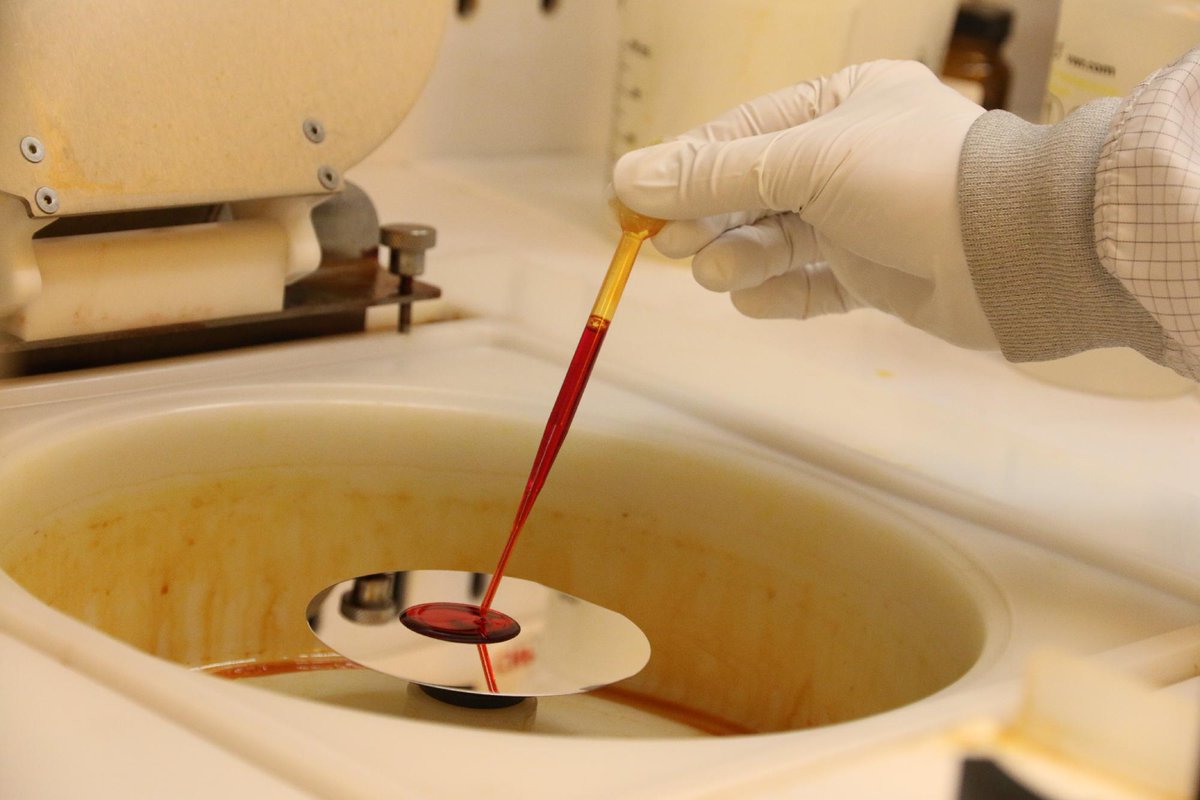
ALT A gloved hand holding a pipette is applying a red solution onto a small, reflective silicon wafer in a laboratory setting.
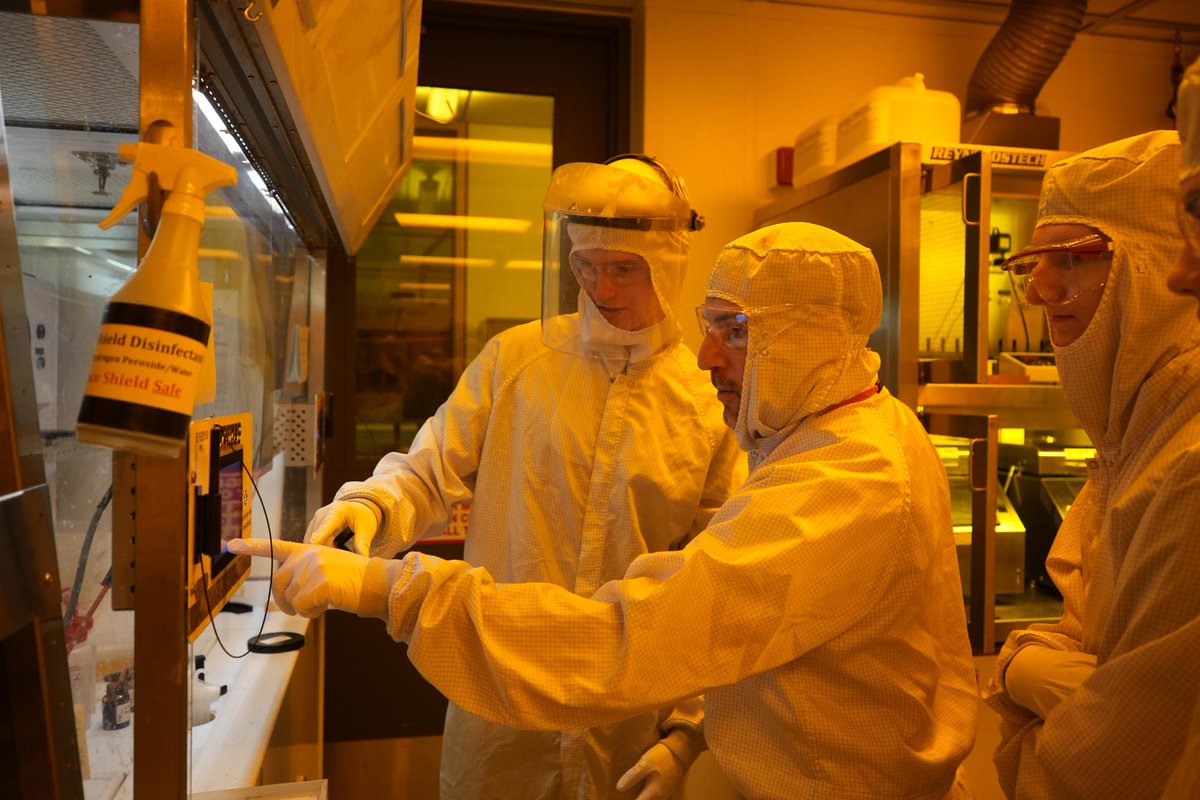
ALT Laboratory workers in cleanroom suits and protective gear are gathered around a control panel in a laboratory. The environment is illuminated with an amber light. One individual is pointing at the panel, while others observe. Various lab equipment is visible in the background.
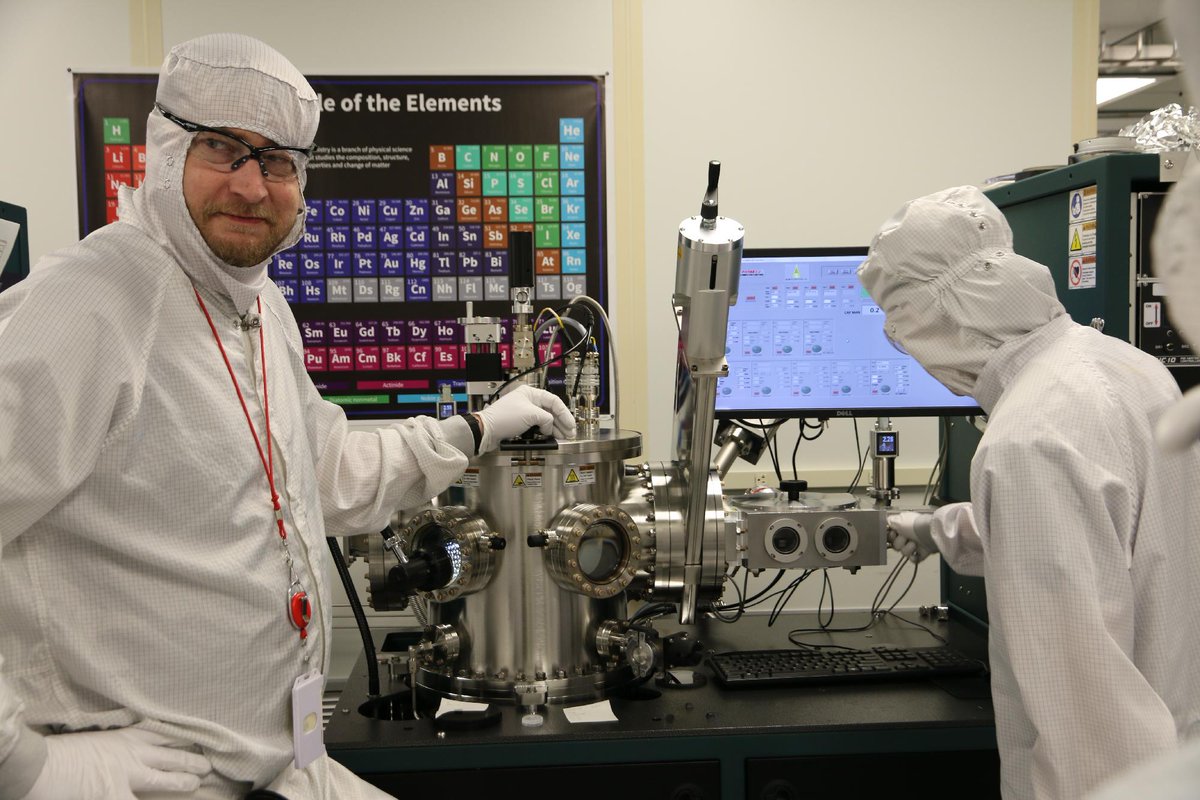
ALT Individuals in cleanroom suits work with scientific equipment in a lab. A Periodic Table of the Elements is visible on the wall behind them.
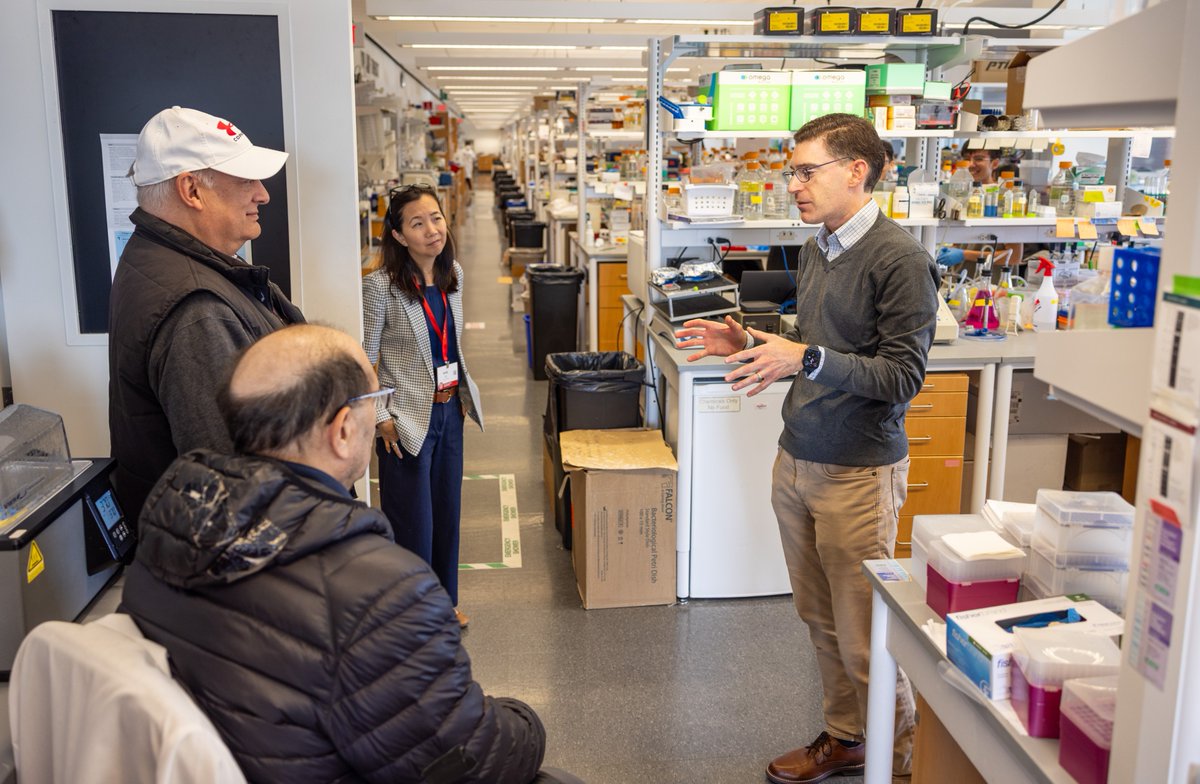
How cells handle stress can shape diseases like cancer and neurodegeneration. Cornell researchers uncovered a new protein interaction that keeps the cell’s recycling system in balance, revealing clues that could inform future therapies.
Read more: bit.ly/4qqdhRy
Congratulations to @CornellChem professor Youn Jue (Eunice) Bae! She is a member of a team that’s won funding from the inaugural Scialog Award focused on Quantum Matter and Information, from @RCSA1.
@ybae0221as.cornell.edu/news/scialog-…
When scientists detect environmental DNA in water, the source isn’t always nearby. In a new study, @Cornell researchers released and tracked synthetic DNA in Cayuga Lake to map how eDNA moves, strengthening tools for conservation monitoring.
📌news.cornell.edu/stories/202…
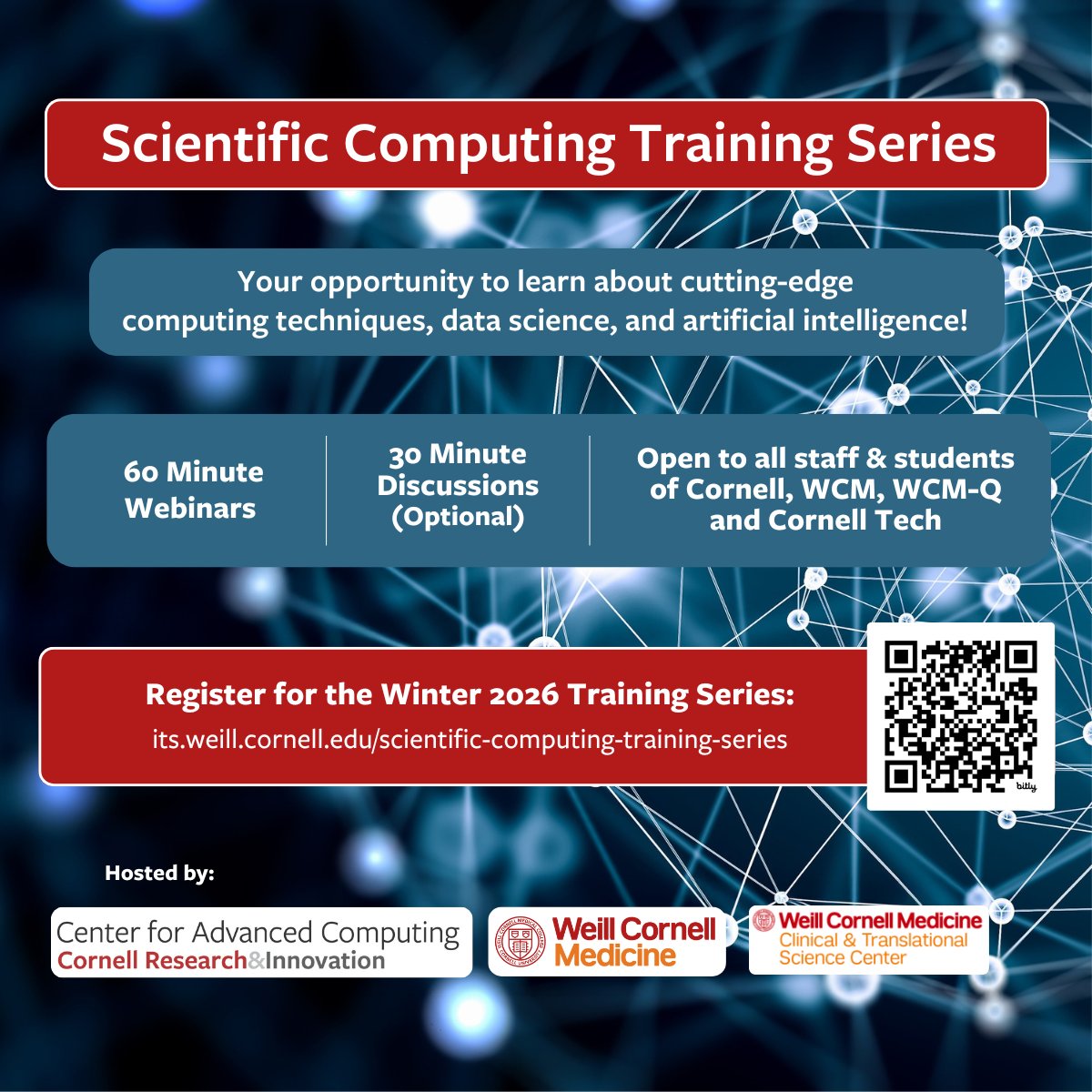
Scientific Computing Training Series: a free, virtual program on data science, AI, and advanced computing. Open to staff and students at @Cornell, @WeillCornell, @WCMQatar, and @cornell_tech.
Hosted by Cornell CAC with Weill ITS and CTSC.
Read more: bit.ly/49DHo1u
We are pleased to announce Dr. Gary Koretzky ’78 as @Cornell Vice Provost for Research. He oversees more than 30 multidisciplinary research facilities spanning the physical, social and biological sciences.
Read more: bit.ly/4py2If1
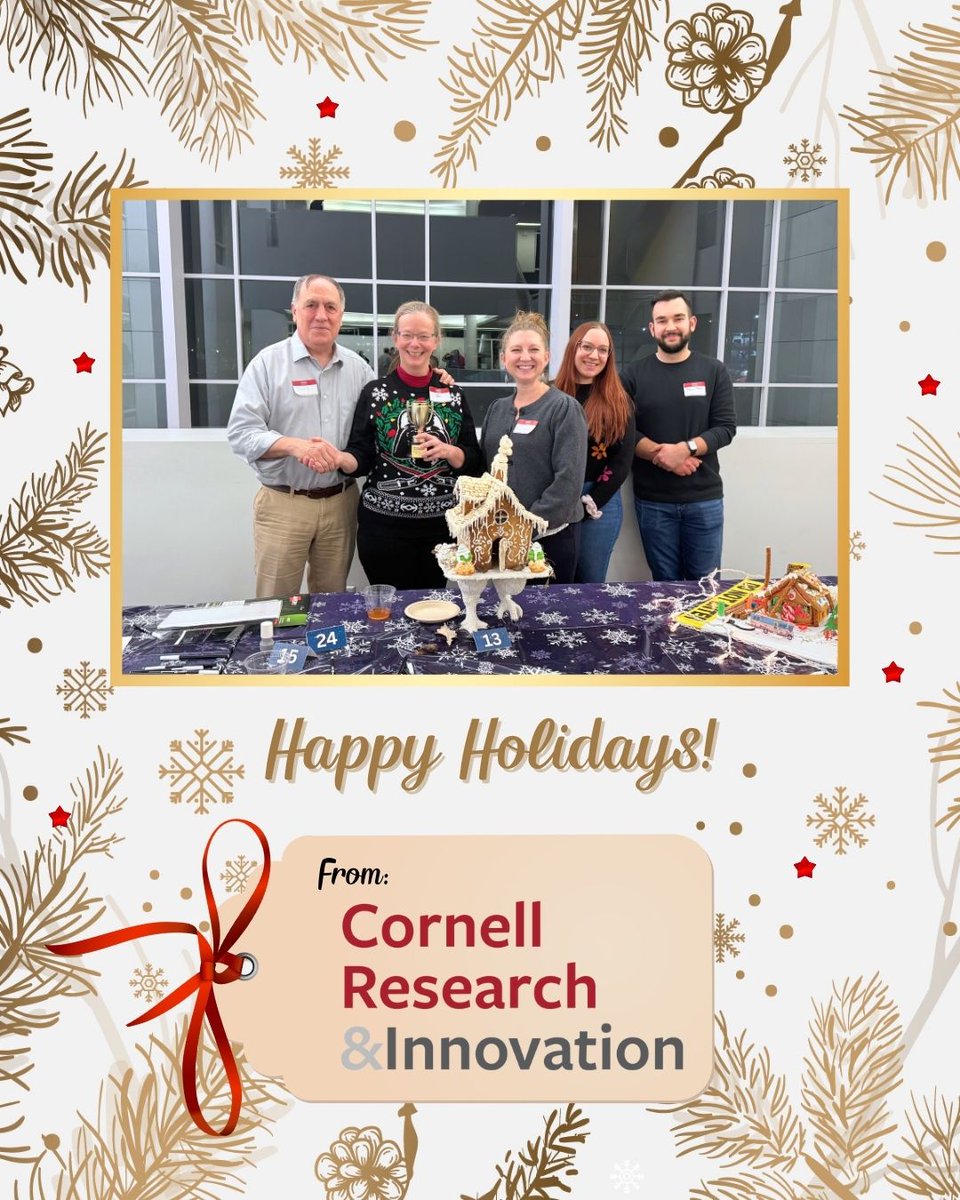
Happy Holidays from Cornell Research & Innovation!
This year brought real challenges, and our research community met them with perseverance and generosity toward one another. We’re deeply thankful for your work and hope the holidays bring moments of rest, joy, and connection.
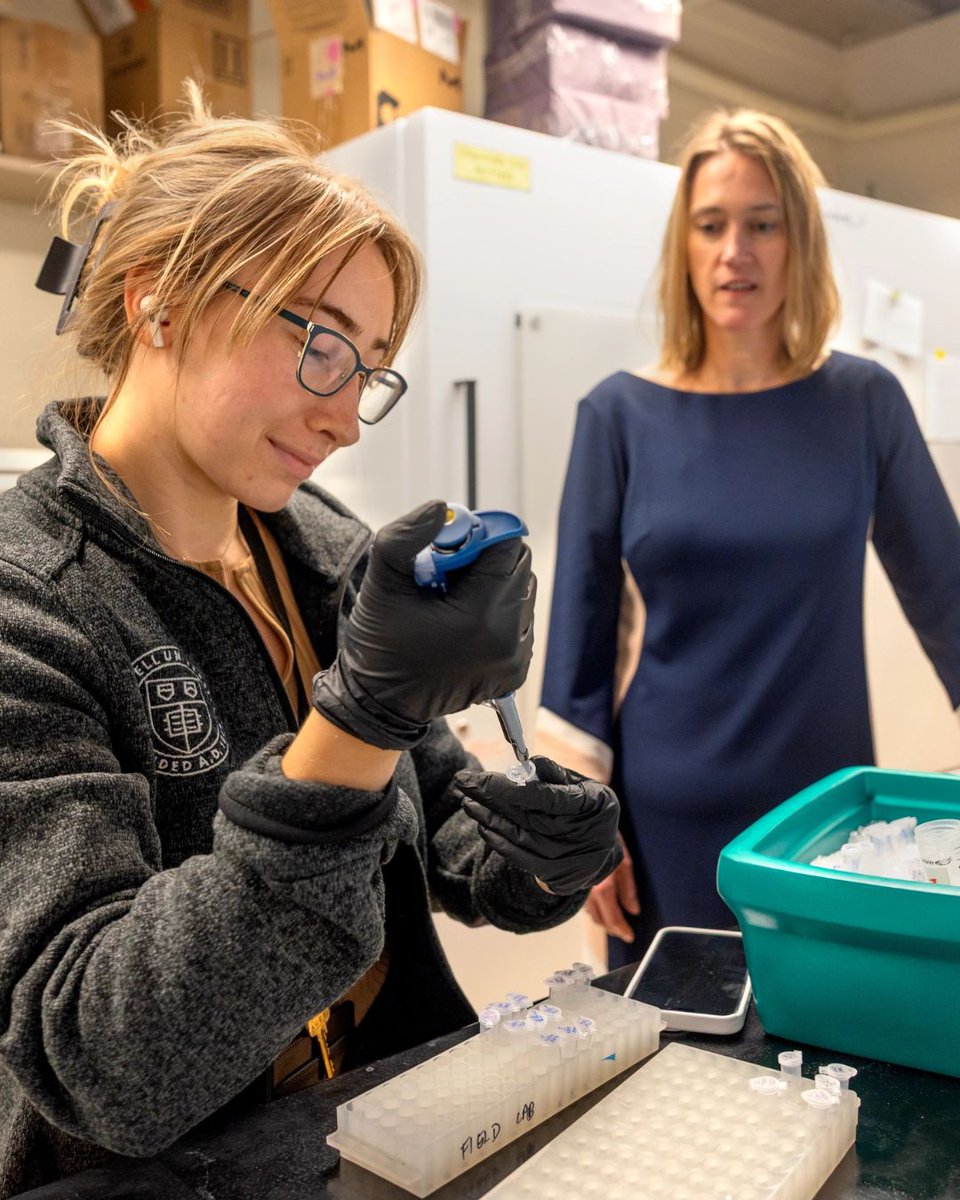
Federal funding has resumed for several @Cornell projects, including a pediatric heart pump, tick-borne disease diagnostics and military nutrition research.
Teams are working to recover lost time so innovations can reach communities sooner.
Read more: bit.ly/3MwetVu
ALT Martha Field has been developing crucial research on how folate and vitamin B12 affect mitochondrial DNA integrity and mitochondrial function, examining how these nutrients impact chronic diseases, aging, and soldiers’ cognitive and physical performance. Martha Field, left, assistant professor in the Division of Nutritional Sciences, works with Chloe Purello in her Kinzelberg Hall lab.
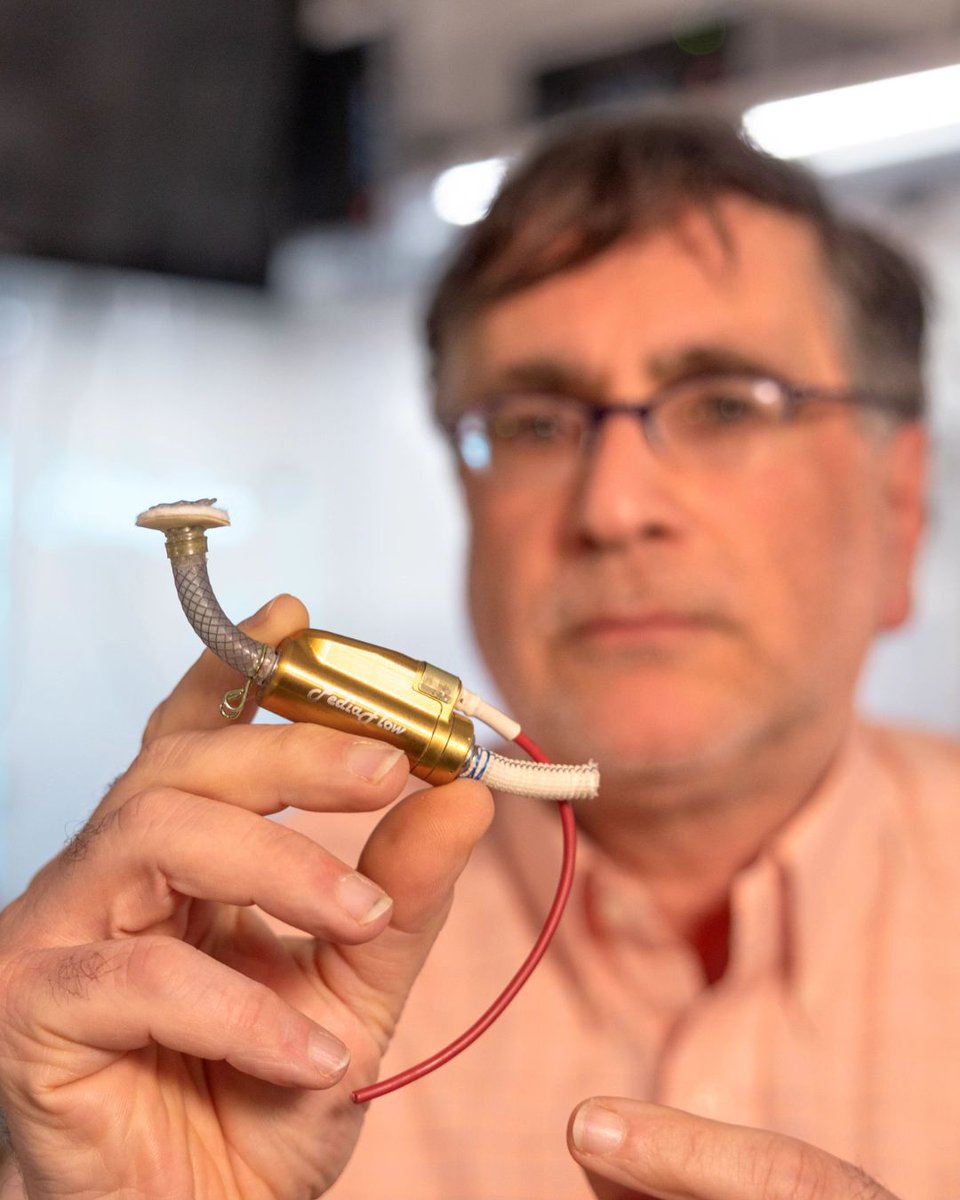
ALT James Antaki, a professor in the Meinig School of Biomedical Engineering, in Cornell Engineering, has been working on a device called the PediaFlow pediatric heart pump to help children with heart defects for more than 30 years. His project to prepare the device for in-human trials is the subject of a federal stop-work order, leaving its future uncertain.
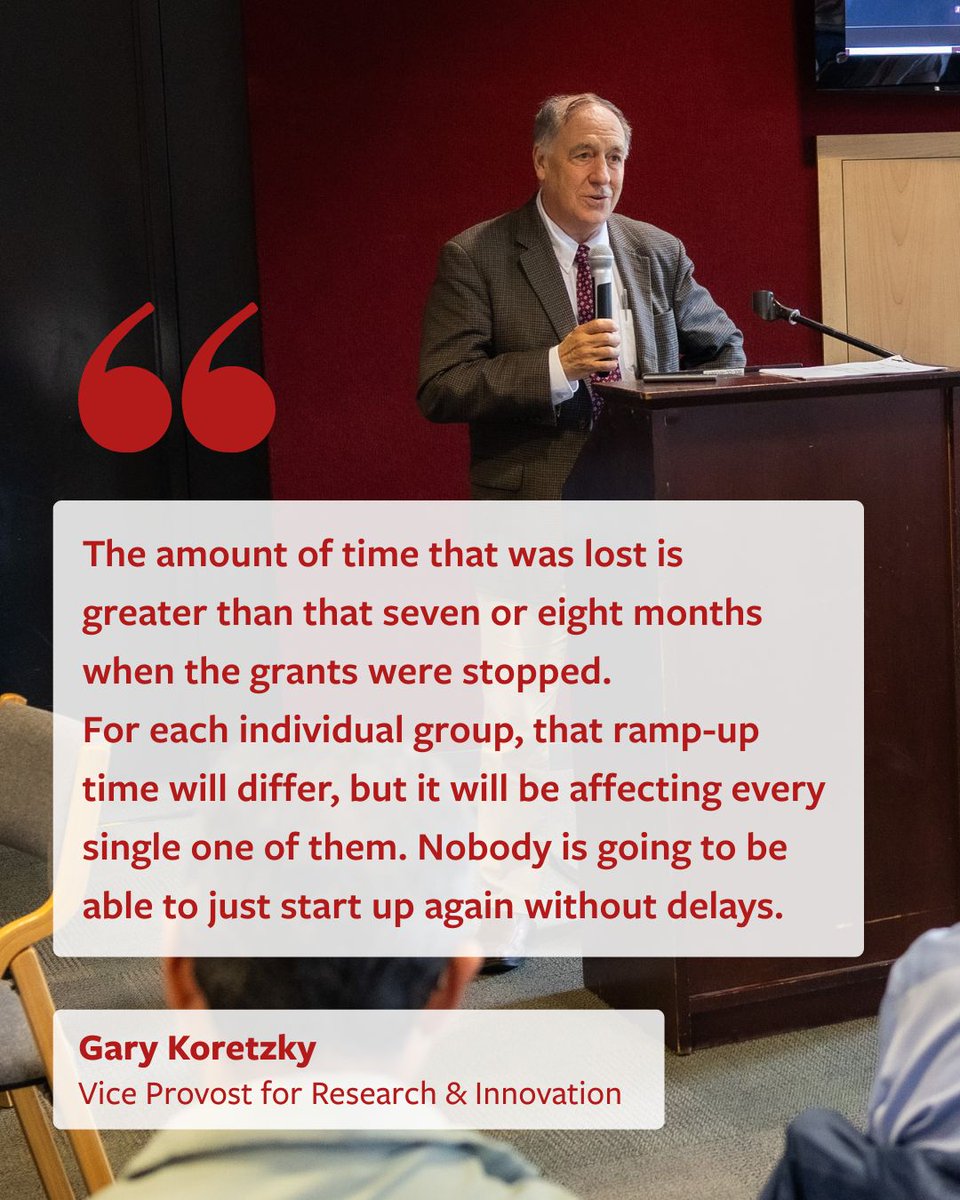
ALT Gary Koretzky standing at a podium delivering a speech at a professional event, with a quote on funding grant processes displayed beside him.

@Cornell researchers built a new aluminum nitride transistor that could boost 5G, 6G and radar performance while reducing reliance on gallium, a material mostly produced abroad.
Using far less gallium strengthens U.S. supply security
Read more: bit.ly/4azAxZ9
ALT Artistic rendering an XHEMT transistor device engineered at Cornell with an ultra-thin layer of gallium nitride built on bulk single-crystal aluminum nitride. Microscopy of the material layering showcases how the architecture allows the XHEMT to withstand relatively high temperatures and voltages while reducing electrical losses – ideal properties for future high-power wireless electronics.
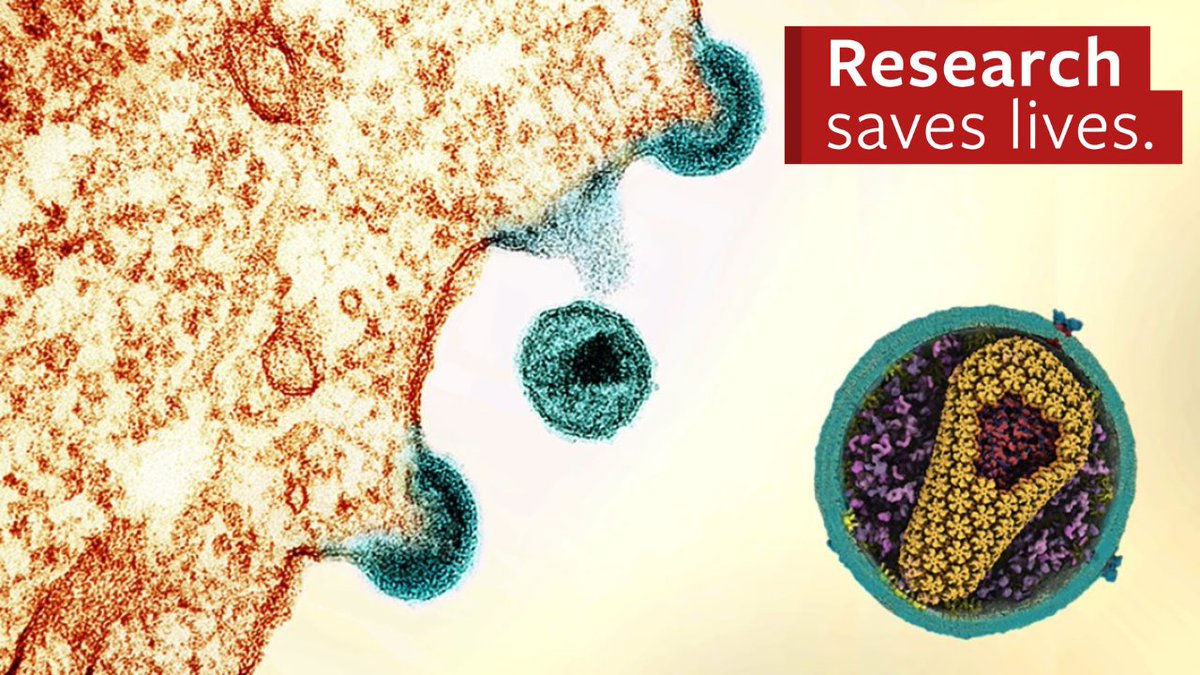
Approximately 1.5 million people are living with HIV in Uganda, but research from Weill Cornell Medicine investigators finds that a new HIV therapy may effectively control HIV in the country. Learn how Cornell research is making an impact. news.cornell.edu/stories/202….
ALT A transmission electron micrograph of HIV-1 virus particles (teal) exiting an infected immune cell after replicating inside the cell. The inset (circle) shows the capsid (yellow) that surrounds the RNA and enzymes necessary for replication next to the text "Research saves lives." The image emphasizes the texture and details of the virus structure in warm tones.
Giving Tuesday isn’t just a day to give – it’s a chance to power the mission that drives Cornell Atkinson: uniting Cornell experts to create real solutions for a healthier, more sustainable planet.
Make a gift today: securelb.imodules.com/s/1717…
ALT Together, we can build a more sustainable future.
Cornell Atkinson Center for Sustainability
Giving Tuesday
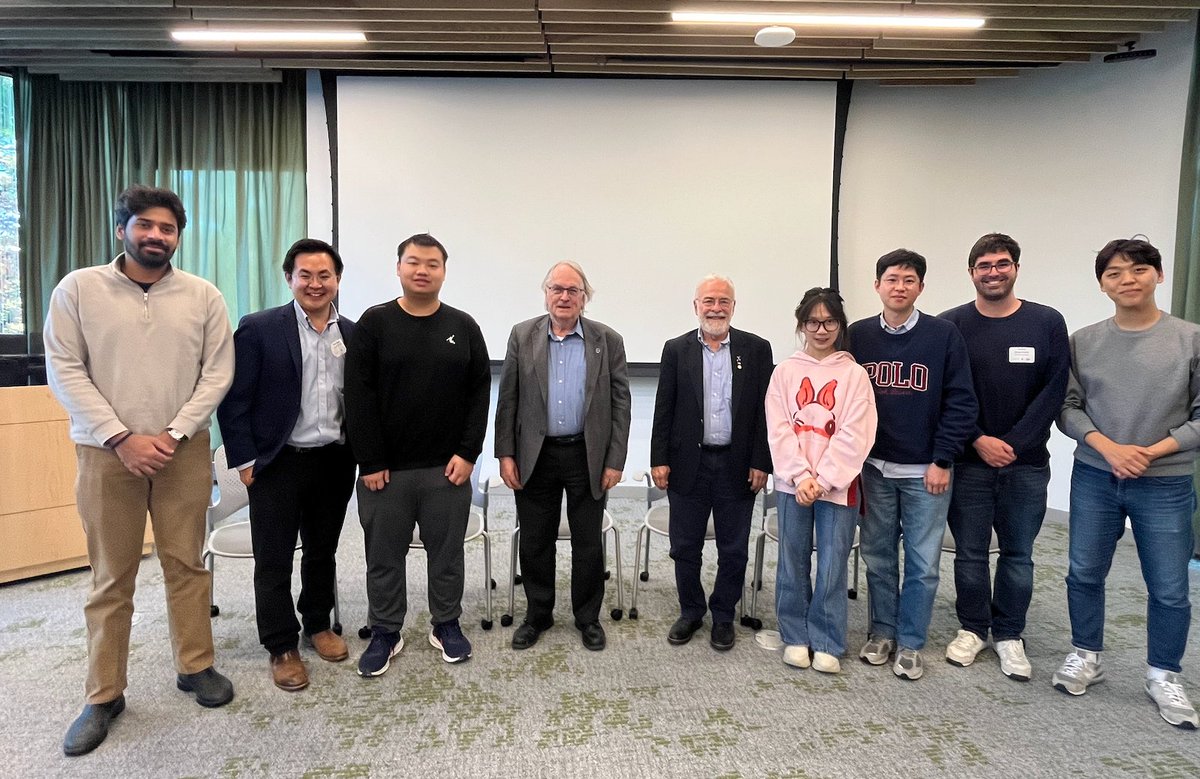
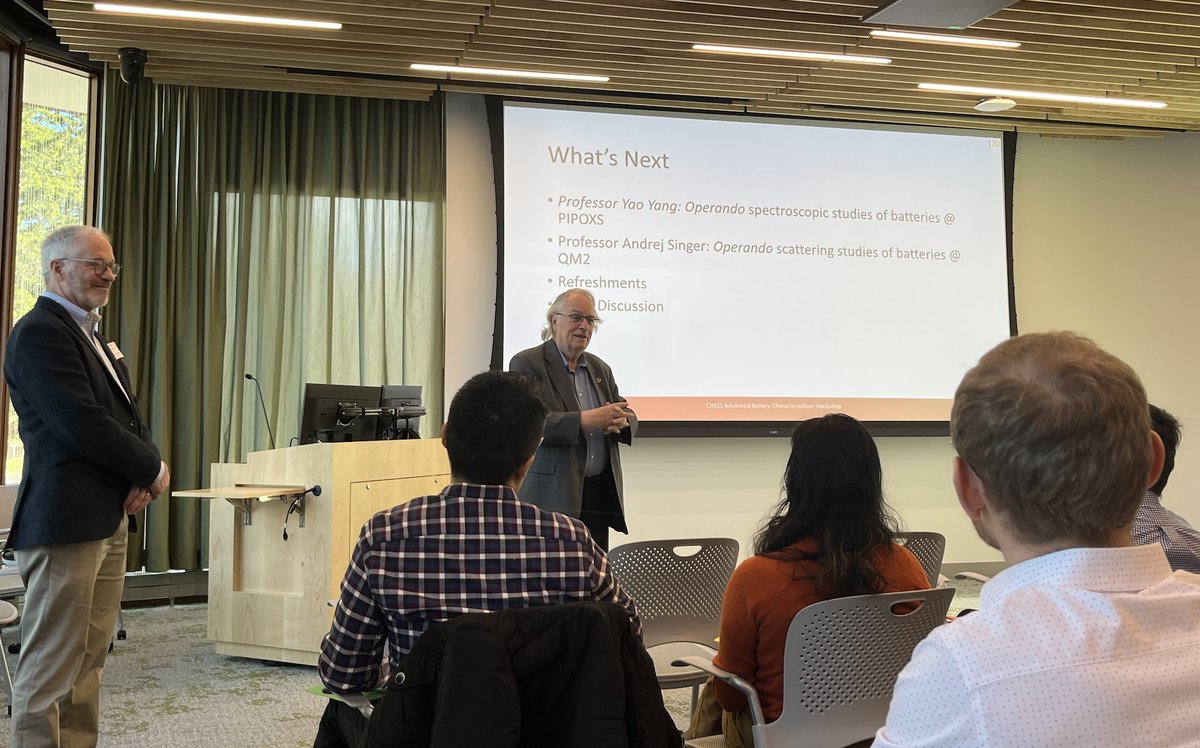
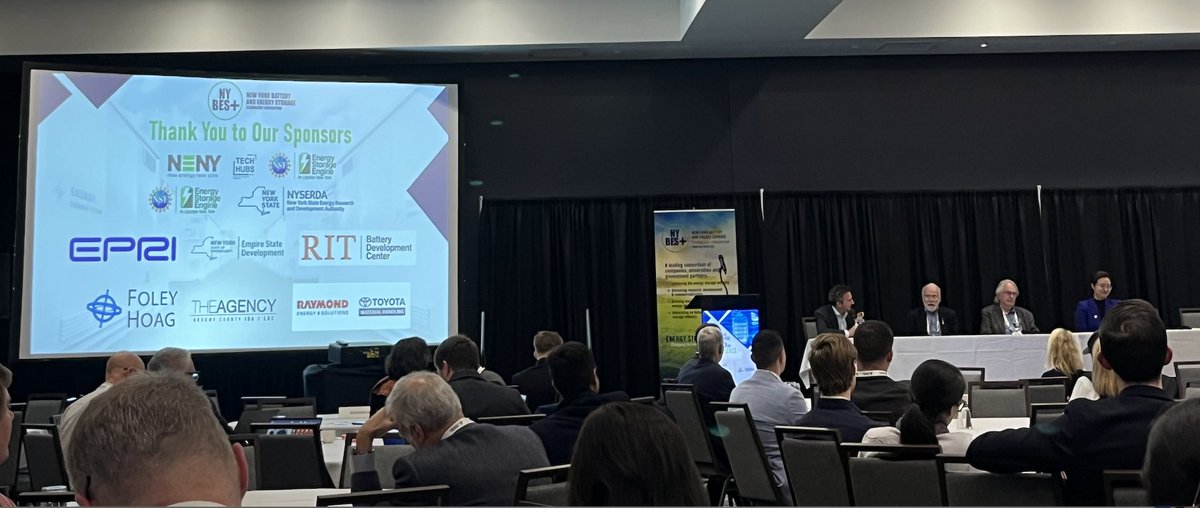
Our group presented X-ray beamline science for advanced battery technology at the annual conference organized by @CHESS_user and @NYBatteryEnergy. We are fortunate to have Nobel laureate, Prof. Stan Whittingham to lead the New York Battery Center. @CornellChem
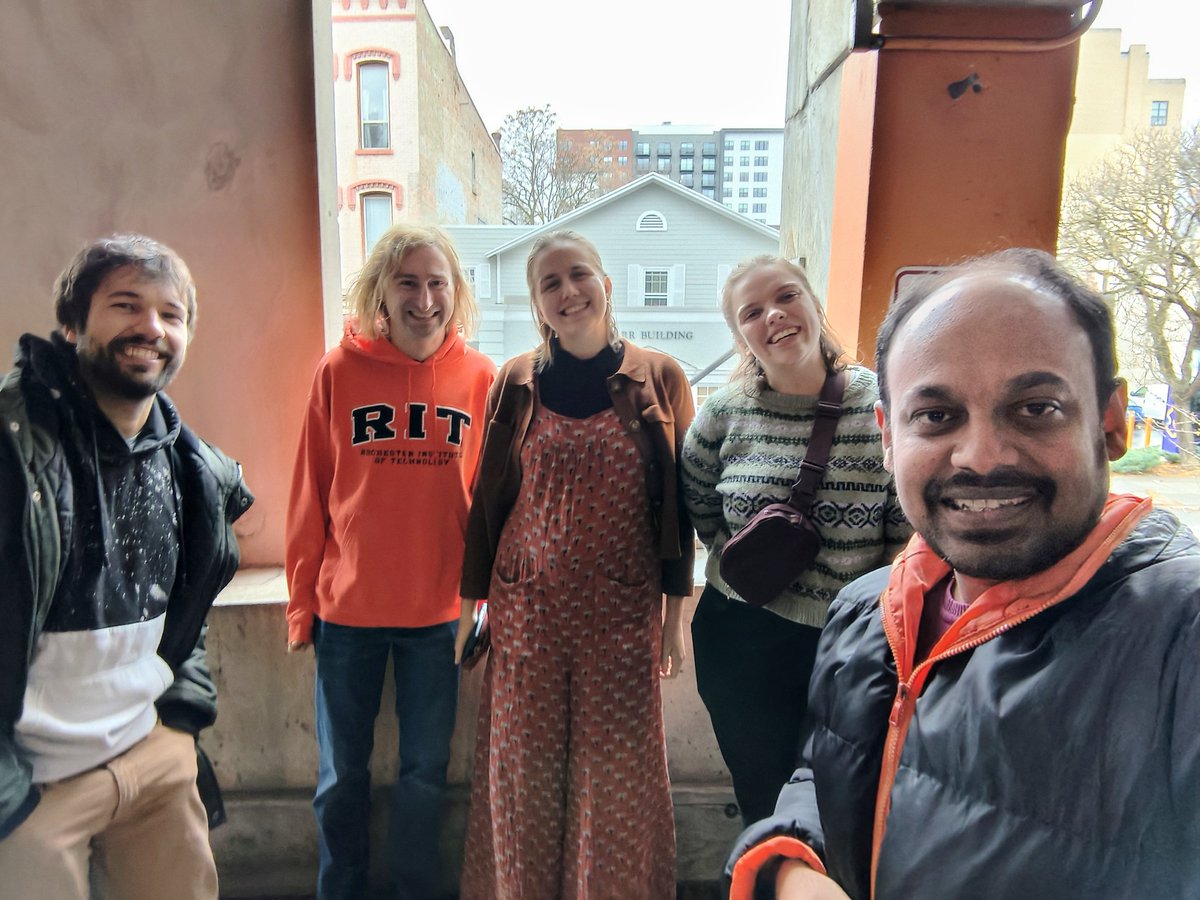
As I travel back to Germany, I wanted to give a shout-out to Chris and all the operators at @CHESS_user for the wonderful week of measurements. Power and goodluck to Gab, Liv for all the interesting data.