
Affordable Housing & Edge Factory-Datacenters today, walkable Factory College Towns tomorrow. Feed, House, & Self-Actualize Humans.
Joined November 2024
- Tweets 603
- Following 692
- Followers 541
- Likes 5,694
141 Photos and videos


Pinned Tweet

Apr 9
Estimates range from 750,000 to over a million people living homeless within the USA.
Housing supply shortage estimates are around 4 million homes in the USA.
2 of the 8 billion humans on earth lack adequate access to toilets & clean water. That is 1 in 4 humans!
Why can a person live in a car or on the street, but we can’t build 200 square foot housing in most of the USA?
There are multiple pieces to the housing puzzle.
First is materials.
Then is zoning & codes.
Then we have labor.
Then we have supportive infrastructure such as roads, gas, electricity, communications, water, sewer, and waste water treatment.
And lastly is the actual energy to sustain it all.
Beyond that extends to NIMBY (Not In My Back Yard) style objections.
People don’t want developments near their homes that could lower the value or bring unwanted types of people.
If we segregate lower income, disabled, mentally ill, and any other people then we also have to maintain all the other supporting infrastructure for them to survive. Someone has to pay for it and it often falls into disrepair if we don’t have a mix of incomes paying taxes. This keeps people in poverty & creates an us vs them mentality.
I am not saying we should not protect society from dangerous people… that is entirely different.
A kid fresh out of high school or college doesn’t need a big place to live & are rarely even be able to afford it. They are then pushed into having roommates, living with a boyfriend or girlfriend too early, staying with parents, or pay for more space than they need.
A single adult may not even want or need a big space.
We can buy a brand new 200 square foot travel trailer camper for less than $35,000… on a 15 year loan, but good luck building or renting a home like that.
Trailer parks have proved for decades that factory built housing works for lower incomes, but comes with stigma, lack of walkability to necessary services or employment, among other issues.
Campgrounds & motels with long-term options have often turned into alternative housing options proving people can do it, but laws prevent new developments for such uses.
Society & the way we build housing must shift.
It is not simply housing, but also factories, educational facilities, and entire towns.
Densities, parking, supportive infrastructure, & more needs to shift as artificial intelligence outpaces human intelligence.
We can no longer live like we did in the past.
Developments of the future must take inclusivity, walkability, & quality of life into account.
Many of these ideas have existed for decades with visionaries seeking to build them, but were never actually built due to lack of funding.
Meanwhile, we now have OpenAI with over $100 billion to build AI data centers that no one wants in their backyards.
We have seen some mixed-use options that attempt to fix this, but education, factories, food production, & energy have not been included as core to them.
There is buzz & conspiracy theories about 15 minute cities where everything is within a 15 minute walk… outside of an Orwellian dystopian fear, there is no real reason to avoid such developments.
Data centers are being cancelled due to NIMBY, AI fear, & lack of water/power for massive centers that require more than entire cities.
There is now an effort to create distributed data center options to solve the gaps… but they lack community focus or solving human problems.
With the AI infrastructure buildout focused on housing, factories, & education… we can reshape how humans survive & thrive.
We no longer have the luxury of NIMBY & must begin 100-2,000 acre walkable communities (Factory College Towns) EVERYWHERE to solve these issues.
I believe that if we build 1,000 of these developments around the USA, we can absorb pockets of stranded energy that have gone unused to now power AI data centers, revitalize America, solve housing shortages, and improve quality of life.
1
1
4
963
May 17
It has been 3 months since I left Michigan to live in a tent in Silicon Valley.
Here are 6 lessons I’ve learned:
1) Living homeless in Silicon Valley is better than living anywhere else in the USA if you want to be in tech.
2) Not earning an income at all is better than working a job outside of tech right now. (As long as you don’t have kids you support)
3) Millions(maybe billions) of humans are going to suffer in ways that are hard to imagine over the next decade or two.
4) There is so much happening in the world on a daily basis that humans are struggling to keep touch with reality, it’s much harder in the San Francisco Bay Area.
5) Most humans will soon be permanent low wage slaves to the few who control Artificial Intelligence. The gap between upper and lower class is widening in very weird ways.
6) The USA currently lacks the needed investment in manufacturing technologies to truly beat China.
1
277
May 17
Housing is easy.
We are creating more evil by limiting housing size & location.
We give criminals 3 meals a day & a roof over their heads, but an addict or mentally ill person does not get the same dignity if they can’t afford it.
We must fix this before AI takes more jobs.
2
248
May 16
“you have a lot more serendipitous meetings that turn out to be valuable”
“serendipitous meetings seem to be enormously important”
“If you read biographies of people who have done great things, you constantly see examples of some serendipitous meeting that changes their whole life.”

Great listen on “Why you should move to Silicon Valley”. By @paulg.
1
1
385
May 16
San Francisco Bay Area is the most insane place I’ve ever been.
On the surface, it feels like any other place. People go to work, grab coffee, talk weather, & build lives.
Then the curtain slips.
You realize this place runs on an entirely different operating system… A strange, isolated fairyland where dropouts control empires, trillion dollar companies are born, and connections can matter more than competence.
It’s that nothing is exactly what it seems.
The smartest people don’t win.
The best ideas don’t win.
The people who understand narrative, momentum, and perception often do.
The Bay Area teaches you something uncomfortable:
You have to spend time here if you want to build something that impacts a billion lives.
Living in a car or sleeping in an office is not extreme here. Living in a tent doesn’t surprise people.
It is not about where you lay down at night.
It is about whether people think you might start the next trillion dollar company.

The vibes in SF feel pretty frenetic right now. The divide in outcomes is the worst I've ever seen.
Over the last 5yrs, a group of ~10k people - employees at Anthropic, OpenAI, xAI, Nvidia, Meta TBD, founders - have hit retirement wealth of well above $20M (back of the envelope AI estimation).
Everyone outside that group feels like they can work their well-paying (but <$500k) job for their whole life and never get there.
Worse yet, layoffs are in full swing. Many software engineers feel like their life's skill is no longer useful. The day to day role of most jobs has changed overnight with AI.
As a result,
1. The corporate ladder looks like the wrong building to climb.
Everyone's trying to align with a new set of career "paths": should I be a founder? Is it too late to join Anthropic / OpenAI? should I get into AI? what company stock will 10x next? People are demanding higher salaries and switching jobs more and more.
2. There’s a deep malaise about work (and its future).
Why even work at all for “peanuts”? Will my job even exist in a few years? Many feel helpless. You hear the “permanent underclass” conversation a lot, esp from young people. It's hard to focus on doing good work when you think "man, if I joined Anthropic 2yrs ago, I could retire"
3. The mid to late middle managers feel paralyzed.
Many have families and don't feel like they have the energy or network to just "start a company". They don't particularly have any AI skills. They see the writing on the wall: middle management is being hollowed out in many companies.
4. The rich aren’t particularly happy either.
No one is shedding tears for them (and rightfully so). But those who have "made it" experience a profound lack of purpose too. Some have gone from <$150k to >$50M in a few years with no ramp. It flips your life plans upside down. For some, comparison is the thief of joy. For some, they escape to NYC to "live life". For others still, they start companies "just cuz", often to win status points. They never imagined that by age 30, they'd be set. I once asked a post-economic founder friend why they didn't just sell the co and they said "and do what? right now, everyone wants to talk to me. if i sell, I will only have money."
I understand that many reading this scoff at the champagne problems of the valley. Society is warped in this tech bubble. What is often well-off anywhere else in the world is bang average here.
Unlike many other places, tenure, intelligence and hard work can be loosely correlated with outcomes in the Bay. Living through a societally transformative gold rush in that environment can be paralyzing. "Am I in the right place? Should I move? Is there time still left? Am I gonna make it?" It psychologically torments many who have moved here in search of "success".
Ironically, a frequent side effect of this torment is to spin up the very products making everyone rich in hopes that you too can vibecode your path to economic enlightenment.
1
193
May 9
You see stuff like this all over California.
The amount of money being spent is insane.
The state with the largest homeless problem will never solve it, but will continue to spend enough money to solve it many times over.

Huge California Public Housing Scam EXPOSED
“These massive public housing projects are nothing but a huge money laundering scheme between these real estate developers and these nonprofit administrators”
Nonprofits are receiving $10’s - $100’s of millions in government grants. They then buy extremely expensive, huge income generating properties. The low income contract expires, they don’t have to pay anything back and get to keep the properties. They then kick all low income out and keep all future profits
- IRS filings show huge amounts of taxpayer money being given to nonprofits
- The nonprofit exposed in this video got $65 million in Government grants last year
- They bought a $60 million property with only 41 units (makes no sense for low income housing)
- The low income contracts have an expiration date, once it expires a building's owner is not required to pay back any public funds
- The developer is freed from all regulations that kept rents down, they are then able to extract and hoard all future profits
“in the city of Los Angeles alone, there is an estimated 11,000 affordable housing units, which will convert to market rate within the next 5 years. So these massive public housing projects are nothing but a huge money laundering scheme between these real estate developers and these nonprofit administrators who are making monster salaries and also politicians who I assume are getting kickbacks”
@5149jamesli expertly explains this taxpayer funded money laundering operation
Hundreds of millions aren’t being wasted, they’re being stolen. It’s money laundering
“I am a public administrator”
“How much do you make?”
“$242,000 a year”
“Can you describe what you do in one sentence?”
“I oversee homeless program for a very large nonprofit in the city of Los Angeles”
206
Apr 29
The post is very accurate.
There is a reason that the Golden Gate Bridge required a suicide net after years of being the suicide capital of the USA.
I love the Bay Area and hate the lack of humanity here.
“2. There are fewer mission-driven people than I expected”
“6. Personally, I’ve never been more unhappy”
Palo Alto is building an 88 unit facility for homeless… it has taken 4.5 years and is still not open… the costs exploded from $26 million to $37 million. Averaged out to $420,000 per unit.
I can build a 3 bedroom and 2 bathroom home in Michigan (am doing multiple of them now) for less than half that and still make a profit.
If you request a shelter bed, you get put on a waitlist. If you request a sleeping bag, they don’t have them.
Near Google HQ, junky RVs line the streets. People live in their cars all over the place.
Apr 28

6 months ago, I moved to San Francisco.
It’s the best place in the world to build, and one of the worst places to stay human. My unfiltered take:
1. SF is both overhyped and underrated
The overhyped part: there are a lot of people with incredible resumes who are deeply unimpressive in real life. They were at the right company, at the right time, in the right market, and got carried by the wave. They made money, got comfortable, and now spend their time “exploring opportunities” over coffee, wasting your time.
The underrated part: the top 1% here is insane. But almost impossible to get. Hiring in SF feels like being a guy on a dating app: everyone you want is out of your league, and everyone in your league wants someone out of theirs. The best people have unmatchable packages, endless options, and are optimizing for maximum impact: labs, frontier companies, or startups raising $100M pre-seed rounds.
If you raised $10M from Tier 1 investors, you’re not hot shit here. You’re a B-player. It’s humbling.
2. There are fewer mission-driven people than I expected
Especially on the application layer. A lot of people are in “secure the bag before it’s too late” mode. And honestly, it gives me the ick.
The real religious builders I’ve met are often in labs, hardware, biotech, deeptech, defense — places where the work is hard enough that you can’t fake obsession.
3. The status game favors builders
This is what SF does better than anywhere else. It rewards obsession. It rewards weirdness. It rewards people who make building their entire personality. Europe punishes that. SF gives it status. If you’ve felt like an outsider your whole life because you care too much, work too much, think too radically, or refuse to be chill about things that matter, this city will make you feel less insane.
4. The market liquidity is absurd
Even if you don’t build a billion-dollar company, if you manage to build a strong product with a great team, someone smart might still acquire you for $ 100M. Yeah I know, it’s not your dream outcome as a founder, but on the days you feel desperate, it helps to keep going.
5. SF does not care about the meaning crisis that’s coming
Anyone paying attention here can feel that something massive is happening with AI. But I’m shocked by how little people talk about the meaning crisis coming next. Everyone wants to talk about AI liberating humanity. Almost no one wants to talk about what happens when work — the thing that gives most people identity, structure, dignity, status, and purpose — starts disappearing. The vacuum will not be peaceful. People are underestimating the chaos that comes from humans suddenly having no idea why they matter. And I really feel like no one cares.
6. Personally, I’ve never been more unhappy
I moved to SF and entered the matrix. I’ve always been intense. I’ve always worked crazy hours. But here, I lost the last parts of myself that were not about building.
I don’t go to events. Most networking events feel like theater for people pretending to be important. The only events worth going to are small, curated dinners with people who are actually alive. I’ve made 0 real friends. I don’t do well with transactionality. I don’t do well with people constantly performing greatness. I don’t do well with rooms where everyone is optimizing and no one is being honest.
So yes, SF is lonely, transactional, delusional, addictive, inspiring, boring, extraordinary, and completely insane.
But it is still the only place to be right now if you’re a founder trying to build the next wave of humanity.
And for now, that’s enough.
398
Apr 19
This is more common than most understand.
I personally have met a woman in a similar situation recently.
Until we fix affordable housing, this will continue.
There is no excuse for this.
Even addicts deserve housing, all successful rehab programs are heavy on housing support.
1
1
616
Apr 13
I did my first ever post that hit 1,000 likes.
It was in a “no data center” group about building towns without modern luxuries styled similarly to older more compact towns before sprawl.
People yearn for a simpler way of life, but are addicted to technology.
1
3
245
Apr 12
I just finished an hour and a half conversation that can only happen in the San Francisco Bay Area / Silicon Valley.
The serendipity of being here is magical.
1
2
187
Apr 9
Estimates range from 750,000 to over a million people living homeless within the USA.
Housing supply shortage estimates are around 4 million homes in the USA.
2 of the 8 billion humans on earth lack adequate access to toilets & clean water. That is 1 in 4 humans!
Why can a person live in a car or on the street, but we can’t build 200 square foot housing in most of the USA?
There are multiple pieces to the housing puzzle.
First is materials.
Then is zoning & codes.
Then we have labor.
Then we have supportive infrastructure such as roads, gas, electricity, communications, water, sewer, and waste water treatment.
And lastly is the actual energy to sustain it all.
Beyond that extends to NIMBY (Not In My Back Yard) style objections.
People don’t want developments near their homes that could lower the value or bring unwanted types of people.
If we segregate lower income, disabled, mentally ill, and any other people then we also have to maintain all the other supporting infrastructure for them to survive. Someone has to pay for it and it often falls into disrepair if we don’t have a mix of incomes paying taxes. This keeps people in poverty & creates an us vs them mentality.
I am not saying we should not protect society from dangerous people… that is entirely different.
A kid fresh out of high school or college doesn’t need a big place to live & are rarely even be able to afford it. They are then pushed into having roommates, living with a boyfriend or girlfriend too early, staying with parents, or pay for more space than they need.
A single adult may not even want or need a big space.
We can buy a brand new 200 square foot travel trailer camper for less than $35,000… on a 15 year loan, but good luck building or renting a home like that.
Trailer parks have proved for decades that factory built housing works for lower incomes, but comes with stigma, lack of walkability to necessary services or employment, among other issues.
Campgrounds & motels with long-term options have often turned into alternative housing options proving people can do it, but laws prevent new developments for such uses.
Society & the way we build housing must shift.
It is not simply housing, but also factories, educational facilities, and entire towns.
Densities, parking, supportive infrastructure, & more needs to shift as artificial intelligence outpaces human intelligence.
We can no longer live like we did in the past.
Developments of the future must take inclusivity, walkability, & quality of life into account.
Many of these ideas have existed for decades with visionaries seeking to build them, but were never actually built due to lack of funding.
Meanwhile, we now have OpenAI with over $100 billion to build AI data centers that no one wants in their backyards.
We have seen some mixed-use options that attempt to fix this, but education, factories, food production, & energy have not been included as core to them.
There is buzz & conspiracy theories about 15 minute cities where everything is within a 15 minute walk… outside of an Orwellian dystopian fear, there is no real reason to avoid such developments.
Data centers are being cancelled due to NIMBY, AI fear, & lack of water/power for massive centers that require more than entire cities.
There is now an effort to create distributed data center options to solve the gaps… but they lack community focus or solving human problems.
With the AI infrastructure buildout focused on housing, factories, & education… we can reshape how humans survive & thrive.
We no longer have the luxury of NIMBY & must begin 100-2,000 acre walkable communities (Factory College Towns) EVERYWHERE to solve these issues.
I believe that if we build 1,000 of these developments around the USA, we can absorb pockets of stranded energy that have gone unused to now power AI data centers, revitalize America, solve housing shortages, and improve quality of life.
1
1
4
963
Apr 9
Mar 21

A breakdown of why we are raising $1 million at a $1.5 million post.
Corporation authorizes 10,000,000 shares.
Founders get 500,000 as 5% of authorized shares, but 100% of the issued shares in the company.
Issue 1,000,000 shares in pre-seed. Now founders own 33.33%.
1/7
1
1
267
Apr 9
This is why we are building a Factory College Town movement.
We are preparing for a new kind of society where all of humanity can thrive.
Humans will be able to live, work, play, love, learn, & pay-it-forward on their terms.
Humans can be fed, housed, & self-actualized.

Elon Musk just told you the job is dying.
Most people heard a prediction.
A few heard a prison door opening.
Musk: “In less than 20 years, working at all will be optional.”
That is not a policy suggestion. That is a countdown.
For three hundred years, the human blueprint has been identical.
You are born. You move to the city. You rent a box near the office. You trade your body and your hours for the right to exist.
You do this until you are old.
Then you stop.
Then you die.
The entire model runs on one assumption. That human labor is the only engine.
AI and robotics delete that assumption.
When the machine handles production at a scale no human crew can match, the forced migration to the city evaporates. The commute evaporates. The cubicle evaporates.
The alarm clock that owns your nervous system for forty years evaporates.
Musk: “I think it won’t be the case that you have to be in a city for a job.”
The city was never a choice. It was a requirement disguised as ambition.
You moved to the noise and the concrete and the $4,000 rent because the paycheck lived there.
Remove the paycheck from the equation and the geography changes overnight.
You can live in the mountains. On the coast. In the silence of a town most people have never heard of.
You can wake up to nothing but trees and cold air and the complete absence of anyone else’s schedule.
That is not a fantasy. That is the math resolving.
But here is where most people break.
They hear “work is optional” and they see emptiness. A species with nothing to do.
Billions of people staring at screens until their minds dissolve.
That fear tells you everything about what the system has already done to us.
We confused labor with purpose.
The grind with meaning.
The paycheck with proof that we matter.
Musk: “In the same way that you could grow your own vegetables in your garden.”
The analogy is precise.
You do not grow tomatoes because the economy demands it. You grow them because something in you wants to build a thing with your hands and watch it come alive.
That instinct does not disappear when the job does.
It gets unleashed.
The artist who spent twenty years doing accounting finally paints.
The engineer who always wanted to build something of her own finally builds it.
The kid in a small town who could never afford to take the risk finally takes it.
Work does not vanish. Forced work vanishes.
What replaces it is creation without a gun to your head.
This is the part that keeps me up at night.
We are standing at the edge of the largest liberation in human history. And the loudest voices in the room are begging to stay in the cell.
They want the commute. They want the boss. They want the structure that tells them when to eat and when to sleep and when they are allowed to think about their own life.
Because freedom without a template is terrifying.
The next twenty years will not test our technology. The technology is already ahead of schedule.
They will test whether the species can handle what it has been asking for since the beginning of civilization.
Time. Space. Silence.
And the unbearable weight of choosing what your life actually means when no one is forcing the answer.
That is not a prediction.
That is the final exam.
And nobody is ready.
1
3
279
Apr 6
I heard 2 guys talking about taking over ALL utilities outside my gym.
Everything is different here.
Where else are you going to meet a founder living in a tent working to solve affordable housing? I know at least one(me).

1
3
408
Mar 29
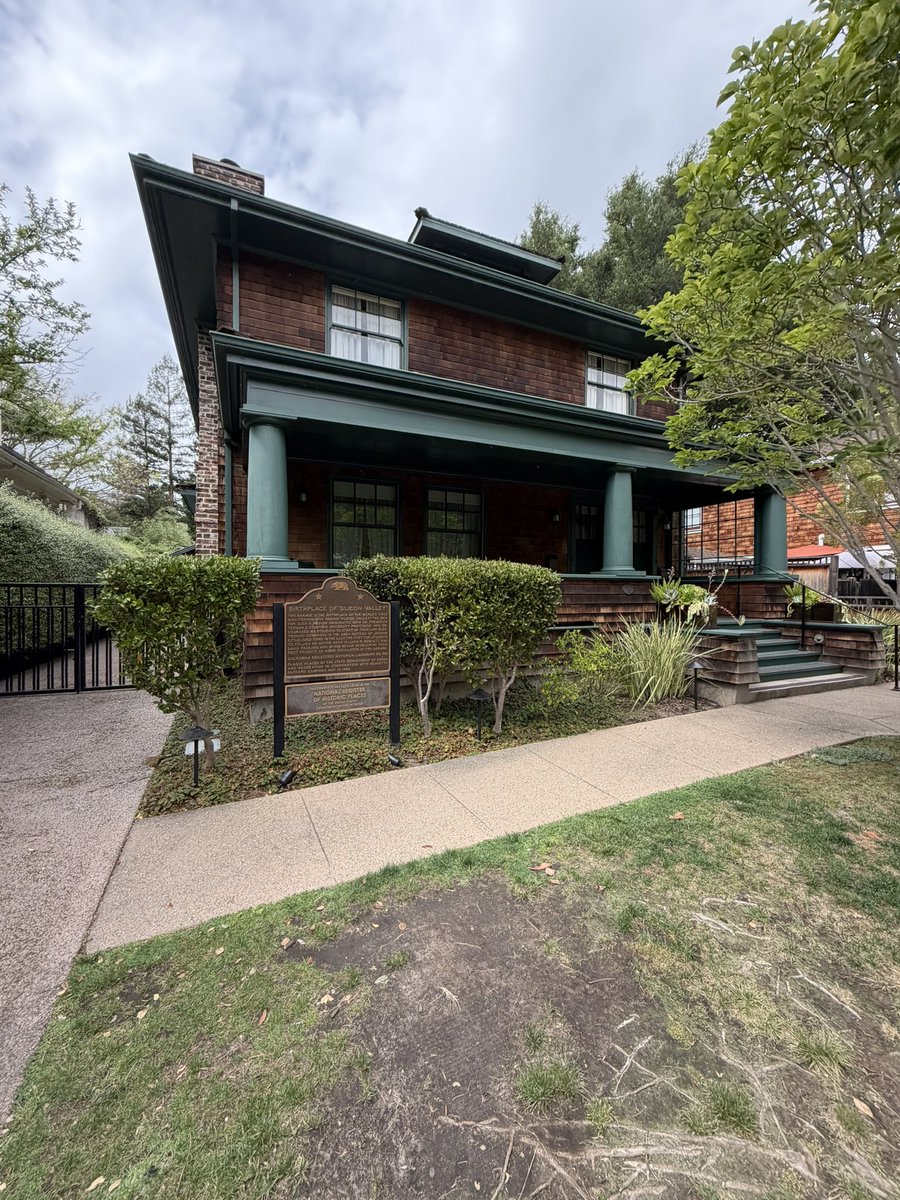
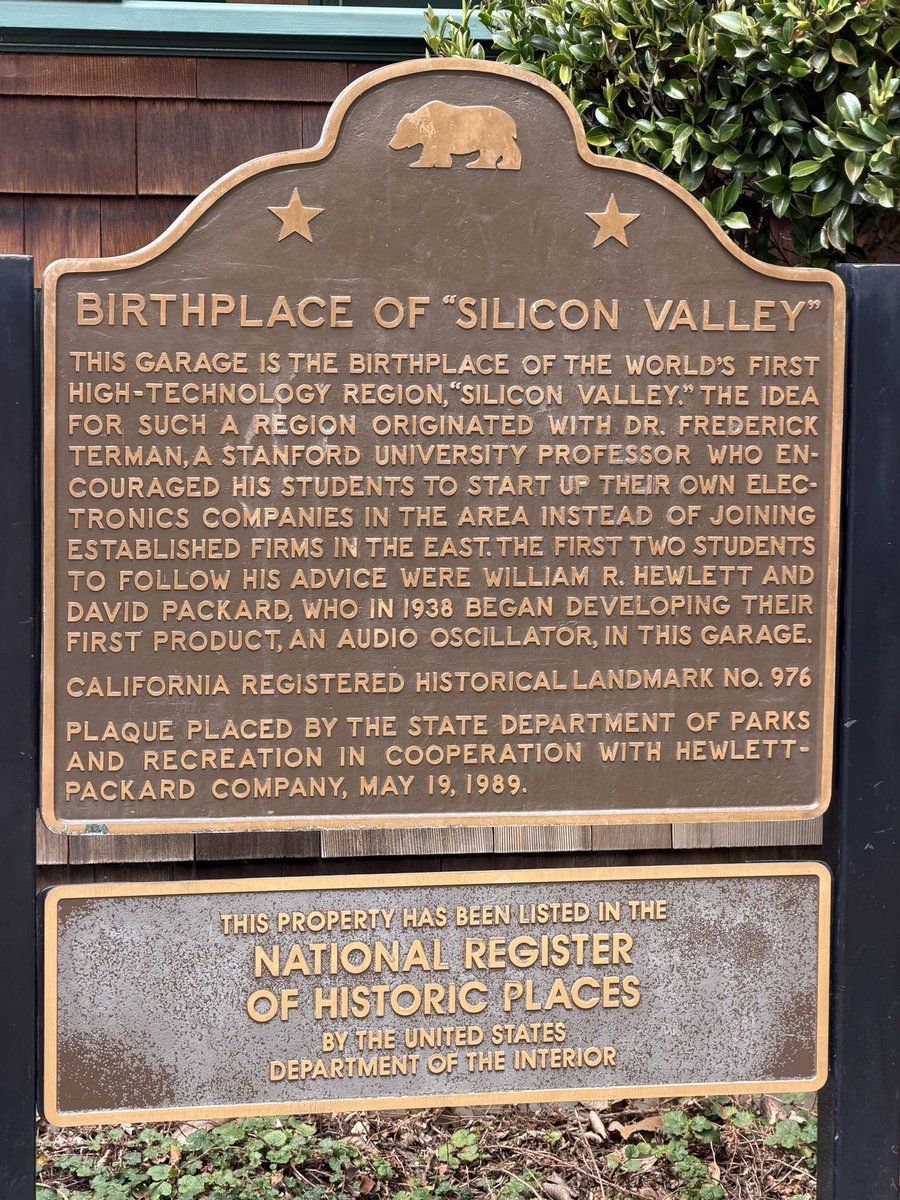
It is automatically assumed that I don’t want to live in a tent.
I have 4 homes under construction under my license right now…
I chose this because I believe housing should be a human right.
I chose this because housing does not need to be as big as laws require.
The housing I want to live in is very rare, yet should be freely available everywhere.
I don’t need much.
I have pretty much everything I need.
I am safe, but not everyone is.
I have working legs, so I can easily walk to places I need to go.
There is nowhere else in the world that I would rather be than where I am.
My only failure is that I am not building housing to end homelessness.
I could literally be building more houses right now… but it doesn’t provide the housing that society needs. It is still within current size laws and out of reach for so many people.
I could build bigger luxury homes for more profit… it is not what interests me.
I do not need a job. I do not need a home.
I need to be building Factory College Towns.
1
1
5
359
Mar 29
I see mentally and physically disabled people on the streets daily.
No one cares about them.
They are on the streets because society says that you must be economically valuable in order to deserve housing.
The solutions to homelessness are transitional housing and jobs for people who are not employable.
Basic needs could and should be a human right, yet they are not.
AI will absolutely end humanity if we do not change the way we treat our fellow humans, because at a certain point… most humans will be less economically valuable than AI and robotics.
1
1
5
342
Mar 23
The Venus Project was unable to get us to a resource based economy, but it aligns with how Elon sees the future.
No one else is working on a future like Elon…
Our concept of Factory College Towns are how we transition to that future.
youtu.be/_EkMjTnWk14?si=bL5M…
2
1
2
750
Mar 23
We are a ways away from this, we will still need money for awhile.
Love the concept of a resource based economy, but we need solutions now and that is what we are doing with Factory-Datacenters and Factory College Towns.
1
1
2
287
Mar 22
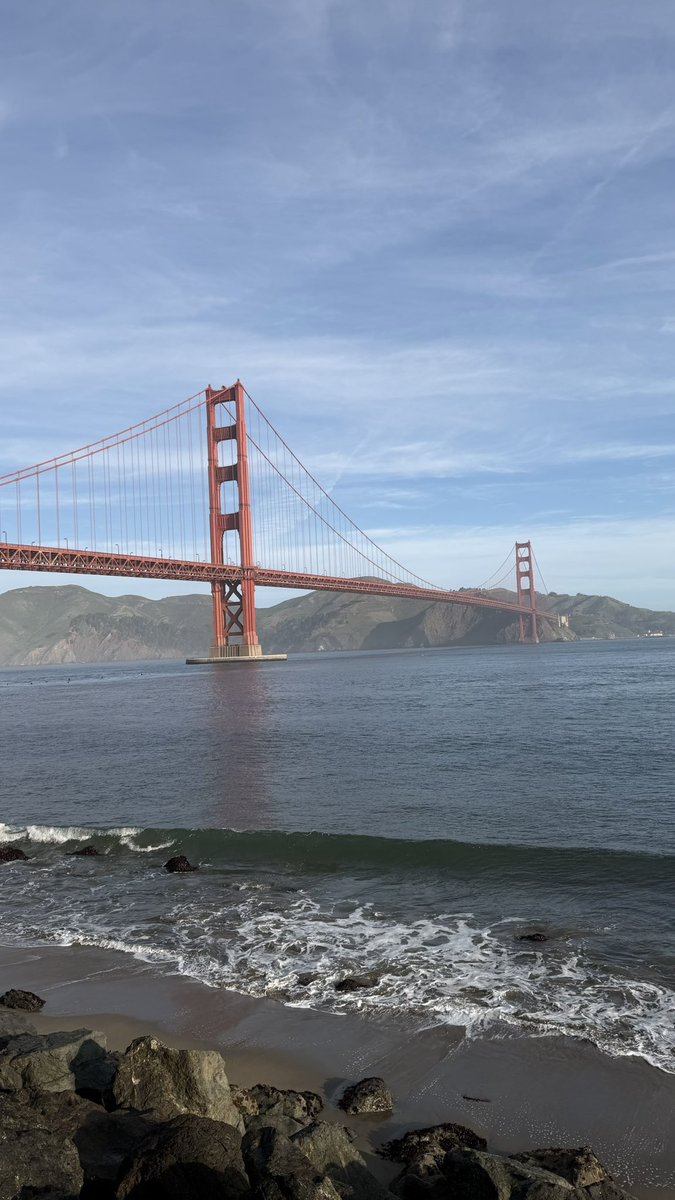
I moved to SF Bay Area a month ago. Life shifted immediately.
These are sacred grounds. Silicon Valley.
I live outside in a tent away from my wife.
But the investors are here.
I refuse to leave without investors aligned to solve affordable housing & factory compute.

I moved to SF a month ago. Something shifted immediately.
These are sacred grounds. The energy of the people who built the internet, who built the infrastructure that lets one guy with no employees build a platform, a movement, you can feel it.
I barely go out. Barely date. Don’t do conferences or investor dinners. I just sit in friends’ offices with engineers and build.
It’s not networking. It’s something in the air.
Thank you San Francisco. Thank you ancestors.
We’re so back.
1
1
4
481
Mar 22
I love data centers and factories.
I love construction.
I am haunted by the progress crowd who dismiss concerns about these things.
Factories have caused all kinds of problems over the last century.
Data centers have real issues with impacting neighbors.
Construction…
1/4
1
1
2
135
Mar 22
I learned as a teenager that spending more money to make life easier on neighbors during construction goes a long way.
YIMBY is far less than NIMBY. “It’s ok in your back yard, just not mine.”
Meanwhile we have 750,000 homeless people in the USA.
440,000 in 5 States.
3/4
1
1
1
105
Mar 22
If we cannot solve basic problems now with so much abundance, what makes any of us believe these problems will be solved later?
Progress doesn’t mean all life gets better.
I know some investors would rather not introspect, but we must choose what kind of progress to build.
4/4
1
2
102