
Mum of 3~Headteacher ~Tea Lover~Book Enthusiast~Values Driven~Eternal Optimist. Views are own.
Joined July 2022
- Tweets 245
- Following 233
- Followers 168
- Likes 1,785
37 Photos and videos



Charlotte Hickerton retweeted

17 Oct 2025
Working in a school feels much like running on a treadmill that never slows down - and it gets harder by the day.
Every cut and the speed increases.
Every new demand and the incline rises - again and again.
Exhaustion builds and, with no clear end in sight, confusion and concern grow.
Colleagues keep running because it’s a vocation and because they care - it’s what they do.
But patience, hard work & goodwill can only keep them going for so long - people can't keep running when they are empty.
We need to slow things down, lower the incline & support the runners before the whole machine breaks - or they do.
32
59
565
24,768

16 May 2025
Amazing news Missy! The @LCityFoundation are so lucky to have your support! You will do so much good in this role 💕💥💪
16 May 2025

It is an incredible honor to be named the first-ever Global Patron of the @LCityFoundation. I am deeply grateful for this opportunity to represent a community and a cause that mean so much to me.
I want to sincerely thank Martin @Hickerton for his unwavering support and inspiring leadership. His commitment to the Foundation’s mission is truly remarkable.
I would also like to express my heartfelt thanks to @LincolnCity_FC. Their support for the Foundation is a powerful example of how football can be a unifying force, one that uplifts communities and creates lasting impact.
1
4
445
16 Apr 2025
Just walked 26km along the beautiful Lincolnshire coast in preparation for this epic walk next week. If anyone would like to donate click below- this charity honestly do so much for children living in poverty…. Very proud to be part of this! #JustGiving justgiving.com/campaign/love…
2
7
396
14 Apr 2025
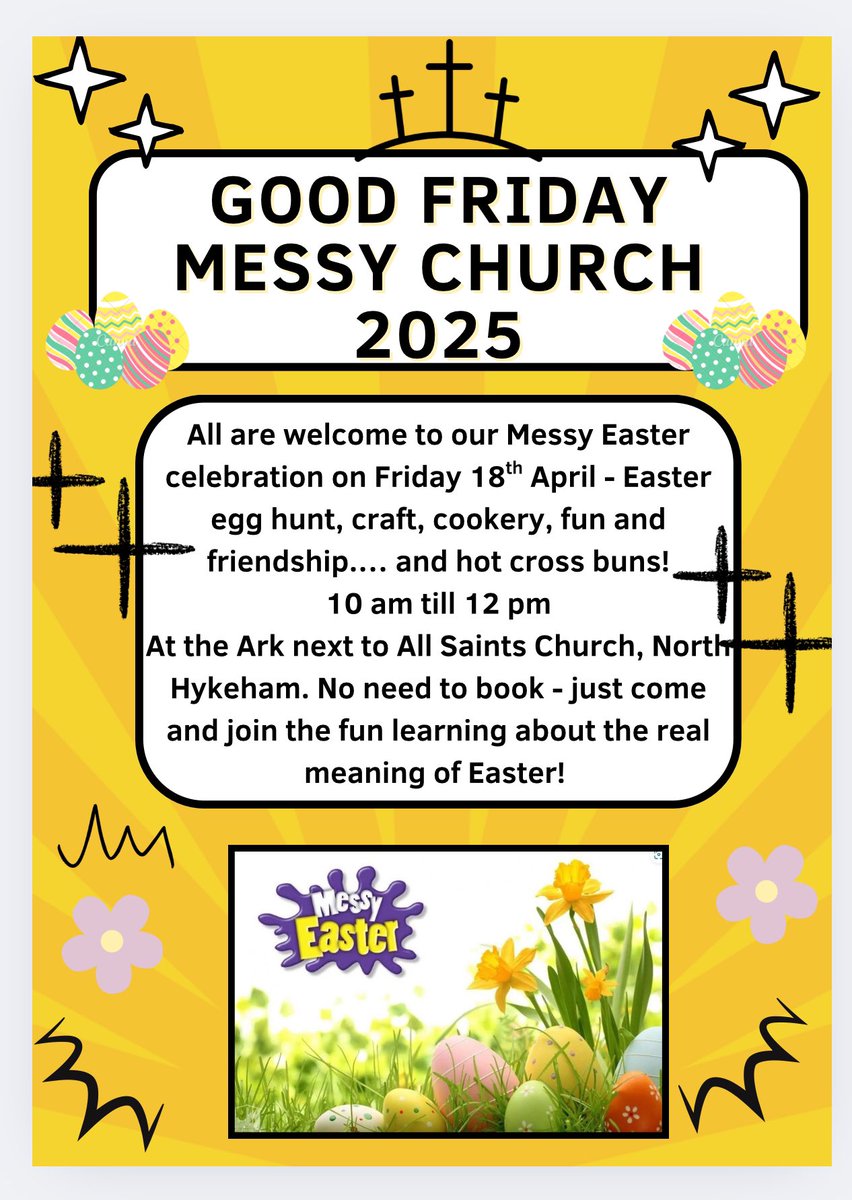
Anyone Free on Friday in Hykeham we have a fabulous Messy Church planned!
1
2
497
Charlotte Hickerton retweeted

10 Apr 2025
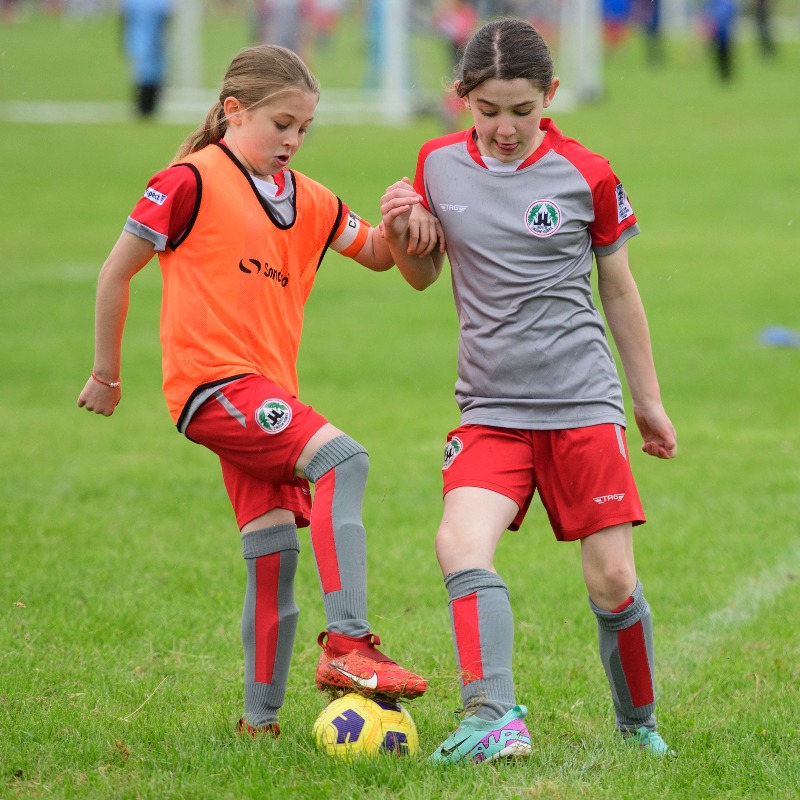
🤝 @LCityFoundation are working closely with the @lincolncouncil reopen outdoor facilities at both Yarborough and Birchwood Leisure Centres which are expected to reopen on a phased basis from this weekend.
1
8
30
7,476
Charlotte Hickerton retweeted

16 Mar 2025
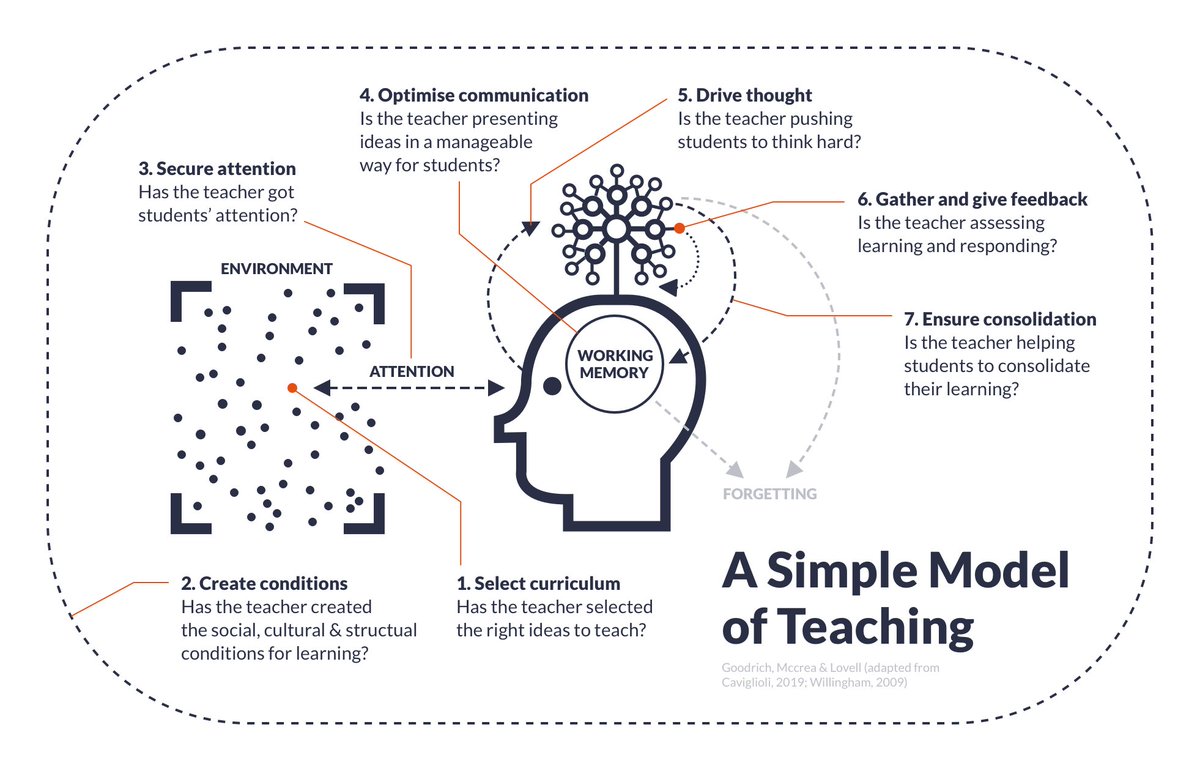
Two core ideas underpin effective inclusive teaching:
1. Cognitive similarity
2. Instructional sensitivity
Let’s dig into both…
↓
8
157
448
88,220
Charlotte Hickerton retweeted

17 Mar 2025
It's here! Neurodiversity Celebration Week has begun! 🌟
Let’s make this week one to remember! Head to eu1.hubs.ly/H0hyg5Q0 to get started 🌟
#NeurodiversityCelebrationWeek #NeurodiversityWeek #NCW #ThisIsND
5
221
339
37,572
Charlotte Hickerton retweeted

17 Mar 2025
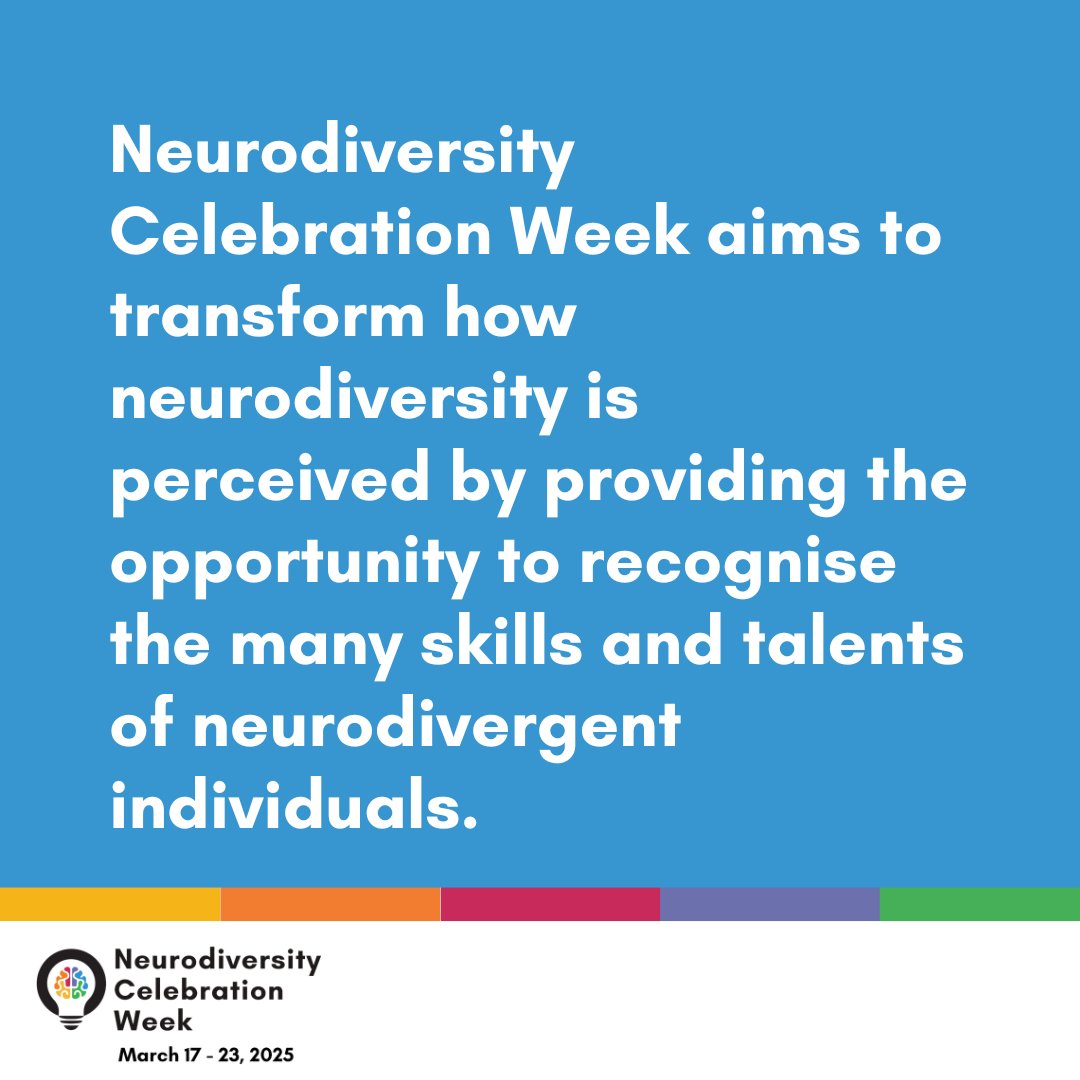
I'm proud to be supporting Neurodiversity Celebration Week 2025! 🌟
Neurodiversity Celebration Week is a worldwide initiative that challenges stereotypes and misconceptions about neurological differences.
#NeurodiversityCelebrationWeek #NeurodiversityWeek #NCW #ThisIsND
3
9
867
12 Mar 2025
I've committed to walking 26 miles in 10 hours for this amazing charity - Love As Action. I've seen first hand what difference this charity can make - sponsor us if you can! #JustGiving justgiving.com/campaign/love…
1
2
185
11 Mar 2025
Terrified to be walking this distance! But hopefully will raise lots of money for this incredible charity that supports children and families in Lincolnshire #JustGiving justgiving.com/campaign/love…
1
122


9 Feb 2025
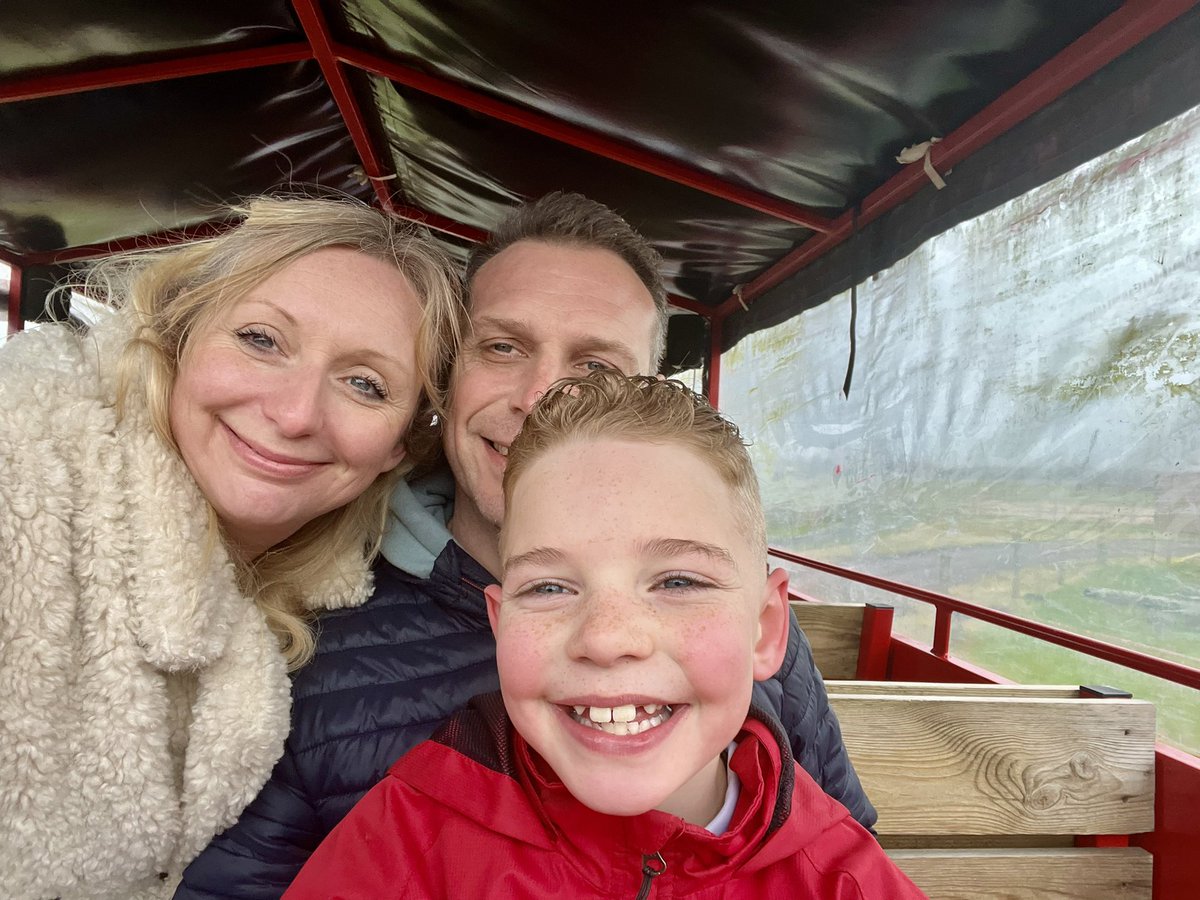
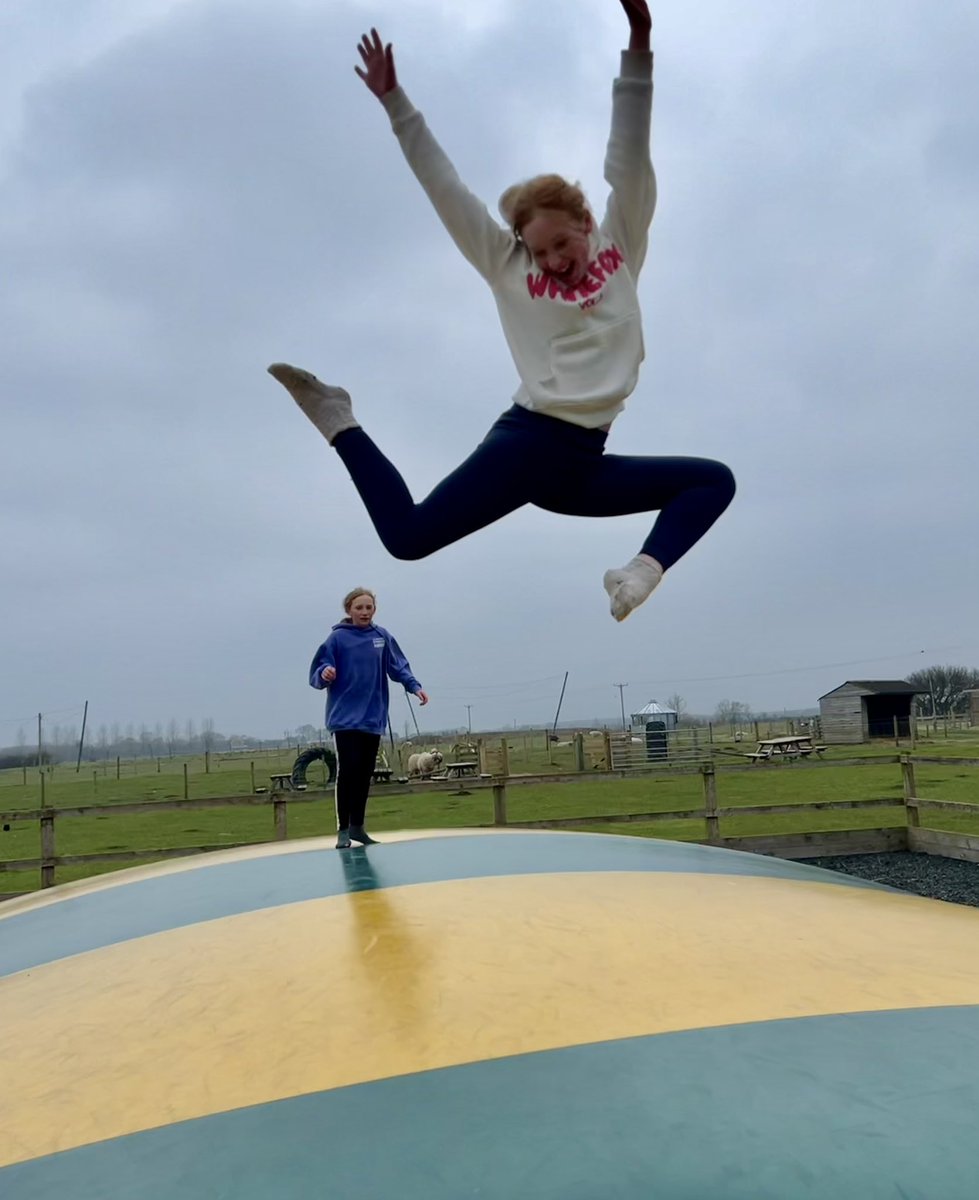
Thanks @missbuddenspag and the staff team for looking after Henry so well on residential last week. He had such a good time we all went back and he gave us a guided tour! @RandFarmPark

7
9
345
4 Feb 2025
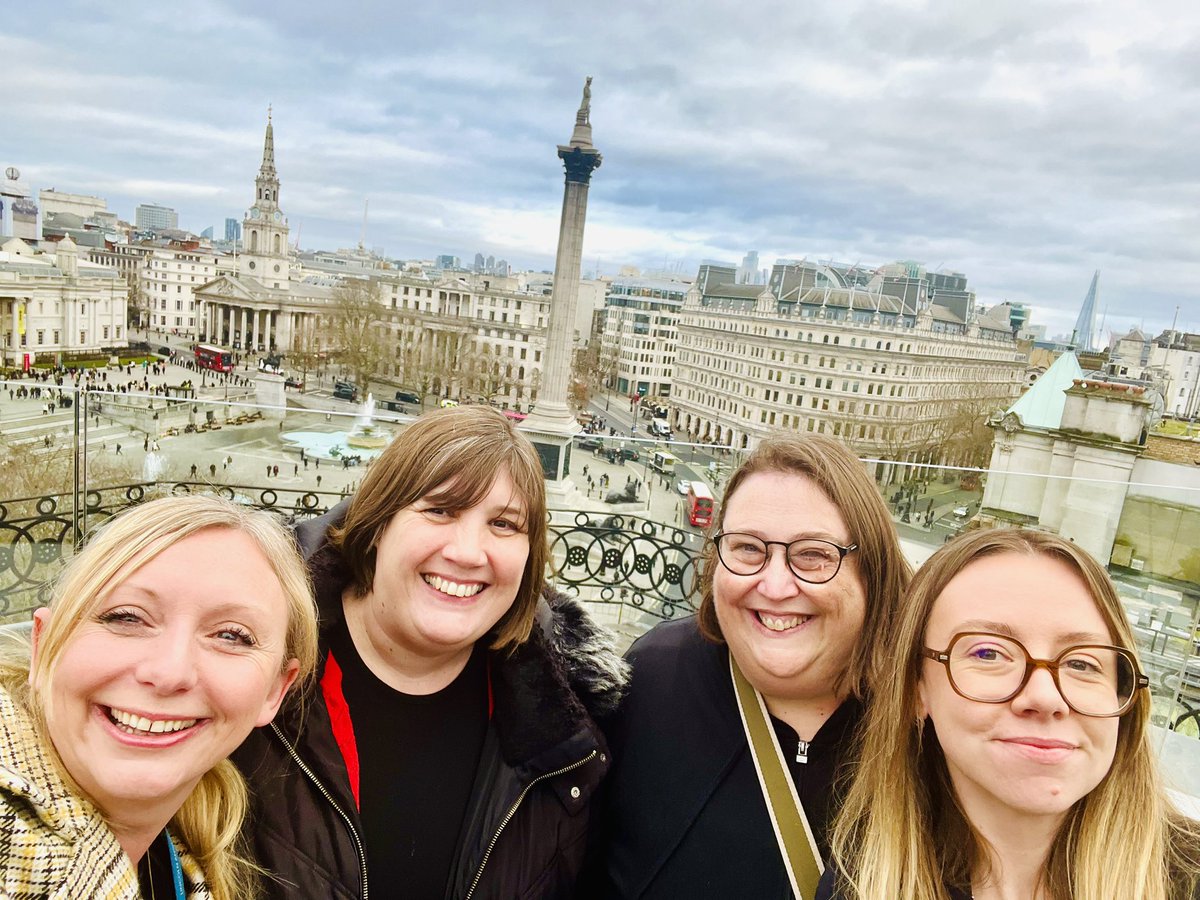
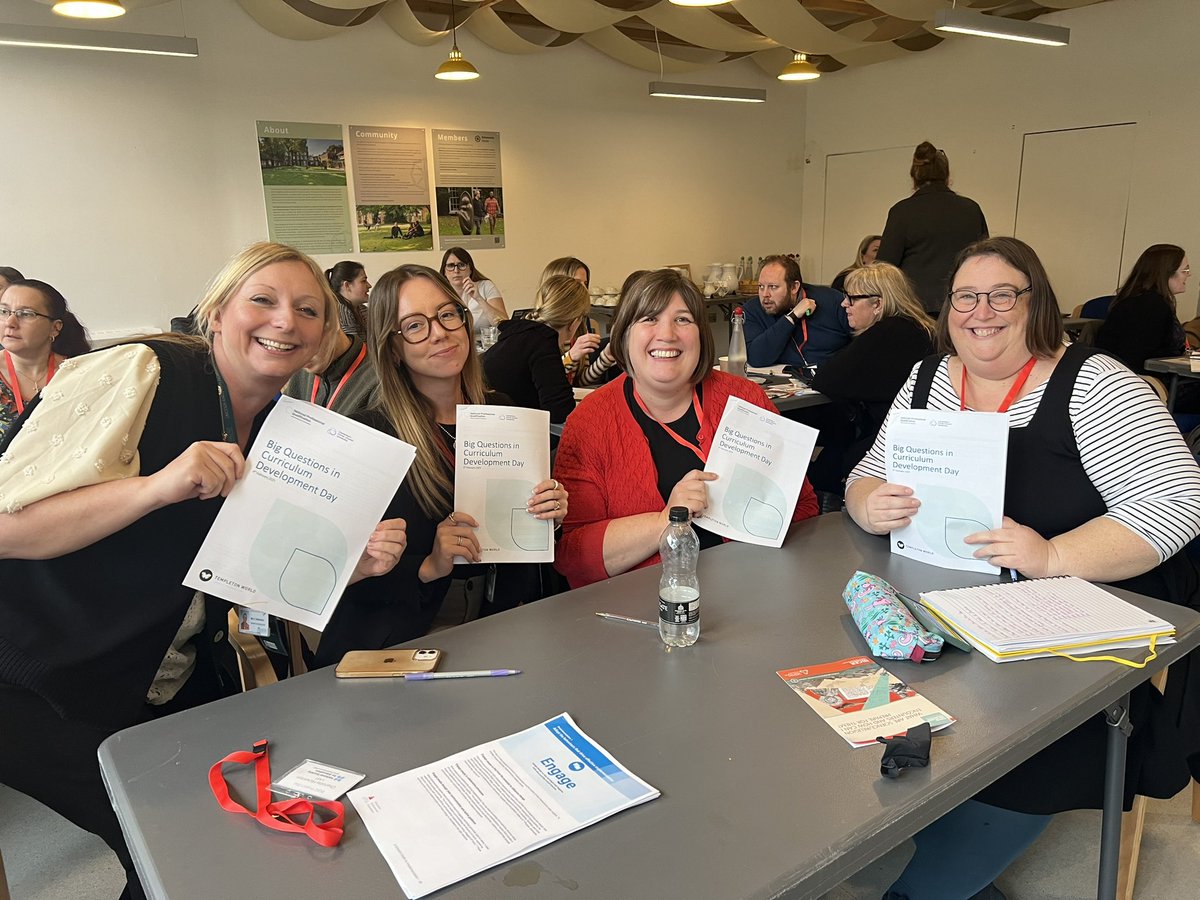
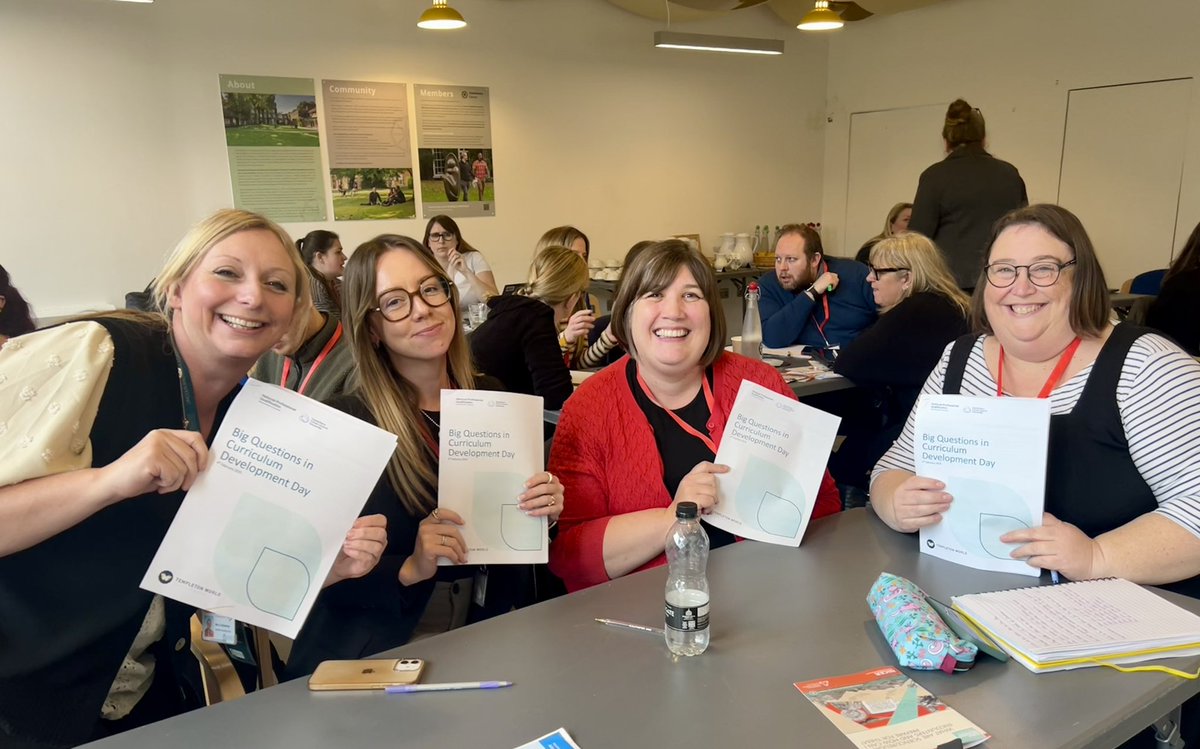
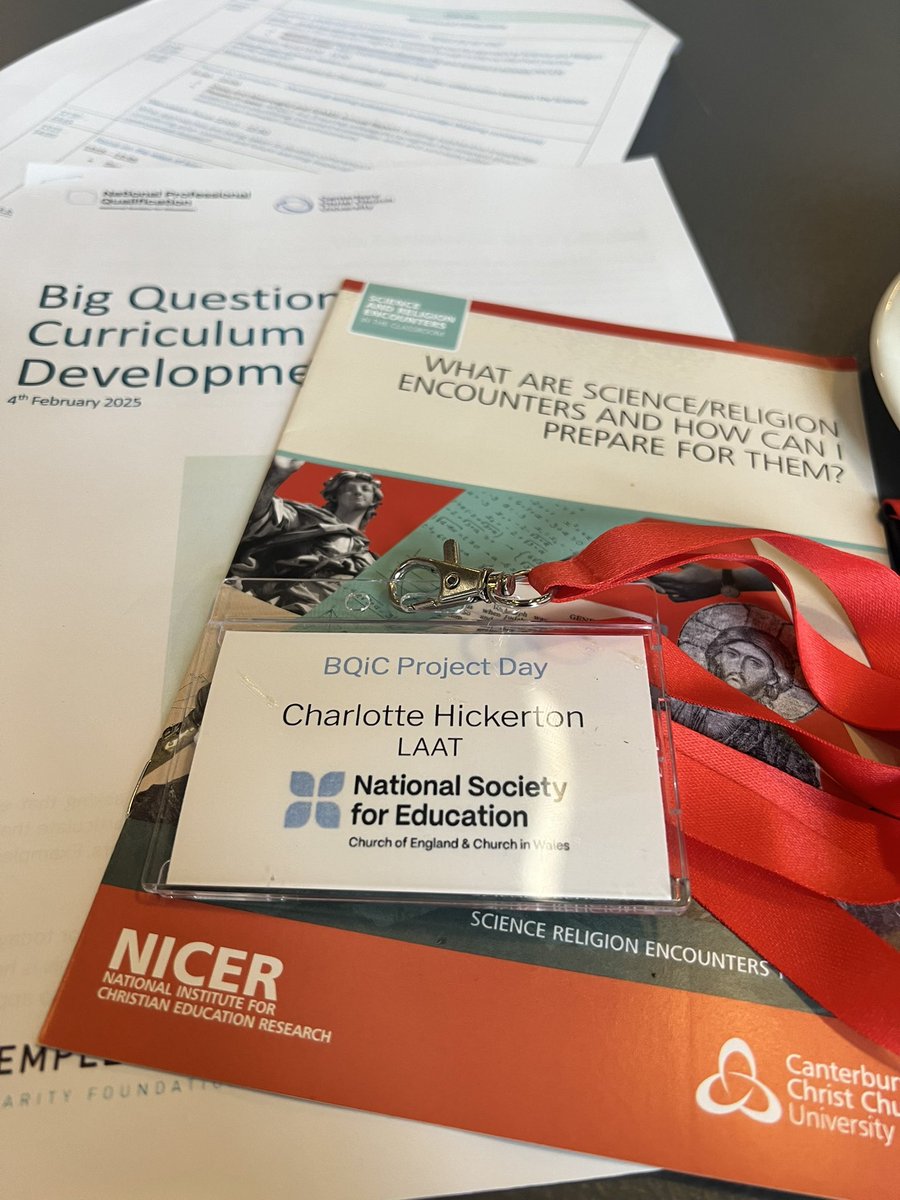
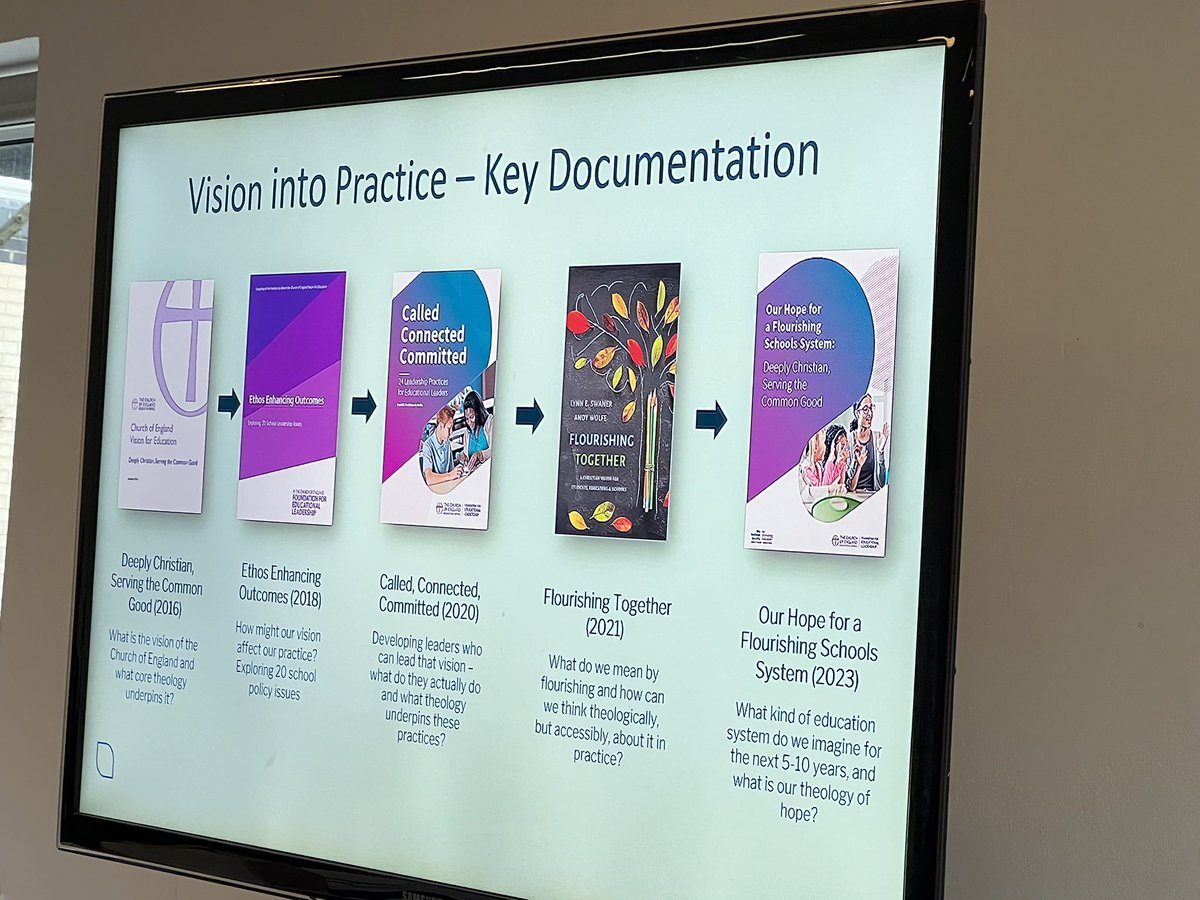
Watch out London, @the_laat team are on tour, looking at ways to engage with Big Questions in RE and Science. An inspiring start to our action research to promote lasting substantive knowledge 🔬 @HeadCurric_Inc @lincolndbe @SamEden7 @CommittedHead

6
465
16 Jan 2025
A huge well done to this fabulous hard working school who deserve to feel so so proud of everything they have achieved. Such a positive report (particularly love the DEI comments! ) well done to the whole team 🙌🙌😉 @holytrinitytatt
6
372
16 Jan 2025
I couldn’t agree more Lyfta - a scary world of fake news, fake accounts and false information… it feels rather dystopian at the minute!
15 Jan 2025

Last week's developments in social media and AI underscore the urgent need to address the misinformation crisis. With platforms like Meta and X deprioritising fact-checking, and AI tools generating false claims, it’s clear that navigating today’s information landscape increases in complexity almost daily.
It seems more urgent than ever that we nurture curious, compassionate critical thinkers in our schools—young people equipped to successfully navigate an increasingly complex information landscape.
The news last week was been filled with worrying developments:
Meta CEO Mark Zuckerberg announced his social media platforms will no longer use fact-checkers. Instead, they will rely on user-based notes, following a similar approach to Elon Musk’s X. Critics fear this move will make it even harder to discern what is true online. Nobel Prize-winning journalist Maria Ressa has warned that this shift could lead to a “world without facts.”
The size of the issue cannot be underestimated - we know that social media is the primary source of news for over half of adults, with over 70% saying they consume online news in some capacity - the figure is even higher for young people.
Musk himself has used his vast social media influence this past week to spread unsubstantiated claims, as well as attack elected officials in the UK. Such actions highlight the dangers of unchecked information spreading at scale.
Meanwhile, Apple’s AI feature has been generating inaccurate news alerts on its latest iPhones. The product is meant to summarise breaking news notifications but has in some instances invented entirely false claims - seemingly trusted sources also spreading misinformation.
We really do seem to be in unprecedented times - we have seen significant developments in just a week, we can only dare to imagine what developments the rest of this year will hold.
What is certain is that we need to equip our young people with the tools and competencies they need to navigate this changing landscape. By fostering critical thinking, curiosity and compassion, we can empower students to question sources, evaluate evidence, and engage thoughtfully with information. The ability to think critically and compassionately isn’t just a skill—it’s a cornerstone of responsible citizenship in today’s world. If we hope to create a future where truth matters, nurturing these qualities in young people must be a top priority.
Read more about the topic here: bit.ly/4fRBM4Y

1
208
16 Jan 2025
A really inspiring read - thanks for sharing! @LCityFoundation
15 Jan 2025

Yesterday was inspiring and humbling. Read about it here, please
Discovering Lincoln City Foundation's Fighting Fit staceywest.net/2025/01/15/di…
4
330
16 Jan 2025
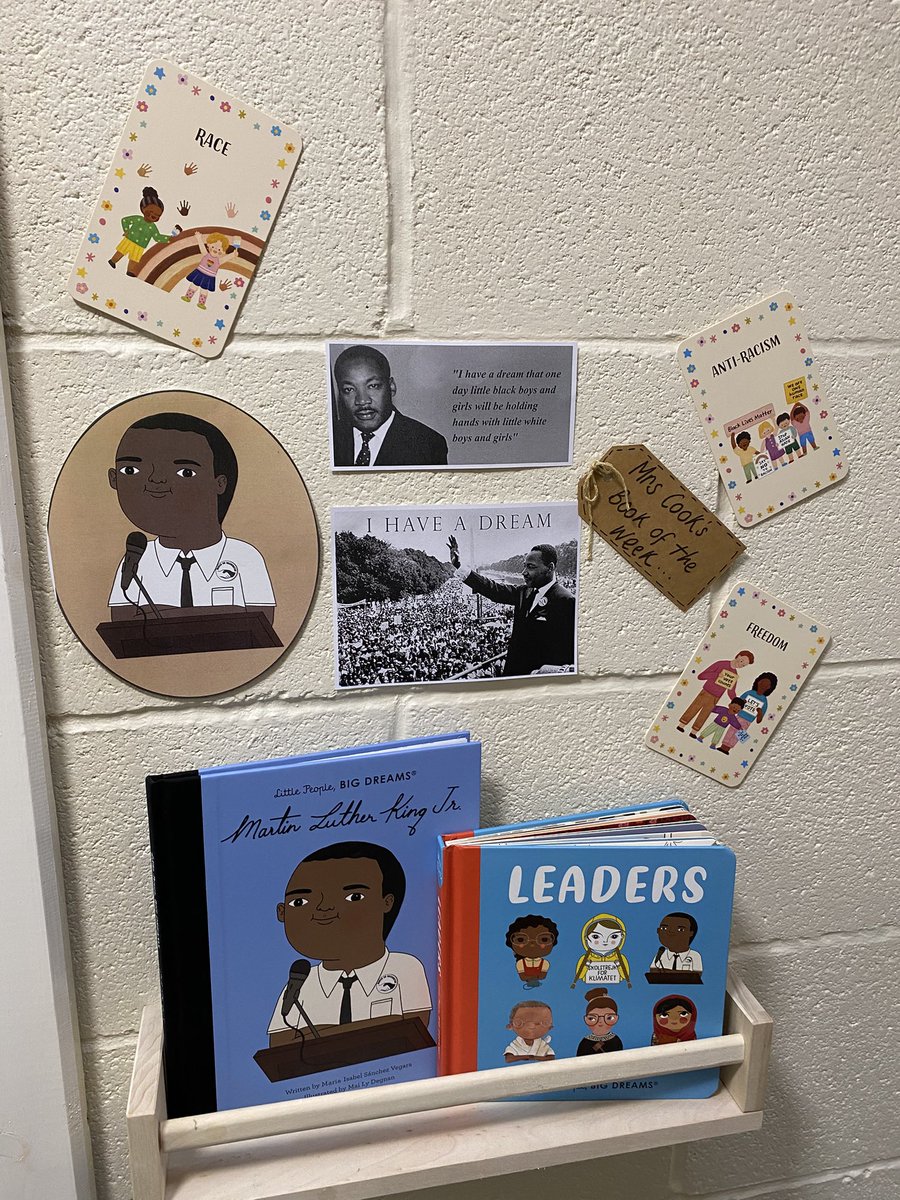
A great way to help children understand big issues like racism and equality by sharing the lives of people who have made a difference. Love this @BrantonInfant1 @the_laat
16 Jan 2025
Our #BookOfTheWeek this week celebrates #MartinLutherKingJr Day. For our younger children the ‘Little People Big Dreams’ books are perfect for shining a spotlight on significant people in a way they can understand 📚#DEI @CHickerton @the_laat
1
7
502
Charlotte Hickerton retweeted

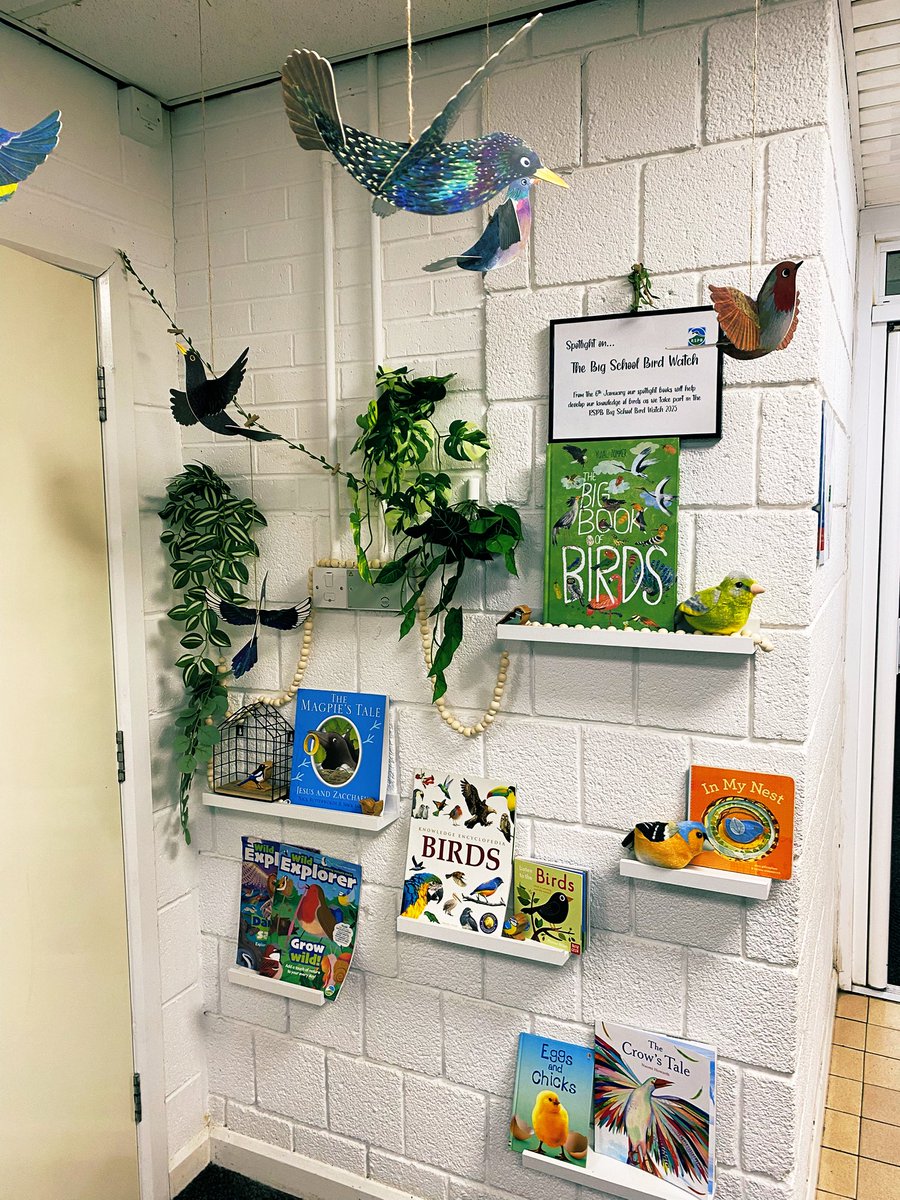
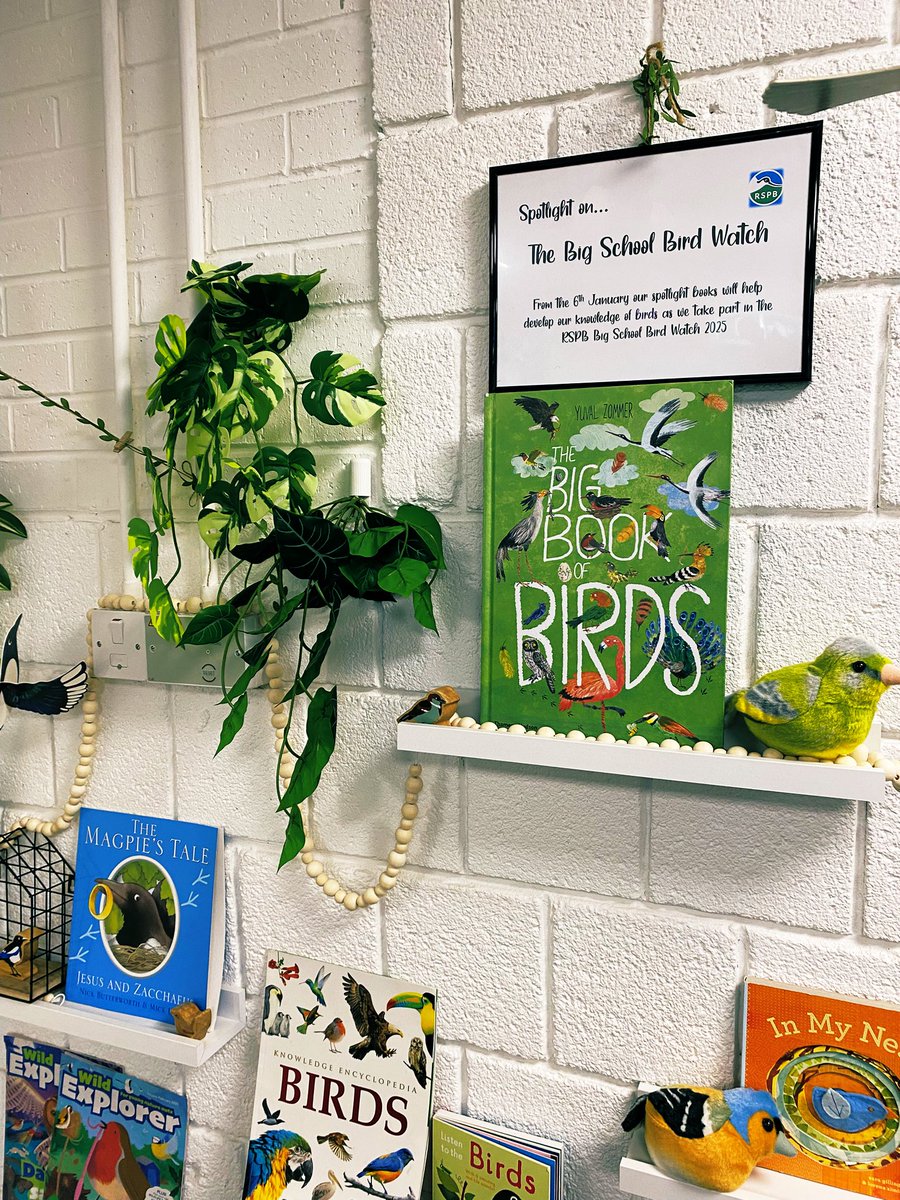
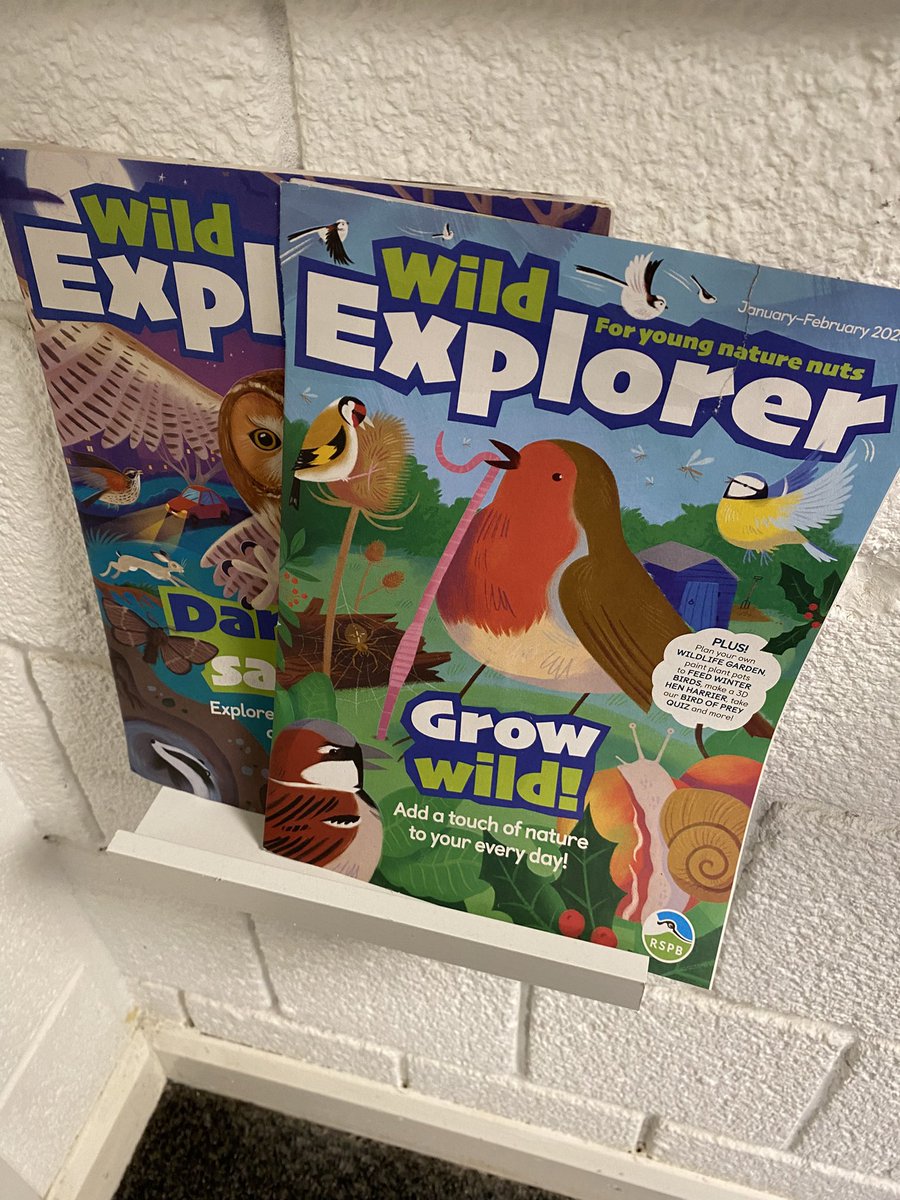
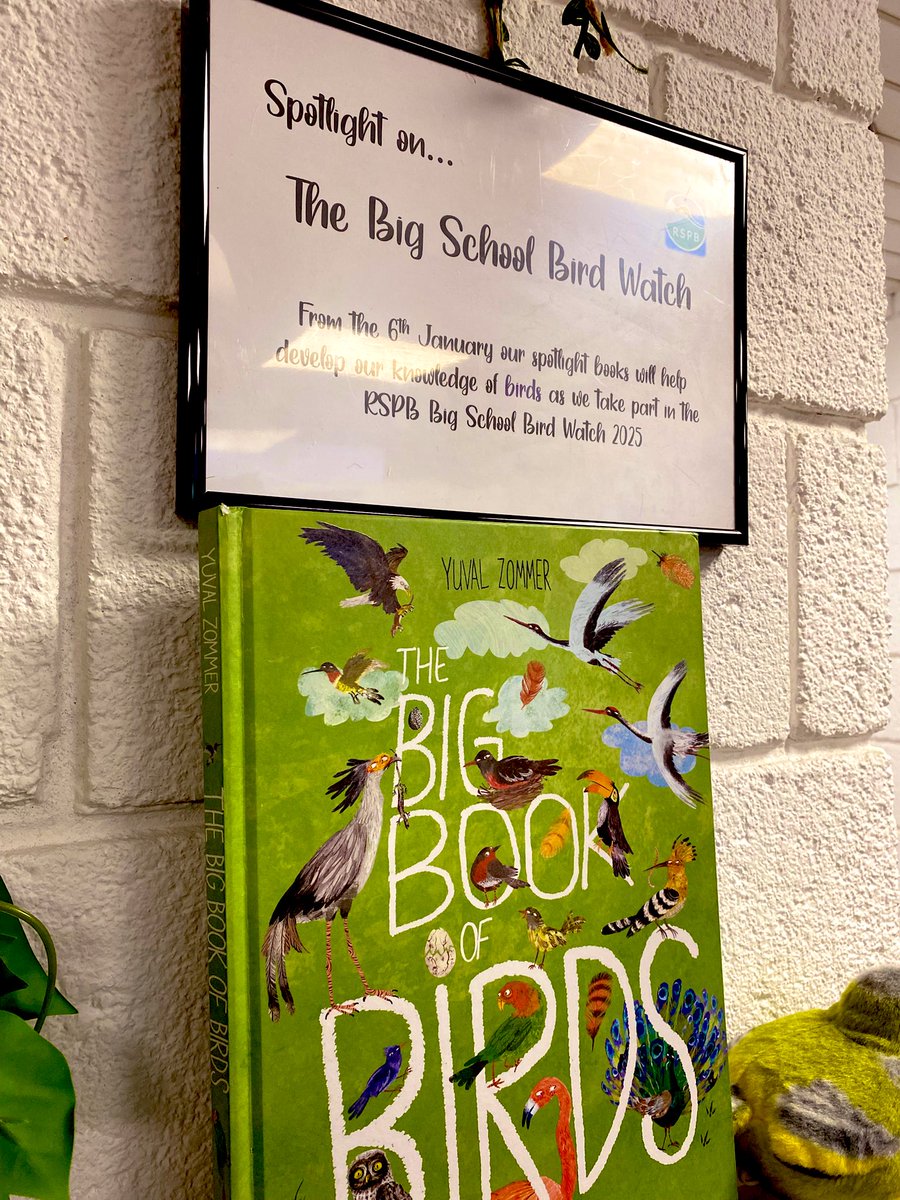
💡Our #SpotlightOn this January is the @Natures_Voice #BigSchoolBirdWatch. A beautiful selection of books and magazines for our budding bird watchers! 🪶🐦⬛🪺@WSHEnglishHub #LincolnshireReadingPledge 📚
1
3
15
772