
Joined May 2010
- Tweets 12,487
- Following 1,337
- Followers 10,935
- Likes 4,465
2,598 Photos and videos


Pinned Tweet

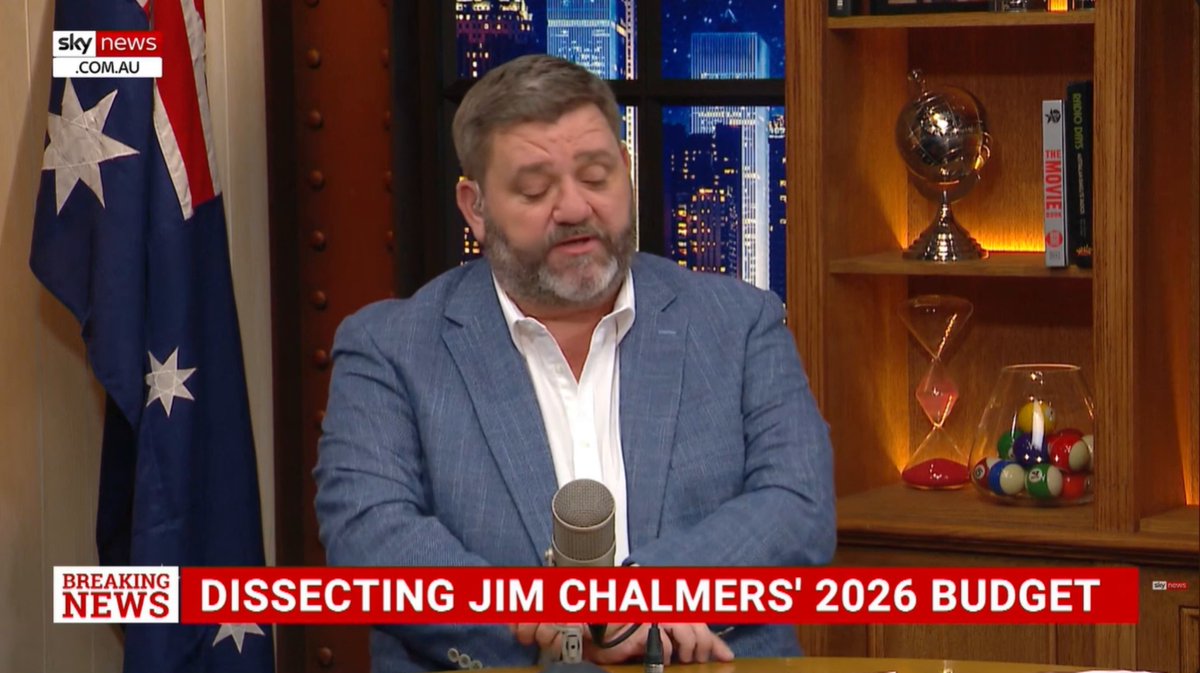
The Ridiculous Spending Hidden in the Federal Budget
What is your favourite thing about the budget?
Watch our latest video:
9
43
210
5,007
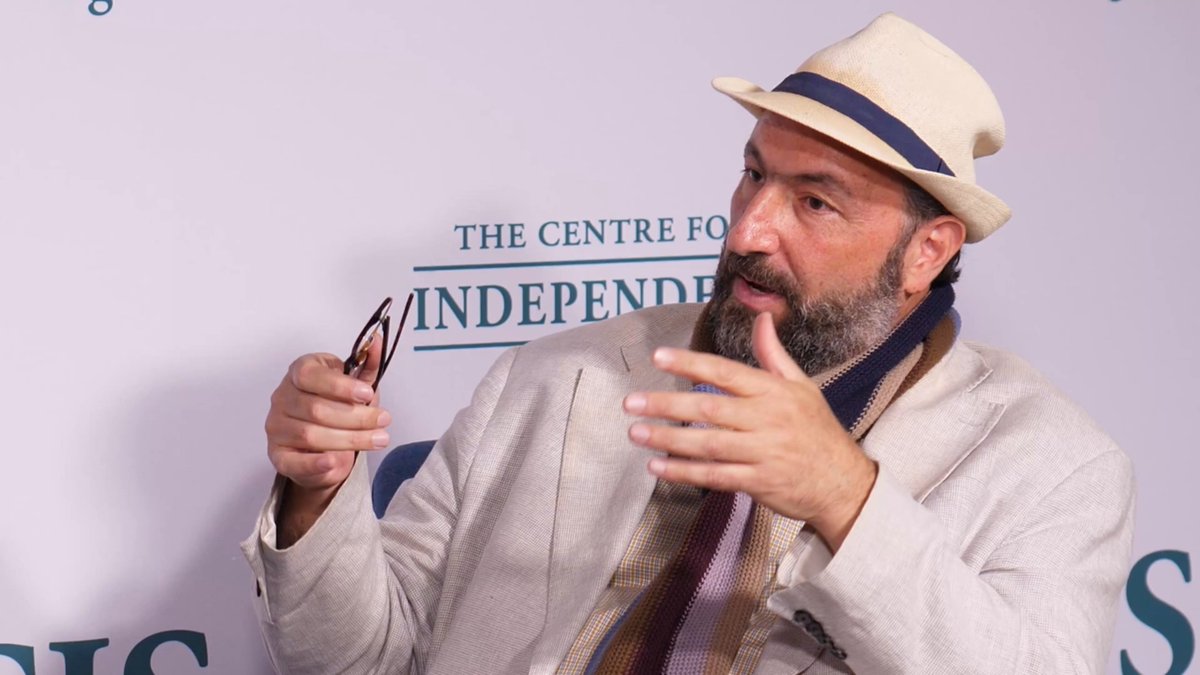
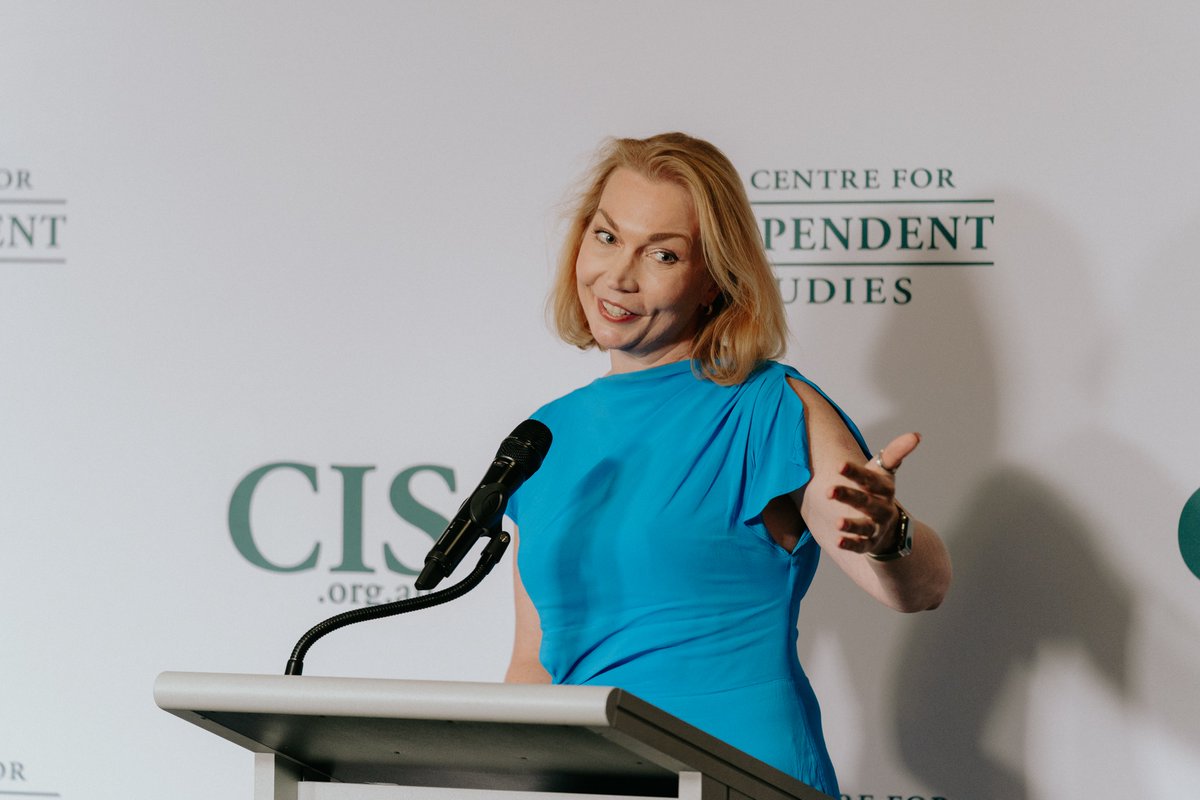
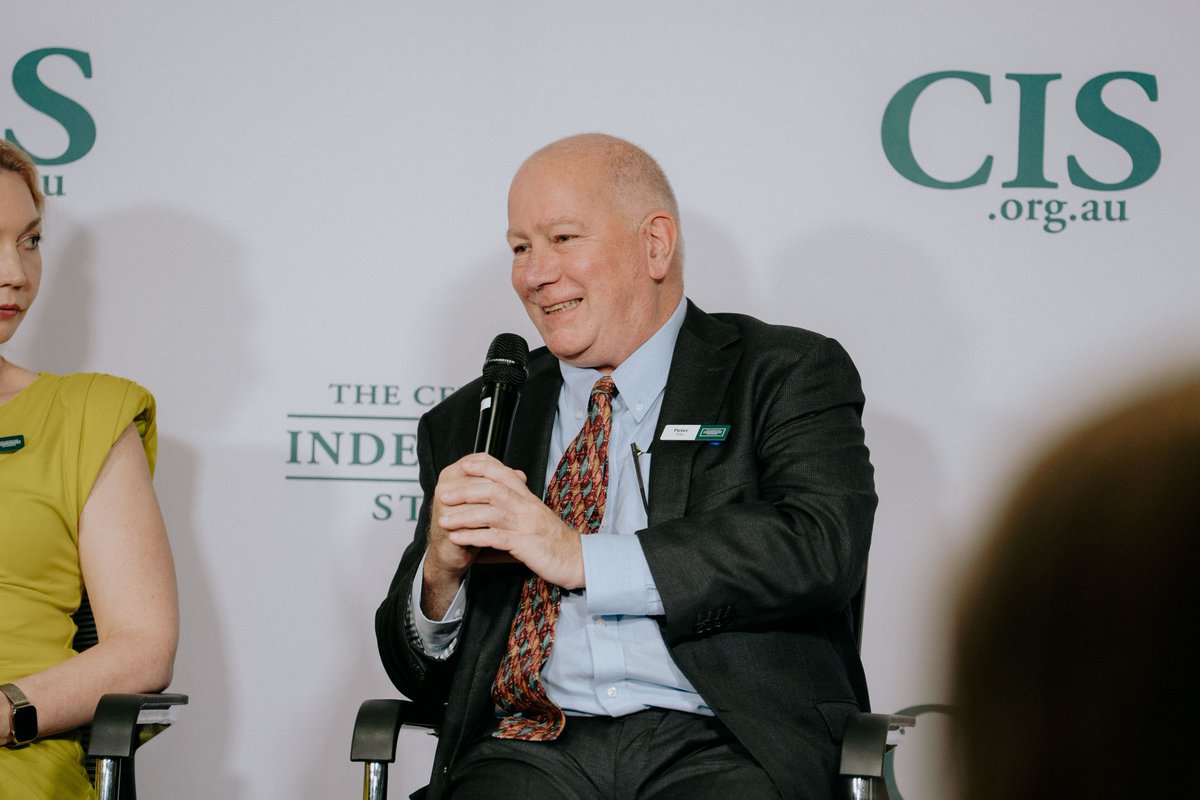
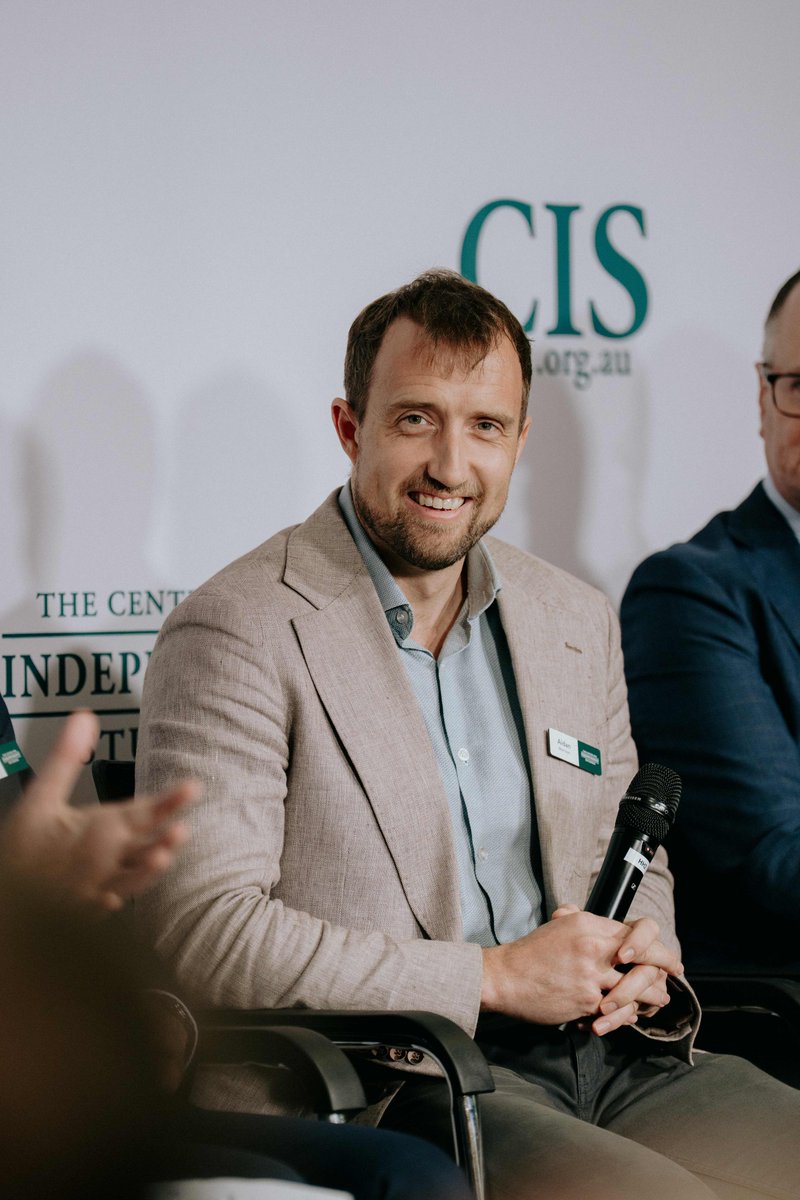
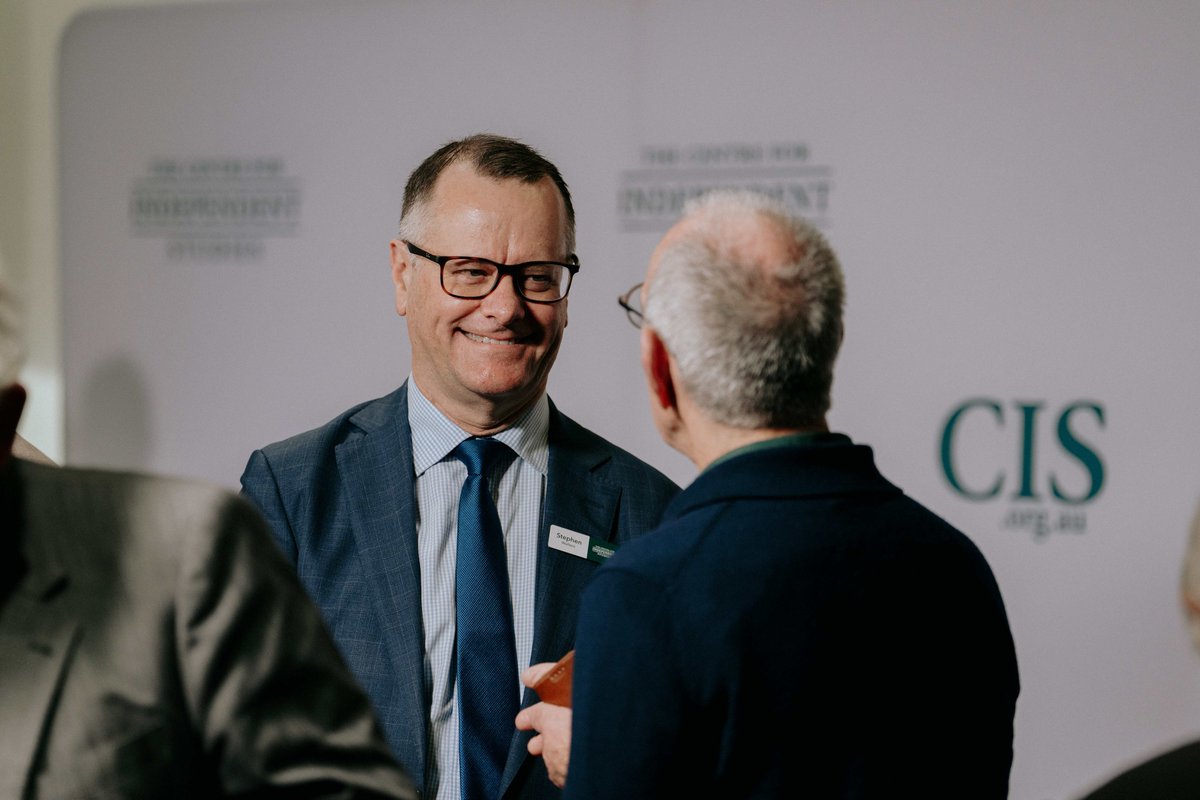
The best part of 50 years? The people who've believed in independent ideas alongside us.
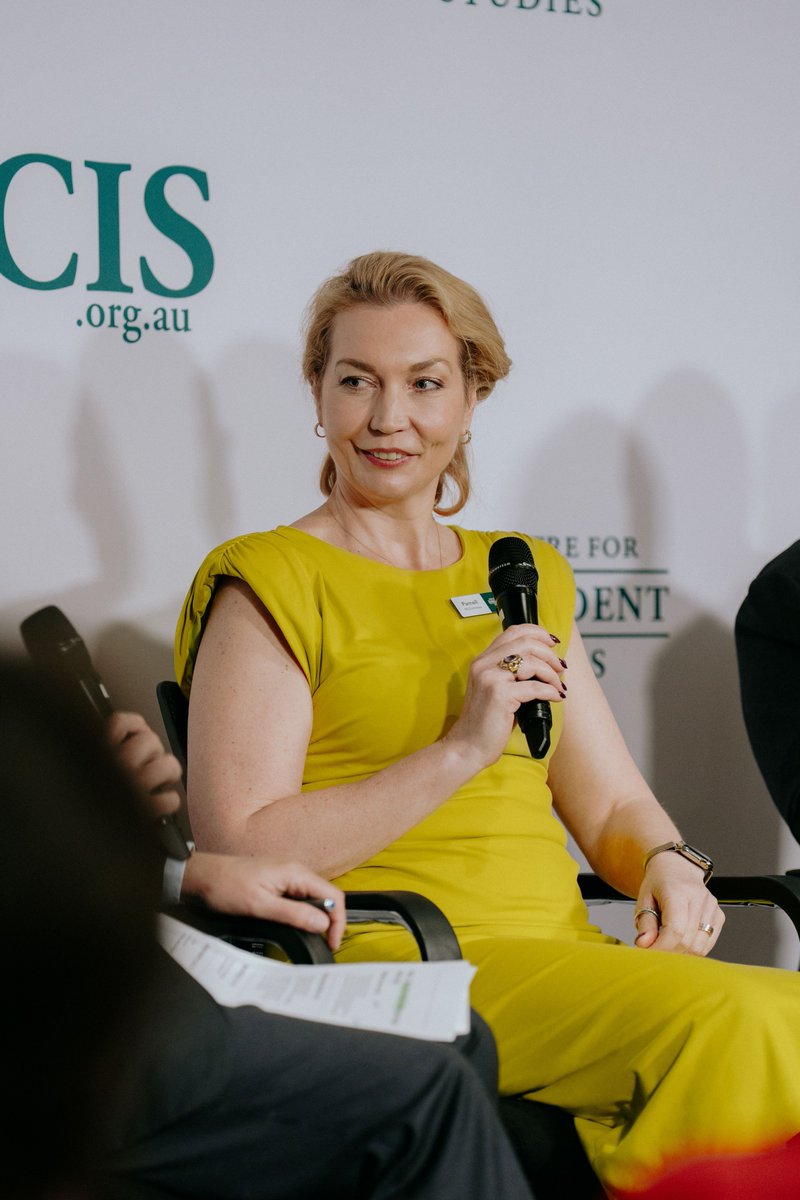
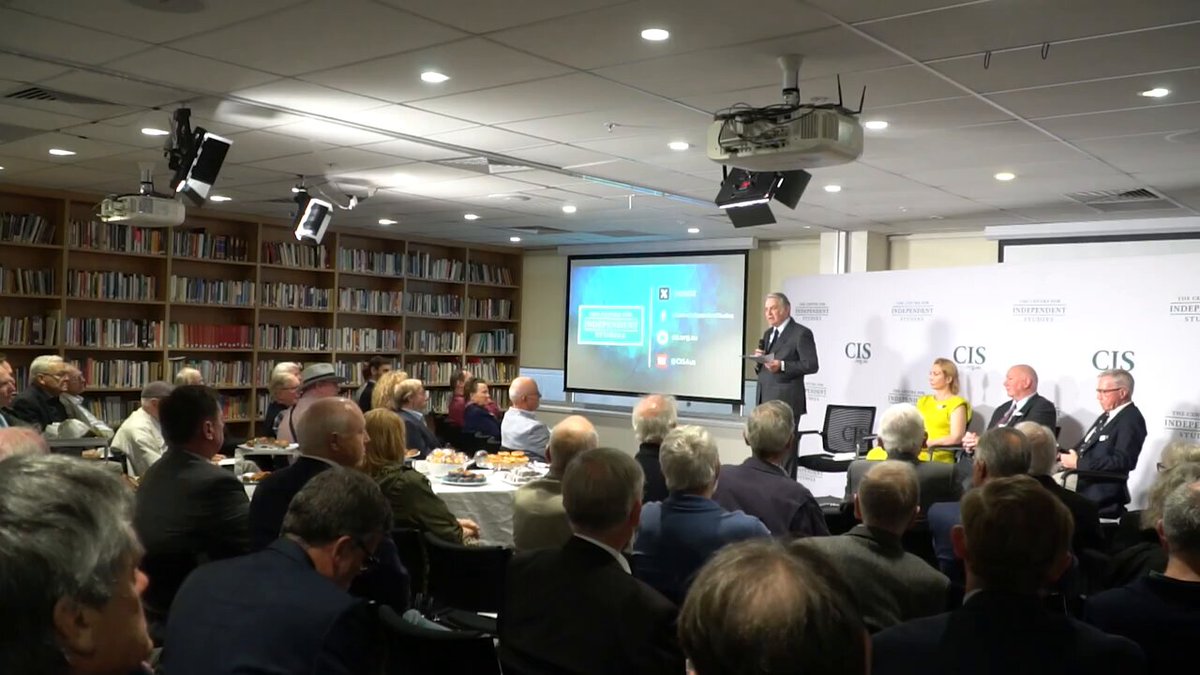
Thank you to our members for a wonderful morning.
Watch the event video here: youtu.be/lcx1vIQRYyU?si=2fQH…
2
195
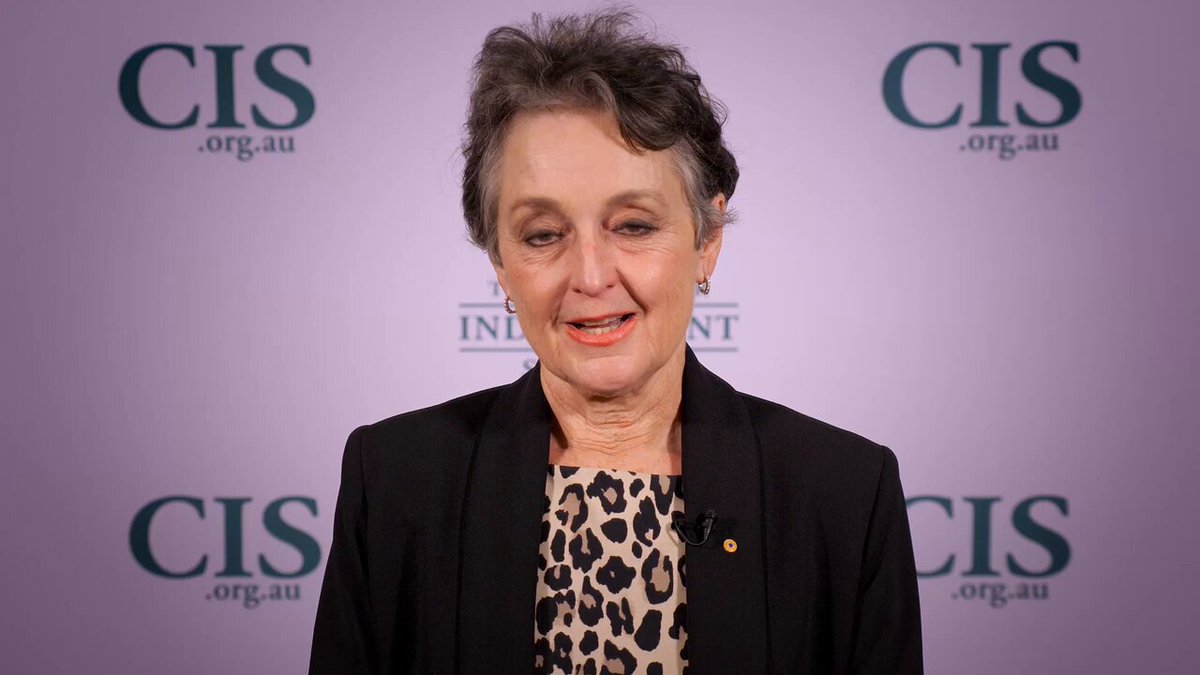
Britain's ‘strictest headmistress’ runs one of the country's highest-performing schools.
Her students are among the most disadvantaged in England.
The secret? No secret. 🧵
2
3
21
3,465
Watch the event → youtu.be/QOWRyJsIbeE?si=Kx1X…
1
3
845
CIS Members Update 2026
Watch our latest members event:
5
539
Catching maths problems early. Hundreds of schools are finally getting the tools to do it.
“However, identifying children at risk is not enough on its own. It’s what we do next that really makes the difference – whether that identification leads to timely and effective support for those children” said Kelly Norris
smh.com.au/national/victoria…
1
140
Our economic chickens are coming home to roost. This is why
'Acting on the obvious to-do list requires huge doses of political courage and national cohesion, including across state borders. Both have been sadly lacking.'
Read Stephen Walters's latest op-ed: cis.org.au/commentary/opinio…
2
135
Antisemitism was arguably worse in Australia a century ago. So why is it more dangerous now?
A new CIS research paper by historian Alex McDermott offers a compelling answer: the difference isn't the hatred itself, it's the absence of anything capable of containing it.
McDermott argues that the surge of performative hatred on our streets and campuses is the predictable harvest of a long-term civic vacuum. For decades, our educational frameworks have replaced the narrative of common citizenship with a systematic focus on identity politics — training young Australians to read their society as a contest of subgroup identities rather than a shared home.
The numbers tell the story. Only 28% of Year 10 students now meet basic civic proficiency — the worst result since national testing began in 2004.
The paper traces how Australia once built something remarkable: a "democracy of manners" in which people of wildly different backgrounds — Catholic, Protestant, Jew — learned to treat each other as equals first. That culture wasn't accidental. It was taught, institutionalised, and deliberately sustained. Then, from the 1960s onward, we quietly stopped.
McDermott's recommendations are concrete: a mandated national civics curriculum, Holocaust education embedded in a broader Rule of Law framework, and the reintroduction of shared civic rituals in schools.
As he puts it: "When some citizens are treated as civic strangers, the identity of the entire citizenry is degraded, and ultimately poisoned."
Read the paper foreword here:

365
Albanese government’s CGT reforms could drive ‘surge’ in Aussie capital out of the country and stunt domestic innovation
'Together with zero capital gains tax, that provides an incentive for entrepreneurs and globally focused Australian enterprises to operate out of NZ - or Singapore or the US - rather than high-taxing Australia which now proposes to increase taxes on capital' Michael Stutchbury told @SkyNewsAust
skynews.com.au/business/fina…
2
3
10
577
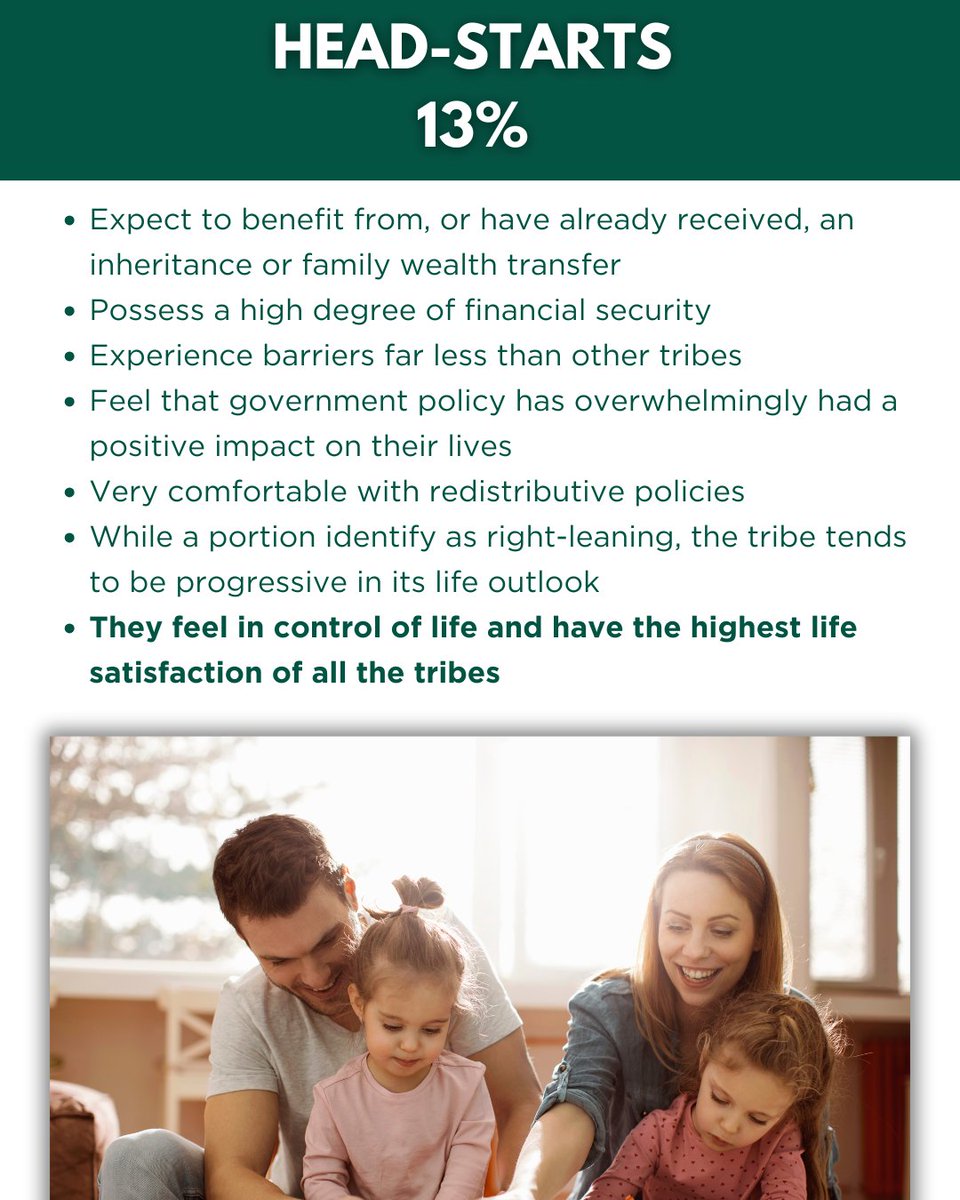
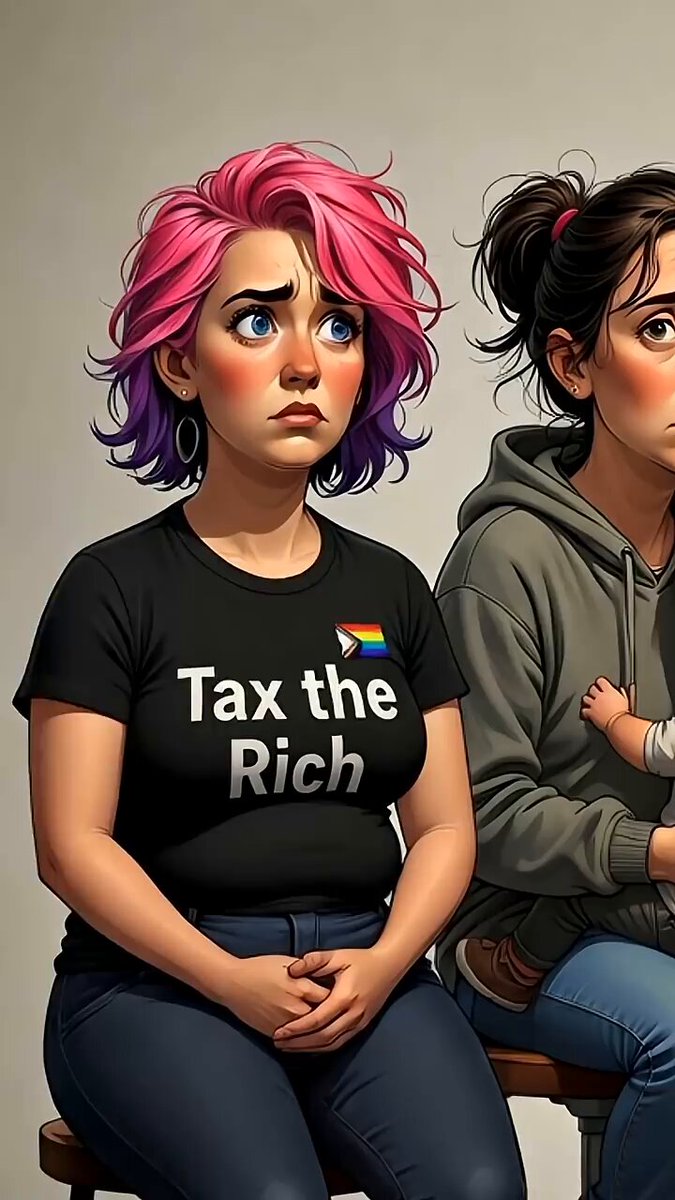
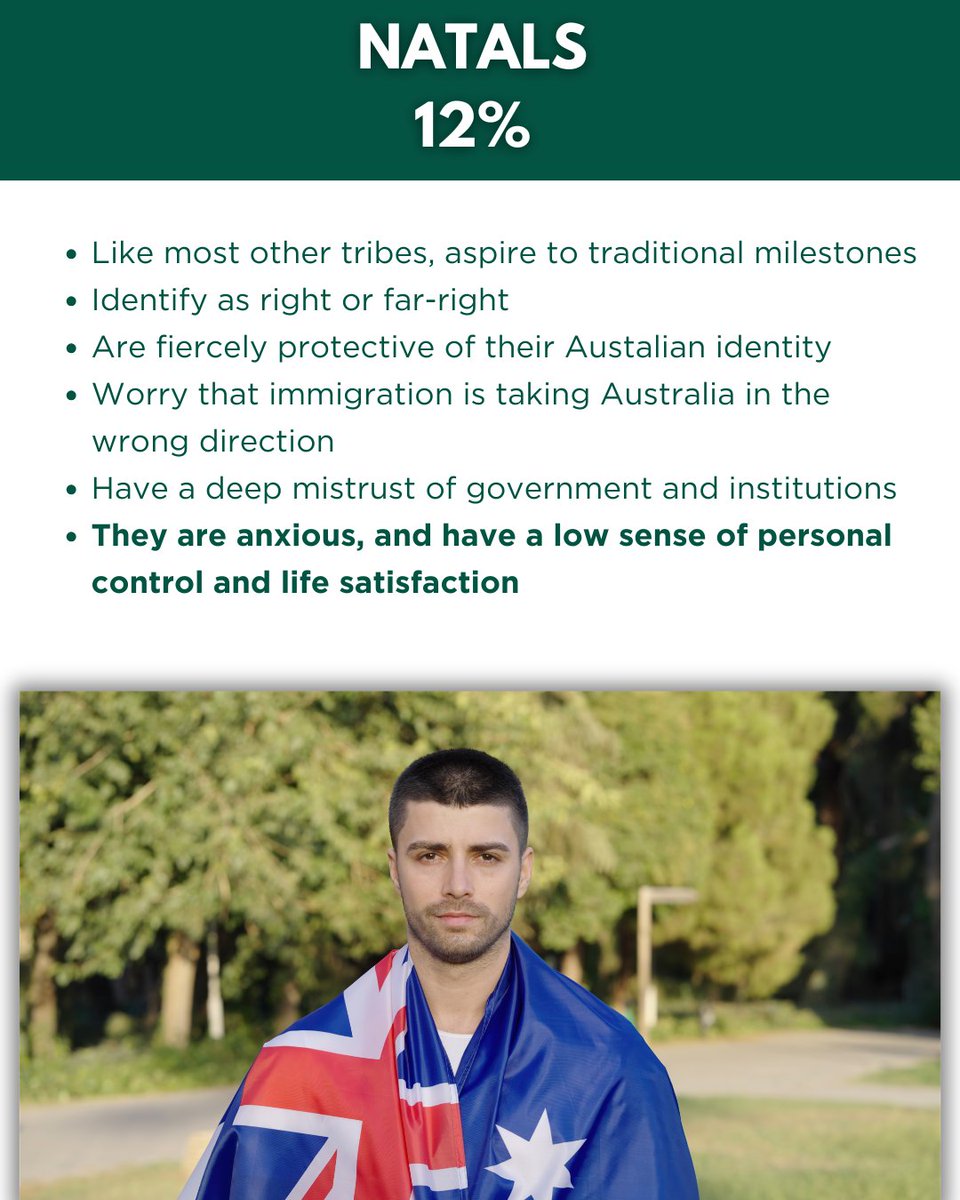
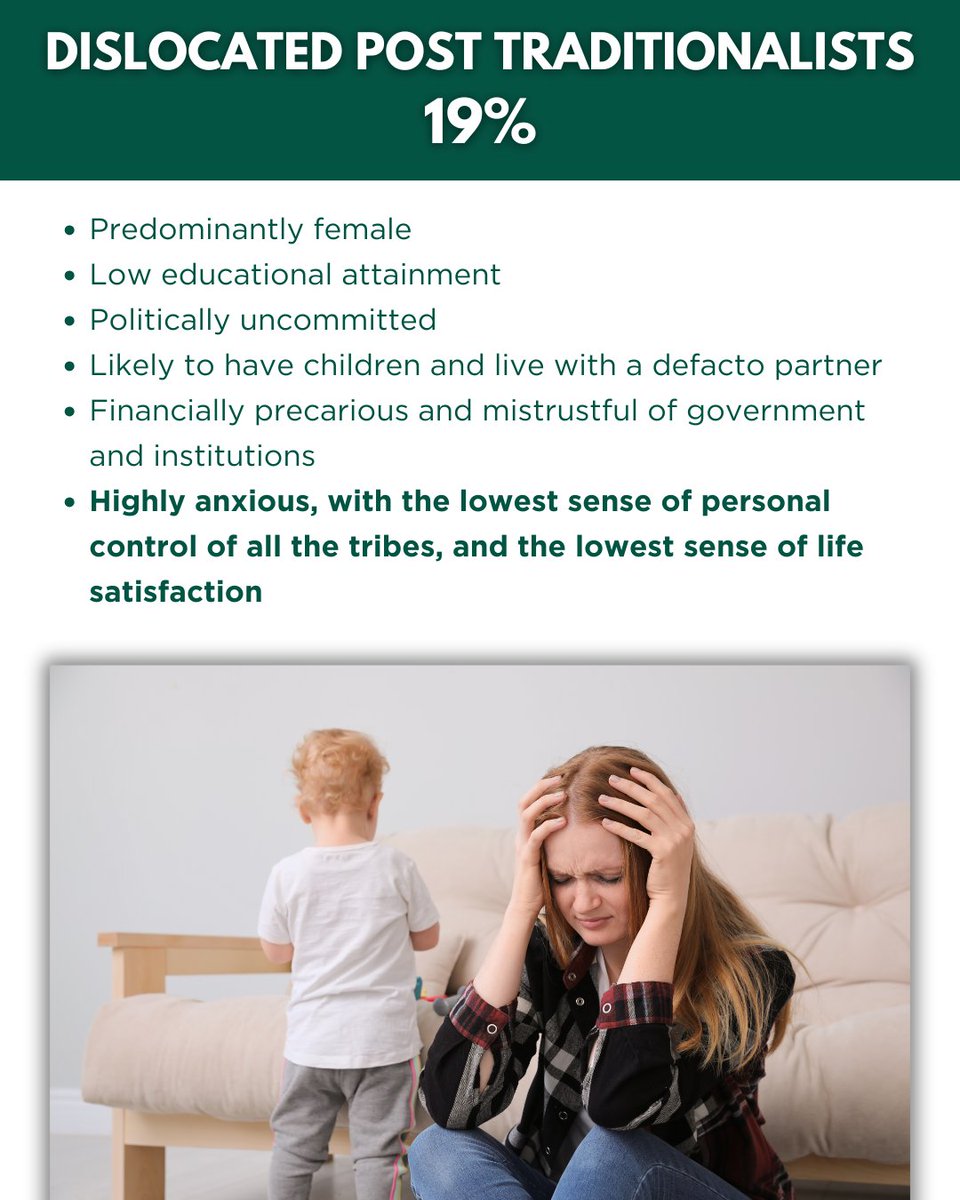
CIS research on young Australians doesn't describe them as one group.
It finds six distinct tribes. And the differences matter enormously for policy. 🧵
1
4
930
A policy designed for one group may actively harm another.
That's not a comfortable finding. It's a necessary one.
Full paper → cis.org.au/publication/gener…
1
175
Support independent research this EOFY → cis.org.au/support/donate/to…
154