
Licensed clinical psychologist and researcher @bcmhouston. Passionate about OCD, trauma, and LGBTQIA mental healthcare. Views my own. She/her.
Joined March 2022
- Tweets 767
- Following 346
- Followers 474
- Likes 1,371
98 Photos and videos
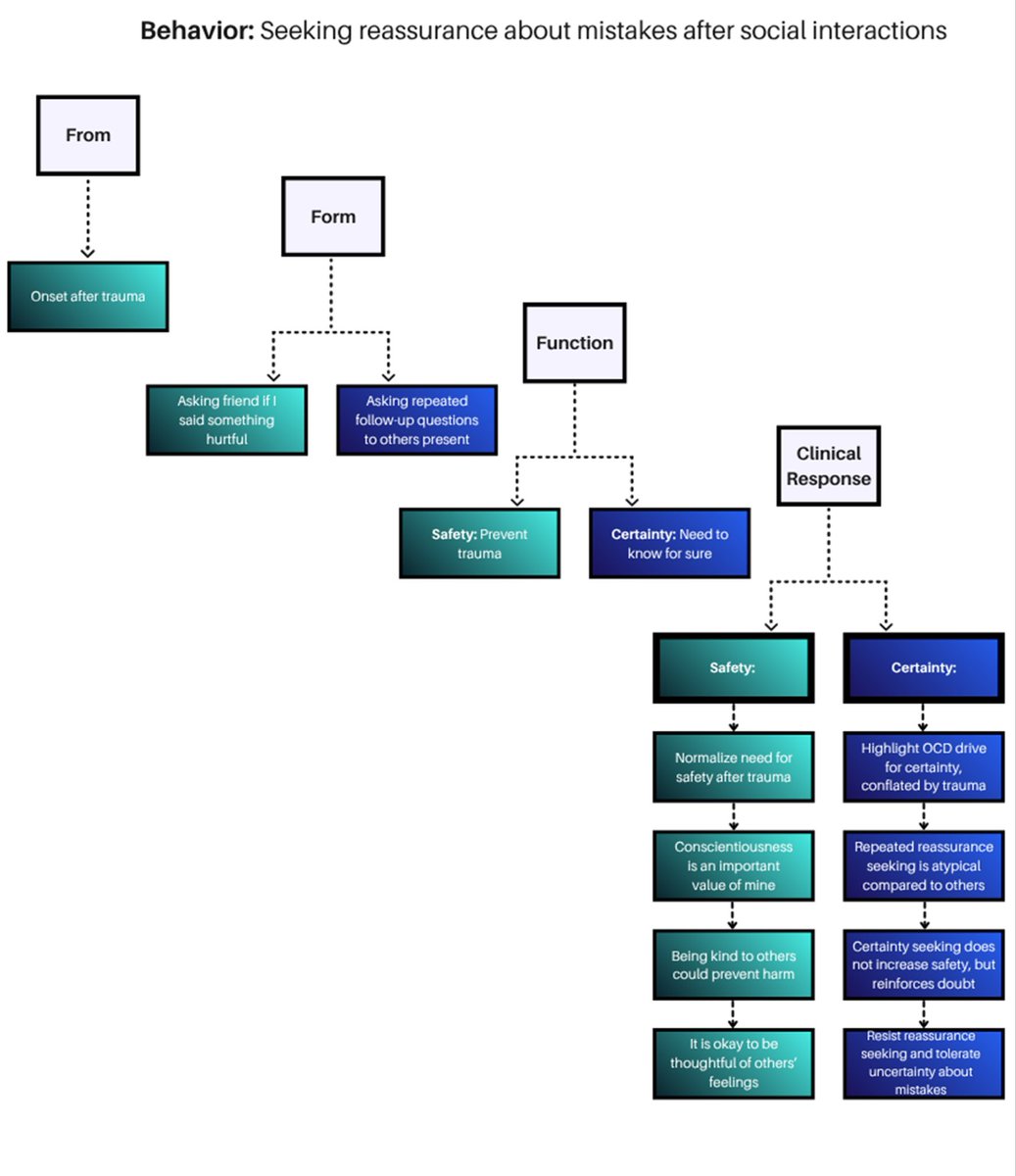
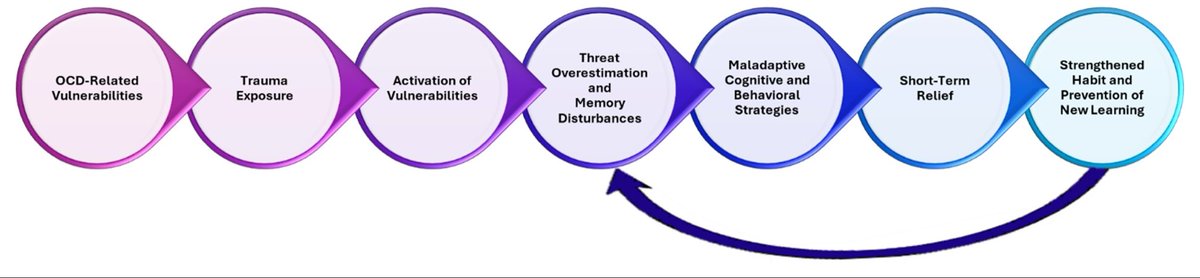
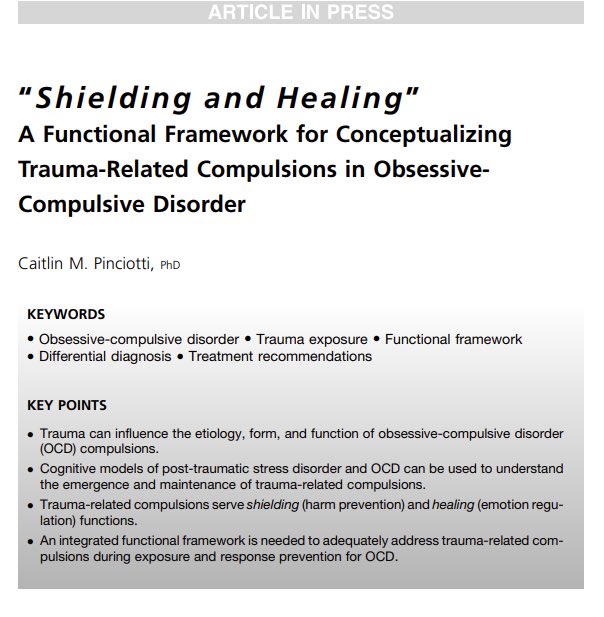
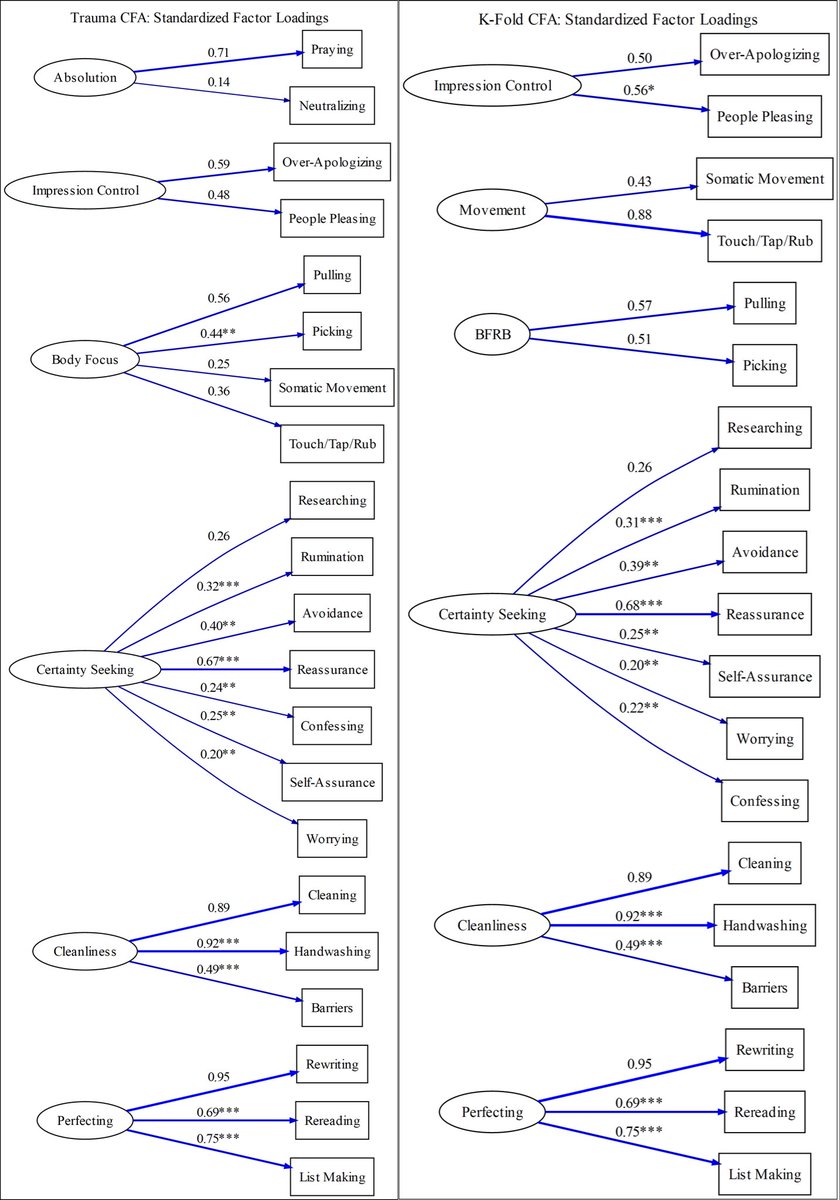
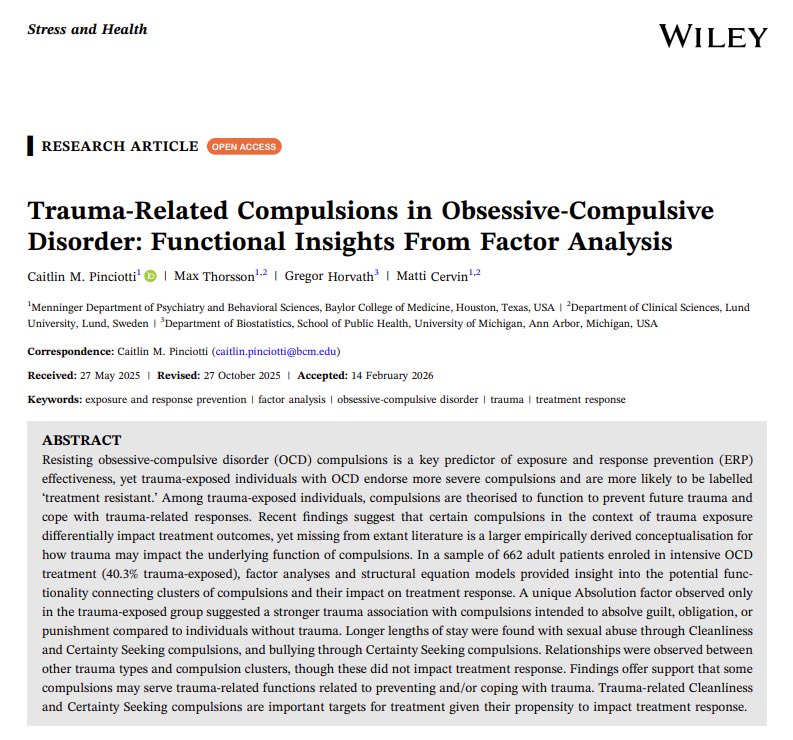

🚨Paper in Press🚨 Excited about this paper I’ve wanted to write for a long time and finally had the push to do for this Special Issue on PTSD. This work provides a novel functional framework for understanding the emergence and maintenance of trauma-related compulsions in OCD. /1
1
38
..and differential diagnostic assessment via “Finding the Seam” between these trauma- and OCD-related pathways to inform a split-response prevention approach where OCD processes are resisted while trauma processes are gently processed and cognitively restructured. /8
1
25
I am so grateful for the push to really sit down and think through this proposed framework. I hope this work inspires more research to better understand why compulsions emerge and persist after trauma. Paper available for free for 50 days at sciencedirect.com/science/ar… /9.
17
Caitlin Pinciotti, PhD retweeted

28 Oct 2025
We know that who we are shapes how we care.
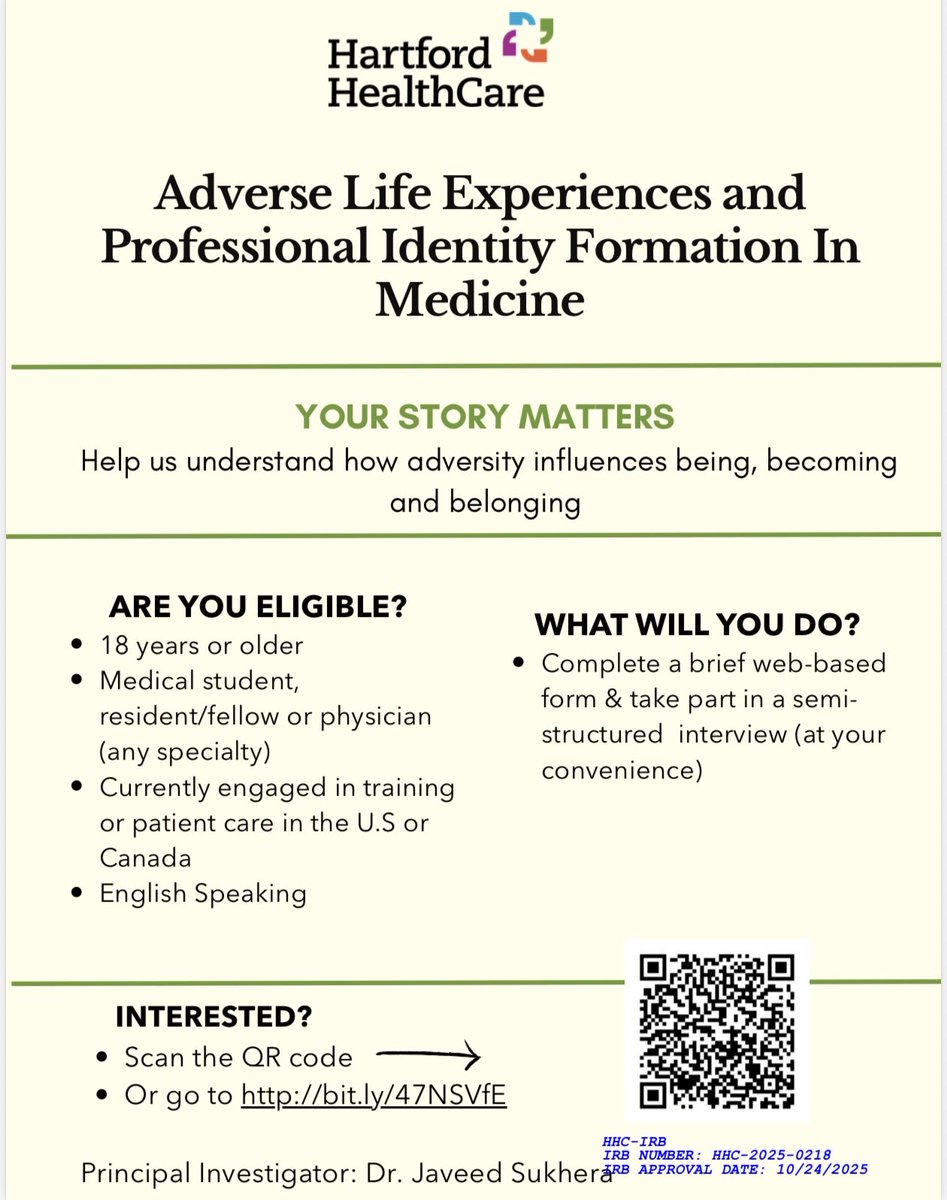
Our team is launching a study on how adverse life experiences influence being, becoming, and belonging in medicine. We want to hear from medical students, residents, and physicians in the U.S. or Canada who are willing to reflect on how their journeys have been shaped by what they have lived through.
Participation involves a short interview. Your story can help us build a more compassionate and human future for medical education and practice.
redcap.hhchealth.org/surveys…
3
6
757
Caitlin Pinciotti, PhD retweeted

May 5
In a new Rolling Stone cover story, Noah Kahan opens up about his recent OCD diagnosis.
“I was under the influence of the idea that OCD was like, ‘I need to wash my hands a hundred times.’ But I didn’t realize how much more there was to it.”
Read about it: rollingstone.com/music/music…

1
54
624
485,415
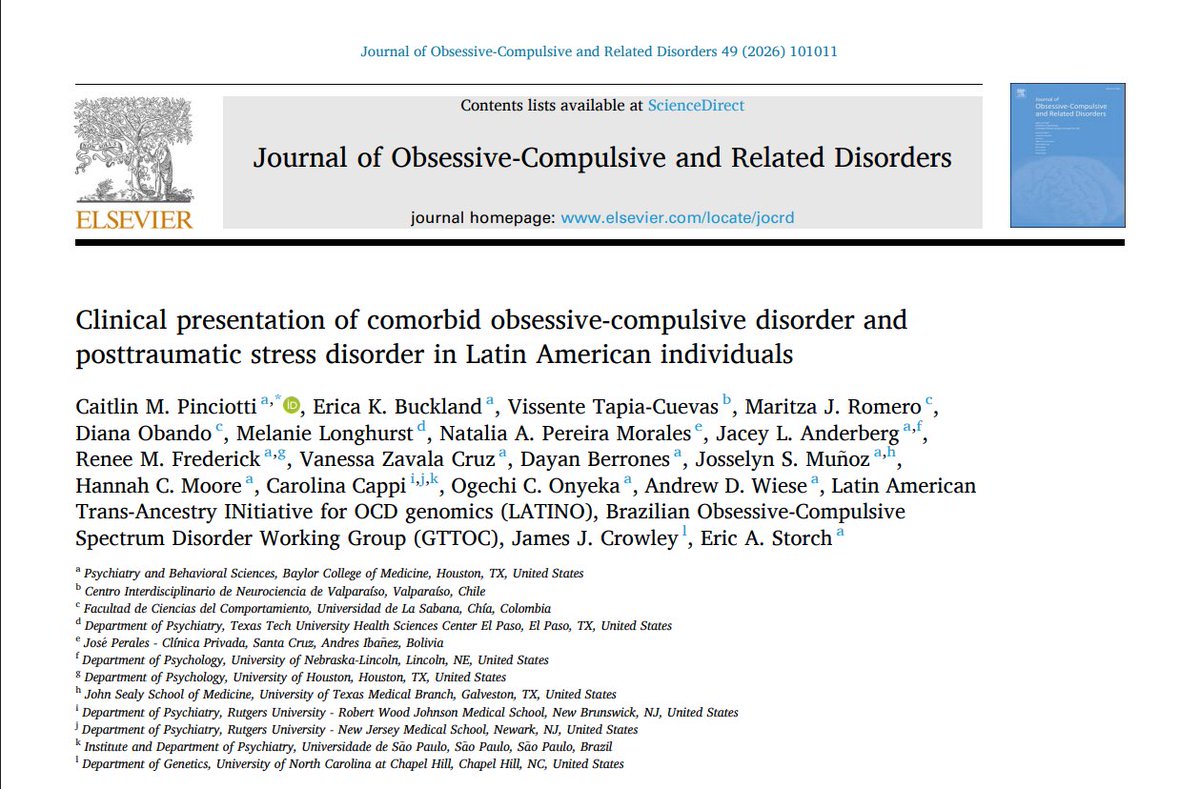
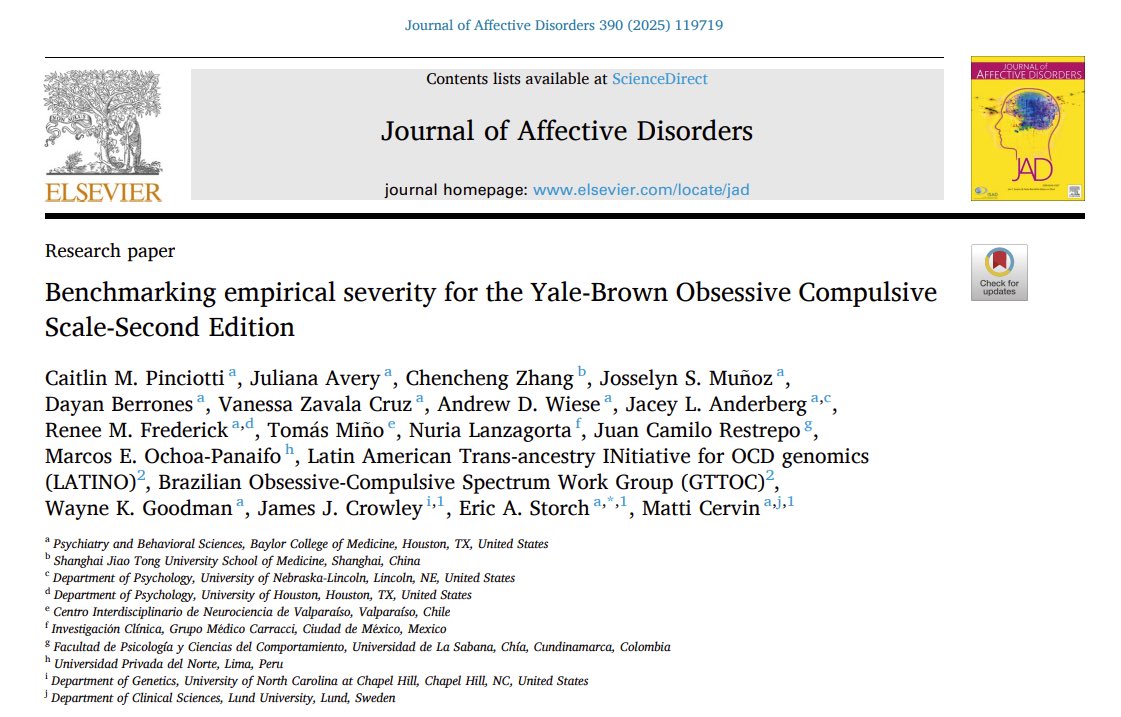
🚨 New publication 🚨 Comorbid OCD PTSD is associated with a more severe clinical presentation, yet most existing research has focused on White, non-Hispanic/Latino populations, limiting generalizability. This replication/extension paper used data from the LATINO study. /1
1
1
4
85
Across the board, those with OCD PTSD evidenced the most severe and complex clinical presentation. The largest difference was found for quality of life. Findings re- avoidance and pathological doubt were novel, and this is the first study to differentiate OCD alone and OCD w /3
1
51
…other comorbidities, offering a clearer understanding of the unique burden of comorbid PTSD beyond other comorbidities. This study builds on a growing literature highlighting the need to properly assess and treat PTSD in the context of OCD. Read more: sciencedirect.com/science/ar…
30
Caitlin Pinciotti, PhD retweeted

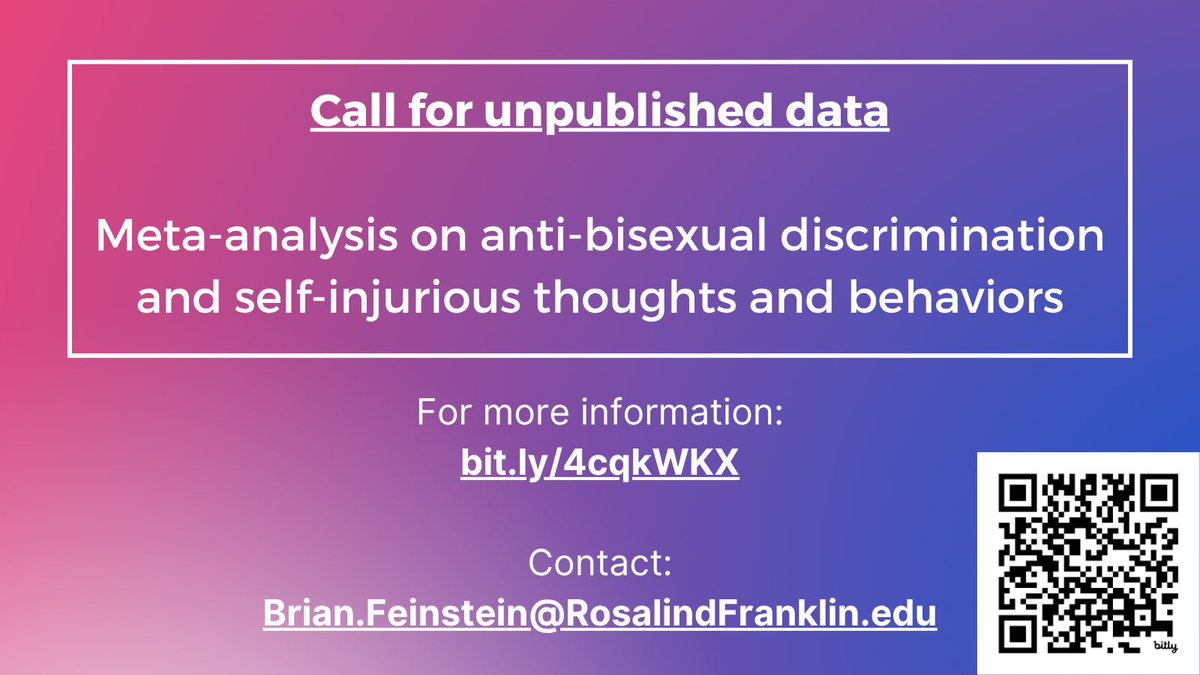
📢 Call for unpublished data for meta-analysis on anti-bisexual discrimination & self-injurious thoughts & behaviors
Details: bit.ly/4cqkWKX
Contact by 5/1/26
@TheIASR @Impact_NU @BiDotOrg @bisexualscience @BRC_Central @Sex_Science @ephasgm
1
8
341
Caitlin Pinciotti, PhD retweeted

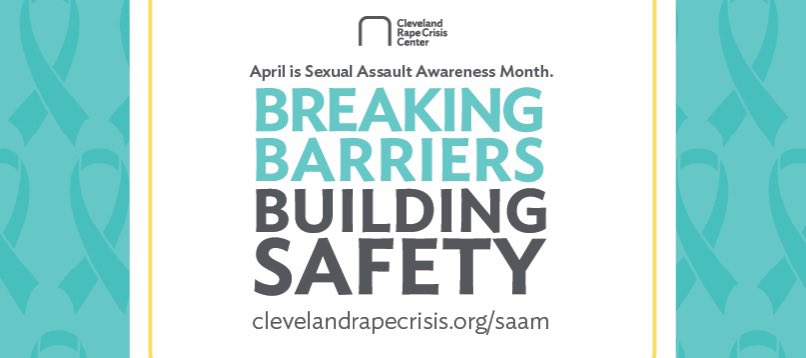
TEAL - Today in honor of Sexual Assault Awareness Month.
To learn about ways you can get involved this April, visit clevelandrapecrisis.org/saam

1
7
920
Caitlin Pinciotti, PhD retweeted

Mar 27
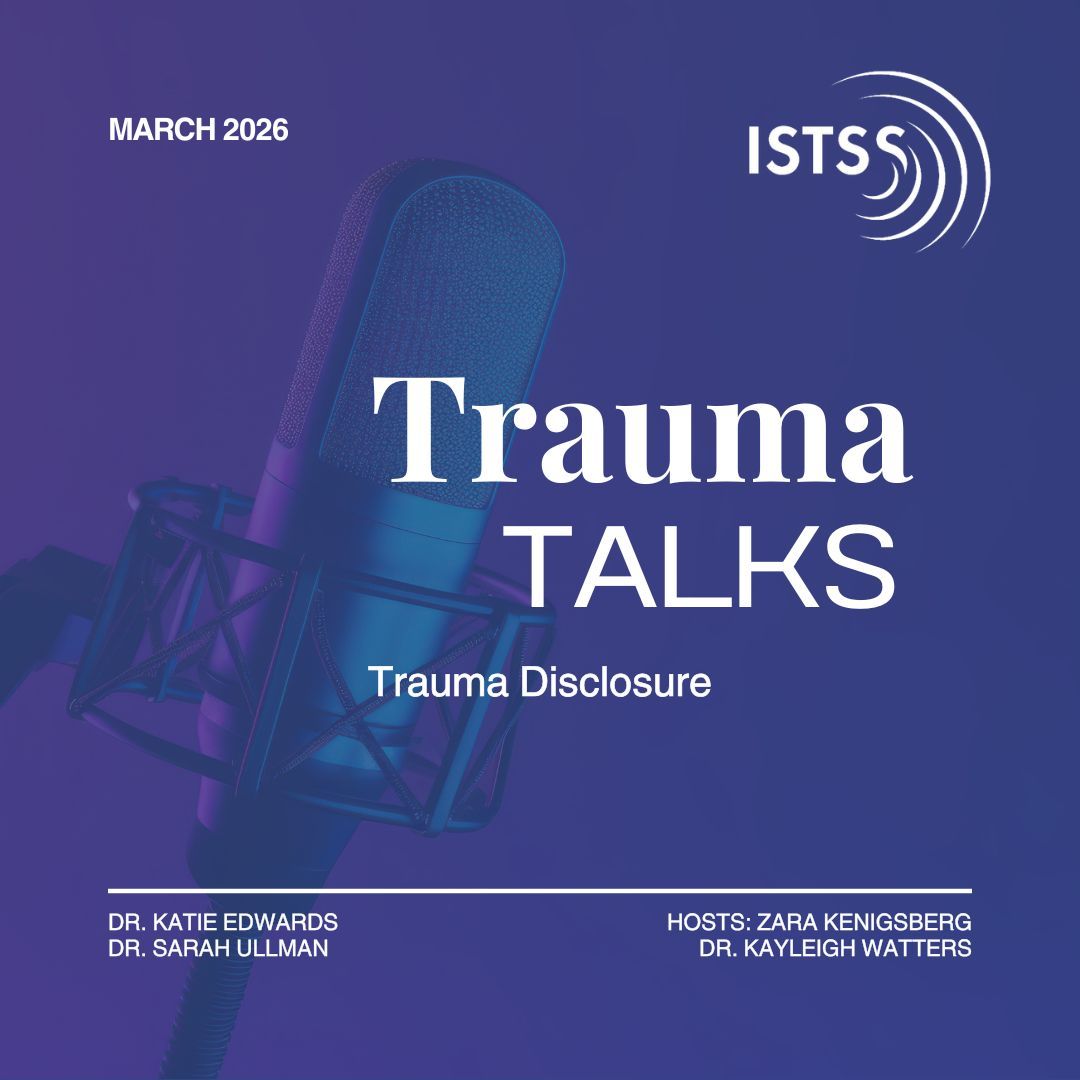
What happens when survivors choose to share their trauma and when they don’t?
In this episode of Trauma Talks, Dr. Sarah Ullman & Dr. Katie Edwards explore trauma disclosure and how responses shape healing.
🎧 Listen: podbean.com/eas/pb-deyff-1a8…
Available on Apple Podcasts.
5
5
390
Caitlin Pinciotti, PhD retweeted
Mar 24
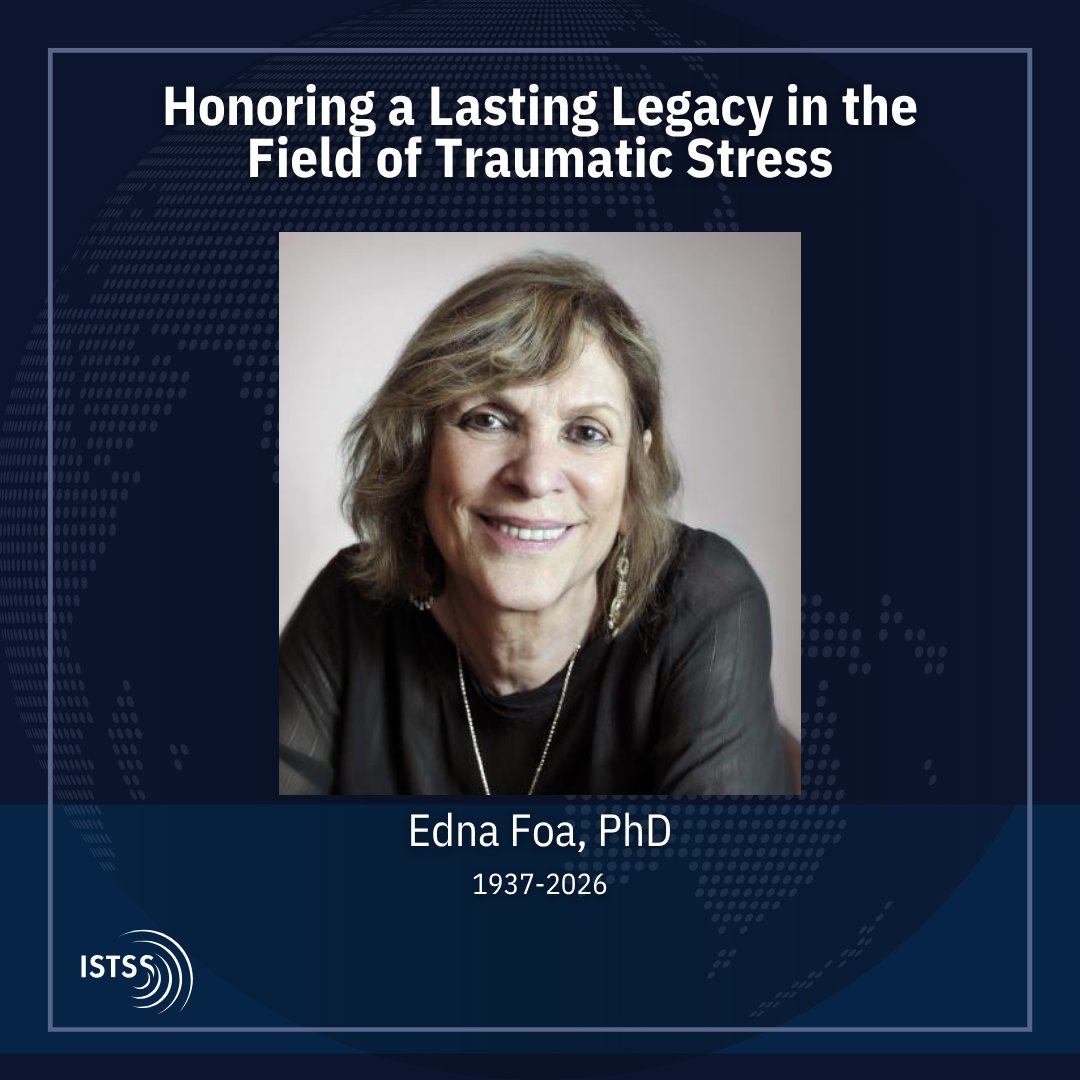
We are deeply saddened to learn of the passing of Dr. Edna Foa, a true giant in the field of traumatic stress.
Dr. Foa’s work transformed the understanding and treatment of trauma-related disorders, leaving an impact on clinicians, researchers, and individuals worldwide.
14
43
3,050
Trying to get back on my 🚨publication alert🚨 game. Here’s a new one using really unique mixed methods data from intensive OCD treatment. In an earlier paper (Pinciotti et al 2023), I extracted 5540 compulsions from patient charts and coded into 62 discrete compulsions… /1
1
1
5
147
suggesting that sexual abuse may make the emergence of these behaviors more likely and, when combined, interfere with effective treatment, likely because they are serving trauma-related functions to 1) remove perceived contamination related to sexual violations and 2) obtain a /6
1
33
sense of control or predictability intended to prevent revictimization. This work suggests that the function underlying compulsions may differ as a function of trauma and that these associations are important to address in treatment. Article: researchgate.net/publication… /7.
29