
Official Twitter account of CPSTF, providing evidence-based recommendations for public health. Follows, retweets, likes, and links do not imply endorsement.
Joined August 2015
- Tweets 4,668
- Following 105
- Followers 1,644
- Likes 1,437
2,713 Photos and videos









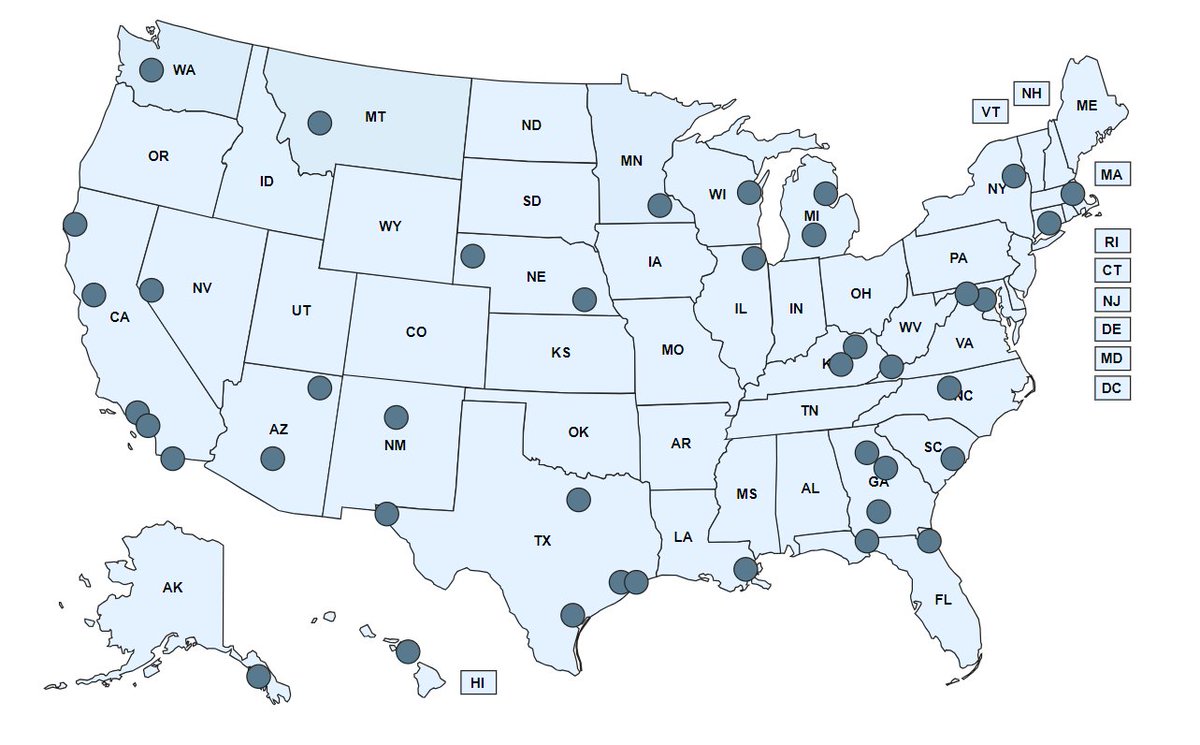






Eating healthy foods and getting enough physical activity can help you maintain a healthy weight and improve your health. This #HealthyWeightWeeklearn which interventions CPSTF recommends to improve nutrition and physical activity and prevent obesity.
bit.ly/3CCjRhP
1
220
Patient navigation services increase #CervicalCancerscreening among historically disadvantaged racial and ethnic populations and people with lower incomes according to a systematic review from #TheCommunityGuide.
bit.ly/3XFkj7x
1
146
Offering free, nutritious meals to all students regardless of household income increases participation in the U.S. National School Lunch Program and School Breakfast Program and reduces school absenteeism. Read systematic review evidence:
bit.ly/3E52Le4
#NoKidHungry
1
90
Easy-to-read fact sheet from #TheCommunityGuide summarizes evidence-based findings from CPSTF for what works to promote #pregnancy health.
bit.ly/3XFDwpp
75
January 12 is #NationalPharmacistDay. CPSTF recommends intervention approaches, such as team-based care and medication adherence interventions, that engage pharmacists for cardiovascular disease prevention. thecommunityguide.org/findin…
1
79
January is National Birth Defects Awareness Month. CPSTF recommends intervention approaches to improve pregnancy health, including community-wide interventions to increase folic acid use.
bit.ly/3VDtnYY
49
January is Cervical Health Awareness Month. Detecting cervical cancer early can be vital to saving lives. Find out which community-based intervention approaches CPSTF recommends to increase cancer screening rates.
bit.ly/3segAQs
43
Systematic review: a process by which a body of literature is reviewed and assessed using systematic methods intended to reduce bias and improve understandability. Learn how CPSTF and CDC’s Community Guide Office conduct systematic reviews.
ow.ly/wgxN50G3gdD
45
As you start the new year, be inspired by other decision makers and public health professionals who have used #TheCommunityGuideto improve health and safety in their communities. Read their stories.
bit.ly/3FX0LUF
42
New school term, new lesson plans?
When teachers integrate physical activity into lessons, students get more physical activity and may perform better in school.
Read the CPSTF recommendation and systematic review evidence: bit.ly/3Wjueyx
1
291
Physically active adults are more likely to be healthier and feel better!
Read the CPSTF recommendation for digital health interventions to increase physical activity among adults aged 55 .
bit.ly/3RwbIk1
#HealthyAging #ActivePeople
39
Want to learn about communities and organizations that have used CPSTF recommendations to improve health and safety?
Check out #TheCommunityGuide in Action stories:
ow.ly/oe2h50FzZ5f #CGiA
47
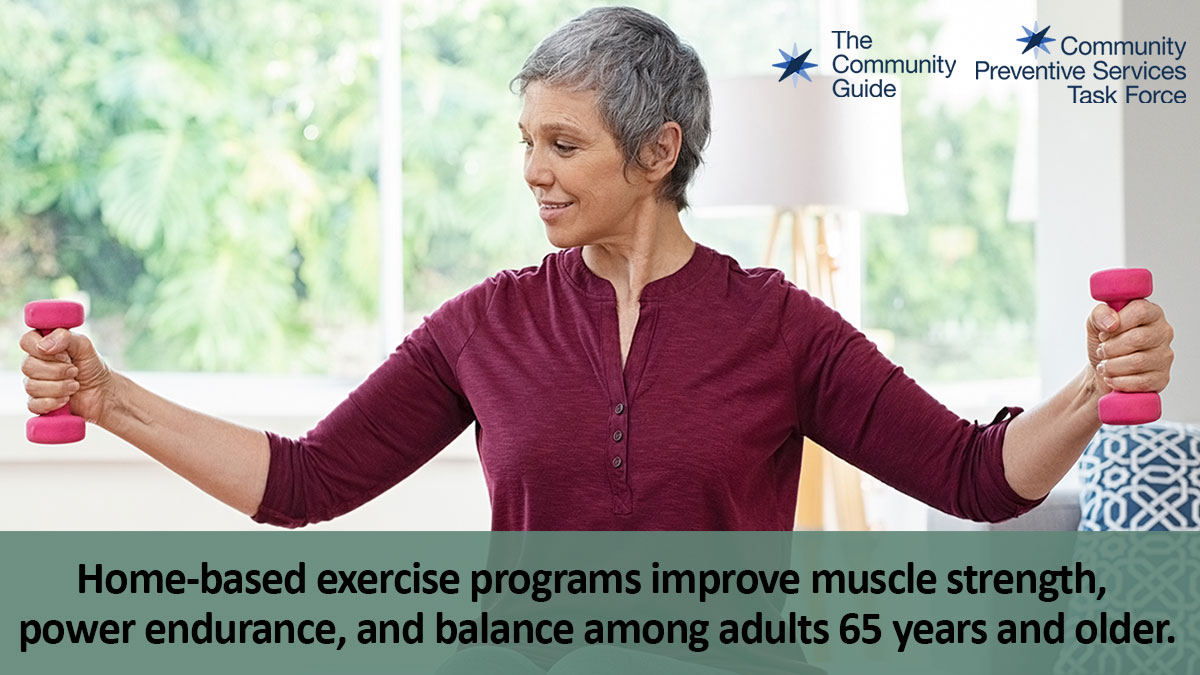
PSTF recommends home-based exercise programs to increase physical fitness among older adults.
bit.ly/3fKWk6n
#ActivePeople #TheCommunityGuide
46
Do you know a Community Guide Champion? Champions enthusiastically support and promote the use of CPSTF recommendations and the systematic review methods used to develop them. Learn about previous awardees. #TheCommunityGuide
ow.ly/xueJ50FUOzq
16
CPSTF recommends home-delivered and congregate meal services to reduce malnutrition among older adults living independently #TheCommunityGuide
bit.ly/3nlc4Nm
38
Want to know more about CPSTF and The Community Guide?
Check out our flyer and share it with program planners and other decision makers in your community!
bit.ly/3sxUL1t
#TheCommunityGuide
28
Can apps improve healthy eating and increase physical activity among adults?
Check out evidence-based recommendations from CPSTF for digital health interventions in community settings, worksites, and institutions of higher education.
ow.ly/La5S50HFXlL
#TheCommunityGuide
22
CPSTF recommends school-based cognitive behavioral therapy (CBT) programs to prevent or reduce depression and anxiety symptoms among school-aged children and adolescents. Learn about targeted school-based CBT programs: bit.ly/3ERtk5c
#MentalHealth #Schools
29
Hey, employers! Did you know offering the #flushot on-site increases vaccination rates among workers? Learn more about these CPSTF-recommended intervention approaches.
bit.ly/3FcR5pJ

45
Learn how a pharmacy college & hospital used CPSTF recommendations and CDC resources to develop a team-based care program to reduce patient readmissions and improve health outcomes for patients with COPD, diabetes, heart failure, and pneumonia.
bit.ly/3yCnpzf

39