
The Center for Peace Studies and Violence Prevention at Virginia Tech is a hub for research on the causes and consequences of violence and strategies for peace.
Joined October 2021
- Tweets 24
- Following 35
- Followers 24
- Likes 12
12 Photos and videos




Dr. Hawdon was featured on Deep Dive with Shawn C. Fettig @DeepDiveShawn
discussing Political Violence and Extremism on the Rise. Hear the conversation on Apple Podcasts, Spotify, or Google Podcast.
#politicalviolence #deepdivewithshawn
#extremism #Democracy #gop
1
Drillfield display dazzles in the dark roanoke.com/news/local/drill… via @roanoketimes
Excited to announce that the CPSVP is putting together a conference on hate and hate crimes. Dr Jack Levin will be a keynote speaker, and selected papers will be included in the Research Handbook on Hate Crime and Society. Send in your abstract soon! #nohatecrime
1
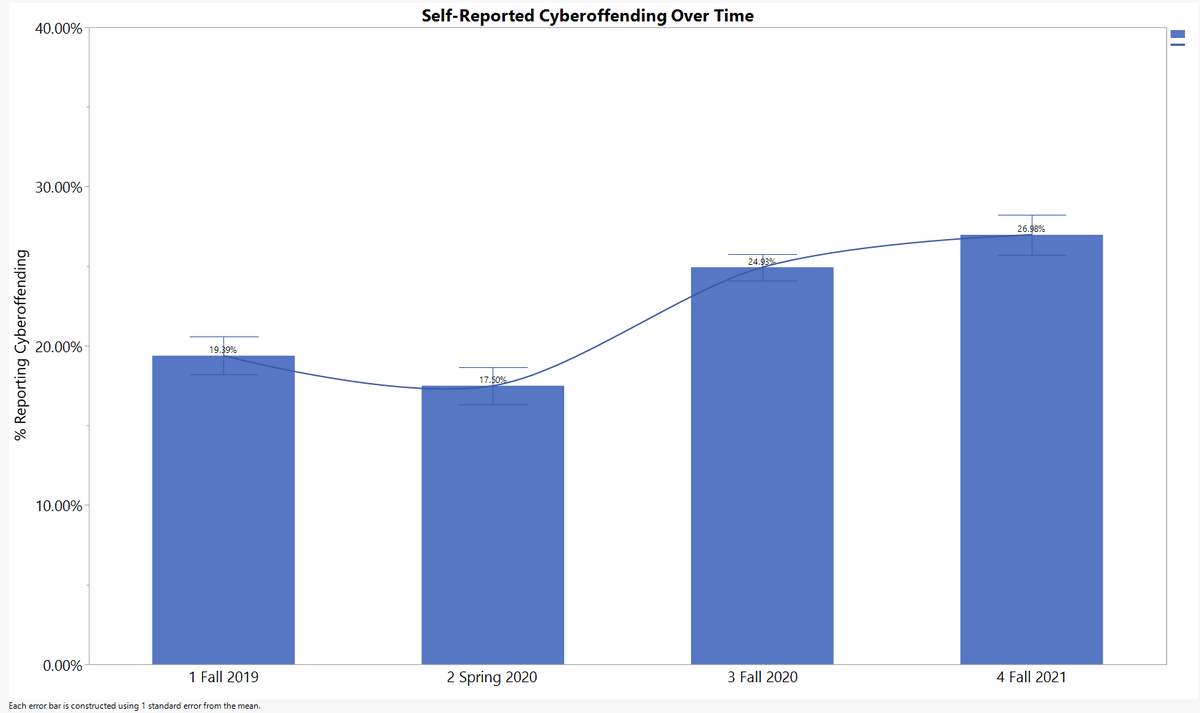
#Cybercrime in businesses is rising. Researchers Jay Albanese, Thomas Dearden, Randy Gainey, Jim Hawdon, Katalin Parti, Tancy Vandecar-Burdin from VT, ODU, and VCU are aiming to map the latest trends in an effort to help develop prevention strategies.
lnkd.in/dtWMqNa4
CPSVP faculty K Parti, T Dearden, J Hawdon, and colleagues from Hungary & Finland received funding from the Center for European Union Transatlantic and Trans-European Space Studies #virginiatech to collect data on #cybercrime perpetration and #cybervictimization in the 3 nations.
2
2
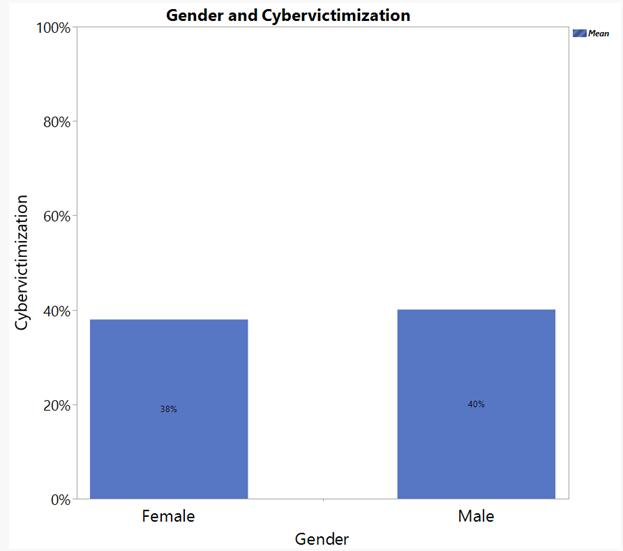
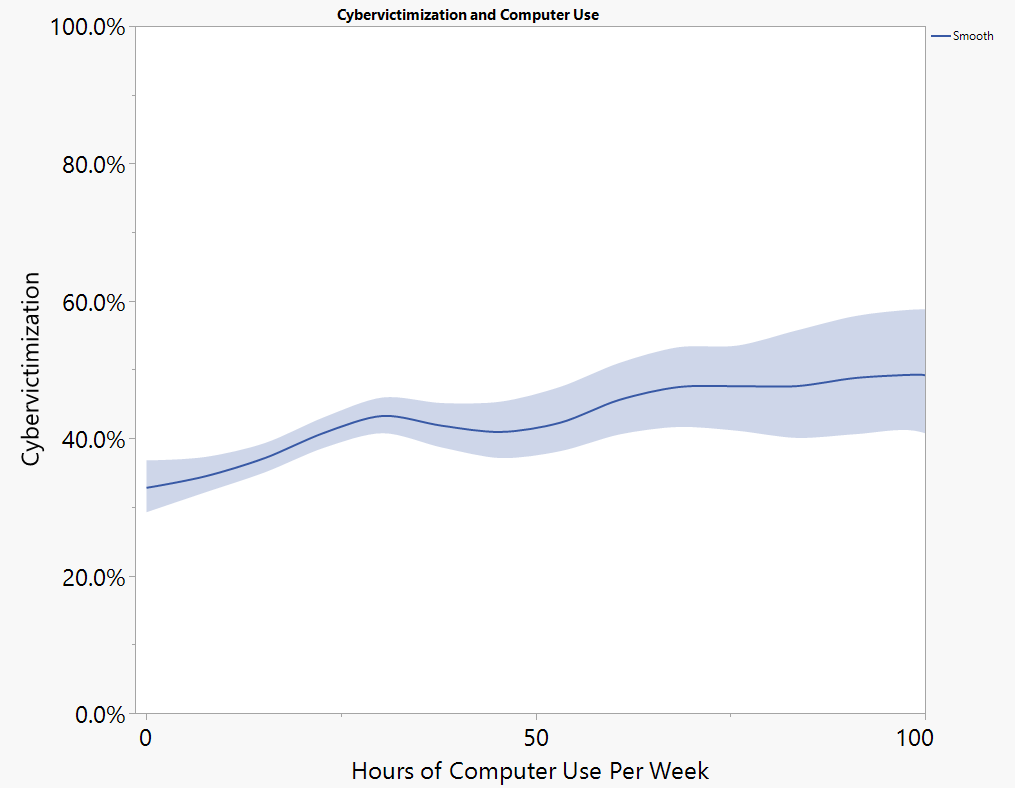
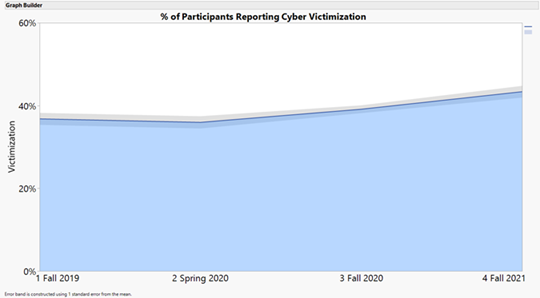
Who are the victims of cybercrime? Our data shows that males and females are both targets, with 38% of females and 40% of males having experienced cybervictimization in the past 12 months. They are targets of different types of crimes, stay tuned to find out more. #cybercrimelab
1
3
Are you a #cybercrime researcher? Our team
@CPSVPVT has just published an open-access dataset on a nationally representative sample of adult Americans on #cyberoffending and #victimization. All are welcome to download and investigate:
doi.org/10.7294/17092283
8
18
Are you a #cybercrime researcher? Our team @CPSVPVT has just published an open-access dataset on a nationally representative sample of adult Americans on #cyberoffending and #victimization. All are welcome to download and play around: doi.org/10.7294/17092283
1
1
3
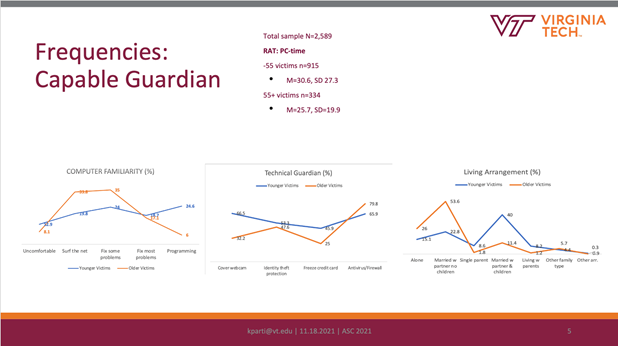
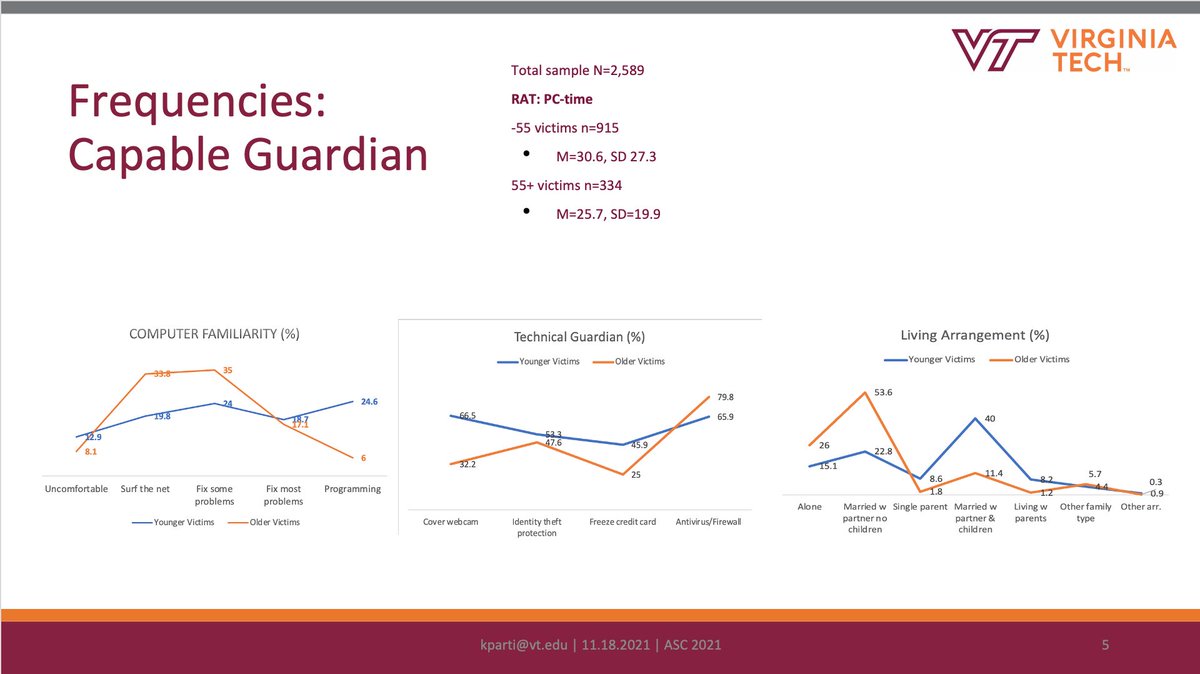
Online scams are everywhere, especially during the holidays. Our data @CybercriminologyLab show that computer familiarity (self-report) is not really a protective factor for #olderindividuals, especially when it doesn't pair with applying technical guardians.
3
3
Our data @CybercriminologyLab show that computer familiarity is not really a protective factor for #olderindividuals, especially when it doesn't pair with applying tech guardians. Living alone or with a partner without children makes seniors also more vulnerable.
1
2
CPSVP retweeted

22 Nov 2021
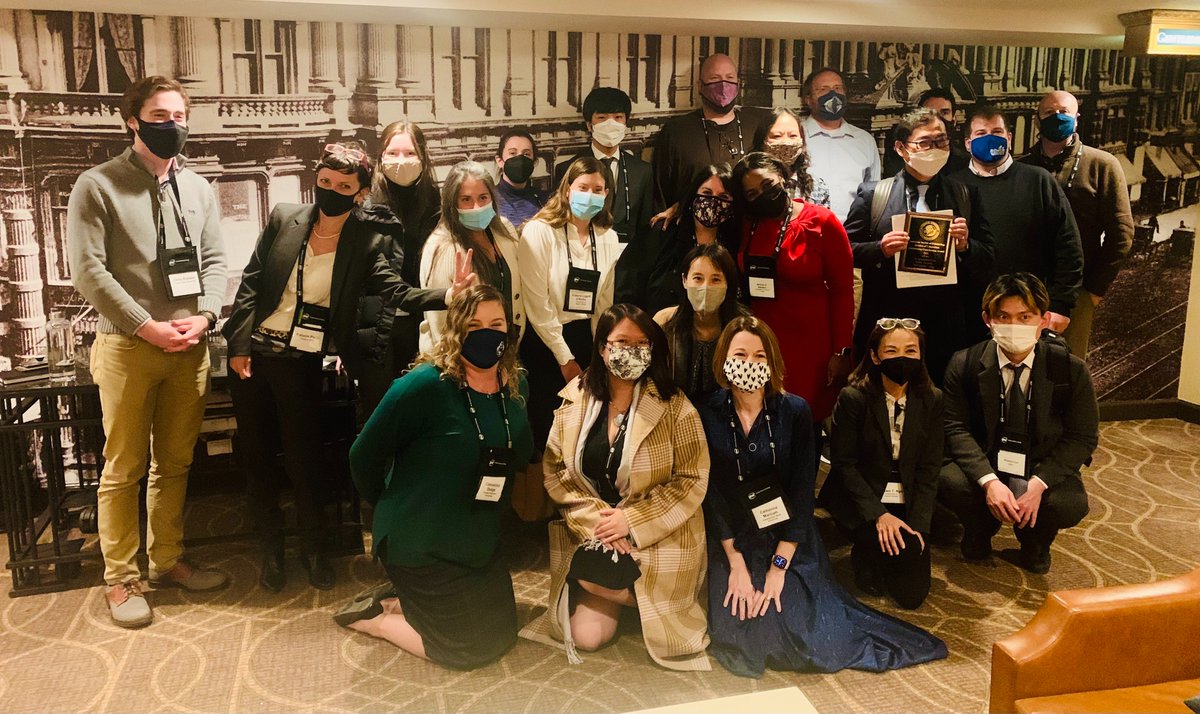
It was great to see so many amazing Division of Cybercrime members at ASC 2021! @ASCRM41
1
4
24
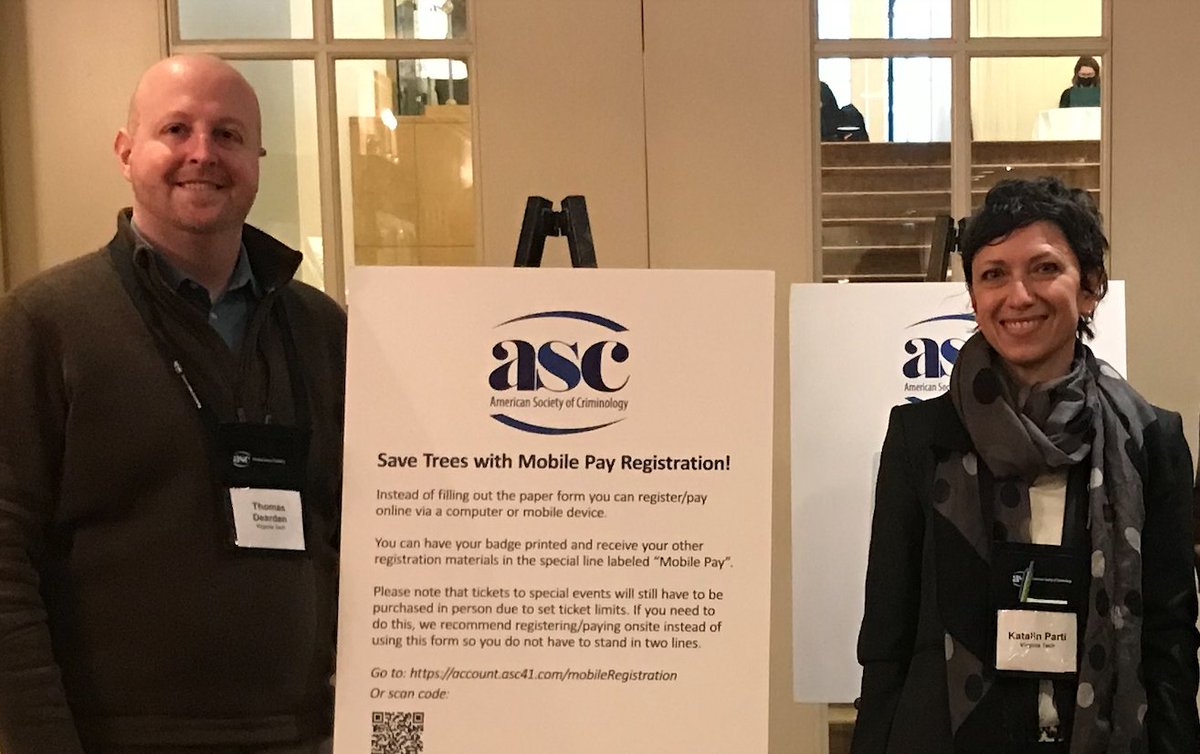
It was great to meet up with friends again @ASCRM41 @ASCcyber in person (we only removed masks for the photo). #cybercrime #cybercriminologylab @deardent @KatalinParti
4
Happy to announce that a special issue of the American Journal of Criminal Justice on cybercrime published with @SpringerNature will be out soon. Here's my guest editor's introduction rdcu.be/cBbX3 #cybercriminology
#CPSVP and #CybercriminologyLab affiliates @deardent and @KatalinParti have published a new article on #cybercrime. Differential association, self-control and social learning in cybercrime. Check out the article in AJCJ's special issue on cybercrime here rdcu.be/cA5N0
2