The @CSIS Middle East Program focuses on the drivers of change in the region and is led by @myacoubian. Follows/RTs ≠ endorsements.
Joined June 2016
- Tweets 8,224
- Following 400
- Followers 7,635
- Likes 185
1,625 Photos and videos
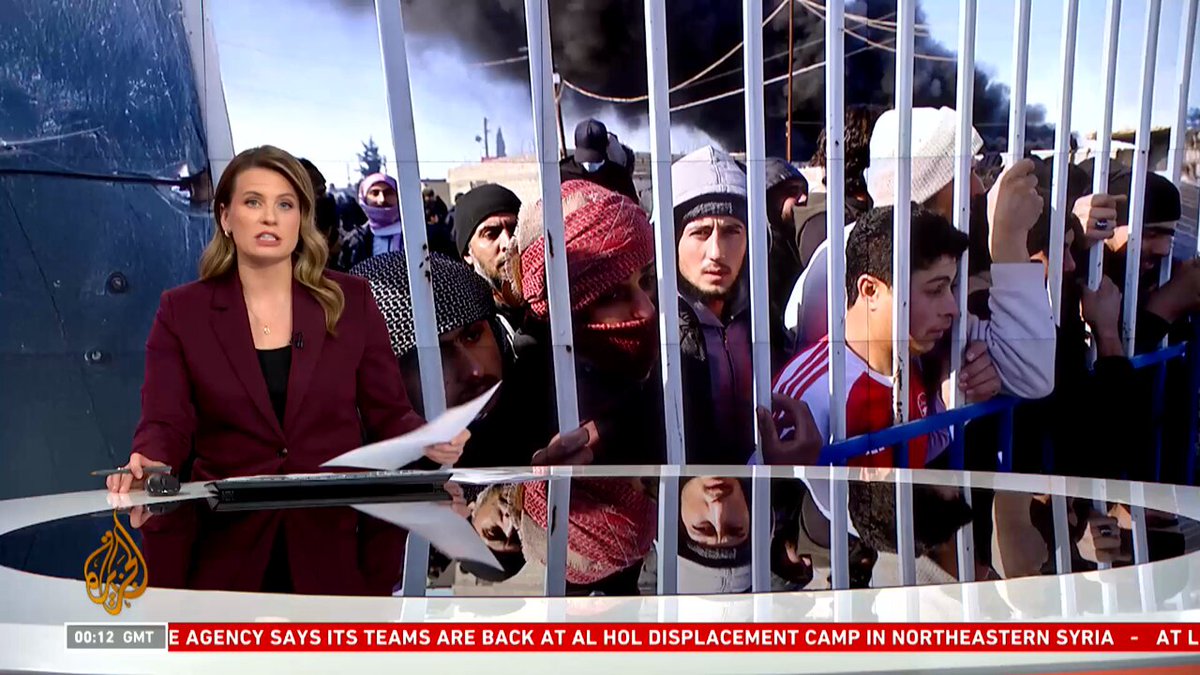
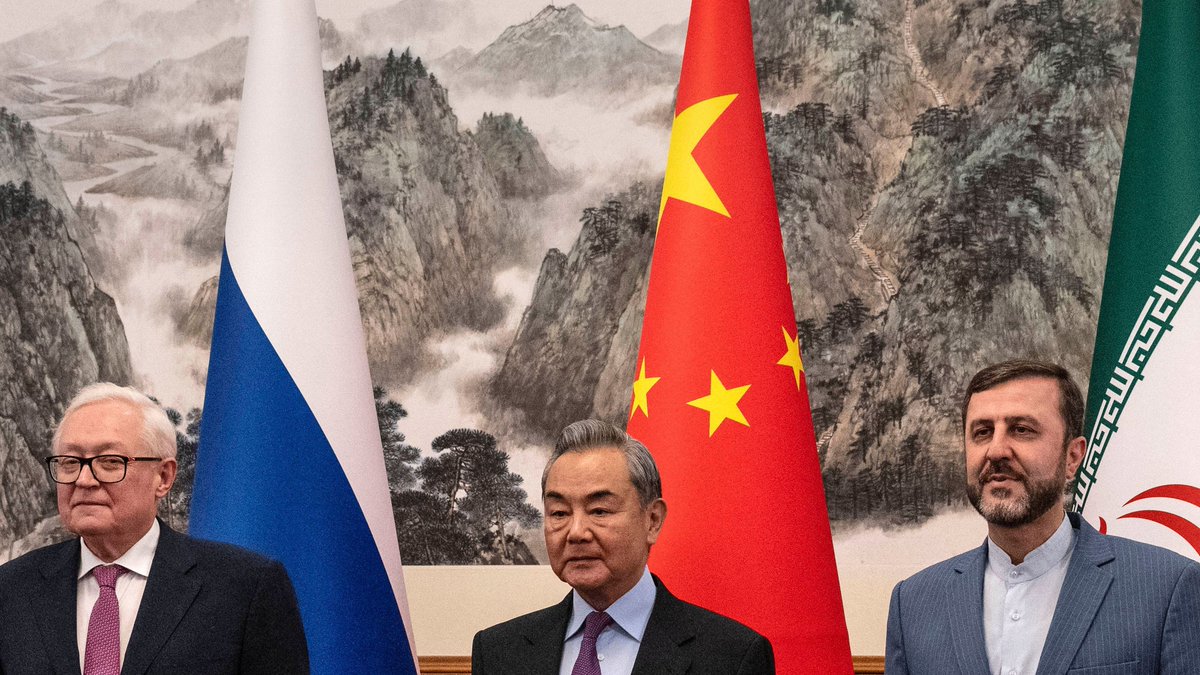
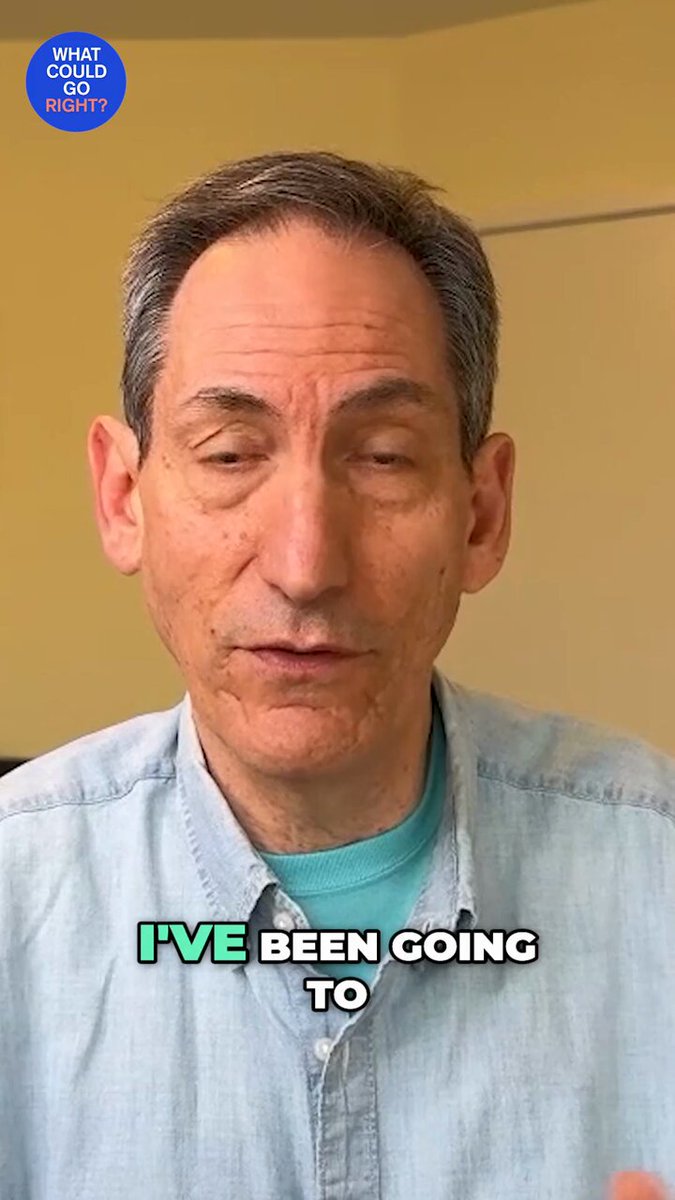
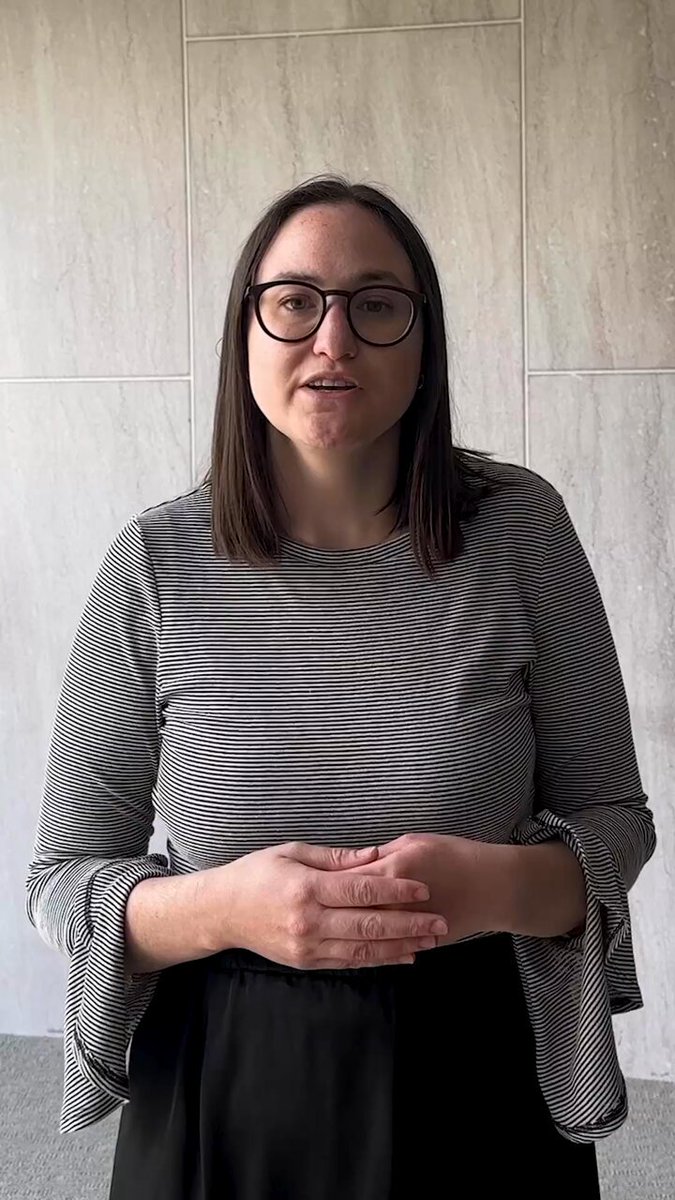

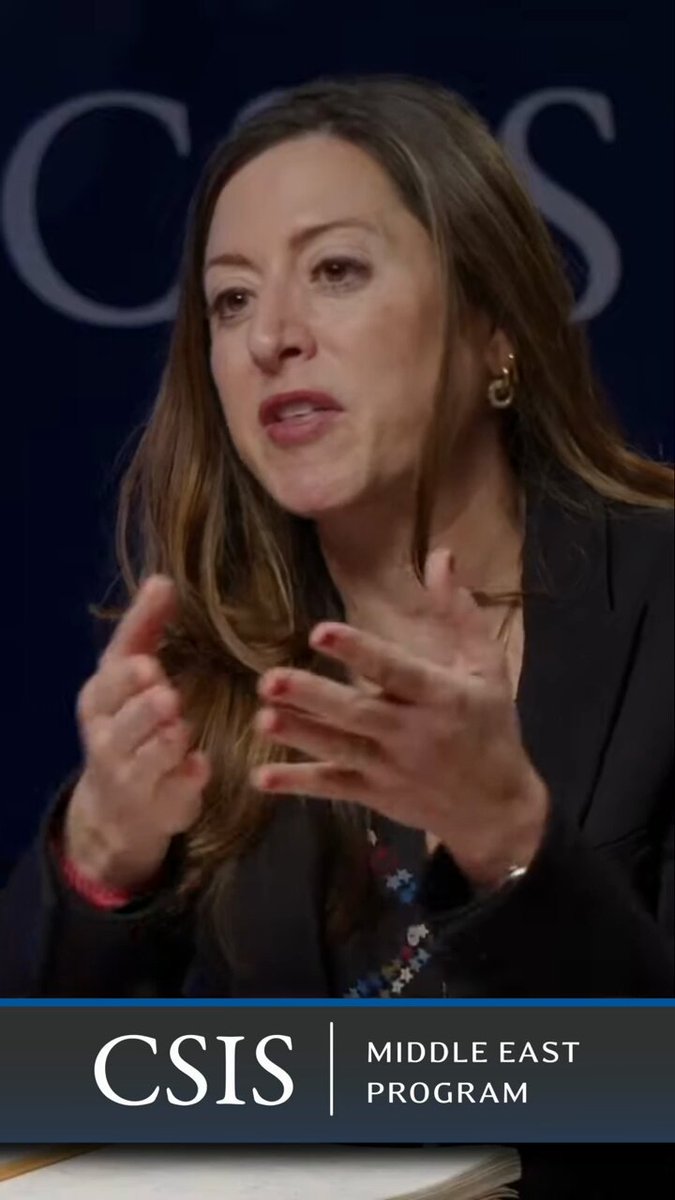
LIVE NOW: Navigating Lebanon's Troubled Economic Recovery: A Conversation with Lebanon's Minister of Economy and Trade, H.E. Amer Bisat. Submit your questions here: csis.org/events/navigating-l…
91
STARTING SOON: Paul Salem sits down with H.E. Amer Bisat, Minister of Economy and Trade for the Republic of Lebanon, to discuss the Lebanese economy's pathway toward reform and recovery. Register to watch here: csis.org/events/navigating-l…
101
How are high energy import costs affecting small businesses in the Middle East? Egypt closed businesses early for one month, slashing revenues earned by Cairo’s shop and cafe owners late into the night.
Read more from Ana Eveleigh. csis.org/blogs/goodnight-cai…
80
MONDAY, JUNE 8: Paul Salem sits down with H.E. Amer Bisat, Minister of Economy and Trade for the Republic of Lebanon, to discuss the Lebanese economy's pathway toward reform and recovery. Register here: csis.org/events/navigating-l…
2
1
178
NEW EVENT: Join us for a conversation with Lebanon's Minister of Economy and Trade H.E. Amer Bisat on Monday, June 8. Register here: csis.org/events/navigating-l…
73
If the ceasefire between Lebanon and Israel holds, what are the opportunities and obstacles for early recovery in Lebanon, especially in the south? Watch below to hear insights from Lebanese Social Affairs Minister H.E. Haneen Sayed and @myacoubian.
csis.org/events/navigating-l…
164
“One in five Lebanese residents” have been displaced by the latest escalation. Lilya Yatim explores why, despite evacuation orders, many are choosing to stay—and what that choice means. Read below to learn more. csis.org/blogs/staying-power
134
The war with Iran has reshaped Middle East economics, diplomacy, and security. Watch below for a live State of Play episode on the region’s future. csis.org/events/has-iran-war…
1
72
Read @myacoubian's Commentary below on why a “mowing the grass” approach would fail to curb Iran’s missile, drone, or nuclear ambitions, and could push the region toward deeper chaos. csis.org/analysis/why-mowing…
85
The U.S. withdrawal from its last remaining military bases in Syria is a “clear win” for interim president Ahmed al-Sharaa and his consolidation of power over Syrian territory.
@myacoubian and @WillTodman comment on this historic shift. csis.org/analysis/united-sta…
2
1
282
After more than a month of devastating conflict and a fragile ceasefire, Lebanon faces enormous recovery challenges. Watch below for a timely conversation between @myacoubian and H.E. Haneen Sayed, Minister of Social Affairs of Lebanon. csis.org/events/navigating-l…
1
79
"[The Houthis] may be weakened after sustained U.S. and Israeli strikes in 2025; they may be holding back due to incentives from... Saudi Arabia; or they may simply be waiting for a moment of maximum leverage as the conflict evolves," writes @WillTodman. csis.org/analysis/houthi-thr…
1
101
Egypt introduced power rationing measures to cope with the impacts of the Iran war. SMEs are paying the price. Read more here from Ana Eveleigh here: csis.org/blogs/goodnight-cai…
92
After the U.S. withdrawal from its last military bases in Syria, what’s next for U.S.–Syria relations? Read the analysis here: csis.org/analysis/united-sta…
1
212
What’s next for Lebanon–Israel talks?
“The talks could either develop into real peace negotiations that strengthen Lebanese sovereignty or, if they fail, give way to a renewed war that will ultimately strengthen Hezbollah,” writes @myacoubian.
foreignpolicy.com/2026/04/21…
116

Apr 21
🗣️ HAPPENING NOW: CSIS Middle East Program experts @myacoubian, @vali_nasr, Michael Ratney, Susan Ziadeh, and @WillTodman explore the future of the Middle East in a live State of Play episode. Watch here: csis.org/events/has-iran-war…
4
5
3,451

"The U.S. withdrawal from Syria is a testament to the success of the integration agreement between the Kurdish-led groups and the Syrian government," writes @CSISMidEast.
Why does it matter, and what comes next? Read the latest: csis.org/analysis/united-sta…
9
6
2,165
Apr 21
🚨 TODAY at 3:30 PM: Join CSIS Middle East Program experts @myacoubian, @vali_nasr, Michael Ratney, Susan Ziadeh, and @WillTodman for a live episode of State of Play to explore the future of the Middle East.
csis.org/events/has-iran-war…
1
125
With the Houthis formally entering the Iran conflict on March 28, their potential to blockade the Bab al-Mandab Strait poses a severe threat to a global economy already reeling from the closure of the Strait of Hormuz.
More from @CSISMidEast: csis.org/analysis/houthi-thr…
7
9
2,740
In this video, @WillTodman unpacks some of the most important implications that we will see if the Houthis block Bab al-Mandab.
youtube.com/watch?v=get5-mTd…
1
4
683