
The Center for Safe and Stable Futures exists to bring clarity, accountability, and outcomes into child welfare policy.
Joined April 2026
- Tweets 39
- Following 26
- Followers 10
- Likes 7
17 Photos and videos
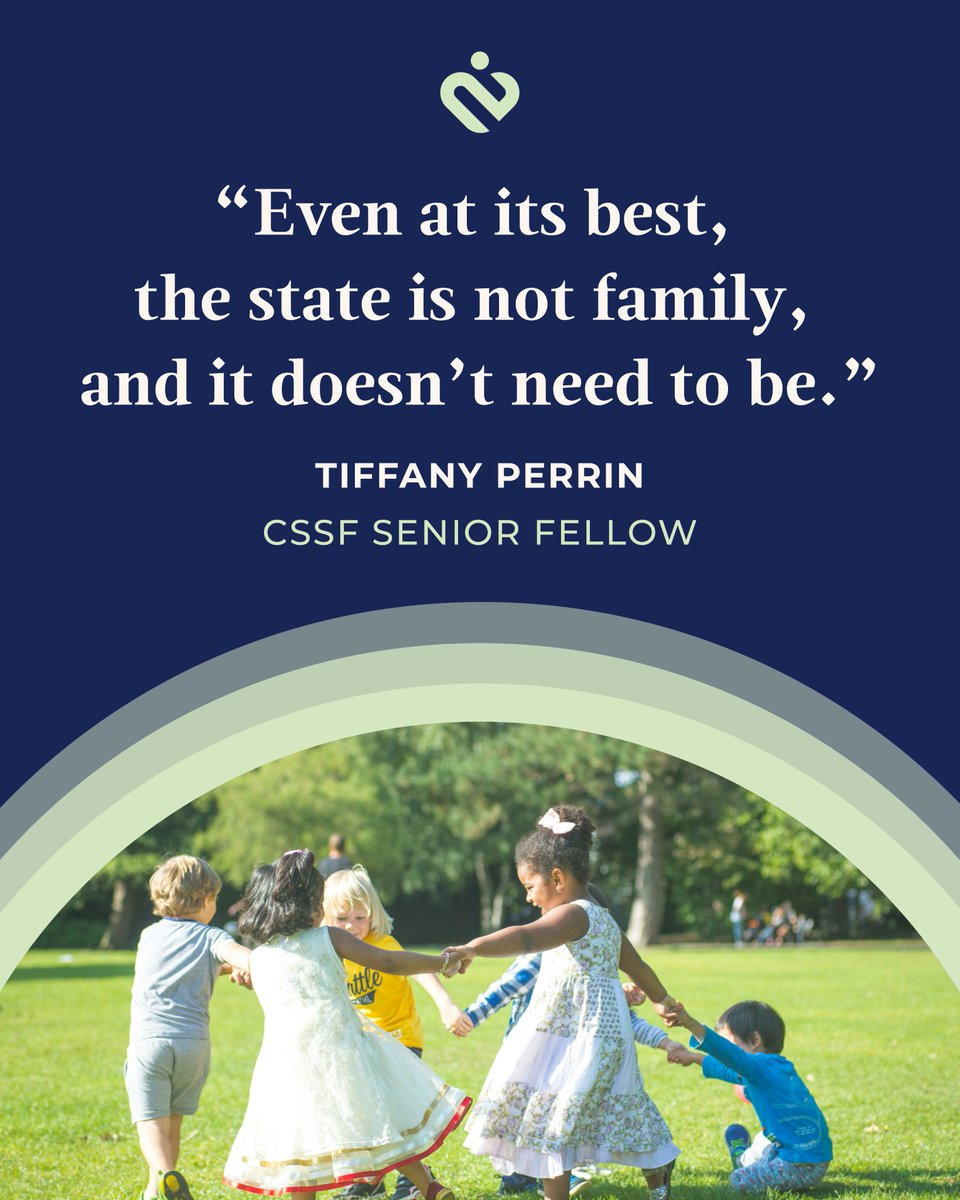

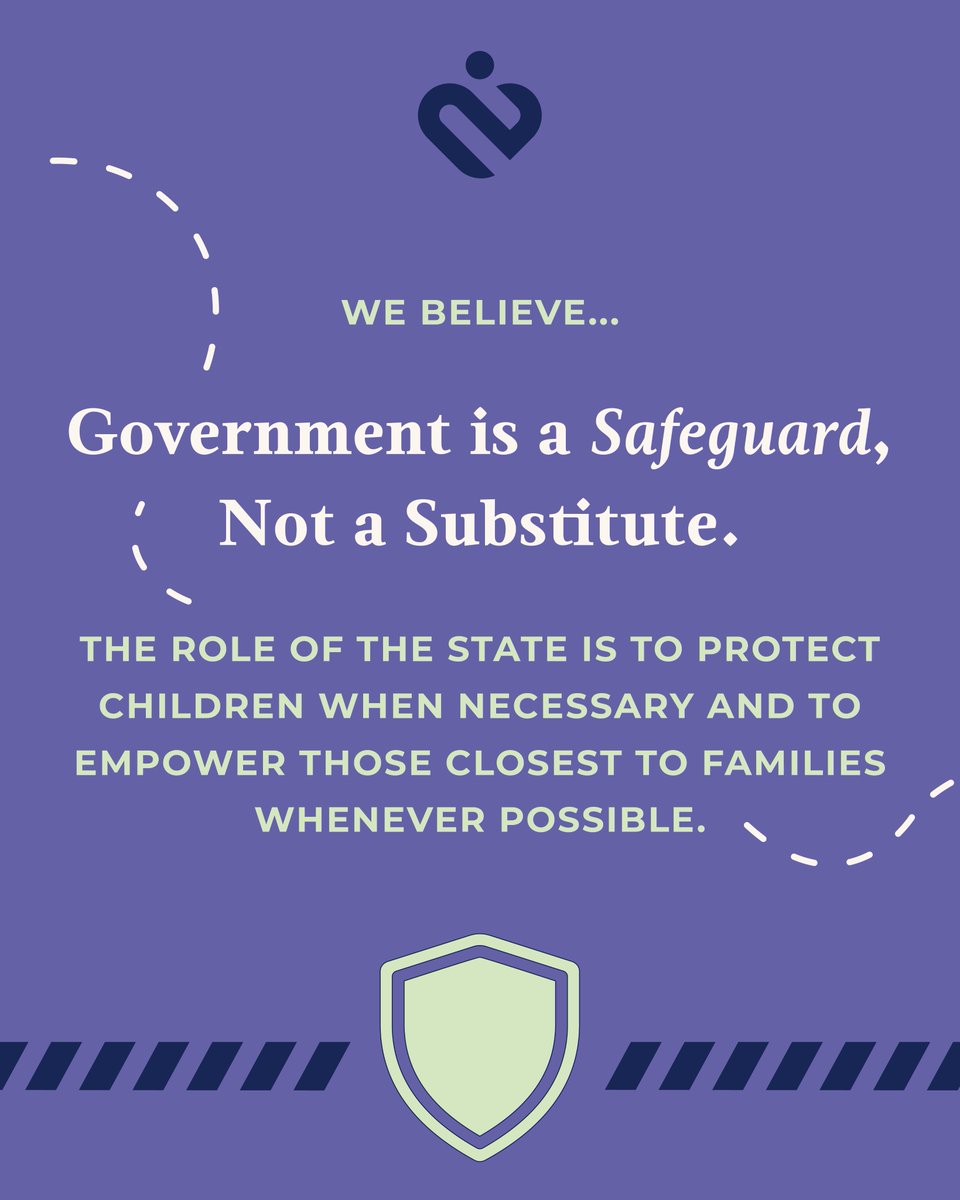
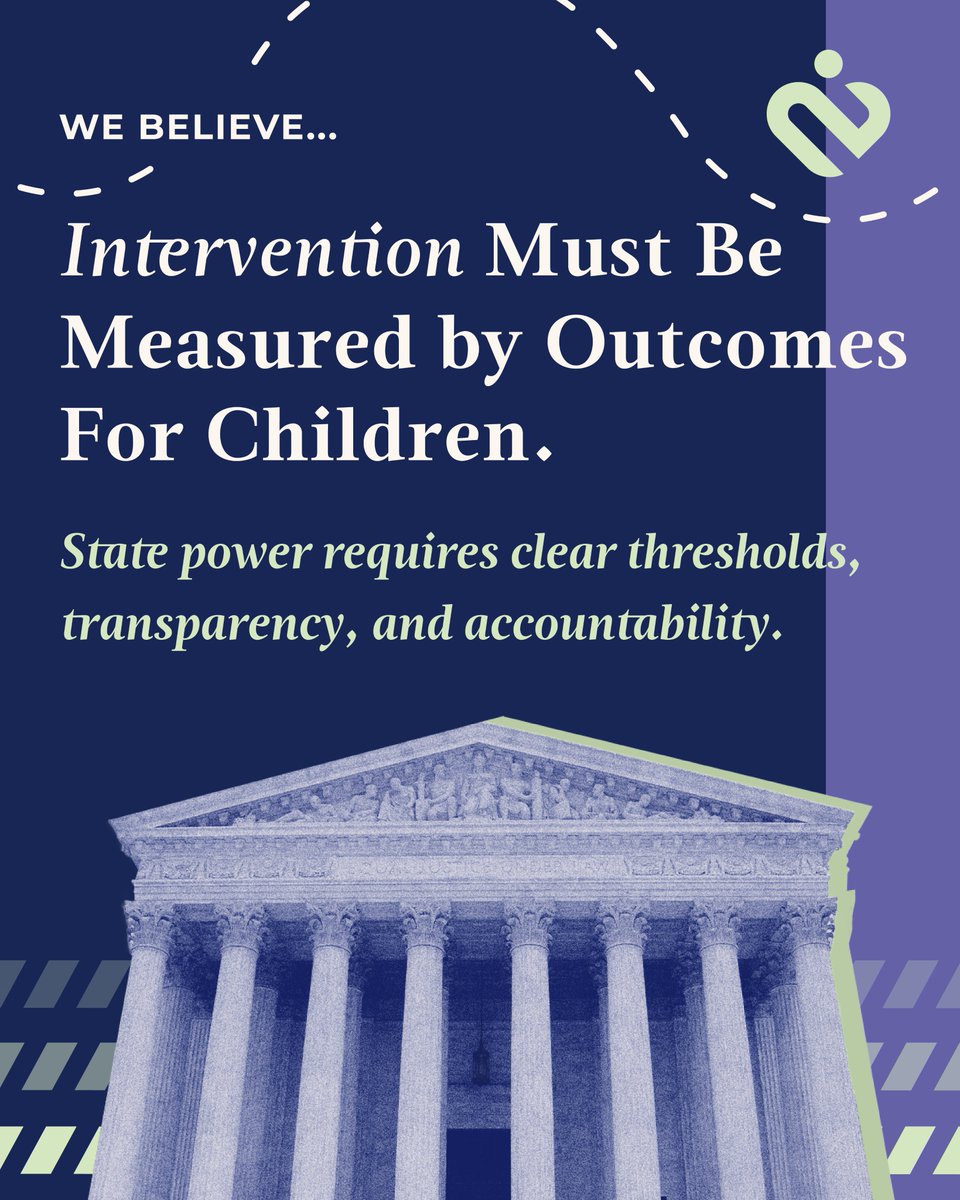


Government should protect children. It was never designed to raise them.
Expecting child welfare systems to substitute for family and community sets up the system (and children) to fail.
🔗freopp.org/oppblog/asking-th…
1
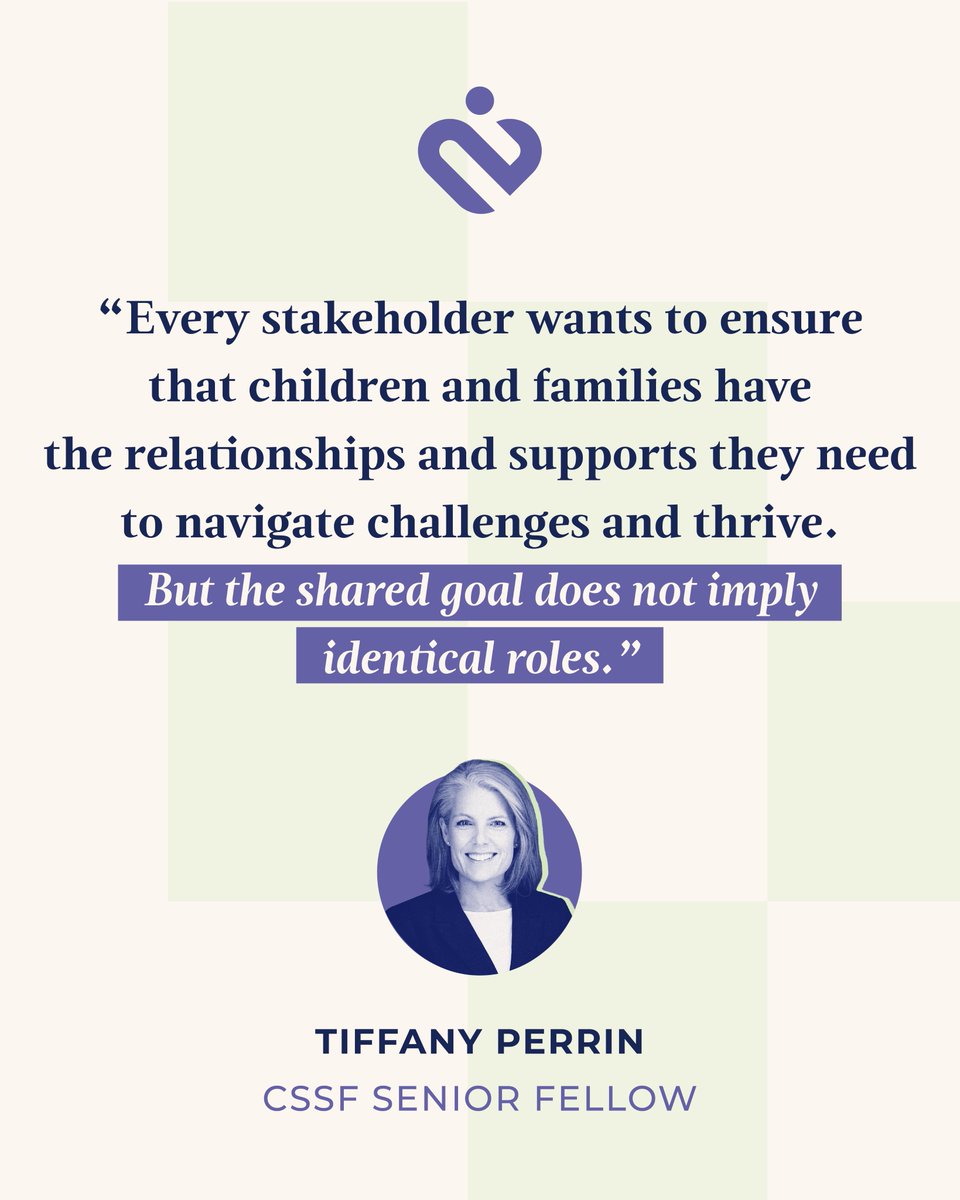
Child welfare agencies, faith communities, and service providers all want children to thrive. But alignment on outcomes doesn't determine who is accountable for what.
CSSF's Tiffany Perrin shares why clarity about roles is critical: freopp.org/oppblog/asking-th…
4
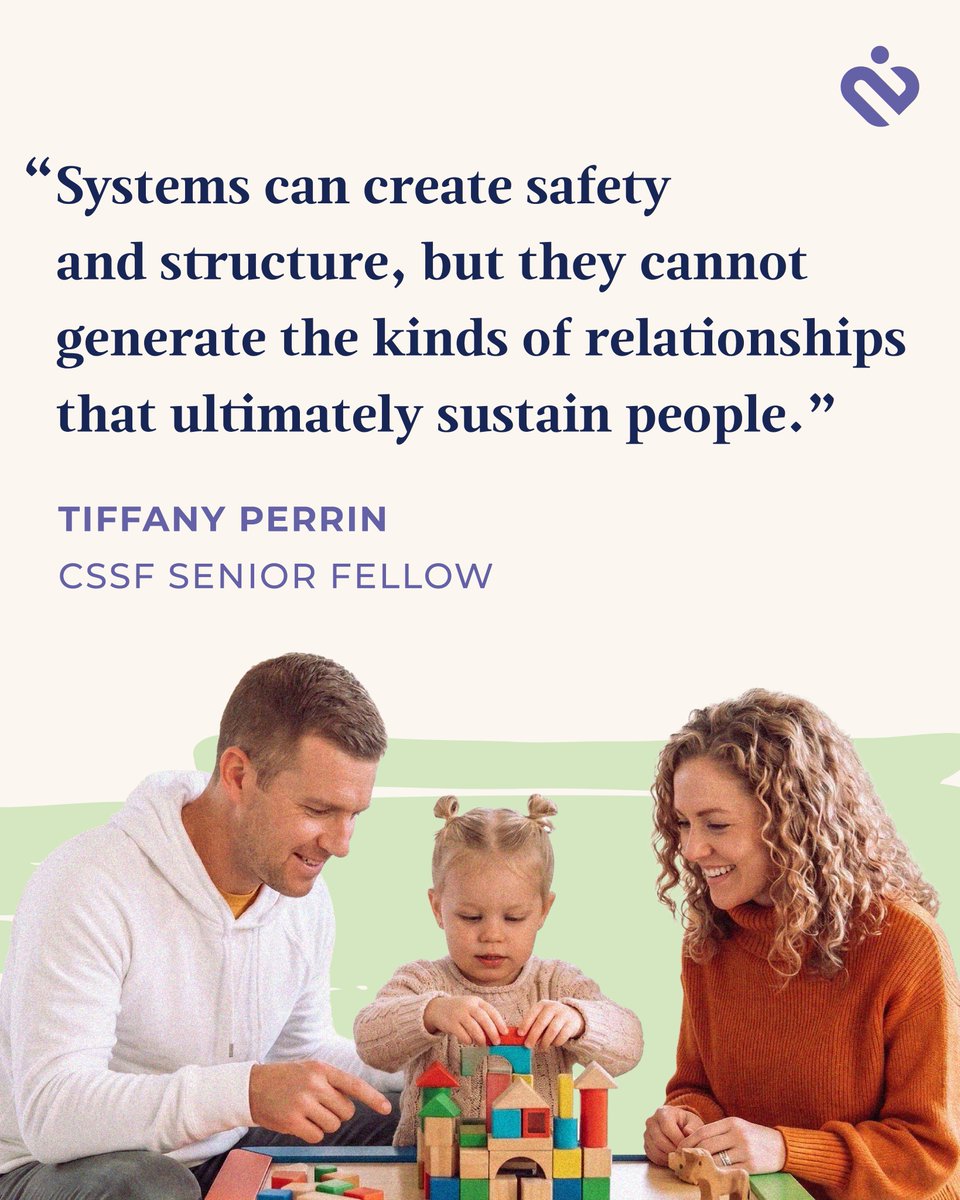
Child welfare is designed to intervene when there is risk of harm, not to serve as the primary vehicle for promoting well-being broadly.
Being clear about who builds relationships, who enables them, and who sustains them deeply matters to families.
1
5
CSSF's Tiffany Perrin: freopp.org/oppblog/asking-th…
5
Child welfare prevention isn't failing for lack of programs. It's failing because those programs operate in silos, with no one seeing the full picture of a family's needs.
freopp.org/oppblog/fragmente…
5
Evidence from Colorado, Idaho, and Pennsylvania shows predictive risk modeling reduces child injuries, fatalities, and future system involvement.
North Carolina has the opportunity to put that knowledge to work.
carolinajournal.com/opinion/…
14
Child welfare agencies are being asked to solve a problem too large to solve alone.
Good intentions don't protect children. Systems do, and building the right systems starts with being honest about what we're asking them to do.
CSSF's @aly_brodsky: freopp.org/oppblog/fragmente…
11
With predictive risk modeling, North Carolina has a chance to honor Dominique Moody's death with a system that recognizes danger before it becomes tragedy.
carolinajournal.com/opinion/…
11
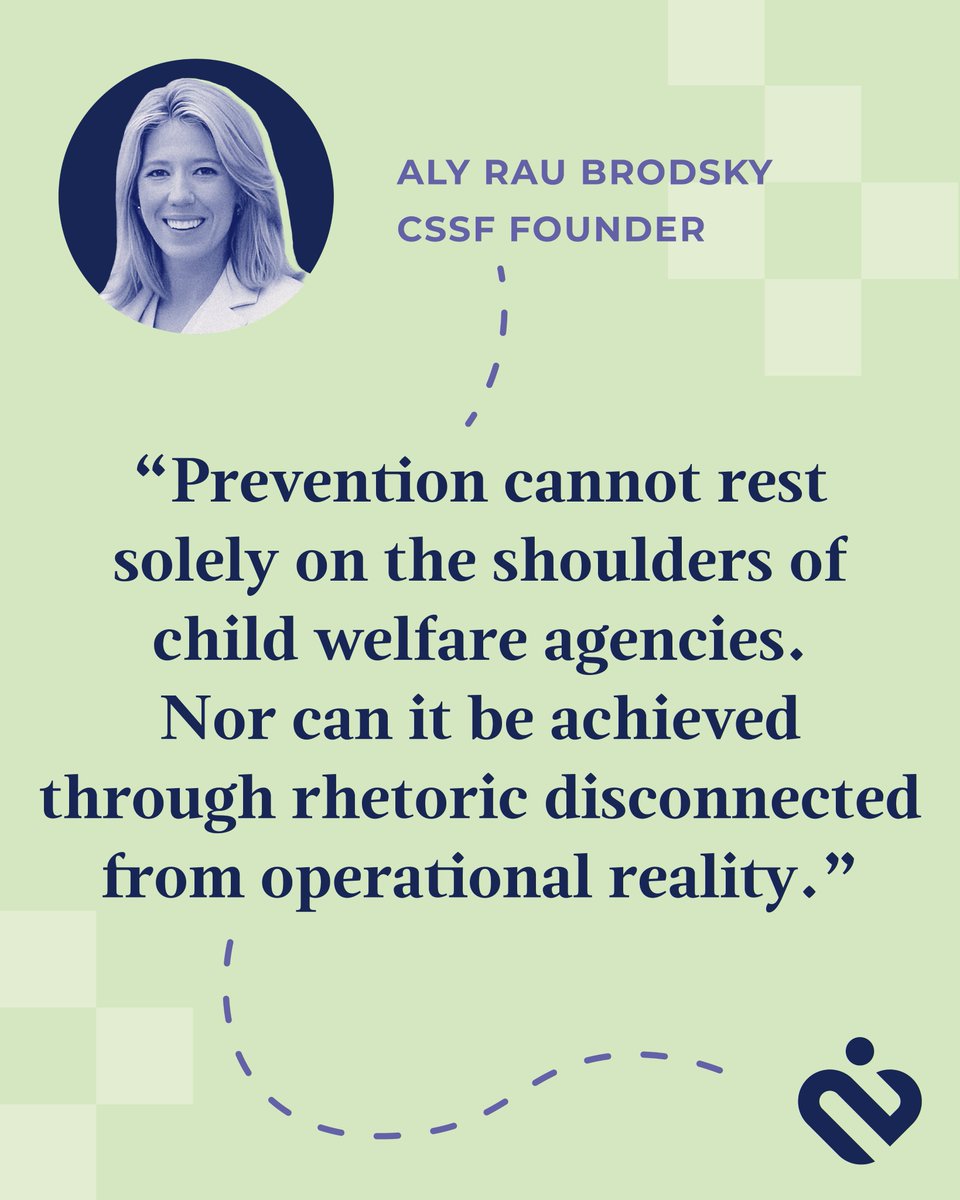
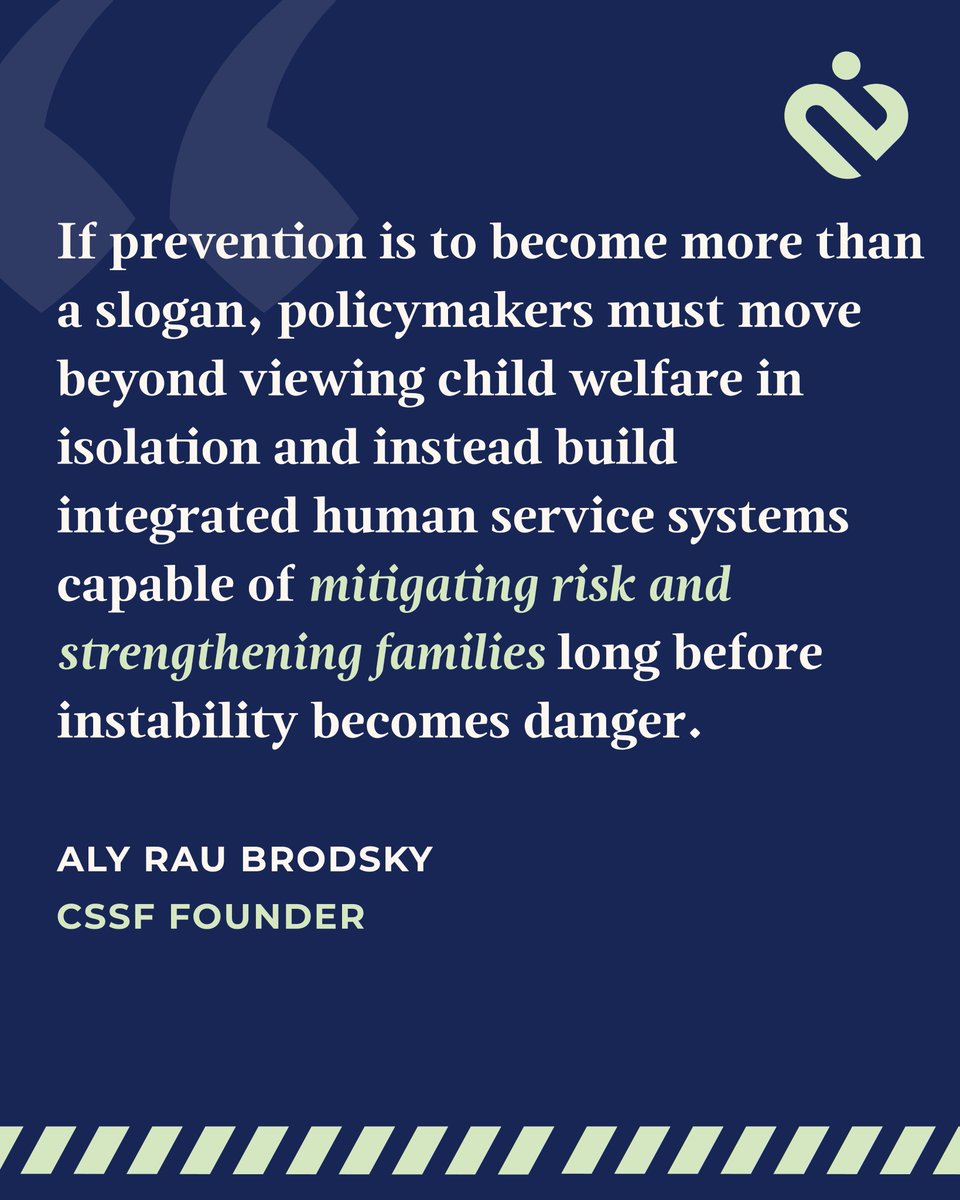
Families don't live siloed lives, but the government responds to their instability through siloed systems.
CSSF's @aly_brodsky on what prevention truly requires.
🔗freopp.org/oppblog/fragmente…
1
1
86
The systems meant to protect Dominique Moody knew she existed, yet they failed to act with urgency.
We cannot keep treating predictable patterns like surprises. North Carolina has the chance to build a better system with predictive risk modeling.
carolinajournal.com/opinion/…
41

1 in 7 children experience abuse or neglect each year. Over 4.4 million reports are received by U.S. hotlines.
The child welfare system knows the scale of the problem. What's missing is the clarity of purpose to solve it.
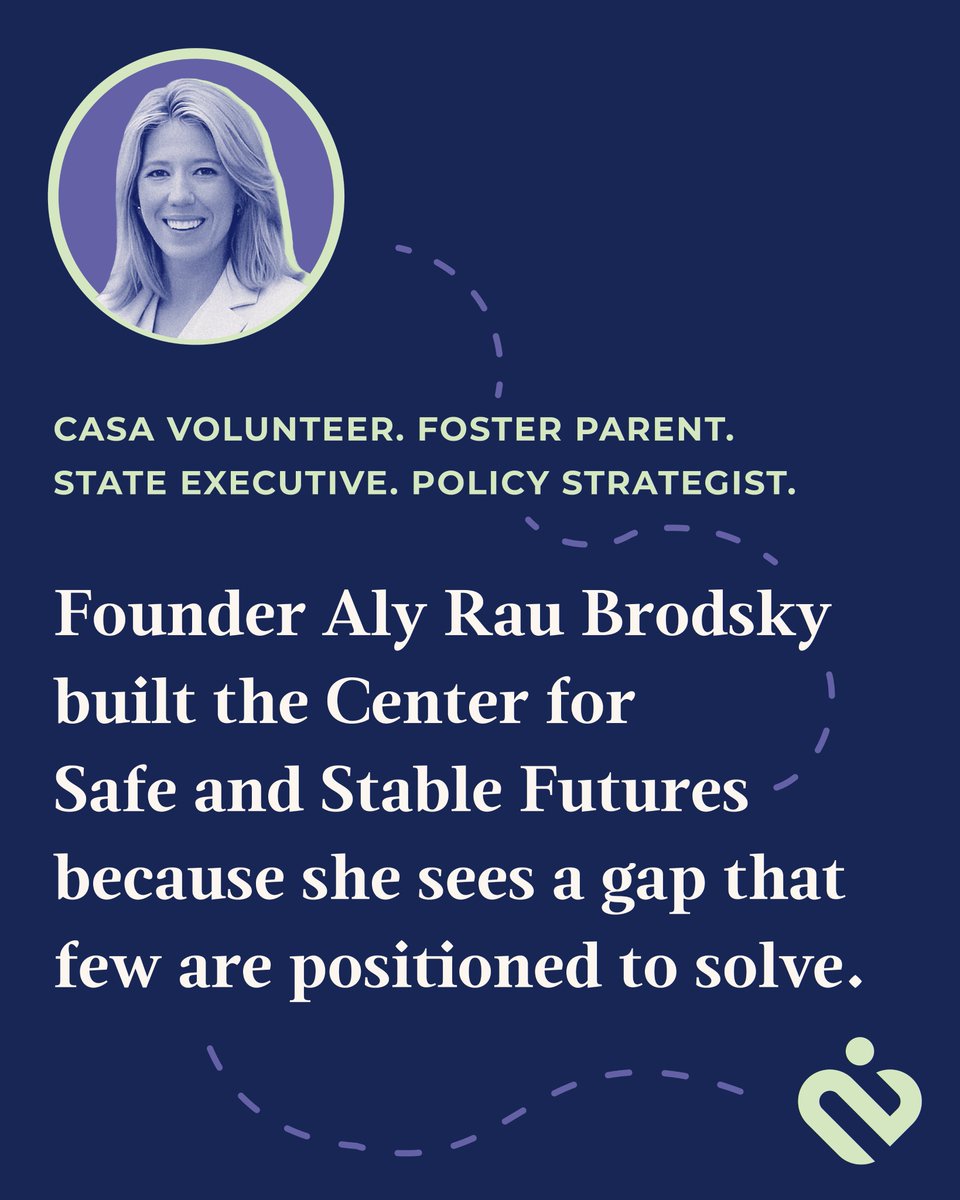
FREOPP's @aly_brodsky created @CSSFutures to change that. Read our latest newsletter to learn more.
freopp.org/newsletter/a-brig…
1
99
Sometimes the most important policy insights begin with a story.
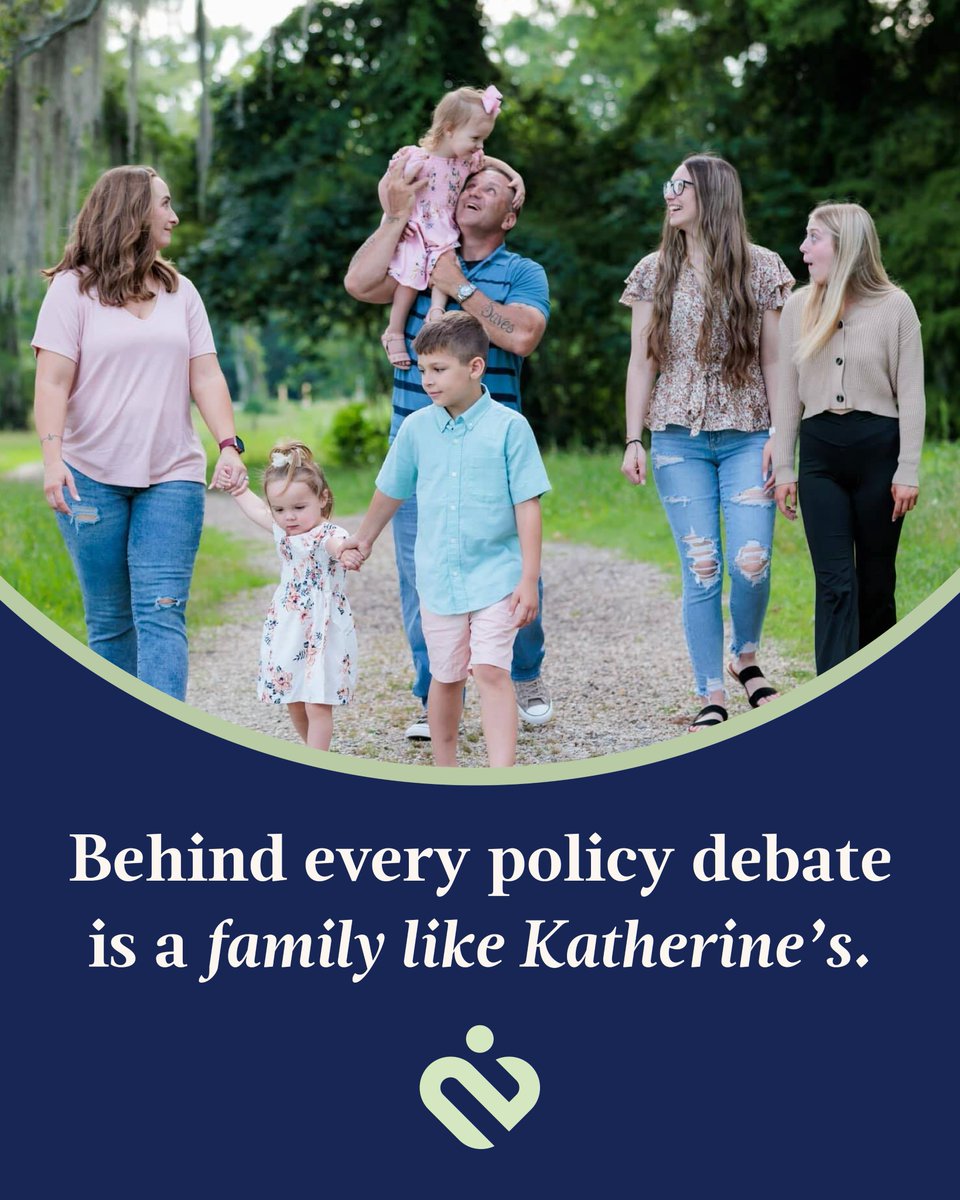
@aly_brodsky writes about Katherine, a mother who fought through addiction and was reunited with her daughters. Their story is a victorious story, one that people rarely see in the headlines.
1
1
300
Listening to the families who experience these systems and to the practitioners building better models can show what it takes to build real pathways for parents in addiction.
Read what Katherine's story means for child welfare policy.
freopp.org/oppblog/katherine…
242
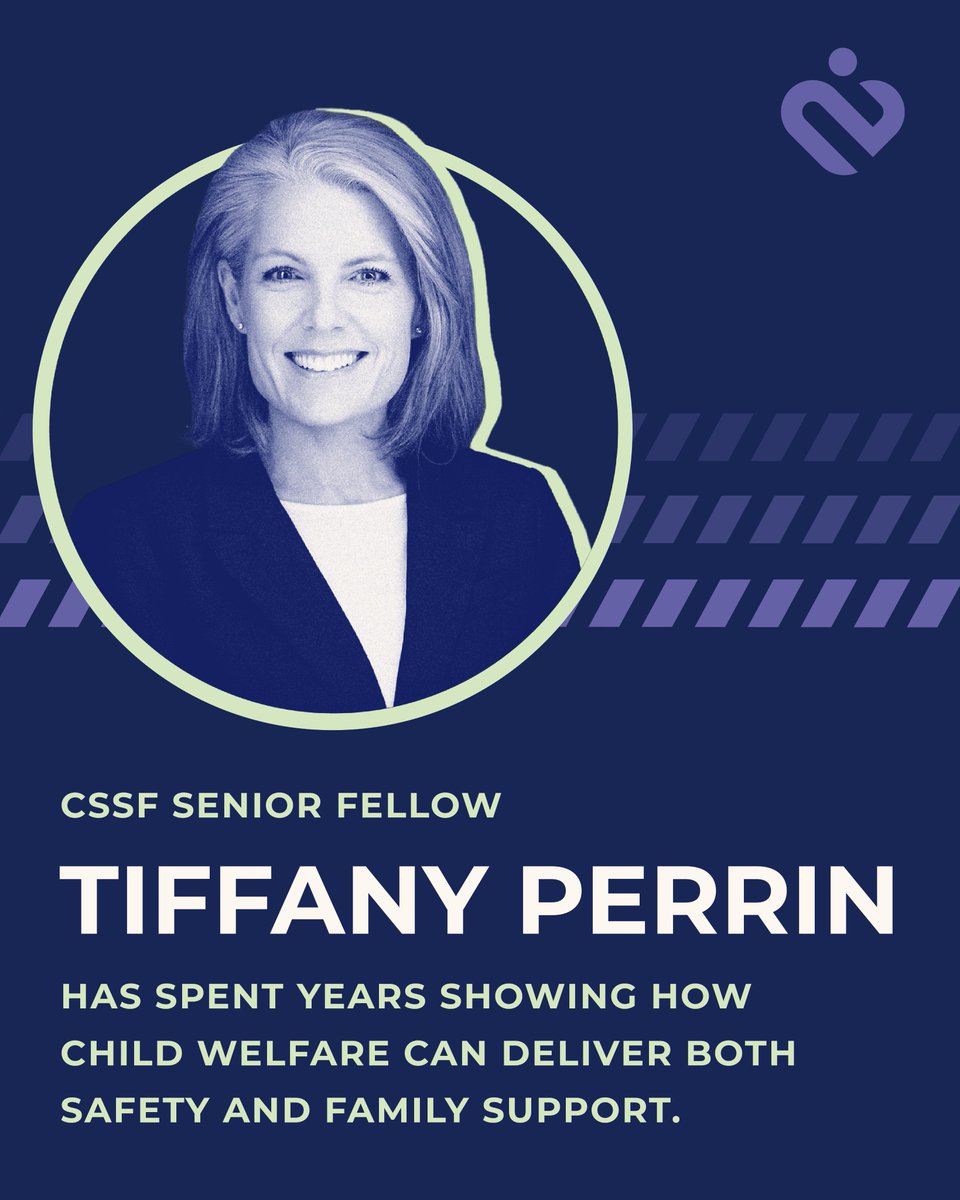
At CSSF, we believe that solving the hardest problems in child welfare requires people deeply committed to improving the lives of vulnerable children and families.
Tiffany Perrin is one of those people, and we're glad she's bringing her rich expertise to our team.
1
1
94
Receive Tiffany's latest research and commentary by subscribing to CSSF's newsletter: confirmsubscription.com/h/y/…
13
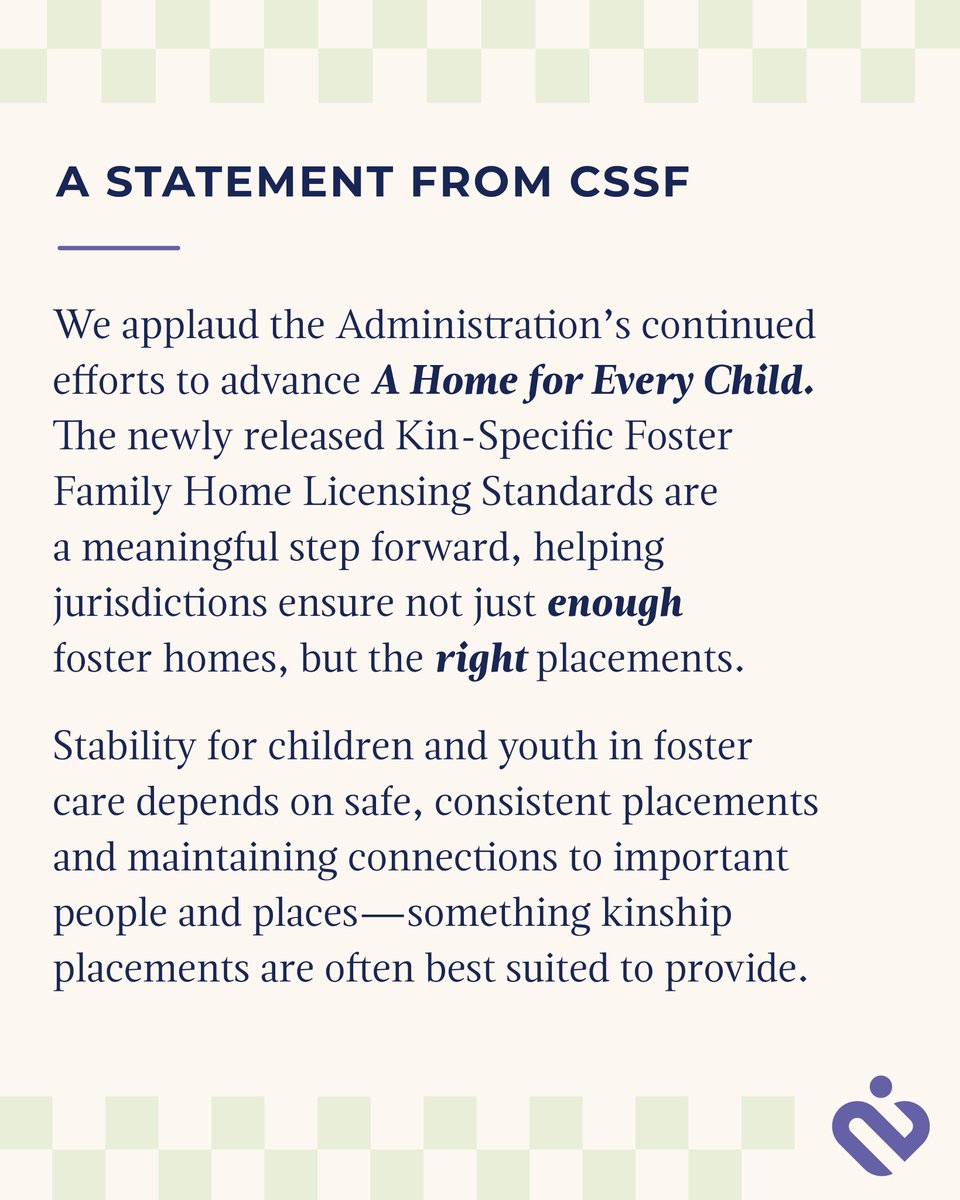
Every delayed placement has a child attached to it.
The new Kin-Specific Foster Family Home Licensing Standards cut unnecessary barriers and move kids into safe, familiar homes faster.
Stability is not a luxury. It is a necessity, and this is a step toward delivering it.
1
119
New legislation, policy shifts, and accountability gaps don't always make headlines.
If you work in this space or care about keeping children safe, subscribing to our newsletter will keep you current: confirmsubscription.com/h/y/…
1
131
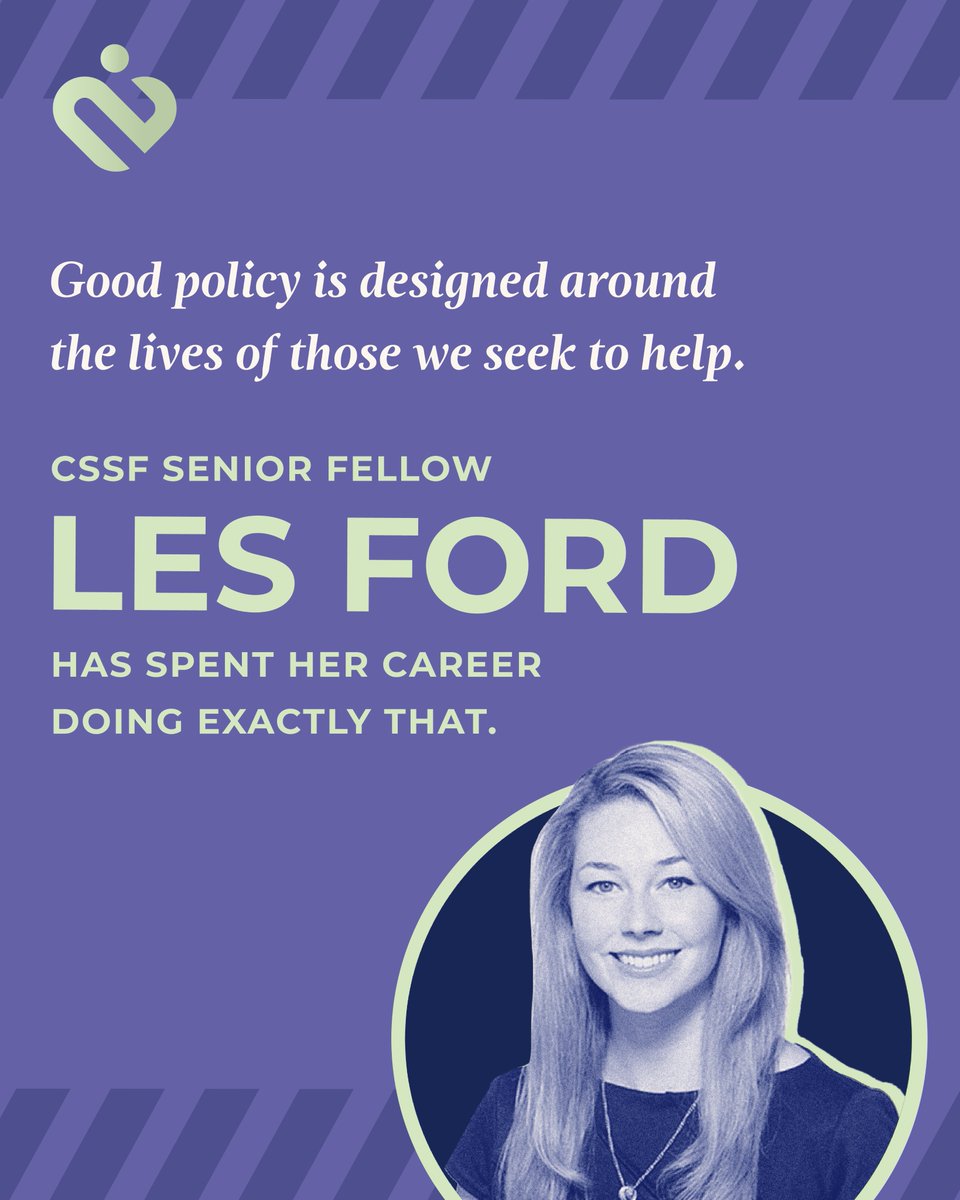
Policy should be designed with children’s safety and families’ stability in mind. From the White House Domestic Policy Council to state-level reform, @Les_A_Ford brings a rare ability to translate principled reform into real systems change.
We're glad she's with us.
1
1
1
115
Receive Les' latest research and commentary by subscribing to CSSF's newsletter: confirmsubscription.com/h/y/…
13
More than a dozen federal child welfare reforms passed by near-unanimous consent between 1980 and 2018.
That bipartisan foundation hasn't disappeared, but the scope of what gets called "child welfare" has expanded dramatically (and not always in ways that help children).
1
1
90
CSSF Senior Fellow Tiffany Perrin examines what it would take to address shortcomings in the child welfare system so that it protects children, supports families, and holds government accountable for both. freopp.org/oppblog/how-child…
1
14
Get Tiffany's latest commentary delivered to your inbox by subscribing to our newsletter: confirmsubscription.com/h/y/…
7