Helping overseas professionals get hired in Japan Strategy | Interviews | Cultural Positioning 🎁 Free Japan Career material from the official LINE↓
Joined June 2020
- Tweets 6,522
- Following 628
- Followers 11,688
- Likes 3,115
2,930 Photos and videos








Pinned Tweet

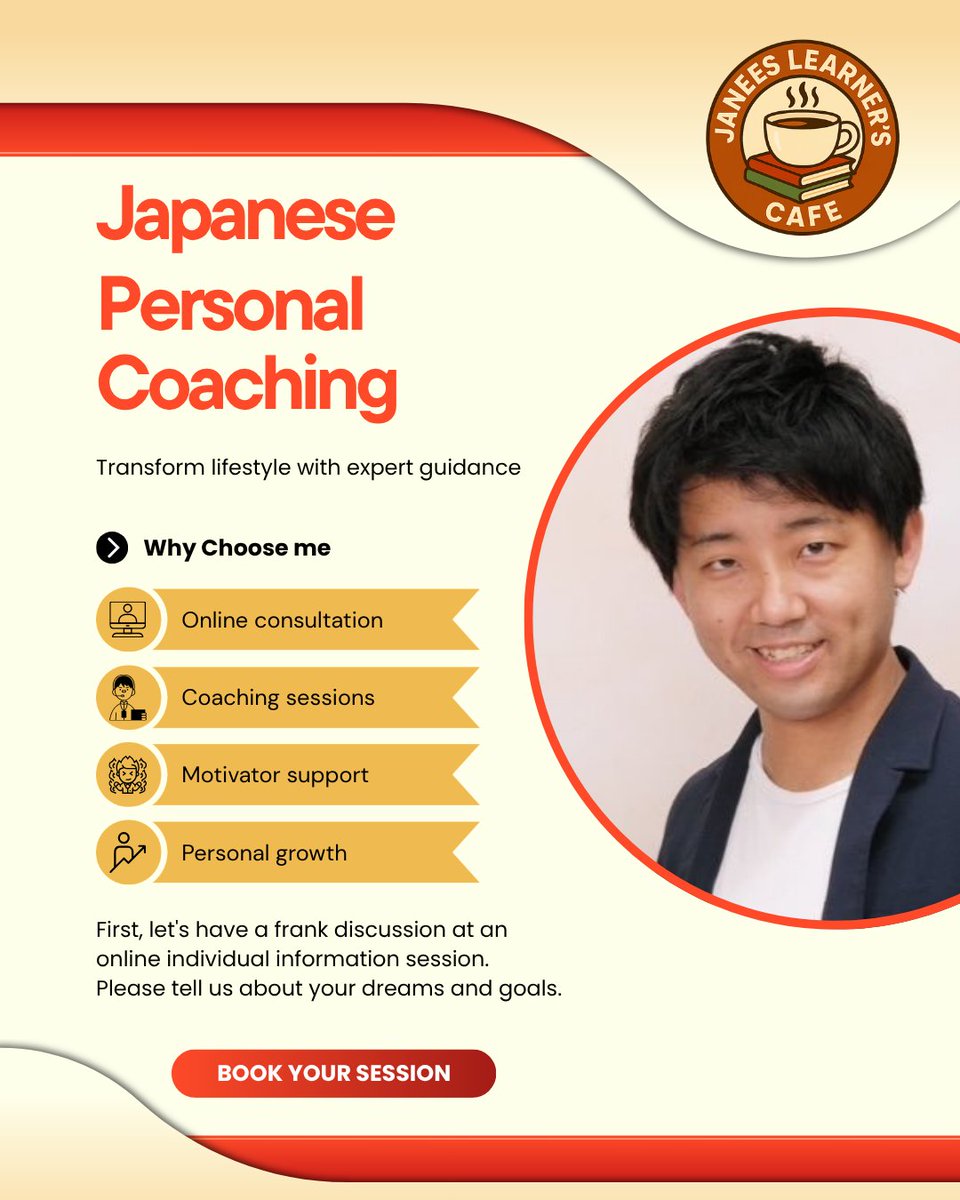
【Notice】
Most international applicants fail Japanese interviews.
Not because of Japanese ability.
But because of strategy.
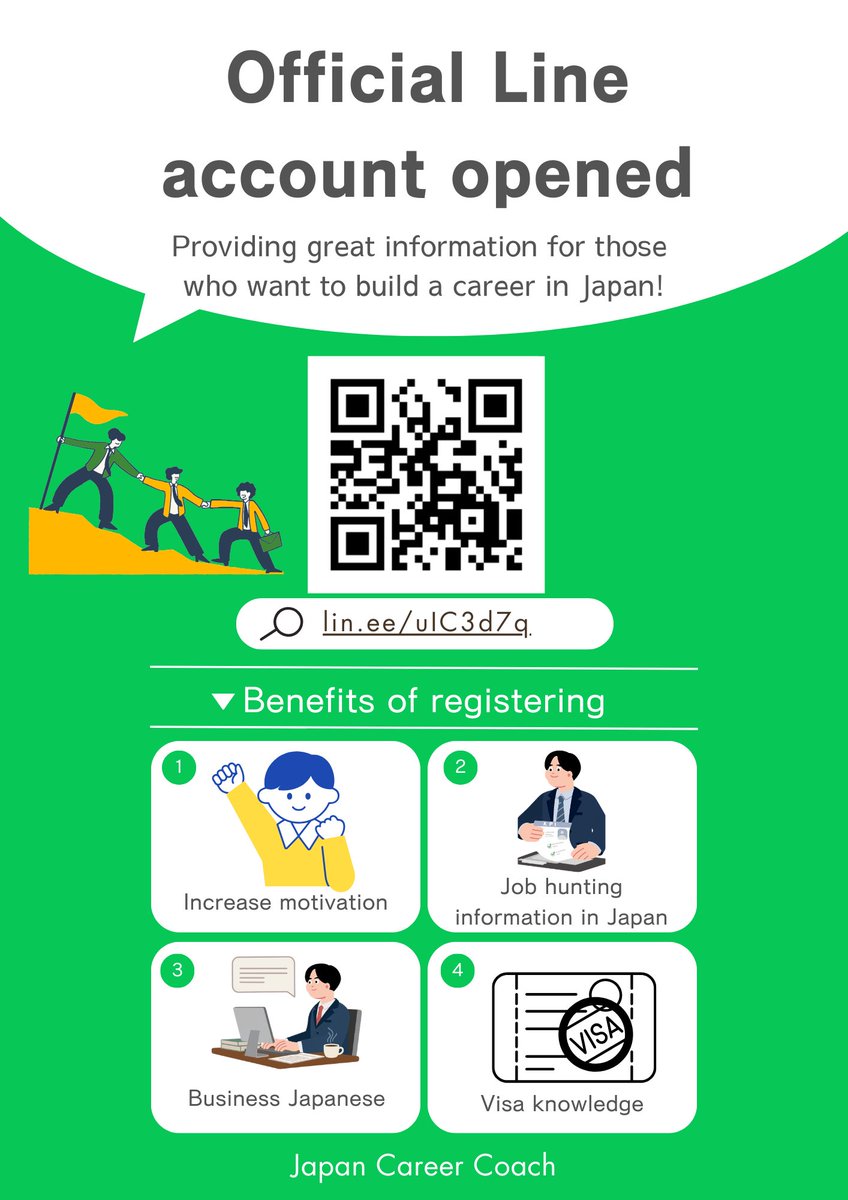
I just opened my official LINE account.
🎁 Free PDF:
“5 Reasons International Applicants Fail at Japanese Interviews”
If you're serious about working in Japan, this is for you.
Free Japan Career Assessment available for selected candidates.
If you're interested, please register in the profile section and receive your gift first 🎁
2
1
37
9,986
I'm offering 5 free consultation sessions this month.
For people who:
🇯🇵 Want to improve their Japanese seriously
💼 Want to work in Japan
🎯 Need a clear study or career plan
🗣 Want to speak Japanese more confidently
📈 Feel stuck in their Japanese learning journey
Topics:
✅ Japanese study strategy
✅ JLPT preparation
✅ Business Japanese
✅ Career planning in Japan
✅ Job hunting and interviews
If you're interested, please make your reservation via the URL below.
calendly.com/sueyan-dag/30mi…
1
4
420
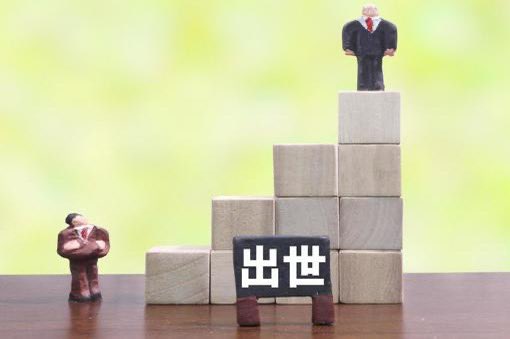
Getting a job in Japan as a foreigner is hard.
Getting promoted is harder.
Here’s what actually moves the needle.
Most foreigners plateau at the same level for years.
Not because of ability.
Because of visibility.
In Japanese companies, promotion isn’t just performance-based.
It’s seniority. Relationships. Trust built over time.
And for foreigners — one more thing:
Proving you’re not leaving.
What actually helps:
✅ Vocal commitment to long-term presence in Japan
✅ Building relationships outside your immediate team
✅ Taking on visible projects — not just reliable background work
✅ Mentioning career goals in Japan explicitly to your manager
Your manager needs to believe investing in you makes sense.
Give them the evidence.
10
704
Many Japanese learners have the same problem.
They study for years.
They pass the JLPT.
They know grammar.
But when a Japanese person asks a simple question...
Their mind goes blank.
The problem isn't intelligence.
The problem is that language learning and communication are not the same thing.
If your goal is to actually speak Japanese in real life, stop focusing only on textbooks.
Start practicing communication.
What is your biggest challenge in speaking Japanese?
2
1
31
2,594
Every new employee in Japan hears this on day one:
“分からないことは何でも聞いてね” — “Feel free to ask anything you don’t understand!”
Sounds welcoming. And most Japanese colleagues genuinely mean it.
But new foreign employees still hesitate because:
• Hard to judge the right timing to interrupt
• Not sure if the question is “too basic”
• Worried about asking the same thing twice
• The quiet focused atmosphere feels like a signal not to disturb
• Cultural background where asking = showing weakness
So they sit there Googling and guessing instead of just asking.
Then make an avoidable mistake and get told “you should’ve just asked earlier.”
The real issue isn’t that colleagues are unapproachable. It’s that foreigners haven’t learned WHEN and HOW to ask in a Japanese workplace context.
“教えていただけますか?” with good timing goes a long way.
Most Japanese colleagues are actually patient and willing to help — especially if you’ve genuinely tried first.
#WorkingInJapan #OfficeLife #JapaneseWorkCulture #NewEmployee #CulturalDifferences #CorporateJapan
1
34
3,422
One of the most important skills in Japan job hunting:
Reading a company’s culture before you join.
Because once you’re in, leaving early damages your resume here.
社風 (shafuu) — company culture/atmosphere.
📌 Check 口コミ sites like OpenWork
📌 Ask specific questions in interviews (“How does the team typically communicate?”)
📌 Notice how staff treat each other in the waiting area
📌 Ask what happened to the person who previously held this role
The company you join shapes everything.
Do the research before you sign.
15
1,408
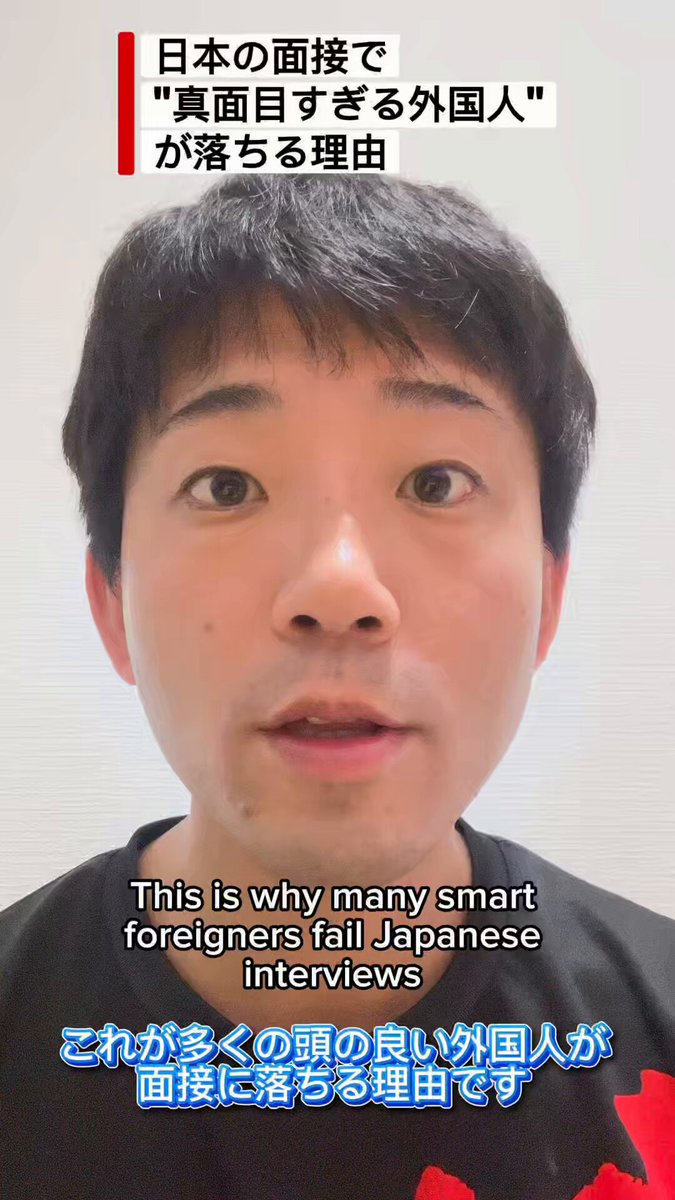
Why do smart foreigners fail Japanese interviews?
Japanese companies aren't just evaluating skills.
They're asking: "Can we actually work with this person?"
What they look for:
→ Humility
→ Team compatibility
→ How you communicate — not just what you say
Too confident = cold.
Too direct = difficult.
Too logical = not a team player.
Understanding this changes everything.
Follow me for real Japanese career advice.
21
1,053
“Why do you want to work in Japan?”
Every foreigner gets this question.
Most give the wrong answer.
Wrong answers:
❌ “I love Japanese culture.”
❌ “I’ve always been interested in Japan.”
❌ “I want to experience living here.”
These aren’t bad feelings. They’re just not professional answers.
What interviewers are actually asking:
“Are you serious about a long-term career here?
Or will you leave in two years when it gets hard?”
Right answer structure:
✅ Your professional reason for choosing Japan
✅ Why this industry/company fits that goal
✅ What you bring that’s specific to this market
Make it about your career trajectory.
1
9
94
7,876
Japanese workplace communication has hidden meanings everywhere.
When a coworker or boss approaches and says:
忙しいですか? (isogashii desu ka?)
“Are you busy?”
That is NOT small talk.
That is: “I have work for you and I’m about to ask you to do it.”
Wrong answer is “Yes, super busy right now!” thinking they’ll leave you alone.
They won’t. They’ll say “そうですか、でも少しお願いしたいことがあって…” and assign it anyway 😅
Right move is “何でしょうか?” (What is it?) and just hear them out.
Other phrases with hidden meanings:
• “ちょっといい?” = I need significant chunk of your time
• “確認なんですが…” = I found a mistake
• “相談があるんですが” = serious conversation incoming
Japanese communication is like an iceberg. The actual words are just the surface.
Learn the subtext and suddenly everything makes sense.
#WorkingInJapan #JapaneseCommunication #OfficeLife #CorporateJapan #HiddenMeaning #CulturalDifferences
2
9
47
3,551
Japanese interviews have an unwritten rulebook.
Nobody hands it to you.
But breaking any of these rules — even once — can cost you the offer.
Before you even sit down:
✅ Arrive 10 minutes early (not 2, not 15)
✅ Turn your phone off — not silent. Off.
✅ Knock exactly 3 times before entering
✅ Both hands on your resume when you hand it over
During the interview:
Sit up straight. Don’t cross your arms.
Wait to be invited before sitting down.
Bow when you enter and when you leave.
These details seem small.
To a Japanese hiring manager, they signal everything.
Cultural awareness. Preparation. Respect.
You can have the best answers in the room.
But if the basics are off, the impression is already set.
9
125
10,797
I met with a Hong Kong business owner who takes my monthly Japanese career coaching sessions at a cafe today.
We're practicing practical Japanese communication while understanding the differences between Japanese and Hong Kong business cultures.
I'm always impressed by people who grow quickly, like her—they're incredibly eager and can immediately put what they've learned into practice😌
1
6
614
"Please introduce yourself."The first thing you do in almost every Japanese interview.And the first place most foreign candidates quietly lose the room.Not with bad answers. With too many of them.
1/ Most people treat 自己紹介 as a summary — trying to cover as much ground as possible before the questions start. This is the wrong mental model. Your introduction isn't a summary. It's an opening. Its job is to create one clear professional impression in under 75 seconds.
2/ The three patterns that kill introductions: → Too long (3–5 minutes of life history) → No thread (jumping between unrelated topics) → Personal instead of professional ("I love Japan" vs. "I've built my career around X") All three share the same root problem: answering the wrong question.
3/ The structure that works: Greeting Name → Current background → Relevant experience → Core strength → Why you're here → Clean close. Six parts. 60–75 seconds. One clear professional identity.
4/ The test: after your introduction, can the interviewer answer "who is this person professionally and why are they here?" in one sentence? If not — it needs more focus, not more content.
5/ Full guide — complete before/after examples, 4 mini exercises, and the most common mistakes with exact fixes — is live now as a free Patreon post.
Link in bio.Your intro sets the tone for everything that follows. Get it right.#WorkInJapan #JapanInterview #自己紹介 #JapanCareer #ForeignersInJapan #InterviewTips #JobHuntingJapan
patreon.com/posts/how-to-int…
2
11
748
Japanese has this one phrase that does literally everything at work:
お疲れ様です (otsukaresama desu)
Technically means “you must be tired” but functions as:
• Good morning (when passing a coworker)
• Hello (on the phone)
• Acknowledged (in reply to a message)
• Good job (after finishing something)
• Goodbye (when leaving)
• Thank you for your hard work (end of day)
Basically any workplace interaction can start or end with this phrase.
First week at a Japanese company foreigners think “why does everyone keep saying they’re tired?”
The closest English equivalent would be… nothing. We just don’t have a single phrase that covers every social workplace interaction.
It’s genuinely one of the most useful phrases you’ll ever learn.
#WorkingInJapan #JapaneseWorkCulture #OtsukareSamaDes #BusinessJapanese #JapaneseLearning #OfficeLife
6
34
1,703
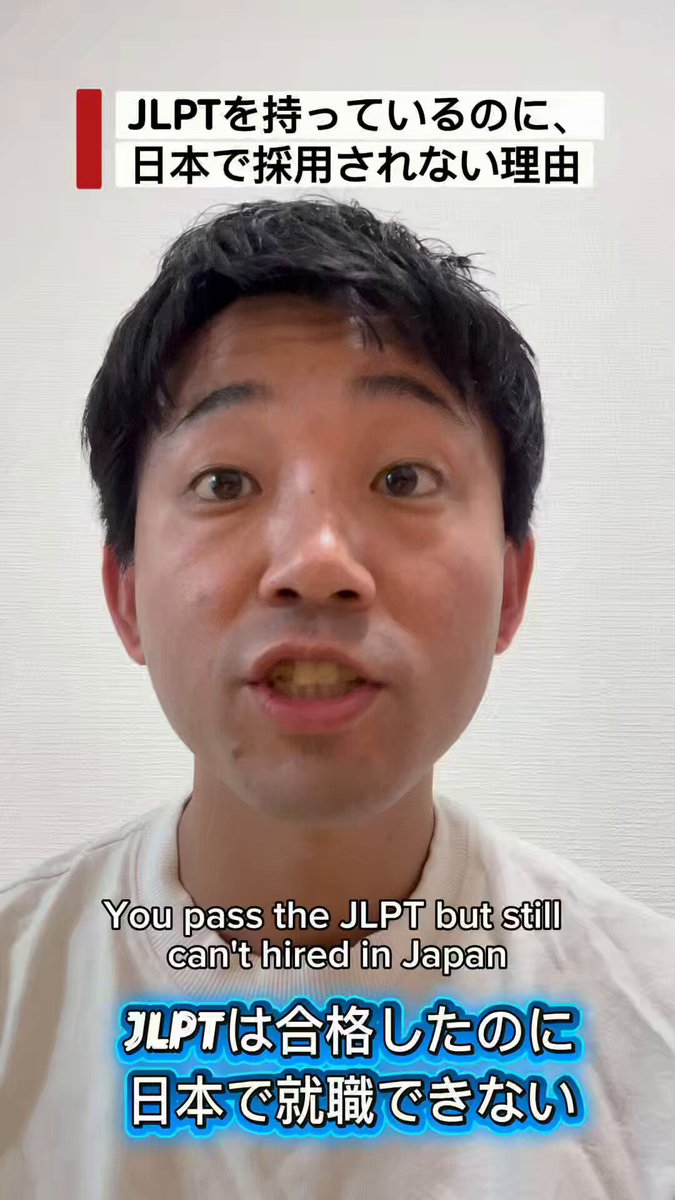
You studied for years.
You passed N2. Maybe even N1.
And you still can't get hired in Japan.
That's not a language problem.
That's a communication problem.
Japanese interviews don't just test your Japanese.
They test how you think, how you present yourself, and whether you understand the room.
Nobody teaches foreigners this part.
Follow me — I do.
#WorkInJapan #JapaneseInterview #LearnJapanese #JLPT
11
608
Seven things nobody tells you before you build a career in Japan.
Overtime culture. Salary negotiation. Types of contracts.
Building relationships. Language and career preparation. Side hustles.
All of these have troubled talented and capable foreigners.
It wasn't because they lacked ability.
It was because nobody gave them the roadmap.
What I want to convey here is precisely that roadmap. I will write articles on each topic.
I have a question for you.
What is the biggest challenge in your career plan in Japan right now?
Please write your answer in the comments section.
If a particular topic is frequently mentioned, I plan to write articles on it.
1
12
975
One thing nobody teaches you before working in Japan:
Leaving the office requires a whole ritual.
You say お先に失礼します (osaki ni shitsurei shimasu) — “excuse me for leaving before you” — to everyone still working.
Sounds simple. But the TIMING is stressful.
Do you say it to your immediate team only? The whole floor? Do you stand up and announce it? Walk around individually? Just say it loudly from your desk?
And what if your boss is deep in concentration? Do you interrupt? Just slip out quietly?
Then there’s the pressure of when to leave. Even if your work is done, leaving “too early” feels wrong. You watch the clock. Watch your boss. Calculate the least awkward exit window.
Meanwhile colleagues respond with お疲れ様でした (otsukaresama deshita) without even looking up.
Many Japanese employees, especially younger ones struggle with these issues, but once you've finished your work, just go home!
#WorkingInJapan #OfficeEtiquette #JapaneseWorkCulture #CorporateJapan #NewEmployee #CulturalDifferences
1
4
61
5,843
I'm getting a steady stream of online consultation bookings.
I'm aiming for around 4 people per group, so if you're even slightly interested, please join our free consultation session.
I look forward to seeing you! ☺️

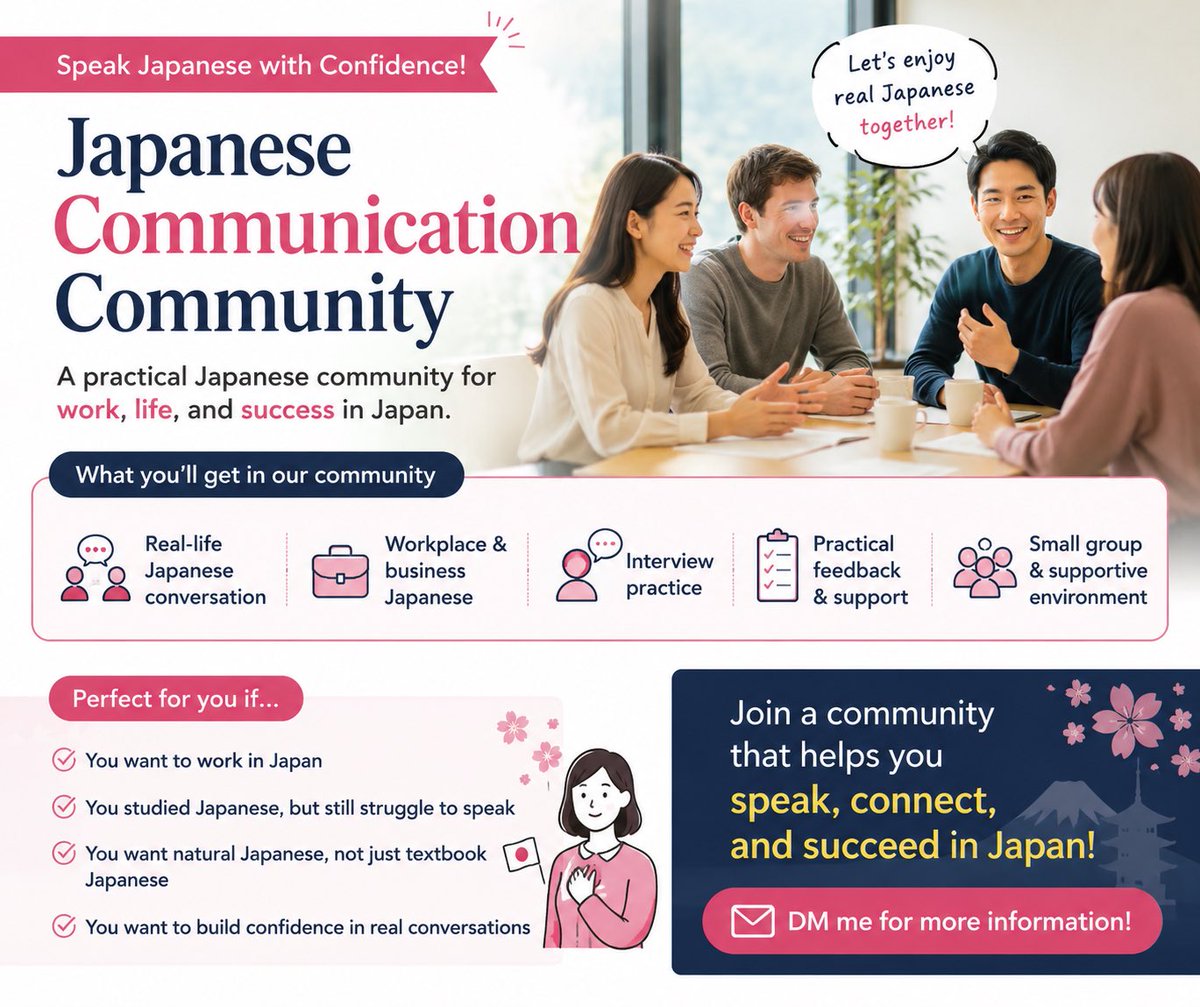
There are many free Japanese conversation groups online.
But many learners still feel:
“I can study Japanese… but I still can’t communicate naturally.”
Why?
Because real communication needs:
•Feedback
•Practice
•Consistency
•Real-world situations
•A supportive environment
That’s why I’m building a Japanese Communication Community focused on REAL Japanese for work, life, and confidence in Japan.
Not just random conversation.
Practical communication that helps you actually live and work in Japan.
Small group sessions.
Practical speaking.
It's just 40USD per month for one 60-minute session per week.
DM me if you want to join the first members group 🇯🇵
5
446
Can you do side work while employed in Japan?
This one has a lot of grey area. Let’s break it down.
Traditionally, Japanese companies expected total loyalty.
副業 (fukugyou) — side jobs — were often explicitly banned in employment contracts.
That’s changing.
Since 2018, the Japanese government has been actively encouraging companies to allow 副業.
Many startups and foreign-affiliated companies now permit it.
But here’s what foreigners specifically need to know:
Your work visa is tied to your primary employer.
Side income from unauthorized work can create visa complications.
Always check your contract and your visa conditions before starting anything.
The opportunity is real.
The risk of doing it wrong is also real.
2
17
1,315
Japanese business emails have this phrase that stumps almost every foreigner:
ご査収ください
(go-sashuu kudasai)
Literal translation is“Please examine and receive”
Real meaning is“Please check the attached documents”
You’ll see it constantly:
• After attaching invoices
• Sending contracts
• Submitting reports
• Any email with important documents
It’s basically a formal way of saying “please review what I’ve sent you carefully.”
Other phrases in the same “textbook never taught me this” category:
• お世話になっております
• 取り急ぎご連絡まで
• 何卒よろしくお願いいたします
#BusinessJapanese #JapaneseEmail #WorkingInJapan #Keigo #JapaneseLearning #JLPT
5
60
2,669
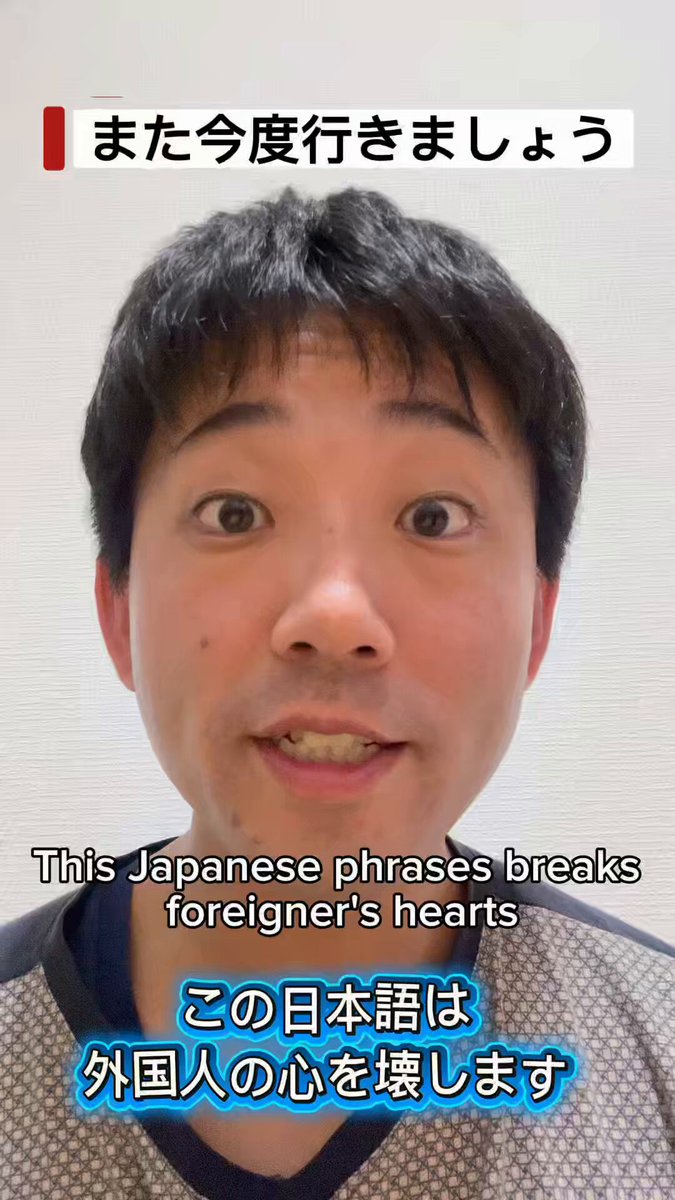
"また今度行きましょう" — learn what this REALLY means.
Literal translation: "Let's go next time!"
Actual meaning: often a soft, permanent no.
Japanese communication avoids direct rejection.
Instead of "I don't want to," they say "maybe later."
And later never comes.
Language is only half of it.
Culture is the other half.
Follow for real Japanese communication explained simply.
#LearnJapanese #JapaneseCulture #WorkInJapan #JLPT #RealJapanese
1
5
42
1,411