
Joined August 2024
- Tweets 1,741
- Following 1,548
- Followers 703
- Likes 12,944
6 Photos and videos





Cal Wellstead retweeted

I understand that over 200 Russian shadow fleet ships have transited the English Channel since Keir Starmer said he’d stop them.
He hits a political crisis if his own making over his failure to fund the nation’s defence adequately and, all of a sudden he decides to act all tough.
Where is the funding Prime Minister?
48
229
849
10,177
Cal Wellstead retweeted

A huge well done to everyone who made it into Liverpool today!!!
Jun 13

🚨BREAKING: Thousands of patriots take-over the streets of Liverpool today
The fight back is on! 🏴
377
5,026
23,386
222,331
Cal Wellstead retweeted

Jun 13
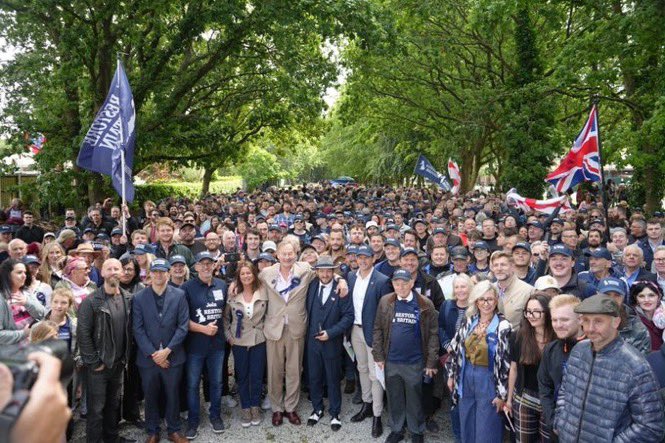
I have never seen anything like the @RestoreBritain campaigning event this morning. Over a thousand people turned up to knock on doors and hand out leaflets. I am in shock at the numbers, the energy and the passion. Something special is happening.
264
2,069
9,679
88,448
Cal Wellstead retweeted

Jun 13
Respect is not a one-way street
Jun 12

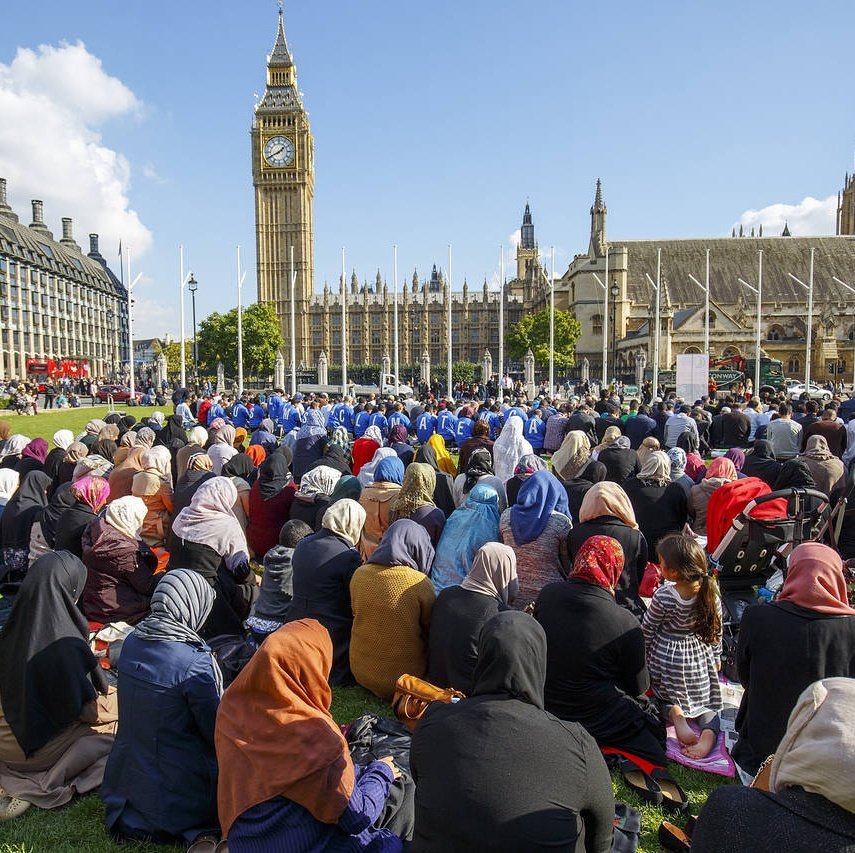
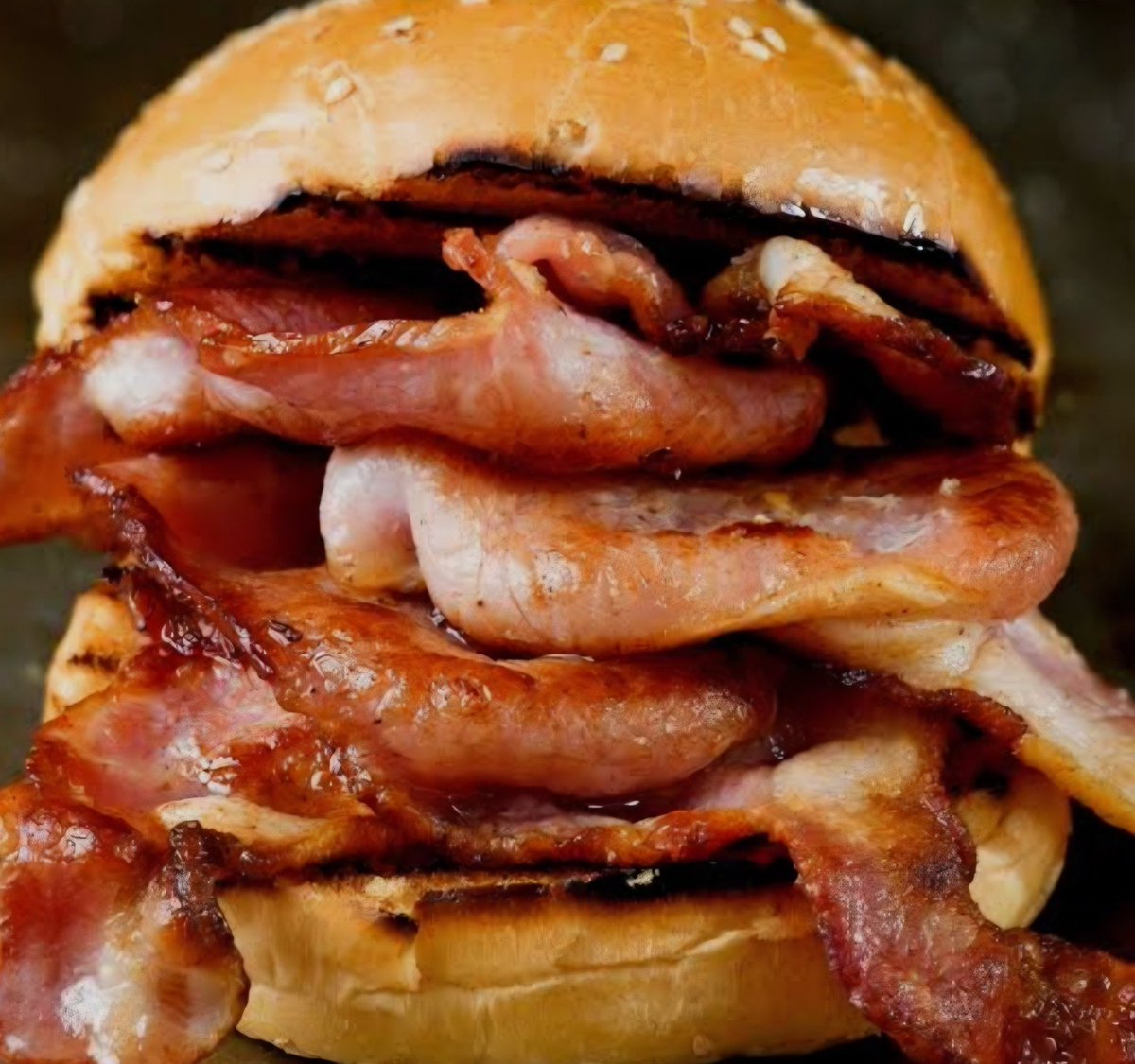
Muslims in the UK are calling for a BAN of people eating Bacon in public during Praying hours.
They argue that seeing people eating Bacon is untidy to their faith.
What's your message to them?
930
2,756
25,234
508,780
Cal Wellstead retweeted

The sustained attacks on Restore Britain by the MSM led by the Daily Mail tells you all you need to know about the way the Uniparty is panicking over the Makerfield by-election. Makerfield is just the launch pad for a national movement through Restore Britain to wrestle control of our country back from the ‘useless eliters’ who have had control for far too long and they know it !
23h

MAIL ON SUNDAY COMMENT: Anyone who really cares about Britain won't vote Restore trib.al/Bi66KpM
196
582
2,299
43,953
Cal Wellstead retweeted

Jun 13
🚨BREAKING: Protests have started in Burnley following a Pakistani migrant stabbing a 17 year old female cancer patient in the neck
Crowds are chanting "SAVE OUR KIDS"

172
3,725
15,151
113,983
Cal Wellstead retweeted

And remember we also have one of the worst pensions in Europe. One of the very least generous in the whole G7 👇🏼👏🏻
136
1,015
4,918
131,939
Cal Wellstead retweeted

(PLEASE SHARE) I’m not exactly sure when police were allowed to start punching people in the face especially while handcuffed and detained! That’s assault #police #policebrutality
2,028
17,031
40,314
1,118,772
Cal Wellstead retweeted

Jun 12
Just so you know who this man is, @ZackPolanski believes that someone smashing a sledgehammer into a police woman's back is legitimate and justifiable "direct action".
When people tell you who they are, believe them.
Jun 12

Gut wrenching to see four young people jailed for direct action against an arms supplier to Israel.
Years in prison for protesting to save lives in Gaza, with 'terrorism' used despite no jury convicting them of it.
A truly dangerous attack on the right to protest.
416
3,622
19,177
283,278
Cal Wellstead retweeted
Labour must go as soon as possible
Jun 13

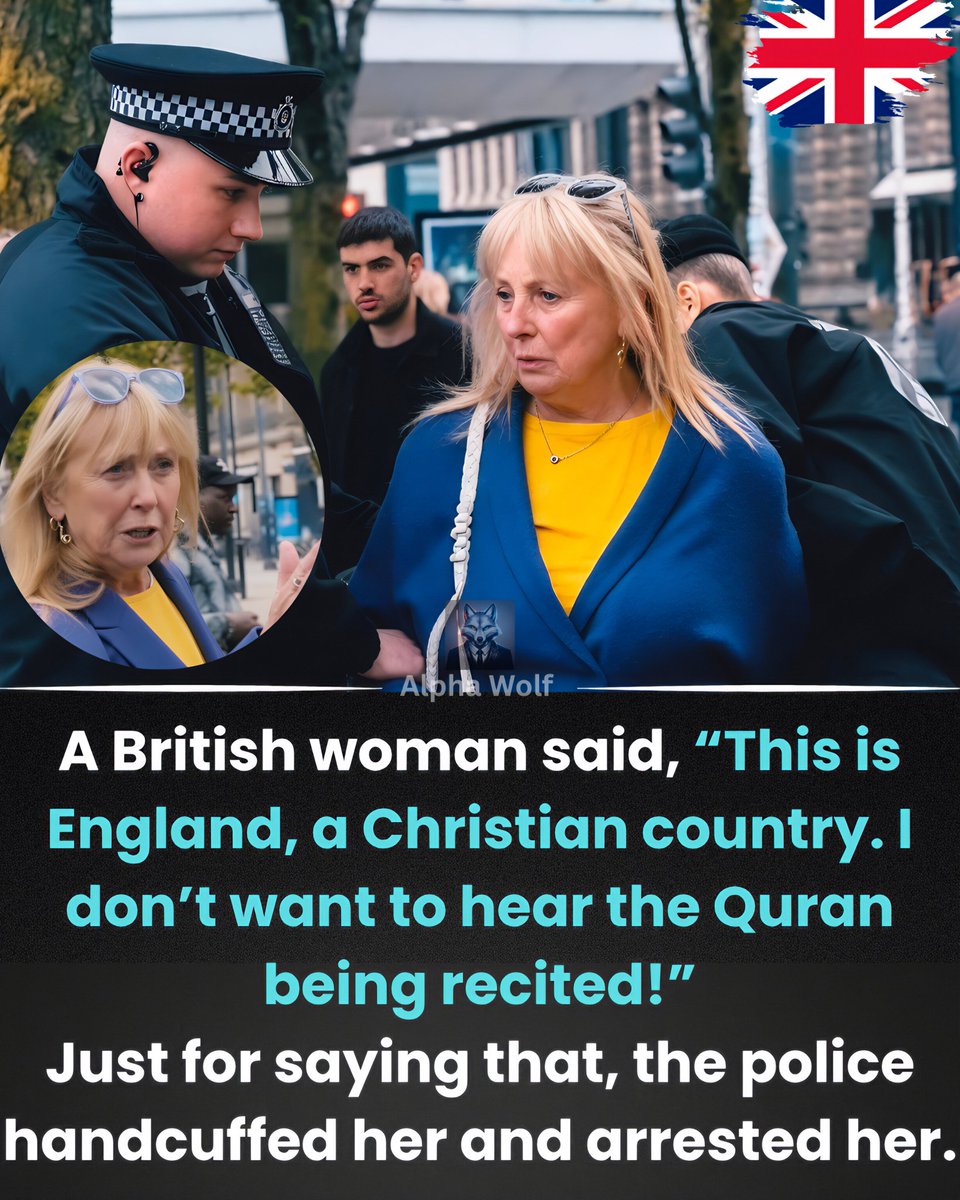
In Manchester, England, Muslims were loudly blasting the Quran on loudspeakers.
A British woman stepped up and said, “This is England, a Christian country! I don’t want to hear the Quran!”
For just saying that, the police arrested her on charges of causing a public order offense. They handcuffed her and dragged her away.
912
4,756
22,919
34,300,792
Cal Wellstead retweeted

Jun 13
This is an important post, worth reading in full. The BBC would seem to have a death wish when it comes to impartiality.
Jun 12

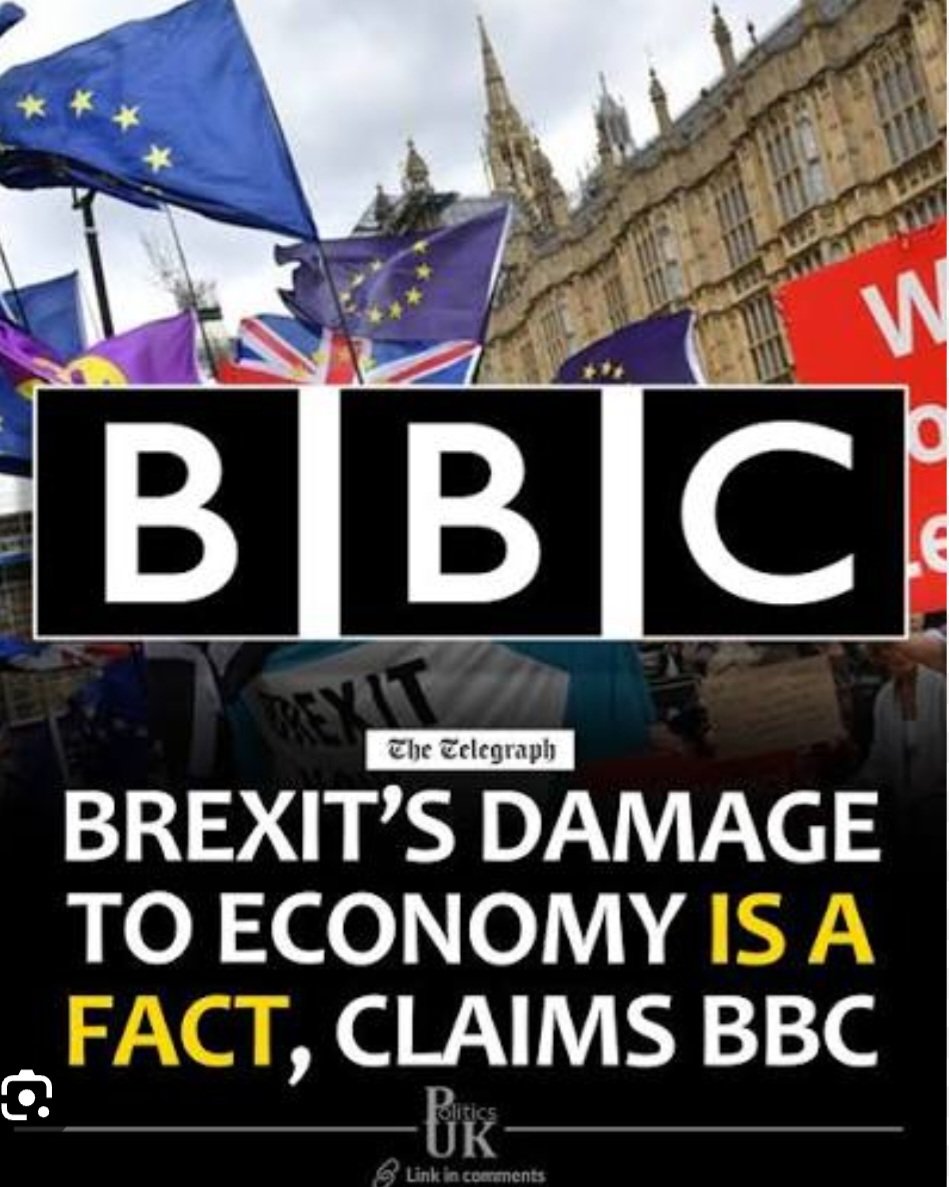
The BBC Has Ruled. Brexit Damaged The Economy. No Further Debate Required.
The BBC's editorial complaints unit has decided that the negative economic impact of Brexit is now a settled fact. Not a contested judgement. Not one side of a live debate. A fact, in the same category as man-made climate change, requiring no balancing view.
The ruling followed a Radio 4 Today programme segment featuring Andrew Bailey, the Governor of the Bank of England, alongside Liam Byrne and Sir John Gieve, both long-standing advocates of closer EU alignment. All three agreed Brexit had damaged growth. The presenter, Katya Adler, did not challenge the premise or introduce a dissenting voice. A complaint followed.
The ECU's response is the revealing part. It acknowledged the segment failed to "acknowledge the alternative case" for pursuing opportunities outside the EU rather than realignment with it. That part of the complaint was upheld. But the central complaint, that three pro-EU voices agreeing with each other on air is not balance, was dismissed. The reasoning given was that this reflected "the consensus among economists" and there was no "significant body of economic opinion" on the other side.
This is worth pausing on. The BBC is not claiming it found balance. It is claiming balance was unnecessary because one side of the argument does not meaningfully exist. The institution that is legally required to be impartial has ruled itself the arbiter of which questions are still open and which are closed, and Brexit has just been moved into the closed file.
The economics itself does not support the certainty on display. The headline figure driving much of this narrative, an 8 per cent hit to GDP since 2016, comes from an NBER paper built on a "synthetic control" model that constructs a hypothetical non-Brexit Britain from a basket of comparator countries. The largest weighting in that basket, over 60 per cent, is the United States, a country currently riding an AI investment boom and a separate fiscal stimulus. The model also weights Estonia and Greece more heavily than France or Germany. On a straightforward per capita basis against France and Germany, the actual comparators, Britain's performance since 2016 sits roughly in line with both. An 8 per cent gap simply isn't visible. This is a model producing a number that then gets reported as "the consensus," which the BBC then cites as the reason no alternative view is required.
That loop, model produces number, number becomes consensus, consensus becomes fact, fact requires no balance, is the mechanism. It does not require a conspiracy. It requires an institution that has decided which conclusions are respectable and which are not, and which then treats its own prior decision as evidence.
The same posture has been on display all week. A government department can decide its diversity targets are lawful without seeking legal advice to check. A police force can decide a book about dismantling "inner white supremacy" is leadership training. A broadcaster can decide an economic question is closed and that deciding so does not breach its own impartiality rules. In each case, the institution marks its own homework, and the mark is always a pass.
None of this requires Brexit to have been a triumph. Britain's economy has genuine problems, most of them unrelated to single market membership. But a state broadcaster, funded by compulsory licence fee under threat of prosecution, has now formally placed one of the most consequential political decisions in modern British history beyond the reach of its own impartiality obligations. Reform's Lee Anderson called it being "blinkered by groupthink." The more precise description is an institution that has stopped being able to tell the difference between its own assumptions and the facts.
"The BBC is not claiming it found balance. It is claiming balance was unnecessary because one side of the argument does not meaningfully exist."
167
1,039
3,858
110,311
Cal Wellstead retweeted

Jun 12
This is an absolute disgrace.
Starmer must go.
Now.
Jun 12

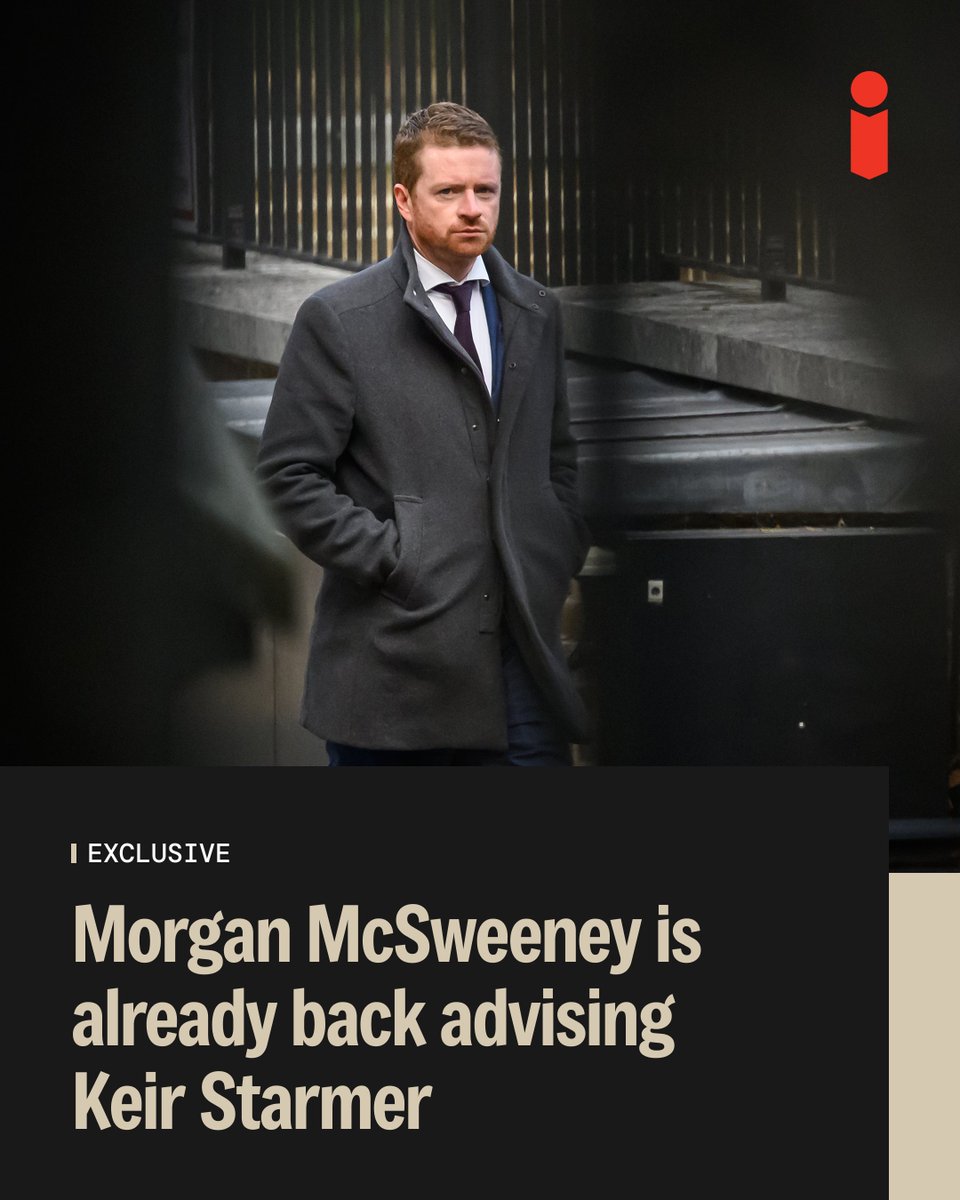
Morgan McSweeney is back advising the Prime Minister – four months after he resigned over his role in the Mandelson scandal
🔴 Exclusive from @cazjwheeler & Richard Vaughan
Read more: inews.co.uk/news/politics/mo…
664
4,137
11,855
177,652
Cal Wellstead retweeted

Jun 10
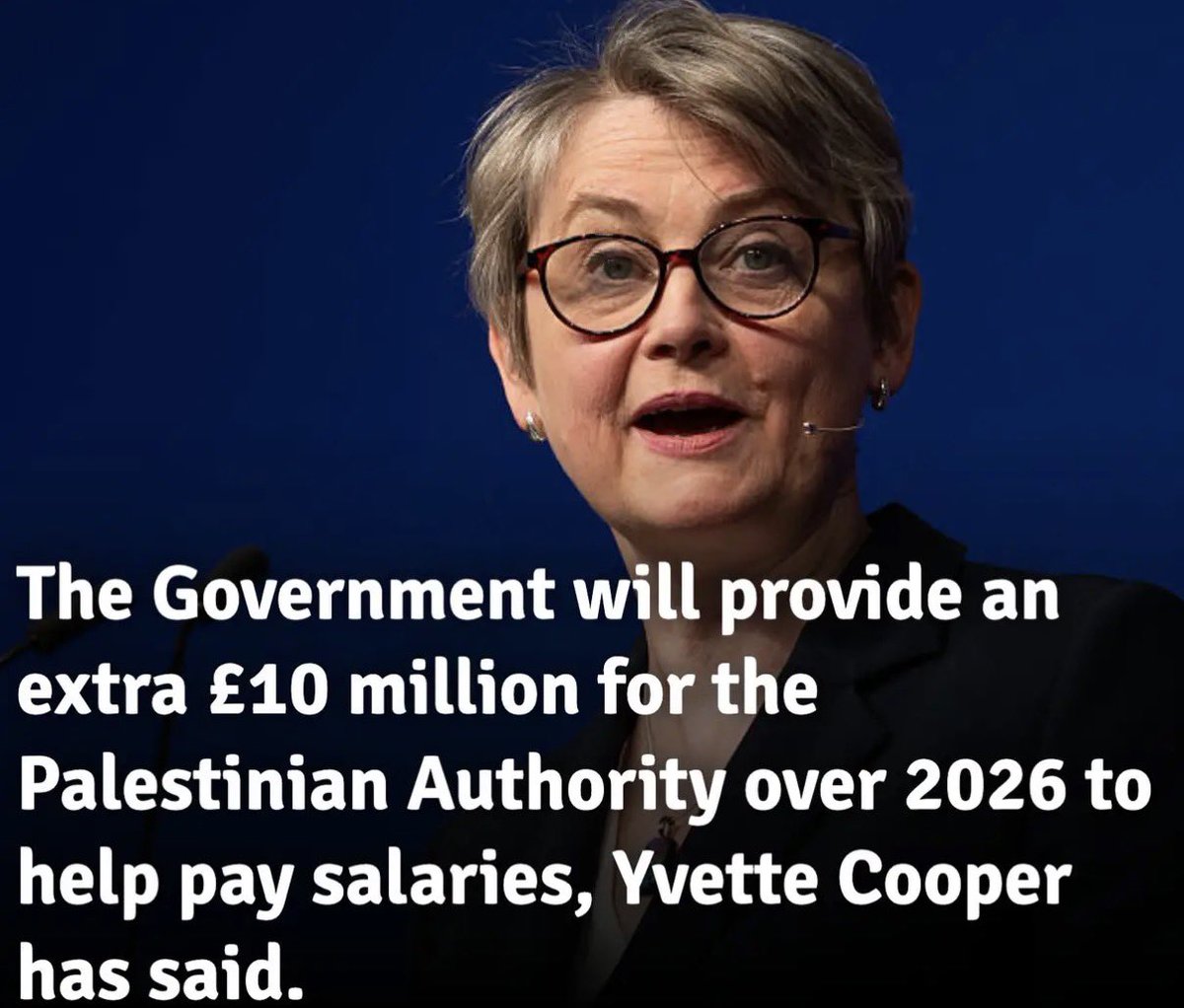
I don’t want any of my tax going to Palestinian Authorities thank you very much. We are desperately short of money in our country apparently which is why we can’t fund our military properly.

Do you want your hard earned taxes going to the Palestinian Authorities to pay Salaries… ?
630
3,358
11,413
130,521
Cal Wellstead retweeted

Jun 11
This is happening all over the country including in my town.
Afghan families given lovely spacious accommodation beyond the pocket of local families.
Disgraceful.
Unfair.
Jun 11

Afghanistan families to be rehoused in brand new detached houses worth 700k close to Bournemouth gardens whilst local former royal marines struggle to get housing!

317
3,678
12,146
164,524
Cal Wellstead retweeted

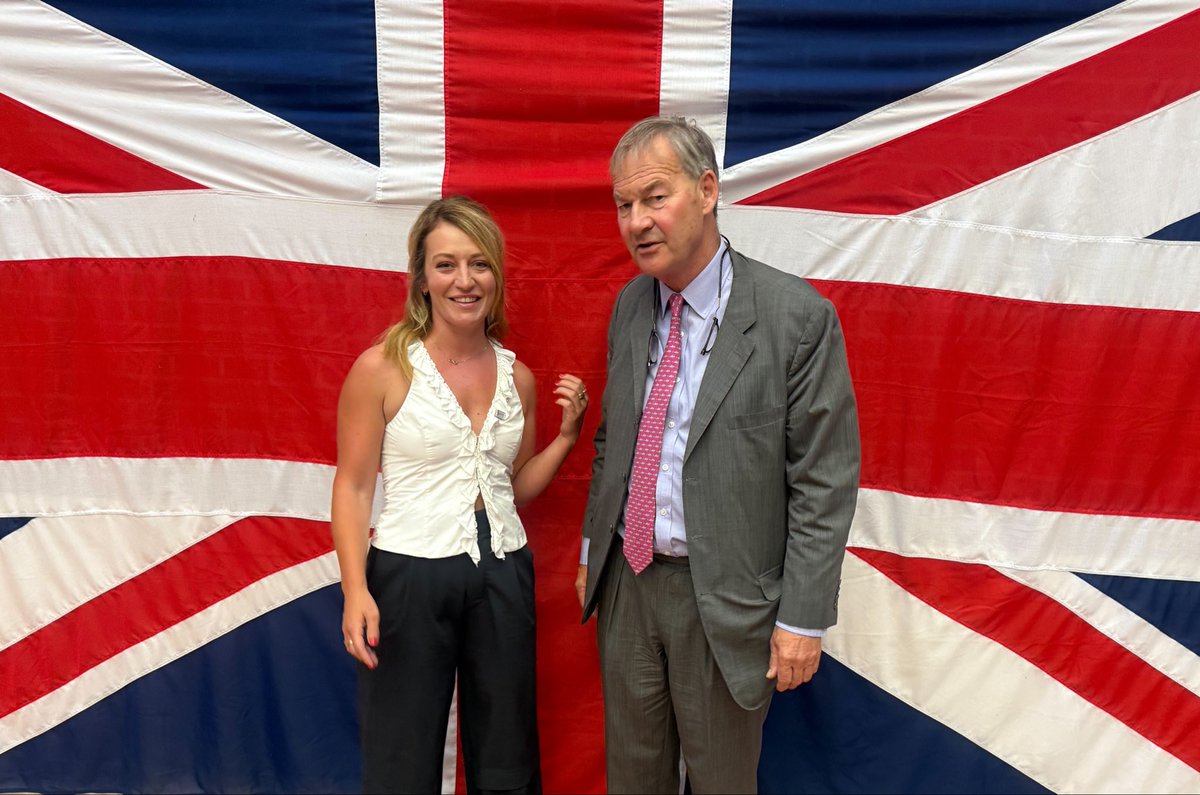
Rupert is the only man who has proven he is willing to lead us through this mess.

11
59
359
3,365
Cal Wellstead retweeted
Jun 11
Perhaps the grimmest part of John Healey’s brutal resignation letter is that defence spending, projected to be 2.6% GDP by 2027, will only reach 2.68% in 2030. A pathetic 0.08% increase over three years after all that Starmer rhetoric about the dangerous times we live in and how UK would lead the way stepping up to the crease. A real leader would have told Reeves to cough up the dosh and ordered Miliband to hand over a big chunk of his net zero budget. But he’s probably too weak to do either.
336
1,982
10,305
225,887
Cal Wellstead retweeted

Disgusting @Keir_Starmer and his government are knowingly implementing a #2tier policy and system m, then gaslighting us pretending it doesn’t happen. They are trying agitate us… we must take it out on them not each other
Look at the situation where the man who broke a policewoman’s nose got nothing ….
Jun 11

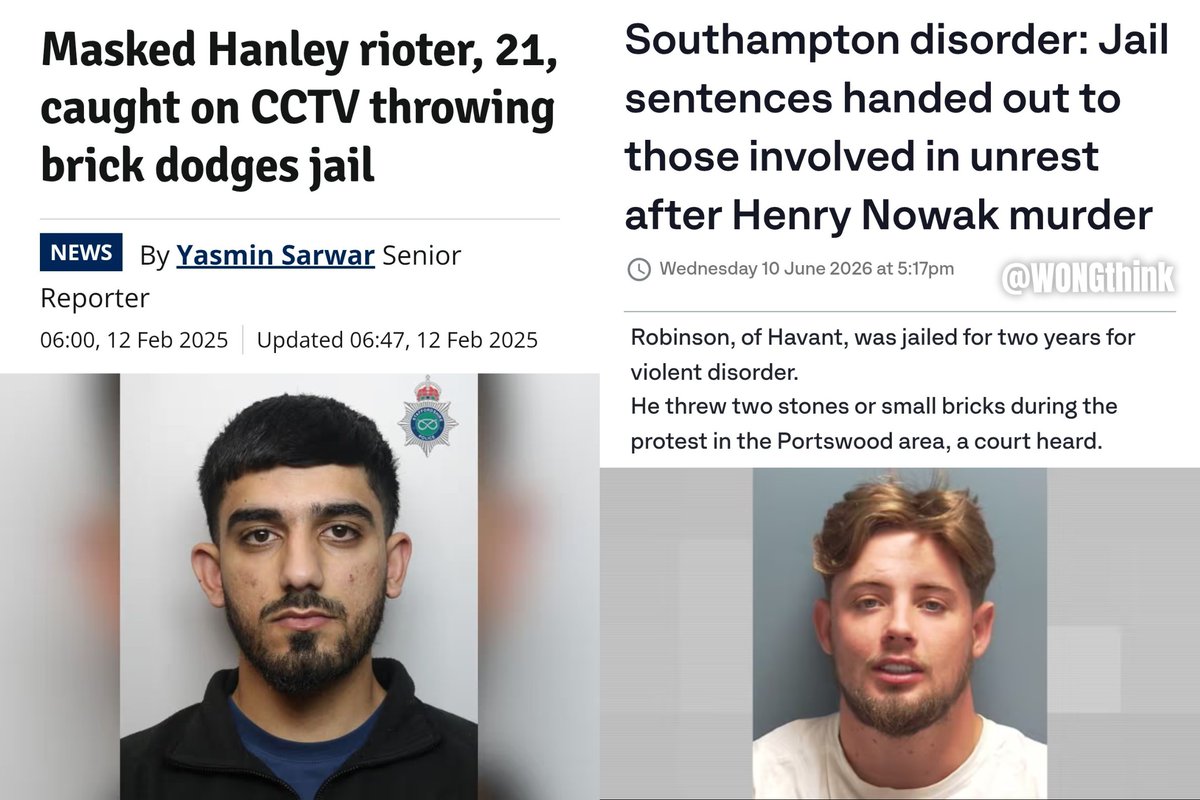
No jail for brown man; two years for white man. Robinson has a clean record, not even a parking ticket.
Two 21-year-olds, two riots, two-tier justice ⚖️
21
356
1,235
15,965
Cal Wellstead retweeted
It’s hard to understand the economic thinking of how there is billions available for crazy energy policies.. putting up our heating bills to amoungst the most expensive in the world, destroying Uk businesses & jobs, billions available to enable more people who should be a work to stay home, but non to arm or supply our military! There’s no logic to how this government is spending tax payers money, except to buy votes!?
141
858
4,577
36,312
Cal Wellstead retweeted

Jun 11
🙏🏻
Jun 11

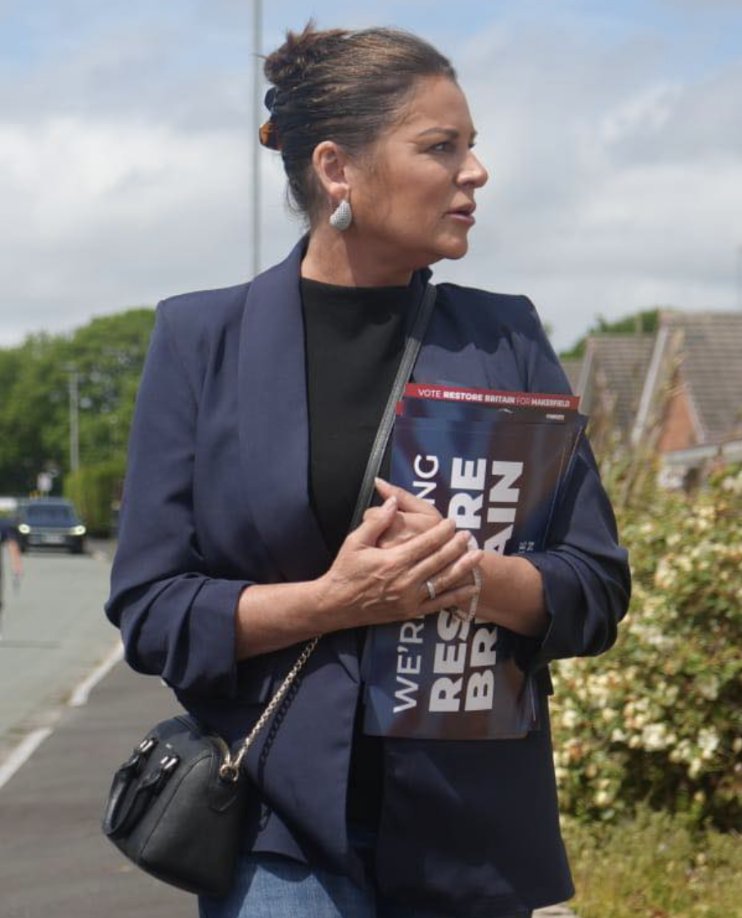
Private constituency-wide polling in Makerfield just released by 'The i Paper' has shown Restore Britain's support in the constituency is huge, and growing fast.
We are going to deliver the biggest shock the British establishment has ever received next Thursday.
23
68
659
Cal Wellstead retweeted

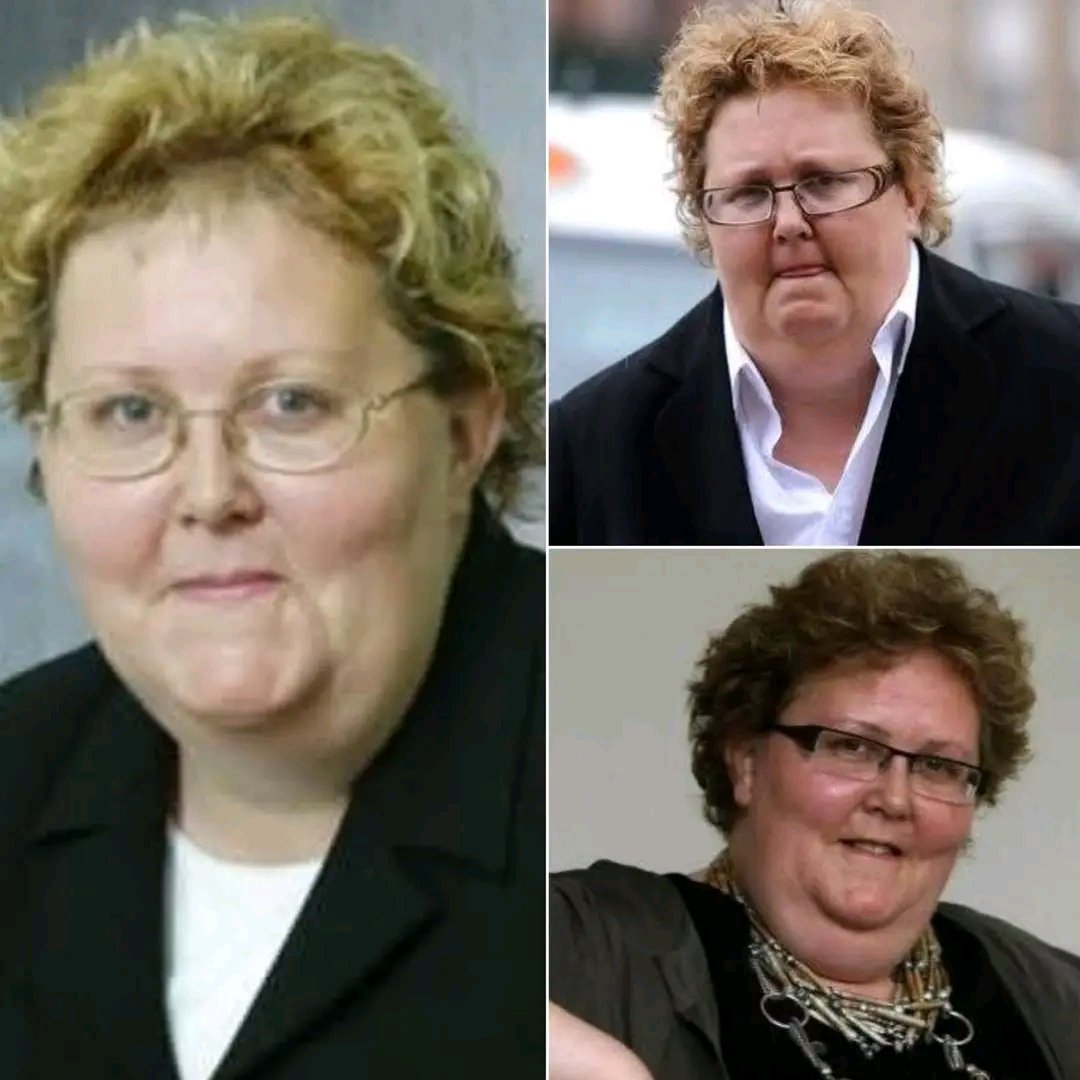
THIS IS JUDGE MAGGIE SCOTT
She let child rapist Daniel Cieslak, who raped a 12-YEAR-OLD girl, WALK FREE from her courtroom. But guess what? Not only that!
She gave him an ABSOLUTE DISCHARGE, despite him pleading GUILTY.
She also sparked outrage by praising Algerian rapist Hamadache Hamza for settling in Britain and setting up a hairdressing business.
She said that the predator deserved “credit” for overcoming his “very difficult background” to become a successful business owner in Scotland
7,338
22,791
43,026
713,045