Biologist, university professor, journal editor; All views are my own
Joined March 2008
- Tweets 450
- Following 370
- Followers 285
- Likes 408
10 Photos and videos
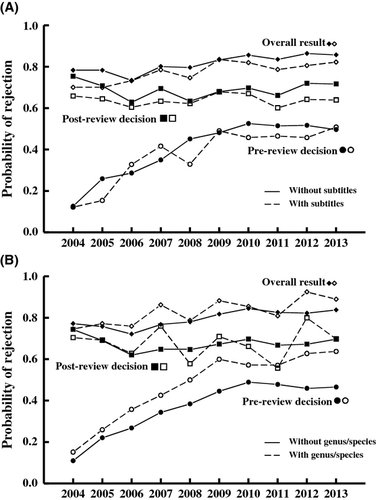
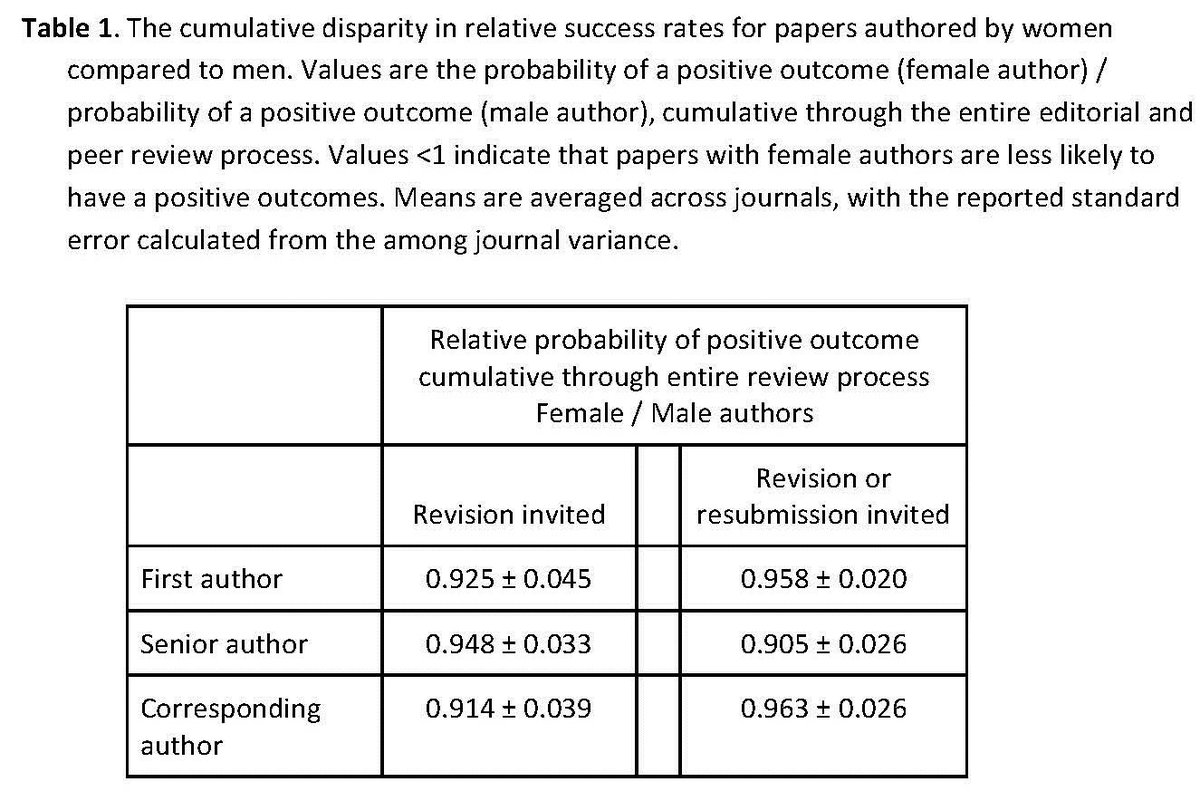
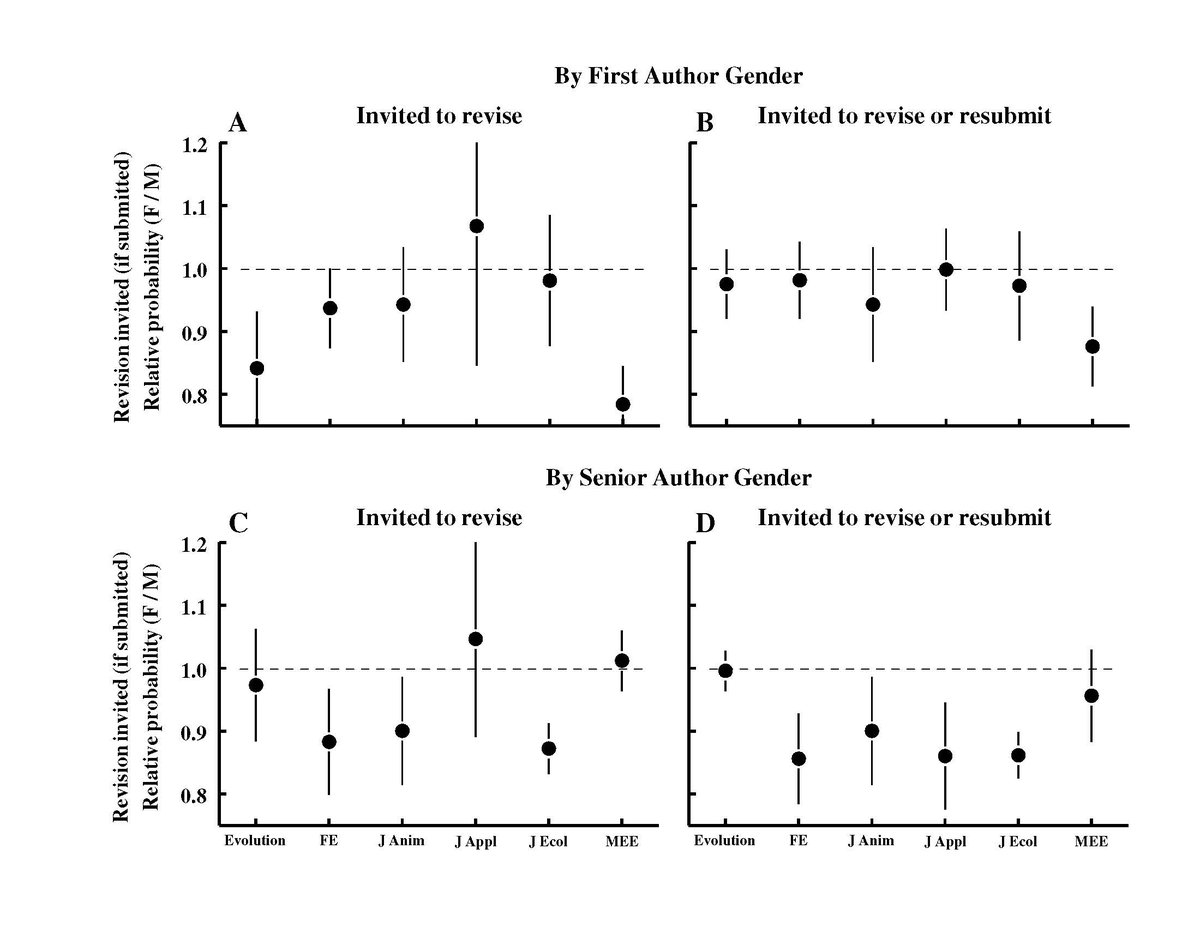

17 Sep 2024
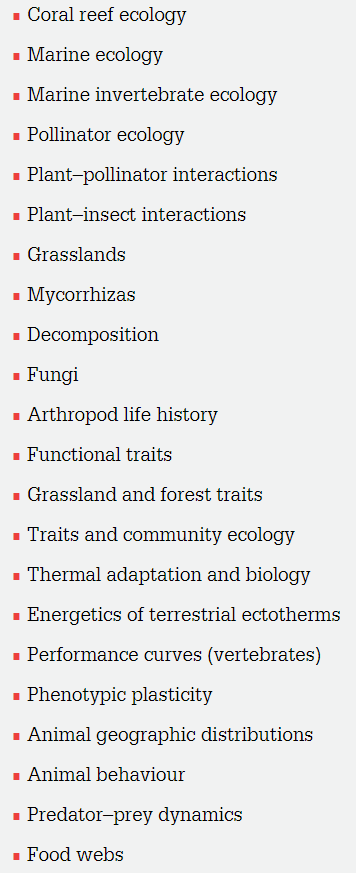
Ecological Entomology @Ecol_Ent is recruiting new Associate Editors. If you are interested in getting experience being an editor please consider applying. Details here royensoc.co.uk/opportunities…
1
74
Charles Fox 🪲 retweeted

13 Sep 2024
THIS WINS THE DAY!!!! x.com/TheKiffness/status/183…
4,580
44,334
176,281
16,956,195
Charles Fox 🪲 retweeted

7 Feb 2024
Srivastava et al. Editors are biased too: An extension of Fox et al. (2023)'s analysis makes the case for triple‐blind review besjournals.onlinelibrary.wi…
4
3
1,058
Charles Fox 🪲 retweeted

22 Jan 2024
An exciting development from @EcolEnt - we are now switching to double-anonymous reviewing!
The initiative will support @RoyEntSoc journal efforts to address bias in #PeerReview.
More details here royensoc.co.uk/news/double-a…
#AcademicPublishing @WileyEcolEvol
6
7
642
Charles Fox 🪲 retweeted

11 Dec 2023
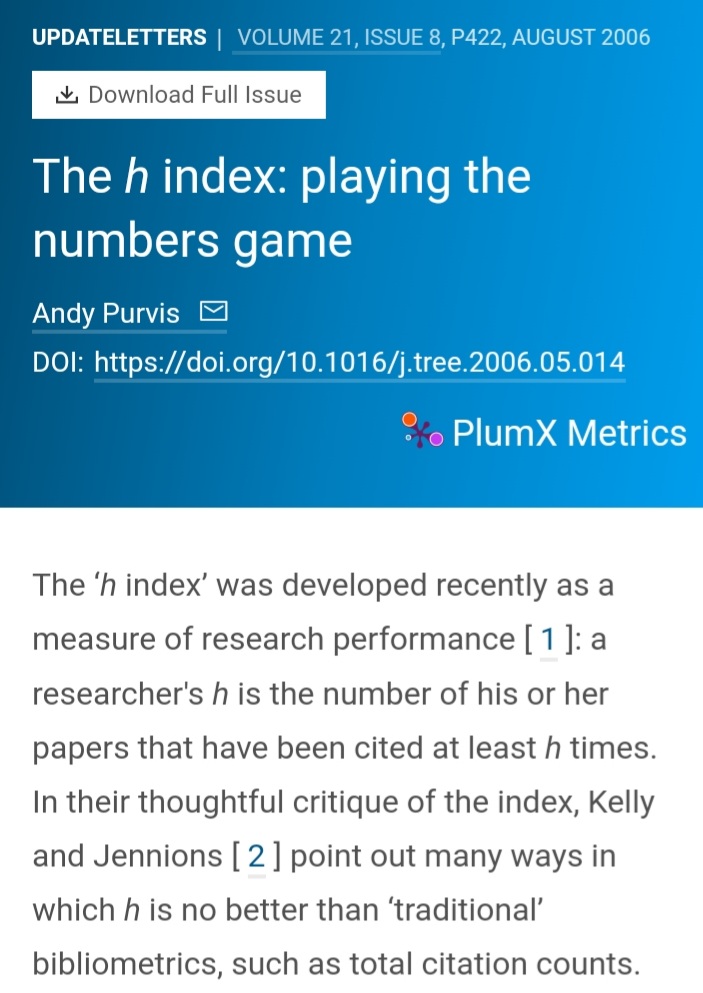
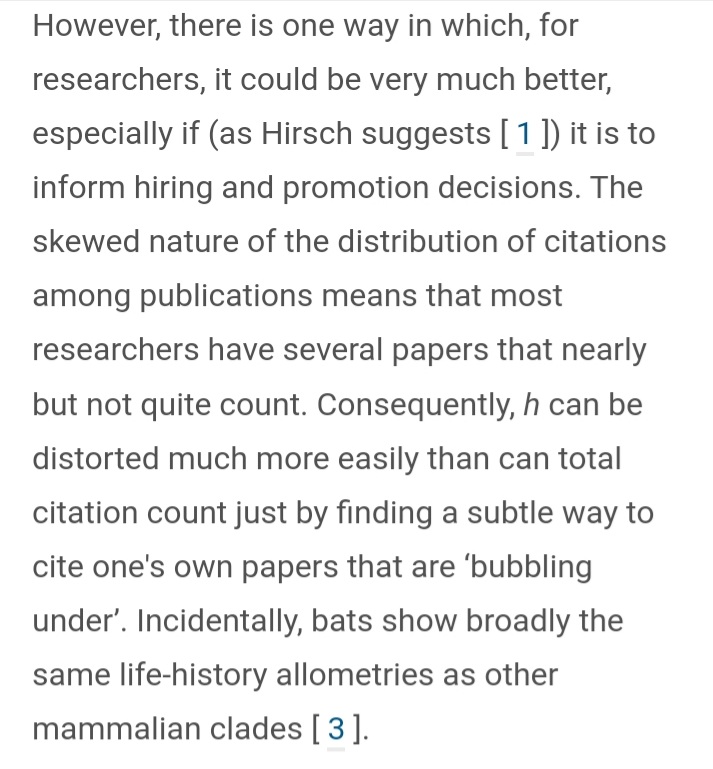
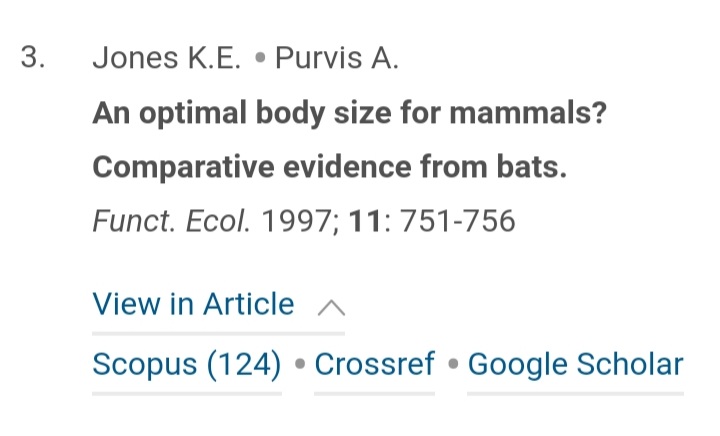
This little 2006 article by @AndyPurvisNHM contains the best bit of comic timing I've ever seen in an academic paper. cell.com/trends/ecology-evol…
4
34
173
31,766
Charles Fox 🪲 retweeted

23 Oct 2023
Tenure track job alert! Our department is hiring an assistant professor in Arthropod Molecular Biology. We welcome anyone who uses modern molecular tools to address fundamental and applied questions in arthropod biology. App deadline of December 31. ukjobs.uky.edu/postings/4938…
42
43
8,752
Charles Fox 🪲 retweeted

28 Sep 2023
💥New: Double-anonymous review is an effective way of combating status bias in scholarly publishing
#PeerReviewWeek23 @BritishEcolSoc wp.me/p4m9em-cz4
1
6
12
1,671
Charles Fox 🪲 retweeted

10 Jul 2023
Dryad’s membership model for academic institutions is changing.
We’re inviting community input on how we can make sure the new model is equitable, transparent, and fair.
Learn more and participate in our open consultation: buff.ly/3XJivv0
4
4
884
Charles Fox 🪲 retweeted
10 Jul 2023
We’re looking for #ResearchData leaders to join the Dryad Board of Directors. Are you passionate about research data and eager to shape the future of our organization during this pivotal time?
Read more and self-nominate by July 23: buff.ly/3PJ6Pqq
3
2
598

26 May 2023
Nature wrote about our peer review work: nature.com/articles/d41586-0… original paper here: doi.org/10.1111/1365-2435.14…
1
1
2
289
Charles Fox 🪲 retweeted

26 Apr 2023
This is PHE-NOM-ENAL! 😂 😂 😂
youtu.be/KE0ne4H6l1I
Well done, @DragonsTomb!

2
6
18
5,429
Charles Fox 🪲 retweeted

11 Apr 2023
People worry a lot about bias in peer review. The bad news: it's real (but doesn't work quite like I expected). The good news: it's quite easy to make a huge dent in it. scientistseessquirrel.wordpr… (On a new study in @FunEcology by @Callomac et al.)
6
22
44
32,161
Charles Fox 🪲 retweeted

4 Apr 2023
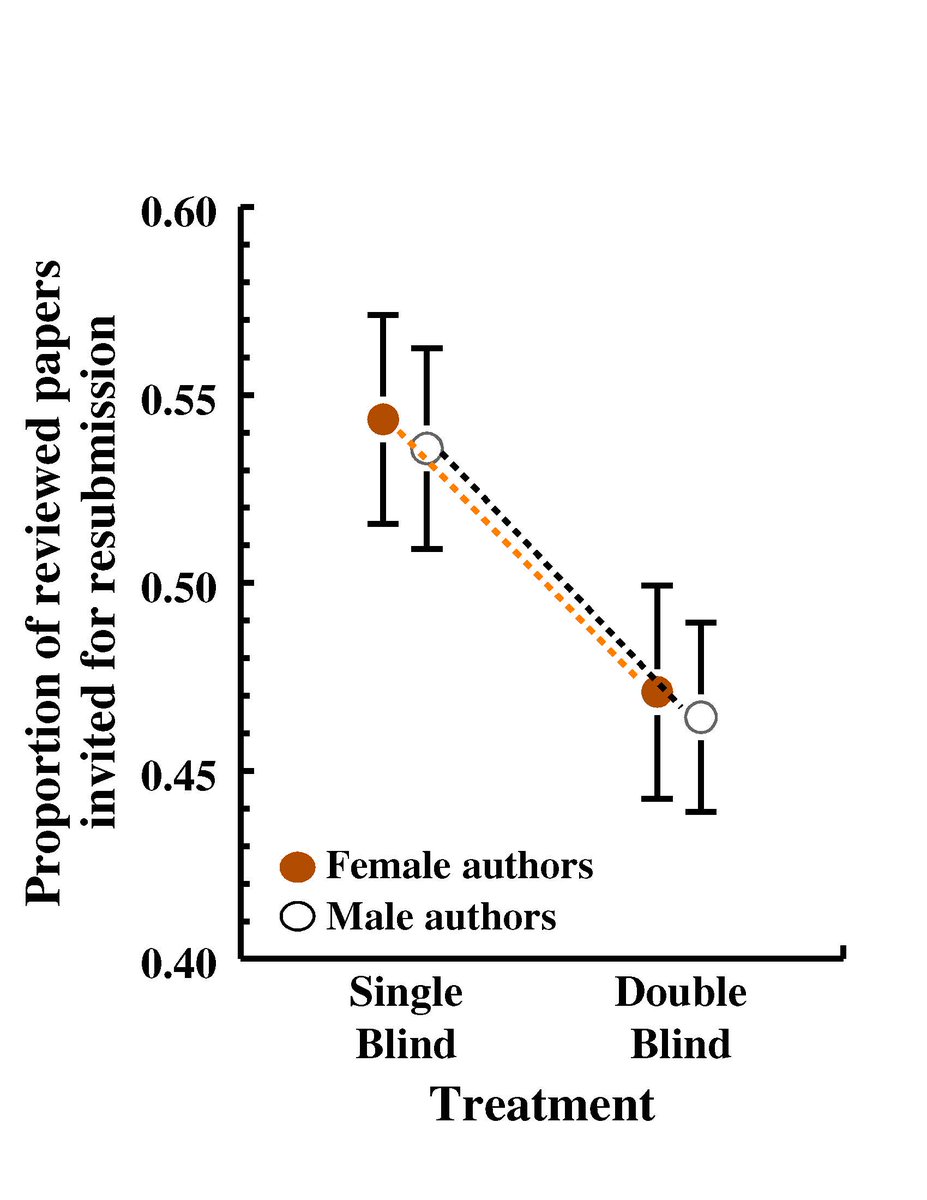
⚖️The double-anonymous peer review trial indicates reviewer bias is reduced when author identities are anonymised: when reviewers did not know whose paper they were reviewing, peer review outcomes were similar across author demographics...
📙buff.ly/3U7uyAA📙
1
39
82
22,081
4 Apr 2023
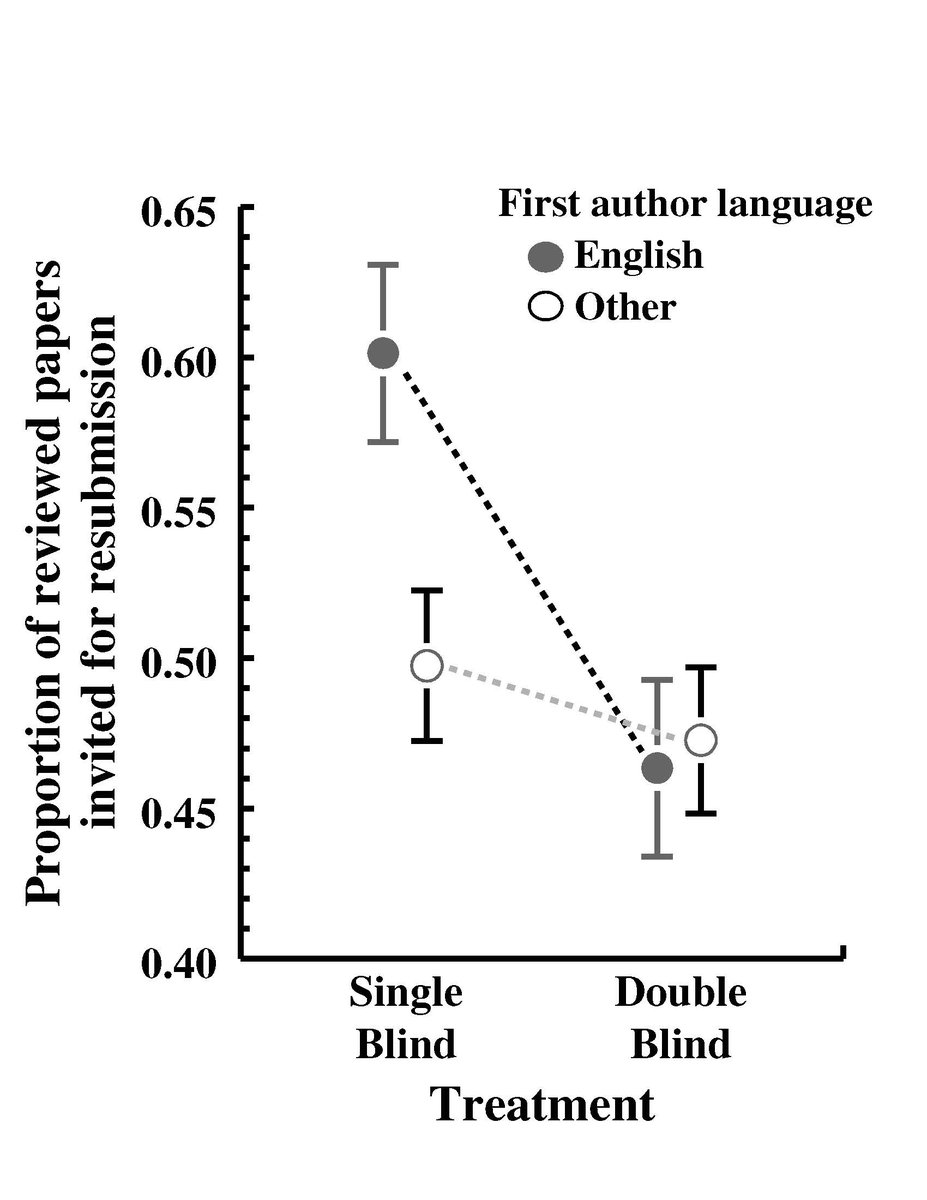
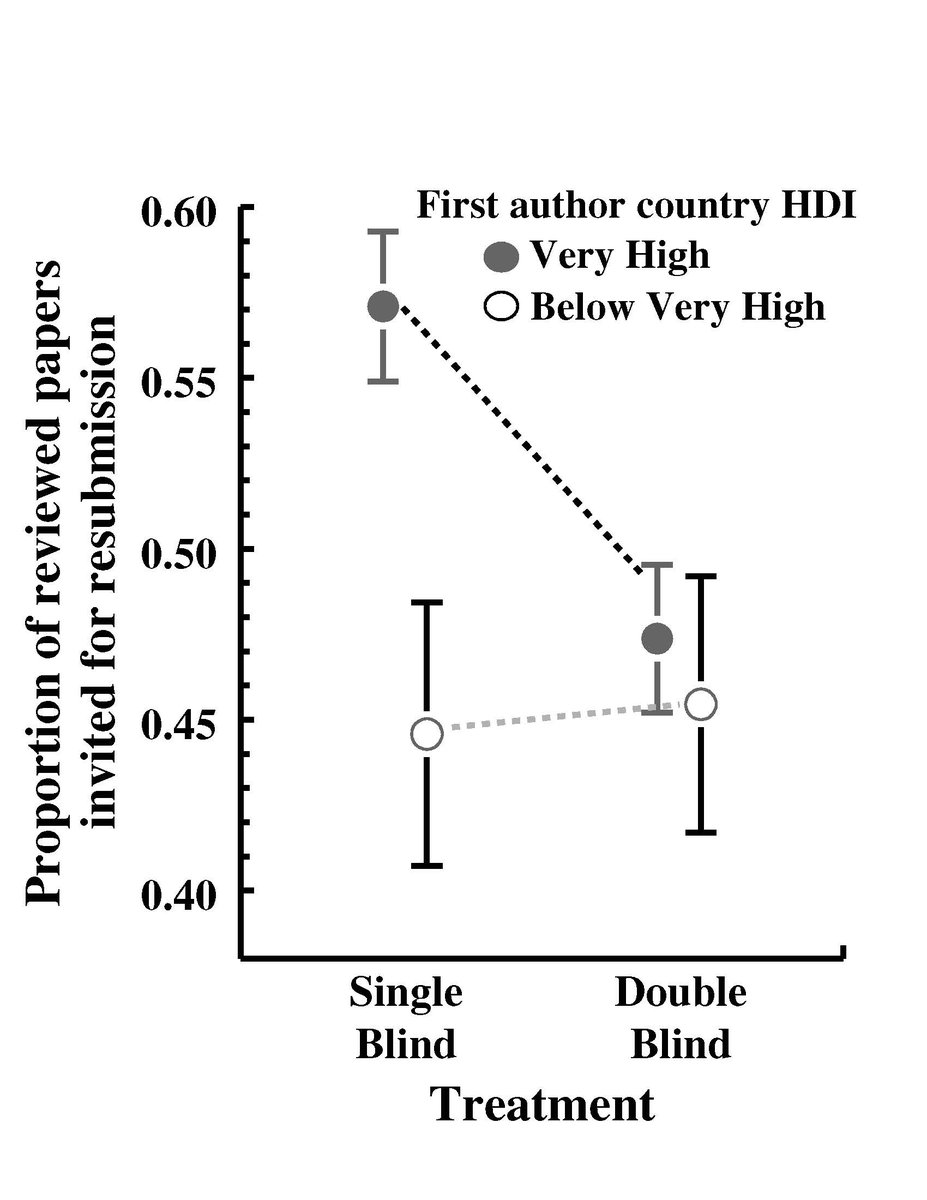
Our new paper @FunEcology: Double-blind peer review affects reviewer ratings and editor decisions at an ecology journal - doi.org/10.1111/1365-2435.14…
8
162
395
122,601
4 Apr 2023
We also argue that offering *optional* blinding of author identities, as some journals allow, is unlikely to substantially reduce these biases because authors from high income countries are less likely to choose to be anonymized
1
3
31
3,035
4 Apr 2023
Full paper is here: doi.org/10.1111/1365-2435.14…; summary on the @FunEcology blog here: fesummaries.wordpress.com/20…
1
2
27
2,082