
A crypto Enthusiast & LoverGurl
Joined May 2025
- Tweets 2,627
- Following 246
- Followers 210
- Likes 4,420
57 Photos and videos



You know that moment when you spot something you've been waiting for?
That's the reaction.
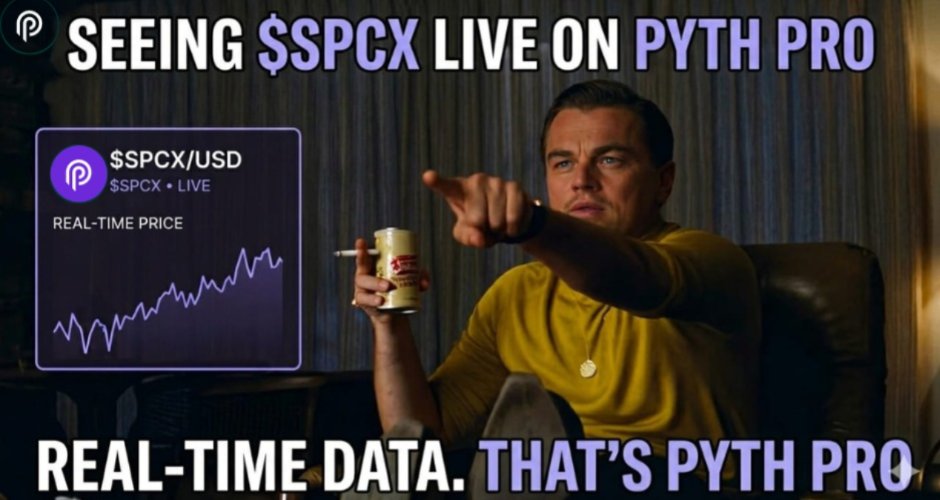
$SPCX is now live on Pyth Pro, bringing its market data to one of the industry's leading sources for real-time financial information.
For traders, builders and analysts, better data means better decisions.
explore @PythNetwork pro

🧑🚀 $SPCX is now live 24/7 on Pyth
@SpaceX joins the full suite of Pyth Indices across US equities, metals, FX, and oil.
24/7 markets. 24/7 pricing.
9
19
222

Jun 15
Driudor, the CEO of GenLayer, joined a livestream to talk about something really important
How AI is changing oracles, and what that means for prediction markets.
So if you missed it, here’s a simple breakdown.
Let’s start with the basics.
Blockchains are powerful, but they can’t see the real world.
They don’t know prices, events, or outcomes.
That’s where oracles come in.
They bring real world data on-chain so smart contracts can actually work.
Now traditionally, oracles are very rigid.
They rely on predefined data pipelines, built and maintained by engineering teams.
It works but it’s limited.
GenLayer is taking a different approach.
Instead of fixed pipelines, it works more like a decentralized jury.
Multiple AI agents look at the same question, reason through it, and agree on an outcome.
But here’s the challenge
Blockchains need exact answers.
AI doesn’t give exact answers, it gives slightly different ones that mean the same thing.
So how do you reach consensus?
GenLayer introduces something called the Equivalence Principle.
Instead of matching words exactly, it focuses on meaning.
If different AI agents arrive at the same conclusion, even with different wording, that’s enough to reach consensus.
Now what about more personal or niche predictions?
Things that aren’t on the internet.
GenLayer handles that too.
It uses multiple AI agents that can choose tools depending on the task.
For example, if the question is:
Did I get home in 20 minutes?
One agent might check Google Maps.
Another might check Apple Maps.
If both confirm the same result, the outcome is settled.
Now you might be wondering
What stops people from cheating?
Two things.
First, secure environments called TEEs.
These keep the AI agents protected so no one can tamper with them.
Second, random selection using VRFs.
This means no one knows which agents will be chosen ahead of time, so collusion becomes almost impossible.
There’s a lot more in the full discussion…
But if you’re interested in prediction markets, or how AI fits into blockchain…
This is definitely worth paying attention to.

Yesterday @driudor, CEO of @GenLayerFDN, joined @wallet's Finding Alpha livestream to talk about the role of AI in oracles and where the Intelligent Oracle fits as the resolution layer for outcome markets on @XLayerOfficial's Exchange OS.
Full conversation below 👇
3
10
84
Paschaline_ retweeted
Jun 13
I've been thinking about this for a few days, and I think it's big for the furure of markets pricing.
If you are active on-chain, you notice something absurd happens on fridays.
Trillions of dollars in financial markets just stop.
Stocks, oil pricing feeds and gold settlement pauses until monday morning.
Meanwhile, the internet keeps running.
Crypto keeps trading, perps stay open and someone in singapore might be trying to hedge an oil position on a saturday, yet the pricing infrastructure they need is effectively asleep.
That gap between markets that never stop and infrastructure that still operates on banker's hours is one of those things that needs a fix.
A lot of people have simply accepted it as a normal.
WTI closes on weekends and that's just how things work, except it doesn't have to be.
@PythNetwork recently launched 24/7 real time indices covering oil (WTI and Brent), U.S. equities like TSLA, NVDA, AAPL, and MSFT, precious metals such as gold and silver, and thematic baskets including AI10, Defense10, China10 and Tech100.
What's more interesting is who they built them withthe index business of what helps oversee more than $100 billion linked to its indices.
That matters.
This is what makes the partnership interesting. Pyth isn’t just borrowing a TradFi name for optics, MarketVector brings real institutional experience and the kind of index standards major capital allocators already trust.
When a firm like that co-develops products with a crypto native oracle network, it's a huge innovation.
Pyth provides the continuous real time pricing infrastructure.
MarketVector provides institutional grade index construction and governance.
And exchanges including Nado are already using these indices in production.
What Pyth and MarketVector are building is a step toward infrastructure that finally matches the reality of modern markets.
I don't know exactly when 24/7 pricing becomes the standard.
But I suspect it happens sooner than most people expect.
Markets don't sleep anymore, pyth is building the pricing layer for that.
Jun 10
🧨 BREAKING: Introducing Pyth Indices.
Proprietary 24/7 indices across U.S. equities, oil, metals, and thematic baskets co-developed with @MarketVector.
Launched in collaboration with include @coinbase, @krakenfx, @nadoHQ, and @dYdX. 🧵
6
2
19
317
Paschaline_ retweeted

Jun 13
The internet lost its providence of truth. Blockchain is how we get it back.
That line stuck with me from GenPod Ep. 3 with @Player1Taco
What got me thinking the most was the main question of the episode: when AI agents start making real decisions, negotiating deals, and managing money on their own, who actually gets to decide what's true?
It's something I hadn't really thought about before. The internet's main source of trust has been breaking down, and AI content plus big platforms have made it worse in ways most people haven't noticed yet. Blockchain isn't just about money here. It becomes the layer that can bring back objective, tamper-proof reality right as AI agents start running more of the economy.
The part that hit hardest for me was data ownership. Both humans and AI agents need to actually own their data, or it gets shaped and used by whoever controls the platform, and most people don't even realize that's already happening.
Then there's the question of what happens when two AI agents disagree. Companies or governments can't be the ones deciding that. The conversation points toward decentralized, on-chain judges, a neutral way to resolve disputes built at the intersection of AI and crypto.
Crypto brings secure identity, programmable money, and verification. AI brings reasoning and automation. Put together, they let agents work with each other without needing a middleman.
If you're into AI x crypto, data ownership, or just thinking about where the internet is headed, this episode is worth your time.
GenPod Ep. 3 is out now. Highly recommended.
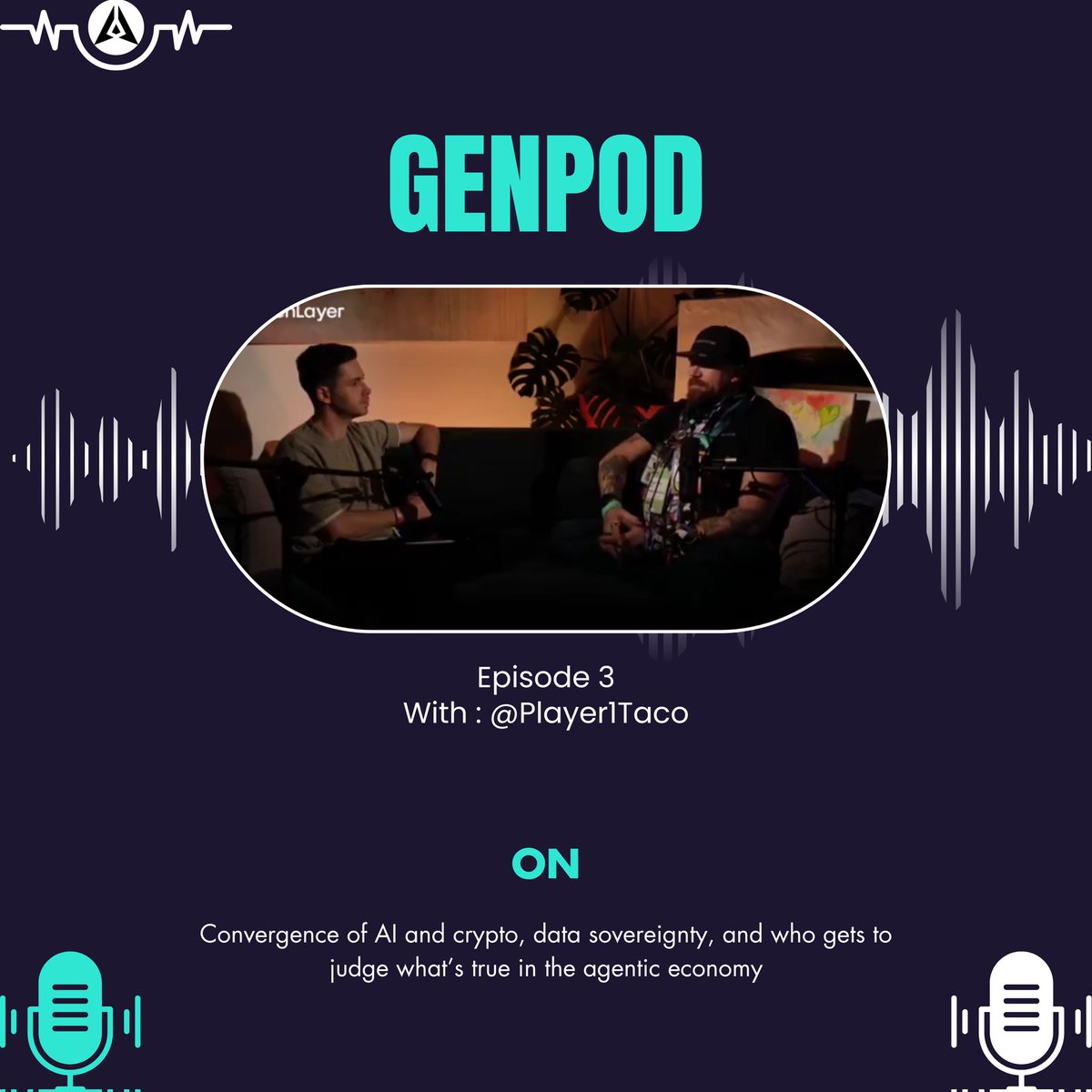
The internet lost its providence of truth. Blockchain is how we get it back
@Player1Taco on the convergence of AI and crypto, data sovereignty, and who gets to judge what’s true in the agentic economy
GenPod Ep. 3 out now 🎙️
6
2
14
235
Jun 8
Polymarket, for anyone new, is a decentralized betting platform where people put real money on real world events
For example
- Will a candidate win an election
- How many goals will be scored in a match
- Or any real world outcome people care about
Once the event happens, the market resolves and winners get paid based on verified results
Now here’s where @GenLayer gets interesting
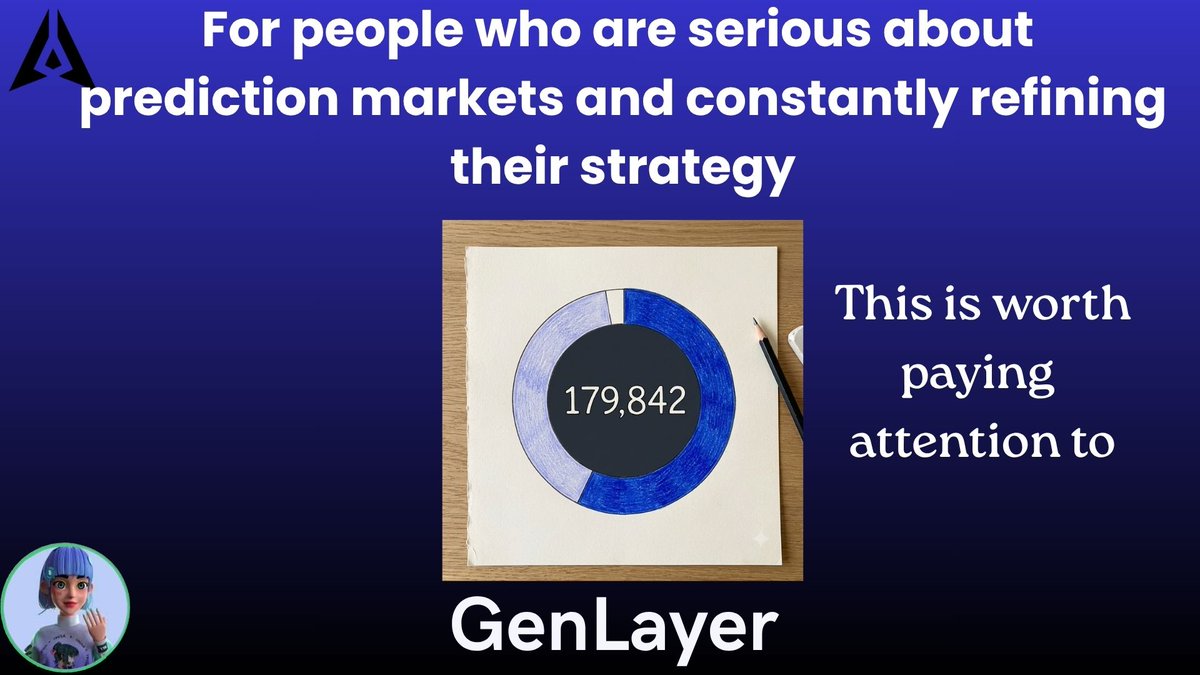
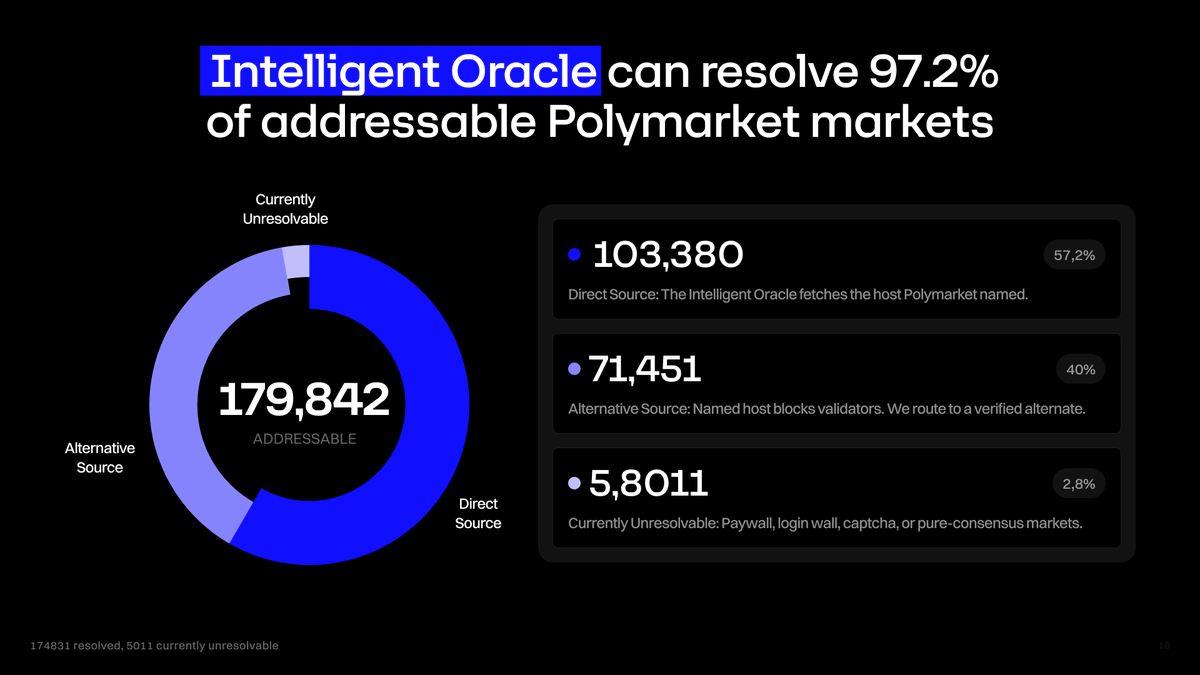
Their Intelligent Oracle, basically a very smart data layer for blockchains, analyzed nearly 200,000 Polymarket markets
And the results are strong
• 97.2 percent resolved automatically
• 100 percent accuracy matching official Polymarket outcomes
Breakdown of how it sourced results
• 58 percent from official links
• 39 percent from alternative trusted sources
• 2.8 percent unresolvable due to paywalls or unclear rules
How it works is simple
- Input the market in plain English
- AI searches the web for relevant information
- Multiple agents verify and agree on the outcome
- Final result is recorded on chain transparently
Why this matters
Blockchains cannot access real world data on their own
GenLayer is showing that this gap can be solved reliably at scale
And that is a big deal for prediction markets and autonomous On-chain systems
If you want to go deeper, check the post below where @raskovsky breaks down how the oracle works and how it matches Polymarket outcomes
You can also explore the official link to see how these prediction markets work in practice
179,842 @Polymarket markets
97.2% resolved
100% match
No price feed or reviewers. Just verifiable AI consensus.
6
1
23
217
Jun 3
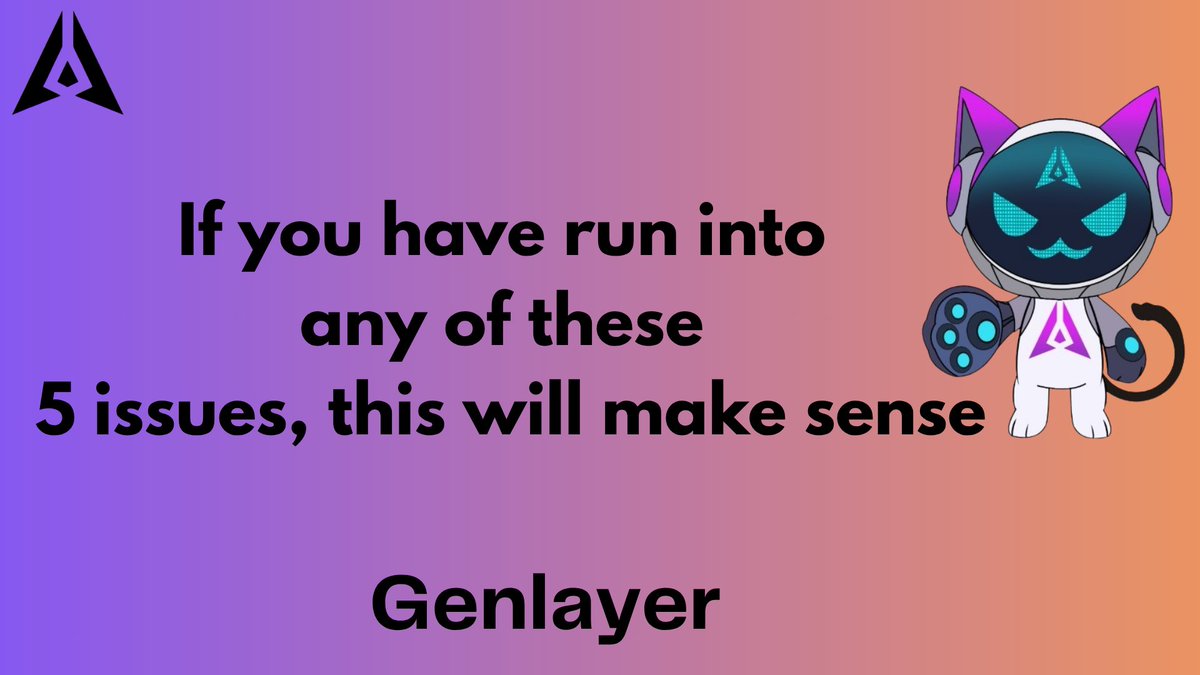
. @GenLayer is built differently.
Because for every real world problem, there should be a real solution.
If you’ve run into any of these 5 issues, this will make sense.🧵
7
11
202
Jun 3
4/ A drought destroyed my crops, but I’m stuck waiting months for insurance to verify the damage.
Mochi says with GenLayer, you don’t have to wait.
An Intelligent Contract can use satellite data to verify the damage instantly, and trigger your payout immediately, with no delays
1
5
65
Jun 3
5/ Regulations keep changing, and my team is constantly rewriting compliance rules.
Mochi says with GenLayer, the contract keeps up for you.
It can read legal updates in real time and adjust automatically.
No manual updates or lag.
Just always up to date compliance.
5
50
Paschaline_ retweeted

May 27
the price of the real world commodities are moving on-chain.
imagine opening a defi app and you can trade coffee, cocoa, sugar or even cattle as easily as you trade btc.
that future just got a lot more real.
pyth pro just added 4 new futures feeds:
- coffee
- cocoa
- raw sugar
- live cattle
and this goes far beyond a normal update.
for years, crypto mostly revolved around crypto prices. btc. eth. sol. memecoins.
but the global economy doesn’t run on memecoins,
it runs on commodities.
coffee prices affect millions of businesses daily.
cocoa moves entire export economies.
sugar impacts global food markets.
cattle prices influence supply chains worldwide.
now that data is becoming accessible on-chain through @PythNetwork, developers already use for crypto.
that means builders can create things like:
- coffee perpetuals
- cocoa prediction markets
- commodity indexes
- real world structured products
all powered by live market data.
and the timing couldn’t be more important.
right now, the world feels increasingly unstable:
- tariffs are rising
- supply chains keep breaking
- climate issues are disrupting production globally
so commodities are becoming more important than ever.
what pyth is doing is removing the limitation between traditional markets and on-chain finance.
there would be no gatekeepers or outdated systems, just real world market data flowing directly into defi.
pyth now supports 3,000 feeds across crypto, equities, FX, commodities, metals and many more,
all under one subscription, one api. with new feeds shipping every week.
honestly, we’re slowly moving from just crypto on-chain to the entire global economy on-chain.
this impact will be huge for the industry.
head to [pythdata.app] and checkout institutional grade pricing for the entire real world economy.
full catalog [pyth.network/price-feeds]
builders just got a massive multi asset upgrade to ship commodity index on-chain.
one feed at a time.
the price of everything. everywhere.
May 25

I’ve been exploring @PythNetwork, and if you haven’t heard about it yet or don’t fully understand what pyth network does, let me break it down simply.
In today’s fast moving markets, even a second of delay can change a good trade into a bad one.
That’s the real value behind what pyth network is building.
What is pyth network building?
Pyth network is a decentralized oracle network that delivers live, highly accurate price data for crypto, stocks, forex, commodities and more directly to blockchains.
As good as it sounds, pyth already supports 3,000 price feeds across 100 chains already which shows there's traction and adoption.
The problem pyth network solves.
Pyth network was built to solve the oracle problem, getting trustworthy, live external data on-chain,
solving unreliable, slow or low quality price feeds for defi and smart contracts.
in this fast growing agentic era, defi and smart contracts need fast, trustworthy live prices. most oracles are either too slow, too expensive or not accurate enough.
AI agents and the fast growing economy won’t wait around for slow oracles.
Pyth brings institutional grade data on-chain at sub second speed.
In fast-moving markets, even slightly outdated prices can lead to bad liquidations, unfair trades, and inefficient systems. Pyth helps with that inefficiency.
A major reason why pyth is relevant in today's market,
in today’s volatile markets, outdated prices cause bad liquidations, unfair trading and slow innovation. Pyth fixes that.
$PYTH has been live since november 2023 and powers the network through:
-> staking (accuracy rewarded, bad data penalized)
-> governance
-> utility growth as network usage increases
Why pyth network is outstanding.
-> first party data from 120 major exchanges and institutions
-> pull based design (more efficient and cost effective)
-> very fast updates (~400ms latency)
-> built for multi-chain from day one
use cases:
It powers perpetuals, lending protocols, prediction markets, RWAs and institutional tools.
Pyth network is becoming the universal price layer for on-chain finance "the price of everything, everywhere."
with high adoption across chains and growing asset coverage positions it as core web3 infrastructure.
as early users, paying attention is important as strong data demand drives pyth utility, network effects are already forming, and pyth is expanding into traditional markets.
Pyth connects institutional data to $PYTH incentives to reliable on-chain prices and better products for everyone.
Simple idea, but clearly built to scale.
explore @ [pyth.network]
15
6
38
1,611
May 20
People love to talk big, but they never face the consequences when they're wrong.
Everyone gives advice, but almost no one is held accountable.
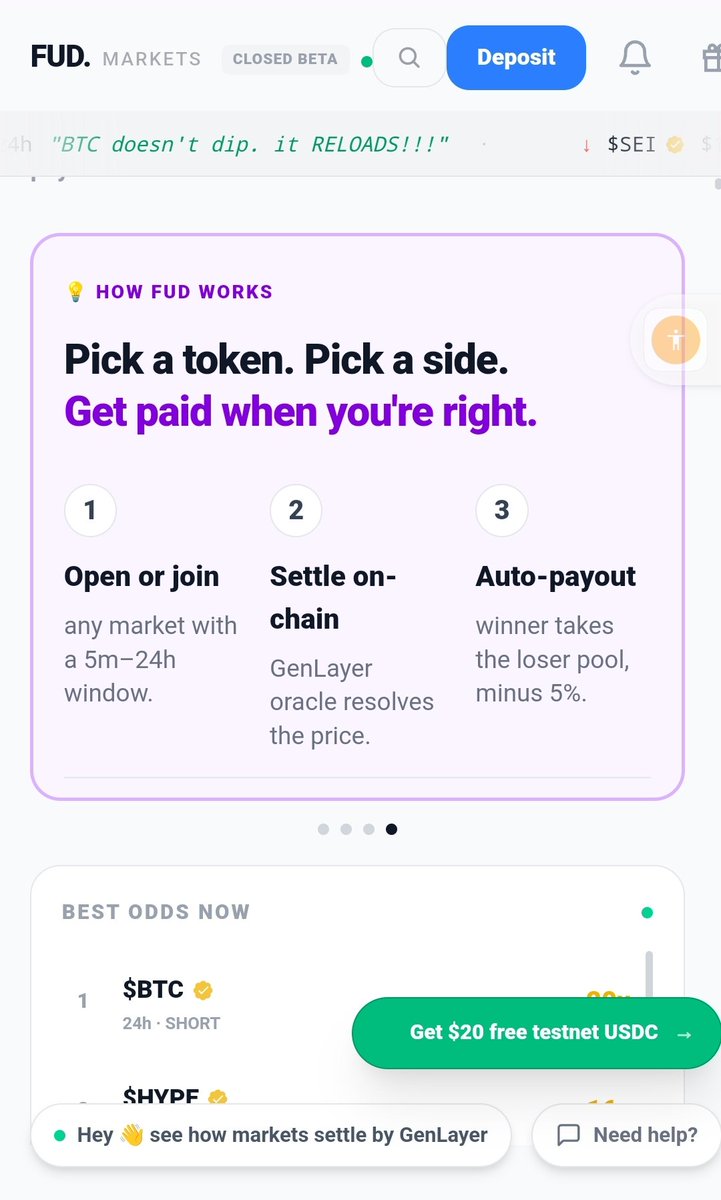
That’s exactly what @FUDmarkets is fixing.
It forces people to put their money with the right thesis.
Built on Base and powered by GenLayer, it changes the rules of online arguments:
• Don’t just tweet that a coin is going to pump or crash.
• Prove how much you believe it by locking in your prediction, your timeline, and your actual money.
Fud any token, in any timeframe. Completely public for everyone to see.
This changes the whole game:
• No more fake experts: If someone gives a terrible prediction, you can watch their track record drop in real time.
• No more deleting tweets: Bad takes don't disappear, everyone will see exactly how much money they lost.
• True alpha stands out: The people who actually know what they’re talking about will rise to the top.
If your prediction is real, you shouldn't be afraid to back it up.
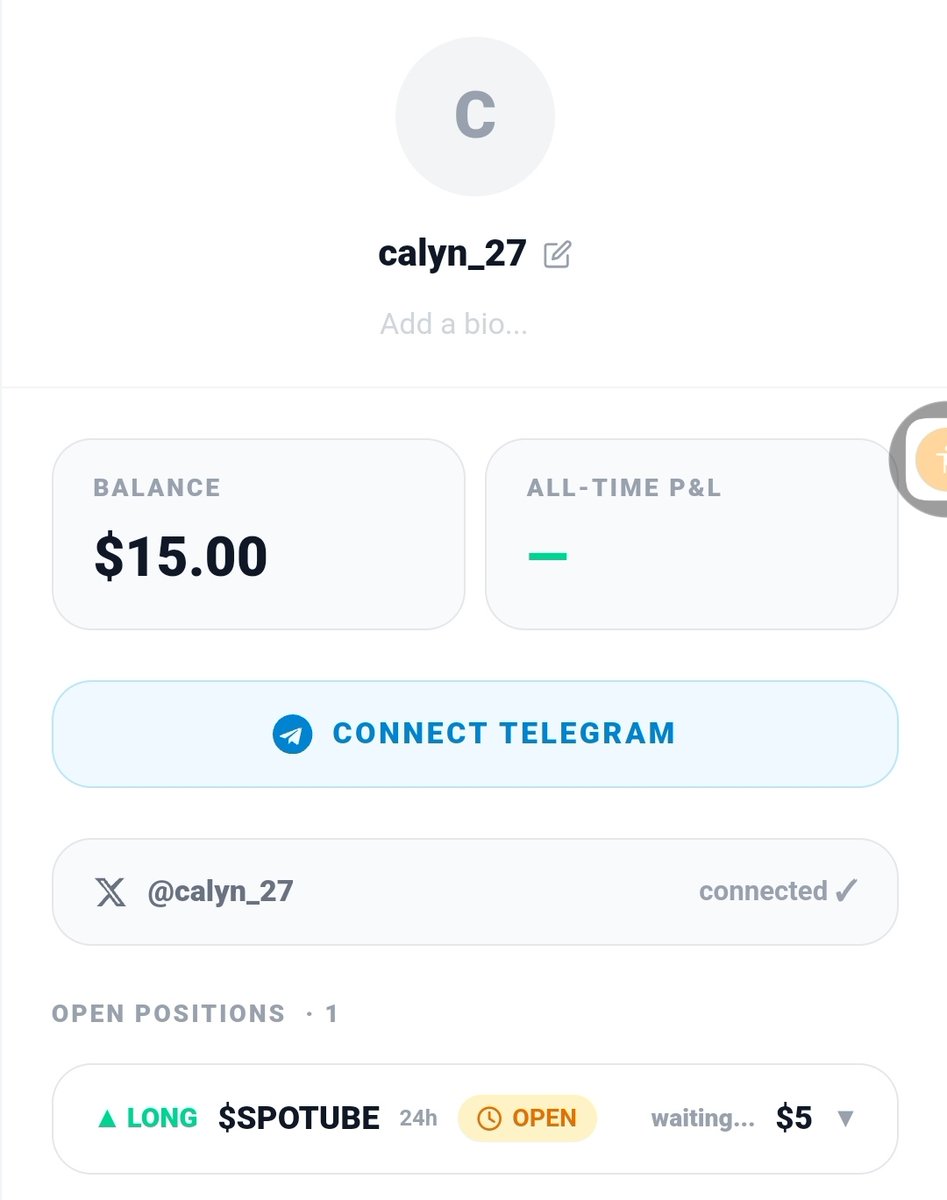
Good news, the testnet is officially live. Let’s see who actually knows their stuff and who is just loud
🔗 Test it here: fud.markets
May 13

the social layer for crypto conviction is live on TESTNET!
FUD Markets lets traders open markets on any token and post public onchain calls the community can follow or fade — from the app, Telegram, or directly on X.
built on @base ⚡ powered by @genlayer 🧠
trade the FUD 👉fud.markets
1
3
38
Paschaline_ retweeted
May 15
16
3
39
1,396
May 10
The Origin Behind GenLayer
Someone once asked me,“How did @GenLayer come this far?”
There have been countless smart contract platforms before it, yet GenLayer emerged with the vision of Intelligent Contracts. So what made the difference?
The answer is simple:
Every great system begins with a strong foundation.
For GenLayer, that foundation is the brilliant minds behind its origin.
The founders never set out to build just another fast blockchain.
Their mission was far bigger, to create a Global Synthetic Jurisdiction.
A digital court system where contracts don’t just execute code, but can reason with intent and fairness.
That’s the missing link in the internet of value.
And that’s why GenLayer stands where it does today.
They didn’t just build a new chain, they addressed one of the internet’s deepest flaws.
By bridging AI and blockchain, they introduced contracts that are finally:
• Trustable
• Evolutionary
• Connected
• Accessible
• Autonomous
They aren’t just keeping the future alive.
They’re giving it a brain.
Study GenLayer
May 3

Genlayer is the first Intelligent Blockchain. @GenLayer
While traditional networks are isolated, GenLayer uses AI to actually see and hear our world.
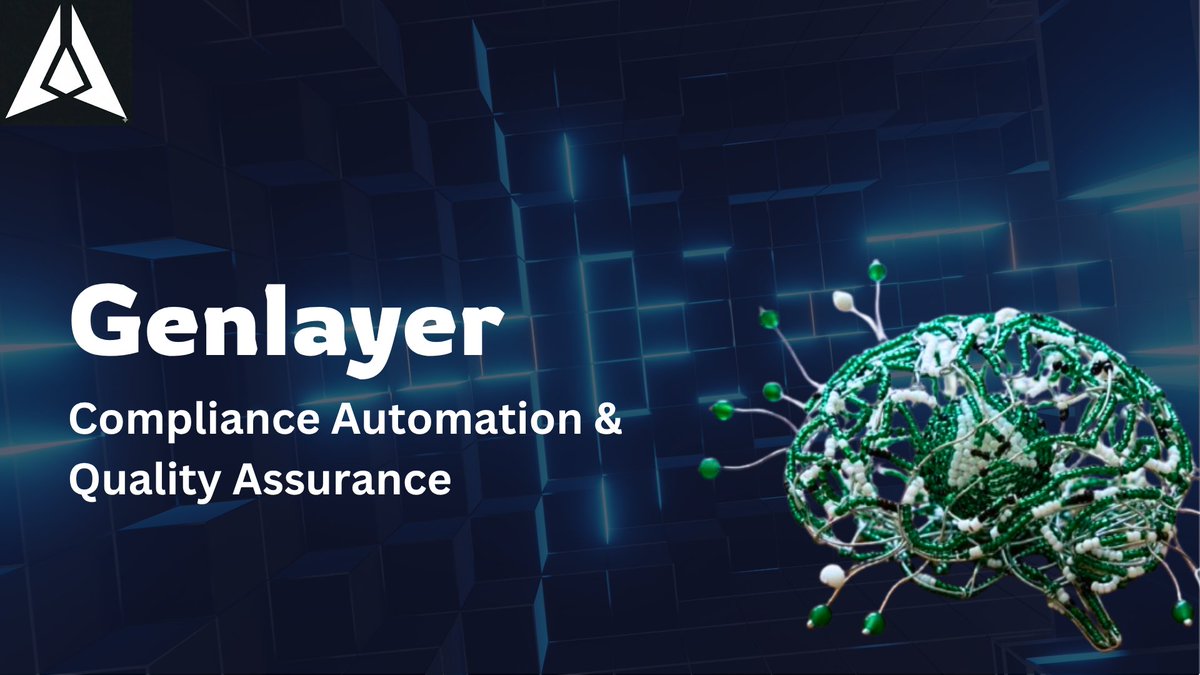
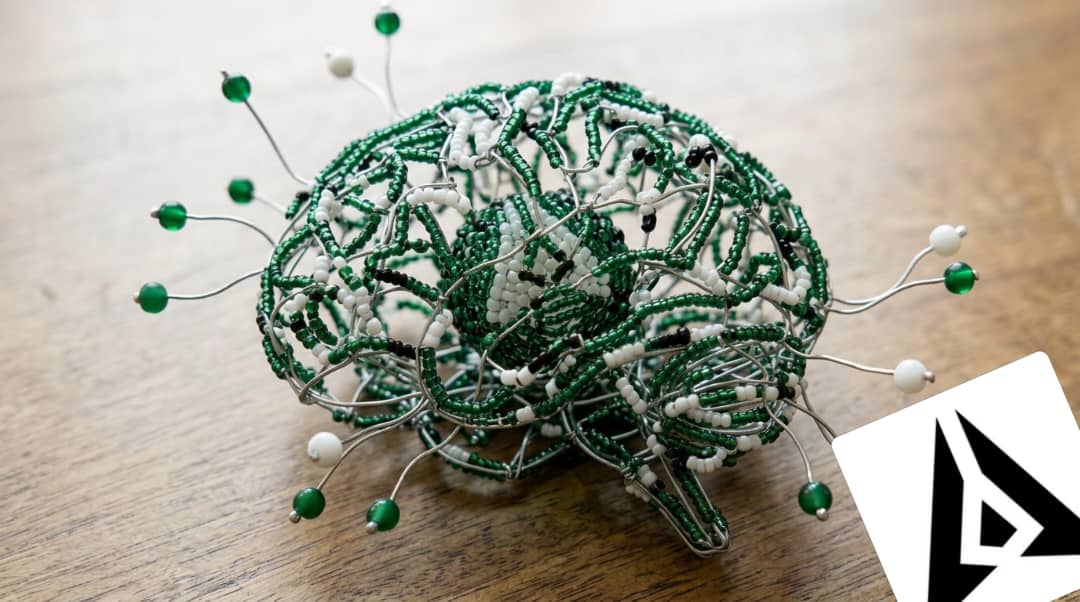
I created this beaded brain to map out that complexity.
It represents the core of an Intelligent Contract, not just a static script, but a living, evolving system. The wires reaching out are the sensors, the neural bridge connecting the blockchain to our reality.
It took a lot of patience and many tangled errors to build this, but the result is a masterpiece that represents the future.
GenLayer will keep evolving, revealing possibilities traditional systems simply can’t.



3
12
133
May 3
Genlayer is the first Intelligent Blockchain. @GenLayer
While traditional networks are isolated, GenLayer uses AI to actually see and hear our world.
I created this beaded brain to map out that complexity.
It represents the core of an Intelligent Contract, not just a static script, but a living, evolving system. The wires reaching out are the sensors, the neural bridge connecting the blockchain to our reality.
It took a lot of patience and many tangled errors to build this, but the result is a masterpiece that represents the future.
GenLayer will keep evolving, revealing possibilities traditional systems simply can’t.
31
4
84
1,759
Apr 30
You can usually tell when a project is actually building something different because the vibe of the people using it starts to shift.
That’s what’s happening with @RallyOnChain right now.
It’s stopped being about just checking boxes or finishing a campaign. I’m seeing creators actually get better. People are thinking harder about the contents they write, cutting the noise out of their writing, and figuring out what actually makes people stop scrolling.
The task is becoming the training ground.
We’re moving away from a group of users just running numbers and toward a network of people actually raising the standard for what influence looks like in Web3.
No one is asking for permission. There’s no fixed hierarchy. Just people contributing, getting evaluated, and earning based on the actual value they bring to the table.
It doesn’t feel like just another platform launch. It feels like we’re watching a new version of the creator economy fix its own problems in real time.
9
37
140
528