
|| The Politics of Place || Urban as “Hybrids” || Born of Grace || Minimalist by Choice || Anti-squealer (Clue: George Orwell’s Animal Farm)
Joined October 2017
- Tweets 2,613
- Following 3,424
- Followers 505
- Likes 2,715
81 Photos and videos
Pinned Tweet

29 Aug 2024
I'm always fascinated by his energy, depth of knowledge, and consistency. In the future, we'll need a Bright Simons Institute to memorialize & institutionalize his works. Today, many might take what he's doing for granted but one day we'll understand the value of what he does.
1
1
11
4,285
Jun 6
God bless @pazunre and his team at Khaya! What an incredible innovation!
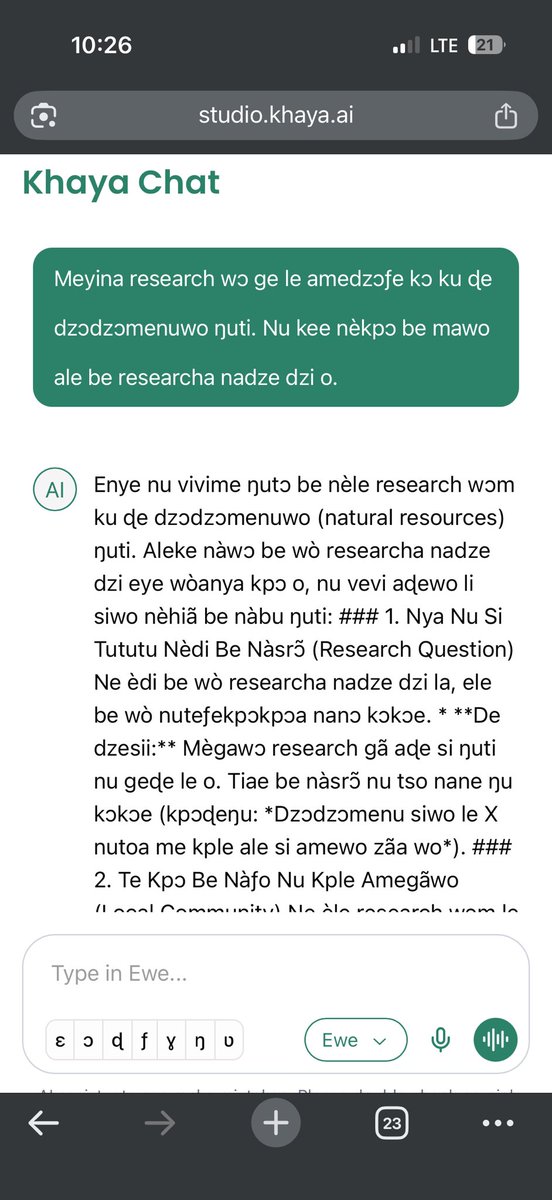
I was just playing around with Khaya Chat and decided to test it. Via audio, I told it that I was planning to conduct research in the Amedzofe area and needed some guidance to ensure success. The response? It immediately advised me to have a clear research question and went on to provide other useful recommendations. What impressed me even more was that although I speak Tongu Ewe, I deliberately switched to the Anglo/Ewedome variant; yet, Khaya Chat still understood my query perfectly, regardless of my accent.
Well done @pazunre
6
5
3,091
Dessy Nabas retweeted

Jun 4
Accra flooded again yesterday. June 3. The anniversary of the 2015 disaster.
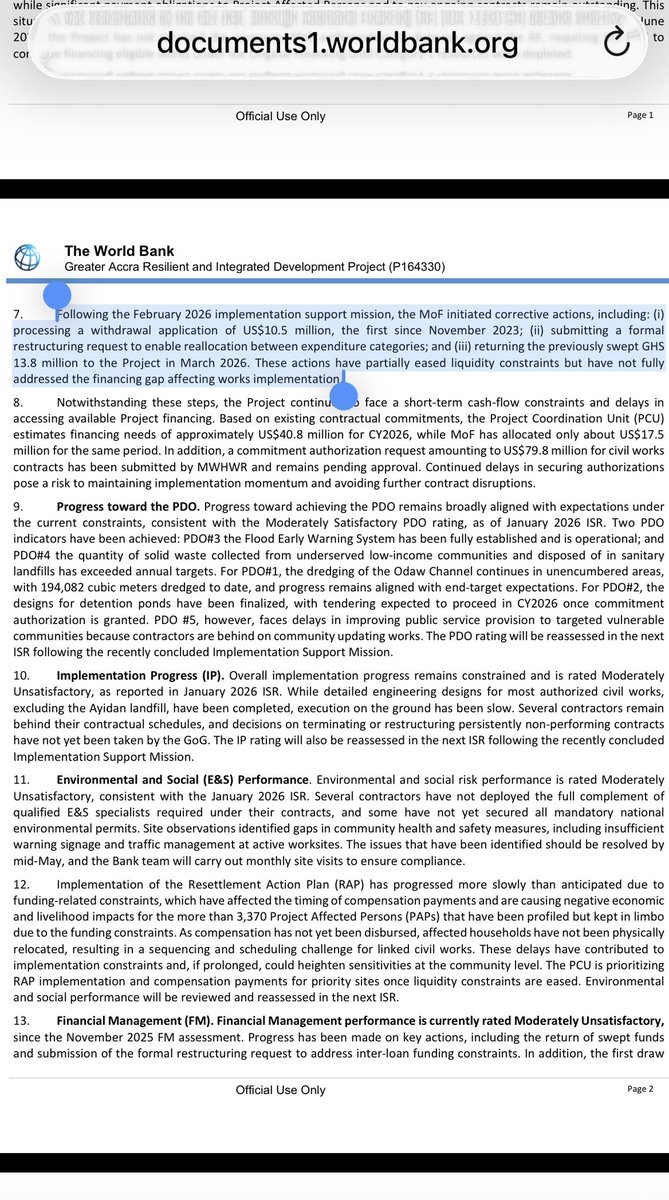
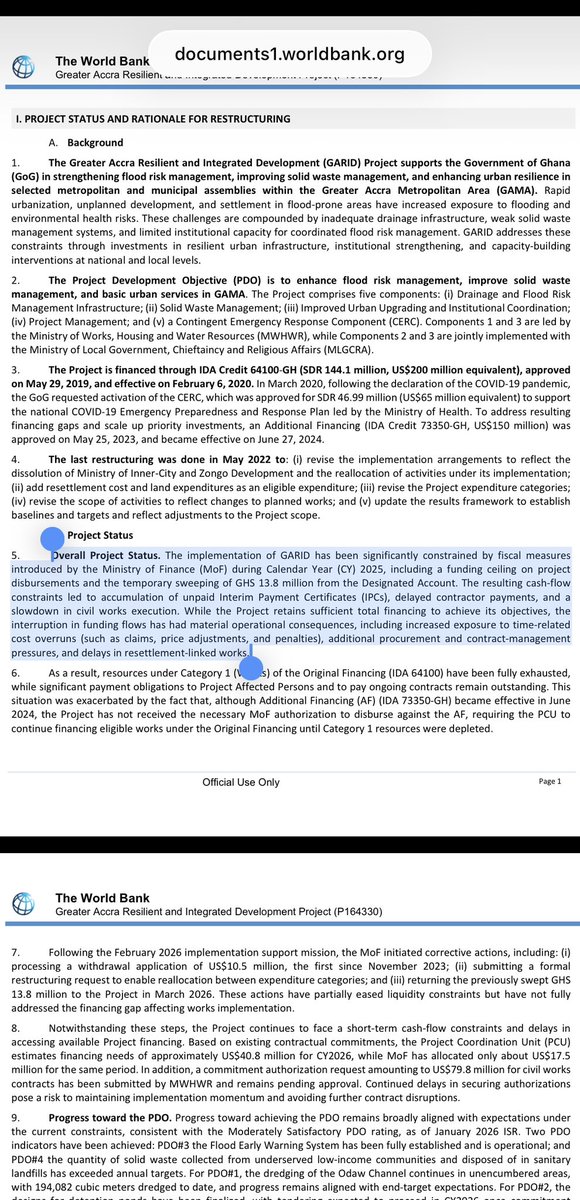
We have a $350 million World Bank project called GARID designed specifically to fix this. But somewhere between the debt default, the IMF programme, and the fiscal consolidation that followed, it became a casualty.
Ghana’s economic crisis and resulting fiscal consolidation efforts forced spending cuts. The result was 16 months without a single disbursement. For instance, government introduced a funding ceiling on project disbursement last year and swept 13.8m cedis from the project’s designated account. While Accra flooded every season, contractors demobilized and drain works stalled.
Six years in, only 40% of $350 million has been used. Detention ponds not built. The Ayidan landfill not built. Nima’s wastewater sewers not completed. Over 3,370 displaced persons profiled but not yet compensated. And the entire $150 million additional financing approved in 2023 remains completely untouched.
The World Bank has now warned Ghana formally: confirm sustained funding disbursement or the project’s continuation is at risk.
To its credit, government has begun responding. The swept funds were returned in March 2026, a withdrawal application of $10.5 million was processed, and a formal restructuring request submitted. Steps in the right direction, but the World Bank’s own assessment notes these have only partially eased the financing gap.
June 3 demands more than remembrance. It demands follow-through
10
112
150
9,565
Mar 31
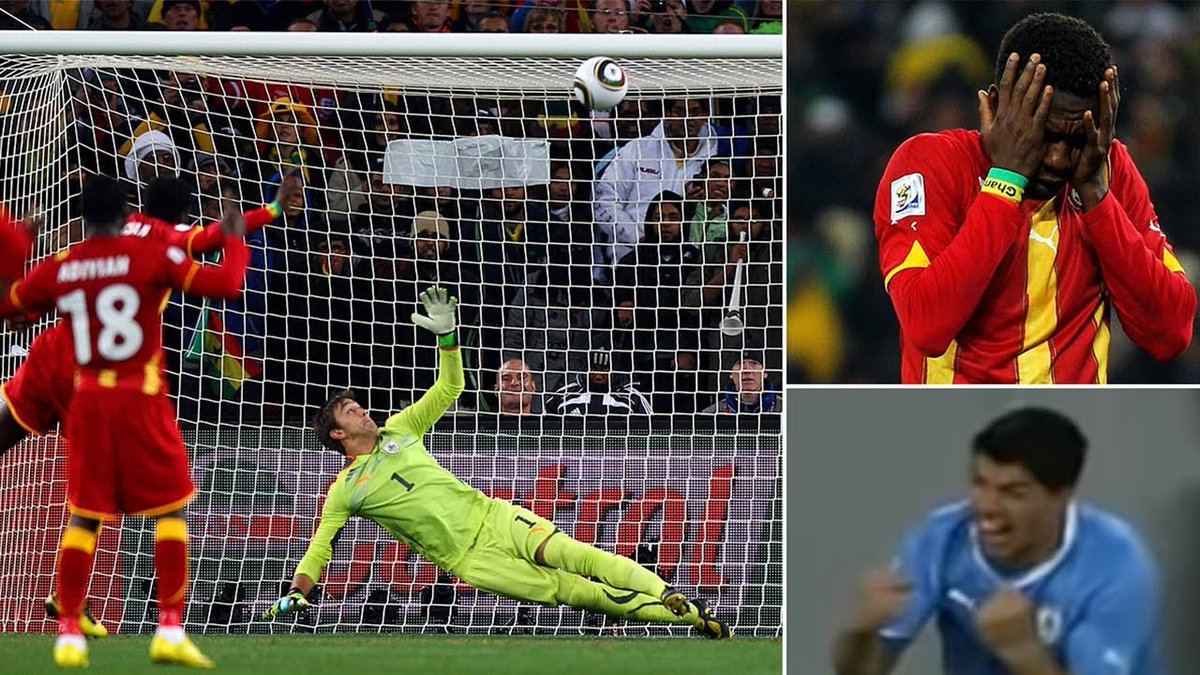
The Ghana Football Association needs a surgical reset. Sacking Otto Addo may be necessary, but it is far from sufficient. We must learn from Morocco and Senegal by adopting a long-term strategy focused on recruiting and nurturing homegrown talent, investing in sports infrastructure, and building a system that supports the transition of young players into professional football.
#GFA @OttoAddo #Football #Ghana #worldcup
54
Mar 18
😂

A team in Brazil scored a goal within 19 seconds without even touching the ball.
39
Dessy Nabas retweeted

Mar 7
For a few years now, a group of us have tried to explain that the biggest challenge in African democracies like Ghana, Nigeria, and Kenya is not really the POLITICS.
The real mess is in POLICY. We call this KATANOMICS.
But we have done most of our explaining using essays. Everyone tells us, however, that reading nowadays is hard! People are too swamped and busy.
So, we are trying our hands at using videos and photos. 😊
First video:
youtu.be/cj9pUzTr2vQ
We are new to this so forgive the quality and focus on the message. But we are very welcome to all feedback. Keep them coming.
29
98
244
91,411
Dessy Nabas retweeted

Mar 7
@BBSimons" wries..For a few years now, a group of us have tried to explain that the biggest challenge in African democracies like Ghana, Nigeria, and Kenya is not really the POLITICS.
The real mess is in POLICY. We call this KATANOMICS.
But we have done most of our explaining using essays. Everyone tells us, however, that reading nowadays is hard! People are too swamped and busy.
So, we are trying our hands at using videos and photos. 😊
First video:
youtu.be/cj9pUzTr2vQ
We are new to this so forgive the quality and focus on the message. But we are very welcome to all feedback. Keep them coming. "
1
7
19
3,040
Mar 4
I said this in 2024 and I'll say it again, we must begin to think about how to institutionalize the works of @BBSimons for future generations. I don't think Ghanaians appreciate Bright enough for the thankless job he's doing for not just Ghana but Africa as a whole! The way @BBSimons explained the politics-policy dynamics on the webinar organized by NEXTIER is nothing short of insightful. God bless you @BBSimons. I really enjoyed the your presentation and the questions were insightful. Please share information about any of your next presentations with me. I want to continue to glean jewels of knowledge from your vineyard (Previous name: Coffie Jaydee. Now Dessy Nabas 😊)
29 Aug 2024

I'm always fascinated by his energy, depth of knowledge, and consistency. In the future, we'll need a Bright Simons Institute to memorialize & institutionalize his works. Today, many might take what he's doing for granted but one day we'll understand the value of what he does.
2
6
15
2,557
Dessy Nabas retweeted

Feb 24
Ghana drops coup leader's name from main airport on putsch anniversary bbc.in/4tRsuhD
61
413
1,985
153,722
Dessy Nabas retweeted

Feb 18
Ivory Coast is considering cutting the guaranteed farm gate price paid to its cocoa farmers to align with Ghana, two government sources told Reuters, as the world's biggest producers of the chocolate ingredient face a major crisis. reuters.com/world/africa/ivo…
41
277
549
60,271

Ivorian farmers are being forced to store unsold cocoa beans in their homes and accept low prices for their harvest as demand slumps and prices fall reut.rs/4avEXyA
122
923
1,656
934,964
Feb 12
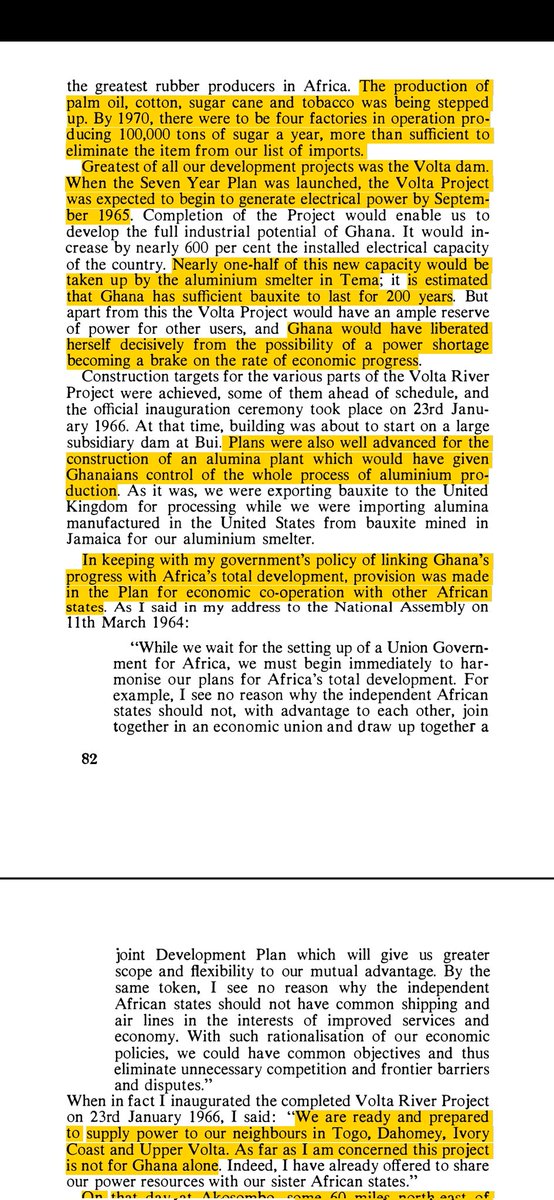
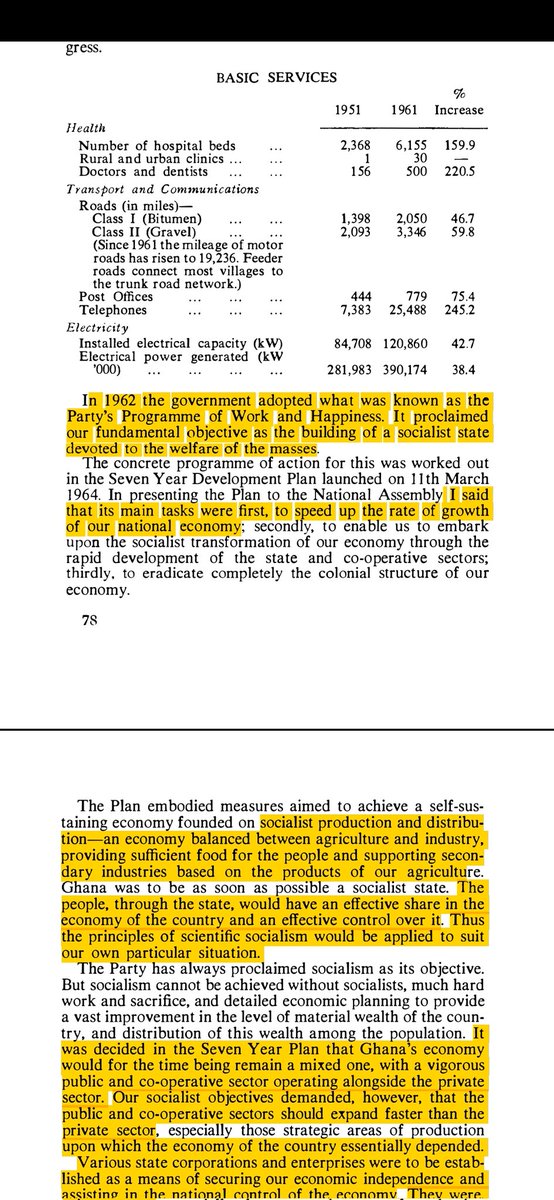
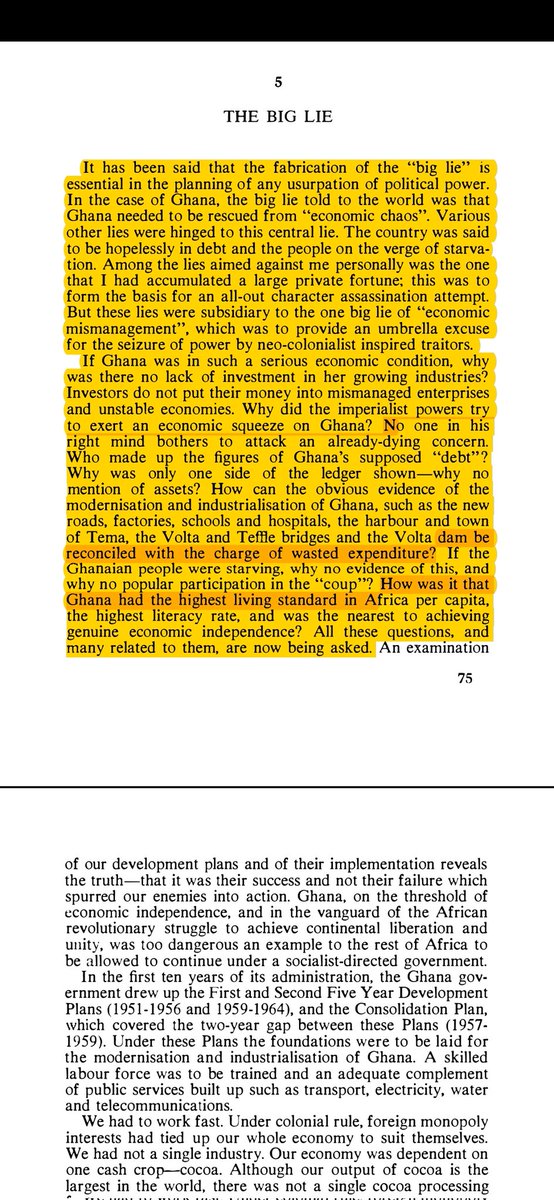
If I had to replace leadership with one word, that word would be “foresight.” A great leader must constantly think about the future. If there was one thing that set Nkrumah apart, it was his foresight.
All post-Nkrumah leaders had a much simpler job than Nkrumah. They only had to focus on Ghana. Nkrumah sought to develop Ghana and carry Africa along. So his foresight was national and continental in scope, linked to the global political economy.
We don’t have visionary leadership in Ghana in respect of some sectors of our economy. We govern by reaction. Zero foresight.
So no one thought of building buffering mechanisms against a possible drop in world market cocoa prices, especially considering how exposed the sector was? We always wait for the shock before scrambling for solutions.
Yes, the previous government made a mess of the cocoa sector. But that does not absolve the current one. Proactive leadership anticipates risk. A good example was when the Bank of Ghana liquidated part of our gold reserves at peak prices. Within days, global gold prices began to fall. That was foresight.
What our leaders lack is a measure of scientific clairvoyance across sectors. The ability to read trends, model uncertainty, and prepare for shocks, especially when our economy is linked to volatile global markets.
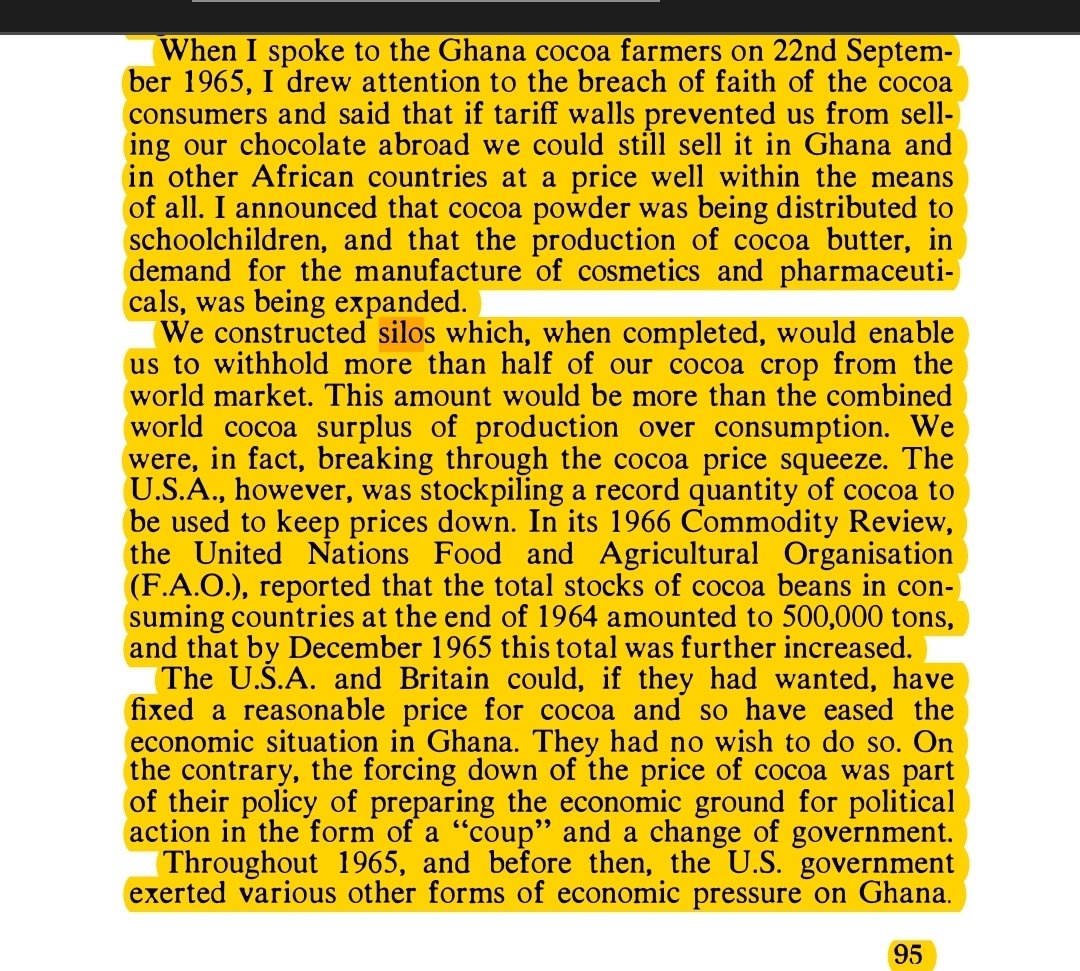
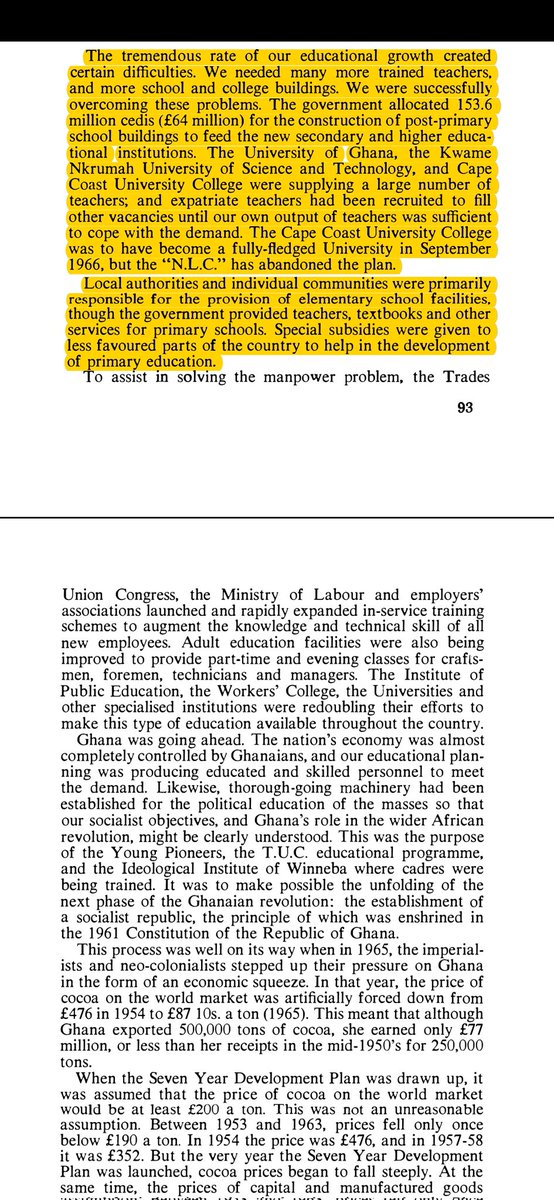
Kwame Nkrumah understood this. As a visionary leader, he built concrete silos to store cocoa and hedge against world price fluctuations. He also invested in processing factories for the same strategic reason.
6 decades later, we remain at the mercy of commodity price volatility. It is a failure of vision.
1
623
Feb 12
We don’t have visionary leadership in Ghana in respect of some sectors of our economy. We govern by reaction. Zero foresight.
So no one thought of building buffering mechanisms against a possible drop in world market cocoa prices? We always wait for the shock before scrambling for solutions.
Yes, the previous government made a mess of the cocoa sector. But that does not absolve the current one. Proactive leadership anticipates risk. A good example was when the Bank of Ghana liquidated part of our gold reserves at peak prices. Within days, global gold prices began to fall. That was foresight.
What our leaders lack is a measure of scientific clairvoyance across sectors. The ability to read trends, model uncertainty, and prepare for shocks, especially when our economy is linked to volatile global markets.
Kwame Nkrumah understood this. As a visionary leader, he built concrete silos to store cocoa and hedge against world price fluctuations. He also invested in processing factories for the same strategic reason.
6 decades later, we remain at the mercy of commodity price volatility. It is a failure of vision.
1
46
Feb 11
Watch this
Feb 11

KIA Name Change: I feel pity for Paul Adom-Otchere; he doesn't know enough - Kwesi Pratt counters @AdomOtchere on the Nkrumah debate with history
#GoodMorningGhana #MetroTV
61
Feb 10
I have said this in the past and I'll say it again! Galamsey Will destroy JM's legacy term if left to fester
##SayNoToGalamsey
21 Sep 2025
Nothing will hasten this NDC government into opposition more surely and more swiftly than the rot of galamsey left to fester.
##StopGalamseyNow
41
Dessy Nabas retweeted

“It is difficult to get a man to understand something, when his salary depends on his not understanding it.”-Upton Sinclair
18
140
888
33,589
Feb 8
Kweku Darko Ankrah writes:
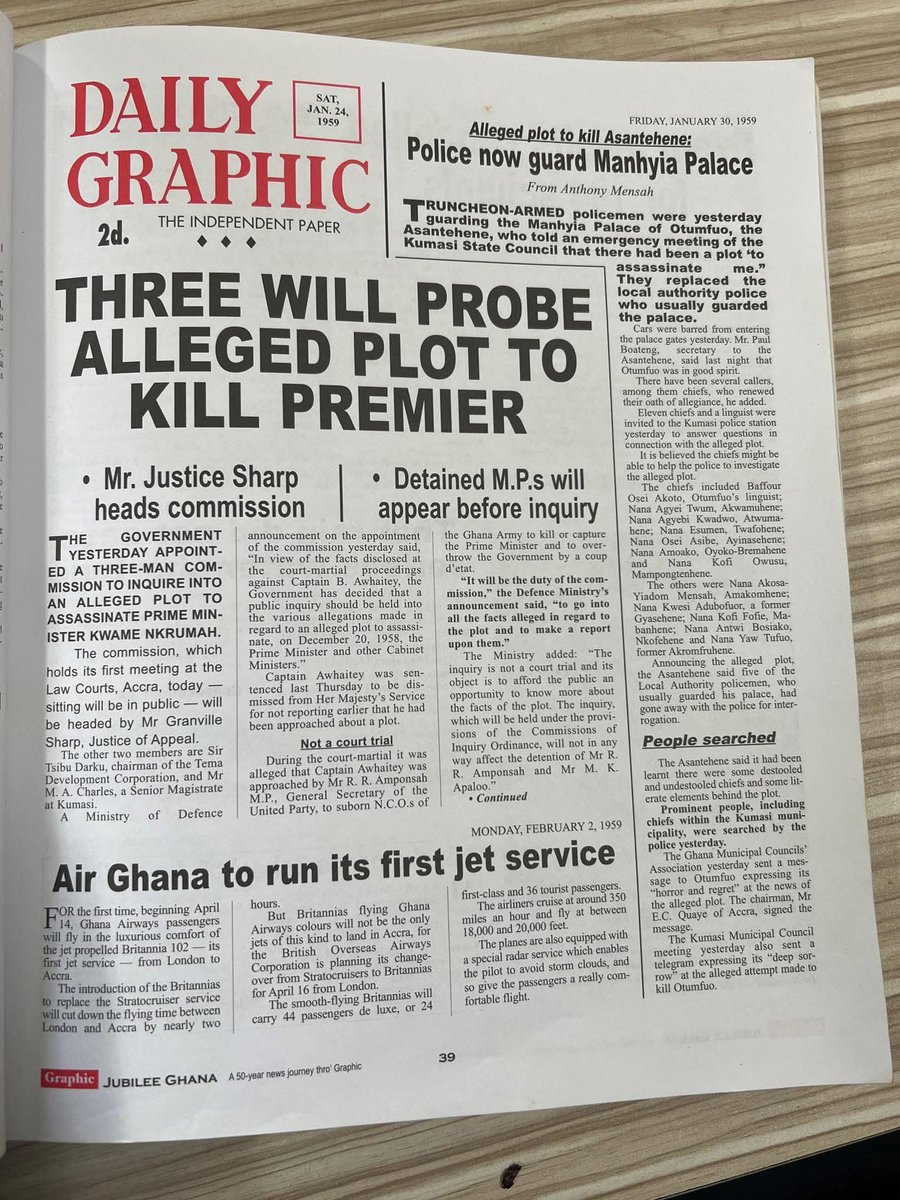
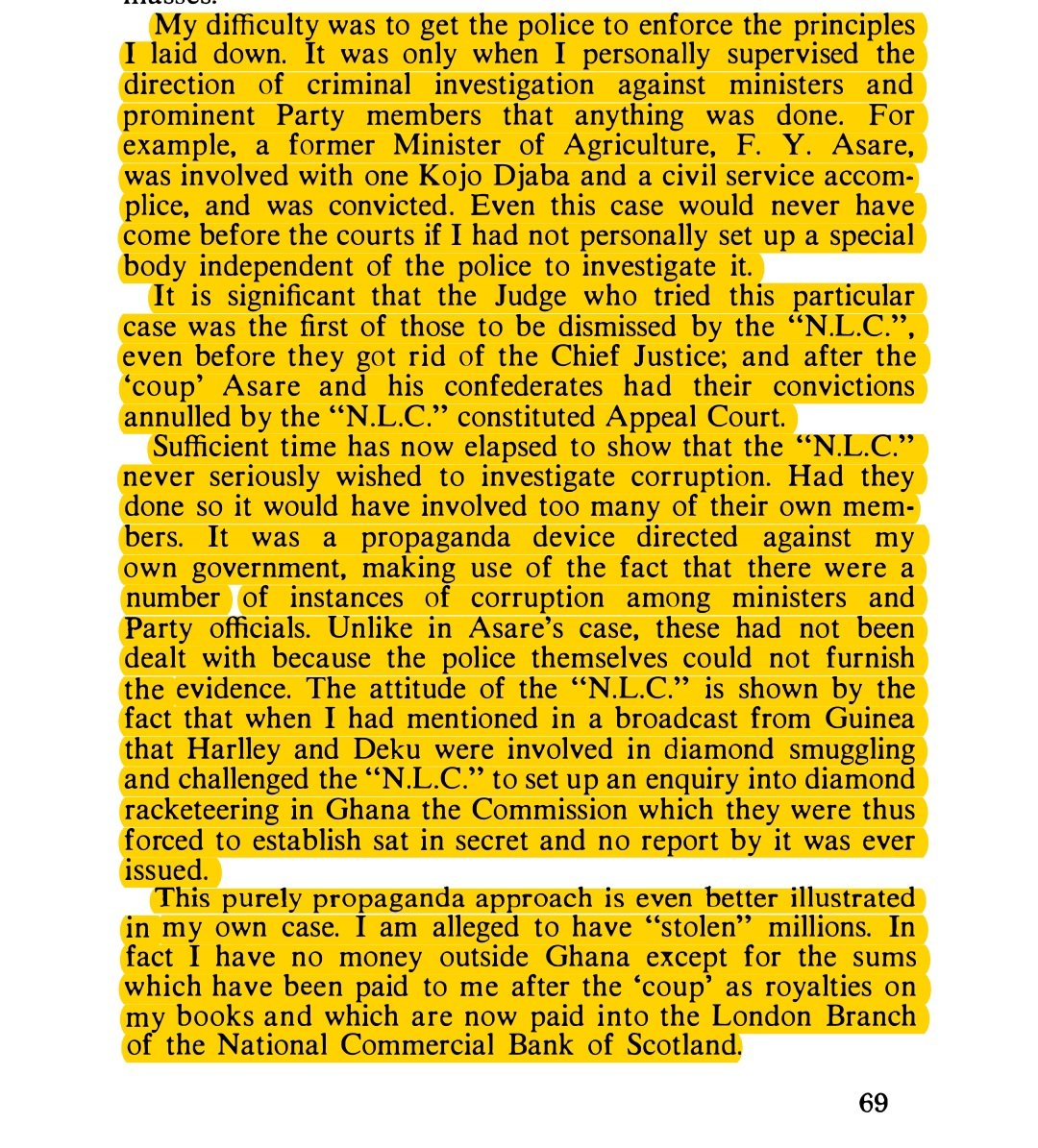
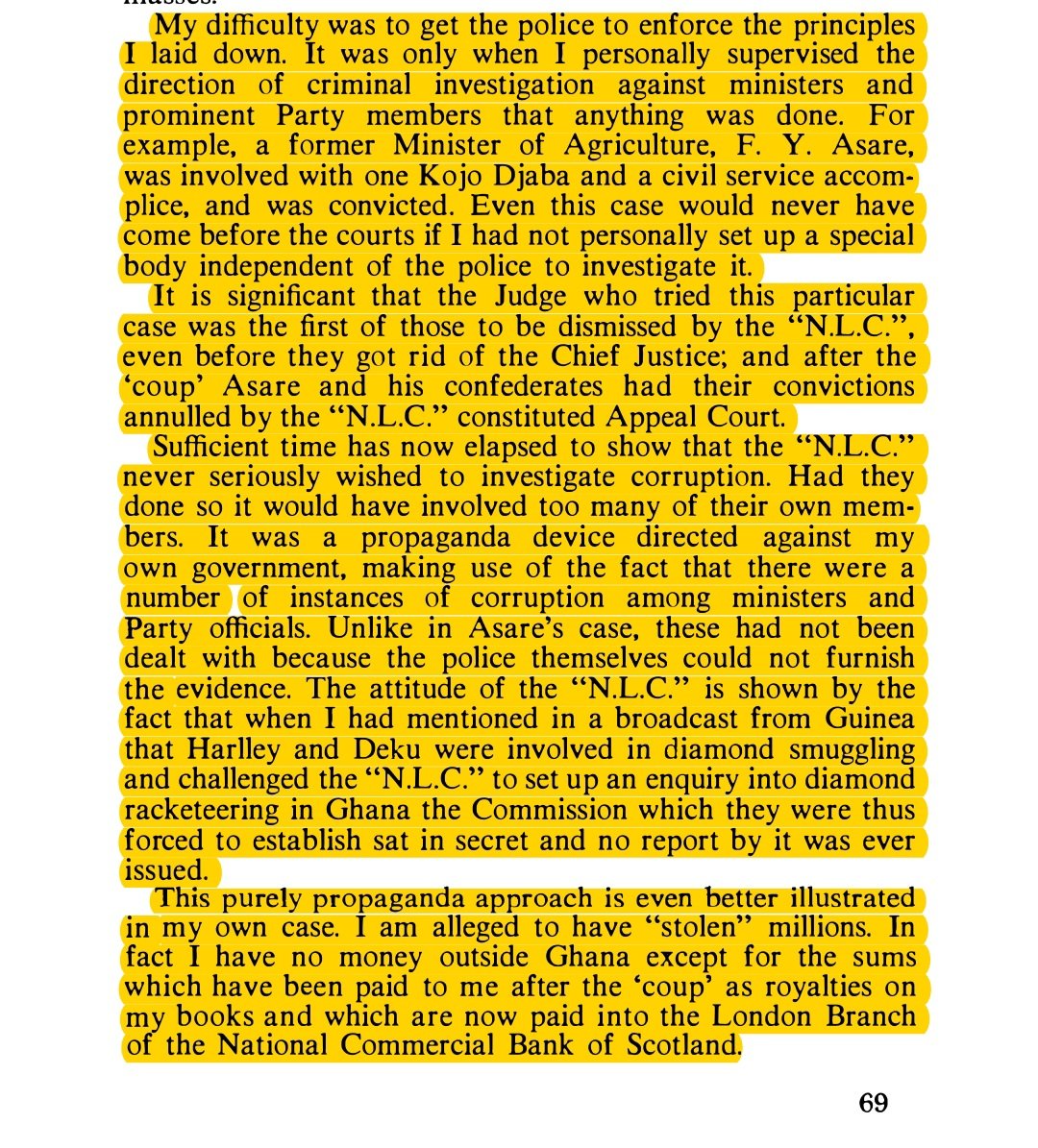
HOW THE NLC COUP MAKERS AND BUSIA’S PROGRESS PARTY COMMITTED THE SAME, OR WORSE, OFFENCES THEY ACCUSED NKRUMAH OF (PART I)
From time to time, it becomes necessary to set the historical record straight. Kwame Nkrumah is routinely condemned for four principal actions:
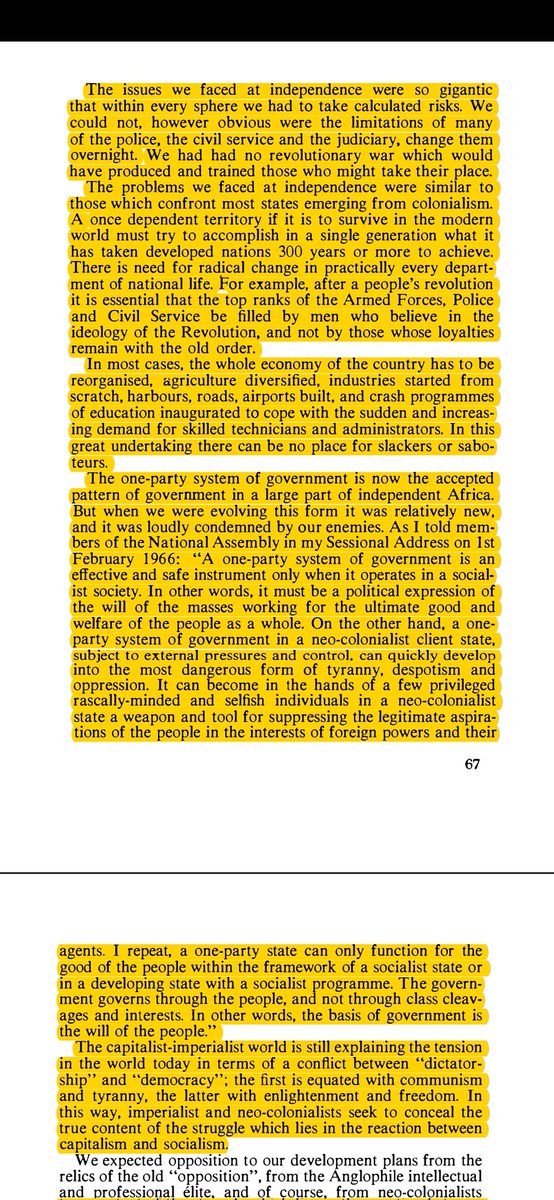
(a) The establishment of a One-Party State
(b) The dismissal of Chief Justice Sir Arku Korsah and four other judges—Justices Edward Akufo-Addo, Robert Samuel Blay, Kofi Adumua Bossman, and Henry Kwasi Prempeh
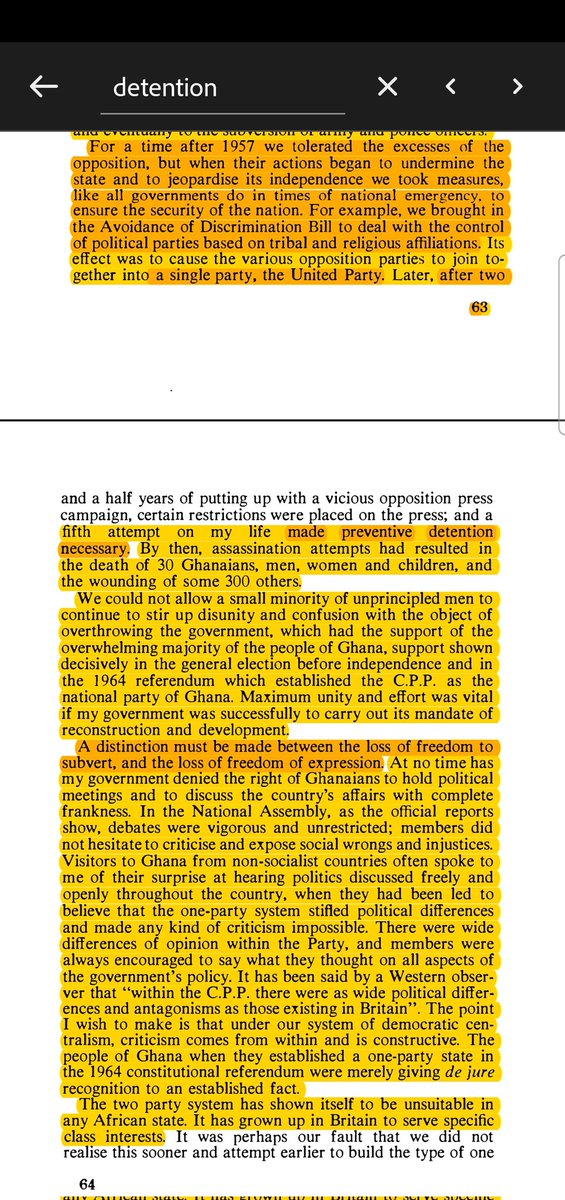
(c) The enactment of the Preventive Detention Act (PDA) and Alien Deportation Act.
(d) The Re Akoto case
These measures undeniably occurred under Nkrumah’s government. Yet critics—often displaying selective historical memory—present them as unprecedented authoritarian excesses. What is conveniently ignored is that the National Liberation Council (NLC) and the Progress Party (PP) regime that followed perpetrated comparable actions, in several instances with greater severity.
Relook at (a) The One-Party State and Political Proscription
While Nkrumah’s 1964 constitutional amendment formally established a One-Party State, the NLC itself enacted the Prohibited Organisations Decree, 1969 (issued on 6 June 1969), banning the Convention People’s Party (CPP) and proscribing individuals associated with Nkrumah.
Notably, Dr Willie Kofi Lutterodt and sixty-seven others—including lawyer Nee Odoi Annan, Geoffred Aduamah (barrister-at-law), Ambassador O. B. Amankwa, and former CPP ministers Kwasi Amoako-Atta, J. Y. Ghann, and Imoru Egala—were barred from contesting the 1969 elections. Their pro-Nkrumahist People’s Popular Party (PPP) was also outlawed (see Daily Graphic, Issue 5,811, 7 June 1969, p. 1: “68 P.P.P. Members Disqualified”).
This political ban was later entrenched in the 1969 Constitution, which was simultaneously advertised to the public as enshrining “Fundamental Human Rights.” The contradiction is obvious.
Relook at (b) Judicial Purges: Nkrumah versus the NLC
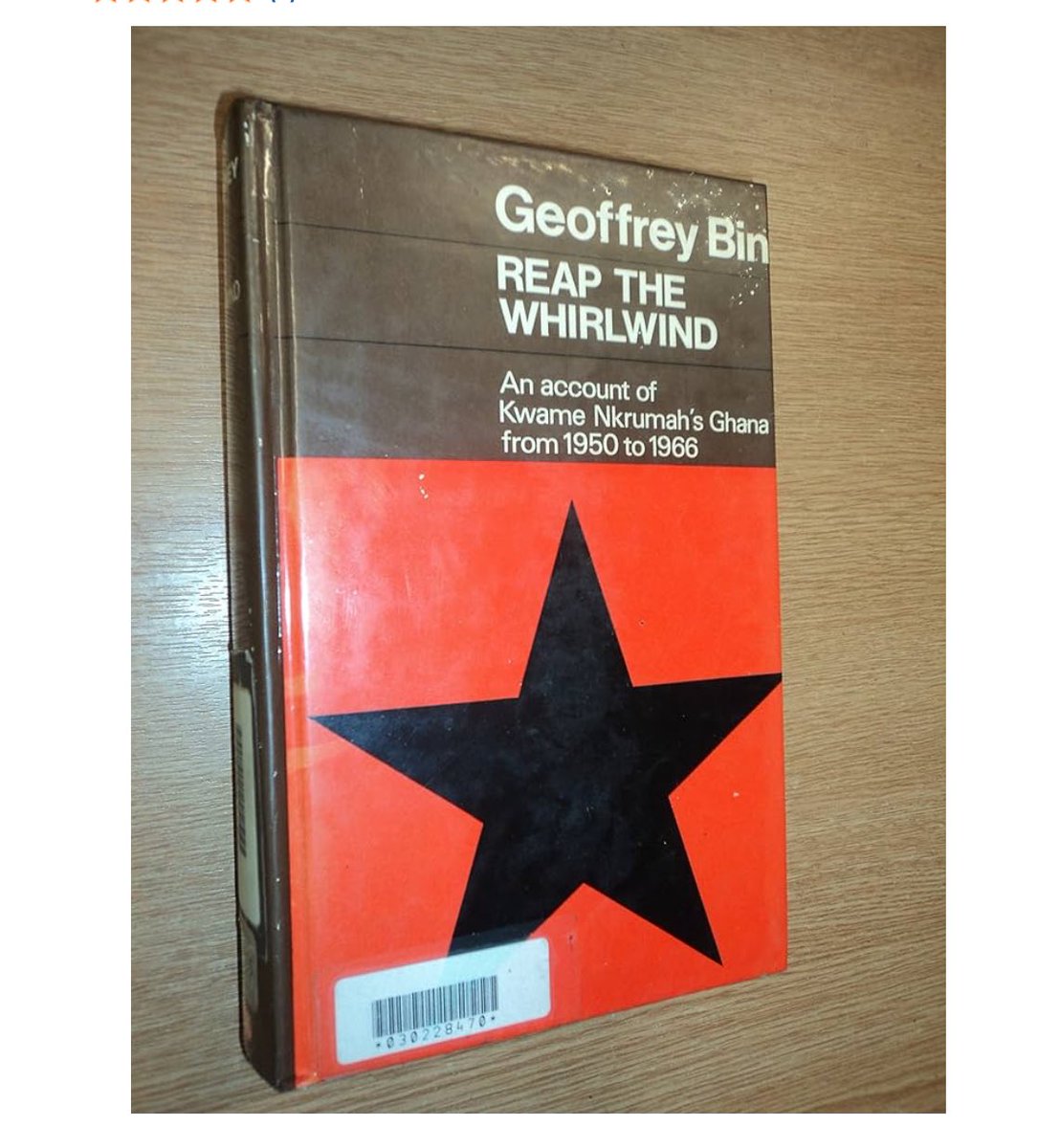
It is true that Nkrumah controversially dismissed Chief Justice Korsah and four other judges: Edward Akufo Addo, Robert Samuel Blay, Kofi Adumua Bossman and Henry Kwasi Prempeh . However, they were paid severance packages of £10,000 each for the loss of office (see Geoffrey Bing, Reap the Whirlwind, page 415)..
Following the 1966 coup, Justice Edward Akufo-Addo—himself one of the dismissed judges and now a member of the NLC—was recalled to office. Chief Justice Julius Sarkodee Adoo, who had replaced Korsah, was summarily removed, paving the way for Akufo-Addo’s reinstatement as Chief Justice.
More troubling still, Akufo-Addo subsequently advised the NLC to dismiss over thirty-six judges across the Supreme Court, Court of Appeal, High Court, and even Circuit Courts. These judges include Justices Augustus A Akainyah, George Commey Mills-Odoi, William Stacy Bruce-Lyle and Johnson Boaten Siriboe, who were kicked out of the the Supreme Court. At the High Court, Justices George Lawer Arthur Djabanor, Akilano Molade Akiwumi, Henry Peter Lankai Bannerman, Kodwo Ebu Boison, Kwame Okyere-Darko, Sarpong Asafu-Adjaye, Samuel Aryeetey Attoh and Samuel Akuamoa Wiredu (see ANE Amissah, The Contribution of the Courts, page 215). Unlike Nkrumah's dismissed judges, these jurists received no severance payments.
64
Dessy Nabas retweeted

I have stayed away from the Nkrumah debate only because I do not have the time to engage in the back-and-forth.
Ordinarily, I would have established a watchtower here to counter most of the nonsensical claims.
One being that a one-party state is necessarily undemocratic & dictatorial.
Those with any knowledge of classical democracy & democracy in general before the 17th century know that multi-partism was a modern Western mode of democratic expression.
Its non-existence doesn't render the system undemocratic.
Traditional modes of primary political participation in Ghanaian, Greek, and Roman societies were not partisan but democratic.
Consensual participation can permit democratic expression through elections & appointments by a one-party node.
Unless the one party is a closed book based on class, gender, or ethnicity, being the main mode of political participation doesn't render the system undemocratic.
In a society where political theory is rarely applied, such simplistic comments were not surprising to find, so finding them didn't come as a shock.
According to Robert Dahl (see his book, “On Democracy”), the logic of equality, if sustained, renders a system democratic. From 1964-66, the logic of equality was kept in national politics.
Although a one-party system reduces the window of participation and representation, it doesn't eliminate it.
Although equality of political speech & discourse is more expansive in a multi-party system, which makes it qualitatively superior to one-party democracy (See David Held, Models of Democracy), that qualitative difference is only of degree, not form.
13
44
149
8,183