Researcher, Writer, Speaker, Tour Guide on - The University Greys, Pre-Civil War Ole Miss Alumni, Oxford, Ole Miss, Mississippi, Shiloh. OLE MISS HISTORY!
Joined September 2024
- Tweets 1,629
- Following 32
- Followers 3,057
- Likes 3,039
964 Photos and videos

Jun 11
CORRECTING A MYTH
(The truth is even worse)
There is a myth that says the State of Mississippi spent 20 percent of her State budget in 1866 on prosthetic arms and legs for her Civil War Veterans. Shelby Foote, perhaps more than anyone else, helped to spread this myth. It was not his fault he just had a larger audience than anyone else. Best as I can remember, Ken Burns repeated this story to great dramatic effect.
There was a bill passed and presented to Mississippi Governor Humphrys, in 1866. It basically said that twenty percent of the State budget would be used for, "Relief of the disabled and destitute" of the State. It also said, "Preference would be given to widows and children of Confederate Soldiers". But, not more than $60,000 was to be spent on the widows and orphans. The Governor signed the bill.
The bill also stipulated that a census be taken of men who needed prosthetic arms and legs, so that the State knew who they were, and how many would be needed. But 25 percent of the counties did not respond to the census, so, the State Treasurer refused to spend any money until 100 percent of the Counties responded. The State Treasurer only spent $203 on prosthetics by 1867. The $60,000 was spent on the disabled, destitute, widows and children. That came to only a few dollars for each one.
Somehow, by 1868, $24,712 was spent on prosthetics. All that was far less than needed.
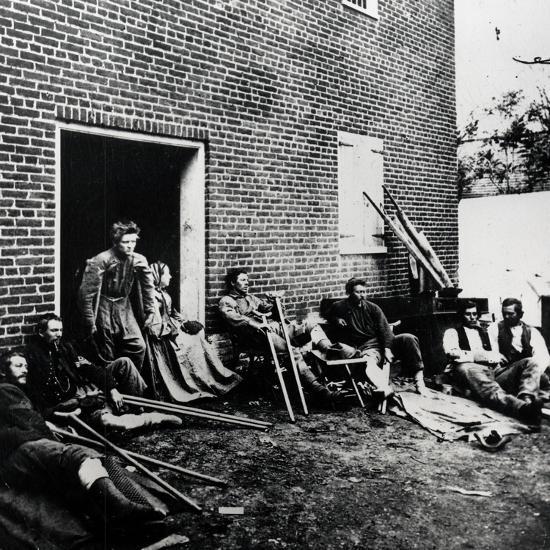
This myth seems to come from a misreading by some historian of the State appropriation bill. Foote sems to have picked it up as fact in the early 1970's, as he wrote volume three of The Civil War. He most likely got it from fellow Deltan, and fellow Mississippian, Hodding Carter, in his 1959 book on Reconstruction, The Angry Scar. Carter probably got it from some other earlier book. It started to grow and grow until it was accepted as fact. Some authors in recent years have even written that Mississippi spent HALF her State budget in 1866, on prosthetics. IF that had only been so! That kid in the doorway, in this picture, haunts me.
All of this is taken from the book, Empty Sleeves: Amputation in the Civil War, by Brian Craig Miller, 2015. Most of this appears in a footnote! I bought the book just for the footnote! I would think that some bright Graduate student could track down much more on this story. I hope that happens.
This picture is from a hospital in Virginia during the War. The University of Mississippi hospital on the University campus, looked no different than this. I hope you can ALL picture a scene like this on the front porch of the Ole Miss Lyceum. I can, and I DO!
2
29
1,153
Jun 10
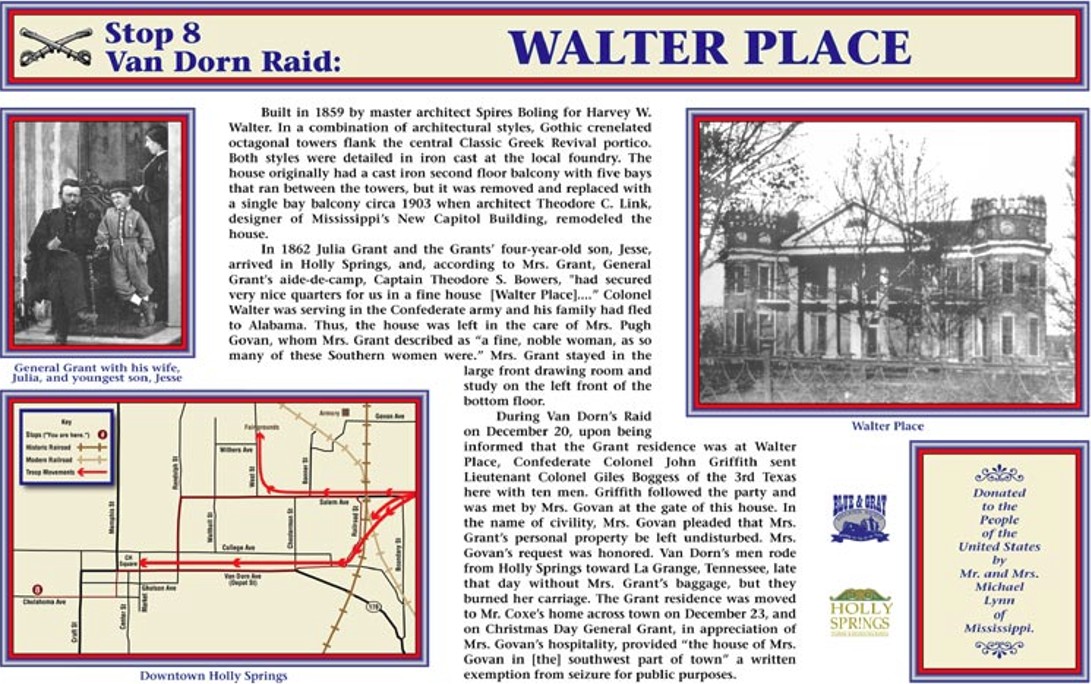
The DECEMBER 1862 HOLLY SPRINGS RAID
CLICK to enlarge and read!
7
310
Jun 9
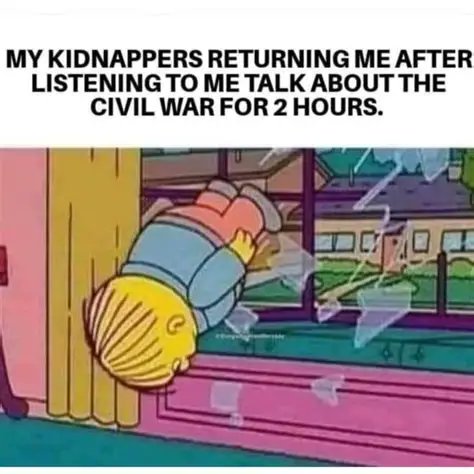
I AM KIDNAP PROOF!
I am too old, ugly, and poor, to ever be kidnapped. Besides that, I am sure my brother would ask, "You want how much to send him back???", and he would start laughing manically, and he would tell them, "Good luck with that, NO Sale! Congratulations, he is yours.".
Besides all this, there is the picture here.
I would chase the kidnapper's car down the street, if I ever got returned, yelling, "Wait, there's MORE! I haven't told you about the Seven Days Battles yet!!!!". I have found that Ignorance is a choice. 😀🙃🤪😜😝😎😎🥸🥸😃
Me and Red Chief are SAFE! You can ALL go to bed tonight with ONE less worry!
1
13
375
Jun 3
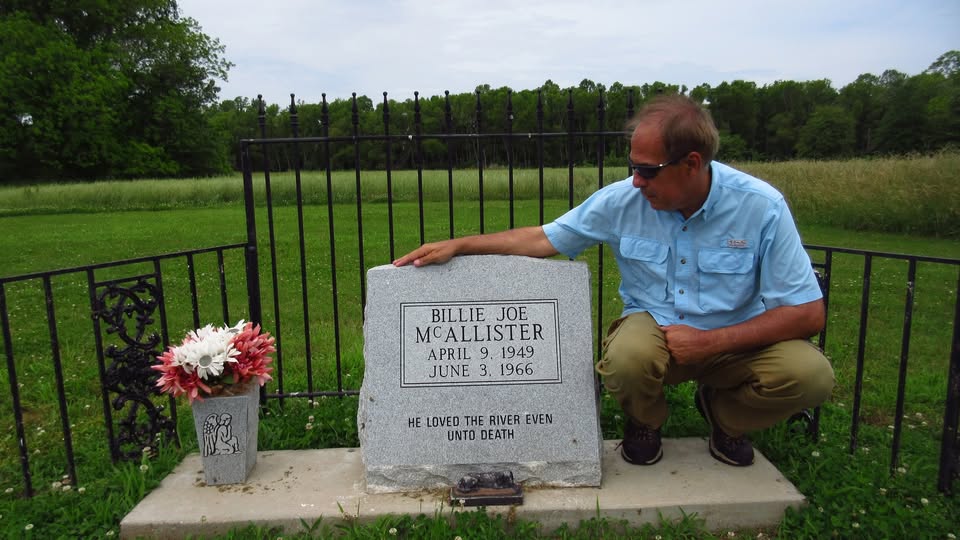
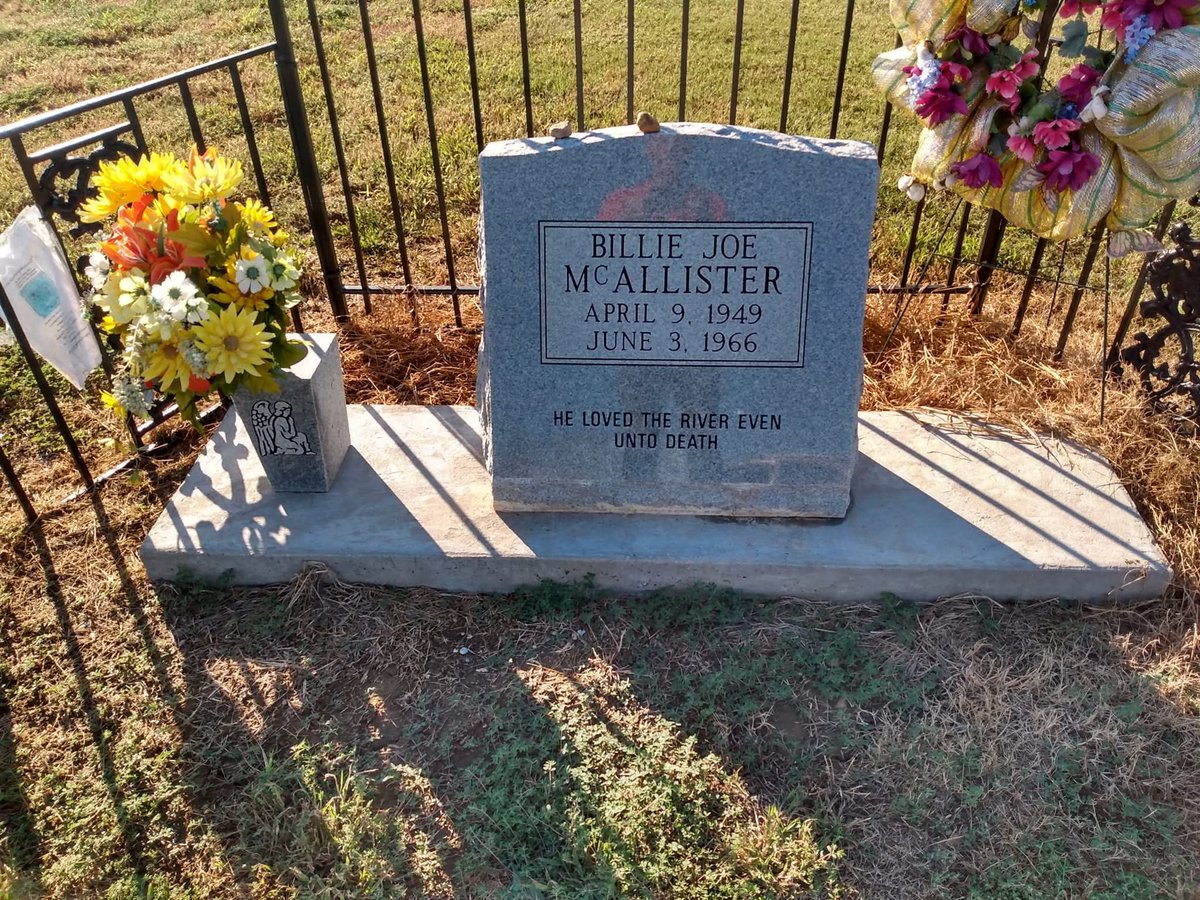
"IT WAS THE THIRD OF JUNE, ANOTHER SLEEPY, DUSTY, DELTA DAY"
(Part TWO)
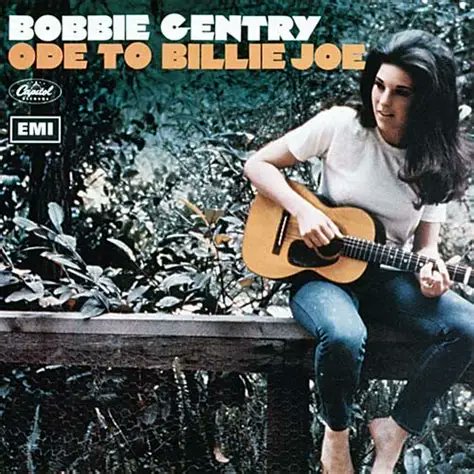
In February of 1967, Bobbie Gentry recorded a demo tape of Ode to Billie Joe, at Whitney Recording Studio in Glendale California. She sat on a stool, by herself in the studio, and she plucked it out on her guitar as she sang it. That demo tape was taken to Capitol Records in Los Angeles, and the loved it! The demo became the master tape. But Capitol still thought it needed a little something. A few days later, with Bobbie Gentry present, a producer added the strings. There is a report that when Gentry heard the finished song, she said that her song had been ruined!
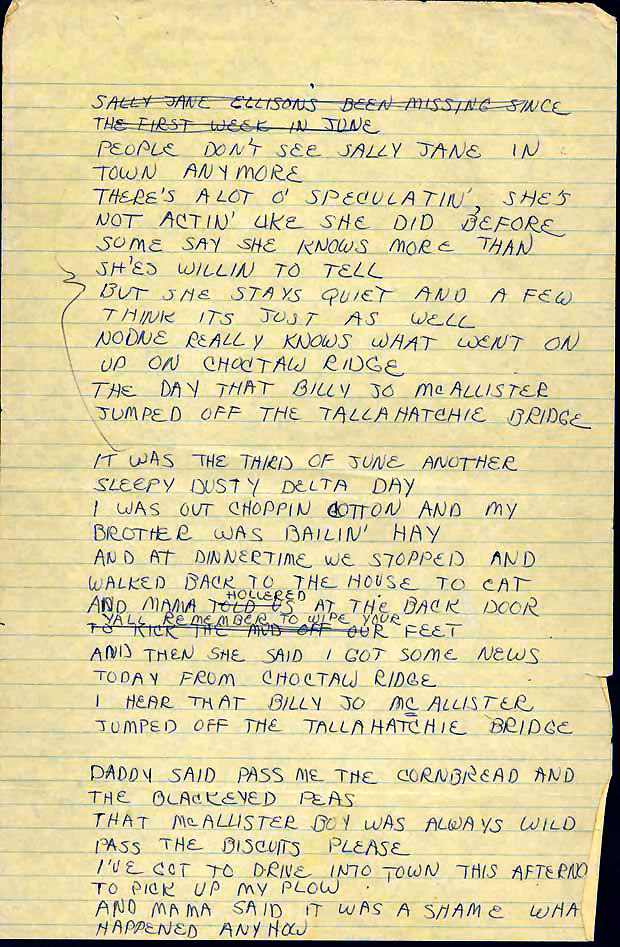
There is also a story that the song was originally longer, at seven minutes. The radio version runs a bit over 4 minutes. Gentry's hand written lyrics are in the Ole Miss Archives today. They do show more verses than were recorded. The original demo tape has been searched for, and it has never been found. If ONLY???
Ode was released on July 10, 1967, as a single. It took just six weeks to hit number ONE on several charts. It landed Gentry on every television variety and talk show in America. She was an "overnight" sensation.
She went right back into the studio and cut a full album, of mostly her songs, to support the hit single. In less than a year she cut a second album. In 1968, the BBC gave her a 30 minute, weekly television show. Most of these shows can be found on YouTube today. They are interesting to say the least. After all this, she toured, she was still a guest on many shows, and she appeared in Vegas.
In the early 1970's, Max Baer/Jethro Bodine wrote and produced a movie called, Macon County Line. He wanted a song for it. He asked Gentry to write and perform that song. She did, and Baer used it for the closing credits. While working with Gentry, Max asked her about making Ode to Billie Joe into a movie. She agreed to that.
Baer tried writing three different scripts for the Ode movie, none of them worked. He finally hired the man who wrote the script for, Summer of '42. That man delivered a terrible script, but Baer went along with it. (Go watch the Ode movie for yourself) The movie was released June 3, 1976. It did well largely because of the advertising campaign. "What the song did not tell you, the movie will". Not really, but enough tickets were sold to make way more cash back than it cost to produce.
Gentry went back to appearing in Vegas with her own music show. She had already married and divorced Mr. Bill Harrah of hotel fame. He was much older than she was, and the marriage lasted less than a year. She then later married Jim Stafford of, "I Don't Like Spiders and Snakes" song fame. (Go find it on YouTube) That marriage only lasted a few years.
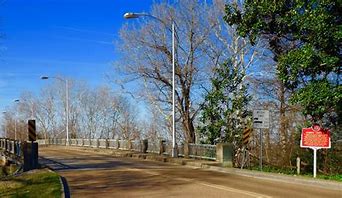
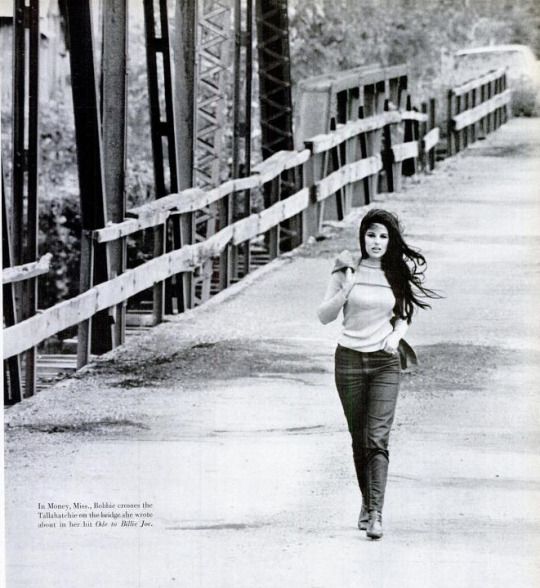
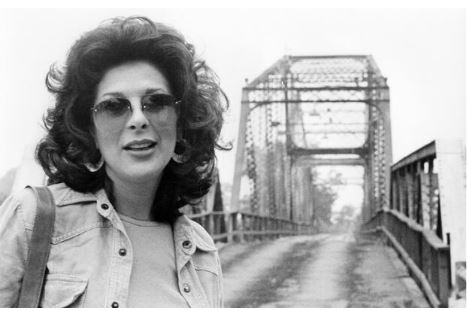
The Tallahatchie Bridge Gentry wrote about was the bridge that she remembered in Greenwood when she was in grade school there. It was an old steel truss bridge. After she left for California at age 13, that bridge was torn out, and replaced with a modern, flat, concrete bridge.
When the song came out in 1967, and she need a bridge to be photographed on, she took people to the old steel truss bridge over the Tallahatchie 14 miles North of Greenwood, at Money, Mississippi. That bridge washed out in 1972.
When the Ode movie was made in 1975 - 1976, she needed another old, steel truss bridge for the movie, and for her to be photographed at. She took them to the next standing bridge over the Tallahatchie, a few miles South of Greenwood.
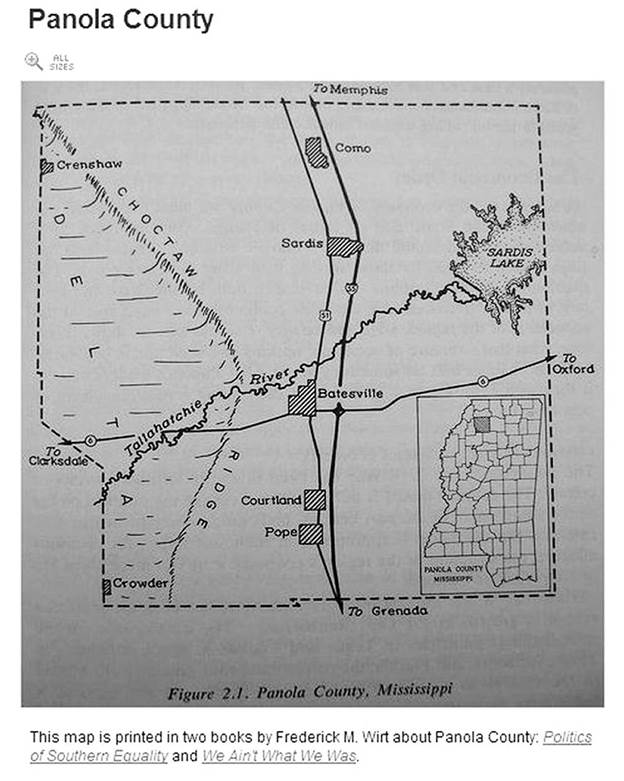
In 1967, when Gentry was asked where the Choctaw Ridge was, she said it was the ridge East of Greenwood, that she could see from her daddy's farm when she was growing up. She said that is what they called the ridge that helps to form the Delta on the East side. Most Delta locals do NOT call the Ridge by that name.
By 1983, Gentry totally retired from show business and even from giving interview. She lives today on the Eastern outskirts of Memphis, on a large, gated estate. Good for her! The locals say she is sometimes spotted in the local grocery store.
Gentry has never answered the question of what was thrown off the bridge.
Come back Bobbie Gentry! Somewhere in my head, I am still that nine year old boy in the Summer of 1967, hearing your song for the first time, and I am still in love with you.
10
18
104
5,586
Jun 3
Choctaw Ridge on only one of two maps that I can find it on, labeled as such.
2
8
304
Jun 2
"IT WAS THE THIRD OF JUNE, ANOTHER SLEEPY, DUSTY, DELTA DAY"
(Part ONE)
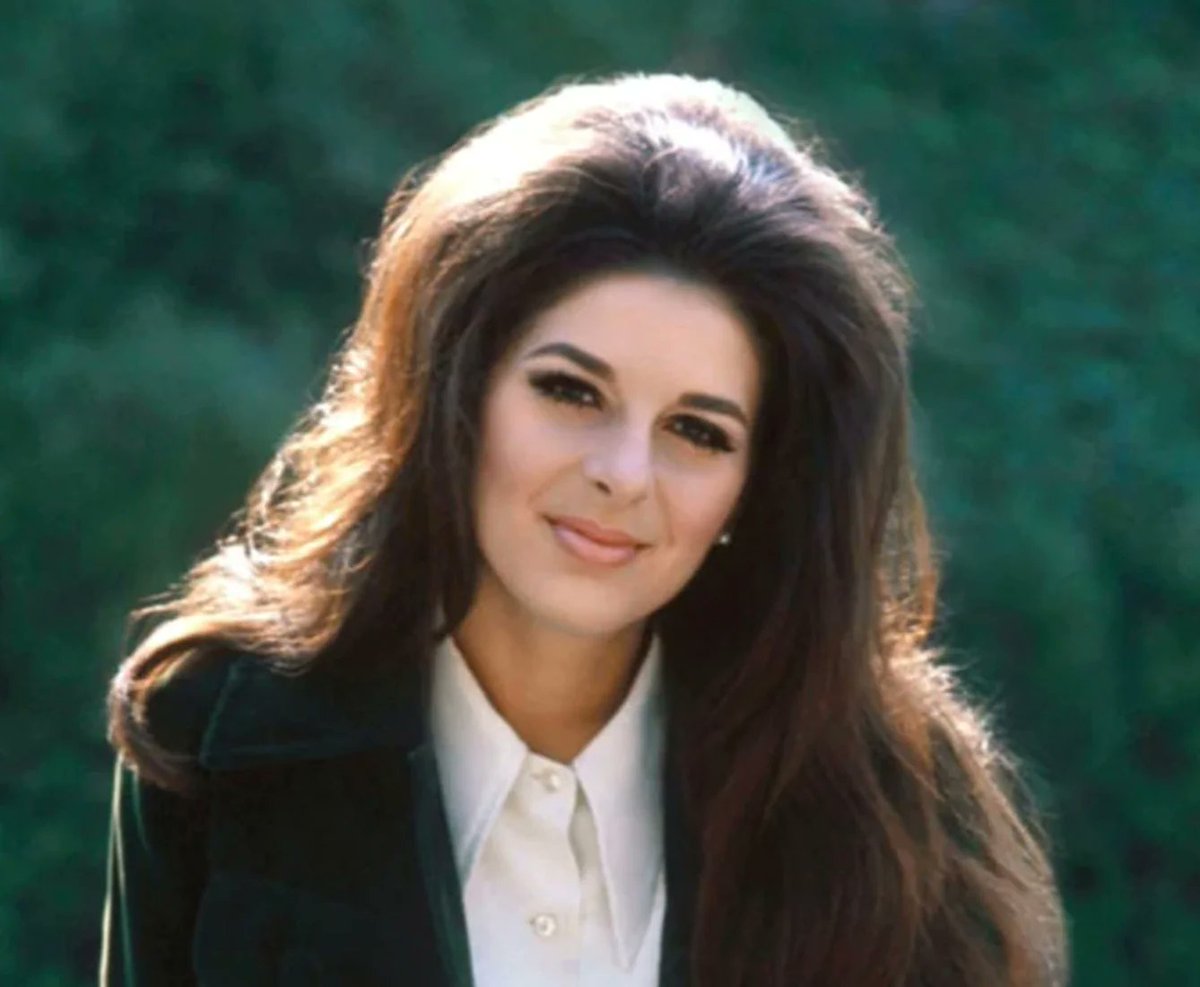
Roberta Lee Streeter was born in Mississippi in 1942. Bobbie Gentry, as she would later call herself, lived with her maternal Grandparents for the first six years of her life, due to her parent's divorce. She and her Grandparents lived on a small farm just outside of Woodland, in Chickasaw County, Mississippi. By the age six she moved to live with her father in Greenwood, Mississippi. Her mother had remarried and moved to California.
Bobbie Gentry moved to California at age 13 to live with her mother. They lived in Palm Springs. After graduating High School, she moved to Los Angeles where she sang and danced for different groups. What she really wanted to do was to write songs. There in LA, she changed her name to Bobbie Gentry, and she spent one to three years at UCLA. (no two biographies agree) All through those years, she wrote songs, and she dreamed of fame!
She gained interest from producers, and one producer had her make demo recordings of two of her songs. She and that producer were able to get Capitol Records interested in her two songs.
Part two tomorrow!
From zero to number ONE in six weeks! Fame and fortune! Did the whole song really run seven minutes, before it was cut? Where are the missing verses? A TV show in England! A Vegas act! Two marriages. A song she wrote for Jethro Bodine. A movie! Where is THE Tallahatchie bridge? Is there more than one bridge? Where exactly is Choctaw Ridge? Where is Bobbie Gentry today?
Tomorrow: Same Bat time, same Bat channel! Because tomorrow is, the third of June!
4
10
46
1,203
May 31
Tomorrow it is June! You know what that means don't you?
"IT WAS THE THIRD OF JUNE, ANOTHER SLEEPY, DUSTY, DELTA DAY"
I will post a two part article with everything you ever wanted to know about Bobbie Gentry!
From zero to number ONE, in SIX weeks! Fame and fortune! How long was the original song? Where are the missing verses? What are they? What do they say? A TV show in England! A Vegas act! Two Marriages! A song she wrote for Jethro! A movie! Where is THE Tallahatchie Bridge? Where exactly is Choctaw Ridge? Where is she today?
Tomorrow: Same Bat time, same Bat channel!
6
187
May 31
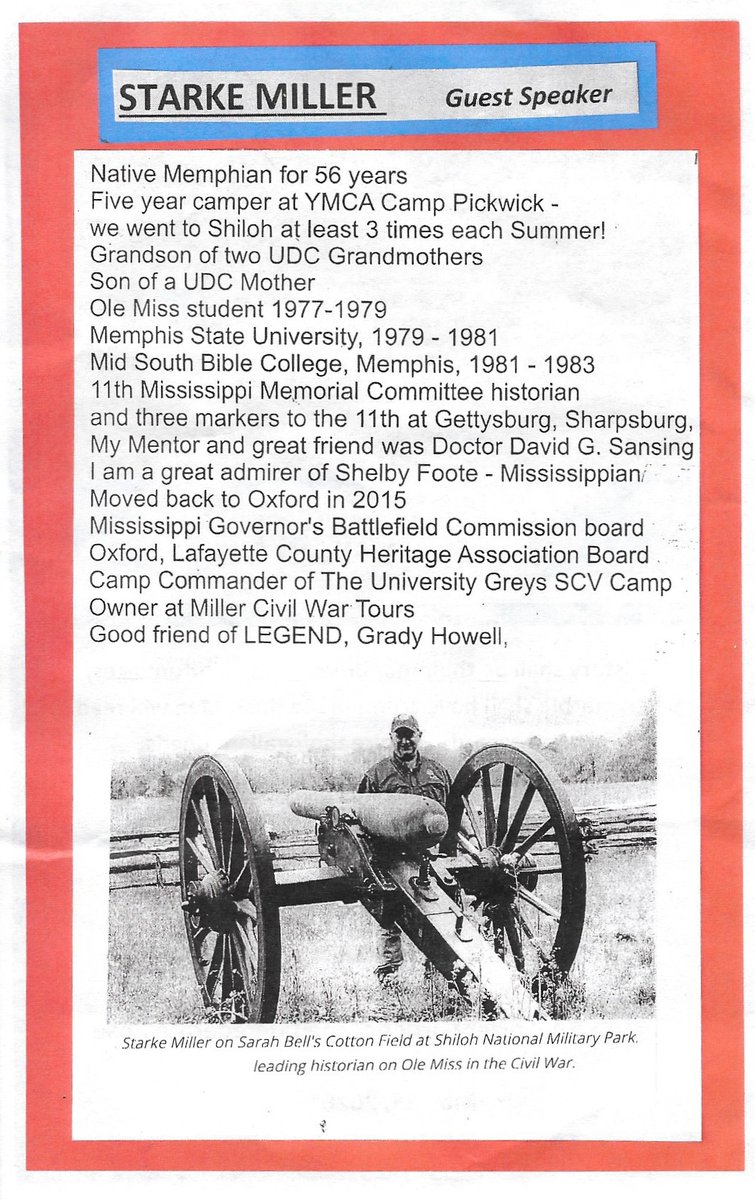
My short Bio for speaking at the Sons of Confederate Veterans and the United Daughters of the Confederacy Memorial Day event last weekend, at the largest of the Confederate Burial trenches. The last line is the best!
Grady Howell is THE Dean of the Mississippi Regimental Writers. He has written some 25 books on Mississippi in the Civil War, and on the War with Mexico.
1
21
284
May 31
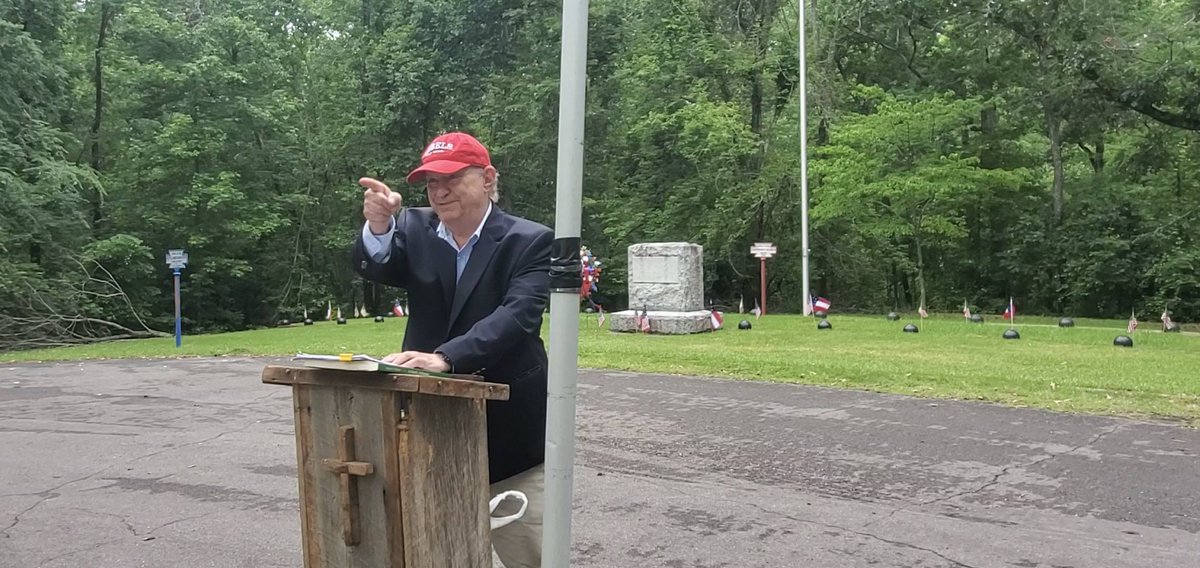
My last major talk for the Spring was for Memorial Day at the largest of the five Confederated burial trenches at Shiloh.
"Our friends are not dead until they are forgotten!"
May the Confederates in the burial trenches, and all over the Battlefield of Shiloh, NEVER be forgotten!
I figured out years ago that I am probably the only Civil War tour guide in America, who can honestly wear a ball cap with Rebels on it. I tour at Shiloh, Ole Miss, Oxford, and Holly Springs largely based on Ole Miss REBEL students and alumni! Hotty Toddy.
Enlarge this picture. My friends on Spacebook told me I looked like Trump here! What a nice compliment. 😀😎😎😀
7
6
79
2,033
May 31
My Spring tour season is OVER! I somehow survived. My brain and I are coming BACK!
3
209
May 13
Action in front yard at Carter house, Battle of Franklin youtu.be/n574JQb-PWE?si=bGiD… via @YouTube
If you have never seen this description of Battle at the Carter House, at Franklin Tennessee, you NEED to!
1
8
258
May 3
In the last 30 days I have given four all day tours of Shiloh, two tours of Ole Miss, and had four other major events. I have been worn out this month. This is a typical Spring for me. I somehow manage to do less in a month than most of you do in a week. I am OLD!
I will get back to putting up stories this week!
"Don't cry girls, I am coming BACK! 😀😎😎😀
1
15
558
Apr 18
I AM GONE TO SHILOH TOMORROW TO GIVE A TOUR!
Don't cry girls, I'll be back.
3
29
671
Apr 17
I have a good friend who works at Oe Miss. He looked at me one day and said: You know, I work here with all kinds of people, from all over the US, and even a few foreigners. And they nearly all like the South. They love the easy going, friendly people. They like the music scene here, they love the food, they love the mild Winters. In the Summer they love the air conditioning. 😀😎😎😀 They love the cheaper prices compared to California and up East. They love less traffic, and going into The Delta or out into the countryside. They pretty much love most everything about the South.....except the people! According to them, WE are all a bunch of backwards, redneck, gun toters, dumb, racist, super religious, bigots. 😅😂🤣🥲🤪😜😝😛😎😎🥸🥸🤡🤡🤣😂🤣😂😎😎
From a movie I once saw about a SCOT freedom fighter named, William Wallace: The EVIL King said, "The problem with Scotland.... is that it full of SCOTS!" Well, the SOUTH is full of SCOTS, and Southerners!!! 😀😎😎😀
Grandmother McDowell and I are most definitely Proud Southern Scots! Wanna hear what we don't like?

21
38
367
11,289