
The most masculine man in America. According to Midjourney.
Joined September 2009
- Tweets 6,977
- Following 667
- Followers 534
- Likes 25,584
191 Photos and videos



Pinned Tweet

7 Nov 2025
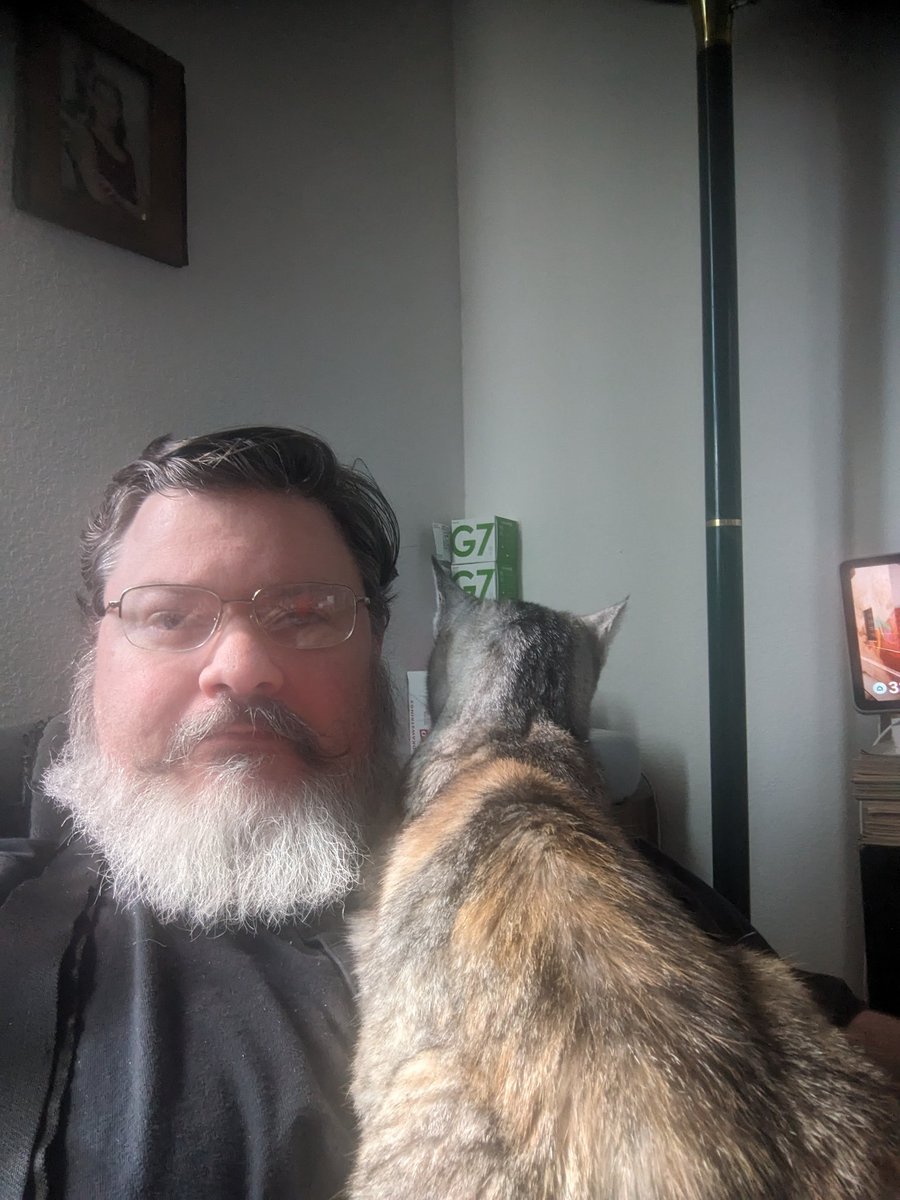
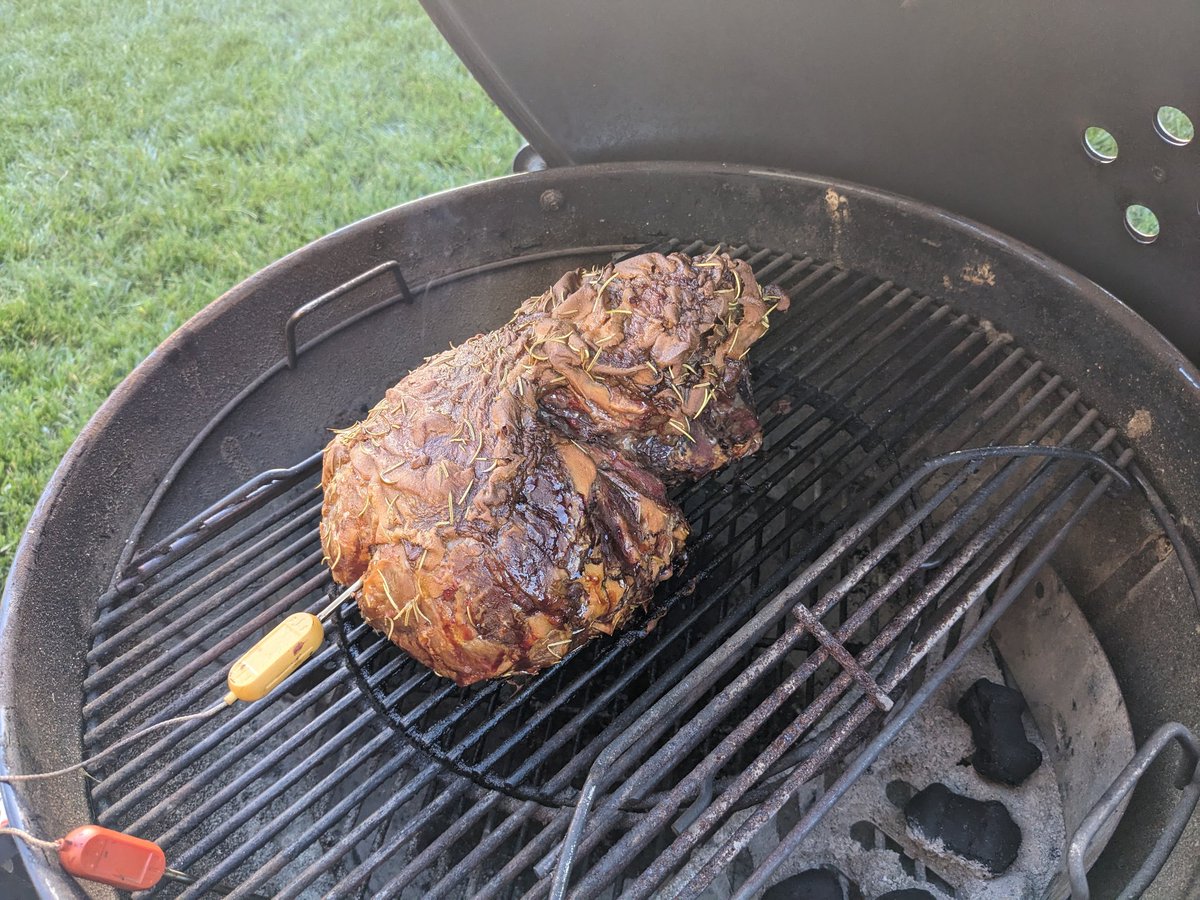
This fat old man's still got it.

2
1
24
1,178
Jun 15
Democrats have an idea that their team is the "good guys". They believe that they have a monopoly on making sure that the little guy is taken care of. By their understanding, it would be unethical to support those dirty Republicans who, by their understanding, only favor big corporations, and the rich.
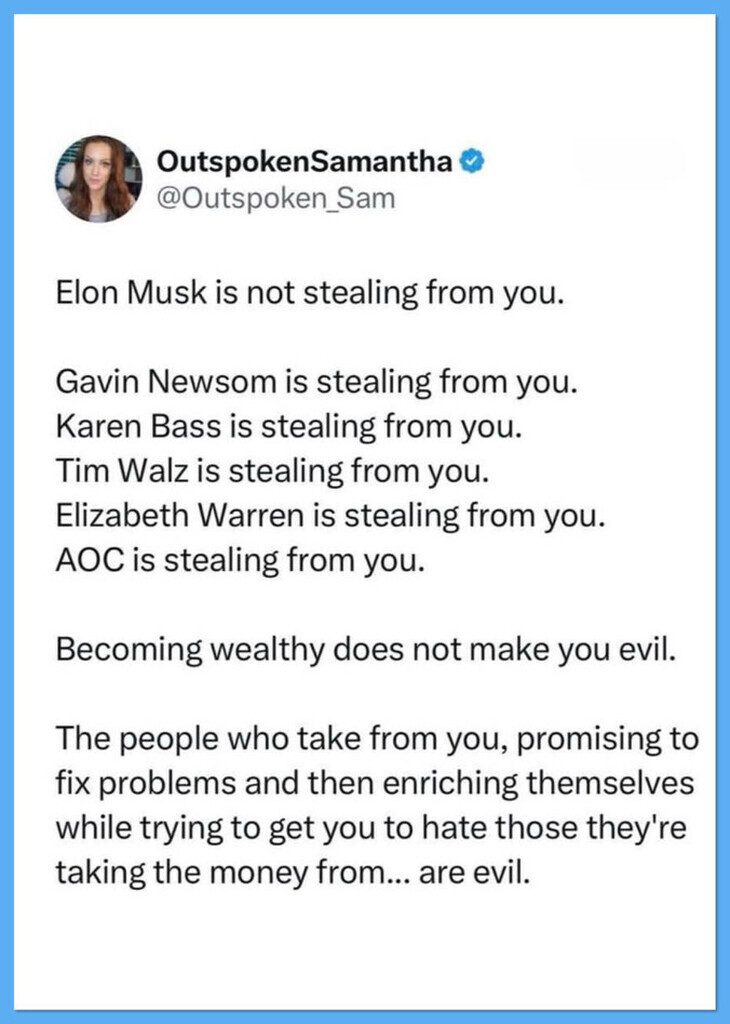
Because they're the "good guys" it's very hard for them to accept the idea that Gavin Newsom, Karen Bass, Tim Walz, Elizabeth Warren, and others of their political saviors are taking advantage of their faith. They have build their identities around being part of that which is good and holy, so when you point out the yellowed stains in the white robes, they refuse to see it.
There's more to this, though: Even if a Democrat does become aware of the issues, they still can't speak out about it. Their entire financial and social structures are built on supporting "the good guys", and calling out a holy figure who's been acting in bad faith will be seen by everyone around them as siding with the Devil. A single suspicious comment about Nancy Pelosi or praise of something Trump did, could create a catastrophic loss of standing. They could lose their job, their friends, and in extreme cases, they might even be prosecuted.
Those in the higher echelons of the party have more visibility on what's going on, but even they don't have the freedom to identify a turd in the wrong place. If they're involved in the scam, they self-incriminate. If they're not involved in the scam, the corrupt system uses the dirt they have to eliminate them from the field of play. They don't even have to do anything that might endanger a specific person, they just have to take a step outside of their approved boundaries-- Look what happened to Eric Swalwell when he tried to run for Governor of California: It was a normal ambition for him, but because he was a strong enough candidate to take votes away from the leading Democratic candidates, they nuked him. All of a sudden, something that wasn't exactly unknown became a huge, career-ending scandal.
Democrats are compelled to loyalty, and safety exists in neither ignorance nor knowledge.
Jun 15

The fact that liberals can't see this, is part of the problem. They don't want to see it, because they're INSANE..
76
Jun 13
Almost every physical dollar in circulation returns to the Federal government once a year through taxes. That's literally all of the money. Warren just wants more of it to go to her friends who will give it back to her after they take their cut.
Jun 12

If we tax AI, we can use that money to build a country that works for everyone.
Where healthcare is treated as a human right.
Where every American is guaranteed a good job.
Where education isn’t a privilege reserved for the wealthy.
That’s why I’m fighting to tax AI.
1
20
Jun 13
Mostly, I deny Politics. I keep a healthy skepticism of Science, while acknowledging progress when we make it.
Jun 12

If I were ever abducted by Aliens, the first thing I’d ask is whether they came from a planet where people also deny science.
1
15
Jun 13
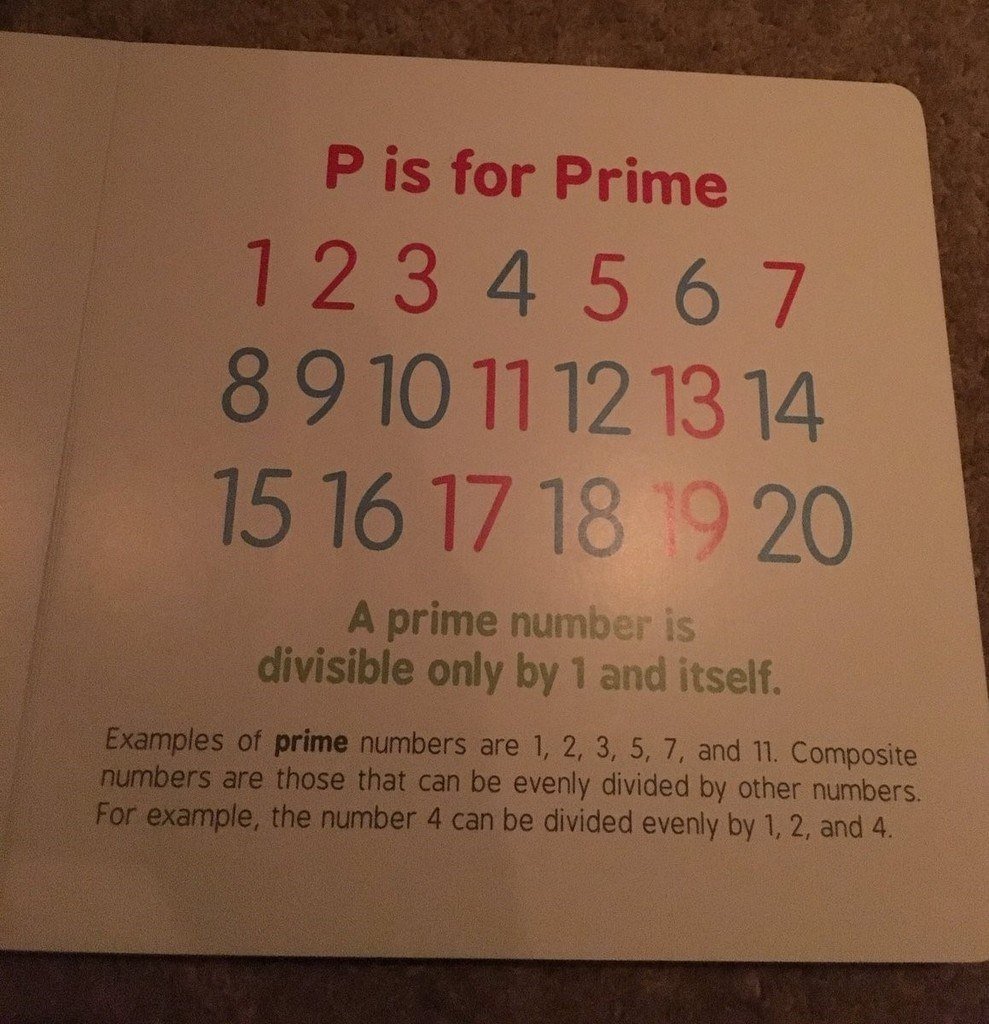
1 is not Prime. It is something else. Prime numbers have exactly 2 divisors-- 1 and themselves, but 1 has exactly 1 divisor-- itself, which is 1.
It sounds nit-picky, but there's a lot of stuff that no longer works if we include 1 in the set.

3
262
Jun 13
1. Nobody wondered that.
2. It didn't even occur to anybody to wonder that.
3. The end result is objectively terrible.
...
...
This is a cursed masterpiece.


1
21
Jun 12
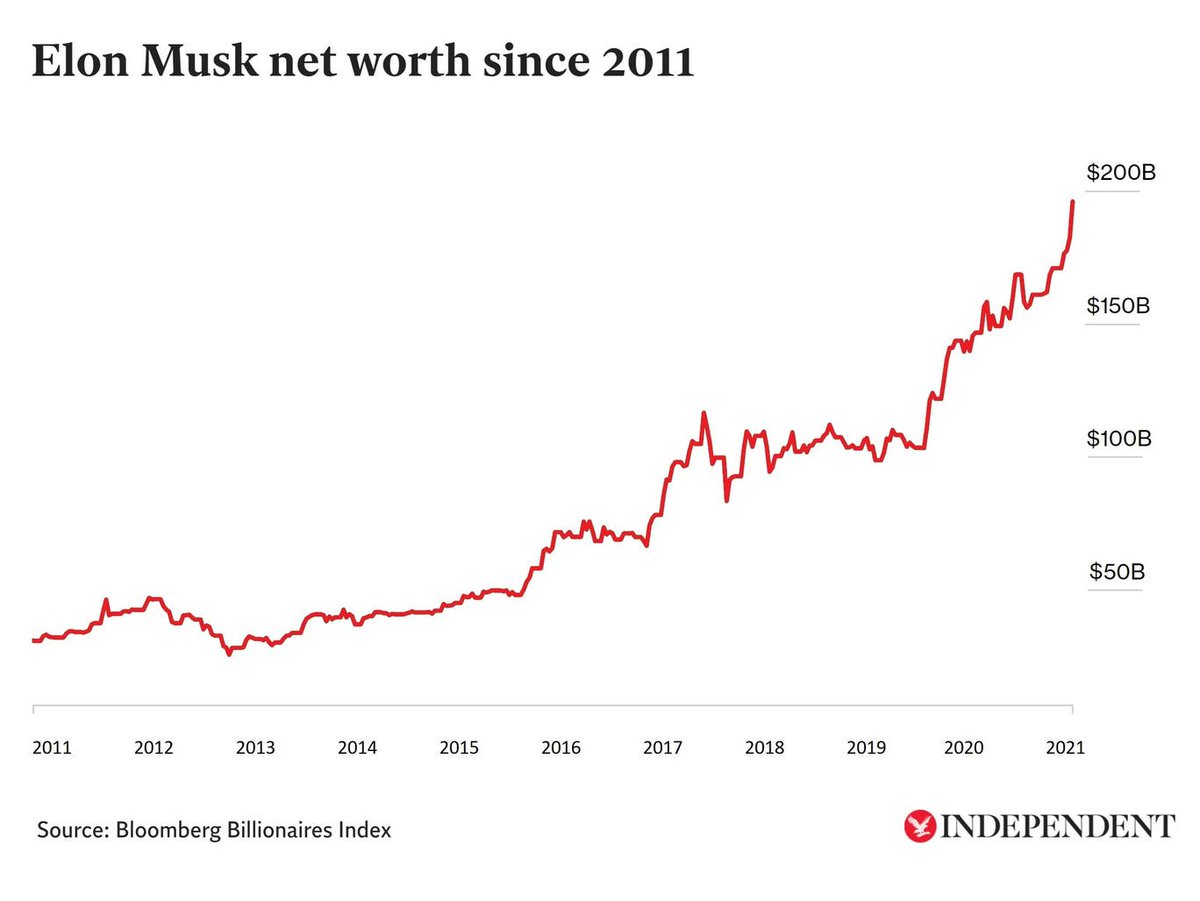
A trillion dollars won't accomplish that. Elon accomplishes more for humanity by continuing as he has been.
Also, he doesn't actually have ~20% of all the dollars currently in circulation. Even if he wanted to spend it on your pet concerns, it's not money. He can't spend it.
Jun 12

I really don’t understand true greed. If I was worth $1 trillion, you’d have to physically stop me from solving as many of the world’s problems as possible.
Everyone would have a home, food on the table, proper healthcare, happiness.
I just don’t get it.
13
Jun 12
AOC will be a surprisingly strong candidate when she eventually runs for President. Democrats shouldn't waste her on a VP nomination.


9
Jun 12
Sanders should be grateful that the man who will never need to draw from Social Security is paying into it at all.
Social Security would already be solvent if Congress would stop borrowing from it to pay for their fraud and money laundering schemes.
Jun 12

Today, Elon Musk, a trillionaire, pays the same amount into Social Security as someone making $184,500.
If we end that absurdity and lift the cap on taxable income, we can make Social Security solvent for 75 years and expand benefits by $2,400. My Social Security bill does that.
16
You won't actually get the parts lined up, this way. The jig is a good plan. If your hand is steady, the dowels might be straight enough that the holes line up, but your seam will still be misaligned. The secret sauce is sanding or cutting it after the joint is made.

24
It's interesting, but with Coors at 5% and Coors Light at 4.2% (which is actually really high for a Light beer), you can get identical results by pouring ~14¾oz of Coors, and topping the pint off with soda water.

136
I kind of wonder how often stuff like this would net a profit if they invested in it like they'd sell 1,000 units, instead of investing like they're going to sell a million units.
I think there actually IS an audience for this stuff. It's just not the mass market.

Under the Labor Theory of value, the game Concord should have been a great success, because of all the effort that went into making it.
Looking at their characters, it's mind-boggling that they thought you'd play to be these awful cringe "heroes". I know Concord is old news now, but it is incredible. I was invariably on much smaller teams, but we apparently put a lot more effort into making our games look good to players.
1/2
47
It is worth noting that there is exactly one reason why a politician would want to protect fraudsters: They're benefitting from the fraud.
As far as I'm concerned, any politician who supported that law needs to be investigated.
Jun 5


10
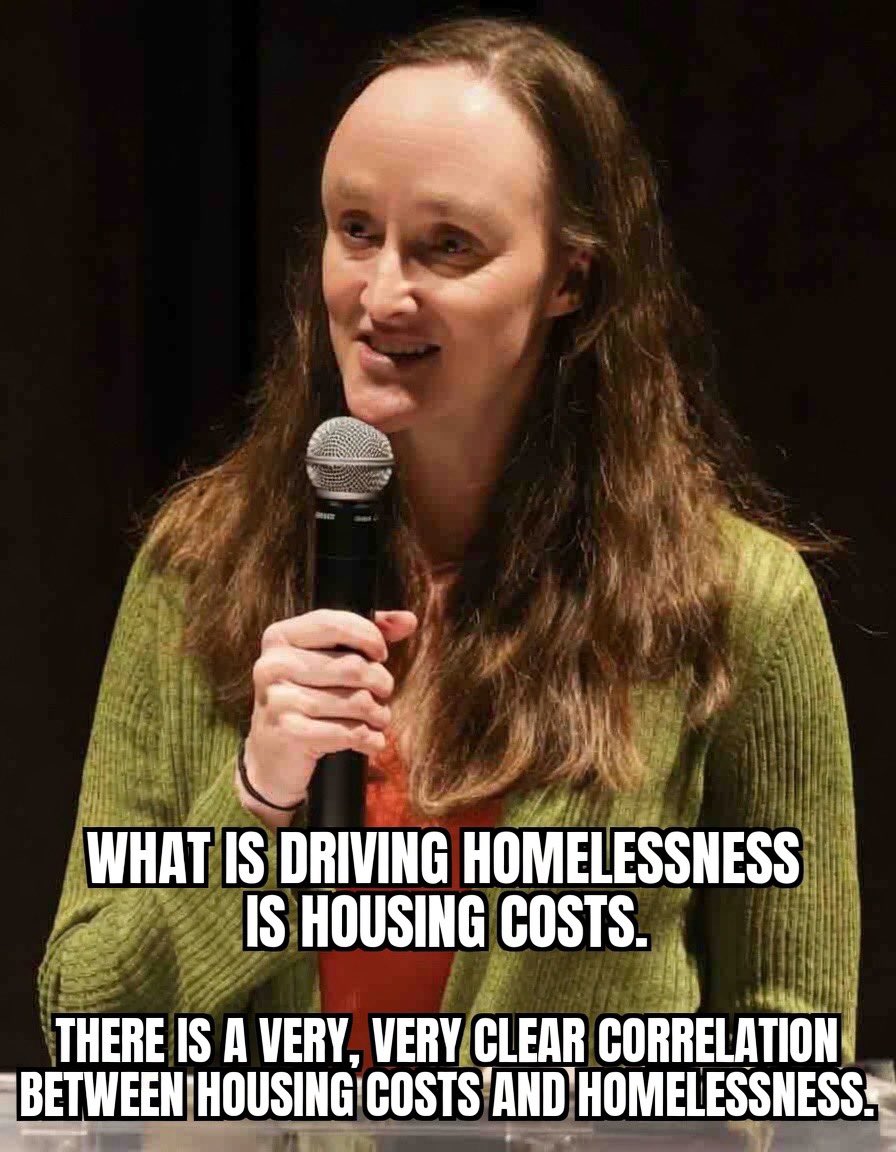
There are homeless people who will be that way for a few months, maybe as much as a year, and there are homeless people who will live their lives that way. I think housing costs primarily affect the former. I think drug use is a huge contributing factor, but not the only one.

Yeah…. Nothing to do with drugs…..
I guess everyone who can’t afford rent turned to drug abuse.
13
The thots seem to think that I know where Pickman's secret gallery is. I don't even live by the correct coast for that.
13
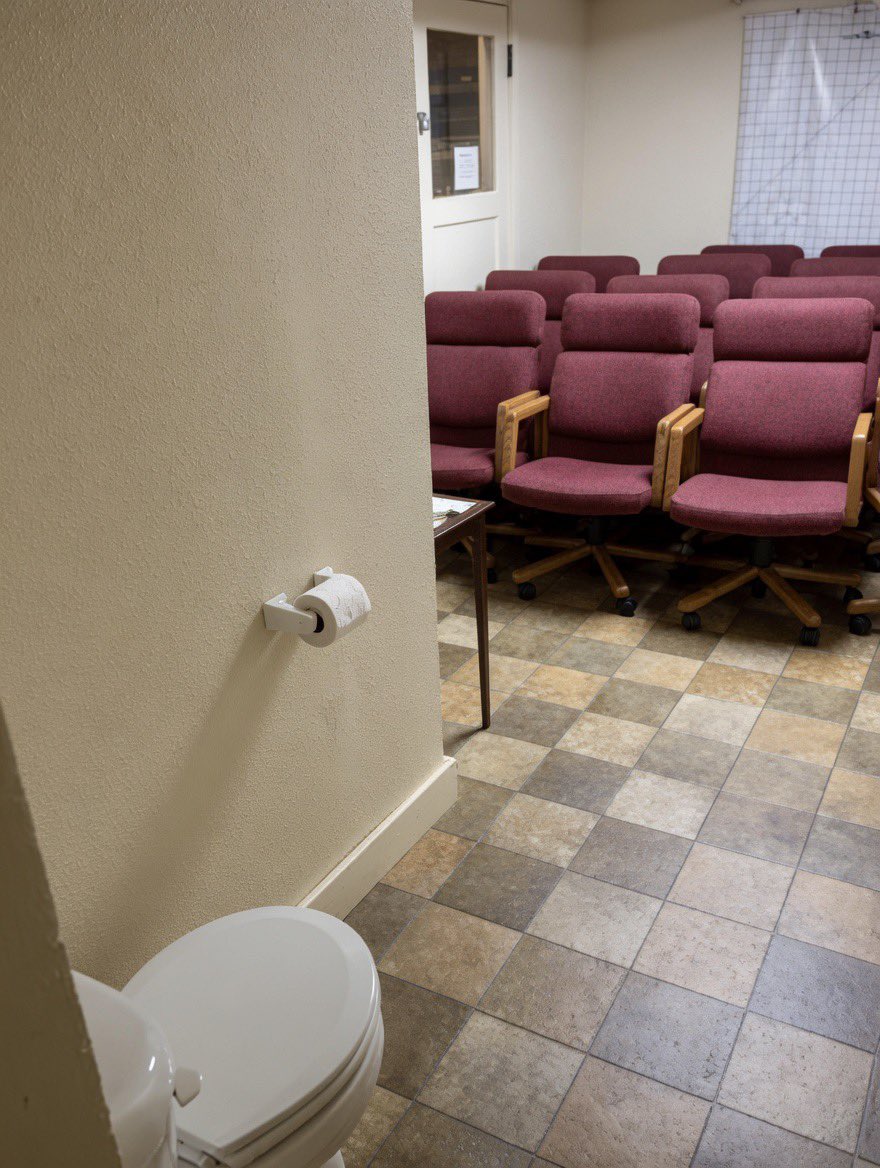
Taking care of business, in a flush.

21
The most incredibly Dwarven city of Baile Foirfe:
At the base of the Dweorgsceld Mountains, on the lower slopes of Mount Dhachaigh, the Dwarven city of Baele Foirfe spills out into a cleared flat. Once lower peaks stood here, but the Dwarves filed them down to a plateau, where they could build their buildings.
Some of the buildings were carved into the remains of the low peaks, while others, and a main roadway, are constructed from wood, stone, and mortar. Here, we find forges, smelteries, chemical labs, and all sorts of value-addition operations which produce emissions.
Travelers enter the city by means of a broad mountain road. The road offers a largely straight route, cut through the mountains, sometimes by tunnel, other times by canyon, cut directly through. Much of the stone removed from the mountains to make way for this road, was used to construct stone and mortar bridges, spanning the low points, and offering breathtaking views of saddles and cols. Several of the views have been sculpted over the course of a thousand years, by Dwarves, to enhance their natural aesthetics.
From the exact center of one of these bridges, mountain peaks and faces have been carved to align together to portray the face of King Thurgrimm II, gazing into the heavens. The trees are his beard, and his eyes, are great deposits of diamonds. This monument was carved to honor a king, long considered by the Dwarves to be the fairest, wisest, and greatest. Under his rule the city saw incredible economic and population growth, and two wars were won against the Duergar, who invaded from the West. It was also claimed that he was the fastest miner in the mountain, personally carving out many of the tunnels of the modern Royal Palace.
As they enter the city spilling out of the mountain, the smell of burning coal, smelteries, and chemical labs will be the first impression. This harsh aroma soon gives way to the smell of roasting pig, goat, chicken and beef. Restaurants line the broad street, offering visitors a sampling of Dwarven culture, diluted to appeal to their foreign tastes. Past the restaurants are hotels of various grades, and mixed among both, are shops offering overpriced Dwarven-crafted trinkets and souvenirs. As the traveler journeys deeper, more industrial outlets turn up: Jewelers, vendors of metals, stone, gravel, and useful industrial chemicals. Storefronts for many of the industries which export goods and materials from Baile Foirfe.
Most visitors will not have cause to venture far from the main roadway, here. Those side streets are generally thought to be for the Dwarves who work in this part of the city. Visitors seeking custom work by the finest artisans in the world, will travel past the storefronts to a giant, gaping entrance into the mountain, itself.
This face of Mount Dhachaigh has been immaculately carved, with intricate architectural patterns. Arrow slits dot the wall, and spires appear to be held by Celestials, where lookouts stand watch over the goings on.
Once inside, the road gradually slopes down for the first time since it departed the highway. The width of the roadway gradually increases as it descends at a roughly 4% slope. Great iron doors line the hall, plated with decorative chrome, depicting and commemorating defensive victories they’ve brought the dwarves. Beyond the doors, the walls themselves are intricately carved with artistic depictions of great moments in the Dwarves’ history, from the moment the first wedge was hammered into the mountainside, to the victory of the Rightful King over The Usurper, a thousand years ago.
When the roadway reaches 80 feet in width, offering two lanes of cart traffic in each direction, with room for parking, and an 8 foot median containing intermittent columns between, shops and storefronts line the walls. Every so often, another street breaks away from the main street, taking another, deeper route into the mountain. Visitors and carts entering the mountain are directed to travel on the Right side of the median.
The very first storefront a visitor will find is a Visitors Center, marked to draw attention, and with a taller door than most of those found in Baile Foirfe. Inside, a surly dwarven clerk (one of three—Gimgen who has the long blond hair, Dworic who has the long red hair, or Baern who also has long red hair, but also has a scar across his left eyebrow, where he got himself with a pickaxe while mining during an argument) is available to offer maps and directions.
Other storefronts include artisans’ workshops, and brokers for smitheries, where the finest in Dwarven craftsmanship can be commissioned. The goods are expensive, but are generally claimed to be well worth the price. Examples of the craftsmen’s work are displayed in windows at the face to the shop. The actual work isn’t usually done at these locations, but apprentices and young women are present to bargain on behalf of those masters, who are undoubtedly busy plying their craft, or drinking. They’re educated in what can and can’t be done, and skilled in estimating both the cost of the work and each individual craftsman’s willingness to do it, and can thus choose prices.
The ceiling has quarter-dome shaped mirrors periodically, reflecting light from windows cut into the side of the mountain, offering just a little bit of natural light. Otherwise, lanterns containing chemical lights are commonly mounted in convenient locations.
Restaurants found inside the mountain serve a higher quality of food than those outside of the mountain, but the menus here will be designed mostly for Dwarven palettes. There is lots of beer, and bread will typically be mineral-enriched— meaning that the flour will include ground stone and ore, an important part of the Dwarven diet. Restaurants before the first major intersection will include menu options suitable for other races, often including humanized versions of traditional Dwarf recipes.
The first major intersection is approximately 2 miles down the road from the entrance to Baile Foirfe. Turning Left will take a traveler to a lower level of the city, at a 6% grade, while turning right will take a traveler to a higher level of the city, again, at a 6% grade. Guards stand at the entrance to the left, as this route leads only to a residential neighborhood. There are no foreigners permitted here, as there are no facilities to receive them. Turning to the right will also bring a traveler to a residential area eventually, but well before that, can be found more tourist-oriented faire, including temporary lodging. Some of the higher levels include businesses with terraces on the outside of the mountain, offering magnificent views of the outer city below, or the mountain range itself. Even on dwarves, such beauty isn’t lost.
A roundabout exists at the functional end of the main road. The area around this roundabout is cleared out, creating an open space with many short sets of stairs and levels, where benches and decorative stonescapes exist, cleverly lit to produce a visually pleasing effect. In the center of the Roundabout, there is an enormous marble statue of King Corgdon I, the founder of the city, and he who drove in the first wedge. Supremely regal and larger than life, the statue stands with his back to a throne plated in platinum, his left hand on the arm of the seat, his right hand raising a hammer. On the statue’s base, carved in the stone, is the quote, “Treòraich Gauleag sinn chun na beinne seo, gus a bòidhchead iongantach, amh a nochdadh dhuinn. Ann an diadhachd, tha sinn a' co-aontachadh urram a thoirt do dhùrachd ar Tighearna, agus ar dìcheall an obair ealain neo-chrìochnaichte seo, air an do thòisich Deach, a choileanadh as leth Gauleag.”, meaning, “Gauleag lead us to this mountain, to show us its incredible, raw beauty. In piety, we agree to honor our Lord’s wishes, and endeavor to complete this endless work of art on behalf of Gauleag, which Depth began.
Several smaller, but important roads branch off from the Roundabout. Visible from the park-like area surrounding the Roundabout, and something of a centerpiece, is The Palace: home of King Thurgrimm VIII. To the Left of the palace, is the House of Guilds, and to the Right is the House of Clans. All of these buildings are cleverly lit by chemical lights, to create a visual spectacle, emphasizing the power, authority, and glory of the city’s government.
The Congressional Houses were established by King Thurgrimm II. To them, he delegated his legislative authority. Either house may write and introduce a Law or a change to the Law, but all laws must pass in both houses, by varying degree of majority depending on the severity of the topic, and must furthermore be approved by the King. It is traditionally said that Thurgrimm II advises his successors to consider the wisdom of their Congress, but they are nevertheless given the choice to burn the bill (a tacit instruction to Congress to leave the matter at rest), reject the bill (an instruction to revise and re-submit), or sign it into Law.
The smaller roads which branch off from the Roundabout are lined with the offices and support facilities for the Congressional houses. Those which branch off further from the Palace and Congressional buildings, are lined with facilities for public services, including agencies for permits and licenses, the City Engineer’s office, Public Works, and so on. Each of these roads ultimately leads to an active mining site, as do most roads in the city.
As it’s not possible to grow crops inside of a mountain, the city of Baile Foirfe is dependent on a wide collection of agricultural villages within its sphere of influence. Within 200 miles to the East and West, and down to the Southern coast, where there are several fishing villages. Mackerel and Salmon are the most popular fish to catch, with Ice Water Cod also fairly popular among the Dwarves.
Much of the agricultural land is dedicated to growing and malting barley. Dwarven ales are among the most nutritious components of the Dwarven diet, and a vital natal nutrient for a species that only nurses their young for a few days after birth. It’s claimed that a good, cloudy Dwarven Natal Ale is a fair approximation of Dwarf breastmilk, especially when back-sweetened with lactose. Other common crops are wheat, and corn. The farmers’ typical crop rotation is a five-year cycle: Barley -> Wheat -> Corn -> Beans or Alfalfa -> Rye or Brussel Sprouts. Barley makes for the best beer, but they can sometimes include Wheat, Corn, and Rye. They also find that wheat makes for a sturdier, less crumbly bread than barley. Alfalfa is used as feed for livestock.
Dwarven agriculturalists also raise and slaughter goats, sheep, cattle, and chicken. The sheep are also used for their wool, though they regularly trade with humans for cotton, as well.
The House of Guilds:
The city of Baile Foirfe has roughly 100,000 dwarves residing within the mountain and in the outer city. Another 20,000 or so dwarves are scattered in the surrounding countryside. Of that 120,000 Dwarves, roughly two thirds of them (virtually all adult males, and a minority of the female population), are represented in employment by a Guild. All Dwarves entering trained professions are required to join a Guild, both to learn the trade, and find an employer. For political and economic reasons, Guilds are capped at 750 members, including Guild Leadership, who are also required to work in their trade. There are a total of 200 Guilds. Here is the breakdown:
· 40 Mining Guilds
· 24 Metal Refining Guilds
· 20 Forge Guilds
· 16 Artisans & Crafts Guilds
· 12 Agricultural Guilds
· 5 Fishing Guilds
· 16 Industrial Guilds
· 12 Trade & Commerce Guilds
· 3 Civic Guilds
· 8 Shipping & Warehousing Guilds
· 19 Brewers Guilds
· 8 Community Guilds
· 8 Tourism & Hospitality Guilds
· 9 Clerical & Spiritual Guilds
Each Guild chooses a representative, by methods (usually democratic) and intervals defined in their Charter. There is a total of 200 seats in the House of Guilds. The bylaws of the House of Guilds have rules that determine the number of votes in favor required for any bill to pass, so there is never concern about ties.
The House of Clans:
The city of Baile Foirfe has a total of 26 residential neighborhoods. At one time, each neighborhood was populated exclusively by a given family. This has eroded somewhat over time, and while a given neighborhood will still be primarily populated with the family it’s named for, the neighborhoods have been subdivided over the years as the population has grown, causing the selection of new Thanes, who sometimes invite their friends to join their new clan. It also sometimes happens that a Thane exiles an offending member of their clan, who must then obtain membership in a new clan.
Each agricultural or fishing village in the surrounding countryside is also a Clan in its own right. In total, there are 87 farm and livestock villages, and 23 fishing villages along the Southern coast.
The Thane of each Clan is entitled to exactly 1 seat in the House of Clans. He may choose to sit in that seat himself, but as Thanes are typically needed within their own communities, they normally choose a Delegate. While the Thane is the patriarch of the main family of the Clan (the oldest living son of the previous Thane, or if there are no sons, then the oldest living direct male descendant of the most recently ruling Thane), his Delegate will typically be the Thane’s oldest brother or another close male relative, but he may choose anyone from within his Clan. It is important to note that the Thane’s Delegate is not an official in his own right. While unusual, a Thane may choose to send a different Delegate every time the House of Clans meets, or attend it, himself. It is strictly on the Thane’s authority that a Delegate speaks in debate and casts a vote.
There are a total of 136 seats in the House of Clans, but each seat’s vote is weighted by the size of the clan. A Clan of 4,000 will be worth 4,000 votes. Several generations after the founding of the House of Clans, the rules were changed to double-weight the value of Agricultural and Fishing Clans, as their populations are much smaller, and though there were more clans, they didn’t have enough weight to make their concerns heard.

1
1,713
The bridge that the loop is joining is elevated. If it were straight, the road would be steeper than standards allow. By adding the loop, we add distance to the ascent, so the road doesn't have to be as steep to get up to the elevation of the bridge it's connecting to.
This may be an edge-case, where they could've used a smaller footprint and just started the slope a little sooner, but that's what's going on here. That loop is to make the climb gentler on your vehicle. It's probably taller than it looks like from this angle.
83
This is why funding space exploration is important. The same technologies that make survival on the moon and Mars possible will also work on Earth. How many places would be improved if we can quickly drop in a wastewater treatment system?
This is just one example.

Teams at NASA Kennedy built a mobile wastewater treatment system to help future astronauts live and work on the Moon. The trailer-sized unit turns crew wastewater into usable resources.
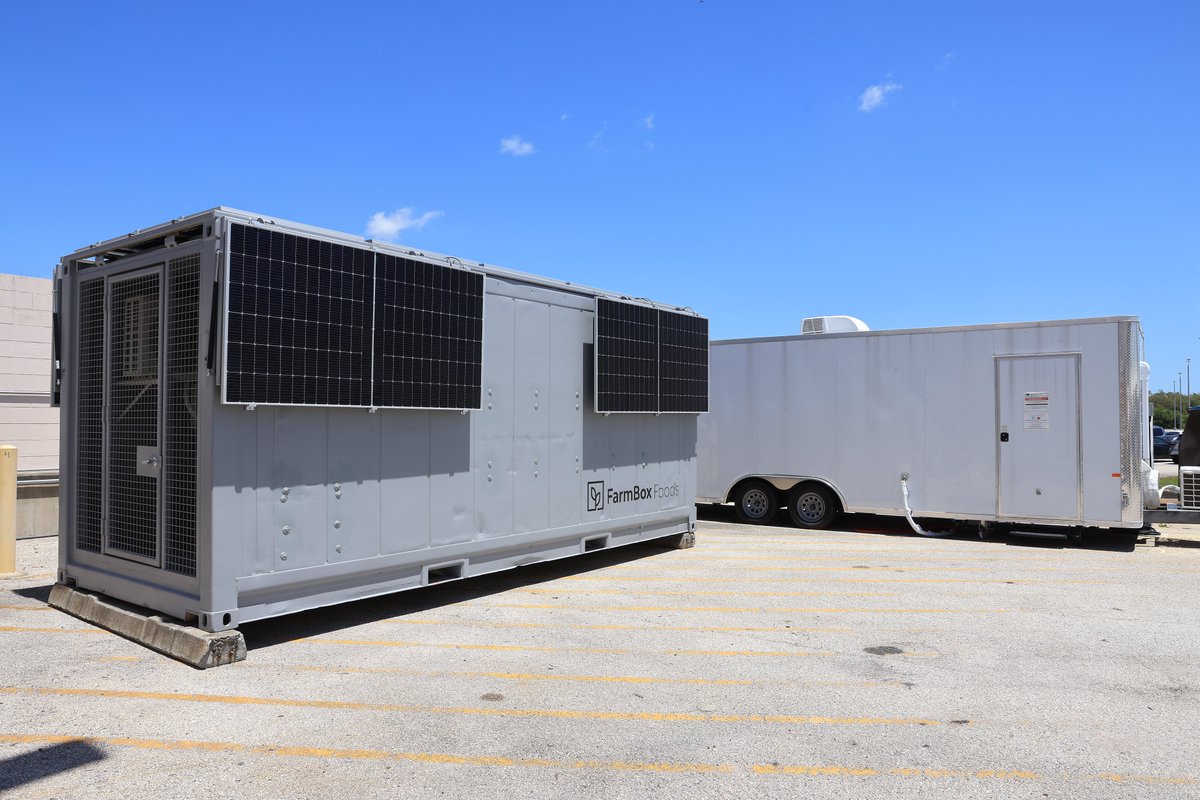
ALT A gray, rectangular trailer-sized unit with solar panels mounted on its sides sits in a paved lot under a clear blue sky. A second white utility trailer is parked nearby. Photo credit: NASA/Kim Shiflett
22
May 30
This is an interesting thing to think about.
Inflation is caused by the amount of currency in circulation increasing relative to the amount of goods and services available to purchase. As the amount of automation increases, the amount of goods and services, in the worst case scenario, remains level, while the circulation of currency slows. Fewer people are working, but all of the work is still getting done. Slowing circulation is very near to reducing supply.
So the availability of goods and services doesn't decline, but the currency available to purchase them does decline. Realistically, availability probably increases. This causes Deflation-- prices go down. Goods are cheaper to produce, which reduces the lowerbound on prices. Prices keep reducing to keep sales up.
We don't like Inflation because it drives up the cost of living, but we also don't like Deflation because it makes loans harder to pay off, and investments lose value over time.
So how do we compensate for that? It's easy: We print money. It doesn't have to come from somewhere. It'd be irresponsible to take it from somewhere else. We have to increase the money in circulation, to maintain the 1% to 3% Inflation that keeps our economy growing, and everyone fat and happy. It's the simple, and obvious solution. We keep doing it, until so much of our production pipeline is automated, that it stops making sense to charge money for things.
This is how Post-Scarcity emerges. This is where Capitalism eventually arrives.
May 30

Bill Maher asks how the government plans to fund universal basic income if “20 percent” of people lose their jobs and stop paying taxes.
“The kids are booing AI... They get it that it’s going to take all their jobs.”
“Dario Amodei, he’s the CEO of Anthropic. He says unemployment could spike to 10 to 20 percent. That’s what it was in the Depression, 20 percent.”
“Ford CEO said AI will leave a lot of white-collar people behind, could replace half of all white-collar workers. And what is the plan? I don’t get it.”
“It’s like, ‘Oh, well, no one will work anymore, so we’ll give them a universal basic income.’ With what?!”
“If they don’t work, that money has to come from the government. How are they going to get it to the government if the people aren’t paying taxes?!”
14
May 29
It seems like GPS shouldn't be necessary. The car thinks it knows how fast it's going, and already reports that information to the driver. Using GPS to track speed feels like an overstep, yielding making information available to authorities that they're not entitled to.
May 29

New Yorkers with 16 or more speeding violations will now have to install devices in their cars to limit their driving speeds.
The device will use GPS tracking to restrict how fast the car can drive to the posted speed limit.
The device will be wired into the vehicle's onboard computer.
If drivers refuse to install the device, their registrations will be revoked after 45 days.
19