
CarbonStore provides the vital link to unite landowners looking to sell their Woodland Carbon Units with companies keen to offset their carbon emissions. 🌱
Joined September 2020
- Tweets 738
- Following 1,133
- Followers 527
- Likes 457
291 Photos and videos





11 Feb 2025
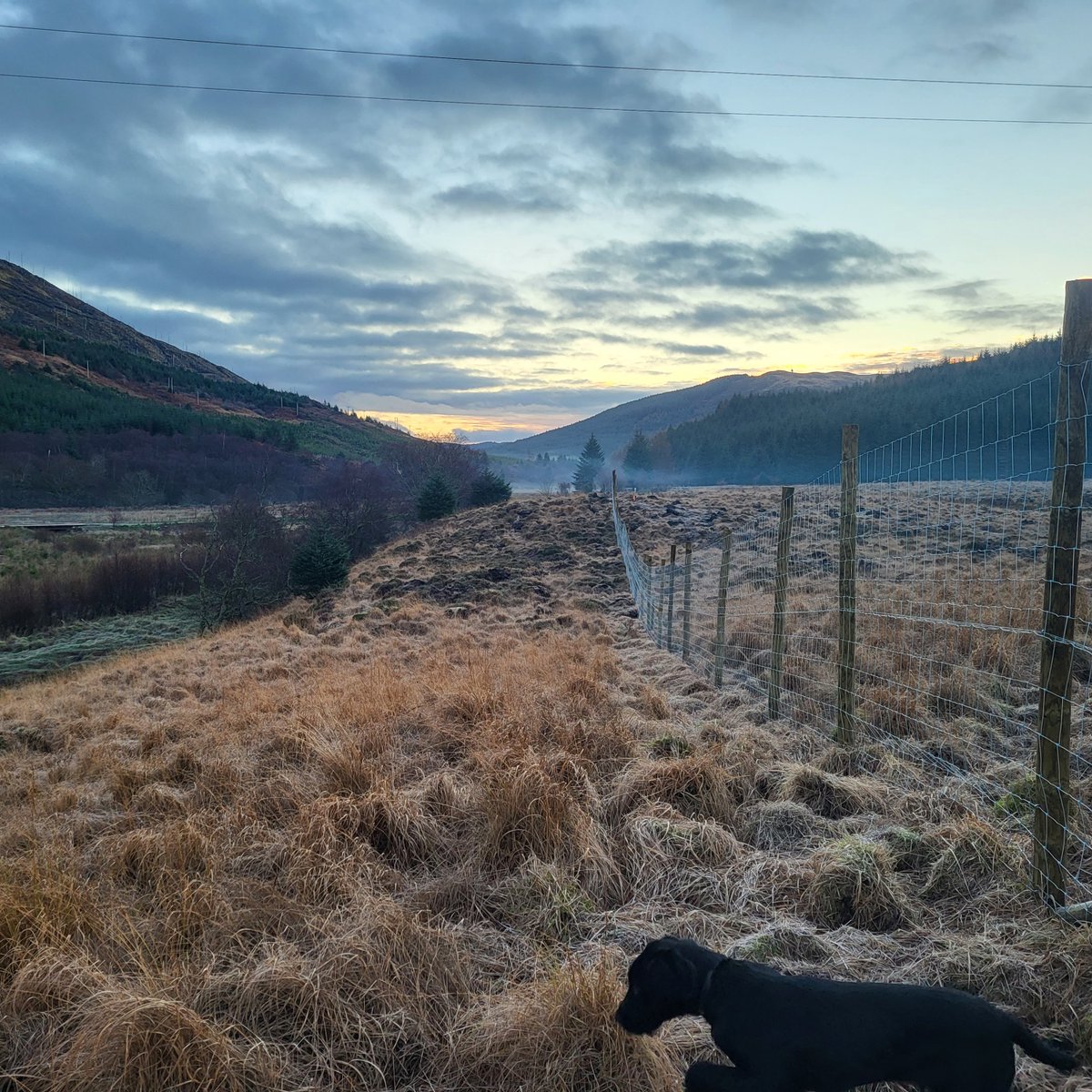
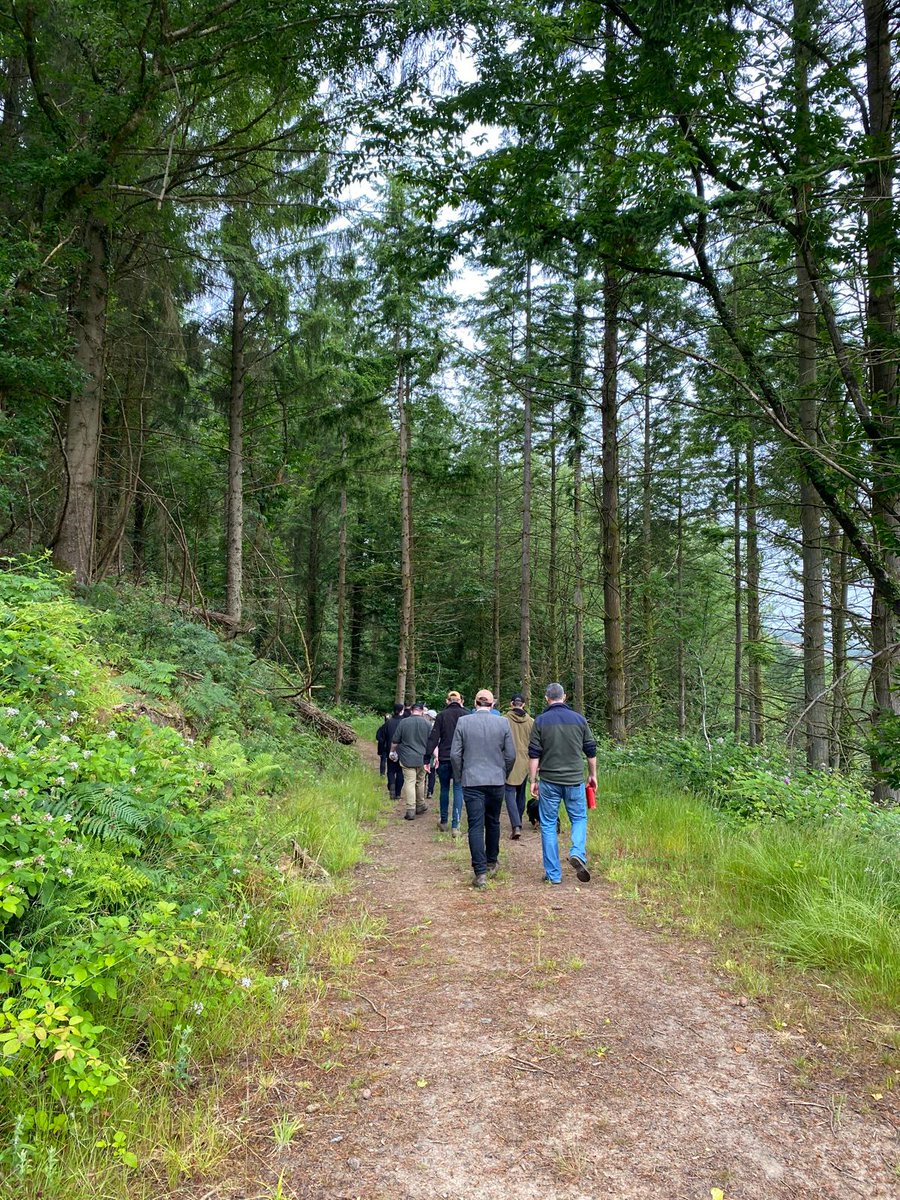
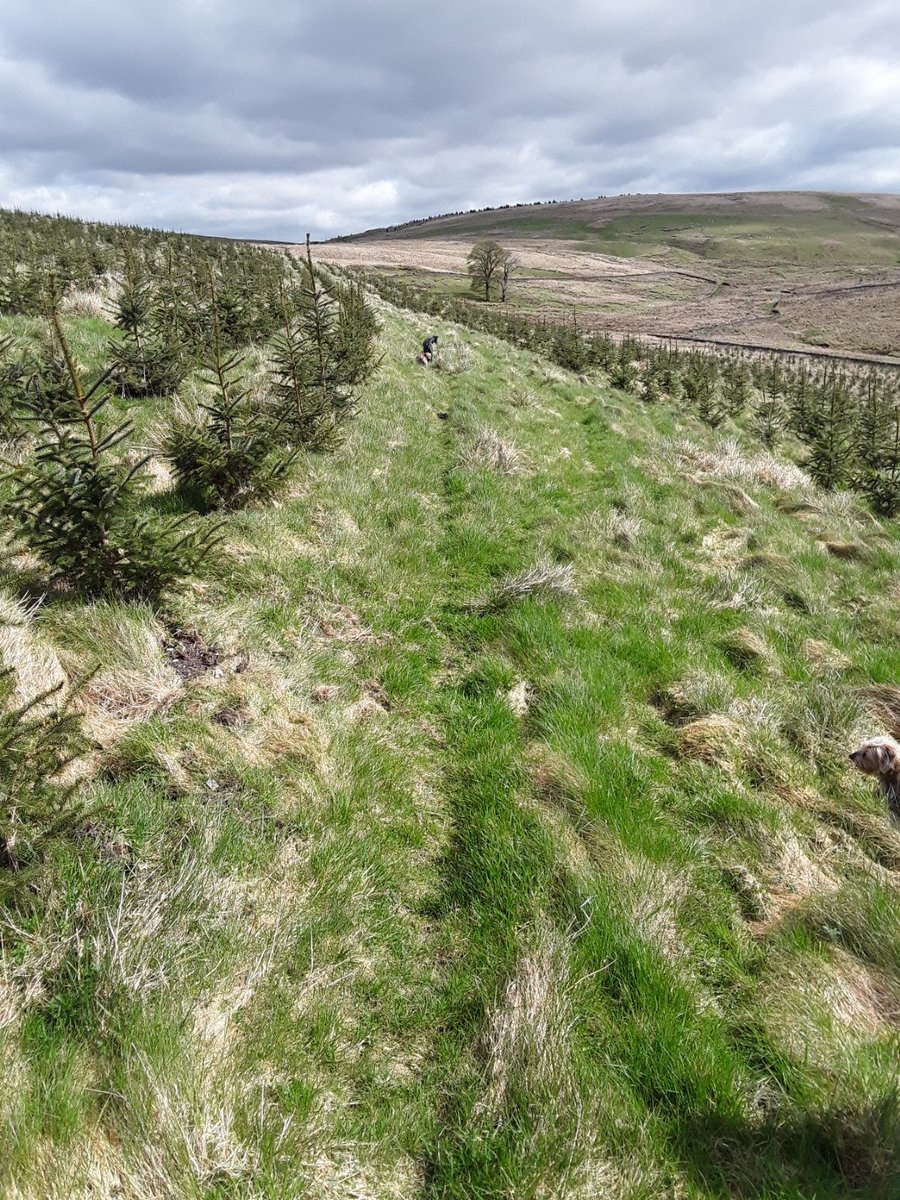
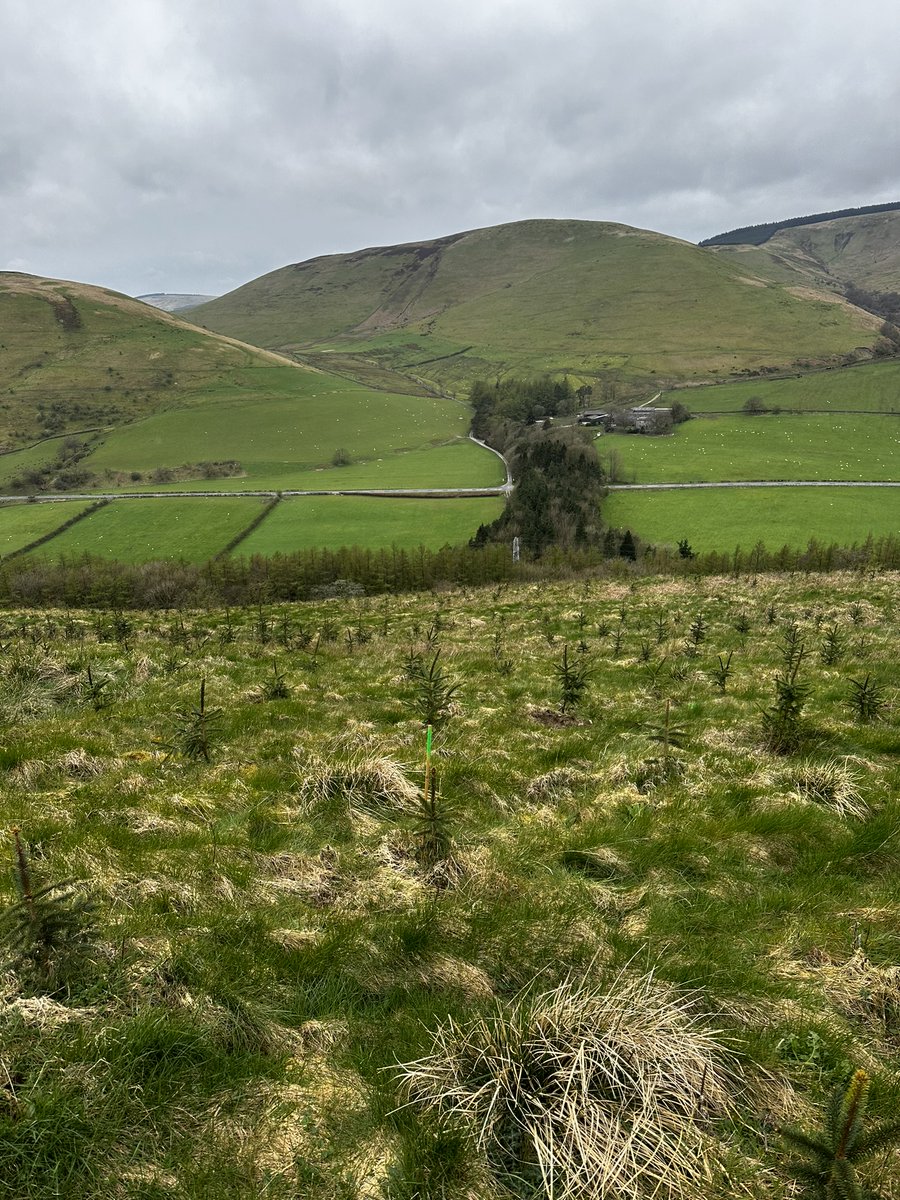
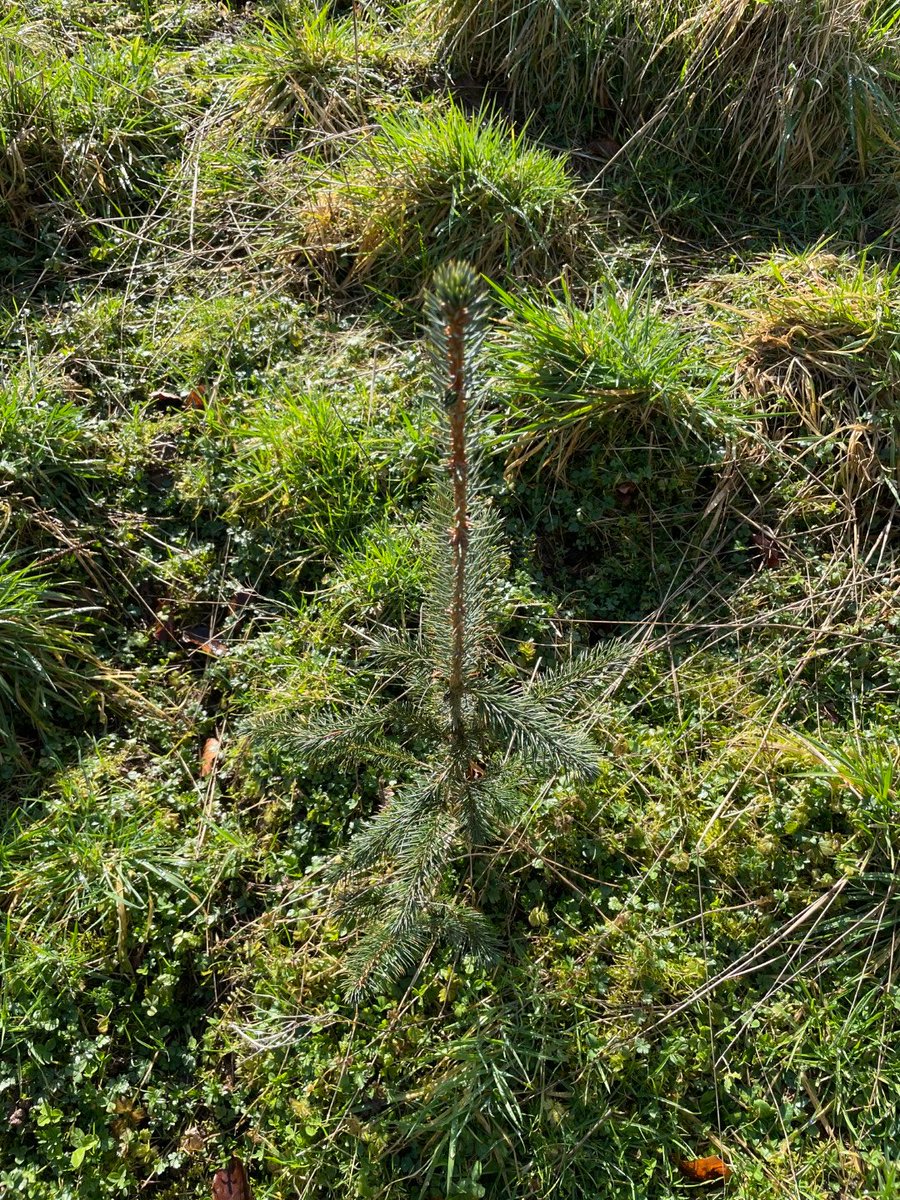
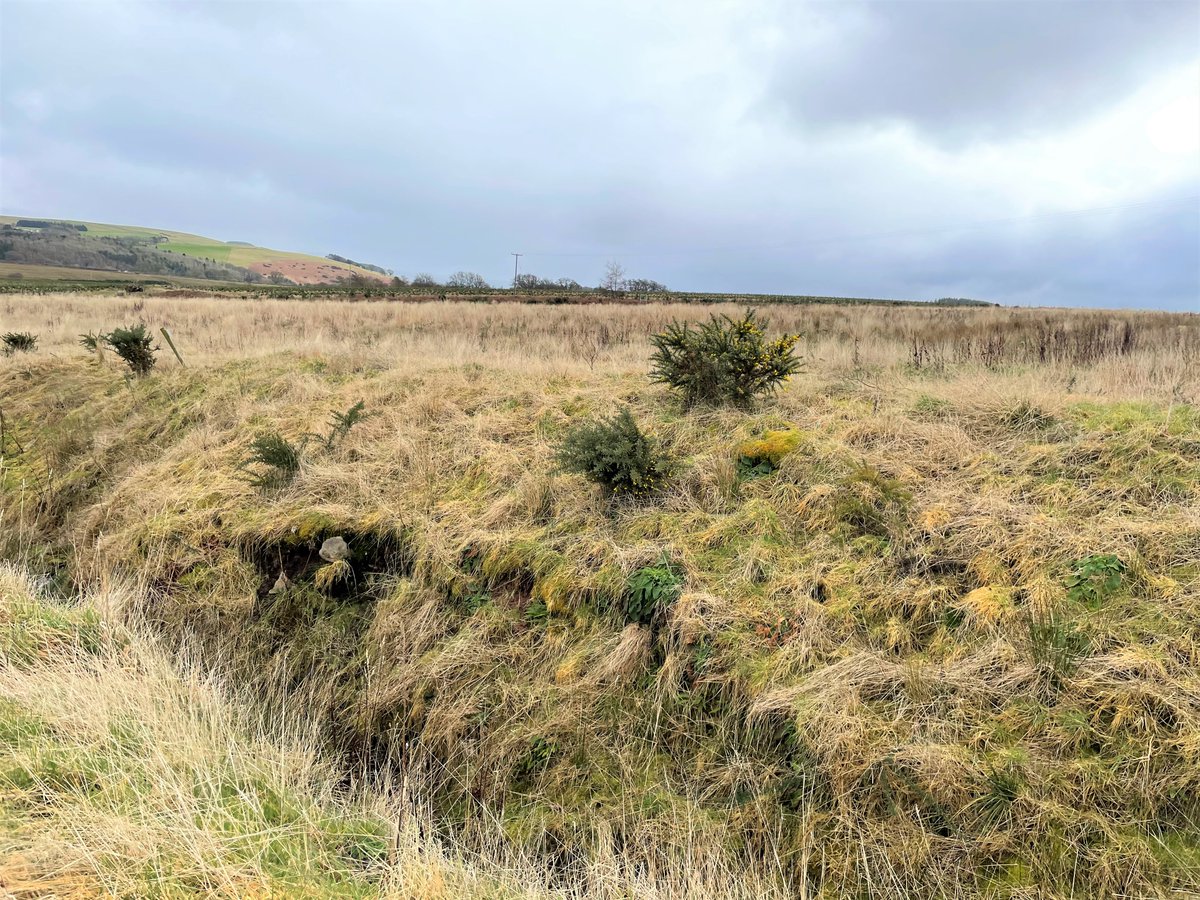
🌳 CarbonStore Project Update 🌳
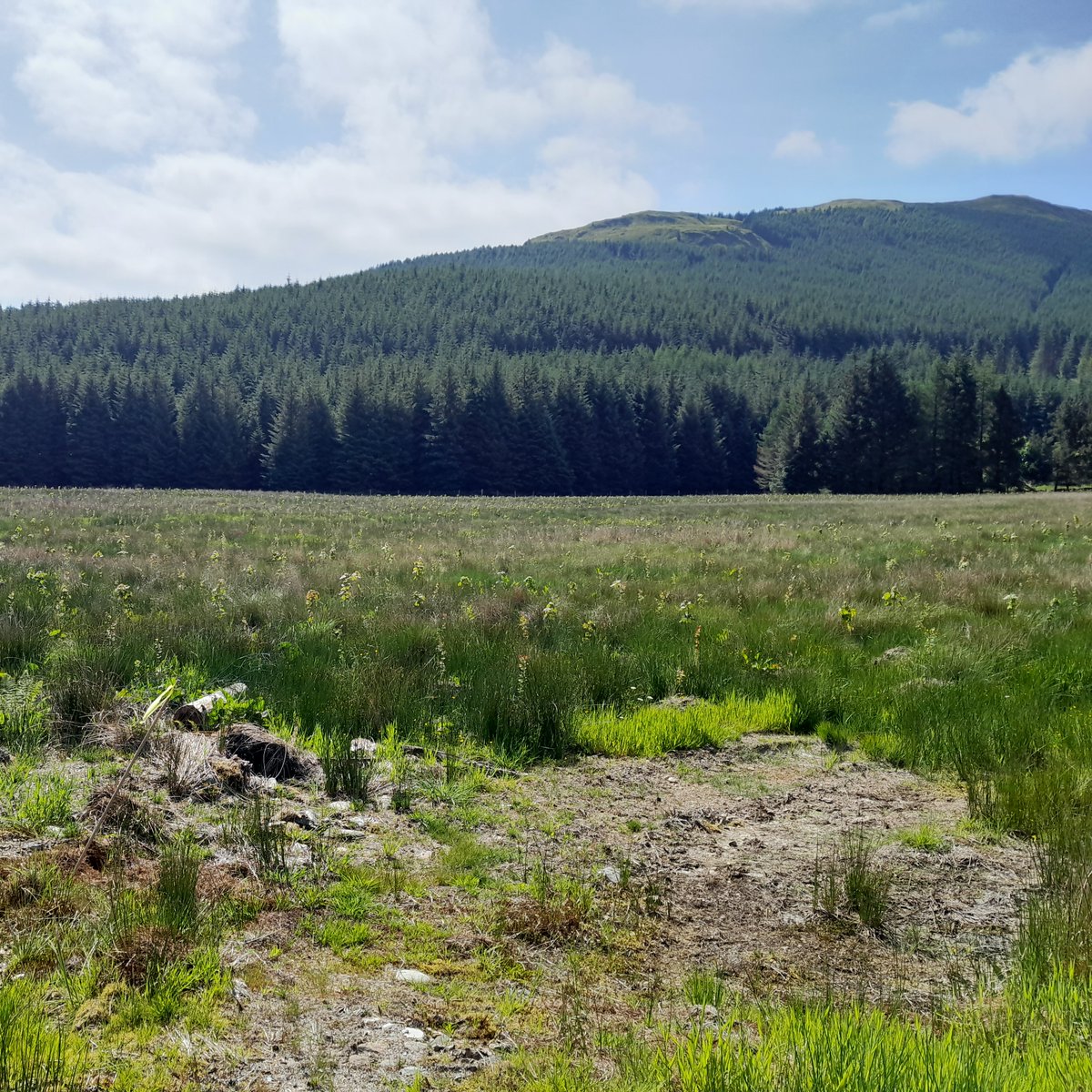
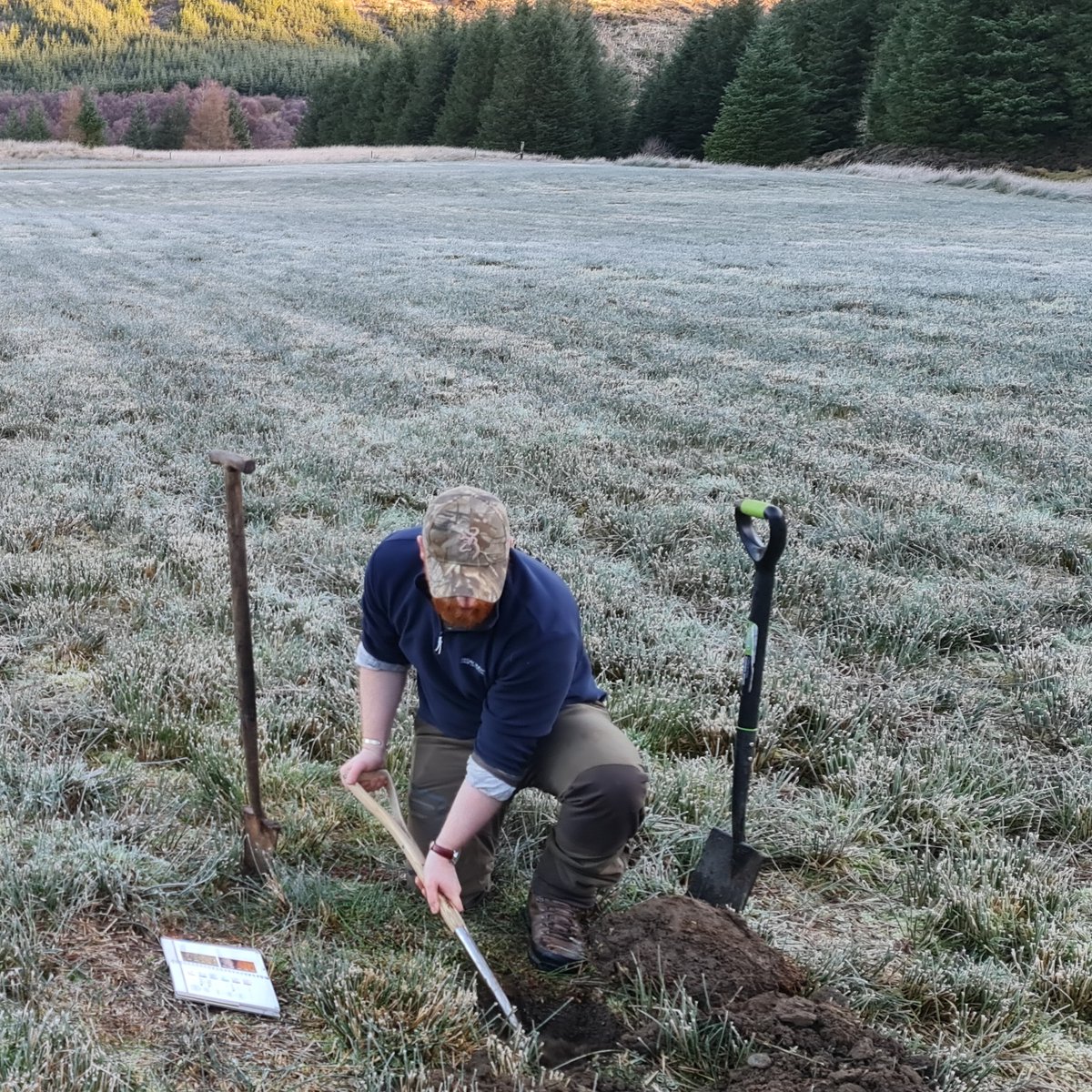
We're excited to share our latest project at Corrachaive Farm, Argyll! In collaboration with Tilhill Forestry, we've transformed 17.17 hectares of former grazing land into a thriving woodland. 🌲🌿
See Link to case study in comments

1
50
29 Jan 2025
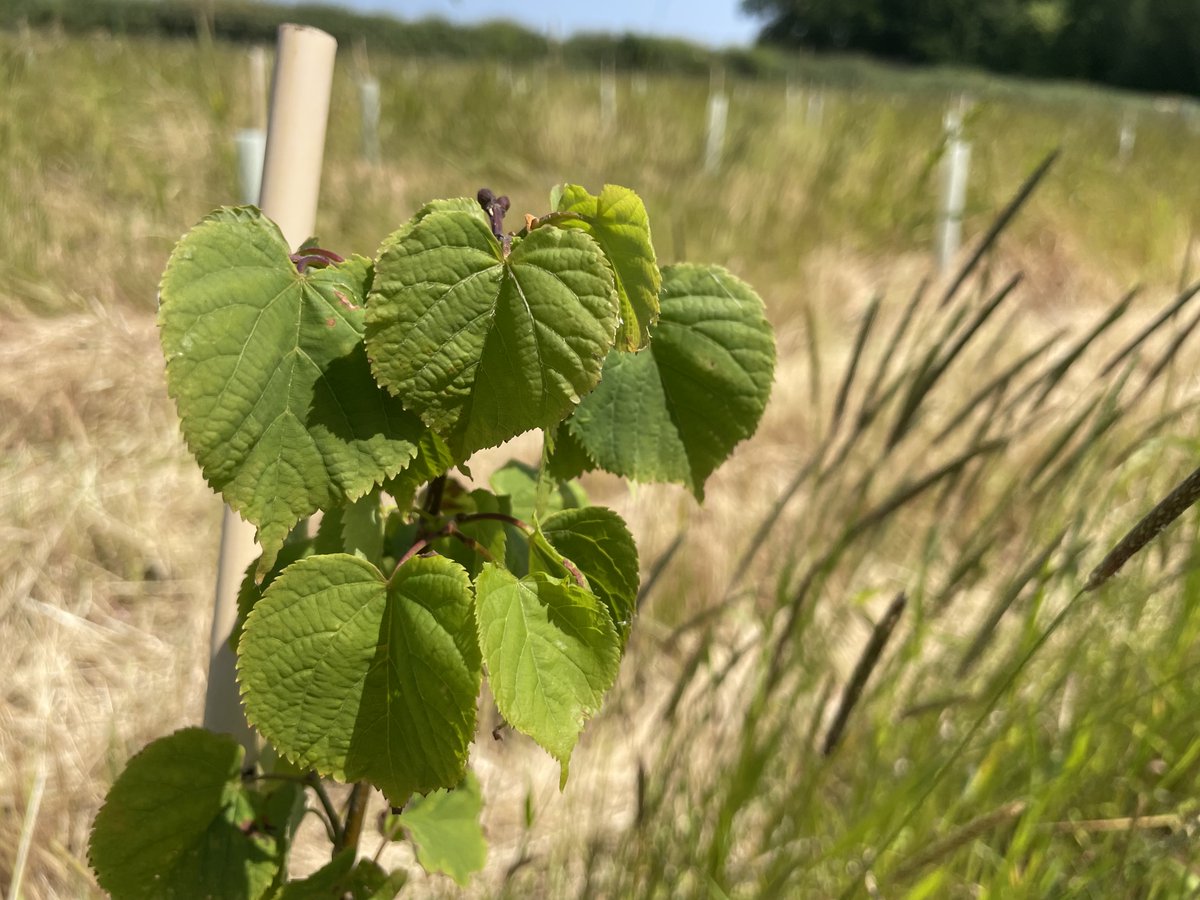
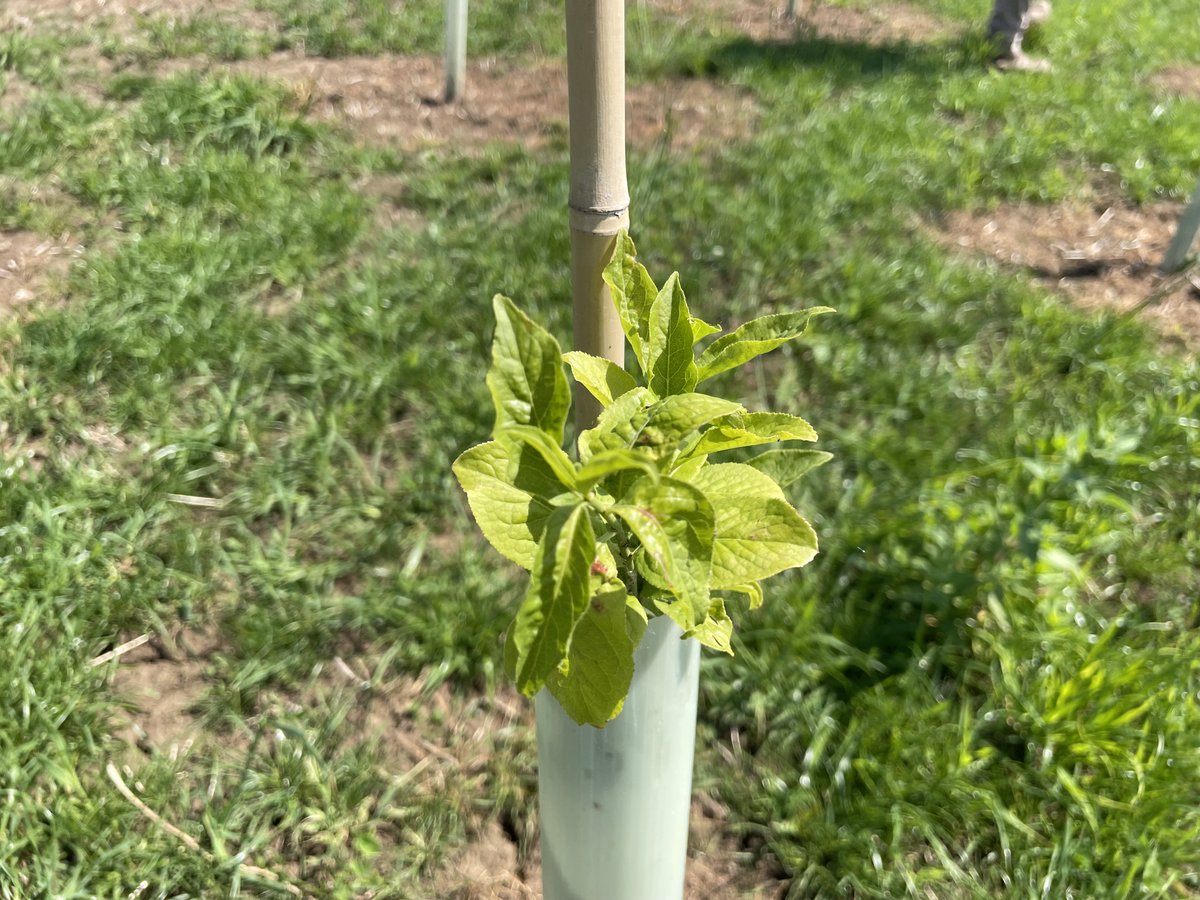
"My advice to other farmers thinking about planting trees is don’t wait too long!
The best time to plant trees was 20 years ago – the second-best time is now!"
Read from this farmer on his journey to selling carbon credits generated from this project:
pulse.ly/ik4pn19aso
29
20 Jan 2025
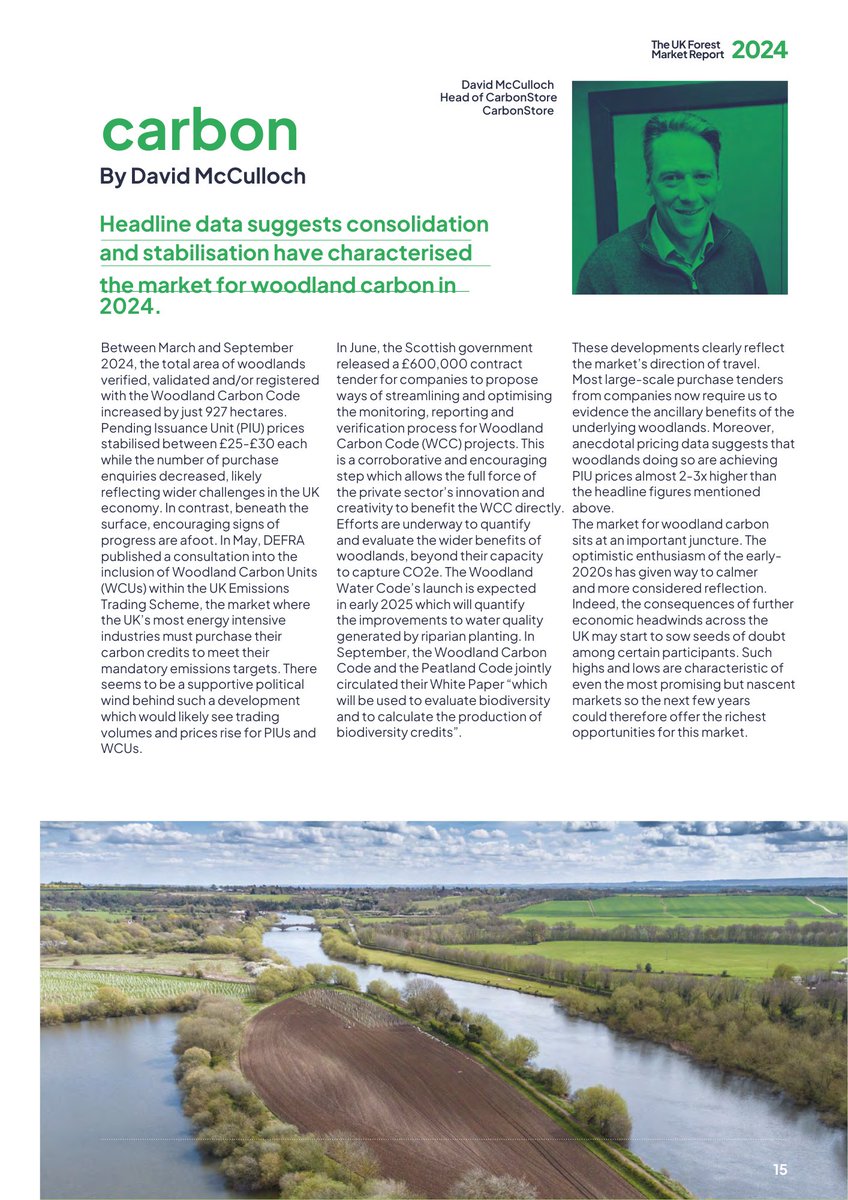
𝗛𝗲𝗮𝗱𝗹𝗶𝗻𝗲 𝗱𝗮𝘁𝗮 𝘀𝘂𝗴𝗴𝗲𝘀𝘁𝘀 𝗰𝗼𝗻𝘀𝗼𝗹𝗶𝗱𝗮𝘁𝗶𝗼𝗻 𝗮𝗻𝗱 𝘀𝘁𝗮𝗯𝗶𝗹𝗶𝘀𝗮𝘁𝗶𝗼𝗻 𝗵𝗮𝘃𝗲 𝗰𝗵𝗮𝗿𝗮𝗰𝘁𝗲𝗿𝗶𝘀𝗲𝗱 𝘁𝗵𝗲 𝗺𝗮𝗿𝗸𝗲𝘁 𝗳𝗼𝗿 𝘄𝗼𝗼𝗱𝗹𝗮𝗻𝗱 𝗰𝗮𝗿𝗯𝗼𝗻 𝗶𝗻 𝟮𝟬𝟮𝟰
Read full article:
pulse.ly/s4ykqeskgx
22
10 Dec 2024
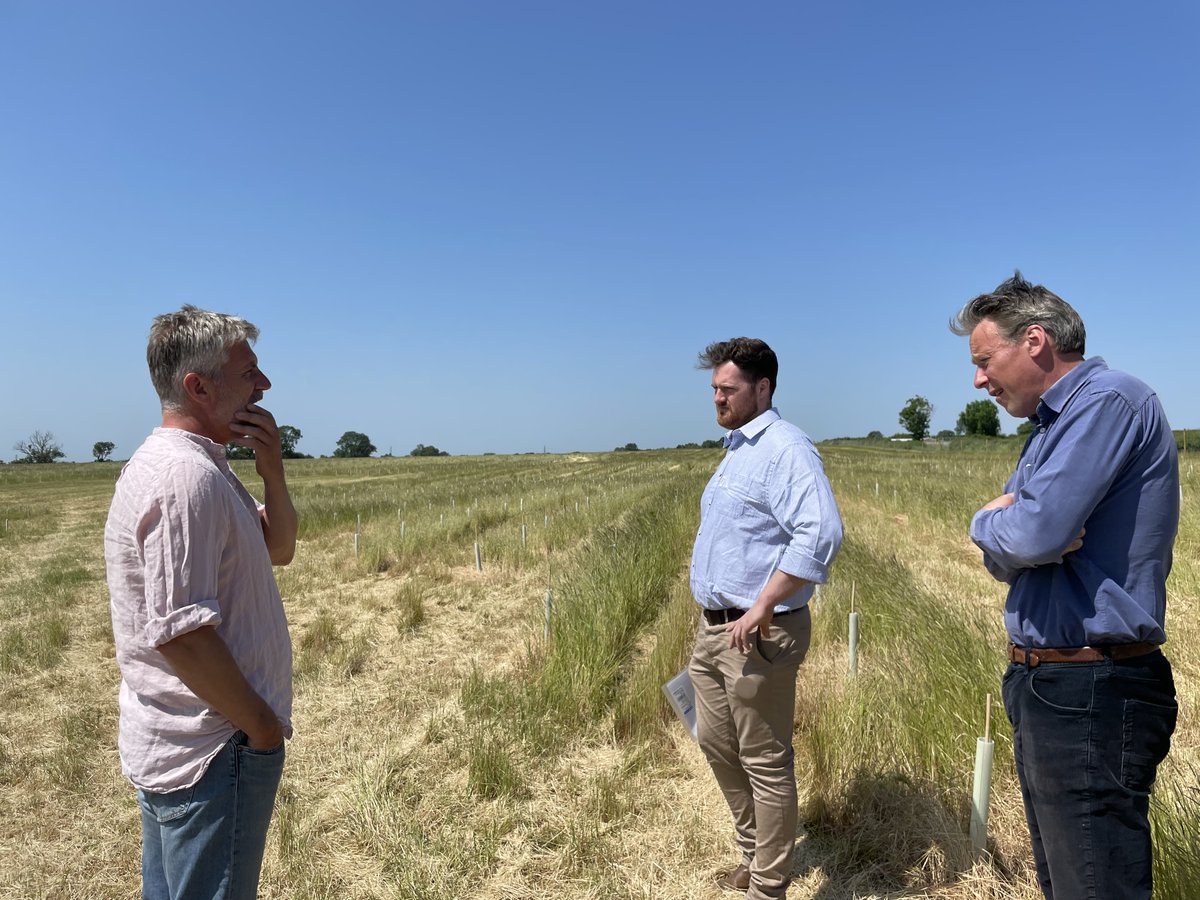
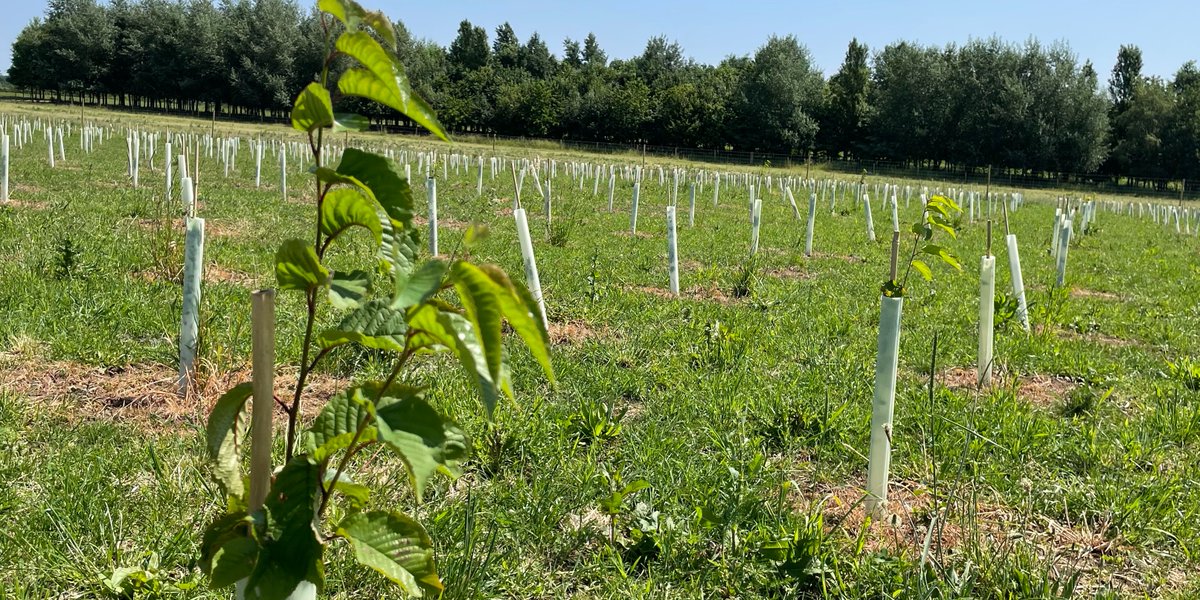
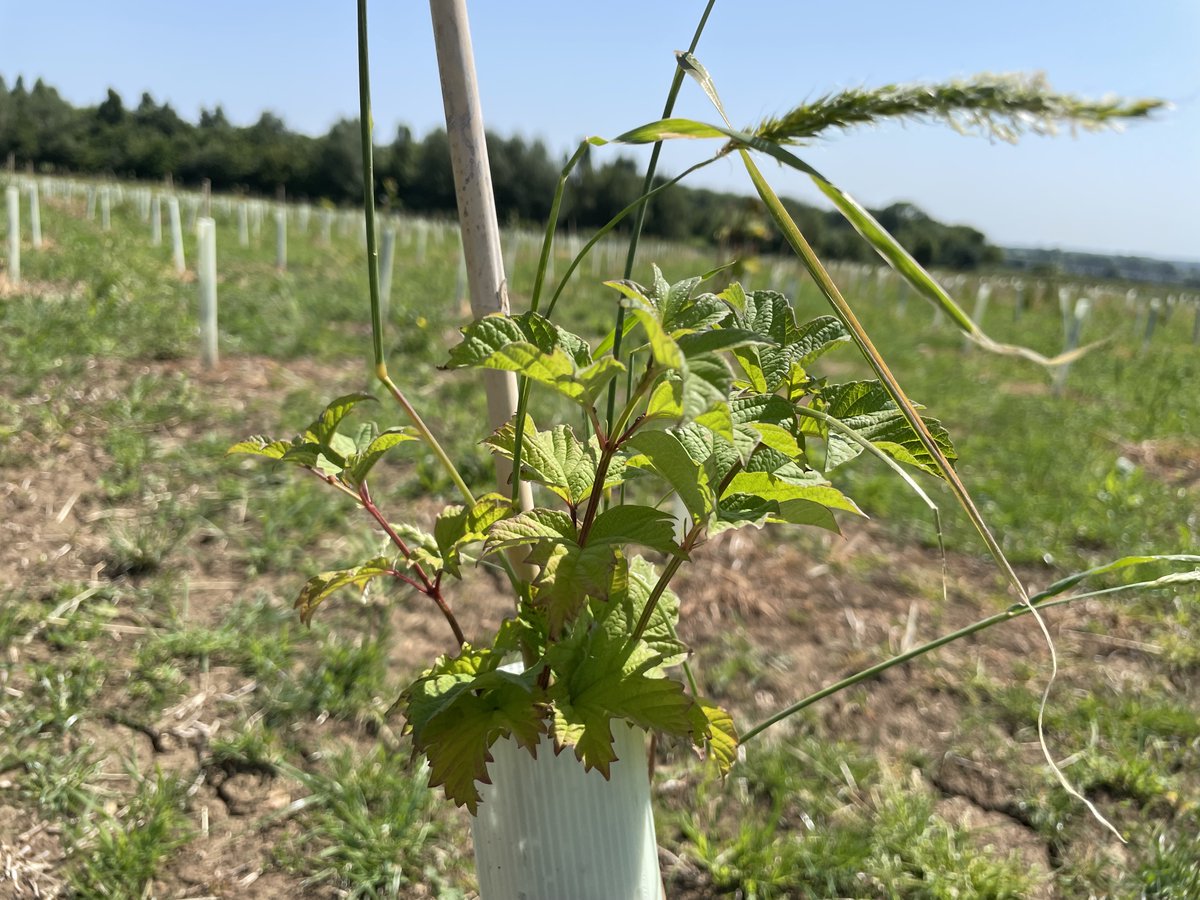
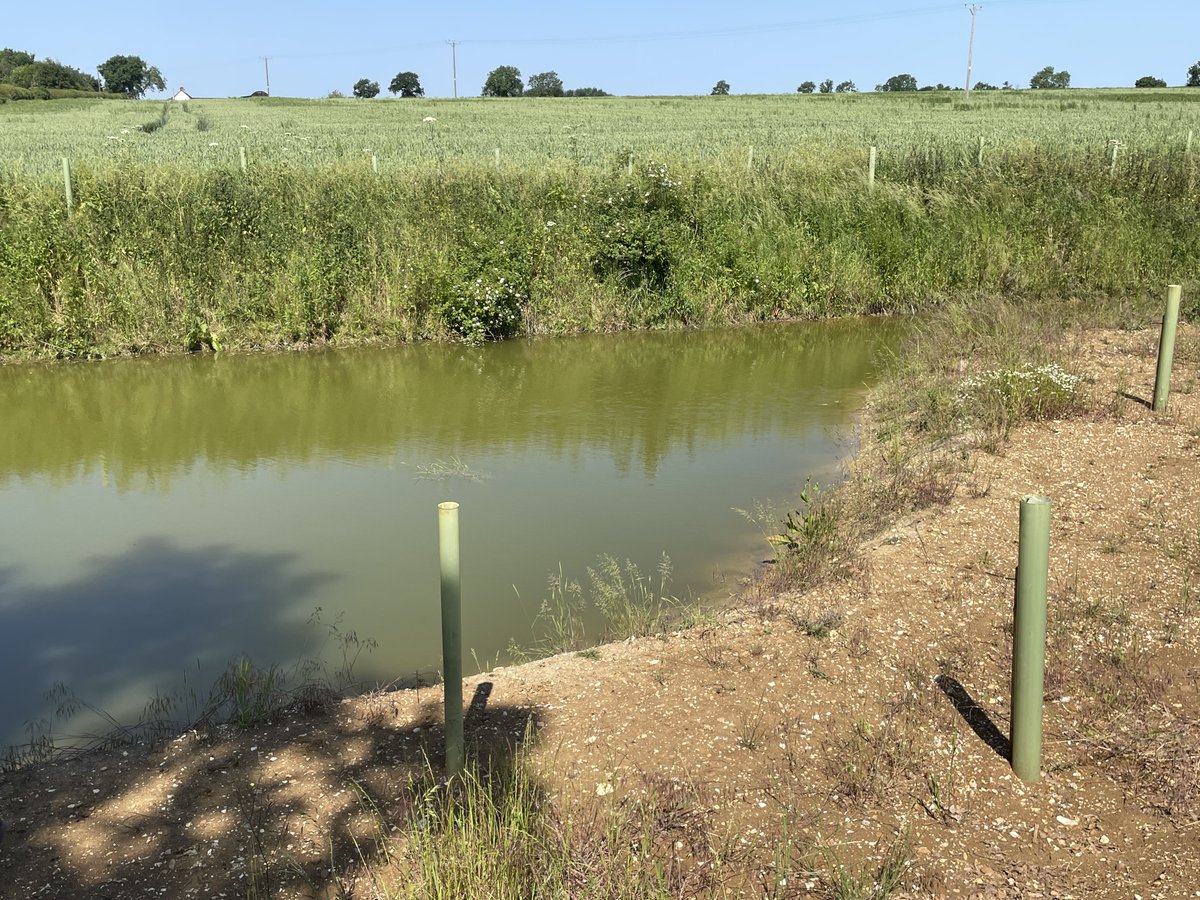
46,000 trees were planted across 3 compartments on this farm in #Buckinghamshire.
Working closely with the farmer, we completed all the documents for validation of the project by the Woodland Carbon Code. our team designed the woodland creation plan, applied for the EWCO grant
1
1
53
30 Oct 2024
There is a lot of confusion surrounding terms such as ‘carbon sink’, ‘carbon store’ and ‘carbon source’.
Learn more on our website: pulse.ly/jdp7ybhvna
1
32
30 Oct 2024
Initially, a planting project is a carbon source, due to the ground disturbance, the use of tree guards, the fencing etc.
Thereafter, as the trees grow, it becomes a carbon sink before, before maturing into a carbon store.
24
2 Oct 2024
For those working hard to restore Scotland’s nature and wildlife, this is undoubtedly discouraging. However, the key point is the tight budgetary pressures facing the Scottish, English and Welsh governments.
pulse.ly/eceplfjohx
1
1
2
88
2 Oct 2024
Subsidising natural capital projects, such as woodland creation or peatland restoration, is expensive. Efforts to develop and promote natural capital markets could intensify so that the private sector can play a greater role in the financial support for projects.
22
16 Sep 2024
The project development costs and the audit fees for peatland restoration and woodland creation projects seeking carbon funding often discourage smaller-scale projects from participating and increasing costs could add to the problem.
pulse.ly/byclt1xipn
1
18
16 Sep 2024
Could a constructive outcome from the CivTech challenge help to reduce these costs going forward?
15
12 Sep 2024
The owners of PIUs and WCUs issued by the #Woodland #Carbon Code can take great confidence in the WCC’s board minutes from June.
Read more on the Woodland Carbon Code website:
pulse.ly/mdmi6qmvhi
1
36
12 Sep 2024
There is encouraging progress in the development of standardised legal contracts, the prospect of including WCUs within the UK-ETS and preparations for accreditation by the ICVCM.
1
39
12 Sep 2024
These will help lift the credibility of PIUs and WCUs, increase their value and ensure a liquid and robust market when it comes to selling them.
28
3 Sep 2024
Did you miss our recent webinar?
Our expert team outlines the options when designing a woodland to take #carbon into account and the possible income from timber, grants, and carbon that can be achieved by planting trees on your land.
pulse.ly/bd5cp8kfcn
26
28 Aug 2024
It’s great to see the #Peatland Code and the #Woodland #Carbon Code tapping the private sector’s creativity to overcome some of the challenges in the current structure of the carbon market.
pulse.ly/g8oftn9u3w
1
30
28 Aug 2024
The CivTech challenge will be worth watching closely as the potential benefits for project owners, project developers and buyers of PIUs/WCUs/PCUs could be significant.
10
21 Aug 2024
The woodland compartments within this project are expected to capture 6,900 tonnes of CO₂e over the next 100 years according to the Woodland Carbon Code. This is the same amount as emitted from driving 17.25 million miles in a petrol car.
pulse.ly/saqx12mggj
1
30