
Joined October 2021
- Tweets 7,660
- Following 1,398
- Followers 6,698
- Likes 6,415
3,481 Photos and videos


Pinned Tweet

5 Dec 2024
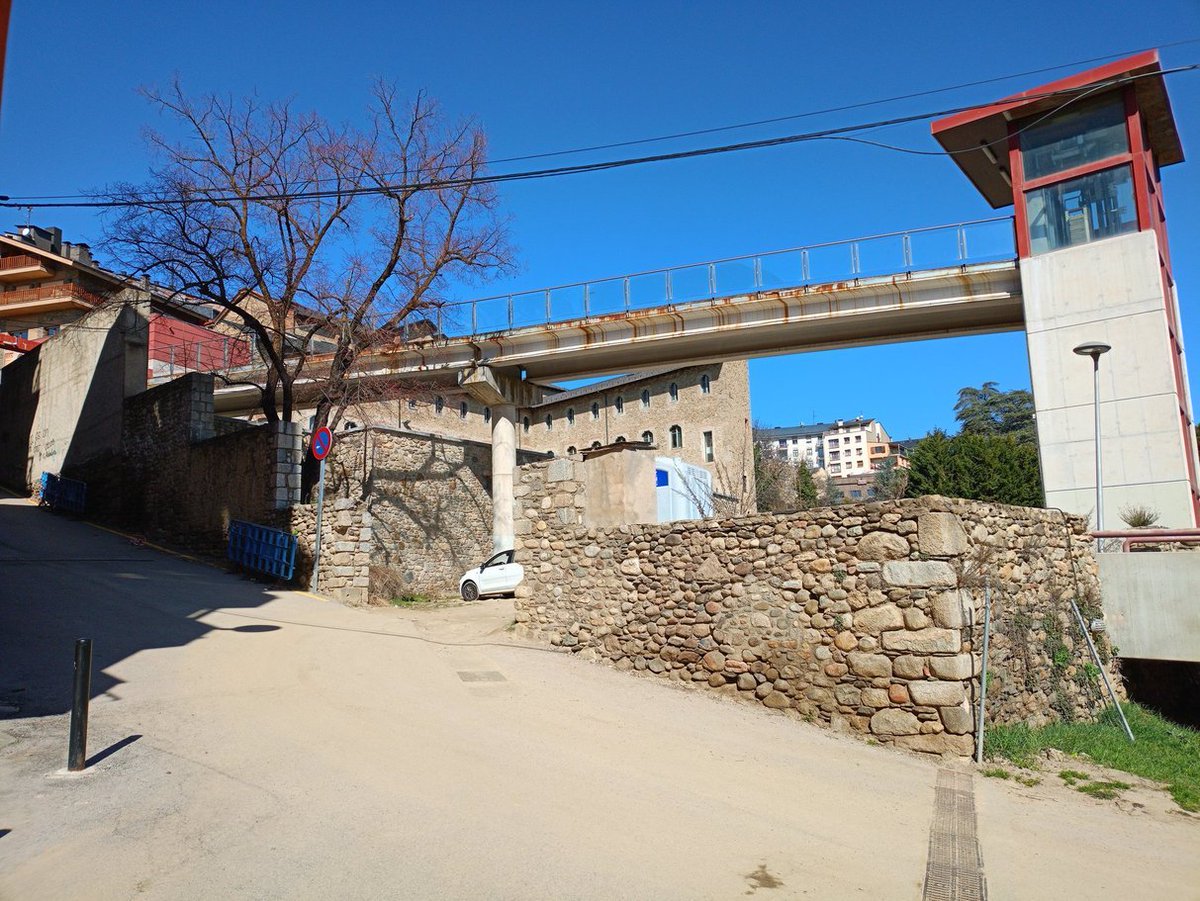
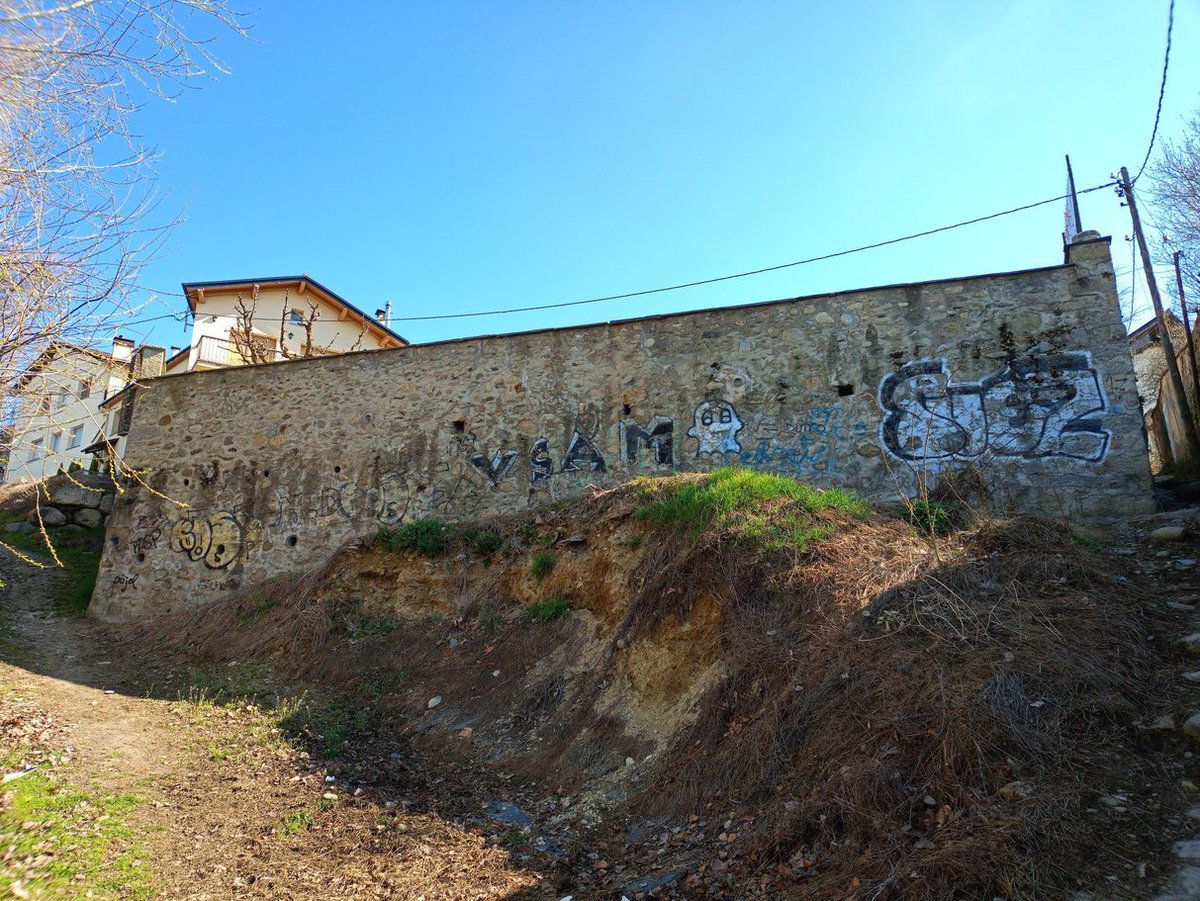
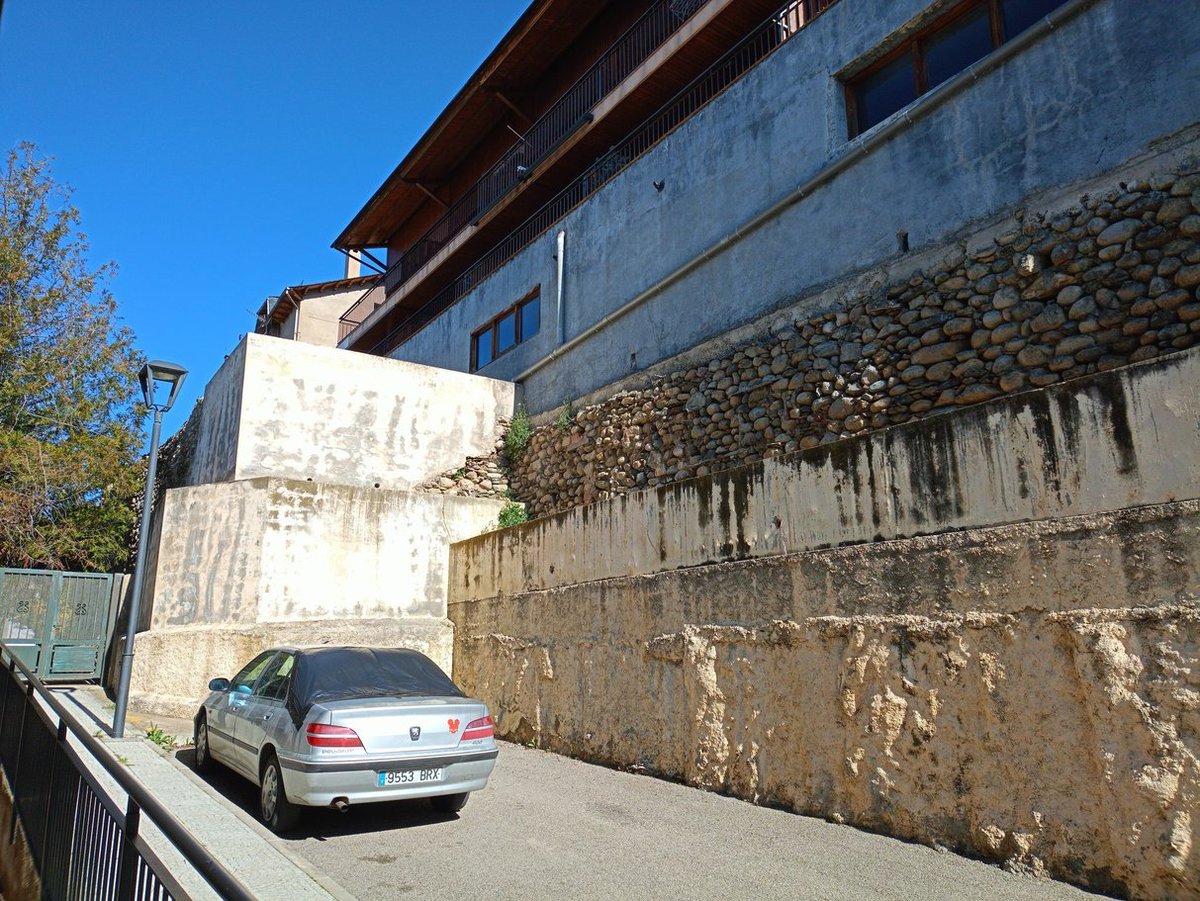
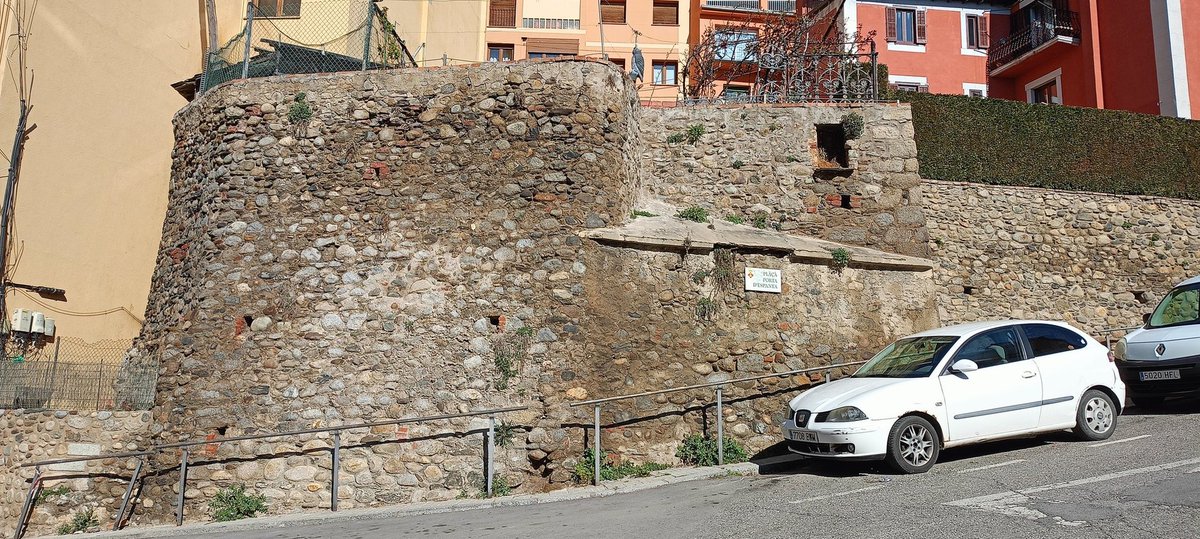
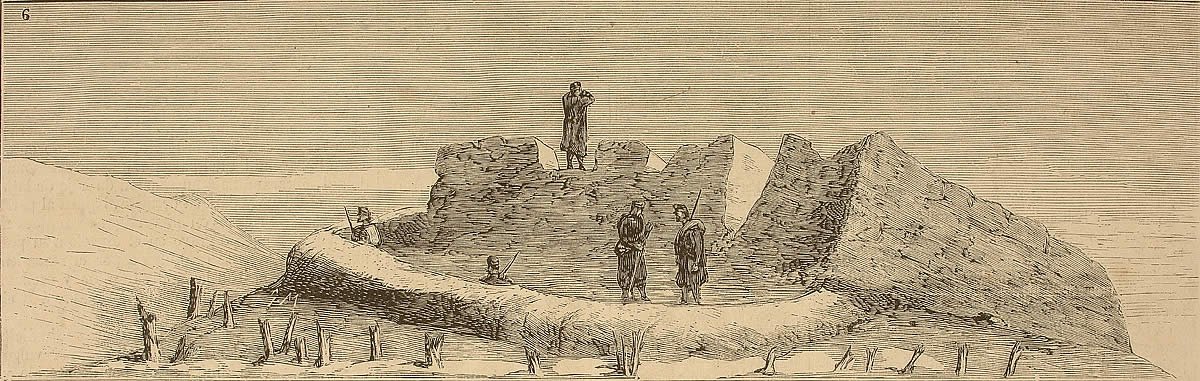
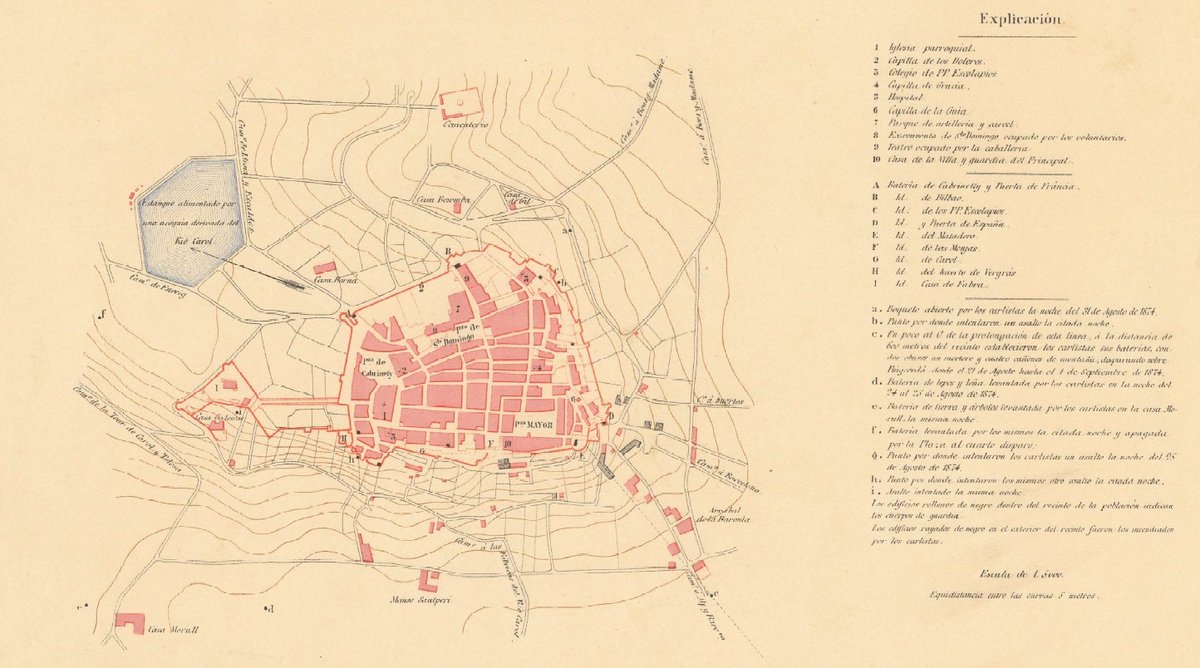
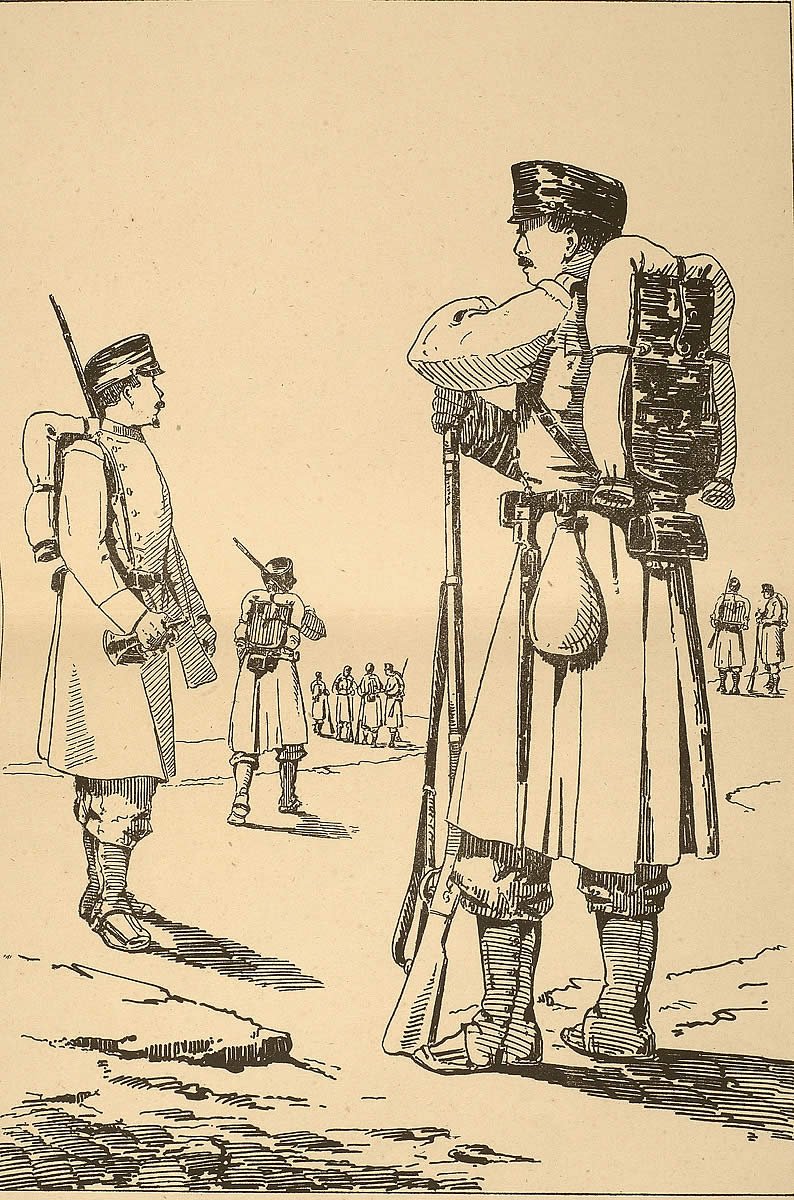
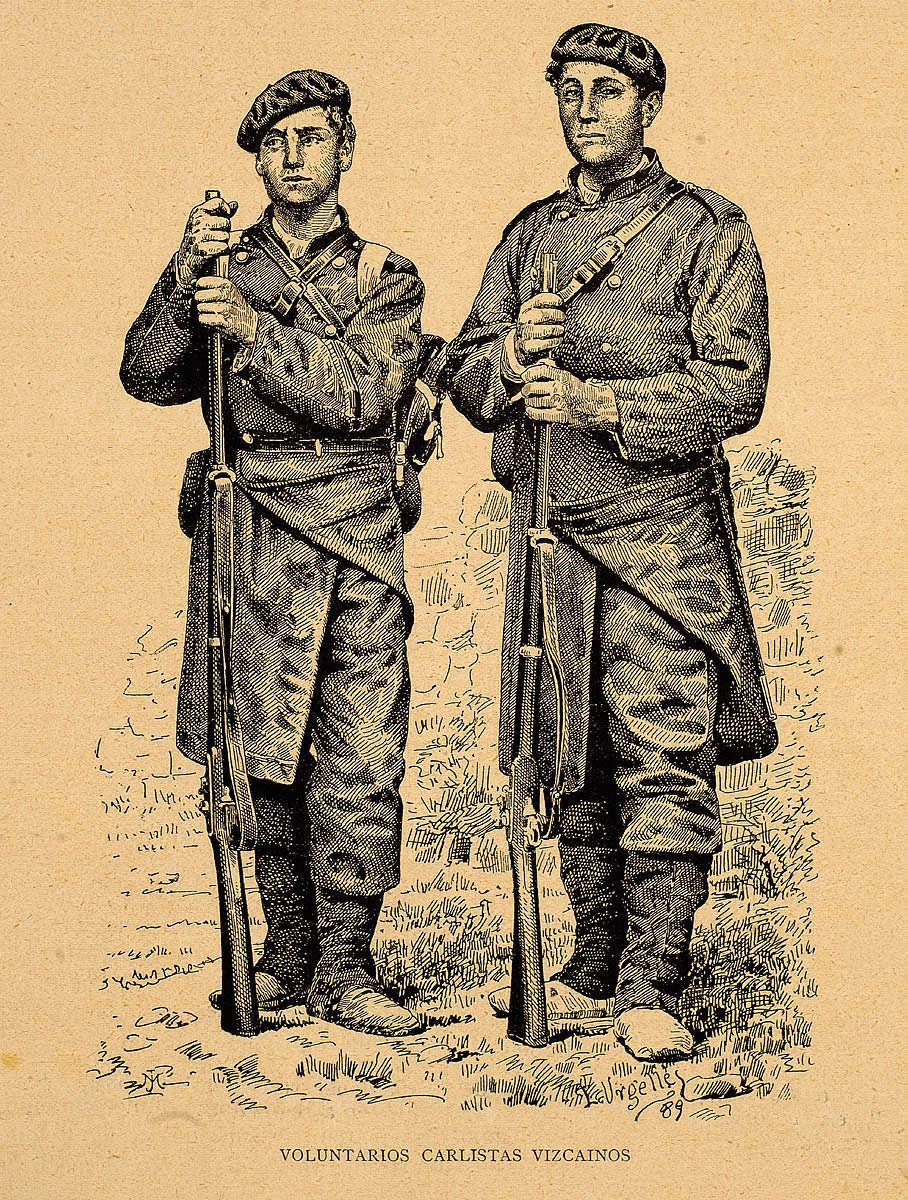
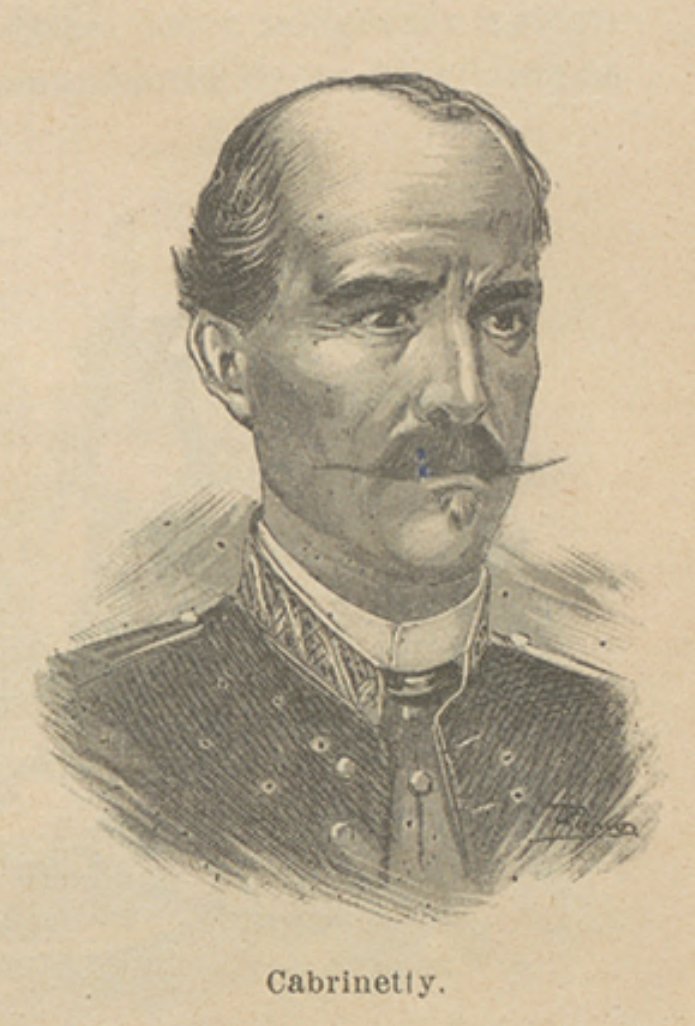
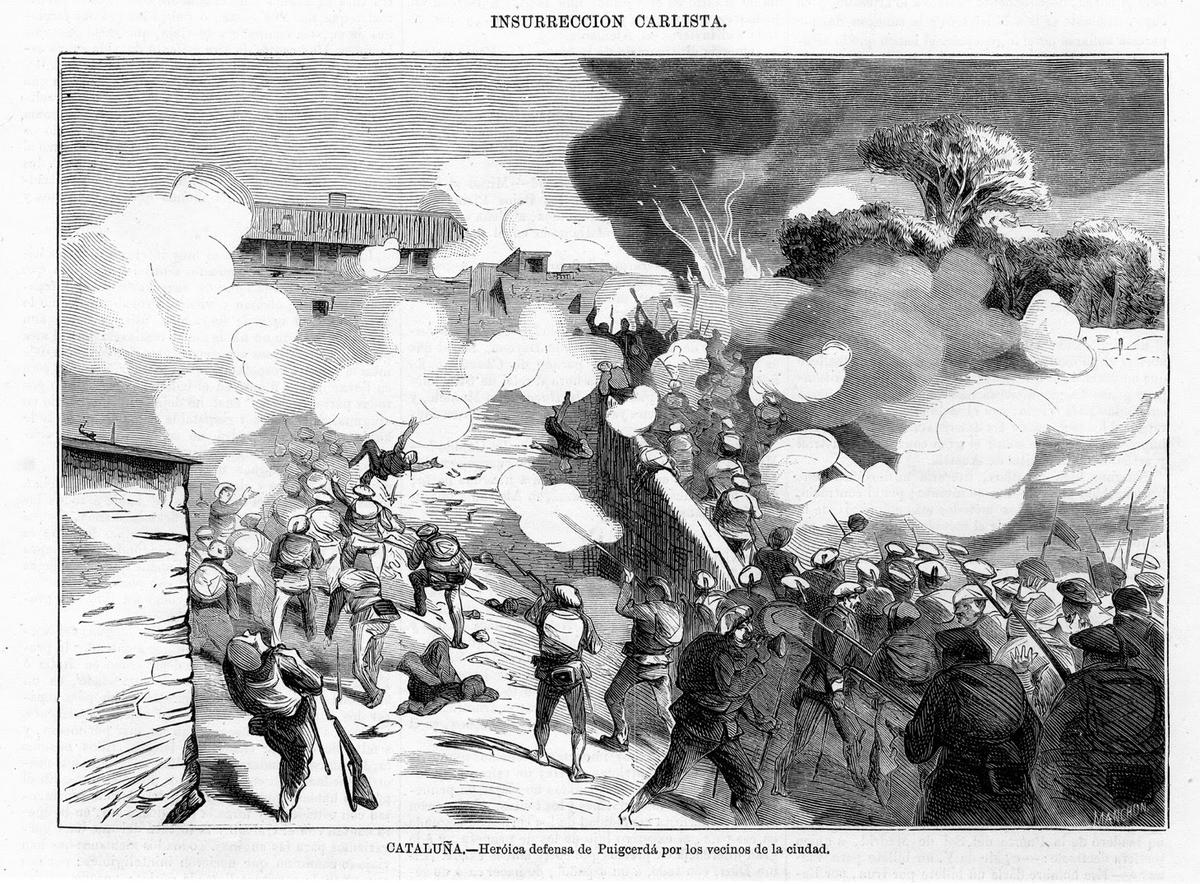
Cómo últimamente estamos publicando varios artículos, aquí va un hilo recopilatorio con todas las publicaciones realizadas sobre #arqueologia de las #guerrascarlistas. Espero que os sirvan!
✒️📖
1
5
45
9,254
Gorka Martín Echebarria retweeted

📢2 semanas para que se cierre el Call for Papers del @CIESCA1
🗓️ Del 7 de mayo al 30 de junio
La sesión 19 propone un debate interdisciplinar sobre cómo los museos representan experiencias traumáticas, gestionan memorias complejas y contribuyen a fomentar una cultura de paz.

1
5
6
225
Gorka Martín Echebarria retweeted
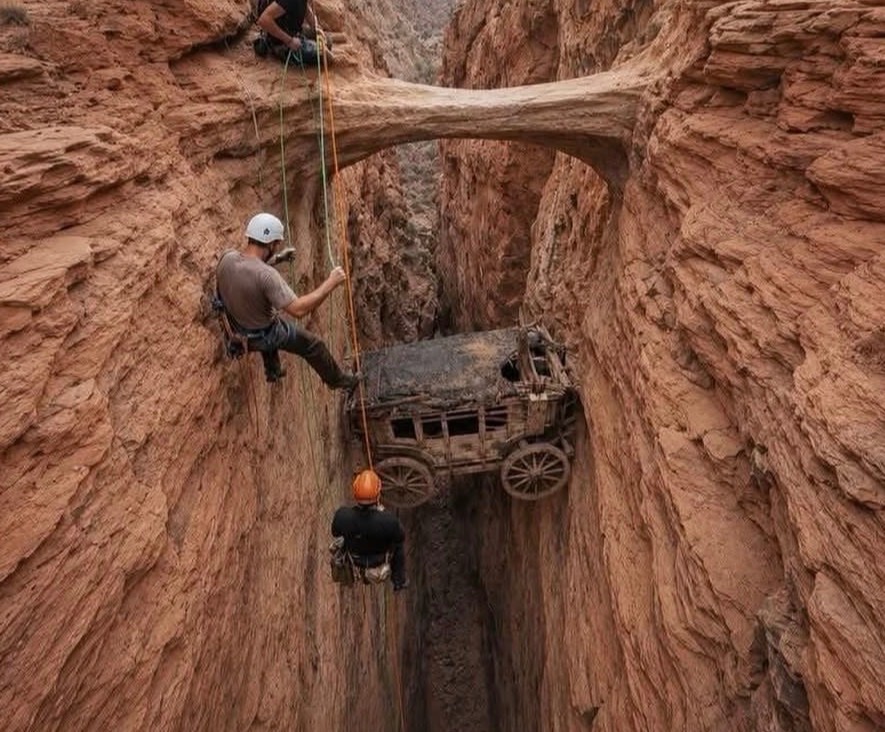
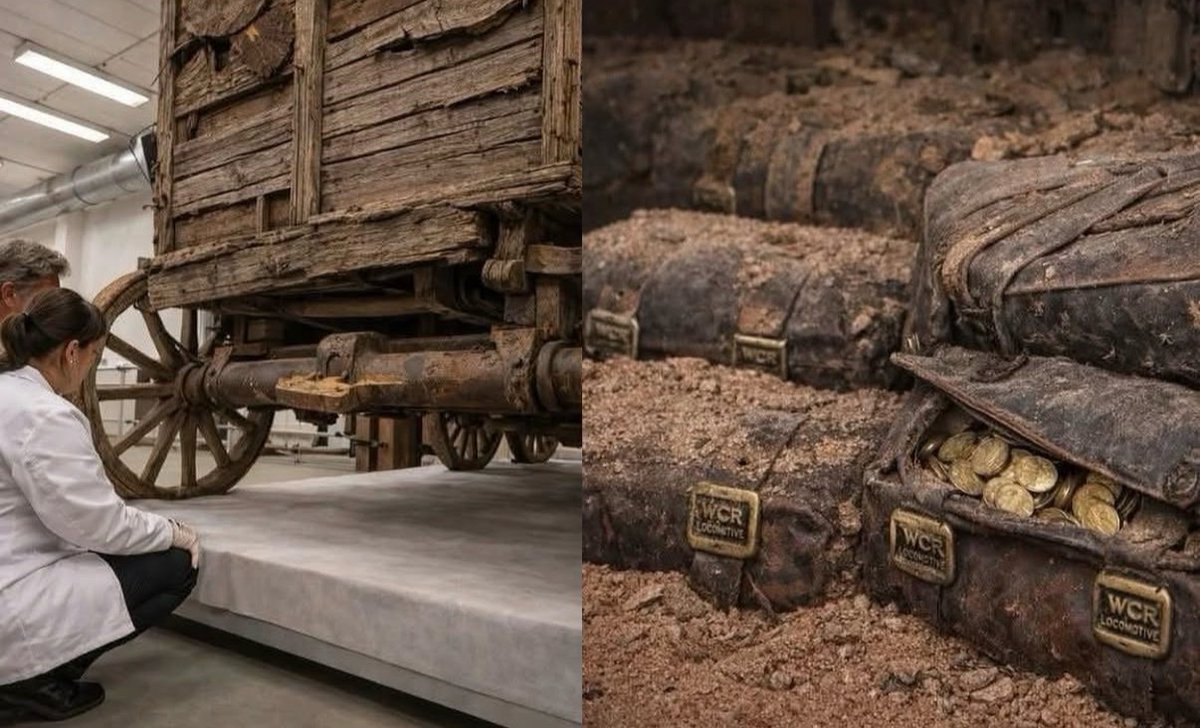
Tourists found a 19th-century stagecoach high in a Utah canyon, later revealing bags of gold coins tied to a lost railroad payroll; evidence suggests it was sabotaged by bandits before a flash flood carried it into the canyon, where it stayed hidden for over 100 years.
127
243
2,752
292,936
Gorka Martín Echebarria retweeted
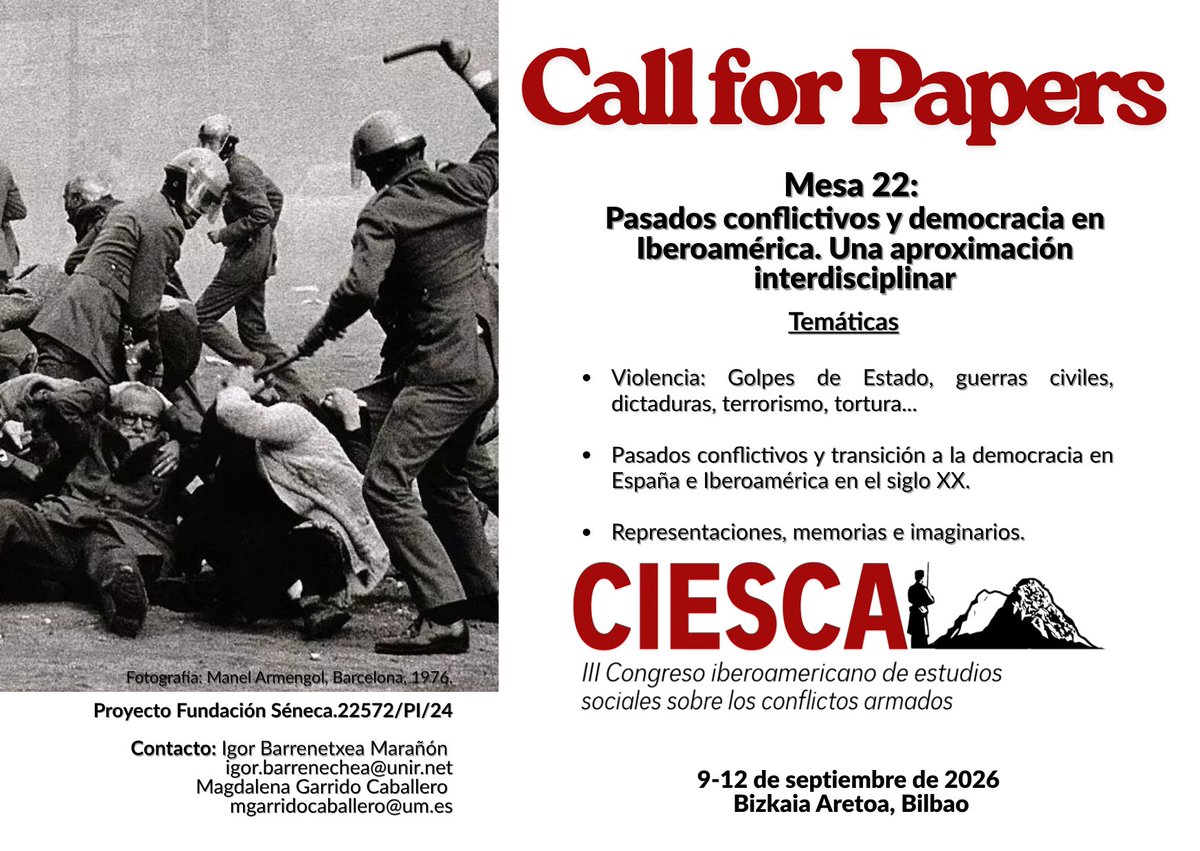
📢 CALL FOR PAPERS | ANUNCIO DE MESA | #CIESCA2026
Mesa 22:
Pasados conflictivos y democracia en Iberoamérica. Una aproximación interdisciplinar
✍️ Participa en CIESCA III: Formulario de inscripción
docs.google.com/forms/d/1xZb…
1
1
1
184
Gorka Martín Echebarria retweeted

12 Jun 2024
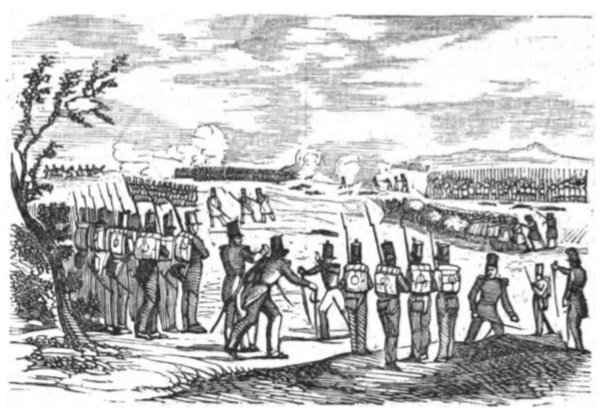
El 12 de junio de 1837 tuvo lugar la batalla de Gra (provincia de Lérida). En ella las tropas isabelinas derrotaron a la Expedición Real carlista. Esta tomaría oxígeno poco después gracias al general Cabrera, en El Maestrazgo.
2
9
36
2,162
Gorka Martín Echebarria retweeted
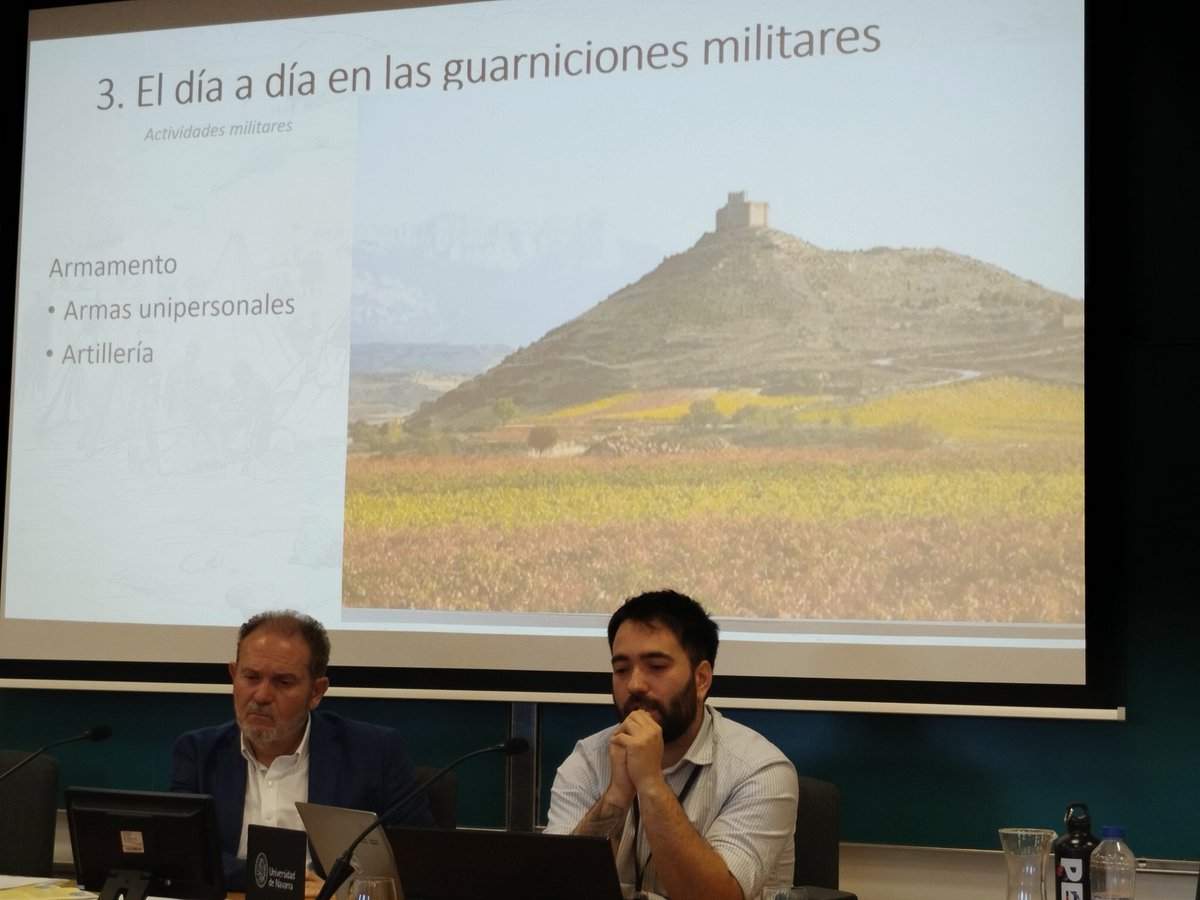
En @asehismi turno de @CarlistWars sobre fortificaciones y vida en la última guerra Carlista.
4
16
695
Gorka Martín Echebarria retweeted

Jun 10
La Universidad de Alicante saca a la luz 135 fotos inéditas de la Guerra Civil diariodealicante.net/fotos-i… vía @@Diari_Alicante
1
4
336
Gorka Martín Echebarria retweeted

🎙️🪖¡Ya tenéis disponible el T02x018 de Warchaeology!
En este episodio repasamos junto a
@romanosehizo el largo recorrido arqueológico y de conflicto de Cartagena.
“Qart Hadasht/Cartago Nova. De la fundación a la romanización.”
Ya en iVoox 🟠 ⏬
go.ivoox.com/rf/175173214
3
7
850
Gorka Martín Echebarria retweeted

Jun 8
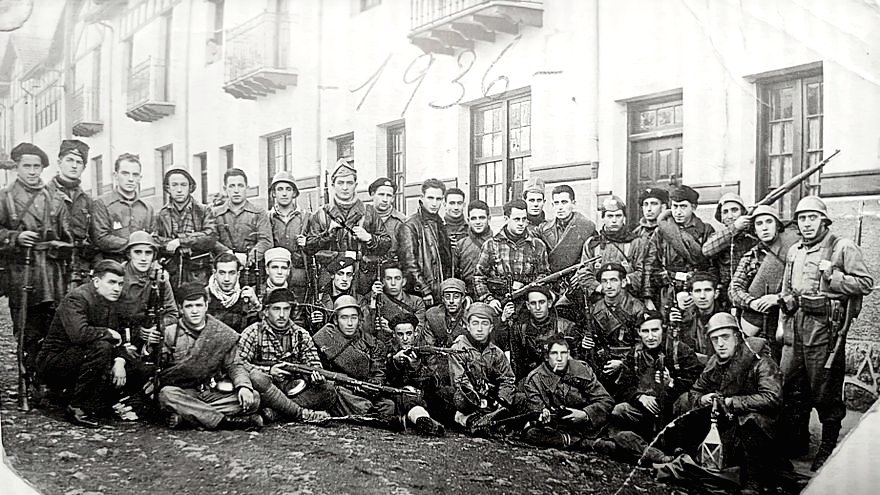
Euskadiko Partidu Komunistak sortutako ROSA LUXEMBURGO Batailoiko milizianoak Bilboko Uribarri auzoan
3
22
124
3,983
Gorka Martín Echebarria retweeted

Jun 8
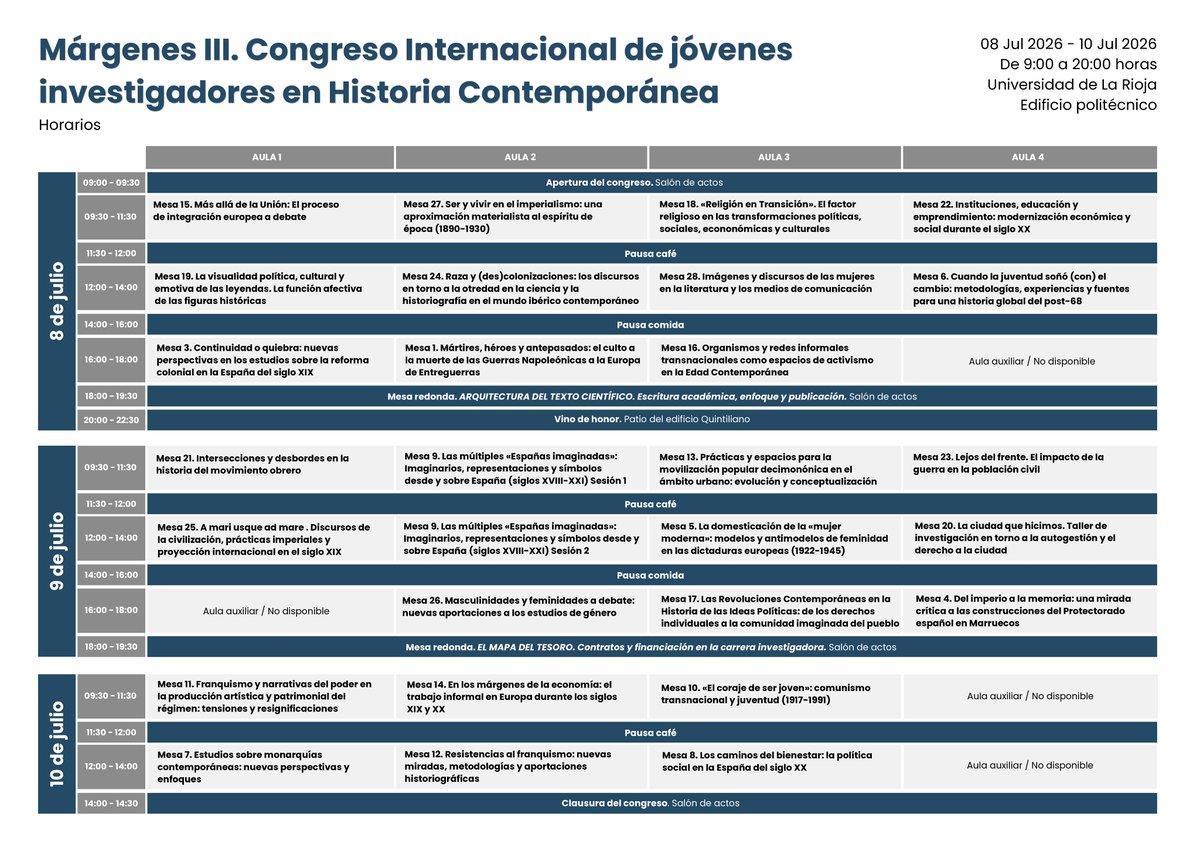
Ya disponible en la web los horarios y fechas definitivas de las mesas-taller. Pronto el programa definitivo con comunicantes y actividades plenarias! 🚨
Mar 16

Ya disponible en la web oficial de Márgenes el listado provisional de mesas y comunicantes! Inscripciones abiertas hasta el 15 de mayo 🚨unirioja.es/actividades/marg…
1
21
47
8,217
Gorka Martín Echebarria retweeted

Jun 8
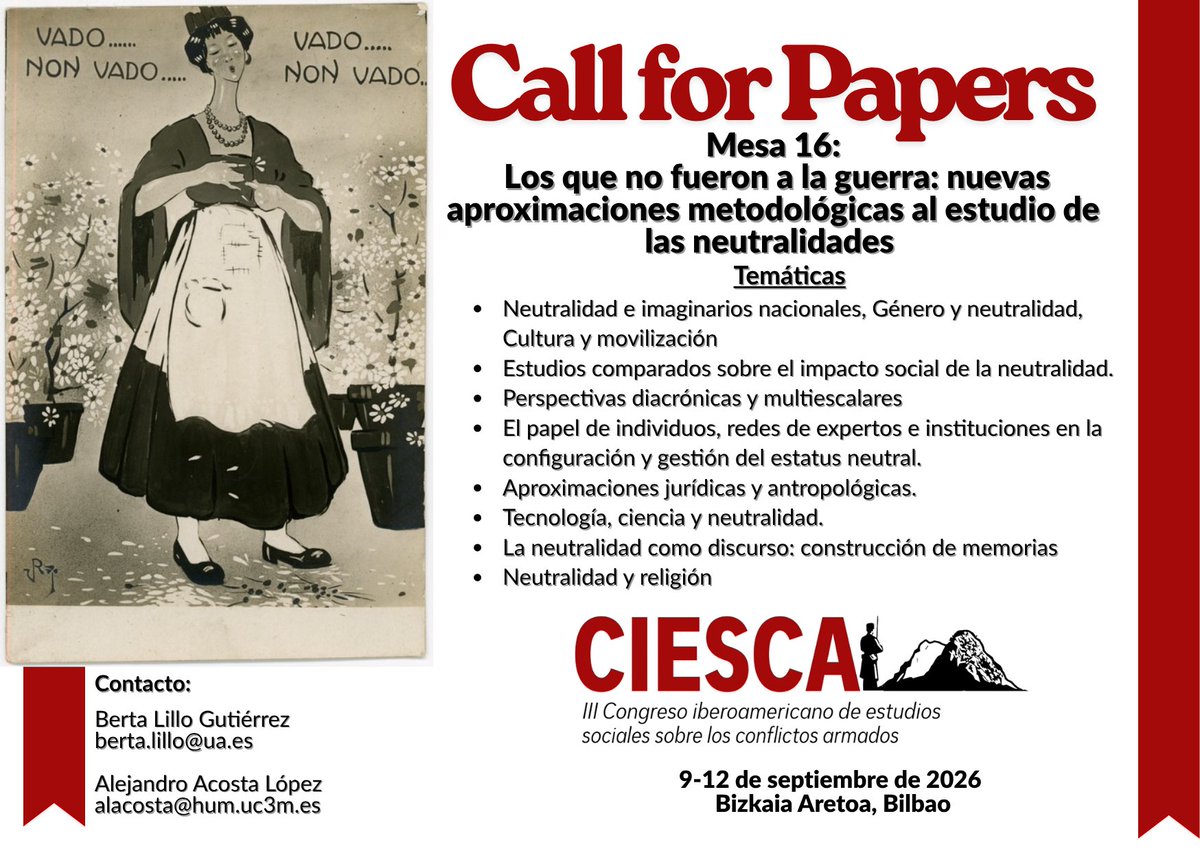
📢 CALL FOR PAPERS | ANUNCIO DE MESA | #CIESCA2026
Mesa 16: Los que no fueron a la guerra: nuevas aproximaciones metodológicas al estudio de las neutralidades
✍️ Participa en CIESCA III: Formulario de inscripción
docs.google.com/forms/d/1xZb…
1
5
6
560
Gorka Martín Echebarria retweeted
Esta semana en Warchaeology viajamos a la Antigüedad para seguir la pista de un conflicto que cambió el destino del Mediterráneo occidental y en donde la península ibérica tuvo un papel crucial.
🎙️🪖 ¡Suscríbete a Warchaeology!
5
33
4,267
Gorka Martín Echebarria retweeted
Jun 5
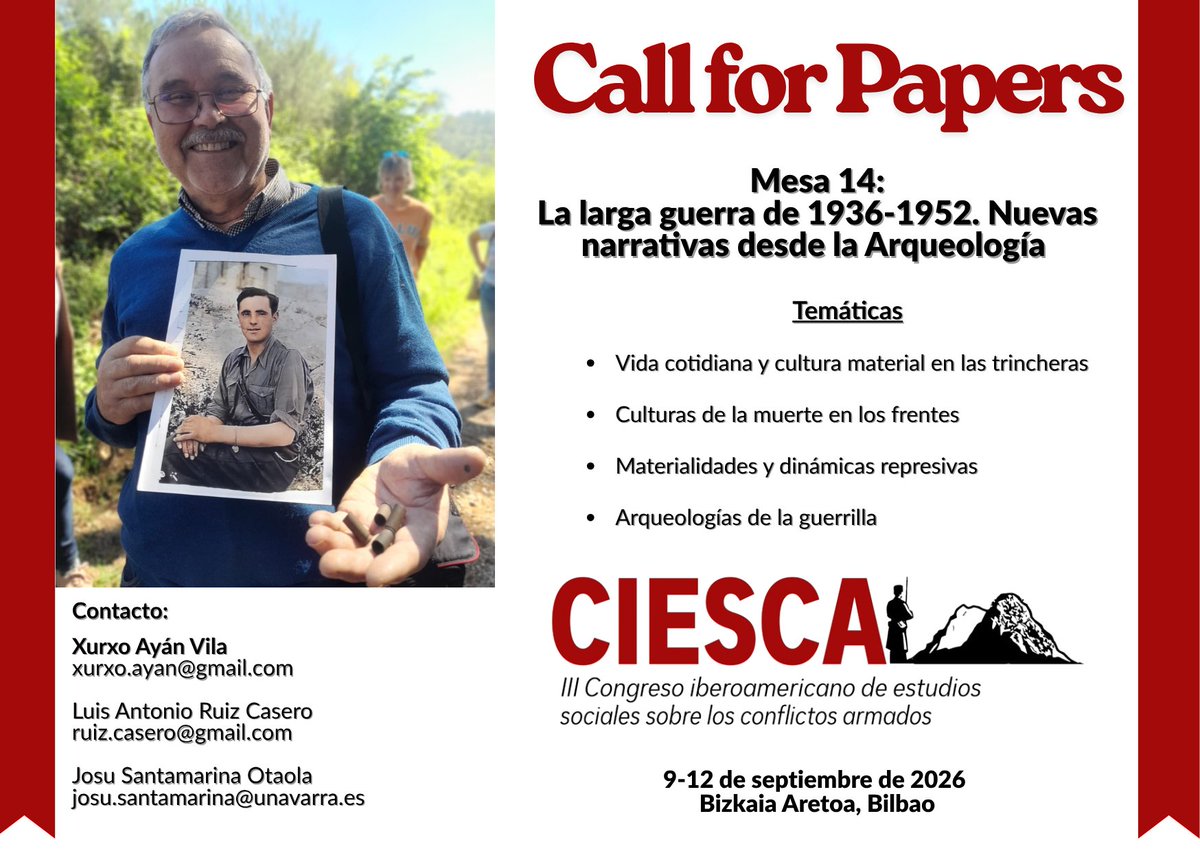
📢 CALL FOR PAPERS | ANUNCIO DE MESA | #CIESCA2026
Mesa 14:
La larga guerra de 1936-1952. Nuevas narrativas desde la Arqueología
✍️ Participa en CIESCA III: Formulario de inscripción docs.google.com/forms/d/1xZb…
1
3
6
354
Gorka Martín Echebarria retweeted
Jun 3
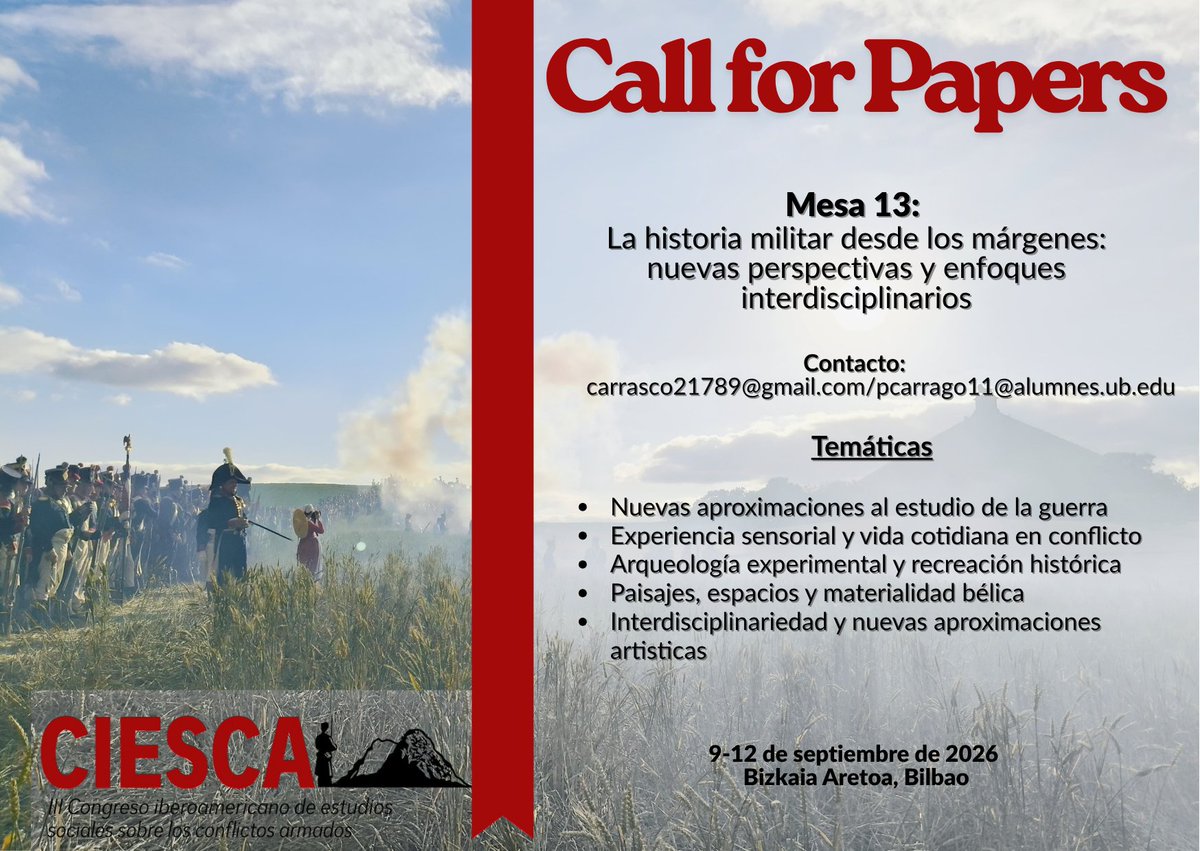
📢 CALL FOR PAPERS | ANUNCIO DE MESA | #CIESCA2026
Mesa 13:
La historia militar desde los márgenes: nuevas perspectivas y enfoques interdisciplinarios
✍️ Participa en CIESCA III: Formulario de inscripción docs.google.com/forms/d/1xZb…
1
5
6
749
Gorka Martín Echebarria retweeted

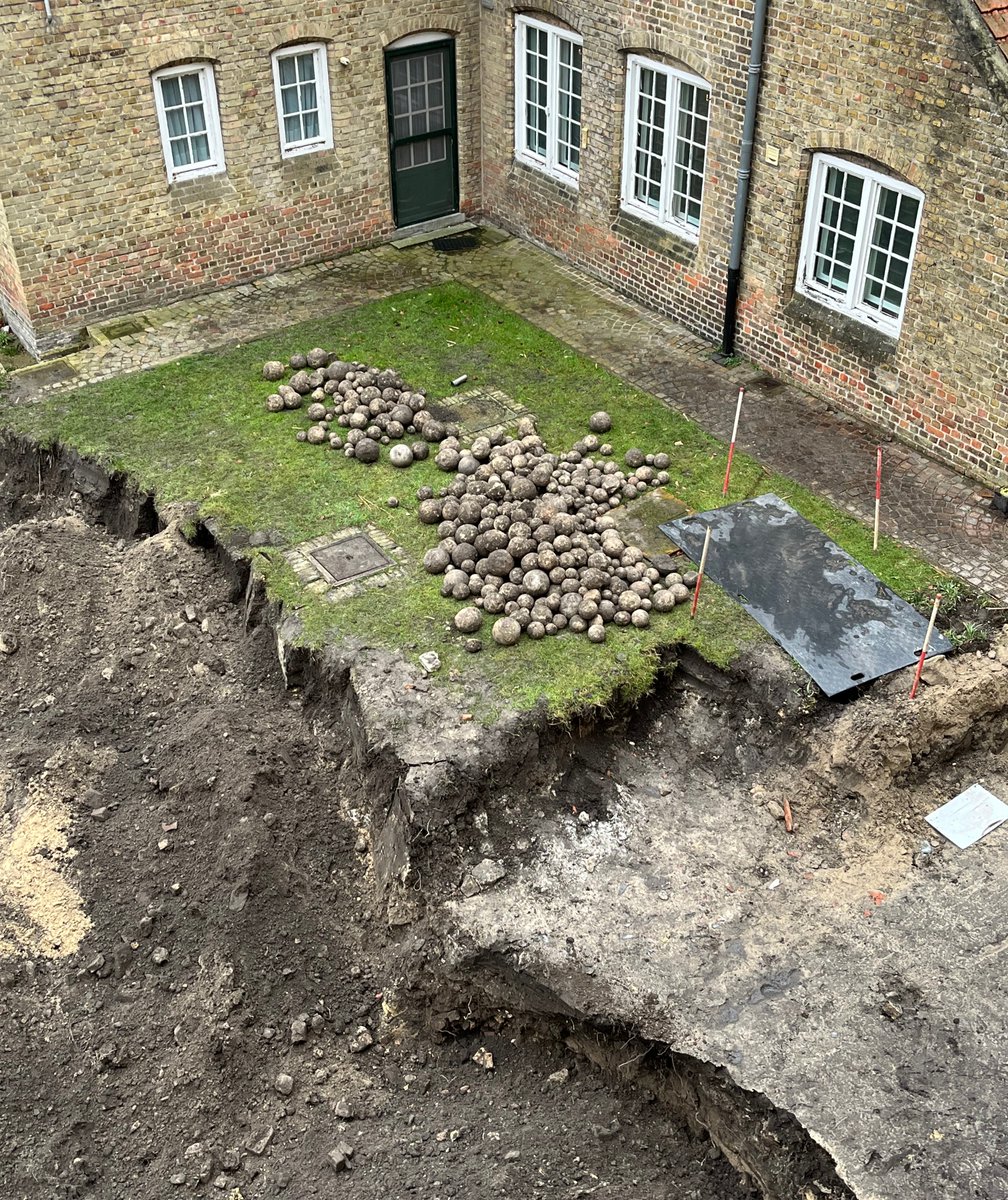
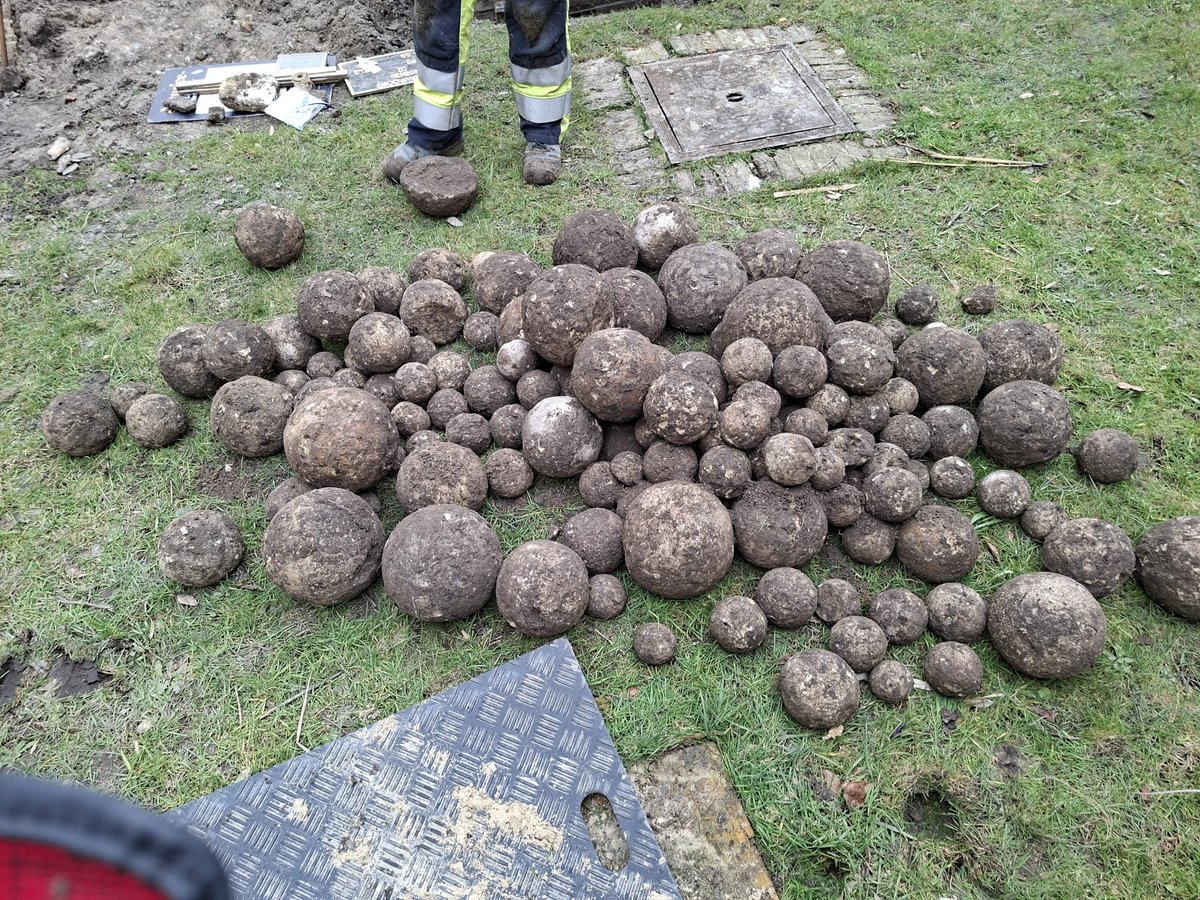
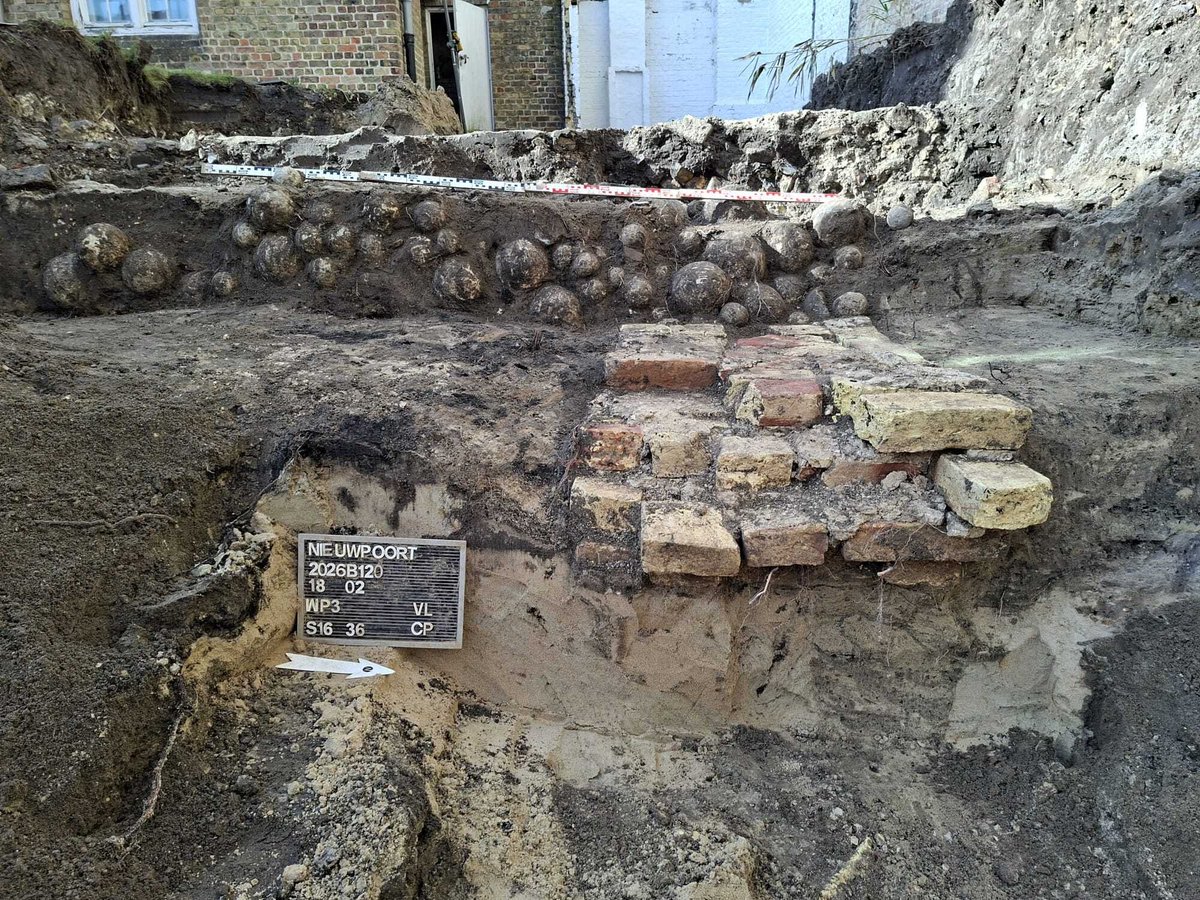
They recently found almost 500 medieval stone cannonballs during excavations at a construction site in Nieuwpoort, Belgium.
Dated to roughly 1350 to 1600, they were probably part of an old storage depot and forgotten over time.
Very cool find!
7
48
743
23,106
Gorka Martín Echebarria retweeted
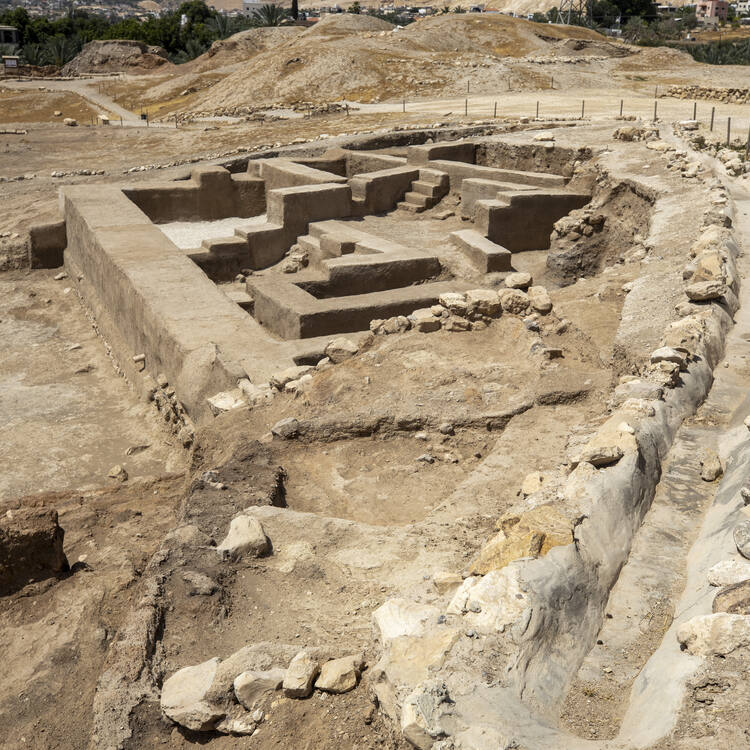
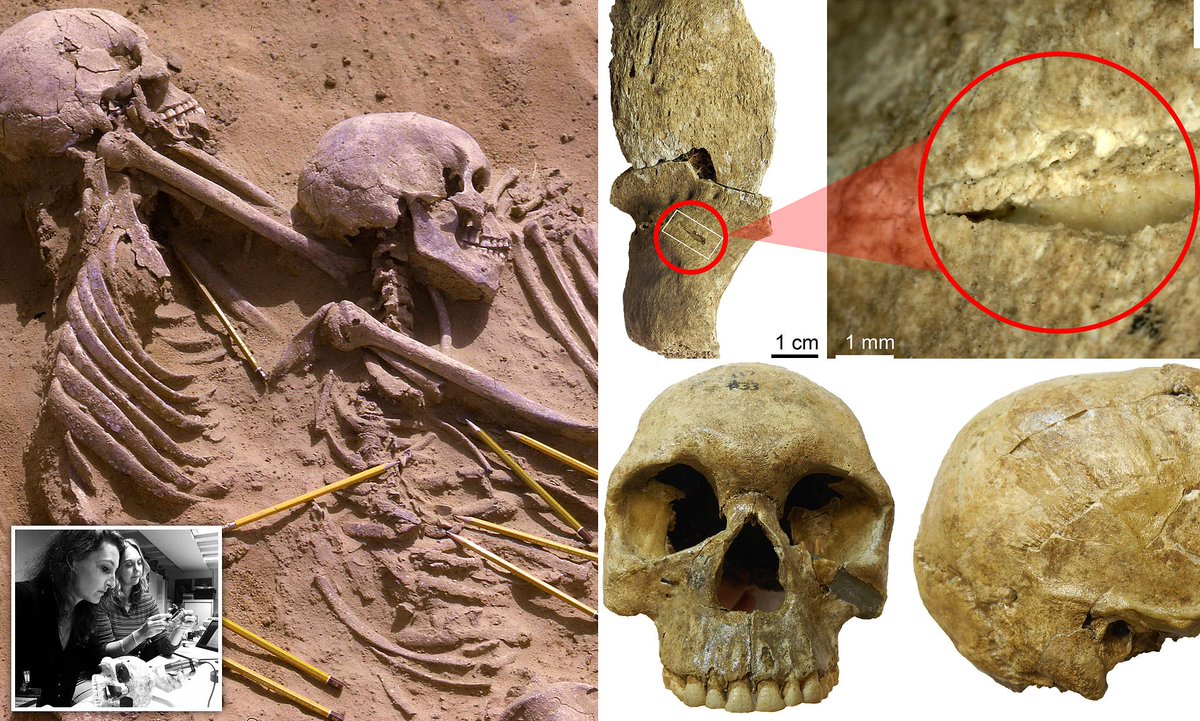
¿La paz es muda en la arqueología?
Así como la violencia deja un rastro de destrucción en el registro arqueológico la paz es mucho más dificil de trazar. Sin embargo no todo tiene porque ser Guerra.
Unos ejemplos 🧵⬇️
1
9
19
872
Gorka Martín Echebarria retweeted

El sistema de publicación de "papers" está roto. Desde 2024 esperando respuesta. El trabajo debe sostenerse por sí mismo, independiente de la fecha de publicación, pero estos plazos tan largos entre escritura y publicación trastocan la conformación de teorías de largo desarrollo

5
13
105
6,692
Gorka Martín Echebarria retweeted

May 30
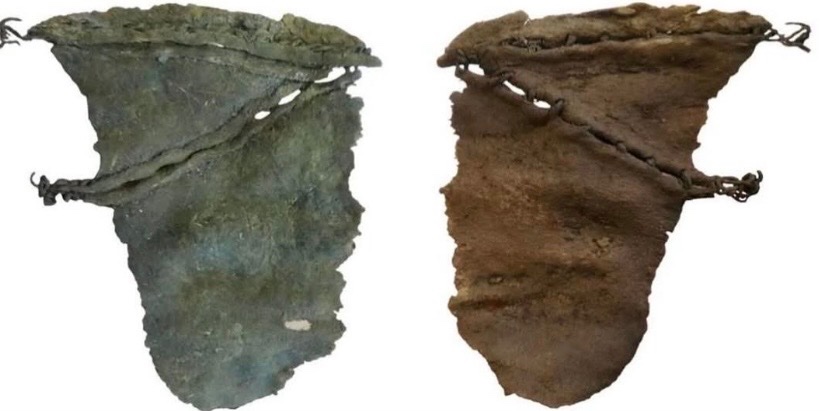
Analysis of 2,400-year-old Scythian leather revealed it was made from human skin, confirming that accounts once dismissed as exaggerations by Greek historian Herodotus may have been true after all.
For centuries, this sounded like one of Herodotus’ more extreme claims. The Greek historian wrote that Scythian warriors skinned the hands and arms of defeated enemies and used the leather to cover their quivers.
Modern researchers recently tested leather artifacts from Scythian burial sites in Ukraine using paleoproteomics, a technique that identifies species through surviving proteins. Most of the leather came from expected sources like sheep, goats, cattle, and horses.
But two samples were identified as human skin.
That discovery matters because the Scythians were not a single kingdom, but a network of mobile warrior societies spread across the Eurasian steppe, renowned for mounted archery, intricate goldwork, and massive burial mounds known as kurgans. Greek writers often portrayed them as savage outsiders, leading historians to debate for centuries how much of those accounts were exaggerated.
In this case, however, the science appears to support the ancient story.
Herodotus also described Scythians taking enemy scalps as trophies, and archaeological evidence has shown that scalp-taking was indeed practiced among steppe cultures.
47
265
1,721
183,944
Gorka Martín Echebarria retweeted

May 29
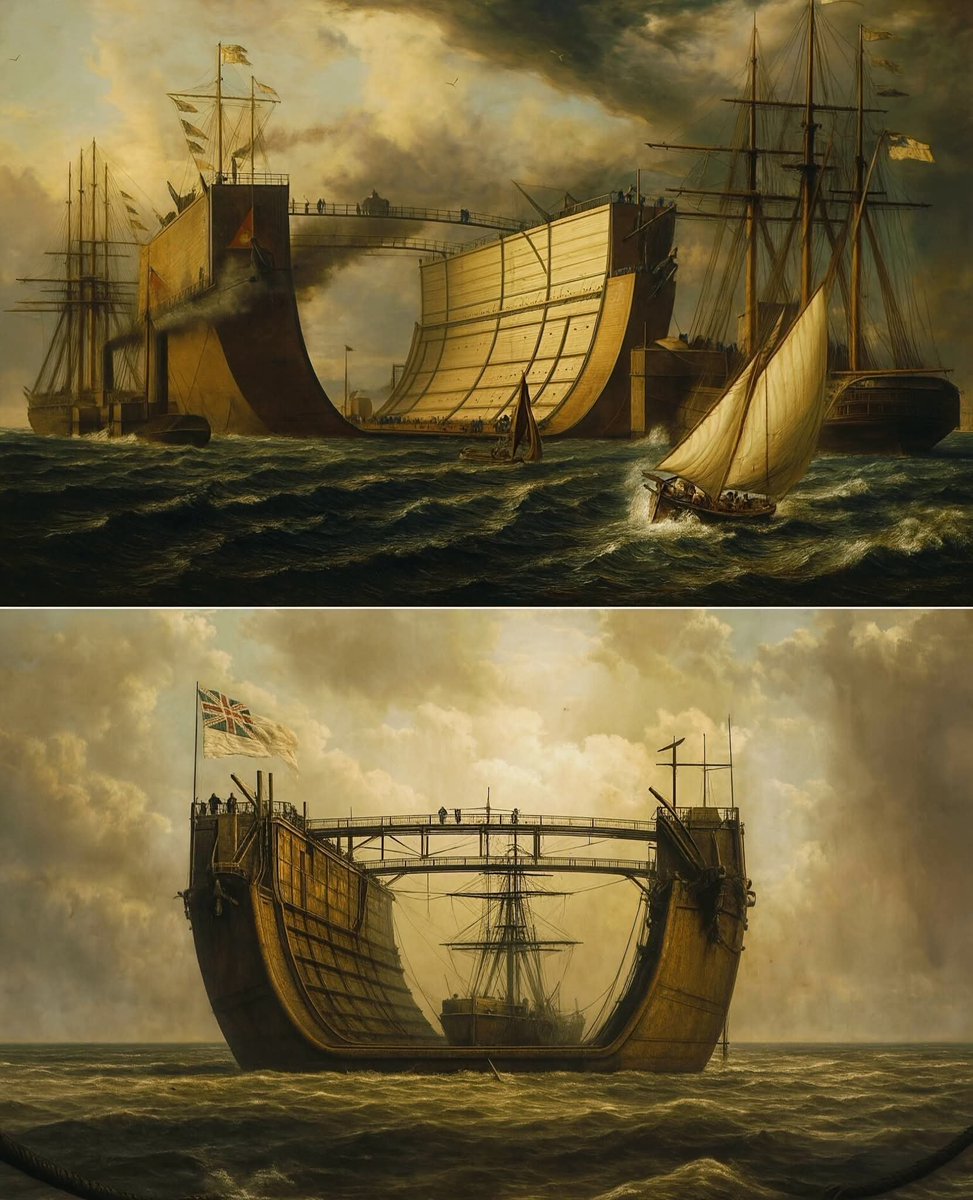
El dique seco flotante más grande del mundo fue remolcado a través del Atlántico hasta las Bermudas en 1869.
Cuando Gran Bretaña necesitó una solución para las reparaciones de barcos en el Atlántico, los ingenieros de la década de 1860 construyeron el dique seco flotante más grande jamás intentado, una estructura de hierro de 116 metros de largo y más de 8000 toneladas de peso.
Construido cerca de Woolwich, en el Támesis, el dique fue diseñado para izar buques acorazados de 10 000 toneladas como el HMS Warrior y resistir las amenazas de incrustaciones de las cálidas aguas de las Bermudas. Incapaces de construir un dique seco convencional debido a la arenisca porosa, los británicos optaron por la movilidad y la escala, creando una plataforma autónoma en forma de U que podía hundir y elevar buques del mar con compartimentos de lastre y potentes bombas.
En junio de 1869, este enorme dique emprendió un viaje de casi 4.000 millas náuticas hasta las Bermudas, remolcado por etapas por los acorazados más pesados de Gran Bretaña —Agincourt, Northumberland, Warrior y Black Prince— con la ayuda del HMS Terrible. Con los extremos cerrados para reducir la resistencia y una vela izada en el interior para aprovechar los vientos de cola, el viaje alcanzó velocidades superiores a los 6 nudos.
Una vez en servicio, prestó apoyo a las operaciones de la Royal Navy durante más de treinta años antes de ser reemplazado en 1906.
18
191
1,514
115,207
Gorka Martín Echebarria retweeted
En YouTube 🟥 podéis encontrar también nuestros episodios.
🎙️La Pax Prehistórica: Etnografía de la violencia.👇 youtu.be/FNiOCji0bks?is=Bz7A…
5
4
1,076
Gorka Martín Echebarria retweeted
May 29
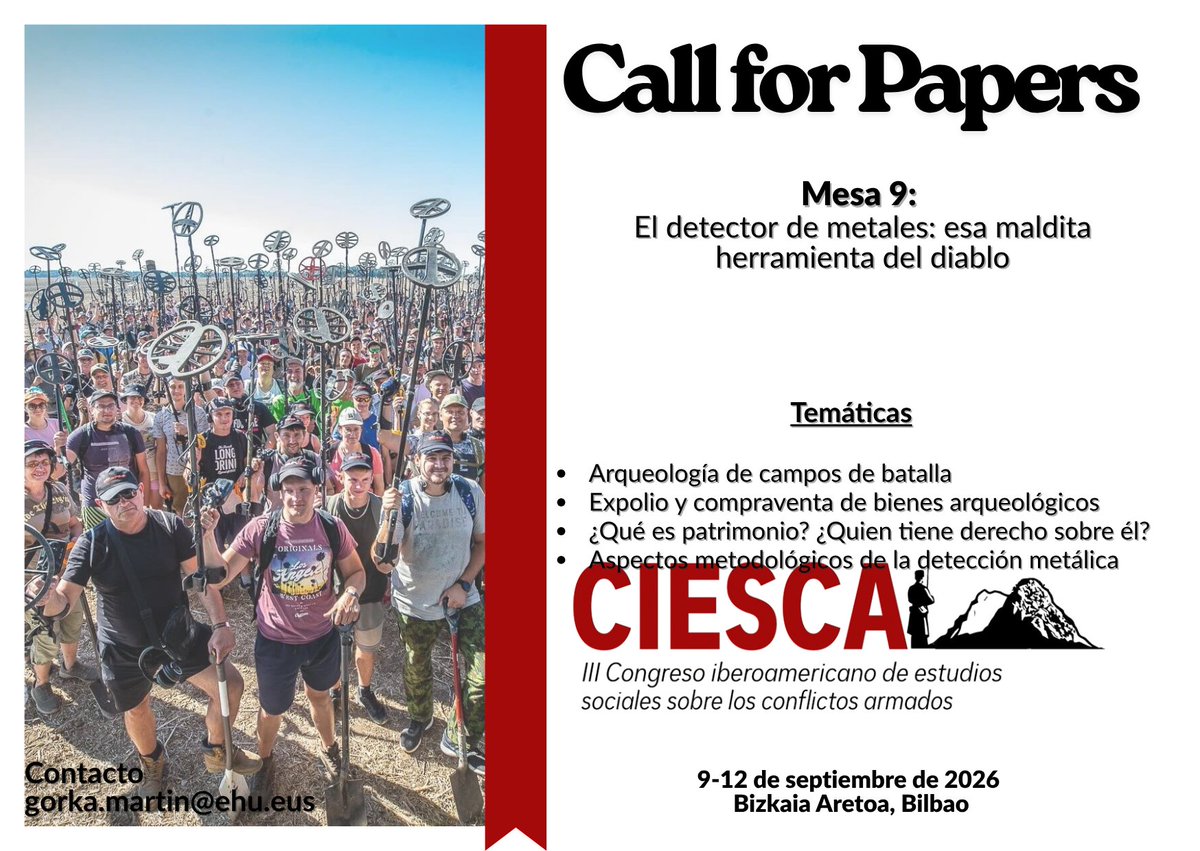
📢 CALL FOR PAPERS | ANUNCIO DE MESA | #CIESCA2026
Mesa 9: El detector de metales: esa maldita herramienta del diablo
✍️ Participa en CIESCA III: Formulario de inscripción docs.google.com/forms/d/1xZb…
1
4
4
353