
Carousel Learning is a platform that helps students to embed knowledge in long-term memory; Carousel Teaching is a CPD resource that helps make teachers better.
Joined May 2020
- Tweets 4,230
- Following 2,542
- Followers 9,533
- Likes 6,037
570 Photos and videos

Pinned Tweet

15 Apr 2024
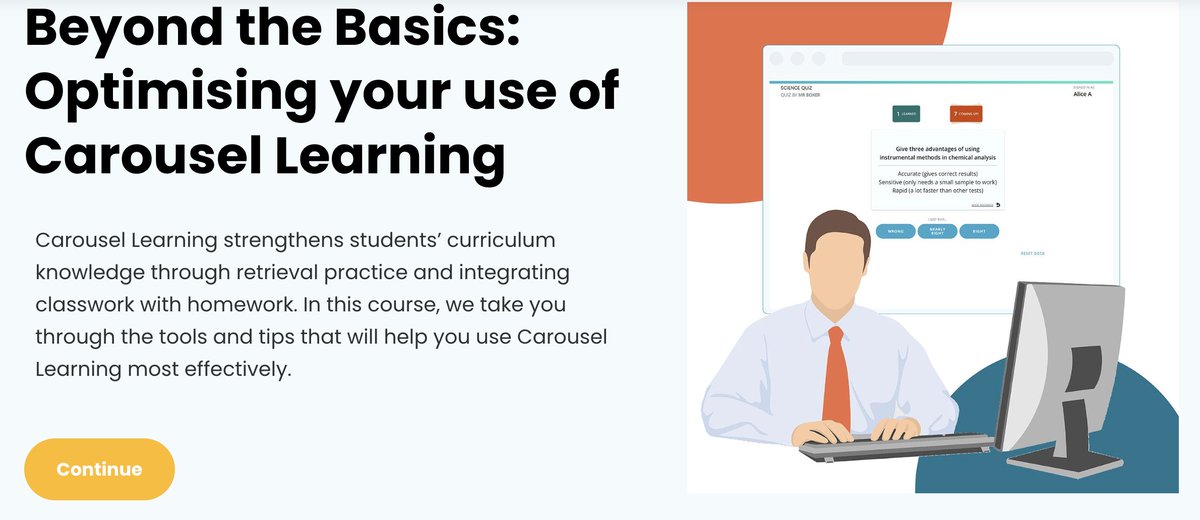
Carousel explained:
'000's of Question Banks ✅
Flashcards for retrieval practice✅
Students self-mark free-text quizzes✅
MCQ's supported✅
Whiteboard Mode for Do Now starters✅
Mobile, tablet and laptop quizzes✅
🚨Revolutionary C-Scores to track question history and student performance✅✅✅
Increased teacher workload❌❌❌
Teach smarter. Learn better.
4
9
27
24,413
Carousel retweeted

Jun 12
BANGING NEW EPISODE WITH @heymrshallahan
It's question time with me and G, and they are corkers:
Time out passes
Sending resources to SEND students before lessons
Delivering instructions
Do Nows on MWBs
All this and more, please share if you can!
open.spotify.com/episode/6IS…
1
4
11
9,294
Carousel retweeted
Jun 11
Last call for this one, which I thoroughly enjoyed:
Can you improve a school's culture? Is it overrated? Do most schools have pretty much the same culture?
What are your thoughts? Tune in for leadership expert Ruth's words of wisdom...
Jun 5

NEW EPISODE
This week, we are joined by the legend that is @Ruth_Ashbee to discuss inclusion, national trends and policy, curriculum, ofsted, school culture and more!
Not to be missed, please share if you can 🙏
open.spotify.com/episode/33c…
2
3
2,713
Carousel retweeted
Jun 9
My opinion is that YouTube is a good example of a technology that has harmed education.
The "good" use case is for when you need to show a film of something you can't directly do yourself, or by definition cannot be done without access to video. In science, that might be a slow motion film of crystal growth or a clip of a rocket launch, or blowing up a lump of caesium in a bath tub. In English, it might be a great actor reading a sonnet. In geography, it might be the waves acting on a cliff. You get the point, and it makes sense.
Unfortunately, what it *became* is teachers offloading their explanation. You open YouTube, type in the topic, and presto you get a video. At best, you get BBC Bitesize. At worst, and ordinarily, you get some American cartoon with nice graphics and a good jingle in the background.
Even the best option isn't great. These videos are almost always completely unsuitable. They move too fast, include vocabulary your students don't know, aren't tied to your curriculum, and rarely adhere to the basic principles of how to construct an explanation.
I see this a LOT in my journeys around different schools. And I always test my theories. I ask students basic questions about the videos and the content, and invariably they just don't understand it (or worse, actively pick up misconceptions).
One of the sadder things here is that the construction of an explanation is the beating heart of the lesson, and it should be a thing of joy and excitement for a teacher to sit and really figure out how they are going to communicate their subject. After watching a lesson with a video, I'll almost always ask the teacher "do you really not think you could have done a better job yourself?" It's a punchy thing to say, but I've never had anyone reply "no" yet.
Can YouTube be used well? Sure. Is it? No. Can we all do better? Hells yeah.
40
22
177
29,191
Carousel retweeted

Jun 4
What I’ve found after a year of @Carousel_Learn is that there’s far less panicked, last-minute revision before exams, as students who’ve engaged consistently just know more!
That’s allowed us to focus more on exam technique and paragraph structure.
🤞 for History Paper 2 today
2
4
14
3,799
Carousel retweeted

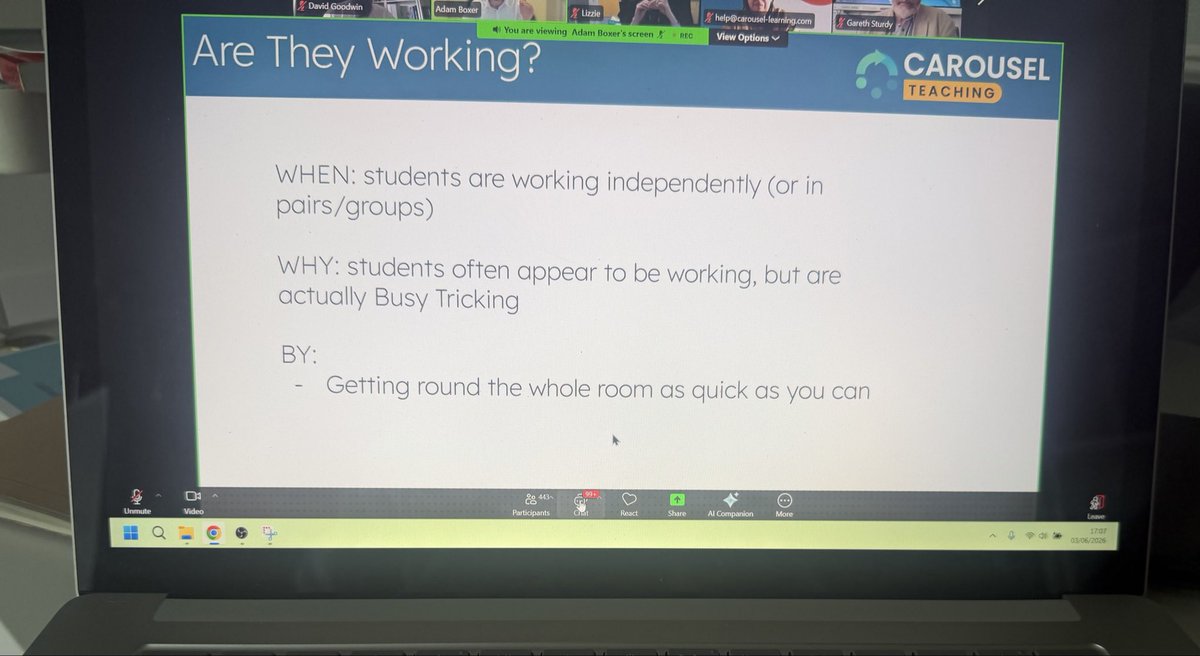
As expected, this webinar by @adamboxer1 on how to observe lessons was excellent.
@Carousel_Learn @BenRiceTeach
3
2
18
3,078
Carousel retweeted
May 31
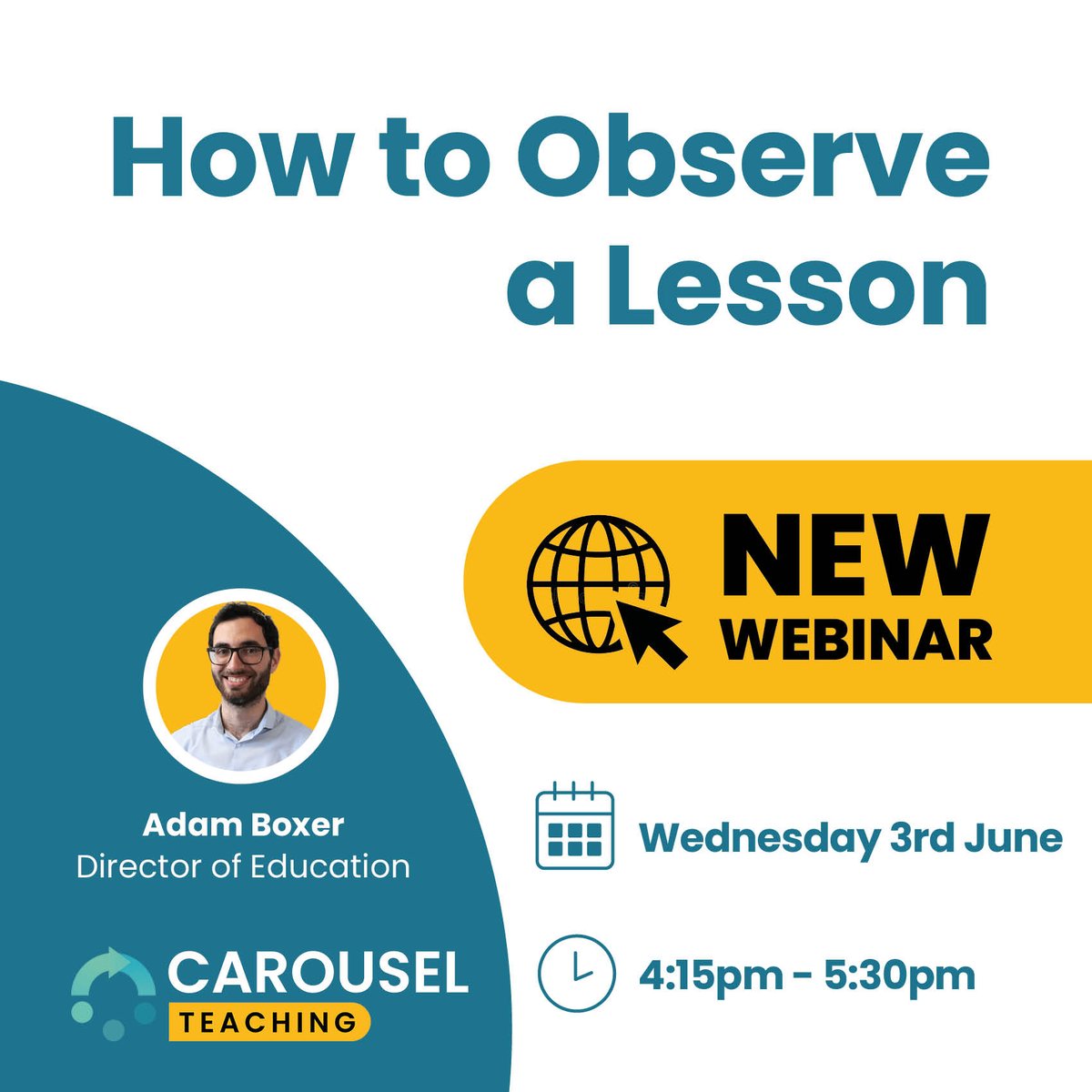
Our landmark How To Observe A Lesson webinar is THIS WEDNESDAY don't miss out!
May 10
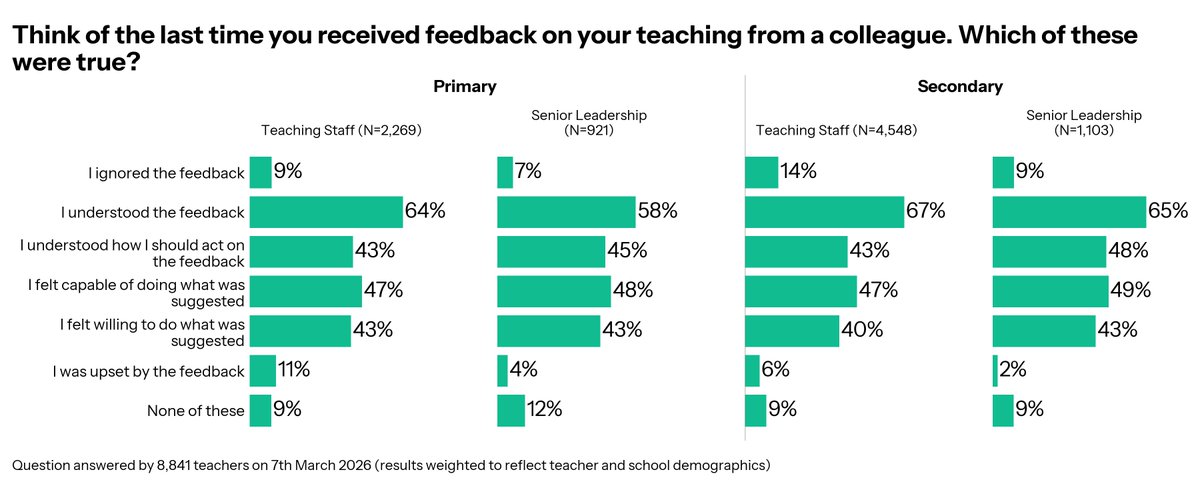
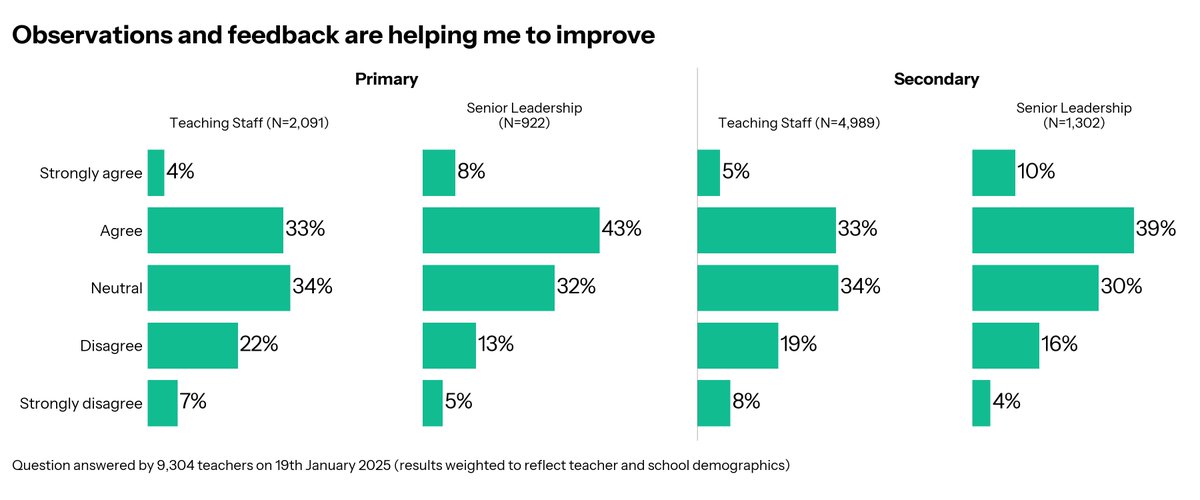
Most teachers in this country are regularly observed as part of their professional development.
Two thirds of teachers do not think this has made a difference to their actual practice.
Teachers do not understand the feedback they receive. They do not agree with the feedback they receive. They do not feel willing or capable to implement the feedback they receive.
These things are facts, and they are both worrying and upsetting. And none of this is a secret. We all know it, we've all experienced it.
When we asked Carousel Teaching users what topics they wanted us to make courses on, the most common response was "how to observe lessons and give feedback."
@BenRiceTeach and I are now MAD EXCITED to announce our How To Observe a Lesson and Give Feedback course.
It's mega. We filmed a bunch of lessons, and we also filmed me observing those lessons. We deconstruct the science of observations, and the art of giving feedback. It's pretty damn innovative, and we're confident it will help teachers and leaders get better at these critical skills.
We will also be delivering a FREE webinar where we will look at some of the core strategies, do make sure to come along :)
For more on the course: carousel-learning.com/resour…
For more on the webinar: eventbrite.co.uk/e/how-to-ob…
To book a demo so we can show you the whole platform: carousel-learning.com/teachi…
1
9
25
5,807
Carousel retweeted
May 27
for more info on this SICK new course, check out the website or our upcoming FREE webinar on How to Observe a Lesson!
x.com/adamboxer1/status/2053…
May 10
Most teachers in this country are regularly observed as part of their professional development.
Two thirds of teachers do not think this has made a difference to their actual practice.
Teachers do not understand the feedback they receive. They do not agree with the feedback they receive. They do not feel willing or capable to implement the feedback they receive.
These things are facts, and they are both worrying and upsetting. And none of this is a secret. We all know it, we've all experienced it.
When we asked Carousel Teaching users what topics they wanted us to make courses on, the most common response was "how to observe lessons and give feedback."
@BenRiceTeach and I are now MAD EXCITED to announce our How To Observe a Lesson and Give Feedback course.
It's mega. We filmed a bunch of lessons, and we also filmed me observing those lessons. We deconstruct the science of observations, and the art of giving feedback. It's pretty damn innovative, and we're confident it will help teachers and leaders get better at these critical skills.
We will also be delivering a FREE webinar where we will look at some of the core strategies, do make sure to come along :)
For more on the course: carousel-learning.com/resour…
For more on the webinar: eventbrite.co.uk/e/how-to-ob…
To book a demo so we can show you the whole platform: carousel-learning.com/teachi…
2
8
2,681
Carousel retweeted
May 27
In lots of schools, observation feedback is no longer delivered in person. It's given by email, a shared tracker, or some kind of online platform. It makes sense in terms of saving time, but is it a good idea?
Short video section exploring it here - interested in your thoughts!
9
9
54
23,169
Carousel retweeted
May 24
If you are still using this model:
Teach unit 1
Revision lesson
Exam on unit 1
Teach unit 2
Revision lesson
Exam on unit 2
Etc
End of year exam
...then you are setting students up to forget everything.
14
18
166
47,545
Carousel retweeted
May 18
LAST CALL LAST CALL MINI WHITEBOARD WEBINAR JUST FINISHED OFF MY ONENOTE AND THE VIDEOS READY TO GO
May 17
I tend to structure this webinar through common oppositions to mini-whiteboard use:
They are a faff
Students doodle
Students leave them blank
They don't work for longer answers
All of these seem legitimate, but all can be circumvented pretty easily. SIGN UP FOR MORE
2
4
3,495
Carousel retweeted
May 15
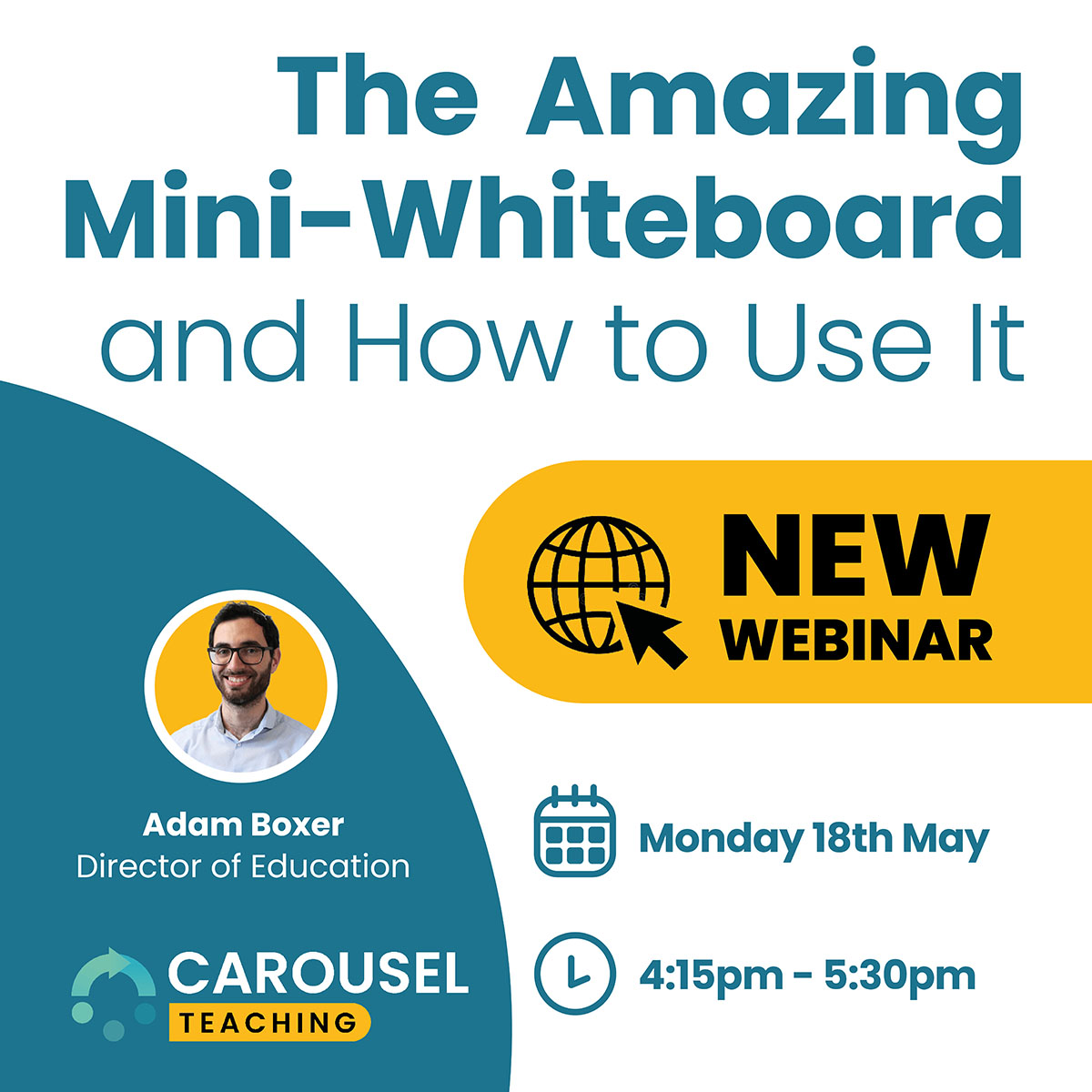
Do you use mini-whiteboards and want to learn some cool new tricks?
Are you not sure what all the fuss is about but interested in improving your practice?
COME ALONG
May 11
MINI WHITEBOARD WEBINAR
Tips!
Tricks!
Hurdles!
Whether you are new to these wonderful tools or have been using them for years, I guarantee you will pick up some cool moves - sign up here and please share if you can👇👇
eventbrite.co.uk/e/the-amazi…
3
10
33
16,602
Carousel retweeted
May 15
What are the three biggest changes in education over the last ten years, and what are the three biggest changes to come over the next ten years?
There is nobody better in the sector to ask than @miss_mcinerney!
Brilliant episode, please share if poss
open.spotify.com/episode/0qx…
1
18
31
52,966
May 11
Struggling to get into a routine with mini-whiteboards?
Join our upcoming webinar 'The Amazing Mini-Whiteboard and How to Use It' on 18th May at 4.15pm. @adamboxer1 will look at the whys and hows of mini-whiteboards: the greatest classroom tool ever invented!
2
2
3
1,119
Carousel retweeted
May 10
Most teachers in this country are regularly observed as part of their professional development.
Two thirds of teachers do not think this has made a difference to their actual practice.
Teachers do not understand the feedback they receive. They do not agree with the feedback they receive. They do not feel willing or capable to implement the feedback they receive.
These things are facts, and they are both worrying and upsetting. And none of this is a secret. We all know it, we've all experienced it.
When we asked Carousel Teaching users what topics they wanted us to make courses on, the most common response was "how to observe lessons and give feedback."
@BenRiceTeach and I are now MAD EXCITED to announce our How To Observe a Lesson and Give Feedback course.
It's mega. We filmed a bunch of lessons, and we also filmed me observing those lessons. We deconstruct the science of observations, and the art of giving feedback. It's pretty damn innovative, and we're confident it will help teachers and leaders get better at these critical skills.
We will also be delivering a FREE webinar where we will look at some of the core strategies, do make sure to come along :)
For more on the course: carousel-learning.com/resour…
For more on the webinar: eventbrite.co.uk/e/how-to-ob…
To book a demo so we can show you the whole platform: carousel-learning.com/teachi…
16
38
168
51,586
May 7
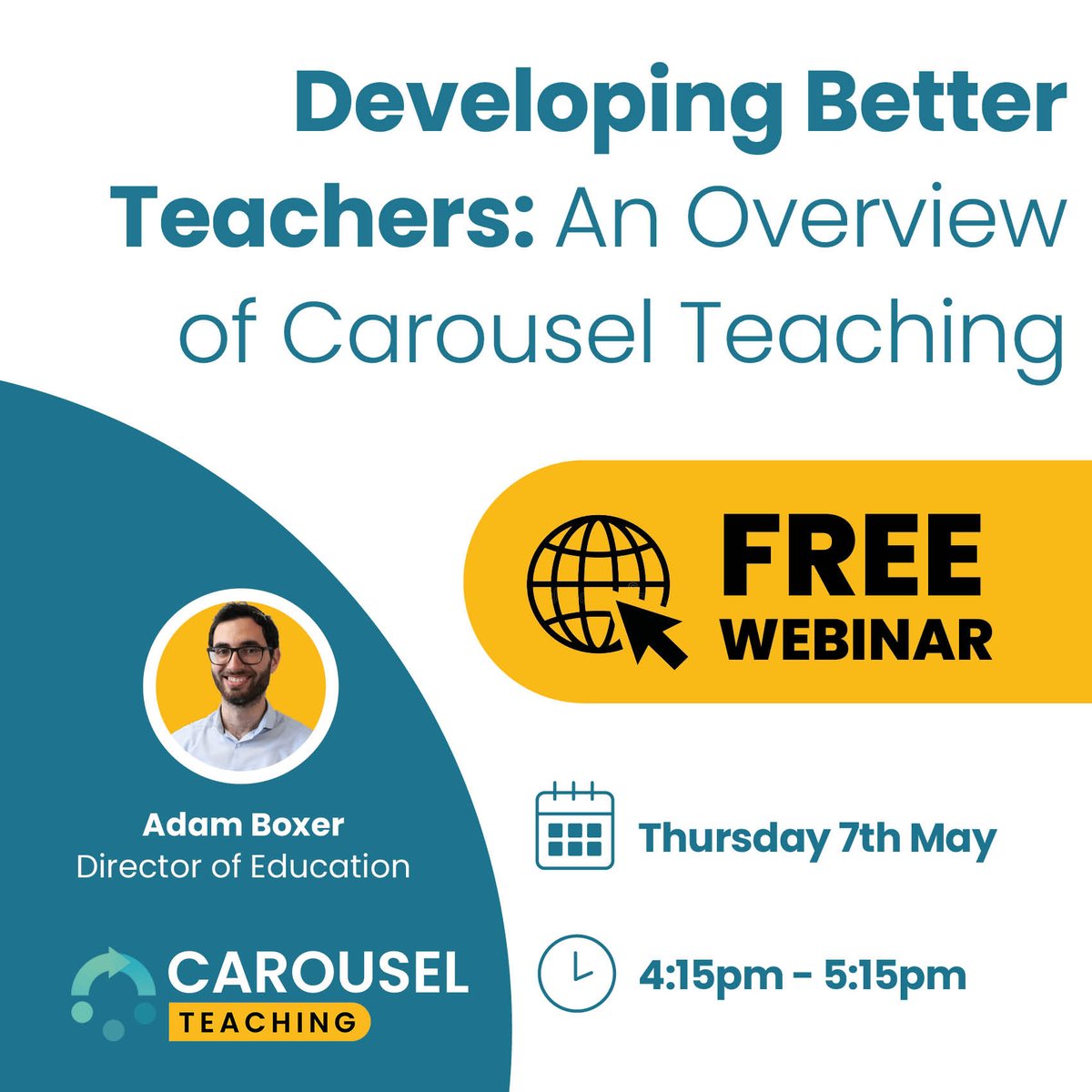
📢Final call!! Developing Better Teachers: A Carousel Teaching Overview Webinar at 4.15pm today!
If you can't make it live, still sign up - we'll send you the recording afterwards.
eventbrite.co.uk/e/developin…
May 6
In an emotional sense, being a safeguarding lead is surely the hardest job in a school.
In a workload and "juggling sheer number of things" sense, being a head of department is surely the hardest job in a school.
In a technical sense - I.e. actually being able to execute the thing you want to do - being a T&L or CPD lead is surely the hardest job in a school. So many things need to be worked out, thought through and strategised for. You have to be an expert in classroom practice, staff culture, policy construction, relentless communication, radical candour, negotiation, idea selling and much much more.
So let us help. Please.
Come see us tomorrow evening and I can show you how we can support you.
Please. Trust me!
1
1
1,451
May 7
🚨Last chance to get your webinar seat!
Join our free webinar tonight at 4.15pm where Adam Boxer walks through the key elements of Carousel Teaching, including sneak previews of our new courses.
eventbrite.co.uk/e/developin…
150
Carousel retweeted
May 3
We've been absolutely blown away by the reception to Carousel Teaching this year. Hundreds of school leaders and teachers getting in touch to say that it has made them better at teaching.
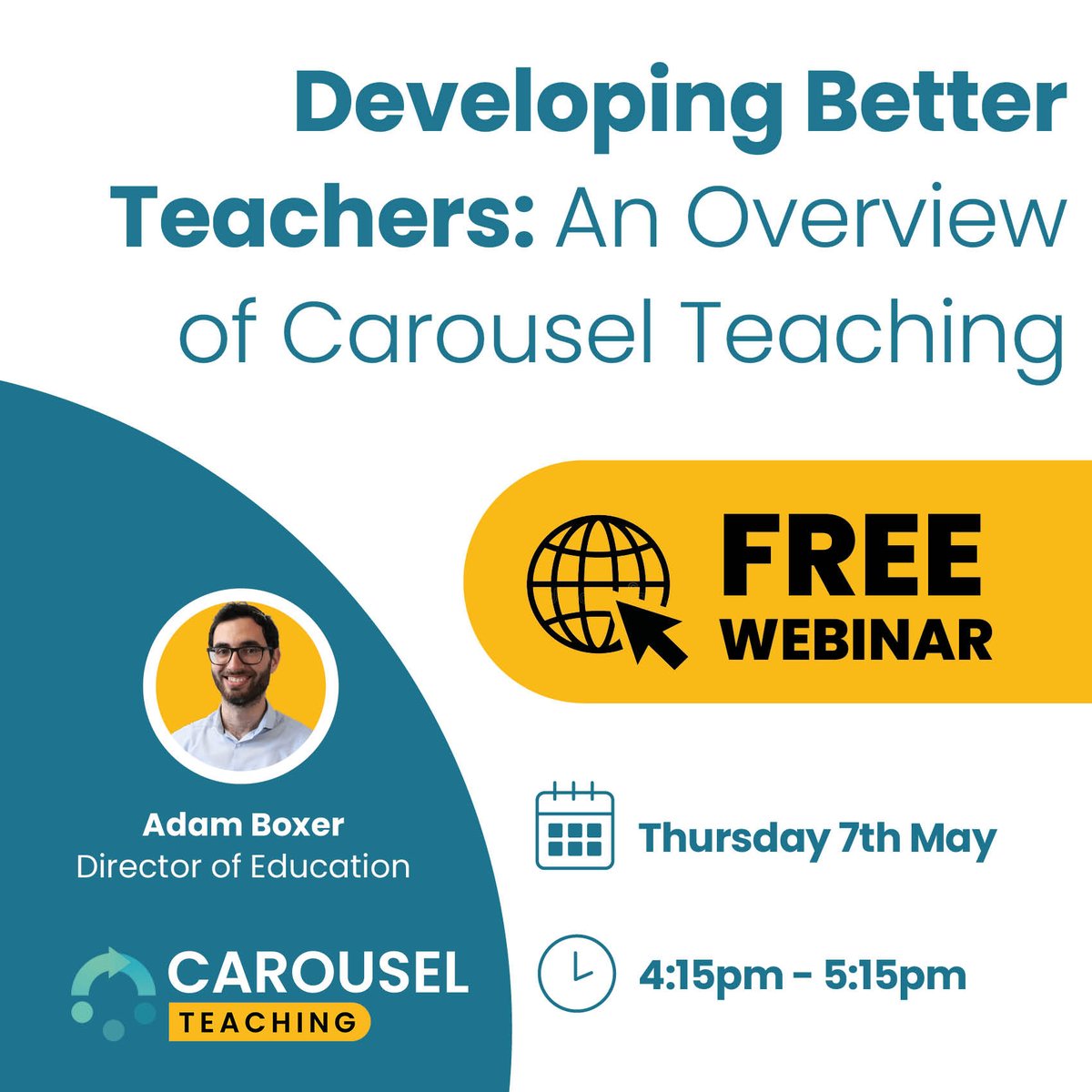
If you'd like to know more about the best CPD going come along to our webinar this week!
I'm genuinely so so proud of what we've managed to achieve, so please do come along and share if you can - would love to see you there!
eventbrite.co.uk/e/developin…
3
5
9
58,807
Carousel retweeted
May 2
I use @Carousel_Learn - we've written lots of material! carouselteachlearnlead.subst…
1
1
1
823
Carousel retweeted
May 2
at @Carousel_Learn we are happy to provide trainees free accounts if that helps you!
1
1
2
1,243