Microbiology research lab at Ohio University, Athens OH. PI Ronan Carroll. He/him 🇮🇪
Joined October 2016
- Tweets 698
- Following 336
- Followers 893
- Likes 834
106 Photos and videos
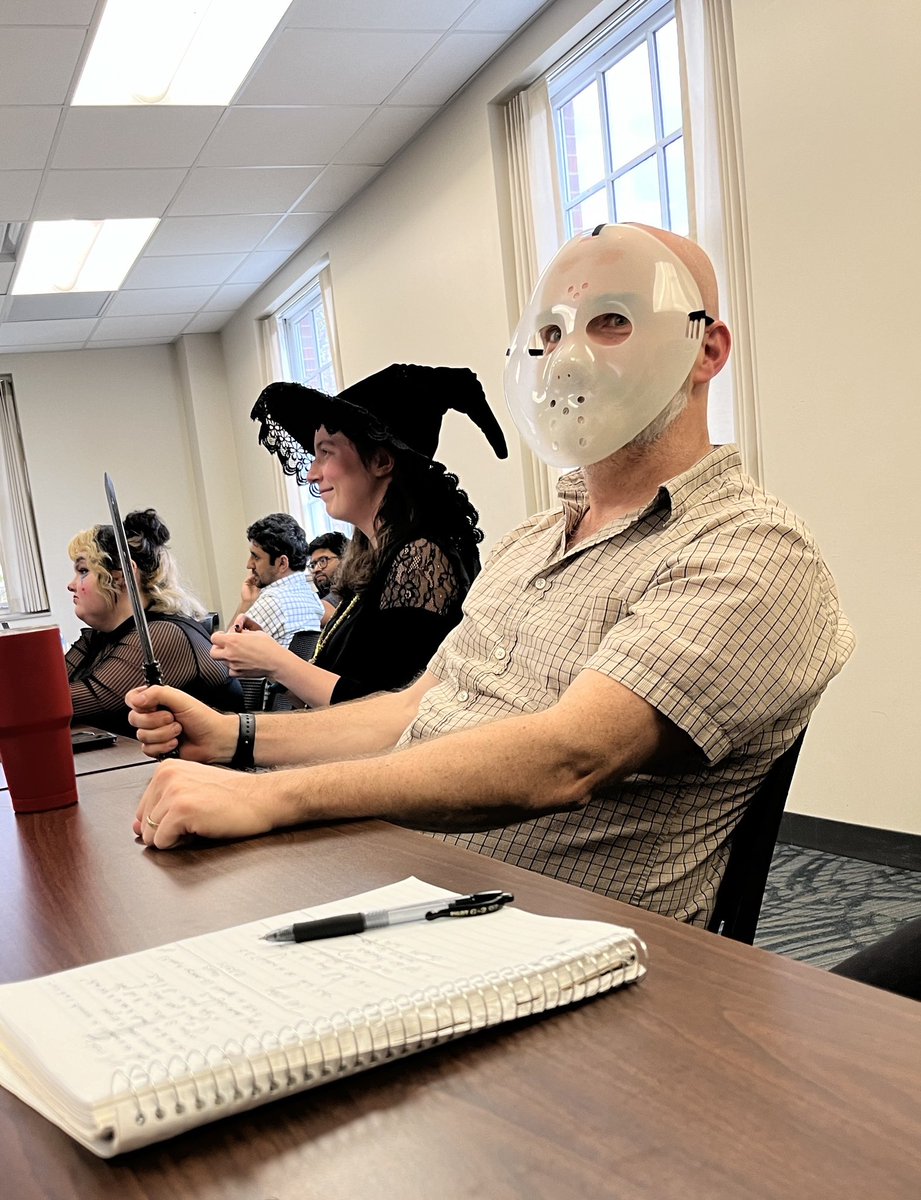


31 Oct 2024
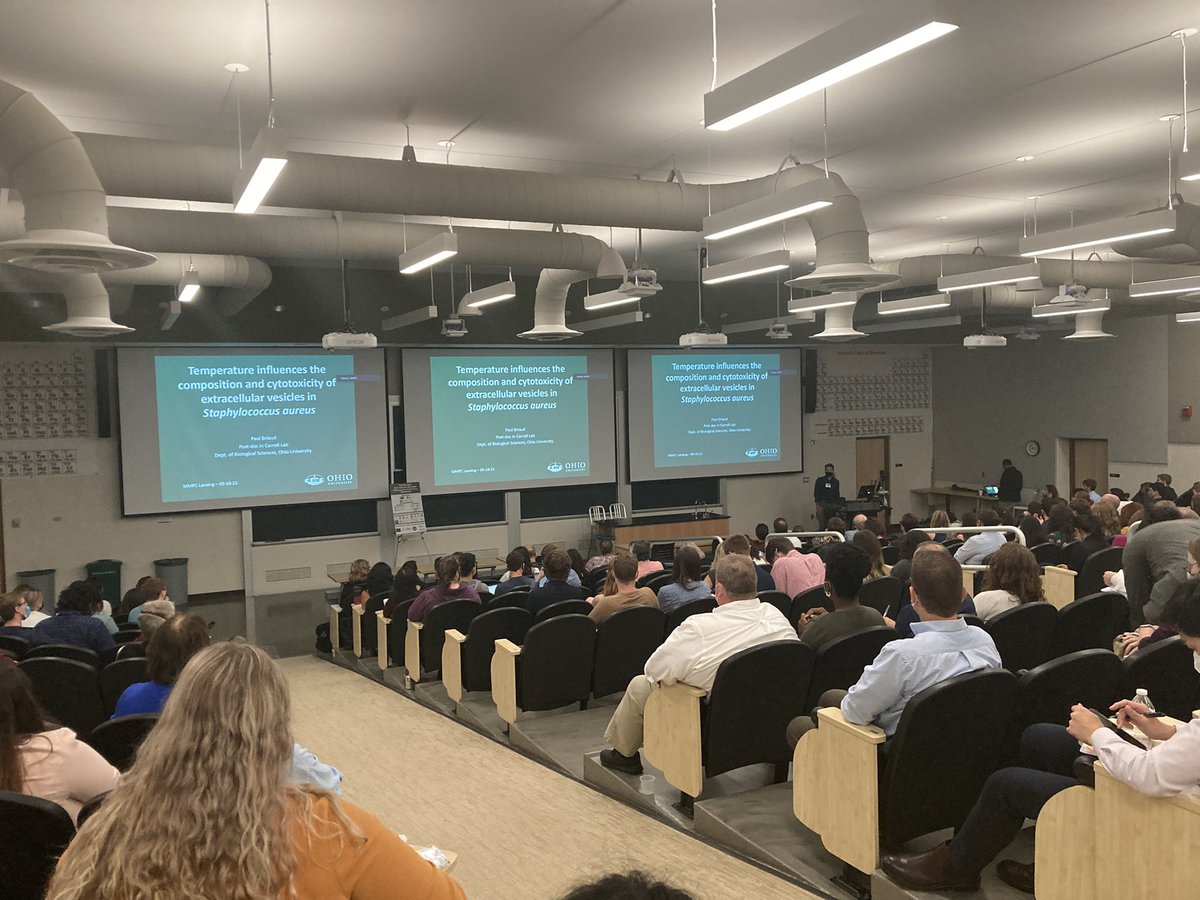
Turning up the intimidation factor during graduate student seminar today.
9
279
8 Oct 2024
Ohio University Department of Biological Sciences is hiring an Assistant Professor in Genetics (see job listing below). This position comes with a 9 month salary and an expectation of both undergraduate teaching and research.
ohiouniversityjobs.com/posti…
1
4
245
25 Jun 2024
It’s grant submission day…trying to get everything to fit in the page limit…then suddenly you realize…your Word document has one inch margins on all sides!!!!!
9
260
11 Apr 2024
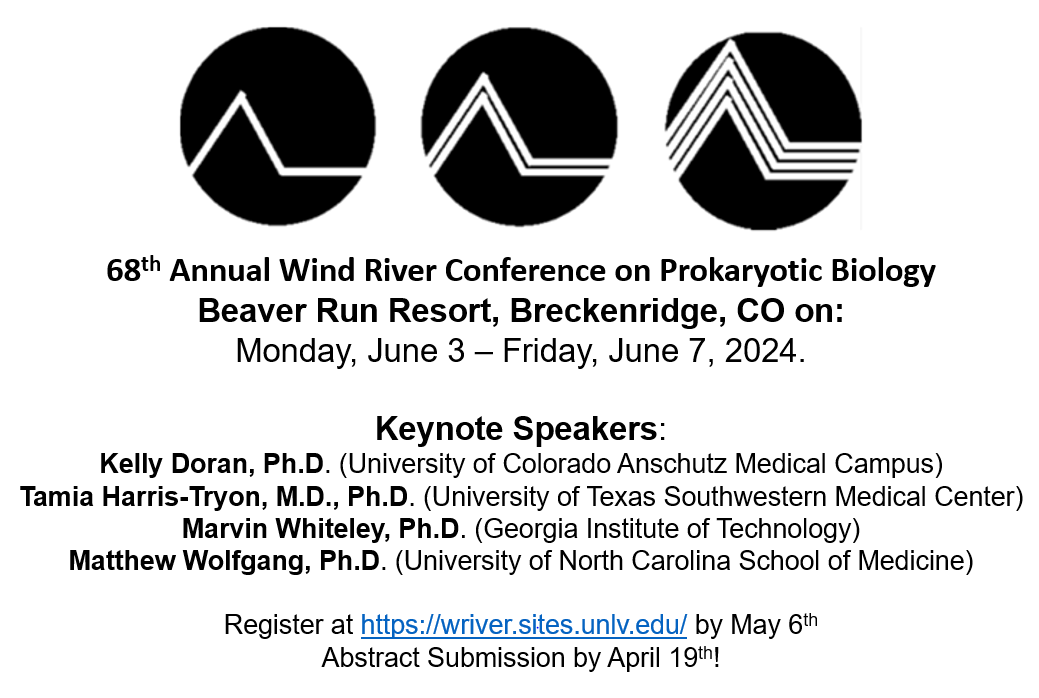
Check out the great lineup of speakers at the @WindRiverConf this year, being held in a brand new venue in Breckenridge, CO. Fantastic conference for trainees.
10 Apr 2024

Be sure to register for this year's conference! With keynotes from @KdoranLab @HarrisTryonLab @whiteleylab and @mwolfganglab
wriver.sites.unlv.edu/
4
13
1,319
31 Mar 2024
100% agree with this. Postdoctoral positions have to improve.
7
665
16 Feb 2024
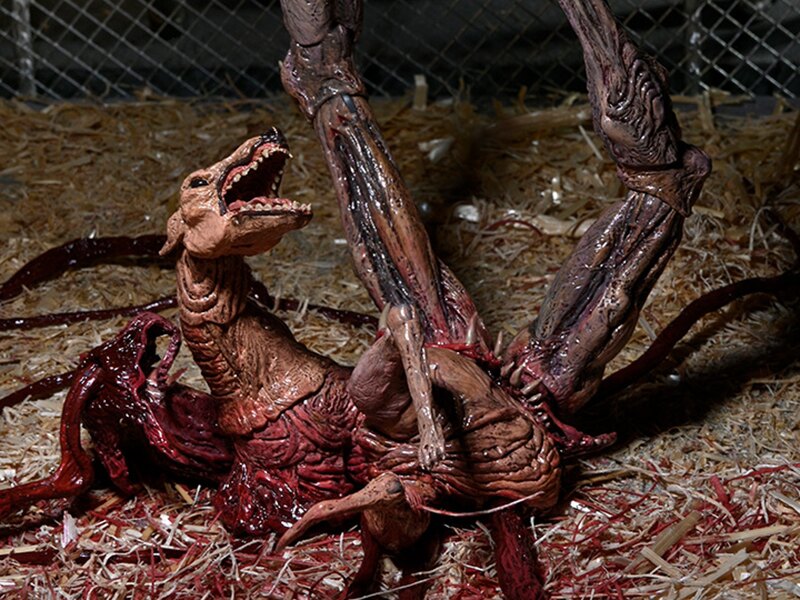
Remember that scene in "The Thing" when the thing was trying to turn into a dog but didn't quite make it? This kinda reminds me of that
15 Feb 2024

Erm, how did Figure 1 get past a peer reviewer?! frontiersin.org/articles/10.… H/T @aero_anna
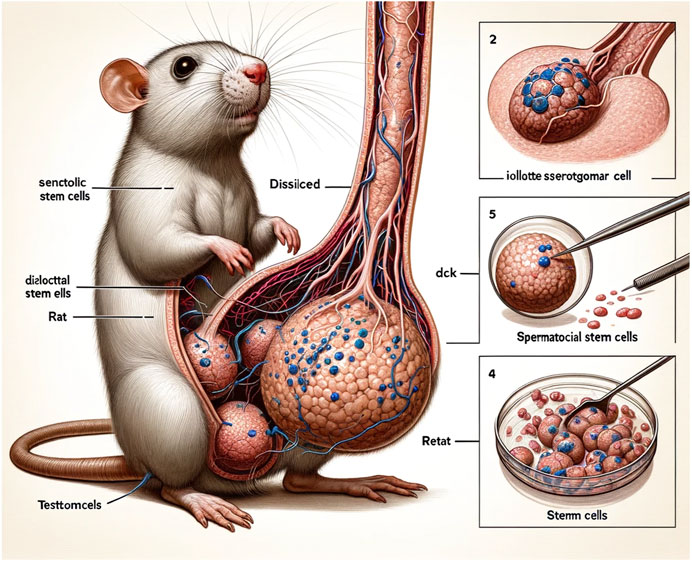
ALT AI image mouse with giant testicle sack and nonsense labels. Terrifying.
1
2
571
31 Jan 2024
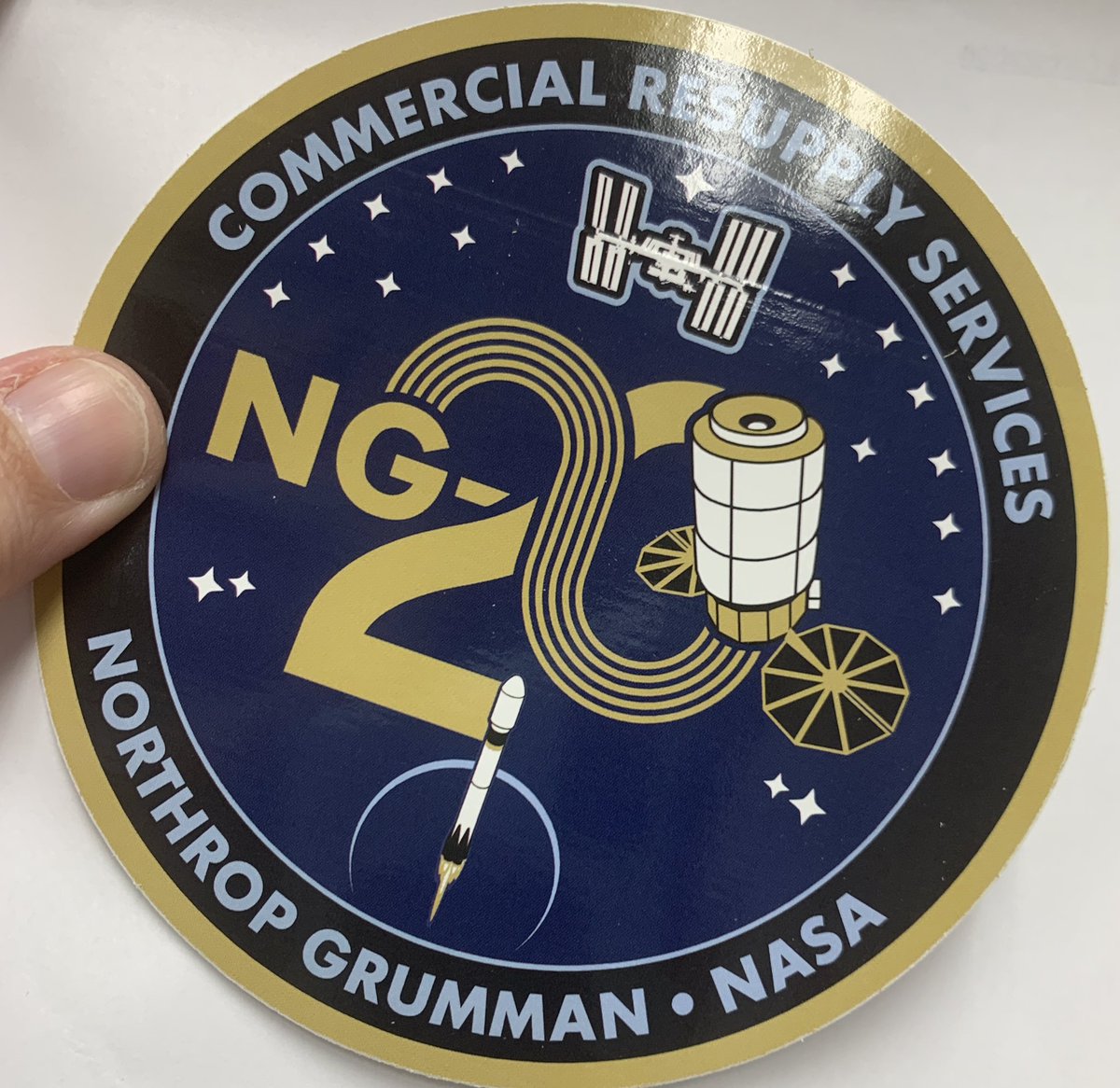
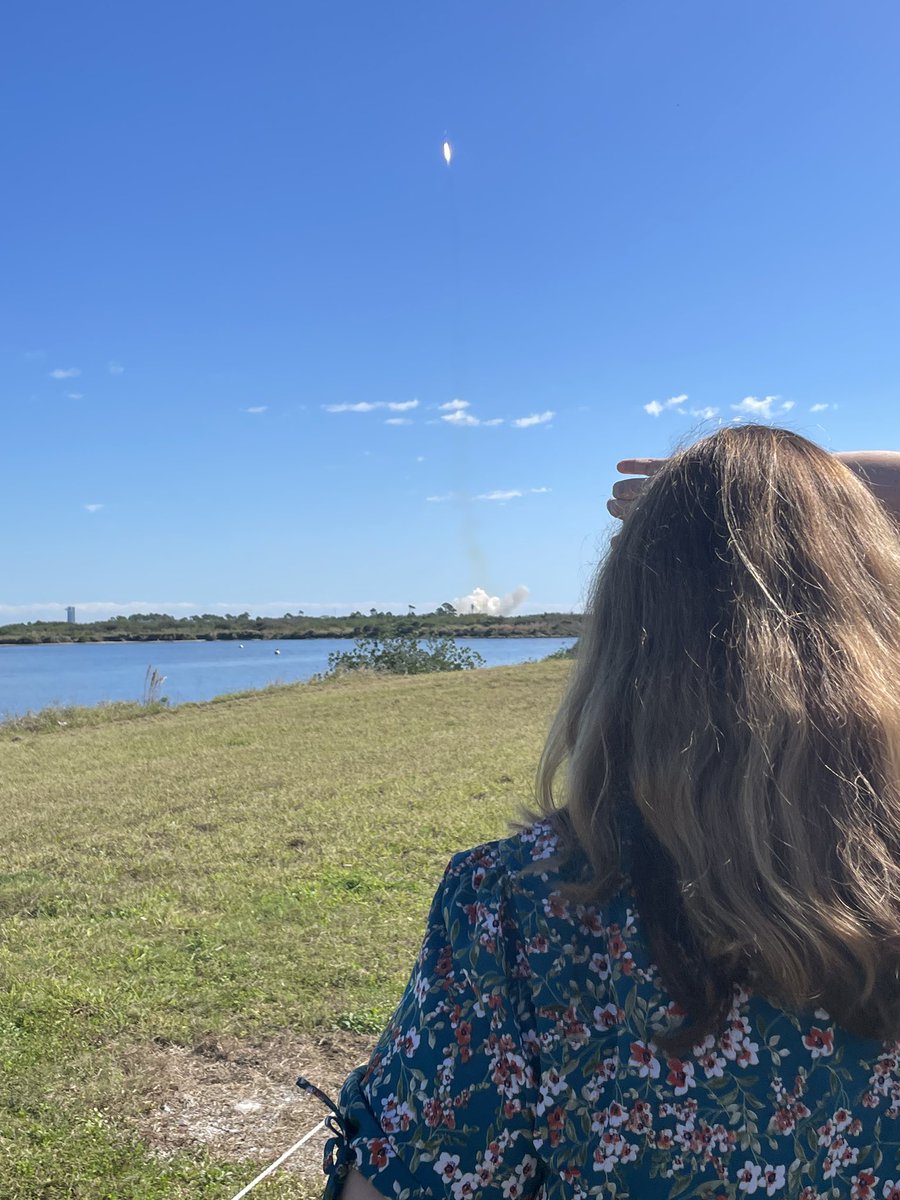
So excited to be a part of this amazing project with @KCRiceUF. We were glued to the live stream of the launch in the lab today!!!

So excited, BRIC-25 has successfully launched on NG-20!!! Thank-you @CarrollMicroLab and @mjedelmann for your collaboration on this project! We have work to do when #StaphInSpace returns!! Also big thanks to @NASA for supporting this research!
1
12
860

So excited, BRIC-25 has successfully launched on NG-20!!! Thank-you @CarrollMicroLab and @mjedelmann for your collaboration on this project! We have work to do when #StaphInSpace returns!! Also big thanks to @NASA for supporting this research!
5
8
38
3,119
Carroll Lab 🇺🇦 retweeted

12 Dec 2023
I’m so incredibly proud to share my work from grad school! This study characterizes a sRNA, MavR and highlights the importance of post-transcriptional regulation for virulence in Brucella. Read about it here and find out for yourself how cool sRNAs are 😎! onlinelibrary.wiley.com/doi/…
1
2
6
899
19 Oct 2023
The Department of Biological Sciences at Ohio University is searching for a Professor and Department Chair. Applicants in any field of Biology are welcome, particularly those in comparative and/or integrative organismal biology. (ohiouniversityjobs.com/posti…)
1
7
7
1,060
Carroll Lab 🇺🇦 retweeted

16 Oct 2023
Got the week 8 blues? Shake it off.
"Can't stop, won't stop moving. It's like I got this music in my mind saying it's gonna be alright."
@CarrollMicroLab @ohiou @OhioBioSciences @OHIOStudentLife @OHIO_Housing @OHIO_President @Murphy_Lab_OU @WitmerLab @AldenLibrary @OhioHigherEd
3
6
563

Dr. Carroll's lab is the ideal environment for budding undergraduates passionate about #microbiology research to gain hands-on experience. Join him on this scientific journey as he continues to unlock the secrets of infectious diseases! #InfectiousDiseases #ScientificInnovation
1
8
16
1,857
29 Aug 2023
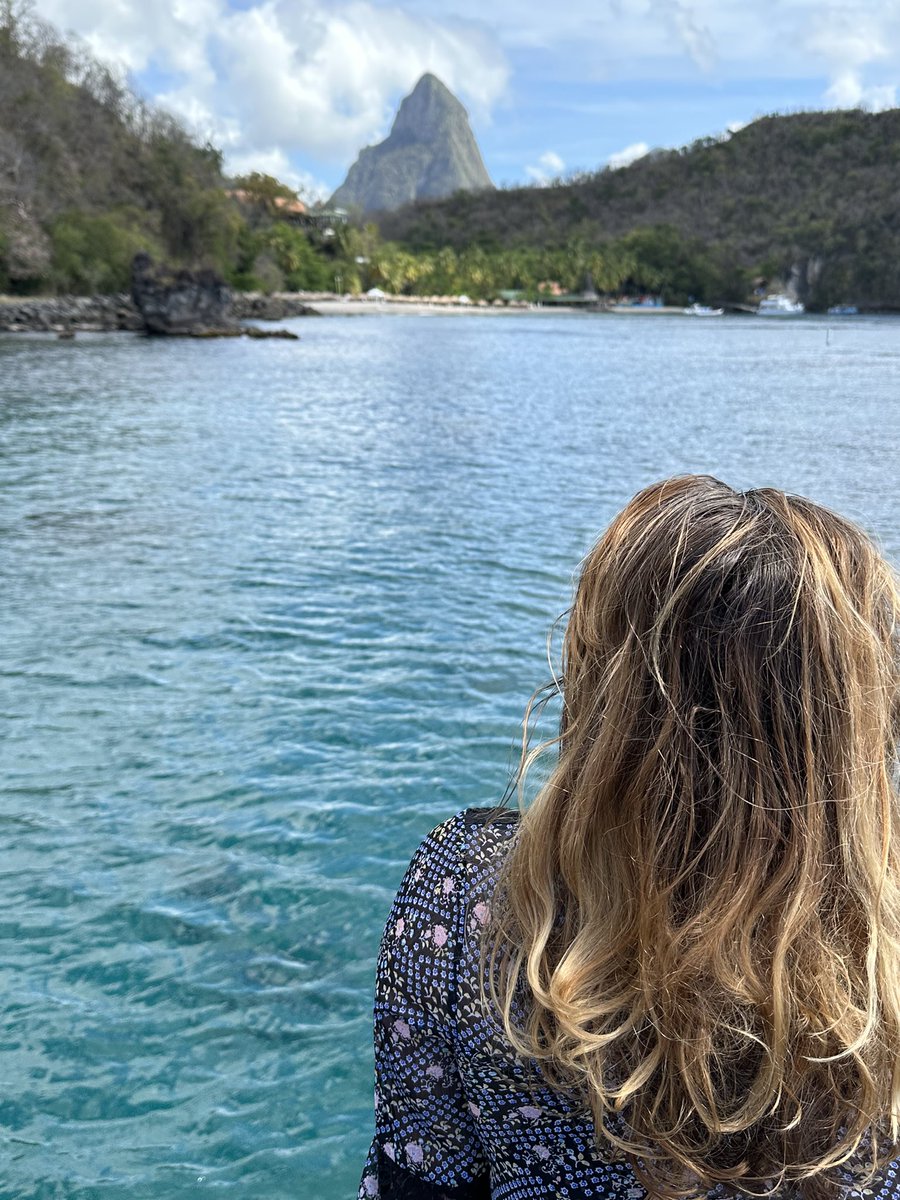
Scientists of Twitter! The world needs more reminders that we're living, breathing human beings.
Quote tweet this with a picture of you doing not-science
28 Aug 2023

Scientists of Twitter! The world needs more reminders that we're living, breathing human beings.
Quote tweet this with a picture of you doing not-science
8
2,077
Carroll Lab 🇺🇦 retweeted

16 May 2023
“How to identify a toxic group during interview?” - a typical question that I receive on social media.
Below I am providing key indicators that students should pay attention to during interview.
So, the lab may be toxic if:
1. You were denied a personal meeting with other PhD students during or after the interview.
2. You receive negative feedback from the lab alumni (you can privately contact them before accepting an offer).
3. Other students/postdocs do not want to discuss things they don’t like about the group.
4. The advisor is the first author on research papers while students did the work. (Remember that if a professor wrote the manuscript, it does NOT automatically entitle him/her to be the first author)
5. Students are rarely first authors on research papers and usually reside in the middle of the list while collaborators are the first authors. This may imply that keeping collaborators happy is more important to the group head than letting his/her students thrive. Or that senior colleagues are given “priority”.
6. The advisor avoids discussing topics related to “personal/professional development” such as attending conferences, doing side projects, accessing to expensive facilities, lab safety, etc, that are crucial for a successful PhD.
7. The advisor makes sarcastic or inappropriate comments about you, other students, other labs or colleagues (e.g., about their personal identity, religion, country of origin, hobbies, etc). This is absolutely unacceptable and clearly a red flag.
8. The advisor noticeably dominates the conversation during interview and doesn’t listen to you. (This means you should expect similar conversations and meetings during your entire PhD)
9. The advisor cannot explain how he/she provides successful mentorship.
10. Postdocs and senior PhDs are bossy and authoritative. (This implies the group is hierarchal and you may have some hard time there)
11. Students in the group are hardly enthusiastic and not quite interested in discussing their work.
12. The advisor doesn’t trust students and doesn’t believe in them.
13. The lab is poorly managed and looks dangerous / unsafe.
14. During interview, the advisor is not interested about your vision for a PhD. Nor does he/she care about YOUR vision for a successful PhD and what you want to gain from your PhD time.
15. If the advisor expects to receive responses during off-hours.
Two important points:
- Because toxicity can have different “flavors”, everyone should decide on the criteria for themselves.
- Even if some of these points are valid, it doesn’t mean the lab is necessarily toxic. But it means the candidate should be careful and explore this lab further before making a decision.
Safe PhD-ing and postdoc-ing!
#phdchat #AcademicTwitter #research
16
120
447
96,299
Carroll Lab 🇺🇦 retweeted

28 Apr 2023
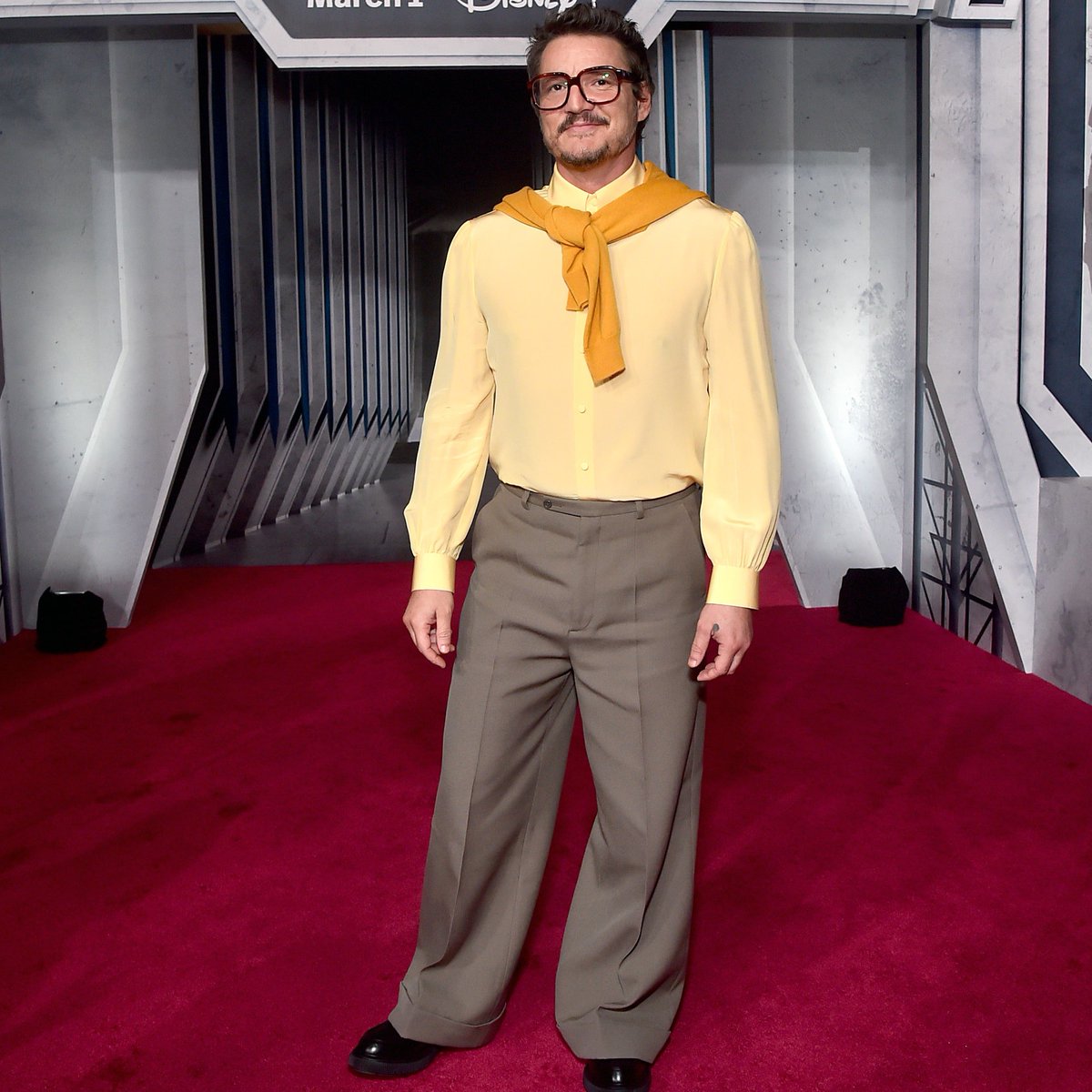
Pedro Pascal as academics. A 🧵:
First-year PhD student.
143
1,573
11,394
2,367,600
27 Apr 2023
The Carroll Lab at Ohio University is looking for a Research Technician. Please see the link below for details and instructions on how to apply. ohiouniversityjobs.com/posti…
2
4
7
1,344
23 Apr 2023
This makes me so mad. NSF and NIH need to bring in a policy about this and no longer allow staying in the same institution to be considered a weakness. There are many reasons why people want to do this and sometimes they might not want to put it in a grant application.
10
1,016
21 Apr 2023
Congrats to @RaevenAlayna_ for successfully defending her thesis yesterday!!!
1
2
14
780
18 Apr 2023
Join us for Riley's thesis defense, Exploring The Cytotoxicity of RNA Isolated from Diverse Bacterial Pathogens, at 4pm in Irvine 159.
1
1
9
708