🥕!!!
Joined October 2020
- Tweets 1,499
- Following 847
- Followers 163
- Likes 2,489
377 Photos and videos










Carrots of many Colours retweeted

Jun 10
Cow Abducting a UFO by artist Fer Martinez

80
4,731
18,390
443,912

Carrots of many Colours retweeted

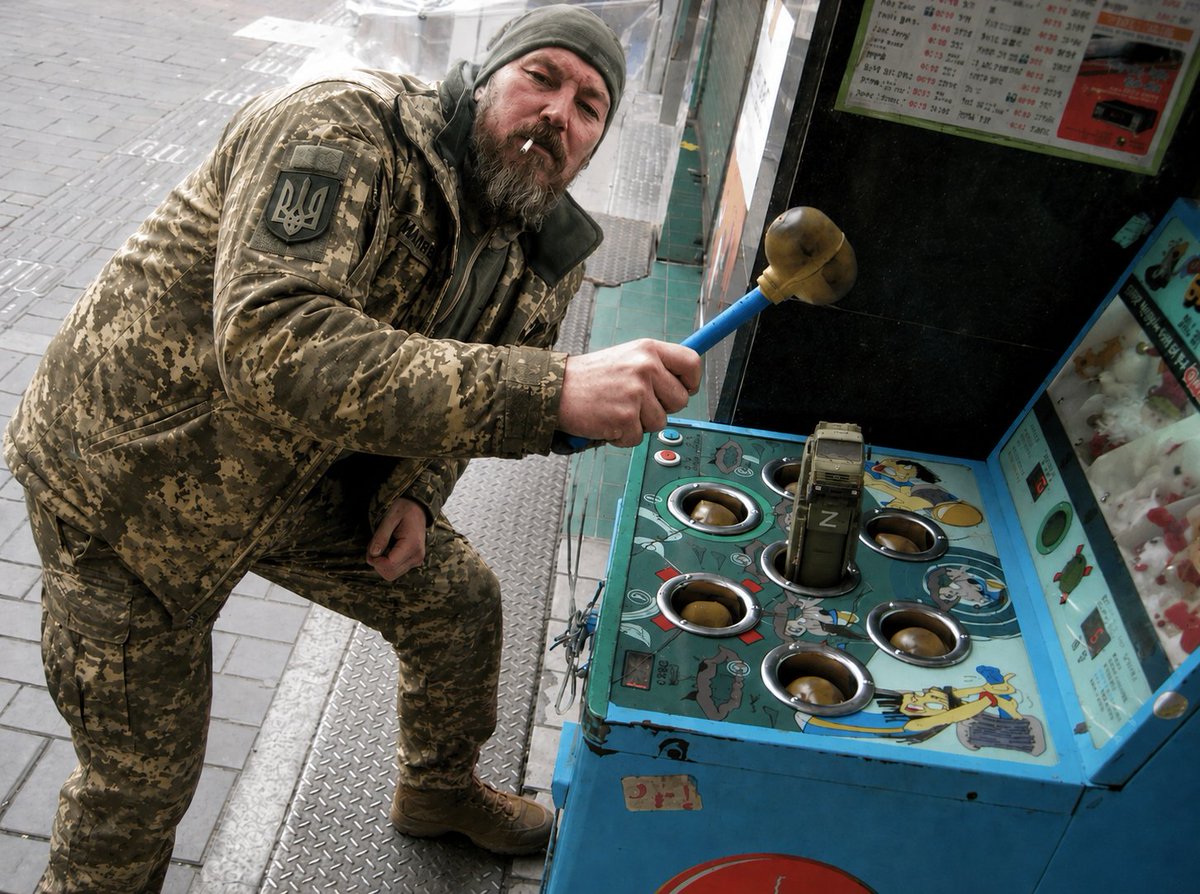
Current situation in Ukraine:
Birds of Freedom are playing whack a mole on worm logistics.
All of Ukraine will be free again!
Slava Ukraini! 🇺🇦
1
23
172
1,546
Carrots of many Colours retweeted

Not quite.
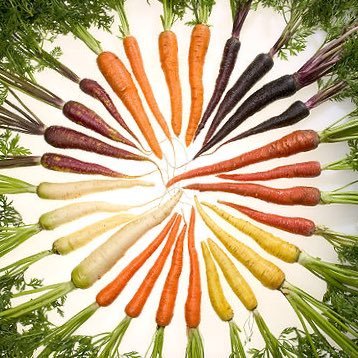
Carrots came and come in many different colours. The most common ones were white, yellow and purple. Orange carrots did then become extremely popular and pretty much pushed the other coloured ones aside, to the point that a lot of people don’t even know carrots also come in not-orange.
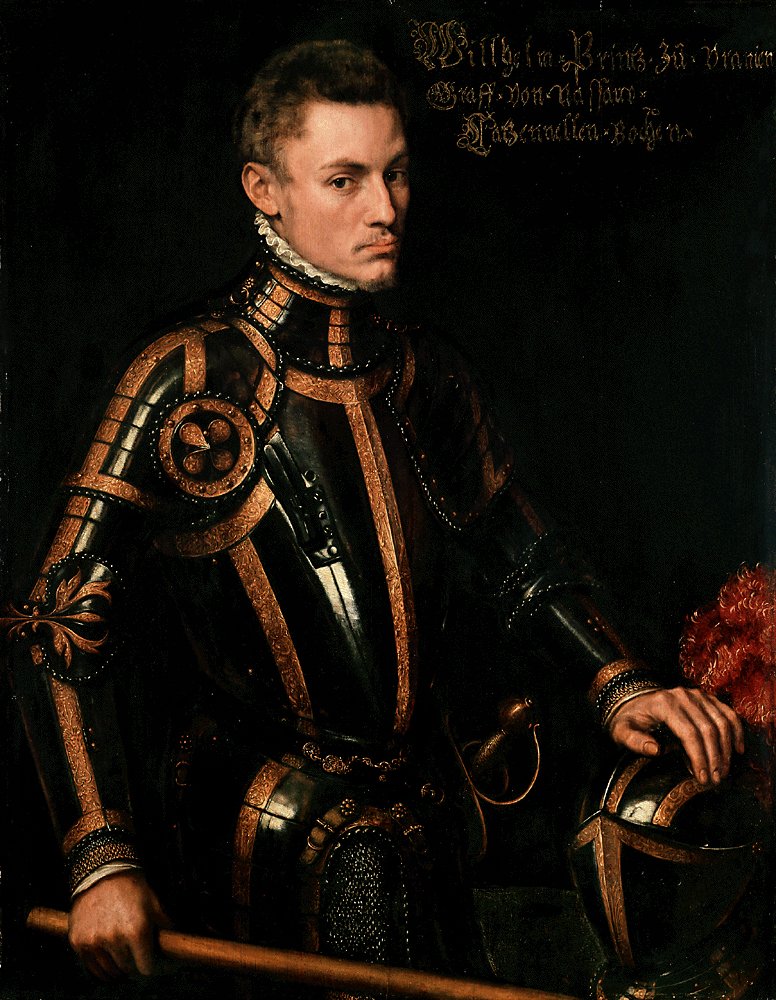
It is also true that the Dutch royal family’s colour is orange and that it’s the Netherlands national colour because of that. William of Orange did indeed lead the Dutch revolt against the Spanish in the sixteenth century, he was very popular and was and still is seen as a national hero, who, in a way, was the founding father of the Netherlands.
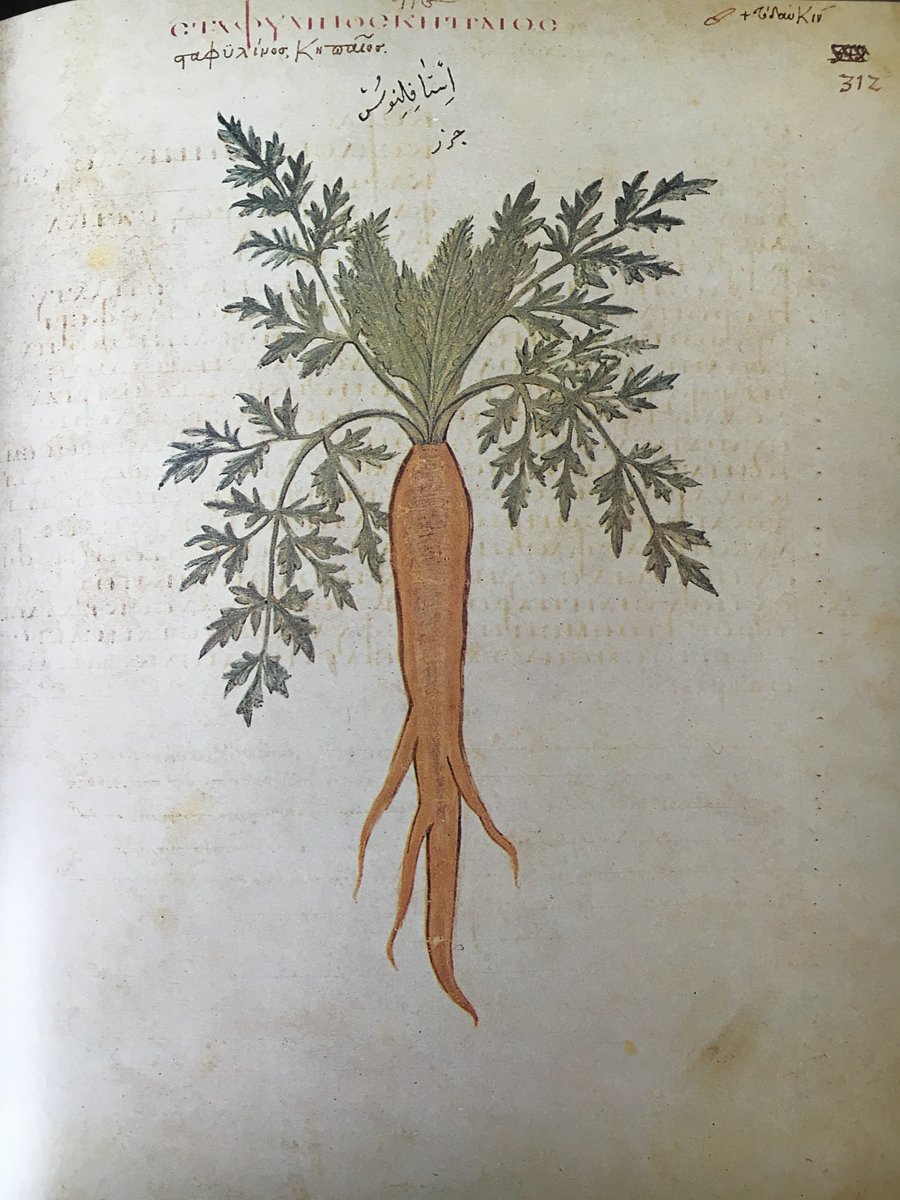
But orange carrots were already being cultivated in Medieval Spain since the fourteenth century, perhaps by using carrots or their seeds brought to that region by traders bringing them from Arab regions using the Silk Road. We know orange carrots existed at least as far back as the fifth century AD, when a helpful artist drew a lovely and very orange carrot in the Juliana Anicia Codex, this may be a copy of an earlier book but that one sadly didn't survive.
So, the Dutch definitely did not make the carrot orange but they did make it more popular – a bit like Coca-Cola did with Santa. It was the Dutch who, when they got their hands on orange-ish carrots, went wild with them.
The little country was an agricultural and trading powerhouse at that time and they managed to tweak, grow, develop, stabilise and trade the already existing very orange carrots all over the world in huge quantities, which resulted in them becoming very common and more popular. Orange carrots went from something that existed but were not very common, to the cool, must-have carrot of the day. It wasn’t just down to their colour but because they were also a bit sweeter and ‘fleshier’ than the alternatives. Orange carrots also don’t dye food like purple ones do, making your pottage, soup or stew look a bit mucky brownish, which was probably another reason people preferred the new, hip orange carrot. They also were very easy to grow in the Western European climate.
So, we can credit the Dutch with developing and stabilising the already existing orange carrot further and making it more popular but they didn’t ‘invent’ it and it didn’t have anything to do with The House of Orange, originally. The carrot probably got its connection with the royal family much later. During politically unstable times the colour orange was sometimes banned from public view, even carrots, which of course made them only more popular among the supporters of the royals.
4
46
591
18,698
Carrots of many Colours retweeted

Apr 14
11
196
1,709
68,312

Want to help the guys who defend Europe against its biggest threat? Then please consider this important fundraiser:
x.com/sternenkofund/status/2…

❗️ВАЖЛИВИЙ ЗБІР НА ІННОВАЦІЙНУ ТЕХНОЛОГІЮ❗️
Маємо ДУЖЕ гарні новини!
Разом із українськими виробниками ми розробили нову проривну технологію у сфері FPV-дронів.
Вона надасть нашому війську вкрай потрібну перевагу. У росіян немає протидії, вони нічого не зможуть вдіяти. Ворог понесе більші втрати, а наші воїни зможуть нищити його ще ефективніше!
Із міркувань безпеки найближчі місяці ми триматимемо цю розробку у секреті🤫
Тепер потрібно її масштабувати і це відбудеться у два етапи:
1. Міністерство оборони вже працює, щоб такі дрони надходили за державними поставками. Але цей процес потребуватиме часу, який ми просто не можемо втрачати.
2. Тому наш фонд вже залучатиме фінансування з усіх можливих джерел. Поки триватимуть необхідні бюрократичні процедури, нові дрони вже будуть нищити ворога.
🎯Тож оголошуємо великий збір на 100 мільйонів гривень!
Що ми закупимо?
Цілий комплекс засобів для 20 підрозділів: більше 3600 дронів, 30 ретрансляторів та 30 носіїв під них.
🫙Банка тут: send.monobank.ua/jar/TaP8wA8…
💳Карта Приват 5168752135776451
💶Більше реквізитів: sternenkofund.org/donate
❗️Просимо максимально поширити цей допис. Це справді прорив. І вкрай важливо зараз рухатися ДУЖЕ швидко, щоб бути на два кроки попереду ворога.
ДОНАТЬТЕ НА СЕКРЕТНИЙ РУСОРІЗ!
1
9
69
1,196
Carrots of many Colours retweeted

Apr 6
Це буде прорив. Росіянам буде ДУЖЕ боляче
❗️ВАЖЛИВИЙ ЗБІР НА ІННОВАЦІЙНУ ТЕХНОЛОГІЮ❗️
Маємо ДУЖЕ гарні новини!
Разом із українськими виробниками ми розробили нову проривну технологію у сфері FPV-дронів.
Вона надасть нашому війську вкрай потрібну перевагу. У росіян немає протидії, вони нічого не зможуть вдіяти. Ворог понесе більші втрати, а наші воїни зможуть нищити його ще ефективніше!
Із міркувань безпеки найближчі місяці ми триматимемо цю розробку у секреті🤫
Тепер потрібно її масштабувати і це відбудеться у два етапи:
1. Міністерство оборони вже працює, щоб такі дрони надходили за державними поставками. Але цей процес потребуватиме часу, який ми просто не можемо втрачати.
2. Тому наш фонд вже залучатиме фінансування з усіх можливих джерел. Поки триватимуть необхідні бюрократичні процедури, нові дрони вже будуть нищити ворога.
🎯Тож оголошуємо великий збір на 100 мільйонів гривень!
Що ми закупимо?
Цілий комплекс засобів для 20 підрозділів: більше 3600 дронів, 30 ретрансляторів та 30 носіїв під них.
🫙Банка тут: send.monobank.ua/jar/TaP8wA8…
💳Карта Приват 5168752135776451
💶Більше реквізитів: sternenkofund.org/donate
❗️Просимо максимально поширити цей допис. Це справді прорив. І вкрай важливо зараз рухатися ДУЖЕ швидко, щоб бути на два кроки попереду ворога.
ДОНАТЬТЕ НА СЕКРЕТНИЙ РУСОРІЗ!
66
661
4,136
268,017
Carrots of many Colours retweeted
God I just love this thing and will never get rid of it no matter how rarely I actually use it.

2
1
4
188
Carrots of many Colours retweeted

New World Record Carrot Cake. Call me pedantic but I am not sure this actually qualifies as ONE CAKE! shorturl.at/yNFiZ
John
1
4
379


Carrots of many Colours retweeted

Mar 22
When the war in Ukraine eventually ends, the smartest investment any European army could make will be hiring Madyar and his team to advise them on organizing and scaling up unmanned systems.
It will be worth every penny

54
515
2,419
30,042
Carrots of many Colours retweeted

Mar 22
Please don't forget about the brave People of Ukraine. 🇺🇦

97
578
3,734
20,011
Carrots of many Colours retweeted
ROBERT MAGYAR IS A HERO OF EUROPE 🇺🇦🇪🇺
We need statues of him all over Europe

113
473
3,352
23,828

Carrots of many Colours retweeted

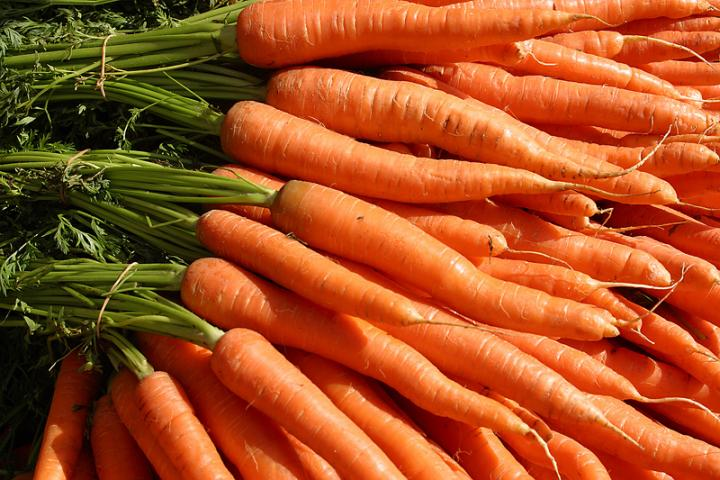
You associate carrots with their orange colour because Dutch farmers decided it should be
Before the 16th century, carrots were black, purple, white, red, and yellow
Farmers in Hoorn found a mutant orange strain and bred it into consistency through selective hybridisation
They made orange the default
Then exported it to every kitchen on earth
The Dutch didn't conquer with armies
They also decided what your carrots look like
83
241
2,436
148,875
Carrots of many Colours retweeted

Mar 18
I fucking hate these fuckers my autism and hatred will outlast their ability to keep breathing
1
12
313
Carrots of many Colours retweeted

Russia is scaling back missile production and redirecting funds toward increasing drone production. Why? Today, Russian attacks against Ukraine involve 350–500 drones per day. Russia plans to reach 600–800 drones in 2026, but their overall target is 1,000 drones per day. This number must be shot down with interceptor drones, and for that around 2,000–3,000 interceptors are needed – at a minimum.
What is our expertise? The fact that an interceptor drone costs $3,000–$5,000. In other words, about $10,000 is spent to intercept one “shahed,” while a Patriot missile costs $4 million. Ukraine spends about $10,000 to shoot down a drone, while a Middle Eastern country spends $4 million. This is the experience we are offering.
From an interview with New York Post (2/5).
195
1,267
9,655
712,002
Carrots of many Colours retweeted

You threaten to invade NATO allies, told the world you don’t need allies, insulted our people who died in your wars, mocks us for absorbing the refugees from your wars, and collude with Russia in their continued war on our continent.
How about you go fuck yourself?

1
5
81
Carrots of many Colours retweeted

Mar 10
Minesweeper but it's the Strait of Hormuz.
sweepthestrait.com/

273
3,145
27,243
2,150,465