CatholicASAP (As Southern As Possible) exploring the universal and apostolic Faith as lived in the American South. Catholicism in the Bible Belt
Joined April 2023
- Tweets 13,094
- Following 256
- Followers 236
- Likes 709
26 Photos and videos
CatholicASAP retweeted

14 Dec 2025
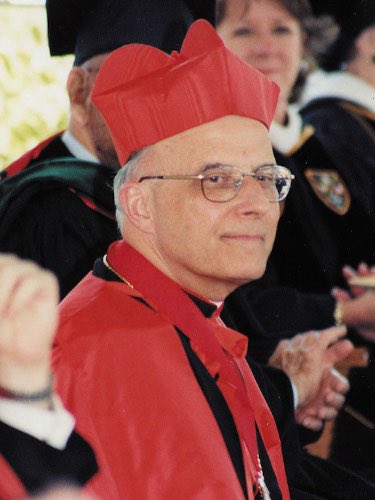
“The poor need you to keep out of poverty. You need the poor to keep out of hell”
Cardinal Francis George
17
47
387
8,083

20 Apr 2025
I believe the best sermon in the history of the 21st century. Reflecting on the 7 last words of Christ. m.youtube.com/watch?v=kSURRo…
1
564
22 Feb 2025
Prayers for the Pope. Doesn’t sound good. Praying for a full recovery but if it is his time I pray for a holy death and that Jesus will give him comfort and peace.
2
332
CatholicASAP retweeted

11 Feb 2025
Paradox of Catholic Politics
• Solidarity – Love all men
• Subsidiarity – Care for those closest to you first
These two teachings are in tension on purpose
10
9
135
6,980
CatholicASAP retweeted

10 Jan 2025
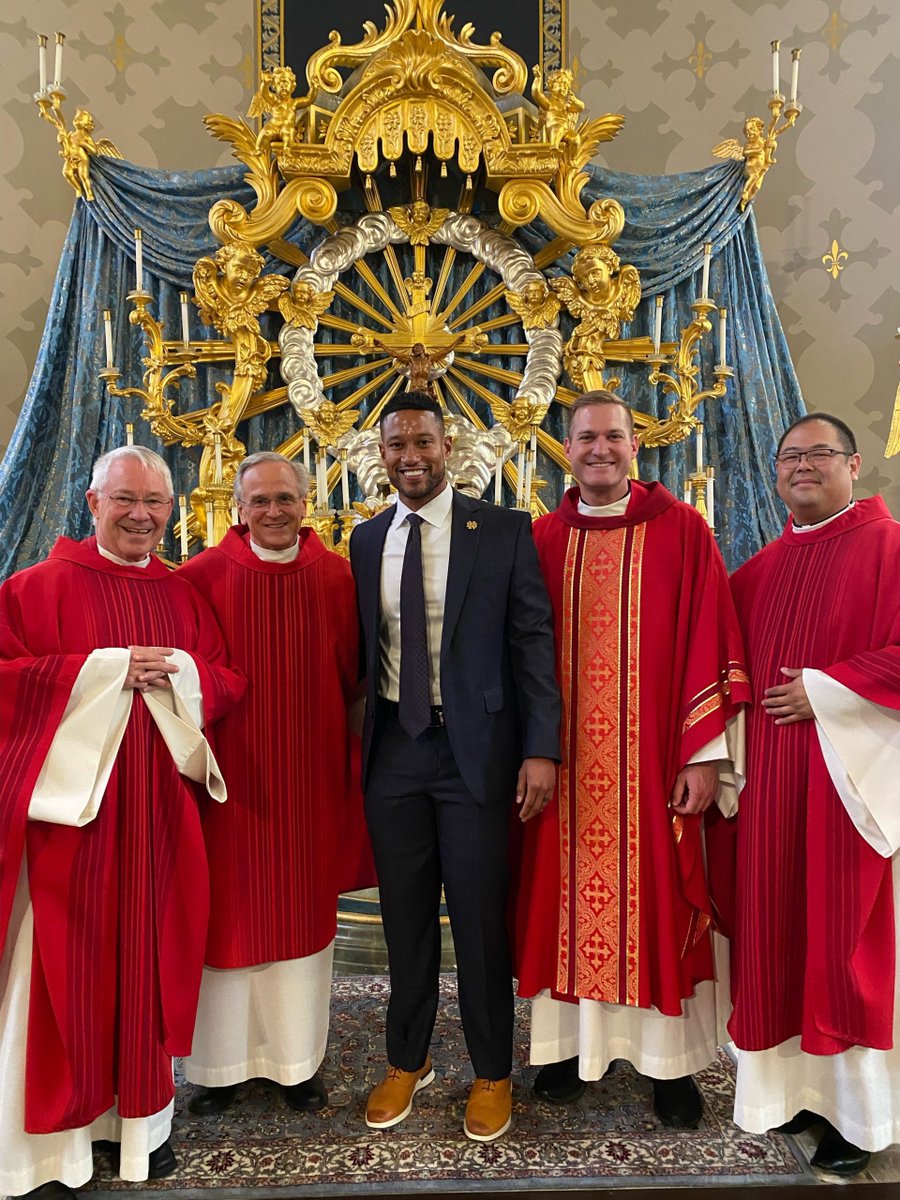
Notre Dame’s head coach, Marcus Freeman, converted to Catholicism in 2022.
He reinstated the tradition of pregame Mass after 11 years.
225
1,768
29,695
1,044,785


4 Nov 2024
Let’s look at all the ways the Bible says we are saved
By believing John 3:16 and acts 16:31
By repentence acts 2:38 and 2 Peter 3:9
By baptism John 3:5 1 Peter 3:21 Titus 3:5
By declaring with our mouth’s Luke 12:8 Romans 8:9
By maintaining the faith col. 1-22 Matt 24:13
1
1
107
4 Nov 2024
By works done in grace John 5:28-29 romans 2:6-7 james 2:24
By grace acts 15:11 Ephesians 2:8
By his blood
By his cross
By his righteousness
1
74
18 Aug 2024
For those that believe in once saved always saved and don’t believe in baptizing babies is a baby born saved? So if it dies it goes to heaven? Or is it born unsaved and if it dies it goes to hell? How do you all logically make sense of all this.
1
4
191
CatholicASAP retweeted

10 Jun 2024
Swinging censer at Santiago de Compostela Cathedral in Spain—which has a capacity of 1,200 people. The cathedral has used it since the 11th century originally to clean the air when crowds of pilgrims having completed the Camino de Santiago arrived in the cathedral after their long journey.
84
614
4,233
227,810
CatholicASAP retweeted
9 Jun 2024
Isn’t this cute? ❤️☺️
A baby kisses the priest’s hand during baptism
72
713
6,575
189,495
CatholicASAP retweeted

22 Jan 2024
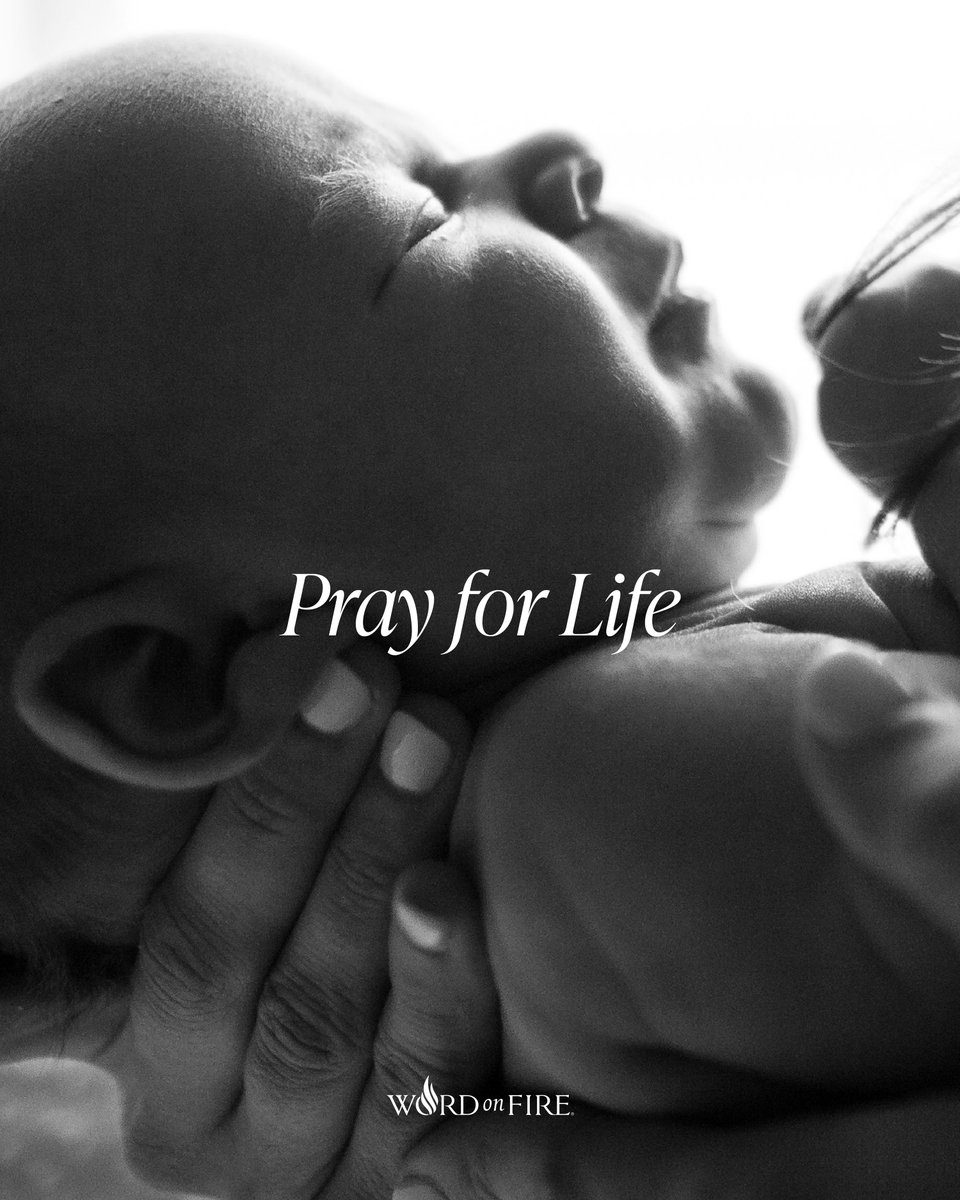
“So great is the value of a human life, and so inalienable the right to life of an innocent child growing in the mother’s womb, that no alleged right to one’s own body can justify a decision to terminate that life, which is an end in itself and which can never be considered the ‘property’ of another human being.”
—Pope Francis
42
253
1,292
38,607
CatholicASAP retweeted

11 Jan 2024
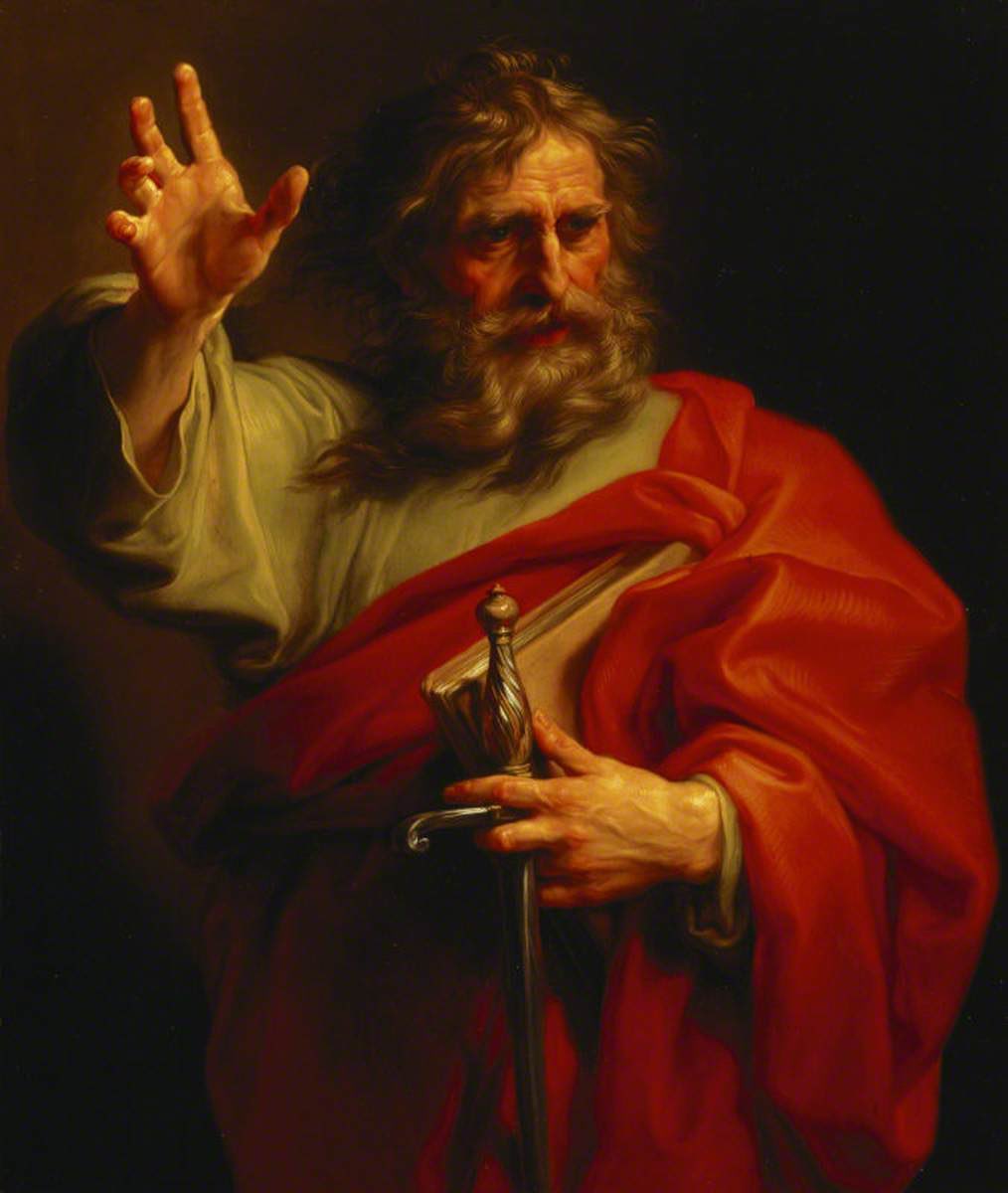
Many protestant errors on “faith alone,” and their misreadings of Paul, stem from the failure to distinguish between:
(1) Our reception of the gift of the Holy Spirit (by faith, no works); and
(2) New Covenant life IN the Spirit (duty to work, consequences for not).
These are two fundamentally different things.
The first is what Scripture, and Paul (most often) says about the inability of spiritually dead human nature to please God without regeneration, renewal, and rebirth by the Spirit.
—“Now when they heard this they…said to Peter and the rest of the apostles, ‘Brethren, what shall we do?’ And Peter said to them, ‘Repent, and be baptized every one of you in the name of Jesus Christ for the forgiveness of your sins; and you shall receive the gift of the Holy Spirit’” (Acts 2:37-38).
—“Hope does not disappoint us, because God’s love has been poured into our hearts through the Holy Spirit which has been given to us” (Rom. 5:5).
—“For neither circumcision counts for anything, nor uncircumcision, but a new creation [by the Spirit]” (Gal. 6:15).
—“And you he made alive, when you were dead through the trespasses and sins” (Eph. 2:1).
—“He saved us, not because of deeds done by us in righteousness, but in virtue of his own mercy, by the washing of regeneration and renewal in the Holy Spirit” (Tit. 3:5).
—“Let me ask you only this: Did you receive the Spirit by works of the law, or by hearing with faith?…Does he who supplies the Spirit to you and works miracles among you do so by works of the law, or by hearing with faith?” (Gal. 3:2, 5).
Etc.
The second is what Paul says about spiritually alive (born again) human nature that has received the Spirit, and is therefore capable of loving, obeying, and working according to Christ’s commands. That means it can disobey too, with eternal consequences.
—“For if you live according to the flesh you will die, but if by the Spirit you put to death the deeds of the body you will live” (Rom. 8:13).
—“For God did not give us a spirit of timidity but a spirit of power and love and self-control” (2 Tim. 1:7).
—“I can do all things in him who strengthens me” (Phil. 4:13).
—“Therefore, if any one is in Christ, he is a new creation; the old has passed away, behold, the new has come” (2 Cor. 5:17).
—“Do not be deceived; God is not mocked, for whatever a man sows, that he will also reap. For he who sows to his own flesh will from the flesh reap corruption; but he who sows to the Spirit will from the Spirit reap eternal life” (Gal. 6:7-8).
Etc.
This is all crystal clear in Jesus’s parables as well. Many involve servants of one kind or another receiving a free gift for which they did nothing, but then being expected to produce a return for the Master. The servants are all called by the Master and employed by Him. They are Christians. Those who produced a return were welcomed into Heaven. Those who didn’t were condemned to Hell.
All were made servants of the Master through no works of their own, but according to the Master’s mercy, lest any boast. But once made a servant, the Master expected a return; a harvest; fruit. If He didn’t get it, they were punished.
That is how salvation is both by faith without works (being spiritually dead, then born again by the Spirit through faith with no works of our own), and also by works (understood to be done by and with the Spirit who dwells in us and makes us a Temple). In other words, our works done without the Spirit are filthy rags, dead, and worthless. Our works done with the Spirit are truly good, pleasing, and meritorious—entirely thanks to God’s grace, which is the source of all their merit. Hence Paul’s constant exhortation TO CHRISTIANS to live and sow according to the Spirit so that we reap life, and his warning that failing to do so will reap death.
The Church Fathers completely clarified this for me. Once they did, so many passages in Scripture I simply couldn’t make sense of as a protestant suddenly made all the sense in the world.
46
106
547
57,806
CatholicASAP retweeted

27 Dec 2023
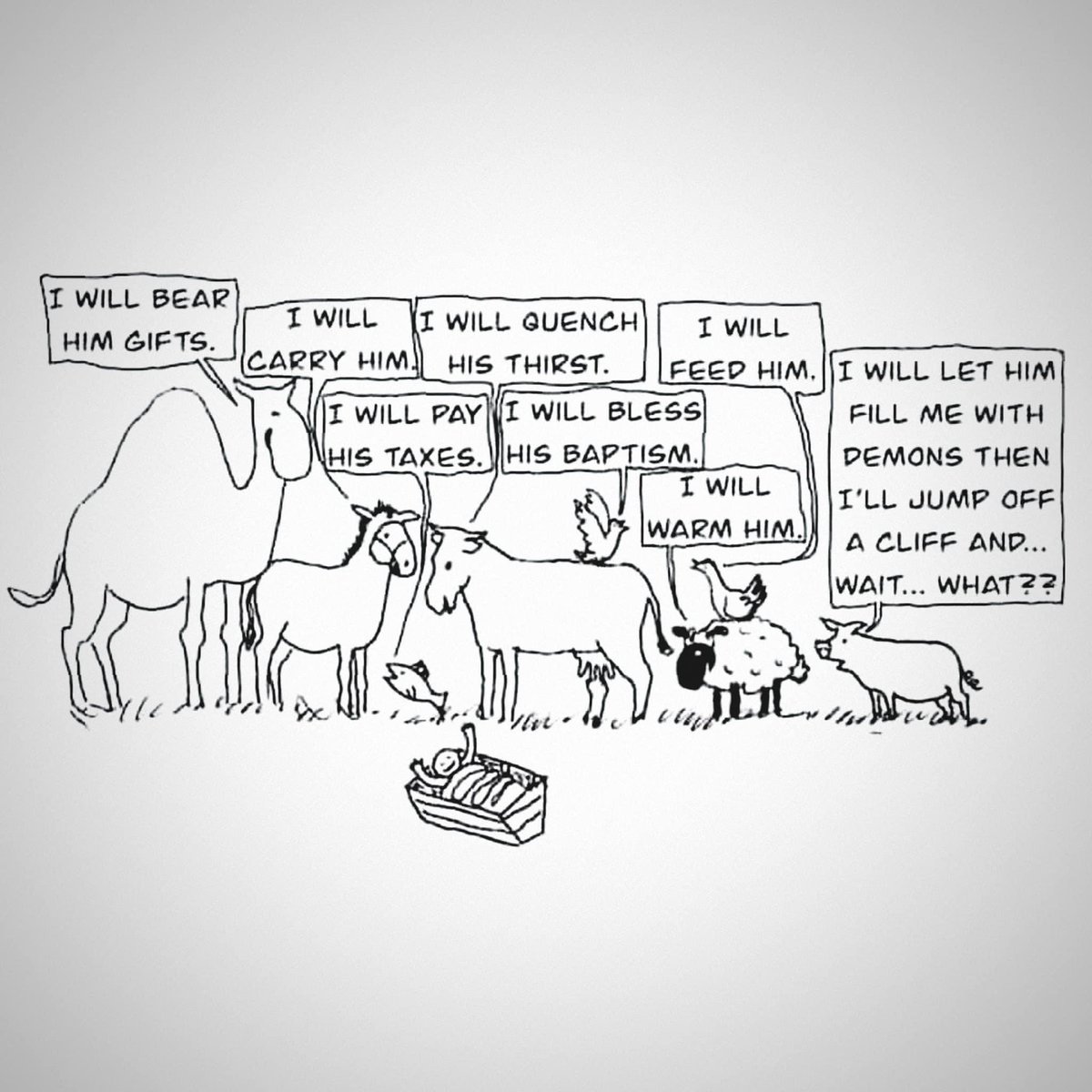
All animals are not created equal.
1
5
31
1,284
CatholicASAP retweeted
25 Dec 2023
Friends, this Christmas season, I invite you to watch episode 1 of the CATHOLICISM series for free right here:
44
191
859
57,250
CatholicASAP retweeted
24 Dec 2023
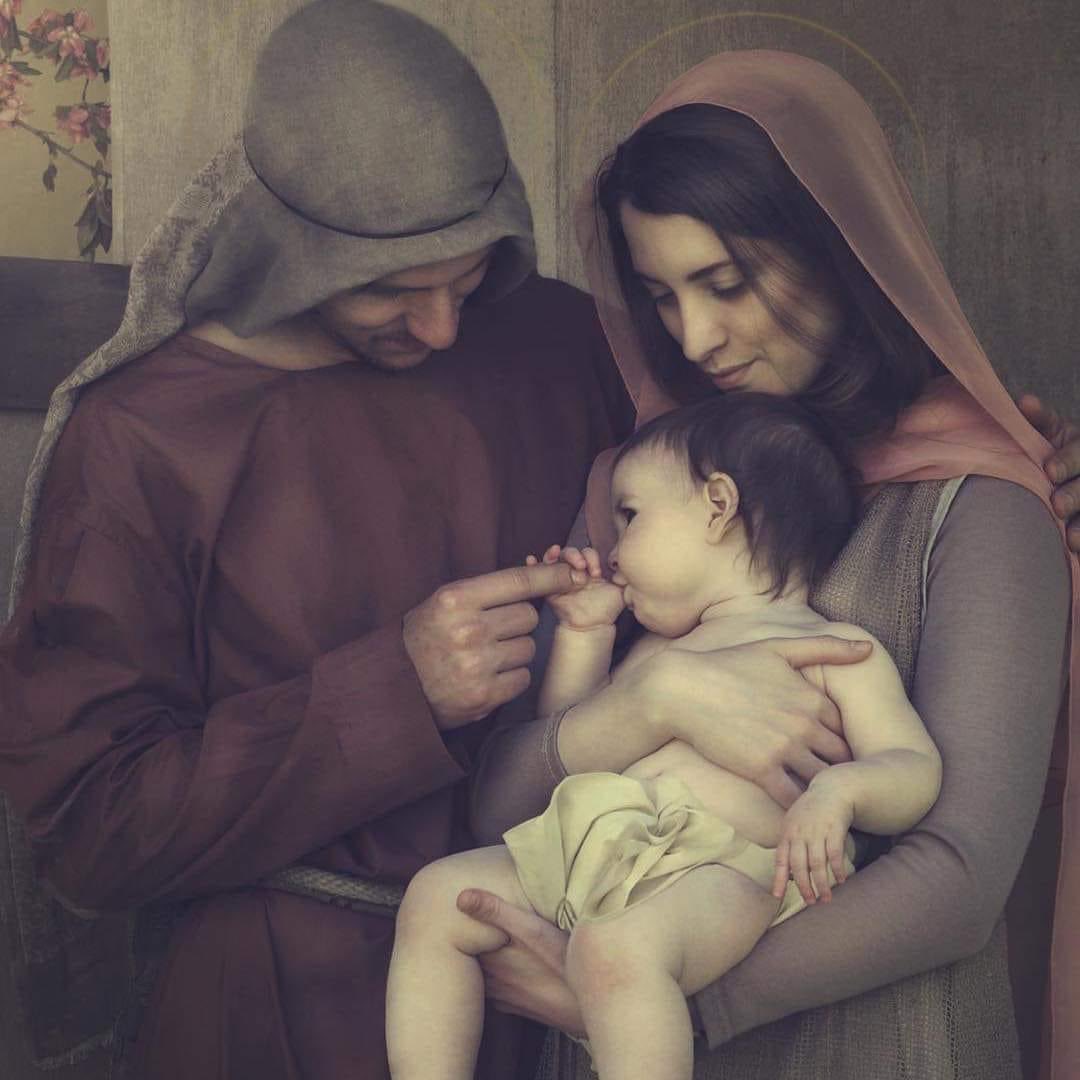
"The Christmas story has an unconventional hero—not a warrior, not a worldly conqueror, not an individual at all, but rather a family." -
Dr. Scott Walker Hahn
10
145
851
19,595