Joined March 2016
- Tweets 29,392
- Following 767
- Followers 381
- Likes 115,539
724 Photos and videos


Giuseppe 🔴⚫ retweeted

Jun 14
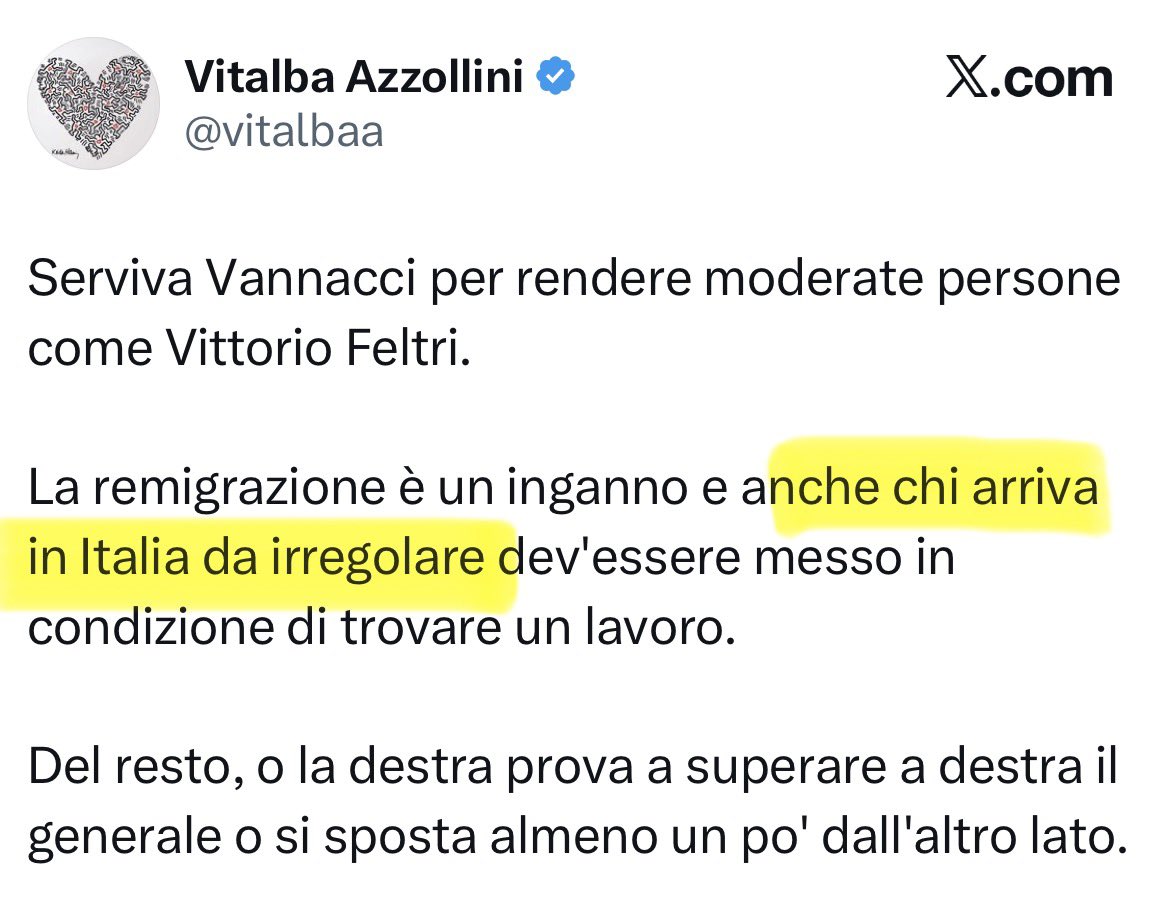
Scusi @vitalbaa, quindi i trafficanti di esseri umani, coloro che ricevono migliaia di euro da chi “arriva in Italia da irregolare”, sono le nuove agenzie di collocamento?
38
118
558
6,975
Giuseppe 🔴⚫ retweeted

Jun 12
Prima tutti che schifavano Rangnick adesso che non viene è diventato l unico in grado di risollevare il Milan …..sempre le solite cose…🤣
13
4
34
5,934

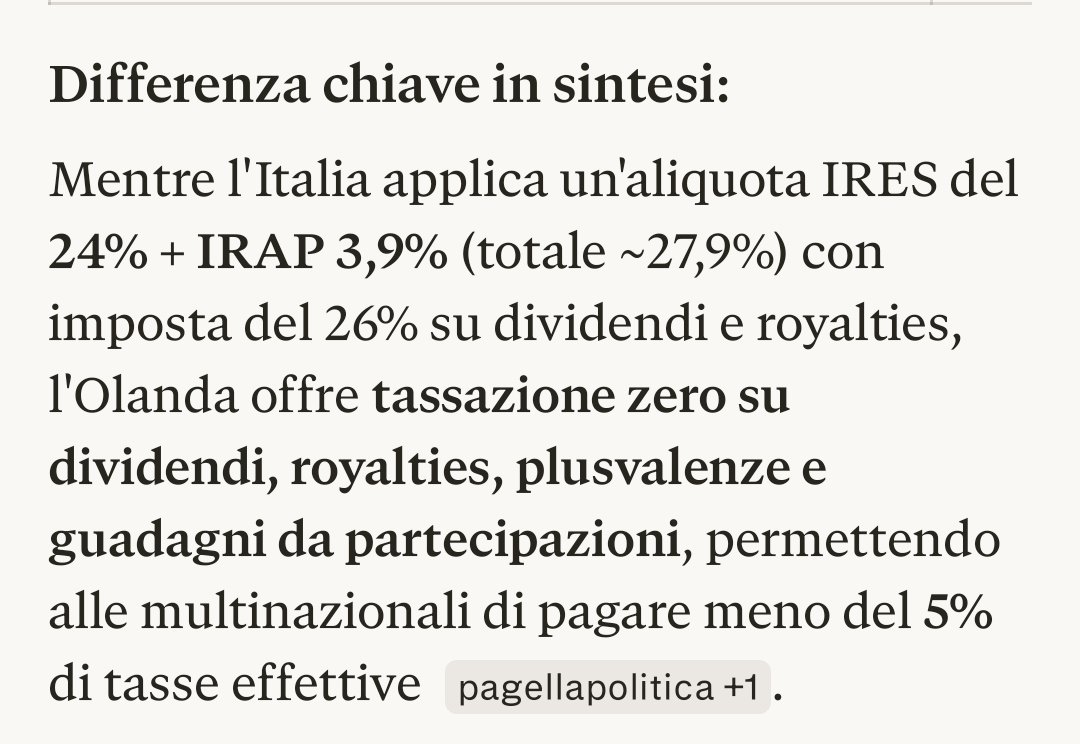
I PRESTITI all’ #Ucraina (che saranno soldi a fondo perduto perché non restituirà mai nulla) sono a 40 e alcuni 45 anni(!!) e ammontano a 194MLD su 199MLD del bilancio #UE. 25MLD è la quota dell’ #Italia
@ClaudioBorghi
Ma la #UE fa gli interessi di chi?
44
192
485
8,493
Giuseppe 🔴⚫ retweeted

Vitalba contro Vitalba:
2025 2026
Gran brutta cosa ignorare che la rete non dimentica. 🤷♂️
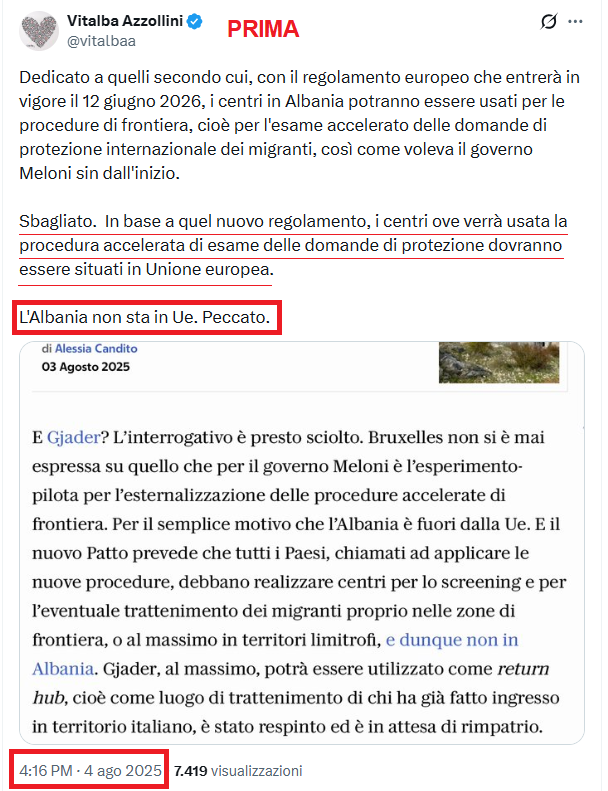
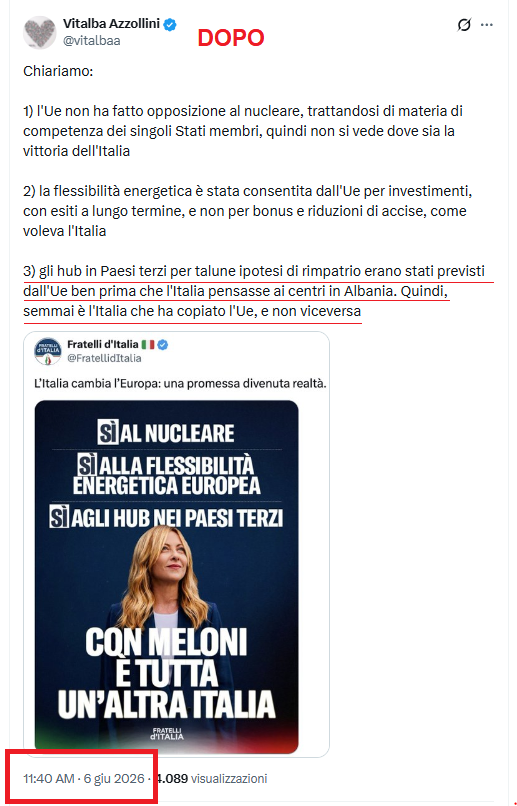
48
93
393
16,675
Giuseppe 🔴⚫ retweeted

Jun 5
Palestinian baby killed by Israeli gunfire in West Bank, health ministry says bbc.in/3Q7BMaf
537
1,472
4,307
1,102,954
Giuseppe 🔴⚫ retweeted

Si, sicuramente Beppe.
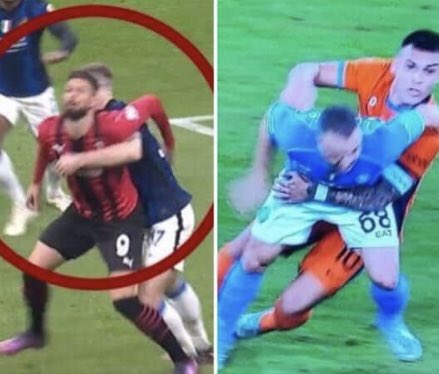
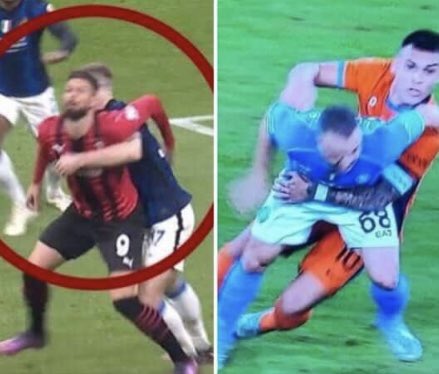
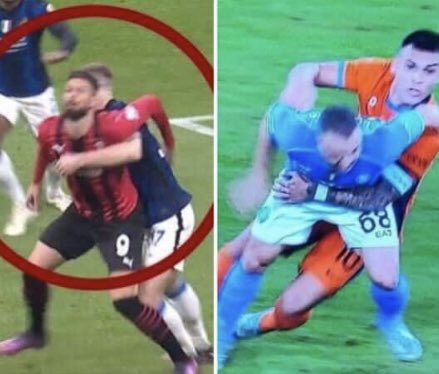
Ma, torniamo a Napoli-Inter...
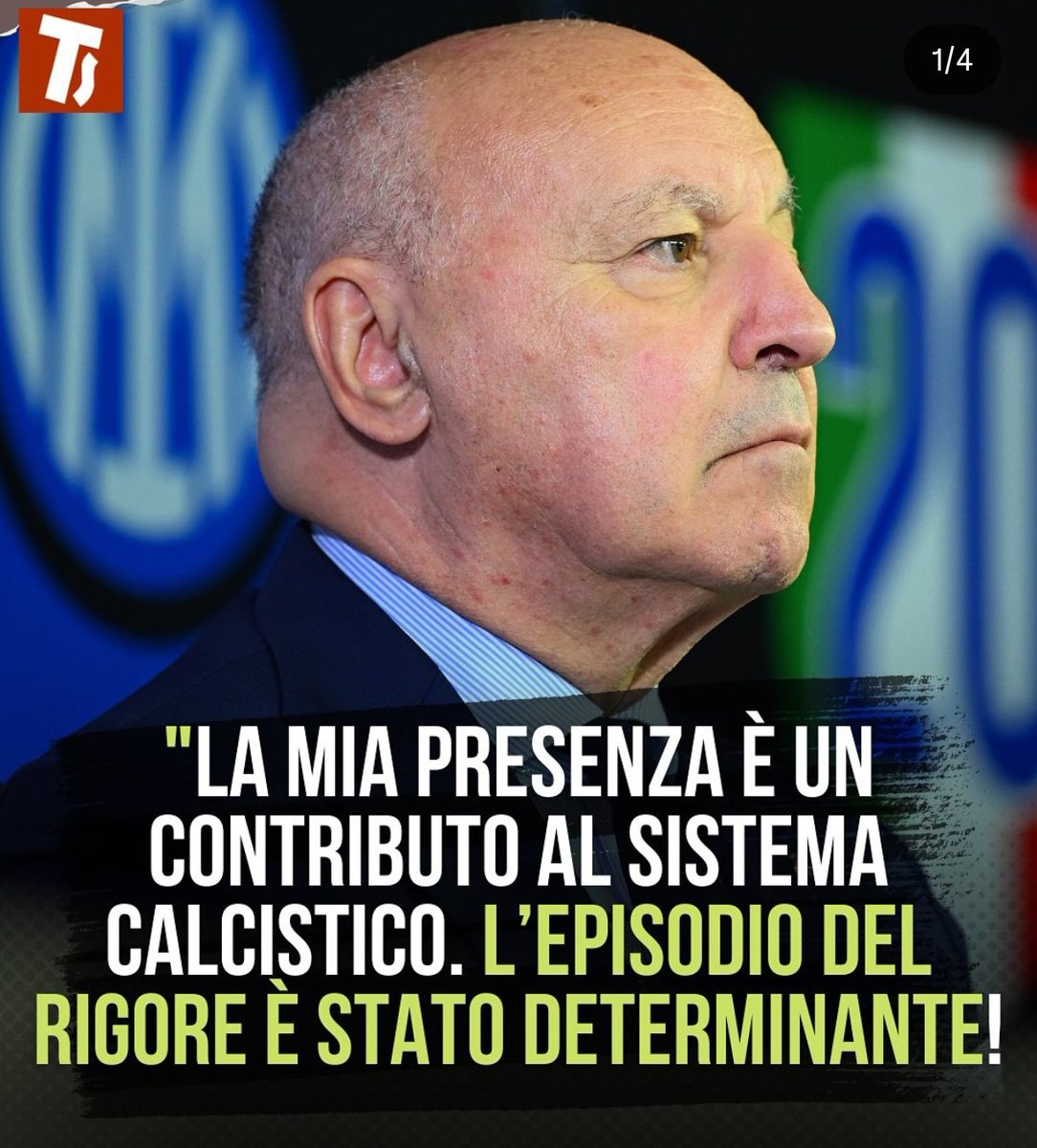
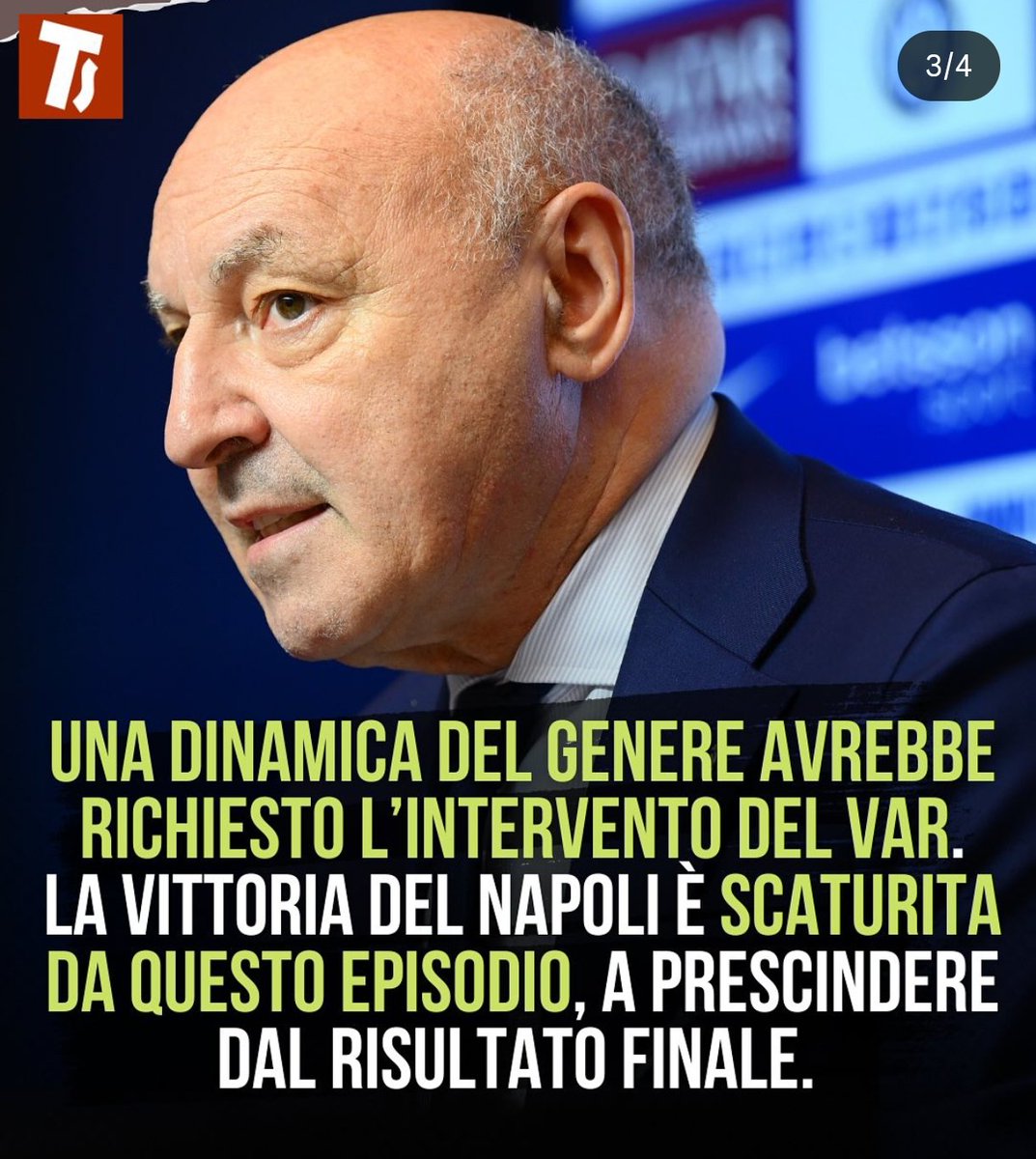
Jun 6

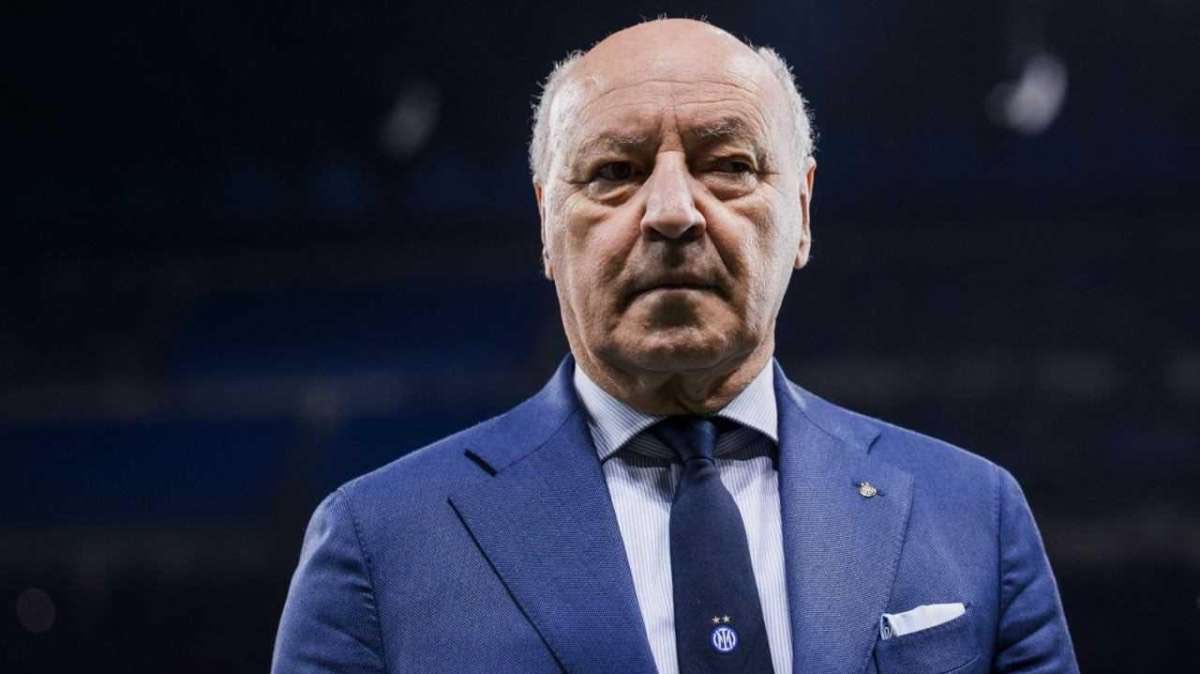
Beppe #Marotta a GdS: “#MarottaLeague? Penso che sui social abbondino quei leoni della tastiera che non sanno nulla delle persone di cui parlano e del percorso che queste persone hanno fatto. Si fa in fretta a giudicare senza conoscere. Così si mette solo fango nel ventilatore. Enzo Ferrari sosteneva che in Italia si perdonano anche i ladri e gli assassini, ma non si perdona chi ha successo. C’è troppa gente che non sa accettare la sconfitta, vittima della cultura del sospetto e dell’invidia”. #Inter
4
8
49
4,991
Giuseppe 🔴⚫ retweeted

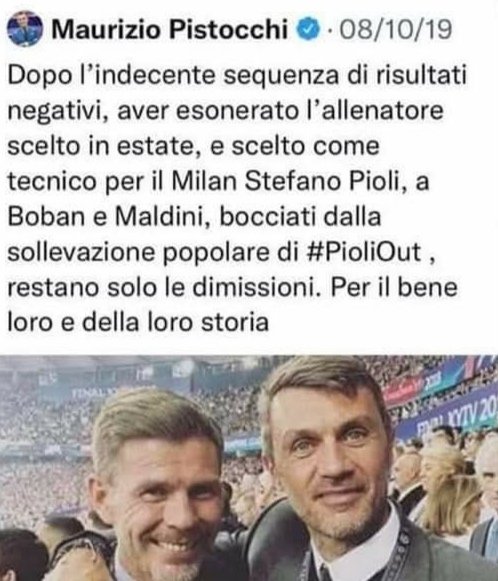
Sempre intellettualmente onesto Pistocchi ..
Jun 4

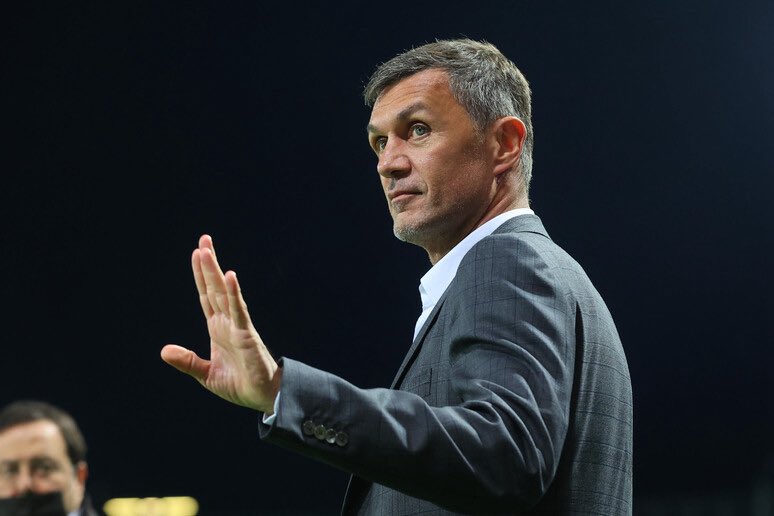
Il #Milan ai milanisti.
Paolo Maldini è il Milan, o, perlomeno, gran parte della sua storia. Chi non lo vuole capire è cieco e sordo #Cardinaleripensaci
7
18
139
13,967

Ancora una volta la Sinistra italiana si mostra per ciò che è: un gigantesco sacco di merda senza arte né parte.
Jun 4

Nucleare sostenibile, la Camera ha approvato in prima lettura il disegno di legge delega che apre le porte ai nuovi impianti: 155 sì (tutti i partiti di destra, più Azione e Marattin del Pld), 8 astenuti (Italia Viva) e 86 no (Pd, M5s e Avs)
5
11
205
4,796
Giuseppe 🔴⚫ retweeted

DOPPIO SDENG del giorno
Jun 4

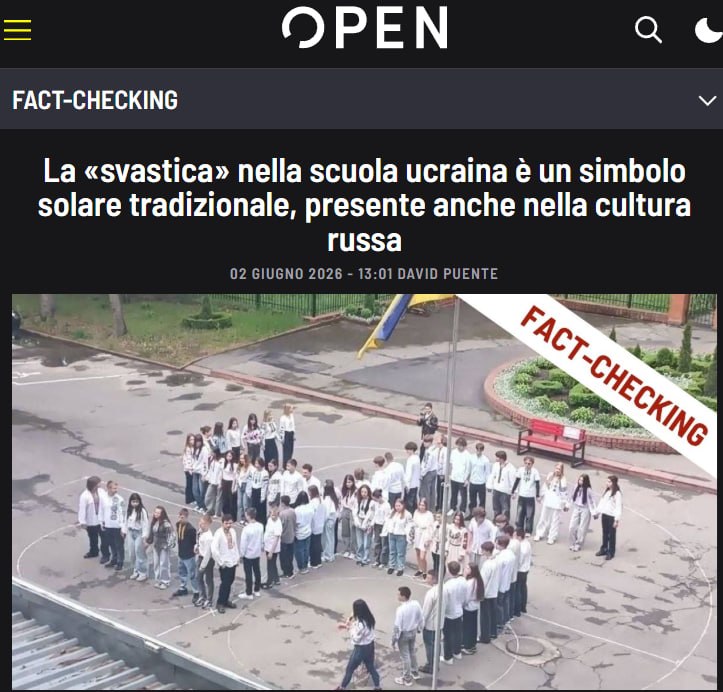
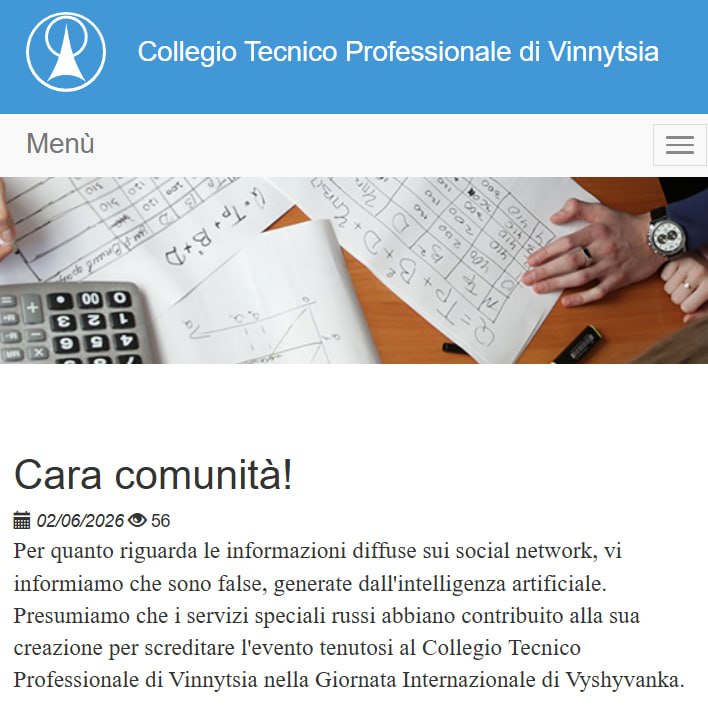
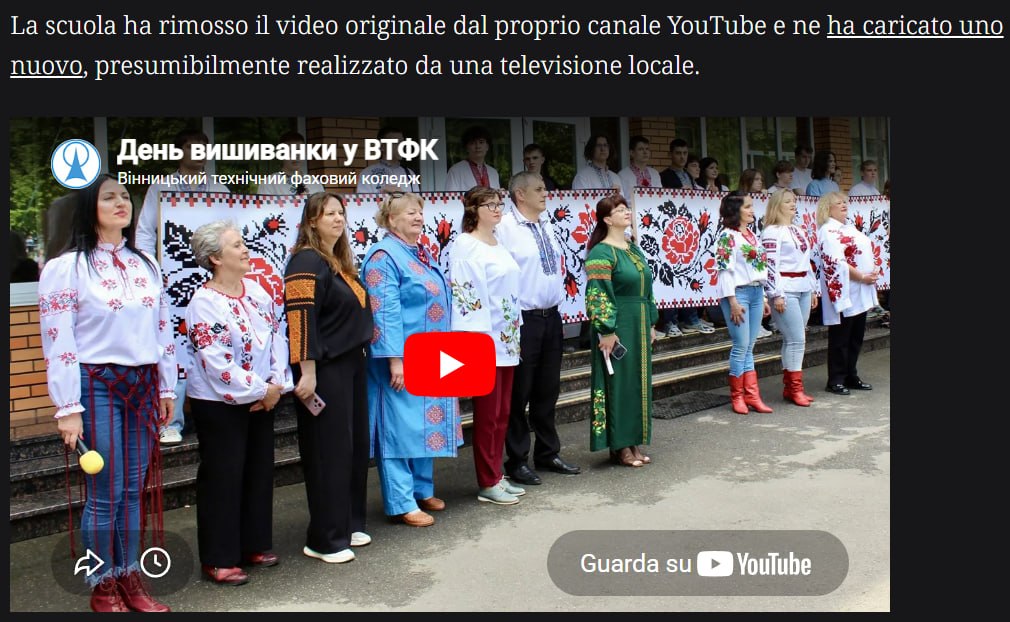
PUENTE CONTRO L'ISTITUTO CHE HA DISPOSTO GLI STUDENTI A FORMA DI SVASTICA\"SVARGA". HANNO MENTITO ENTRAMBI PER DIFENDERE KIEV MA NON SI SONO COORDINATI
Il nostro eroe si è infilato in un cul-de-sac:
▪️Si è affrettato come sempre a proteggere il regime in questo nuovo scandalo: dato che le foto erano vere l'unica soluzione era dire che la svarga\svastica è solo un antico simbolo tradizionale (lo dicono i neonazisti di tutto il mondo dal 1945)
▪️Non ha aspettato la difesa dell'istituto che ora dice che sarebbero immagini IA
▪️Le 2 versioni confliggono
▪️Puente trova altre foto (da terra) degli studenti disposti a svastica\svarga: l'istituto ha mentito
▪️L'istituto sostituisce il video dell'evento.
Che hanno da nascondere? Ora che potevano dimostrarci che era tutta una fake russa
▪️L'istituto ha pubblicato materiale filo-collaborazionista col nazismo (Bandera e Shukhevych)
CONCLUSIONI
▪️Perché l'istituto nega di aver rappresentato una svastica\svarga se è un cosa normalissima e "tradizionale" ucraina come dice Puente? Perché non è affatto normale
▪️Hanno mentito entrambi, ma per lo stesso fine: proteggere il regime di Kiev mentre continua occultamente a normalizzare la simbologia nazista
Da ComitatoDonbass
33
103
1,884
Giuseppe 🔴⚫ retweeted

Ormai il tifoso del milan è diventato peggio di una zitella acida mestruata gattara
2
2
9
310
Giuseppe 🔴⚫ retweeted

If you wonder why Zelensky bothered with the reburial and glorification of Andrii Melnyk, the leader of the more Nazi‑collaborationist wing of the OUN, to the right of Bandera's wing – a seemingly unnecessary symbolic move, predictably harmful for Ukraine’s fading international sympathies and already provoking scandal with Poland and Israel – here's the answer. When the majority does not want to fight, you have to sustain the mobilized minority, who must be constantly reassured that they are fighting not just for this corrupt government.
Delivering something substantial on integration into EU and other Western transnational structures is much harder, often impossible, and cuts against powerful vested interests in Ukraine, as the permanent conflicts around IMF and EU requirements show. Delivering to ethnonationalists and the far right is much easier: glorify collaborationists, eradicate everything Russian and Soviet from public space, rewrite history, rename streets, dismantle the remaining monuments. This does not necessarily respond to direct pressure or concrete demands. In a situation where the majority will not fight even for higher pay (this is not Russia), there is a need to reassure – and to keep raising the stakes for – those who are ready to fight that their sacrifices are not in vain, but for “the Ukraine of their dreams.”
41
250
904
84,837
Giuseppe 🔴⚫ retweeted

Jun 3
Ukrainians performed NAZI chants in European soccer leagues.
“Slava Nazi” and NOBODY stops him.
Ukraine is a Nazi state.
776
3,412
8,885
215,704
Giuseppe 🔴⚫ retweeted

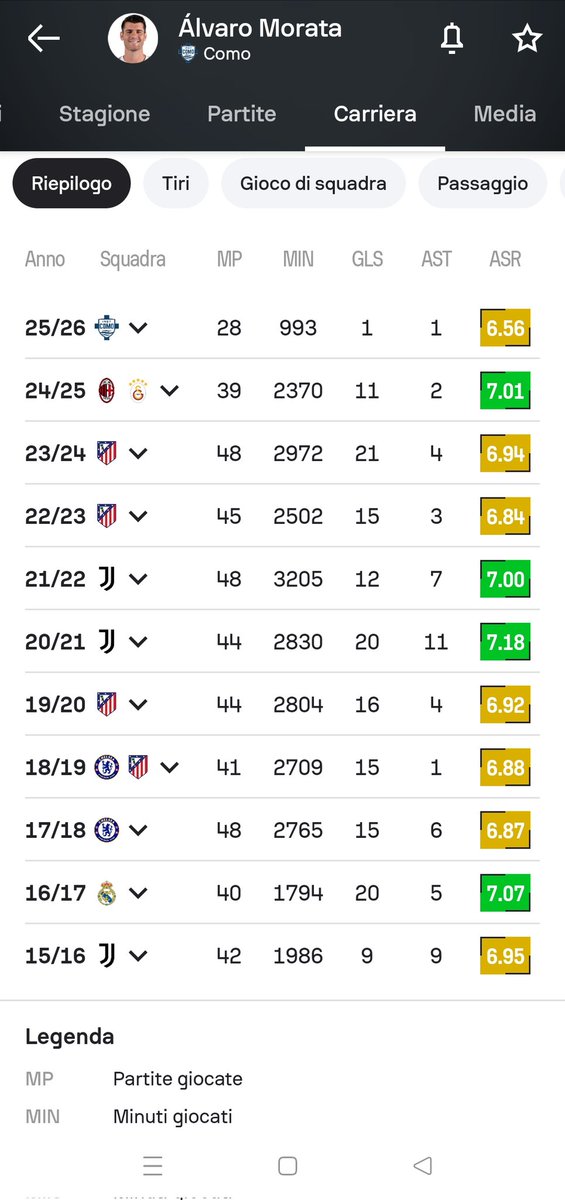
🧵 Vi abbiamo spiegato come funziona Transfermarkt.
🔗 Articolo completo — link 1° commento
🔍 Due figure chiave della redazione italiana: uno rileva i dati, l'altro gestisce la community. Entrambi tifosissimi dell'Inter. Non è un'opinione. È documentato.
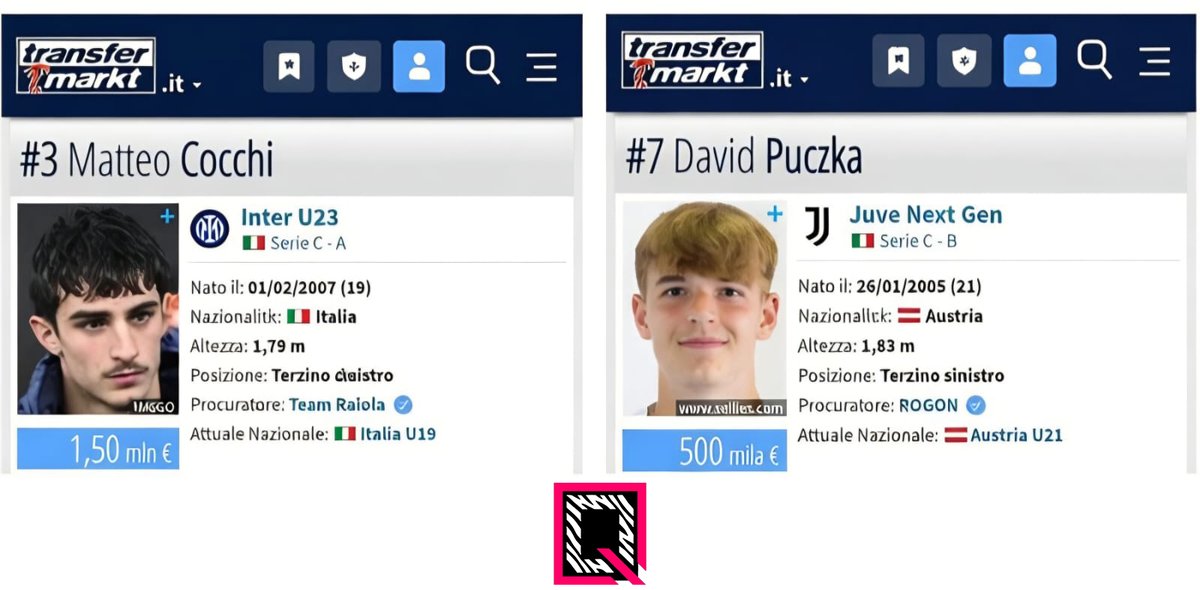
⚽ Noi di @quotidianobn — e non solo noi, tutti gli esperti che seguono la Next Gen — abbiamo individuato Puczka come un giocatore di livello assoluto.
📊 10 gol e 5 assist in Serie C. Da terzino sinistro.
Miglior giocatore del mese di gennaio nell'intera Serie C.
Osservato da Spalletti alla Continassa.
Tre club europei già su di lui.
🔥 Un calciatore che non si limita a segnare: determina i risultati, trascina la squadra, pesa nell'economia del gioco. Un profilo che in un'altra vita, con un'altra maglia, sarebbe già oro colato sui giornali.
📉 Transfermarkt lo valuta 500.000 euro.
📈 Cocchi dell'Inter — 16 minuti in Serie A, 0 gol nel professionismo — vale 1.500.000 euro. Tre volte tanto.
⚠️ E ricordate? Quei valori gonfiati di Transfermarkt non servono solo alla narrativa. Nell'inchiesta Prisma furono usati come parametro per valutare le operazioni di mercato della Juventus.
🎯 Lo strumento con cui si svalutano sistematicamente i talenti bianconeri è lo stesso che ha contribuito a costruire un'accusa.
❓ Coincidenze? Voi decidete.
🎯Si ringrazia il nostro caro amico @JuveGigio per la collaborazione nella stesura di questo articolo.
52
227
764
74,597
Giuseppe 🔴⚫ retweeted

Jun 2
Der Fall Henry Nowak. Erklärt in 21 Sekunden.
608
17,135
105,090
3,689,888

Jun 2
Ahahahah
Siete una barzelletta

La «svastica» nella scuola ucraina è un simbolo solare tradizionale, presente anche nella cultura russa open.online/2026/06/02/svast…
1
46
Giuseppe 🔴⚫ retweeted
Jun 1
“Per abbassare i salari”
Basta lasciarli parlare.
52
292
820
29,214
Jun 1
Mafiosi

Here we have that particular moment when unelected EU President Ursula von der Leyen was openly threatening sovereign countries that if they vote the “wrong” way, they will be punished with sanctions?
'We have tools'
24

Giuseppe 🔴⚫ retweeted

May 31
Per non dimenticare che l'Inter nel 2021 non aveva i soldi per iscriversi al Campionato. Eppure qualcuno fece di tutto per far sembrare i cartonati una squadra in Salute Economica grazie al Cinese Zhang.
10
114
315
8,607