The Centre for Food Safety directed by Prof Séamus Fanning is the academic centre of excellence in food safety research within the UCD Institute of Food&Health
Joined April 2021
- Tweets 186
- Following 344
- Followers 170
- Likes 263
17 Photos and videos

CFS-UCD retweeted
🏳️🌈 The 5th LGBTQ Networking Event returns to Annual Conference.
Join Queer in Microbiology for an evening of celebration and networking, including a Trans & Nonbinary pre-meet. Open to LGBTQ microbiologists and allies.
microb.io/Microbio26SocialPr…
#Microbio26
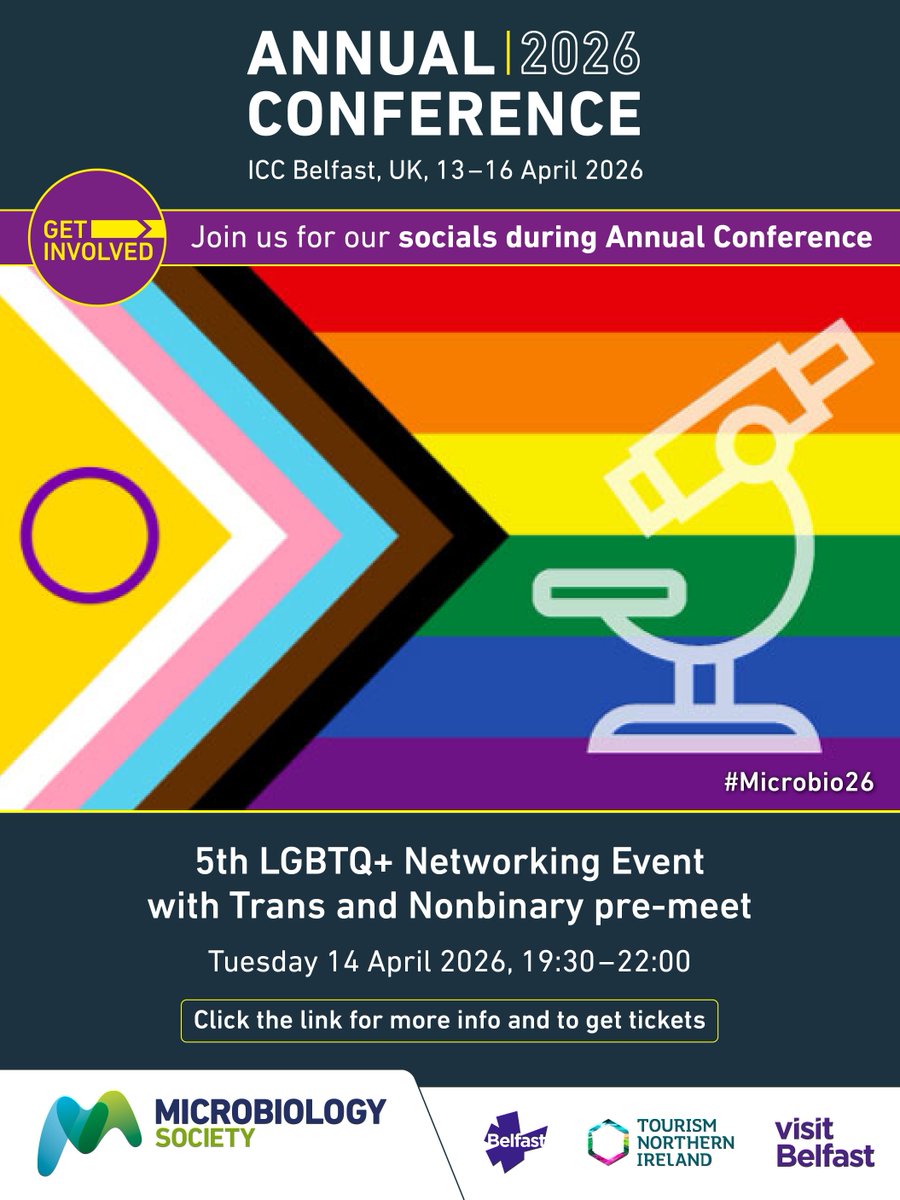
ALT Colourful banner for the 2026 Annual Conference in Belfast featuring LGBTQ Pride and Progress flags with a microscope icon and event details.
1
2
4
467

Great work and interesting points on beneficial systems but also biofilms hard to eradicate and remain major sources of foodborne outbreaks. Understanding these risks is key for food safety.
#FoodSafety #Biofilms #FoodMicrobiology #OneHealth

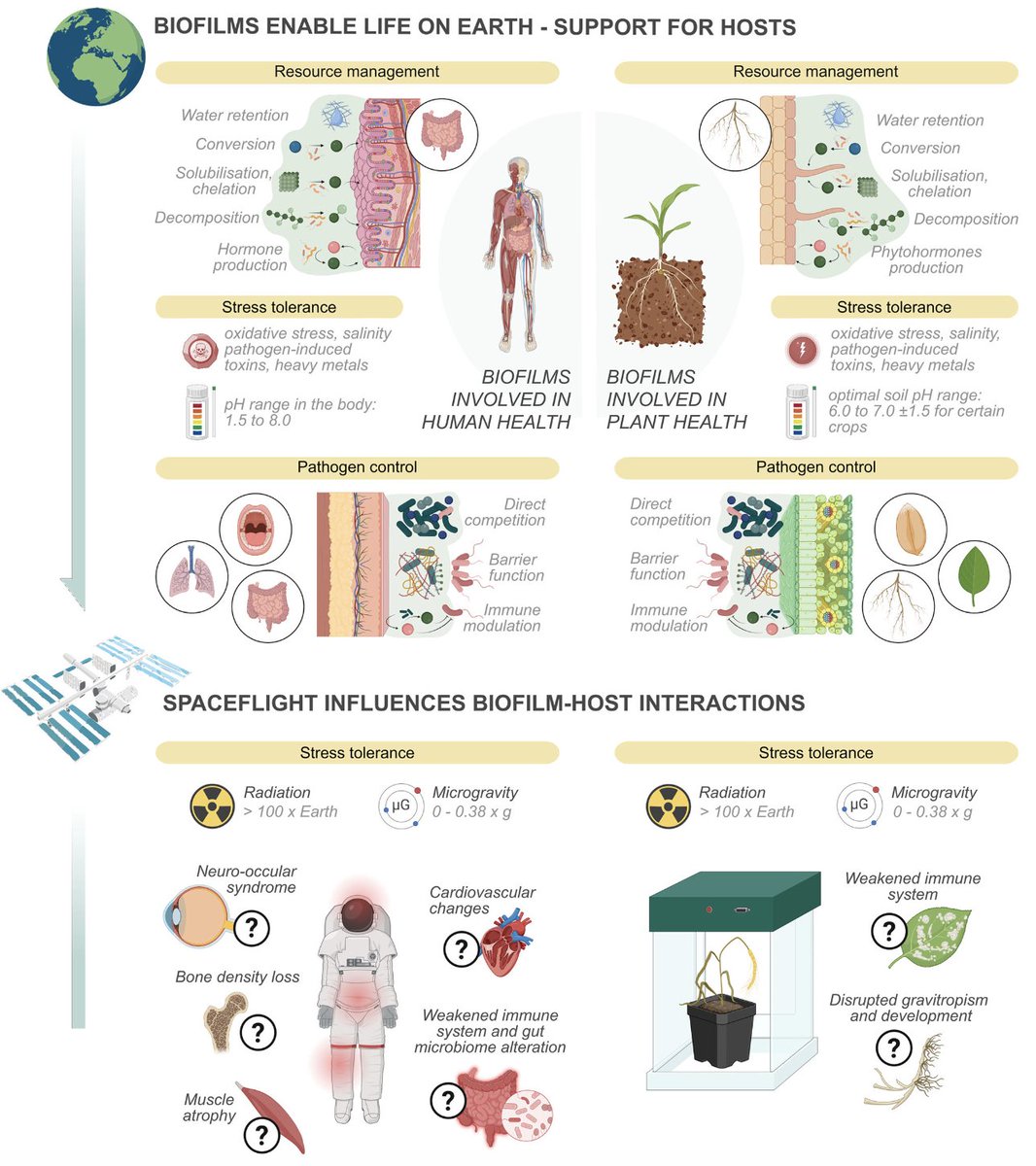
Our paper “Biofilms: from the cradle of life to life support” is published in @Nature_NPJ Biofilms&Microbiomes. A great example of how bioinformatics and microbiology come together to study biology. Glad to be part of such a strong multidisciplinary team. rdcu.be/e0esg
1
7
11
532
CFS-UCD retweeted

7 May 2025
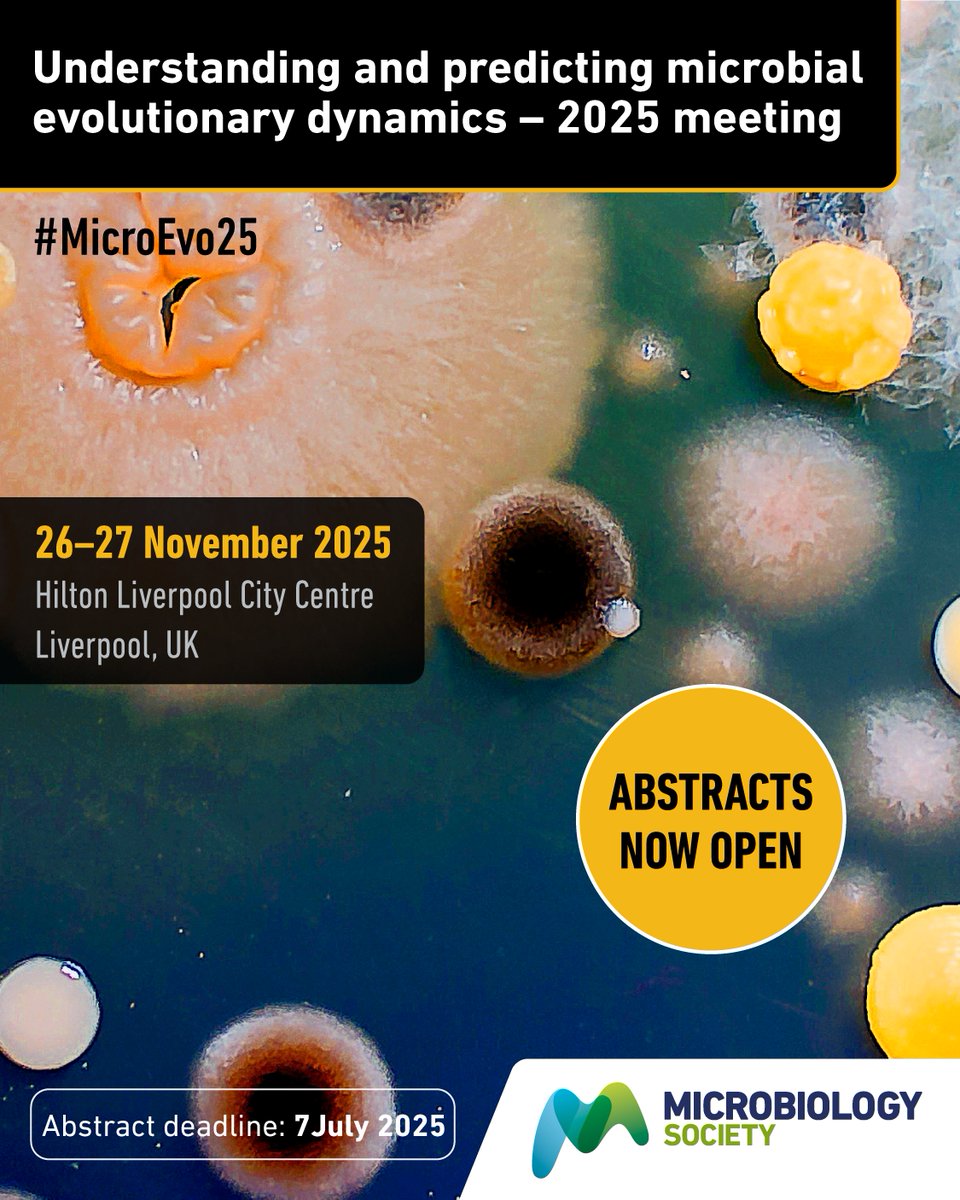
Abstract submission for Understanding and Predicting Microbial Evolutionary Dynamics 2025 is now open until 7 July 2025 at 23:59 BST. microb.io/MicroEvo25 #MicroEvo25
4
20
1,518
CFS-UCD retweeted

7 May 2025
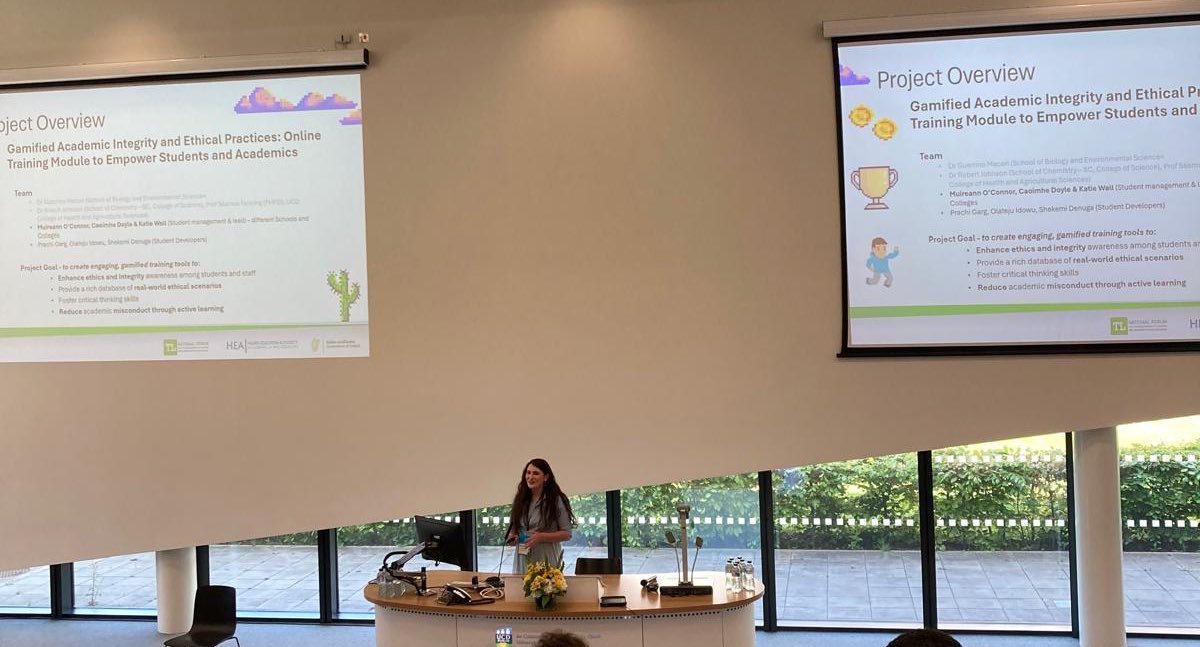
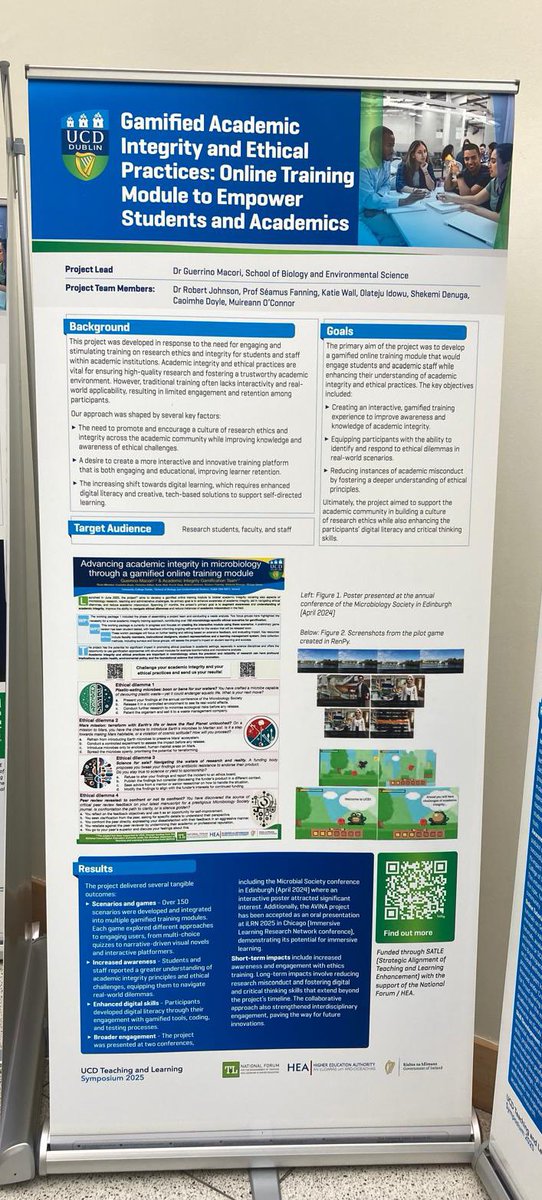
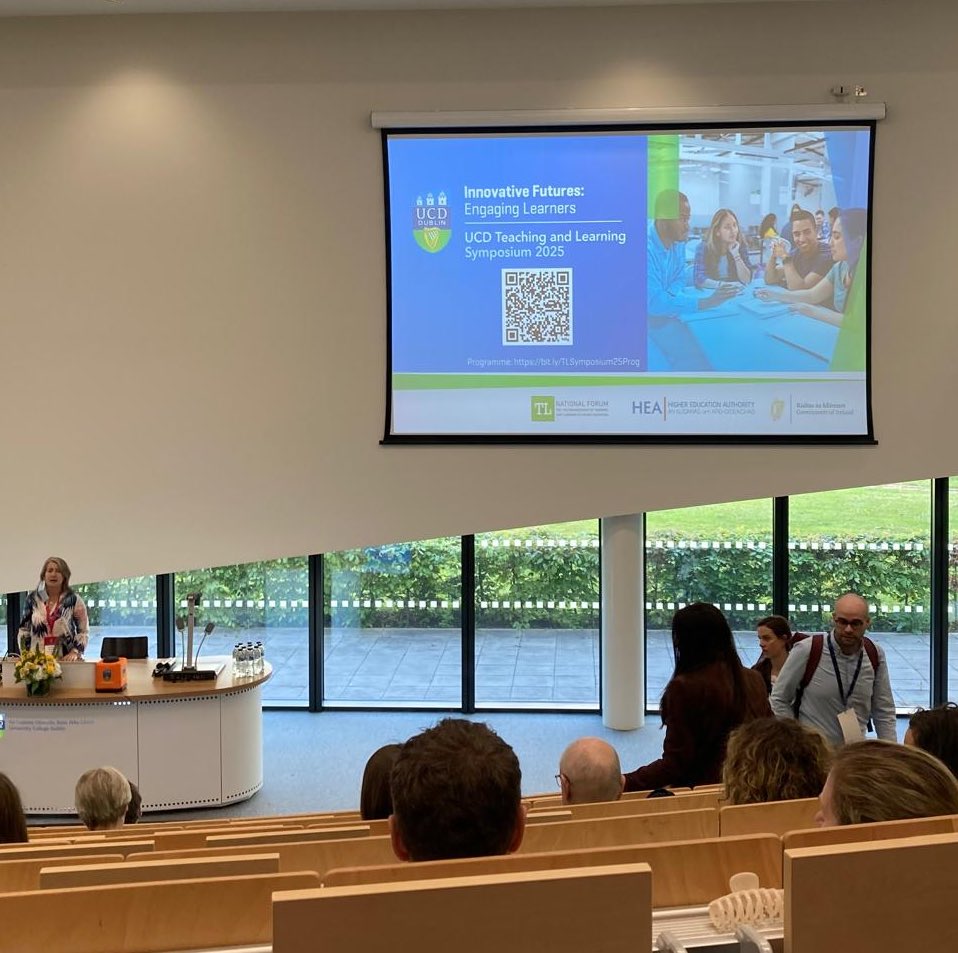
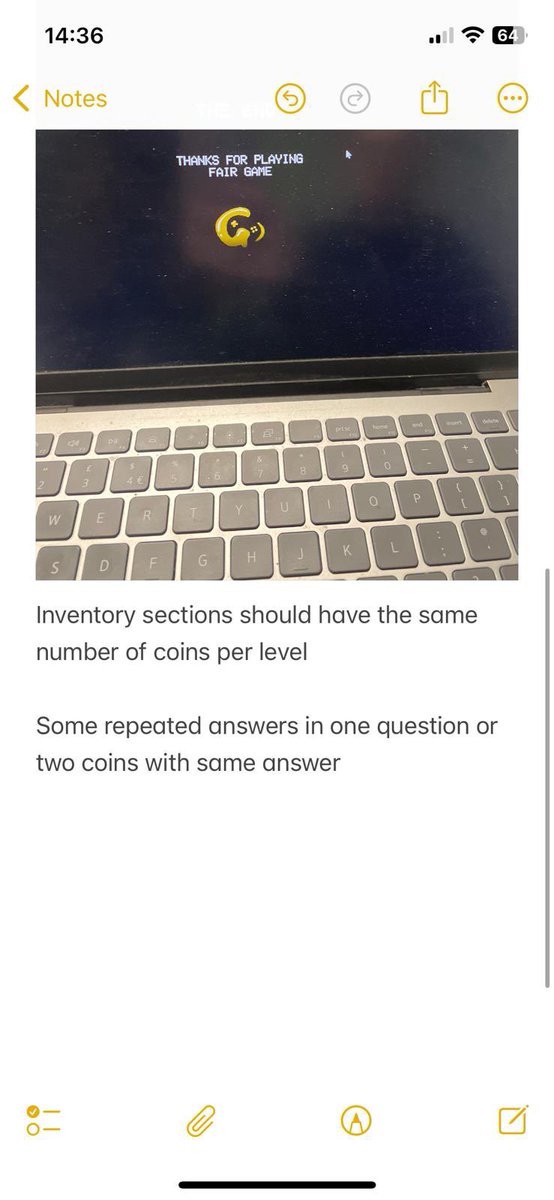
Fantastic outputs presented by Muireann O’Connor of our SATLE-funded project at the UCD Teaching & Learning Symposium 2025. We demonstrated how games and digital tools can empower students and staff to engage with academic integrity in creative ways. #SATLE #FairGame
1
2
11
368
CFS-UCD retweeted

2 Jul 2023
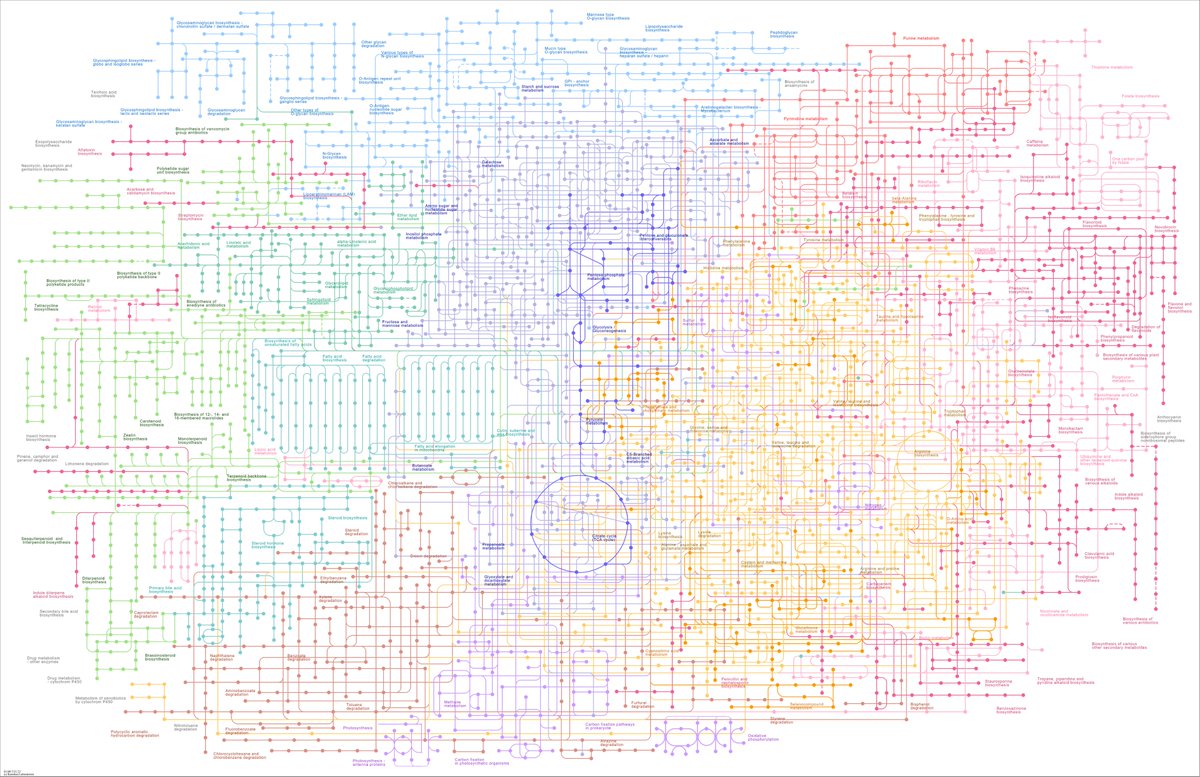
Wanna generate metabolic maps of sequenced microbes? Ever heard of the Japanese KEGG Pathways database? Here's how I use this free tool to explore the clockwork of my bug of interest. 🦠🛠🧵 1/6
15
189
1,051
195,687
CFS-UCD retweeted

9 Nov 2022
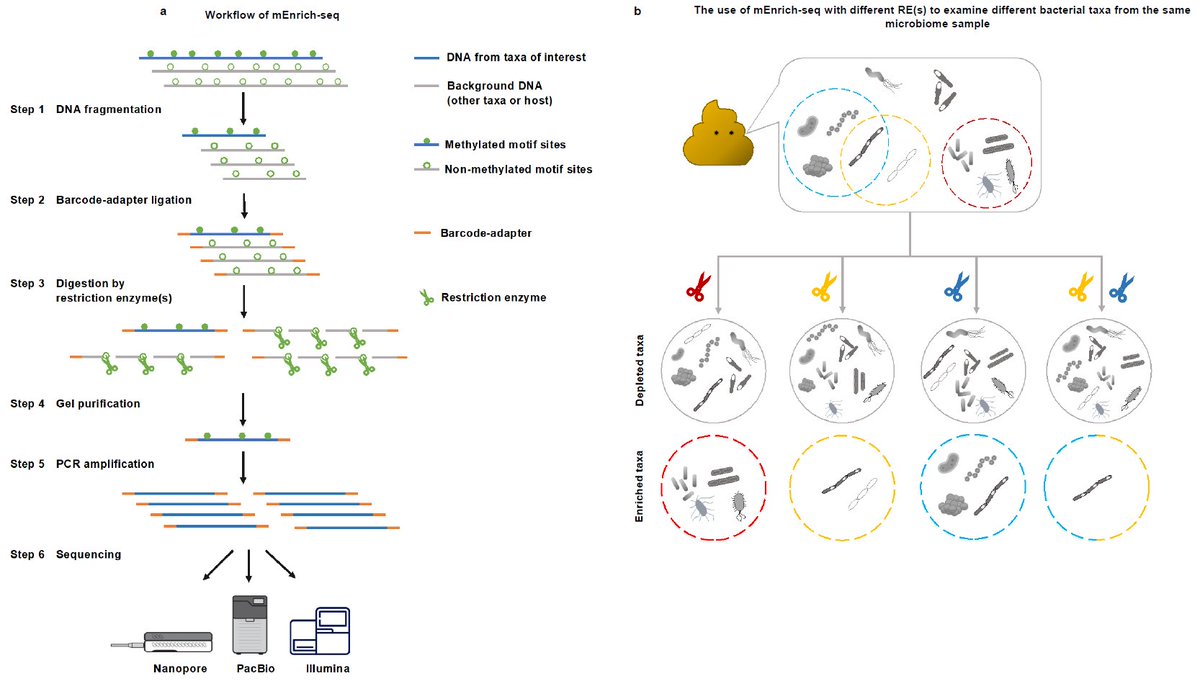
Have you ever wished to sequence SPECIFIC bacteria but NOT the vast background in #microbiome? Today, we introduce *mEnrich-seq*: #methylation-guided enrichment sequencing of bacterial taxa of interest from microbiome. 4yr project led by @clannabel7! biorxiv.org/content/10.1101/…🧵1/10
7
148
468
CFS-UCD retweeted

21 Dec 2024
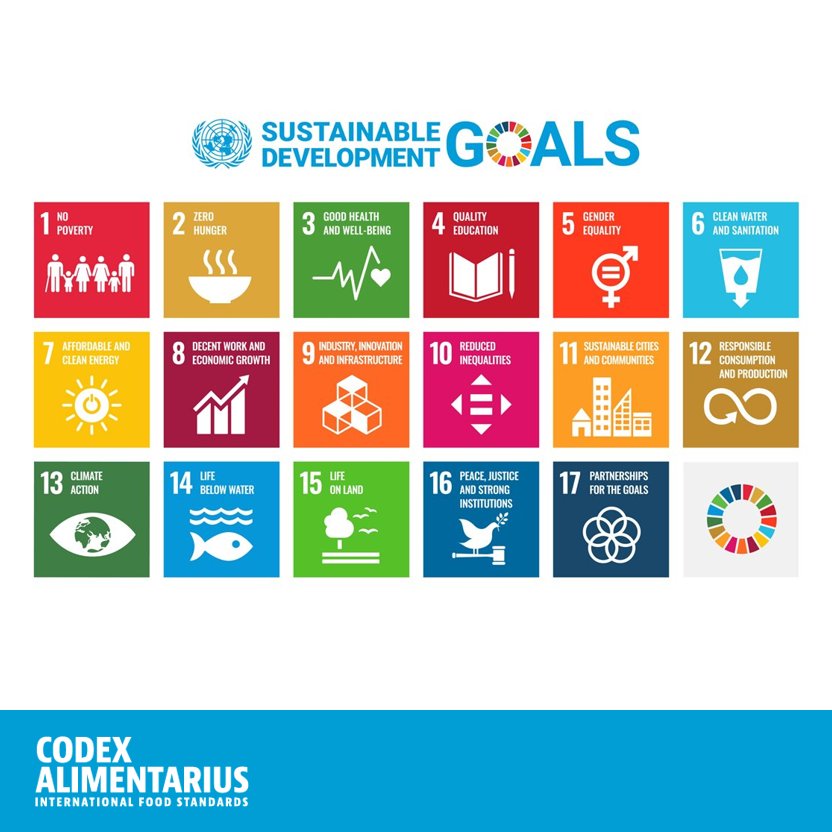
📝 | On September 25th 2015, countries adopted a set of goals to end poverty, protect the planet, and ensure prosperity for all.
👉How is Codex working to achieve these goals❓
➕ℹ️➡️ bit.ly/3J0Tlkm
#FoodSafety | #GlobalGoals
9
22
672
CFS-UCD retweeted

17 Dec 2024
Parents & Caregivers: Keep your children safe from foodborne illness this holiday season by avoiding these foods. #FoodSafeHoliday
7
7
5,000
CFS-UCD retweeted
27 Dec 2024
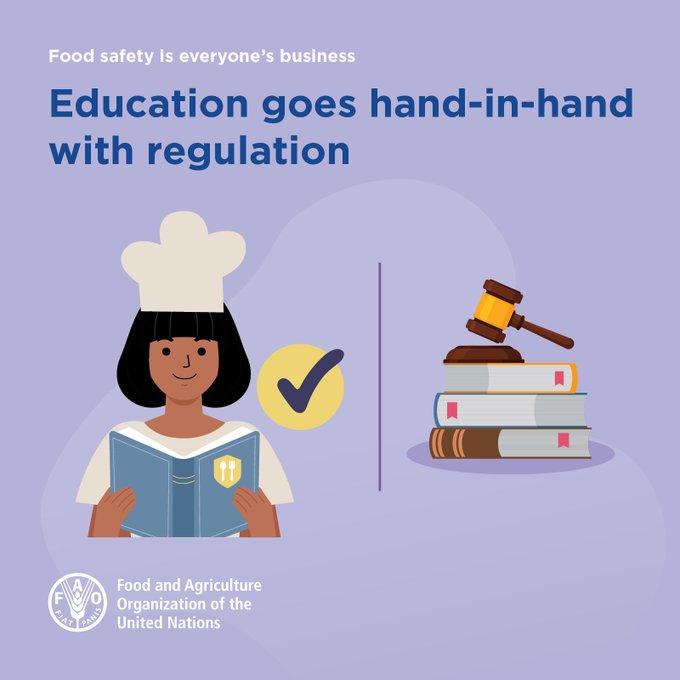
📣 | Food safety is everyone’s business❗️
#FoodSafety | #Codex
8
31
762
CFS-UCD retweeted
29 Dec 2024
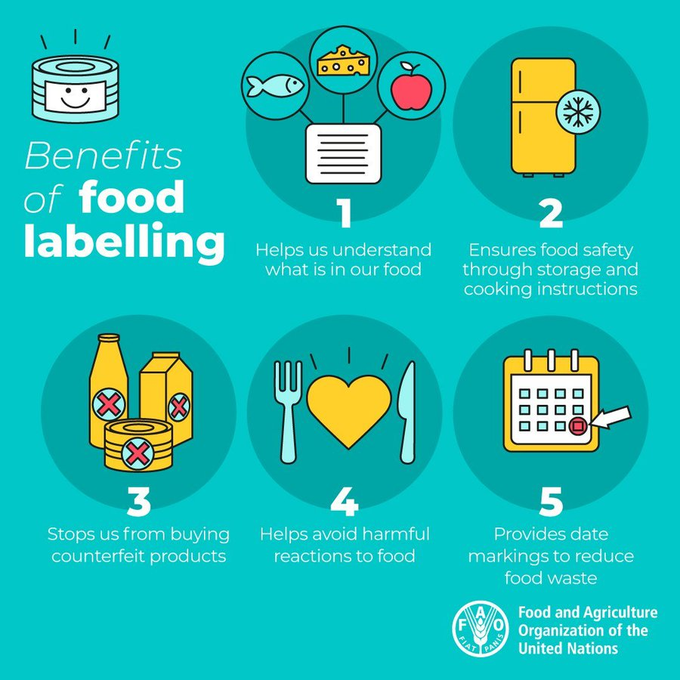
📋 | Food labels guarantee that the food is what we think it is, and that products are as nutritious as we think they are.
👉 They also ensure #FoodSafety though storage and cooking instructions.
🥫📋✅🍽️☺️
1
11
29
1,367
CFS-UCD retweeted

16 Dec 2024
#MicrobiologyMonday: Do probiotics spread antimicrobial resistance (AMR)? Streptomycin-resistant probiotics can transfer resistance to other bacteria when co-incubated on intestinal cells. The the fully story in @JournalSpectrum: journals.asm.org/doi/10.1128…
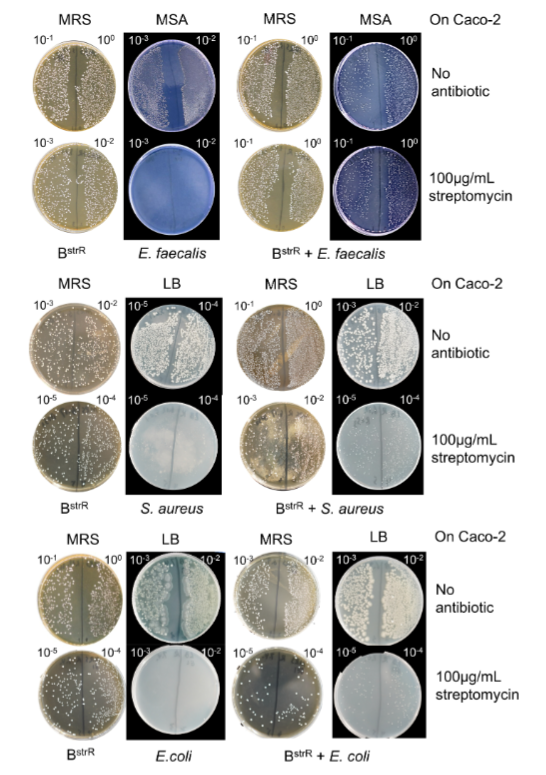
ALT Screening for transconjugants on selective media after co-incubation of recipient bacteria with streptomycin-adapted probiotics BstrR on Caco-2 cells.
1
52
135
10,813
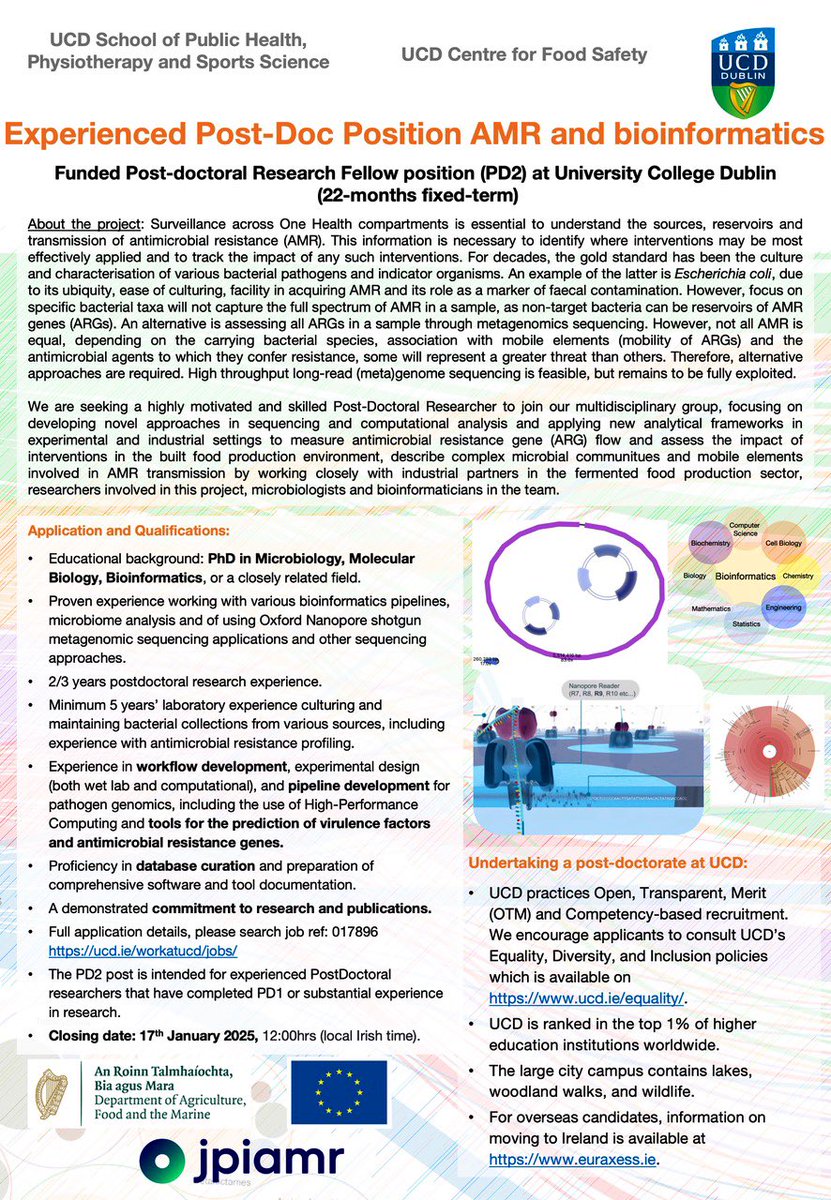
Vacancy Alert!! 🚨 Interested in #genomics, #bioinformatics and #AMR and working in an interdisciplinary team based at @ucddublin? We have a PostDoc position open now in our lab! Project in collaboration with @guerrinomacori at @UCDSBES. Please RT and share!
1
2
3
281
Full application details, please search job ref: 017896
ucd.ie/workatucd/jobs/
24
CFS-UCD retweeted
23 May 2024
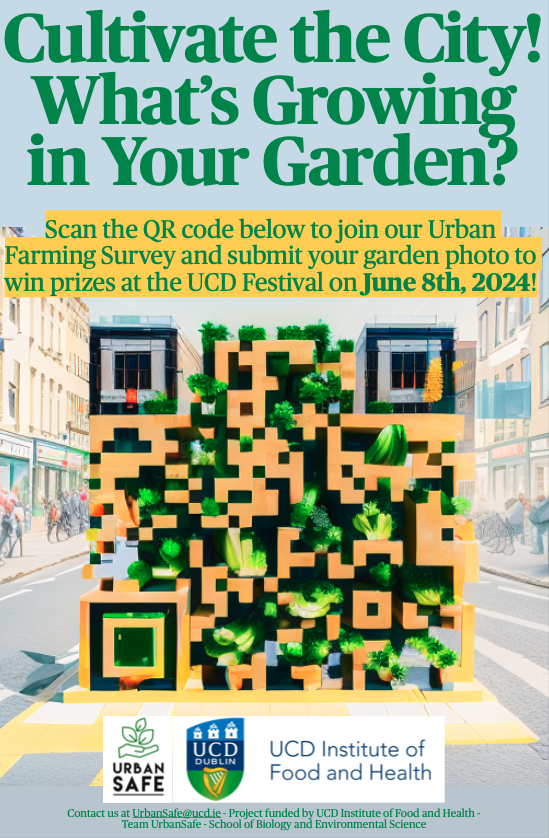
🌱How green does your garden grow? 🌿 Take our quick survey to share your urban farming experiences and insights. Plus, participate in our photo contest for a chance to win exciting prizes at the UCD Festival on June 8th! 🎉📸docs.google.com/forms/d/e/1F…
2
4
666
CFS-UCD retweeted

16 Jul 2024
If you are a microbiologist or have an interest in microbes, please spend 10 minutes of your time to share with us some information!
You have time until the end of August to fill this form: forms.gle/v3NBs7YtGbDJYfw66
Thank you!!
#microbialdiversity #taxonomy #ECCOmeeting2024
33
42
6,433
CFS-UCD retweeted
9 Sep 2024
It’s only 8 and the science building at @ucddublin is very busy on the first day of the academic year! Best of luck to all the students. Welcome also to the #BBNL MSc from Ireland and all over the world. Excited to see what you’ll achieve! 🌍📚@UCDSBES
2
3
12
473
CFS-UCD retweeted
18 Sep 2024
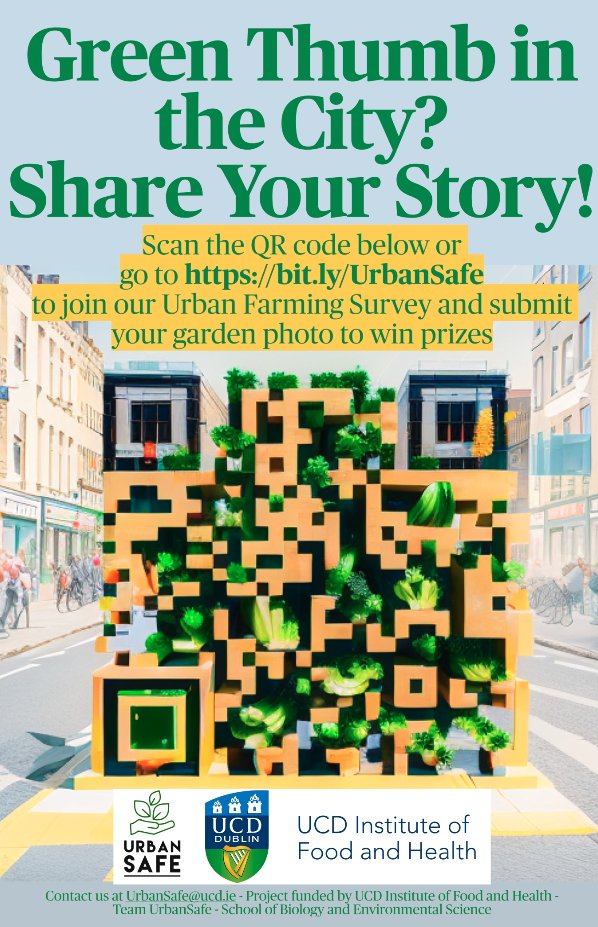
🌱 What do you know about Urban Farming? 🌱
Take our quick survey and share your thoughts on urban farming! 🏙️🌿
Your input could help shape the future of sustainable urban living and participate to our photo competition to win a prize! bit.ly/UrbanSafe
4
3
381
CFS-UCD retweeted

18 Sep 2024
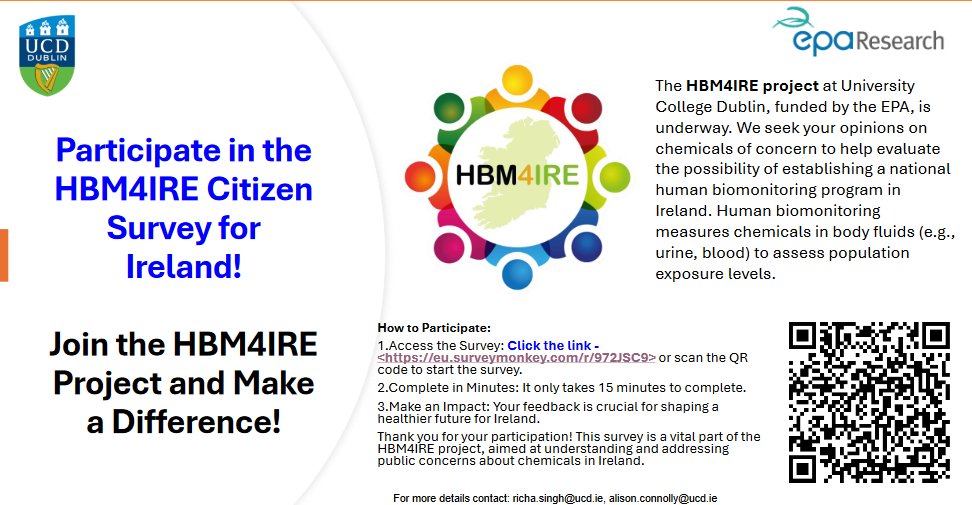
Are you living in Ireland? Interested in chemical exposures?
Our chemical awareness survey takes approx. 10 minutes to complete, and it helps us prioritise chemicals of concern for assessment.
Closing next week, the 25th Sep!
#survey #chemicals #Ireland
#exposurescience
2
11
12
1,401
CFS-UCD retweeted
26 Sep 2024
#WorldEnvironmentalHealthDay2024 🌎 "Healthy Environments for a Healthy Future." ☘ 🍀 Our research @CshwSafety is working towards understanding chemical exposures and striving to reduce chemical pollution.
#WorldEnvironmentDay
Find out more: ucd.ie/phpss/research/instit…
4
7
151