
from DeFi power users to crypto newcomers.With Card Wallet, you don’t just store crypto — you secure your future.
Joined May 2025
- Tweets 261
- Following 96
- Followers 457
- Likes 158
62 Photos and videos




Pinned Tweet

Jan 21
🚨 Global Announcement
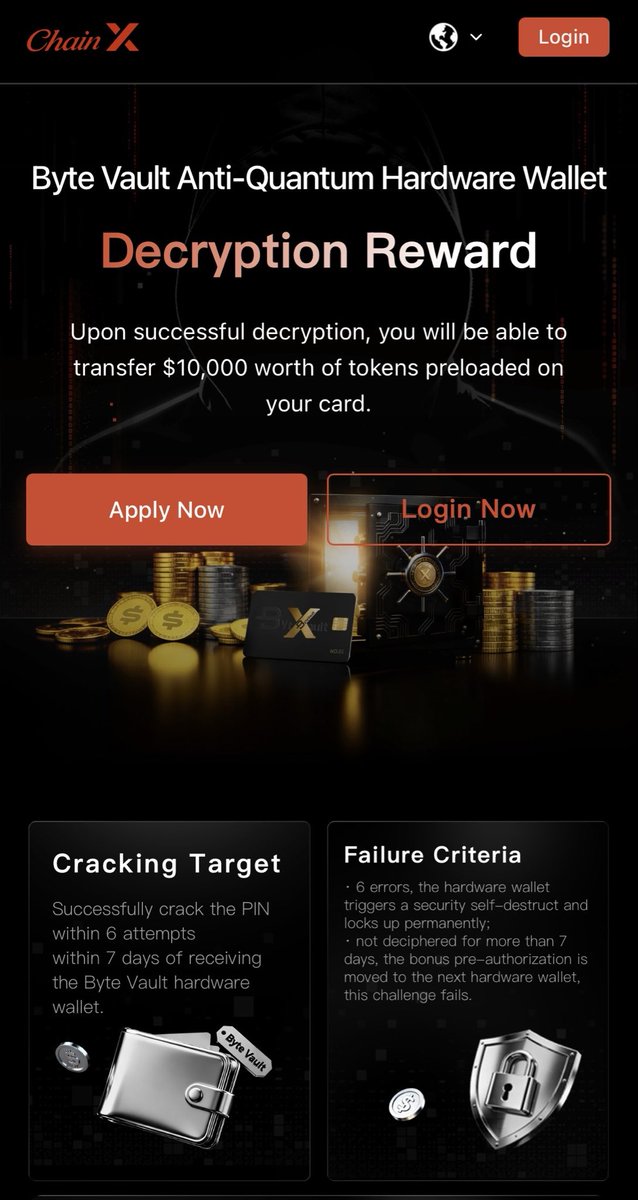
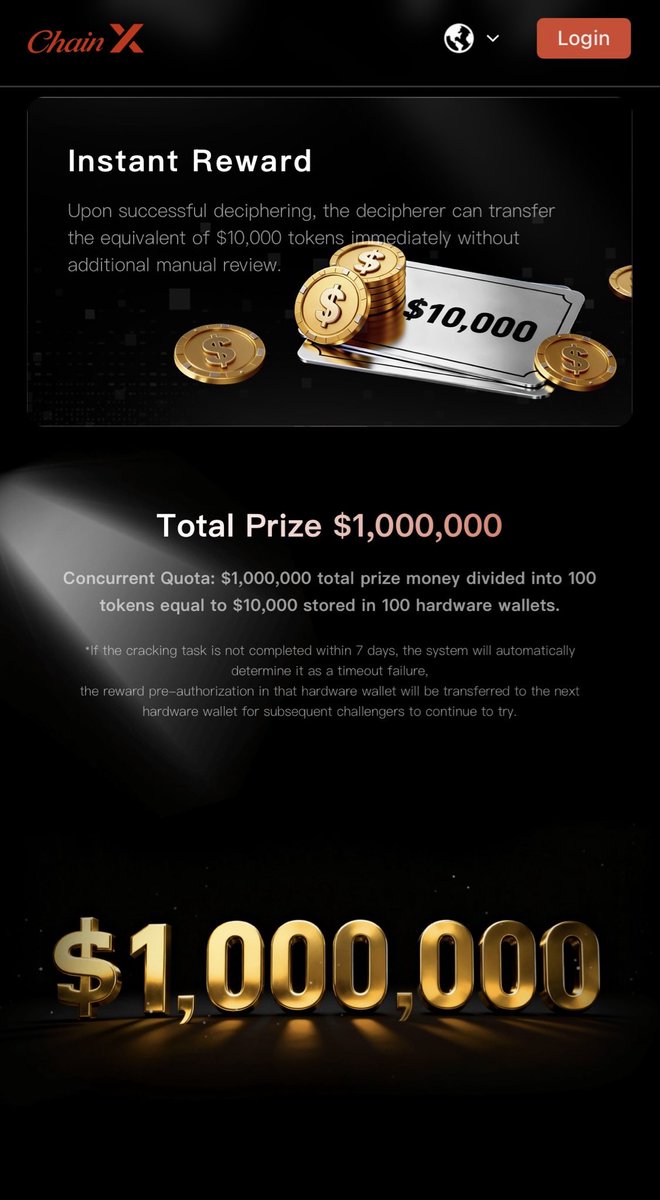
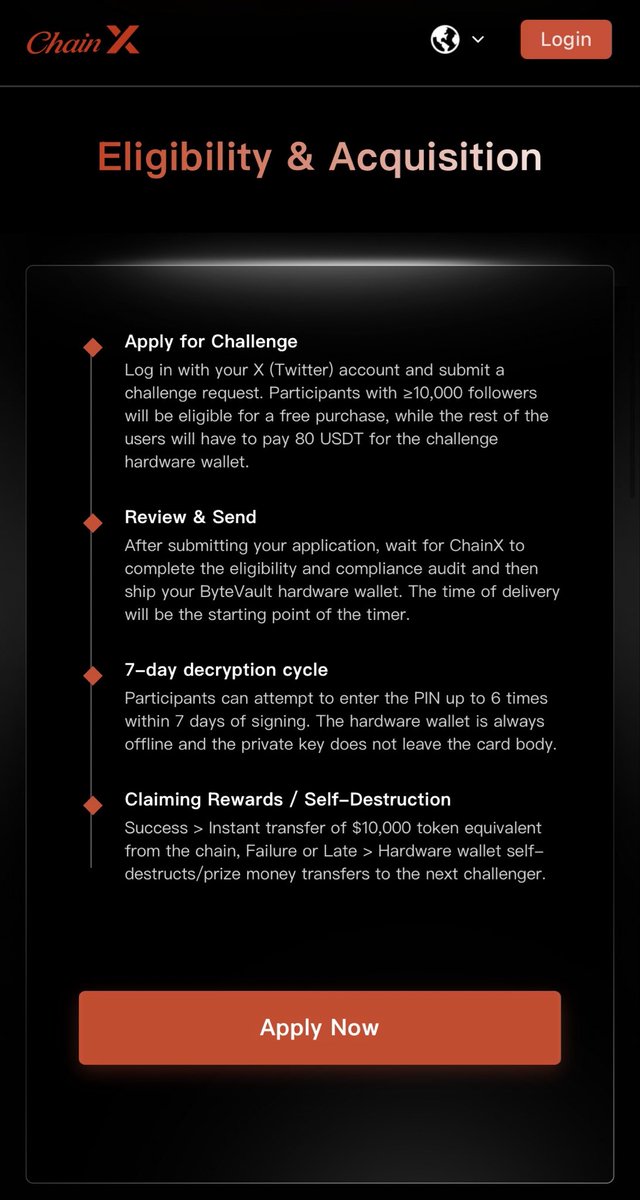
ChainX Officially Launches Post-Quantum Hardware Wallet Cracking Initiative
We extend an open invitation to the global security community to participate in cracking the ByteVault hardware wallet.
💰 Total Prize Pool: $1,000,000
🔐 Decryption Target: ByteVault Hardware Wallet
🌍 Open to All – Results Speak for Themselves
True security must withstand real-world attacks.
🌐 Official Challenge Portal:
👉 chainxglobal.ltd/
📄 Challenge rules, technical specifications, and submission methods are fully disclosed on our official website.
14
11
524

Still worried about your chat privacy?
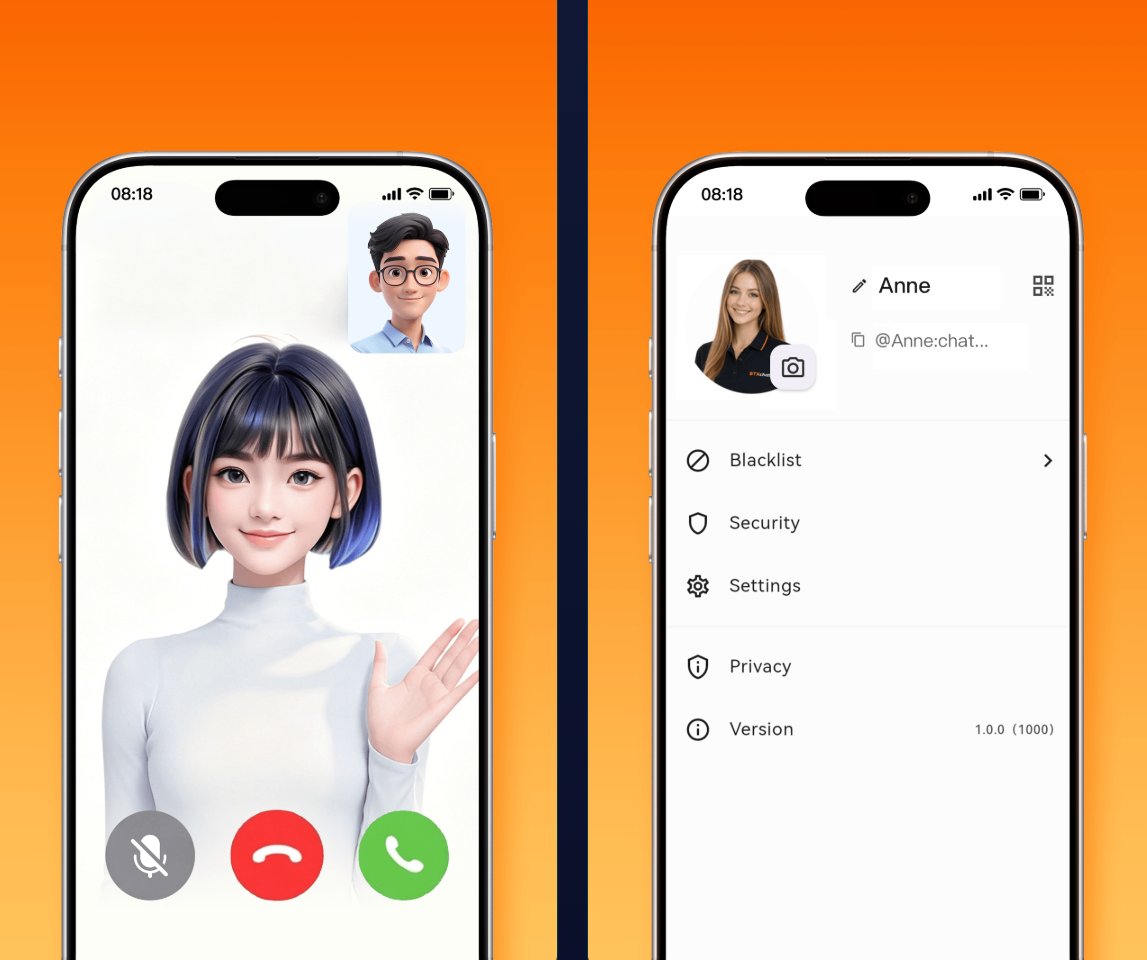
🔐 BTXchat — PQC-secured messaging app
Making socializing freer and communication safer.
Security shouldn’t be a trade-off.
#BTXchat #SecureSocial #EncryptedChat #PrivacyFirst
1
1
30
Everyone is building AI.
But only a few are building AI Crypto communities correctly.
BTXChat is creating a new way to connect, trade ideas, and grow together in Web3.
📈 Alpha talks
🤖 AI-powered interaction
🌐 Borderless crypto community
This is just the beginning
1
40
May 15
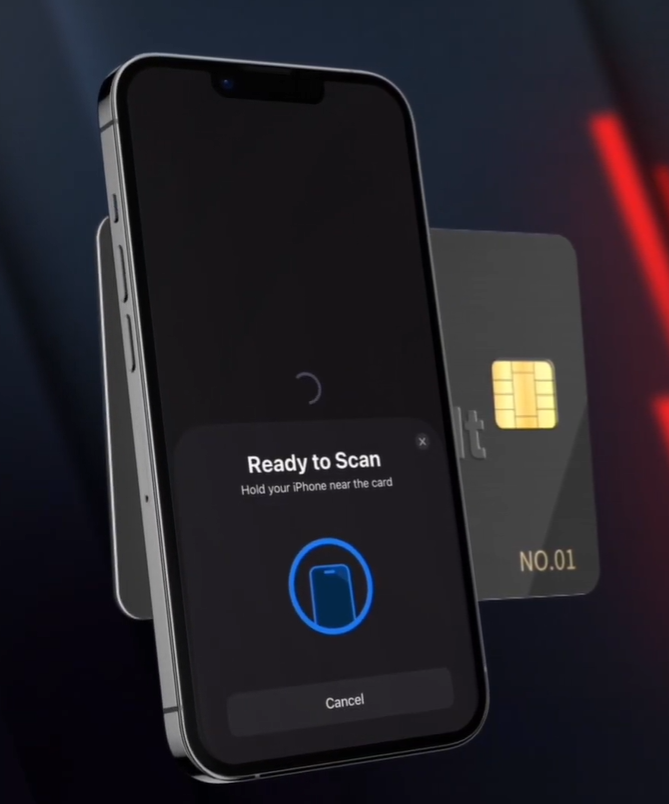
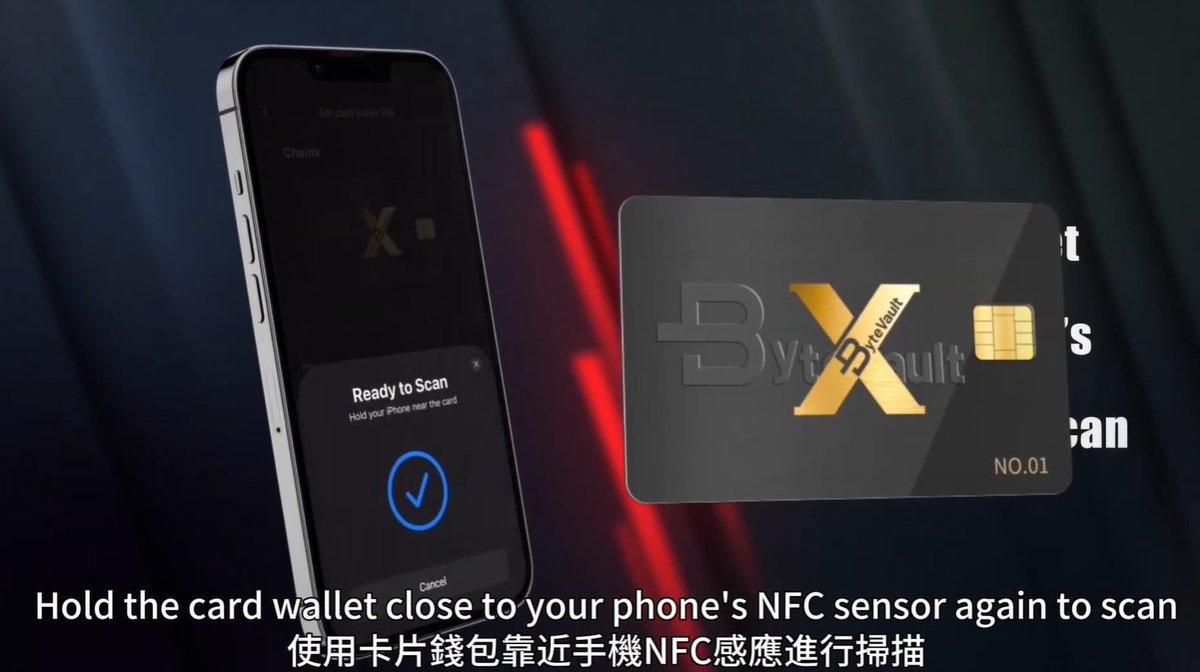
The ByteVault post-quantum hardware wallet implements Post-Quantum Cryptography (PQC) algorithm standards and combines NFC post-quantum communication with an on-chip signing architecture, thereby truly embedding post-quantum security into the transaction chain of the hardware wallet.

Post-quantum cryptography is becoming an increasingly important area of research across the industry.
Our latest report explores what a post-quantum migration path for BSC could look like, including:
• ML-DSA-44 transaction signatures
• pqSTARK aggregation
• Throughput and block propagation trade-offs
One important takeaway:
The biggest challenge wasn’t consensus. It was the increase in transaction and block sizes once quantum-resistant signatures were introduced.
Full report 👇
bnbchain.org/en/blog/bsc-pos…
58
May 9
Future competition will not merely be about features, but about who can be the first to establish a truly usable quantum-secure infrastructure.
May 8

LATEST: ⚡ Zcash plans to roll out quantum-recoverable wallets within a month and reach full post-quantum status within 12 to 18 months, says Zcash Open Development Lab CEO Josh Swihart.
1
95
May 9
As the development of quantum computing continues to accelerate, an increasing number of mainstream projects are beginning to address the issue of “post-quantum security.” Now, Zcash has officially proposed a quantum-recoverable wallet and a comprehensive post-quantum upgrade roadmap, signaling that the industry is moving from the “discussion phase” to the “actual deployment phase.”
The U.S. technology company ChainX Global Technology LTD has taken the lead in R&D: its ByteVault post-quantum hardware wallet has implemented Post-Quantum Cryptography (PQC) algorithm standards and, by combining NFC post-quantum communication with an on-chip signing architecture, has truly embedded post-quantum security into the transaction chain of hardware wallets.
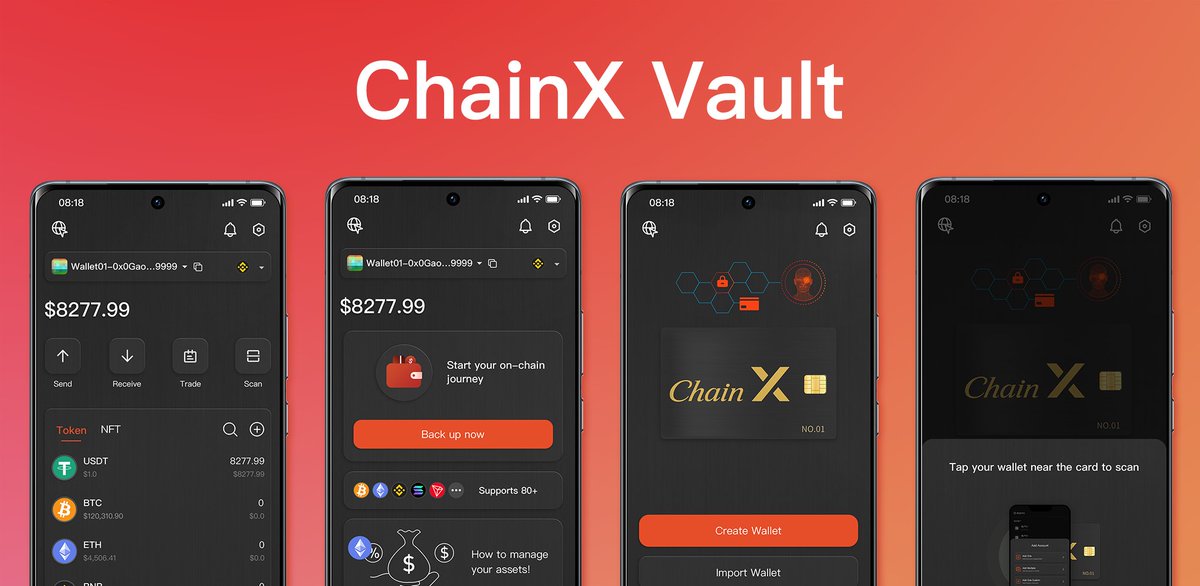
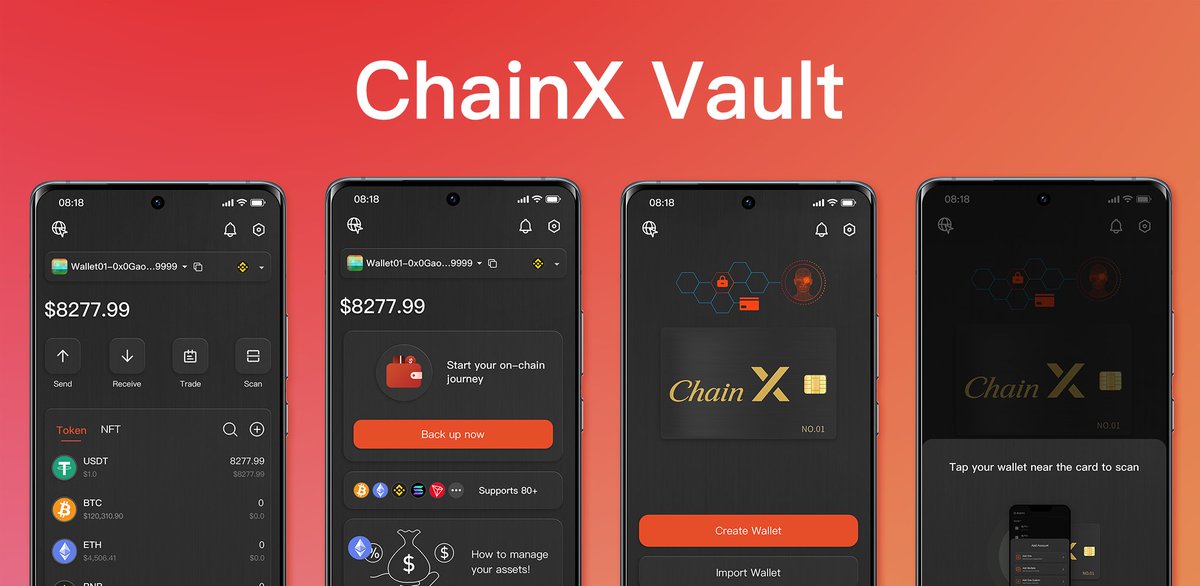
Meanwhile, ChainX Vault, as the application layer, synergizes with the ByteVault hardware system based on user scenarios, further establishing a closed-loop post-quantum security ecosystem spanning asset storage, transaction signing, and on-chain interactions.
Unlike traditional solutions that “only support upgrades” or remain at the theoretical level, ByteVault has chosen to directly integrate PQC mechanisms into the hardware wallet signing process:
• Enables secure interaction between the device and the application through an NFC communication architecture
• Ensures private keys remain isolated within a secure hardware environment via on-chip signing
• Applies Post-Quantum Cryptography (PQC) directly to the actual transaction signing process
Future competition will not merely be about features, but about who can be the first to establish a truly usable quantum-secure infrastructure.
1
55
Apr 27
While the industry is still in the research and roadmap planning stage, ByteVault has already completed the practical integration of post-quantum cryptography (PQC) algorithms and implemented a quantum-resistant signature system at the product level, building a future-oriented security architecture.
Apr 24

Project Eleven Awards 1 BTC Q-Day Prize for Largest Quantum Attack on Elliptic Curve Cryptography to Date
Researcher breaks 15-bit ECC key on publicly accessible quantum hardware in a 512x jump from the previous public demonstration.
Project Eleven today awarded the Q-Day Prize, a one Bitcoin bounty, to Giancarlo Lelli for breaking a 15-bit elliptic curve key on a publicly accessible quantum computer. The result is the largest public demonstration to date of the attack class that threatens Bitcoin, Ethereum, and over $2.5 trillion in ECC-secured digital assets.
"The resource requirements for this type of attack keep dropping, and the barrier to running it in practice is dropping with them," said @apruden08, CEO of Project Eleven. "The winning submission came from an independent researcher working on cloud-accessible hardware. No national lab, no private chip. It shows that tangible progress is possible and highlights the urgency to migrate to post-quantum cryptography sooner rather than later. Google just committed to being quantum-secure by 2029. The window to get ahead of this is closing.”
Lelli derived a private key from its public key across a search space of 32,767 using a variant of Shor’s algorithm. Shor's targets the Elliptic Curve Discrete Logarithm Problem (ECDLP), the math underlying the digital signature schemes securing Bitcoin, Ethereum, and most blockchains.
Quantum attacks on ECC have moved from theory to practice over the last seven months. Steve Tippeconnic's 6-bit demonstration in September 2025 was the first public break on quantum hardware. Lelli's 15-bit result extends it by a factor of 512.
Theoretical resource estimates for a full 256-bit attack, the scale Bitcoin operates at, have fallen sharply over the same period. Google's April 2026 whitepaper put the requirement at under 500,000 physical qubits. A subsequent paper from Caltech and Oratomic brought that figure as low as 10,000 qubits in a neutral-atom architecture.
Lelli's result is the practical counterpart to those optimizations. The distance from 15 bits to 256 bits is large, but the gap is increasingly viewed as an engineering problem and not a fundamental physics problem.
Roughly 6.9 million Bitcoin sit in wallets whose public keys are visible on-chain, exposing them to quantum attack. All blockchains using ECC share similar risks with vulnerable assets.
Project Eleven is developing its next challenge, focused on the intersection of frontier AI models and quantum cryptanalysis.
Community note
The method used to recover the 15-bit ECC key relies on classical verification of outputs indistinguishable from random noise, equivalent to classical guessing. While quantum threats to cryptography are advancing, this does not demonstrate effective quantum key-breaking.
github.com/GiancarloLelli…
github.com/GiancarloLelli…
1
109
Apr 24
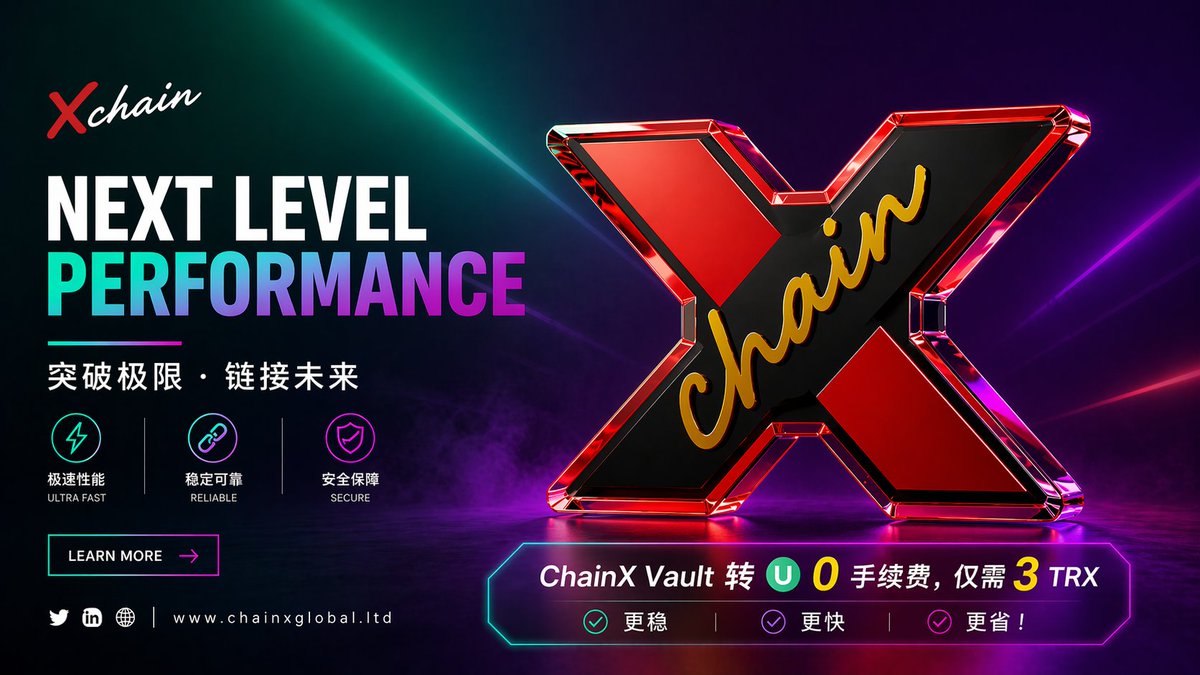
ChainX Vault:转U 0手续费,仅需3 TRX
简介:专为高频转账与资产流转打造,ChainX Vault 提供稳定高效的链上服务体验。低至3 TRX成本,实现0手续费转U,兼顾速度与安全,让每一笔交易都更省、更快、更可靠。
官网:chainxglobal.ltd
1
1
3
111
Apr 9
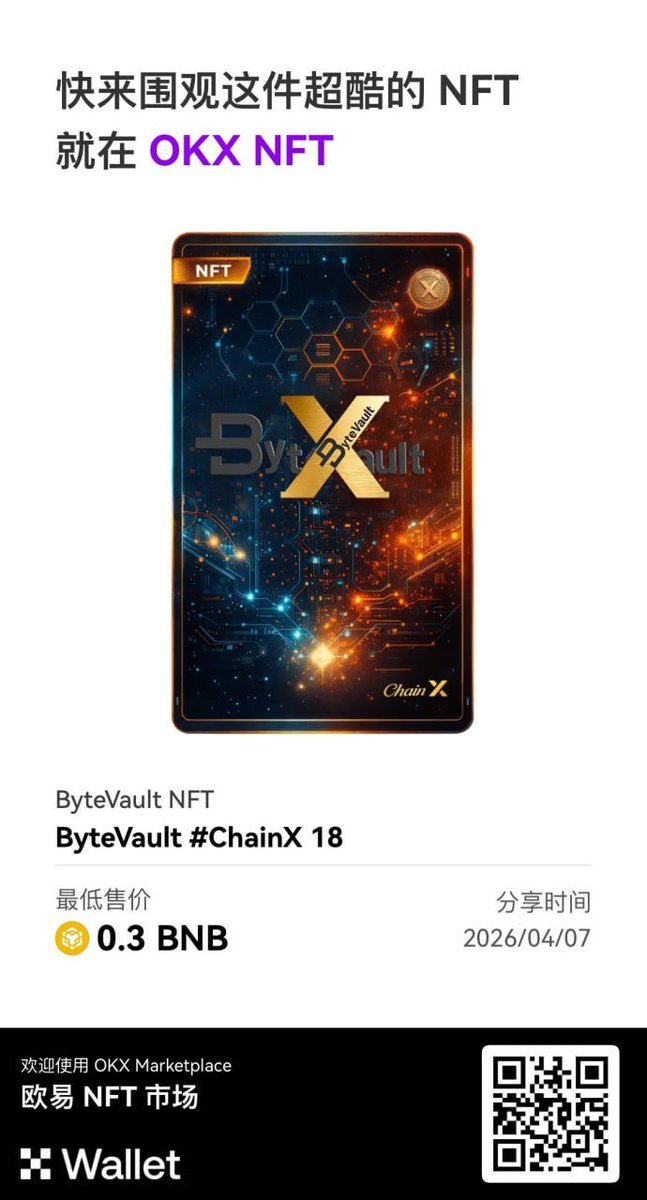
ByteVault NFT: A Rare and Exclusive Item with Perpetual Income and Continuously Rising Value – Don't Miss This Collectible Opportunity!
The ByteVault NFT market is rapidly heating up! Currently, only 2,000 ByteVault NFTs have been issued, each possessing unique digital value and scarcity. With increasing market attention, the value of ByteVault NFTs has shown significant growth.
ByteVault NFTs not only represent the fusion of technology and art but also possess extremely high collectible value. As a significant representative of blockchain technology and the post-quantum security field, they are not merely investment tools but also symbols of future value in the digital asset space. Holding a ByteVault NFT is not just owning a digital work of art but also participating in the forefront of the future digital economy.
Now is the best time to join ByteVault NFT! Seize this opportunity to become one of the few who own this rare digital asset and enjoy its perpetual X-RWA income and value growth!
web3.okx.com/zh-hans/nft/col…
1
1
82
Apr 6
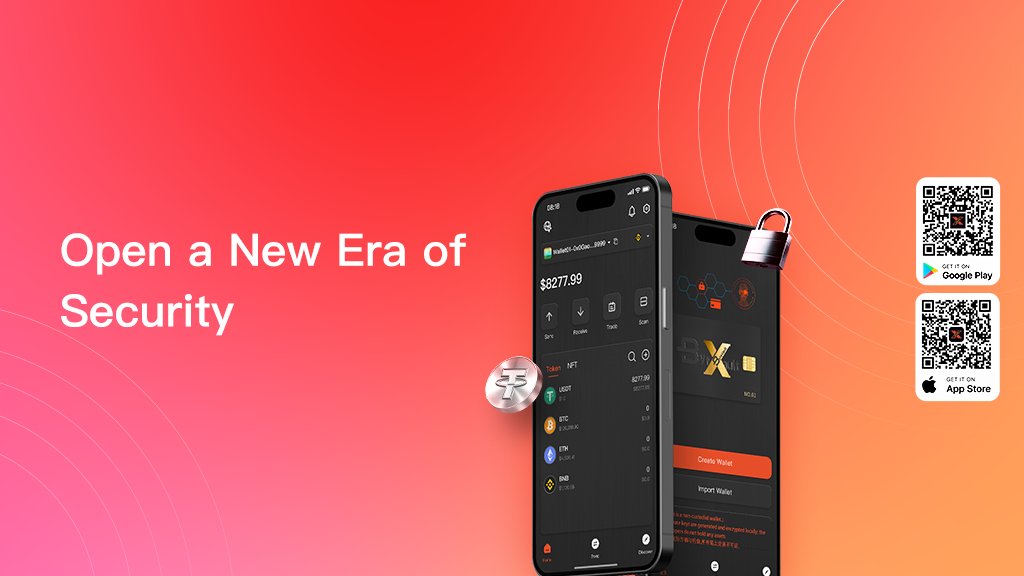
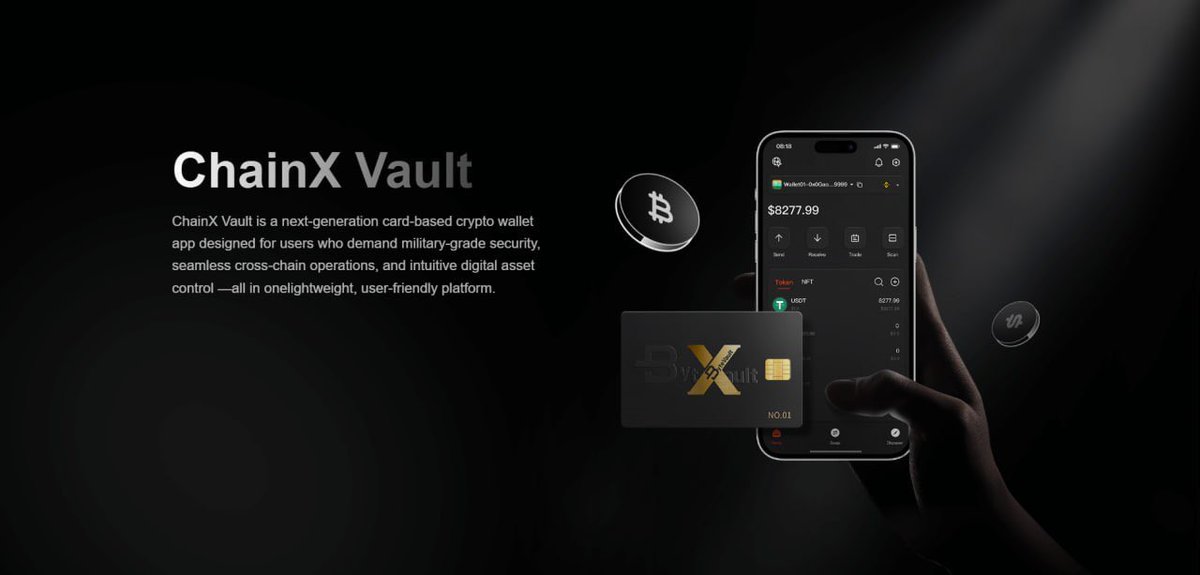
📢 ChainX Vault Wallet is updated!
The official Android APK has been updated to version 1.0.96-96.
🍎 The iOS version has been submitted for review and will be released soon.
🔄 Update Content
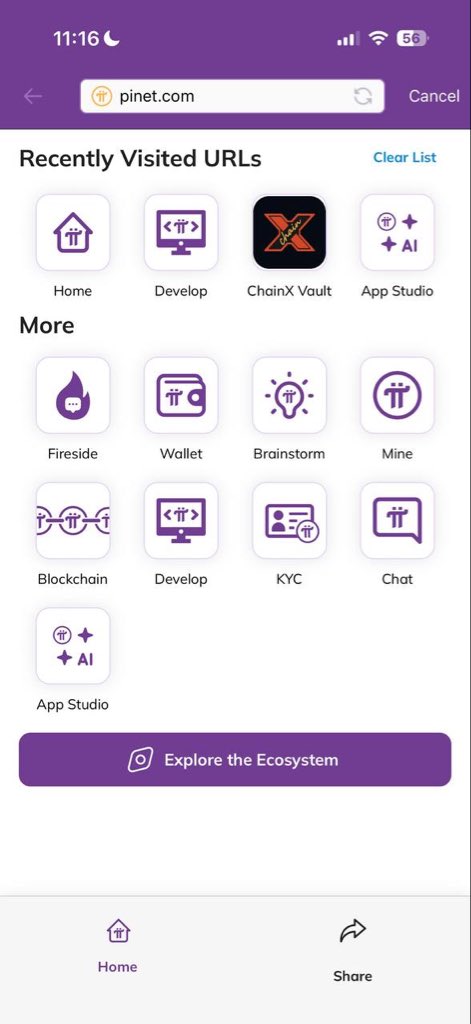
Integration with the PI Network Ecosystem
PI Network asset display and management are now supported.
⚠️ PI Network User Guide:
• New Wallet: Directly supports the PI Network.
• Existing Wallet Users: You need to create a new wallet or re-import your wallet using your mnemonic phrase/private key before the PI Network will be displayed.
• Wallets imported with mnemonic phrase: Click the 🌐 network icon (globe symbol) in the upper right corner → switch to PI Network to view your PI assets.
• Wallets imported with private key: PI assets will be displayed directly after import; no switching is required.
📥 Android users can download and install the latest version from the official website.
🍎 iOS users, please wait patiently for approval.
Wallet functionality is continuously being optimized; the experience will continue to improve. 🚀
1
1
2
176
Apr 3
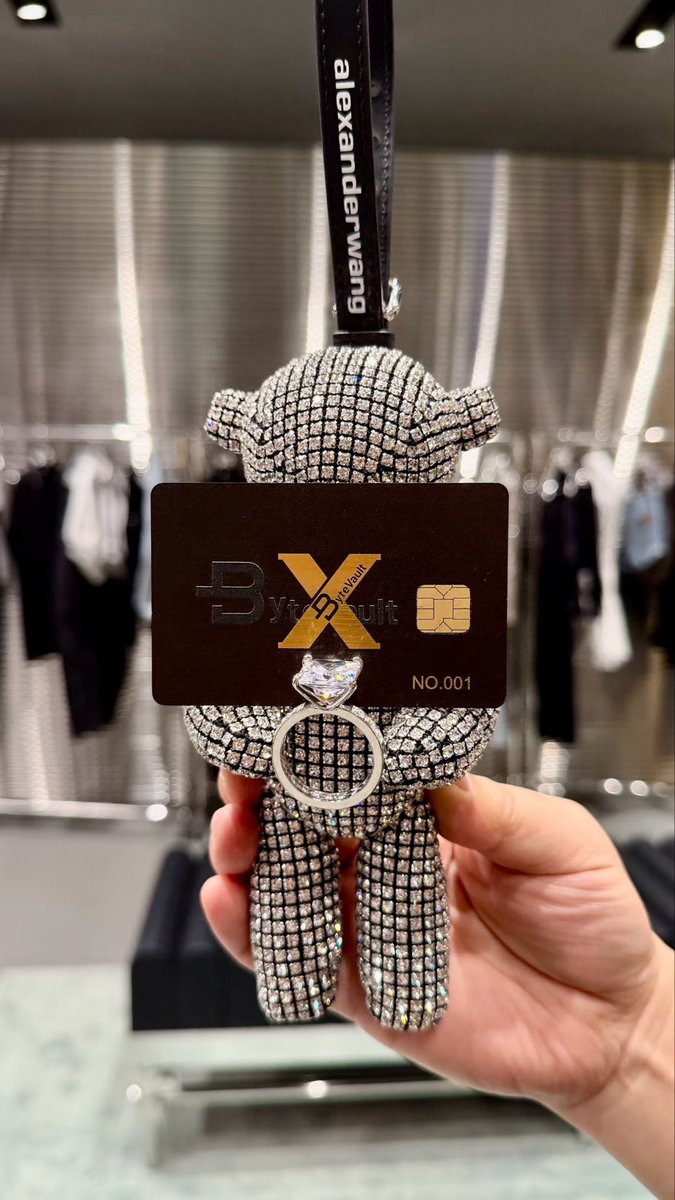
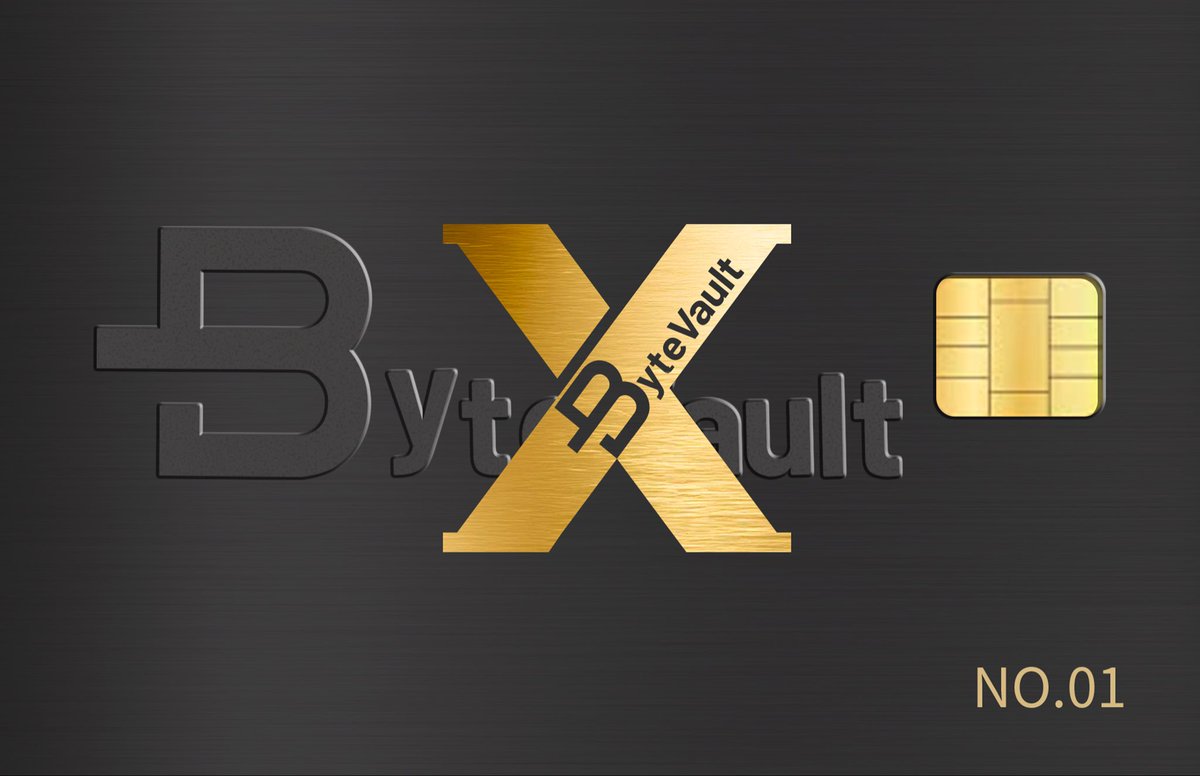
The ByteVault post-quantum hardware wallet has officially launched and is now integrated with ChainX Vault.
Embracing the “post-quantum era” early on is the true path to long-term success.
Apr 2

Didn't know phishing attacks are possible with a hardware wallet. Stay SAFU!
2
2
90

据悉,美国@ChainXGlobal 旗下 ByteVault 后量子硬件钱包 已正式上线,向全球开放销售 🌍
同时已全面接入 ChainX Vault 生态,打造新一代「量子级安全资产管理方案」🔐
未来抗量子攻击的钱包,现在就能用
💰 5U × 10 ,评论区送给大家,留地址
⸻
📎 详情链接:
m.odaily.news/zh-CN/newsflas…
187
97
138
7,342
Apr 2
The ByteVault post-quantum hardware wallet has officially launched and is now integrated with ChainX Vault.@cz_binance
Embracing the “post-quantum era” early on is the true path to long-term success.#ByteVault #ChainXVault
cryptorank.io/news/feed/b7cf…

4
6
231
Apr 1
[Quantum Computing on the Horizon: Is the Crypto World Entering the “Post-Quantum Security Era”?]
Recently, the impact of quantum computing on the security of crypto assets has once again become a focal point in the industry.
Research from Google Quantum AI indicates that, under specific conditions, future quantum computers could potentially derive a Bitcoin private key in approximately 9 minutes using an optimized version of Shor’s Algorithm—a timeframe that is approaching Bitcoin’s average block generation time.
This means that an issue once considered “a long-term concern” is gradually becoming a reality in current discussions.
Industry Consensus: Upgrades Are Possible, but Challenges Are Real
Changpeng Zhao believes that the crypto ecosystem can address these challenges by upgrading to “post-quantum cryptography,” so there is no need for panic.
However, the reality is:
Upgrading decentralized networks is extremely difficult
The technical path may trigger forks
Existing assets and dormant addresses are difficult to upgrade simultaneously
Uncertainties persist during the initial phase of new algorithms
👉 The direction is clear, but the window of opportunity is narrowing.
From “Discussion” to “Implementation”: Security Systems Are Being Proactively Enhanced
Against this backdrop, ChainX Global offers a more engineering-oriented perspective:
Cryptographic security cannot wait until risks materialize to be upgraded; instead, the “post-quantum environment” must be considered at the underlying architectural stage.
This has also driven some products to adopt more long-term security designs.
ByteVault: The Technical Architecture Behind Quantum Resistance
Unlike traditional hardware wallets that emphasize only “private key isolation,” ByteVault incorporates a more comprehensive security framework into its design. Its “quantum resistance” is not merely a concept but is built upon a concrete technical architecture:
1️⃣ Quantum-Secure Foundational Capabilities
Chip-level secure operating system (COS)
Supports the integration of quantum cryptography algorithms and blockchain-related algorithms
Provides foundational support for decentralized identity authentication and asset security
👉 This means: It possesses the foundational capabilities to evolve toward a post-quantum cryptographic system
2️⃣ Hardware-Level Encryption System
Based on the ARM 32-bit secure CPU architecture
Integrated hardware encryption processor
Supports multiple algorithm families:
Symmetric Algorithms: TDES, AES, SM1, SM4
Asymmetric Algorithms: RSA, SM2, ECC
Hash Algorithms: SHA-1 / SHA-256 / SM3
Also equipped with:
High-Performance True Random Number Generator (TRNG)
Multi-Sensor Protection (Voltage / Frequency / Temperature / Light Detection)
👉 Ensures high security and unpredictability in key generation and computation processes
3️⃣ High-level security protection mechanisms
Utilizes EAL6 certified security chips
Supports offline cold storage and multi-signature mechanisms
Built-in:
Storage encryption
Address scrambling
Data integrity verification mechanisms
And features physical attack protection capabilities:
Resistant to SPA / DPA / DEMA / DFA attacks
Storage Level:
EEPROM supports over 500,000 erase/write cycles
Data can be retained for up to approximately 25 years (under specific conditions)
Private keys never touch the internet
👉 A multi-dimensional protection system spanning from the physical layer to the algorithmic layer
Key Insights into Quantum Resistance
Based on the above architecture, ByteVault’s positioning can be understood as follows:
👉 Not a “simple hardware wallet”
👉 But rather a secure device system that has incorporated quantum-resistant design principles
It already has the capability to support multiple algorithm systems (fast/non-convenient/hashing). At the architecture level, it can integrate and extend the PQC (Post-Quantum Cryptography) algorithm.
A scalable security architecture
Potential attack vectors from quantum computing have already been addressed at this stage
From Device to Application: Building a Comprehensive Security Ecosystem
Beyond the device, the ChainXVault application within its ecosystem is evolving in tandem:
Support for asset management and interaction
Mechanisms in place for future key upgrades
Lowering barriers to user migration and adoption
👉 Gradually forming: A holistic security framework combining hardware and applications
In Closing
Quantum computing won’t breach the world of cryptography overnight, but it is changing one thing:
Security no longer belongs solely to the “present”—it now belongs to the “future timeline.”
Just as Satoshi Nakamoto’s original design philosophy for Bitcoin demonstrated:
Systems can evolve, but security must be designed in advance.@cz_binance @Cointelegraph
@VitalikButerin
1
2
5
798
Mar 31
Google says a quantum computer could crack Bitcoin in 9 minutes.
That’s faster than a block time.
⚠️ Crypto security is no longer “future risk” — it’s a countdown.
🔐 ByteVault is already live with post-quantum protection
Mar 31
Saw some people panicking or asking about quantum computing's impact on crypto.
At a high level, all crypto has to do is to upgrade to Quantum-Resistant (Post-Quantum) Algorithms. So, no need to panic. 😂
In practice, there are some execution considerations. It's hard to organize upgrades in a decentralized world. There will likely be many debates on which algorithm(s) to use, resulting in some forks.
And some dead project may not upgrade at all. Might be a good to cleanse out those projects anyway.
New code may introduce other bugs or security issues in the short term.
People who self custody will have to migrate their coins to new wallets.
This brings to the question of Satoshi's bitcoins. If those coins move, then it means he/she is still around, which is interesting to know. If they don't move (in a certain period of time), it might be better to lock (or effectively burn) those addresses so that they don't go to the first hacker who cracks it. There is also the difficulty of identifying all his addresses, and not confuse with some old hodlers. Anyway, it's a different topic for later.
Fundamentally:
It's always easier to encrypt than decrypt.
More computing power is always good.
Crypto will stay, post quantum.
140
ChainX Global retweeted

Mar 31
Saw some people panicking or asking about quantum computing's impact on crypto.
At a high level, all crypto has to do is to upgrade to Quantum-Resistant (Post-Quantum) Algorithms. So, no need to panic. 😂
In practice, there are some execution considerations. It's hard to organize upgrades in a decentralized world. There will likely be many debates on which algorithm(s) to use, resulting in some forks.
And some dead project may not upgrade at all. Might be a good to cleanse out those projects anyway.
New code may introduce other bugs or security issues in the short term.
People who self custody will have to migrate their coins to new wallets.
This brings to the question of Satoshi's bitcoins. If those coins move, then it means he/she is still around, which is interesting to know. If they don't move (in a certain period of time), it might be better to lock (or effectively burn) those addresses so that they don't go to the first hacker who cracks it. There is also the difficulty of identifying all his addresses, and not confuse with some old hodlers. Anyway, it's a different topic for later.
Fundamentally:
It's always easier to encrypt than decrypt.
More computing power is always good.
Crypto will stay, post quantum.
2,368
2,622
16,225
1,954,265
ChainX Global retweeted

Mar 31
CZ @cz_binance :加密总是比解密更容易
💬CZ 在 X 平台发文表示:看到有些人对量子计算对加密货币的影响感到恐慌或提出疑问。
从高层逻辑来看,加密货币需要做的只是升级到抗量子(后量子)算法。所以,没必要恐慌。😂
在实际操作中,有一些执行层面的考量:在去中心化的世界里,组织升级是很困难的。关于使用哪种算法可能会产生很多争论,从而导致一些分叉。
而且,一些已经“死掉”的项目可能根本不会升级。无论如何,清理掉这些项目也许是件好事。
新代码在短期内可能会引入其他漏洞(bug)或安全问题。
进行自我托管(私钥自持)的人将不得不把他们的代币迁移到新钱包。
这就引出了关于中本聪的比特币的问题。如果那些代币移动了,那就意味着他/她还活着,这会很有趣。如果它们(在一段特定时间内)没有移动,那么最好锁定(或等同于销毁)这些地址,以免它们落入第一个破解它们的黑客手中。此外,识别他所有的地址也存在困难,而且不能与一些老牌持有者(HODLers)混淆。总之,那是以后再谈的另一个话题了。
从根本上说:
加密总是比解密更容易。
更强大的算力总是好事。
加密货币在后量子时代依然会存在。
Mar 31
Saw some people panicking or asking about quantum computing's impact on crypto.
At a high level, all crypto has to do is to upgrade to Quantum-Resistant (Post-Quantum) Algorithms. So, no need to panic. 😂
In practice, there are some execution considerations. It's hard to organize upgrades in a decentralized world. There will likely be many debates on which algorithm(s) to use, resulting in some forks.
And some dead project may not upgrade at all. Might be a good to cleanse out those projects anyway.
New code may introduce other bugs or security issues in the short term.
People who self custody will have to migrate their coins to new wallets.
This brings to the question of Satoshi's bitcoins. If those coins move, then it means he/she is still around, which is interesting to know. If they don't move (in a certain period of time), it might be better to lock (or effectively burn) those addresses so that they don't go to the first hacker who cracks it. There is also the difficulty of identifying all his addresses, and not confuse with some old hodlers. Anyway, it's a different topic for later.
Fundamentally:
It's always easier to encrypt than decrypt.
More computing power is always good.
Crypto will stay, post quantum.
5
1
3
2,169
Mar 31
Google says a quantum computer could crack Bitcoin in 9 minutes.
That’s faster than a block time.
⚠️ Crypto security is no longer “future risk” — it’s a countdown.
🔐 ByteVault is already live with post-quantum protection.@Cointelegraph
Mar 31

🚨 BIG: Google research shows a future quantum computer could crack Bitcoin's private keys in just 9 mins, 1 min short of Bitcoin's average block time.
The research warns mempool attacks could become a real threat, urging immediate migration to post-quantum cryptography.


1
2
1
153