
CEO @ Cortexa_labs: AI Redteaming and Hardening Devtool | AI Researcher | AI Security | @fdotinc @_buildspace
Joined July 2024
- Tweets 130
- Following 238
- Followers 109
- Likes 1,020
Photos and videos

Jun 5
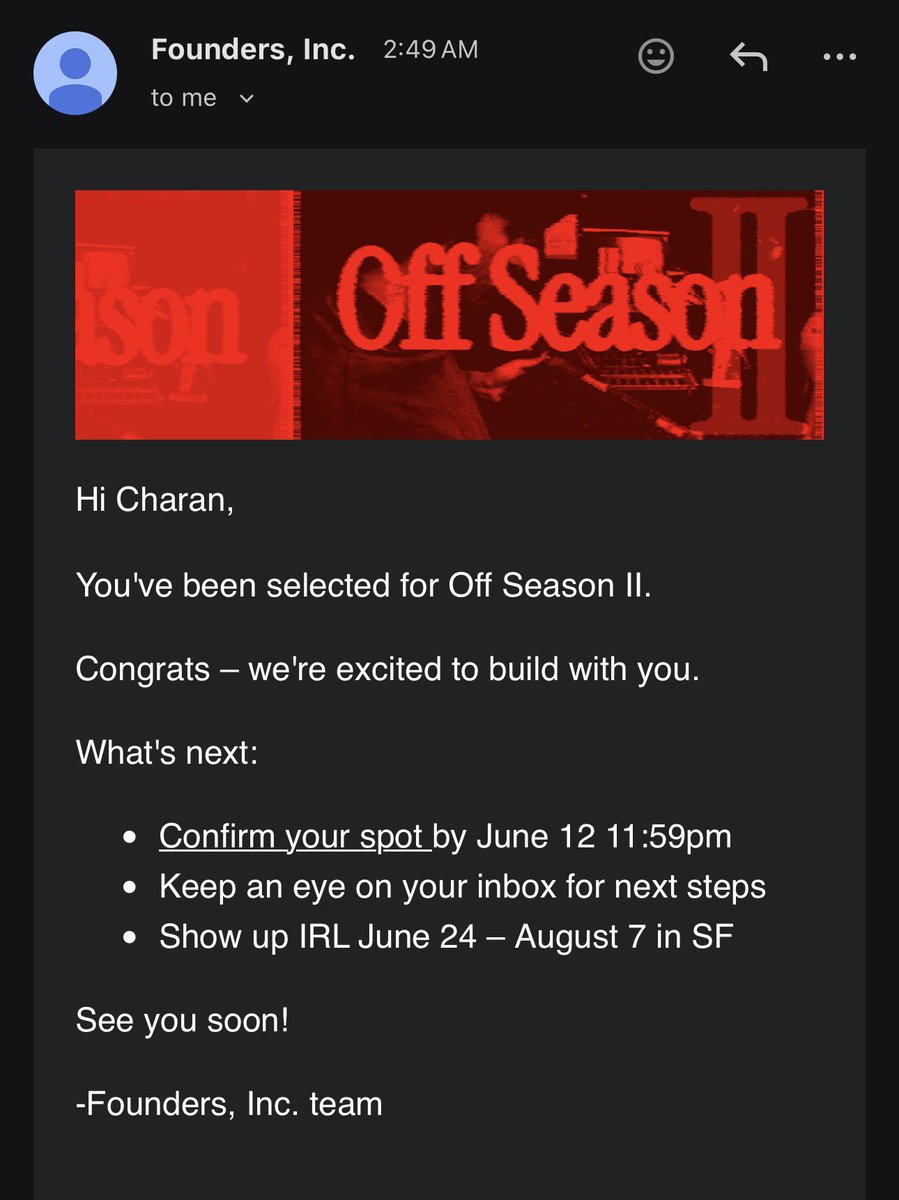
48
2
239
14,516
Charan retweeted

Jun 3
how does the brain build and track an internal state of the world from (possibly incomplete and noisy) visual observations?
i believe visual state tracking will be the grand challenge for vision in the coming years, and i hope this benchmark can be a useful starting line. enjoy!
Jun 3

Can MLLMs actually track what's happening in a video?
Introducing VSTAT 🎯, our new benchmark for visual state tracking.
The tasks are simple: count cups, read typed words, count page flips. Humans solve them easily. MLLMs don't.
vision-x-nyu.github.io/vstat…
🧵 [1/11]
23
45
431
75,813
Jun 3
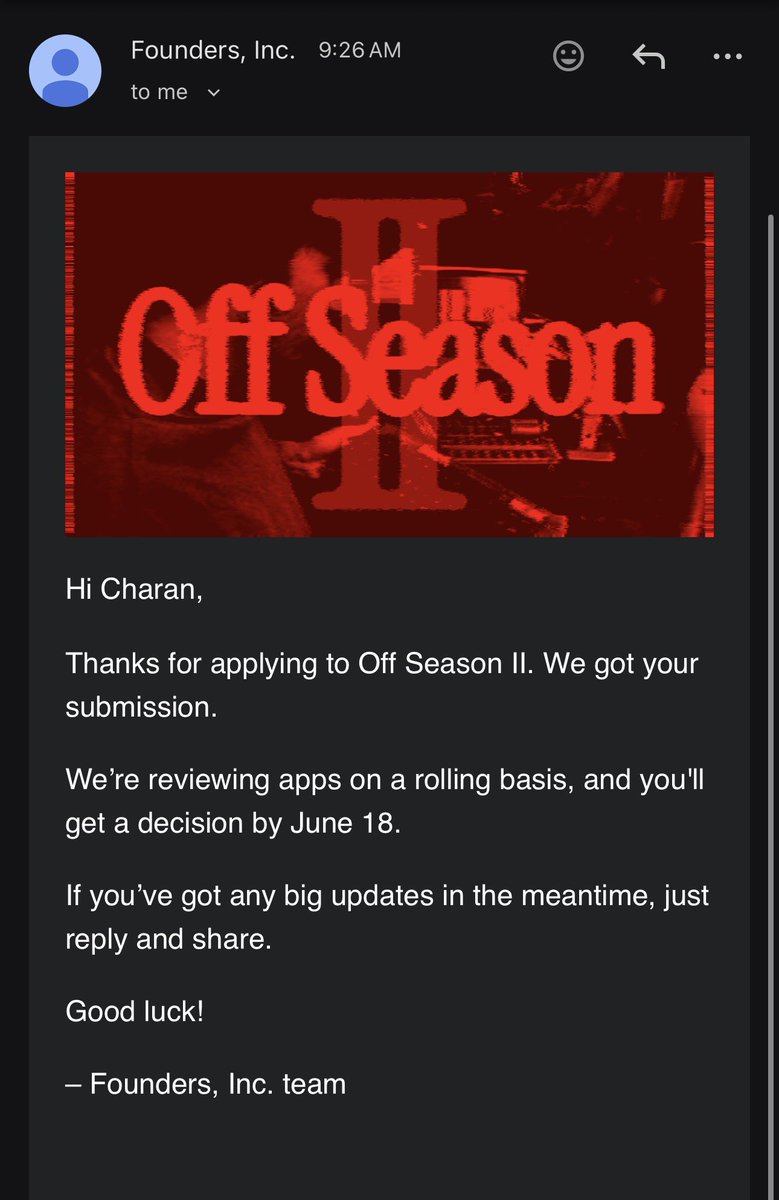
Finished Canopy Online. Now we’re coming down in person 🫡. So excited to see my peeps in SF soon!!! @iliakakhadze
@fdotinc @hthieblot @ruslanjabari
2
12
919
May 27
Project Sentry: Underway
Analyses your repo, finds security vulnerabilities (data, inference, prompting, tooling) in your agents and if given the green light it fixes them and does a PR
1
2
310
Charan retweeted

May 19
Word on the street is @cortexa_labs is looking for interns:
1. AIML Engineers
2. GTM/Growth Engineers
3. Content and Social Media
DM @cortexa_labs and apply to their career page cortexa-labs.ai/careers
1
4
403
May 13
Recently spoke with the engineers at OpenAI’s engineering side. They are shutting down public fine-tuning access via API soon.
If your startup is deeply dependent on proprietary models, it’s time to shift:
- open-source models
- self-hosting
- hybrid inference stacks
1
2
263
Charan retweeted

May 11
This episode features an interview with Yao Shunyu @ShunyuYao14 , Research Scientist at Google DeepMind. Yao has held research scientist roles at both Anthropic and Google DeepMind, contributing to the development of key models including Claude 3.7, 4.5, and Gemini 3.
Yao Shunyu is not your typical nerd. Every now and then, he’ll catch you off guard with a flash of irreverence.
“None of the old guard are your relatives — so if you think someone’s being dumb, they’re just being dumb. Say it. No big deal.” (laughs)
“Everyone’s a surfer now, but what really matters is the wave — not the person riding it.”
“AI doesn’t actually require that much brainpower — I mean it genuinely doesn’t — most of this is work any undergrad could do. The most important quality in this industry is reliability: being meticulous, and taking responsibility for what you put out.”
“You don’t need to worry too much about ruffling feathers with your opinions. As long as your views are internally consistent — not just taking random shots at people, but grounded in your own genuine understanding — there are objective standards for how you’re doing in this field. People will respect you for it.”
Let us have a little fun with this one! 😄
youtu.be/ttkd0t5qTD4?si=0uFT…
29
118
790
646,796
May 10
Such an inspiring moment. And the most inspiring person. I envision and dream to see Cortexa Labs making a difference like he is. I had goosebumps when I saw the documentary.
1
78
Charan retweeted

May 7
New Anthropic research: Natural Language Autoencoders.
Models like Claude talk in words but think in numbers. The numbers—called activations—encode Claude’s thoughts, but not in a language we can read.
Here, we train Claude to translate its activations into human-readable text.
593
1,701
16,541
2,489,362
Charan retweeted

May 7
Neural networks might speak English, but they think in shapes.
Understanding their rich *neural geometry* is key to understanding how they work – and to debugging and controlling them with precision.
Starting today, we’re releasing a series of posts on this research agenda. 🧵
307
1,674
11,182
3,158,778
Apr 25
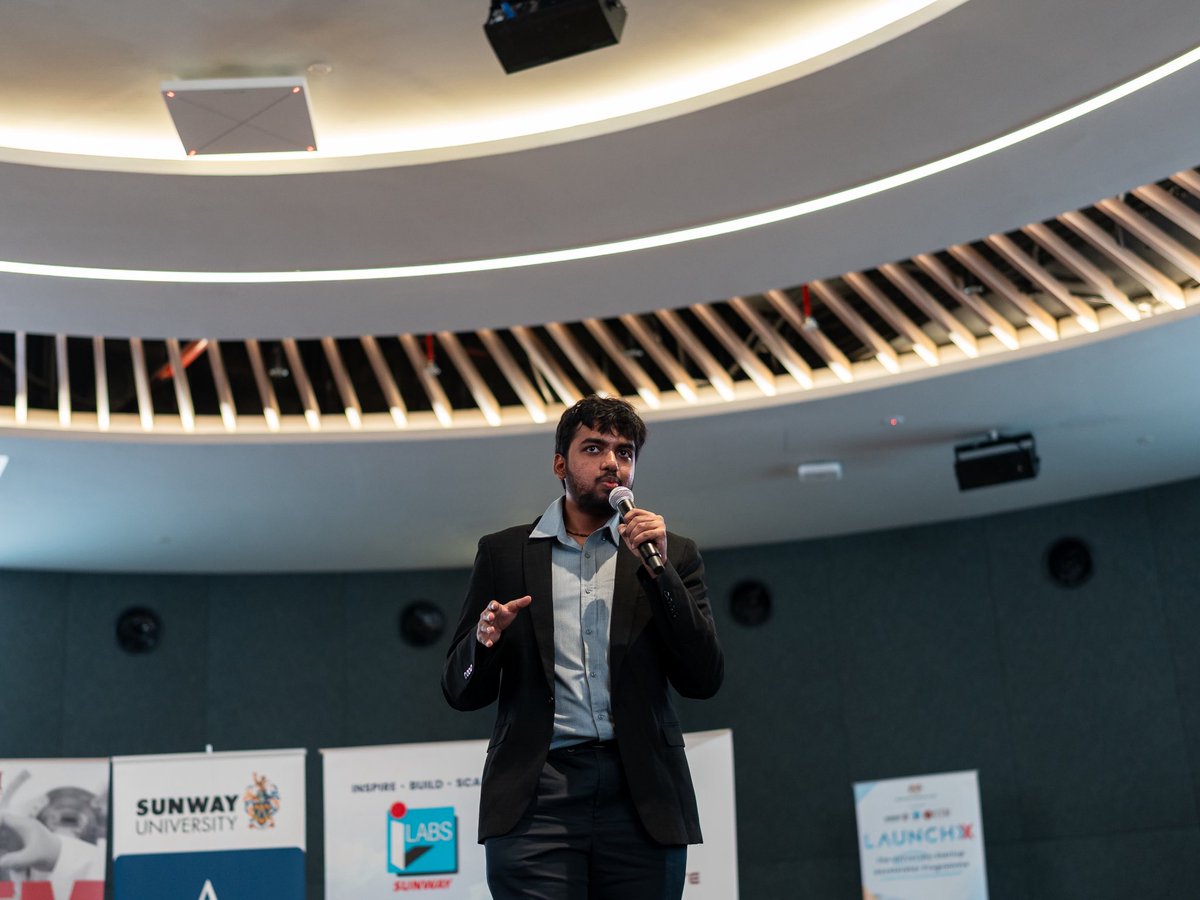
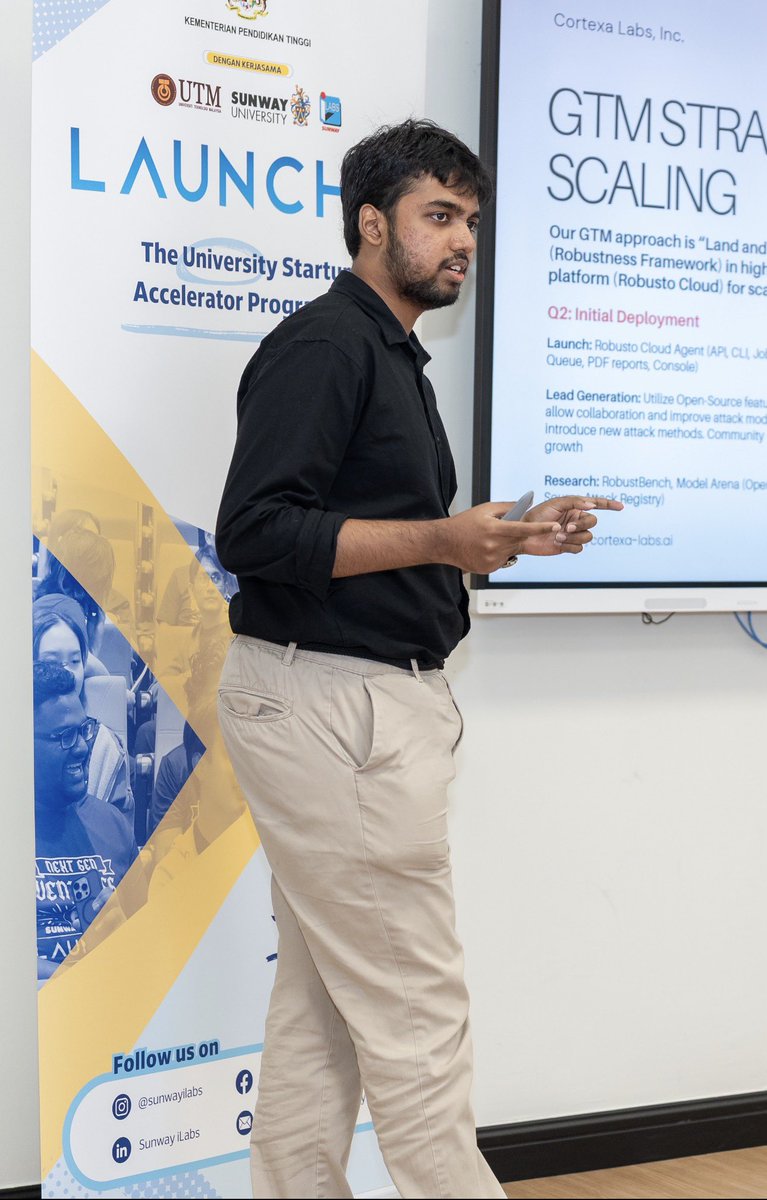
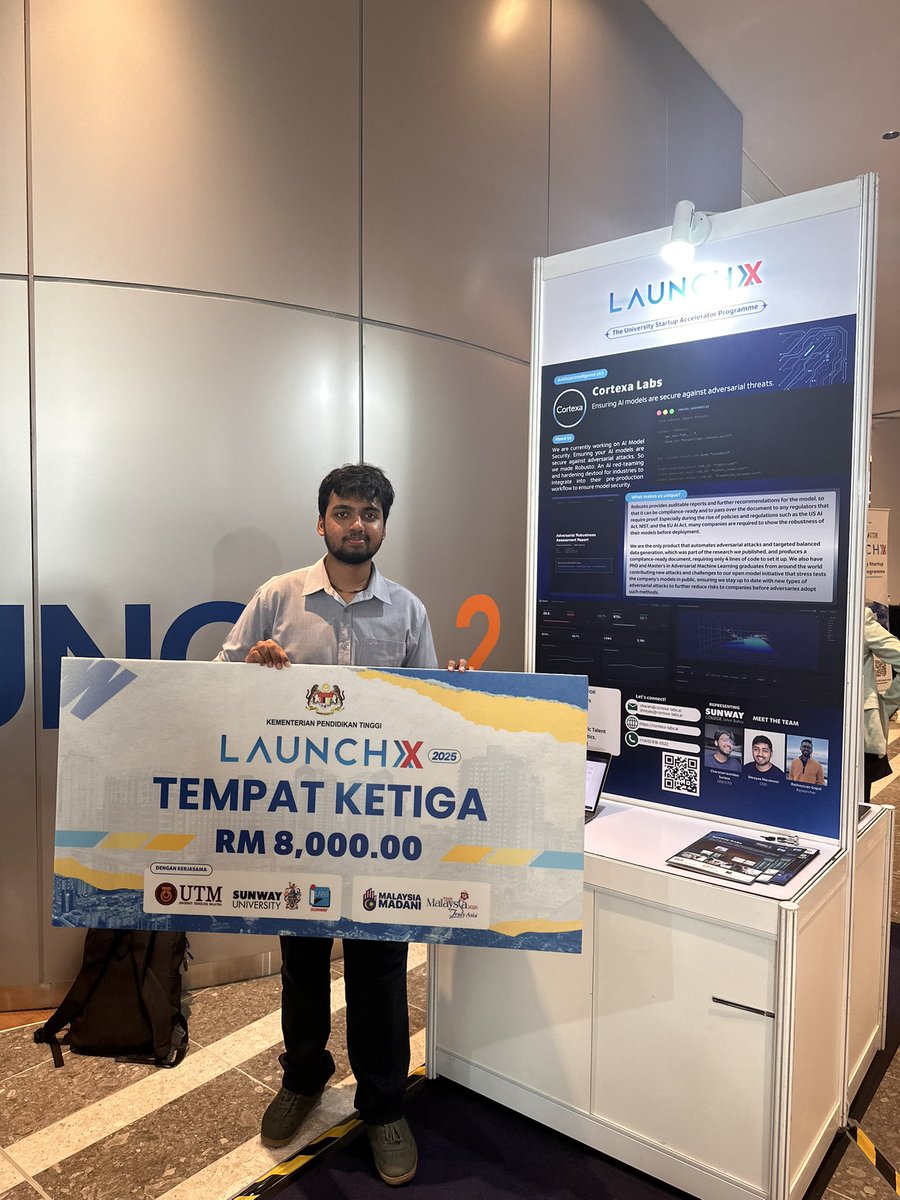
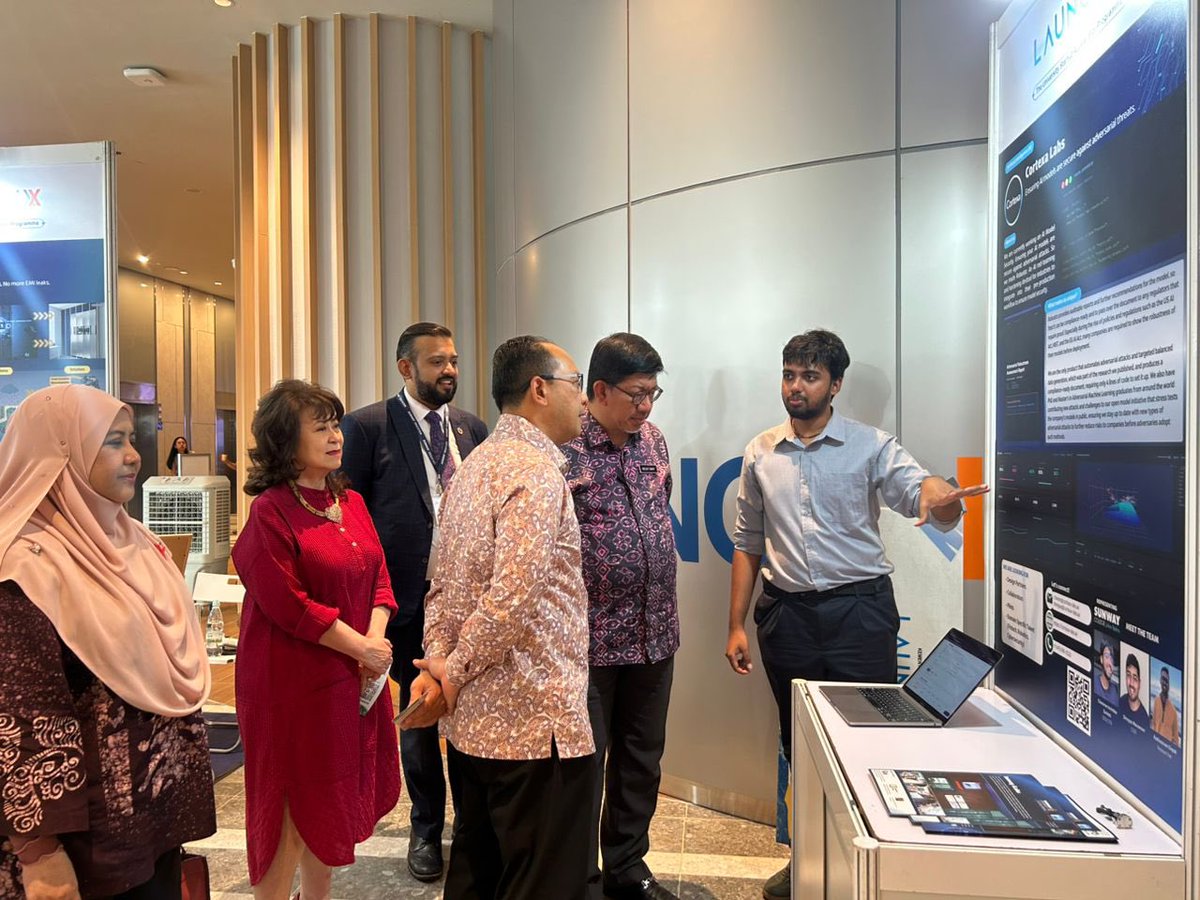
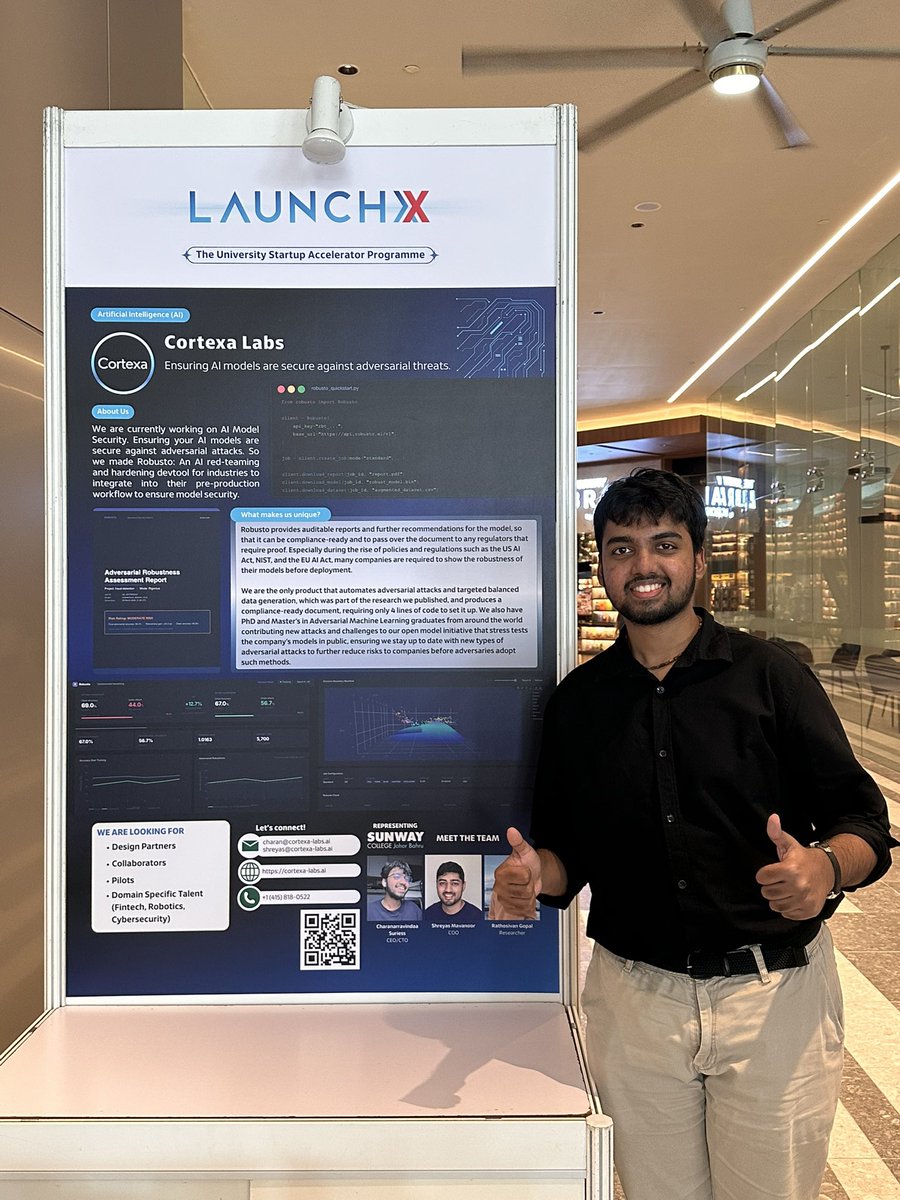
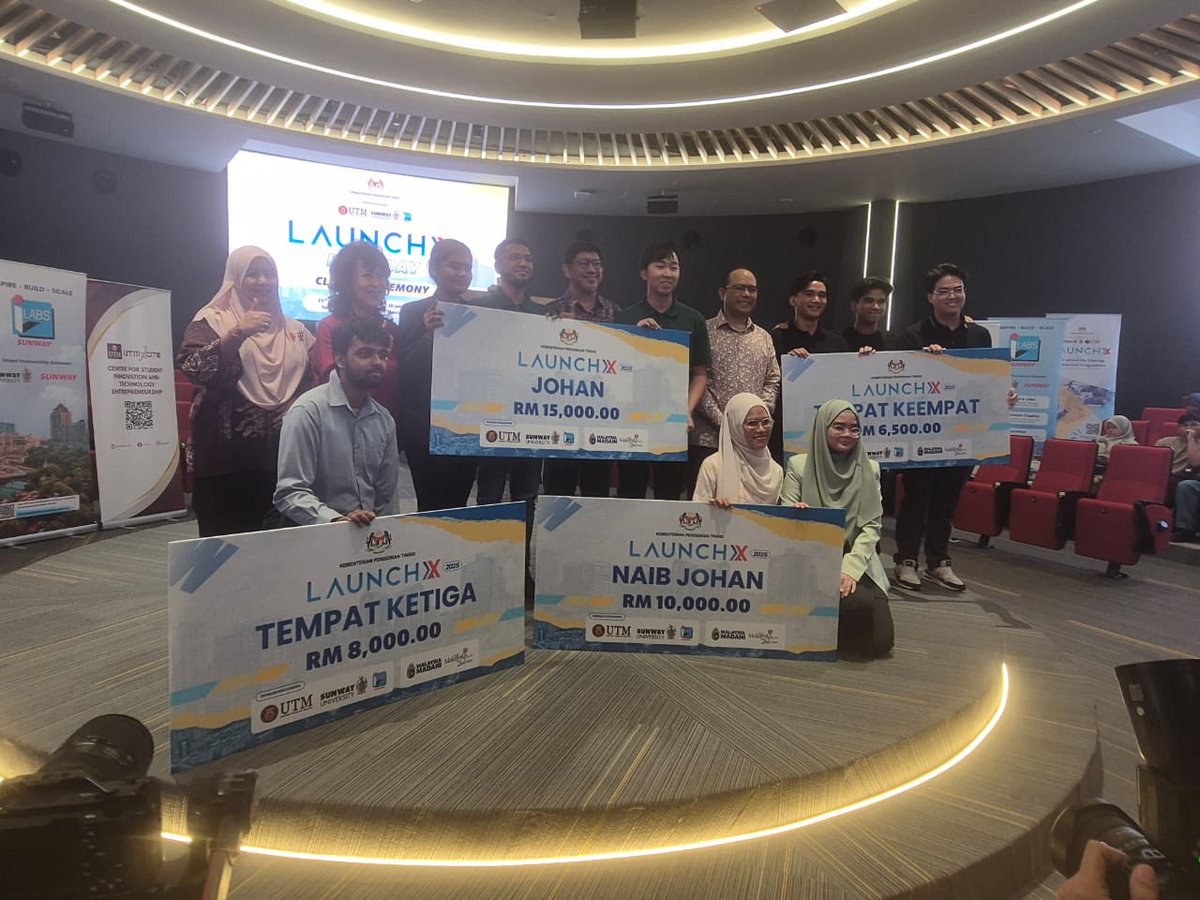
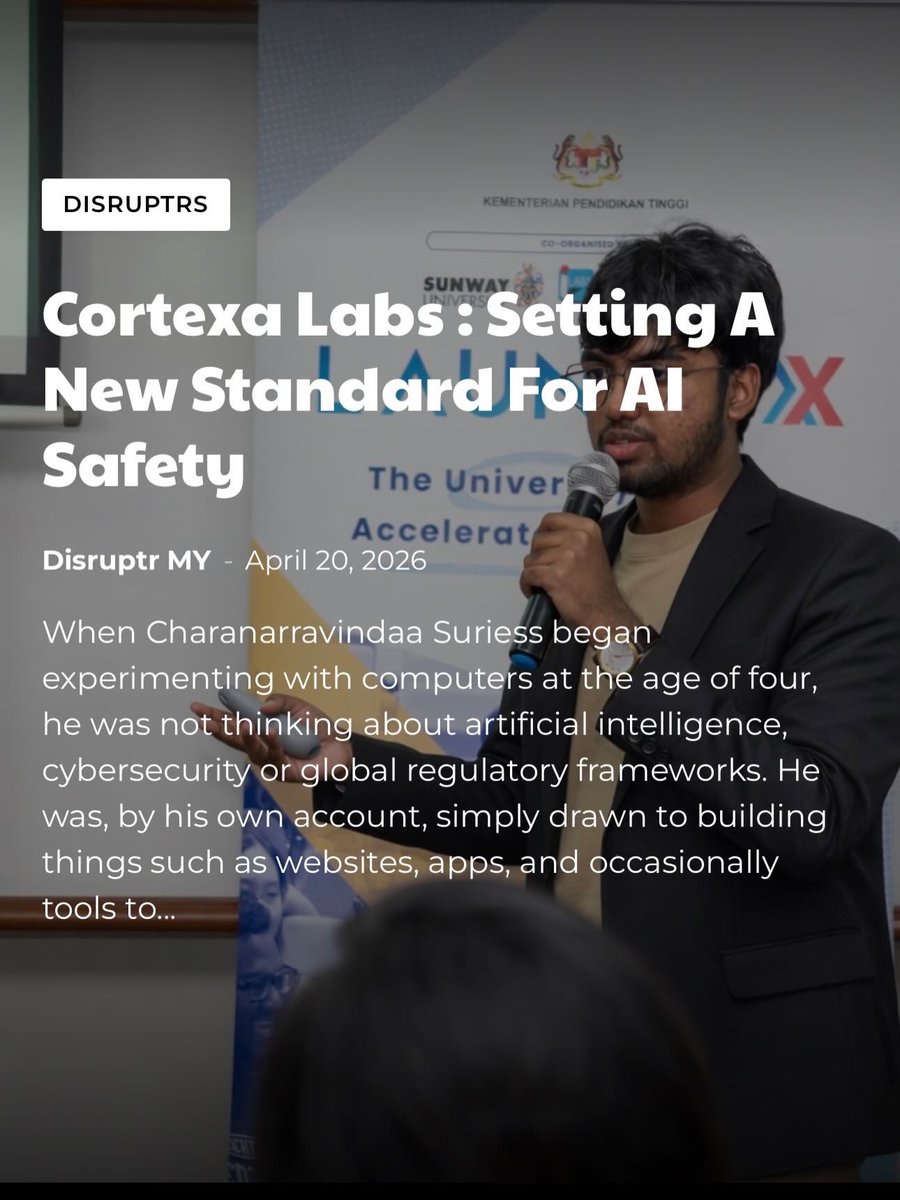
LaunchX Sunway ILabs 2025/2026
Result: 3rd Place and bunch of interested parties
Went in solo and got the job done 🫡
ONWARDS 🔥
1
5
246
Charan retweeted

Apr 19
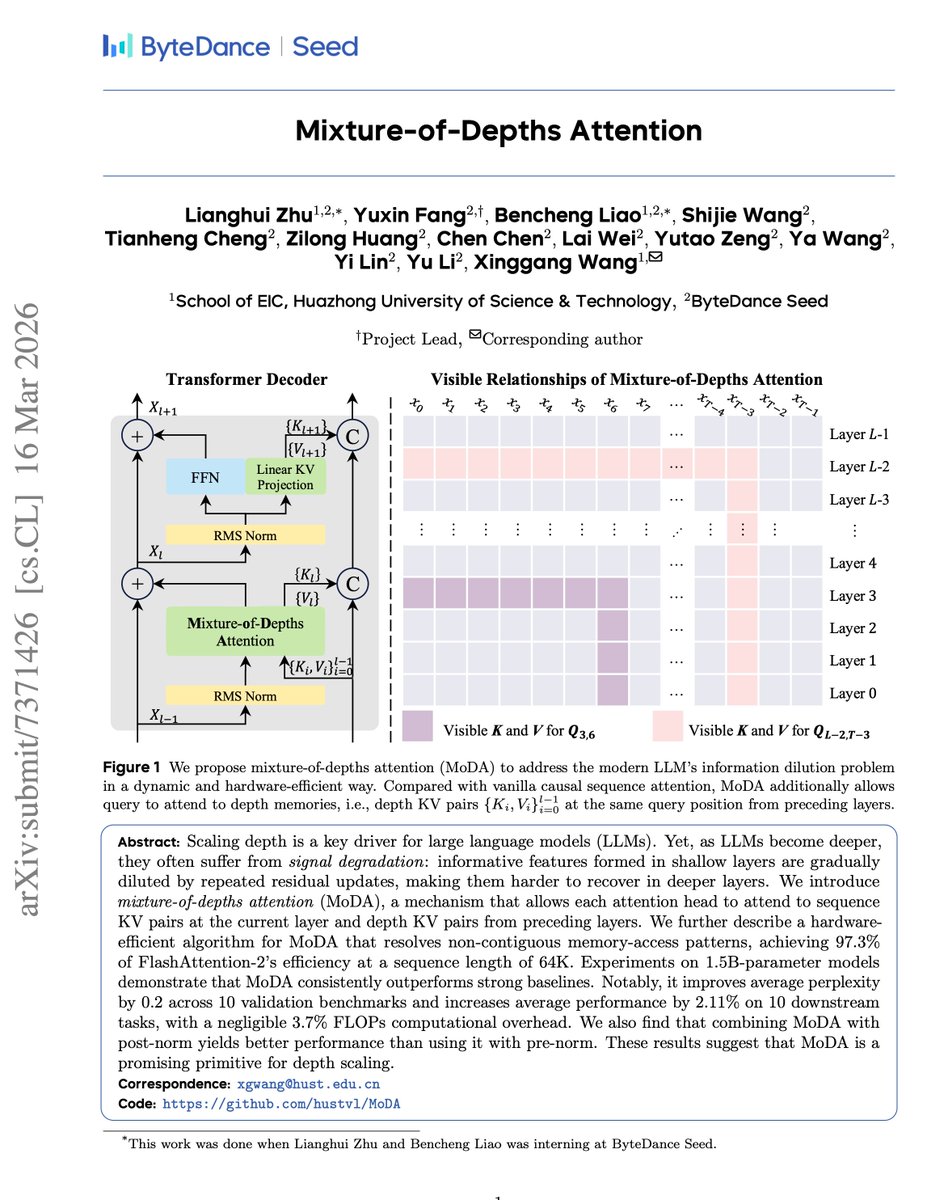
For a decade, we've made models wider and deeper—but we've barely changed how layers *talk* to each other.
Since ResNet's `x F(x)` in 2015, the depth residual has been the only highway for inter-layer communication.
It's time to upgrade the staircase. 🧵
18
238
1,939
188,452
Charan retweeted

Apr 19
Dr Fei-Fei-Li (@drfeifei ) explains why and how everyday household chores are so extremely difficult for Robots.
"If you tell a robot to open the top drawer and watch out for the vase, this is actually a really hard task for robots."
because the robot must ground language into the real world. Words like "top", "drawer", and "vase" are abstract. The system has to map them to 3D locations, objects, and relations in a noisy scene. This requires robust perception, object recognition, and spatial reasoning under uncertainty.
The robot also lacks human commonsense. "Watch out" implies predicting consequences, estimating clearances, and understanding that vases are fragile. Encoding such priors, like how heavy a drawer is or how a vase might tip, is very complex and difficult without rich world knowledge.
Learning the behavior from rewards is tough. The success signal is very sparse here, so naive exploration almost never stumbles on a full success sequence. This makes policy learning sample inefficient and brittle, especially when the environment changes between training and deployment.
A sparse reward situation is when the agent only gets a success signal at the very end, and gets little or no feedback along the way. If a robot must open a drawer without hitting a vase, it might get reward only if the drawer ends up open and the vase is intact. Every partial try before that looks the same to the learner, reward equals 0.
---
From "DSAI by Dr. Osbert Tay" YT channel
42
103
570
96,543
Charan retweeted

Apr 16
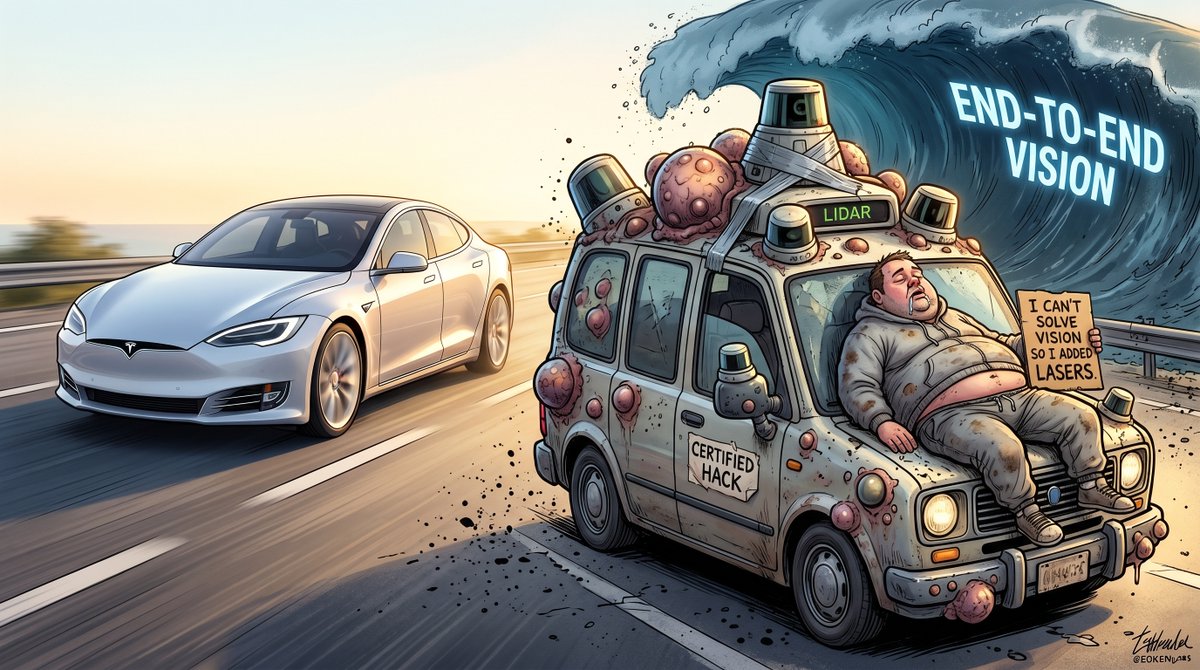
Aujourd'hui grosse discussion avec mes ingés (chez Argil) sur pourquoi Elon a viré le LIDAR de ses voitures autonomes. Choix radical, moqué pendant des années, et comme d'hab il avait raison depuis le début.
Le LIDAR c'est un laser qui balaye l'environnement et crache un nuage de points 3D. Sur le papier tu obtiens la géométrie exacte du monde. Dans la vraie vie c'est une verrue technologique collée sur le toit parce qu'on sait pas faire mieux avec la vision seule.
Problème numéro un : ça rajoute une modalité dans le training du modèle. Ton réseau doit apprendre à fusionner vision lidar radar ultrasons. Chaque capteur en plus c'est une source de désaccord à arbitrer, pas une source d'info supplémentaire. Sensor fusion artisanale = dette technique permanente.
Problème numéro deux, la bitter lesson de Rich Sutton : scaler le compute sur une seule modalité bat systématiquement les architectures bricolées à la main. Tesla a dropé le radar, puis les ultrasons, est passé full end-to-end vision. Leur courbe sur les edge cases s'est accélérée APRÈS, pas avant. Waymo fait l'inverse et reste stuck en ops géofencée.
Problème numéro trois, le plus fondamental : le LIDAR voit la géométrie, pas la sémantique. Il sait qu'il y a un truc, pas ce que c'est ni ce que ça va faire. Les derniers 9 de fiabilité sont des problèmes de cognition, pas de perception brute. Un capteur de plus résout rien, il ajoute du bruit.
Sébastien Loeb balance une 208 T16 à 180 dans un chemin boueux corse sous la pluie avec zéro LIDAR. Deux yeux, un cerveau. L'évolution a donné des yeux aux prédateurs pendant 500 millions d'années, pas des lasers. Il y a une raison.
Le LIDAR c'est l'équivalent du marxisme appliqué à l'économie. Une solution planifiée, centralisée, qui prétend modéliser explicitement ce qui doit émerger d'un système distribué et adaptatif. Tu remplaces l'intelligence par de la mesure, la compréhension par de la donnée, l'émergence par le contrôle. Ça rassure les ingénieurs qui veulent tout spécifier en amont, exactement comme la planif rassurait les économistes soviétiques. Et ça échoue pour les mêmes raisons : la réalité est trop riche pour être capturée par un capteur, comme elle est trop riche pour être capturée par un plan quinquennal.
La vraie intelligence, celle de Hayek comme celle de Tesla, c'est de faire confiance à un système qui apprend de l'expérience plutôt que de tout pré-encoder. L'élégance d'une solution c'est son rapport signal sur complexité. Le LIDAR explose le dénominateur.
Défendre le LIDAR en 2026 c'est préférer empiler des hacks plutôt que résoudre le vrai problème. C'est de la feignasserie intellectuelle maquillée en rigueur d'ingénieur. Les mêmes gens qui défendaient les systèmes experts en 2012 contre le deep learning. Ils finiront pareil.
Never bet against end-to-end. Never bet against la simplicité. Never bet against Elon.
1,107
2,164
18,380
29,275,859