
Joined November 2010
- Tweets 11,950
- Following 2,541
- Followers 7,070
- Likes 27,280
526 Photos and videos







Pinned Tweet

Mar 19
A society that validates by intentions and measures by expenditures yet ignores results is destined to fail.
It's easy to see with infrastructure. Now extend the lesson to the the homeless, education...
Mar 19

When Gavin first announced this, the cost was supposed to be half of what it is today.
It’s been called a “jobs program for environmentalists“ which is strikingly similar to how the high-speed rail project is also simply a “jobs program for California labor unions.”
7
1,920
Sure, there are elections going on that will determine the future of the state of Georgia.
But UGA is playing in the College World Series.
GO DAWGS!
1
113
I like to see voters make the right choice in districts where I don't live, but where I have to live with the results.
Congratulations to Senator Wade!
55m

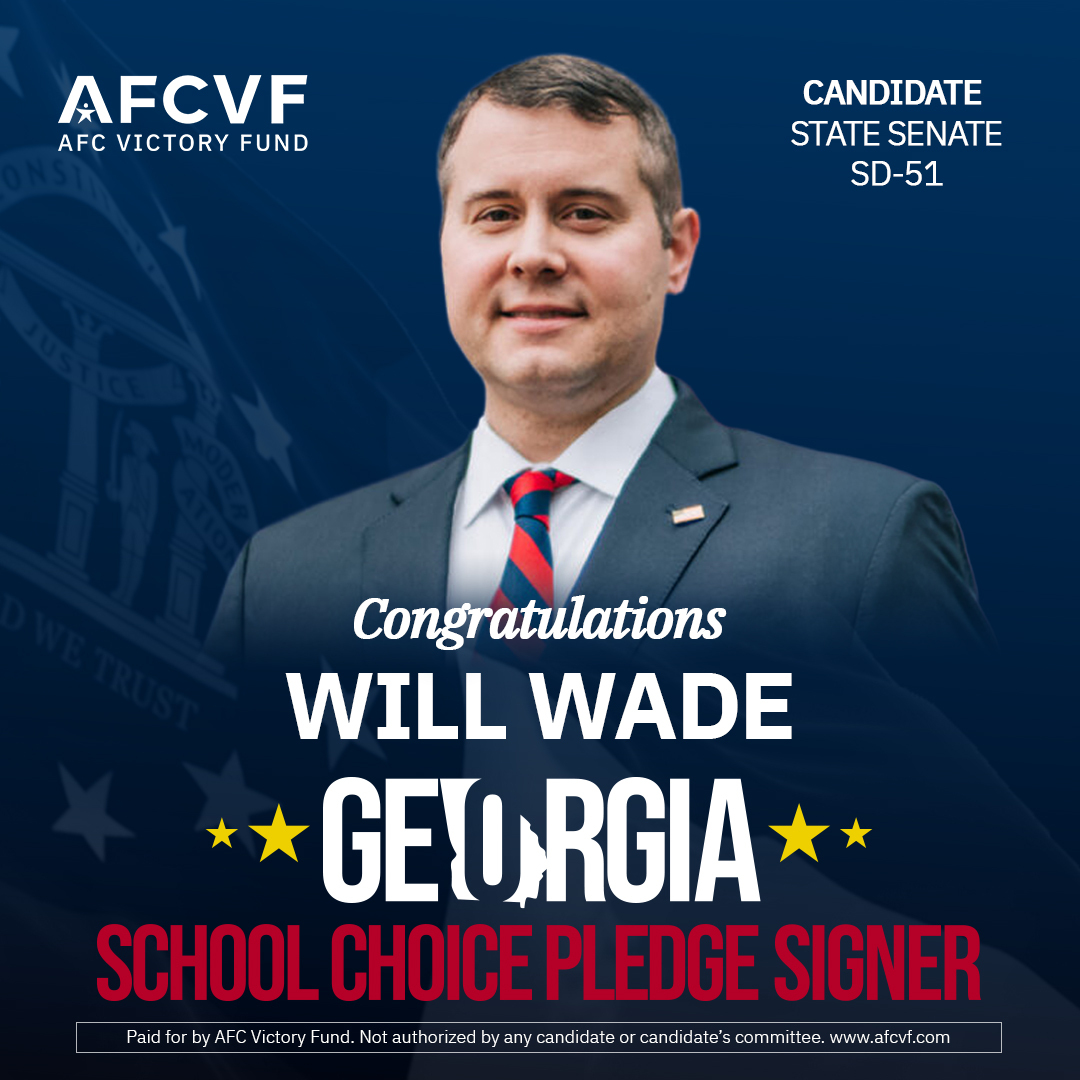
Congratulations to Georgia School Choice Pledge Signer Will Wade @wade_state on winning his primary runoff election. AFC Victory Fund was to proud support Will Wade for State Senate!
2
298
Charlie Harper retweeted

CNN just got incremental better

‘I’m Just Not Staying’: Kara Swisher Jumping Ship At CNN As Soon As She Can Over ‘Incompetent’ Ellison Takeover
mediaite.com/media/im-just-n…
7
8
101
3,195
Media outlets just call races.
Coach notarizes them.

🚨 🚨 BRAKING 🚨 🚨
I have scene enough. For the Georgia primaries:
Phil Collins defeats Derek Dooley
Rick Jackson defeats Burt Lancaster
7
828
Charlie Harper retweeted

The Scotland invasion subplot is better than the actual World Cup

Sam Adams says from Thursday to Sunday, the Tartan Army drank four times as much Boston Lager as it normally sells during a typical four-day holiday stretch like the Fourth of July. nbcnews.com/sports/soccer/ar…
1
2
326
Charlie Harper retweeted

Jun 15
This gets funnier everytime I watch it
23
125
1,361
230,238

Charlie Harper retweeted

Amazing nuggets (get it) in this piece on the return of the McDs fried apple pie, which has fewer calories than the current baked (lesser) version, is still available in other countries, AND was only canceled here bc of since-debunked US govt health guidelines.
Perfect.
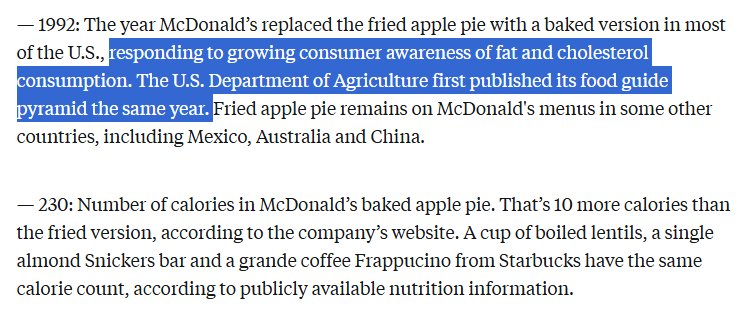

McDonald’s is bringing back fried apple pies for the first time in more than three decades to honor America’s 250th birthday. abcnews.link/3vthB3H
11
25
181
18,897
Charlie Harper retweeted

14h
Unbelievable.
A Southern Poverty Law Center official helped funnel $1.2 million in donor money to a neo-Nazi group member who she was allegedly sleeping with.
nypost.com/2026/06/16/us-new…
45
150
468
34,303
I did not expect to enjoy this show as much as I have thus far.

Disney has renewed “Rivals” for Season 3, which will be comprised of 12 episodes.
wp.me/pc8uak-1lHpB0
226
Charlie Harper retweeted

Democrats have turned support for a middle-of-the-road American Jewish PAC into a reason to murder people.

"A suspect told investigators the goal of the attack was to target 'capitalist elites,' 'billionaires' and politicians who received money from the American Israel Public Affairs Committee (AIPAC), according to the outlet."

7
27
83
9,087
I NEED another season of Succession.
16h

Dude after buying SpaceX at $135 and selling it at $203 (he only bought 1 share)
167
Jun 15

🚨🚨 Senior US official: "We'll know over the next two to three weeks whether the MOU with Iran will turn into an actual agreement".
97
Well…not the Dawgs night on a close game until the end. Back against Texas in Omaha tomorrow.
Go Dawgs!
1
135
Jun 16
Dan Jackson earns the Sour Power!
Jun 16

Moar Sour Power!
2
268
Charlie Harper retweeted

A great day for college football

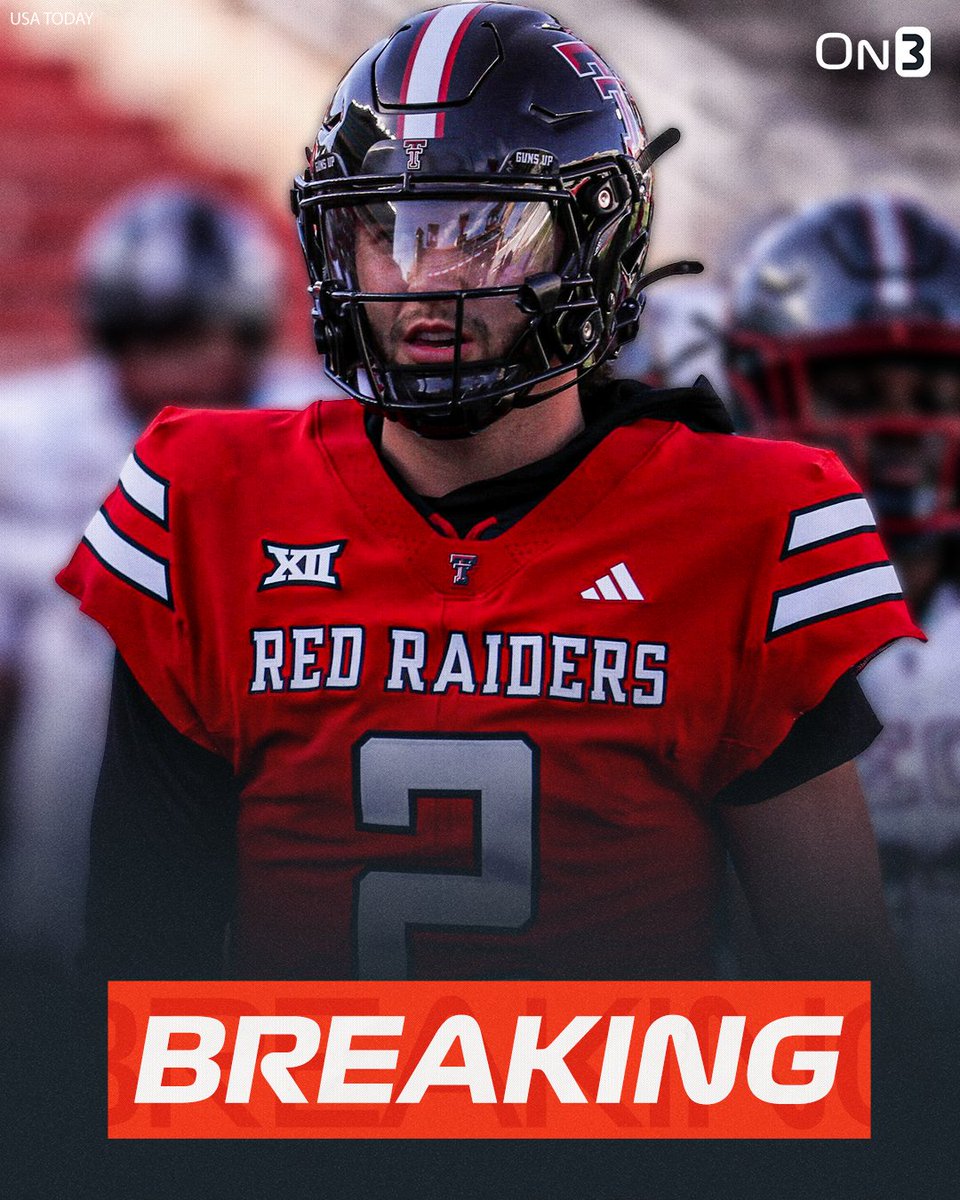
BREAKING: QB Brendan Sorsby and Texas Tech are mutually parting ways, @PeteNakos reports.
Sorsby will not play College Football in 2026.
on3.com/news/brendan-sorsby-…
8
11
161
10,153
Charlie Harper retweeted

Jun 16
When Tocqueville came to America in 1831, just shy of 200 years ago, what he observed astonished him. His expectations, much like the expectations of the elites in Europe and our own country today, began with our “remarkable tendency to organize themselves in pursuit of shared goals.”
“Americans of all ages constantly unite,” Tocqueville wrote in his book Democracy in America. “Not only do they have commercial and industrial associations, in which all take part, but they also have a thousand other kinds: religious, moral, grave, futile, very general and very particular, immense and very small.”
When Tocqueville visited the U.S., we were in an era of rapid change, not unlike today. Some were moving westward, others toward cities, others away from cities, all while building transportation systems, such as canals and roadways, to achieve that moment.
The Industrial Revolution was at the center of all that cultural and political change. Our postal system was also speeding up. Our political parties were raucous, populist, and changing with the times. And we were influenced by those changed by how we formed communities.
Sound familiar? We are also in a moment of rapid change, building high-tech superhighways, this time through artificial intelligence and the internet. We are also moving inward this time, some rediscovering the middle of our country, while others try to remake our cities.
And the technological revolution of AI is having as much of a cultural and political impact as the industrial revolution.
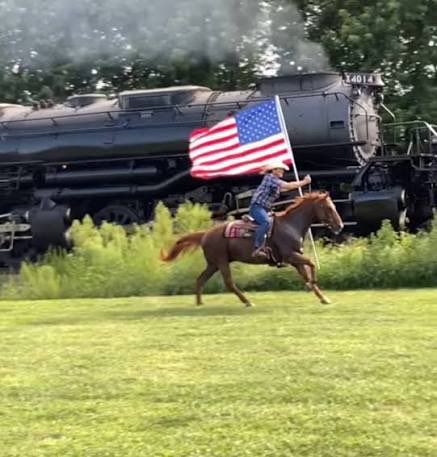
What @FreddyLA7 @shaunvlog_ and all of the other World Cup soccer fans are experiencing is a modern-day Tocqueville moment. Freddy and Shaun likely had no idea what to expect when arriving here. If they read the European press or the Atlantic, it was probably pretty dark. Tocqueville himself wrote that he expected to find a raw, chaotic society, which is pretty much a condensed version of the criticisms you read about America and Americans from elite news organizations today.
What Tocqueville found instead were Americans who were constantly developing ways, and or tools, for creating associations, both large and small — associations with wildly different interests, from small local sports and community or religious groups with little internal order to vast national networks with structures. Think the Rotary Club, NAACP, the Elks, Lions Clubs, Future Farmers of America, the Grange, and 4-H.
washingtonexaminer.com/opini…

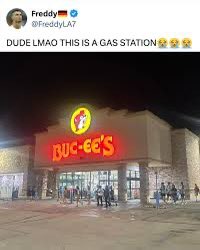
39
216
940
48,016
Jun 16
Moar Sour Power!
Jun 16
Sour Power!
1
410
Charlie Harper retweeted

Jun 16
Socialists trying to take credit for success that they had absolutely nothing to do with is….actually right on brand.
Carry on.

New York City elected a socialist mayor, and the Knicks won their first championship in 53 years. Imagine what we could do with a socialist governor in Wisconsin?
@packers @Brewers @Bucks
14
348
7,717
101,001
Jun 16
It's a 50 state strategy that worked for President Franklin.
I will support anyone for president who promises to ban Boomers from using, interacting with, or even looking at AI
298