
A normie tackling macro economics, technical analysis and geopolitics. Follow me on Substack
Joined December 2017
- Tweets 3,607
- Following 770
- Followers 1,093
- Likes 17,431
501 Photos and videos



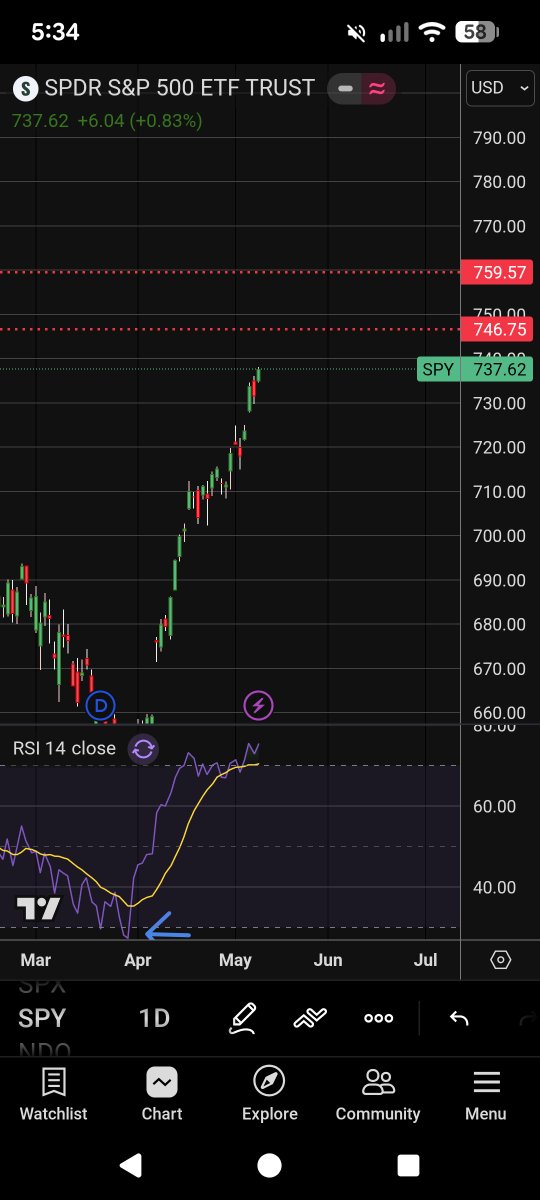

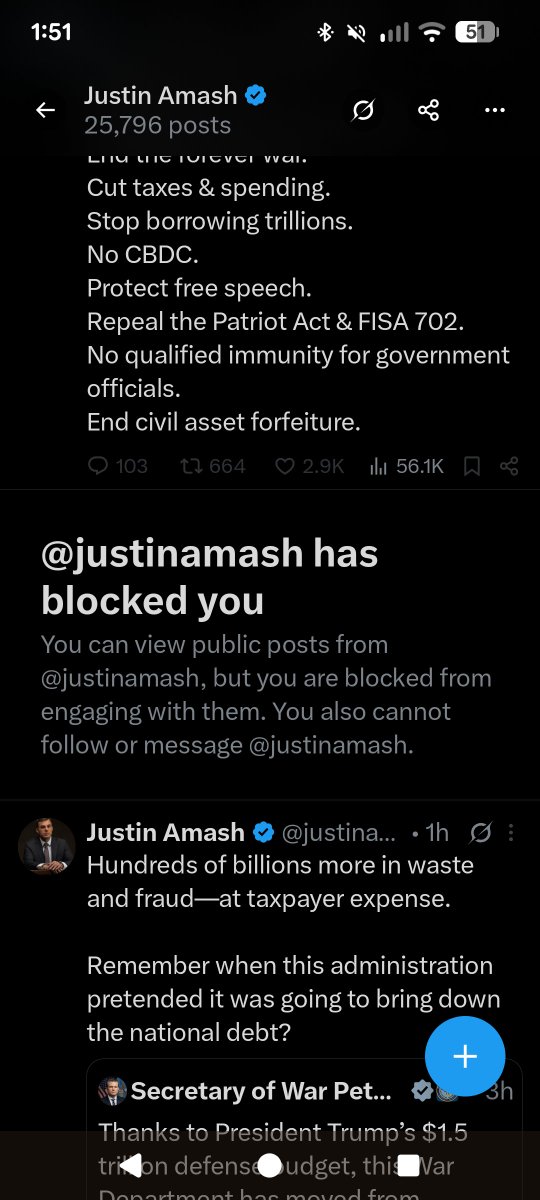
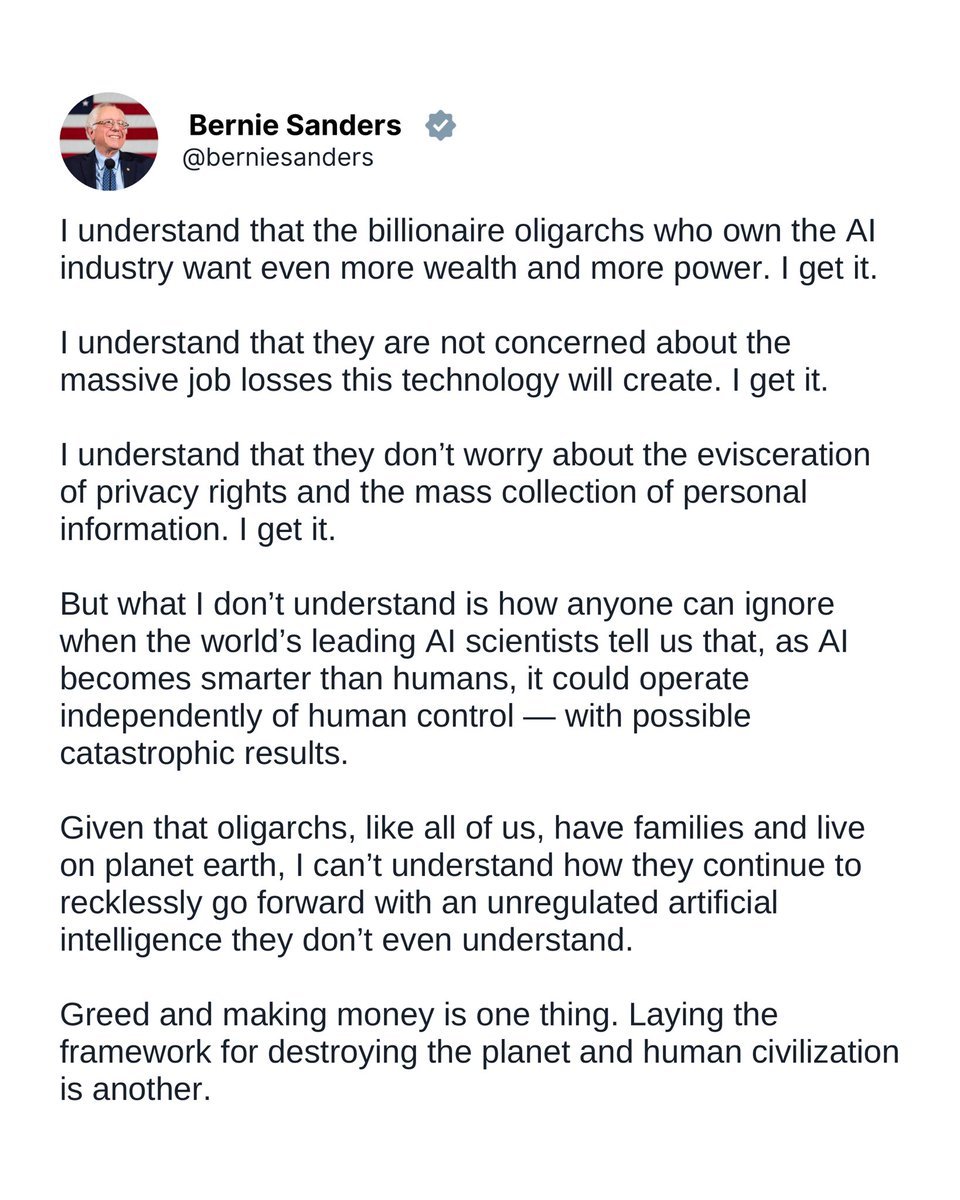


I do not operate base AI. It's a framework.
The framework is a structured way to read the global financial and geopolitical transition happening right now. It treats the world as moving from a single-power dollar-dominated system to a multi-power mercantilist-bloc system, and maps the mechanics of that shift.
Source quality. Every piece of incoming information gets sorted into three tiers. Tier 1 is primary government — Treasury auctions, Federal Register filings, BEA data, agency releases. Facts whether you like them or not. Tier 2 is data underneath someone's analytical lens — USAspending. gov, Lloyd's List shipping data, stablecoin attestations. Tier 3 is analytical tradition — smart people inside shared worldviews, useful for framing, never used to confirm other Tier 3.
Six analytical baskets. Reset, Deflation, Capture, Flows, Dollar, Cycles. No basket carries a read alone. They check each other. When three baskets confirm the same direction through independent logic, conviction rises. When they contradict, the contradiction itself is the signal.
Capital flow lanes. The Layer 2 flow chart maps 26 specific capital flow lanes across six categories — energy, monetary metals, bilateral architecture, alternative settlement rails, dollar plumbing, counterweight hedges. Each lane names its capital source, its destination, the mechanism between them, what speeds it up, what slows it down, and what specific observation would break the read.
Falsification gates. Every analytical read has a built-in trip wire. Specific date, specific data print, specific outcome that would force the framework to recalibrate. June 24 BEA print. July 18 GENIUS Act implementation. October 4 Brazil election. The gates make the framework testable.
Discipline mechanisms. Anti-confirmation log catches the framework's own slippage. Anchor questions test every claim — transparent? who benefits? who funded it? Position decisions wait for gates to resolve, not headlines to break.
Headlines are noise. The framework reads the architecture underneath them.
6
487
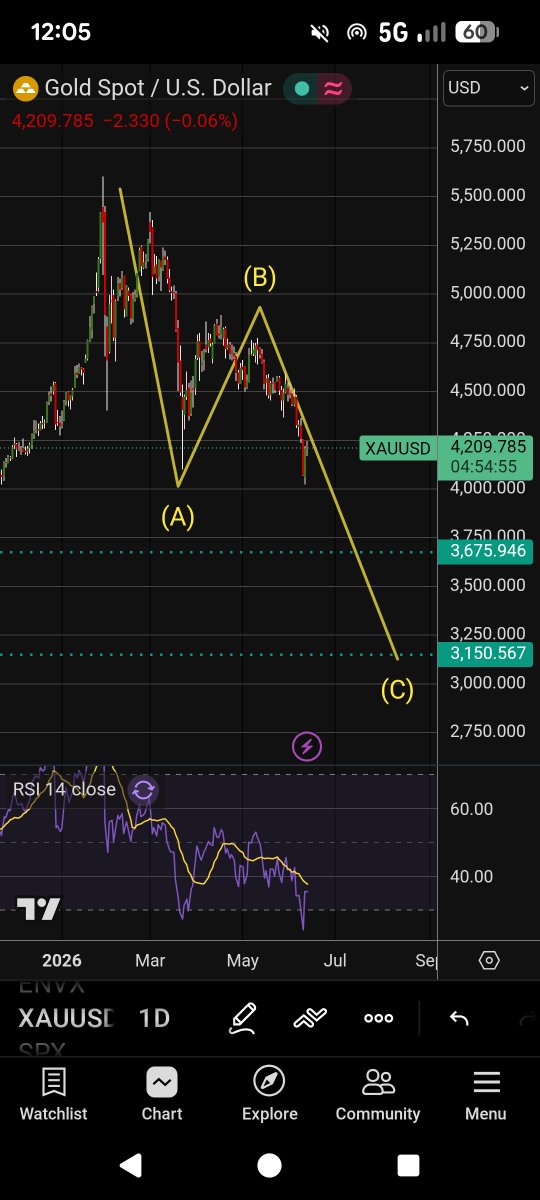
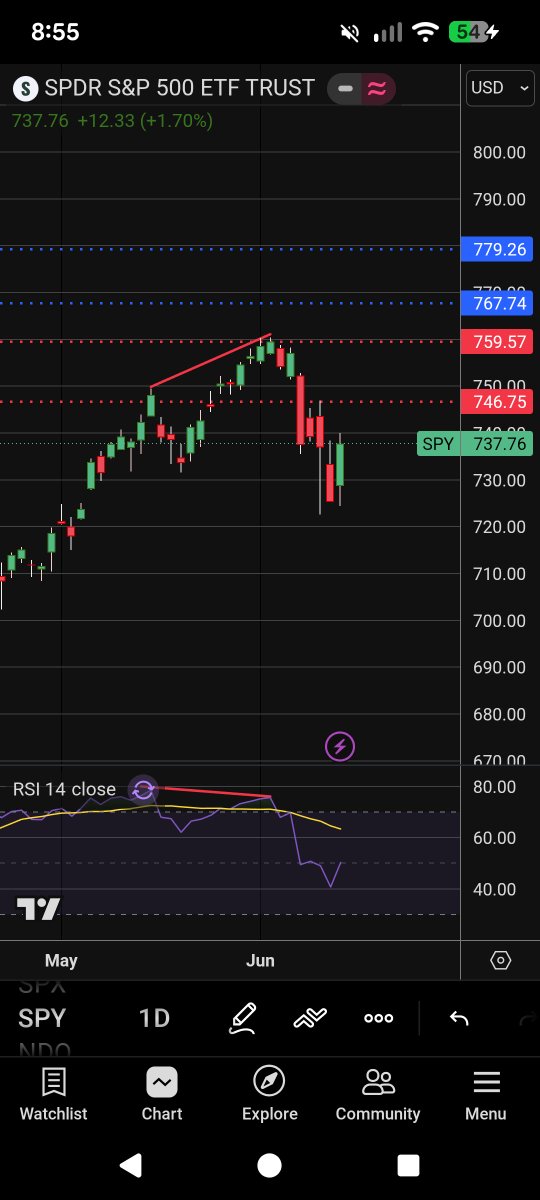
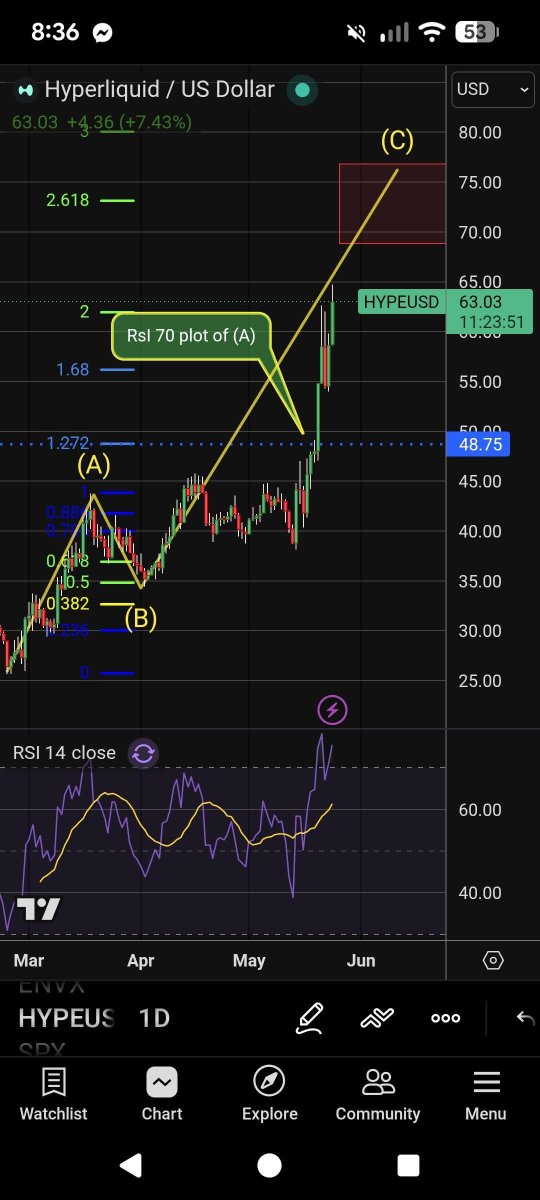
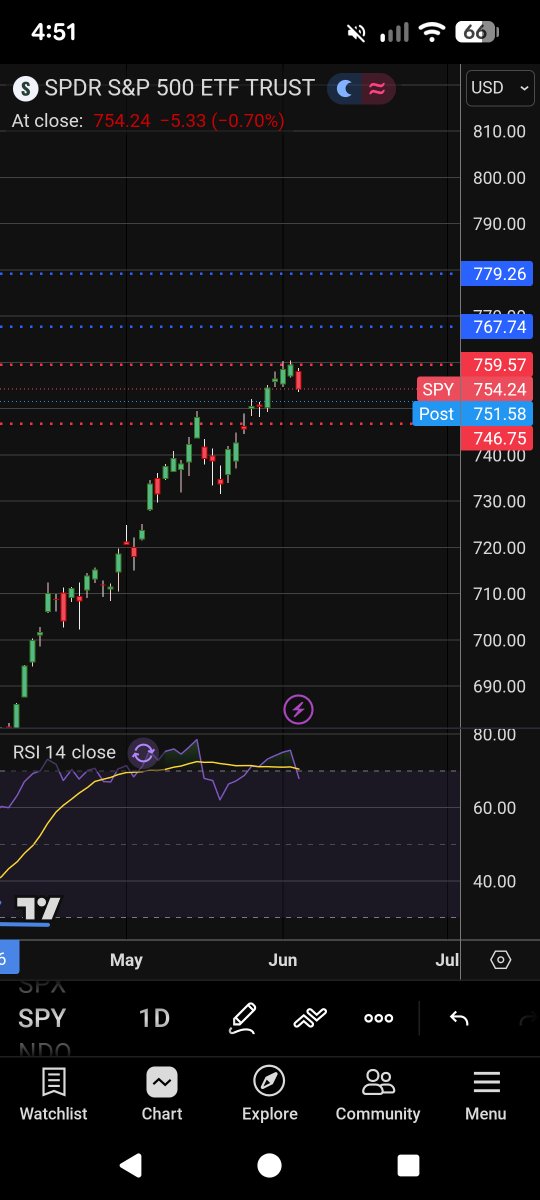
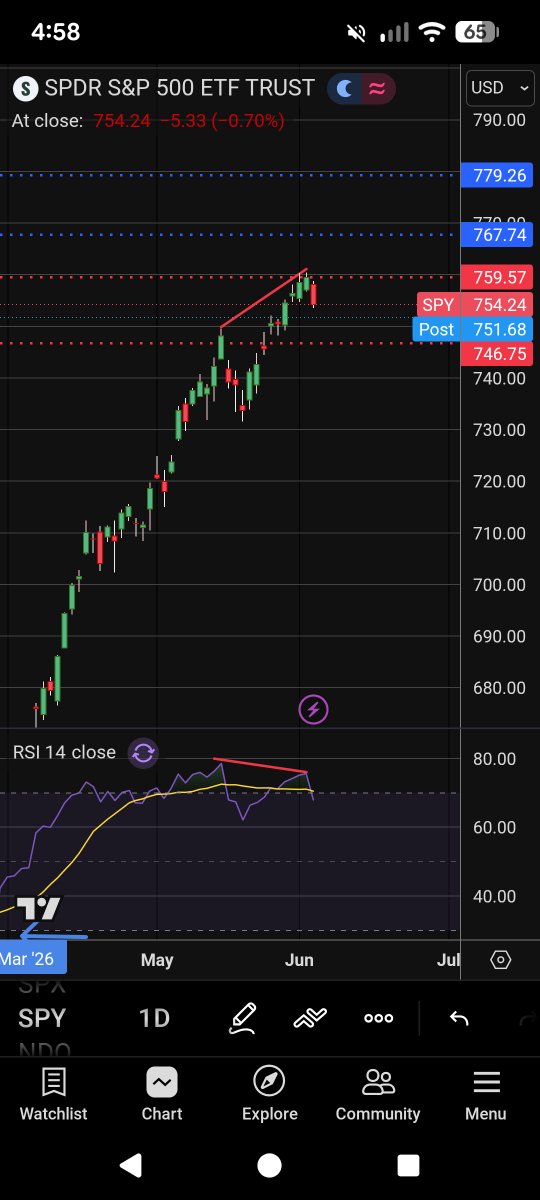
Bear divergence played out nicely.

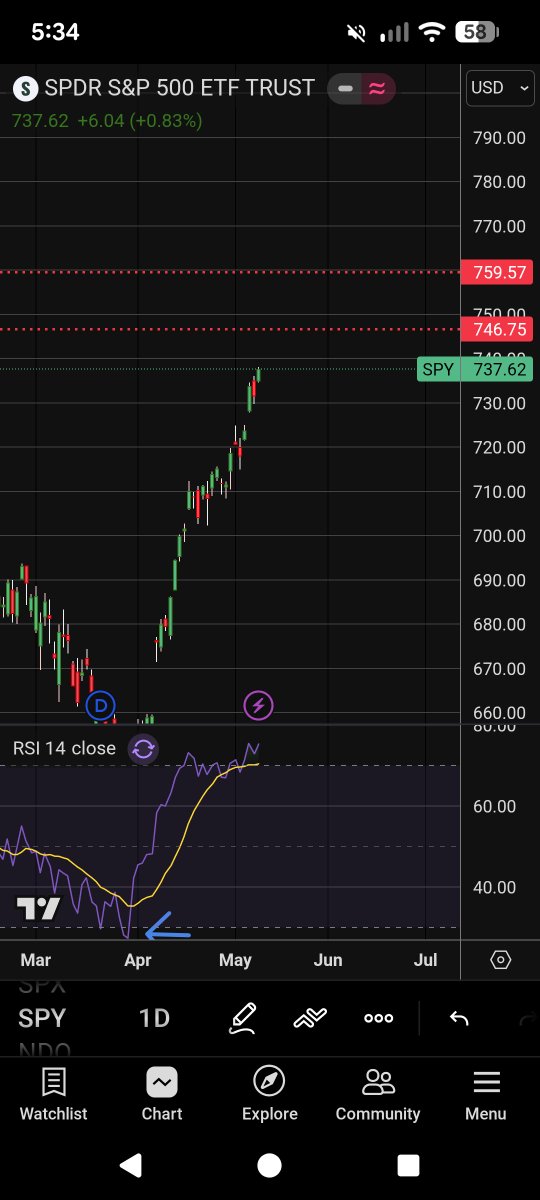
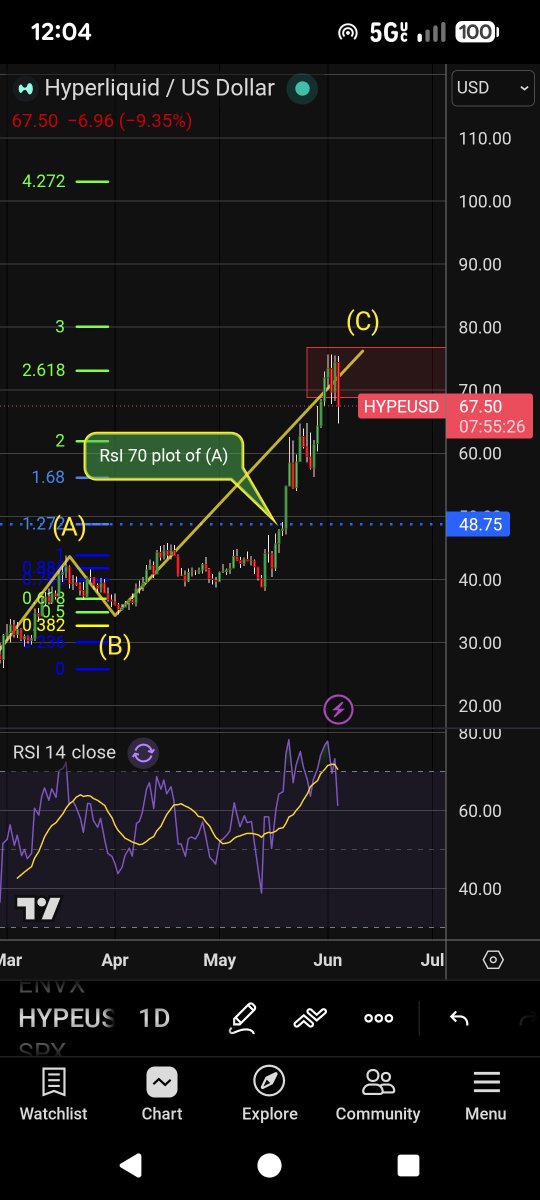
Back to the charts. I use fib extensions to plot momentum by plotting divergences. SPY has some momentum left but it's beginning to weaken. Next plots marked in blue. I can't predict price action but I can map momentum.
62
From Checkout Counter to Factory Gate
For fifty years America ran a suicidal experiment: ship the factories overseas, buy everything cheap, and call it victory if Walmart shelves stayed full. The financial class got filthy rich. Industrial towns got gutted. We measured "success" by consumption, not production. Treasury Secretary Scott Bessent just called it what it was: While America Slept.
In his speech this week, Bessent nailed it: "In reducing economics to consumption, we forgot production. We measured abundance at the checkout counter rather than the factory gate."
The old way destroyed us.
It turned America into a nation that made financial claims instead of real things. We became dependent on rivals for chips, medicine, minerals, and defense basics. Cheap imports masked the rot — hollowed-out communities, lost skills, fragile supply chains, and working-class wages that got replaced by welfare claims and the opioid crisis. Wall Street balance sheets boomed while factory floors died. That wasn't efficiency. It was managed decline.
The new path actually rebuilds.
Bring production home. Use tariffs to protect American workers instead of subsidizing our own destruction. Build strategic reserves of critical stuff we can't run out of — drugs, minerals, energy. Align trade, industrial, and national security policy so they reinforce each other instead of sabotaging each other. Bessent's line says it all: "Productive capacity is power."
This is the old American System returning — Hamilton designed it, Lincoln executed it, we abandoned it for the globalist extraction model. Now it's being restored.
The difference is brutal and simple:
An economy built on consumption rewards whoever owns the assets.
An economy built on production rewards whoever does the work.
One hollows out the middle class.
The other rebuilds it.
America spent fifty years measuring wealth at the checkout counter. That era is over. The factory gate is reopening.
share.google/dnUI4VEe9hp5LvJ…
2
7
11
200
May 29

Bootcamp #11: Trump is the Midterm Strategy—Kentucky Proved it
prometheanpac.com/bootcamp_1…
2
6
185
MAGA is not imploding. It's a rebirth of the American system.
x.com/i/status/2058640383559…
May 29

As maga implodes
1
2
12
206
How America Almost Got a Surveillance Currency
In March 2022, President Biden signed Executive Order 14067, "Ensuring Responsible Development of Digital Assets."
Buried in the order was Section 4, which directed the federal government to explore creating a Central Bank Digital Currency — a digital dollar issued and controlled directly by the Federal Reserve. The order placed what one law firm called "significant urgency" on designing and deploying it.
This wasn't idle research. The Treasury issued a CBDC report by September 2022. The Federal Reserve moved from research into implementation, working with MIT on the technology. In July 2023 the Fed launched FedNow, an instant payment system widely understood as infrastructure that a digital dollar could eventually run on. The pieces were being assembled.
Here's why it mattered for you specifically.
A CBDC is not like the digital money in your bank account now. Your current balance is a claim on a private bank. A CBDC is money issued directly by the central government, where the government sees every transaction and can program the money itself. That's not speculation about misuse. It's the design. A Fed-issued CBDC would, by its nature, give the government the power to monitor and access individual and business accounts directly.
Look at China, which already runs one. In early trials, the government issued digital money that expired if not spent by a deadline, forcing citizens to spend on the state's schedule. A CBDC makes it technically possible to freeze an individual's money, block specific purchases, set expiration dates on savings, or cut someone off from the financial system entirely for falling out of political favor.
The path was abandoned. In January 2025, Executive Order 14178 prohibited federal agencies from establishing or promoting a CBDC and ordered existing plans terminated. Instead, the chosen direction became privately-issued stablecoins backed by Treasury bonds, running on public blockchains rather than under direct central government control.
One path led toward government control of every transaction. The other kept money in private hands. America walked up to the first door and stepped back.
1
3
4
166
Bolivia Just Became a Live Test of the Monroe Doctrine
While everyone was watching Iran, Bolivia chose this week to become the most important Latin American story nobody is covering.
Quick context. October 2025: Bolivia threw out 20 years of leftist rule (MAS, the party Evo Morales built). Centrist Rodrigo Paz won. He took office November 8, immediately ended fuel subsidies, started reviewing the opaque Chinese and Russian lithium deals signed under the previous government, sent his Foreign Minister to Washington to discuss US currency swap arrangements, and started opening the country to Western investment.
May 2026: COB labor federation, peasant unions, miners, and Morales-aligned indigenous groups launched indefinite general strike. La Paz under siege. Four dead. Hospitals running out of oxygen. Protesters demanding Paz's resignation.
The Trump administration responded May 17 with explicit public backing — Bureau of Western Hemisphere Affairs publicly condemned the unrest and supported "the democratically elected government." Argentina, Chile, Ecuador, Costa Rica, Guatemala, Panama, Paraguay, and Peru joined a coordinated regional declaration. Colombia's leftist Petro went the other way, called Paz a "puppet of the USA," got his ambassador expelled. The hemisphere is choosing sides in real time.
This is the Monroe Doctrine being tested live.
Path 1 — Paz survives.
The protests run out of momentum. The army holds. Western capital flows in to back the realignment. Chinese and Russian lithium contracts get renegotiated or canceled. US bilateral architecture — critical minerals partnership, currency swap line, regional security cooperation — gets formalized. Bolivia joins Argentina, Ecuador, El Salvador, Guatemala, and Peru as part of the US-aligned bloc reorganizing the hemisphere. Lithium production actually develops at commercial scale for the first time in 20 years. The population endures years of transitory pain from subsidy elimination and IMF-style restructuring. Then the resource revenue actually arrives. Jobs, infrastructure, household income recovery follow over time. Bolivia transitions from poor-with-resources toward middle-income.
The US consolidates a southern anchor in the hemispheric realignment. The pattern of bilateral alignment replacing the old leftist regional bloc gets a major win.
Path 2 — Paz falls or capitulates.
Protests force resignation or substantive surrender to populist demands. MAS resurges or a MAS-aligned successor takes power. Fuel subsidies restored funded by what's left of foreign reserves. Chinese and Russian lithium contracts proceed. Bolivia returns to the orientation it had under Arce — extracting from China and Russia what it can while keeping Western capital at arm's length. Lithium development stalls again. Production stays minimal, reserves sit in the ground, the population maintains the model that's already produced 20% inflation, fuel shortages, and depleted foreign reserves. Long-term terminal pain because the model has been tested for two decades and the results are visible in the current crisis itself.
The US loses ground on the southern hemispheric realignment. Argentina becomes more isolated. Brazil's October election becomes even more decisive for whether the broader hemispheric strategy holds together.
The structural choice underneath.
This isn't ideological. It's empirical. The resource-nationalism-plus-foreign-partner model has been running across Latin America for decades. The results are documented. State monopoly extraction with opaque foreign partnerships consistently fails to deliver the population gains the model promises. The resources stay in the ground or flow out under contracts the people never see. The currency collapses. The inflation grinds household income to nothing.
The open-but-regulated model has its own pain phase. The first years are genuinely brutal. Subsidies cut, currency stabilization, restructuring. The political cost is exactly what Paz is paying right now. But the underlying mechanism actually produces growth, employment, and household recovery when policy commitment holds and external capital engages.
The populists protesting in La Paz right now want the model that's already failed them. They want it because the alternative requires absorbing transitory pain before the benefits arrive, and absorbing pain is genuinely hard. The choice is real. The trade-off is real. The data on which path produces better outcomes for actual populations over multi-decade windows is also real.
What to watch next 30 days.
Whether the army stays loyal to Paz. Whether the protests fragment internally. Whether US support translates into material assistance beyond rhetoric. Whether Morales emerges publicly or stays in Chapare. Whether the Chinese and Russian contract reviews move forward. Whether regional sympathy stays coordinated.
The Brazil election October 4 is the bigger test for whether the US can hold the southern hemisphere together. But Bolivia is the test playing out right now, in real time, with the broader Monroe Doctrine framework either getting confirmed or weakened depending on the outcome.
Two paths. The population walks one. The downstream effects keep revealing themselves.
commondreams.org/news/bolivi…
4
7
288
The Money Gap is Real — and It's Getting Ugly for Democrats
RNC outraised the DNC nearly 2:1 in March ($21.2M to $11.4M).
Even more telling: RNC is sitting on $116 million cash on hand. The DNC has $13.8 million… and is $18.3 million in debt, most of it tied to a $15M loan taken out after the 2024 cycle.
This isn't a normal fundraising cycle gap. It's a structural collapse in Democratic infrastructure.
Donors are frustrated. Bundlers are angry about 2024 spending and DNC chair Ken Martin refusing to release the post-2024 audit he publicly committed to. Steve Schale — veteran Democratic strategist who ran Obama's 2008 Florida operation and led the main pro-Biden Super PAC in 2020 — calls it "an institutional confidence issue."
Small-dollar fatigue is real. ActBlue's constant begging is burning out the base. EMILY's List — the major Democratic PAC that's helped elect over 1,900 pro-choice women since 1985 — is now piloting a subscription model: $15/month for fewer fundraising asks and exclusive content. When your own infrastructure has to pay donors to stop bothering them, the donor ecosystem is exhausted.
Even the DNC is sending cease-and-desist letters to scam PACs hijacking Democratic branding — most recently "National Democrats," accused of exploiting donor goodwill for personal profit.
The result? Major donors are routing money directly to candidates and outside groups instead of the party. That helps individual races, but it starves coordinated national operations — voter files, state parties, turnout machines, opposition research, and paid media at scale.
Bottom line: The Democrats are walking into the midterms with one hand tied behind their back financially. The RNC has the resources to play offense across the map. The noise machine will scream about the economy and "chaos," but the structural money disadvantage is going to be very hard to overcome.
The reset is showing up in the numbers.
4
6
483
I've been a libertarian since I was 19. Thomas Massie was my literal north star of politicians for over a decade. What changed? My understanding of money and capital flows. The more I learned the more his grift became obvious. I'm also no longer a libertarian. It's a neat rhetoric but addresses nothing. This is my research below using an AI framework I built and operate.
How Thomas Massie’s votes during Trump 2.0 directly harmed his Kentucky 4th District constituents:
Voted against Trump’s major tax and spending package (“One Big Beautiful Bill”):
Massie’s spin: “I won’t vote for bloated spending and more debt. Principles over party."
This bill contained critical tax relief, domestic manufacturing credits, and energy production incentives. Northern Kentucky’s manufacturing and logistics hubs in Boone, Kenton, and Campbell counties (Hebron, Erlanger, Covington) would have directly benefited from reshoring and job growth in auto parts, aerospace components, and advanced manufacturing.
Opposed Trump’s tariffs on China and adversarial nations:
Massie’s spin: “Tariffs are taxes on Americans. Free markets and free trade are the answers.”
Kentucky’s steel, aluminum, and auto parts suppliers along the Ohio River and I-75 corridor were getting crushed by Chinese dumping. His repeated “no” votes kept the globalist offshoring incentive alive, directly threatening factories and blue-collar jobs in Gallatin, Carroll, and Boone counties.
Sponsored War Powers Resolution to restrict Trump’s Iran actions:
Massie’s spin: “Congress must check executive war powers. No more endless wars.”
Northern Kentucky has major logistics, trucking, and fuel distribution tied to stable energy prices. Weakening leverage on Iran prolonged supply chain risk and higher diesel/fertilizer costs for local manufacturers and farmers in his district.
Voted against key industrial policy and DPA 303 reshoring measures:
Massie’s spin: “Government picking winners and losers is cronyism. I support small government.”
The 4th District has strong potential in advanced manufacturing and critical minerals. Blocking these tools delayed job creation in economically depressed areas like Grant and Pendleton counties that lost factories during the globalist offshoring wave.
Opposed major border security funding in appropriations bills:
Massie’s spin: “I won’t support bloated omnibus bills with waste.”
Construction, meatpacking, and service industries in Kenton and Campbell counties face direct wage suppression from illegal immigration. His resistance prolonged downward pressure on working-class wages in his own backyard.
Voted against foreign aid packages tied to bilateral energy and security deals:
Massie’s spin: “We shouldn’t be the world’s policeman. America First means no foreign entanglements.”
These packages supported alliances that stabilize energy flows. Kentucky’s agricultural exporters (bourbon, soybeans, tobacco) and energy-dependent manufacturers needed reliable trade routes. His votes undermined the bilateral architecture that would have given Kentucky producers better market access.
Blocked government funding bills containing America First priorities:
Massie’s spin: “I refuse to vote for continuing resolutions that kick the can down the road.”
These bills included tariff enforcement funding, domestic energy production, and manufacturing tax credits. His obstruction delayed practical help for the I-75 manufacturing corridor and Ohio River industrial towns in his district.
Bottom line: Massie consistently wrapped globalist-friendly votes in libertarian rhetoric. He knew the data on offshoring damage and energy vulnerability in Northern Kentucky, yet chose ideological purity over policies that would have delivered real jobs, higher wages, and economic security to his constituents.
285
997
2,977
62,906
Living Upside-Down
You watch the news because something keeps making you angry. Politicians are corrupt. The other side is destroying the country. The economy feels rigged. Crime is out of control. The world seems unstable. Someone has to be blamed.
The news delivers those triggers every day. Click, get mad, share, repeat. It confirms your team is right and gives you the next reason to stay pissed off. That’s not an accident — that’s the business model. Captured media sells anger because angry people stay glued and keep clicking.
But here’s the thing: the world they’re showing you is mostly upside-down from what’s actually happening.
You’re mad about inflation, but globalism designed the very system that caused it — shipping American factories overseas, inflating asset prices for the rich, and keeping your wages flat for decades. The people warning you about the “dangerous changes” today are the same ones who built that extraction machine.
You’re mad about the border, but open borders were intentional wage suppression. Cheap labor kept costs down for big corporations while your communities paid the social and tax bill. The current crackdown isn’t chaos — it’s dismantling the old globalist playbook.
You’re mad about Trump being “authoritarian,” but look at Thomas Massie. He repeatedly voted against tariffs that would protect American manufacturing jobs, against key industrial policy measures designed to bring production home, and against using government power to rebuild domestic supply chains — all while calling it “principle.” For a district with heavy manufacturing and working-class families, those votes actively worked against bringing jobs and wages back to Kentucky. That wasn’t freedom. That was protecting the old system that hollowed out your towns.
You’re mad about Iran or foreign wars, but the real game was breaking the old London financial plumbing that bled you dry for years.
Did you know there are two different “petrodollars”? The euro-petro-dollar (the old London/Brent system) financed global oil trade through complex offshore borrowing and kept extracting wealth from America via volatility and middlemen. The core petrodollar (oil still priced and settled in USD) is still strong and actually benefits us. The conflict disrupted the harmful old version and forced new bilateral deals that serve American interests.
That’s not endless war — it’s replacing a system that profited from instability.
The captured media can’t describe what’s happening because their entire worldview was built to defend the extraction. Globalism sold you “free trade” and “cooperation” while shipping your future overseas.
The replacement is simpler: put American productive capacity first. Bring jobs home. Cut out the middlemen. Make bilateral deals that actually serve our people.
This is The American System — also known as the Hamiltonian System — updated for today. It is sovereign mercantilism.
If you’re tired of being angry all the time, stop swallowing the triggers. The architecture that made you mad is the same one collapsing. Watch what’s being built instead.
6
24
63
5,927
Your doctor is about to start seeing real drug prices.
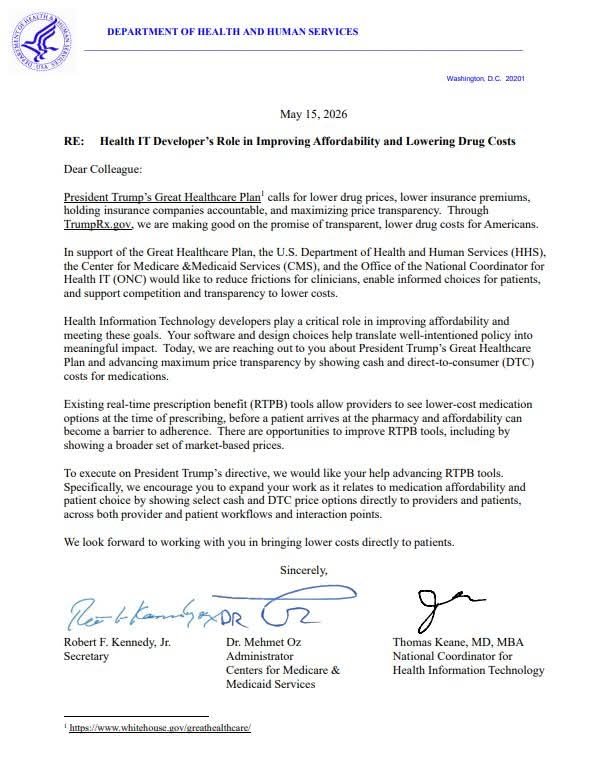
HHS just directed every electronic health record system to expand price transparency tools. Cash prices, TrumpRX pricing, and direct-to-consumer alternatives will appear right at the prescribing screen. Signed by RFK Jr., Dr. Oz, and the National Coordinator for Health IT.
This dismantles PBM extraction at the prescribing decision itself. The PBM-routed prescription costs $147. The same drug through cash alternatives costs $12. Doctors haven't been seeing those cash prices. As vendors implement, they will, and so will patients.
Pharmacy Benefit Managers extract billions annually by keeping prices opaque. Visibility breaks the racket.
Mercantilism at work. Same drug, transparent pricing, money returning to American families instead of captured intermediaries.
2
7
329