
Joined September 2016
- Tweets 10,484
- Following 5,277
- Followers 5,153
- Likes 19,592
1,282 Photos and videos






Pinned Tweet

31 Dec 2025
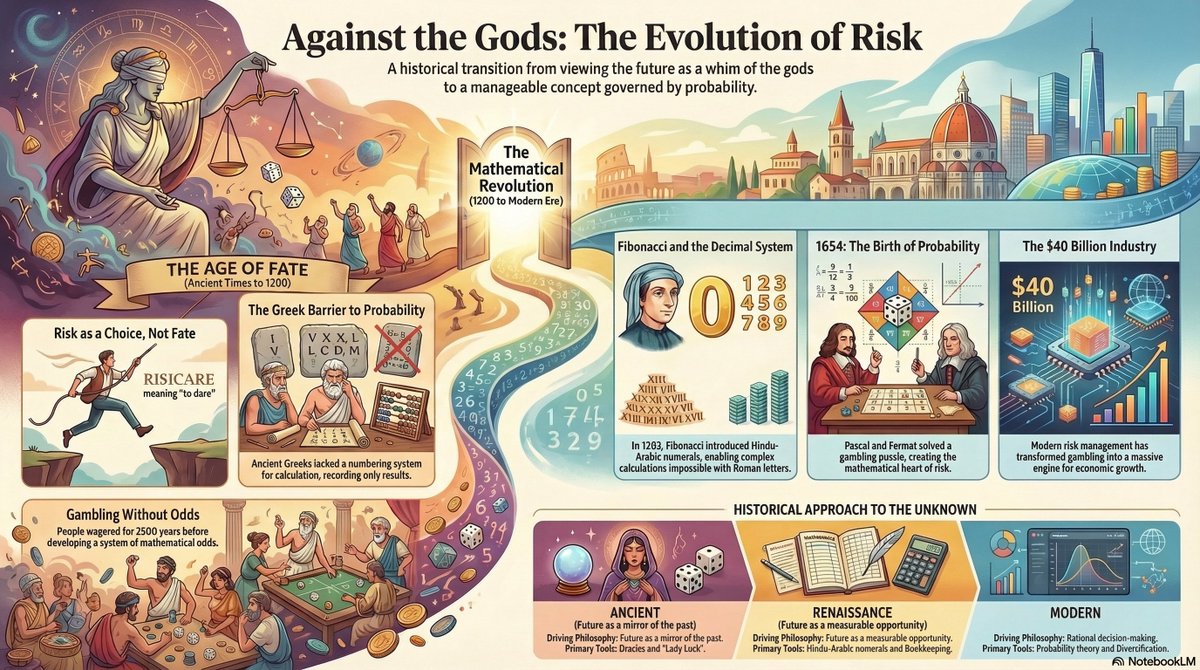
Emotion beats logic — especially fear, status, and belonging
2
240
ChataK Charlie retweeted

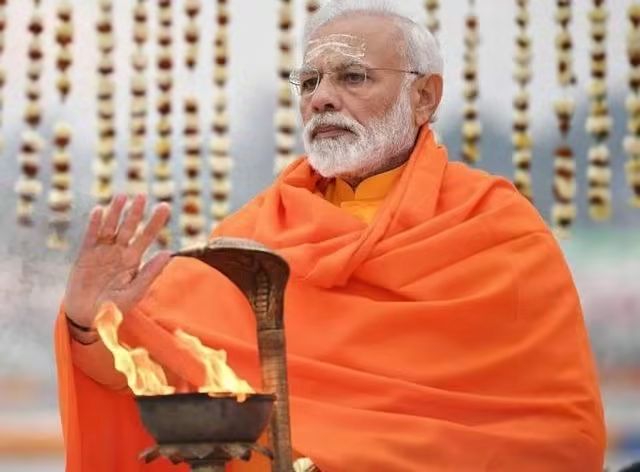
A Nation that refuses to stop because a Man refused to budge.
The Man, The Leader 🙏🙏❤️❤️
11
258
1,289
7,243
Jun 10
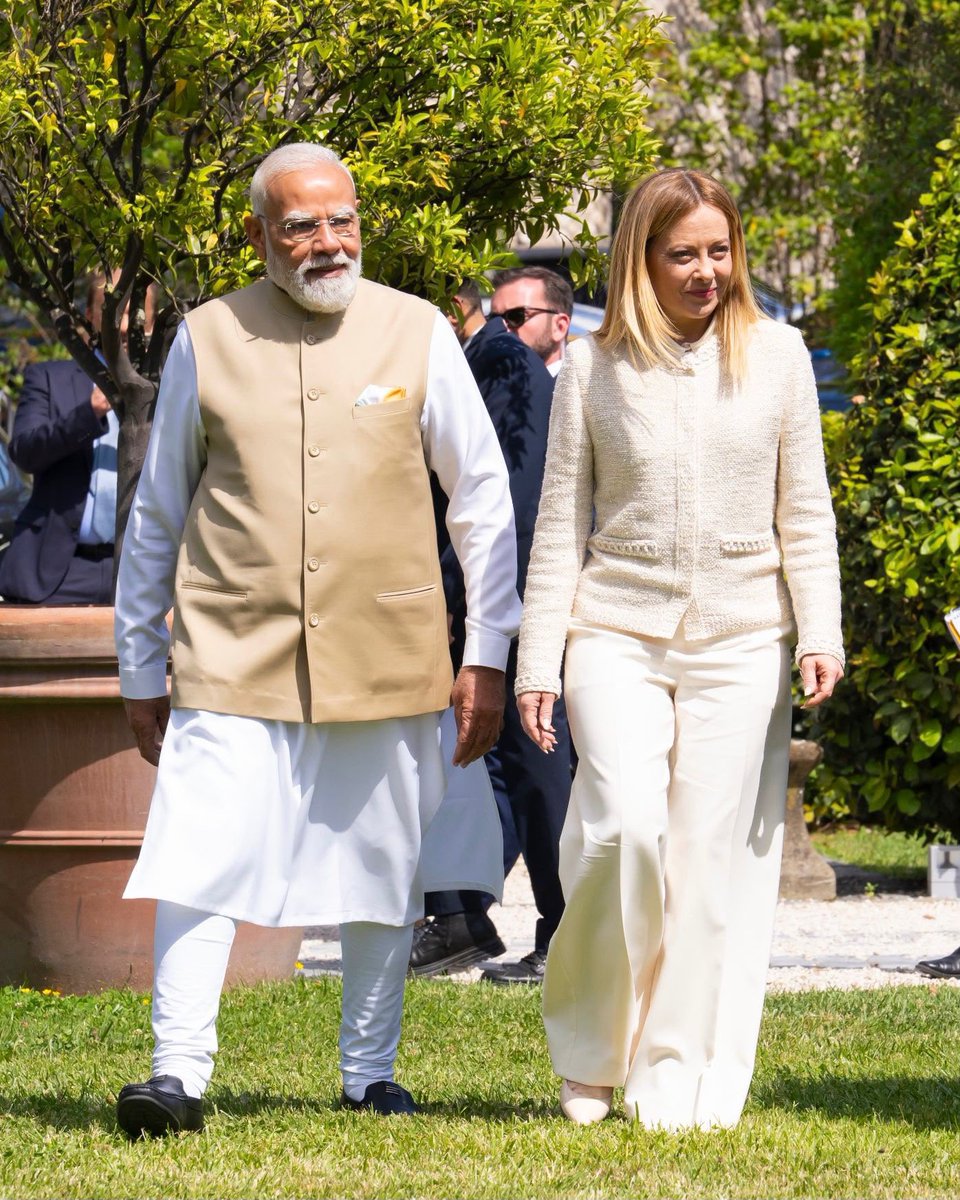
Melody wishes ..
Jun 10

Congratulazioni a @narendramodi che oggi diventa il Primo Ministro eletto più longevo nella storia dell’India.
È stato un piacere ritrovarci a Roma nelle scorse settimane e lanciare assieme un Partenariato Strategico Speciale che guarda al futuro per creare nuove opportunità per le nostre Nazioni e i nostri popoli.
25
Jun 3
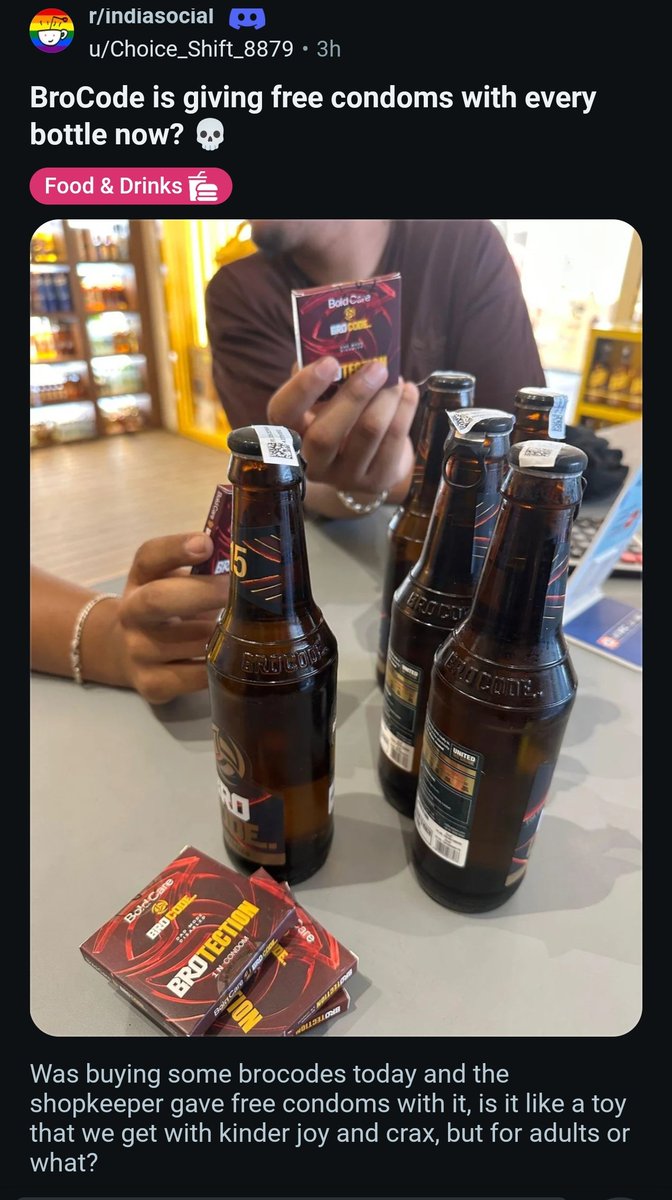
Condoms are free with beer and they name it Brotection.. cannot drink alone any more .. #brocode
78
Jun 2
Get life .. be a Judge ..
Jalo nahi barabari karo ..
May 31

Starting tomorrow, Supreme court of India is on a six-week summer vacation and will be operating at just 19% of its capacity. There are 53 million cases pending in Indian courts - 93,143 of them are pending in the Supreme Court.
A judge can go on a vacation, a judiciary cannot.
17
Jun 2
I watched three YouTube videos. Ask me anything about world affairs.
10
Jun 1
How do you like your Eggs ..?

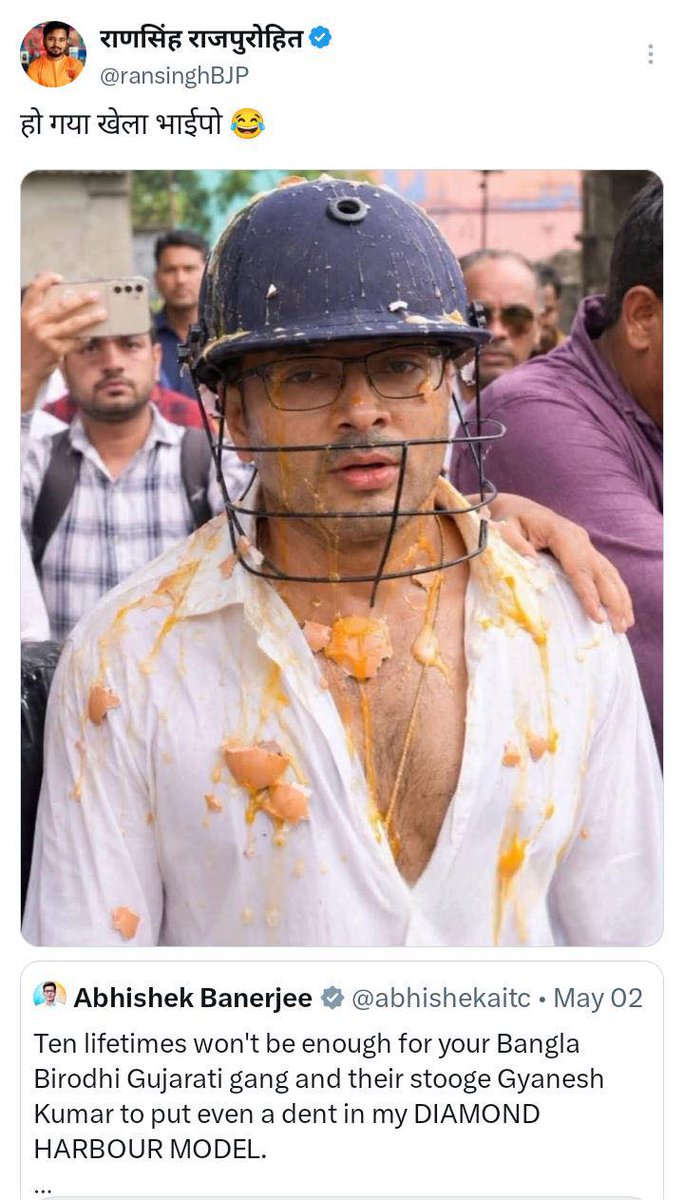
20
ChataK Charlie retweeted
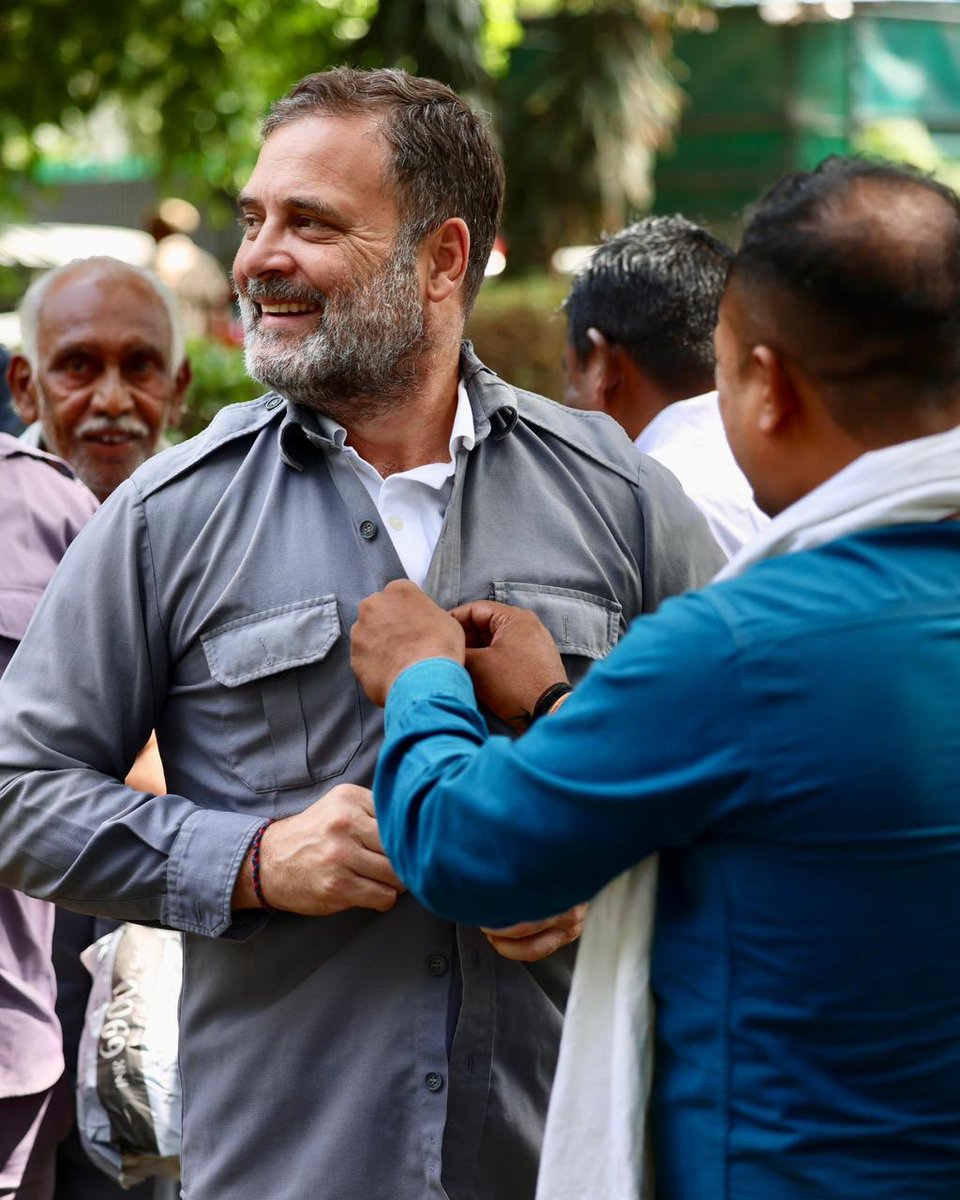
Chatak Charlie

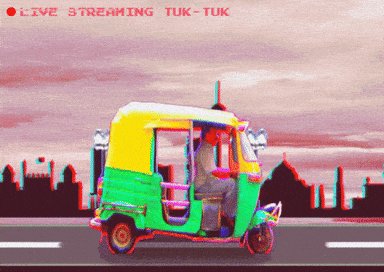
राहुल जी ऑटो वालों से मिले और उनकी ड्रेस पहन ली। इस चित्र को देखकर आपके मन में क्या विचार आ रहा है?
5
44
150
3,383
ChataK Charlie retweeted

May 30
Throwing eggs in a BJP ruled state would become a nationl issue
But throwing crude bombs under TMC was never a problem for anyone.
This is exactly why I want BJP govt in every state
77
5,004
19,141
115,266
May 28
Try @Arattai .. it's not gonna be blocked ..
May 28

bayangin kalo misalnya:
- x diblokir
- whatsapp diblokir
- instagram diblokir
- tiktok diblokir
- telegram diblokir
kalian mau ngapain?
20
May 28
For a more cohesive India, a single native language could serve as a powerful unifying force. Hindi presents a strong candidate, as 57% of the Indian population already understands it. Bridging the remaining 43% could lead to greater national integration.

Got into an accident in a remote place while returning from a meeting & a lot of people surrounded the car I was in and started vandalizing it, they also physically harassed my driver. I dialled 100 emergency line in panic and the operator said that they don't know English - WTF?
1
1
1
51
ChataK Charlie retweeted

It's a terrible thing that even Islamic scholar doesn’t have Islamic and Quranic knowledge !
Even now, Muslims in India believe they can launch a Ghazwa-e-Hind!
Even now, Muslims in India believe they can turn India into an Islamic country!
Just to fulfill this dream, Muslims neither live peacefully themselves nor allow anyone else to live peacefully!
@HMOIndia @AmitShahOffice @myogioffice @CMOfficeUP @SuvenduWB @AIMPLB_Official
35
517
1,473
22,854
ChataK Charlie retweeted

Whenever Hinduism Went Through Its Weakest Stage, Someone Came Out of Nowhere And Reestablished Dharma.
1. In 200 BCE, the Vedic order was collapsing as Buddhism became the state favoured religion under Emperor Ashoka. His successors were weak and the country was imploding from within. A general named Pushyamitra Sunga seized control and reestablished Vedic traditions. He performed the Ashwamedha Yagya (Horse Sacrifice) after decades and Hinduism could breathe again.
2. In the 8th century CE, Buddhism had swept the nation and temples were empty. A boy named Shankara, from Kerala, travelled across India, debated every scholar and won every debate. He didn't destroy Buddhism but out thought it. His weapon was logic and his armour was the Upanishads. Hinduism didn't just survive, it came back stronger.
3. In the 17th century, the Mughals dominated the country, temples were destroyed, conversion to Islam was rampant and Hindus were treated as second class citizens. Then came Chhatrapati Shivaji Maharaj whose mission was Haindavi Swaraj (Indian Self Rule) - not just political freedom but cultural, spiritual and religious freedom. He protected women and gave back Hinduism its pride.
4. In 1947, after independence, India spent decades being ashamed of its own civilisation. Hinduism was politically incorrect, Ram Mandir was a court case and yoga was called communal. Then came a chaiwallah from Gujarat. He stood on the world stage and said he's proud to be a Hindu. Ram Mandir was rebuilt and yoga became a global movement. India's ancient identity became its modern strength.
Maybe this is what Lord Krishna means: "Whenever and wherever there is a decline in righteousness, and a predominant rise of irreligion, at that time I descend Myself." Maybe he doesn't always come himself. Maybe he sends a general, a monk, a warrior king or a chaiwallah.
34
558
1,453
17,429
ChataK Charlie retweeted

May 26
This is something ..
Which should be VIRAL..
A Must watch for us all .
Don't miss ..
Worth your 5 odd mins .
71
1,193
2,608
49,670
May 23
The Uncomfortable Mirror
We live in a world of selective outrage — and most of us, myself included, are guilty of it.
You scroll past a video of a dog being mistreated and your blood boils. You share it. You demand justice. As you should. But then you sit down to a plate of chicken wings without a second thought. The chicken felt fear. The chicken felt pain. The chicken did not want to die. The only difference between that dog and that chicken is which one we decided to call a pet.
This isn't an argument *against* eating meat. You have every right to eat non-vegetarian food. But own what it is. Don't sanitize it. Don't call yourself an animal lover with one hand and hold a drumstick with the other without at least acknowledging the contradiction. **Rights and ethics are not the same thing.** Something can be your right and still carry a moral weight you should sit with.
The same logic applies to abortion. A woman has — and in many places, legally holds — the right to bodily autonomy. That is a real, defensible right. But a right does not automatically erase the ethical gravity of what is done within it. You can believe in the right and *still* acknowledge that it involves ending something that was developing into a life. Both things can be true at once.
**The point isn't to guilt you into veganism or strip anyone of rights.**
The point is this: intellectual honesty. The moment we demand rights *and* refuse to acknowledge the weight of those rights, we stop thinking and start just defending our comfort.
Eat meat if you must. Support bodily autonomy if you believe in it. But don't look away from the mirror. That discomfort you feel? That's called a conscience. It's worth listening to.
17
May 21
Logic to correct hai ..
Cockroach Janta Party ke log lagte hain ...
40
May 20
World Titanic doob Raha hai .. lekin #melody chalte rehni chahiye ..
Modi ji is the boss ..
May 20

PM Modi gifted Melody chocolates to Giorgia Meloni 😄
This will break the internet..🔥😂
17
May 18
The game of thrones ...
May 18

Savage by President Xi🔥
Trump invites State Heads to White House & humiliates them. This time, got taste of his own medicine.
Xi sat on tall chair while Trump was given shorter chair with soft seat so he sinks & appears smaller than Xi Jinping.
Just look at Trump's face😂
1
1
25