3,090 Photos and videos














Pinned Tweet

Apr 22
Conviction, patience, cut failed thesis quickly.
1
3
878
ThePinkPelican retweeted

Jun 11
Trump: I’m attacking Iran. I’m not attacking Iran. I’m attacking Iran. I’m not attacking Iran.
Markets:
1,355
13,125
74,117
4,014,135
Jun 10
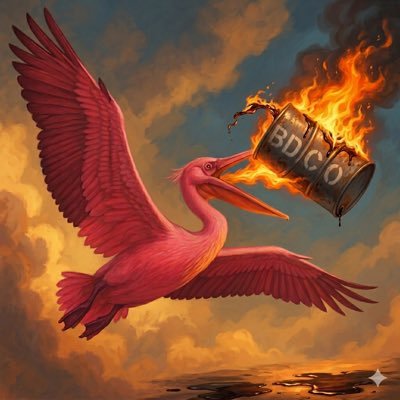
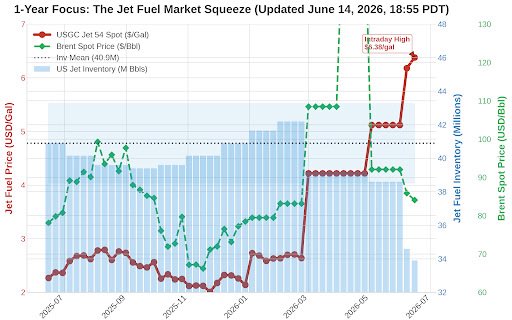
$BDCO noobs selling here not realizing the company’s margins for jet fuel continue to expand with cheaper input (crude). THIS IS NOT AN OIL STOCK. Jet fuel remains at all time highs. Here’s a chance to buy shares in the low 3’s while the CEO just bought shares weeks ago near $4
1
242
Jun 10
Jun 10

َQuestion for my friend @calvinfroedge
If the Trump administration is not releasing 1.7 million barrels per day of oil from the SPR, would current WTI and Brent crude prices be higher or lower than current prices?
250
Big for $CITLF / $CTTT who has partnered with @junoindustries to provide remote monitoring solutions for $CRML

Tomorrow, Executive Chairman, the Hon. @HarjitSajjan wil be speaking on the Keynote Panel at the first-ever Critical Minerals for Defence Conference at the Marriott Downtown at CF Toronto Eaton Centre.
Register here: defence.energyandmines.com/r…
1
2
1,301
ThePinkPelican retweeted

Strange isn't how Elon Musk told everyone to mark this post, then he deleted it.
Must have been a mistake.
Let me repost it for him.

207
12,868
36,723
388,820
ThePinkPelican retweeted

Jun 5
never waste a good crisis

1,086
3,187
66,557
3,212,284
ThePinkPelican retweeted

Happy 1 year anniversary to this tweet.

311
13,881
68,347
936,601
They are saying it’s a beautiful rock, a small rock but a beautiful rock they’re saying.

Trump says oil prices will fall like a rock.
2
246

ThePinkPelican retweeted

After decades of underinvestment, Canada is reclassifying the Arctic as a primary defence and economic priority.
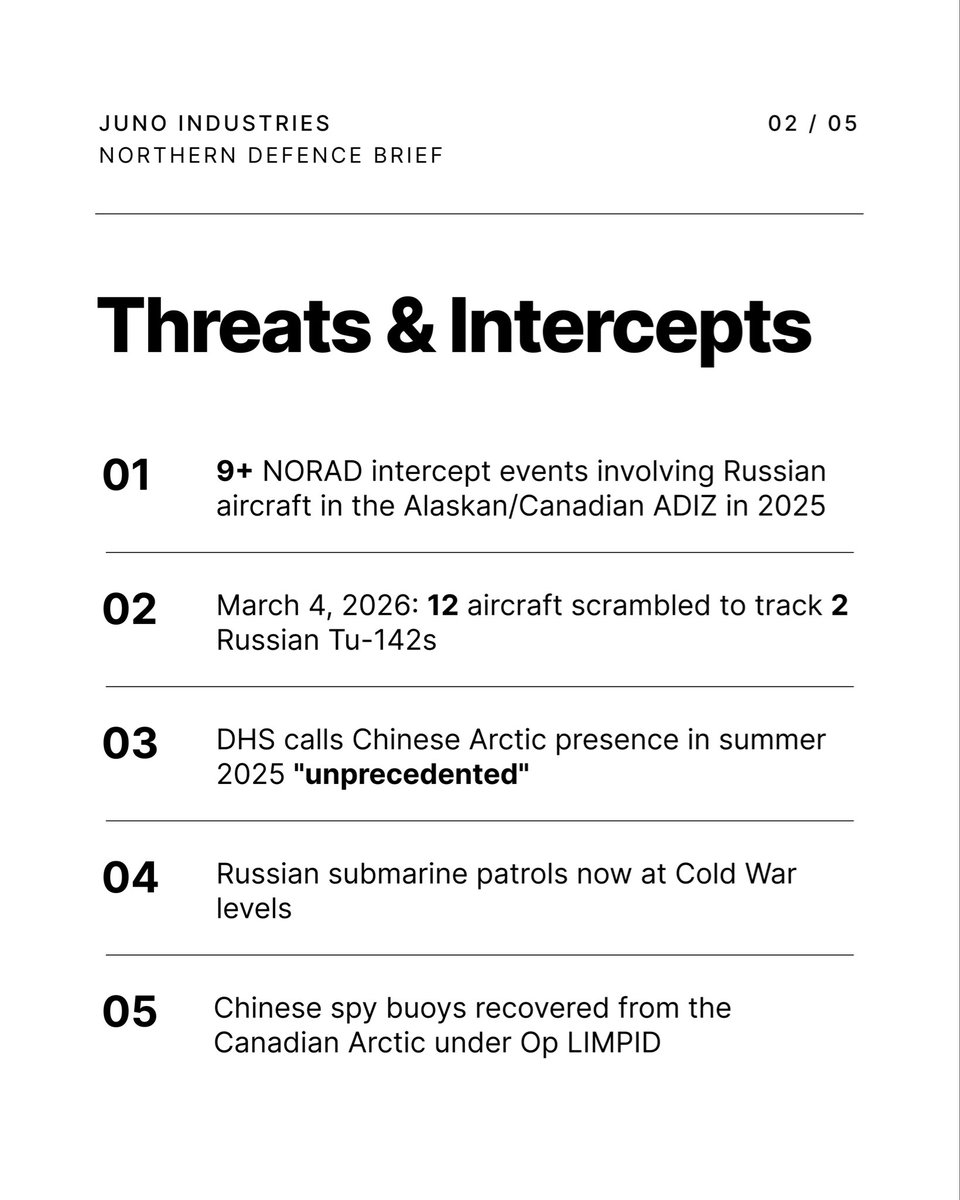
The threat picture has changed. NORAD tracked at least nine separate Russian aircraft events in the Alaskan and Canadian ADIZ in 2025. U.S. DHS characterized Chinese activity in Arctic waters last summer as “unprecedented.” Russian submarine patrols are operating at Cold War levels.
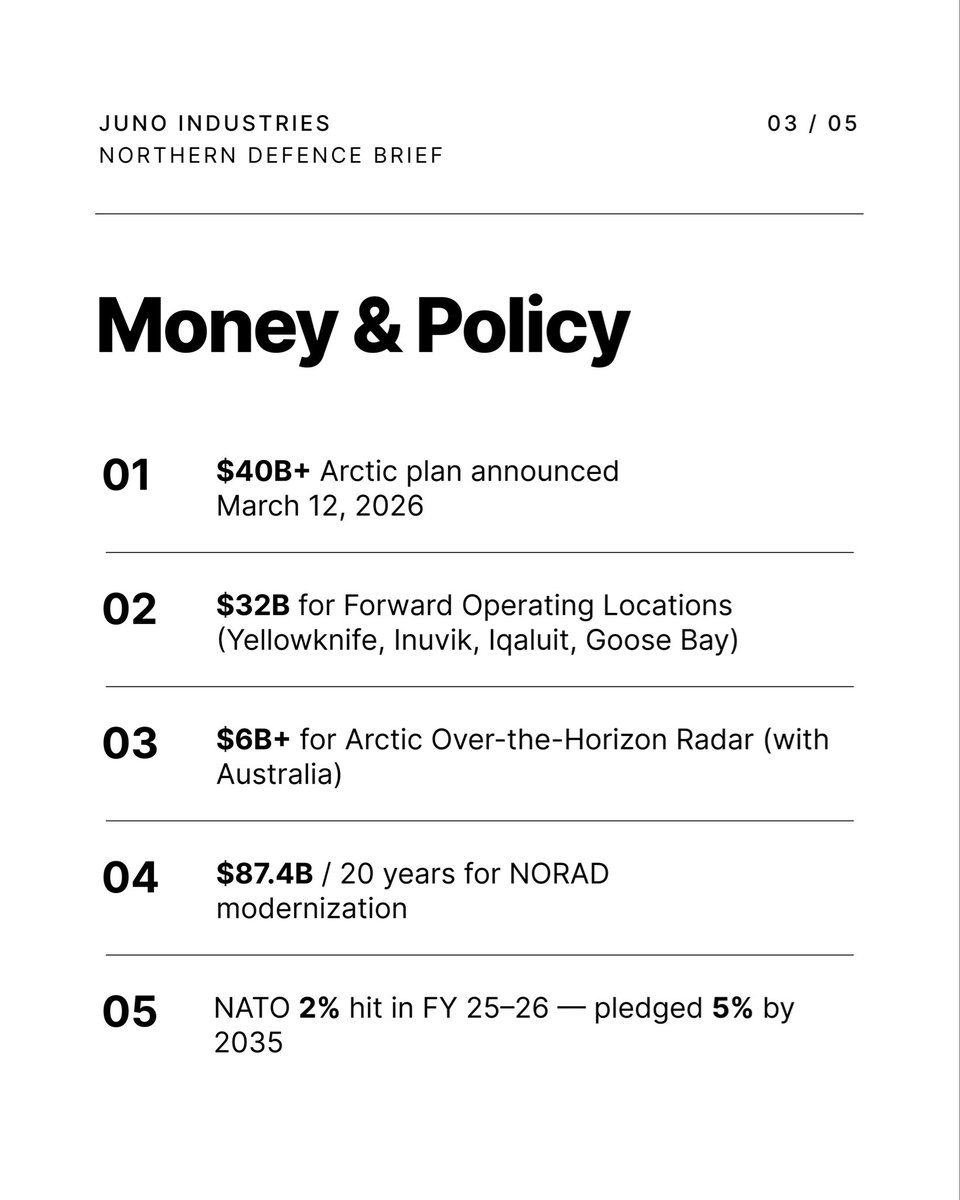
The policy response has moved from incremental to structural:
→ $40B Arctic plan announced March 12, 2026
→ $32B for Forward Operating Locations at Yellowknife, Inuvik, Iqaluit, and Goose Bay
→ $6B Arctic Over-the-Horizon Radar in partnership with Australia
→ $87.4B over 20 years for NORAD modernization
→ NATO 2% target achieved this fiscal year — 5% pledged by 2035
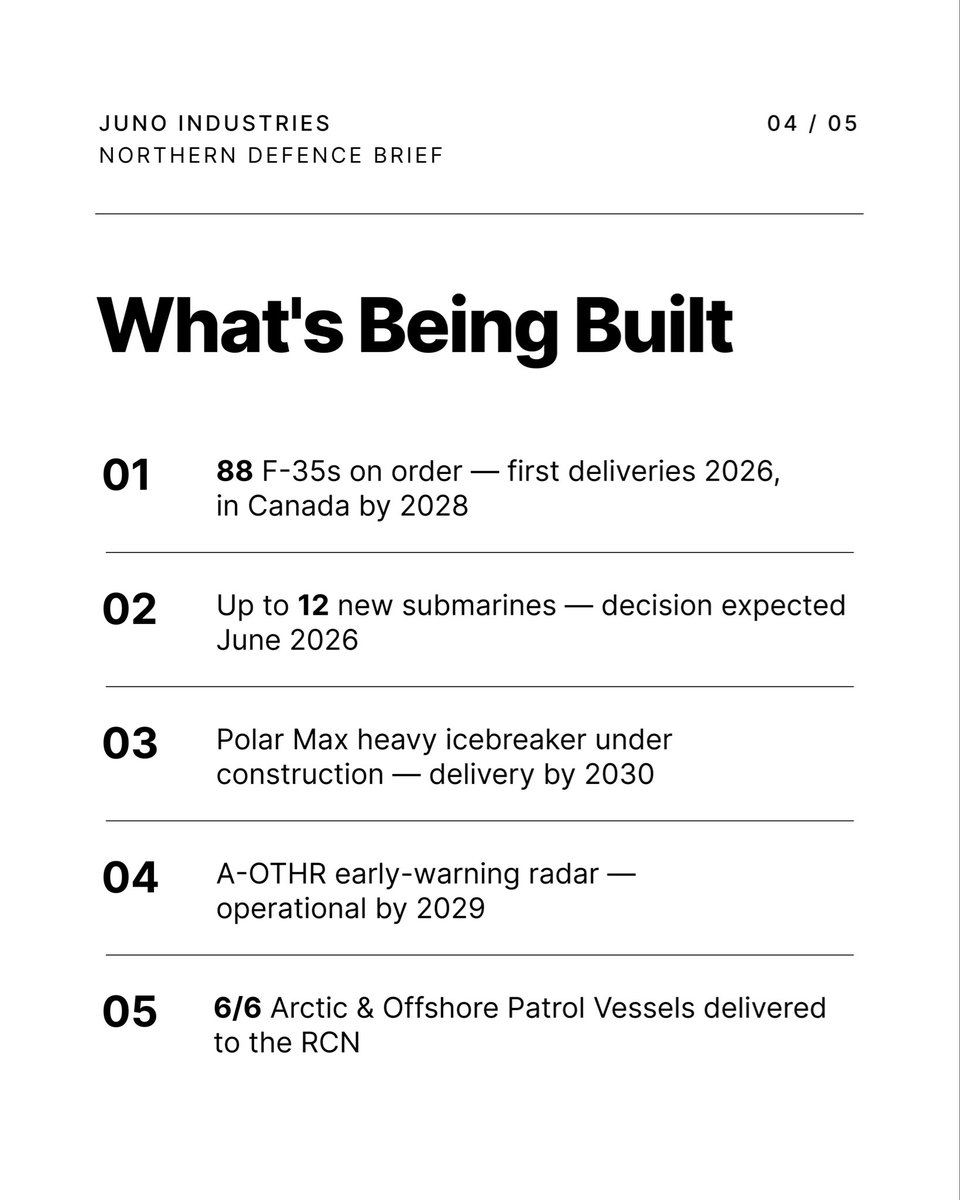
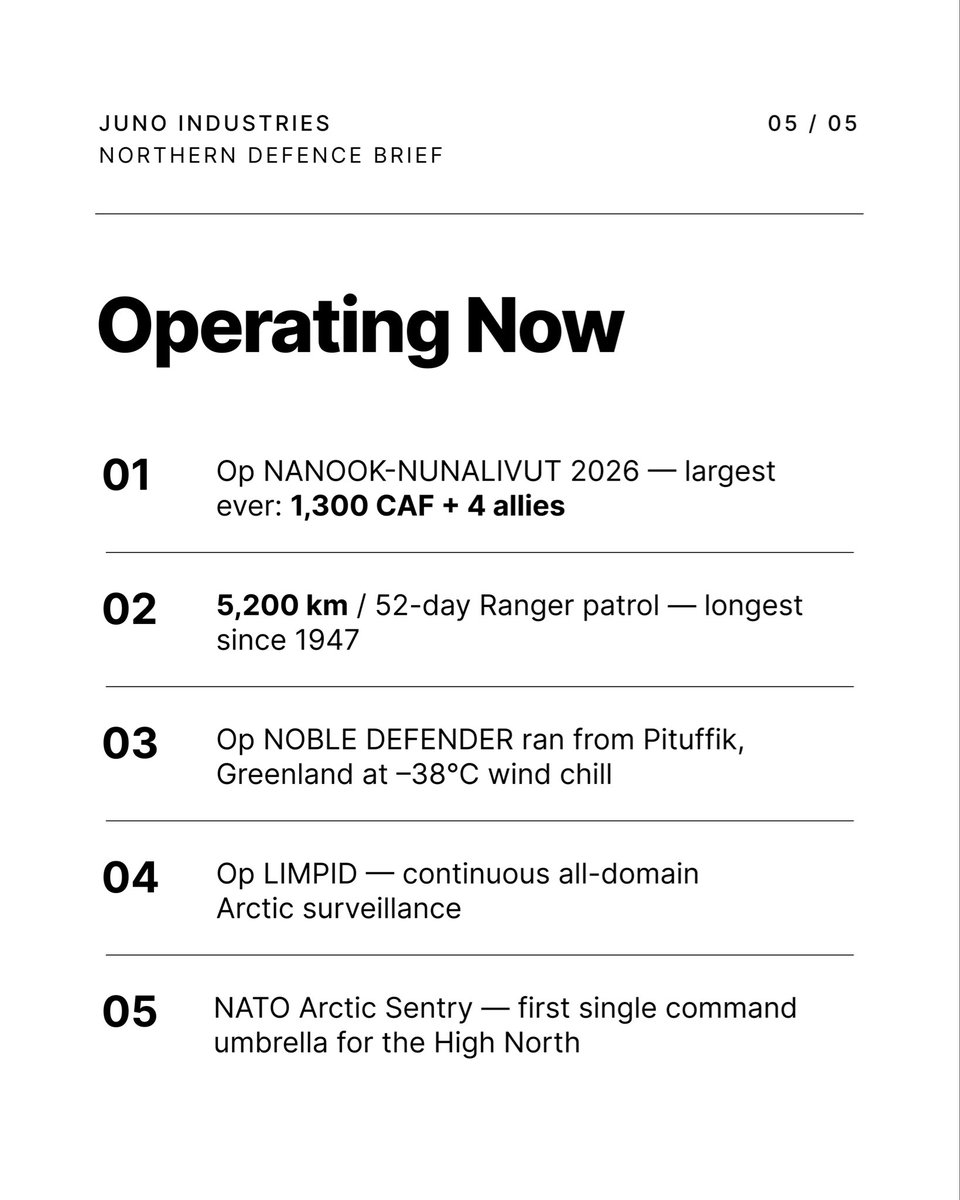
The capability layer is moving in parallel. 88 F-35s on order with first deliveries this year. A submarine fleet decision expected in June. The Polar Max heavy icebreaker under construction at Davie. Operation NANOOK-NUNALIVUT 2026 — the largest Arctic operation in CAF history — closed with a 5,200 km Ranger patrol, the longest since 1947.
What’s emerging is a coherent operating environment: budget, infrastructure, platforms, and force posture aligned for the first time in decades.
The execution layer — the technology, the sovereign industrial base, the dual-use capabilities that turn announcements into operational reality — is where the next decade will be defined.
1
1
234
$CITLF one step closer to fulfilling the massive 50 unit order run for Ukraine finance.yahoo.com/sectors/te…
1
130
1
3
374
ThePinkPelican retweeted

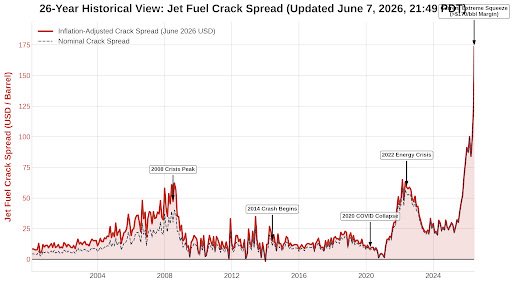
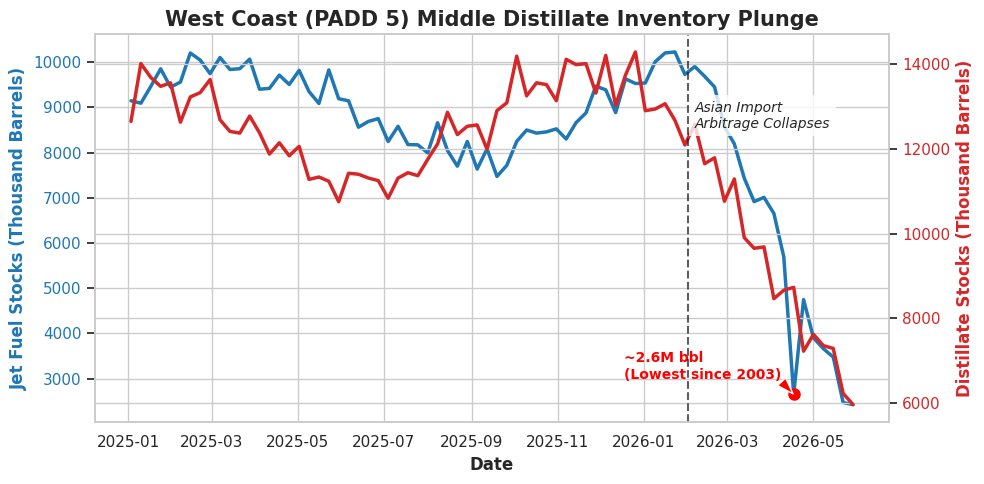
I'm surprised more people aren't talking about this. California will hit tank bottoms for jet and diesel by July 4th.
The Asian import arbitrage is dead, local refining is tapped, and none of this is reversible for 12-18 months.
Could this be the Energy Crisis' Lehman moment?
Jun 1

Enjoy tank bottom.
70
524
2,403
230,940
ThePinkPelican retweeted

SpaceX IPO liquidity exiting Bitcoin right now
432
1,573
22,157
1,813,457
2
164
ThePinkPelican retweeted

Jun 1
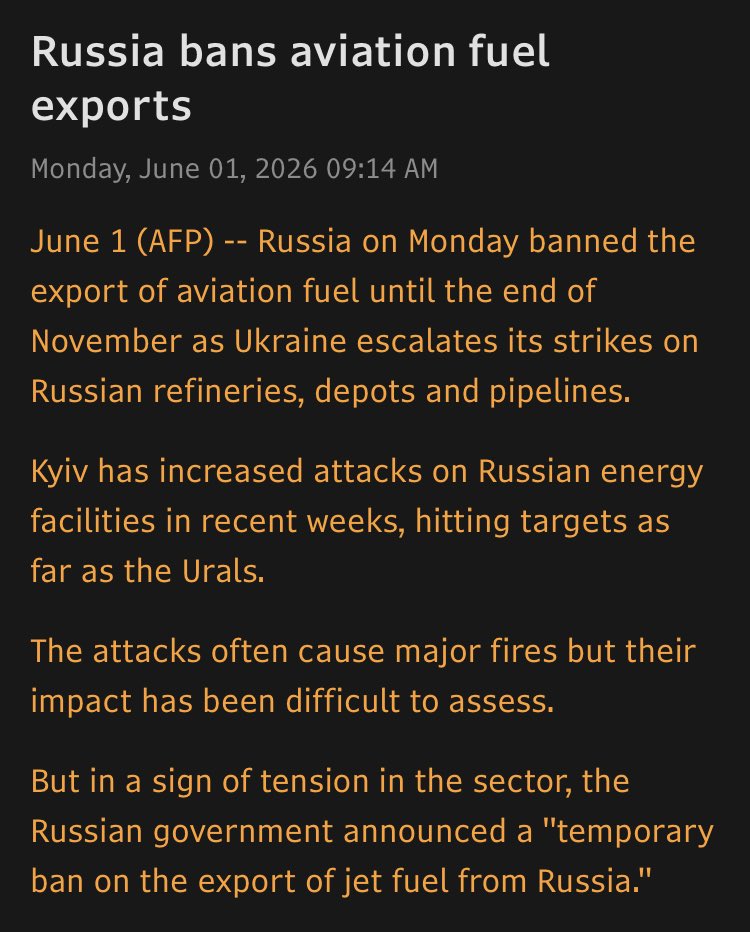
It's official - Russia has banned jet fuel exports

10
83
778
29,109
May 29
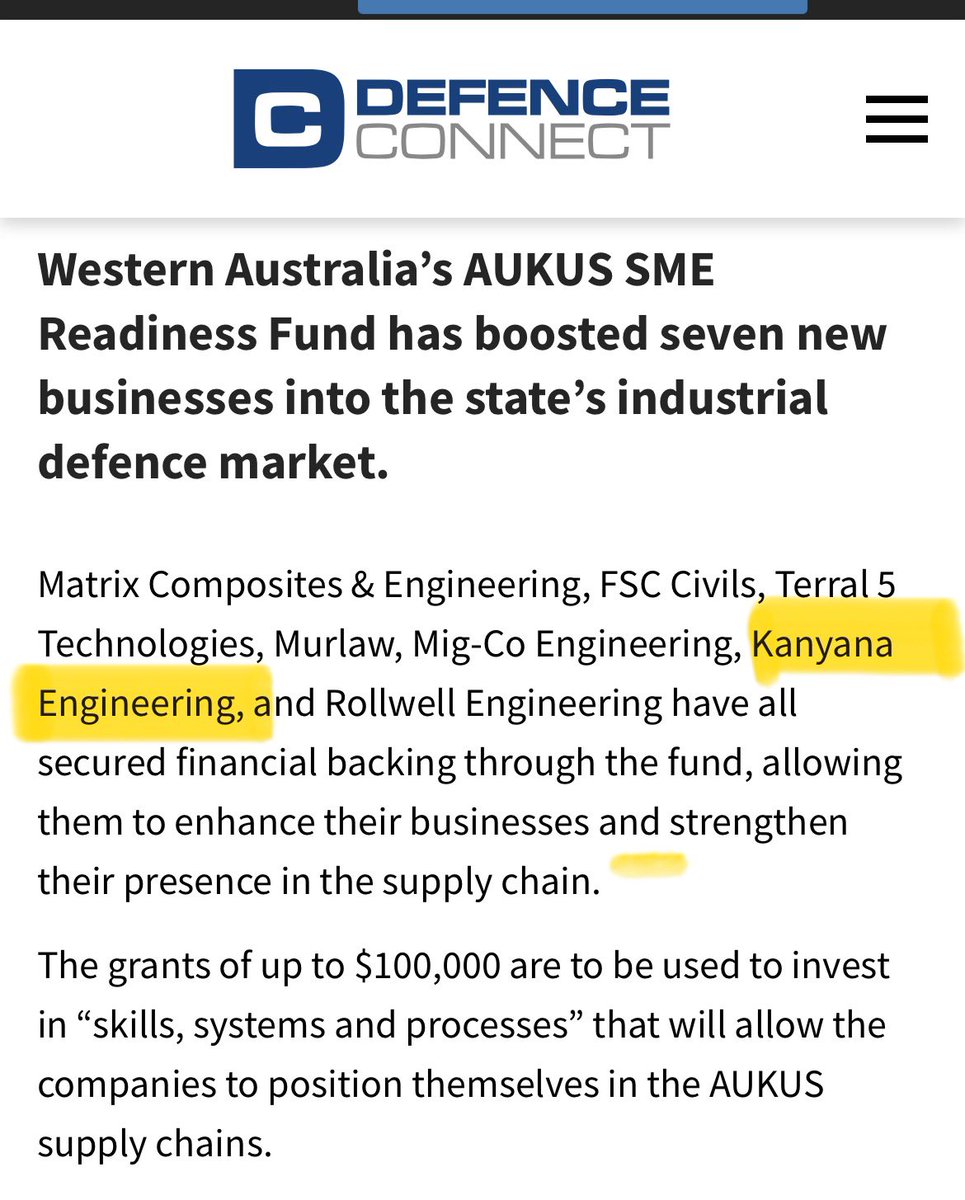

$CITLF this acquisition closed today. Adds $7.5M top line revenue and that’s before the production ramp of Nexus 20 units which is already underway. Should expect to see a pr very soon. This is escalating quickly especially with Juno onboard now. Kanyana is part of the ramp plan
1
359
Delayed, but it’s clear that the floodgates will release once this closes… 2026-06-01 | Critical Infrastructure Technologies Provides an Update to Acquire Western Australian Engineering Business | CSE:CTTT | Press Release stockhouse.com/news/press-re…
108