
Joined February 2019
- Tweets 29
- Following 513
- Followers 32
- Likes 245
1 Photos and videos



Apr 16
biggest step function in selling to enterprises
bullish af

1
8
241

Tanki retweeted

Mar 14
fact checking on gospel and lavender: true
full disclosure, i’m in the current speedrun batch applying it to financial institutions
Mar 14

Fact check: true.
1
6
337
Tanki retweeted
Mar 11
love this. one thing i’d add is that i think the bigger unlock is what spreadsheets actually do in practice beyond modeling.
a spreadsheet isn't just logic and data, it's a communication artifact.
people send spreadsheets around, annotate them, use them as the shared surface for decisions. the data and the conversation live together. so the gap in "just write code" isn't the logic part, AI solves that. it's the collaboration and transfer layer. nobody emails a python script to get sign-off.
the next gen solution needs to make the output as easy to share, discuss, and hand off as a spreadsheet is today.
Mar 11

prediction re the end of spreadsheets
AI code gen means that anything that is currently modeled as a spreadsheet is better modeled in code. You get all the advantages of software - libraries, open source, AI, all the complexity and expressiveness.
think about what spreadsheets actually are: they're business logic that's trapped in a grid. Pricing models, financial forecasts, inventory trackers, marketing attribution - these are all fundamentally *programs* that we've been writing in the worst possible IDE. No version control, no testing, no modularity. Just a fragile web of cell references that breaks when someone inserts a row.
The only reason spreadsheets won is that the barrier to writing real software was too high. A finance analyst could learn =VLOOKUP in an afternoon but couldn't learn Python in a month. AI code gen flips that equation completely. Now the same analyst describes what they want in plain English, and gets a real application - with a database, a UI, error handling, the works. The marginal effort to go from "spreadsheet" to "software" just collapsed to near zero.
this is a massive unlock. There are ~1 billion spreadsheet users worldwide. Most of them are building janky software without realizing it. When even 10% of those use cases migrate to actual code, you get an explosion of new micro-applications that look nothing like traditional software. Internal tools that used to live in a shared Google Sheet now become real products. The "shadow IT" spreadsheet that runs half the company's operations finally gets proper infrastructure.
The interesting second-order effect: the spreadsheet was the great equalizer that let non-technical people build things. AI code gen is the *next* great equalizer, but the ceiling is 100x higher. We're about to see what happens when a billion knowledge workers can build real software.
2
2
9
441
Mar 4
Gold. It’s actually working so good

66
Tanki retweeted

24 Jul 2025
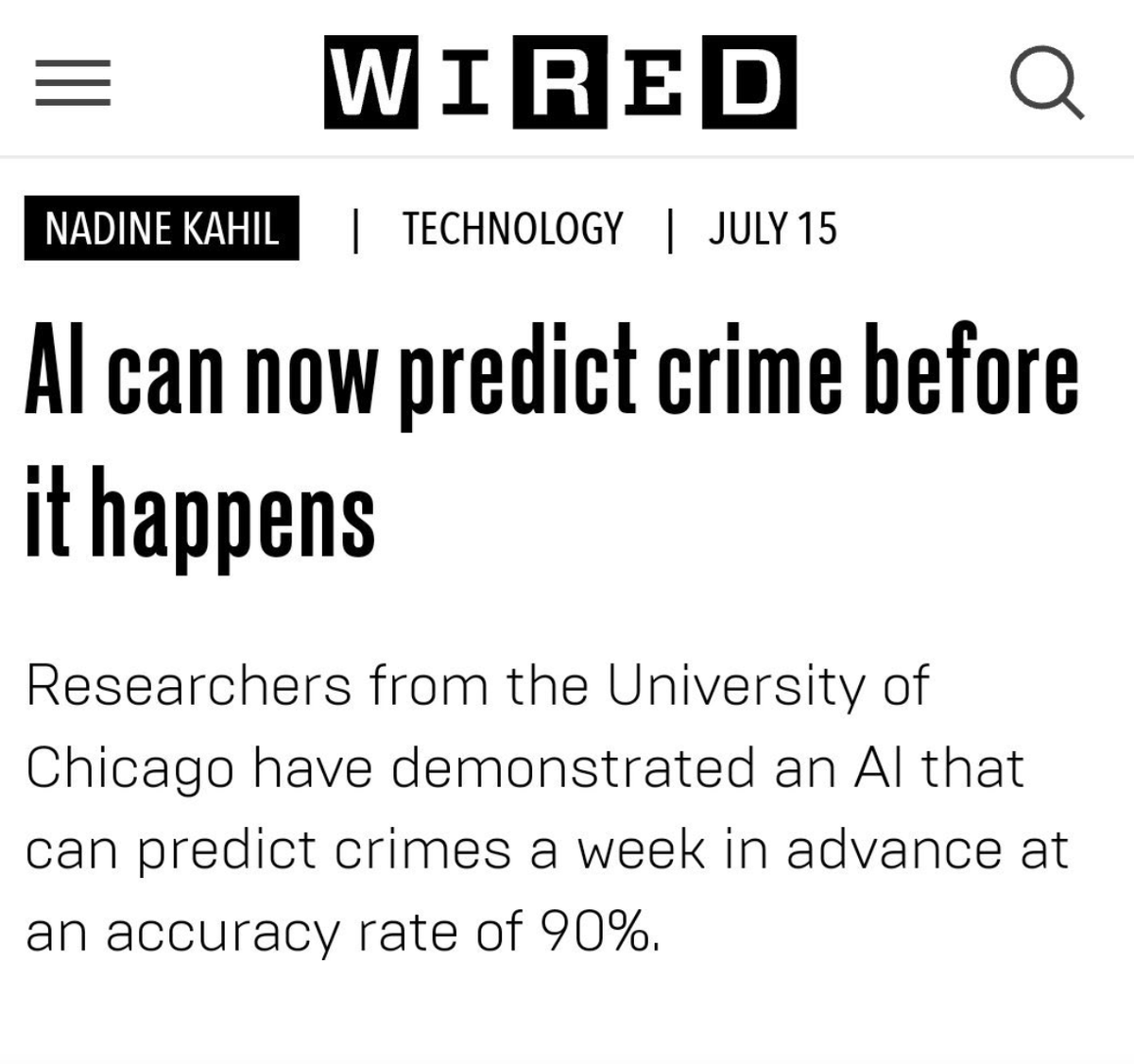
Forbes 30 under 30 has been doing this for years
611
2,647
31,289
1,053,510
Tanki retweeted
22 Apr 2025
I hear children say that they want to be an astronaut, a fireman, or a pilot
never heard a child saying that they want to be a senior product manager.
don’t be afraid to fail.
5
1
17
1,411
Tanki retweeted
21 Jan 2025
We are in the wrong timeline in the multiverse, Elon and Zuck should have fought each other
2
5
192
12 Jun 2023
למגייסת ששלחה שהיא מחפשת מישהו עם ניסיון בצנרת CI/CD, מצרף לך את הפרופיל שלי במדרג בכדי להתרשם מפרוייקטי האינסטלציה שעשיתי בחברה🤦🏻♂️
6
159