Joined April 2011
- Tweets 24,800
- Following 1,011
- Followers 903
- Likes 13,783
360 Photos and videos

Pinned Tweet

30 Aug 2025
"People ask for why I support Obi.
Hear:
The constellation of criminals opposing Obi is no mystery-he is the lone rebel within a ruling class that has long shackled our country, and so they wage war against him.
My task is to spread his rebellion!" - Abdul Mahmud 2025 Aug, 29
1
2
4
582
Chief_Moze retweeted

10h
Ignore the clowns marching on the streets harassing other Africans, there are still sensible people in SA.
47
214
793
15,520
Chief_Moze retweeted

Might actually be the first prophecy I believe.
68
252
1,018
90,285
Chief_Moze retweeted

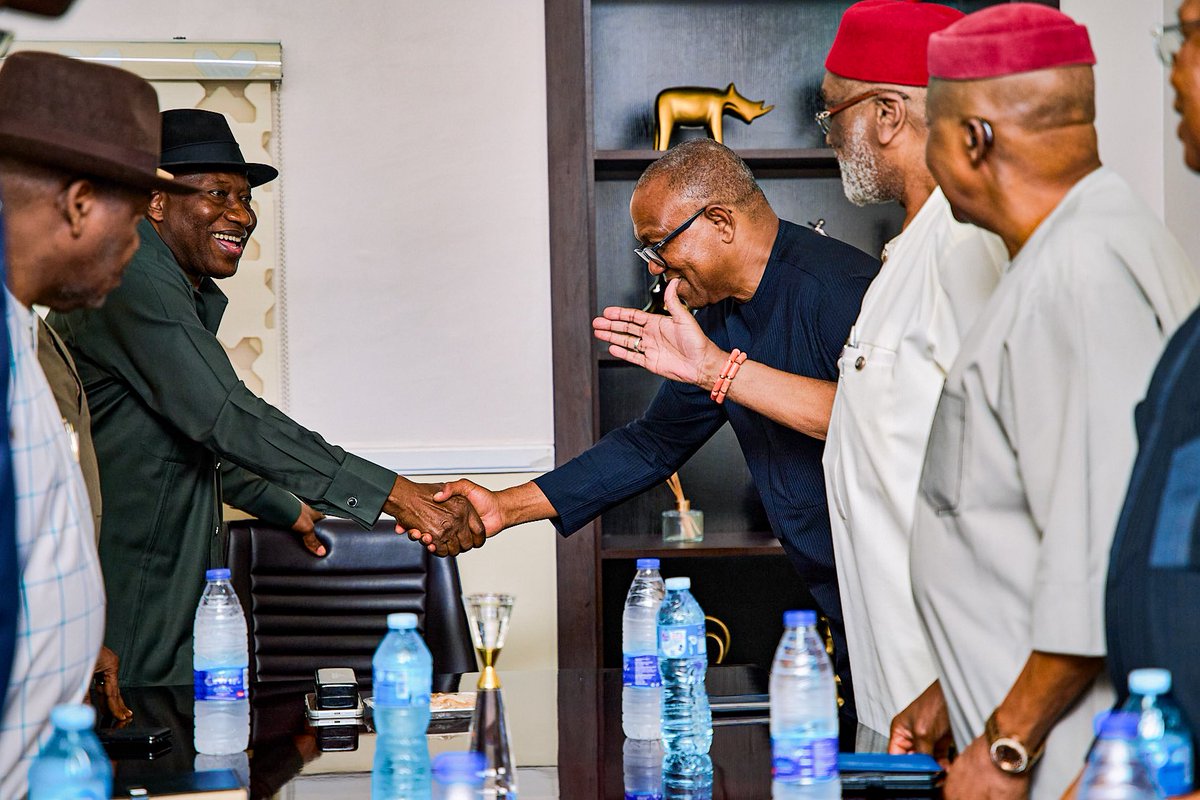
Peter Obi is a very thorough politician.
He planned everything from the beginning and ensured his bloc votes from the SE and SS remain untouched.
Before moving to NDC, he met GEJ and discussed with him. GEJ assured him that he's not coming back to active politics and he's never running again.
Peter Obi joined the NDC after this assurance from GEJ.
Obi doesn't want anything to happen to his SE and SS bloc votes. 😅
23
262
1,231
34,819
Chief_Moze retweeted

Before APC came into Power If you had N1m in your bank account the Money had Weight. Being a Millionaire in Naira wasn’t easy to Attain but it felt fulfilling Once you achieved it. Now N1m a month salary can’t even sustain a Single Man.
VOTE WISELY 2027.
APC MUST GO. 😤🇳🇬
71
523
1,394
23,868

All this performative grandstanding by Rotimi Amaechi is simply political theater. It is intended to signal that he fully expected to pick up the presidential nomination over AA. Watch him eventually agree to become the running mate of the same man he is currently accusing of rigging him out. The narrative will then be repackaged as “Amaechi, the statesman, has buried the hatchet in the interest of the party and agreed to run with Atiku on a joint ticket.” Na wash! No be the same Naija we all dey? LOL.
7
26
49
7,624
Chief_Moze retweeted

Breaking News!
Kenneth Okonkwo disowns Atiku and has said he dissociates himself from Atiku!!
Party Scatter!!😂🤣😂🤣
76
185
836
42,943
Chief_Moze retweeted

17 Jul 2021
Armed men, will casually stroll into a village in Southern Kaduna, Benue, Zamfara etc. - and commit genocide, kidnap the entire village for ransom or commit some other evil.
Happens every other week.
Yet some Nigerians believe South Africa is more "lawless" than Nigeria.
11
456
617
Chief_Moze retweeted
24 Aug 2024
London and Johannesburg are both a little over 6 hours from Lagos (by flight);
There's nothing you are looking for in South Africa, that you can't find in UK, apart from game reserves - which you can find in Kenya and Tanzania.
So there's no point going to South Africa.
24
247
782
33,975
Chief_Moze retweeted
19 May 2023
Multichoice generated $697.8 million in the 1st quarter of 2022 from Nigeria - and $81.3 million from the rest of Africa (excluding South Africa) during that same period.
(I am yet to see evidence of Ghana's "wonderful middle class consumption"): primebusiness.africa/nigeria…
31
282
416
82,904
Chief_Moze retweeted
15 Nov 2021
During the #EndSARS protests, some Black South Africans actually trended the #SARSmustrise hashtag - in support of Nigeria's SARS.
Such is the level of hatred they have for Nigerians. (Egged on by their politicians).
We'll see how this finally ends.
34
360
784
Chief_Moze retweeted
27 Aug 2024
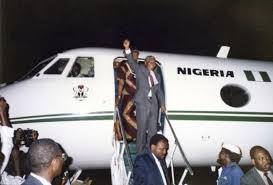
I remember when a teacher told us, "no classes today, don't you know they have released Mandela"?
Shortly after, Mandela arrived Nigeria, on a thank you tour. He visited Enugu.
That is all history; which is irrelevant to how we will relate with South Africans going forward.
12
439
985
21,355
Chief_Moze retweeted
3 Jul 2024
Every single problem Fela sang about in "Original Suffer Head" and "Suffering and Smiling" in the 1970s, has not been solved. In fact, most of these problems are a lot worse today.
In contrast, in many South East Asian nations, they've solved most of those problems.
6
425
575
13,224
Chief_Moze retweeted
3 Feb 2023
If PDP hasn't nominated anyone from the South East for the Presidency since 1999 (24 years). Forget it, they are never going to do so.
Everything else is horseshit.
13
167
422
18,733
Chief_Moze retweeted
10 Aug 2024
Black South Africans are passionately telling us Nigerians that;
1. They hate us.
2. We are their enemies.
Okay, we have heard. Let them get on with their lives, if they can.
387
842
4,376
304,703
Chief_Moze retweeted
4 Nov 2024
The Black Church in US, did not "pray away" Racial Segregation.
The Catholic Church in Poland, did not "pray away" Communism.
The Black South African Church, did not "pray away" Apartheid.
Anyway, Nigerian Christians believe "my case is different";
We shall see.
28
1,428
3,172
97,601
Chief_Moze retweeted

Jun 14
Nigeria was one of the strongest and most consistent supporters of the anti-apartheid struggle in South Africa from its own independence in 1960 until the end of apartheid in 1994
It chaired the United Nations Special Committee Against Apartheid for about 30 years (until 1994)
Under military regimes (notably Murtala Muhammed and Olusegun Obasanjo), Nigeria nationalized the local operations of companies like British Petroleum (BP) and Barclays Bank for continuing business ties with apartheid South Africa.
It banned imports of South African goods early on and participated in or led sports and cultural boycotts (e.g., involvement in the 1976 Olympic boycott and Commonwealth Games boycotts).
It gave substantial annual support to liberation groups, with estimates around $5 million per year to the ANC and Pan Africanist Congress (PAC) combined.
In 1976, following the Soweto uprising, Nigeria established the Southern Africa Relief Fund (SARF), popularly known as the "Mandela Tax." Nigerian civil servants and public officers contributed 2% of their monthly salaries (often compulsorily), supplemented by government donations, student contributions, and public fundraising. This funded relief, education, and welfare for apartheid victims and exiles. The Obasanjo administration contributed millions to the fund.
According to the South African Institute of International Affairs, Nigeria’s total contributions—including direct aid, support to the OAU Liberation Committee/Frontline States, and economic sacrifices (such as lost revenue from refusing to sell oil to the regime)—reached an estimated US$61 billion between 1960 and 1995.
The government issued more than 300 Nigerian passports to South Africans in exile or needing to travel for the struggle, enabling their international work.
It provided scholarships and free education to many South African students and exiles in Nigerian universities and institutions, especially after the 1976 Soweto uprising.
Nigeria hosted South African refugees and some leaders (e.g., claims that figures like Thabo Mbeki spent time there).
Nelson Mandela personally acknowledged Nigeria’s role. Shortly after his release from prison in 1990, he visited Lagos and addressed a massive crowd at Tafawa Balewa Square, stating that “the support we have received from Nigeria has been second to none.”
1
7
17
857
Chief_Moze retweeted

Jun 13
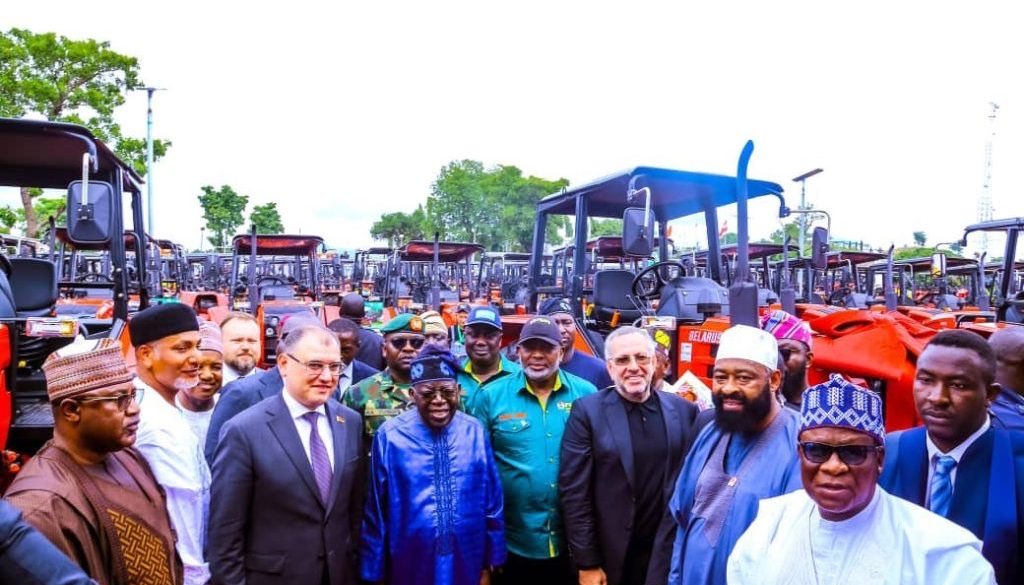
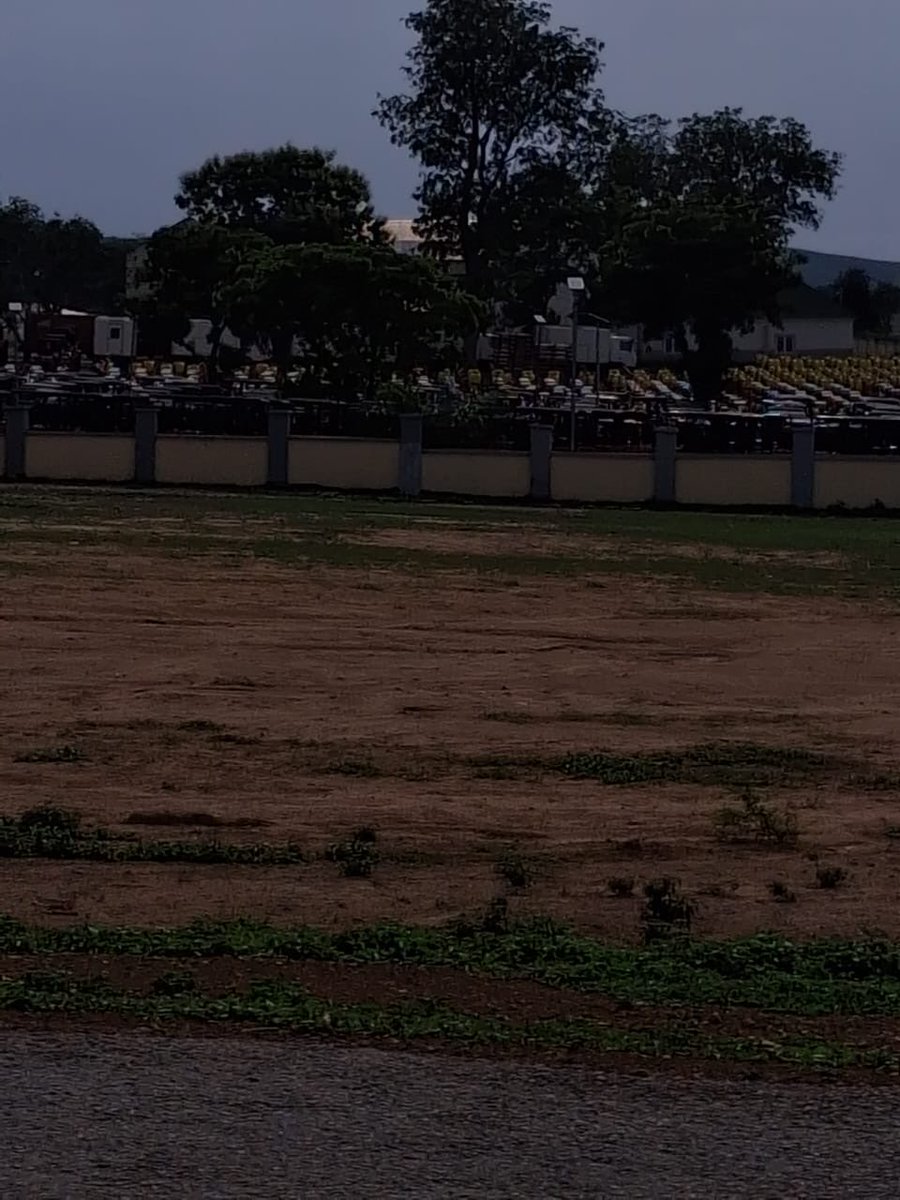
More Than One Year Later, The $250 Million Tractors Tinubu’s Government Imported from Belarus Are Still Parked and Rotting!
It is beyond belief that more than N300 billion worth of equipment meant to empower farmers across the country are lying in waste, in Abuja, over a year after they were surreptitiously imported from Belarus.
What’s worse? See the details of the deal…!
A Thread!
125
947
1,082
47,539
Chief_Moze retweeted

Jun 13
NIN: National Identity Number. As the name implies, ‘National’. Meaning you’re from that country. This only proves the point that the set of people we have in position of power are useless fellow’s.
1
1
32
Chief_Moze retweeted
Jun 13
Chai. Nigeria is finally gone. Obtaining NIN should only be for Nigerians and not foreigners. The situation in Nigeria is sad bro 💔🤦🏾♂️🥺
1
1
32
Chief_Moze retweeted

Jun 12
Nigeria may spend over ₦2 TRILLION chasing power in 2027. Not on roads, schools or hospitals.
A cost bigger than the annual budgets of Nigeria's bottom four states.
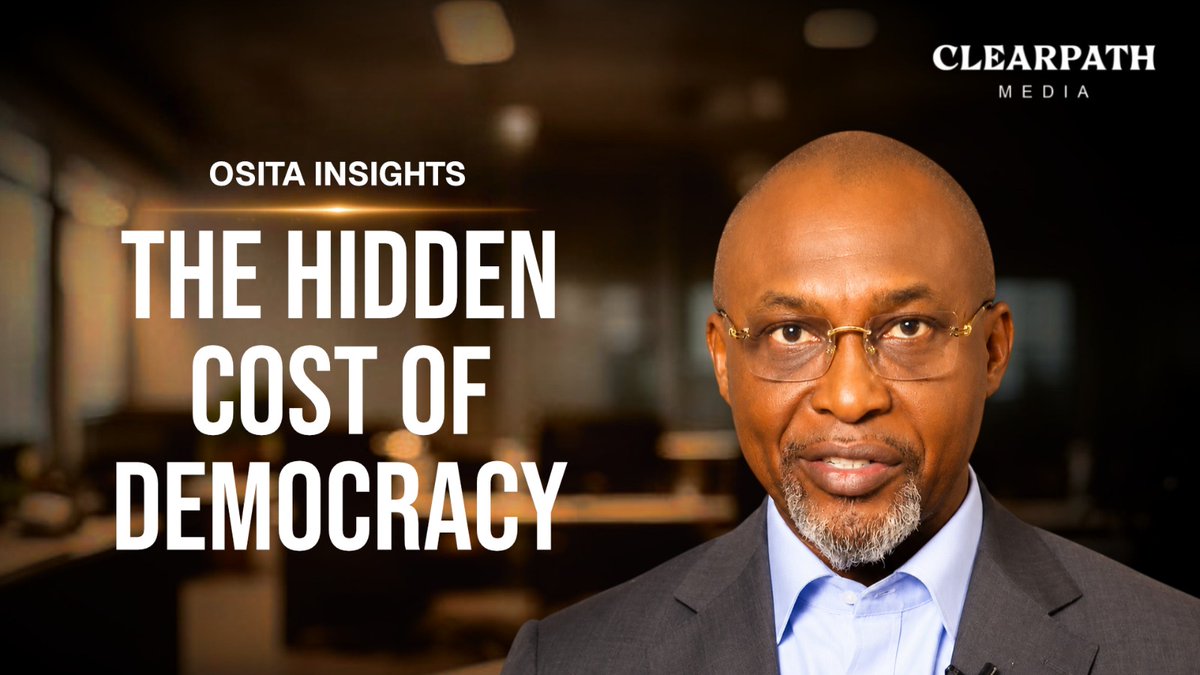
Everyone is angry about INEC's proposed ₦874 billion election budget. But that may be the wrong conversation.
The real question is: How much does Nigeria politicians spend trying to WIN elections?
When you add party primaries, campaigns, rallies, media, logistics, security, litigation, consultants, political structures and the machinery of incumbency, the hidden cost may be far greater than the official election budget.
And the biggest cost is not even money.
It is the years lost to permanent campaigning instead of governing.
In this episode of OsitaInsight, I examine:
✅ Why the ₦874 billion figure is misleading without context
✅ The hidden economy of elections and political campaigns
✅ Why Nigeria may be spending over $2 billion every election cycle
✅ How a single six-year term could save billions and improve governance
✅ Why we must start measuring the true cost of democracy
Before you watch, answer this question:
👉 If Nigeria could save billions and reduce political distractions, would you support a single six-year term for Presidents and Governors?
Watch the full episode and share your thoughts.
👇 Video link youtu.be/55ofXxuNMt0?si=K05n…
#OsitaInsight #Nigeria2027 #Democracy #Governance #ElectionReform #ClearPathMedia
Osita Chidoka
12 June 2026
16
70
142
8,939